



Budesonide
Based on 7 publication(s) in Google Scholar
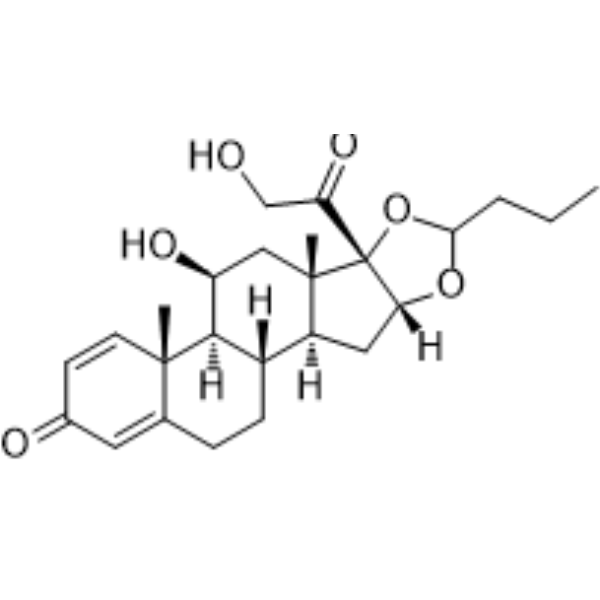
Budesonide, an inhaled glucocortical steroid, is an orally active glucocorticoid receptor agonist. Budesonide decreases the size of lung tumors, reverses DNA hypomethylation and modulates mRNA expression of genes. Budesonide is an anti-inflammatory agent used for asthma.
Nur für Forschungszwecke. Wir verkaufen nicht an Patienten.
- Reinheit : 99.81%
- CAS. Nr.: 51333-22-3
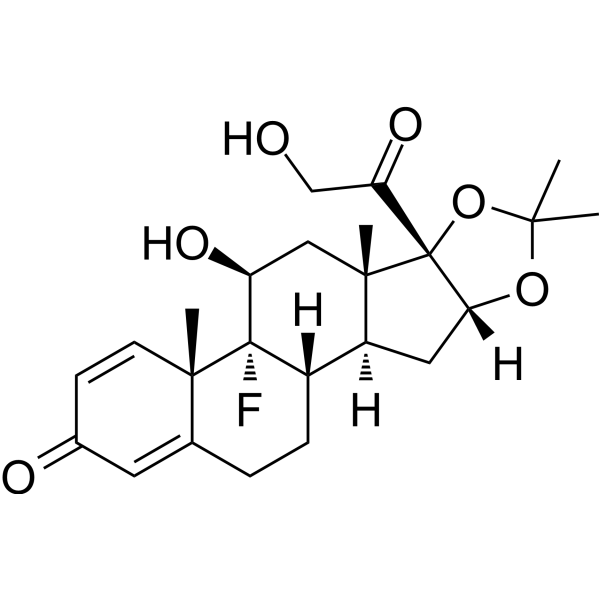
- Formel: C25H34O6
- Molecular Weight:430.53
-
Speicherung:Powder -20°C, 3 years , 4°C, 2 years ; In solvent -80°C, 2 years , -20°C, 1 year

To place orders, for customer services and technical support, please contact: MedChemExpress USA
Tel: 609-228-6898 E-mail: [email protected] [email protected]


-
 Biologische Aktivität
-
Chemical Information
-
Lösungsmittel & Löslichkeit
- Protokoll
- Reinheit & Dokumentation
- Verweise
-
 Help & FAQs


-
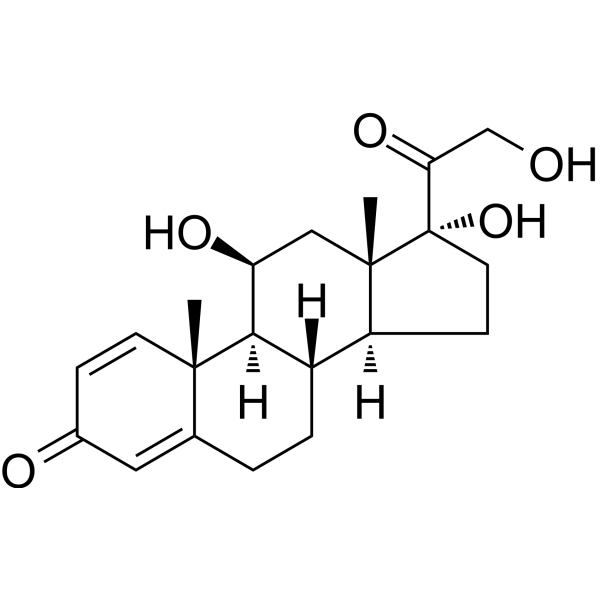
HY-17463
PrednisoloneGlucocorticoid -
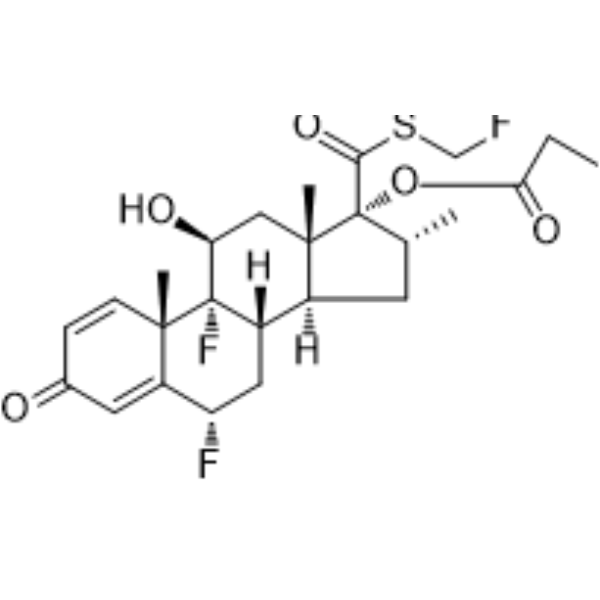
HY-B0154
Fluticasone propionateGlucocorticoid Receptor Agonist -
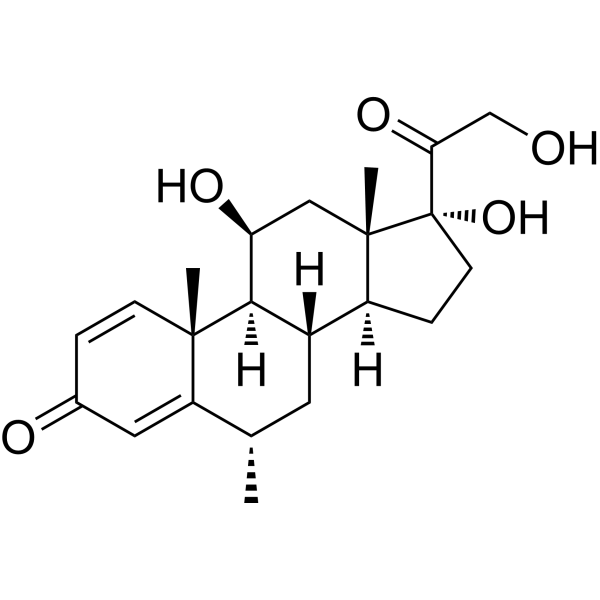
HY-B0260
MethylprednisoloneGlucocorticoid -
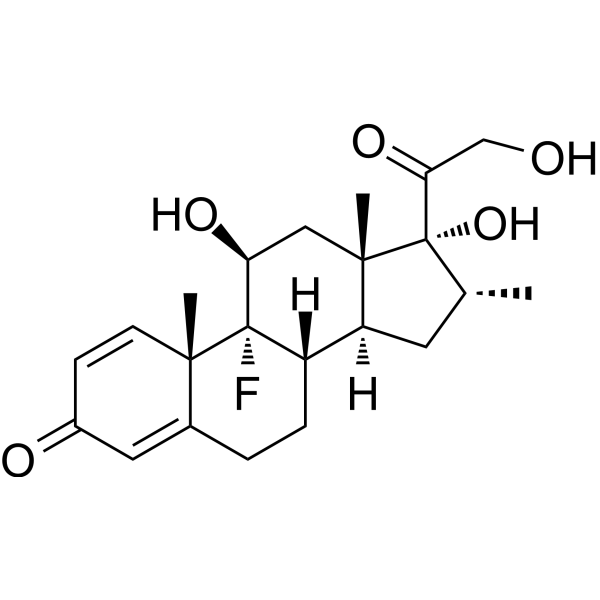
HY-14648
DexamethasoneGR Agonist -
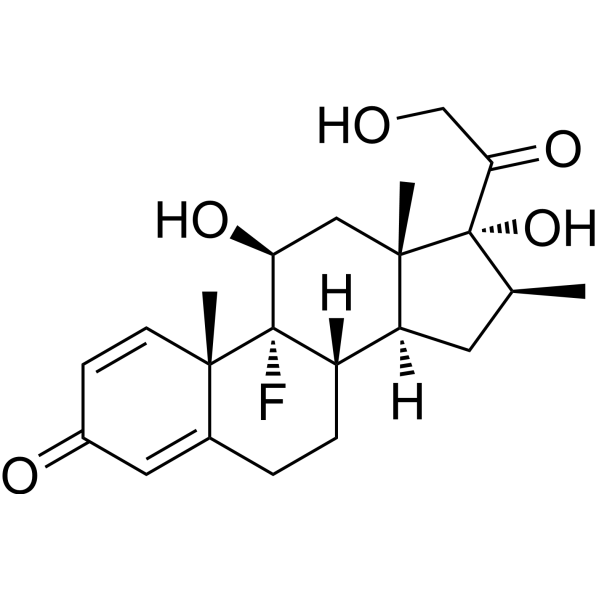
HY-13570
BetamethasoneGlucocorticoid Receptor Agonist -
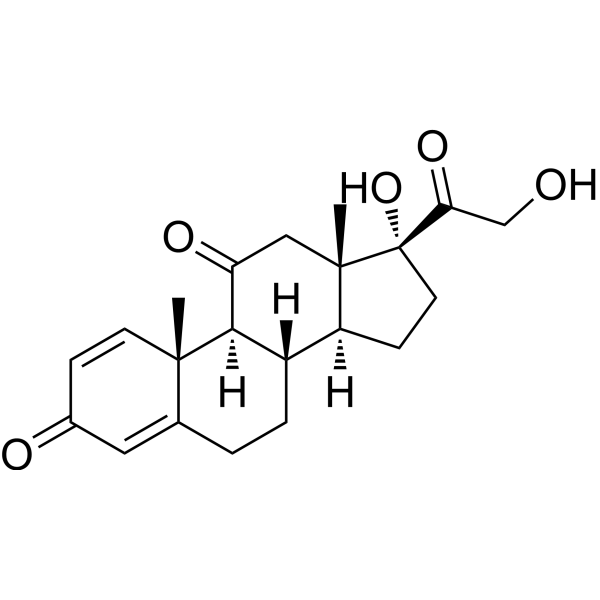
HY-B0214
PrednisoneGlucocorticoid Receptor Agonist -
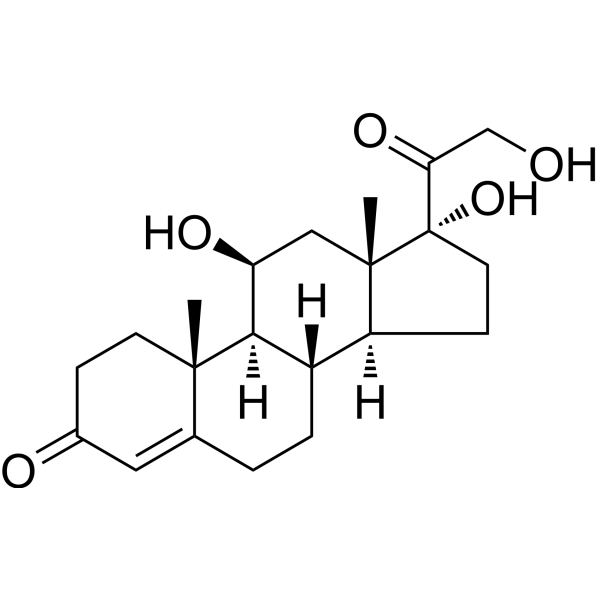
HY-N0583
HydrocortisoneGlucocorticoid Receptor Agonist -
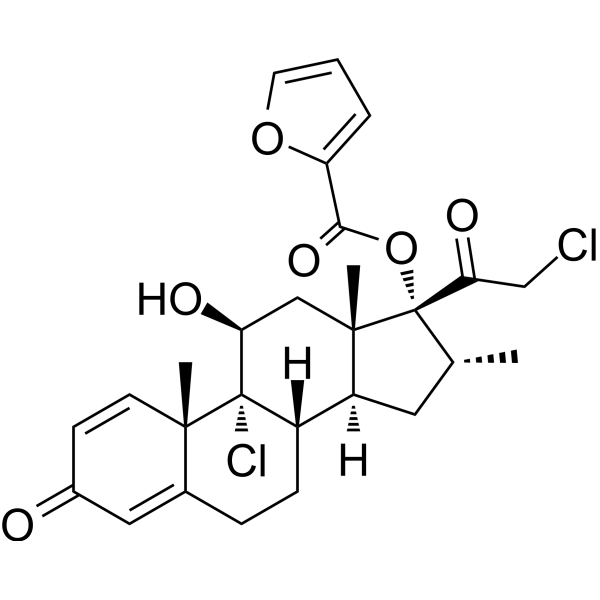
HY-13693
Mometasone furoateGlucocorticoid Receptor Agonist -
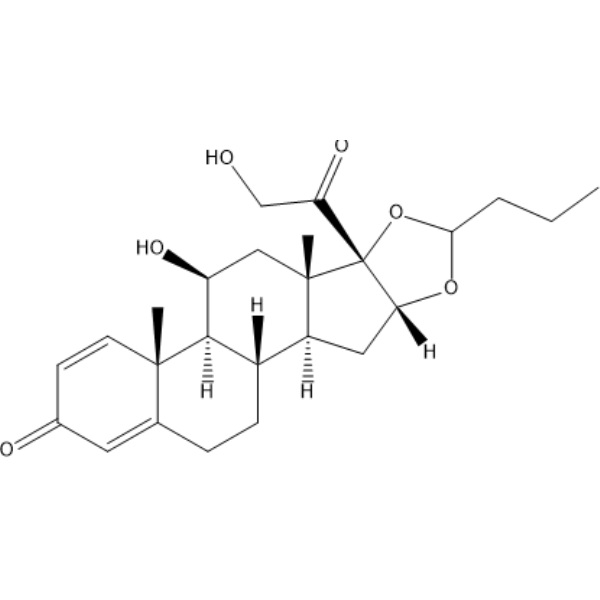
HY-13580R
Budesonide (Standard) -
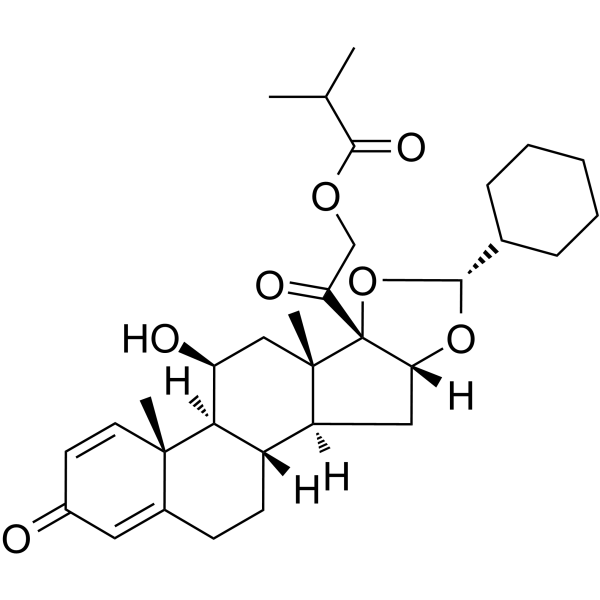
HY-B0625
CiclesonideGlucocorticoid -
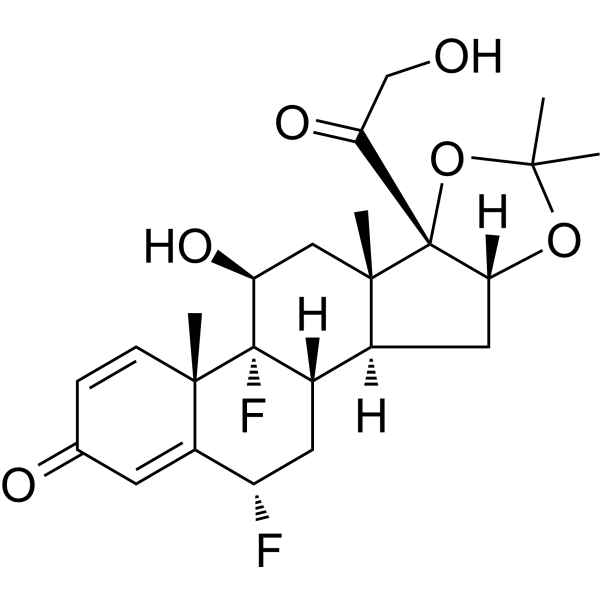
HY-B0415
Fluocinolone (Acetonide)Glucocorticoid Receptor Agonist -
HY-B0636
Triamcinolone acetonideAnti-Inflammatory Agent
Publications Citing Use of MedChemExpress (MCE) Budesonide
More- Mil Med Res. 2022 Jan 29;9(1):7. [Abstract]
- J Control Release. 2019 Dec 28:316:66-78. [Abstract]
- Int J Nanomedicine. 2025 Apr 12:20:4519-4533. [Abstract]
- Respir Res. 2025 Feb 12;26(1):51. [Abstract]
- Clin Pharmacol Ther. 2025 Jul 14. [Abstract]
- Lung. 2026 Mar 24;204(1):17. [Abstract]
- Drug Test Anal. 2021 Feb;13(2):283-298. [Abstract]
 Customer Validation & Images

-
RT-PCR
-
IF
-
Histological Imaging/Staining
-
ELISA
-
Histological Imaging/Staining
Alle ADC Payloads Isoform-spezifische Produkte anzeigen
More

Biologische Aktivität
Beschreibung
Cellular Effect
|
Cell Line

|
Type | Value | Description | References |
|---|---|---|---|---|
| PBMC | IC50 |
0.96 nM
Compound: 2
|
Inhibition of TNFalpha release in human PBMC by ELISA assay
Inhibition of TNFalpha release in human PBMC by ELISA assay
|
[PMID: 21880489] |
| RAW264.7 | IC50 |
0.82 nM
Compound: 3
|
Antiinflammatory activity in mouse RAW264.7 cells assessed as inhibition of LPS-induced nitric oxide release preincubated for 15 mins followed by LPS challenge measured after 18 hrs by Griess assay
Antiinflammatory activity in mouse RAW264.7 cells assessed as inhibition of LPS-induced nitric oxide release preincubated for 15 mins followed by LPS challenge measured after 18 hrs by Griess assay
|
[PMID: 29741897] |
| SW1353 | EC50 |
12.4 nM
Compound: 2
|
Agonist activity at GR in human SW1353 cells transfected with luciferase gene linked to MMTV promoter assessed as luciferase transactivation activity
Agonist activity at GR in human SW1353 cells transfected with luciferase gene linked to MMTV promoter assessed as luciferase transactivation activity
|
[PMID: 21880489] |
In Vitro
Budesonide is selective for human glucocorticoid receptor (hGR; EC50=45.7 pM) over mineralocorticoid receptors (EC50=7,620 pM) in CV-1 cells[1].
Budesonide (30 min prior to LPS) suppresses the activation of the NLRP3 inflammasome by LPS (100 ng/mL) plus ATP (5 mM) in macrophages (RAW 264.7 cells)[2].
MedChemExpress (MCE) has not independently confirmed the accuracy of these methods. They are for reference only.
In Vivo
Budesonide (0.5 mg/kg; intranasal administration 1 h before LPS injection (5 mg/kg)) pretreatment dramatically attenuates pathological injury and reduces pathological scores in mice with ALI in adult male C57BL/6 mice[2].
MedChemExpress (MCE) has not independently confirmed the accuracy of these methods. They are for reference only.
-
Animal Model:Female strain A/J mice at 8 weeks of age[3]
-
Dosage:2.0 mg/kg
-
Administration:Orally via their diet; at 2, 7 and 21 days prior to killing (27 weeks)
-
Result:Reduced the size of the lung tumors after 2 days and rapidly decreased the size of lung tumors, reversed DNA hypomethylation and modulated mRNA expression of genes.
Clinical Trial
| NCT Number | Sponsor | Condition | Start Date |
Phase
|
|---|---|---|---|---|
| NCT01329991 | 2011-05 | PHASE1 |


Chemical Information
-
CAS. Nr. 51333-22-3
-
Appearance Solid
-
Molecular Weight 430.53
-
Formel C25H34O6
-
Color White to off-white
-
SMILES
O=C(C=C[C@@]12C)C=C1CC[C@@]([C@]2([H])[C@@H](O)C[C@@]34C)([H])[C@]3([H])C[C@]5([H])[C@@]4(C(CO)=O)OC(CCC)O5
-
Versand
Room temperature in continental US; may vary elsewhere.
-
Speicherung
Powder -20°C 3 years 4°C 2 years In solvent -80°C 2 years -20°C 1 year


Publications (7)
-
Journal Impact Factor
-
Most Recent
-
Mil Med Res
FGF2 is overexpressed in asthma and promotes airway inflammation through the FGFR/MAPK/NF-κB pathway in airway epithelial cells. [Abstract]2022 Jan 29;9(1):7. PMID: 35093168 -
J Control Release
A self-assembled, ROS-responsive Janus-prodrug for targeted therapy of inflammatory bowel disease. [Abstract]2019 Dec 28:316:66-78. PMID: 31682913 -
Int J Nanomedicine
Using siRNA-Based Anti-Inflammatory Lipid Nanoparticles for Gene Regulation in Psoriasis. [Abstract]2025 Apr 12:20:4519-4533. PMID: 40248028
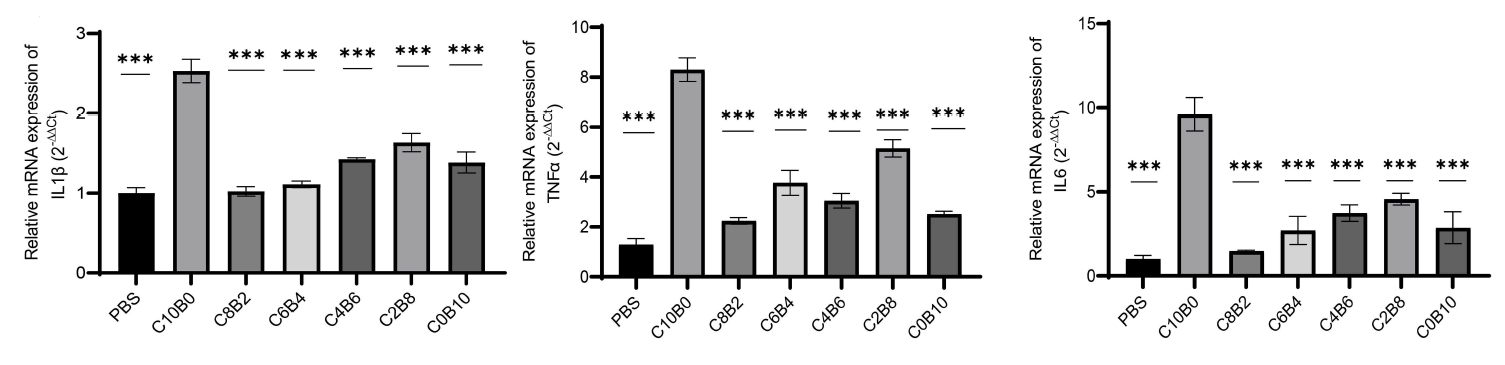
Budesonide purchased from MedChemExpress. Usage Cited in: Int J Nanomedicine. 2025 Apr 12:20:4519-4533. [Abstract]
LNPs were prepared using ALC-0315. Twenty-four hours after transfection of DC2.4 cells with 30 nM si-NC, the relative levels of cellular inflammatory factors IL-1β, IL-6, and TNF-α mRNA were detected using qRT-PCR. Groups of budesonide-adulterated LNPs demonstrated a significant inhibitory effect on the production of these inflammatory mediators.
-
Respir Res
2025 Feb 12;26(1):51. PMID: 39939959
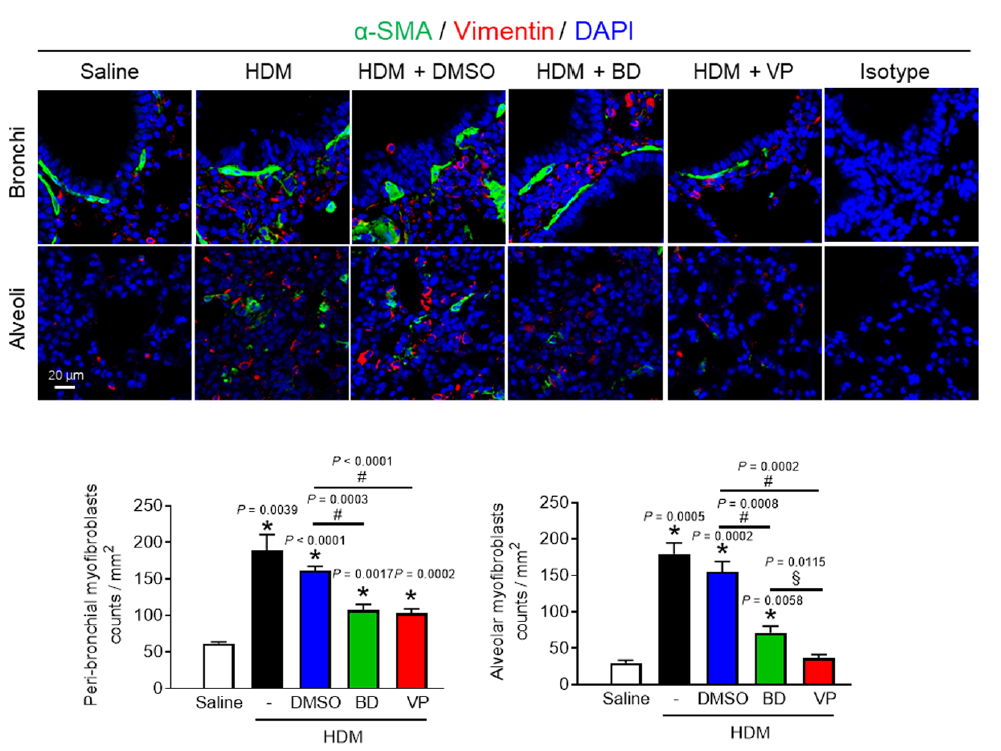
Budesonide purchased from MedChemExpress. Usage Cited in: Respir Res. 2025 Feb 12;26(1):51. [Abstract]
Representative immunofluorescence staining for α-SMA and vimentin in the mouse lungs and statistical analysis for peri-bronchial and alveolar myofibroblast counts among groups were performed. Budesonide (1 mg/kg; i.n. 0.5 h prior to each HDM intranasal challenge) significantly inhibited peribronchial and alveolar myofibroblast accumulation in HDM-induced mouse lungs compared with the vehicle controls.
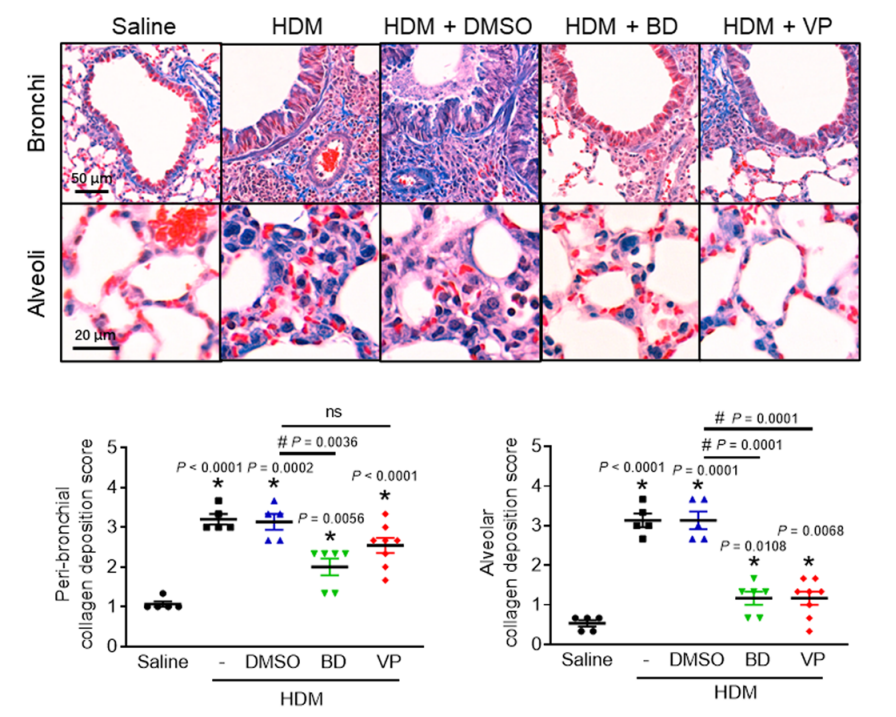
Budesonide purchased from MedChemExpress. Usage Cited in: Respir Res. 2025 Feb 12;26(1):51. [Abstract]
Representative Masson's trichrome staining and statistics were performed to determine the collagen deposition levels in the mouse lungs. Budesonide (1 mg/kg; i.n. 0.5 h prior to each HDM intranasal challenge) significantly reduced collagen deposition in the alveolar areas of HDM-induced mouse lungs.
Budesonide purchased from MedChemExpress. Usage Cited in: Respir Res. 2025 Feb 12;26(1):51. [Abstract]
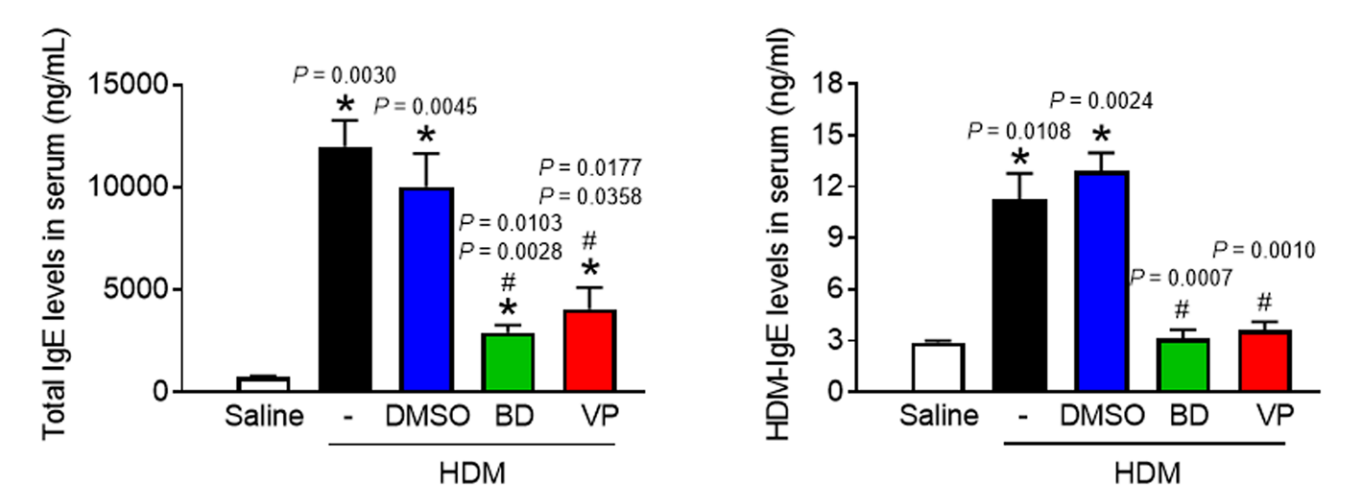
ELISA results for total and HDM-specific IgE levels in the mouse serum. Budesonide (1 mg/kg; i.n. 0.5 h prior to each HDM intranasal challenge) decreased total IgE or HDM-IgE levels in HDM-induced mouse serum.
Budesonide purchased from MedChemExpress. Usage Cited in: Respir Res. 2025 Feb 12;26(1):51. [Abstract]
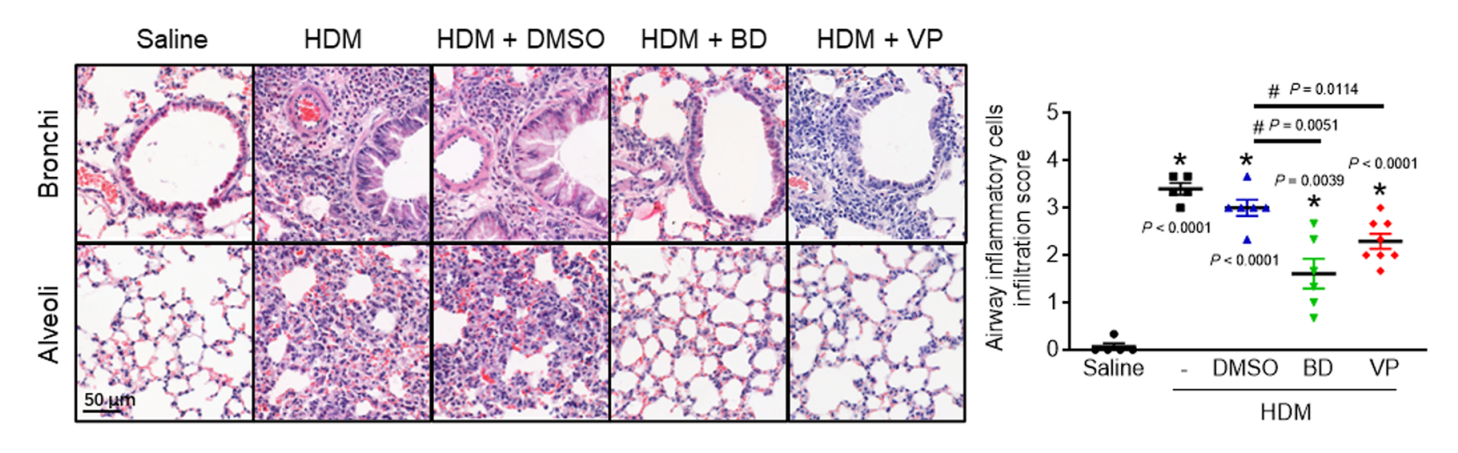
Representative H&E staining and statistics for airway inflammatory cells infiltration levels. Budesonide (1 mg/kg; i.n. 0.5 h prior to each HDM intranasal challenge) decreased airway inflammatory cell infiltration scores.
-
Clin Pharmacol Ther
Advancing Predictions of Oral Drug Absorption, CYP3A4 Induction, and Transporter-Mediated Interactions Using a Human Primary Intestinal 3D Model (EpiIntestinal™). [Abstract]2025 Jul 14. PMID: 40657937 -
Lung
The Effect of the Novel Macrolide Glasmacinal (EP395) on Allergen-Induced Eosinophil Infiltration into the Lung. [Abstract]2026 Mar 24;204(1):17. PMID: 41874708 -
Drug Test Anal
High-throughput liquid chromatography tandem mass spectrometry assay as initial testing procedure for analysis of total urinary fraction. [Abstract]2021 Feb;13(2):283-298. PMID: 32852861


Lösungsmittel & Löslichkeit
In Vitro:
DMSO : 215 mg/mL (499.38 mM; Need ultrasonic and warming; Hygroscopic DMSO has a significant impact on the solubility of product, please use newly opened DMSO)
Please refer to the solubility information to select the appropriate solvent. Once prepared, please aliquot and store the solution to prevent product inactivation from repeated freeze-thaw cycles.
Storage method and period of stock solution: -80°C, 2 years; -20°C, 1 year. When stored at -80°C, please use it within 2 years. When stored at -20°C, please use it within 1 year.
Please refer to the solubility information to select the appropriate solvent. Once prepared, please aliquot and store the solution to prevent product inactivation from repeated freeze-thaw cycles.
Storage method and period of stock solution: -80°C, 2 years; -20°C, 1 year. When stored at -80°C, please use it within 2 years. When stored at -20°C, please use it within 1 year.
Konzentration (Stammlösung) × Volumen (Stammlösung) = Konzentration (Ziellösung) × Volumen (Ziellösung)
In Vivo:
Select the appropriate dissolution method based on your experimental animal and administration route.
- For the following dissolution methods, please ensure to first prepare a clear stock solution using an In Vitro approach and then sequentially add co-solvents:
- To ensure reliable experimental results, the clarified stock solution can be appropriately stored based on storage conditions. As for the working solution for In Vivo experiments, it is recommended to prepare freshly and use it on the same day.
- The percentages shown for the solvents indicate their volumetric ratio in the final prepared solution. If precipitation or phase separation occurs during preparation, heat and/or sonication can be used to aid dissolution.
Add each solvent one by one: 10% DMSO 40% PEG300 5% Tween-80 45% Saline
Solubility: ≥ 2.08 mg/mL (4.83 mM); Clear solution
This protocol yields a clear solution of ≥ 2.08 mg/mL (saturation unknown).
Taking 1 mL working solution as an example, add 100 μL DMSO stock solution (20.8 mg/mL) to 400 μL PEG300, and mix evenly; then add 50 μL Tween-80 and mix evenly; then add 450 μL Saline to adjust the volume to 1 mL.
Preparation of Saline: Dissolve 0.9 g sodium chloride in ddH₂O and dilute to 100 mL to obtain a clear Saline solution.
Add each solvent one by one: 10% DMSO 90% (20% SBE-β-CD in Saline)
Solubility: ≥ 2.08 mg/mL (4.83 mM); Clear solution
This protocol yields a clear solution of ≥ 2.08 mg/mL (saturation unknown).
Taking 1 mL working solution as an example, add 100 μL DMSO stock solution (20.8 mg/mL) to 900 μL 20% SBE-β-CD in Saline, and mix evenly.
Preparation of 20% SBE-β-CD in Saline (4°C, storage for one week): 2 g SBE-β-CD powder is dissolved in 10 mL Saline, completely dissolve until clear.
In Vivo Dissolution Calculator
Please enter the basic information of animal experiments:
-
-
-
-
Recommended: Prepare an additional quantity of animals to account for potential losses during experiments.
Please enter your animal formula composition:
-
%DMSO +
Recommended: Keep the proportion of DMSO in working solution below 2% if your animal is weak.
-
%+
-
+%Tween-80 + +
-
%Saline +
The co-solvents required include: DMSO, . All of co-solvents are available by MedChemExpress (MCE). , Tween 80. All of co-solvents are available by MedChemExpress (MCE).
Working solution concentration: 0.22 mg/mL
Method for preparing stock solution: mg drug dissolved in μL DMSO. Stock solution concentration: mg/mL.
1. Take μL DMSO stock solution;
2. Add μL .
μL , mix evenly;
3. Then add μL Tween 80, mix evenly;
4. Then add μL
Please ensure that the stock solution in the first step is dissolved to a clear state, and add co-solvents in sequence. You can use ultrasonic heating (ultrasonic cleaner, recommended frequency 20-40 kHz), vortexing, etc. to assist dissolution.


Reinheit & Dokumentation
-
Data Sheet (279 KB)
-
SDS (557 KB)
- English - EN (557 KB)
- Français - FR (557 KB)
- Deutsch - DE (557 KB)
- Norwegian - NO (557 KB)
- Español - ES (557 KB)
- Swedish - SV (557 KB)
- Italian - IT (557 KB)
- Korean - KR (557 KB)
- Portuguese - PT (557 KB)
-
Handling Instructions (2659 KB)
Verweise
[1]. Claudia Grossmann, et al. Transactivation via the Human Glucocorticoid and Mineralocorticoid Receptor by Therapeutically Used Steroids in CV-1 Cells: A Comparison of Their Glucocorticoid and Mineralocorticoid Properties. Eur J Endocrinol. 2004 Sep;151(3):397-406. [Content Brief]
[2]. Liang Dong, et al. Intranasal Application of Budesonide Attenuates Lipopolysaccharide-Induced Acute Lung Injury by Suppressing Nucleotide-Binding Oligomerization Domain-Like Receptor Family, Pyrin Domain-Containing 3 Inflammasome Activation in Mice. J Immunol Res. 2019 Feb 27;2019:7264383. [Content Brief]
[3]. Michael A Pereira, et al. Modulation by Budesonide of DNA Methylation and mRNA Expression in Mouse Lung Tumors. Int J Cancer. 2007 Mar 1;120(5):1150-3. [Content Brief]


Complete Stock Solution Preparation Table
Please refer to the solubility information to select the appropriate solvent. Once prepared, please aliquot and store the solution to prevent product inactivation from repeated freeze-thaw cycles.
Storage method and period of stock solution: -80°C, 2 years; -20°C, 1 year. When stored at -80°C, please use it within 2 years. When stored at -20°C, please use it within 1 year.
| Optional Solvent | Concentration Solvent Mass | 1 mg | 5 mg | 10 mg | 25 mg |
|---|---|---|---|---|---|
| DMSO | 1 mM | 2.3227 mL | 11.6136 mL | 23.2272 mL | 58.0680 mL |
| 5 mM | 0.4645 mL | 2.3227 mL | 4.6454 mL | 11.6136 mL | |
| 10 mM | 0.2323 mL | 1.1614 mL | 2.3227 mL | 5.8068 mL | |
| 15 mM | 0.1548 mL | 0.7742 mL | 1.5485 mL | 3.8712 mL | |
| 20 mM | 0.1161 mL | 0.5807 mL | 1.1614 mL | 2.9034 mL | |
| 25 mM | 0.0929 mL | 0.4645 mL | 0.9291 mL | 2.3227 mL | |
| 30 mM | 0.0774 mL | 0.3871 mL | 0.7742 mL | 1.9356 mL | |
| 40 mM | 0.0581 mL | 0.2903 mL | 0.5807 mL | 1.4517 mL | |
| 50 mM | 0.0465 mL | 0.2323 mL | 0.4645 mL | 1.1614 mL | |
| 60 mM | 0.0387 mL | 0.1936 mL | 0.3871 mL | 0.9678 mL | |
| 80 mM | 0.0290 mL | 0.1452 mL | 0.2903 mL | 0.7258 mL | |
| 100 mM | 0.0232 mL | 0.1161 mL | 0.2323 mL | 0.5807 mL |


Budesonide Related Classifications
HY-13580 Related Classifications
 Powered by Bioz