



Daunorubicins/Doxorubicins
Daunorubicin and doxorubicin are anthracycline anticancer drugs that act through DNA intercalation, topoisomerase II inhibition, DNA double-strand breaks, RNA synthesis inhibition, free-radical production, and apoptosis[1][2]. Mechanistically, anthracyclines also promote histone eviction from open chromatin, attenuate DNA repair through H2AX eviction, deregulate transcription, and affect cancer cells and heart tissue[3]. In disease and experimental models, these agents remain relevant for solid tumors, blood cancers, acute myeloid leukemia blasts, HL-60 leukemia cells, cardiomyocytes, and anthracycline-induced cardiotoxicity studies[2][3][4]. Compared with related topoisomerase II isoforms, TOP2α and TOP2β both serve as drug targets, but TOP2β is identified as a plausible cardiomyocyte target and a major intracellular mediator of doxorubicin-induced cardiotoxicity[5][6]. For experimental applications, liposomal doxorubicin lowers clinical heart failure versus conventional doxorubicin in adult solid tumors, while dexrazoxane and other catalytic TOP2 inhibitors protect cardiomyocytes without compromising anthracycline antiproliferative effects in HL-60 cells[4][7].
References:
- [1]. Visani G, et al. Doxorubicin variants for hematological malignancies. Nanomedicine (Lond). 2011 Feb;6(2):303-6. [Content Brief]
- [2]. Pommier Y, et al. DNA topoisomerases and their poisoning by anticancer and antibacterial drugs. Chem Biol. 2010 May 28;17(5):421-33. [Content Brief]
- [3]. Pang B, et al. Drug-induced histone eviction from open chromatin contributes to the chemotherapeutic effects of doxorubicin. Nat Commun. 2013;4:1908. [Content Brief]
- [4]. van Dalen EC, et al. Different anthracycline derivates for reducing cardiotoxicity in cancer patients. Cochrane Database Syst Rev. 2010 May 12;2010(5):CD005006. [Content Brief]
- [5]. Keresteš V, et al. Exploring the effects of topoisomerase II inhibitor XK469 on anthracycline cardiotoxicity and DNA damage. Toxicol Sci. 2024 Mar 26;198(2):288-302. [Content Brief]
- [6]. Jiang J, et al. Type IIB DNA topoisomerase is downregulated by trastuzumab and doxorubicin to synergize cardiotoxicity. Oncotarget. 2017 Dec 21;9(5):6095-6108. [Content Brief]
- [7]. Vavrova A, et al. Catalytic inhibitors of topoisomerase II differently modulate the toxicity of anthracyclines in cardiac and cancer cells. PLoS One. 2013 Oct 7;8(10):e76676. [Content Brief]
-
Daunorubicins/Doxorubicins Related Products (11)
Related Products (11)

- 1
-
Doxorubicin hydrochloride
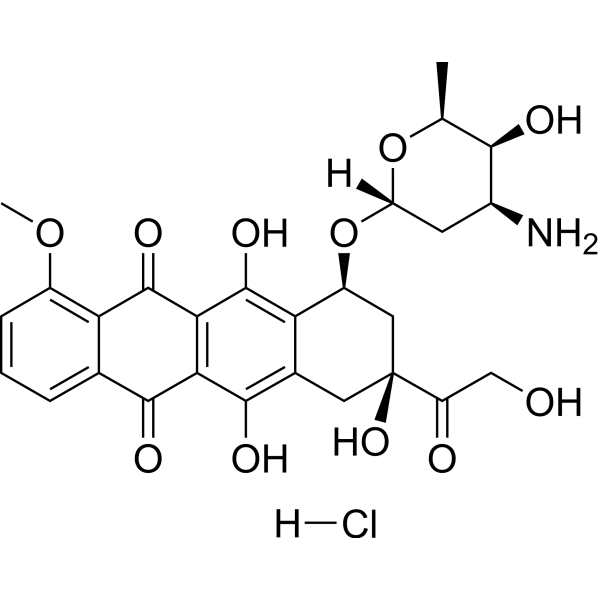 0 ImagesSynonyms: Hydroxydaunorubicin hydrochloride; ADRDoxorubicin hydrochloride (Hydroxydaunorubicin hydrochloride; ADR), a cytotoxic anthracycline antibiotic, is an anti-cancer chemotherapy agent. Doxorubicin hydrochloride is a potent human DNA topoisomerase I and topoisomerase II inhibitor with IC50s of 0.8 μM and 2.67 μM, respectively. Doxorubicin hydrochloride reduces basal phosphorylation of AMPK and its downstream target acetyl-CoA carboxylase. Doxorubicin hydrochloride induces apoptosis and autophagy.
-
Daunorubicin hydrochloride
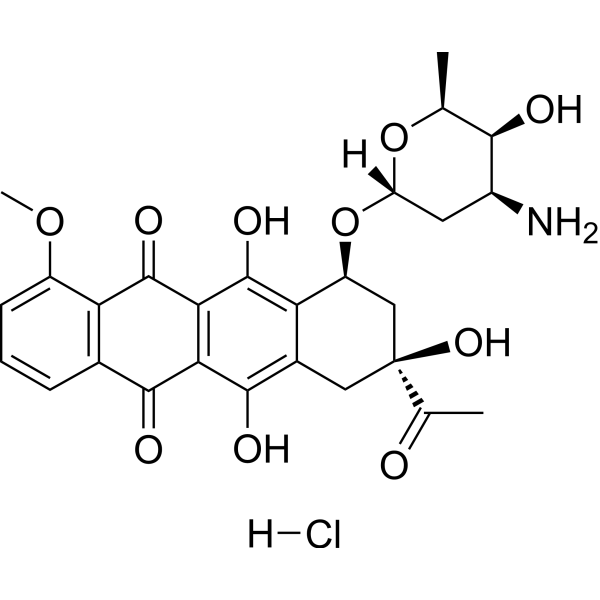 0 ImagesSynonyms: Daunomycin hydrochloride; RP 13057 hydrochloride; Rubidomycin hydrochlorideDaunorubicin (Daunomycin) hydrochloride is a topoisomerase II inhibitor with potent anti-tumor activity. Daunorubicin hydrochloride inhibits DNA and RNA synthesis. Daunorubicin hydrochloride is a cytotoxin that inhibits cancer cell viability and induces apoptosis and necrosis. Daunorubicin hydrochloride is also an anthracycline antibiotic. Daunorubicin hydrochloride can be used in the research of infection and variety of cancers, including leukemia, non-Hodgkin lymphomas, Ewing's sarcoma, Wilms' tumor.
-
Daunorubicin
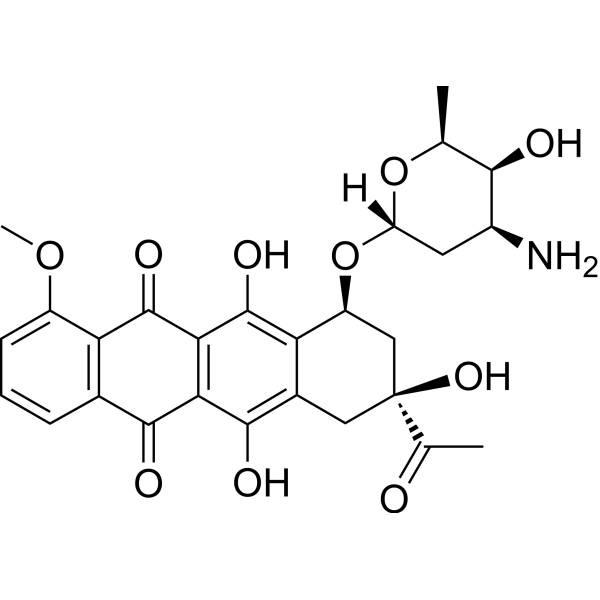 0 ImagesSynonyms: Daunomycin; RP 13057; RubidomycinDaunorubicin (Daunomycin) is a topoisomerase II inhibitor with potent anti-tumor activity. Daunorubicin inhibits DNA and RNA synthesis. Daunorubicin is a cytotoxin that inhibits cancer cell viability and induces apoptosis and necrosis. Daunorubicin is also an anthracycline antibiotic. Daunorubicin can be used in the research of infection and variety of cancers, including leukemia, non-Hodgkin lymphomas, Ewing's sarcoma, Wilms' tumor.
-
PNU-159682
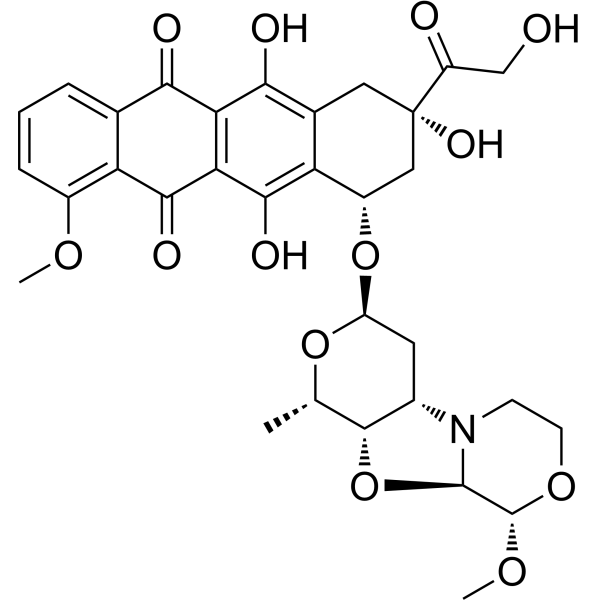 0 ImagesPNU-159682, a metabolite of the anthracycline Nemorubicin, is a highly potent DNA topoisomerase II inhibitor with excellent cytotoxicity. PNU-159682 acts as a more potent and tolerated ADC cytotoxin than Doxorubicin for ADC synthesis. PNU-159682 can be used in EDV-nanocell technology to overcome agent resistance.
-
Duocarmycin DM free base
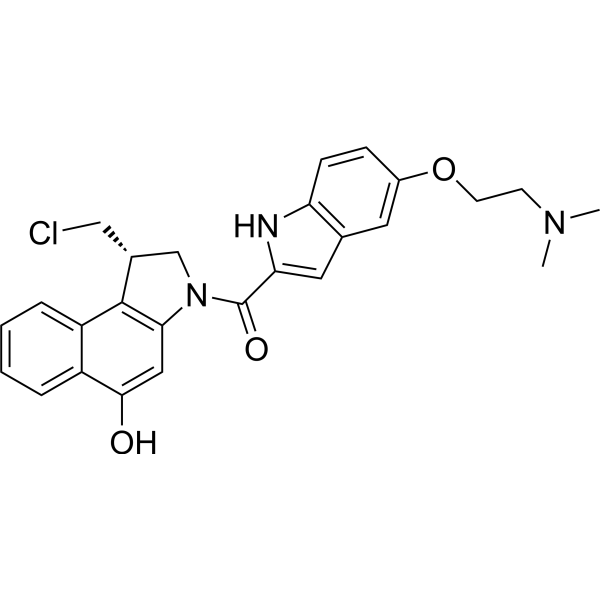 0 ImagesDuocarmycin DM free base, a DNA minor-groove alkylator, is an antibody agent conjugates (ADCs) toxin. Duocarmycin DM free base is based on its characteristic curved indole structure and a spirocyclopropylcyclohexadienone electrophile to act anticancer activity.
-
Daun02
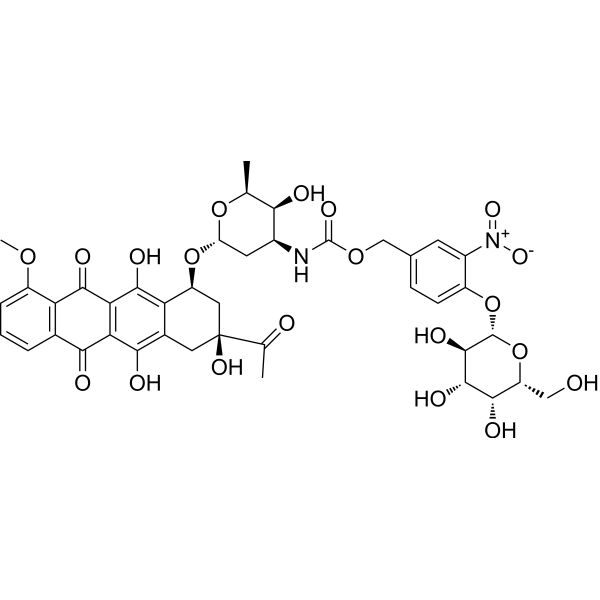 0 ImagesDaun02 is a proagent of the topoisomerase inhibitor Daunorubicin.
-
PNU-159682 carboxylic acid
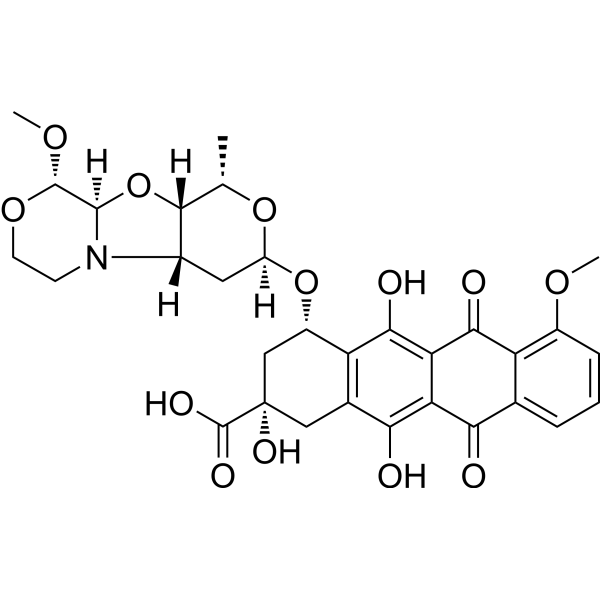 0 ImagesCat. No.: HY-126666CAS No.: 1204819-92-0PNU-159682 carboxylic acid (Compound 53) is a potent ADCs cytotoxin and encodes a member of the C-type lectin/C-type lectin-like domain (CTL/CTLD) superfamily. PNU-159682 carboxylic acid has protein fold and diverse functions, such as cell adhesion, cell-cell signalling, glycoprotein turnover, and roles in inflammation and immune response.
-
Doxorubicin
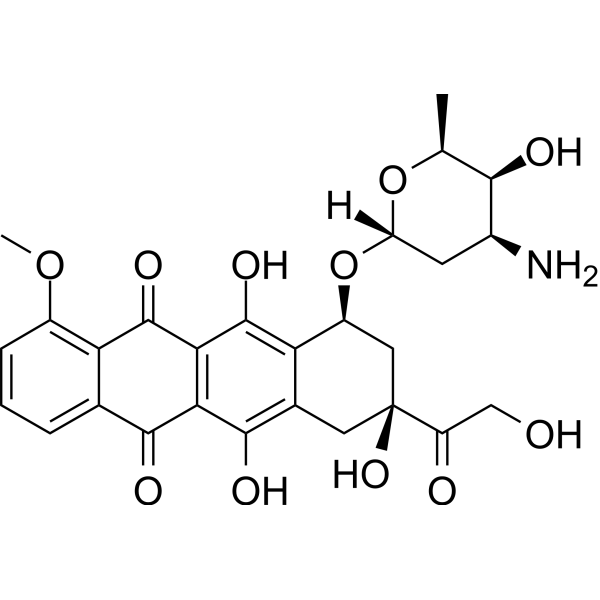 0 ImagesCat. No.: HY-15142ACAS No.: 23214-92-8Synonyms: HydroxydaunorubicinDoxorubicin (Hydroxydaunorubicin), a cytotoxic anthracycline antibiotic, is an anti-cancer chemotherapy agent. Doxorubicin is a potent human DNA topoisomerase I and topoisomerase II inhibitor with IC50s of 0.8 μM and 2.67 μM, respectively. Doxorubicin reduces basal phosphorylation of AMPK and its downstream target acetyl-CoA carboxylase. Doxorubicin induces apoptosis and autophagy.
-
Duocarmycin DM
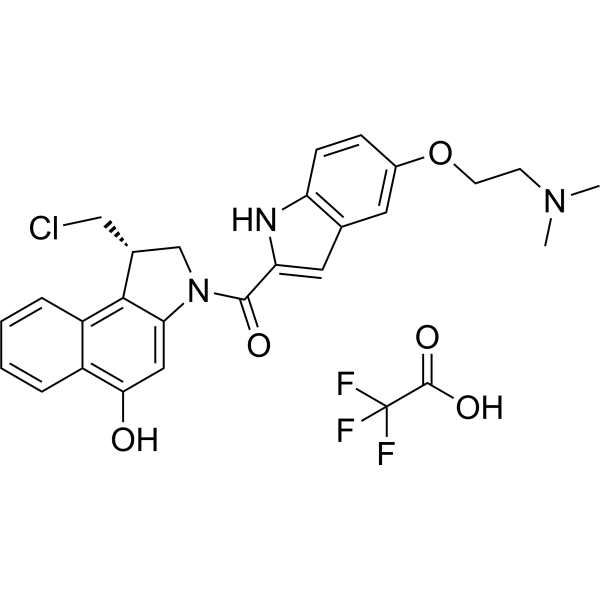 0 ImagesCat. No.: HY-130978Purity: 99.15%Duocarmycin DM, a DNA minor-groove alkylator, is an antibody agent conjugates (ADCs) toxin. Duocarmycin DM is based on its characteristic curved indole structure and a spirocyclopropylcyclohexadienone electrophile to act anticancer activity.
-
DMEA-PNU-159682
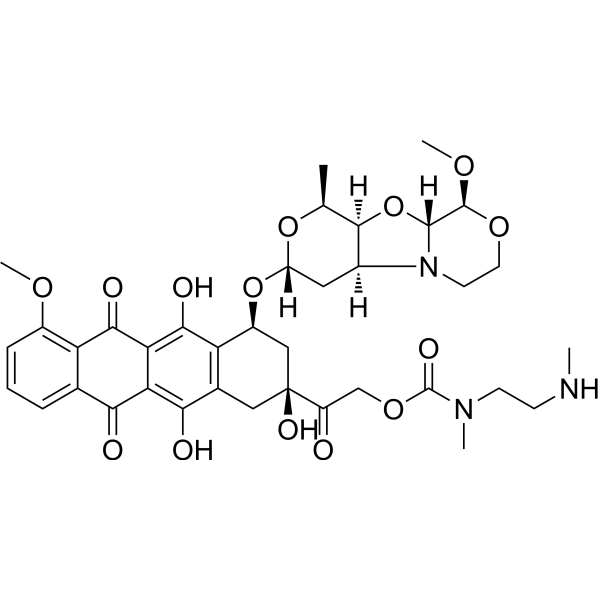 0 ImagesCat. No.: HY-126665CAS No.: 1799421-48-9DMEA-PNU-159682 (molecule D12) is a ADC cytotoxin molecule including metabolites of nemorubicin (MMDX) from liver microsomes and a potent ADCs cytotoxin PNU-159682.
-
Daunorubicin citrate
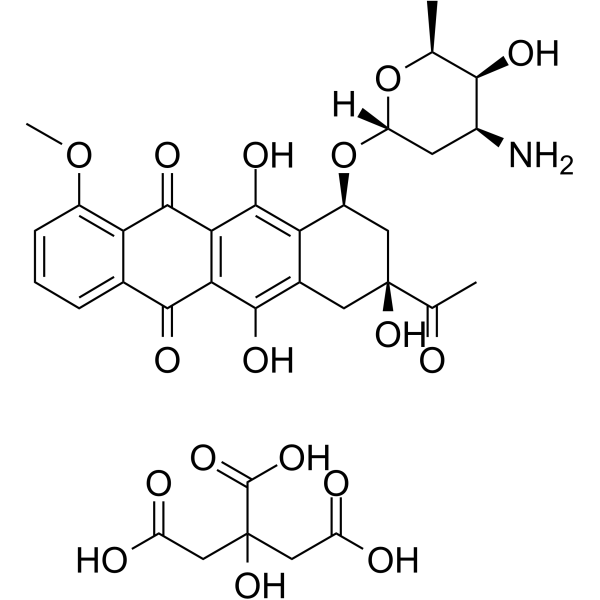 0 ImagesCat. No.: HY-108876CAS No.: 1884557-85-0Synonyms: Daunomycincitrate; RP 13057citrate; RubidomycincitrateDaunorubicin (Daunomycin) citrate is a topoisomerase II inhibitor with potent anti-tumor activity. Daunorubicin citrate inhibits DNA and RNA synthesis. Daunorubicin citrate is a cytotoxin that inhibits cancer cell viability and induces apoptosis and necrosis. Daunorubicin citrate is also an anthracycline antibiotic. Daunorubicin citrate can be used in the research of infection and variety of cancers, including leukemia, non-Hodgkin lymphomas, Ewing's sarcoma, Wilms' tumor.
- 1



