



Duocarmycins
Duocarmycins are naturally derived, exceptionally potent DNA-alkylating antitumor agents that bind the narrower, deeper AT-rich DNA minor groove and undergo adenine-N3 alkylation through an activated cyclopropane[1]. Mechanistically, duocarmycin A forms a stable adenine-N3 adduct in synthetic oligonucleotides, while related analogues preserve sequence-selective adenine alkylation at AT-rich sites[2][3]. These DNA lesions are substrates for nucleotide excision repair, and cellular studies show transcription-coupled adduct elimination dependent on functional repair pathways[3]. In tumor models, duocarmycin analogues and duocarmycin-based ADC payloads show potent cytotoxicity across human tumor cell lines and activity in xenograft models[3][4][5]. Compared with related CC-1065/duocarmycin alkylation subunits, changes in stereochemistry, hydrophobicity, and DNA-binding architecture alter sequence selectivity, alkylation efficiency, and biological potency[1][6][7]. For experimental applications, duocarmycin-based payloads support ADC design because they provide DNA-damaging cytotoxic mechanisms distinct from microtubule-targeted payloads[4][5].
References:
- [1]. Boger DL, et al. CC-1065 and the duocarmycins: unraveling the keys to a new class of naturally derived DNA alkylating agents. Proc Natl Acad Sci U S A. 1995 Apr 25;92(9):3642-9. [Content Brief]
- [2]. Sugiyama H, et al. Site specific covalent alkylation of DNA by antitumor antibiotics, duocarmycin A and kapurimycin A3. Nucleic Acids Symp Ser. 1991;(25):75-6. [Content Brief]
- [3]. Kiakos K, et al. DNA sequence selective adenine alkylation, mechanism of adduct repair, and in vivo antitumor activity of the novel achiral seco-amino-cyclopropylbenz[e]indolone analogue of duocarmycin AS-I-145. Mol Cancer Ther. 2007 Oct;6(10):2708-18. [Content Brief]
- [4]. Giddens AC, et al. Analogues of DNA minor groove cross-linking agents incorporating aminoCBI, an amino derivative of the duocarmycins: Synthesis, cytotoxicity, and potential as payloads for antibody-drug conjugates. Bioorg Med Chem. 2016 Nov 15;24(22):6075-6081. [Content Brief]
- [5]. Black J, et al. SYD985, a Novel Duocarmycin-Based HER2-Targeting Antibody-Drug Conjugate, Shows Antitumor Activity in Uterine Serous Carcinoma with HER2/Neu Expression. Mol Cancer Ther. 2016 Aug;15(8):1900-9. [Content Brief]
- [6]. Boger DL, et al. (+)- and ent-(−)-Duocarmycin SA and (+)- and ent-(−)-N-BOC-DSA DNA Alkylation Properties. Alkylation Site Models That Accommodate the Offset AT-Rich Adenine N3 Alkylation Selectivity of the Enantiomeric Agents. J Am Chem Soc. 1994 Mar 1;116(5):1635-1656.
- [7]. Wolfe AL, et al. A fundamental relationship between hydrophobic properties and biological activity for the duocarmycin class of DNA-alkylating antitumor drugs: hydrophobic-binding-driven bonding. J Med Chem. 2013 Sep 12;56(17):6845-57. [Content Brief]
-
Duocarmycins Related Products (18)
Related Products (18)

- 1
-
Duocarmycin SA
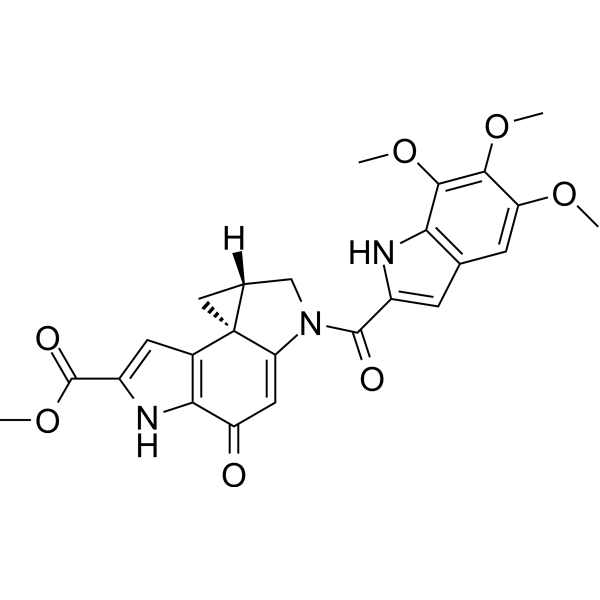 0 ImagesDuocarmycin SA is an orally active antitumor antibiotic with an IC50 of 10 pM. Duocarmycin SA is an extremely potent cytotoxic agent capable of inducing a sequence-selective alkylation of duplex DNA. Duocarmycin SA demonstrates synergistic cytotoxicity against glioblastoma multiforme (GBM) cells treated with proton radiation in vitro.
-
Duocarmycin TM
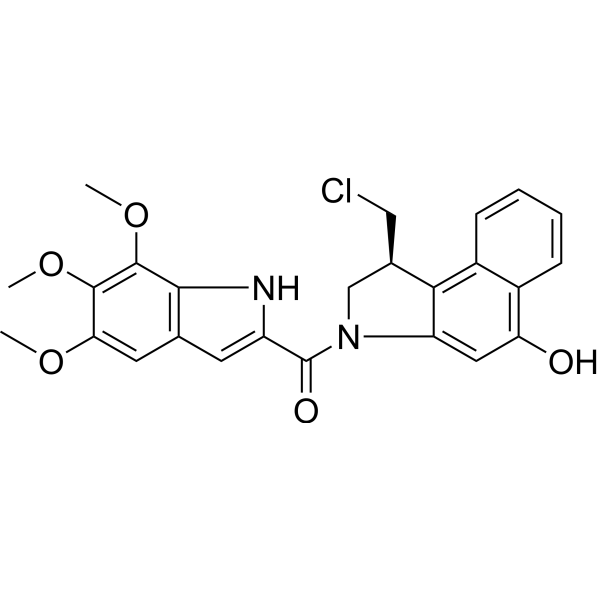 0 ImagesSynonyms: CBI-TMIDuocarmycin TM (CBI-TMI) is a potent antitumor antibiotic. Duocarmycin TM induces a sequence-selective alkylation of duplex DNA.
-
Duocarmycin GA
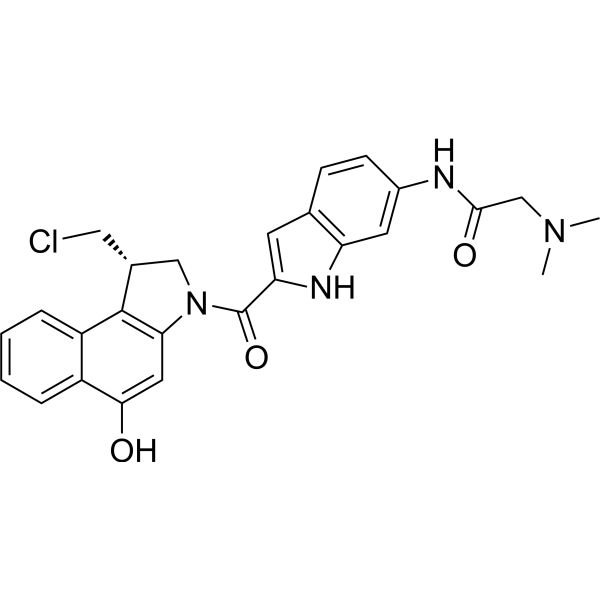 0 ImagesDuocarmycin GA is an antibody agent conjugates (ADCs) toxin. Duocarmycin is a DNA alkylating agent that binds in the minor groove. Duocarmycin GA can be used against multi-agent resistant cell lines.
-
DC0-NH2
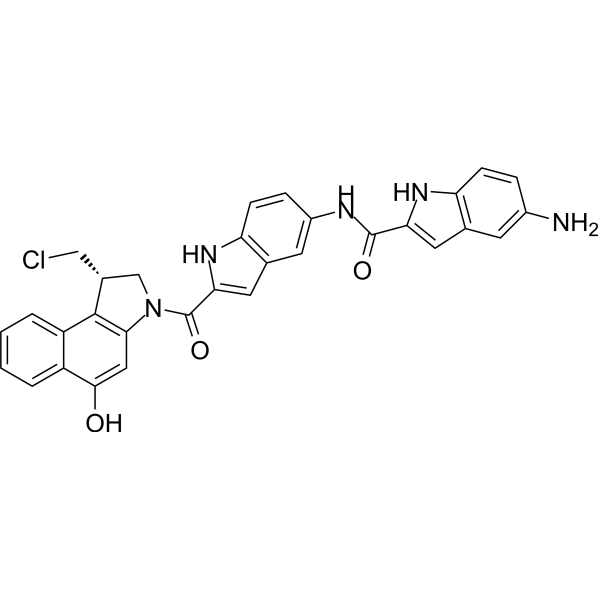 0 ImagesCat. No.: HY-129379CAS No.: 615538-51-7DC0-NH2 is an effector moiety for ADC and a simplified analog of DC1 with better stability. DC0-NH2 is about 1000-fold more cytotoxic than commonly used anticancer agents (ex. Doxorubicin). DC0-NH2 can bind to the minor groove of DNA, followed by alkylation of adenine residues by its propabenzindole (CBI) component.
-
DC1SMe
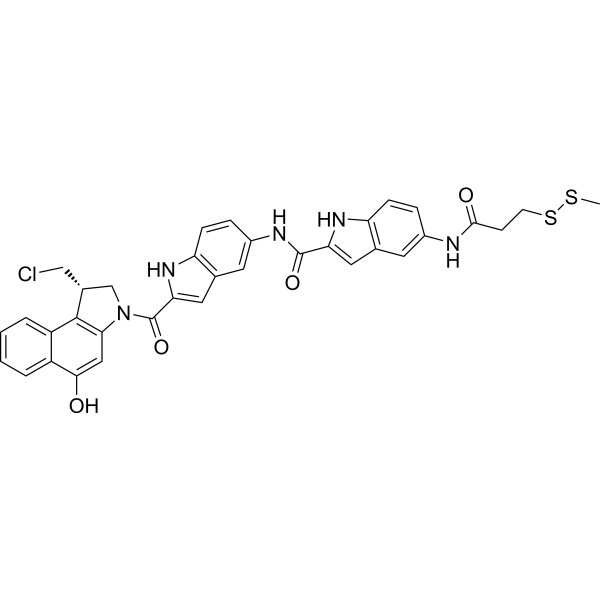 0 ImagesDC1Sme, a DC1 derivative, exhibits IC50 values of 22 pM, 10 pM, 32 pM and 250 pM for Ramos, Namalwa, HL60/s and COLO 205 cancer cells, respectively. DC1, an analogue of the minor groove-binding DNA alkylator CC-1065, is a ADC Cytotoxin. DC1 can be used in synthesis of antibody-drug conjugates for the targeted treatment of cancer.
-
Duocarmycin analog-1
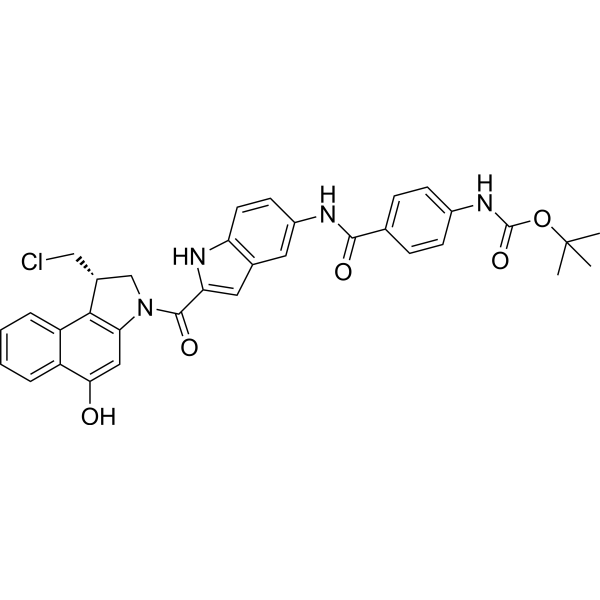 0 ImagesCat. No.: HY-129355CAS No.: 372954-15-9Duocarmycin analog-1 is an analog of Duocarmycin, and used as an DNA alkylator and ADC cytotoxin.
-
DC1
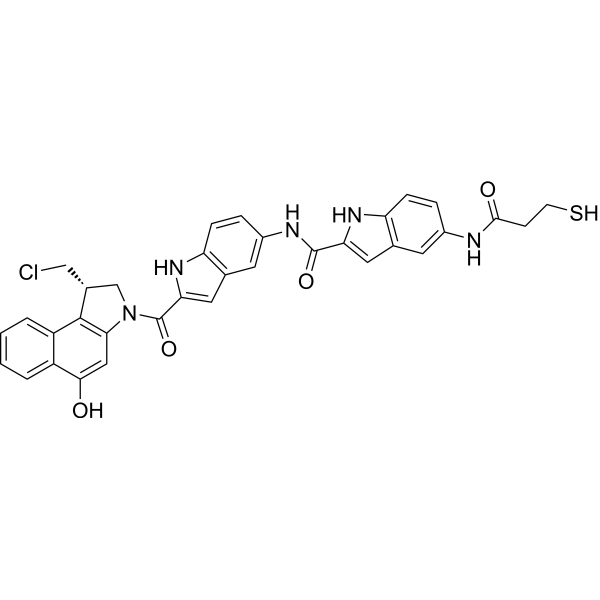 0 ImagesCat. No.: HY-112899CAS No.: 169901-27-3DC1, an analogue of the minor groove-binding DNA alkylator CC-1065, is a ADC Cytotoxin. DC1 can be used in synthesis of antibody-drug conjugates for the targeted treatment of cancer.
-
(+)-CBI-CDPI1
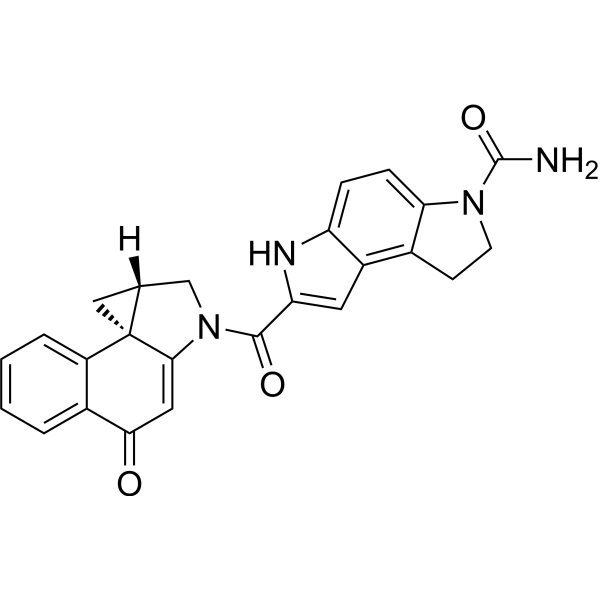 0 ImagesCat. No.: HY-128880CAS No.: 128300-14-1(+)-CBI-CDPI1 is an enhanced functional analog of CC-1065. (+)-CBI-CDPI1 is a DNA alkylating agent. (+)-CBI-CDPI1 is an antibody agent conjugates (ADCs) toxin.
-
DC41SMe
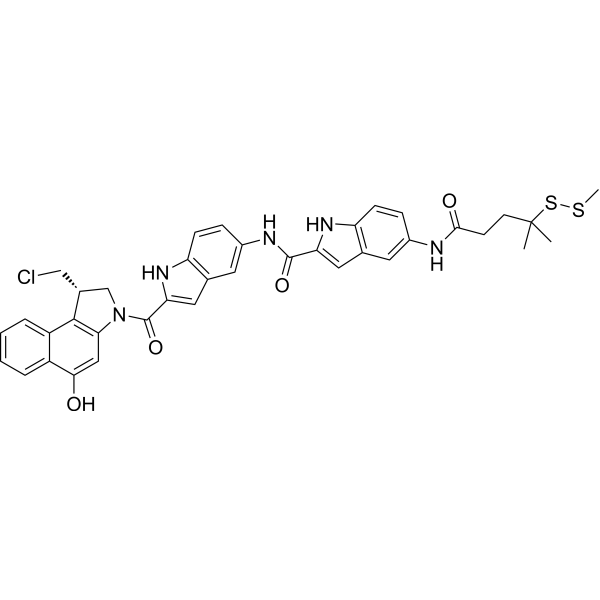 0 ImagesCat. No.: HY-112900CAS No.: 1354787-71-5DC41SMe, a DC1 derivative, shows cytotoxicity in Ramos, Namalwa, and HL60/s cells with IC50s ranging from 18-25 pM. DC1, a simplified analogue of CC-1065, is an antibody conjugate of cytotoxic DNA alkylators for the targeted treatment of cancer.
-
(+)-CBI-CDPI2
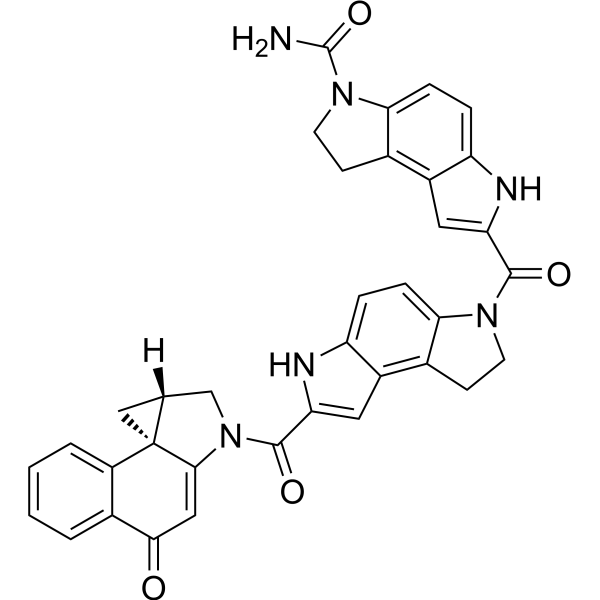 0 ImagesCat. No.: HY-128881CAS No.: 128300-15-2(+)-CBI-CDPI2 is an enhanced functional analog of CC-1065. (+)-CBI-CDPI1 is a DNA alkylating agent. (+)-CBI-CDPI2 is an antibody agent conjugates (ADCs) toxin.
-
Duocarmycin MB
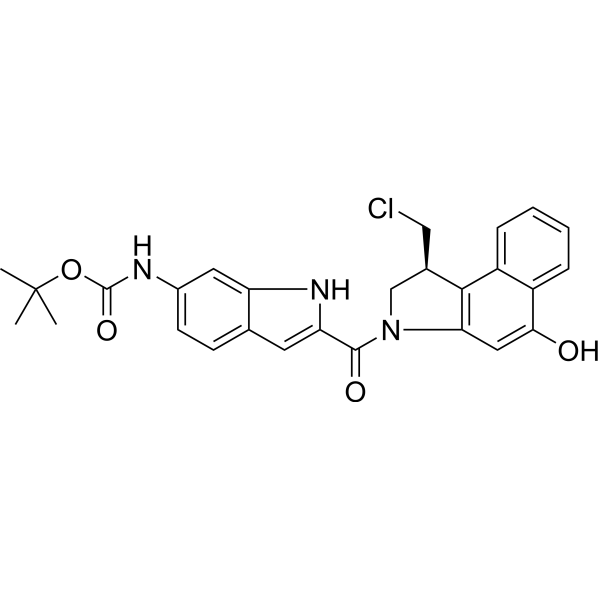 0 ImagesCat. No.: HY-107770CAS No.: 1613286-58-0Duocarmycin MB is an antibody agent conjugates (ADCs) toxin. Duocarmycin is a DNA alkylating agent that binds in the minor groove. Duocarmycin MB can be used against multi-agent resistant cell lines.
-
DC41
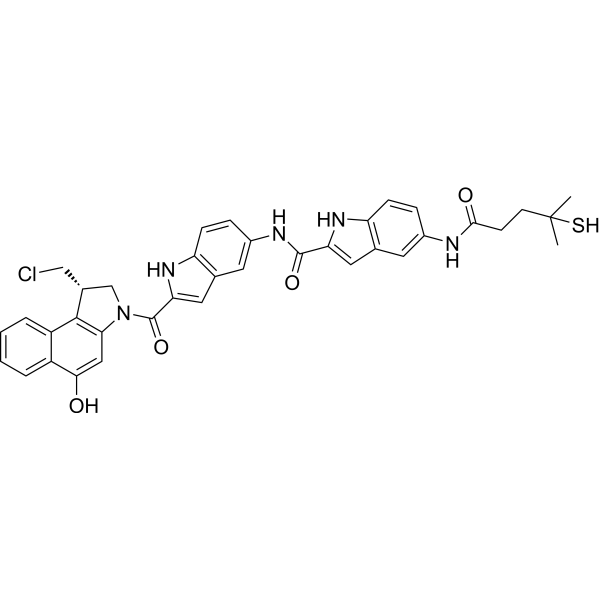 0 ImagesCat. No.: HY-112901CAS No.: 1354787-69-1DC41 is a DC1 derivative. DC1, a simplified analogue of CC-1065, is an antibody conjugate of cytotoxic DNA alkylators for the targeted treatment of cancer.
-
DC4SMe
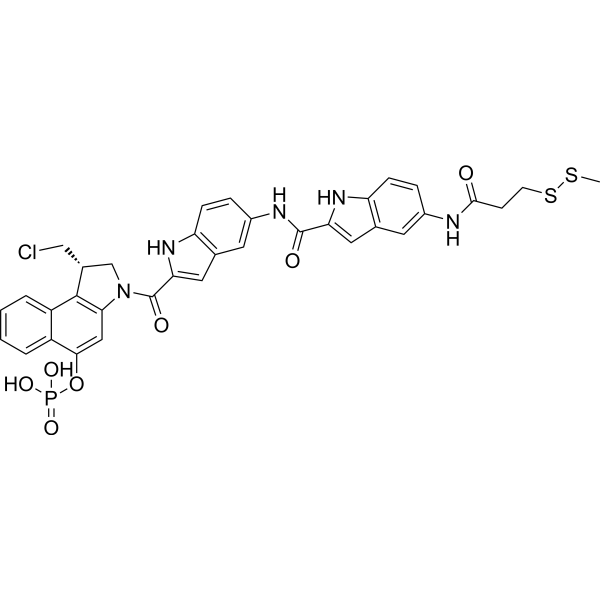 0 ImagesCat. No.: HY-135123CAS No.: 615538-47-1
-
DC10SMe
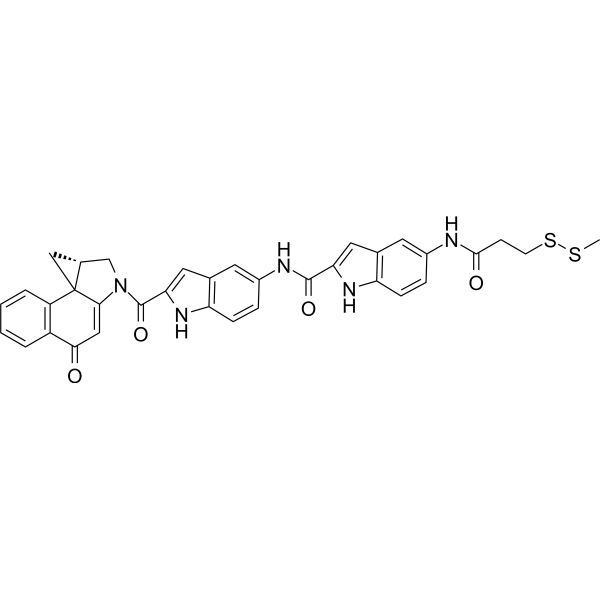 0 ImagesCat. No.: HY-135122CAS No.: 2649727-40-0DC10SMe is a DNA alkylator, can be used in the synthesis of antibody-drug conjugate (ADC). DC10SMe exhibits IC50s of 15 pM, 12 pM, and 12 pM for Ramos, Namalwa, and HL60/s cancer cells, respectively.
-
Seco-Duocarmycin SA
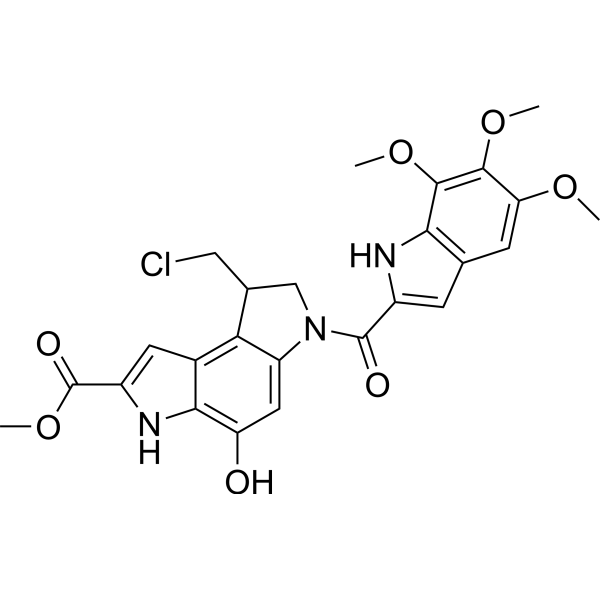 0 ImagesCat. No.: HY-129356CAS No.: 144667-38-9Seco-Duocarmycin SA is a DNA alkylator. Seco-Duocarmycin SA is an antitumor antibiotic (IC50 = 10 pM). Seco-Duocarmycin SA can induce a concentration-dependent increase in apoptotic cell death. Seco-Duocarmycin SA can lead to significant cell cycle arrest in S and G2/M phases. Seco-Duocarmycin SA acts as an ADC cytotoxin for antibody-drug conjugates.
-
Duocarmycin A
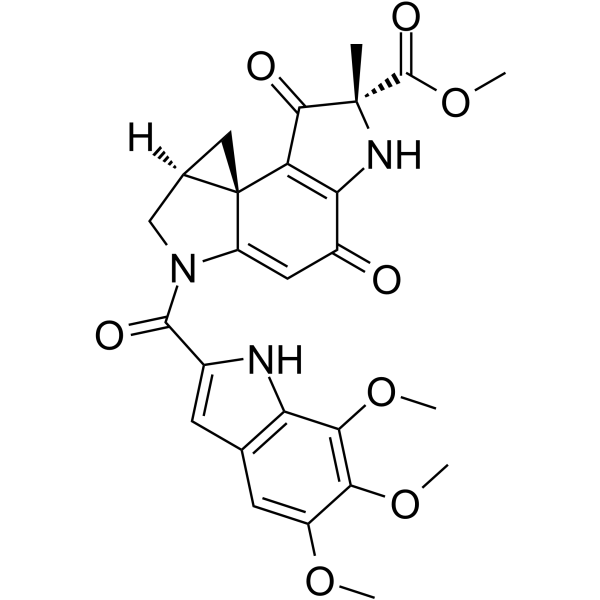 0 ImagesCat. No.: HY-12455CAS No.: 118292-34-5Duocarmycin A is an antitumor antibiotic and DNA alkylating agent with broad-spectrum antibacterial activity, which can serve as a payload for synthesizing antibody-drug conjugates (ADCs). Duocarmycin A selectively binds to the AT-rich minor groove of DNA, forms covalent adducts by alkylating the adenine N3 residue, thereby disrupting DNA structure and inhibiting its replication and transcription. Duocarmycin A induces apoptosis, sub-G1 phase accumulation and chromatin condensation, reduces the levels of pro-caspase-3/9, and induces p53-independent p21 expression. Duocarmycin A is widely used in the research of various malignancies, including leukemia, sarcoma, glioblastoma, as well as multiple solid tumor models such as lung cancer, breast cancer, and colorectal cancer.
-
Seco-Duocarmycin TM
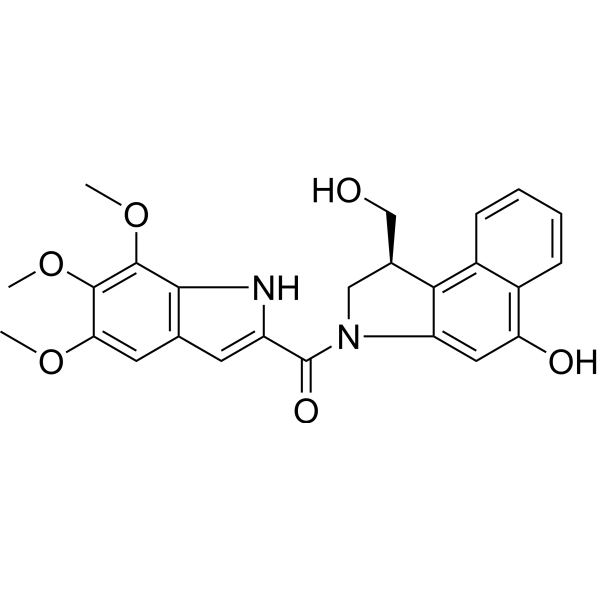 0 ImagesCat. No.: HY-130083CAS No.: 236102-87-7Seco-Duocarmycin TM is a DNA alkylator agent belonging to Duocarmycins family that inhibits DNA synthesis. Seco-Duocarmycin TM is a cytotoxic agent, used as the cytotoxic component in antibody-drug conjugates (ADC)[1].
-
Duocarmycin MA
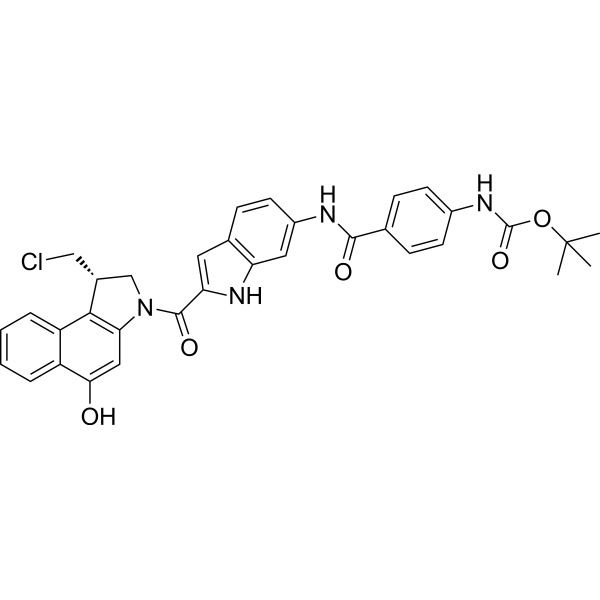 0 ImagesCat. No.: HY-18987CAS No.: 1613286-57-9Duocarmycin MA is an antibody agent conjugates (ADCs) toxin. Duocarmycin is a DNA alkylating agent that binds in the minor groove. Duocarmycin MA can be used against multi-agent resistant cell lines.
- 1



