



Dnmt1 Antibody (YA781)
(Synonyms: AIM, CXXC9, DNMT, DNMT1, DNA (cytosine-5)-methyltransferase 1, Dnmt1, CXXC-type zinc finger protein 9, DNA methyltransferase HsaI, MCMT, DNA MTase HsaI, M.HsaI)
Based on 1 Customer Validation
Dnmt1 Antibody (YA781) is a Mouse-derived and non-conjugated IgG1 monoclonal antibody, targeting to Dnmt1.
-
Host:
Mouse
-
Isotype:
IgG
-
Application:
WB, IHC-P, FC
-
Reactivity :
Human
-
Formulation:
Supplied in 1*PBS (pH7.4), 0.2% BSA and 50% Glycerol. Preservative: 0.05% Sodium Azide.
-
Conjugation:
Non-conjugated


To place orders, for customer services and technical support, please contact: MedChemExpress USA
Tel: 609-228-6898 E-mail: [email protected] [email protected]





Applications
| Application |
WB

WB: Western Blot
|
IHC-P
IHC-P: Immunohistochemistry-Paraffin
|
FC
FC: Flow Cytometry
|
|---|---|---|---|
| Dilution Ratio | 1:500-1:2000 | 1:50-1:200 | 1:50-1:100 |


Product Details
Dnmt1 Antibody (YA781) is a Mouse-derived and non-conjugated IgG1 monoclonal antibody, targeting to Dnmt1.
-
Host Mouse

-
Clonality Monoclonal

-
Species ReactivityHuman
-
Observed Molecular WeightObserved band size: 183 kDa
Note: Due to possible protein modifications or aggregation, the molecular weight should be confirmed by actual measurement, and the predicted value is for reference only.

-
Calculated Molecular Weight Predicted band size: 183 kDa

Synthetic peptide corresponding to Human Dnmt1.AA range:500-600.
Endogenous
Protein G affinity purified.
Non-conjugated
Unmodified
IgG


Product Properties
-
Appearance
Solution
-
Formulation
Supplied in 1*PBS (pH7.4), 0.2% BSA and 50% Glycerol. Preservative: 0.05% Sodium Azide.
-
Concentration
Batch-dependent, Please check the COA for the concentration of each lot. Check Lot Concentration
-
Storage & Stability
Stored at -20°C for 1 year. Avoid repeated freeze / thaw cycles.
-
Shipping
Shipping with blue ice.


Verification Images
-
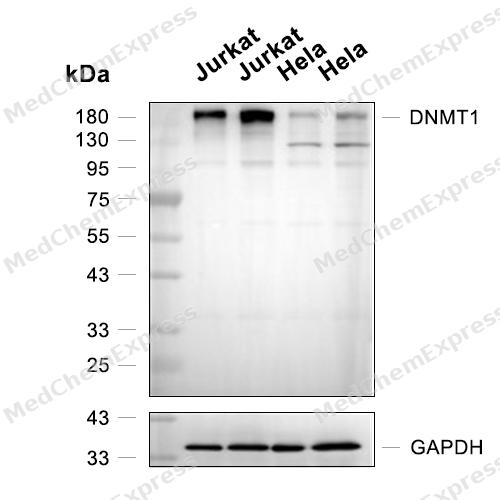 Western blot analysis of extracts from Jurkat(lane 2(20μg) and Jurkat(lane 3(40μg), Hela(lane 4(20μg) ) and Hela(lane 5(40μg) ) using DNMT1 (HY-P80105) Mouse mAb. Proteins were transferred to a PVDF membrane and blocked with 5% BSA in TBST for 2 hour at room temperature. The primary antibody (HY-P80105, 1/1000) and Loading control antibody (GAPDH, HY-P80954, 1/3000) was used in 5% BSA in TBST at 4°C overnight. Goat Anti-Mouse IgG-HRP Secondary Antibody (HY-P8004, 1/10,000) was used for 1 hour at room temperature.
 -
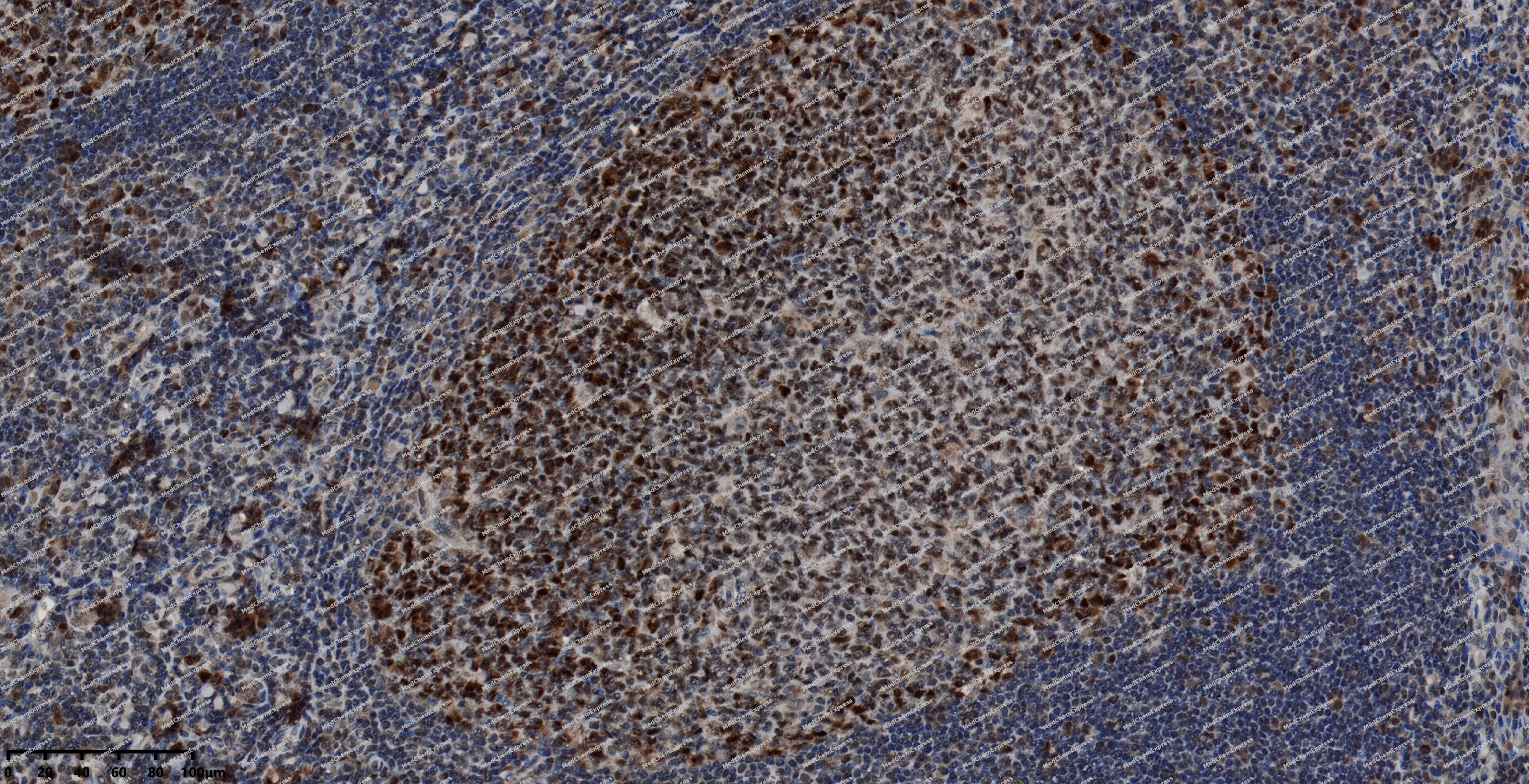 Immunohistochemical analysis of paraffin-embedded human tonsil using Dnmt1 antibody. The section was pre-treated using heat mediated antigen retrieval with EDTA (pH 9.0) for 14 minutes. The tissues were blocked in 5% BSA for 30 minutes at room temperature, washed with TBST, and then probed with the primary antibody (HY-P80105, 1/200) for 30 minutes at room temperature. The detection was performed using Polymer HRP-conjugated Goat Anti-Mouse/Rabbit lgG(H&L) secondary antibody (HY-P83652). DAB was used as the chromogen. Tissues were counterstained with hematoxylin and mounted with DPX.
 -
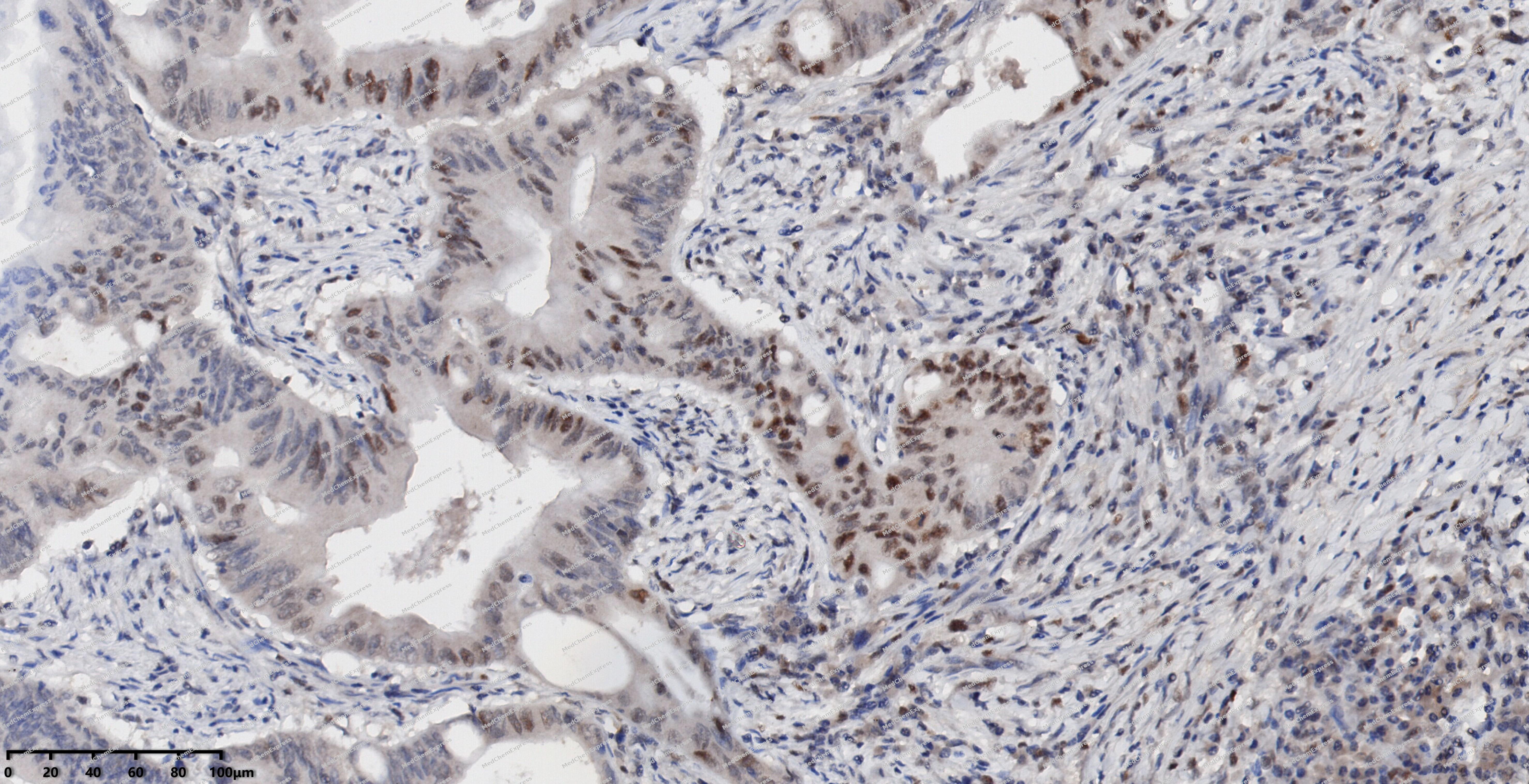 Immunohistochemical analysis of paraffin-embedded human colon cancer using Dnmt1 antibody. The section was pre-treated using heat mediated antigen retrieval with EDTA (pH 9.0) for 14 minutes. The tissues were blocked in 5% BSA for 30 minutes at room temperature, washed with TBST, and then probed with the primary antibody (HY-P80105, 1/200) for 30 minutes at room temperature. The detection was performed using Polymer HRP-conjugated Goat Anti-Mouse/Rabbit lgG(H&L) secondary antibody (HY-P83652). DAB was used as the chromogen. Tissues were counterstained with hematoxylin and mounted with DPX.
 -
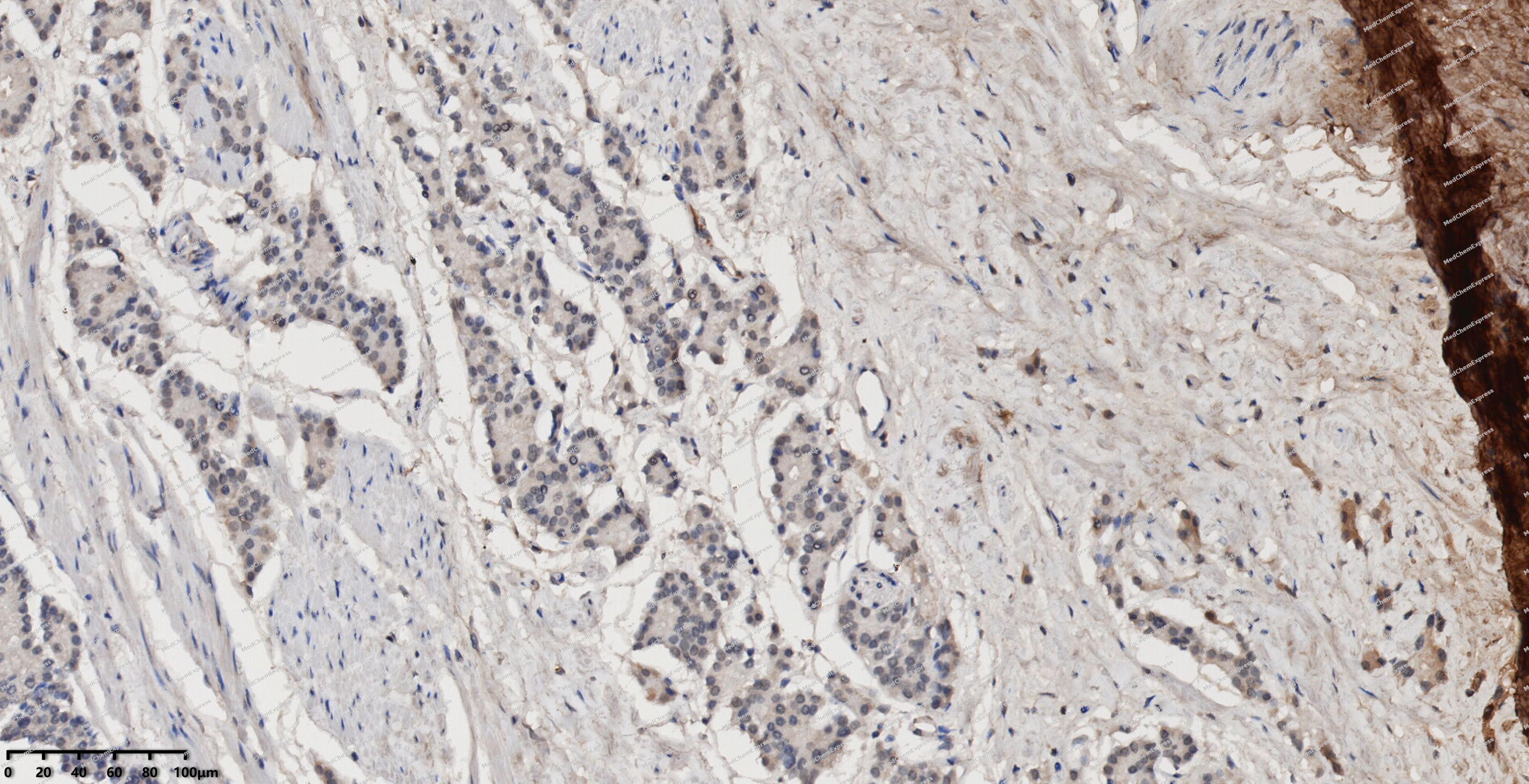 Immunohistochemical analysis of paraffin-embedded human prostate cancer using Dnmt1 antibody. The section was pre-treated using heat mediated antigen retrieval with EDTA (pH 9.0) for 14 minutes. The tissues were blocked in 5% BSA for 30 minutes at room temperature, washed with TBST, and then probed with the primary antibody (HY-P80105, 1/200) for 30 minutes at room temperature. The detection was performed using Polymer HRP-conjugated Goat Anti-Mouse/Rabbit lgG(H&L) secondary antibody (HY-P83652). DAB was used as the chromogen. Tissues were counterstained with hematoxylin and mounted with DPX.
 -
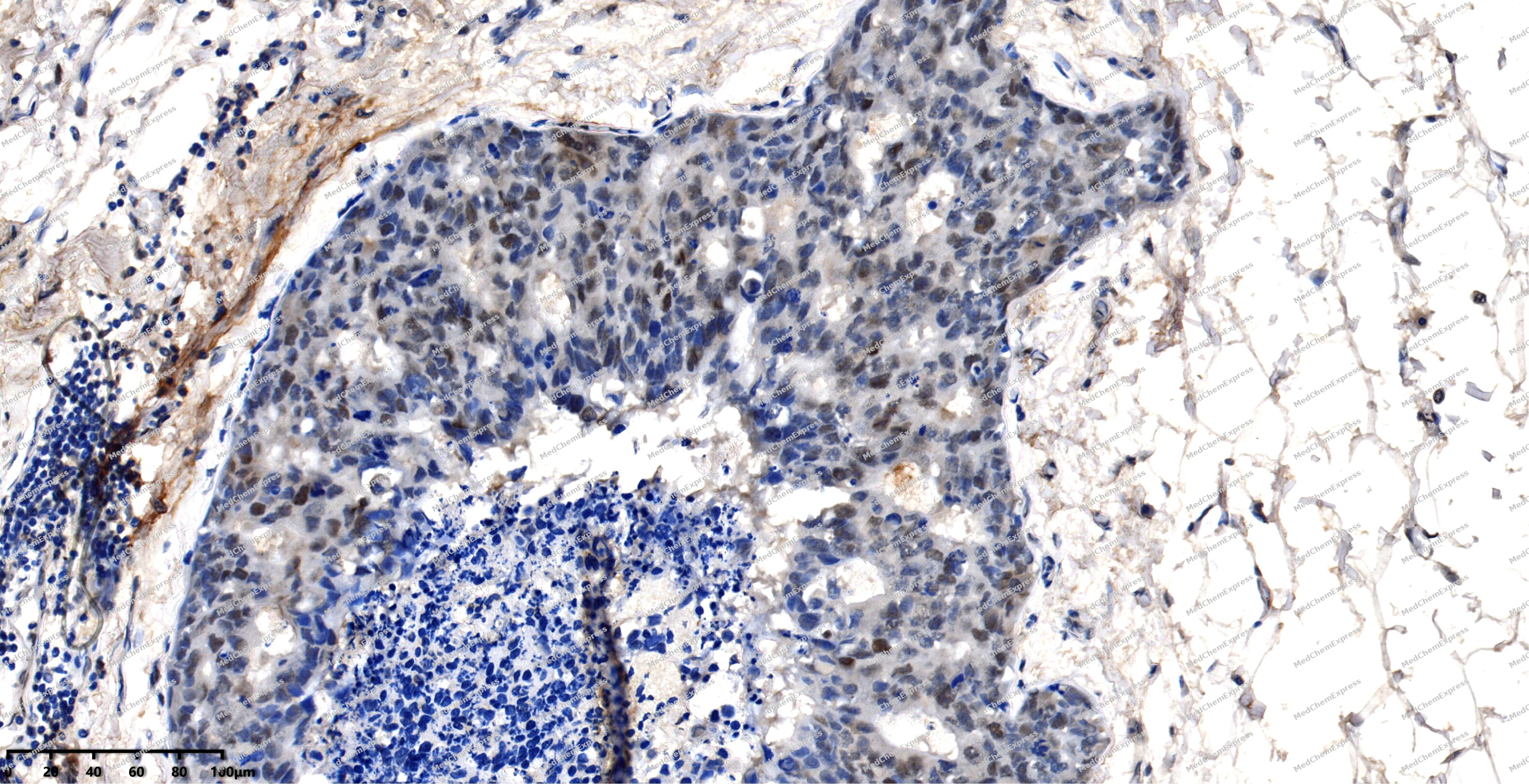 Immunohistochemical analysis of paraffin-embedded human breast cancer using Dnmt1 antibody. The section was pre-treated using heat mediated antigen retrieval with EDTA (pH 9.0) for 14 minutes. The tissues were blocked in 5% BSA for 30 minutes at room temperature, washed with TBST, and then probed with the primary antibody (HY-P80105, 1/200) for 30 minutes at room temperature. The detection was performed using Polymer HRP-conjugated Goat Anti-Mouse/Rabbit lgG(H&L) secondary antibody (HY-P83652). DAB was used as the chromogen. Tissues were counterstained with hematoxylin and mounted with DPX.
 -
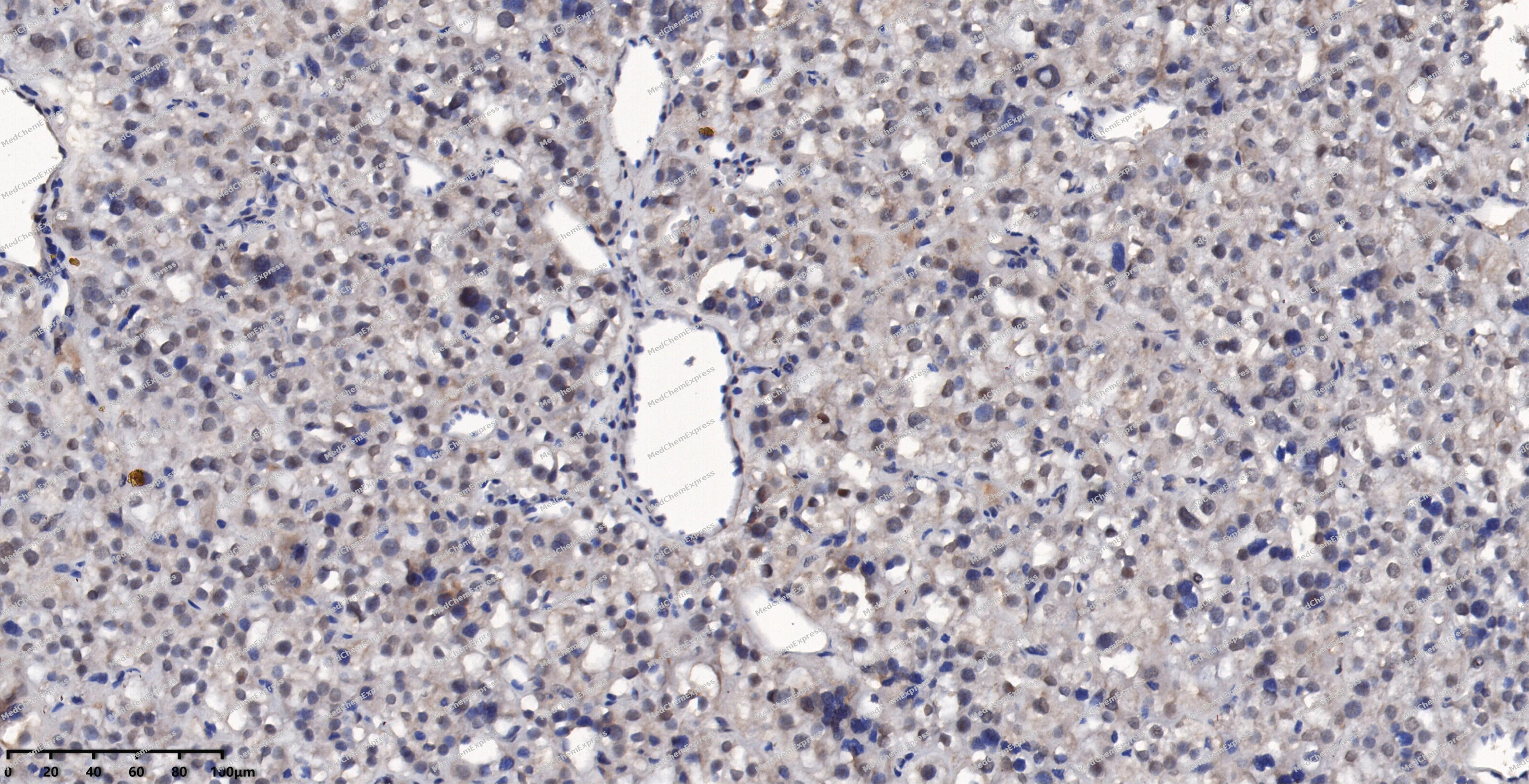 Immunohistochemical analysis of paraffin-embedded human thyroid cancer using Dnmt1 antibody. The section was pre-treated using heat mediated antigen retrieval with EDTA (pH 9.0) for 14 minutes. The tissues were blocked in 5% BSA for 30 minutes at room temperature, washed with TBST, and then probed with the primary antibody (HY-P80105, 1/200) for 30 minutes at room temperature. The detection was performed using Polymer HRP-conjugated Goat Anti-Mouse/Rabbit lgG(H&L) secondary antibody (HY-P83652). DAB was used as the chromogen. Tissues were counterstained with hematoxylin and mounted with DPX.
 -
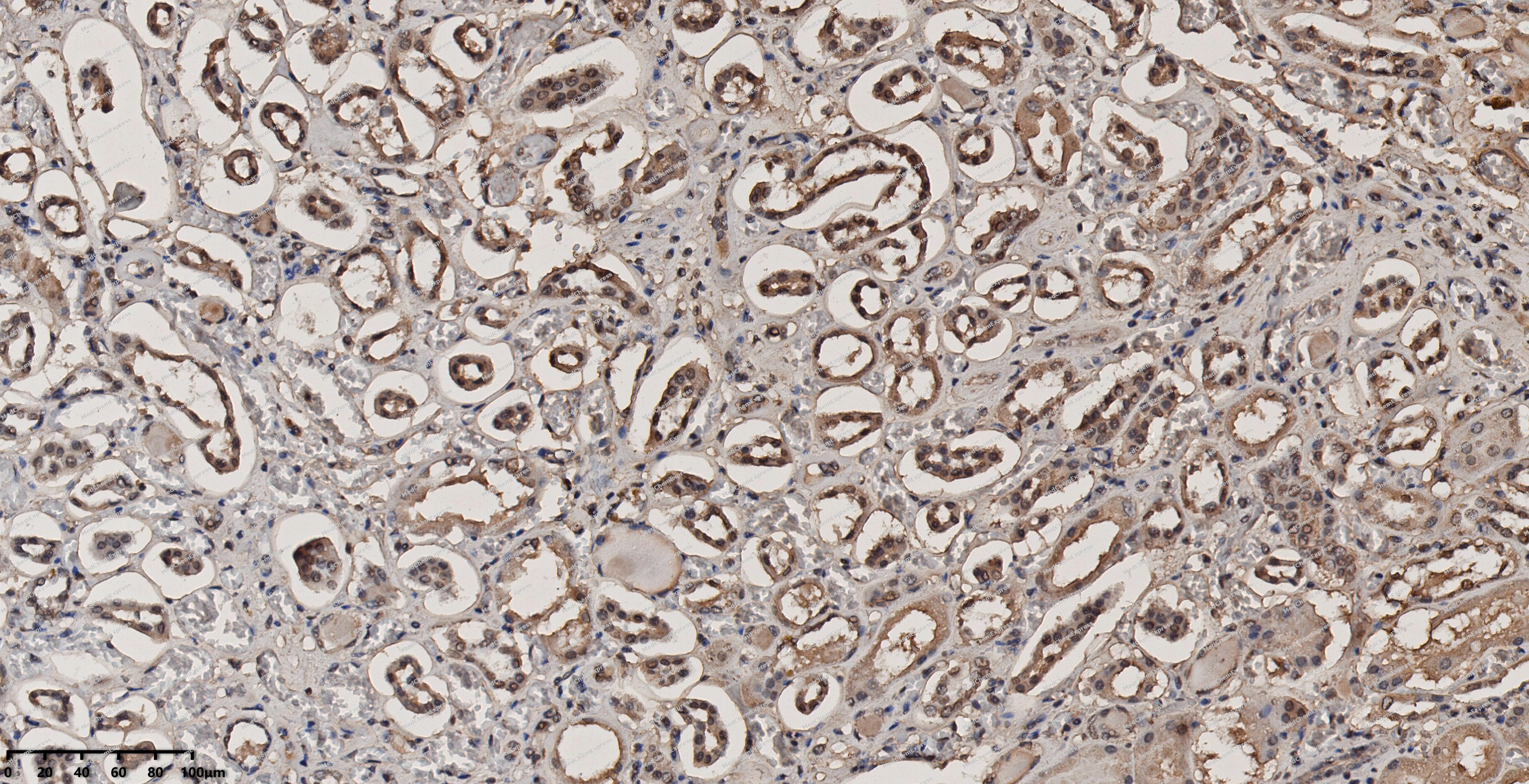 Immunohistochemical analysis of paraffin-embedded human kidney using Dnmt1 antibody. The section was pre-treated using heat mediated antigen retrieval with EDTA (pH 9.0) for 14 minutes. The tissues were blocked in 5% BSA for 30 minutes at room temperature, washed with TBST, and then probed with the primary antibody (HY-P80105, 1/200) for 30 minutes at room temperature. The detection was performed using Polymer HRP-conjugated Goat Anti-Mouse/Rabbit lgG(H&L) secondary antibody (HY-P83652). DAB was used as the chromogen. Tissues were counterstained with hematoxylin and mounted with DPX.
 -
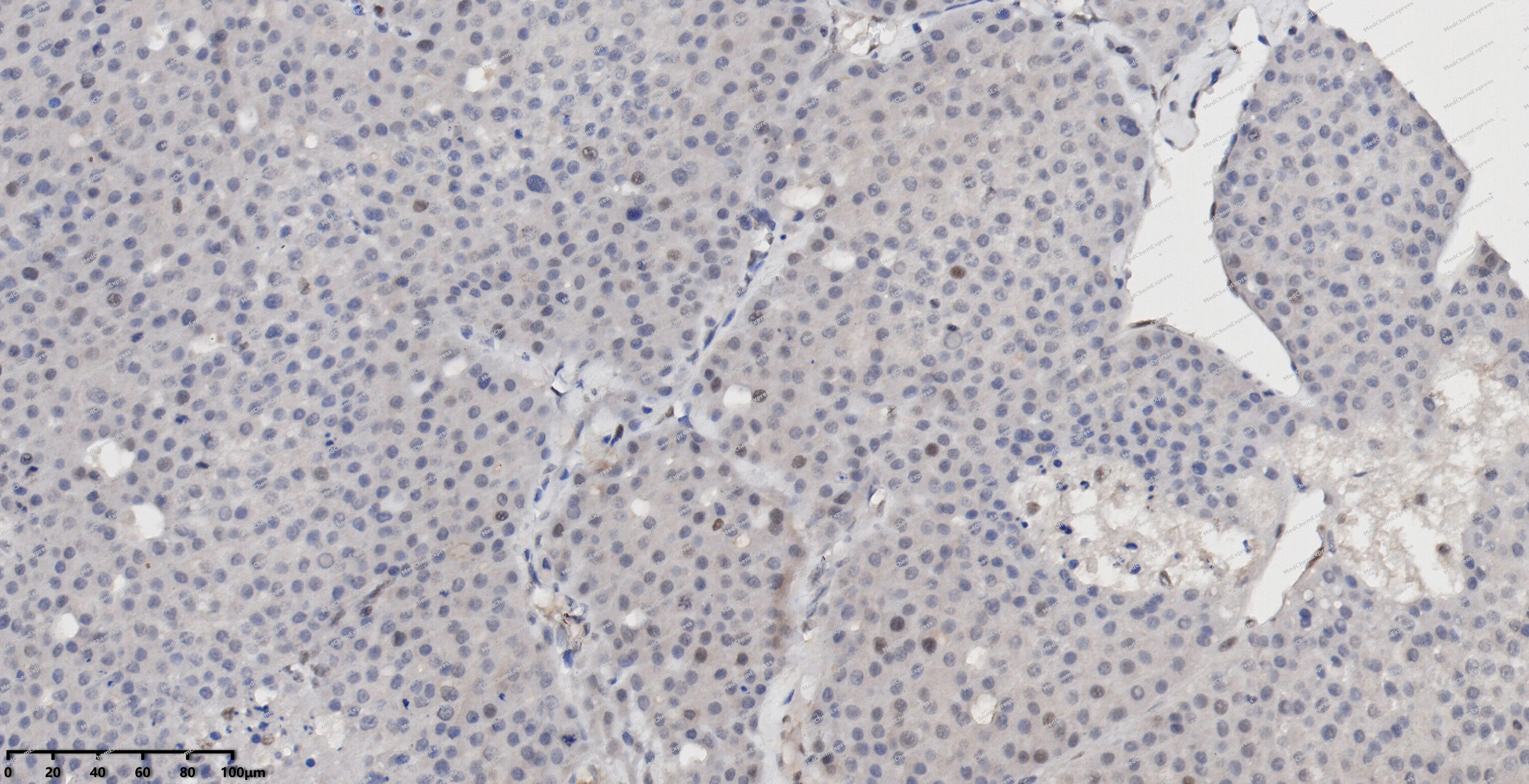 Immunohistochemical analysis of paraffin-embedded human liver cancer using Dnmt1 antibody. The section was pre-treated using heat mediated antigen retrieval with EDTA (pH 9.0) for 14 minutes. The tissues were blocked in 5% BSA for 30 minutes at room temperature, washed with TBST, and then probed with the primary antibody (HY-P80105, 1/200) for 30 minutes at room temperature. The detection was performed using Polymer HRP-conjugated Goat Anti-Mouse/Rabbit lgG(H&L) secondary antibody (HY-P83652). DAB was used as the chromogen. Tissues were counterstained with hematoxylin and mounted with DPX.


Background
-
Function
DNMT1 (DNA methyltransferase 1) is the principal maintenance DNA methyltransferase that preferentially recognizes hemimethylated CpG sites and preserves DNA methylation patterns during DNA replication, thereby supporting epigenetic inheritance and stable gene regulation[1][2]. Mechanistically, DNMT1 functions within the DNA methylation machinery that maintains chromatin states, transcriptional programs, and genome stability, and its recruitment to newly replicated DNA is coordinated by factors such as UHRF1[1][3]. Through maintenance of CpG methylation, DNMT1 contributes to developmental processes, cellular identity, and long-term repression of transposable elements[1][4]. In disease contexts, aberrant DNMT1 activity is strongly associated with cancer, where sustained DNA methylation can promote silencing of tumor-suppressor genes and support malignant phenotypes[1][5][6]. Experimental studies further demonstrate that selective depletion of DNMT1 induces global and gene-specific demethylation and reactivates silenced tumor-suppressor genes in human cancer cells, highlighting its central role in epigenetic regulation[6]. Compared with the related de novo methyltransferases DNMT3A and DNMT3B, which establish new methylation patterns, DNMT1 primarily propagates existing methylation marks after DNA replication, although recent evidence indicates that DNMT1 can also exhibit context-dependent de novo methylation activity, particularly at retrotransposon loci[4]. For experimental applications, DNMT1 remains a major epigenetic drug target, and both nucleoside-based and emerging selective non-nucleoside inhibitors are widely used to investigate DNA methylation dynamics and therapeutic reprogramming of aberrant epigenetic states[5].
-
Subcellular Localization
Nucleus
-
Expression
Tissue_specificity:Ubiquitous; highly expressed in fetal tissues, heart, kidney, placenta, peripheral blood mononuclear cells, and expressed at lower levels in spleen, lung, brain, small intestine, colon, liver, and skeletal muscle. Isoform 2 is less expressed than isoform 1
Induction:Its abundance is reduced to non detectable levels at the G0 phase of the cell cycle and is dramatically induced upon entrance into the S-phase of the cell cycle -
Isoforms & Post-Translational Modification
P26358 has 3 isomers: P26358-1: 183165 Da (predicted); P26358-2: 184819 Da (predicted); P26358-3: 144465 Da (predicted).
Sumoylated; sumoylation increases activity;Acetylation on multiple lysines, mainly by KAT2B/PCAF, regulates cell cycle G(2)/M transition. Deacetylation of Lys-1349 and Lys-1415 by SIRT1 increases methyltransferase activity;Phosphorylation of Ser-154 by CDKs is important for enzymatic activity and protein stability. Phosphorylation of Ser-143 by AKT1 prevents methylation by SETD7 thereby increasing DNMT1 stability;Methylation at Lys-142 by SETD7 is necessary for the regulation of DNMT1 proteasomal degradation;Ubiquitinated by UHRF1; interaction with USP7 counteracts ubiquitination by UHRF1 by promoting deubiquitination and preventing degradation by the proteasome -
Subunit
Homodimer (PubMed:19173286). Forms a stable complex with E2F1, BB1 and HDAC1 (PubMed:10888886). Forms a complex with DMAP1 and HDAC2, with direct interaction (PubMed:10888872).
-
SwissProt ID
-
Synonyms
AIM, CXXC9, DNMT, DNMT1, DNA (cytosine-5)-methyltransferase 1, Dnmt1, CXXC-type zinc finger protein 9, DNA methyltransferase HsaI, MCMT, DNA MTase HsaI, M.HsaI
-
Research Field
Epigenetics and Nuclear Signaling


Documentation
-
Data Sheet (262 KB)
-
SDS (252 KB)
- English - EN (252 KB)
- Français - FR (252 KB)
- Deutsch - DE (252 KB)
- Norwegian - NO (252 KB)
- Español - ES (252 KB)
- Swedish - SV (252 KB)
- Italian - IT (252 KB)
- Korean - KR (252 KB)
- Portuguese - PT (252 KB)
-
User Guide for Antibodies (1077 KB)
References
[1]. Tutucci E, et al. Keeping mRNPs in check during assembly and nuclear export. Nat Rev Mol Cell Biol. 2011 Jun;12(6):377-84. [Content Brief]
[2]. Rossi M, et al. Eicosapentaenoic acid modulates the synergistic action of CREB1 and ID/E2A family members in the rat pup brain and mouse embryonic stem cells. Biochim Biophys Acta Gene Regul Mech. 2017 Aug;1860(8):870-884. [Content Brief]
[3]. Wikipedia.
[4]. Haggerty C, et al. Dnmt1 has de novo activity targeted to transposable elements. Nat Struct Mol Biol. 2021 Jul;28(7):594-603. [Content Brief]
[5]. Rabezanahary H, et al. Live virus neutralizing antibodies against pre and post Omicron strains in food and retail workers in Québec, Canada. Heliyon. 2024 May 21;10(10):e31026. [Content Brief]
[6]. Boocock GR, et al. Mutations in SBDS are associated with Shwachman-Diamond syndrome. Nat Genet. 2003 Jan;33(1):97-101. [Content Brief]

 Powered by Bioz
