



Renal Cancer
-
Renal Cancer (56)

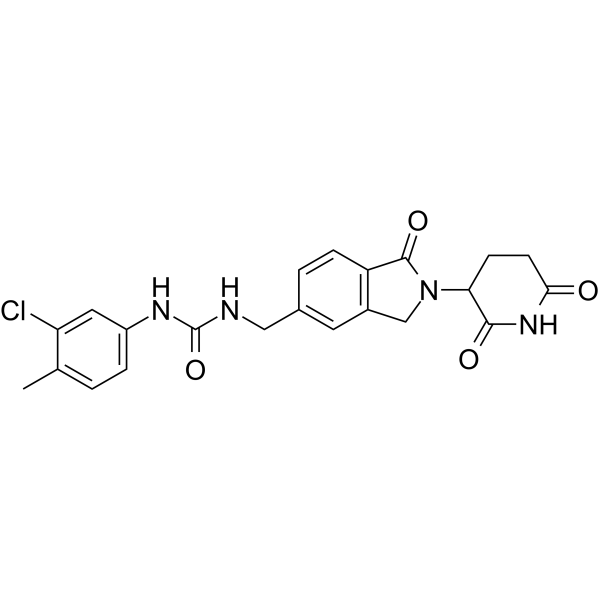
- Formula: C22H21ClN4O4
- Molecular Weight: 440.88
CC-885, a cereblon (CRBN) modulator, acts as a molecular glue degrader targeting GSPT1 with a Kd of 350 nM. CC-885 binds to CRBN to alter the substrate specificity of the CRL4 E3 ligase, promoting the ubiquitination and proteasomal degradation of GSPT1, BNIP3L, PLK1, CDK4, IKZF1/3, GSPT2, WIZ, CHD7, GOLM1, CK1α and ETS1. CC-885 induces apoptosis, cell cycle arrest, transcriptional downregulation and antiproliferation in cancer cells. CC-885 is applicable to research related to relapsed/refractory acute myeloid leukemia, MYC-driven tumors, metastatic castration-resistant prostate cancer, multiple myeloma, hepatocellular carcinoma, glioblastoma, VHL-deficient clear cell renal cell carcinoma and non-small cell lung cancer.
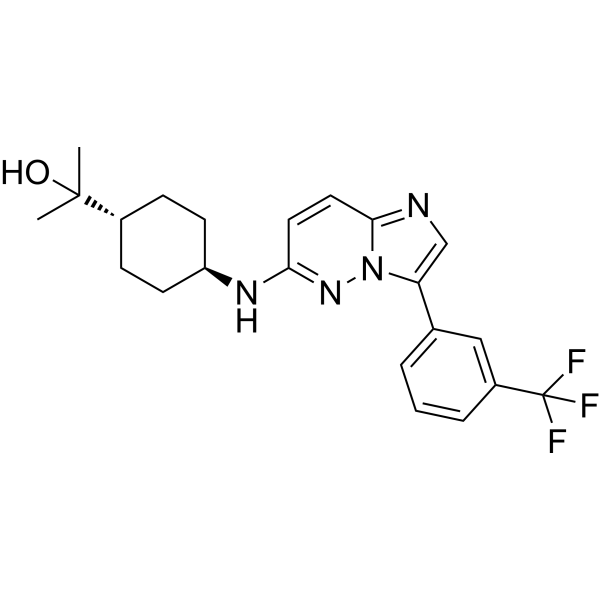
- Formula: C22H25F3N4O
- Molecular Weight: 418.46
Nuvisertib (TP-3654) is an orally active second-generation pan-PIM kinase inhibitor with Ki values of 5 nM, 239 nM, and 42 nM against PIM-1, PIM-2, and PIM-3, respectively. Nuvisertib inhibits JAK-independent inflammatory and survival signaling pathways, reduces the production of proinflammatory cytokines, restores apoptotic sensitivity, inhibits mTORC1, MYC, and TGF-β signaling pathways, and decreases the expression of fibrosis markers. Nuvisertib selectively impairs the transport function of ABCG2, resensitizes multidrug-resistant cancer cells to cytotoxic drugs, and overcomes JAK2 inhibitor resistance. Nuvisertib can be used in research related to myelofibrosis, renal cell carcinoma, multidrug-resistant cancer, advanced solid tumors, urothelial carcinoma, and prostate adenocarcinoma.
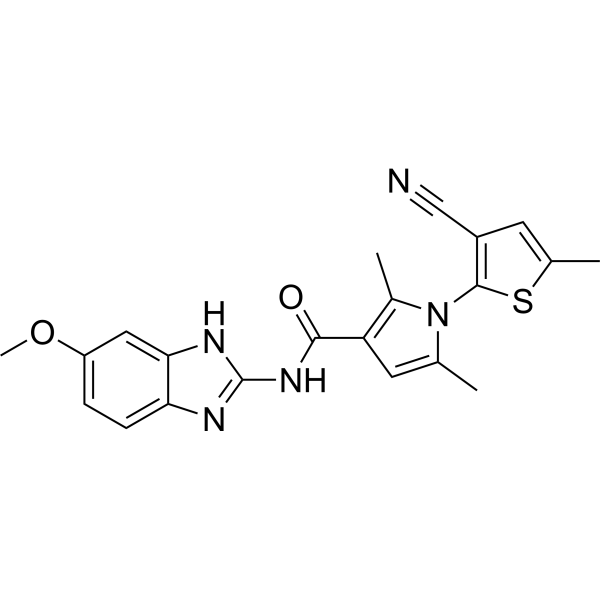
- Formula: C21H19N5O2S
- Molecular Weight: 405.47
KY386 is a DHX33 helicase inhibitor with an IC50 of 0.019 μM. KY386 inhibits the cell viability of various cancer cells. KY386 induces ferroptosis in cancer cells, and induces apoptosis in some cancer cell lines. KY386 increases the intracellular levels of ROS, LPO and Fe2+, and decreases the level of GSH in cancer cells. KY386 inhibits the growth of gastric cancer and colon cancer xenografts in nude mice. KY386 is applicable to the related research on liver cancer, lung cancer, pancreatic cancer, colorectal cancer, gastric cancer, breast cancer, leukemia, renal cancer, prostate cancer, esophageal cancer, cervical cancer, brain cancer (glioblastoma) and melanoma.

- Formula: C56H70N8O9S
- Molecular Weight: 1031.27
MS41 is a ENL PROTAC degrader with a DC50 of 3.50 nM. MS41 recruits the VHL E3 ubiquitin ligase, triggers ENL degradation via the ubiquitin-proteasome system, and simultaneously induces AF9 degradation. MS41 reduces the chromatin occupancy of ENL-associated transcription elongation complexes, suppresses oncogene expression, and activates differentiation gene expression. MS41 inhibits leukemia cell growth and induces cell cycle arrest and apoptosis. MS41 inhibits leukemia progression in xenograft mouse models. MS41 can be used for research on mixed lineage leukemia-rearranged leukemia and nephroblastoma.
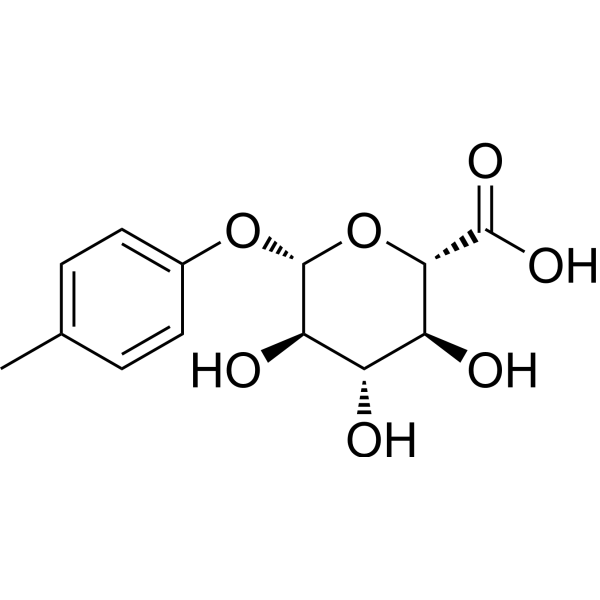
- Formula: C13H16O7
- Molecular Weight: 284.26
p-Cresol glucuronide is a metabolite of p-Cresol (HY-Y0506). p-Cresol glucuronide acts as a TLR4-antagonizing blood-brain barrier protective agent in brain microvascular endothelial cells, and serves as a non-invasive urinary biomarker metabolite in renal cell carcinoma. p-Cresol glucuronide inhibits LPS (HY-D1056)-induced increase in blood-brain barrier permeability and signal response, impairs mitochondrial function, induces oxidative stress and enhances inflammatory responses, depletes intracellular glutathione, and increases cell necrosis. p-Cresol glucuronide can be used in studies related to renal cell carcinoma, chronic kidney disease and heart disease.
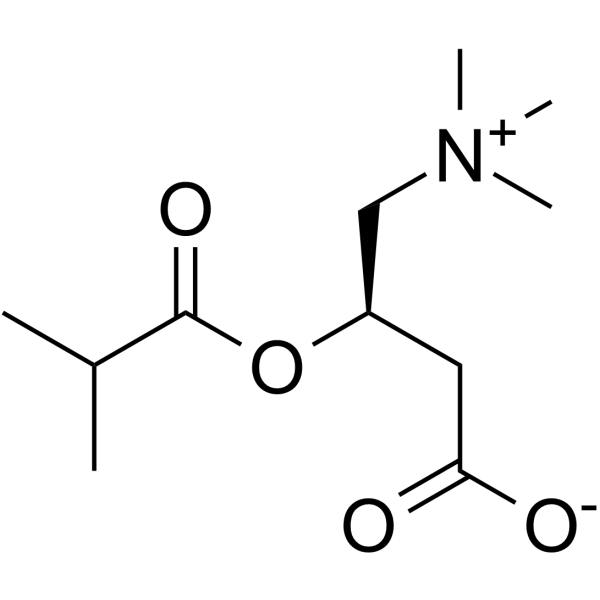
- Formula: C11H21NO4
- Molecular Weight: 231.29
Isobutyryl-L-carnitine is a biomarker. Isobutyryl-L-carnitine is a product of acyl-CoA dehydrogenases involved in fatty acid β-oxidation, and it buffers the mitochondrial acyl-CoA/CoA ratio, oxidizes branched-chain amino acids, and supports the endogenous antioxidant defense system. Isobutyryl-L-carnitine is a plasma biomarker of hepatic OCT1 transporter inhibition. Isobutyryl-L-carnitine is a urinary biomarker of renal cell carcinoma, and its levels are elevated one year after nephrectomy compared with before nephrectomy. Isobutyryl-L-carnitine can be used in research on renal cell carcinoma.
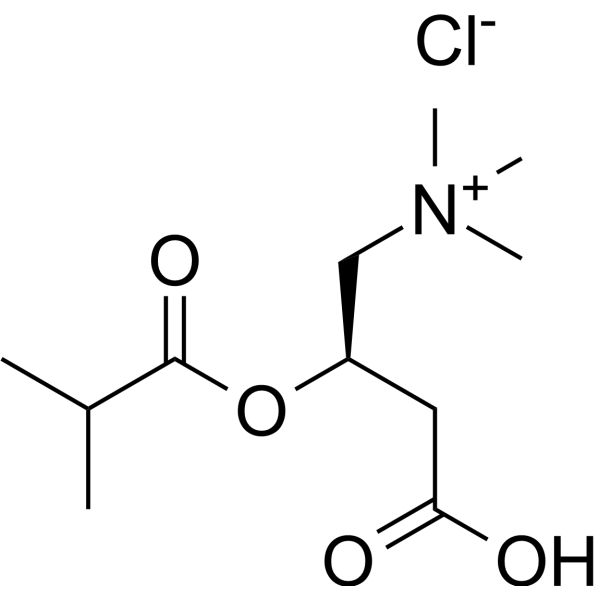
- Formula: C11H22ClNO4
- Molecular Weight: 267.75
Isobutyryl-L-carnitine chloride is a biomarker. Isobutyryl-L-carnitine chloride is a product of acyl-CoA dehydrogenases involved in fatty acid β-oxidation, and it buffers the mitochondrial acyl-CoA/CoA ratio, oxidizes branched-chain amino acids, and supports the endogenous antioxidant defense system. Isobutyryl-L-carnitine chloride is a plasma biomarker of hepatic OCT1 transporter inhibition. Isobutyryl-L-carnitine chloride is a urinary biomarker of renal cell carcinoma, and its levels are elevated one year after nephrectomy compared with before nephrectomy. Isobutyryl-L-carnitine chloride can be used in research on renal cell carcinoma.
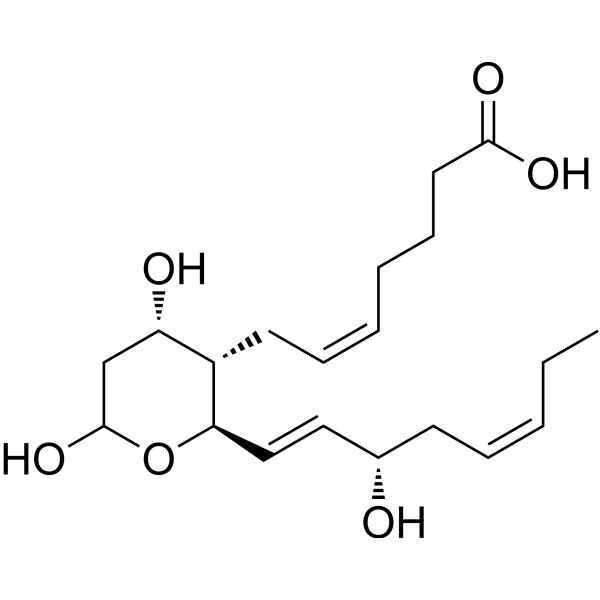
- Formula: C20H32O6
- Molecular Weight: 368.46
Thromboxane B3 is an eicosanoid and the stable hydrolysis product of thromboxane A3, which is synthesized from eicosapentaenoic acid by cyclooxygenase (COX) and thromboxane synthase. Thromboxane B3 participates in inflammatory cell regulation, tumorigenesis and cell proliferation processes. Elevated levels of Thromboxane B3 correlate with high-risk regions of esophageal cancer. Thromboxane B3 can be used in studies related to bladder cancer, renal cell carcinoma and esophageal squamous cell carcinoma.
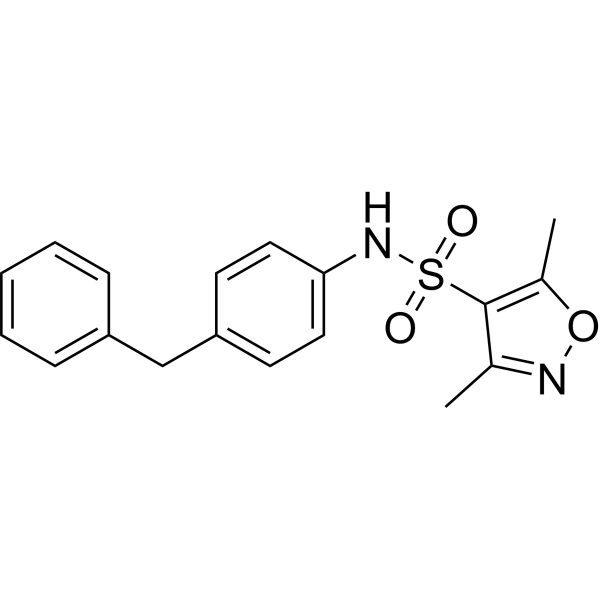
- Formula: C18H18N2O3S
- Molecular Weight: 342.41
PP5-IN-1 is a competitive and selective serine/threonine protein phosphatase 5 (PP5) inhibitor with a Ki value of 244 nM. PP5-IN-1 induces extrinsic apoptosis (Apoptosis), disrupts the integrity of complex II, and activates Caspase 8. PP5-IN-1 can be used in research related to clear cell renal cell carcinoma.

- Formula: C22H23ClN6OS
- Molecular Weight: 454.98
AG-205 is a progesterone receptor membrane component 1 (PGRMC1) antagonist and CGT inhibitor, with an IC50 of 50 μM against rat CGT. AG-205 exhibits antimitotic, antimigratory and anti-invasive activities. AG-205 increases the expression of genes encoding cholesterol biosynthesis pathway or steroidogenic enzymes. AG-205 promotes the regulation of cell cycle by apoptosis and reduces the migratory and invasive capacities of ovarian and breast cancer cells. AG-205 can be used in research related to renal cancer and breast cancer.

- Formula: C39H41N11O6
- Molecular Weight: 759.81
MS181 is a BMI1 and RING1B degrader with antiproliferative activity. MS181 induces degradation via an EED-, CRBN-, and ubiquitin-proteosome system-dependent pathway, with preferential targeting over PRC2 components. MS181 acts in VHL-defective cancer cells. MS181 serves as a chemical biology tool to study PRC1 roles in cancer. MS181 can be used for the research of myelogenous leukemia, renal cell carcinoma, metastatic prostate cancer, triple negative breast cancer.
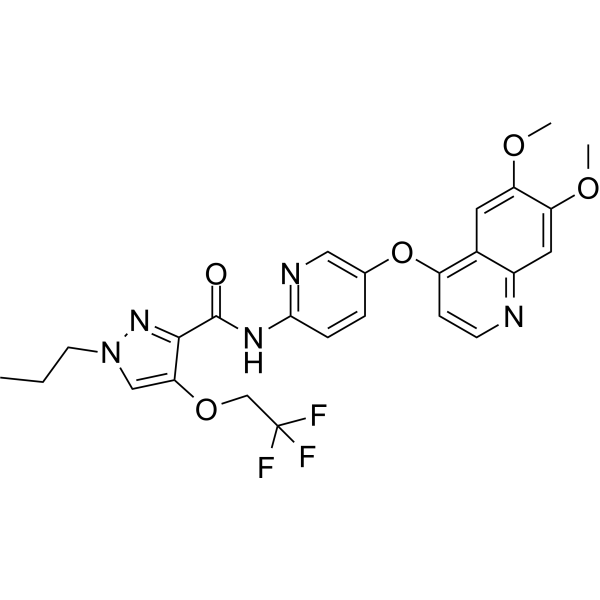
- Formula: C25H24F3N5O5
- Molecular Weight: 531.48
Adrixetinib (Q702) is an orally active triple inhibitor against CSF1R, Mer, and Axl, with Kd values of 8.7 nM, 0.8 nM, and 0.3 nM, respectively. Adrixetinib acts as a potent immune modulator that remodels the tumor microenvironment. Adrixetinib increases the abundance of M1 macrophages and CD8⁺ T cells, while decreasing the levels of M2 macrophages and myeloid-derived suppressor cells (MDSCs). Adrixetinib upregulates the expression of MHC class I and E-cadherin in tumor cells. Adrixetinib shows remarkable antitumor efficacy in syngeneic mouse tumor models. Adrixetinib is suitable for the research of breast cancer, renal adenocarcinoma, colon carcinoma, and melanoma.
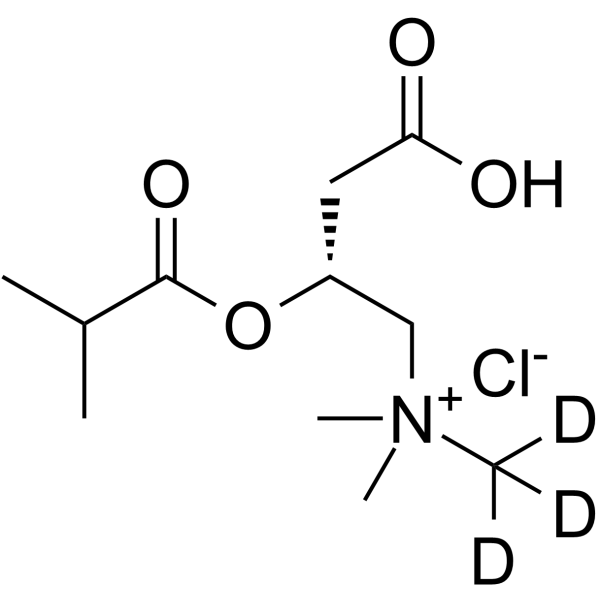
- Formula: C11H19D3ClNO4
- Molecular Weight: 270.77
Isobutyryl-L-carnitine-d3 chloride is the d3-labeled Isobutyryl-L-carnitine chloride (HY-113165A). Isobutyryl-L-carnitine chloride is a biomarker. Isobutyryl-L-carnitine chloride is a product of acyl-CoA dehydrogenases involved in fatty acid β-oxidation, and it buffers the mitochondrial acyl-CoA/CoA ratio, oxidizes branched-chain amino acids, and supports the endogenous antioxidant defense system. Isobutyryl-L-carnitine chloride is a plasma biomarker of hepatic OCT1 transporter inhibition. Isobutyryl-L-carnitine chloride is a urinary biomarker of renal cell carcinoma, and its levels are elevated one year after nephrectomy compared with before nephrectomy. Isobutyryl-L-carnitine chloride can be used in research on renal cell carcinoma.

- Formula: C29H20N6O
- Molecular Weight: 468.51
Darlifarnib (KO-2806) is an orally active farnesyl transferase inhibitor. Darlifarnib inhibits the mTORC1 signaling pathway, thereby enhancing the anti-angiogenic properties of tyrosine kinase inhibitors. When used in combination with anti-VEGFR tyrosine kinase inhibitors, Darlifarnib promotes renal cell carcinoma tumor regression and inhibits tumor neovascularization. Darlifarnib sensitizes renal cell carcinoma tumors that progress after anti-VEGFR TKI treatment.
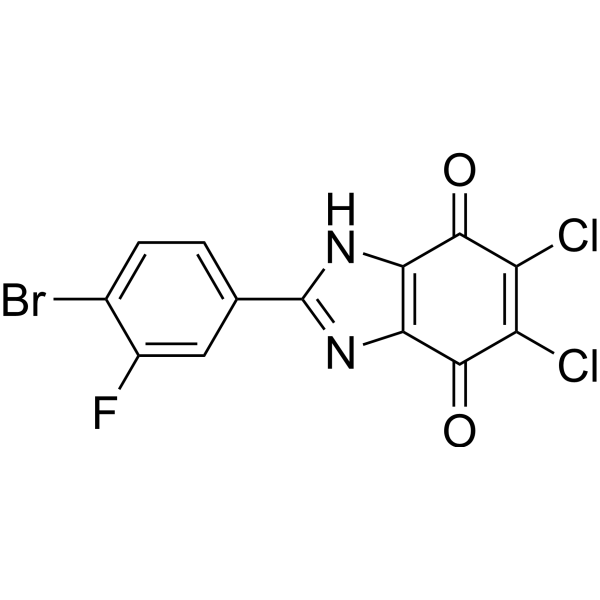
- Formula: C13H4BrCl2FN2O2
- Molecular Weight: 389.99
MD102 is an orally active transglutaminase 2 (TG2) inhibitor with an IC50 of 0.35 μM. MD102 binds to the β-sandwich domain of TG2, disrupts the interaction between TG2 and p53, stabilizes p53, and reduces the activity of p-AKT and p-mTOR signaling pathways. MD102 induces cell apoptosis and inhibits tumor growth. MD102 can be used for the research of renal cell carcinoma.
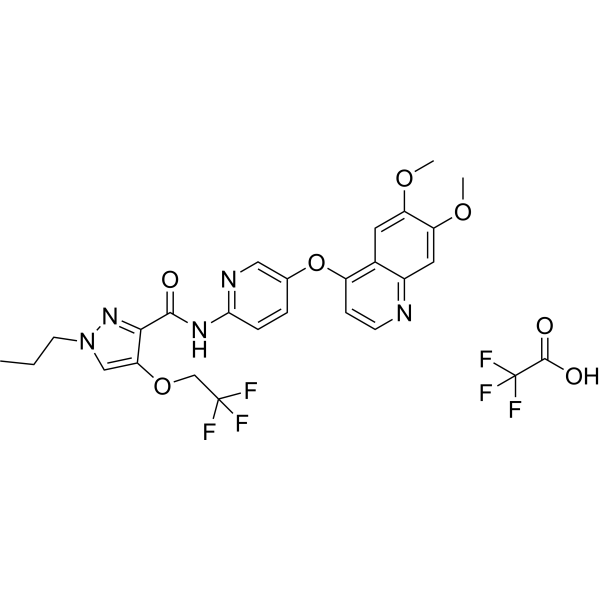
- Formula: C27H25F6N5O7
- Molecular Weight: 645.51
Adrixetinib (Q702) TFA is an orally active triple inhibitor against CSF1R, Mer, and Axl, with Kd values of 8.7 nM, 0.8 nM, and 0.3 nM, respectively. Adrixetinib TFA acts as a potent immune modulator that remodels the tumor microenvironment. Adrixetinib TFA increases the abundance of M1 macrophages and CD8⁺ T cells, while decreasing the levels of M2 macrophages and myeloid-derived suppressor cells (MDSCs). Adrixetinib TFA upregulates the expression of MHC class I and E-cadherin in tumor cells. Adrixetinib TFA shows remarkable antitumor efficacy in syngeneic mouse tumor models. Adrixetinib TFA is suitable for the research of breast cancer, renal adenocarcinoma, colon carcinoma, and melanoma.

- Formula: C30H24N4O3
- Molecular Weight: 488.54
MS1129 is a DNMT degrader that induces proteasomal degradation of DNMT1, DNMT3A and DNMT3B proteins. MS1129 upregulates TRAIL, DR4 and DR5 proteins, downregulates the decoy receptor DcR2, and activates TRAIL-dependent apoptosis via the HIF-1/2 and Caspase-10 pathways. MS1129 is applicable to the research of VHL-deficient clear cell renal cell carcinoma.

- Molecular Weight: 144.85 kDa
OM-RCA-01 is an anti-FGFR1 monoclonal antibody with a Kd of 1.59 nM for human FGFR1. OM-RCA-01 inhibits the phosphorylation of FGFR1, blocks FGF-mediated signaling pathways, and suppresses the proliferation of downstream tumor cells. OM-RCA-01 delays tumor growth in lung cancer and renal cancer xenograft models expressing FGFR1. When combined with Nivolumab, OM-RCA-01 enhances the release of IFN-γ and IL-2. OM-RCA-01 is applicable for the research of lung cancer and renal cell carcinoma.
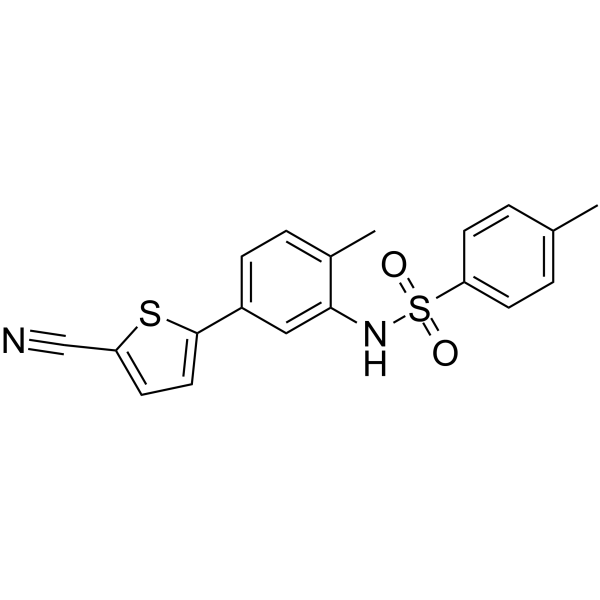
- Formula: C19H16N2O2S2
- Molecular Weight: 368.47
ELR510444 is an orally active tubulin inhibitor with an IC50 of 10 μM. ELR510444 binds to the colchicine-binding site on β-tubulin, inhibits tubulin assembly, depolymerizes microtubules and blocks HIF activity. ELR510444 induces cellular microtubule loss, abnormal mitotic spindle, mitotic arrest, apoptosis, morphological changes in tumor endothelial cells, and inhibits cancer cell proliferation, angiogenesis and tumor growth. ELR510444 can be used in research related to various cancers such as renal cell carcinoma.



