



ELR510444
Based on 1 publication(s) in Google Scholar
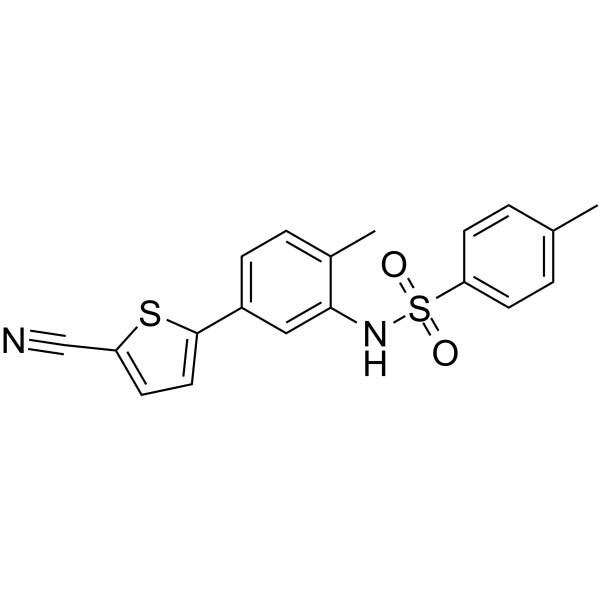
ELR510444 is an orally active tubulin inhibitor with an IC50 of 10 μM. ELR510444 binds to the colchicine-binding site on β-tubulin, inhibits tubulin assembly, depolymerizes microtubules and blocks HIF activity. ELR510444 induces cellular microtubule loss, abnormal mitotic spindle, mitotic arrest, apoptosis, morphological changes in tumor endothelial cells, and inhibits cancer cell proliferation, angiogenesis and tumor growth. ELR510444 can be used in research related to various cancers such as renal cell carcinoma.
Nur für Forschungszwecke. Wir verkaufen nicht an Patienten.
- Reinheit : 98.0%
- CAS. Nr.: 1233948-35-0
- Formel: C19H16N2O2S2
- Molecular Weight:368.47
-
Speicherung:Powder -20°C, 3 years , 4°C, 2 years ; In solvent -80°C, 2 years , -20°C, 1 year

To place orders, for customer services and technical support, please contact: MedChemExpress USA
Tel: 609-228-6898 E-mail: [email protected] [email protected]


-
 Biologische Aktivität
-
Chemical Information
-
Lösungsmittel & Löslichkeit
- Protokoll
- Reinheit & Dokumentation
- Verweise
-
 Help & FAQs


-
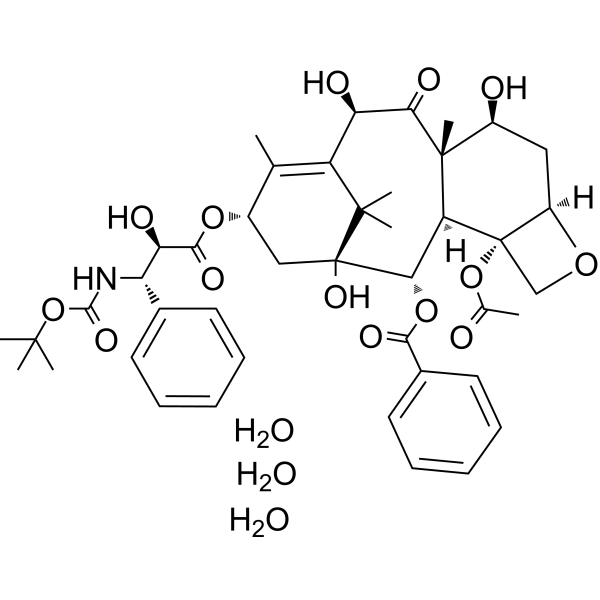
HY-B0011A
Docetaxel TrihydrateMicrotubule Depolymerization Inhibitor -
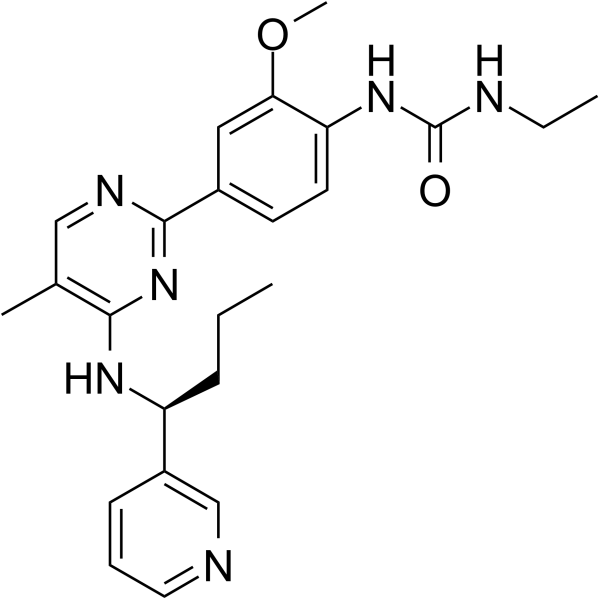
HY-10498
LexibulinTubulin Polymerisation Inhibitor -
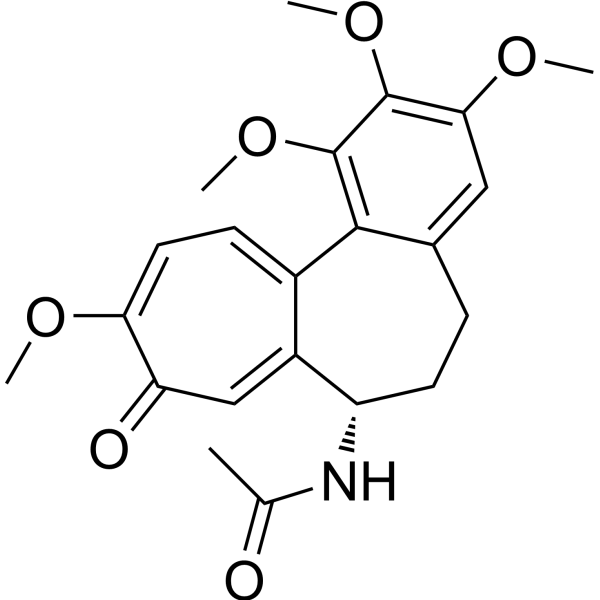
HY-16569
ColchicineTubulin Inhibitor -
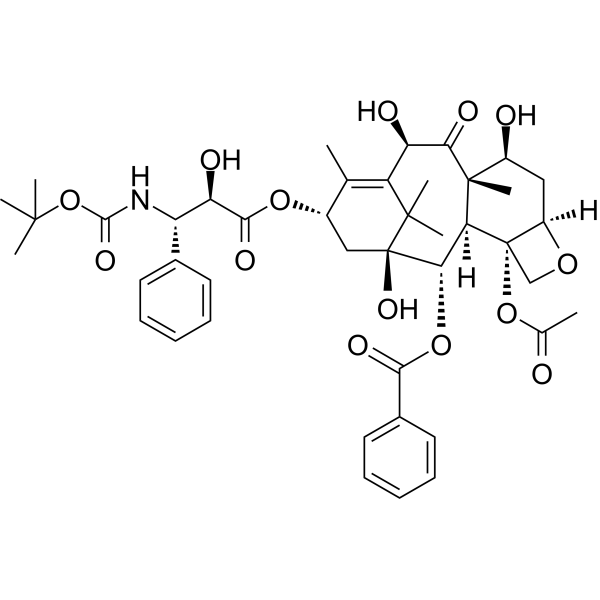
HY-B0011
DocetaxelMicrotubule Depolymerization Inhibitor -
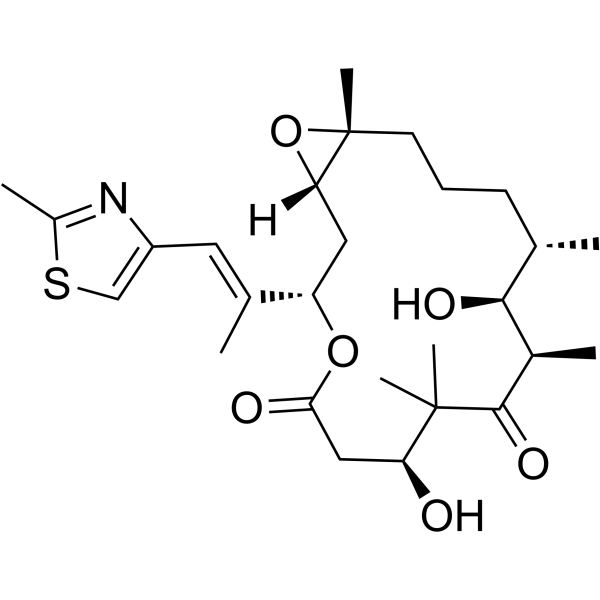
HY-17029
Epothilone BMicrotubule Stabilizer -
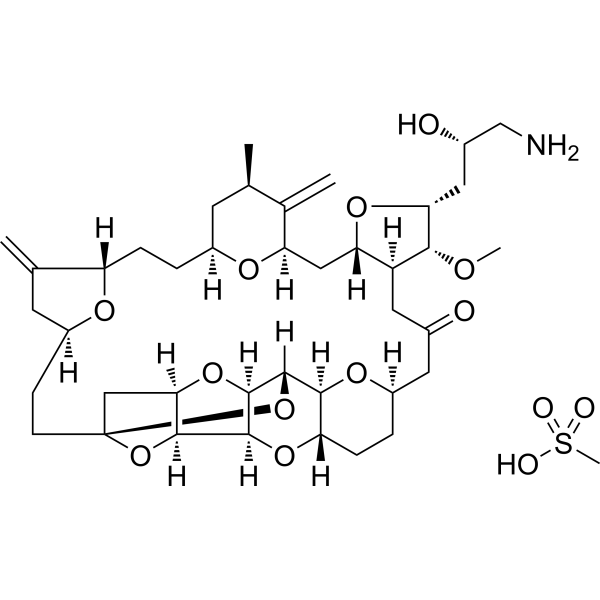
HY-13442A
Eribulin mesylateMicrotubule Inhibitor -
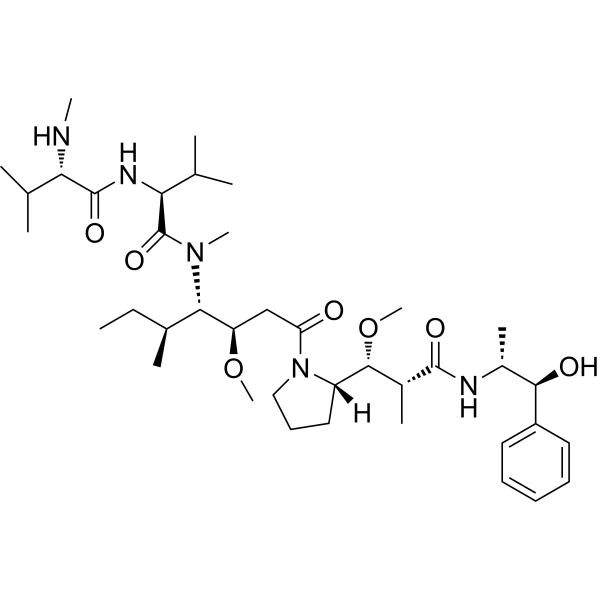
HY-15162
Monomethyl auristatin EAntimitotic Agent -
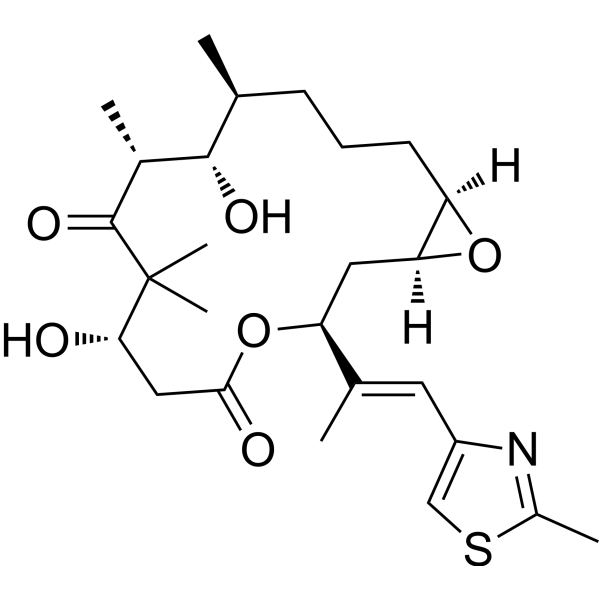
HY-13503
Epothilone ATubulin Competitive Inhibitor -
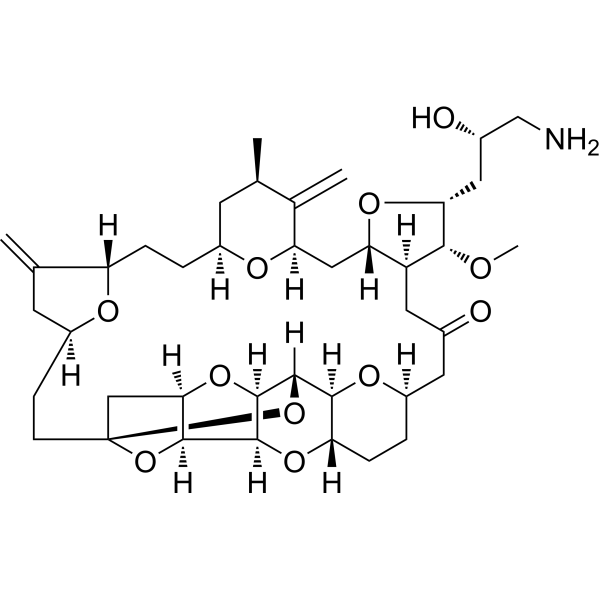
HY-13442
EribulinMicrotubule Inhibitor -
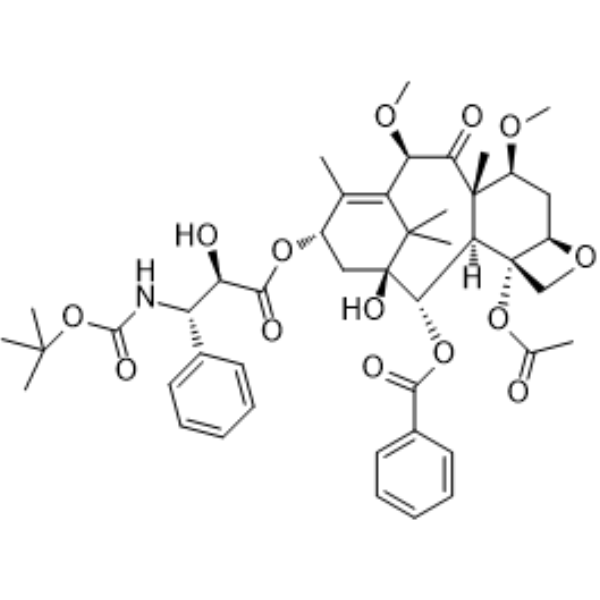
HY-15459
Cabazitaxel -
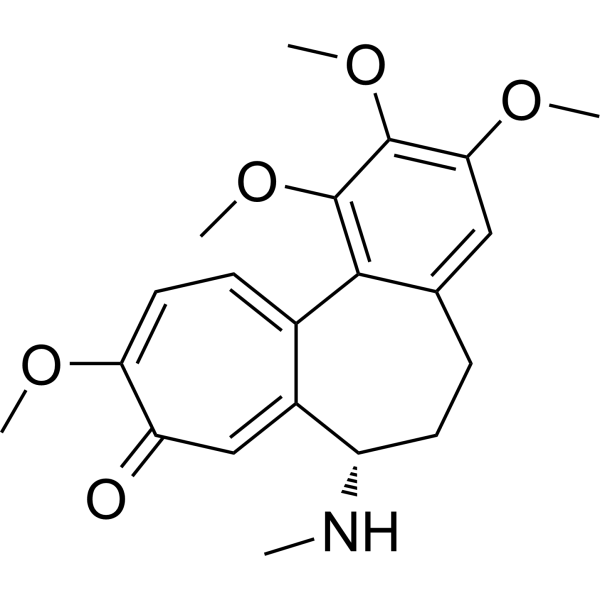
HY-N0282
DemecolcineTubulin Inhibitor -
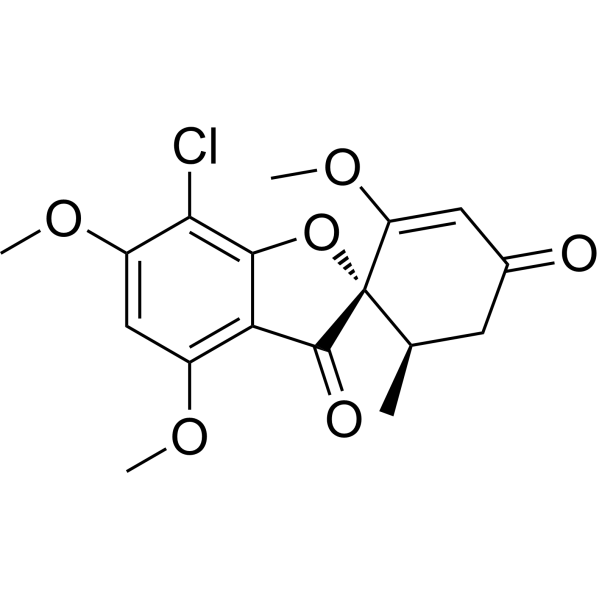
HY-17583
GriseofulvinAntifungal Antibiotic
Publications Citing Use of MedChemExpress (MCE) ELR510444
More

Biologische Aktivität
Beschreibung
In Vitro
ELR510444 (48 h) potently inhibits the proliferation of various cancer cell lines and endothelial cell lines at low nanomolar concentrations, with relatively low relative resistance in βIII-tubulin-overexpressing HeLa cells (Rr = 1.4) and P-glycoprotein-overexpressing SK-OV-3 cells (Rr = 2.3)[1].
ELR510444 (18 h) acts as a microtubule depolymerizing agent in rat embryonic aortic smooth muscle cells A-10, with an EC50 of 21 nM for inducing cellular microtubule loss[1].
ELR510444 (25 nM; 18 h) induces mitotic arrest and formation of compact abnormal multipolar spindles in HeLa cervical cancer cells[1].
ELR510444 induces apoptosis in HCT-116 cells, with an EC50 of 19 nM for activating caspase 3/7, which is consistent with its antiproliferative mechanism[1].
ELR510444 (30 nM; 1 h) induces rapid morphological changes (retraction of intercellular junctions, formation of membrane vesicles) in 2H-11 mouse tumor endothelial cells upon treatment at 30 nM for 1 h, suggesting its potential vascular disrupting activity[1].
ELR510444 (0-100 nM; 16 h) potently inhibits HIF-1α activity in VHL-deficient RCC4 cells, with nearly complete inhibition observed at concentrations ≥ 30 nM[2].
ELR510444 (0-100 nM; 24 h) reduces the protein expression of HIF-1α and HIF-2α in VHL-deficient RCC4 cells in a dose-dependent manner[2].
ELR510444 (10 nM; 24 h) significantly reduces the transcriptional level of HIF-1α in VHL-deficient RCC4 cells, as well as the transcriptional level of HIF-2α in VHL-deficient RCC4, 786-O and A498 cells[2].
ELR510444 (10 nM; 16 h) significantly reduces VEGF secretion in VHL-deficient A498, RCC4 and 786-O renal cell carcinoma cells[2].
ELR510444 (0-1000 nM; 72 h) reduces cell viability in all tested renal cell carcinoma cell lines, and exerts more significant efficacy in VHL-deficient A498, 786-O and RCC4 cells compared with VHL-proficient ACHN, Caki-1 and Caki-2 cells[2].
ELR510444 (3-30 nM; 24 h) reduces the clonogenic survival rate of all tested renal cell carcinoma cell lines, and exerts more significant efficacy on VHL-deficient A498, 786-O and RCC4 cells compared with VHL-proficient ACHN, Caki-1 and Caki-2 cells[2].
ELR510444 (10-30 nM; 24 h) induces apoptosis in all tested renal cell carcinoma cell lines; it exhibits selective activity against VHL-deficient A498, 786-O and RCC4 cells at a concentration of 10 nM, and acts on all cell lines at 30 nM[2].
Studies show that introduction of VHL into VHL-deficient A498 and 786-O renal cell carcinoma cells significantly reduces the sensitivity of these cells to apoptosis induced by 10 nM ELR510444 (10 nM; 24 h)[2].
ELR510444 (10 nM; 24 h) reduces the expression level of HIF-2α protein in vector-only-transfected and VHL-transfected A498 and 786-O renal cell carcinoma cells under both basal and hypoxic (CoCl2-treated) conditions[2].
ELR510444 (10 nM; 16 h) reduces VEGF secretion levels in vector-only-transfected and VHL-transfected A498 and 786-O renal cell carcinoma cells under both basal and hypoxic (CoCl2-treated) conditions[2].
ELR510444 (0-30 nM; 72 h) reduces the viability of vector-only transfected and VHL-transfected A498 and 786-O renal cell carcinoma cells, and its efficacy against VHL-transfected cells is enhanced under hypoxic conditions (treated with CoCl2)[2].
ELR510444 (10-30 nM; 24 h) induces mitotic arrest and apoptosis in all tested renal cell carcinoma cell lines at the concentration of 30 nM, while it preferentially induces apoptosis in VHL-deficient cell lines at 10 nM[2].
ELR510444 (20-35 nM; 24 h) destabilizes microtubules in RCC4 renal cancer cells, with an EC50 of 27 nM, and significant depolymerization is observed at concentrations ≥ 20 nM[2].
MedChemExpress (MCE) has not independently confirmed the accuracy of these methods. They are for reference only. Further protocols information, click here.
-
Cell Line:HeLa cervical cancer cells
-
Concentration:25 nM
-
Incubation Time:18 h
-
Result:Caused accumulation of HeLa cells with tetraploid DNA content (mitotic arrest) and induced formation of aberrant, compact, multiple mitotic spindles.
-
Cell Line:VHL-deficient RCC4 renal cell carcinoma cells
-
Concentration:0, 3, 10, 30 and 100 nM
-
Incubation Time:24 h
-
Result:Induced a dose-dependent decrease in both HIF-1α and HIF-2α protein expression, with visible reduction starting at 0.3 nM and near-complete loss at 100 nM.
Maintained consistent β-tubulin levels across all concentrations.
-
Cell Line:VHL-deficient RCC4, 786-O, and A498 renal cell carcinoma cells
-
Concentration:10 nM
-
Incubation Time:24 h
-
Result:Reduced HIF-1α transcript levels in RCC4 cells with a fold change ~-1.2 relative to control.
Reduced HIF-2α transcript levels in 786-O, RCC4, and A498 cell.
-
Cell Line:VHL-deficient A498, RCC4, and 786-O renal cell carcinoma cells
-
Concentration:10 nM
-
Incubation Time:16 h
-
Result:Decreased VEGF secretion in all three cell lines: from ~2100 pg/mL to ~1100 pg/mL in A498, ~1500 pg/mL to ~800 pg/mL in RCC4, and ~1300 pg/mL to ~800 pg/mL in 786-O.
-
Cell Line:VHL-deficient (A498, 786-O, RCC4) and VHL-proficient (ACHN, Caki-1, Caki-2) renal cell carcinoma cells
-
Concentration:10 and 30 nM
-
Incubation Time:24 h
-
Result:Stimulated apoptosis in all tested RCC cell lines.
Induced 20-45% DNA fragmentation in VHL-deficient lines at 10 nM, compared to 10-20% in VHL-proficient lines.
Induced 25-45% DNA fragmentation in all lines at 30 nM.
-
Cell Line:VHL-transfected and vector-only control A498 and 786-O renal cell carcinoma cells
-
Concentration:10 nM
-
Incubation Time:24 h
-
Result:Induced ~20% DNA fragmentation in vector-only A498 cells and ~17% in vector-only 786-O cells, compared to ~8-9% in VHL-transfected A498 and 786-O cells.
-
Cell Line:VHL-transfected and vector-only control A498 and 786-O renal cell carcinoma cells treated with hypoxia mimic (CoCl2)
-
Concentration:10 nM
-
Incubation Time:24 h
-
Result:Reduced HIF-2α levels under both basal and hypoxic (CoCl2-treated) conditions in both vector and VHL-transfected cells, despite CoCl2 stimulating HIF-2α expression in VHL-transfected cells.
-
Cell Line:VHL-transfected and vector-only control A498 and 786-O renal cell carcinoma cells treated with hypoxia mimic (CoCl2)
-
Concentration:10 nM
-
Incubation Time:16 h
-
Result:Reduced VEGF secretion under both basal and hypoxic (CoCl2-treated) conditions in both vector and VHL-transfected cells, with levels corresponding to reduced HIF-2α expression.
-
Cell Line:VHL-deficient (A498, 786-O, RCC4) and VHL-proficient (ACHN, Caki-1, Caki-2) renal cell carcinoma cells
-
Concentration:10 and 30 nM
-
Incubation Time:24 h
-
Result:Induced mitotic (G2/M) arrest and increased sub-G0/G1 apoptotic cells in all tested RCC lines at 30 nM.
Induced apoptosis preferentially in VHL-deficient lines without prominent G2/M arrest at 10 nM.
-
Cell Line:RCC4 renal cell carcinoma cells
-
Concentration:20, 25, 30 and 35 nM
-
Incubation Time:24 h
-
Result:Induced microtubule destabilization in a dose-dependent manner, with detectable depolymerization starting at 15 nM, visible effects in most cells at 20 nM, and an EC50 of 27 nM for microtubule loss.
Parmacokinetics
| Species | Dose | Route | Cmax | T1/2 |
|---|---|---|---|---|
| Mice[1] | 25 mg/kg | p.o. | 1.2 μg/mL | 3.6 h |
In Vivo
ELR510444 (8 mg/kg; p.o.; QDx5; 2 weeks) significantly reduces tumor volume by ~55%, inhibits tumor angiogenesis, increases tumor necrosis, and induces tumor cell and endothelial cell apoptosis in the 786-O RCC xenograft model[2].
ELR510444 (8 mg/kg; p.o.; QDx5; 2 weeks) significantly reduces tumor volume by ~46%, inhibits tumor angiogenesis, increases tumor necrosis, and induces tumor cell and endothelial cell apoptosis in the A498 RCC xenograft model[2].
MedChemExpress (MCE) has not independently confirmed the accuracy of these methods. They are for reference only.
-
Animal Model:BALB/c nude (female, 6 to 7 weeks of age)[1]
-
Dosage:3 mg/kg; 6 mg/kg; 12.5 mg/kg
-
Administration:p.o.; daily; 28 days
-
Result:Caused dose-dependent antitumor effects.
Demonstrated antitumor activity comparable with positive control ABT-751 at 75 mg/kg at 6 mg/kg dose.
Showed no additional antitumor activity at 12.5 mg/kg maximum tolerated dose compared with 6 mg/kg dose.
Maintained animal body weight during first 2 weeks of treatment, with only minor weight loss in last 2 weeks that never dropped below initial body weight.
Achieved at least a 2-fold therapeutic window.
-
Animal Model:BALB/c nude mice (female)[2]
-
Dosage:8 mg/kg
-
Administration:p.o.; QDx5; 2 weeks
-
Result:Decreased mean tumor volume by ~55% compared to vehicle controls.
Reduced PCNA-positive cells to ~35% from ~85% in controls.
Increased cleaved caspase-3 positive cells to ~10% from ~1.5% in controls.
Elevated central tumor necrosis to 60% from 5% in controls.
Reduced mean vessel density to 16 from 39 in controls.
Increased endothelial cell apoptosis to 7% from 1% in controls.
Reduced VEGF relative intensity to ~0.65 from ~1.7 in controls.
Caused no significant animal weight loss.\nDecreased mean tumor volume by ~46% compared to vehicle controls.
Reduced PCNA-positive cells to ~32% from ~90% in controls.
Increased cleaved caspase-3 positive cells to ~12% from ~1% in controls.
Elevated central tumor necrosis to 27% from 4% in controls.
Reduced mean vessel density to 12 from 34 in controls.
Increased endothelial cell apoptosis to 8% from 0.5% in controls.
Reduced VEGF relative intensity to ~0.6 from ~1.55 in controls.
Caused no significant animal weight loss.


Chemical Information
-
CAS. Nr. 1233948-35-0
-
Appearance Solid
-
Molecular Weight 368.47
-
Formel C19H16N2O2S2
-
Color Light yellow to yellow
-
SMILES
O=S(C1=CC=C(C)C=C1)(NC2=CC(C3=CC=C(C#N)S3)=CC=C2C)=O
-
Versand
Room temperature in continental US; may vary elsewhere.
-
Speicherung
Powder -20°C 3 years 4°C 2 years In solvent -80°C 2 years -20°C 1 year


Publications (1)
-
Journal Impact Factor
-
Most Recent
-
RSC Adv
Structural insights into targeting of the colchicine binding site by ELR510444 and parbendazole to achieve rational drug design. [Abstract]2021 May 25;11(31):18938-18944. PMID: 35478655


Lösungsmittel & Löslichkeit
In Vitro:
DMSO : ≥ 37 mg/mL (100.42 mM; Hygroscopic DMSO has a significant impact on the solubility of product, please use newly opened DMSO)
* "≥" means soluble, but saturation unknown.
Please refer to the solubility information to select the appropriate solvent. Once prepared, please aliquot and store the solution to prevent product inactivation from repeated freeze-thaw cycles.
Storage method and period of stock solution: -80°C, 2 years; -20°C, 1 year. When stored at -80°C, please use it within 2 years. When stored at -20°C, please use it within 1 year.
Please refer to the solubility information to select the appropriate solvent. Once prepared, please aliquot and store the solution to prevent product inactivation from repeated freeze-thaw cycles.
Storage method and period of stock solution: -80°C, 2 years; -20°C, 1 year. When stored at -80°C, please use it within 2 years. When stored at -20°C, please use it within 1 year.
Konzentration (Stammlösung) × Volumen (Stammlösung) = Konzentration (Ziellösung) × Volumen (Ziellösung)

Protokoll
-
Human pluripotent stem cell endothelial-cell differentiation
Human pluripotent stem cell endothelial differentiation is based on stepwise developmental patterning: early activation of WNT/GSK3β inhibition promotes mesodermal or vascular progenitor entry, followed by endothelial specification using VEGF-related signaling, BMP4, FGF2, Notch modulation, or cAMP depending on the published protocol. Endothelial differentiation is read out by acquisition of CD31, CD34, VE-cadherin/CD144, KDR/VEGFR2, vWF, Tie2, NOS3, acetylated LDL uptake, tube/network formation, barrier function, and in vivo vessel-forming capacity where tested.
-
Somatic Cell Culture
A method of simulating the in vivo environment in vitro to maintain the cell growth, differentation and main functions.
-
Apoptosis
Apoptosis, also called programmed cell death, is generally characterized by distinct morphological characteristics.
-
TUNEL staining for apoptotic DNA fragmentation
TUNEL staining detects DNA strand breaks by using terminal deoxynucleotidyl transferase to add labeled nucleotides to exposed 3′-OH DNA termini, generating either microscopic staining in fixed cells or tissue sections, or fluorescence/cytometric signal in cell suspensions. TUNEL positivity reflects DNA fragmentation but should not be interpreted alone as definitive apoptosis, because TUNEL can also label necrotic, autolytic, mechanically damaged, or DNA-repair-associated DNA breaks.
-
Cell Cytotoxicity Assay
Cytotoxicity assays are usually based on the assessment of cell membrane damage, which can also be indirectly detected by measuring cell viability. Detection methods include MTT assay, CKK-8 assay, LDH assay and ATP assay, etc.
-
Endothelial Tube Formation Assay
Endothelial tube formation assay evaluates the ability of endothelial cells to attach, migrate, align, and organize into capillary-like networks when cultured on gelled basement membrane extract or Matrigel; the readout is the morphology and quantity of tube-like networks, which reflects an in vitro endothelial morphogenesis step related to angiogenesis. Basement membrane extract/Matrigel provides laminin-rich extracellular matrix cues that support endothelial differentiation into capillary-like structures, but it can contain biologically active growth factors, so growth-factor-reduced matrix is preferred when testing defined angiogenic stimulators or inhibitors.
-
Apoptosis Solutions
Apoptosis is a regulated, generally non-lytic cell-death pathway that removes unwanted, damaged, infected, or abnormal cells through coordinated morphological changes, caspase activation, DNA fragmentation, and membrane remodeling. The intrinsic apoptosis pathway is controlled mainly by mitochondrial outer membrane permeabilization, BCL-2 family proteins, cytochrome c release, apoptosome formation, caspase-9 activation, and downstream executioner caspase-3/7 activation. The extrinsic apoptosis pathway is initiated by death receptors such as Fas, TNFR, and TRAIL receptors, which recruit adaptor proteins and activate caspase-8 before engaging executioner caspases or mitochondrial amplification through BID cleavage. Apoptosis is linked to many phenotypes, including cancer cell killing, tissue homeostasis, immune regulation, neurodegeneration, infection response, and treatment-induced cytotoxicity; unresolved questions include how apoptosis interacts with necroptosis, pyroptosis, ferroptos
-
MTT Cell Proliferation Assay
The MTT assay is a colorimetric endpoint assay for estimating viable cell number, cell growth, cytotoxicity, or cell activation in cultured mammalian cells. Living cells reduce the yellow tetrazolium salt MTT into purple/blue formazan, while dead cells do not generate the same signal; the resulting color can be quantified with a multiwell spectrophotometer. MTT reduction is commonly interpreted as a readout of metabolic activity that often correlates with viable cell number, but it should not be treated as a direct cell-counting method unless the assay is optimized for the cell type and experimental condition. Studies show that MTT reduction can involve mitochondrial and non-mitochondrial reducing systems, and formazan may accumulate in intracellular lipid droplets rather than simply marking mitochondria.
-
Endothelial Cell Migration/Angiogenic Sprouting Assay
Endothelial cell migration and angiogenic sprouting assays are in vitro (and partially ex vivo-adapted) functional models that quantify the ability of endothelial cells to undergo coordinated migration, extracellular matrix invasion, and multicellular organization into capillary-like sprouts in response to pro-angiogenic stimuli such as VEGF, bFGF, or conditioned microenvironments. These assays are used to model early angiogenic events including tip-cell formation, directional migration, and lumen-like sprout extension, which collectively reflect angiogenic activation and vascular morphogenesis processes observed in vivo.
-
Vascular/Branching Fractal Analysis
Vascular/branching fractal analysis quantifies the geometric complexity of vessel trees or vascular networks from segmented 2D images, commonly by converting vessels into binary and/or skeletonized maps and estimating fractal dimension using box-counting or related approaches. Fractal dimension is interpreted as an image-derived readout of vascular branching complexity, space filling, or density, and has been applied to retinal photographs, fluorescein angiography, OCT angiography, capillary perfusion maps, and in vitro Matrigel angiogenesis networks. The assay readout is generated from vessel-positive pixels after image preprocessing, vessel segmentation, binarization, and optional skeletonization; reported outputs include fractal dimension, vessel density, branchpoint density, endpoint density, vessel length density, tortuosity, and generation-based branching metrics when VESGEN-style analysis is used. The biological interpretation is limited to quantitative vascular patterning and s
-
Annexin V plus membrane-impermeant dye apoptosis staining
Annexin V-based apoptosis assays rely on the detection of phosphatidylserine (PS) externalization from the inner leaflet of the plasma membrane to the outer leaflet, an early biochemical hallmark of apoptosis. Fluorescently labeled Annexin V binds PS in a calcium-dependent manner, enabling identification of early apoptotic cells by flow cytometry or fluorescence microscopy. When combined with a membrane-impermeant DNA-binding dye (e. g. , propidium iodide), this approach allows discrimination between viable (Annexin V−/dye−), early apoptotic (Annexin V+/dye−), and late apoptotic or necrotic (Annexin V+/dye+) cell populations by assessing membrane integrity and PS exposure.
-
BrdU Incorporation Assay
Bromodeoxyuridine (BrdU) incorporation assay is based on the principle that BrdU, a thymidine analog, is incorporated into newly synthesized DNA during the S phase of the cell cycle, thereby serving as a marker of DNA replication and cellular proliferation. Incorporated BrdU can be detected using anti-BrdU antibodies following DNA denaturation, enabling visualization or quantification of proliferating cells through immunochemical detection methods such as immunofluorescence or immunohistochemistry.
-
CFSE Dye Dilution Proliferation Assay
The CFSE (carboxyfluorescein diacetate succinimidyl ester) dye dilution proliferation assay is based on the covalent labeling of intracellular proteins by a cell-permeant fluorescent dye that becomes fluorescent upon intracellular ester cleavage and then is stably retained within cells. As labeled cells divide, the dye is partitioned equally between daughter cells, resulting in a stepwise halving of fluorescence intensity that can be quantified by flow cytometry to determine the number of cell divisions undergone by each cell population. This fluorescence dilution approach enables quantitative tracking of lymphocyte proliferation at the single-cell level over multiple rounds of division. CFSE-based proliferation analysis has been widely applied to measure antigen-driven lymphocyte expansion in vitro, where discrete fluorescence peaks correspond to successive cell divisions and allow reconstruction of proliferative history within heterogeneous populations.
-
Dye-dilution cell tracking and proliferation staining
Dye-dilution cell tracking assays quantify cell proliferation by covalently labeling intracellular proteins with a stable fluorescent dye that is equally partitioned between daughter cells during mitosis, resulting in stepwise halving of fluorescence intensity with each cell division as measured by flow cytometry histograms. Carboxyfluorescein diacetate succinimidyl ester (CFSE) is a prototypical dye that diffuses into cells, is enzymatically converted into a fluorescent compound, and then covalently binds intracellular amine groups, producing long-lived fluorescence suitable for tracking multiple rounds of division in vitro and in vivo. Successive generations of dividing cells form discrete peaks of decreasing fluorescence intensity, enabling estimation of proliferation history, precursor frequency, and division index within heterogeneous populations. Alternative dyes such as CellTrace Violet (CTV) and far-red membrane dyes (e. g. , PKH26) follow the same dilution principle but differ
-
Patient-Derived Orthotopic Xenograft (PDOX)
Patient-derived orthotopic xenograft (PDOX) modeling implants fresh patient tumor tissue or patient-derived tumor cells into the anatomically corresponding organ or tissue site of immunodeficient mice, usually by surgical orthotopic implantation, to preserve patient tumor histology, local microenvironmental context, invasion, metastatic behavior, and treatment-response features better than subcutaneous implantation. PDOX readouts include tumor engraftment, orthotopic tumor growth, local invasion, metastasis, recurrence after resection, histologic similarity to the donor tumor, biomarker retention, molecular concordance, survival, and response or resistance to therapy. PDOX models are used for preclinical drug testing and individualized therapy evaluation, but engraftment success varies by tumor type and specimen quality.
-
CCK-8/WST-8 Cell Proliferation Assay
The CCK-8/WST-8 assay is based on the reduction of the water-soluble tetrazolium salt WST-8 to a water-soluble formazan product by cellular dehydrogenases in metabolically active cells, where the generated formazan amount is proportional to the number of living cells and is quantified by measuring absorbance in the visible range, providing a colorimetric readout for cell viability and proliferation assessment. This class of tetrazolium-based assays improves upon earlier MTT-based systems by producing a water-soluble formazan, eliminating the need for organic solubilization steps and enabling direct spectrophotometric measurement in culture medium.
-
Protocol for Cell Cycle
Cell-cycle analysis by flow cytometry measures DNA content in single cells to estimate the fraction of cells in G0/G1, S, and G2/M phases. Propidium iodide intercalates into DNA, and after RNA removal with RNase, fluorescence intensity reflects cellular DNA content: 2N cells are assigned to G0/G1, cells between 2N and 4N to S phase, and 4N cells to G2/M. DNA-content analysis alone cannot reliably separate G0 from G1 or G2 from M. Ki-67 can distinguish quiescent G0 cells from cycling cells, EdU or BrdU incorporation marks active DNA synthesis in S phase, and phospho-histone H3 staining identifies mitotic cells within the 4N population.
-
Cell Counting-Based Growth Curve Assay
Cell counting-based growth curve assays quantify cell proliferation by directly measuring changes in viable cell number over time using manual or automated counting methods such as hemocytometer-based counting or instrument-assisted cell enumeration, enabling construction of growth curves that reflect population expansion dynamics in response to culture conditions. A widely used approach is trypan blue exclusion with hemocytometer counting, where membrane-compromised (non-viable) cells take up the dye, allowing discrimination between viable and non-viable cells while simultaneously enabling total cell number quantification. Repeated sampling across time points allows estimation of proliferation rate, growth phases, and comparative growth kinetics between experimental conditions.
-
Colony Formation (Clonogenic) Assay
The clonogenic (colony formation) assay measures the ability of a single cell to retain reproductive viability and form a macroscopic colony, typically defined as a cluster derived from one progenitor cell after a defined growth period. This assay is widely used to evaluate cell survival after exposure to ionizing radiation or cytotoxic treatments and is considered a standard method in radiation biology for generating dose-response relationships of reproductive cell death. Colony formation reflects long-term proliferative capacity rather than short-term metabolic activity, and survival is quantified by comparing treated versus untreated conditions based on colony number and derived survival fractions.
-
Cell Viability Determination by MTT Colorimetric Assay
The following protocol uses the MTT colorimetric assay as a classic literature-established method for assessing cell viability/metabolic activity in cultured mammalian cells. MTT[3-(4,5-dimethylthiazol-2-yl)-2,5-diphenyltetrazolium bromide] is reduced by metabolically active cells to a colored formazan product; the amount of formazan is quantified spectrophotometrically and provides an indirect measure of metabolically active viable cells. Importantly, MTT reduction reflects cellular oxidoreductase/metabolic activity rather than an absolute direct count of living cells, so changes in cellular metabolism can alter the signal independently of cell number.
-
EdU Incorporation Assay (Click Chemistry-Based DNA Synthesis Measurement)
The EdU incorporation assay measures DNA synthesis by adding the thymidine analog 5-ethynyl-2′-deoxyuridine to cells or tissues, where it is incorporated into newly synthesized DNA during S phase. Incorporated EdU is detected by copper-catalyzed azide-alkyne cycloaddition, in which a fluorescent azide covalently reacts with the ethynyl group on EdU, allowing S-phase cells to be detected by fluorescence microscopy, flow cytometry, or high-content imaging. EdU detection does not require DNA denaturation or anti-BrdU antibody access, which preserves sample structure and improves compatibility with immunostaining and multiparameter cytometry compared with BrdU-based detection. EdU can be cytotoxic in a cell-type- and exposure-dependent manner, so pulse duration, concentration, and continuous-labeling designs should be validated for each cell type.
-
Ki-67 Immunostaining Proliferation Assay
Ki-67 immunostaining measures the growth fraction of a cell population by detecting Ki-67, a nuclear antigen present in proliferating cells and absent in quiescent G0 cells. The readout is the percentage of Ki-67-positive nuclei among total counted cells, commonly called the Ki-67 labeling index or proliferation index.
-
PCNA Immunodetection Proliferation Assay
PCNA immunodetection measures proliferative activity by detecting proliferating cell nuclear antigen, a nuclear protein associated with DNA polymerase δ function and DNA replication. The assay readout is the proportion of PCNA-positive nuclei among total counted cells, but PCNA labeling is not identical to BrdU labeling because PCNA can mark late G1/early S-associated replication competence and may persist beyond active DNA synthesis depending on fixation and extraction conditions.
-
Protocol for Cell Counting and Cell Density Analysis
Cell counting and cell-density analysis estimate the number of cells in a known volume or field area. Manual hemocytometer counting uses a chamber of defined geometry to convert counted cells into cells/mL, while automated counters and image-analysis workflows detect cell objects from optical, brightfield, fluorescence, impedance, or digital-image features. Trypan blue viability counting is based on dye exclusion: viable cells with intact membranes exclude dye, while non-viable cells with compromised membranes stain blue. The readout is total cell density, viable-cell density, dead-cell density, and percent viability. Cell density can also be estimated from microscopy images by counting objects per image area, from flow cytometry using calibrated volume or reference particles, or from in situ microscopy in bioreactors after calibration against reference methods such as hemocytometer or flow cytometry.
-
Patient-Derived Xenograft (PDX)
Patient-derived xenograft (PDX) models are generated by engrafting primary human tumor tissue directly into immunodeficient mice, allowing in vivo propagation of patient tumor biology without initial in vitro adaptation. These models are used to preserve key histopathological and molecular characteristics of the original tumor and enable assessment of tumor growth dynamics and therapeutic response in a living organism. The biological readout is tumor engraftment and subsequent growth in the murine host, which reflects the ability of human tumor cells to survive, vascularize, and expand in an immunocompromised microenvironment.
-
Subcutaneous Cell-Line-Derived Xenograft
Subcutaneous cell-line-derived xenograft (CDX) models are established by implanting cultured human cancer cell lines into immunodeficient mice, where the injected cells form localized tumors that can be monitored in vivo as a measure of tumorigenic potential, growth kinetics, and treatment response. These models are widely used in oncology research because they allow reproducible tumor formation and enable comparative assessment of tumor growth between different cell lines or genetic manipulations in a controlled in vivo microenvironment. Subcutaneous implantation of cancer cells in immunodeficient mice is a standard approach for evaluating tumor growth behavior and therapeutic response across multiple cancer types, including prostate, esophageal, pancreatic, and colon cancer models.
-
Orthotopic Cell-Line Xenograft
Orthotopic cell-line xenograft models involve implantation of human cancer cell lines into the anatomically corresponding organ of immunodeficient mice to reproduce tumor growth within a native microenvironment, enabling more clinically relevant tumor behavior compared with subcutaneous models. These models are widely used because orthotopic placement better recapitulates tumor progression, including invasion and metastatic spread, which are often underrepresented in heterotopic implantation systems. Compared with conventional xenografts, orthotopic implantation is described as more technically complex but provides improved simulation of tumor-microenvironment interactions and metastatic behavior, making it particularly valuable for translational oncology research. Surgical orthotopic implantation approaches have been emphasized as enabling faithful reproduction of clinical cancer features, including metastasis and disease progression patterns that align with the tumor’s organ of origi


Reinheit & Dokumentation
-
Data Sheet (289 KB)
-
SDS (392 KB)
- English - EN (392 KB)
- Français - FR (392 KB)
- Deutsch - DE (392 KB)
- Norwegian - NO (392 KB)
- Español - ES (392 KB)
- Swedish - SV (392 KB)
- Italian - IT (392 KB)
- Korean - KR (392 KB)
- Portuguese - PT (392 KB)
-
Handling Instructions (2659 KB)
Verweise
[1]. Risinger AL, et al. ELR510444, a novel microtubule disruptor with multiple mechanisms of action. J Pharmacol Exp Ther. 2011;336(3):652-660. [Content Brief]
[2]. Carew JS, et al. ELR510444 inhibits tumor growth and angiogenesis by abrogating HIF activity and disrupting microtubules in renal cell carcinoma. PLoS One. 2012;7(1):e31120. [Content Brief]


Complete Stock Solution Preparation Table
Please refer to the solubility information to select the appropriate solvent. Once prepared, please aliquot and store the solution to prevent product inactivation from repeated freeze-thaw cycles.
Storage method and period of stock solution: -80°C, 2 years; -20°C, 1 year. When stored at -80°C, please use it within 2 years. When stored at -20°C, please use it within 1 year.
| Optional Solvent | Concentration Solvent Mass | 1 mg | 5 mg | 10 mg | 25 mg |
|---|---|---|---|---|---|
| DMSO | 1 mM | 2.7139 mL | 13.5696 mL | 27.1393 mL | 67.8481 mL |
| 5 mM | 0.5428 mL | 2.7139 mL | 5.4279 mL | 13.5696 mL | |
| 10 mM | 0.2714 mL | 1.3570 mL | 2.7139 mL | 6.7848 mL | |
| 15 mM | 0.1809 mL | 0.9046 mL | 1.8093 mL | 4.5232 mL | |
| 20 mM | 0.1357 mL | 0.6785 mL | 1.3570 mL | 3.3924 mL | |
| 25 mM | 0.1086 mL | 0.5428 mL | 1.0856 mL | 2.7139 mL | |
| 30 mM | 0.0905 mL | 0.4523 mL | 0.9046 mL | 2.2616 mL | |
| 40 mM | 0.0678 mL | 0.3392 mL | 0.6785 mL | 1.6962 mL | |
| 50 mM | 0.0543 mL | 0.2714 mL | 0.5428 mL | 1.3570 mL | |
| 60 mM | 0.0452 mL | 0.2262 mL | 0.4523 mL | 1.1308 mL | |
| 80 mM | 0.0339 mL | 0.1696 mL | 0.3392 mL | 0.8481 mL | |
| 100 mM | 0.0271 mL | 0.1357 mL | 0.2714 mL | 0.6785 mL |


ELR510444 Related Classifications
HY-16191 Related Classifications
 Powered by Bioz
Keywords