



Dihydro-5-azacytidine
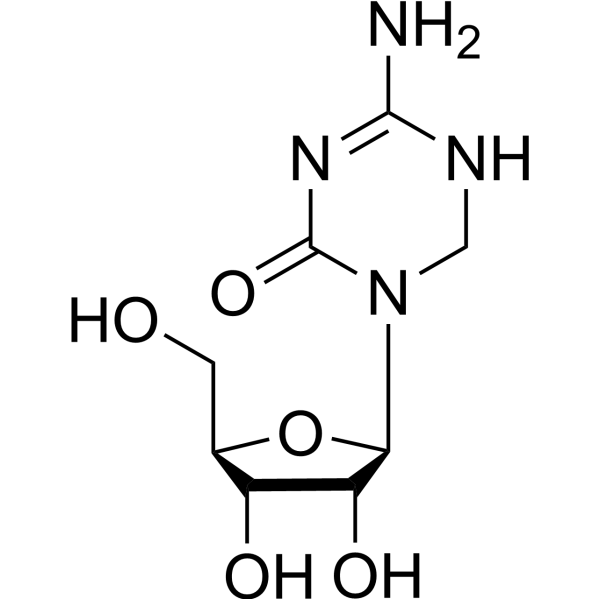
Dihydro-5-azacytidine (DHAC), the nucleoside analog, is incorporated into DNA and inhibits DNA methylation. Dihydro-5-azacytidine has an antitumor activity.
For research use only. We do not sell to patients.
- CAS No.: 62488-57-7
- Formula: C8H14N4O5
- Molecular Weight:246.22
-
Storage:
Please store the product under the recommended conditions in the Certificate of Analysis.

To place orders, for customer services and technical support, please contact: MedChemExpress USA
Tel: 609-228-6898 E-mail: [email protected] [email protected]


-
 Biological Activity
-
Chemical Information
- Protocols
- Purity & Documentation
- References
-
 Help & FAQs


-
HY-B2230
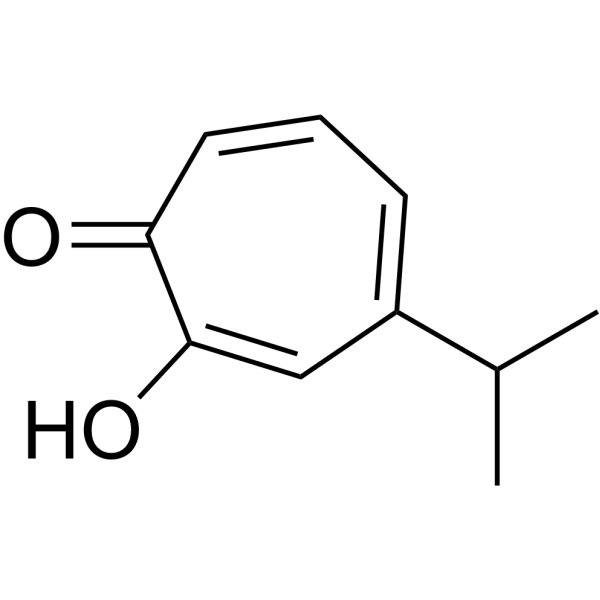
HinokitiolVirus Protease Inhibitor -
HY-13642
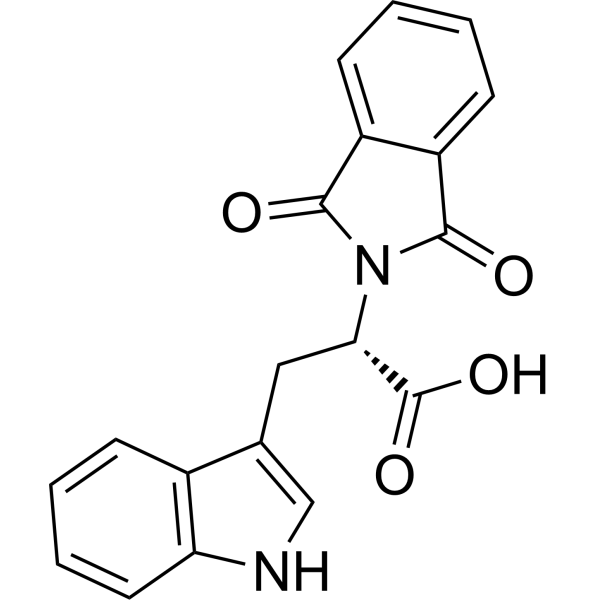
RG108DNMT Inhibitor -
HY-139664
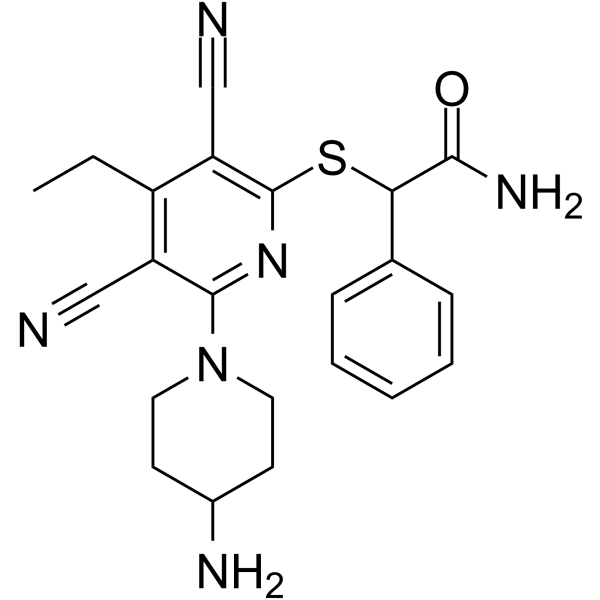
GSK-3685032DNMT1 Inhibitor -

HY-B2194
γ-OryzanolDNA Methyltransferase Inhibitor -
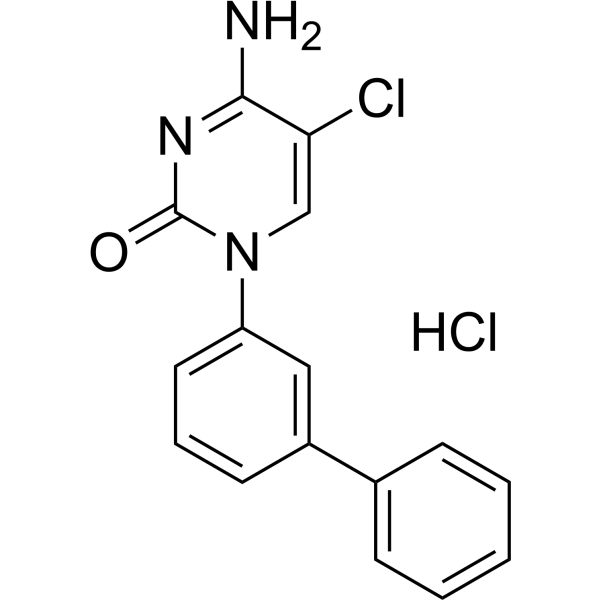
HY-111558A
Bobcat339 hydrochlorideTET Inhibitor -
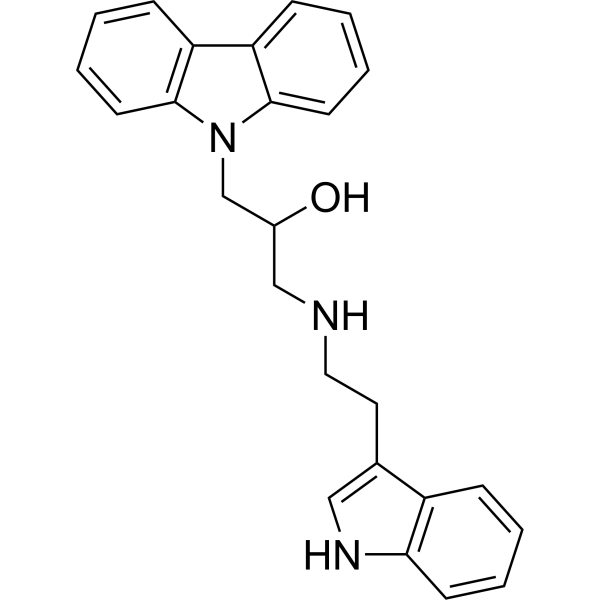
HY-12746
DC-05DNA Methyltransferase Inhibitor -
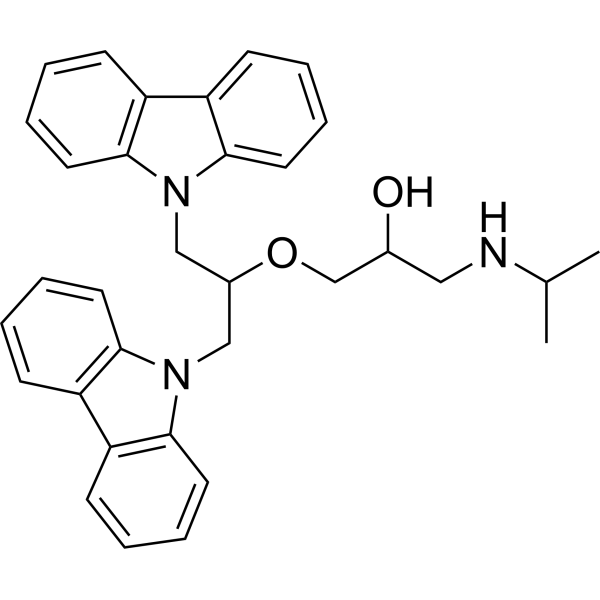
HY-12747
DC_517DNA Methyltransferase Inhibitor -
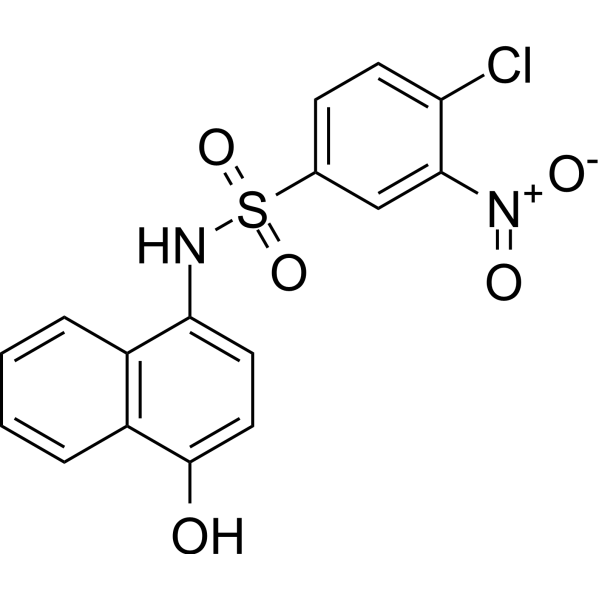
HY-123346
SW155246DNMT1 Inhibitor -
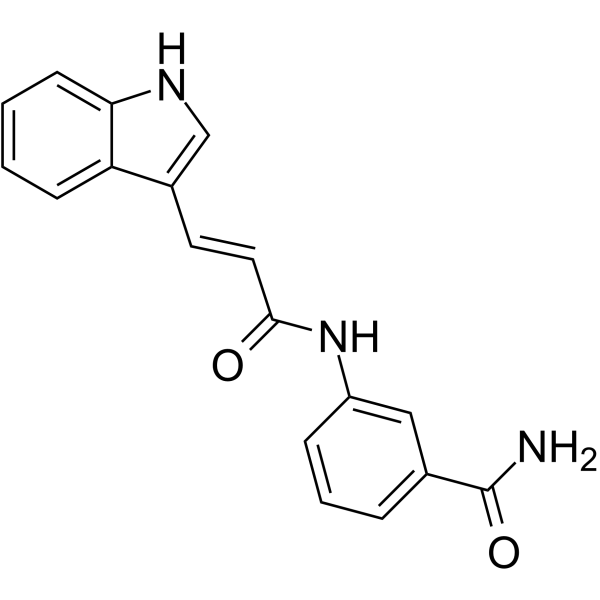
HY-12310
RSC133DNA methyltransferase 1/Histone Deacetylase 1 Inhibitor -
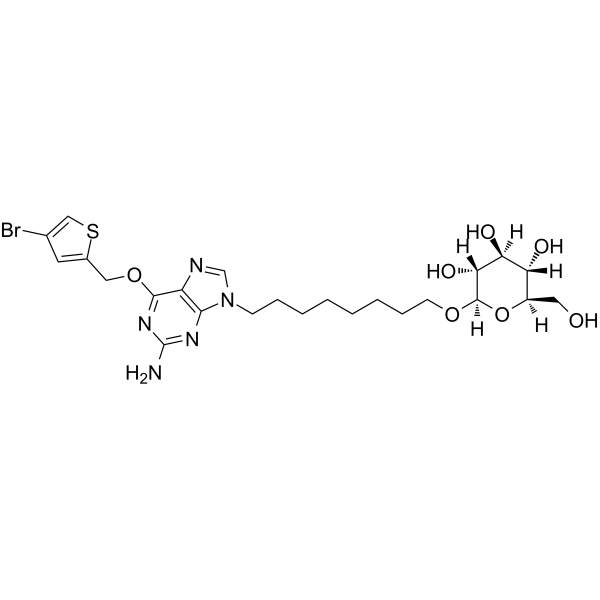
HY-13057
O6BTG-octylglucosideMGMT Inhibitor -
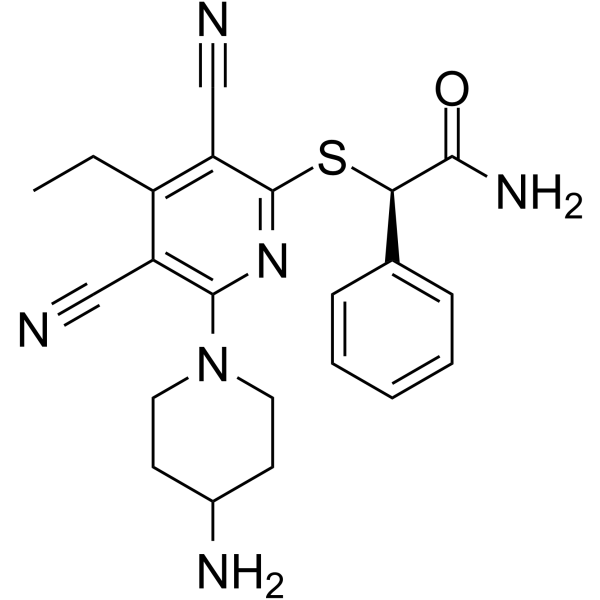
HY-139664A
(R)-GSK-3685032DNMT1 Inhibitor -

HY-B2230R
Hinokitiol (Standard)Virus Protease Inhibitor
All DNA Methyltransferase Isoforms
More

Biological Activity
Description
In Vitro
Methylation studies show that an LD10 dose of [3H]DHAC results in a 25.06% hypomethylation of DNA in L1210/0 cells and a 46.32% hypomethylation in a deoxycytidine kinase mutant cell line L1210/dCK(-), compared with their respective controls[2].
Dihydro-5-azacytidine (DHAC) competes with cytidine triphosphate for incorporation into RNA, leading to ribosomal degradation and defective protein synthesis[1].
MedChemExpress (MCE) has not independently confirmed the accuracy of these methods. They are for reference only. Further protocols information, click here.
In Vivo
MedChemExpress (MCE) has not independently confirmed the accuracy of these methods. They are for reference only.


Chemical Information
-
CAS No. 62488-57-7
-
Molecular Weight 246.22
-
Formula C8H14N4O5
-
SMILES
NC(NC1)=NC(N1[C@H]2[C@H](O)[C@H](O)[C@@H](CO)O2)=O
-
Synonyms
DHAC; NSC 264880
-
Shipping
Room temperature in continental US; may vary elsewhere.
-
Storage
Please store the product under the recommended conditions in the Certificate of Analysis.

Protocols
-
Research Protocol for Epigenomic Data Analysis
Epigenomic data analysis identifies genome-wide regulatory features that influence gene expression, chromatin state, and phenotype without changing the underlying DNA sequence. In this strategy, the core regulatory layer includes chromatin accessibility, transcription-factor or histone-mark occupancy, DNA methylation, and chromatin-state patterns; these features are measured by sequencing-based assays and interpreted as regulatory elements, promoters, enhancers, repressive domains, methylated cytosines, or candidate phenotype-associated chromatin programs. The literature links epigenomic features to phenotype by showing that functional genomic elements can be mapped across human cell types and tissues, and that integrated epigenomic maps reveal cell-type-specific regulatory programs. ENCODE integrated transcription, chromatin accessibility, transcription-factor occupancy, and histone modification data to annotate functional elements in the human genome, while the Roadmap Epigenomics Co
-
Subcutaneous Cell-Line-Derived Xenograft
Subcutaneous cell-line-derived xenograft (CDX) models are established by implanting cultured human cancer cell lines into immunodeficient mice, where the injected cells form localized tumors that can be monitored in vivo as a measure of tumorigenic potential, growth kinetics, and treatment response. These models are widely used in oncology research because they allow reproducible tumor formation and enable comparative assessment of tumor growth between different cell lines or genetic manipulations in a controlled in vivo microenvironment. Subcutaneous implantation of cancer cells in immunodeficient mice is a standard approach for evaluating tumor growth behavior and therapeutic response across multiple cancer types, including prostate, esophageal, pancreatic, and colon cancer models.


Purity & Documentation
References
[1]. Robert A Kratzke, et al. Response to the methylation inhibitor dihydro-5-azacytidine in mesothelioma is not associated with methylation of p16INK4a: results of cancer and leukemia group B 159904. J Thorac Oncol. 2008 Apr;3(4):417-21. [Content Brief]
[2]. W C Powell, et al. Biochemical pharmacology of 5,6-dihydro-5-azacytidine (DHAC) and DNA hypomethylation in tumor (L1210)-bearing mice. Cancer Chemother Pharmacol. 1988;21(2):117-21. [Content Brief]

Calculators
Concentration (start) × Volume (start) = Concentration (final) × Volume (final)


Dihydro-5-azacytidine Related Classifications
HY-106689 Related Classifications
 Powered by Bioz