



Nucleoside Analogs
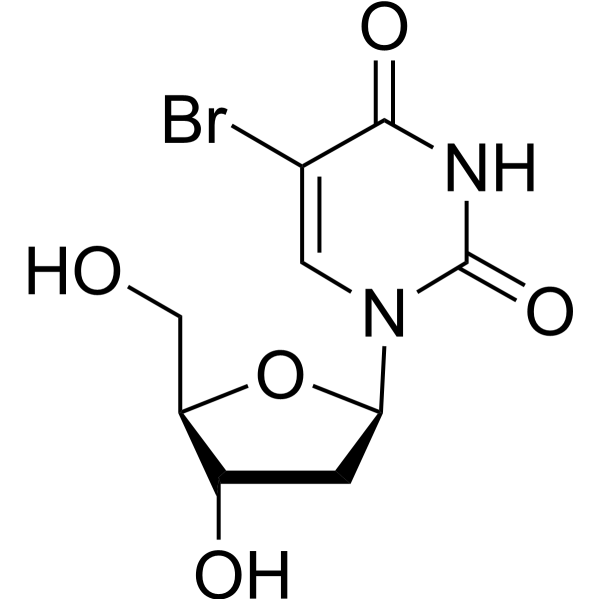
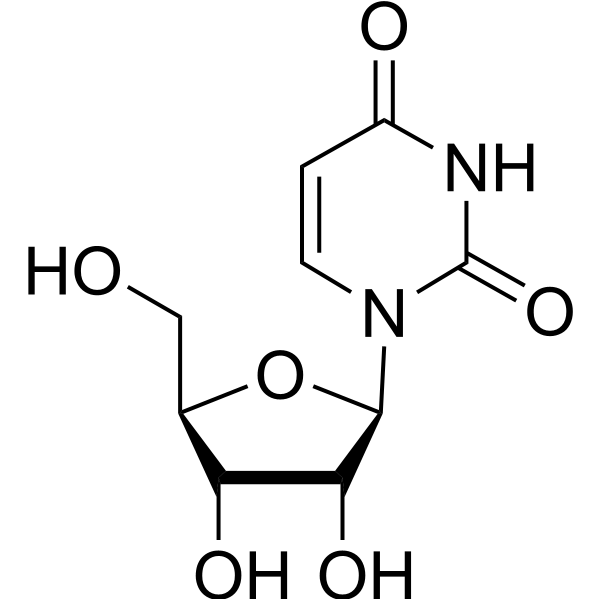
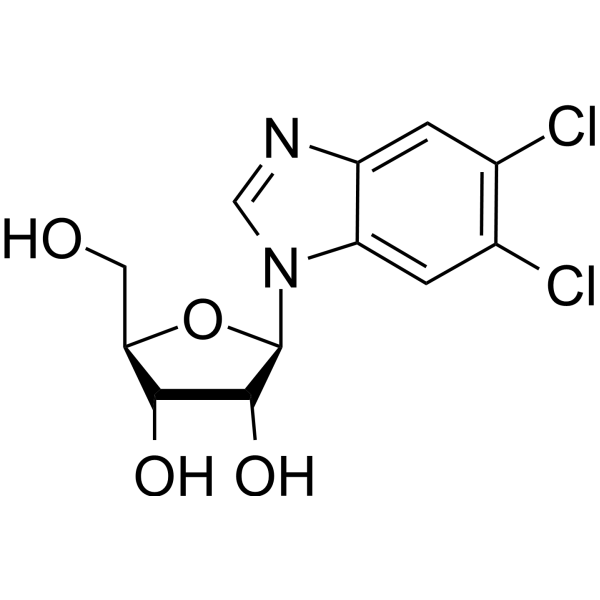
- 分子式: C12H12Cl2N2O4
- 分子量: 319.14
5,6-Dichlorobenzimidazole riboside (DRB) is a nucleoside analog that inhibits several carboxyl-terminal domain kinases, including casein kinase II and cell cycle-dependent kinases (CDK). 5, 6-dichlorobenzimidazole riboside has antitumor activity. 5, 6-dichlorobenzimidazole riboside can induce apoptosis.
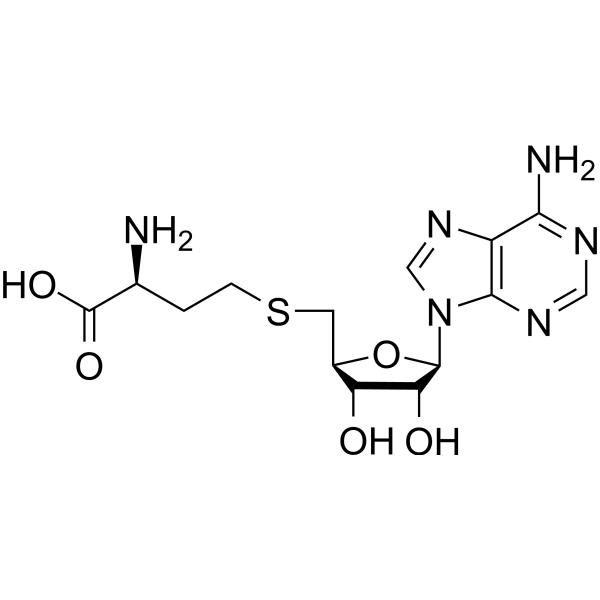
- 分子式: C14H20N6O5S
- 分子量: 384.41
SAH (S-Adenosylhomocysteine) is an amino acid derivative and a modulartor in several metabolic pathways. It is an intermediate in the synthesis of cysteine and adenosine. SAH is an inhibitor for METTL3-METTL14 heterodimer complex (METTL3-14) with an IC50 of 0.9 µM.
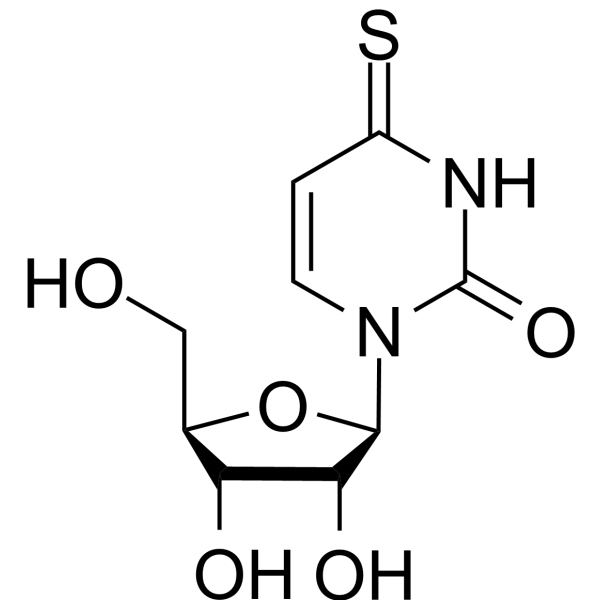
- 分子式: C9H12N2O5S
- 分子量: 260.27
4-Thiouridine is a ribonucleoside analog, it is widely used in RNA analysis and (m)RNA labeling. 4-Thiouridine inhibits rRNA synthesis and causes a nucleolar stress response.
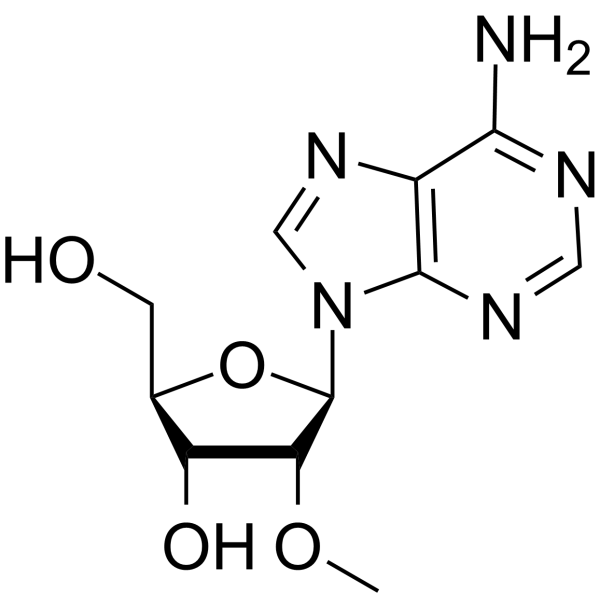
- 分子式: C11H15N5O4
- 分子量: 281.27
2'-O-Methyladenosine, a methylated adenine residue is found in urine of normals as well as in urine of adenosine deaminase (ADA) deficient patients. 2'-O-Methyladenosine exhibits unique hypotensive activities .
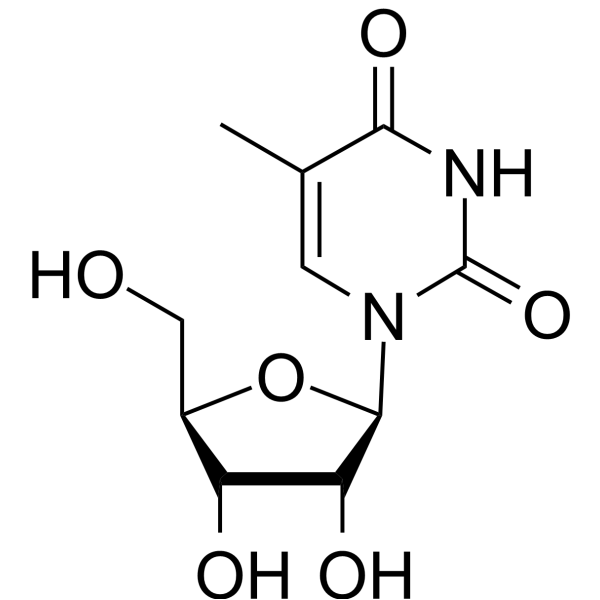
- 分子式: C10H14N2O6
- 分子量: 258.23
5-Methyluridine (m5U) is an RNA modified nucleotide generated by RNA methyltransferases (such as TrmA and RumA), which mainly targets specific uracil sites in RNA molecules such as the T arm of tRNA and rRNA. 5-Methyluridine relies on enzyme recognition of RNA secondary/tertiary structures (such as the T loop of tRNA or the specific stem-loop structure of rRNA) and participates in physiological processes such as translation accuracy and ribosome function by stabilizing RNA folding or regulating base pairing.
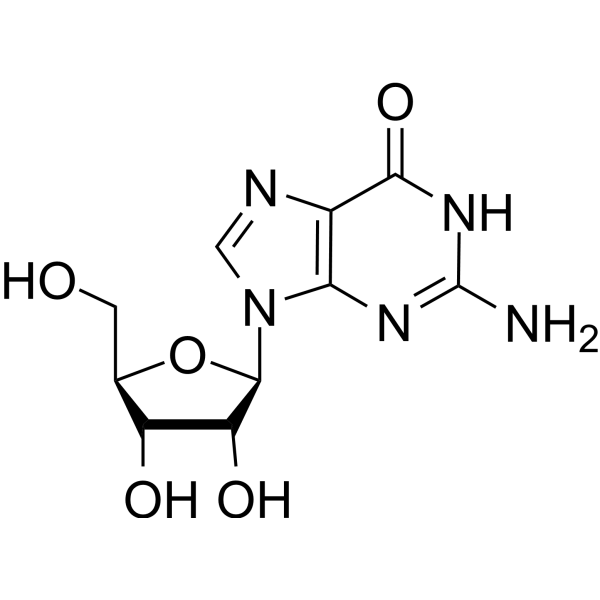
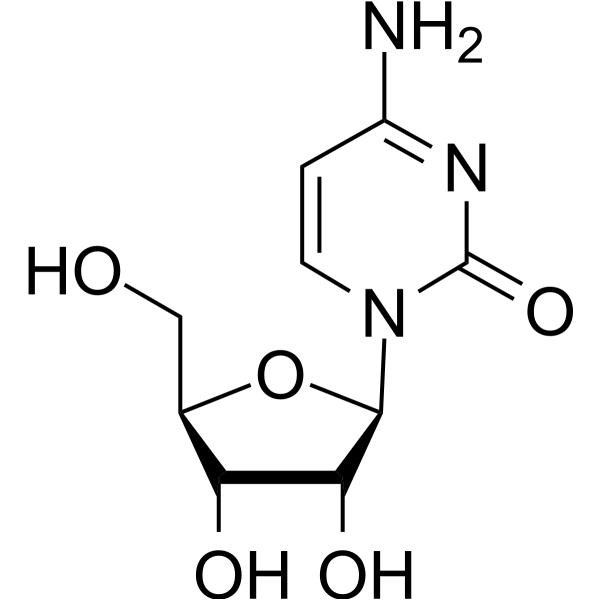
- 分子式: C9H13N3O5
- 分子量: 243.22
Cytidine is a pyrimidine nucleoside and acts as a component of RNA. Cytidine is a precursor of uridine. Cytidine controls neuronal-glial glutamate cycling, affecting cerebral phospholipid metabolism, catecholamine synthesis, and mitochondrial function.
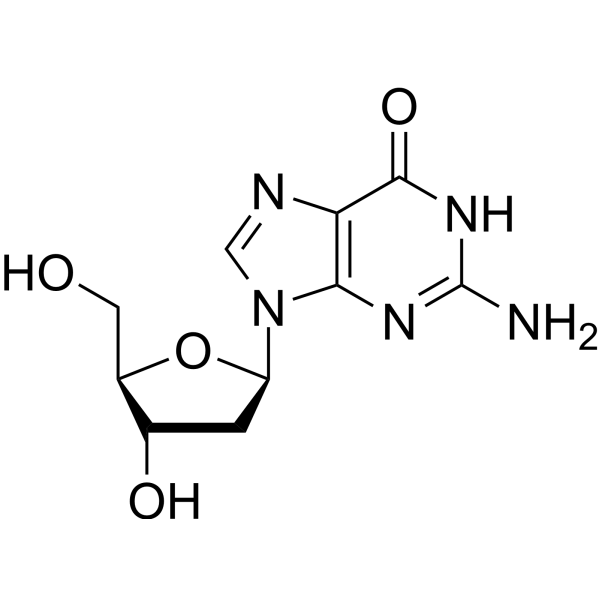
- 分子式: C10H13N5O4
- 分子量: 267.25
2’-Deoxyguanosine (Deoxyguanosine) is a purine nucleoside with a variety of biological activities. 2’-Deoxyguanosine can induce DNA division in mouse thymus cells. 2’-Deoxyguanosine is a potent cell division inhibitor in plant cells.
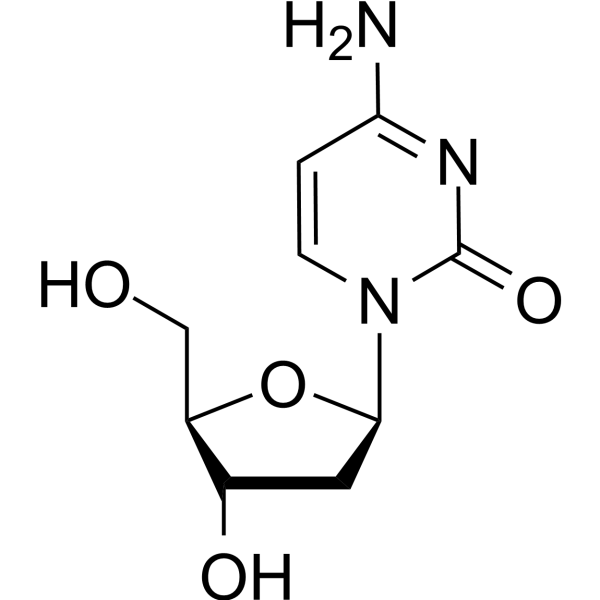
- 分子式: C9H13N3O4
- 分子量: 227.22
2'-Deoxycytidine, a deoxyribonucleoside, can inhibit biological effects of Bromodeoxyuridine (Brdu). 2'-Deoxycytidine is essential for the synthesis of nucleic acids, that can be used for the research of cancer.
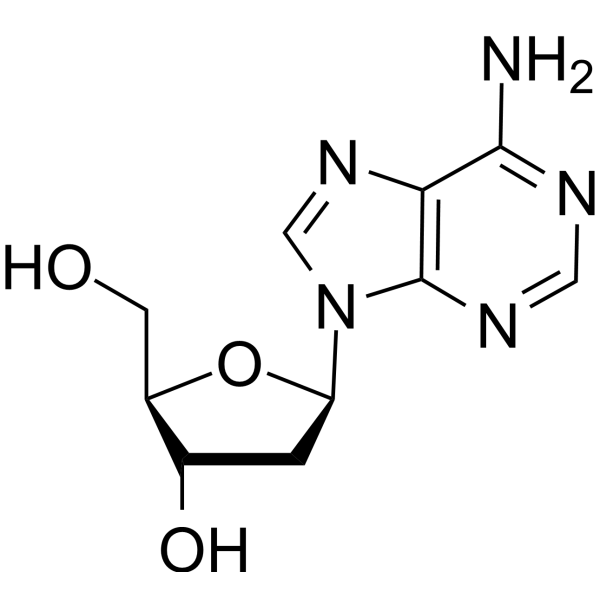
- 分子式: C10H13N5O3
- 分子量: 251.25
2′-Deoxyadenosine is an adenine nucleoside that inhibits glucose-stimulated insulin release. 2′-Deoxyadenosine inhibits glucose-stimulated increases seen in islet cyclic AMP (cAMP) accumulation. 2'-Deoxyadenosine activates caspase-3 and promotes apoptosis. 2'-Deoxyadenosine inhibits the activity of S-adenosyl-L-homocysteine hydrolase (SAHH). 2'-Deoxyadenosine inhibits the growth of various cells. 2'-Deoxyadenosine has an anticancer effect on colon cancer.
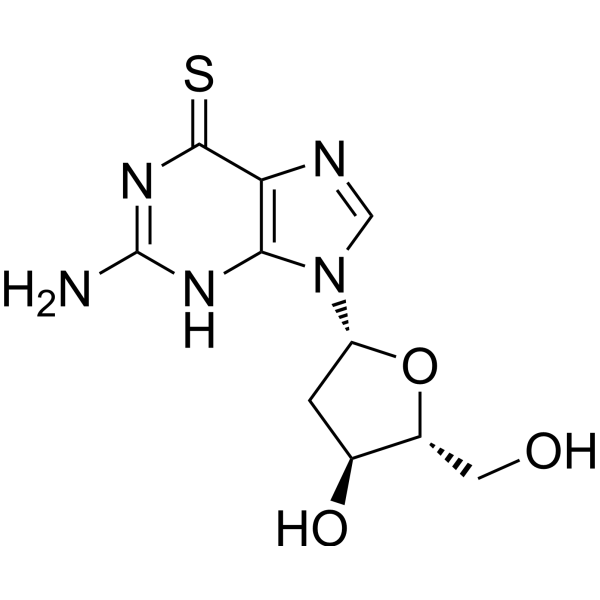
- 分子式: C10H13N5O3S
- 分子量: 283.31
6-Thio-2'-Deoxyguanosine is a nucleoside analogue that can be incorporated into de novo-synthesized telomeres by telomerase.
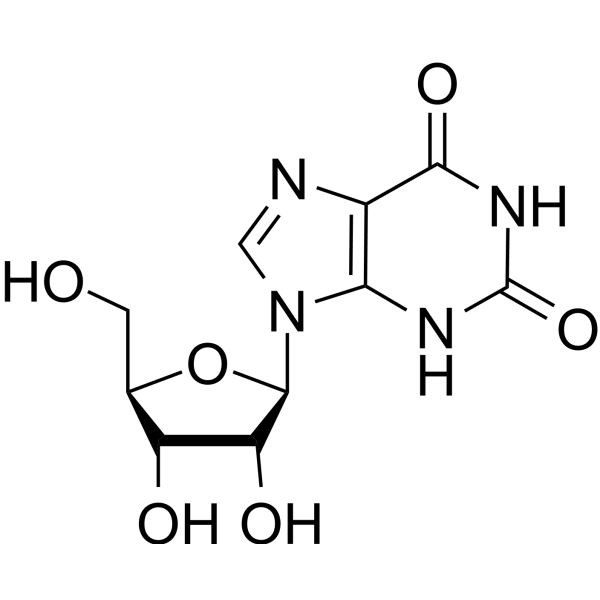
- 分子式: C10H12N4O6
- 分子量: 284.23
Xanthosine is a nucleoside derived from xanthine and ribose. Xanthosine activates the AMPK/FoxO1/AKT/GSK3β signaling cascade. Xanthosine promotes cell proliferation and regulates blood glucose metabolism. Xanthosine increases milk production in cows and goats. Xanthosine is used in mammary stem cell and type 2 diabetes research.
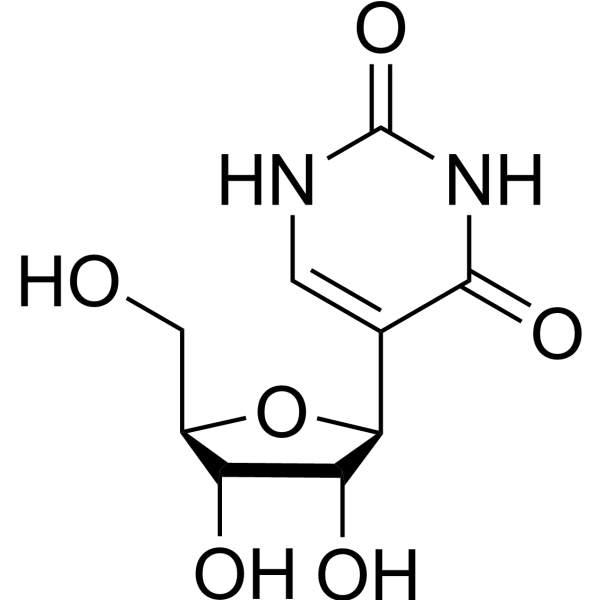
- 分子式: C9H12N2O6
- 分子量: 244.20
Pseudouridine is an isomer of uridine and the most abundant modified nucleoside in non-coding RNA. It fine-tunes and stabilizes regional structures in rRNA and tRNA, maintaining their functions in mRNA decoding, ribosome assembly, processing, and translation. Pseudouridine-modified tRNA fragments can inhibit aberrant protein synthesis and hold promise for research on myelodysplastic syndrome (MDS)-related leukemia..
- 分子式: C10H11N5O4
- 分子量: 265.23
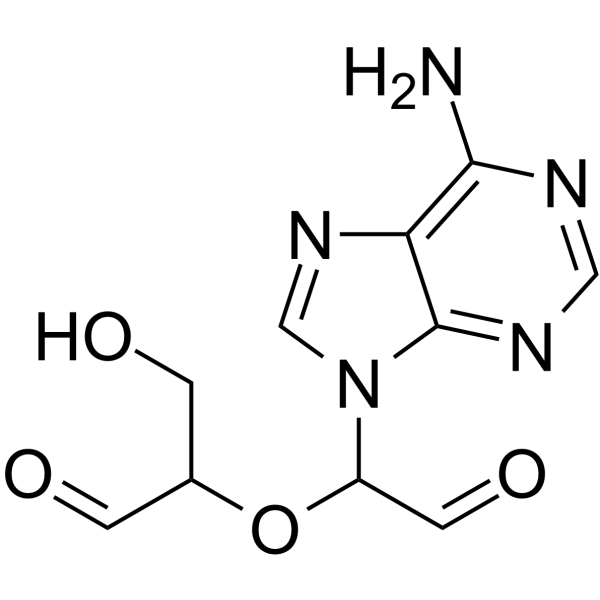
Adenosine dialdehyde, a purine nucleoside analogue, is a potent inhibitor of S-Adenosylhomocysteine hydrolase (SAHH) (Ki=3.3 nM). Adenosine Dialdehyde exhibits potent anti-tumor activity in vivo and can be used for the cancer research.
- 分子式: C5H6N2O2
- 分子量: 126.11
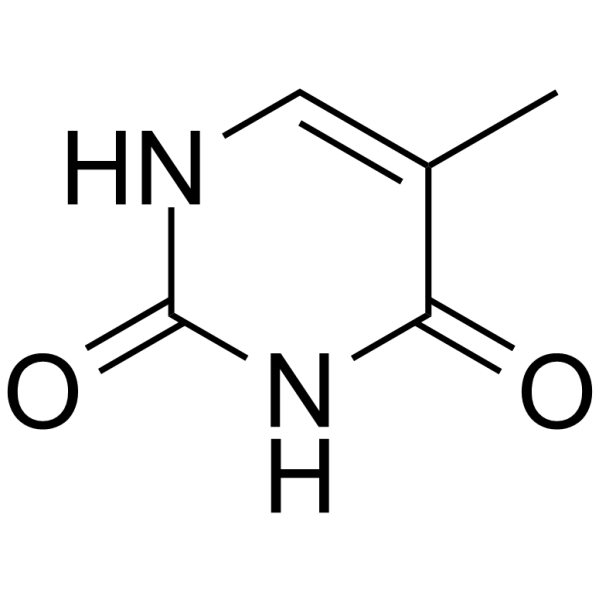
Thymine, one of the four bases of DNA, is a substrate for rat liver dihydropyrimidine dehydrogenase (DPD), with a Km value of 2.2 μM, Ki of 24 μM (using 5-FU as the DPD substrate), and a specific activity of 0.68 nmol/min/mg.
- 分子式: C11H15N5O4S
- 分子量: 313.33
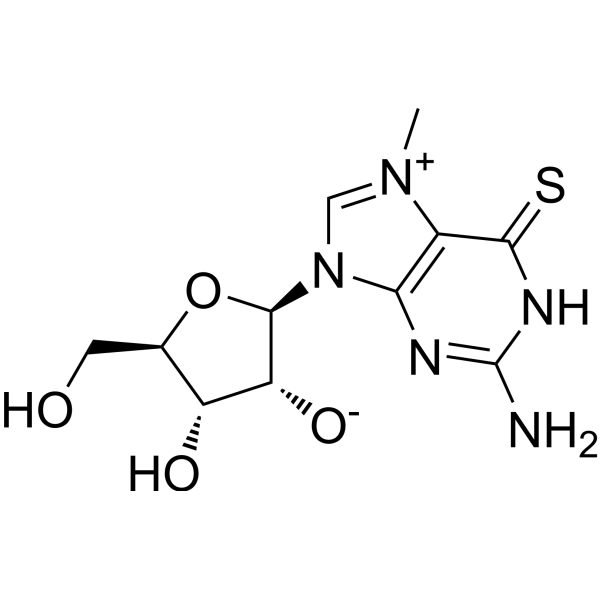
7-Methyl-6-thioguanosine (MESG) is a chromogenic substrate that can be converted to 7-methyl-6-thioguanine in the presence of purine nucleoside phosphorylase and inorganic phosphate. 7-Methyl-6-thioguanosine can be used to quantify inorganic phosphate. 7-Methyl-6-thioguanosine can also be used to determine the activities of purine nucleoside phosphorylase and protein phosphatases.



