



DNA Methyltransferase
DNA methyltransferases (DNMTs) catalyze cytosine methylation and support stable gene silencing, tissue-specific gene-expression patterns, X-chromosome inactivation, transposable-element silencing, and genomic imprinting[1]. Mechanistically, DNMT1 maintains methylation during DNA replication, whereas DNMT3A and DNMT3B act as de novo methyltransferases and also help maintain somatic-cell methylation with DNMT1[1]. In human embryonic stem cells, CRISPR/Cas9 disruption showed that DNMT3A or DNMT3B loss produced viable pluripotent cell lines with distinct methylation landscapes, while DNMT1 deletion caused rapid cell death[2]. Compared with DNMT3A, DNMT3B has more than 30 isoforms, and catalytically inactive DNMT3B isoforms can stimulate gene-body methylation and re-methylation after methylation-inhibitor treatment[1]. Isoform-overexpression experiments in HEK293T cells showed increased methylation at 43,405 CpG sites, with 53% of differentially methylated loci showing DNMT subfamily specificity and 39% showing single-isoform specificity[3]. For experimental applications, DNMT inhibitors activate silenced genes at low doses, cause cytotoxicity at high doses, and support cancer epigenetic-therapy studies[4].
References:
- [1]. Duymich CE, et al. DNMT3B isoforms without catalytic activity stimulate gene body methylation as accessory proteins in somatic cells. Nat Commun. 2016 Apr 28;7:11453. [Content Brief]
- [2]. Liao J, et al. Targeted disruption of DNMT1, DNMT3A and DNMT3B in human embryonic stem cells. Nat Genet. 2015 May;47(5):469-78. [Content Brief]
- [3]. Sae-Lee C, et al. Genomic targets and selective inhibition of DNA methyltransferase isoforms. Clin Epigenetics. 2022 Aug 20;14(1):103. [Content Brief]
- [4]. Hu C, et al. DNA methyltransferase inhibitors combination therapy for the treatment of solid tumor: mechanism and clinical application. Clin Epigenetics. 2021 Aug 27;13(1):166. [Content Brief]
-
DNA Methyltransferase Related Products (92)
Related Products (92)

-
6-Thioguanine
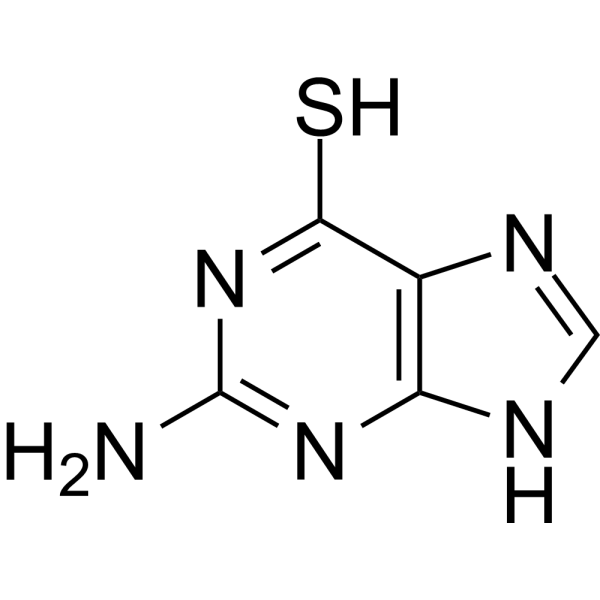 0 Images6-Thioguanine (Thioguanine; 2-Amino-6-purinethiol) is an anti-leukemia and immunosuppressant agent, acts as an inhibitor of SARS and MERS coronavirus papain-like proteases (PLpros) and also potently inhibits USP2 activity, with IC50s of 25 μM and 40 μM for Plpros and recombinant human USP2, respectively.
-
EGR-1-IN-1
 0 ImagesEGR-1-IN-1 is a EGR-1 inhibitor with an IC50 of 1.86 μM. EGR-1-IN-1 binds to the zinc finger DNA-binding domain of EGR-1 and promotes the dissociation of the EGR-1-DNA complex. EGR-1-IN-1 reduces the mRNA expression levels of EGR-1-regulated inflammatory genes induced by TNFα. EGR-1-IN-1 alleviates atopic dermatitis-like lesions in the ear skin of mice. EGR-1-IN-1 serves as a lead compound for the development of targeted compounds for inflammatory skin diseases. EGR-1-IN-1 can be used in studies related to atopic dermatitis.
-
Levetiracetam
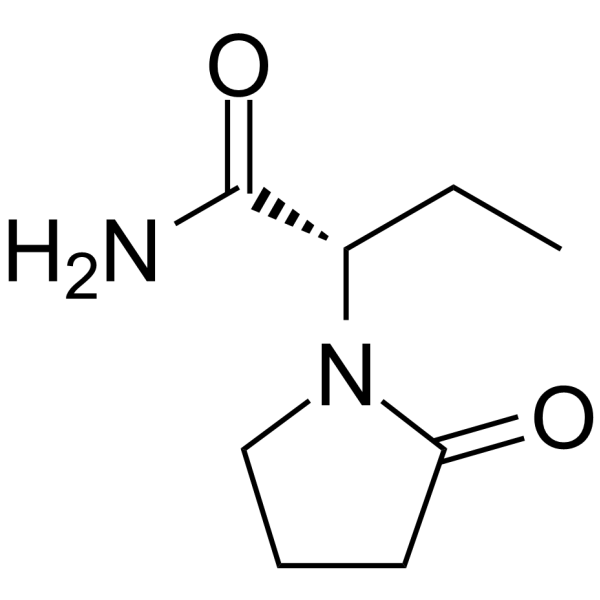 0 ImagesSynonyms: UCB L059Levetiracetam, an antiepileptic agent, binds the synaptic vesicle protein SV2A. Levetiracetam enhances Temozolomide effect on glioblastoma stem cell proliferation and apoptosis. Levetiracetam modulates HDAC levels ultimately silencing MGMT, thus increasing Temozolomide effectiveness. A chemosensitizer agent.

-
Decitabine (Standard)
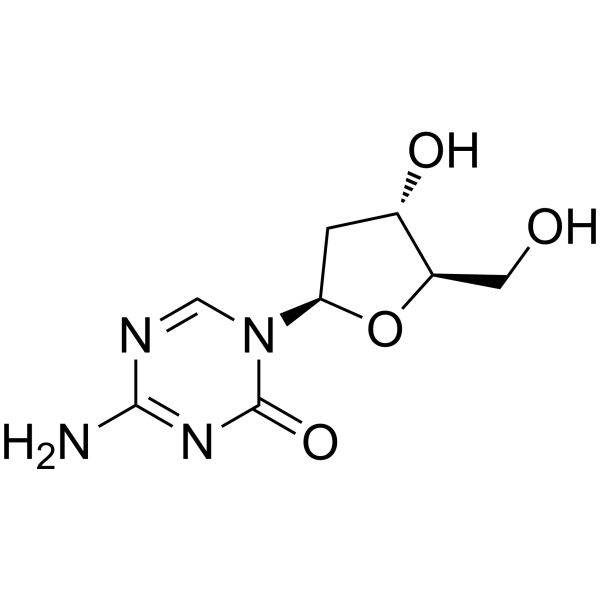 0 ImagesSynonyms: 5-Aza-2'-deoxycytidine (Standard); 5-AZA-CdR (Standard); NSC 127716 (Standard)Decitabine (Standard) is the analytical standard of Decitabine. This product is intended for research and analytical applications. Decitabine (NSC 127716) is an orally active deoxycytidine analogue antimetabolite and a DNA methyltransferase inhibitor. Decitabine incorporates into DNA in place of cytosine can covalently trap DNA methyltransferase to DNA causing irreversible inhibition of the enzyme. Decitabine induces cell G2/M arrest and cell apoptosis. Decitabine has potent anticancer activity.
-
CM-579 trihydrochloride
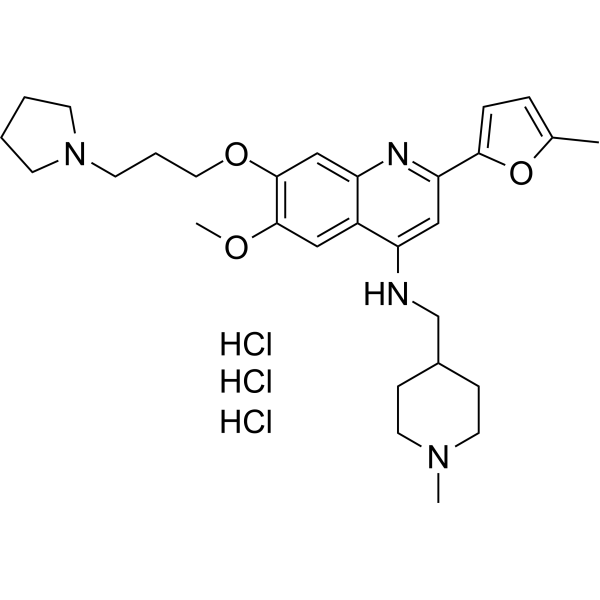 0 ImagesCat. No.: HY-117421ACAS No.: 2448471-08-5CM-579 trihydrochloride is a first-in-class reversible, dual inhibitor of G9a and DNMT, with IC50 values of 16 nM, 32 nM for G9a and DNMT, respectively. Has potent in vitro cellular activity in a wide range of cancer cells.
-
Psammaplin A
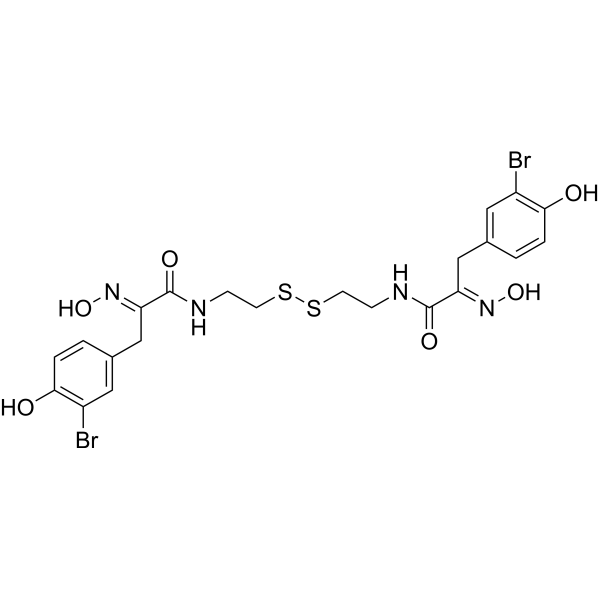 0 ImagesCat. No.: HY-N2150CAS No.: 110659-91-1Psammaplin A is a marine metabolite. Psammaplin A is a selective HDAC1 (IC50: 45 nM), DNA methyltransferases (IC50: 18.6 nM) and aminopeptidase N (APN) (IC50: 18 μM) inhibitor. Psammaplin A also inhibits DNA topoisomerase and farnesyl protein transferase. Psammaplin A is a PPARγ activator and induces apoptosis. Psammaplin A has antitumor and anti-inflammatory activities. Psammaplin A has antibacterial activity against Gram-positive bacteria and inhibits DNA synthesis and DNA gyrase activity. Psammaplin A inhibits angiogenesis.
-
METTL1-WDR4-IN-1
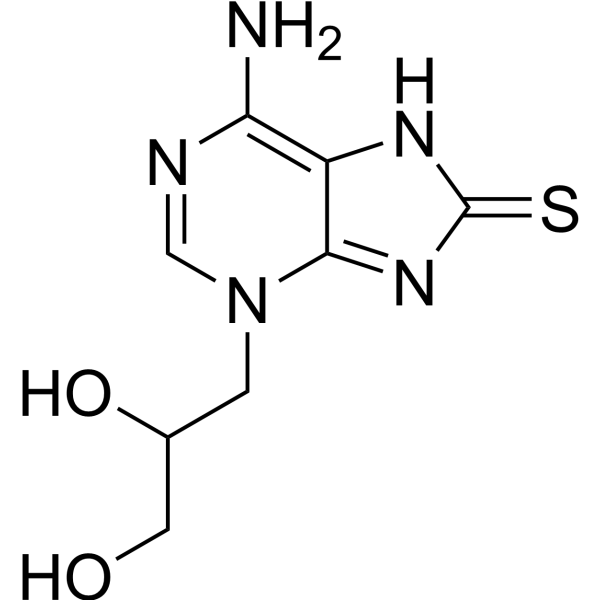 0 ImagesMETTL1-WDR4-IN-1 (Compound 1) is a selective competitive inhibitor of the methyltransferase complex METTL1-WDR4 (IC50 = 144 μM). METTL1-WDR4-IN-1 inhibits the m7G methyltransferase activity of the METTL1-WDR4 complex, blocking m7G modification of PKM mRNA, reducing PKM2 protein expression, disrupting the METTL1/PKM2/H3K9la positive feedback loop, and simultaneously inhibiting PKM2 nuclear translocation-mediated CD155 transcriptional activation. METTL1-WDR4-IN-1 can inhibit tumor cell proliferation, weaken glycolytic metabolism, reverse tumor immune evasion (restoring NK cell and CD8+ T cell function), and regulate RNA epigenetic modification and the tumor immune microenvironment. METTL1-WDR4-IN-1 can be used in immunotherapy research for cancers such as colorectal cancer, and is particularly suitable for use in combination with PKM2 inhibitors to enhance anti-tumor treatment efficacy.
-
Procainamide hydrochloride
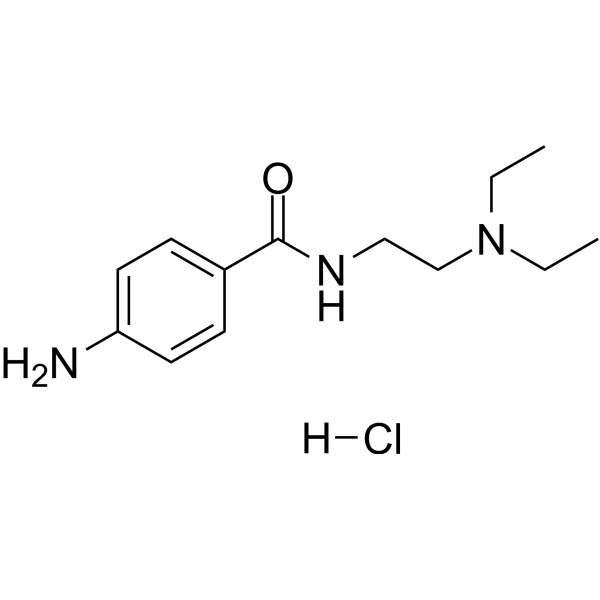 0 ImagesSynonyms: Procaine amide hydrochloride; SP 100 hydrochlorideProcainamide hydrochloride (Procaine amide hydrochloride) is a specific and potent inhibitor of DNA methyltransferase 1 (DNMT1), which reactivates the expression of tumor suppressor factors by demethylating tumor suppressor genes. Procainamide hydrochloride induces vacuolization in various cell types and reduces cell proliferation and migration. Procainamide hydrochloride relaxes airway smooth muscle by activating potassium channels. Procainamide hydrochloride can be used in cancer and arrhythmia research.
-
Procainamide
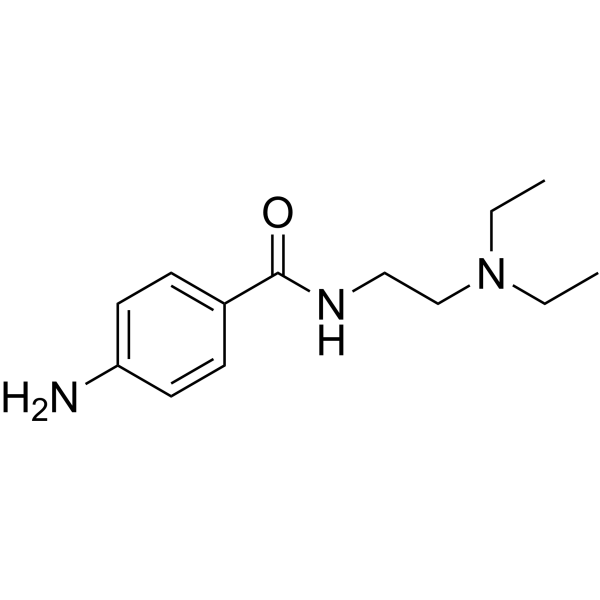 0 ImagesProcainamide (Procaine amide) is a specific and potent inhibitor of DNA methyltransferase 1 (DNMT1), which reactivates the expression of tumor suppressor factors by demethylating tumor suppressor genes. Procainamide induces vacuolization in various cell types and reduces cell proliferation and migration. Procainamide relaxes airway smooth muscle by activating potassium channels. Procainamide can be used in cancer and arrhythmia research.
-
ALKBH1-IN-1
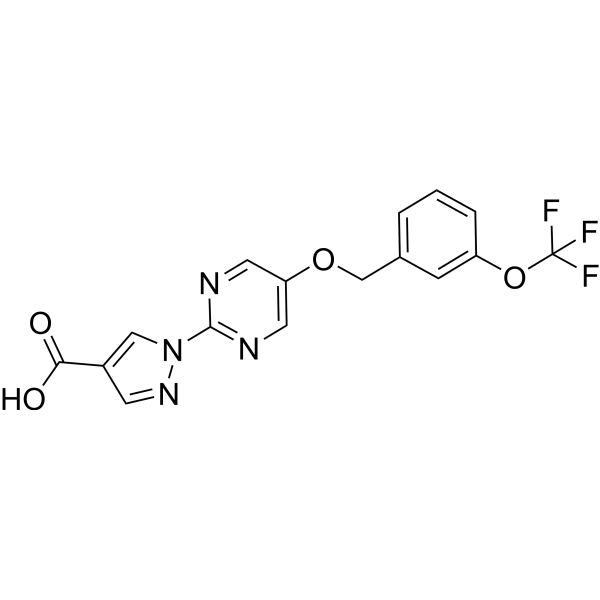 0 ImagesCat. No.: HY-163385Purity: 99.63%ALKBH1-IN-1 (Compound 13h) is a selective ALKBH1 inhibitor, with an IC50 of 0.026 μM and 1.39 μM in the fluorescence polarization and enzyme activity assay, respectively. ALKBH1-IN-1 can modulate the level of DNA 6mA modifications. ALKBH1-IN-1 can be used to study the functions of ALKBH1 and DNA 6mA.
-
5-Fluoro-2'-deoxycytidine
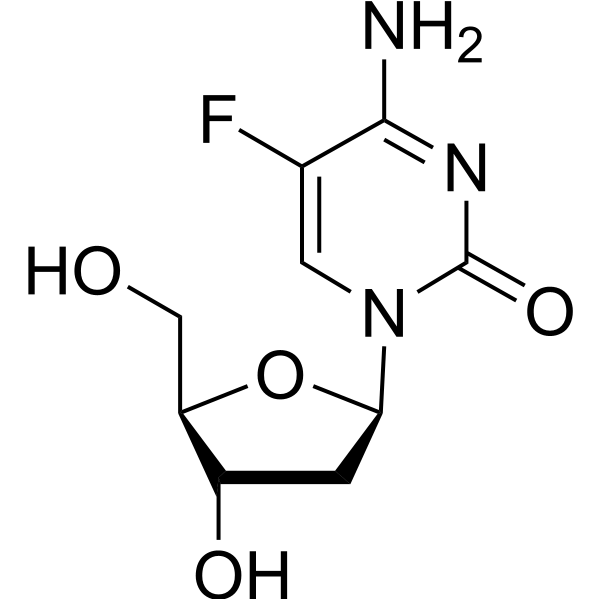 0 ImagesSynonyms: FdCyd; NSC-480065-Fluoro-2'-deoxycytidine (FdCyd), a fluoropyrimidine nucleoside analogue, is a DNA methyltransferase (DNMT) inhibitor. 5-Fluoro-2'-deoxycytidine is a tumor-selective proagent of thymidylate synthase inhibitor 5-fluoro-2′-dUMP. 5-Fluoro-2'-deoxycytidine can induce cell cycle arrest in tumor cells through the DNA damage response, and it has anti-tumor activity.
-
5-Azacytidine (Standard)
 0 ImagesSynonyms: Azacitidine (Standard); 5-AzaC (Standard); Ladakamycin (Standard)5-Azacytidine (Standard) is the analytical standard of 5-Azacytidine. This product is intended for research and analytical applications. 5-Azacytidine (Azacitidine; 5-AzaC; Ladakamycin) is a nucleoside analogue of cytidine that specifically inhibits DNA methylation. 5-Azacytidine is incorporated into DNA to covalently trap DNA methyltransferases and contributes to reverse epigenetic changes. 5-Azacytidine induces cell autophagy.
-
SW155246
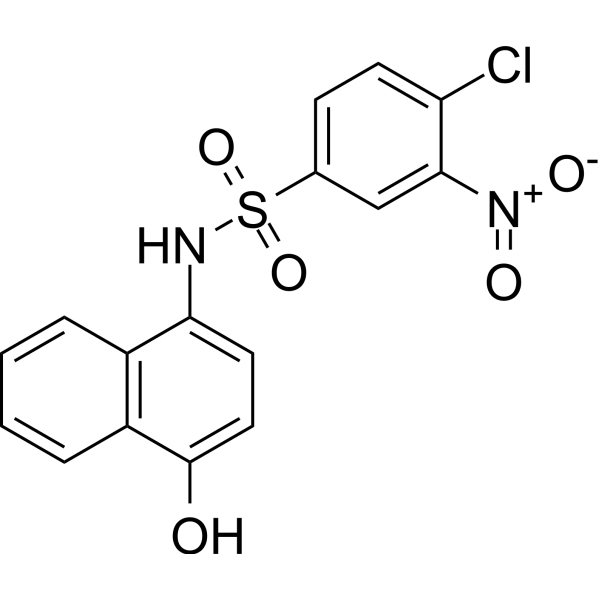 0 ImagesSW155246 is a DNA methyltransferase (DNMT1) selective inhibitor with IC50s of 1.2 and 38 μM for hDNMT1 and mDNMT3A, respectively. SW155246 can be used for the research of cancer and other diseases.
-
6-Thioguanine (Standard)
 0 ImagesSynonyms: Thioguanine (Standard); 2-Amino-6-purinethiol (Standard)6-Thioguanine (Standard) is the analytical standard of 6-Thioguanine. This product is intended for research and analytical applications. 6-Thioguanine (Thioguanine; 2-Amino-6-purinethiol) is an anti-leukemia and immunosuppressant agent, acts as an inhibitor of SARS and MERS coronavirus papain-like proteases (PLpros) and also potently inhibits USP2 activity, with IC50s of 25 μM and 40 μM for Plpros and recombinant human USP2, respectively.
-
GSK3735967
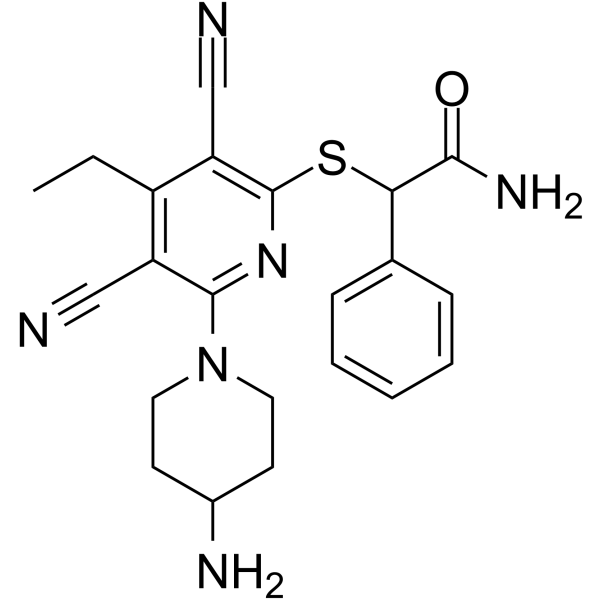
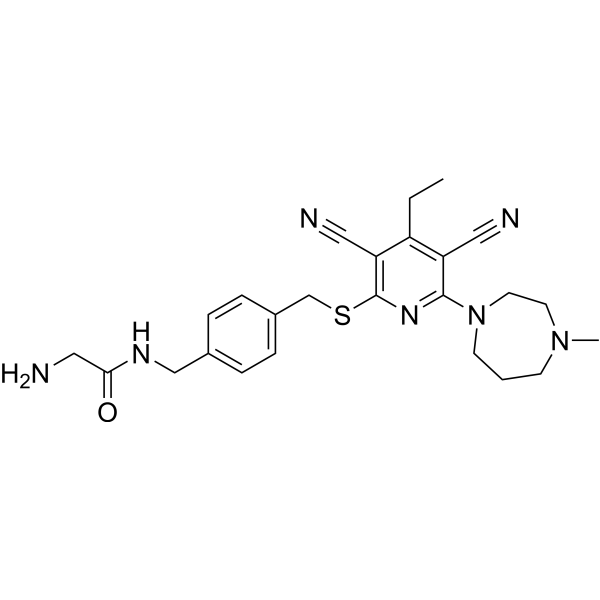 0 ImagesGSK3735967 is an selective, reversible, non-nucleoside inhibitor of DNMT1 with an IC50 value of 40 nM. GSK3735967 contains a planar dicyanopyridine core that can specifically embed DNMT1 bound hemimethylated CpG dinucleotides. GSK3735967 has three binding sites, one of which can bind to histone H4K20me3.
-
RSC133
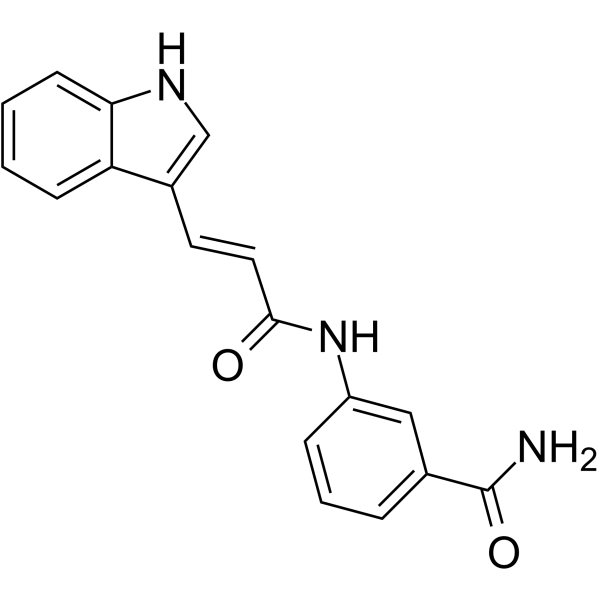 0 ImagesRSC133 is a dual inhibitor of DNA methyltransferase 1 and histone deacetylase 1 inhibitor. RSC133 promotes cell proliferation, up-regulates H3K9 histone acetylation, down-regulates p53, p21, p16/INK4A, and ablates pro-senescence phenotypes.
-
Levetiracetam (Standard)
 0 ImagesSynonyms: UCB L059 (Standard)Levetiracetam (Standard) is the analytical standard of Levetiracetam. This product is intended for research and analytical applications. Levetiracetam, an antiepileptic agent, binds the synaptic vesicle protein SV2A. Levetiracetam enhances Temozolomide effect on glioblastoma stem cell proliferation and apoptosis. Levetiracetam modulates HDAC levels ultimately silencing MGMT, thus increasing Temozolomide effectiveness. A chemosensitizer agent.



