Parkinson's disease (PD) is a chronic, progressive neurodegenerative disease that leads to severe disability and imposes an increasing burden on global public health, owing to its motor, non-motor, and cognitive manifestations. The core pathological features of PD include the progressive degeneration of dopaminergic neurons in substantia nigra (SN) and the abnormal aggregation of α-synuclein[1]. Currently, dopamine replacement therapy, particularly levodopa, remains the cornerstone of clinical management and effectively alleviates motor symptoms in the early stages of the disease. However, as PD progresses, fluctuations in therapeutic efficacy, dyskinesia, and non-motor symptoms gradually emerge, highlighting the limitations of existing therapies in disease modification[2].
This article reviews the recent advances in target discovery, disease modeling, and biomarkers for Parkinson's disease, analyzes the interplay among these three domains, and explores future directions for mechanism-driven translational research, providing clearer research perspectives and strategic insights.
- Key Target Analysis of Parkinson's Disease
- Construction of Disease Models for Parkinson's Disease
- Exploring Biomarkers for Parkinson's Disease
Parkinson's disease is the second most prevalent neurodegenerative disease, characterized by the progressive loss of dopaminergic neurons in the SN and the formation of Lewy bodies. In recent years, advances in molecular genetics and neurobiology have led to the identification of several key molecular targets, which have become central to understanding PD pathogenesis and developing novel therapeutics.
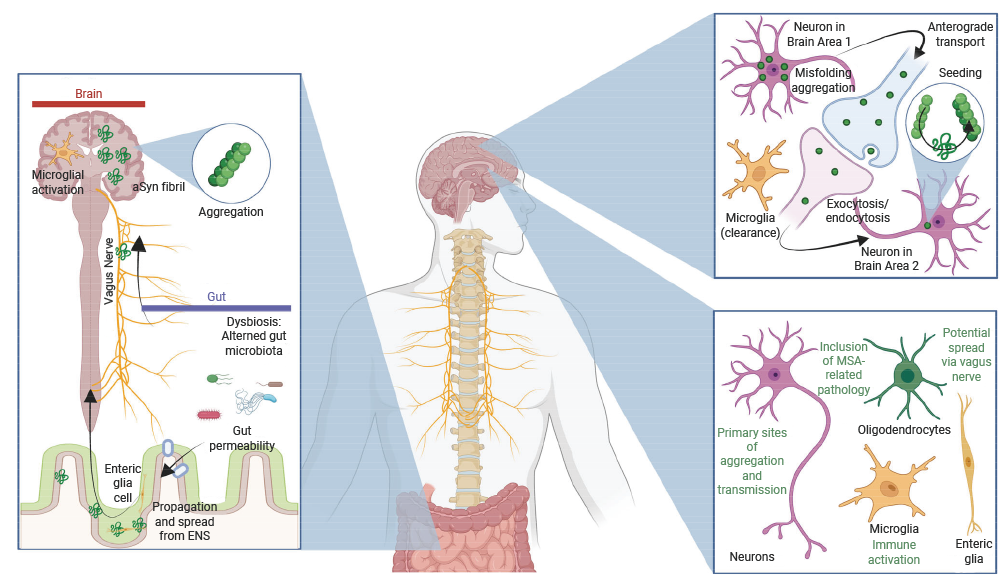
Figure 1. Propagation and cellular interactions of alpha-synuclein pathology[3].
Protein homeostasis imbalance is a central mechanism in PD pathogenesis, with the abnormal aggregation of α-synuclein representing a key pathological hallmark. Encoded by the SNCA gene, α-synuclein is localized in presynaptic terminals and participates in synaptic vesicle trafficking and neurotransmitter release under physiological conditions. Under pathological conditions, it misfolds into oligomers and fibrillar aggregates, which accumulate as Lewy bodies—a defining feature of PD. Mutations or copy number variations in SNCA can directly cause familial PD. Furthermore, misfolded α-synuclein can propagate between neurons in a prion-like manner, thereby driving disease progression[3].
Genetic susceptibility and lysosomal dysfunction further exacerbate proteostatic imbalance. The GBA1 gene encodes lysosomal β-glucocerebrosidase, and mutations in GBA1 impair α-synuclein degradation, leading to its accumulation. Other genes, such as DJ-1, contribute to neuronal homeostasis by regulating oxidative stress and cellular defense mechanisms; dysfunction in these genes can aggravate protein aggregation and neuronal damage.
Recent studies have identified FAM171A2 as a novel PD risk gene that regulates α-synuclein aggregation and propagation. FAM171A2 interacts electrostatically with the C-terminus of α-synuclein via its extracellular domain 1 and exhibits high selectivity for α-synuclein fibrils. Overexpression of FAM171A2 promotes α-synuclein fibrillation, enhances pathological spread, and increases neurotoxicity, whereas neuron-specific knockdown exerts protective effects. These findings suggest that FAM171A2 may function as a receptor for α-synuclein fibrils. Notably, the small-molecule compound Bemcentinib effectively disrupts the interaction between FAM171A2 and α-synuclein fibrils in vitro, in cellular systems, and in animal models, providing a potential therapeutic strategy for PD[4].
Mitochondrial dysfunction is recognized as a major contributor to dopaminergic neuronal degeneration. The PINK1/Parkin-mediated mitophagy pathway is a crucial mechanism for maintaining mitochondrial quality control. Upon mitochondrial damage, PINK1 accumulates on the outer mitochondrial membrane and activates Parkin. Parkin then ubiquitinates mitochondrial surface proteins, thereby marking damaged mitochondria for degradation via mitophagy. Mutations in PINK1 or Parkin impair this process, leading to increased reactive oxygen species (ROS), disrupted energy metabolism, and apoptosis, ultimately contributing to PD pathogenesis.
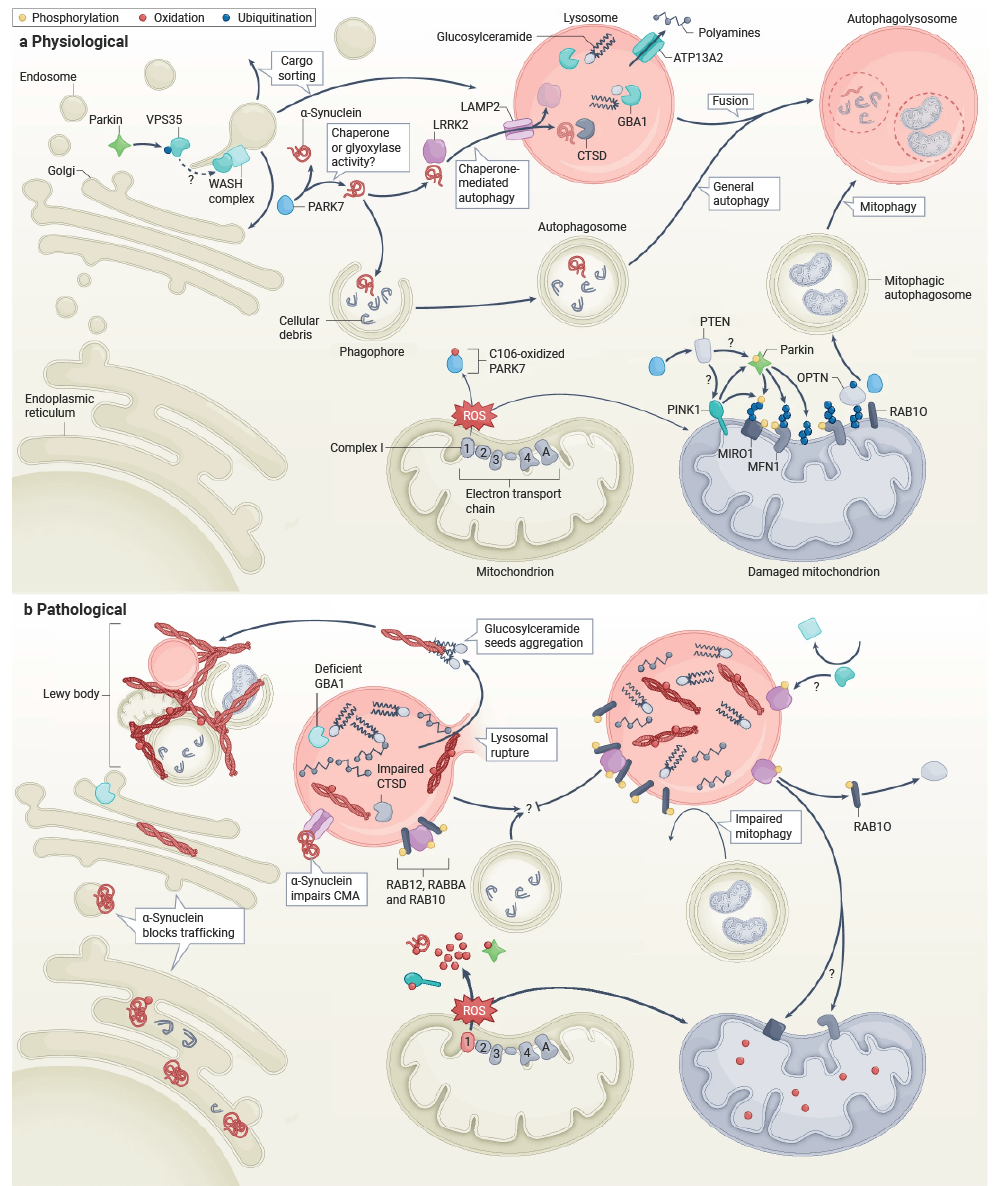
Figure 2. Convergent cellular functions of Parkinson disease-related proteins[5].
In addition, LRRK2 is one of the most frequently mutated genes in familial PD. Pathogenic mutations in LRRK2 enhance its kinase activity and disrupt multiple cellular processes, including autophagy, lysosomal function, and vesicular trafficking. Aberrant LRRK2 signaling has been shown to impair mitochondrial dynamics and promote neuroinflammation, making LRRK2 kinase inhibitors a promising direction in PD drug development[5].
In PD, neuroinflammation is increasingly recognized not merely as a concomitant phenomenon but as an active driver of neurodegeneration. Activated by α-synuclein and environmental toxins, microglia undergo a persistent M1 phenotype shift, leading to the excessive release of cytokines such as TNF, IL-1β, as well as reactive oxygen species. Meanwhile, the anti-inflammatory and reparative M2 program collapses.
Astrocytes also contribute to disease progression by losing their glutamate buffering capacity and releasing complement factors that promote synaptic pruning. Central to signal transduction, TLR2/4 and the NLRP3 inflammasome (containing NACHT, LRR, and PYD domains) coordinate cytokine release, while GSK-3β serves as a regulatory node amplifying both pathways.
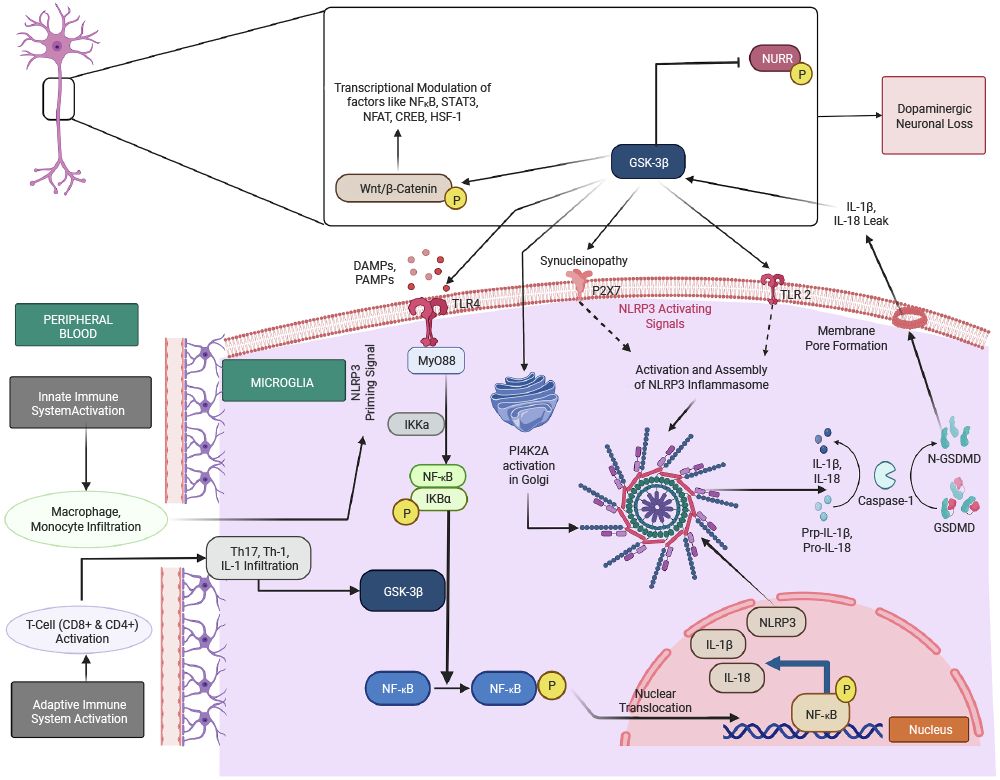
Figure 3. Crosstalk between GSK-3β and the NLRP3 inflammasome[6].
Importantly, GSK-3β links neuroinflammation with protein aggregation by enhancing the NF-κB and NLRP3 signaling, while promoting α-synuclein phosphorylation and aggregation. In addition, GSK-3β participates in mitochondrial regulation and apoptotic signaling, positioning it as a central regulator integrating inflammation, metabolism and proteotoxicity[6].
Over recent decades, numerous models have been developed to study PD. Although no single model fully recapitulates the complexity of human pathology, these systems provide valuable insights into disease mechanisms and therapeutic limitations.
Transgenic mouse models are typically based on pathogenic gene mutations identified in approximately 10% of hereditary PD cases. These models target genes such as SNCA, LRRK2, Parkin, PINK1, and DJ-1, which are involved in mitochondrial function, protein degradation, and oxidative stress pathways. They are particularly useful for mechanistic studies and target validation. However, their major limitation lies in their inability to fully reproduce key pathological features of human PD, especially the robust loss of dopaminergic neurons.
.png)
Figure 4. Schematic summary of the current known mechanisms that trigger DA neuron death, and the action of different genes and compounds used to model PD[7].
Neurotoxin-induced models are among the most widely used and well-established PD models. These models mimic sporadic PD by selectively damaging dopaminergic neurons through various neurotoxins. The core model relies on three types of toxins that induce lesions in the nigrostriatal pathway by impairing mitochondrial function and elevating oxidative stress. Notably, some of them can also trigger α-synuclein aggregation[7].
MPTP penetrates the blood-brain barrier and is converted into MPP+ by MAO-B in glial cells, followed by further metabolism into active toxic compounds. MPP+ is then taken up by dopamine transporters, impairing mitochondrial respiration through the inhibition of complex I of the electron transport chain, thereby activating oxidative stress and programmed cell death pathways.
6-OHDA enters cells via dopamine transporters and induces mitochondrial dysfunction, generating ROS and quinones that lead to the degeneration of dopaminergic neurons in the substantia nigra and striatum.
Characterized by high lipophilicity, rotenone easily permeates the cell membrane, triggering both α-synuclein aggregation and mitochondrial dysfunction, ultimately resulting in the production of ROS and quinones.
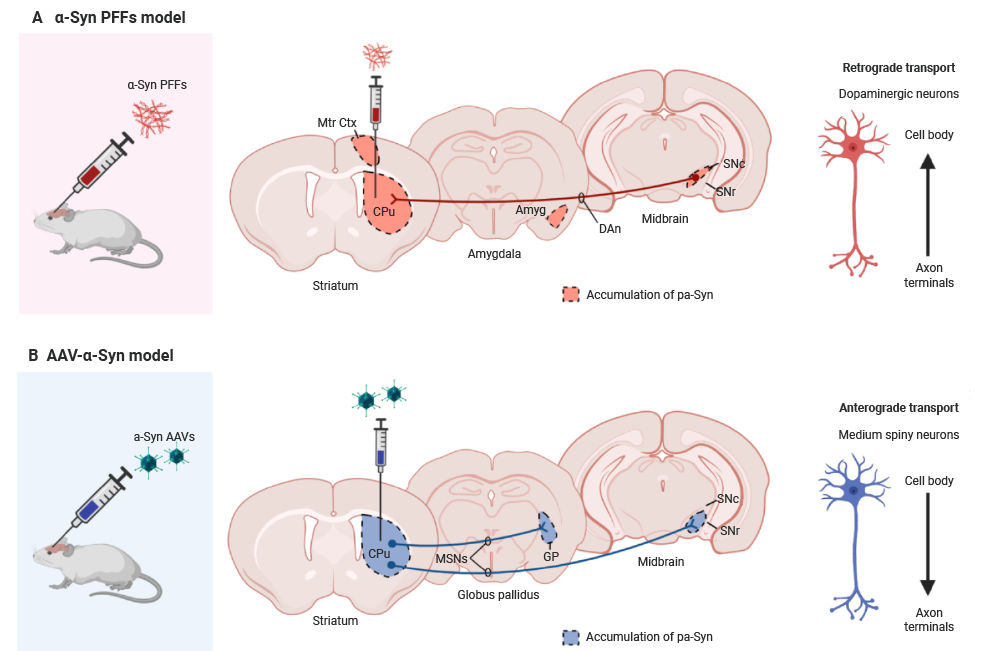
Figure 5. Propagation patterns of α-synuclein PFFs and AAV models[8]
Stereotactic injection of pre-formed α-synuclein fibrils (PFFs) into specific brain regions seeds endogenous α-synuclein aggregation and facilitates trans-synaptic propagation. The aggregates primarily consist of cytoplasmic Lewy body/neuronal structures. This pathology spreads along connected neural circuits, mimicking the propagation of α-synuclein from the striatum to other regions in PD. Compared to traditional toxin models, the α-synuclein PFF model better recapitulates the formation and dissemination of Lewy body pathology. Furthermore, as it induces progressive neuroinflammation and dopaminergic neuron loss, this model is widely used to study the "prion-like transmission" mechanism of α-synuclein[8].
By using recombinant adeno-associated virus (rAAV) to overexpress human α-syn in target areas (such as the substantia nigra), the intracellular α-syn content accumulates significantly. The resulting aggregates exhibit a predominantly nuclear or fibrillary pattern and remain confined to the virus-transduced neurons. While this model effectively simulates neurodegeneration driven by excessive α-syn levels, it shows limited aggregation and weak propagation[8].
The future urgently demands next-generation disease models that capture longitudinal, multi-system pathological features and adopt biology-centric trial designs, rather than simply optimizing for operational convenience. Such advancements will lay the groundwork for the rigorous evaluation of neuroprotective therapeutics. Currently, while machine learning models trained on small, single-center data achieve high accuracy, their poor performance in external validation highlights a susceptibility to sampling bias—a limitation shared by traditional in vivo models. Ultimately, no single platform can fully simulate the intricate interplay of aging, polygenetics, and environmental factors in PD. Therefore, multi-platform cross-validation (integrating in vitro cellular models, diverse in vivo animal strains, and in silico computational tools) is crucial.
The clinical diagnosis of PD remains challenging, with a significant risk of misdiagnosis, highlighting the urgent need for disease-specific and early-stage biomarkers. To address this, a variety of promising candidate biomarkers has been identified, including cerebrospinal fluid α-synuclein seeds, plasma neurofilament light chains (NfL), metabolomic and proteomic signatures.
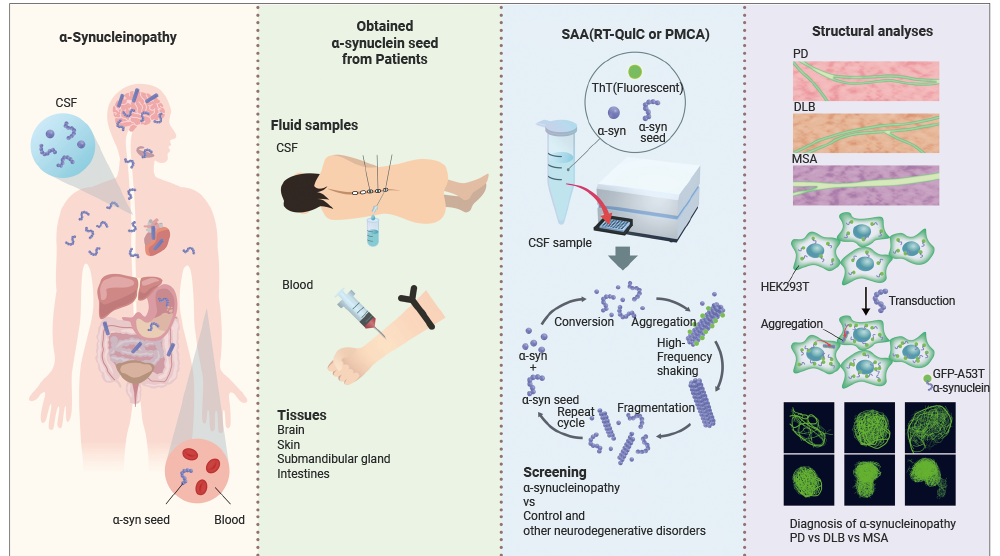
Figure 6. Diagnostic potential of α-synuclein seeds as biomarkers for α-synucleinopathies[9].
Seed amplification assays (SAAs), including RT-QuIC and PMCA techniques, have emerged as highly promising diagnostic tools. These techniques amplify misfolded α-synuclein seeds in vitro, allowing the detection of extremely low levels of pathological protein in cerebrospinal fluid and peripheral samples.
Multicenter studies have shown that CSF α-synuclein SAA has a sensitivity and specificity exceeding 90% in diagnosing PD, and can detect pathological signatures in the prodromal phase before the onset of motor symptoms[9].
Dopa decarboxylase (DDC) is a homodimeric enzyme that catalyzes the decarboxylation of L-dopa to produce dopamine. Recent studies have found elevated DDC levels in the cerebrospinal fluid and urine of PD patients, and this increase can differentiate PD from Alzheimer's disease. Therefore, DDC holds promise as a potential biomarker for distinguishing PD from other neurodegenerative diseases[10].
Neurofilament light chain (NfL) is a key blood biomarker indicative of axonal injury. While plasma NfL levels are elevated across various neurodegenerative diseases, they reliably differentiate PD from atypical parkinsonian syndromes, such as multiple system atrophy and progressive supranuclear palsy. Furthermore, NfL levels correlate closely with the rate of clinical progression and the overall extent of neurodegeneration[11].
Driven by the rapid advancement of high-throughput sequencing technologies, which elucidate the genetic underpinnings of PD at unprecedented scales and resolutions, genetics and multi-omics have become central to current biomarker research. To date, numerous genes closely linked to PD pathogenesis have been identified, with SNCA, LRRK2, PARKIN, PINK1, and DJ-1 backed by the most robust evidence. Because these genes govern critical cellular processes—including protein homeostasis, mitochondrial maintenance, and oxidative stress responses—they are vital for neuronal survival, making them highly promising biomarkers and therapeutic targets.
Research on Parkinson's disease is shifting from single-mechanism studies toward multi-level integration. Multiple mechanisms, including α-synuclein-related pathways, genetic susceptibility factors, neuroinflammatory responses, and mitochondrial dysfunction, interact to drive disease development and progression.
Concurrently, various disease models based on α-synuclein propagation mechanisms provide essential tools for elucidating pathological processes and evaluating potential treatment strategies. At the clinical translational level, the advances in biomarkers derived from cerebrospinal fluid, blood, and imaging are enabling earlier diagnosis, patient stratification, and treatment monitoring.
In the future, integrating target discovery, disease models, and biomarker systems will be critical for transitioning from symptomatic treatment to precise, disease-modifying therapies in PD.
Product Name | Cat. No. | Target | Description |
|---|---|---|---|
Emrusolmin | HY-101855 | α-synuclein | Blocked the formation of pathological aggregation of α-synuclein |
(Rac)-Minzasolmin | HY-125287 | α-synuclein | Blood-brain barrier penetrated α-synuclein misfolding inhibitor |
ELN484228 | HY-115038 | α-synuclein | A blocker of α-synuclein |
Bemcentinib | HY-15150 | FAM171A2 | Blocked the binding of α-synuclein to FAM171A2 |
MLi-2 | HY-100411 | LRRK2 | LRRK2 inhibitor with an IC50 of 0.76 nM |
HG-10-102-01 | HY-13488 | LRRK2 | Brain-penetrable LRRK2 inhibitor |
MTK458 | PINK1 | Bound to PINK1 and stabilizes an active heterocomplex, thereby increasing mitophagy | |
MG 149 | HY-15887 | PINK1 | Suppressed the initiation of PINK1-dependent mitophagy |
Product Name | Cat. No. | Target | Description |
|---|---|---|---|
MPTP hydrochloride | HY-15608 | Dopamine Receptor | Brain penetrant dopaminergic neurotoxin, induced Parkinson's Disease model |
Oxidopamine hydrobromide | HY-B1081A | Dopamine Receptor | Destroyed dopaminergic neurons, induced Parkinson's Disease model |
Rotenone | HY-B1756 | Mitochondrial Metabolism | Mitochondrial electron transport chain complex I inhibitor |
L-DOPA | HY-N0304 | Dopamine Receptor | Orally active metabolic precursor of neurotransmitters dopamine, application in the relief of MPTP-induced Parkinson's symptoms |
Product Name | Cat. No. | Application | Reactivity |
|---|---|---|---|
alpha Synuclein Antibody (YA2073) | WB, IHC-P, IP | Human, Rat | |
Phospho-alpha Synuclein (Ser129) Antibody (YA1484) | HY-P81739 | WB, ICC/IF | Human, Mouse, Rat |
DOPA Decarboxylase Antibody (YA2428) | HY-P82683 | WB | Human, Mouse, Rat |
PARK7/DJ1 Antibody (YA4445) | HY-P84748 | WB, IHC-P, FC, ELISA | Human |
LRRK2 Antibody (YA2821) | WB, IHC-P, ICC/IF | Human, Mouse | |
Neurofilament/NF-L Antibody (YA6394) | HY-P86702 | WB, IHC-P, IHC-F, IF-Tissue | Human, Mouse, Rat |
Note: MCE can provide products for research use only. We do not sell to patients.
 LinkedIn
 Researchgate
 Instagram
 X
X Facebook
 WhatsApp
 Reddit
 Mail
Mail- [1]. Morris HR, et al. Lancet. 2024 Jan 20;403(10423):293-304. [Content Brief]
- [2]. Armstrong MJ, et al. JAMA. 2020 Feb 11;323(6):548-560. [Content Brief]
- [3]. Arias-Carrión O, et al. Int J Mol Sci. 2025 Jun 4;26(11):5405. [Content Brief]
- [4]. Wu KM, et al. Science. 2025 Feb 21;387(6736):892-900. [Content Brief]
- [5]. Coukos R, et al. Nat Rev Neurosci. 2024 Jun;25(6):393-413. [Content Brief]
- [6]. Samim Khan S, et al. Biochem Pharmacol. 2023 Apr;210:115496. [Content Brief]
- [7]. Dovonou A, et al. Transl Neurodegener. 2023 Jul 19;12(1):36. [Content Brief]
- [8]. Gómez-Benito M, et al. Front Pharmacol. 2020 Apr 23;11:356. [Content Brief]
- [9]. Hatano T, et al. J Mov Disord. 2024 Apr;17(2):127-137. [Content Brief]
- [10]. Shebl, N., et al. npj Biomed. Innov. 2, 2 (2025).
- [11]. Kwon EH, et al. Biomolecules. 2022 Feb 18;12(2):329. [Content Brief]