



LRRK2 Antibody (YA2821)
(Synonyms: AURA17; Dardarin antibody; ; Leucine rich repeat kinase 2; LRRK 2 antibody; LRRK2; LRRK2_HUMAN; PARK 8; PARK8; RIPK7; ROCO 2; ROCO2)
Based on 1 Customer Validation
LRRK2 Antibody (YA2821) is a Rabbit-derived and non-conjugated IgG monoclonal antibody, targeting to LRRK2.
-
Host:
Rabbit
-
Isotype:
IgG
-
Application:
WB, IHC-P, ICC/IF
-
Reactivity :
Human, Mouse
-
Formulation:
1.Supplied in rabbit IgG in 50 mM Tris-Glycine, pH 7.4, 0.15 M NaCl, 40%Glycerol, 0.01% sodium azide and 0.05% BSA.
2.Supplied in rabbit IgG in 10 mM PBS, pH 7.4, 150 mM sodium chloride, 0.05% BSA, 0.02% sodium azide and 50% glycerol.
Please refer to the lot-specific COA for specific buffer information.
-
Conjugation:
Non-conjugated


To place orders, for customer services and technical support, please contact: MedChemExpress USA
Tel: 609-228-6898 E-mail: [email protected] [email protected]





Applications
| Application |
WB

WB: Western Blot
|
IHC-P
IHC-P: Immunohistochemistry-Paraffin
|
ICC/IF
ICC/IF: Immunocytochemistry/
Immunofluorescence |
|---|---|---|---|
| Dilution Ratio | 1:500-1:1000 | 1:50-1:100 | 1:50-1:200 |


Product Details
LRRK2 Antibody (YA2821) is a Rabbit-derived and non-conjugated IgG monoclonal antibody, targeting to LRRK2.
-
Host Rabbit

-
Clonality Recombinant,Monoclonal

-
Species ReactivityHuman, Mouse
-
Observed Molecular WeightObserved band size: 286 kDa
Note: Due to possible protein modifications or aggregation, the molecular weight should be confirmed by actual measurement, and the predicted value is for reference only.

-
Calculated Molecular Weight Predicted band size: 286 kDa

Entrez Gene: 120892 Human ; 66725 Mouse ;
SwissProt: Q5S007 Human ; Q5S006 Mouse ;
OMIM: 607060 Human
A synthesized peptide derived from human LRRK2 aa100-500.
Endogenous
Affinity Chromatography
Non-conjugated
Unmodified
IgG


Product Properties
-
Appearance
Solution
-
Formulation
1.Supplied in rabbit IgG in 50 mM Tris-Glycine, pH 7.4, 0.15 M NaCl, 40%Glycerol, 0.01% sodium azide and 0.05% BSA.
2.Supplied in rabbit IgG in 10 mM PBS, pH 7.4, 150 mM sodium chloride, 0.05% BSA, 0.02% sodium azide and 50% glycerol.
Please refer to the lot-specific COA for specific buffer information. -
Concentration
Batch-dependent, Please check the COA for the concentration of each lot. Check Lot Concentration
-
Storage & Stability
Stored at -20°C for 1 year. Avoid repeated freeze / thaw cycles.
-
Shipping
Shipping with blue ice.


Verification Images
-
 Western blot analysis of extracts from A549 (lane2, 30μg), RAW264.7 (lane3, 30μg) and SH-SY5Y (lane4, 30μg) using LRRK2 Antibody (HY-P83076). Proteins were transferred to a PVDF membrane and blocked with 5% non-fat milk in TBST at 4°C overnight. The primary antibody (1/500) and Loading control antibody (Beta Actin, HY-P80993, 1/10,000) was used in 5% non-fat milk in TBST for 2 hour at room temperature. Goat Anti-Rabbit IgG-HRP Secondary Antibody (HY-P8001,1/10,000) was used for 1 hour at room temperature.
 -
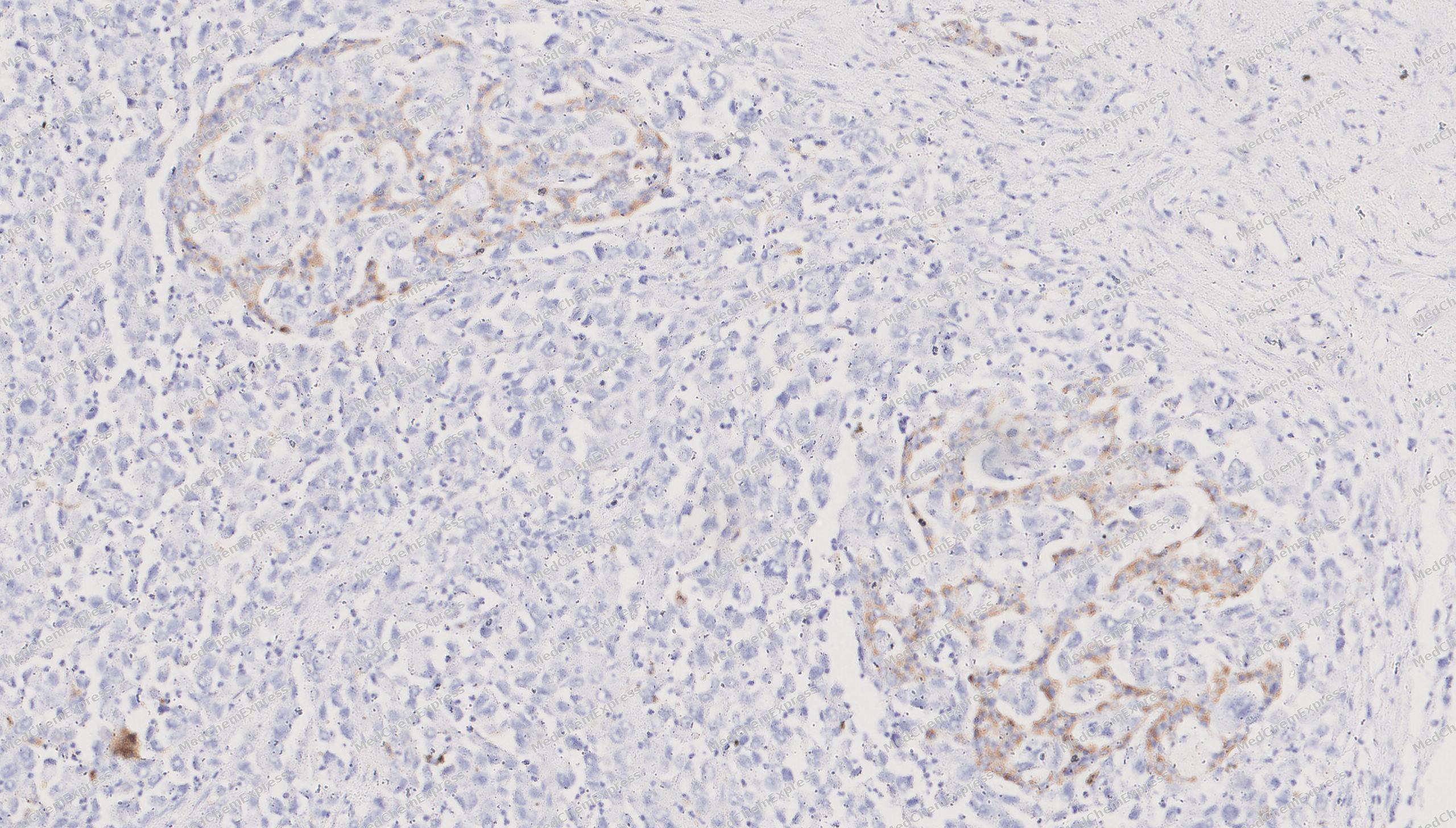 Immunohistochemical analysis of paraffin-embedded human Pancreatic cancer tissue using LRRK2 antibody was performed. The section was pretreated using high-temperature mediated EDTA antigen retrieval buffer (pH 9.0), for 20 minutes. The tissues were incubated with primary antibody (HY-P83076, 1:100 dilution) at room temperature for 20 minutes. Detection was performed using an HRP conjugated compact polymer system. DAB was used as the chromogen. The tissues were counterstained with hematoxylin and mounted with neutral balsam mounting medium.
 -
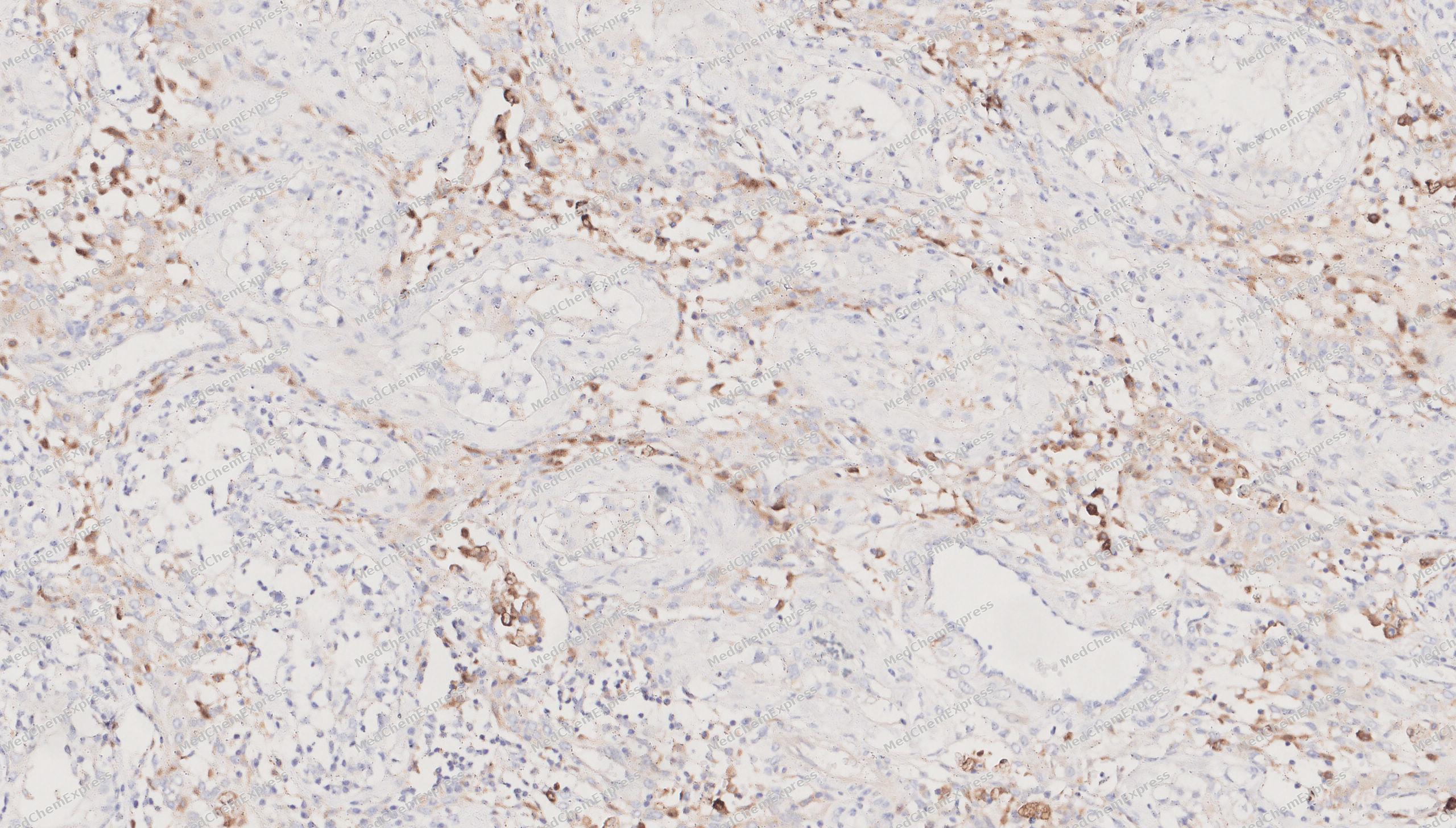 Immunohistochemical analysis of paraffin-embedded human embryonal carcinoma tissue using LRRK2 antibody was performed. The section was pretreated using high-temperature mediated EDTA antigen retrieval buffer (pH 9.0), for 20 minutes. The tissues were incubated with primary antibody (HY-P83076, 1:100 dilution) at room temperature for 20 minutes. Detection was performed using an HRP conjugated compact polymer system. DAB was used as the chromogen. The tissues were counterstained with hematoxylin and mounted with neutral balsam mounting medium.
 -
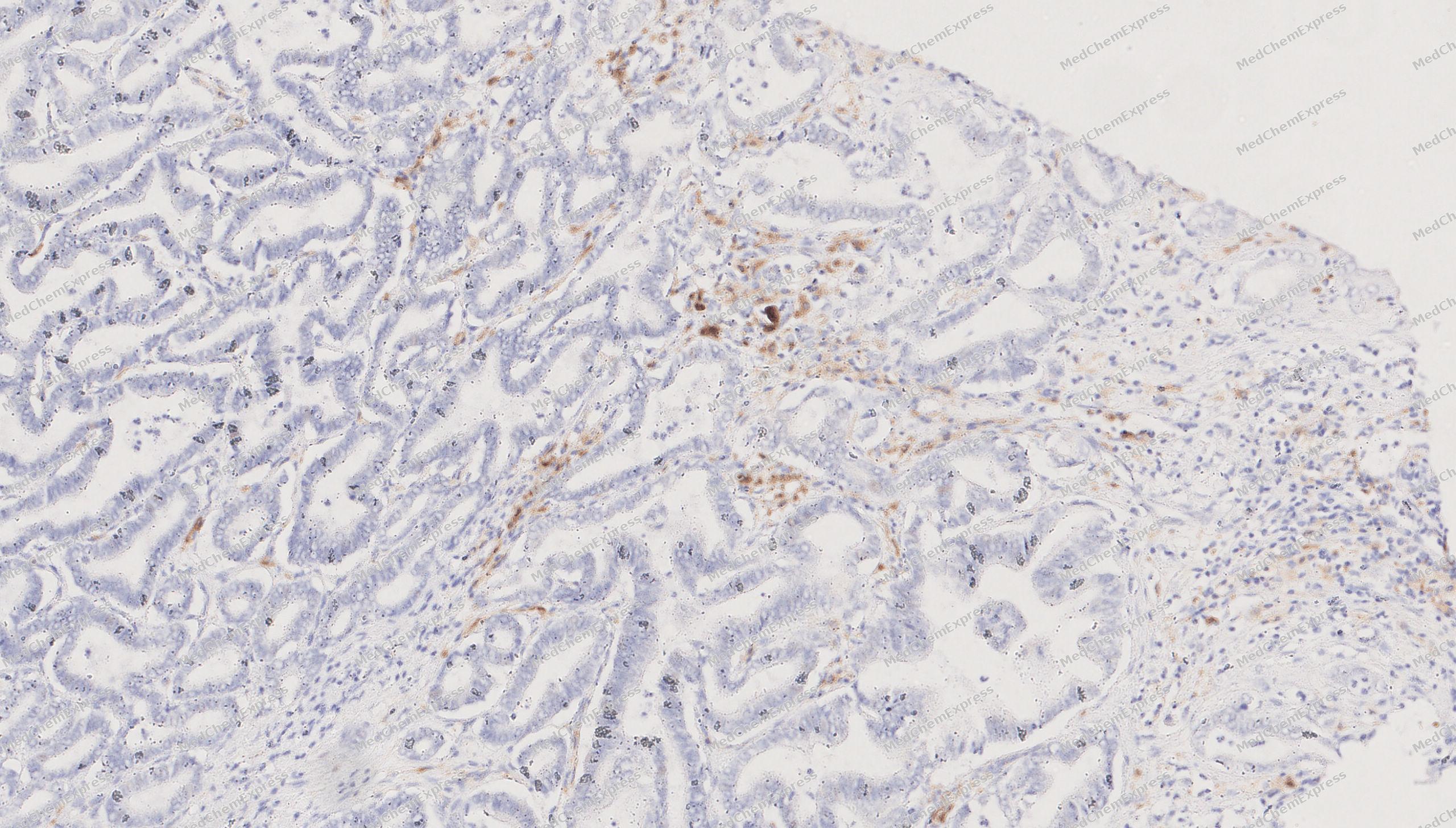 Immunohistochemical analysis of paraffin-embedded human Intrahepatic cholangiocarcinoma tissue using LRRK2 antibody was performed. The section was pretreated using high-temperature mediated EDTA antigen retrieval buffer (pH 9.0), for 20 minutes. The tissues were incubated with primary antibody (HY-P83076, 1:100 dilution) at room temperature for 20 minutes. Detection was performed using an HRP conjugated compact polymer system. DAB was used as the chromogen. The tissues were counterstained with hematoxylin and mounted with neutral balsam mounting medium.
 -
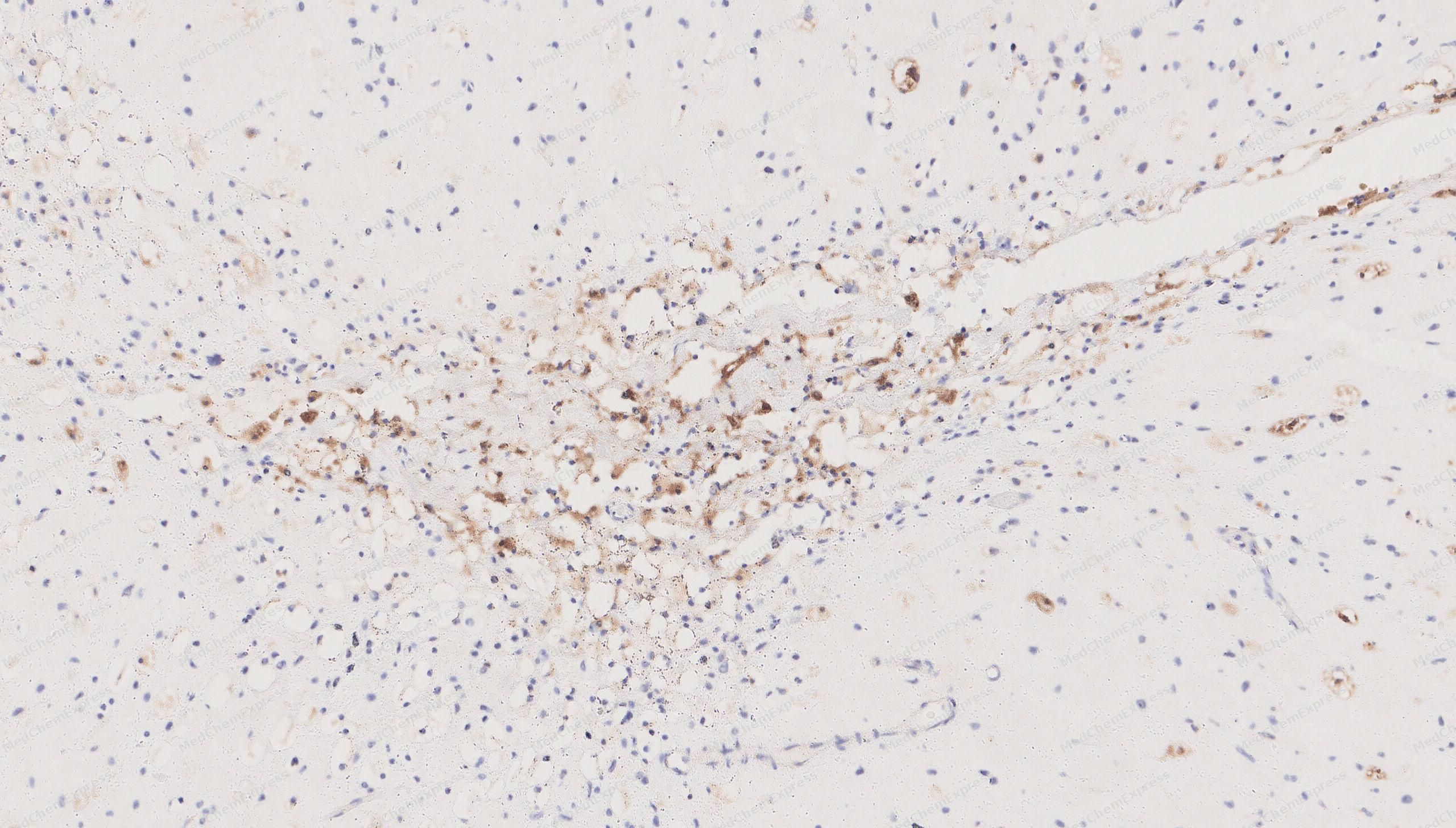 Immunohistochemical analysis of paraffin-embedded human Stromal tumor tissue using LRRK2 antibody was performed. The section was pretreated using high-temperature mediated EDTA antigen retrieval buffer (pH 9.0), for 20 minutes. The tissues were incubated with primary antibody (HY-P83076, 1:100 dilution) at room temperature for 20 minutes. Detection was performed using an HRP conjugated compact polymer system. DAB was used as the chromogen. The tissues were counterstained with hematoxylin and mounted with neutral balsam mounting medium.
 -
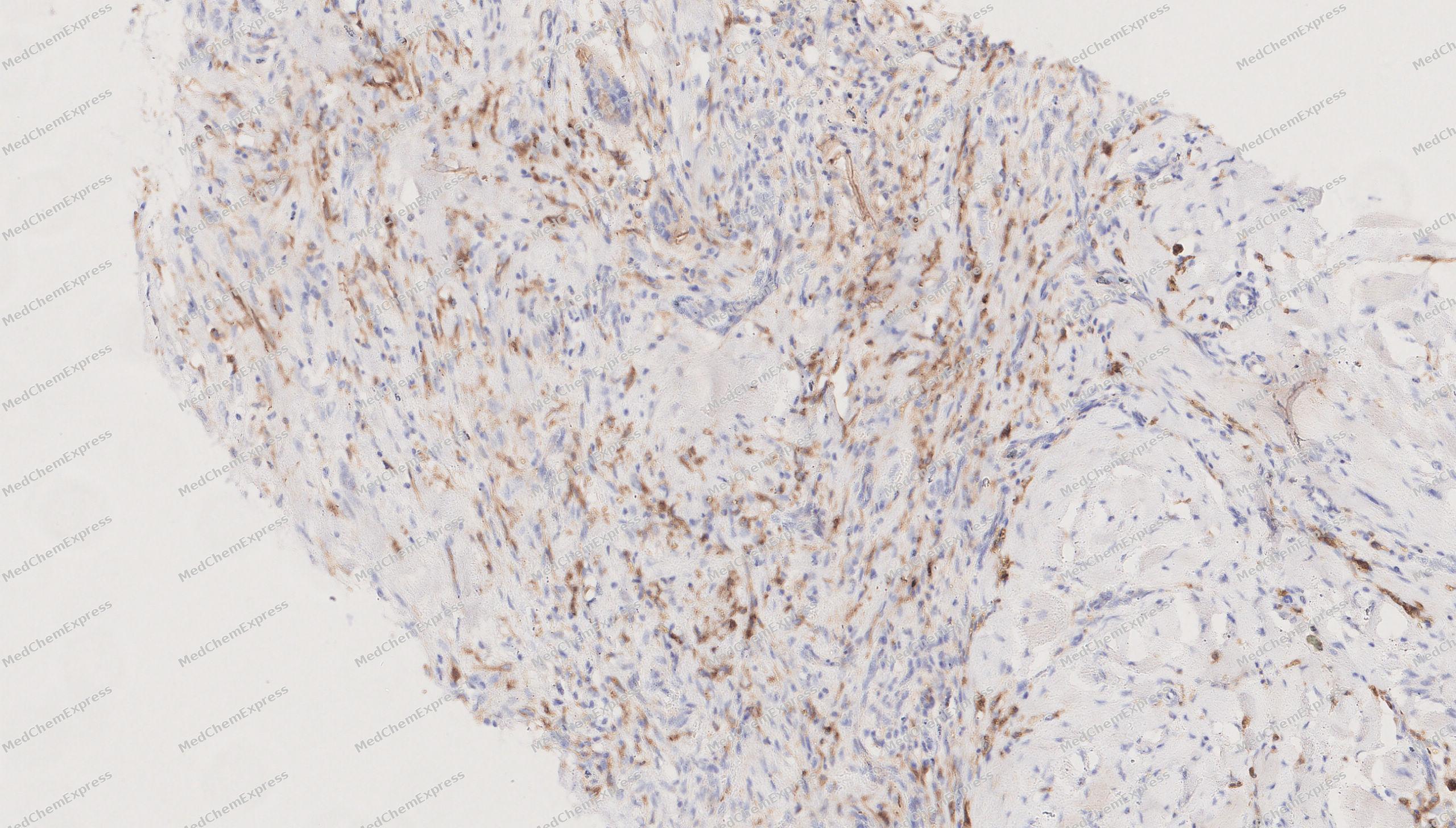 Immunohistochemical analysis of paraffin-embedded human synovial sarcoma tissue using LRRK2 antibody was performed. The section was pretreated using high-temperature mediated EDTA antigen retrieval buffer (pH 9.0), for 20 minutes. The tissues were incubated with primary antibody (HY-P83076, 1:100 dilution) at room temperature for 20 minutes. Detection was performed using an HRP conjugated compact polymer system. DAB was used as the chromogen. The tissues were counterstained with hematoxylin and mounted with neutral balsam mounting medium.
 -
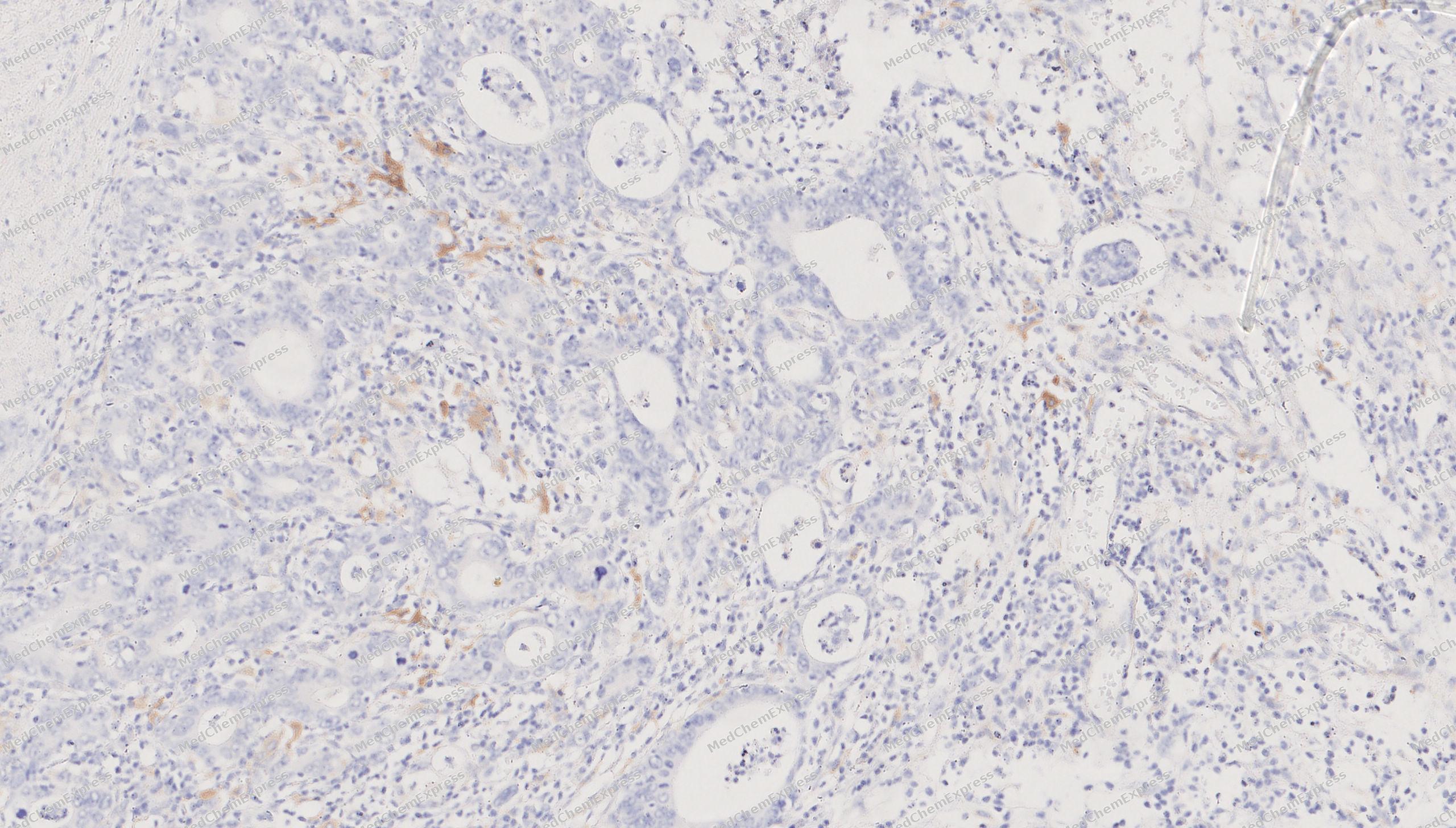 Immunohistochemical analysis of paraffin-embedded human gastric cancer tissue using LRRK2 antibody was performed. The section was pretreated using high-temperature mediated EDTA antigen retrieval buffer (pH 9.0), for 20 minutes. The tissues were incubated with primary antibody (HY-P83076, 1:100 dilution) at room temperature for 20 minutes. Detection was performed using an HRP conjugated compact polymer system. DAB was used as the chromogen. The tissues were counterstained with hematoxylin and mounted with neutral balsam mounting medium.


Background
-
Function
Leucine-rich repeat kinase 2 (LRRK2) is a ubiquitously expressed member of the ROCO protein family. LRRK2 is a complex, multidomain protein containing kinase and GTPase enzymatic activities and multiple protein-protein interaction domains. LRRK2 is the genetic cause of both familial and idiopathic Parkinson's disease (PD), and it is associated with neuronal death, vesicle trafficking, mitochondrial dysfunction, and inflammation. LRRK2 is a very large protein comprised of 2527 amino acids which has been determined to contain multiple functional domains, including armadillo (ARM), ankyrin-repeats (ANK), leucine-rich repeats (LRR), Ras of complex proteins (ROC), C-terminal of Roc (COR), MAPK-like kinase, and WD40 motifs. Mutations in LRRK2 represent a significant component of both sporadic and familial PD. Pathogenic mutations cluster in the enzymatic domains of LRRK2, and kinase activity seems to correlate with cytotoxicity, suggesting the possibility of kinase-based therapeutic strategies for LRRK2-associated PD. The best-characterized mutation to date, G2019S, leads to increased kinase activity, and mutations in the GTPase domain, such as R1441C and R1441G, have also been reported to influence kinase activity.
-
Subcellular Localization
Cytoplasmic vesicle; Perikaryon; Golgi apparatus membrane; Peripheral membrane protein; Cell projection, axon; Cell projection, dendrite; Endoplasmic reticulum membrane; Peripheral membrane protein; Cytoplasmic vesicle, secretory vesicle, synaptic vesicle membrane; Endosome; Lysosome; Mitochondrion outer membrane; Peripheral membrane protein; Cytoplasm, cytoskeleton; Cytoplasmic vesicle, phagosome
-
Expression
Tissue_specificity:It is expressed (protein level) in pyramidal neurons of all cortical layers of the visual cortex, neurons of the substantia nigra pars compacta, and neurons of the putamen of the caudate nucleus. It is also expressed (protein level) in neutrophils (PubMed:29127255) . It is also expressed in the brain. It is expressed throughout the adult brain, but at lower levels than in the heart and liver. It is also expressed in the placenta, lungs, skeletal muscle, kidneys, and pancreas. In the brain, it is expressed in the cerebellum, cerebral cortex, medulla oblongata, occipital pole of the spinal cord, frontal lobe, temporal lobe, and putamen. Expression is particularly strong in dopaminergic regions of the brain. -
Subunit
Homodimer (PubMed:18230735, PubMed:22952686, PubMed:30635421, PubMed:38127736). Homotetramer; when activated by GTP-bound RAB29 (PubMed:38127736). Interacts with PRKN, PRDX3, and TPCN2 (PubMed:16352719, PubMed:21850687, PubMed:22012985). Interacts with VPS35 (PubMed:23395371). Interacts (via N-terminus) with RAB29; this interaction is direct and stimulates kinase activity (PubMed:23395371, PubMed:38127736). Interacts (via ROC domain) with SEC16A (PubMed:25201882). Interacts with APP; interaction promotes phosphorylation of 'Thr-743' of APP (PubMed:28720718). Interacts with MAPT (PubMed:26014385). Interacts with RAB8A, RAB10, and RAB12 (PubMed:26824392). Interacts (via N-terminus) with RAB32 (PubMed:38127736). Interacts with YWHAG; this interaction is dependent on phosphorylation of Ser-910 and either Ser-935 or Ser-1444 (PubMed:28202711). Interacts with SFN; this interaction is dependent on phosphorylation of Ser-910 and/or Ser-935 (PubMed:28202711)
-
SwissProt ID
-
Synonyms
AURA17; Dardarin antibody; ; Leucine rich repeat kinase 2; LRRK 2 antibody; LRRK2; LRRK2_HUMAN; PARK 8; PARK8; RIPK7; ROCO 2; ROCO2
-
Research Field
Neuroscience


Documentation
-
Data Sheet (234 KB)
-
SDS (252 KB)
- English - EN (252 KB)
- Français - FR (252 KB)
- Deutsch - DE (252 KB)
- Norwegian - NO (252 KB)
- Español - ES (252 KB)
- Swedish - SV (252 KB)
- Italian - IT (252 KB)
- Korean - KR (252 KB)
- Portuguese - PT (252 KB)
-
User Guide for Antibodies (1077 KB)

 Powered by Bioz
