



PINK1/Parkin
PTEN-induced kinase 1/Parkin
PINK1 (PTEN-induced kinase 1) is a serine/threonine protein kinase whose activity is affected by mitochondrial membrane potential. PINK1 accumulates on the outer damaged mitochondrial membrane and activates PARKIN through phosphorylation. PARKIN is an E3 ubiquitin ligase that ubiquitinates mitochondrial outer membrane proteins, recruits autophagy-related proteins such as OPTN, NDP52, and initiates mitophagy. PINK1/Parkin regulates mitochondrial homeostasis, selectively removes damaged or redundant mitochondria, thereby maintaining and optimizing the mitochondrial network, regulating the energy metabolism, reducing oxidative stress and inflammatory responses. PINK1/Parkin dysfunction could lead to Parkinson's disease (PD), Alzheimer's disease (AD), amyotrophic lateral sclerosis (ALS), Huntington's disease (HD), or glaucoma[1][2].
References:
- [1]. Pickrell AM, et al., The roles of PINK1, parkin, and mitochondrial fidelity in Parkinson's disease. Neuron. 2015 Jan 21;85(2):257-73. [Content Brief]
- [2]. Quinn PMJ, et al., PINK1/PARKIN signalling in neurodegeneration and neuroinflammation. Acta Neuropathol Commun. 2020 Nov 9;8(1):189. [Content Brief]
All Product Categories
-
PINK1/Parkin Related Products (53)
Related Products (53)

-
CCCP
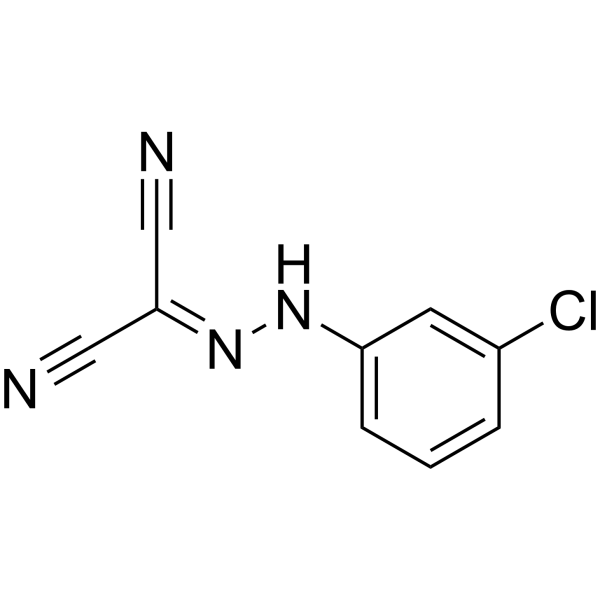 0 ImagesSynonyms: Carbonyl cyanide 3-chlorophenylhydrazone; Carbonyl Cyanide m-ChlorophenylhydrazoneCCCP is an oxidative phosphorylation (OXPHOS) uncoupler. CCCP induces activation of PINK1 leading to Parkin Ser65 phosphorylation.
-
FCCP
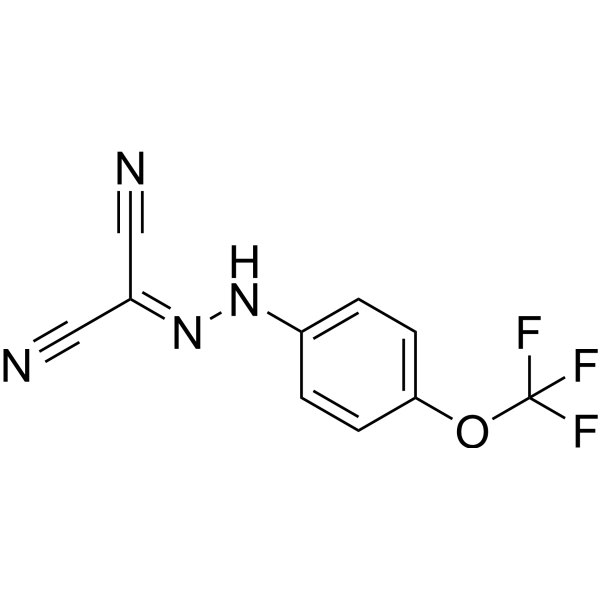 0 ImagesSynonyms: Carbonyl cyanide 4-(trifluoromethoxy)phenylhydrazoneFCCP is an uncoupler of oxidative phosphorylation (OXPHOS) in mitochondria. FCCP induces activation of PINK1 leading to Parkin Ser65 phosphorylation.
-
Mito-TEMPO
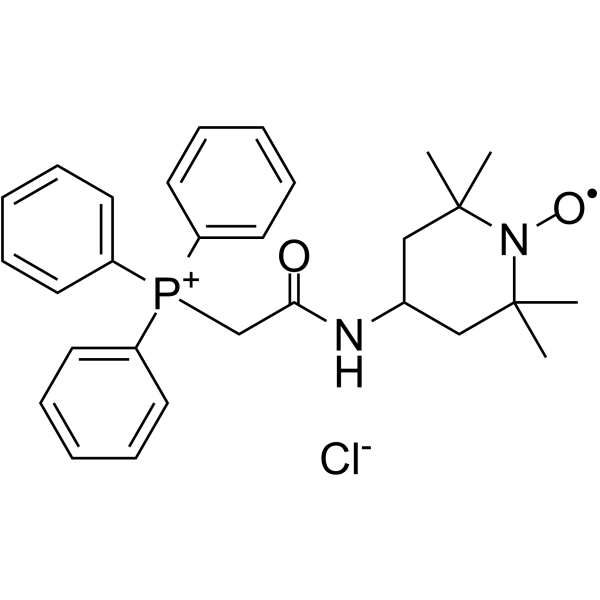 0 ImagesMito-TEMPO is a mitochondria-targeted antioxidant. Mito-TEMPO induces mitophagy by activating the PINK1/Parkin pathway, inhibits NLRP3 inflammasome activation, restores mitochondrial membrane potential, and improves renal function and podocyte injury. Mito-TEMPO regulates Ca2+ homeostasis, inhibits Bnip3 overexpression, shortens action potential duration, and exerts antiarrhythmic effects. Mito-TEMPO reverses premature senescence, reduces trabecular bone loss, and decreases cell apoptosis. Mito-TEMPO can be used in studies of chronic kidney disease, age-related cardiac dysfunction, postmenopausal osteoporosis, and ischemic stroke.
-
Salidroside
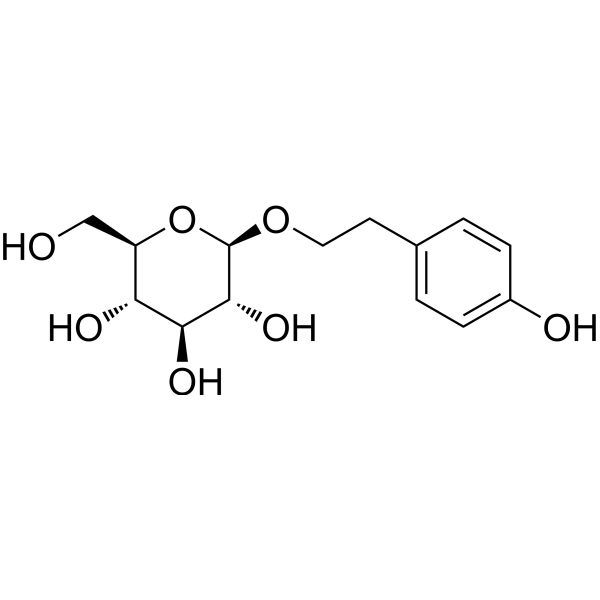 0 ImagesSynonyms: RhodiolosideSalidroside (Rhodioloside) is a prolyl endopeptidase inhibitor. Salidroside alleviates cachexia symptoms in mouse models of cancer cachexia via activating mTOR signalling. Salidroside protects dopaminergic neurons by enhancing PINK1/Parkin-mediated mitophagy.
-
MG 149
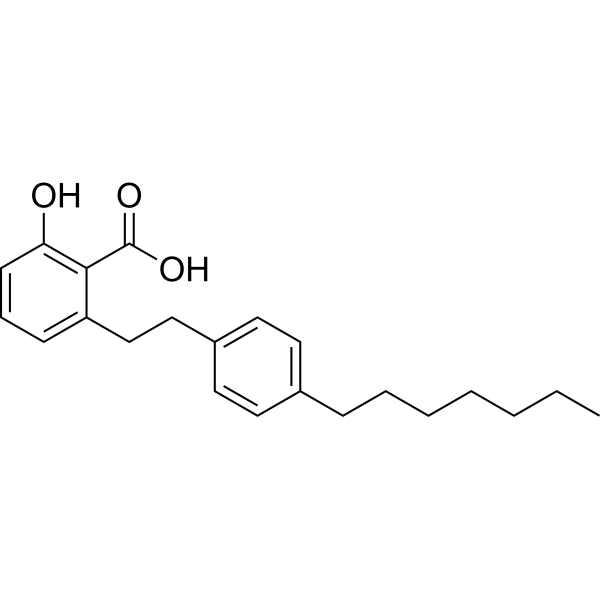 0 ImagesSynonyms: Tip60 HAT inhibitorMG149 (Tip60 HAT inhibitor) is a selective and potent Tip60 inhibitor with IC50 of 74 uM, similar potentcy for MOF (IC50 = 47 uM); little potent for PCAF and p300 (IC50 >200 uM). MG 149 inhibits KAT8 and blocks PINK1 kinase activity. MG149 inhibits the phosphorylation of Parkin and ubiquitin, thereby suppressing the initiation of PINK1-dependent mitophagy. MG 149 can reverse chronic restraint stress (CRS) induced hypertension and related molecular changes. MG 149 commonly used in research on diseases such as hypertension and Parkinson's disease.
-
Salidroside (Standard)
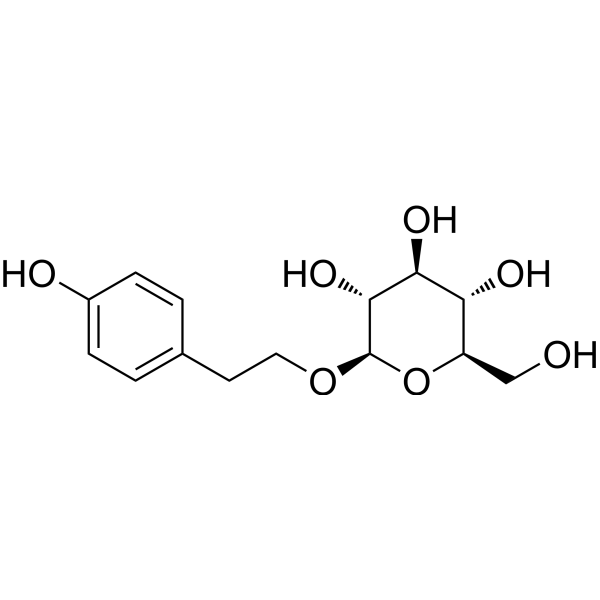 0 ImagesSynonyms: Rhodioloside (Standard)Salidroside (Standard) is the analytical standard of Salidroside. This product is intended for research and analytical applications. Salidroside (Rhodioloside) is a prolyl endopeptidase inhibitor. Salidroside alleviates cachexia symptoms in mouse models of cancer cachexia via activating mTOR signalling. Salidroside protects dopaminergic neurons by enhancing PINK1/Parkin-mediated mitophagy.
-
Dexpramipexole
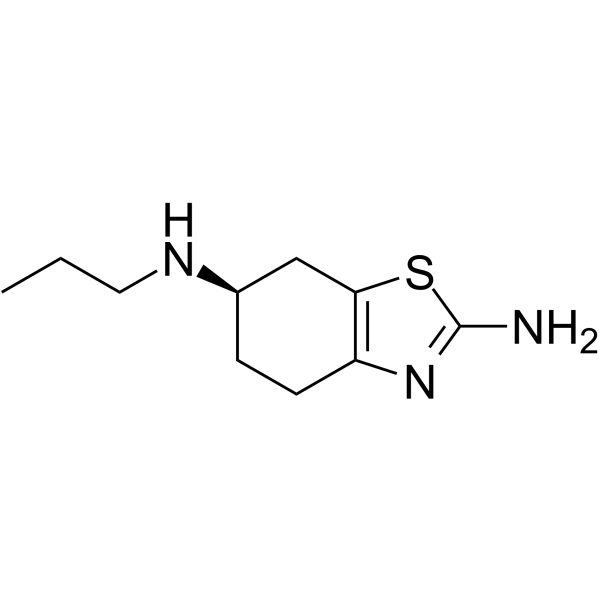 0 ImagesSynonyms: (R)-Pramipexole; R-(+)-Pramipexole; KNS-760704Dexpramipexole ((R)-Pramipexole) is an orally active, blood-brain barrier permeable mitochondrial protective agent. Dexpramipexole upregulates the expression of Parkin, PINK1, GPX4 and FSP1; binds to mitochondrial F1/Fo-ATP synthase; blocks the Nav1.8 sodium channel; and inhibits the activation of the NLRP3 inflammasome. Dexpramipexole induces mitophagy, inhibits ferroptosis, pyroptosis, apoptosis, neuroinflammation and eosinophilopoiesis; maintains mitochondrial function and redox homeostasis; reduces reactive oxygen species production; and decreases myocardial infarct size. Dexpramipexole is applicable to studies on eosinophilic asthma, myocardial ischemia/reperfusion injury, sepsis-associated encephalopathy, analgesia, and more.
-
Matrine
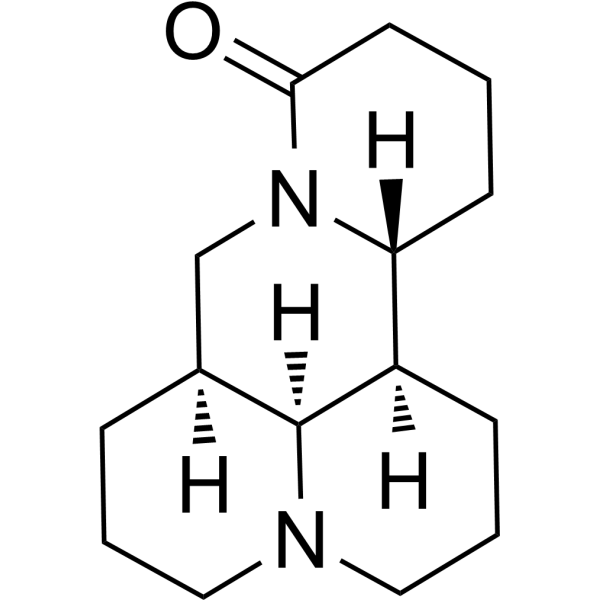 0 ImagesMatrine (Matridin-15-one) is an alkaloid found in plants from the Sophora genus that can act as a kappa opioid receptor and u-receptor agonist. Matrine has a variety of pharmacological effects, including anti-cancer, anti-oxidative stress, anti-inflammation and anti-apoptosis effects. Matrine is potential in the research of disease like human non-small cell lung cancer, hepatoma, papillary thyroid cancer and acute kidney injury (AKI).
-
MTK458
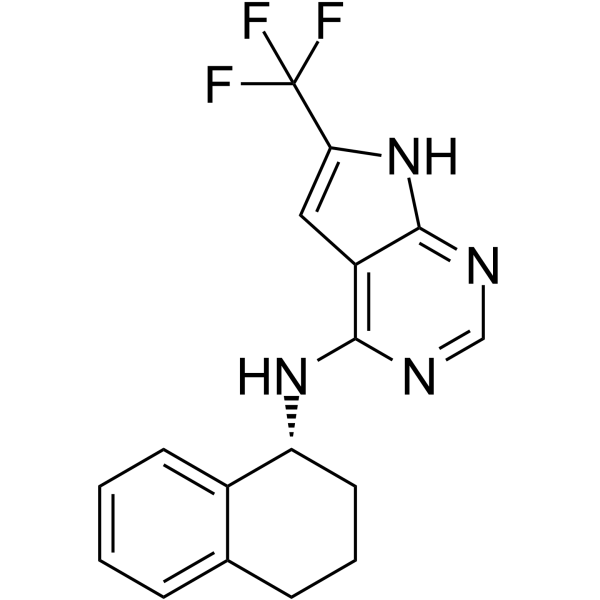 0 ImagesSynonyms: EP-0035985MTK458 is an orally active brain penetrant PINK1 activator. MTK458 binds to PINK1 and stabilizes an active heterocomplex, thereby increasing mitophagy. MTK458 can be used for research on Parkinson's disease.
-
MitoTEMPO hydrate
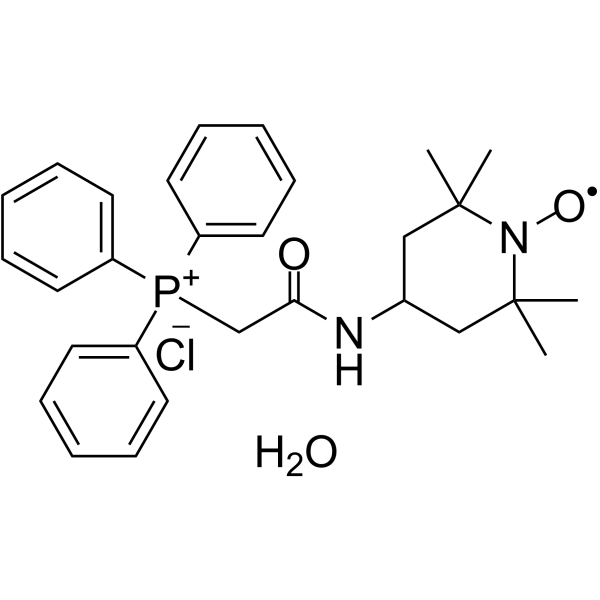 0 ImagesMitoTEMPO hydrate is a mitochondria-targeted antioxidant. MitoTEMPO hydrate induces mitophagy by activating the PINK1/Parkin pathway, inhibits NLRP3 inflammasome activation, restores mitochondrial membrane potential, and improves renal function and podocyte injury. MitoTEMPO hydrate regulates Ca2+ homeostasis, inhibits Bnip3 overexpression, shortens action potential duration, and exerts antiarrhythmic effects. MitoTEMPO hydrate reverses premature senescence, reduces trabecular bone loss, and decreases cell apoptosis. MitoTEMPO hydrate can be used in studies of chronic kidney disease, age-related cardiac dysfunction, postmenopausal osteoporosis, and ischemic stroke.
-
(+)-Magnoflorine chloride
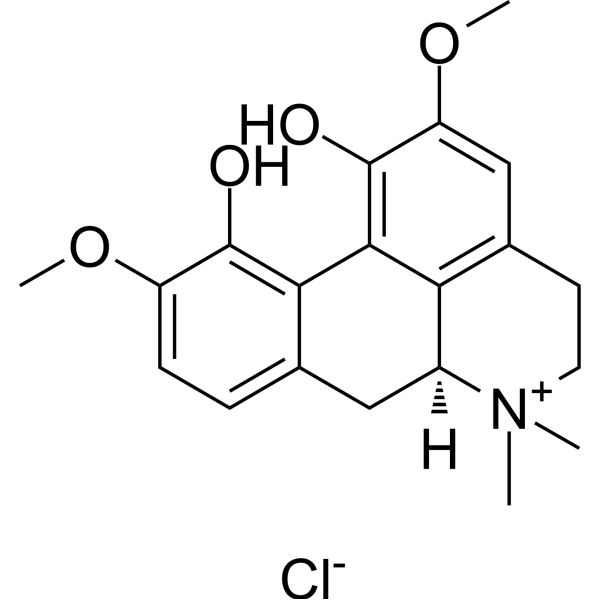 0 ImagesSynonyms: Magnoflorine chloride; α-Magnoflorine chloride; Thalictrine chloride(+)-Magnoflorine (α-Magnoflorine) chloride is an orally active aporphine alkaloid with multiple biological activities. (+)-Magnoflorine chloride promotes Parkin/PINK1-mediated mitochondrial autophagy, inhibits the activation of NLRP3/Caspase-1 pathway, regulates the intestinal microbiota, and exhibits significant anti-inflammatory and immunomodulatory activities. (+)-Magnoflorine chloride inhibits JNK and TLR4/NF-κB signaling pathways, activates Sirt1/AMPK pathway, alleviates neuronal oxidative stress and apoptosis. Magnoflorine chloride upregulates miR-410-3p, inhibits HMGB1/NF-κB pathway, and has anti-tumor activity. (+)-Magnoflorine chloride also has significant antifungal activity.
-
Bleomycin A5
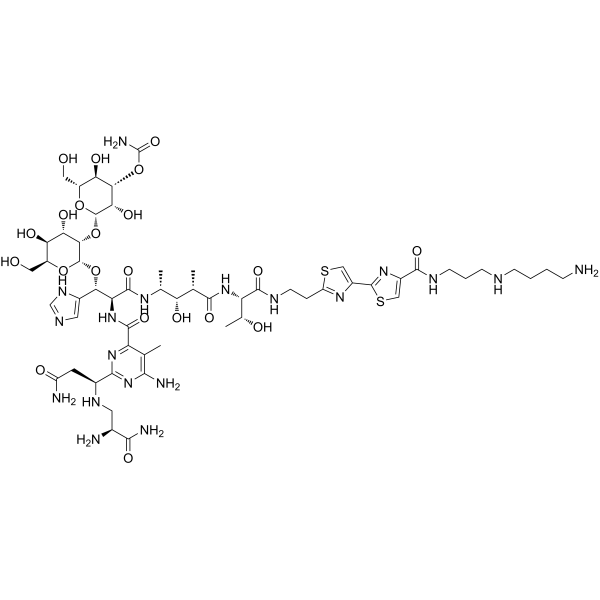 0 ImagesSynonyms: PingyangmycinBleomycin A5 (Pingyangmycin) is a glycopeptide antibiotic with multiple biological activities, which can be isolated from Streptomyces. Bleomycin A5 exerts cytotoxic effects by binding to Fe2+ to form a complex, inducing single-strand and double-strand DNA breaks, and inhibiting DNA replication. Bleomycin A5 inhibits Drp1-mediated mitochondrial fission and suppresses PINK1/Parkin pathway-mediated mitophagy, ultimately triggering mitochondria-mediated cellular apoptosis. Bleomycin A5 can be used in cancer research.
-
Dexpramipexole dihydrochloride
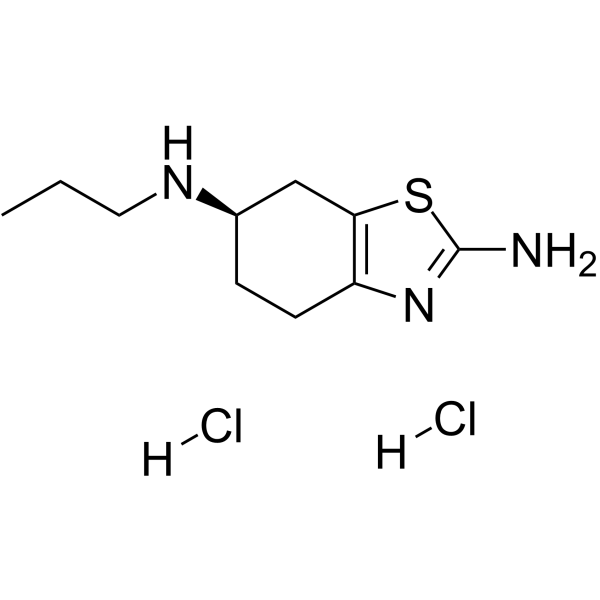 0 ImagesSynonyms: (R)-Pramipexole dihydrochloride; R-(+)-Pramipexole dihydrochloride; KNS-760704 dihydrochlorideDexpramipexole ((R)-Pramipexole) dihydrochloride is an orally active, blood-brain barrier permeable mitochondrial protective agent. Dexpramipexole dihydrochloride upregulates the expression of Parkin, PINK1, GPX4 and FSP1; binds to mitochondrial F1/Fo-ATP synthase; blocks the Nav1.8 sodium channel; and inhibits the activation of the NLRP3 inflammasome. Dexpramipexole dihydrochloride induces mitophagy, inhibits ferroptosis, pyroptosis, apoptosis, neuroinflammation and eosinophilopoiesis; maintains mitochondrial function and redox homeostasis; reduces reactive oxygen species production; and decreases myocardial infarct size. Dexpramipexole dihydrochloride is applicable to studies on eosinophilic asthma, myocardial ischemia/reperfusion injury, sepsis-associated encephalopathy, analgesia, and more.
-
FT3967385
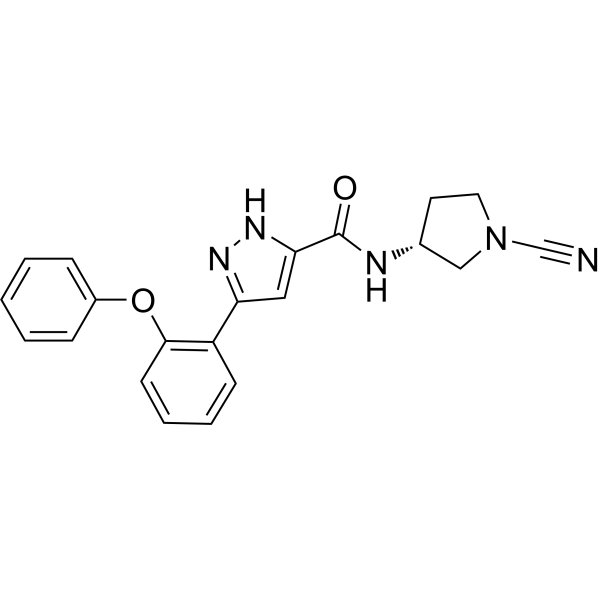 0 ImagesCat. No.: HY-145337Purity: 99.74%Synonyms: FT385FT3967385 (FT385) is a selective covalent inhibitor that targets the outer mitochondrial membrane deubiquitinase (Deubiquitinase) USP30 (IC50 = 1.5 nM, Ki = 0.014 μM). By inhibiting the enzymatic activity of USP30, FT3967385 relieves its negative regulation of the PINK1-Parkin mediated mitochondrial ubiquitination cascade, thereby enhancing mitophagy. FT3967385 can be used for mechanistic studies of neurodegenerative diseases associated with mitochondrial dysfunction, such as Parkinson's disease.
-
JPS016 TFA
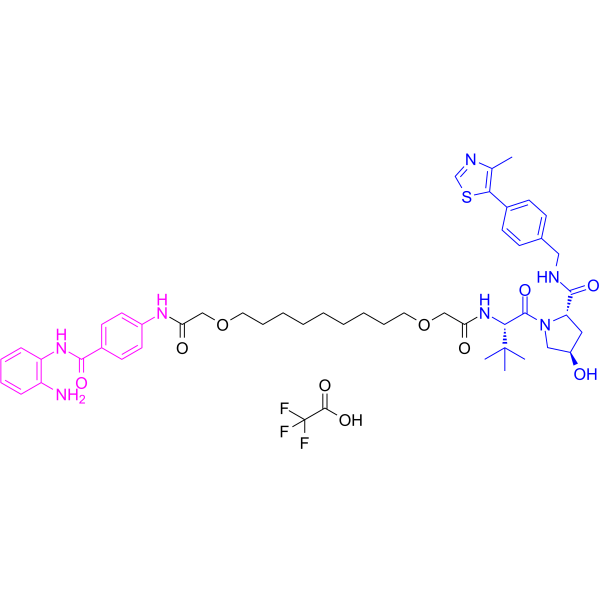 0 ImagesCat. No.: HY-145816APurity: 99.47%JPS016 TFA is a class I histone deacetylase (HDAC) PROTAC inhibitor. JPS016 TFA recruits the VHL E3 ligase (Ligands for E3 Ligase) to mediate the ubiquitination and proteasomal degradation of HDAC1, HDAC2 and HDAC3. JPS016 TFA reduces the viability of colon cancer cells and induces Apoptosis. JPS016 TFA activates the PINK1/Parkin mitochondrial Autophagy pathway, enhances cardiomyocyte viability, alleviates mitochondrial damage, and reduces mitochondrial ROS production in cells. JPS016 TFA is applicable to research related to colon cancer and sepsis cardiomyopathy.
-
(+)-Magnoflorine iodide
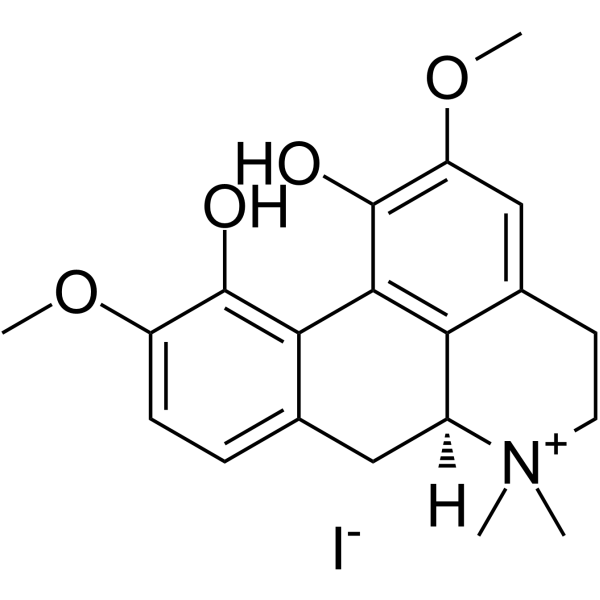 0 ImagesSynonyms: Magnoflorine iodide; α-Magnoflorine iodide; Thalictrine iodide(+)-Magnoflorine (α-Magnoflorine) iodide is an orally active aporphine alkaloid with multiple biological activities. (+)-Magnoflorine iodide promotes Parkin/PINK1 -mediated mitochondrial autophagy, inhibits the activation of NLRP3/Caspase-1 pathway, regulates the intestinal microbiota, and exhibits significant anti-inflammatory and immunomodulatory activities. (+)-Magnoflorine iodide inhibits JNK and TLR4/NF-κB signaling pathways, activates Sirt1/AMPK pathway, alleviates neuronal oxidative stress and apoptosis. Magnoflorine upregulates miR-410-3p, inhibits HMGB1/NF-κB pathway, and has anti-tumor activity. (+)-Magnoflorine iodide also has significant antifungal activity.
-
Kinetin triphosphate tetrasodium
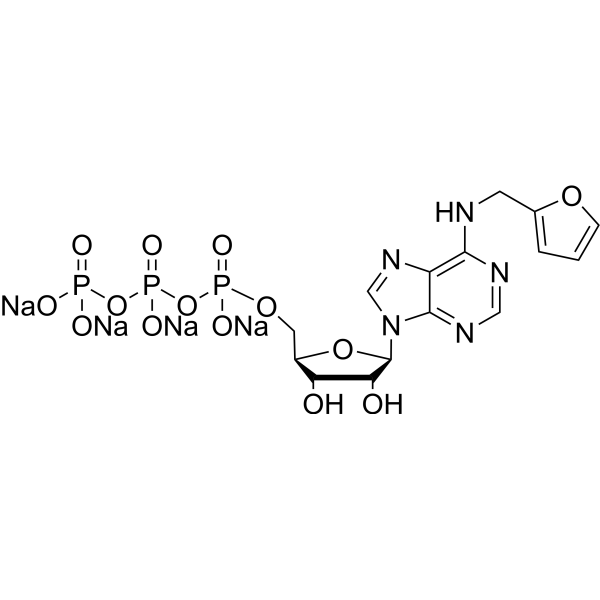 0 ImagesCat. No.: HY-134398APurity: 98.10%Synonyms: 6-Fu-ATP tetrasodium; KTP tetrasodiumKinetin triphosphate(6-Fu-ATP) tetrasodium is an ATP analogue that regulates or enhances kinase function with higher catalytic efficiency than its endogenous substrate, ATP. Kinetin triphosphate tetrasodium can be used in Parkinson's disease research.
-
T0467
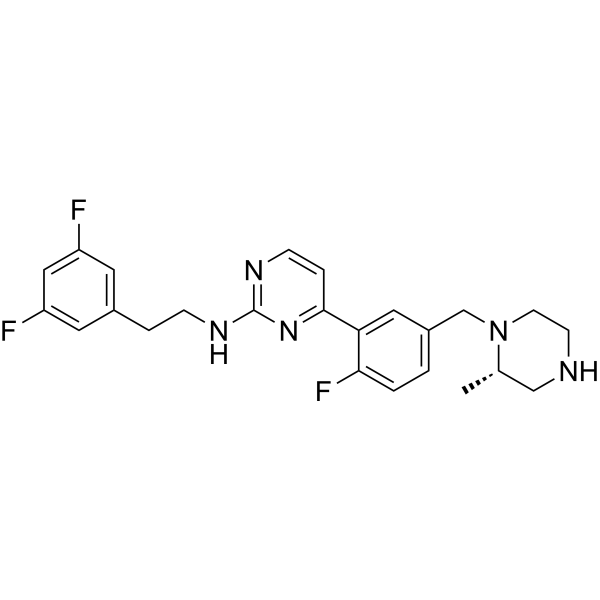 0 ImagesT0467 activates parkin mitochondrial translocation in a PINK1-dependent manner in vitro. T0467 do not induce mitochondrial accumulation of PINK1in dopaminergic neurons. T0467 is a potential compound for PINK1-Parkin signaling activation, and can be used for parkinson's disease and related disorders research.
-
JYQ-164
 0 ImagesJYQ-164 is a small molecule inhibitor of Parkinson's disease protein 7 (PARK7/DJ-1) in humans. JYQ-164 works by covalently and selectively targeting Cys106, a key residue of PARK7 (IC50=21 nM). The high inhibitory effect of JYQ-164 on PARK7 is 5 times more potent than the previously reported inhibitor JYQ-88. JYQ-164 can be used in Parkinson's disease and cancer research.
-
Cyflumetofen
 0 ImagesCyflumetofen is a non-systemic acylacetonitrile Acaricide. Cyflumetofen interferes with the Wnt/β-catenin signaling pathway, induces Apoptosis, and reduces the level of tight junction proteins. Cyflumetofen upregulates the expression of Pink1, Parkin and Lrrk2 genes associated with the pathogenesis of Parkinson's disease in zebrafish larvae. Cyflumetofen induces developmental toxicity and oxidative stress in zebrafish larvae, damages neurons, reduces motor activity, alters brain tissue structure, and disrupts blood-brain barrier structure. Cyflumetofen exhibits acaricidal activity against spider mites. Cyflumetofen can be used in studies related to Parkinson's disease and infestations by spider mites (Tetranychus urticae, Tetranychus kanzawai, Panonychus citri).



