



MG 149
Based on 15 publication(s) in Google Scholar
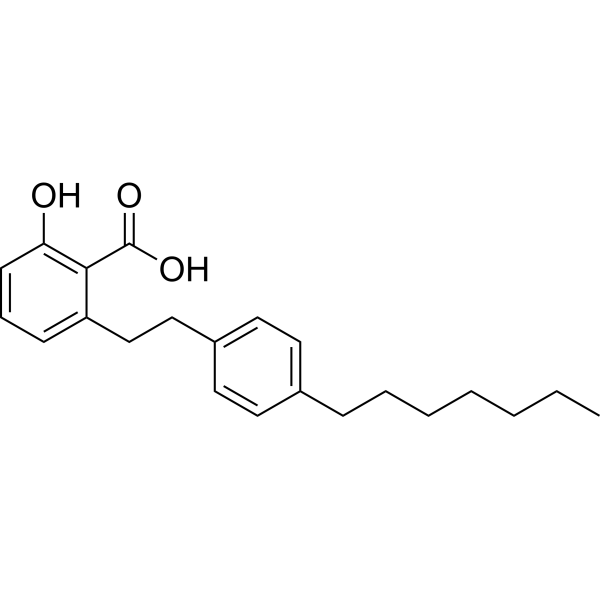
MG149 (Tip60 HAT inhibitor) is a selective and potent Tip60 inhibitor with IC50 of 74 uM, similar potentcy for MOF (IC50 = 47 uM); little potent for PCAF and p300 (IC50 >200 uM). MG 149 inhibits KAT8 and blocks PINK1 kinase activity. MG149 inhibits the phosphorylation of Parkin and ubiquitin, thereby suppressing the initiation of PINK1-dependent mitophagy. MG 149 can reverse chronic restraint stress (CRS) induced hypertension and related molecular changes. MG 149 commonly used in research on diseases such as hypertension and Parkinson's disease.
Nur für Forschungszwecke. Wir verkaufen nicht an Patienten.
- Reinheit : 99.60%
- CAS. Nr.: 1243583-85-8
- Formel: C22H28O3
- Molecular Weight:340.46
-
Speicherung:Powder -20°C, 3 years , 4°C, 2 years ; In solvent -80°C, 2 years , -20°C, 1 year

To place orders, for customer services and technical support, please contact: MedChemExpress USA
Tel: 609-228-6898 E-mail: [email protected] [email protected]


-
 Biologische Aktivität
-
Chemical Information
-
Lösungsmittel & Löslichkeit
- Protokoll
- Reinheit & Dokumentation
- Verweise
-
 Help & FAQs


-
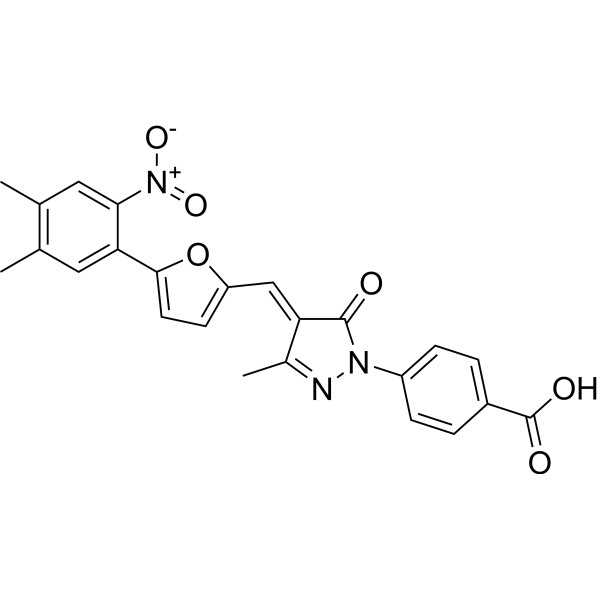
HY-13823
C646p300/CBP HAT Inhibitor -
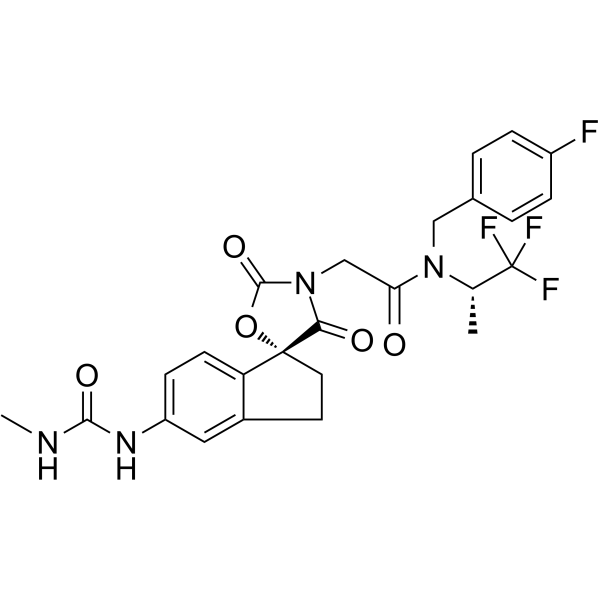
HY-107455
A-485p300/CBP Inhibitor -
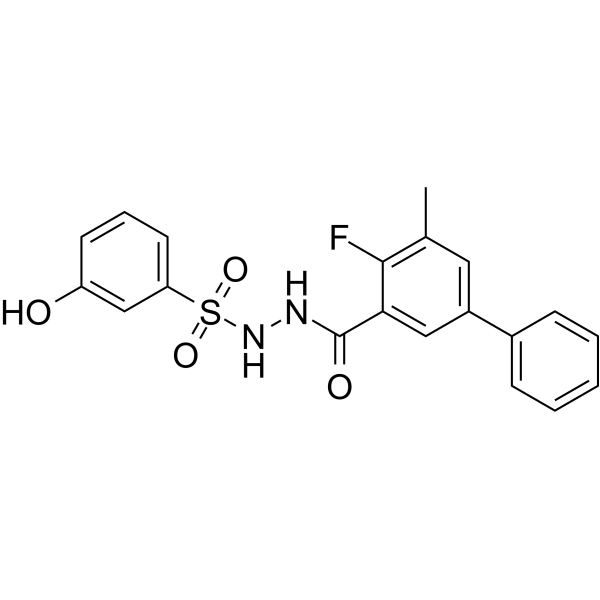
HY-134901
WM-3835HBO1 Inhibitor -
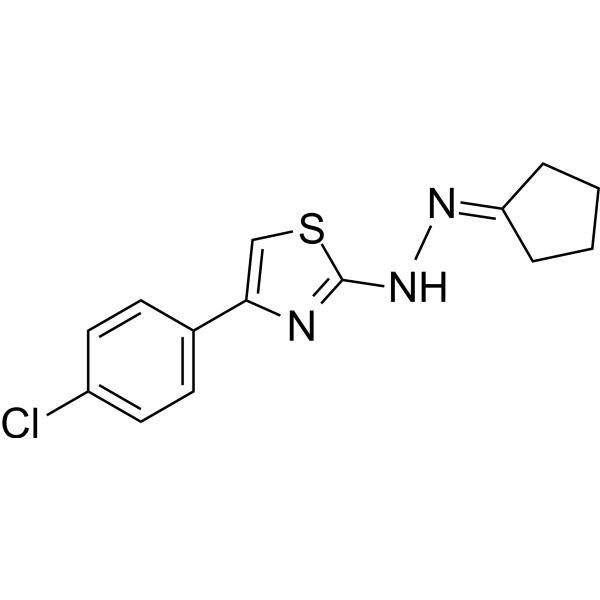
HY-W013274
CPTH2Histone Acetyltransferase Inhibitor -
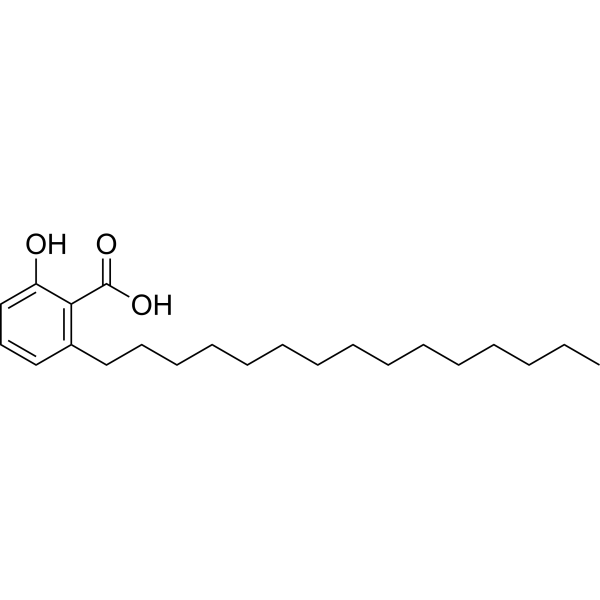
HY-N2020
Anacardic AcidHistone Acetyltransferase Inhibitor -
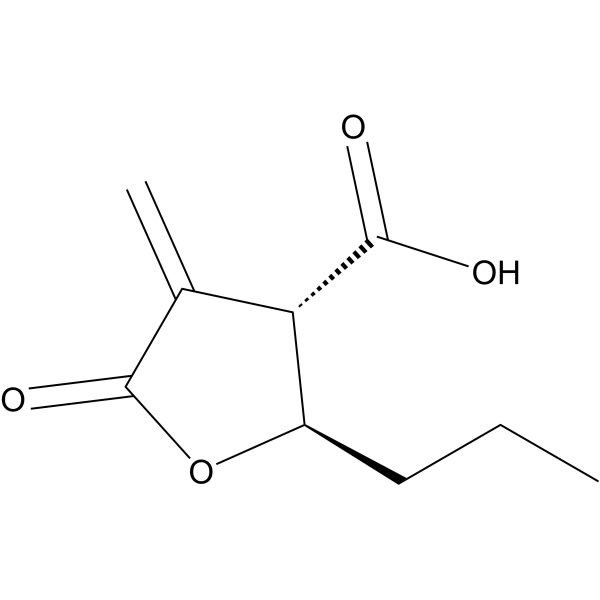
HY-129039
Butyrolactone 3Gcn5 Inhibitor -
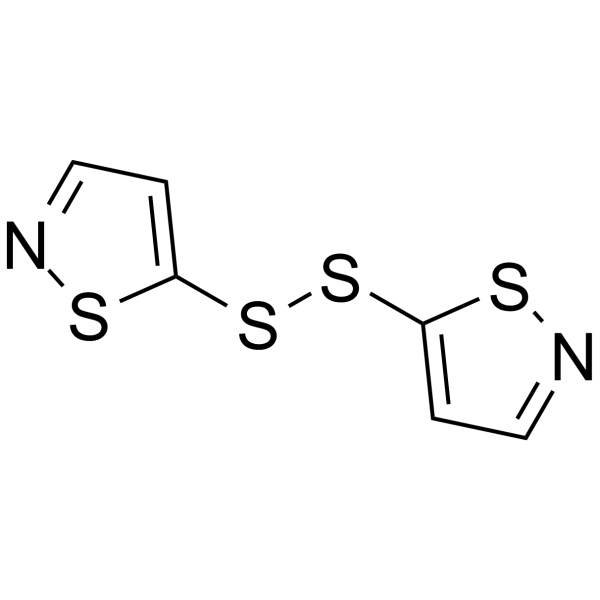
HY-110127
NU9056Tip60 Inhibitor -
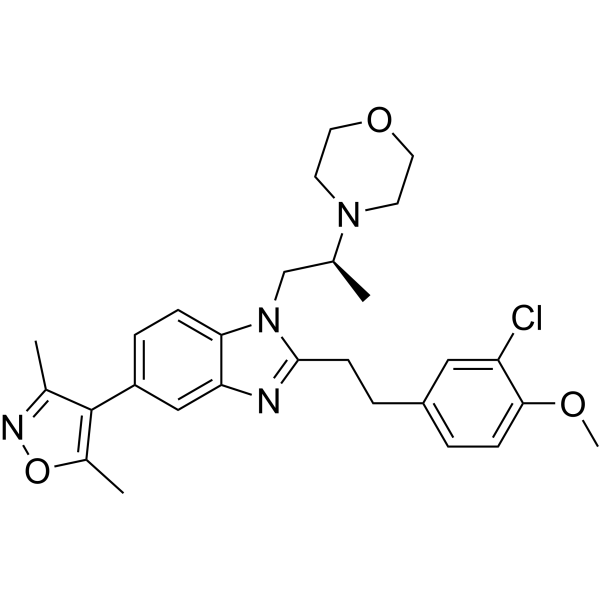
HY-15826
SGC-CBP30CBP/p300 Inhibitor -
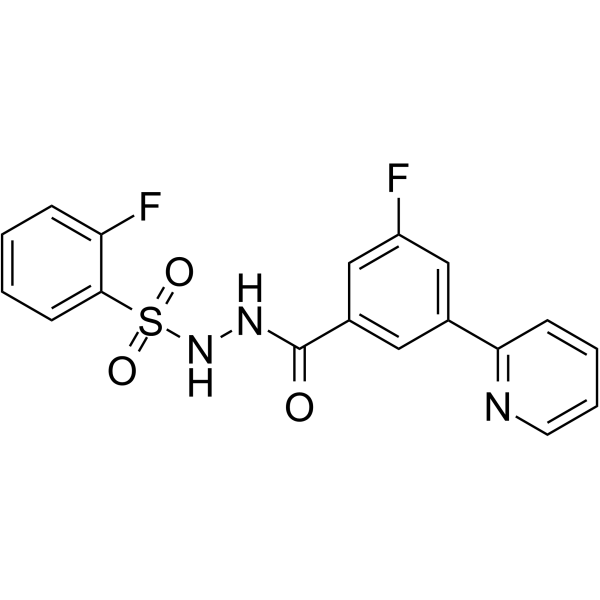
HY-102058
WM-1119KAT6A Inhibitor -
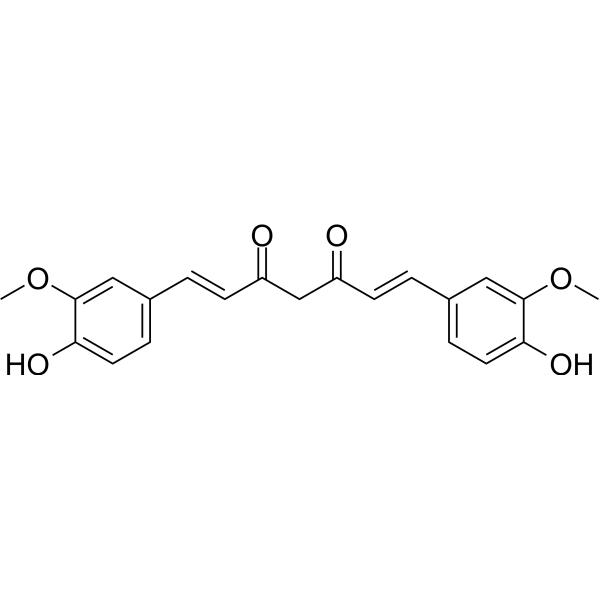
HY-N0005
Curcuminp300 Histone Acetylatransferase Inhibitor -
HY-124960
CTPBHistone Acetyltransferase Activator -
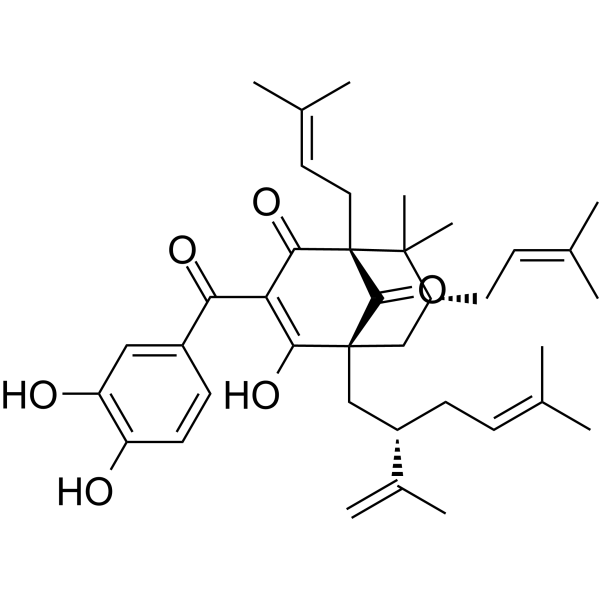
HY-107569
GarcinolAChE Inhibitor
Publications Citing Use of MedChemExpress (MCE) MG 149
More- Cell Death Differ. 2026 May 25. [Abstract]
- Cell Death Dis. 2022 Aug 17;13(8):717. [Abstract]
- Int J Biol Sci. 2024 Jan 12;20(3):968-986. [Abstract]
- Microbiol Res. 2026 Apr:305:128414. [Abstract]
- Sens Actuators B Chem. 2024 Aug 1, 412, 135827.
- Commun Biol. 2025 Aug 30;8(1):1314. [Abstract]
- Int J Mol Sci. 2023 Mar 3;24(5):4912. [Abstract]
- Front Cell Infect Microbiol. 2021 Jul 19:11:686035. [Abstract]
- Lung Cancer. 2026 Sep:219:109544.
- Bioorg Chem. 2023 Oct:139:106747. [Abstract]
- iScience. 2023 Nov 19;26(12):108491. [Abstract]
- FASEB J. 2022 Jul;36(7):e22418. [Abstract]
- J Immunol. 2022 Aug 1;209(3):476-487. [Abstract]
- Front Oncol. 2022 Sep 23;12:868866. [Abstract]
- bioRxiv. 2024 Jan 5:2024.01.04.574196. [Abstract]
 Customer Validation & Images

-
IP
-
WB
-
Cell Imaging/Staining
-
WB
-
RT-PCR


Biologische Aktivität
Beschreibung
IC50 & Target
|
CBP/p300 |
TIP60 |
PINK1 |
In Vitro
MG 149 (Tip60 HAT inhibitor), at 200 μM, inhibited about 90% of Tip60 activity but had no inhibitory impact on p300 and PCAF. MG 149 was essentially competitive with Ac-CoA and noncompetitive with the histone substrate. HAT inhibition studies with MG 149 demonstrated that both compounds inhibited the HAT activity of the nuclear extracts of different regions significantly (p < 0.05)[1].
MG 149 (100 μM, 3 h) inhibits the activation of the PINK1/Parkin pathway in POE SH-SY5Y cells[2].
MedChemExpress (MCE) has not independently confirmed the accuracy of these methods. They are for reference only.
-
Cell Line:POE SH-SY5Y cells
-
Concentration:100 μM
-
Incubation Time:3 h
-
Result:Significantly reduced pParkin protein levels.
In Vivo
MedChemExpress (MCE) has not independently confirmed the accuracy of these methods. They are for reference only.
-
Animal Model:CRS induced male C57BL/6J mice [3]
-
Dosage:1.6 mg/kg
-
Administration:Intraperitoneal injection (i.p.), once daily, for 14 days
-
Result:Blocked the release of glutamate in brain regions.
Downregulated the expression of NR2B and IL-18.
Alleviated sympathetic nervous system activation.


Chemical Information
-
CAS. Nr. 1243583-85-8
-
Appearance Solid
-
Molecular Weight 340.46
-
Formel C22H28O3
-
Color White to off-white
-
SMILES
O=C(O)C1=C(O)C=CC=C1CCC2=CC=C(CCCCCCC)C=C2
-
Synonyms
Tip60 HAT inhibitor
-
Versand
Room temperature in continental US; may vary elsewhere.
-
Speicherung
Powder -20°C 3 years 4°C 2 years In solvent -80°C 2 years -20°C 1 year


Publications (15)
-
Journal Impact Factor
-
Most Recent
-
Cell Death Differ
Targeting ADAR1 lactylation activates innate immune and overcomes chemoresistance in ovarian cancer. [Abstract]2026 May 25. PMID: 42185630 -
Cell Death Dis
Global crotonylome reveals hypoxia-mediated lamin A crotonylation regulated by HDAC6 in liver cancer. [Abstract]2022 Aug 17;13(8):717. PMID: 35977926 -
Int J Biol Sci
SGK1 aggravates idiopathic pulmonary fibrosis by triggering H3k27ac-mediated macrophage reprogramming and disturbing immune homeostasis. [Abstract]2024 Jan 12;20(3):968-986. PMID: 38250161 -
Microbiol Res
Dynamic regulation of K33- and K48-linked ubiquitination of Tip60 by TRIM37 orchestrates host DNA damage response during Pseudomonas aeruginosa infection and recovery. [Abstract]2026 Apr:305:128414. PMID: 41442852
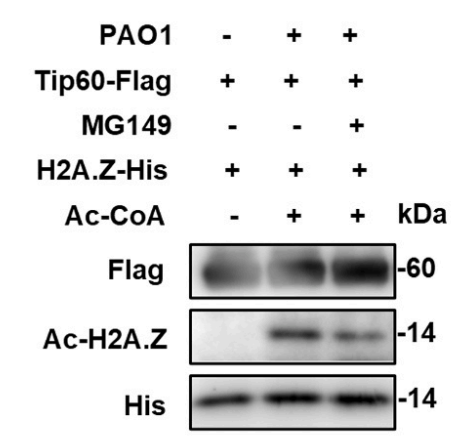
MG 149 purchased from MedChemExpress. Usage Cited in: Microbiol Res. 2026 Apr:305:128414. [Abstract]
HEK293 cells transfected with Tip60-Flag were infected with PAO1 for 3 h in the presence or absence of 5 μM MG149, followed by immunoprecipitation of Tip60 and analysis of its HAT activity towards H2A.Z by an in vitro HAT activity assay.
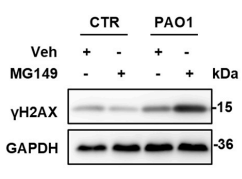
MG 149 purchased from MedChemExpress. Usage Cited in: Microbiol Res. 2026 Apr:305:128414. [Abstract]
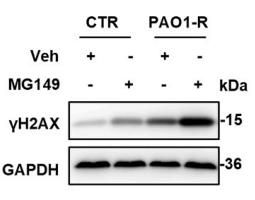
Tip60 activity was pharmacologically inhibited using 5 μM MG149 in A549 cells infected with PAO1 for 3 h. Western blot analysis was conducted to evaluate γH2AX expression. The relative abundance of protein expression was quantified using ImageJ software.
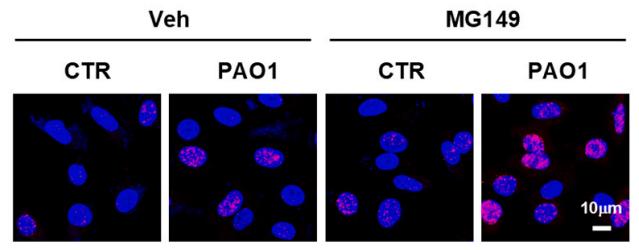
MG 149 purchased from MedChemExpress. Usage Cited in: Microbiol Res. 2026 Apr:305:128414. [Abstract]
Tip60 activity was pharmacologically inhibited using 5 μM MG149 in A549 cells infected with PAO1 for 3 h. Representative immunofluorescence images of γH2AX foci formation in A549 cells under the indicated treatment conditions. AF647 (red) was used to label γH2AX, and DAPI (blue) to stain nuclei.
MG 149 purchased from MedChemExpress. Usage Cited in: Microbiol Res. 2026 Apr:305:128414. [Abstract]
A549 cells were infected with PAO1 for 3 h and subsequently maintained in DMEM containing 10 % FBS and gentamicin with continuous treatment of 5 μM MG149 for 24 h. The expression level of γH2AX was examined using Western blot analysis and quantified using ImageJ.
-
-
Commun Biol
Histone H3K27 acetylation mediated by KAT8 maintains antiviral trained immunity in shrimp induced by inactivated white spot syndrome virus. [Abstract]2025 Aug 30;8(1):1314. PMID: 40885857
MG 149 purchased from MedChemExpress. Usage Cited in: Commun Biol. 2025 Aug 30;8(1):1314. [Abstract]
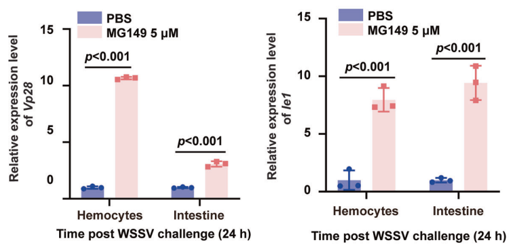
The expression of Vp28 (Left) and Ie1 (Right) in the hemocytes and intestinal tissues of MG149-treated shrimp was detected at 24 hpi via qPCR. Ef-1α was used as the endogenous control gene.
-
Int J Mol Sci
VRK1 Kinase Activity Modulating Histone H4K16 Acetylation Inhibited by SIRT2 and VRK-IN-1. [Abstract]2023 Mar 3;24(5):4912. PMID: 36902348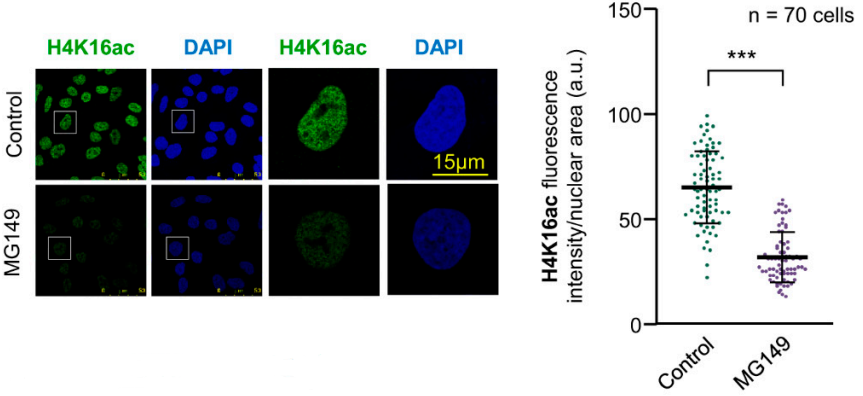
MG 149 purchased from MedChemExpress. Usage Cited in: Int J Mol Sci. 2023 Mar 3;24(5):4912. [Abstract]
Effect of the KAT inhibitor MG 149 (1 µM; 24 h) on the levels of H4K16 acetylation in A549 cells. The effect was determined by immunofluorescence. The quantification is shown to the right.
-
Front Cell Infect Microbiol
CPI-637 as a Potential Bifunctional Latency-Reversing Agent That Targets Both the BRD4 and TIP60 Proteins. [Abstract]2021 Jul 19:11:686035. PMID: 34350133 -
-
Bioorg Chem
2023 Oct:139:106747. PMID: 37531819 -
iScience
Small-molecule TIP60 inhibitors enhance regulatory T cell induction through TIP60-P300 acetylation crosstalk. [Abstract]2023 Nov 19;26(12):108491. PMID: 38094248 -
FASEB J
LPS stimulation stabilizes HIF-1α by enhancing HIF-1α acetylation via the PARP1-SIRT1 and ACLY-Tip60 pathways in macrophages. [Abstract]2022 Jul;36(7):e22418. PMID: 35713568 -
J Immunol
Deacetylation of K481 and K484 on Penaeid Shrimp Hemocyanin Is Critical for Antibacterial Activity. [Abstract]2022 Aug 1;209(3):476-487. PMID: 35851542 -
Front Oncol
MOF negatively regulates estrogen receptor α signaling via CUL4B-mediated protein degradation in breast cancer. [Abstract]2022 Sep 23;12:868866. PMID: 36212422 -
bioRxiv
2024 Jan 5:2024.01.04.574196. PMID: 38260616


Lösungsmittel & Löslichkeit
In Vitro:
DMSO : 100 mg/mL (293.72 mM; Need ultrasonic; Hygroscopic DMSO has a significant impact on the solubility of product, please use newly opened DMSO)
H2O : < 0.1 mg/mL (insoluble)
Please refer to the solubility information to select the appropriate solvent. Once prepared, please aliquot and store the solution to prevent product inactivation from repeated freeze-thaw cycles.
Storage method and period of stock solution: -80°C, 2 years; -20°C, 1 year. When stored at -80°C, please use it within 2 years. When stored at -20°C, please use it within 1 year.
Please refer to the solubility information to select the appropriate solvent. Once prepared, please aliquot and store the solution to prevent product inactivation from repeated freeze-thaw cycles.
Storage method and period of stock solution: -80°C, 2 years; -20°C, 1 year. When stored at -80°C, please use it within 2 years. When stored at -20°C, please use it within 1 year.
Konzentration (Stammlösung) × Volumen (Stammlösung) = Konzentration (Ziellösung) × Volumen (Ziellösung)
In Vivo:
Select the appropriate dissolution method based on your experimental animal and administration route.
- For the following dissolution methods, please ensure to first prepare a clear stock solution using an In Vitro approach and then sequentially add co-solvents:
- To ensure reliable experimental results, the clarified stock solution can be appropriately stored based on storage conditions. As for the working solution for In Vivo experiments, it is recommended to prepare freshly and use it on the same day.
- The percentages shown for the solvents indicate their volumetric ratio in the final prepared solution. If precipitation or phase separation occurs during preparation, heat and/or sonication can be used to aid dissolution.
Add each solvent one by one: 10% DMSO 40% PEG300 5% Tween-80 45% Saline
Solubility: ≥ 2.5 mg/mL (7.34 mM); Clear solution
This protocol yields a clear solution of ≥ 2.5 mg/mL (saturation unknown).
Taking 1 mL working solution as an example, add 100 μL DMSO stock solution (25.0 mg/mL) to 400 μL PEG300, and mix evenly; then add 50 μL Tween-80 and mix evenly; then add 450 μL Saline to adjust the volume to 1 mL.
Preparation of Saline: Dissolve 0.9 g sodium chloride in ddH₂O and dilute to 100 mL to obtain a clear Saline solution.
In Vivo Dissolution Calculator
Please enter the basic information of animal experiments:
-
-
-
-
Recommended: Prepare an additional quantity of animals to account for potential losses during experiments.
Please enter your animal formula composition:
-
%DMSO +
Recommended: Keep the proportion of DMSO in working solution below 2% if your animal is weak.
-
%+
-
+%Tween-80 + +
-
%Saline +
The co-solvents required include: DMSO, . All of co-solvents are available by MedChemExpress (MCE). , Tween 80. All of co-solvents are available by MedChemExpress (MCE).
Working solution concentration: 0.22 mg/mL
Method for preparing stock solution: mg drug dissolved in μL DMSO. Stock solution concentration: mg/mL.
1. Take μL DMSO stock solution;
2. Add μL .
μL , mix evenly;
3. Then add μL Tween 80, mix evenly;
4. Then add μL
Please ensure that the stock solution in the first step is dissolved to a clear state, and add co-solvents in sequence. You can use ultrasonic heating (ultrasonic cleaner, recommended frequency 20-40 kHz), vortexing, etc. to assist dissolution.


Reinheit & Dokumentation
-
Data Sheet (275 KB)
-
SDS (251 KB)
- English - EN (251 KB)
- Français - FR (251 KB)
- Deutsch - DE (251 KB)
- Norwegian - NO (251 KB)
- Español - ES (251 KB)
- Swedish - SV (251 KB)
- Italian - IT (251 KB)
- Korean - KR (251 KB)
- Portuguese - PT (251 KB)
-
Handling Instructions (2659 KB)
Verweise
[1]. Ghizzoni M, et al. 6-alkylsalicylates are selective Tip60 inhibitors and target the acetyl-CoA binding site. Eur J Med Chem. 2012 Jan;47(1):337-44. [Content Brief]
[2]. de Talhouët C, et al. KAT8 compound inhibition inhibits the initial steps of PINK1-dependant mitophagy. Sci Rep. 2024 May 22;14(1):11721. [Content Brief]
[3]. Wang Y, et al. TIP60 mediates stress-induced hypertension via promoting glutamatedmPFC-to-vCA1 release. Clin Exp Hypertens. 2023 Dec 31;45(1):2259130. [Content Brief]


Complete Stock Solution Preparation Table
Please refer to the solubility information to select the appropriate solvent. Once prepared, please aliquot and store the solution to prevent product inactivation from repeated freeze-thaw cycles.
Storage method and period of stock solution: -80°C, 2 years; -20°C, 1 year. When stored at -80°C, please use it within 2 years. When stored at -20°C, please use it within 1 year.
| Optional Solvent | Concentration Solvent Mass | 1 mg | 5 mg | 10 mg | 25 mg |
|---|---|---|---|---|---|
| DMSO | 1 mM | 2.9372 mL | 14.6860 mL | 29.3720 mL | 73.4301 mL |
| 5 mM | 0.5874 mL | 2.9372 mL | 5.8744 mL | 14.6860 mL | |
| 10 mM | 0.2937 mL | 1.4686 mL | 2.9372 mL | 7.3430 mL | |
| 15 mM | 0.1958 mL | 0.9791 mL | 1.9581 mL | 4.8953 mL | |
| 20 mM | 0.1469 mL | 0.7343 mL | 1.4686 mL | 3.6715 mL | |
| 25 mM | 0.1175 mL | 0.5874 mL | 1.1749 mL | 2.9372 mL | |
| 30 mM | 0.0979 mL | 0.4895 mL | 0.9791 mL | 2.4477 mL | |
| 40 mM | 0.0734 mL | 0.3672 mL | 0.7343 mL | 1.8358 mL | |
| 50 mM | 0.0587 mL | 0.2937 mL | 0.5874 mL | 1.4686 mL | |
| 60 mM | 0.0490 mL | 0.2448 mL | 0.4895 mL | 1.2238 mL | |
| 80 mM | 0.0367 mL | 0.1836 mL | 0.3672 mL | 0.9179 mL | |
| 100 mM | 0.0294 mL | 0.1469 mL | 0.2937 mL | 0.7343 mL |


MG 149 Related Classifications
HY-15887 Related Classifications
 Powered by Bioz