



SGC-CBP30
Based on 24 publication(s) in Google Scholar
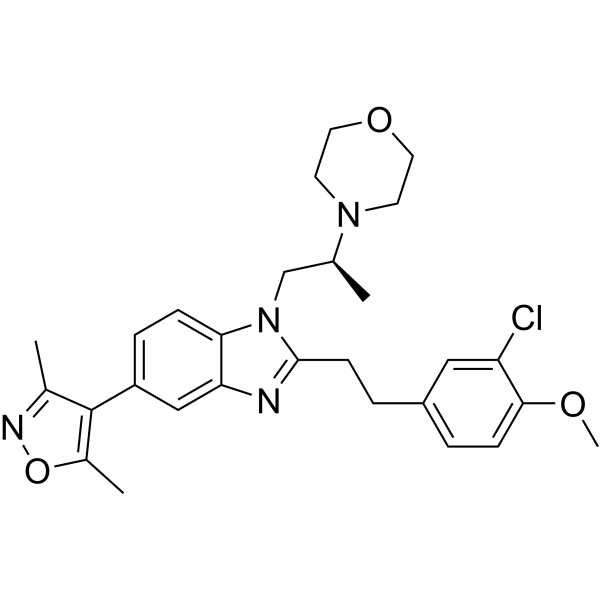
SGC-CBP30, a chemical probe, is a potent and highly selective CBP/p300 bromodomain (Kds of 21 nM and 32 nM for CBP and p300, respectively) inhibitor, displaying 40-fold selectivity over the first bromodomain of BRD4 [BRD4(1)] bound. SGC-CBP30 strongly reduces secretion of IL-17A in Th17 cells and has anti-inflammatory effects.
연구목적의 판매만을 진행합니다. 환자를 대상으로 한 판매는 하지 않습니다.
- Purity : 99.60%
- CAS No.: 1613695-14-9
- 화학식: C28H33ClN4O3
- 분자량:509.04
-
보관:Powder -20°C, 3 years , 4°C, 2 years ; In solvent -80°C, 2 years , -20°C, 1 year

To place orders, for customer services and technical support, please contact: MedChemExpress USA
Tel: 609-228-6898 E-mail: [email protected] [email protected]


-
 Biological Activity
-
Chemical Information
-
용액&용해도
- Protocol
- 순도&문서
- References
-
 Help & FAQs


-
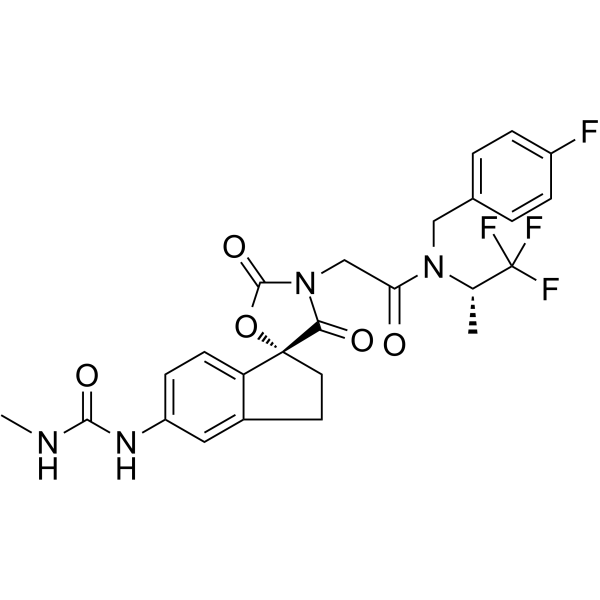
HY-107455
A-485p300/CBP Inhibitor -
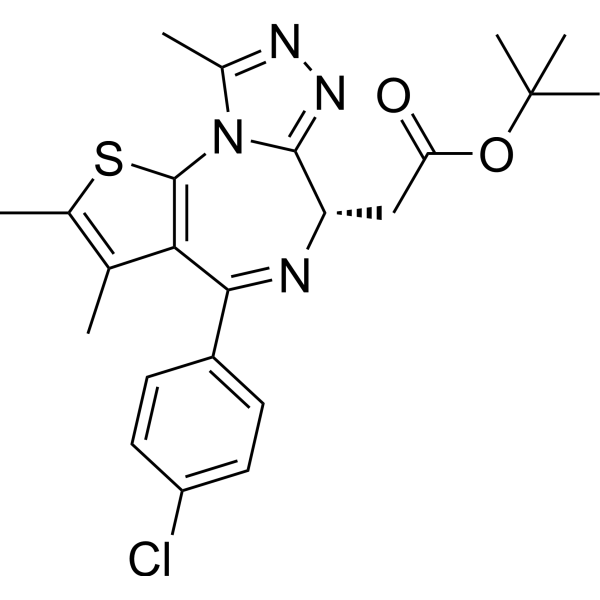
HY-13030
(+)-JQ-1BET Inhibitor -
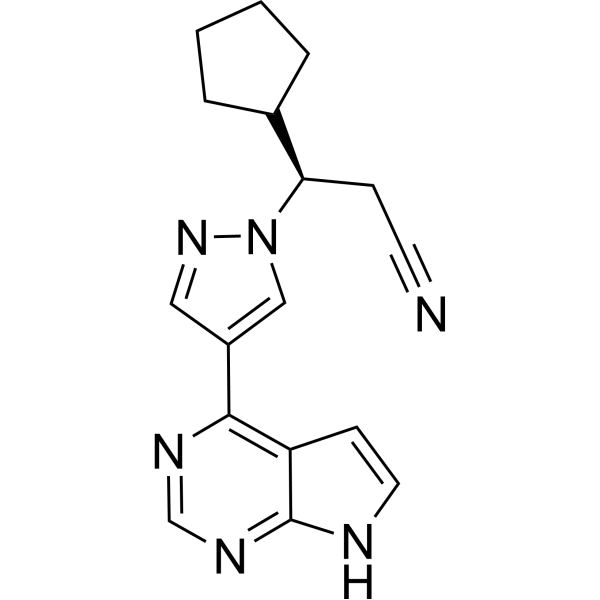
HY-50856
RuxolitinibJAK1/2 Inhibitor -
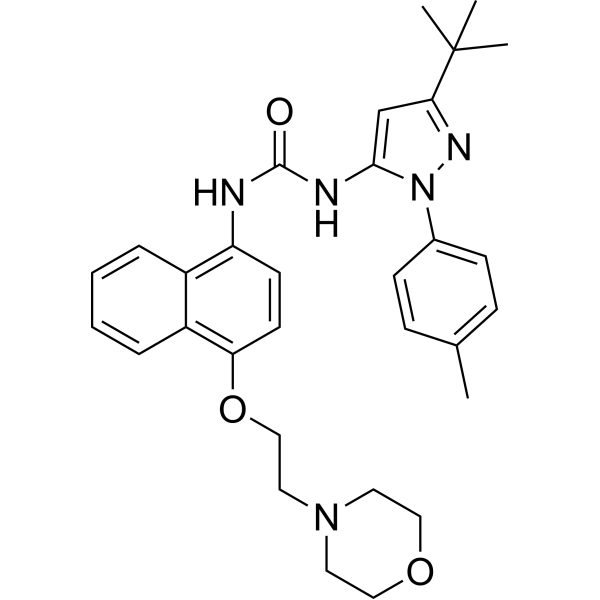
HY-10320
Doramapimodp38 MAPK Inhibitor -
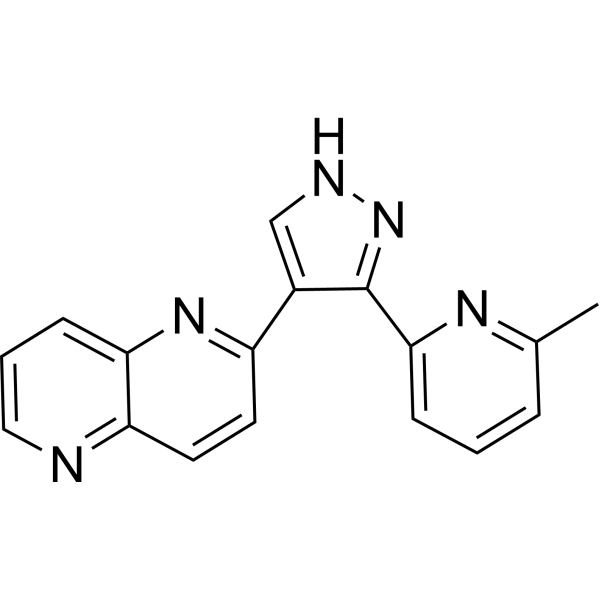
HY-13012
RepSoxTGFβR-1/ALK5 Inhibitor -
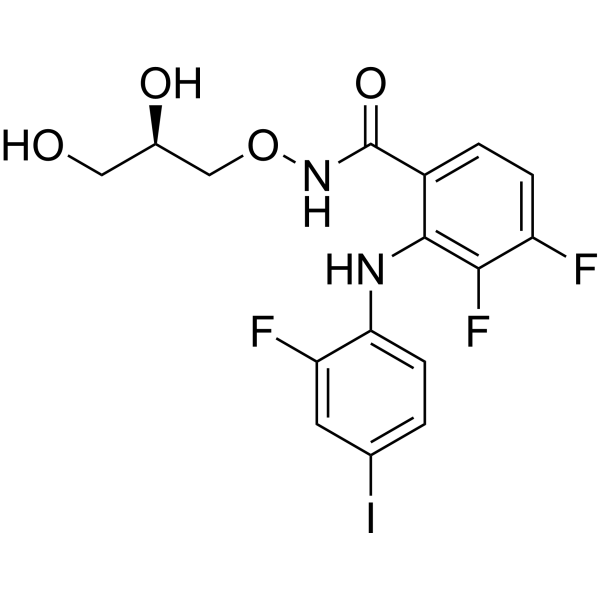
HY-10254
MirdametinibMEK Inhibitor -
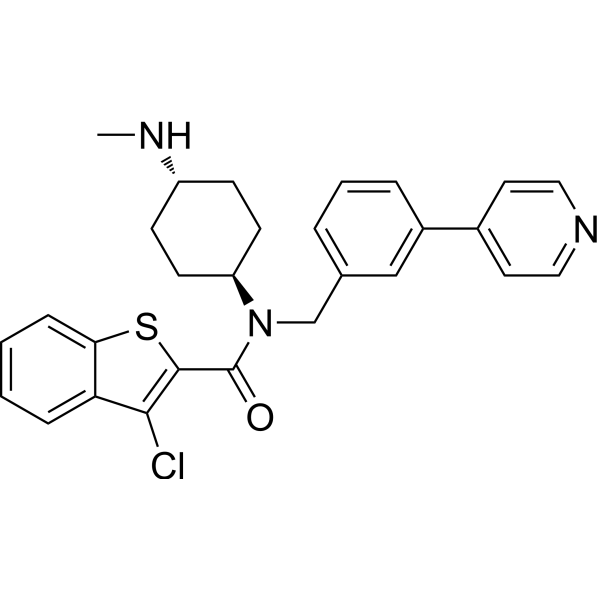
HY-12848
SAGSmoothened Agonist -
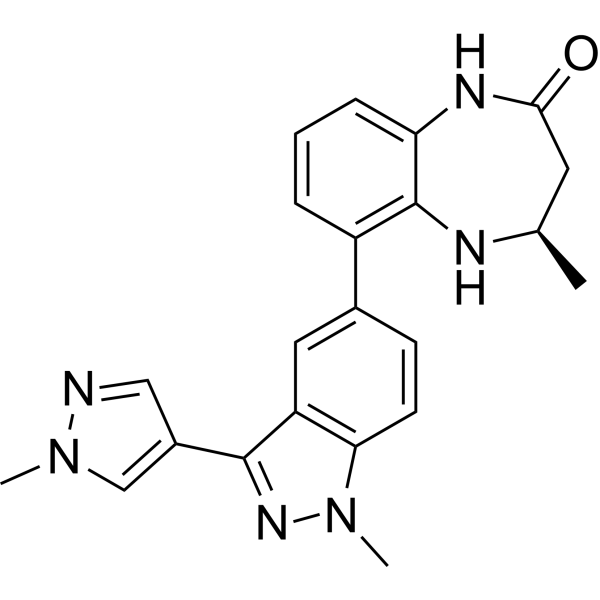
HY-100482
CPI-637CBP/EP300 Inhibitor -
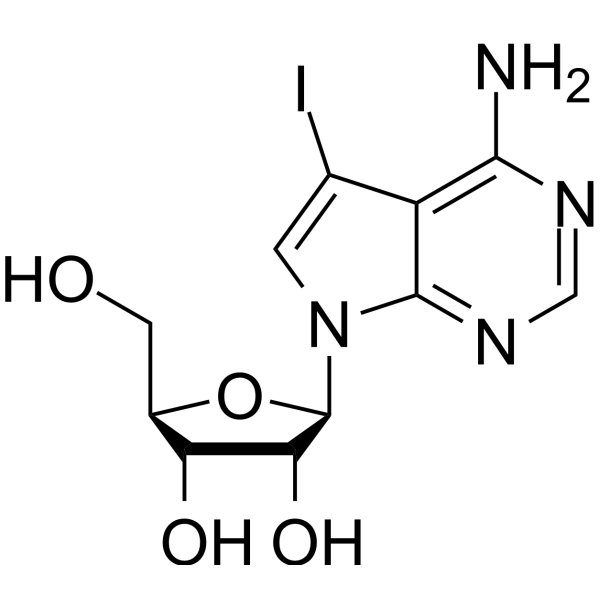
HY-15424
5-IodotubercidinAdenosine Kinase Inhibitor -
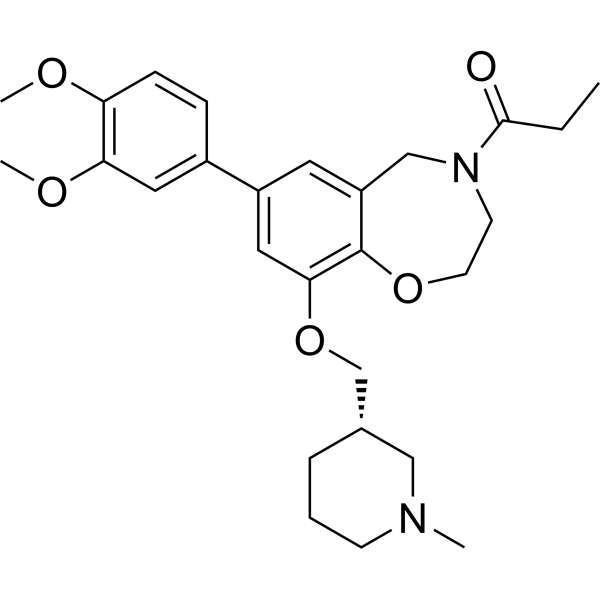
HY-19541
I-CBP112CBP/p300 Bromodomains Inhibitor -
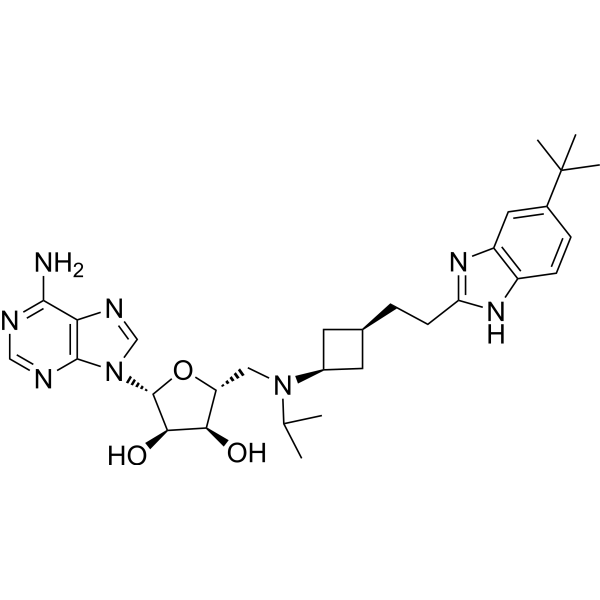
HY-15593
PinometostatDOT1L Inhibitor -
HY-13418A
DorsomorphinAMPK Inhibitor
Publications Citing Use of MedChemExpress (MCE) SGC-CBP30
More- Immunity. 2024 Feb 13;57(2):364-378.e9. [Abstract]
- Nat Commun. 2026 Apr 22;17(1):5596. [Abstract]
- Nat Commun. 2026 Feb 12;17(1):1214. [Abstract]
- Nat Commun. 2021 Sep 20;12(1):5548. [Abstract]
- J Adv Res. 2025 Oct:76:327-344. [Abstract]
- Cell Discov. 2023 Jul 25;9(1):77. [Abstract]
- Blood Cancer J. 2019 Feb 11;9(2):19. [Abstract]
- Cell Death Dis. 2025 Jan 26;16(1):42. [Abstract]
- Acta Pharmacol Sin. 2022 Feb;43(2):457-469. [Abstract]
- Aging Dis. 2022 Oct 1;13(5):1488-1503. [Abstract]
- Int J Biol Macromol. 2026 May:362:152113. [Abstract]
- Hum Reprod Open. 2026 Jun 3;2026(3):hoag054. [Abstract]
- EMBO J. 2024 Nov;43(21):4954-4983. [Abstract]
- Br J Pharmacol. 2026 Apr 29. [Abstract]
- Cell Syst. 2025 Aug 20;16(8):101346. [Abstract]
- Virulence. 2020 Dec;11(1):113-131. [Abstract]
- Int J Mol Sci. 2023 Apr 11;24(8):7031. [Abstract]
- Mol Neurobiol. 2025 Nov 11;63(1):29. [Abstract]
- iScience. 2024 Aug 21;27(9):110775. [Abstract]
- Cytotechnology. 2025 Oct;77(5):168. [Abstract]
- bioRxiv. 2025 Oct 11.
- Patent. US20230255966A1.
- Patent. US20180263995A1.
- Methods Mol Biol. 2018:1711:351-398. [Abstract]
 Customer Validation & Images

-
Histological Imaging/Staining
-
RT-PCR
-
Cell Proliferation/Viability Assay
-
WB
-
ELISA


Biological Activity
제품 설명
IC50 & Target
|
CBP/p300 |
Cellular Effect
|
Cell Line

|
Type | Value | Description | References |
|---|---|---|---|---|
| CWR22R | IC50 |
>10 μM
Compound: CBP30
|
Antiproliferative activity against human 22Rv1 cells incubated for 5 days by CCK-8 method
Antiproliferative activity against human 22Rv1 cells incubated for 5 days by CCK-8 method
|
[PMID: 35569250] |
| HEK293 | IC50 |
2.8 μM
Compound: 2; SGC-CBP30
|
Inhibition of Halo-tagged histone H3.3 binding to NanoLuc luciferase conjugated CBP (unknown origin) expressed in HEK293 cells after overnight incubation by BRET assay
Inhibition of Halo-tagged histone H3.3 binding to NanoLuc luciferase conjugated CBP (unknown origin) expressed in HEK293 cells after overnight incubation by BRET assay
|
[PMID: 27682507] |
| MCF7 | IC50 |
2.39 μM
Compound: CBP30
|
Antiproliferative activity against human MCF7 cells incubated for 5 days by CCK-8 method
Antiproliferative activity against human MCF7 cells incubated for 5 days by CCK-8 method
|
[PMID: 35569250] |
| MOLM-13 | IC50 |
1.53 μM
Compound: CBP30
|
Cytotoxicity against human MOLM-13 cells assessed as cell growth inhibition incubated for 5 days by CellTiter-Glo luminescence assay
Cytotoxicity against human MOLM-13 cells assessed as cell growth inhibition incubated for 5 days by CellTiter-Glo luminescence assay
|
[PMID: 33872011] |
| OPM-2 | IC50 |
2.64 μM
Compound: CBP30
|
Antiproliferative activity against human OPM-2 cells incubated for 5 days by CCK-8 method
Antiproliferative activity against human OPM-2 cells incubated for 5 days by CCK-8 method
|
[PMID: 35569250] |
| RKO | IC50 |
1.5 μM
Compound: 11; SGC-CBP30
|
Inhibition of doxorubicin-stimulated p53 (unknown origin) expressed in human RKO cells preincubated for 24 hrs followed by addition of doxorubicin for 16 hrs by luciferase reporter assay
Inhibition of doxorubicin-stimulated p53 (unknown origin) expressed in human RKO cells preincubated for 24 hrs followed by addition of doxorubicin for 16 hrs by luciferase reporter assay
|
[PMID: 26572217] |
| SCC-9 | IC50 |
6.42 μM
Compound: CBP30
|
Antiproliferative activity against human SCC-9 cells incubated for 5 days by CCK-8 method
Antiproliferative activity against human SCC-9 cells incubated for 5 days by CCK-8 method
|
[PMID: 35569250] |
In Vitro
In ankylosing spondylitis and psoriatic arthritis condition, SGC-CBP30 inhibits IL-17A secretion by Th17 cells. Transcriptional profiling of human T cells after SGC-CBP30 treatment shows a much more restricted effect on gene expression than that observed with the pan-BET (bromo and extraterminal domain protein family) bromodomain inhibitor JQ1[1].
MedChemExpress (MCE) has not independently confirmed the accuracy of these methods. They are for reference only.
In Vivo
MedChemExpress (MCE) has not independently confirmed the accuracy of these methods. They are for reference only.
-
Animal Model:Sprague-Dawley (SD) rats (aged 3-4 weeks) injected with NSC-125066[2]
-
Dosage:25 mg/kg
-
Administration:Oral administration; daily; for 14 days
-
Result:Slightly alleviated alveolar bronchial fibrosis induced by NSC-125066.


Chemical Information
-
CAS No. 1613695-14-9
-
Appearance Solid
-
분자량 509.04
-
화학식 C28H33ClN4O3
-
Color White to yellow
-
SMILES
C[C@H](N1CCOCC1)CN2C(CCC3=CC=C(OC)C(Cl)=C3)=NC4=CC(C5=C(C)ON=C5C)=CC=C42
-
선적
Room temperature in continental US; may vary elsewhere.
-
보관
Powder -20°C 3 years 4°C 2 years In solvent -80°C 2 years -20°C 1 year


Publications (24)
-
Journal Impact Factor
-
Most Recent
-
Immunity
Small-molecule CBP/p300 histone acetyltransferase inhibition mobilizes leukocytes from the bone marrow via the endocrine stress response. [Abstract]2024 Feb 13;57(2):364-378.e9. PMID: 38301651 -
Nat Commun
Transcription factor 19 modulates fatty acid elongation and unfolded protein response to attenuate palmitic acid-induced hepatic dysfunction. [Abstract]2026 Apr 22;17(1):5596. PMID: 42020413 -
Nat Commun
Human iPSC-based Modeling of Pulmonary Fibrosis Reveals p300/CBP Inhibition Suppresses Alveolar Transitional Cell State. [Abstract]2026 Feb 12;17(1):1214. PMID: 41680175 -
Nat Commun
Isonicotinylation is a histone mark induced by the anti-tuberculosis first-line drug isoniazid. [Abstract]2021 Sep 20;12(1):5548. PMID: 34545082 -
J Adv Res
Elevated EBF2 in mouse but not pig drives the progressive brown fat lineage specification via chromatin activation. [Abstract]2025 Oct:76:327-344. PMID: 39736442
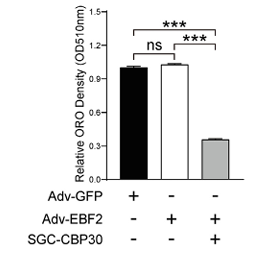
SGC-CBP30 purchased from MedChemExpress. Usage Cited in: J Adv Res. 2025 Oct:76:327-344. [Abstract]
SGC-CBP30 (7.5 μg/mL, for 8 days) inhibits adipogenic differentiation in EBF2-overexpressing cells, as assessed by Oil Red O staining.
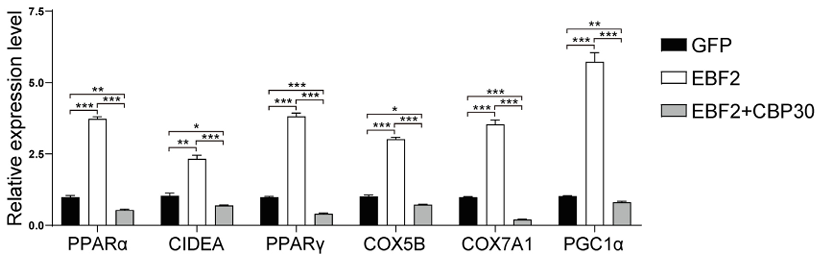
SGC-CBP30 purchased from MedChemExpress. Usage Cited in: J Adv Res. 2025 Oct:76:327-344. [Abstract]
SGC-CBP30 (7.5 μg/mL, for 8 days) downregulated the expression of brown fat marker genes (BMP7, CIDEA, and PPARγ) and mitochondrial markers (PGC1α, Cox7a1, and Cox5b) induced in EBF2-overexpressing cells.
-
Cell Discov
Single-cell transcriptomics reveals intestinal cell heterogeneity and identifies Ep300 as a potential therapeutic target in mice with acute liver failure. [Abstract]2023 Jul 25;9(1):77. PMID: 37488127 -
Blood Cancer J
Identification of lenalidomide resistance pathways in myeloma and targeted resensitization using cereblon replacement, inhibition of STAT3 or targeting of IRF4. [Abstract]2019 Feb 11;9(2):19. PMID: 30741931
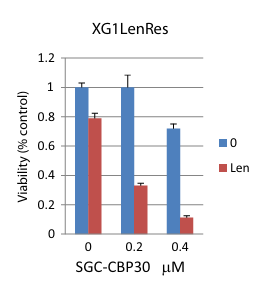
SGC-CBP30 purchased from MedChemExpress. Usage Cited in: Blood Cancer J. 2019 Feb 11;9(2):19. [Abstract]
The combination of SGC-CBP30 (0.2 and 0.4 μM, 5 days) and Lenalidomide (10 μM, 5 days) exerted substantial synergy in reducing the viability of myeloma XG1LenRes cells.
SGC-CBP30 purchased from MedChemExpress. Usage Cited in: Blood Cancer J. 2019 Feb 11;9(2):19. [Abstract]
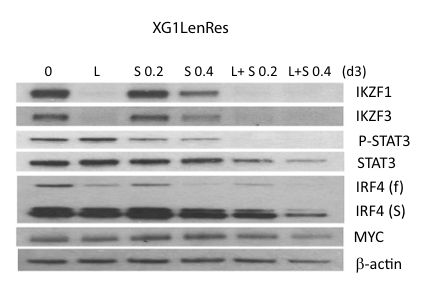
Immunoblotting assays detected the changes in IRF4, MYC, and STAT3 after treatment with Lenalidomide (10 μM) or SGC-CBP30 (0.2 and 0.4 μM) alone or in combination (day 3).
SGC-CBP30 purchased from MedChemExpress. Usage Cited in: Blood Cancer J. 2019 Feb 11;9(2):19. [Abstract]
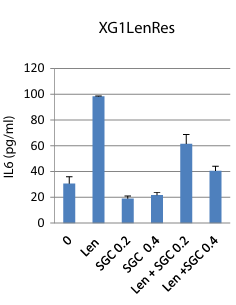
SGC-CBP30 (0.2 and 0.4 μM, 2 days) treatment also reduced autocrine IL-6 production in XG1LenRes cells, both in the absence and presence of Lenalidomide (10 μM, 2 days).
-
Cell Death Dis
2025 Jan 26;16(1):42. PMID: 39863613 -
Acta Pharmacol Sin
2022 Feb;43(2):457-469. PMID: 33850273 -
Aging Dis
UPP1 Promotes Lung Adenocarcinoma Progression through Epigenetic Regulation of Glycolysis. [Abstract]2022 Oct 1;13(5):1488-1503. PMID: 36186123 -
Int J Biol Macromol
Acetylation of GPRC5A at Lys348 facilitates cisplatin resistance and promotes the recurrence and poor prognosis in ovarian cancer. [Abstract]2026 May:362:152113. PMID: 42009151 -
Hum Reprod Open
Human iPSCs derived from cryopreserved testicular somatic cells enable germline regeneration in childhood cancer survivors. [Abstract]2026 Jun 3;2026(3):hoag054. PMID: 42389191 -
EMBO J
Acetylation of TIR domains in the TLR4-Mal-MyD88 complex regulates immune responses in sepsis. [Abstract]2024 Nov;43(21):4954-4983. PMID: 39294473 -
Br J Pharmacol
Dual pharmacological targeting of coactivator-associated arginine methyltransferase 1 (CARM1) and salt inducible kinase (SIK) drives ketogenesis in both hepatocytes and mice. [Abstract]2026 Apr 29. PMID: 42055601 -
Cell Syst
Integrated time-series analysis and high-content CRISPR screening delineate the dynamics of macrophage immune regulation. [Abstract]2025 Aug 20;16(8):101346. PMID: 40782800 -
Virulence
2020 Dec;11(1):113-131. PMID: 31957543 -
Int J Mol Sci
2023 Apr 11;24(8):7031. PMID: 37108194 -
Mol Neurobiol
2025 Nov 11;63(1):29. PMID: 41217685 -
iScience
Global isonicotinylome analysis identified SMAD3 isonicotinylation promotes liver cancer cell epithelial-mesenchymal transition and invasion. [Abstract]2024 Aug 21;27(9):110775. PMID: 39286495 -
Cytotechnology
EP300/CREBBP induces osteogenic differentiation of valve interstitial cells by promoting the SPP1 expression in calcific aortic valve disease. [Abstract]2025 Oct;77(5):168. PMID: 40873695 -
-
-
-
Methods Mol Biol
2018:1711:351-398. PMID: 29344898


용액&용해도
In Vitro:
DMSO : 66.67 mg/mL (130.97 mM; ultrasonic and warming and heat to 60°C; Hygroscopic DMSO has a significant impact on the solubility of product, please use newly opened DMSO)
Please refer to the solubility information to select the appropriate solvent. Once prepared, please aliquot and store the solution to prevent product inactivation from repeated freeze-thaw cycles.
Storage method and period of stock solution: -80°C, 2 years; -20°C, 1 year. When stored at -80°C, please use it within 2 years. When stored at -20°C, please use it within 1 year.
Please refer to the solubility information to select the appropriate solvent. Once prepared, please aliquot and store the solution to prevent product inactivation from repeated freeze-thaw cycles.
Storage method and period of stock solution: -80°C, 2 years; -20°C, 1 year. When stored at -80°C, please use it within 2 years. When stored at -20°C, please use it within 1 year.
Concentration (start) × Volume (start) = Concentration (final) × Volume (final)
In Vivo:
Select the appropriate dissolution method based on your experimental animal and administration route.
- For the following dissolution methods, please ensure to first prepare a clear stock solution using an In Vitro approach and then sequentially add co-solvents:
- To ensure reliable experimental results, the clarified stock solution can be appropriately stored based on storage conditions. As for the working solution for In Vivo experiments, it is recommended to prepare freshly and use it on the same day.
- The percentages shown for the solvents indicate their volumetric ratio in the final prepared solution. If precipitation or phase separation occurs during preparation, heat and/or sonication can be used to aid dissolution.
Add each solvent one by one: 10% DMSO 40% PEG300 5% Tween-80 45% Saline
Solubility: ≥ 2.5 mg/mL (4.91 mM); Clear solution
This protocol yields a clear solution of ≥ 2.5 mg/mL (saturation unknown).
Taking 1 mL working solution as an example, add 100 μL DMSO stock solution (25.0 mg/mL) to 400 μL PEG300, and mix evenly; then add 50 μL Tween-80 and mix evenly; then add 450 μL Saline to adjust the volume to 1 mL.
Preparation of Saline: Dissolve 0.9 g sodium chloride in ddH₂O and dilute to 100 mL to obtain a clear Saline solution.
In Vivo Dissolution Calculator
Please enter the basic information of animal experiments:
-
-
-
-
Recommended: Prepare an additional quantity of animals to account for potential losses during experiments.
Please enter your animal formula composition:
-
%DMSO +
Recommended: Keep the proportion of DMSO in working solution below 2% if your animal is weak.
-
%+
-
+%Tween-80 + +
-
%Saline +
The co-solvents required include: DMSO, . All of co-solvents are available by MedChemExpress (MCE). , Tween 80. All of co-solvents are available by MedChemExpress (MCE).
Working solution concentration: 0.22 mg/mL
Method for preparing stock solution: mg drug dissolved in μL DMSO. Stock solution concentration: mg/mL.
1. Take μL DMSO stock solution;
2. Add μL .
μL , mix evenly;
3. Then add μL Tween 80, mix evenly;
4. Then add μL
Please ensure that the stock solution in the first step is dissolved to a clear state, and add co-solvents in sequence. You can use ultrasonic heating (ultrasonic cleaner, recommended frequency 20-40 kHz), vortexing, etc. to assist dissolution.


순도&문서
-
Data Sheet (278 KB)
-
SDS (396 KB)
- English - EN (396 KB)
- Français - FR (396 KB)
- Deutsch - DE (396 KB)
- Norwegian - NO (396 KB)
- Español - ES (396 KB)
- Swedish - SV (396 KB)
- Italian - IT (396 KB)
- Korean - KR (396 KB)
- Portuguese - PT (396 KB)
-
Handling Instructions (2659 KB)
References
[1]. Hammitzsch A, et al. CBP30, a selective CBP/p300 bromodomain inhibitor, suppresses human Th17 responses. Proc Natl Acad Sci U S A. 2015 Aug 25;112(34):10768-73. [Content Brief]
[2]. Tao J, Inhibition of EP300 and DDR1 synergistically alleviates pulmonary fibrosis in vitro and in vivo. Biomed Pharmacother. 2018 Oct;106:1727-1733. [Content Brief]
[3]. Hay DA, et al. Discovery and optimization of small-molecule ligands for the CBP/p300 bromodomains. J Am Chem Soc. 2014 Jul 2;136(26):9308-19. [Content Brief]


Complete Stock Solution Preparation Table
Please refer to the solubility information to select the appropriate solvent. Once prepared, please aliquot and store the solution to prevent product inactivation from repeated freeze-thaw cycles.
Storage method and period of stock solution: -80°C, 2 years; -20°C, 1 year. When stored at -80°C, please use it within 2 years. When stored at -20°C, please use it within 1 year.
| Optional Solvent | Concentration Solvent Mass | 1 mg | 5 mg | 10 mg | 25 mg |
|---|---|---|---|---|---|
| DMSO | 1 mM | 1.9645 mL | 9.8224 mL | 19.6448 mL | 49.1121 mL |
| 5 mM | 0.3929 mL | 1.9645 mL | 3.9290 mL | 9.8224 mL | |
| 10 mM | 0.1964 mL | 0.9822 mL | 1.9645 mL | 4.9112 mL | |
| 15 mM | 0.1310 mL | 0.6548 mL | 1.3097 mL | 3.2741 mL | |
| 20 mM | 0.0982 mL | 0.4911 mL | 0.9822 mL | 2.4556 mL | |
| 25 mM | 0.0786 mL | 0.3929 mL | 0.7858 mL | 1.9645 mL | |
| 30 mM | 0.0655 mL | 0.3274 mL | 0.6548 mL | 1.6371 mL | |
| 40 mM | 0.0491 mL | 0.2456 mL | 0.4911 mL | 1.2278 mL | |
| 50 mM | 0.0393 mL | 0.1964 mL | 0.3929 mL | 0.9822 mL | |
| 60 mM | 0.0327 mL | 0.1637 mL | 0.3274 mL | 0.8185 mL | |
| 80 mM | 0.0246 mL | 0.1228 mL | 0.2456 mL | 0.6139 mL | |
| 100 mM | 0.0196 mL | 0.0982 mL | 0.1964 mL | 0.4911 mL |


SGC-CBP30 Related Classifications
HY-15826 Related Classifications
 Powered by Bioz