BRD3
BRD3 (bromodomain-containing protein 3) is a member of the BET (bromodomain and extraterminal domain) family that functions as an epigenetic reader by recognizing acetylated lysine residues on histones and transcription factors, thereby regulating chromatin organization and transcriptional programs.[1][2] Mechanistically, BRD3 couples acetylation-dependent chromatin recognition to gene expression through its tandem bromodomains and recruitment of transcriptional regulatory complexes.[1][3] In hematopoietic systems, BRD3 directly binds acetylated GATA1 through its first bromodomain, promotes GATA1 chromatin occupancy, and supports erythroid gene expression and erythroid maturation, establishing a key role in lineage-specific transcriptional control.[2][3] Beyond hematopoiesis, BRD3 cooperates with the long noncoding RNA DIGIT to form phase-separated condensates at H3K18ac-enriched regulatory regions, where it facilitates transcriptional programs required for definitive endoderm differentiation.[4] These findings place BRD3 at the intersection of chromatin signaling, transcription factor regulation, and developmental cell-fate specification.[2][4] In disease contexts, BRD3 participates in oncogenic chromatin-dependent transcriptional networks, and chromosomal rearrangements involving BRD3-NUT have been implicated in NUT carcinoma.[5] Compared with related BET family members, BRD3 shares conserved bromodomains with BRD2 and BRD4 but lacks the extended C-terminal domain characteristic of BRD4, indicating distinct mechanisms of transcriptional regulation despite overlapping chromatin-binding functions.[1][6] For experimental applications, BET bromodomain inhibitors such as JQ1 and related compounds disrupt acetyl-lysine recognition by BET proteins, providing widely used tools to investigate BRD3-dependent transcriptional regulation and chromatin biology.[7]
References:
- [1]. Belkina AC, et al. BET domain co-regulators in obesity, inflammation and cancer. Nat Rev Cancer. 2012 Jun 22;12(7):465-77. [Content Brief]
- [2]. Lamonica JM, et al. Bromodomain protein Brd3 associates with acetylated GATA1 to promote its chromatin occupancy at erythroid target genes. Proc Natl Acad Sci U S A. 2011 May 31;108(22):E159-68. [Content Brief]
- [3]. Gamsjaeger R, et al. Structural basis and specificity of acetylated transcription factor GATA1 recognition by BET family bromodomain protein Brd3. Mol Cell Biol. 2011 Jul;31(13):2632-40. [Content Brief]
- [4]. Daneshvar K, et al. lncRNA DIGIT and BRD3 protein form phase-separated condensates to regulate endoderm differentiation. Nat Cell Biol. 2020 Oct;22(10):1211-1222. [Content Brief]
- [5]. French CA, et al. BRD-NUT oncoproteins: a family of closely related nuclear proteins that block epithelial differentiation and maintain the growth of carcinoma cells. Oncogene. 2008 Apr 3;27(15):2237-42. [Content Brief]
- [6]. Urra H, et al. A novel ER stress-independent function of the UPR in angiogenesis. Mol Cell. 2014 May 22;54(4):542-4. [Content Brief]
-
BRD3 Related Products (63)
Related Products (63)

-
ARV-825
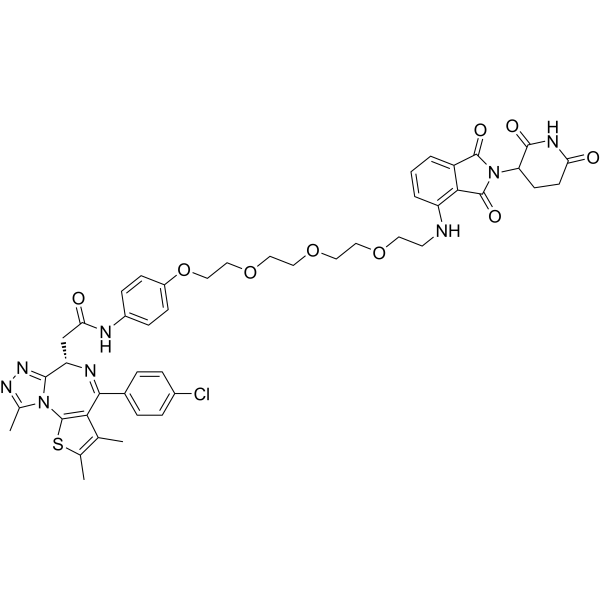 0 ImagesARV-825 is a BET protein PROTAC degrader that recruits cereblon, and it targets BRD2, BRD3, and BRD4 for degradation via the ubiquitin-proteasome pathway. ARV-825 downregulates c-MYC, PLK1, MYCN, CDK4/6, JAK2, pSTAT3/5, PIM1, and Bcl-xL, upregulates p21 and p27, and modulates H3K27Ac-mediated transcription, the G2/M checkpoint, the Wnt/β-catenin pathway, and amino acid transport pathways. ARV-825 induces G1 phase cell cycle arrest, caspase 3/PARP-mediated apoptosis, DNA damage, and reactive oxygen species (ROS) production, reduces mitochondrial respiration, and simultaneously inhibits cell proliferation, clonogenic growth, and cell migration. ARV-825 is used in research on gastric cancer, leukemia, neuroblastoma, and cholangiocarcinoma.
-
ARV-771
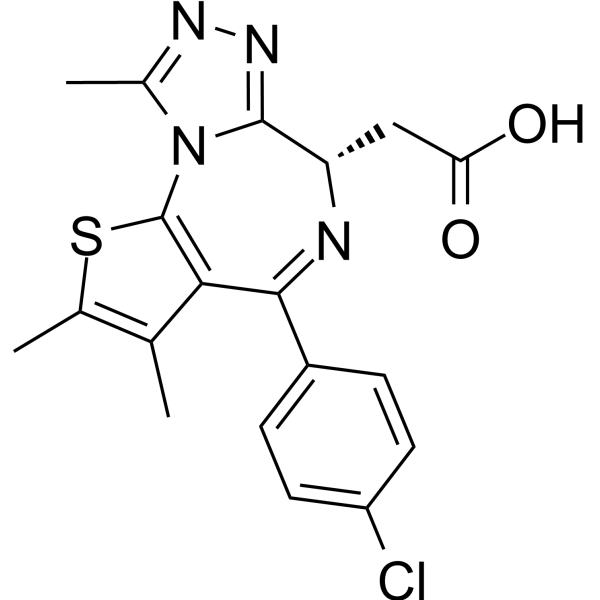
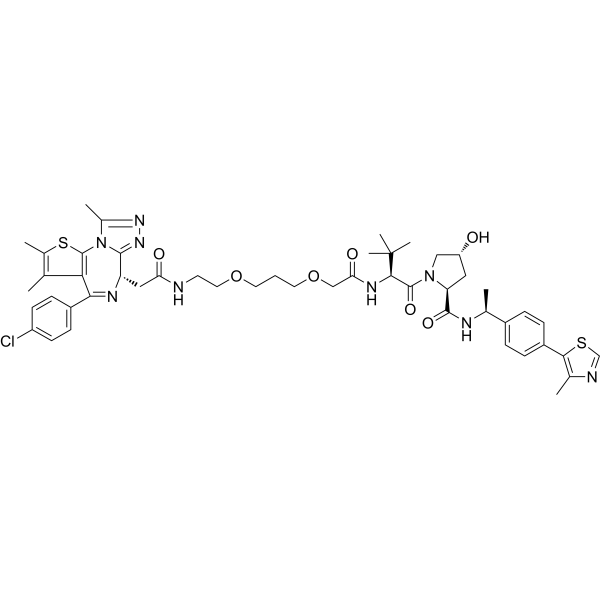 0 ImagesARV-771 is a BET PROTAC degrader, with Kd values of 34, 4.7, 8.3, 7.6, 9.6 and 7.6 nM against BRD2 (1), BRD2 (2), BRD3 (1), BRD3 (2), BRD4 (1) and BRD4 (2) , respectively. ARV-771 inhibits the transcription of AR/AR-v7 and its downstream target genes. By degrading BRD4 protein, ARV-771 enhances the sensitivity of prostate cancer cells to ferroptosis, suppresses cancer cell viability, and induces apoptosis. ARV-771 downregulates the levels of BRD4, c-MYC and AR-V7 in tumor tissues and inhibits tumor tissue growth. ARV-771 can be used in prostate cancer-related research.
-
ABBV-744
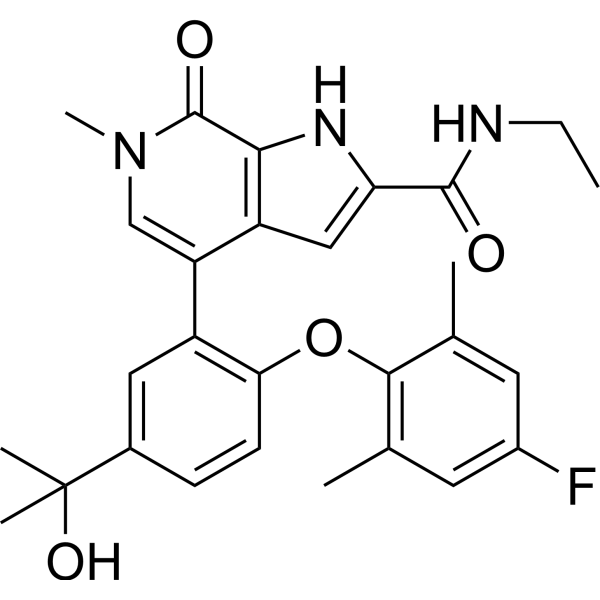 0 ImagesABBV-744 is a first-in-class, orally active and selective inhibitor of the BDII domain of BET family proteins with IC50 values ranging from 4 to 18 nM for BRD2, BRD3, BRD4 and BRDT. ABBV-744 is primarily metabolized by CYP3A4 with agent-like properties enable the investigation of its antitumor efficacy and tolerability.
-
QCA570
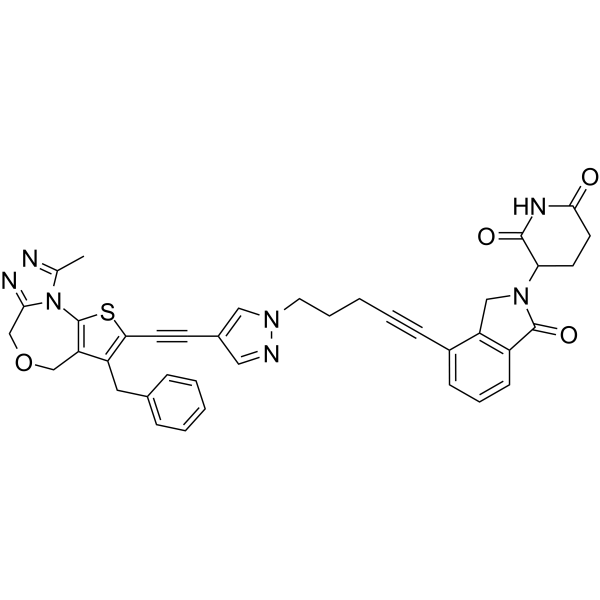 0 ImagesQCA570 is a pan-BET-BRD PROTAC degrader. QCA570 degrades BRD2/3/4 and BRDT via cereblon and the ubiquitin-proteasome pathway, inhibits the expression of c-MYC, EZH2 and Mcl-1, induces tumor cell apoptosis, cycle arrest and regression, and exerts a synergistic inhibitory effect on Osimertinib (HY-15772)-resistant EGFR-mutant non-small cell lung cancer. QCA570 can be used in the research of acute myeloid leukemia, acute lymphoblastic leukemia, bladder cancer and non-small cell lung cancer.
-
SIM1
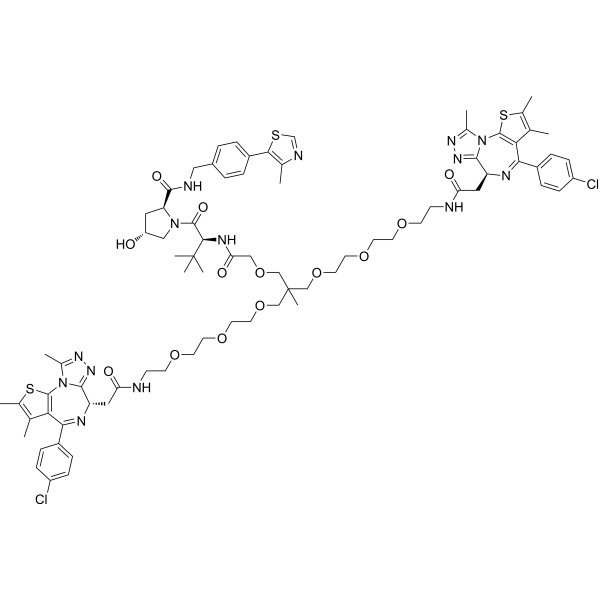 0 ImagesSIM1 is a potent von Hippel-Lindau (VHL)-based trivalent PROTAC capable of degradation for all BET family members, with preference for BRD2 degradation (IC50=1.1 nM; Kd=186 nM). SIM1 shows sustained anti-cancer activity.
-
TMX1
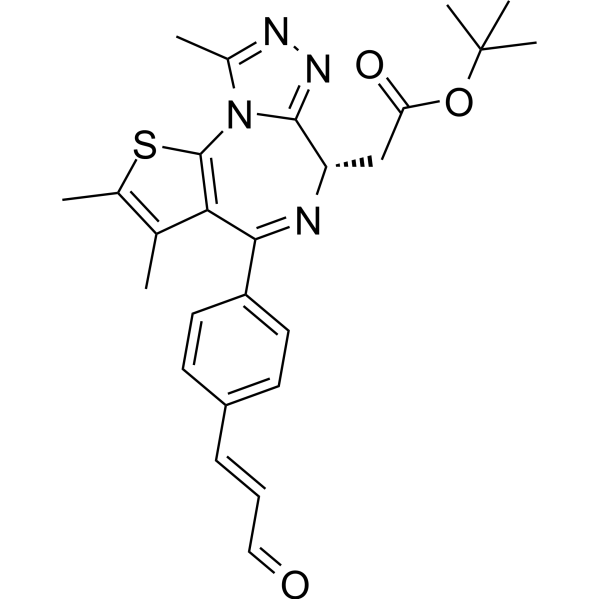 0 ImagesTMX1 is a covalent, selective BRD4 molecular glue degrader. TMX1 binds to the JQ1-binding site of BRD4BD2, forms covalent bonds with Cys58 of DCAF16 and Cys87 of GAK in a BRD4BD2-dependent template-assisted manner, stabilizes the BRD4-TMX1-DCAF16 ternary complex, and promotes the ubiquitination of BRD4 via the CRL4DCAF16 ubiquitin ligase complex. TMX1 induces selective degradation of BRD4, mild degradation of BRD2 and BRD3, as well as DCAF16-dependent cytotoxicity.
-
GSK973
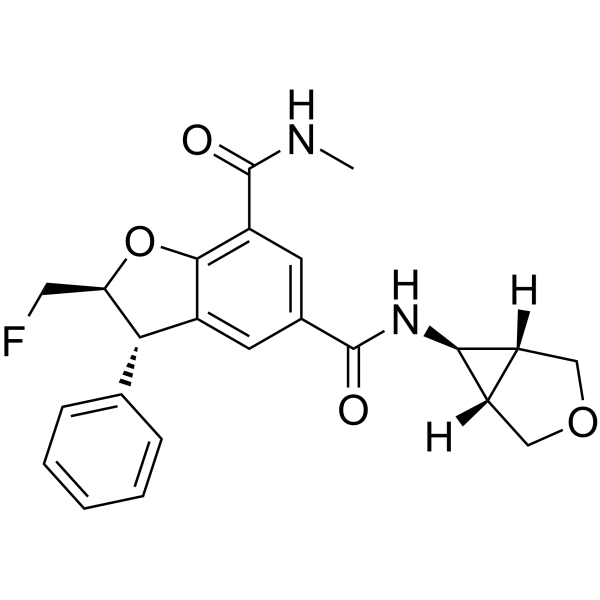 0 ImagesGSK973, a chemical probe, is a highly selective, orally bioavailable inhibitor of the BD2s (second bromodomains) of the BET family, with a pIC50 of 7.8 and a pKd of 8.7 for BRD4 BD2. GSK973 displays a 1600-fold selectivity for BRD4 BD2 over BRD4 BD1. GSK973 shows good potency against BRD2 BD2, BRD3 BD2, and BRDT BD2 (pIC50=7.4~7.8; pKd=8.3~8.5).
-
BETd-260
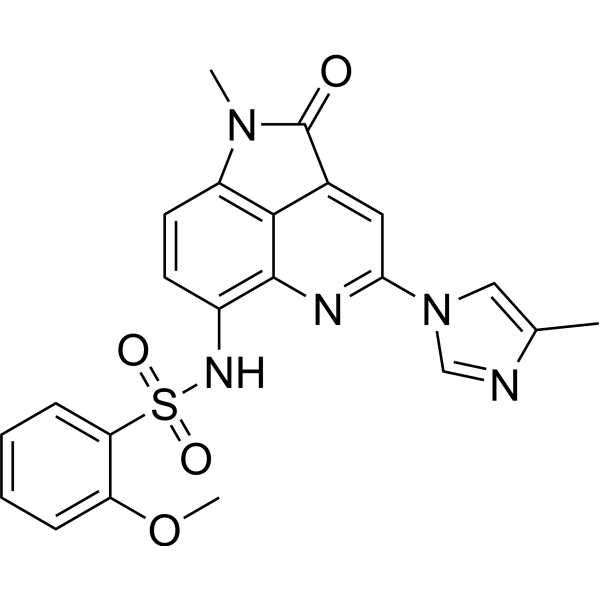
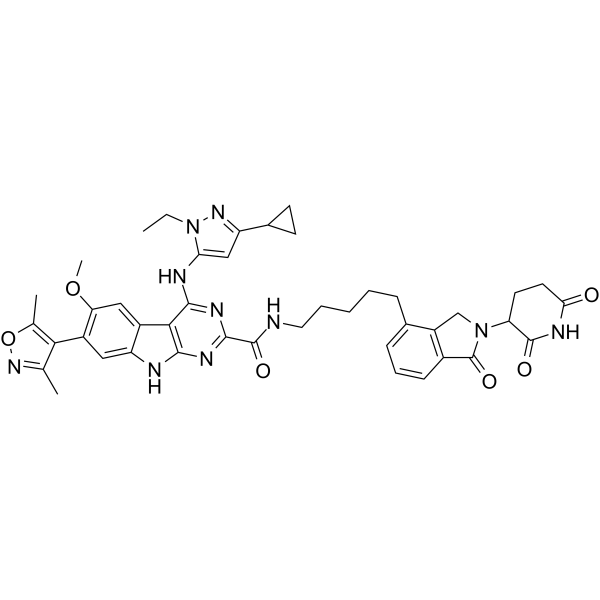 0 ImagesSynonyms: ZBC 260BETd-260 (ZBC 260) is a BET PROTAC degrader. BETd-260 recruits BRD2, BRD3, and BRD4 to the CUL4-RBX1-DDB1-CRBN E3 ubiquitin ligase complex, driving cereblon-, proteasome-, and NEDD8-activating enzyme-dependent ubiquitination and degradation, with a DC50 of approximately 30-100 pM in RS4;11 cells. BETd-260 induces cancer cell apoptosis via endogenous signaling pathways, regulates the expression of the Bcl-2 family, inhibits the oncogene c-Myc, and reduces cell viability. BETd-260 suppresses tumor growth in mouse xenograft models with good biosafety. BETd-260 can be used in research related to acute leukemia, hepatocellular carcinoma, osteosarcoma, and triple-negative breast cancer.
-
(S)-JQ-35
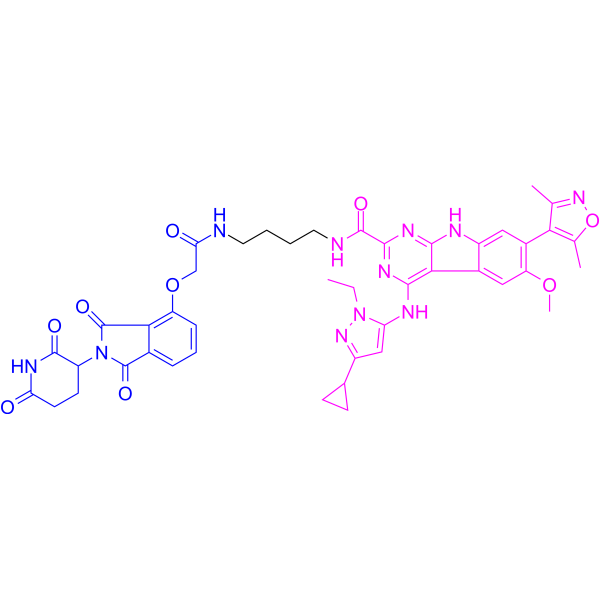
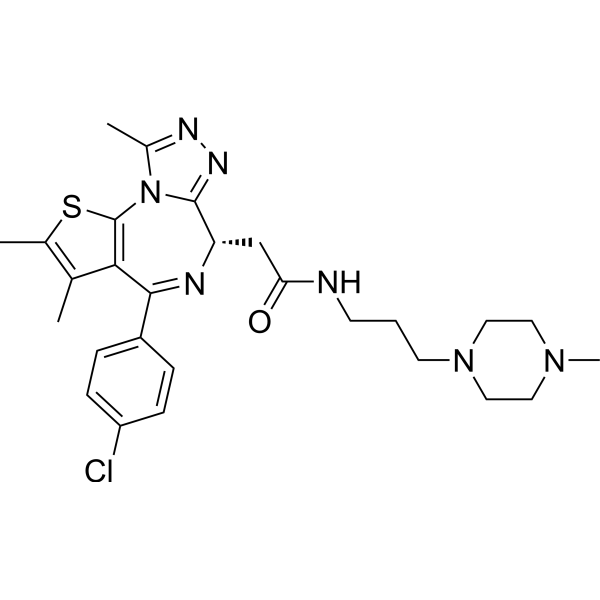 0 ImagesSynonyms: TEN-010(S)-JQ-35 (TEN-010) is an orally active, blood-brain barrier-permeable bromodomain inhibitor that selectively targets the bromodomain and extra-terminal domain (BET) protein family (BRD4, BRD3, BRD2 and BRDT). (S)-JQ-35 blocks the activation of Myc gene expression by BRD4, thereby inhibiting cancer cell proliferation and promoting cancer cell apoptosis. (S)-JQ-35 can be used in research related to NUT midline carcinoma and neuroblastoma.
-
HJB97
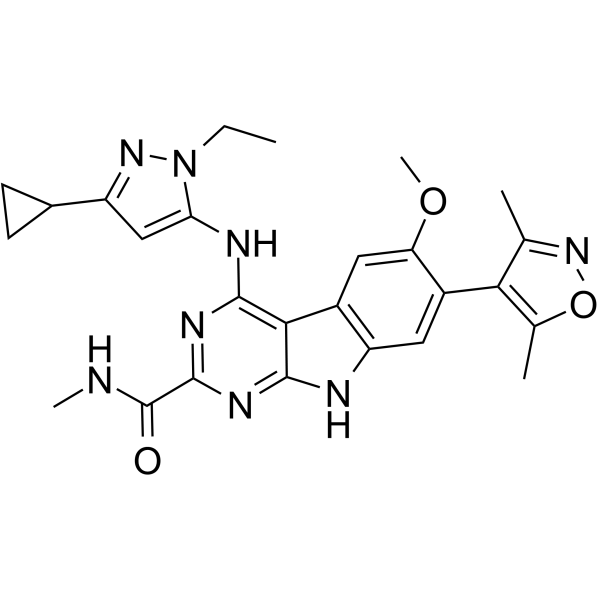 0 ImagesHJB97 is a high-affinity BET inhibitor with Ki values of 0.9 nM (BRD2 BD1), 0.27 nM (BRD2 BD2), 0.18 nM (BRD3 BD1), 0.21 nM (BRD3 BD2), 0.5 nM (BRD4 BD1), and 1.0 nM (BRD4 BD2). HJB97 can serve as a ligand for target protein (Ligands for Target Protein for PROTAC) for the development of PROTAC BET degraders with antitumor activity. HJB97 can be used for the synthesis of BETd-260 (HY-101519).
-
MZP-54
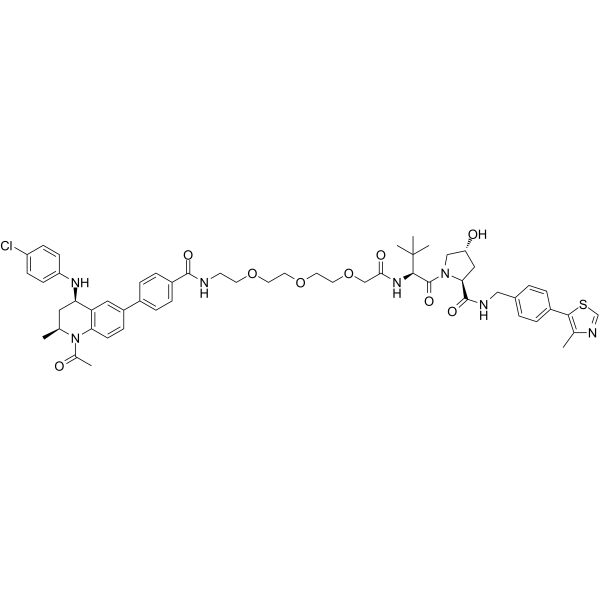 0 ImagesMZP-54 is a PROTAC degrader that selectively targets BRD3/BRD4, with a DC50 of < 0.05 μM in AML cells. MZP-54 recruits VHL to form a ternary complex, induces BRD3/BRD4 degradation via the ubiquitin-proteasome pathway, inhibits c-Myc expression, and exerts antiproliferative activity. MZP-54 can be used for the research of acute myeloid leukemia.
-
RVX-297
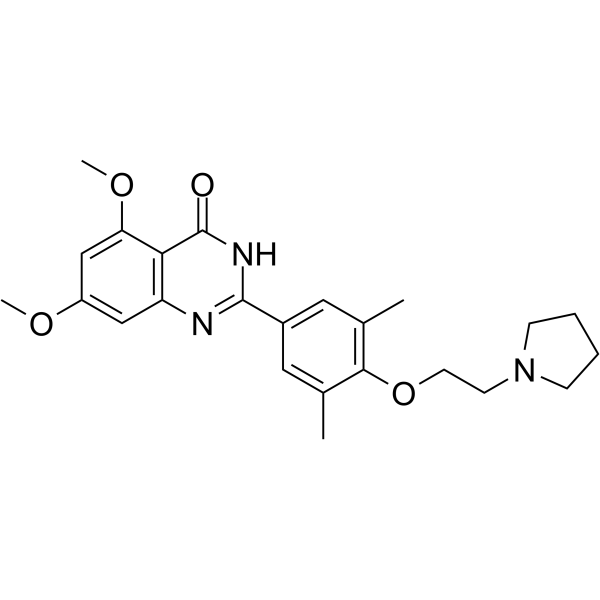 0 ImagesCat. No.: HY-114504CAS No.: 1044871-04-6RVX-297 is a potent, orally active BET bromodomain inhibitor with selectivity for BD2. RVX-297 shows IC50s of 0.08, 0.05, and 0.02 μM for BRD2(BD2), BRD3(BD2), and BRD4(BD2), respectively. RVX-297 suppresses inflammatory gene expression in multiple immune cell types. RVX-297 is effective in acute inflammation and autoimmunity models.