



ARV-771
Based on 30 publication(s) in Google Scholar
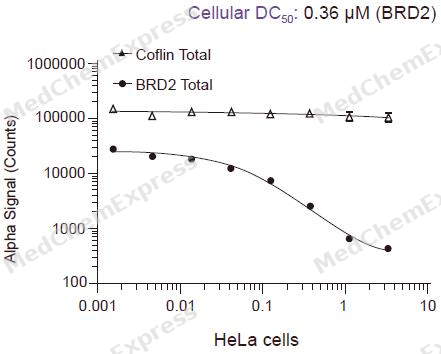
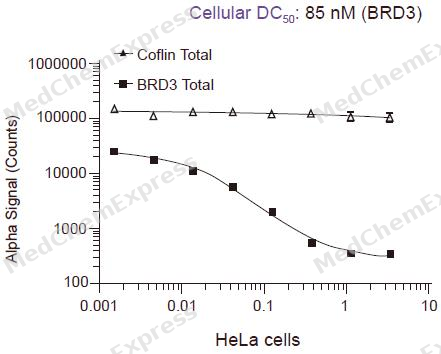
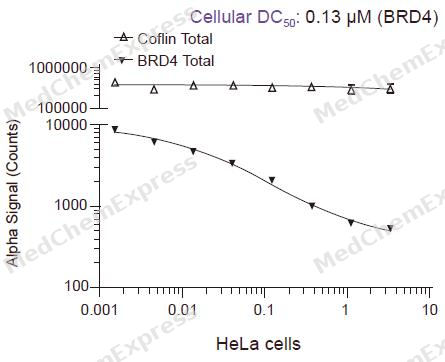
ARV-771 is a BET PROTAC degrader, with Kd values of 34, 4.7, 8.3, 7.6, 9.6 and 7.6 nM against BRD2 (1), BRD2 (2), BRD3 (1), BRD3 (2), BRD4 (1) and BRD4 (2) , respectively. ARV-771 inhibits the transcription of AR/AR-v7 and its downstream target genes. By degrading BRD4 protein, ARV-771 enhances the sensitivity of prostate cancer cells to ferroptosis, suppresses cancer cell viability, and induces apoptosis. ARV-771 downregulates the levels of BRD4, c-MYC and AR-V7 in tumor tissues and inhibits tumor tissue growth. ARV-771 can be used in prostate cancer-related research.
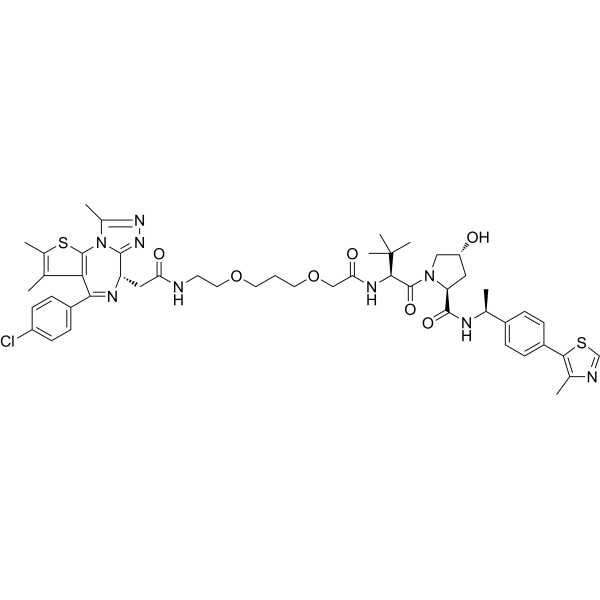
(Pink: BET ligand (HY-78695); Blue: VHL ligand (HY-112078); Black: linker).
Nos produits utilisent uniquement pour la recherche. Nous ne vendons pas aux patients.
- Pureté : 99.82%
- CAS No.: 1949837-12-0
- Formule: C49H60ClN9O7S2
- Masse moléculaire:986.64
-
Stockage:Powder -20°C, 3 years , 4°C, 2 years ; In solvent -80°C, 2 years , -20°C, 1 year

To place orders, for customer services and technical support, please contact: MedChemExpress USA
Tel: 609-228-6898 E-mail: [email protected] [email protected]


-
 Activité biologique
-
Chemical Information
-
Solvant et solubilité
- Protocole
- Pureté et documentation
- Références
-
 Help & FAQs


-
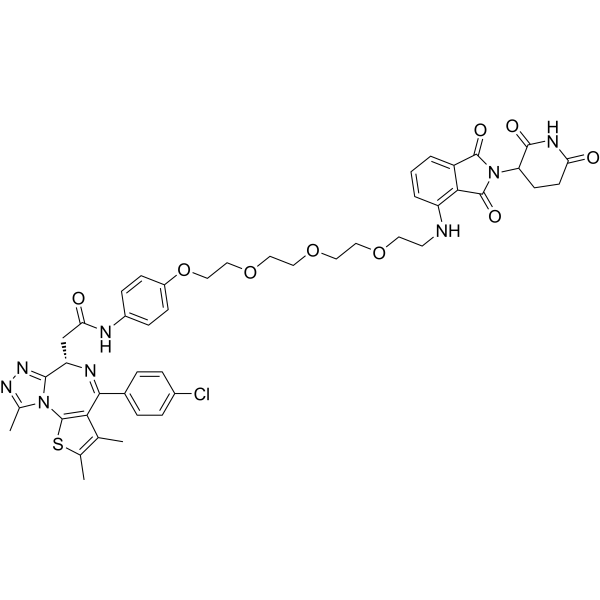
HY-16954
ARV-825PROTAC BRD2/BRD3/BRD4 Degrader -
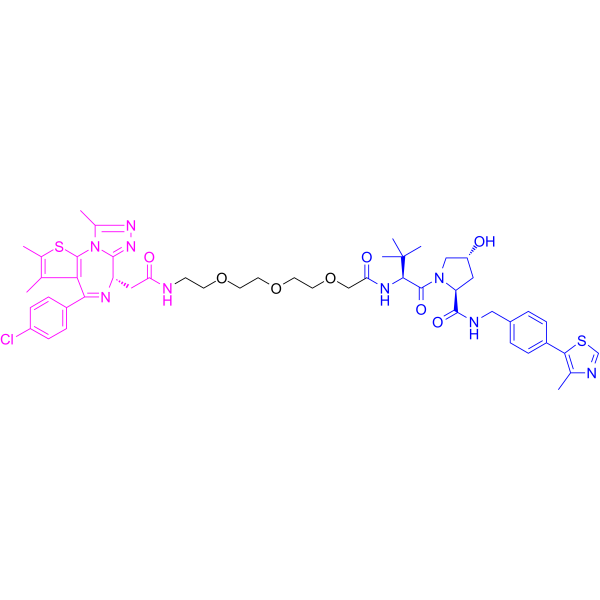
HY-107425
MZ 1PROTAC BRD4 Degrader -
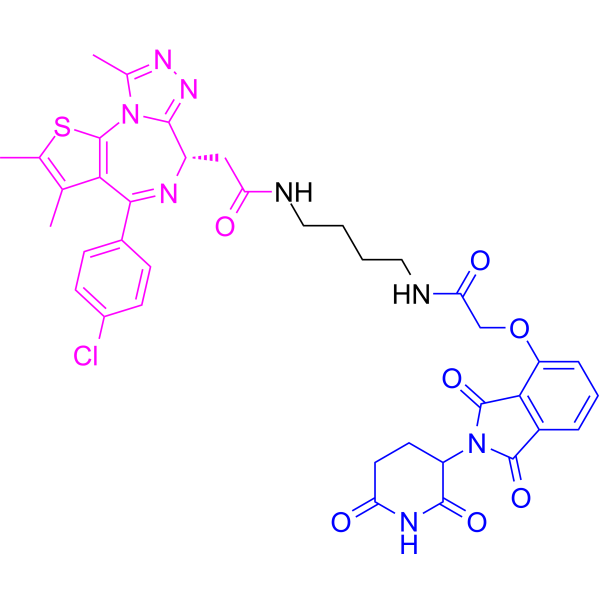
HY-101838
dBET1PROTAC BRD4 Degrader -
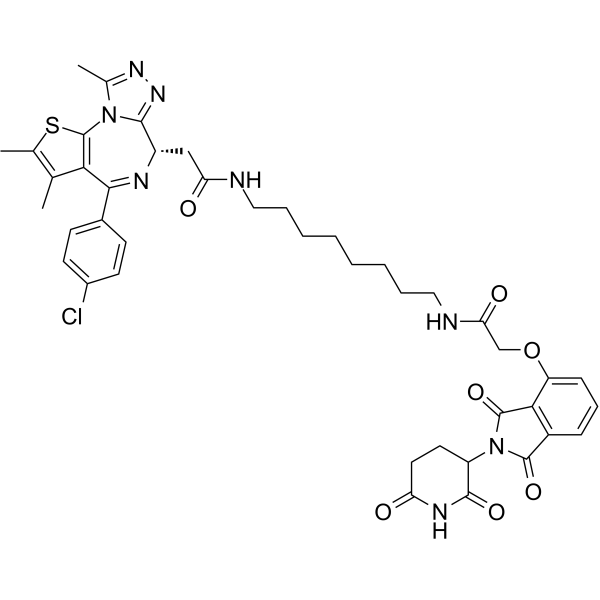
HY-112588
dBET6PROTAC BET Degrader -
HY-138641
BavdegalutamideAR PROTAC Degrader -
HY-114305
A1874BRD4 PROTAC Degrader -
HY-111433
BRD4 degrader AT1BRD4 PROTAC Degrader -
HY-13030
(+)-JQ-1BET Inhibitor -
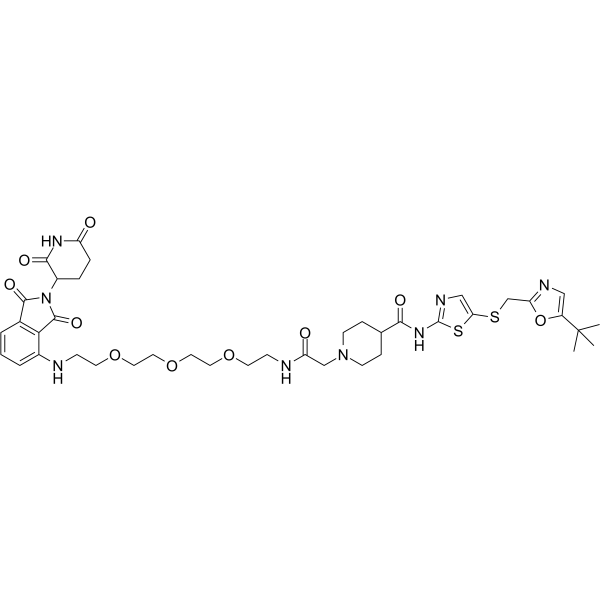
HY-123937
THAL-SNS-032CDK9 PROTAC Degrader -
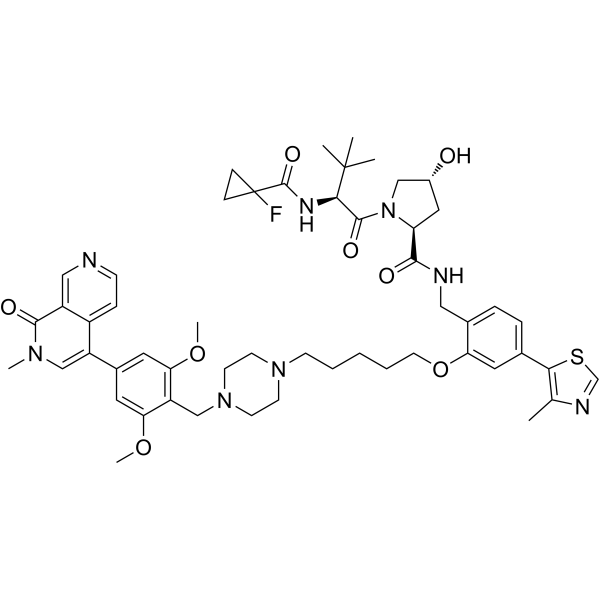
HY-114322
VZ185BRD9/BRD7 PROTAC Degrader -
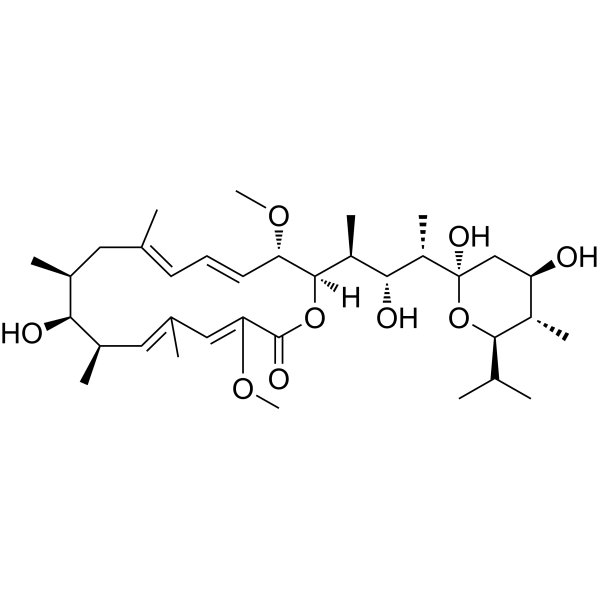
HY-100558
Bafilomycin A1V-ATPase Inhibitor -
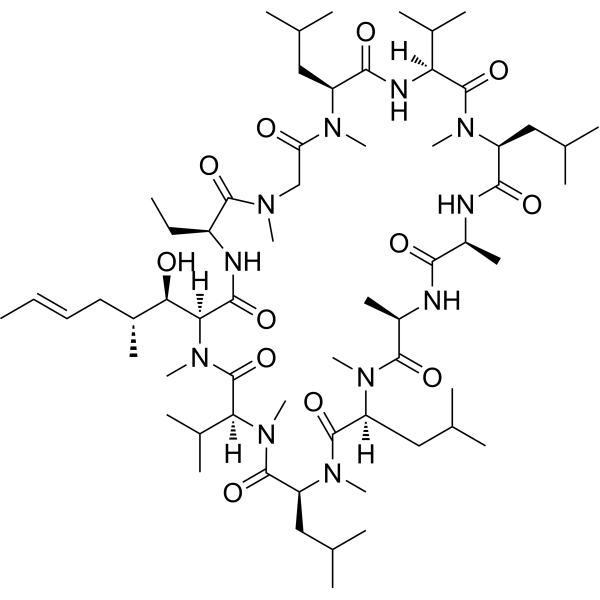
HY-B0579
Cyclosporin ACalcineurin Inhibitor
Publications Citing Use of MedChemExpress (MCE) ARV-771
More- Cell. 2024 Jan 4;187(1):166-183.e25. [Abstract]
- Nat Commun. 2024 Jul 2;15(1):5379. [Abstract]
- J Adv Res. 2025 Jul 4:S2090-1232(25)00504-1. [Abstract]
- Mol Cell. 2024 Apr 4;84(7):1304-1320.e16. [Abstract]
- Mol Cell. 2021 Apr 1;81(7):1411-1424.e7. [Abstract]
- Mol Cell. 2019 Aug 22;75(4):849-858.e8. [Abstract]
- Nat Chem Biol. 2023 Mar;19(3):323-333. [Abstract]
- Nat Chem Biol. 2021 Nov;17(11):1157-1167. [Abstract]
- Nat Chem Biol. 2020 Nov;16(11):1199-1207. [Abstract]
- J Control Release. 2021 Feb 10:330:1244-1249. [Abstract]
- Clin Cancer Res. 2019 Jun 1;25(11):3404-3416. [Abstract]
- Nat Struct Mol Biol. 2024 Feb;31(2):323-335. [Abstract]
- Cell Rep. 2021 Jan 5;34(1):108532. [Abstract]
- J Med Chem. 2020 Jul 9;63(13):7186-7210. [Abstract]
- JCI Insight. 2022 May 23;7(10):e151353. [Abstract]
- Biochem Pharmacol. 2025 Nov:241:117159. [Abstract]
- Philos Trans R Soc Lond B Biol Sci. 2025 Jan 23;380(1918):20230342. [Abstract]
- Bioorg Chem. 2022 Feb:119:105505. [Abstract]
- Cancer Sci. 2026 Jun;117(6):1608-1622. [Abstract]
- Structure. 2024 Dec 5;32(12):2352-2363.e8. [Abstract]
- Curr Issues Mol Biol. 2026 Jan 10;48(1):71. [Abstract]
- Drug Metab Dispos. 2025 May;53(5):100066. [Abstract]
- ACS Chem Biol. 2019 Oct 18;14(10):2215-2223. [Abstract]
- bioRxiv. 2025 April 16.
- bioRxiv. 2023 Apr 21.
- Patent. US20230124700A1.
- Patent. US20220288051A1.
- Methods Mol Biol. 2021:2365:151-171. [Abstract]
- Research Square Preprint. 2020 Dec.
- Martin-Luther-Universität Halle-Wittenberg. 2020 Dec.
 Customer Validation & Images

-
WB
-
Others
Voir tous les produits spécifiques à Isoform PROTACs
More

Activité biologique
Description
|
BRD2(1) 34 nM (Kd) |
BRD2(2) 4.7 nM (Kd) |
BRD3(1) 8.3 nM (Kd) |
BRD3(2) 7.6 nM (Kd) |
BRD4(1) 9.6 nM (Kd) |
BRD4(2) 7.6 nM (Kd) |
AR-V7 |
Données de validation de MCE
Cellular Effect
|
Cell Line

|
Type | Value | Description | References |
|---|---|---|---|---|
| 22Rv1 | IC50 |
10.68 nM
|
Cytotoxicity against castration-resistant prostate cancer 22Rv1 cells assessed as reduction in cell viability incubated for 72 h by cell viability cytotoxicity assay.
Cytotoxicity against castration-resistant prostate cancer 22Rv1 cells assessed as reduction in cell viability incubated for 72 h by cell viability cytotoxicity assay.
|
41870961 |
| PC-3 | IC50 |
25.19 nM
|
Cytotoxicity against AR-independent prostate cancer PC-3 cells assessed as reduction in cell viability incubated for 72 h by cell viability cytotoxicity assay.
Cytotoxicity against AR-independent prostate cancer PC-3 cells assessed as reduction in cell viability incubated for 72 h by cell viability cytotoxicity assay.
|
41870961 |
In Vitro
ARV-771 (72 h) potently inhibits cell viability, with an IC50 of 10.68 nM in 22Rv1 cells and 25.19 nM in PC-3 cells; it also induces concentration-dependent BRD4 degradation, with stronger activity observed in 22Rv1 cells[1].
ARV-771 (3-300 nM; 18 h) induces concentration-dependent degradation of BRD4 in 22Rv1 and PC-3 cells, with stronger activity observed in 22Rv1 cells[1].
ARV-771 downregulates the expression of BRD4 protein in 22Rv1 cells, and its proteomic profile shows that compared with the ARV@MIL-HA-ss-HA formulation, there are fewer tumor suppressor proteins and more oncoproteins[1].
ARV-771 (10 nM; 16 h) downregulates FL-AR and AR-V7 mRNA levels in VCaP cells and exerts antiandrogenic effects on multiple AR-regulated genes[2].
ARV-771 induces apoptosis in 22Rv1 cells, with a total apoptosis rate of 33.25%[1].
MedChemExpress (MCE) has not independently confirmed the accuracy of these methods. They are for reference only.
-
Cell Line:CRPC 22Rv1 cells, AR-independent prostate cancer PC-3 cells
-
Concentration:3, 10, 30, 100 and 300 nM
-
Incubation Time:18 h
-
Result:Induced concentration-dependent BRD4 protein degradation in both cell lines.
Decreased BRD4 protein levels progressively with increasing ARV-771 concentration, with a more pronounced reduction observed in 22Rv1 cells relative to PC-3 cells at equivalent concentrations.
-
Cell Line:VCaP cells
-
Concentration:10 nM
-
Incubation Time:16 h
-
Result:Significantly downregulated the mRNA levels of FL-AR and AR-V7.
Exhibited anti-androgenic effects on multiple AR-regulated genes, inhibiting the expression of androgen-responsive genes. Pretreatment for 1 hour completely blocked the expression of the ERG gene induced by the synthetic androgen R1881.
In RNA sequencing experiments in 22Rv1 cells, the expression of seven AR-regulated genes-ELL2, PMEPA1, STEAP1, FAM105A, ATAD2, ENDOD1, and ZNF189-was downregulated by more than 50%.
In Vivo
ARV-771 (10-30 mg/kg; subcutaneous injection; once daily; for 14 consecutive days) downregulates the levels of both BRD4 and c-MYC in tumor tissues of 22Rv1 tumor xenograft mice, and inhibits tumor growth in these mice in a dose-dependent manner[2].
ARV-771 (administered subcutaneously; once every 3 days or on a 3-day-on/4-day-off schedule; for a total of 16 days) achieves a 60% tumor growth inhibition rate in VCaP tumor xenograft mice, reduces BRD4 expression by 57% and c-MYC expression by 88% in tumor tissues, and decreases serum PSA by 60%-80%[2].
MedChemExpress (MCE) has not independently confirmed the accuracy of these methods. They are for reference only.
-
Animal Model:Male intact Nu/Nu athymic nude mice were used to establish subcutaneous xenograft models using 22Rv1 cells[2]
-
Dosage:10 mg/kg; 20 mg/kg; 30 mg/kg
-
Administration:s.c. injection; once daily for 3 days; once daily for 14 days
-
Result:It downregulated the levels of BRD4 and c-MYC in mouse tumor tissue by 37% and 76%, respectively, and significantly downregulated AR-V7 levels.
It downregulated the levels of BRD4 and c-MYC in mouse tumor tissue by more than 80%.
Dose-dependent inhibition of tumor growth in mice with 22Rv1 tumor xenografts, with a dose of 30 mg/kg inducing tumor regression; tumors completely disappeared in 2 out of 10 mice.
- Detection of Apoptosis
- TUNEL staining for apoptotic DNA fragmentation
- Cell Cytotoxicity Assay
- Mammalian live/dead viability and cytotoxicity staining
- Annexin V plus membrane-impermeant dye apoptosis staining
- Apoptosis Solutions
- CCK-8/WST-8 Cell Proliferation Assay
- Ferroptosis Solutions
- MTT Cell Proliferation Assay
- Cell Viability Determination by MTT Colorimetric Assay


Chemical Information
-
CAS No. 1949837-12-0
-
Appearance Solid
-
Masse moléculaire 986.64
-
Formule C49H60ClN9O7S2
-
Color White to light yellow
-
SMILES
CC1=C(C)SC2=C1C(C3=CC=C(C=C3)Cl)=N[C@H](C4=NN=C(N42)C)CC(NCCOCCCOCC(N[C@H](C(N5C[C@@H](C[C@H]5C(N[C@@H](C)C6=CC=C(C=C6)C7=C(C)N=CS7)=O)O)=O)C(C)(C)C)=O)=O
-
Livraison
Room temperature in continental US; may vary elsewhere.
-
Stockage
Powder -20°C 3 years 4°C 2 years In solvent -80°C 2 years -20°C 1 year


Publications (30)
-
Journal Impact Factor
-
Most Recent
-
Cell
A TCF4-dependent gene regulatory network confers resistance to immunotherapy in melanoma. [Abstract]2024 Jan 4;187(1):166-183.e25. PMID: 38181739 -
Nat Commun
2024 Jul 2;15(1):5379. PMID: 38956052 -
J Adv Res
2025 Jul 4:S2090-1232(25)00504-1. PMID: 40617410 -
Mol Cell
Cullin-RING ligases employ geometrically optimized catalytic partners for substrate targeting. [Abstract]2024 Apr 4;84(7):1304-1320.e16. PMID: 38382526
ARV-771 purchased from MedChemExpress. Usage Cited in: Mol Cell. 2024 Apr 4;84(7):1304-1320.e16. [Abstract]
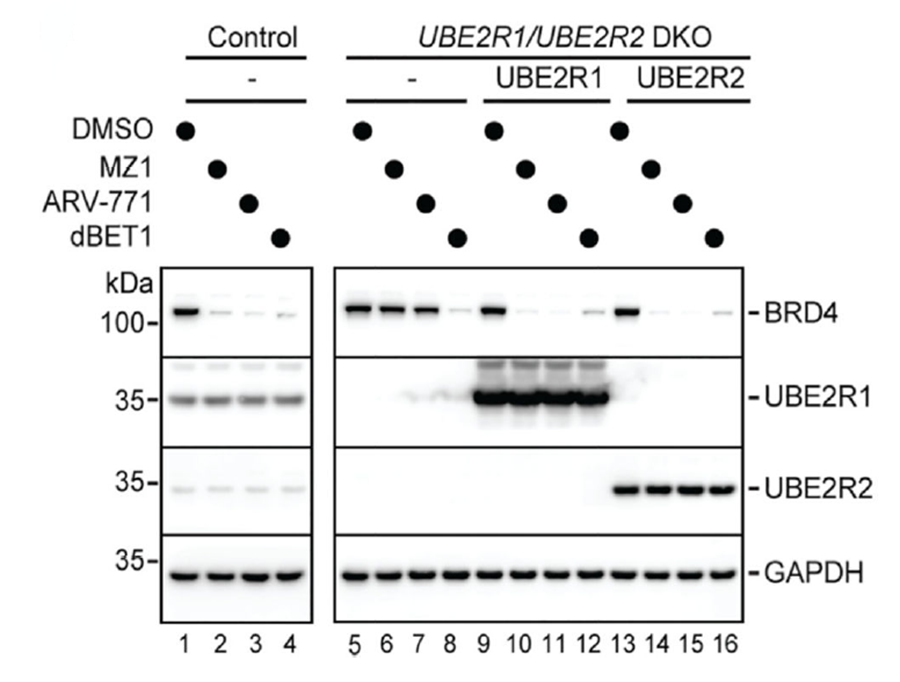
ARV-771 (500 nM; 6 h). Representative western blots comparing protein levels upon treatment with PROTACs in control or UBE2R1/UBE2R2 DKO HEK293T cells. Notice that ectopic expression of either UBE2R1 (lanes 9-12) or UBE2R2 (lanes 13-16) completely restored BRD4 degradation with ARV-771.
-
Mol Cell
TRIP12 promotes small-molecule-induced degradation through K29/K48-branched ubiquitin chains. [Abstract]2021 Apr 1;81(7):1411-1424.e7. PMID: 33567268 -
Mol Cell
Plasticity of the Cullin-RING Ligase Repertoire Shapes Sensitivity to Ligand-Induced Protein Degradation. [Abstract]2019 Aug 22;75(4):849-858.e8. PMID: 31442425 -
Nat Chem Biol
2023 Mar;19(3):323-333. PMID: 36329119
ARV-771 purchased from MedChemExpress. Usage Cited in: Nat Chem Biol. 2023 Mar;19(3):323-333. [Abstract]
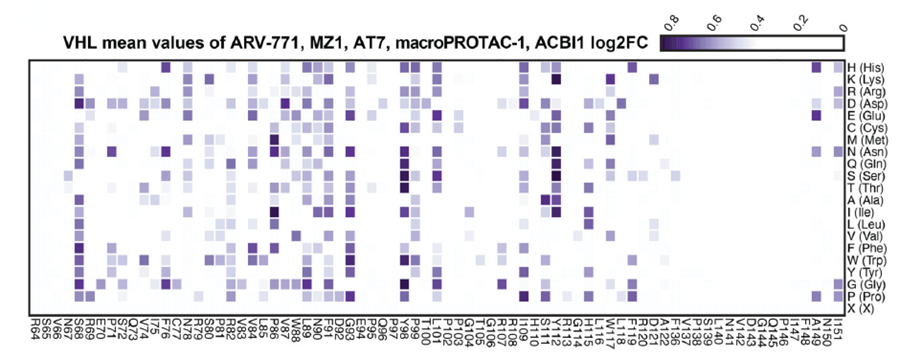
Heatmap depicting mean log2 fold-enrichment of VHL mutations normalized to maximum log2 fold-changes vs. DMSO across ARV-771 (500 nM; 7 days) treated for 7 days. n = 2 independent measurements.
-
Nat Chem Biol
2021 Nov;17(11):1157-1167. PMID: 34675414 -
Nat Chem Biol
2020 Nov;16(11):1199-1207. PMID: 32747809 -
J Control Release
Enhanced protein degradation by intracellular delivery of pre-fused PROTACs using lipid-like nanoparticles. [Abstract]2021 Feb 10:330:1244-1249. PMID: 33234362 -
Clin Cancer Res
2019 Jun 1;25(11):3404-3416. PMID: 30796033 -
Nat Struct Mol Biol
2024 Feb;31(2):323-335. PMID: 38177676 -
Cell Rep
Functional Genomics Identify Distinct and Overlapping Genes Mediating Resistance to Different Classes of Heterobifunctional Degraders of Oncoproteins. [Abstract]2021 Jan 5;34(1):108532. PMID: 33406420 -
J Med Chem
Novel Pyrrolopyridone Bromodomain and Extra-Terminal Motif (BET) Inhibitors Effective in Endocrine-Resistant ER+ Breast Cancer with Acquired Resistance to Fulvestrant and Palbociclib. [Abstract]2020 Jul 9;63(13):7186-7210. PMID: 32453591 -
JCI Insight
2022 May 23;7(10):e151353. PMID: 35439169 -
Biochem Pharmacol
Discovery of a potent BRD4 PROTAC and evaluation of its bioactivity in breast cancer cell lines. [Abstract]2025 Nov:241:117159. PMID: 40659131 -
Philos Trans R Soc Lond B Biol Sci
2025 Jan 23;380(1918):20230342. PMID: 39842482 -
Bioorg Chem
2022 Feb:119:105505. PMID: 34838332 -
Cancer Sci
MYC Addiction as a Targetable Vulnerability in Nelarabine-Resistant T-Cell Acute Lymphoblastic Leukemia. [Abstract]2026 Jun;117(6):1608-1622. PMID: 41947770 -
Structure
PROTAC-mediated activation, rather than degradation, of a nuclear receptor reveals complex ligand-receptor interaction network. [Abstract]2024 Dec 5;32(12):2352-2363.e8. PMID: 39389062 -
Curr Issues Mol Biol
Role of the Super-Enhancer Component Bromodomain Protein 4 in the Radiation Response of Human Head and Neck Squamous Cell Carcinoma Cells. [Abstract]2026 Jan 10;48(1):71. PMID: 41614901 -
Drug Metab Dispos
Applications of contemporary tools to measure plasma protein binding of targeted protein degraders. [Abstract]2025 May;53(5):100066. PMID: 40286535 -
ACS Chem Biol
Cellular Resistance Mechanisms to Targeted Protein Degradation Converge Toward Impairment of the Engaged Ubiquitin Transfer Pathway. [Abstract]2019 Oct 18;14(10):2215-2223. PMID: 31553577 -
-
-
-
-
Methods Mol Biol
Kinetic Detection of E3:PROTAC:Target Ternary Complexes Using NanoBRET Technology in Live Cells. [Abstract]2021:2365:151-171. PMID: 34432243 -
-


Solvant et solubilité
In Vitro:
DMSO : ≥ 50 mg/mL (50.68 mM; Hygroscopic DMSO has a significant impact on the solubility of product, please use newly opened DMSO)
* "≥" means soluble, but saturation unknown.
Please refer to the solubility information to select the appropriate solvent. Once prepared, please aliquot and store the solution to prevent product inactivation from repeated freeze-thaw cycles.
Storage method and period of stock solution: -80°C, 2 years; -20°C, 1 year. When stored at -80°C, please use it within 2 years. When stored at -20°C, please use it within 1 year.
Please refer to the solubility information to select the appropriate solvent. Once prepared, please aliquot and store the solution to prevent product inactivation from repeated freeze-thaw cycles.
Storage method and period of stock solution: -80°C, 2 years; -20°C, 1 year. When stored at -80°C, please use it within 2 years. When stored at -20°C, please use it within 1 year.
Concentration (start) × Volume (start) = Concentration (final) × Volume (final)
In Vivo:
Select the appropriate dissolution method based on your experimental animal and administration route.
- For the following dissolution methods, please ensure to first prepare a clear stock solution using an In Vitro approach and then sequentially add co-solvents:
- To ensure reliable experimental results, the clarified stock solution can be appropriately stored based on storage conditions. As for the working solution for In Vivo experiments, it is recommended to prepare freshly and use it on the same day.
- The percentages shown for the solvents indicate their volumetric ratio in the final prepared solution. If precipitation or phase separation occurs during preparation, heat and/or sonication can be used to aid dissolution.
Add each solvent one by one: 10% DMSO 40% PEG300 5% Tween-80 45% Saline
Solubility: ≥ 2.5 mg/mL (2.53 mM); Clear solution
This protocol yields a clear solution of ≥ 2.5 mg/mL (saturation unknown).
Taking 1 mL working solution as an example, add 100 μL DMSO stock solution (25.0 mg/mL) to 400 μL PEG300, and mix evenly; then add 50 μL Tween-80 and mix evenly; then add 450 μL Saline to adjust the volume to 1 mL.
Preparation of Saline: Dissolve 0.9 g sodium chloride in ddH₂O and dilute to 100 mL to obtain a clear Saline solution.
Add each solvent one by one: 10% DMSO 90% (20% SBE-β-CD in Saline)
Solubility: ≥ 2.5 mg/mL (2.53 mM); Clear solution
This protocol yields a clear solution of ≥ 2.5 mg/mL (saturation unknown).
Taking 1 mL working solution as an example, add 100 μL DMSO stock solution (25.0 mg/mL) to 900 μL 20% SBE-β-CD in Saline, and mix evenly.
Preparation of 20% SBE-β-CD in Saline (4°C, storage for one week): 2 g SBE-β-CD powder is dissolved in 10 mL Saline, completely dissolve until clear.
In Vivo Dissolution Calculator
Please enter the basic information of animal experiments:
-
-
-
-
Recommended: Prepare an additional quantity of animals to account for potential losses during experiments.
Please enter your animal formula composition:
-
%DMSO +
Recommended: Keep the proportion of DMSO in working solution below 2% if your animal is weak.
-
%+
-
+%Tween-80 + +
-
%Saline +
The co-solvents required include: DMSO, . All of co-solvents are available by MedChemExpress (MCE). , Tween 80. All of co-solvents are available by MedChemExpress (MCE).
Working solution concentration: 0.22 mg/mL
Method for preparing stock solution: mg drug dissolved in μL DMSO. Stock solution concentration: mg/mL.
1. Take μL DMSO stock solution;
2. Add μL .
μL , mix evenly;
3. Then add μL Tween 80, mix evenly;
4. Then add μL
Please ensure that the stock solution in the first step is dissolved to a clear state, and add co-solvents in sequence. You can use ultrasonic heating (ultrasonic cleaner, recommended frequency 20-40 kHz), vortexing, etc. to assist dissolution.


Pureté et documentation
-
Fiche technique (293 KB)
-
SDS (394 KB)
- English - EN (394 KB)
- Français - FR (394 KB)
- Deutsch - DE (394 KB)
- Norwegian - NO (394 KB)
- Español - ES (394 KB)
- Swedish - SV (394 KB)
- Italian - IT (394 KB)
- Korean - KR (394 KB)
- Portuguese - PT (394 KB)
-
Instruction de manipulation (2659 KB)
Références


Complete Stock Solution Preparation Table
Please refer to the solubility information to select the appropriate solvent. Once prepared, please aliquot and store the solution to prevent product inactivation from repeated freeze-thaw cycles.
Storage method and period of stock solution: -80°C, 2 years; -20°C, 1 year. When stored at -80°C, please use it within 2 years. When stored at -20°C, please use it within 1 year.
| Optional Solvent | Concentration Solvent Mass | 1 mg | 5 mg | 10 mg | 25 mg |
|---|---|---|---|---|---|
| DMSO | 1 mM | 1.0135 mL | 5.0677 mL | 10.1354 mL | 25.3385 mL |
| 5 mM | 0.2027 mL | 1.0135 mL | 2.0271 mL | 5.0677 mL | |
| 10 mM | 0.1014 mL | 0.5068 mL | 1.0135 mL | 2.5339 mL | |
| 15 mM | 0.0676 mL | 0.3378 mL | 0.6757 mL | 1.6892 mL | |
| 20 mM | 0.0507 mL | 0.2534 mL | 0.5068 mL | 1.2669 mL | |
| 25 mM | 0.0405 mL | 0.2027 mL | 0.4054 mL | 1.0135 mL | |
| 30 mM | 0.0338 mL | 0.1689 mL | 0.3378 mL | 0.8446 mL | |
| 40 mM | 0.0253 mL | 0.1267 mL | 0.2534 mL | 0.6335 mL | |
| 50 mM | 0.0203 mL | 0.1014 mL | 0.2027 mL | 0.5068 mL |


ARV-771 Related Classifications
HY-100972 Related Classifications
 Powered by Bioz