BRD4
BRD4 (Bromodomain Containing Protein 4) is a member of the BET (bromodomain and extra-terminal) protein family that recognizes acetylated histones and functions as a central regulator of chromatin-associated transcriptional programs[1][2]. Mechanistically, BRD4 promotes RNA polymerase II transcriptional elongation through functional interaction with positive transcription elongation factor b (P-TEFb), thereby facilitating productive gene expression and transcriptional pause release[3][4][5]. Beyond transcriptional control, BRD4 contributes to chromatin organization, DNA replication, and DNA damage response pathways, linking epigenetic regulation to genome stability[1][6]. BRD4 also supports efficient transcription elongation that limits R-loop accumulation and transcription-replication conflicts, processes that are important for maintaining cellular viability[6]. In disease contexts, aberrant BRD4 activity has been associated with cancer, inflammatory disorders, viral infection, and neurological disease, reflecting its broad influence on gene regulatory networks[1][2]. In multiple tumor models, BRD4 regulates transcriptional programs linked to oncogenic drivers and tumor cell survival, supporting its relevance as a therapeutic target[7][8]. Compared with related BET family members BRD2, BRD3, and the testis-restricted BRDT, BRD4 possesses a characteristic C-terminal domain that mediates interaction with P-TEFb and plays a distinct role in transcriptional elongation control[3][9]. For experimental applications, small-molecule BET inhibitors such as JQ1 and I-BET disrupt bromodomain-dependent chromatin interactions and have become widely used tools for investigating BRD4-dependent transcriptional mechanisms and target validation in disease models[1][7][8].
References:
- [1]. Cheung KL, et al. The Functions of BET Proteins in Gene Transcription of Biology and Diseases. Front Mol Biosci. 2021 Sep 3;8:728777. [Content Brief]
- [2]. Liang Y, et al. BRD4 in physiology and pathology: ''BET'' on its partners. Bioessays. 2021 Dec;43(12):e2100180. [Content Brief]
- [3]. Zheng B, et al. Distinct layers of BRD4-PTEFb reveal bromodomain-independent function in transcriptional regulation. Mol Cell. 2023 Aug 17;83(16):2896-2910.e4. [Content Brief]
- [4]. Altendorfer E, et al. BRD4: a general regulator of transcription elongation. Transcription. 2022 Feb-Jun;13(1-3):70-81. [Content Brief]
- [5]. Kanno T, et al. BRD4 assists elongation of both coding and enhancer RNAs by interacting with acetylated histones. Nat Struct Mol Biol. 2014 Dec;21(12):1047-57. [Content Brief]
- [6]. Edwards DS, et al. BRD4 Prevents R-Loop Formation and Transcription-Replication Conflicts by Ensuring Efficient Transcription Elongation. Cell Rep. 2020 Sep 22;32(12):108166. [Content Brief]
- [7]. Jung M, et al. Targeting BET bromodomains for cancer treatment. Epigenomics. 2015;7(3):487-501. [Content Brief]
- [8]. Lucas X, et al. 4-Acyl pyrroles: mimicking acetylated lysines in histone code reading. Angew Chem Int Ed Engl. 2013 Dec 23;52(52):14055-9. [Content Brief]
- [9]. Kargbo RB. PROTAC Degradation of Bromodomain for the Treatment of Hyperplasia and Cancer. ACS Med Chem Lett. 2019 Sep 30;10(10):1372-1373. doi: 10.1021/acsmedchemlett.9b00424. PMID: 31620218; PMCID: PMC6792170. et al. PROTAC Degradation of Bromodomain for the Treatment of Hyperplasia and Cancer. ACS Med Chem Lett. 2019 Sep 30;10(10):1372-1373. [Content Brief]
-
BRD4 Related Products (298)
Related Products (298)

-
ARV-825
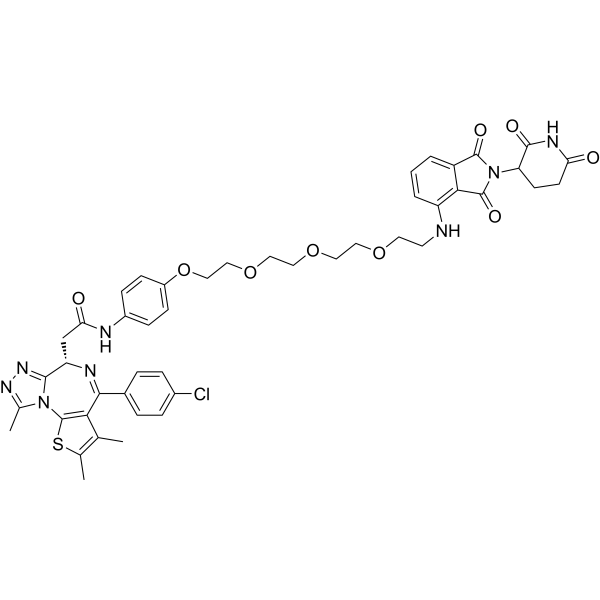 0 ImagesARV-825 is a BET protein PROTAC degrader that recruits cereblon, and it targets BRD2, BRD3, and BRD4 for degradation via the ubiquitin-proteasome pathway. ARV-825 downregulates c-MYC, PLK1, MYCN, CDK4/6, JAK2, pSTAT3/5, PIM1, and Bcl-xL, upregulates p21 and p27, and modulates H3K27Ac-mediated transcription, the G2/M checkpoint, the Wnt/β-catenin pathway, and amino acid transport pathways. ARV-825 induces G1 phase cell cycle arrest, caspase 3/PARP-mediated apoptosis, DNA damage, and reactive oxygen species (ROS) production, reduces mitochondrial respiration, and simultaneously inhibits cell proliferation, clonogenic growth, and cell migration. ARV-825 is used in research on gastric cancer, leukemia, neuroblastoma, and cholangiocarcinoma.
-
Birabresib
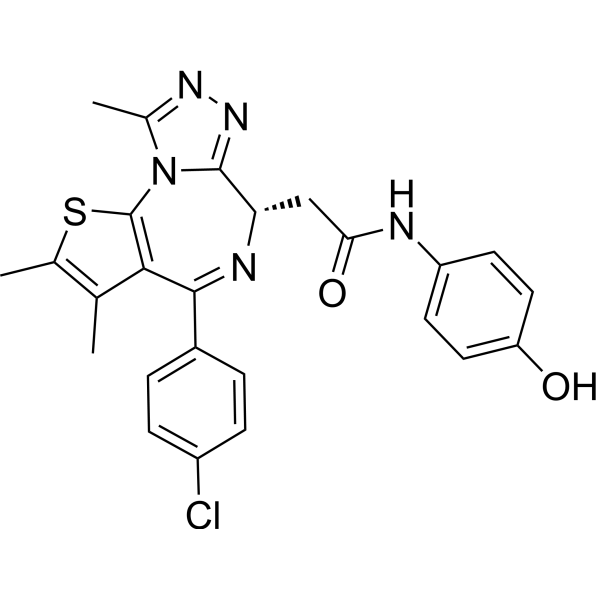 0 ImagesSynonyms: OTX-015; MK-8628Birabresib (OTX-015) is a potent bromodomain (BRD2/3/4) inhibitor with IC50s ranging from 92 to 112 nM.
-
ARV-771
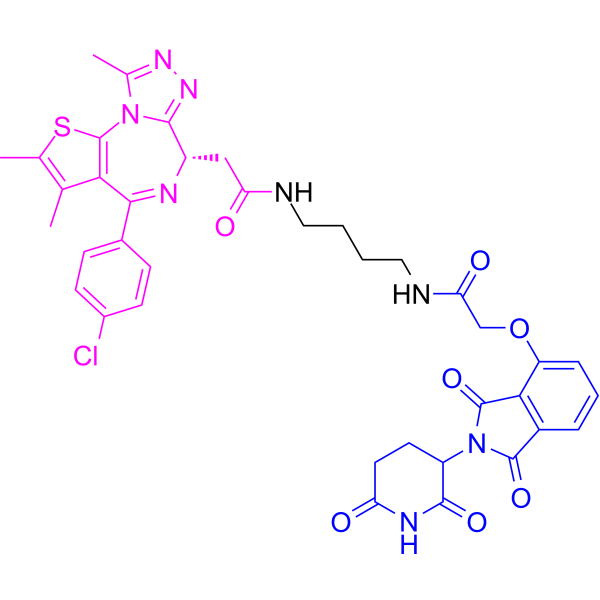
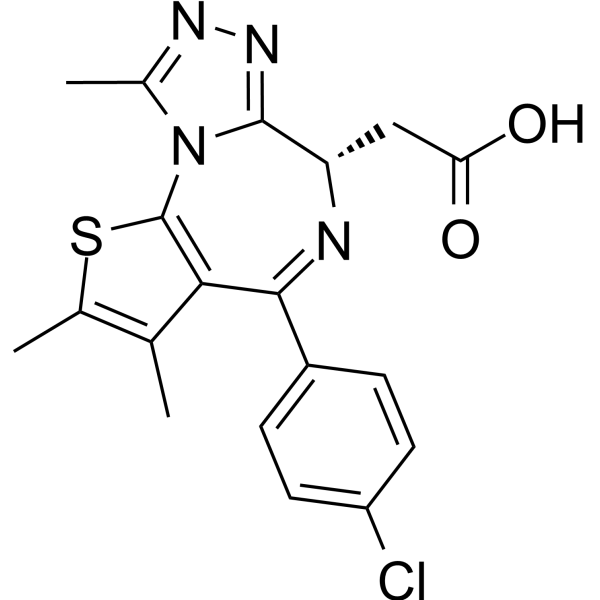
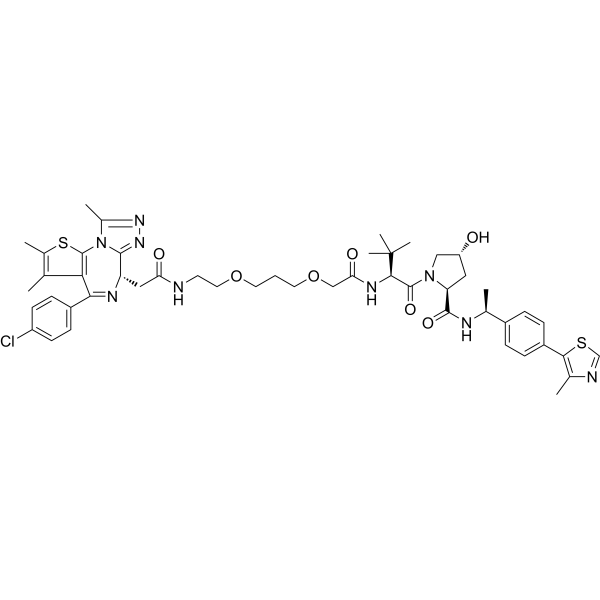 0 ImagesARV-771 is a BET PROTAC degrader, with Kd values of 34, 4.7, 8.3, 7.6, 9.6 and 7.6 nM against BRD2 (1), BRD2 (2), BRD3 (1), BRD3 (2), BRD4 (1) and BRD4 (2) , respectively. ARV-771 inhibits the transcription of AR/AR-v7 and its downstream target genes. By degrading BRD4 protein, ARV-771 enhances the sensitivity of prostate cancer cells to ferroptosis, suppresses cancer cell viability, and induces apoptosis. ARV-771 downregulates the levels of BRD4, c-MYC and AR-V7 in tumor tissues and inhibits tumor tissue growth. ARV-771 can be used in prostate cancer-related research.
-
ABBV-744
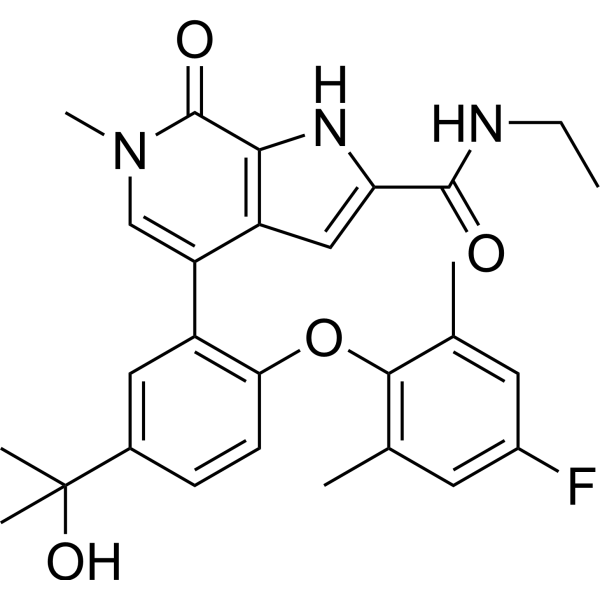 0 ImagesABBV-744 is a first-in-class, orally active and selective inhibitor of the BDII domain of BET family proteins with IC50 values ranging from 4 to 18 nM for BRD2, BRD3, BRD4 and BRDT. ABBV-744 is primarily metabolized by CYP3A4 with agent-like properties enable the investigation of its antitumor efficacy and tolerability.
-
Mivebresib
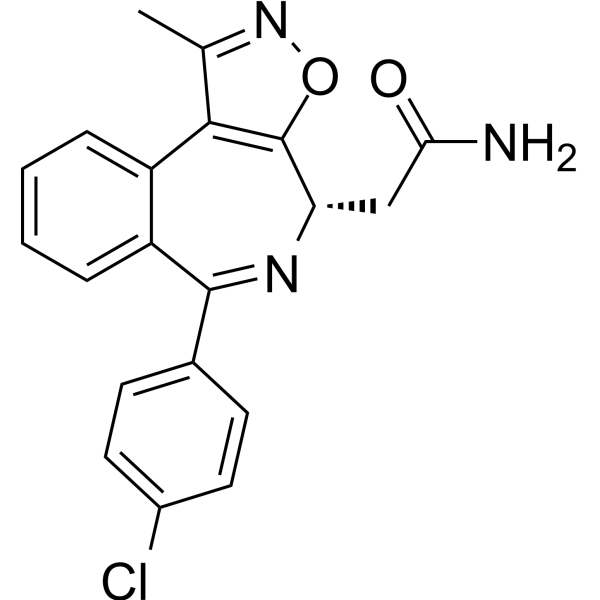
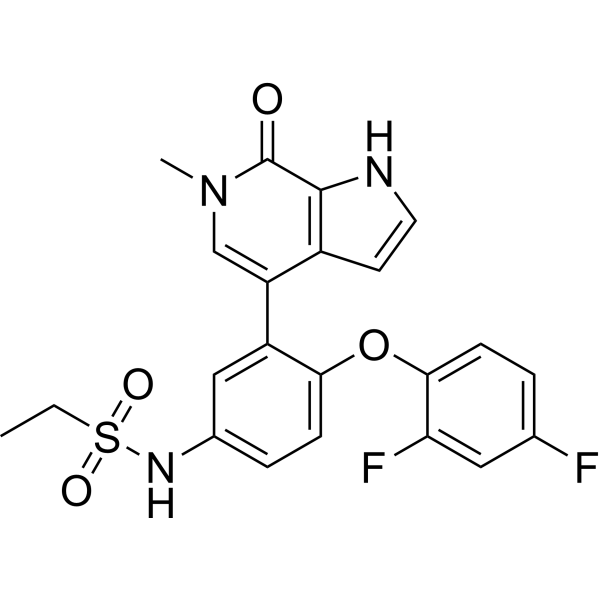 0 ImagesSynonyms: ABBV-075
-
GNE-987
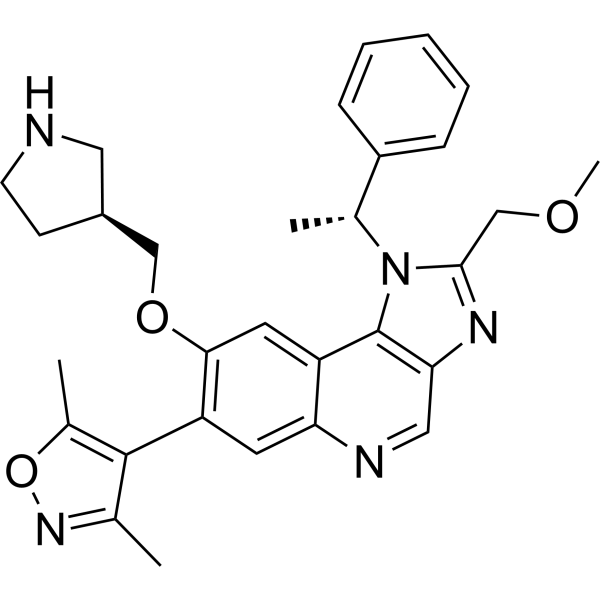
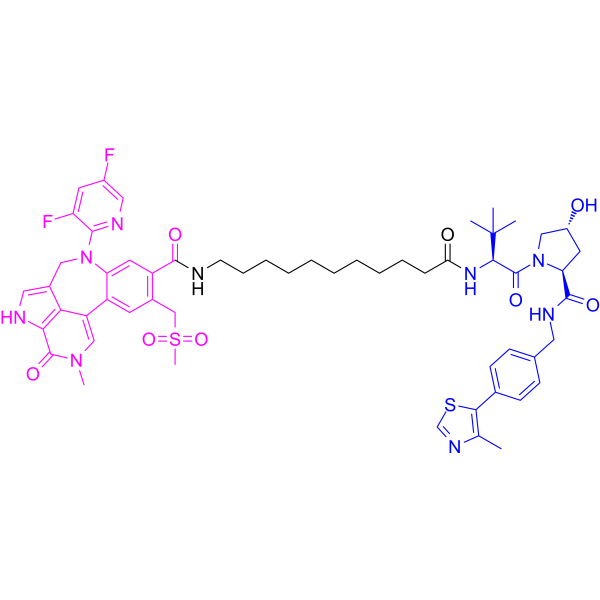 0 ImagesGNE-987 is a VHL-dependent BRD4 PROTAC degrader. GNE-987 exhibits picomolar cell BRD4 degradation activity (DC50=0.03 nM for EOL-1 AML cell line). GNE-987 binds equipotently to the BD1 and BD2 bromodomains of BRD4 with low nanomolar affinities (IC50=4.7 and 4.4 nM, respectively). GNE-987 can be used for the research of cancer.
-
ZXH-3-26
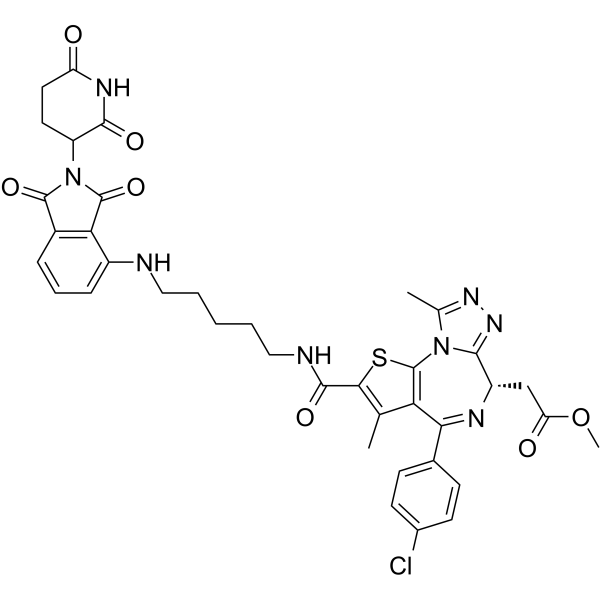 0 ImagesZXH-3-26 is a CRBN-recruiting BRD4 PROTAC degrader with a DC50/5h of approximately 5 nM. ZXH-3-26 drives the ubiquitination and degradation of BRD4 by recruiting BRD4BD1 to the CRL4CRBN E3 ubiquitin ligase complex, thereby inhibiting the dynamic distribution of super-enhancers. ZXH-3-26 reverses TNF-α-induced impairment of the immunosuppressive function of mesenchymal stem cells, and affects RNA synthesis and the transcriptional elongation process of Pol II. ZXH-3-26 can be used in studies related to inflammatory arthritis, malignant tumors, and HIV latency.
-
AR/BRD4 RIPTAC-1
 0 ImagesAR/BRD4 RIPTAC-1 (Compound II-5) is an orally active Regulatory-inducible proximity-targeting chimera (RIPTAC). AR/BRD4 RIPTAC-1 induces the formation of a stable ternary complex between the androgen receptor (AR) and BRD4, thereby blocking BRD4 function. AR/BRD4 RIPTAC-1 inhibits the growth and proliferation of tumor cells. AR/BRD4 RIPTAC-1 holds promise for use in prostate cancer research.
-
A1874
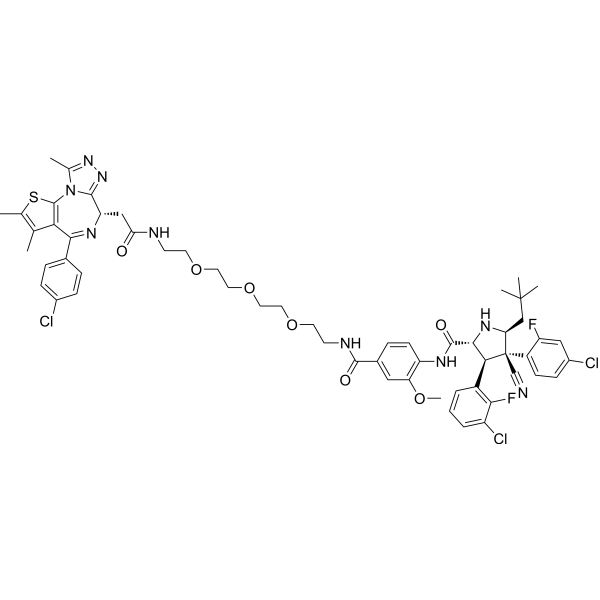 0 ImagesA1874 is an orally active BRD4 PROTAC degrader with a DC50 of 32 nM. A1874 degrades BRD4 via the ubiquitin-proteasome system by recruiting the MDM2 E3 ligase, while disrupting the MDM2-p53 interaction to stabilize p53 and upregulate p21, thereby inducing cell cycle arrest and apoptosis. A1874 exhibits selectivity for wild-type p53 cells and MDM2-amplified tumors, and it can be used in research on breast cancer, colorectal cancer, melanoma, lung cancer, lymphoma, myeloid leukemia, osteosarcoma, and glioblastoma.
-
FKBP12 PROTAC dTAG-7
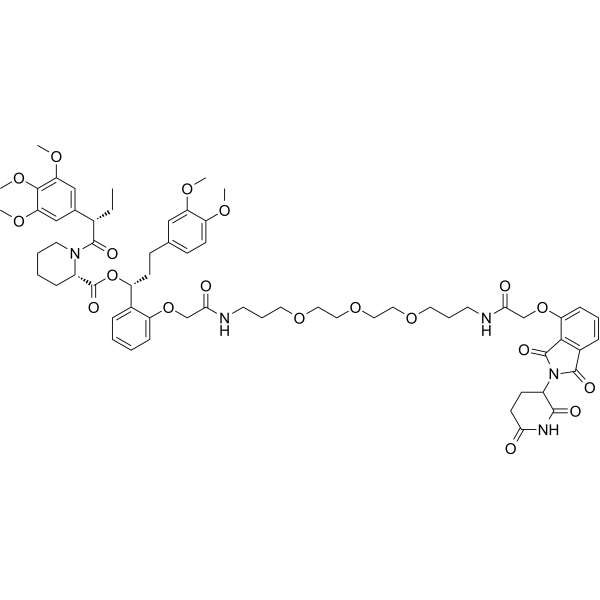 0 ImagesSynonyms: dTAG-7FKBP12 PROTAC dTAG-7 (dTAG-7) is a FKBP12F36V PROTAC degrader. FKBP12 PROTAC dTAG-7 binds FKBP12F36V and CRBN to form a complex, mediating degradation via the ubiquitin-proteasome system. FKBP12 PROTAC dTAG-7 mediates the degradation of FKBP12F36V-tagged nuclear and cytoplasmic proteins, including BRD4, HDAC1, EZH2, MYC, PLK1, KRASG12V, and antigen fusion proteins. FKBP12 PROTAC dTAG-7 enhances MHC class I antigen presentation. FKBP12 PROTAC dTAG-7 is applicable to leukemia-related research.
-
BRD4 degrader AT1
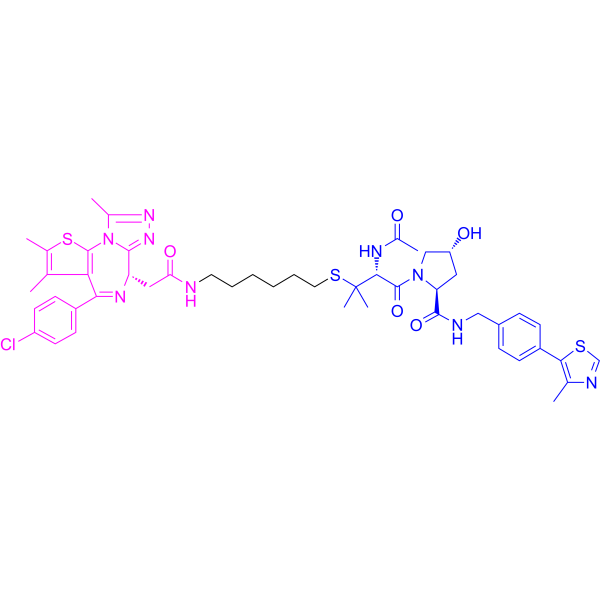 0 ImagesBRD4 degrader AT1 is a selective PROTAC BRD4 degrader. BRD4 degrader AT1 induces depletion of Brd4 protein in cells. BRD4 degrader AT1 exhibits highly selective depletion of Brd4 over Brd2 and Brd3 in cells.