



BRD4 Degrader
-
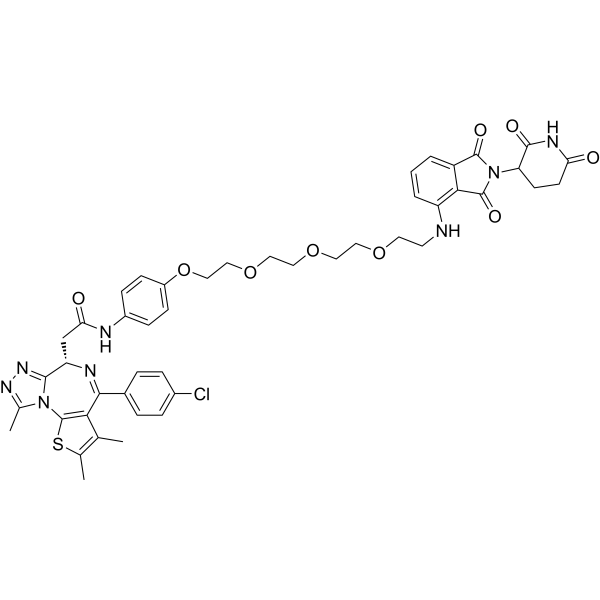
ARV-825
 0 Images
ARV-825 is a BET protein PROTAC degrader that recruits cereblon, and it targets BRD2, BRD3, and BRD4 for degradation via the ubiquitin-proteasome pathway. ARV-825 downregulates c-MYC, PLK1, MYCN, CDK4/6, JAK2, pSTAT3/5, PIM1, and Bcl-xL, upregulates p21 and p27, and modulates H3K27Ac-mediated transcription, the G2/M checkpoint, the Wnt/β-catenin pathway, and amino acid transport pathways. ARV-825 induces G1 phase cell cycle arrest, caspase 3/PARP-mediated apoptosis, DNA damage, and reactive oxygen species (ROS) production, reduces mitochondrial respiration, and simultaneously inhibits cell proliferation, clonogenic growth, and cell migration. ARV-825 is used in research on gastric cancer, leukemia, neuroblastoma, and cholangiocarcinoma.
-
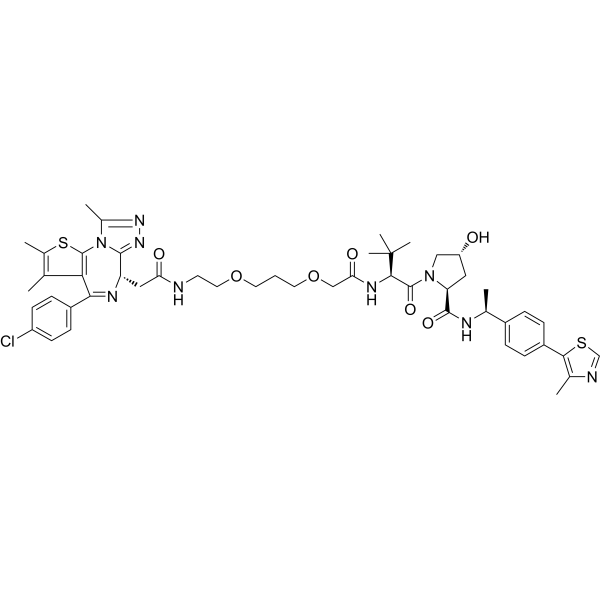
ARV-771
 0 Images
ARV-771 is a BET PROTAC degrader, with Kd values of 34, 4.7, 8.3, 7.6, 9.6 and 7.6 nM against BRD2 (1), BRD2 (2), BRD3 (1), BRD3 (2), BRD4 (1) and BRD4 (2) , respectively. ARV-771 inhibits the transcription of AR/AR-v7 and its downstream target genes. By degrading BRD4 protein, ARV-771 enhances the sensitivity of prostate cancer cells to ferroptosis, suppresses cancer cell viability, and induces apoptosis. ARV-771 downregulates the levels of BRD4, c-MYC and AR-V7 in tumor tissues and inhibits tumor tissue growth. ARV-771 can be used in prostate cancer-related research.
-
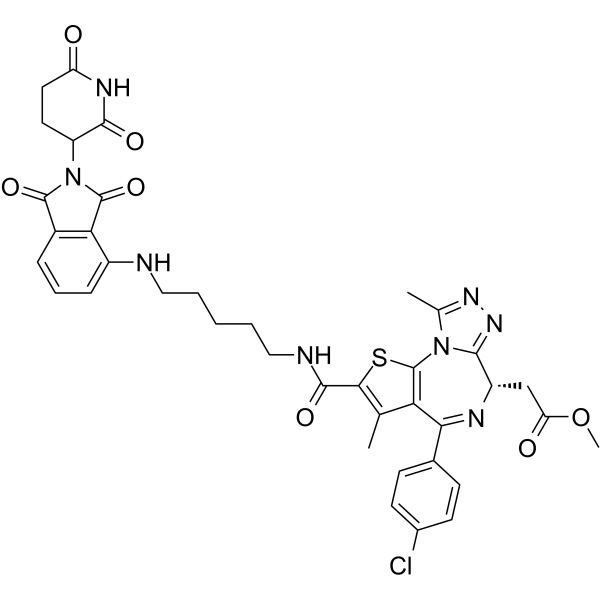
ZXH-3-26
 0 Images
ZXH-3-26 is a CRBN-recruiting BRD4 PROTAC degrader with a DC50/5h of approximately 5 nM. ZXH-3-26 drives the ubiquitination and degradation of BRD4 by recruiting BRD4BD1 to the CRL4CRBN E3 ubiquitin ligase complex, thereby inhibiting the dynamic distribution of super-enhancers. ZXH-3-26 reverses TNF-α-induced impairment of the immunosuppressive function of mesenchymal stem cells, and affects RNA synthesis and the transcriptional elongation process of Pol II. ZXH-3-26 can be used in studies related to inflammatory arthritis, malignant tumors, and HIV latency.
-
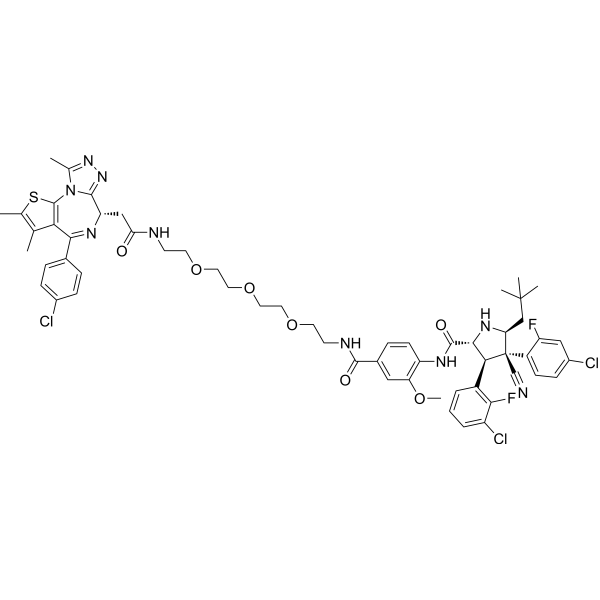
A1874
 0 Images
A1874 is an orally active BRD4 PROTAC degrader with a DC50 of 32 nM. A1874 degrades BRD4 via the ubiquitin-proteasome system by recruiting the MDM2 E3 ligase, while disrupting the MDM2-p53 interaction to stabilize p53 and upregulate p21, thereby inducing cell cycle arrest and apoptosis. A1874 exhibits selectivity for wild-type p53 cells and MDM2-amplified tumors, and it can be used in research on breast cancer, colorectal cancer, melanoma, lung cancer, lymphoma, myeloid leukemia, osteosarcoma, and glioblastoma.
-
SIM1
 0 Images
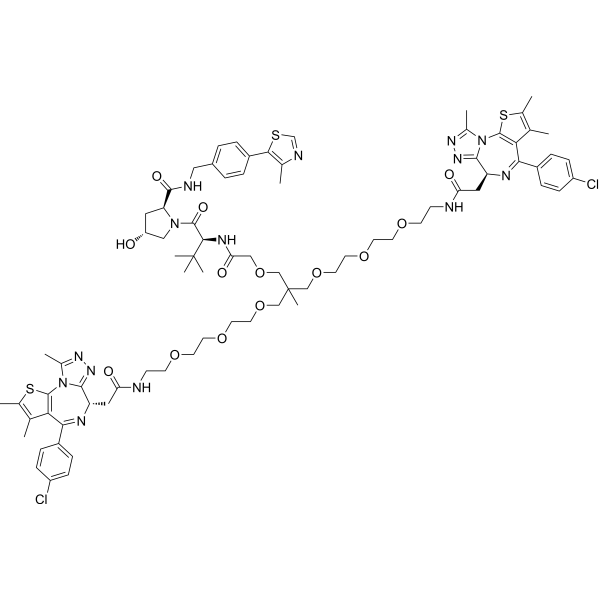
SIM1 is a potent von Hippel-Lindau (VHL)-based trivalent PROTAC capable of degradation for all BET family members, with preference for BRD2 degradation (IC50=1.1 nM; Kd=186 nM). SIM1 shows sustained anti-cancer activity.
-
IBG3
 0 ImagesCat. No.: HY-160528Purity: 98.53%
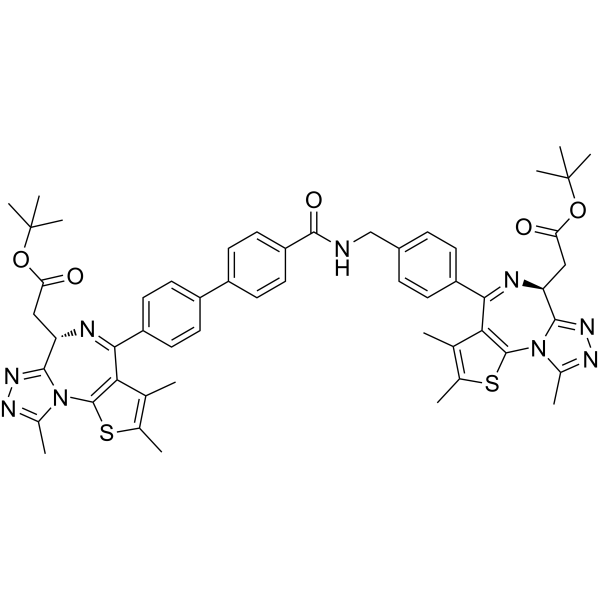
IBG3 is a bivalent molecular glue degrader targeting BRD2 and BRD4, with DC50 values of 8.6 pM and 6.7 pM, respectively. IBG3 exhibits selectivity for BRD2 and BRD4 over BRD3. By recruiting the DCAF16 E3 ligase and binding in cis to the tandem bromodomains of BRD2 and BRD4, IBG3 enhances BRD-DCAF16 binding affinity and promotes ubiquitination and proteasomal degradation, without degrading isolated bromodomains. Although IBG3 lacks degradation selectivity between PSMA-positive and PSMA-negative prostate cancer cells and demonstrates lower in vivo antitumor potency compared to the PSMA-targeting conjugate IBG-P3, it serves as a useful tool for prostate cancer research.
-
TMX1
 0 Images
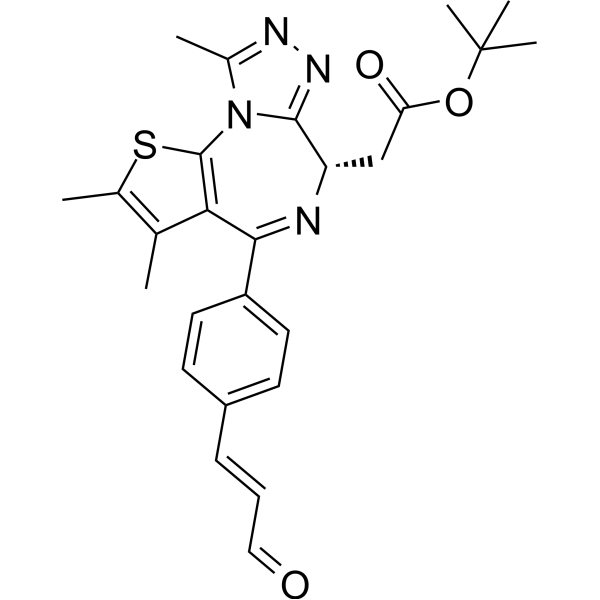
TMX1 is a covalent, selective BRD4 molecular glue degrader. TMX1 binds to the JQ1-binding site of BRD4BD2, forms covalent bonds with Cys58 of DCAF16 and Cys87 of GAK in a BRD4BD2-dependent template-assisted manner, stabilizes the BRD4-TMX1-DCAF16 ternary complex, and promotes the ubiquitination of BRD4 via the CRL4DCAF16 ubiquitin ligase complex. TMX1 induces selective degradation of BRD4, mild degradation of BRD2 and BRD3, as well as DCAF16-dependent cytotoxicity.
-
IBG1
 0 Images
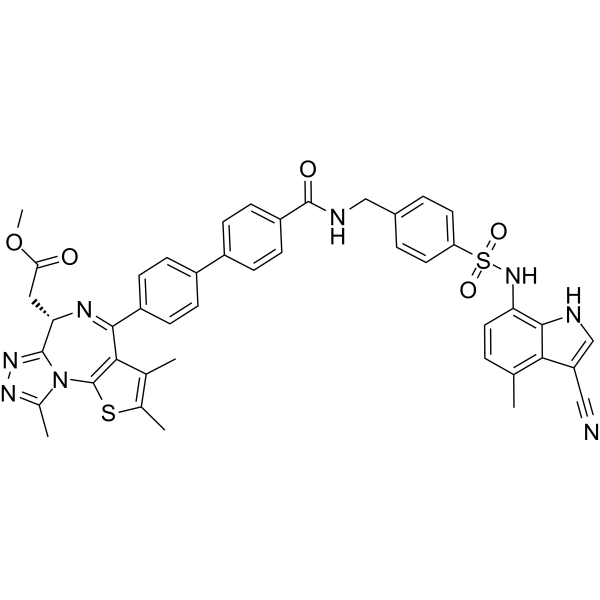
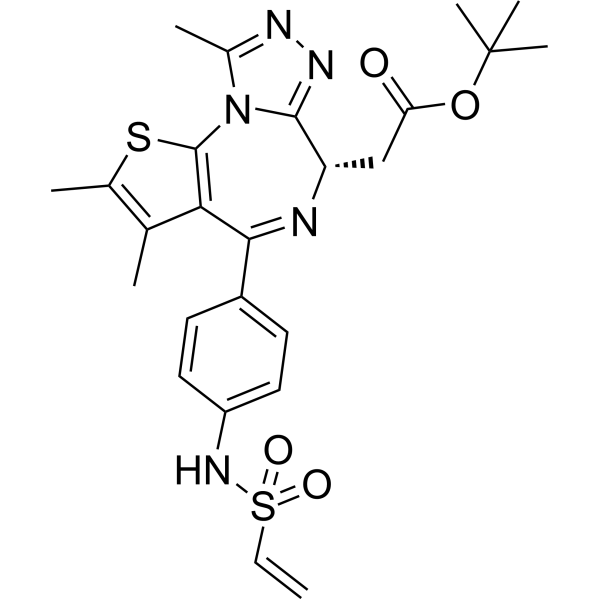
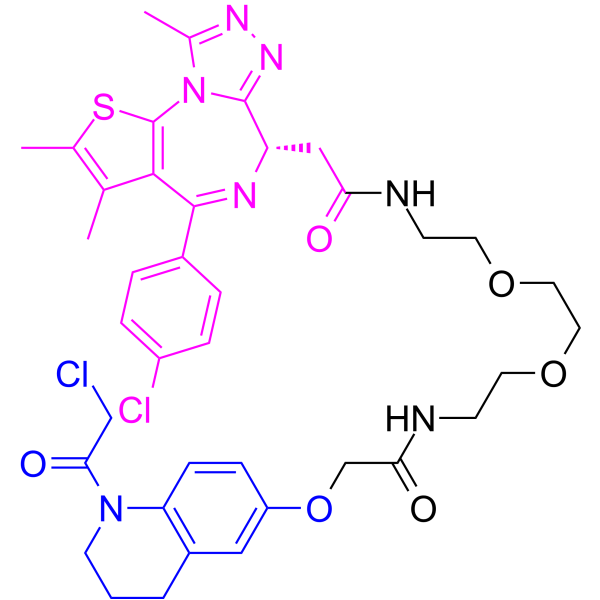
IBG1 is a bivalent molecular glue degrader targeting BRD2/BRD4, with IC50 values of 12.8 nM and 462 nM, respectively, and an EC50 of 44 nM. By binding to the adjacent BD1 and BD2 bromodomains of BRD2 and BRD4, IBG1 stabilizes the ternary complex formed with DCAF16, thereby driving CRL-mediated ubiquitination and proteasomal degradation. IBG1 induces cancer cell apoptosis and inhibits cancer cell growth in a DCAF16-dependent manner, and downregulates MYC expression through DCAF16-independent BET bromodomain inhibition. IBG1 can be used in research of various cancers including prostate cancer.

-
BRD4 degrader-3
 0 Images
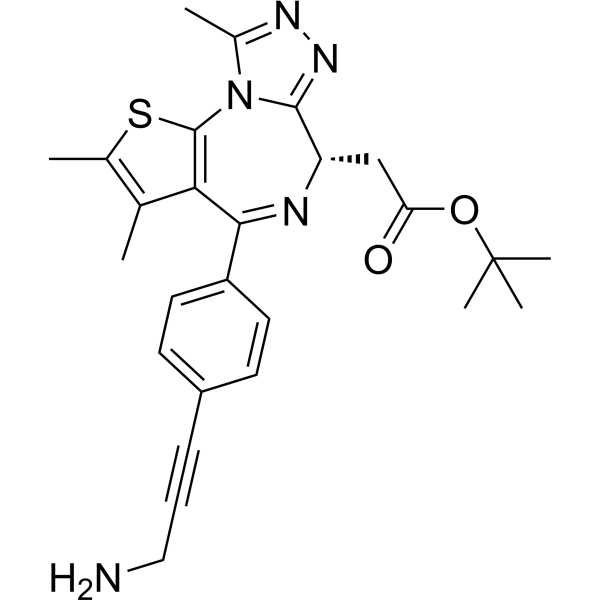
BRD4 degrader-3 is a molecular glue degrader targeting BRD4, with binding activity towards the BD1 and BD2 domains of BRD4. BRD4 degrader-3 regulates the activity of BRD4. BRD4 degrader-3 inhibits MYC expression in cancer cells. BRD4 degrader-3 suppresses cell proliferation. BRD4 degrader-3 can be used in research related to acute myeloid leukemia and prostate cancer.
-
MZP-54
 0 Images
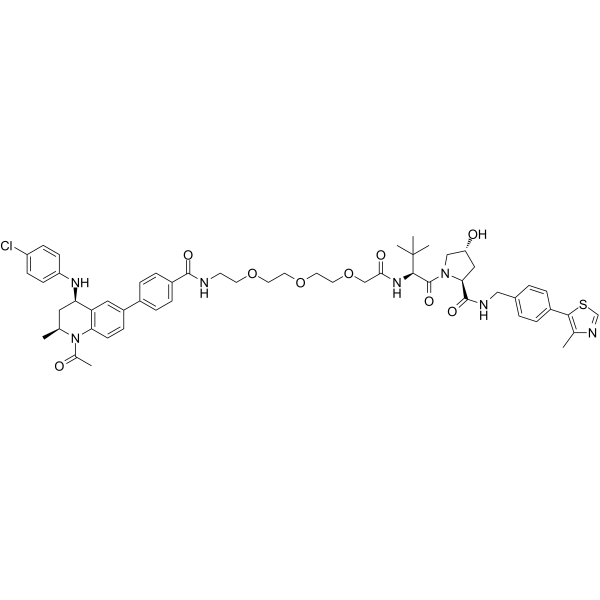
MZP-54 is a PROTAC degrader that selectively targets BRD3/BRD4, with a DC50 of < 0.05 μM in AML cells. MZP-54 recruits VHL to form a ternary complex, induces BRD3/BRD4 degradation via the ubiquitin-proteasome pathway, inhibits c-Myc expression, and exerts antiproliferative activity. MZP-54 can be used for the research of acute myeloid leukemia.
-
MMH1
 0 Images
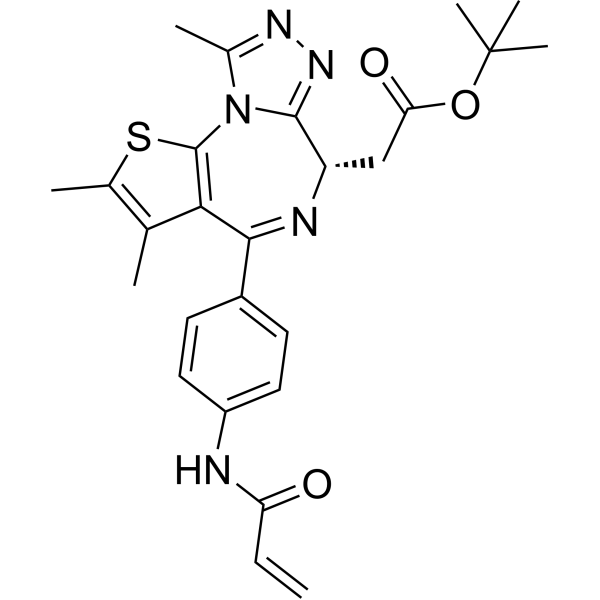
MMH1 is a novel BRD4 molecular glue degrader. MMH1 functions by recruiting the CUL4 DCAF16 ligase to the second bromodomain of BRD4 (BRD4 BD2). MMH1 binds to the JQ1-binding site of BRD4 BD2, acts as a template to covalently modify Cys58 of DCAF16, stabilizes the BRD4-DCAF16 ternary complex, and thereby promotes BRD4 degradation via the CRL4DCAF16 ubiquitin ligase pathway. Using BRD4 BD2 as a structural template, MMH1 covalently modifies Cys87 of GAK and induces the GAK-BRD4 BD2 interaction. Through its covalent mechanism, MMH1 exhibits sustained BRD4 degradation activity, and shows selective degradation activity for BRD4 BD2 over BRD4 BD1.

-
BD-9136
 0 Images
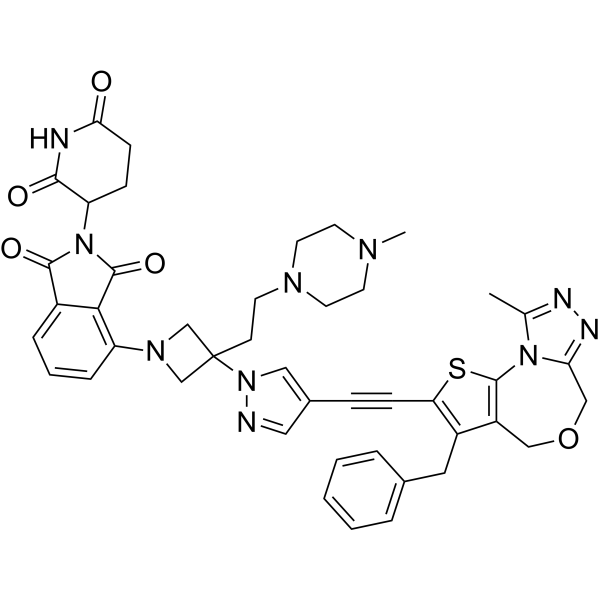
BD-9136 is a selective BRD4 PROTAC degrader with a DC50 of 1.2 nM, and exhibits a selectivity of ≥1000-fold over BRD2 and BRD3. BD-9136 preferentially forms a ternary complex with the BD1 domain of BRD4, and downregulates the expression of B7-H4 by disrupting the PR-P300-BRD4 axis. BD-9136 depletes BRD4 protein in tumor tissues, inhibits tumor growth, reduces B7-H4 protein expression, increases CD8+ T cell infiltration, and enhances tumor sensitivity to anti-PD-L1. Degradation of BRD4 by BD-9136 rescues the erythroid differentiation block induced by LSD1 inhibition, and transient administration restores erythroid output while retaining HbF induction. BD-9136 causes no adverse effects in mice at effective doses. BD-9136 can be used in studies related to acute myeloid leukemia, acute lymphoblastic leukemia and breast cancer.

-
TD-428
 0 Images
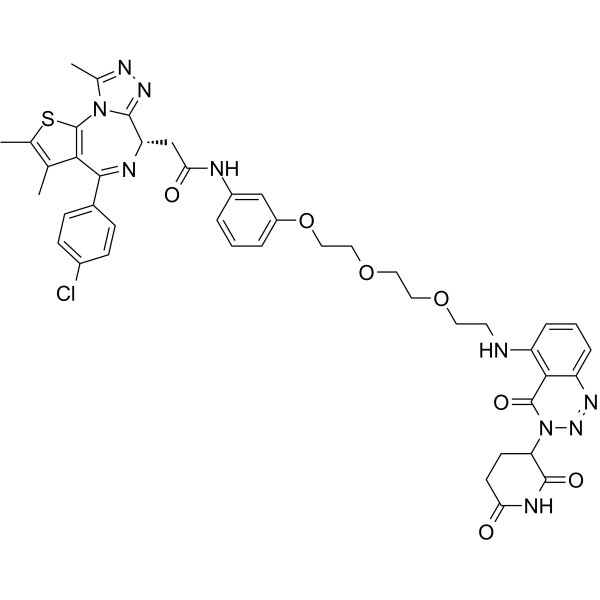
TD-428 is a BRD4/BET PROTAC degrader. TD-428 induces the degradation of BRD4 and BET proteins via the ubiquitin-proteasome pathway by recruiting cereblon, thereby inhibiting C-MYC transcription and cancer cell proliferation. TD-428 can be used in the research of metastatic castration-resistant prostate cancer and prostate cancer.
-
SJ995973
 0 Images
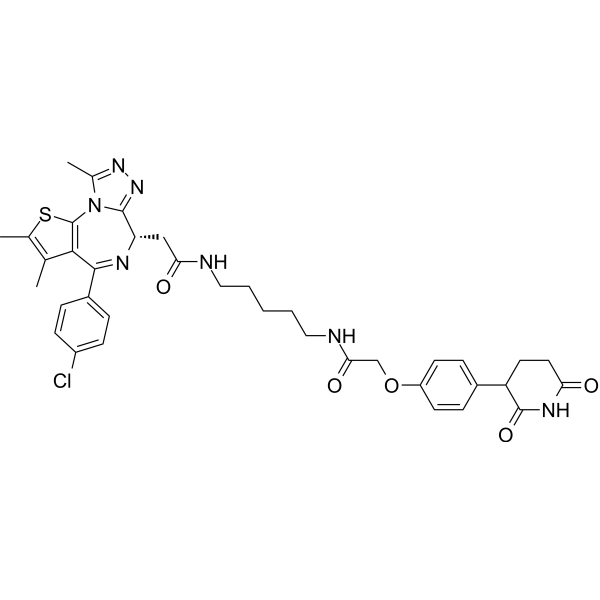
SJ995973 is a BRD4 PROTAC degrader with DC50 values of 0.87 nM (12 h) and 0.16 nM (24 h), respectively. SJ995973 induces the formation of a ternary complex between purified BRD4 and CRBN-DDB1 proteins, with an IC50 of 17 nM against CRBN. SJ995973 inhibits the viability of human acute myeloid leukemia cells. SJ995973 can be used in studies related to acute myeloid leukemia and medulloblastoma.
-
β-NF-JQ1
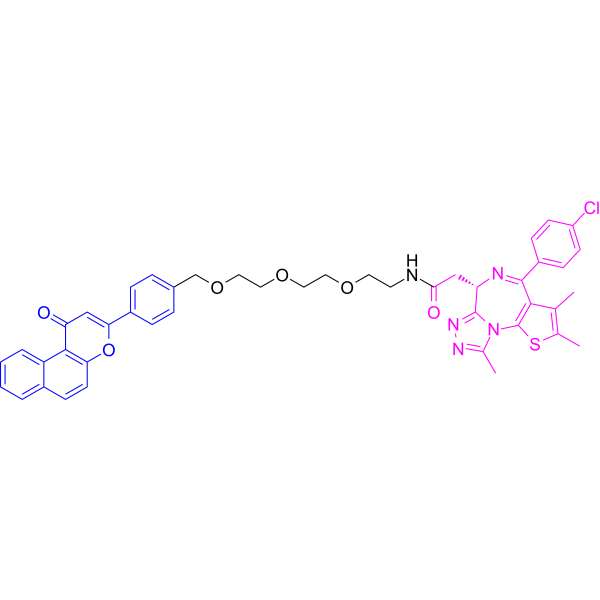 0 Images
β-NF-JQ1 is a BRD2/3/4 PROTAC degrader. β-NF-JQ1 recruits the AhR E3 ligase complex to BRD2, BRD3 and BRD4, induces AhR-BRD interaction, and mediates AhR-dependent degradation through the proximity effect between the target protein and AhR. β-NF-JQ1 acts as an antiproliferative and cytotoxic agent that induces anticancer activity associated with BRD protein knockdown. β-NF-JQ1 can be used for research on breast cancer and neuroblastoma.



