



TRAF6 Antibody (YA5803)
(Synonyms: TRAF6; RNF85; TNF receptor-associated factor 6; E3 ubiquitin-protein ligase TRAF6; Interleukin-1 signal transducer; RING finger protein 85)Based on 1 publication(s) in Google Scholar
TRAF6 Antibody (YA5803) is a Rabbit-derived and non-conjugated IgG monoclonal antibody, targeting to TRAF6.
-
Host:
Rabbit
-
Isotype:
IgG
-
Application:
WB, IHC-P, ICC/IF, ELISA
-
Reactivity :
Human, Mouse, Rat
-
Formulation:
Supplied in PBS, 50% glycerol, 0.05% Proclin 300, 0.05%BSA
-
Conjugation:
Non-conjugated


To place orders, for customer services and technical support, please contact: MedChemExpress USA
Tel: 609-228-6898 E-mail: [email protected] [email protected]



Publications Citing Use of MedChemExpress (MCE) TRAF6 Antibody (YA5803)
More

Applications
| Application |
IHC-P

IHC-P: Immunohistochemistry-Paraffin
|
WB
WB: Western Blot
|
ICC/IF
ICC/IF: Immunocytochemistry/
Immunofluorescence |
ELISA
ELISA: Enzyme Linked Immunosorbent Assay
|
IP
IP: Immunoprecipitation
|
|---|---|---|---|---|---|
| Dilution Ratio | 1:50-1:250 | 1:2000-1:10000 | 1:200-1:1000 | 1:5000-1:20000 | 1:50-1:200 |


Product Details
TRAF6 Antibody (YA5803) is a Rabbit-derived and non-conjugated IgG monoclonal antibody, targeting to TRAF6.
-
Host Rabbit

-
Clonality Monoclonal

-
Species ReactivityHuman, Mouse, Rat
-
Observed Molecular WeightObserved band size: 60 kDa
Note: Due to possible protein modifications or aggregation, the molecular weight should be confirmed by actual measurement, and the predicted value is for reference only.

-
Calculated Molecular Weight Predicted band size: 60 kDa

Protein A
Non-conjugated
Unmodified
IgG


Product Properties
-
Appearance
Liquid
-
Formulation
Supplied in PBS, 50% glycerol, 0.05% Proclin 300, 0.05%BSA
-
Concentration
Batch-dependent, Please check the COA for the concentration of each lot. Check Lot Concentration
-
Storage & Stability
Stored at -20°C for 1 year. Avoid repeated freeze / thaw cycles.
-
Shipping
Shipping with blue ice.


Publications (1)
-
Journal Impact Factor
-
Most Recent


Verification Images
-
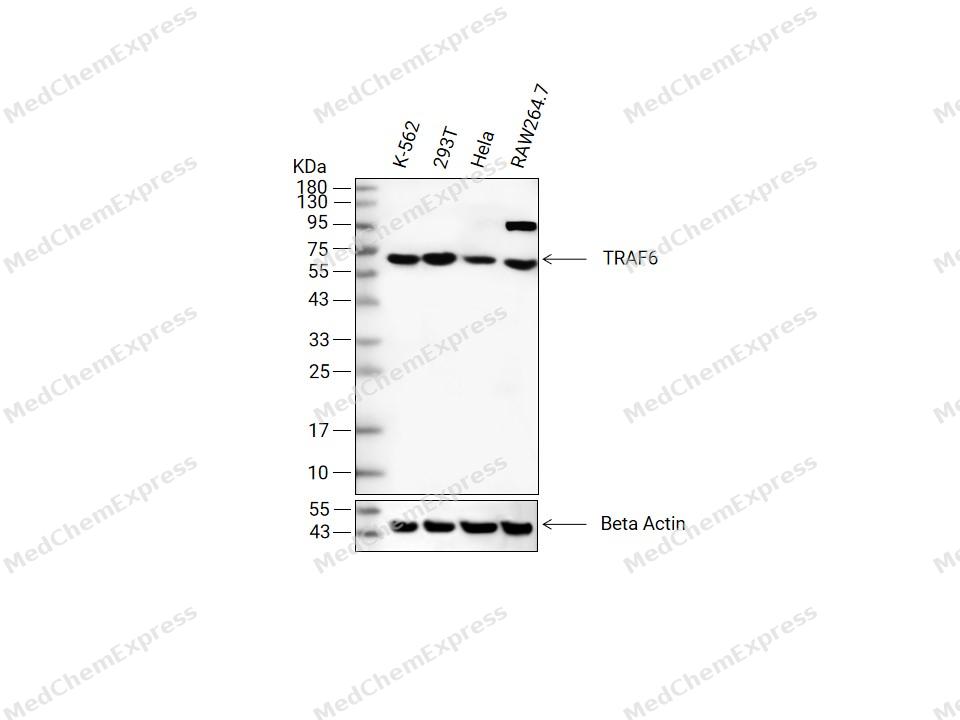 Western blot analysis of extracts from K-562(lane2(20μg), 293T(lane3(20μg), Hela(lane4(20μg) and RAW264.7(lane5(20μg) using TRAF6 Antibody (YA5803)(HY-P86111). Proteins were transferred to a PVDF membrane and blocked with 5% non-fat milk in TBST at 4°C overnight. The primary antibody (1/2000) and Loading control antibody (Beta Actin, HY-P80993, 1/10,000) was used in 5% non-fat milk in TBST for 2 hour at room temperature. Goat Anti-Rabbit IgG-HRP Secondary Antibody (HY-P8001, 1/10,000) was used for 1 hour at room temperature.
 -
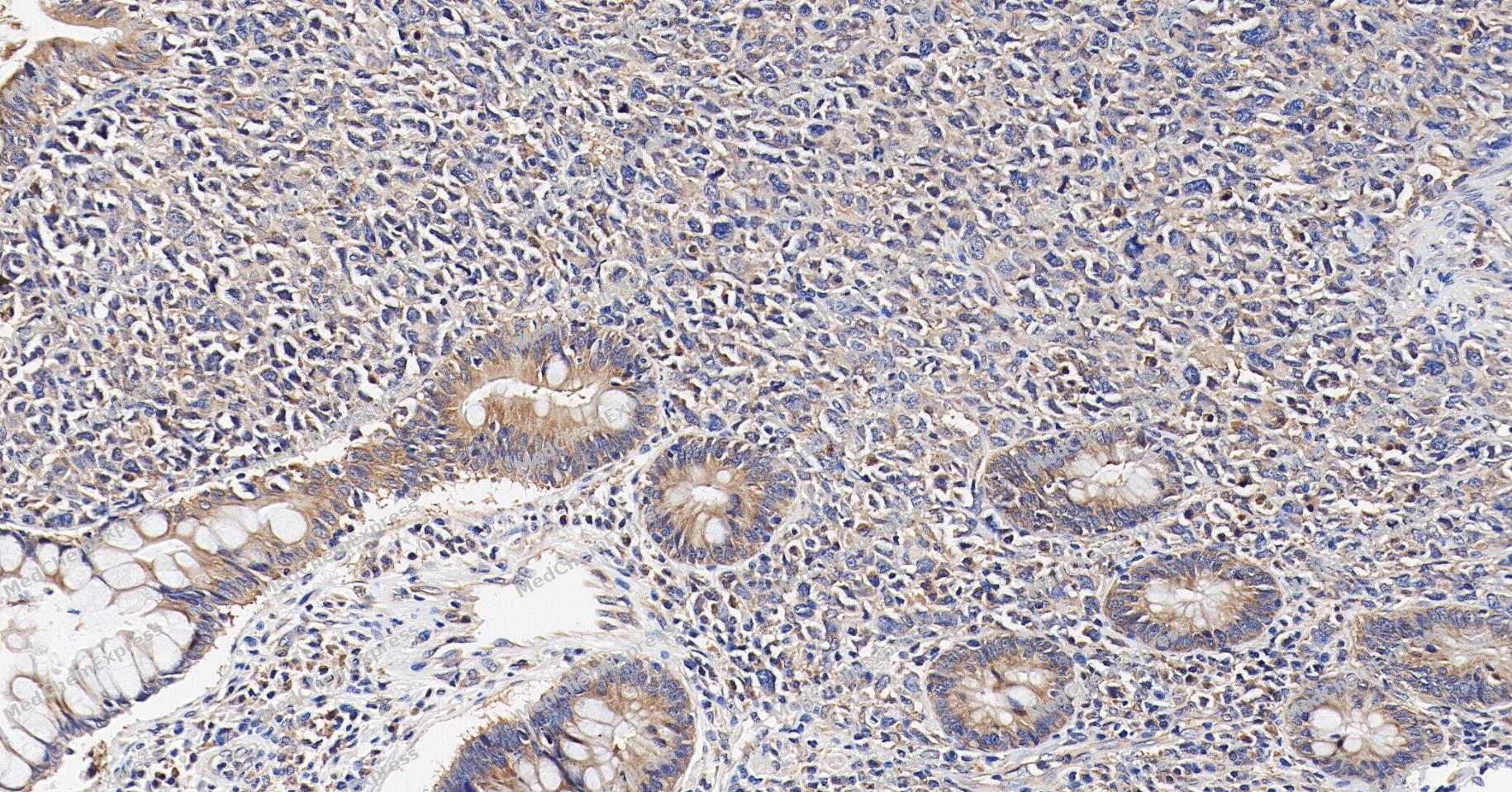 Immunohistochemical analysis of paraffin-embedded human colon cancer tissue using TRAF6 Antibody (YA5803). The section was pre-treated using heat mediated antigen retrieval with Tris/EDTA buffer (pH 9.0) for 20 minutes. The tissues were probed with the primary antibody (HY-P86111, 1/75) overnight at 4℃. The detection was performed using an HRP conjugated compact polymer system. DAB was used as the chromogen. Tissues were counterstained with hematoxylin and mounted with neutral balsam.
 -
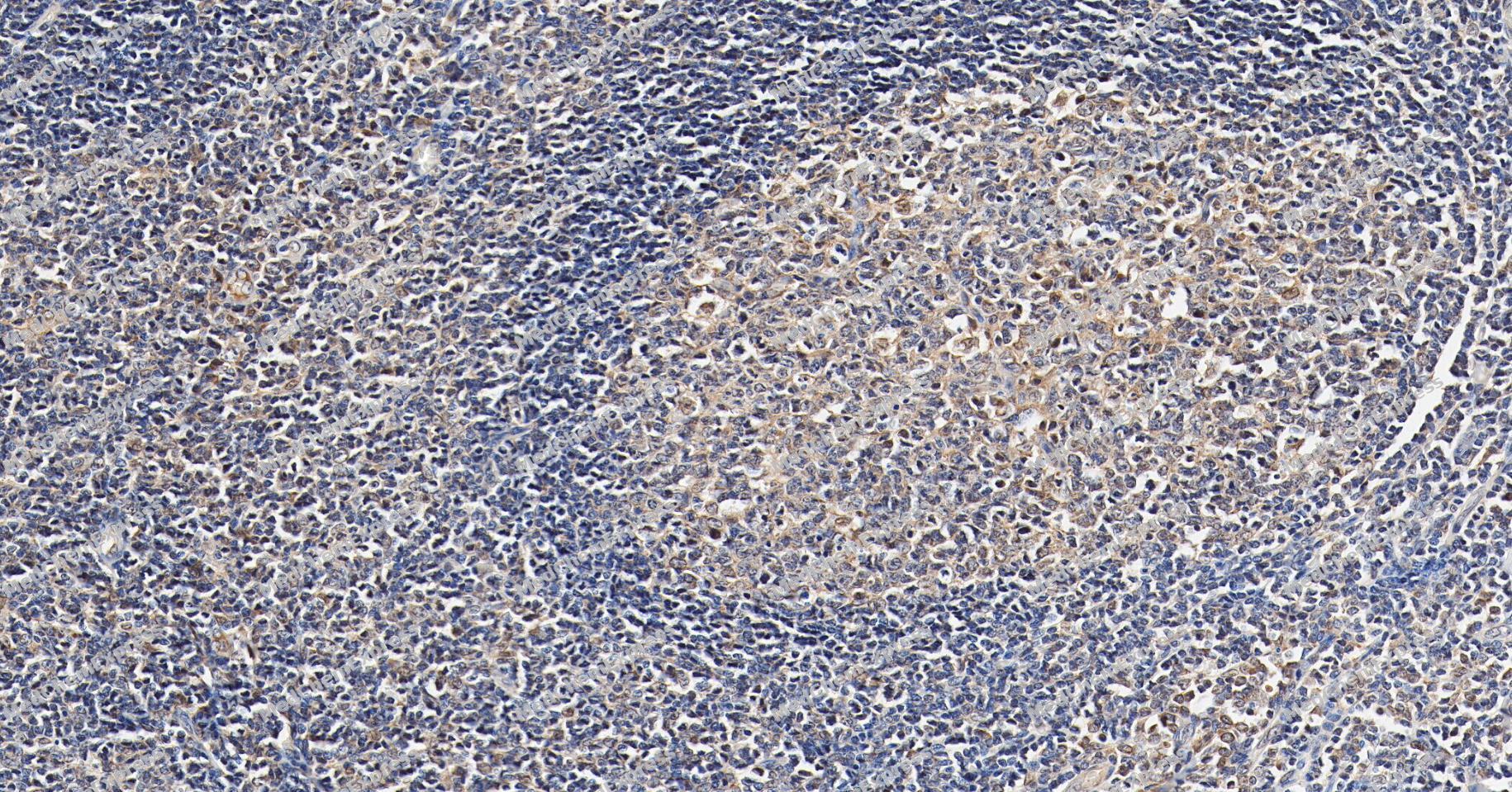 Immunohistochemical analysis of paraffin-embedded human tonsil tissue using TRAF6 Antibody (YA5803). The section was pre-treated using heat mediated antigen retrieval with Tris/EDTA buffer (pH 9.0) for 20 minutes. The tissues were probed with the primary antibody (HY-P86111, 1/75) overnight at 4℃. The detection was performed using an HRP conjugated compact polymer system. DAB was used as the chromogen. Tissues were counterstained with hematoxylin and mounted with neutral balsam.
 -
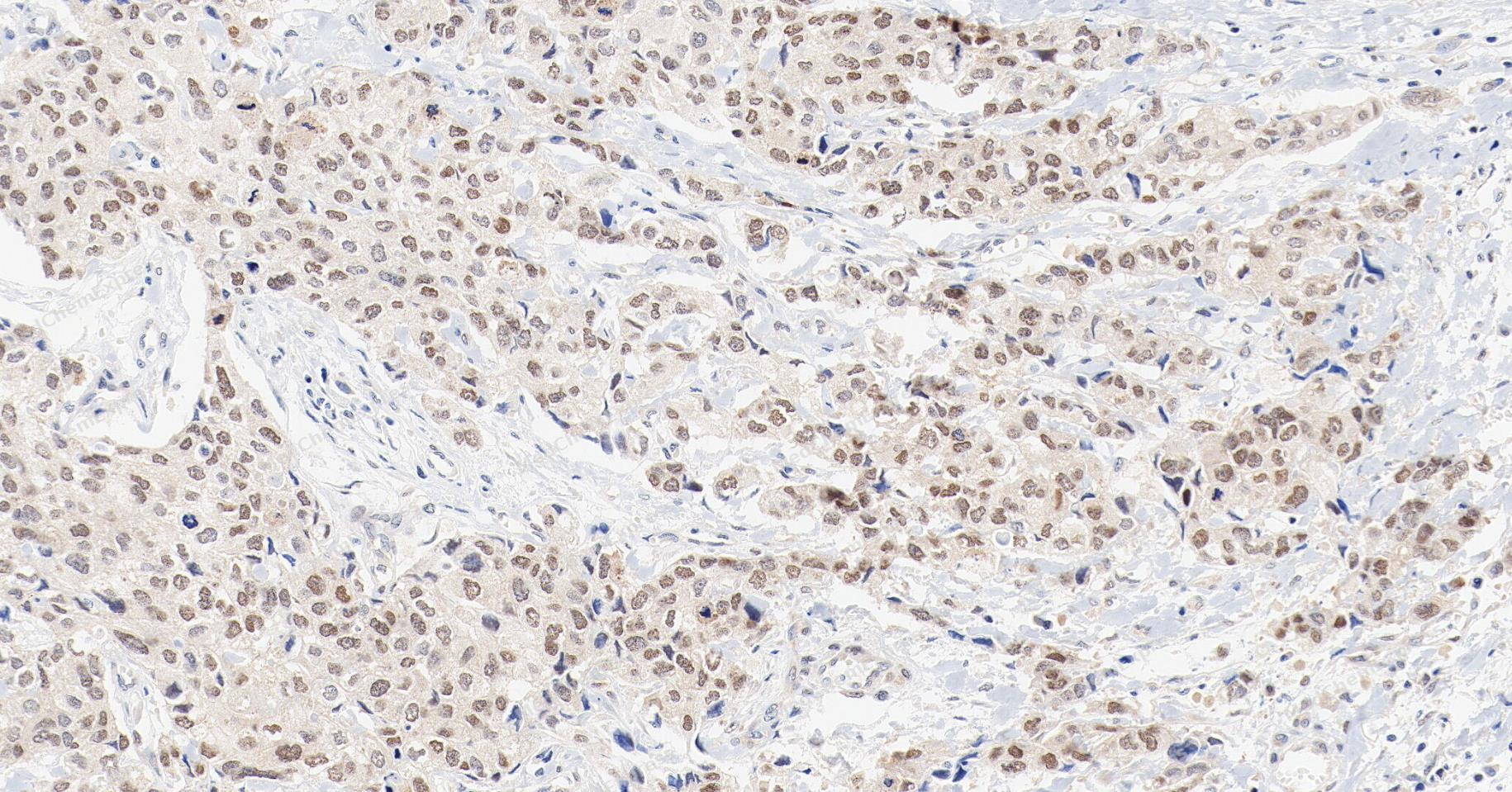 Immunohistochemical analysis of paraffin-embedded human breast cancer tissue using TRAF6 Antibody (YA5803). The section was pre-treated using heat mediated antigen retrieval with Tris/EDTA buffer (pH 9.0) for 20 minutes. The tissues were probed with the primary antibody (HY-P86111, 1/75) overnight at 4℃. The detection was performed using an HRP conjugated compact polymer system. DAB was used as the chromogen. Tissues were counterstained with hematoxylin and mounted with neutral balsam.
 -
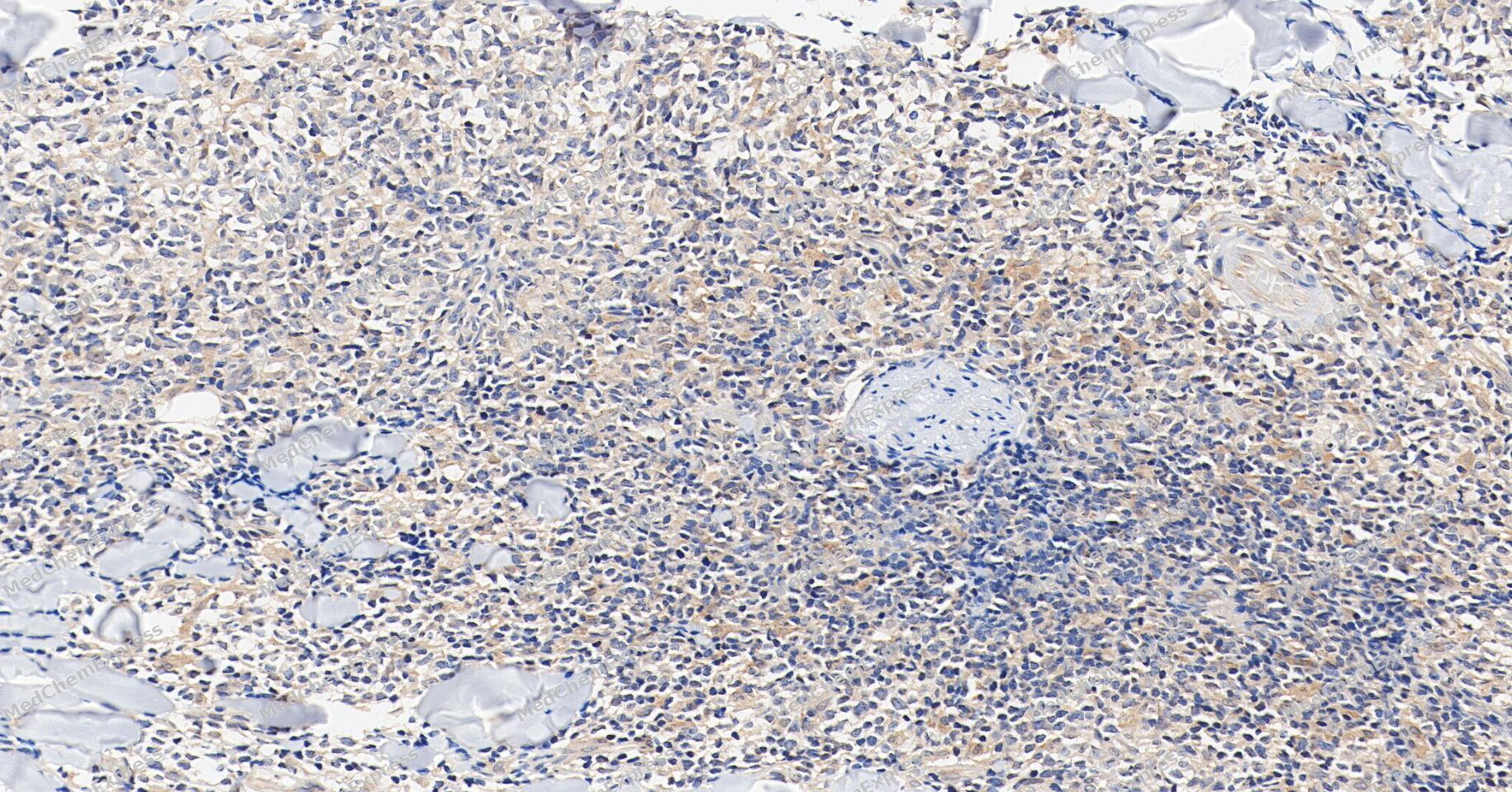 Immunohistochemical analysis of paraffin-embedded human lymphoma tissue using TRAF6 Antibody (YA5803). The section was pre-treated using heat mediated antigen retrieval with Tris/EDTA buffer (pH 9.0) for 20 minutes. The tissues were probed with the primary antibody (HY-P86111, 1/75) overnight at 4℃. The detection was performed using an HRP conjugated compact polymer system. DAB was used as the chromogen. Tissues were counterstained with hematoxylin and mounted with neutral balsam.
 -
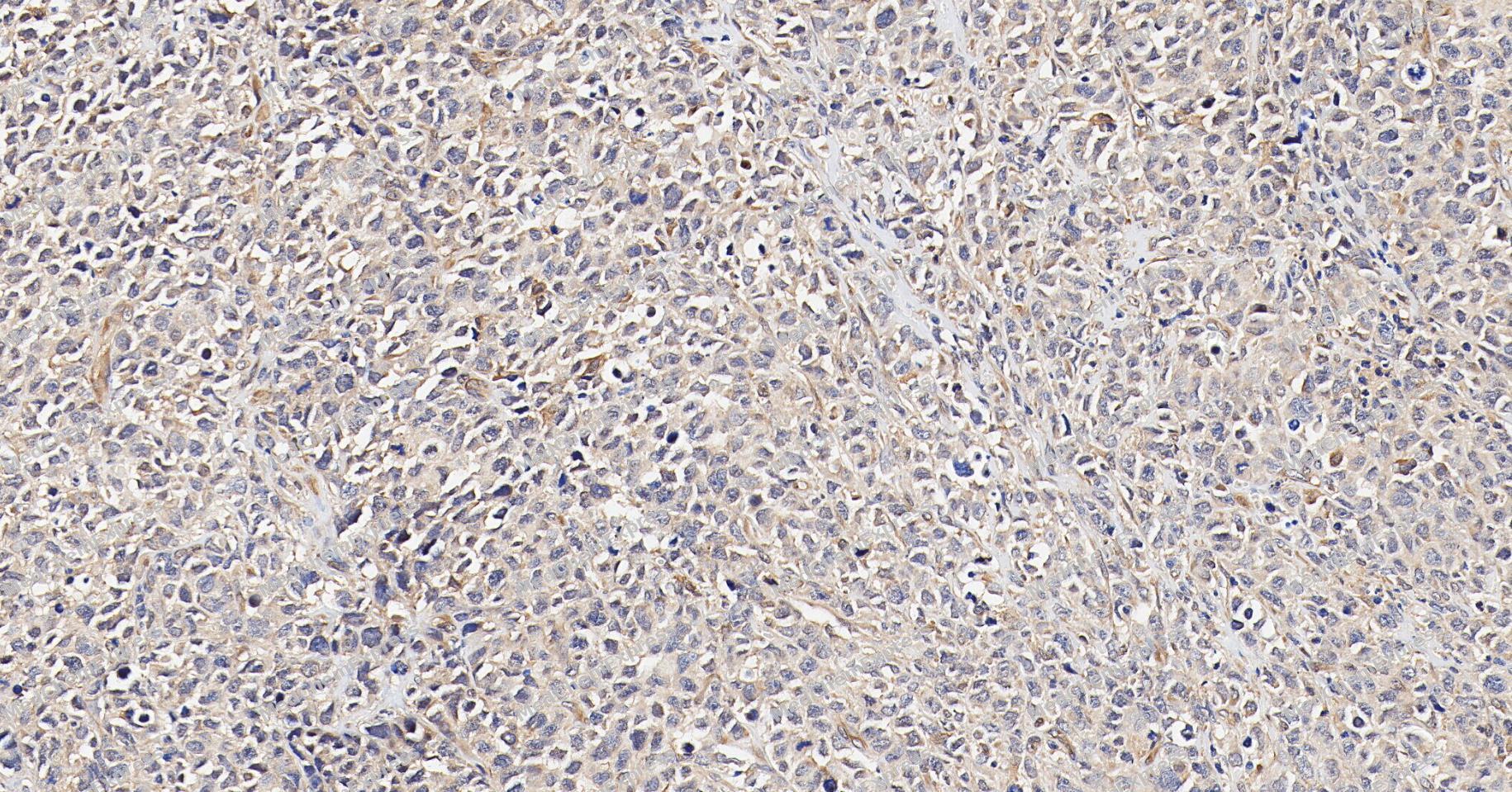 Immunohistochemical analysis of paraffin-embedded human colon adenocarcinoma tissue using TRAF6 Antibody (YA5803). The section was pre-treated using heat mediated antigen retrieval with Tris/EDTA buffer (pH 9.0) for 20 minutes. The tissues were probed with the primary antibody (HY-P86111, 1/75) overnight at 4℃. The detection was performed using an HRP conjugated compact polymer system. DAB was used as the chromogen. Tissues were counterstained with hematoxylin and mounted with neutral balsam.
 -
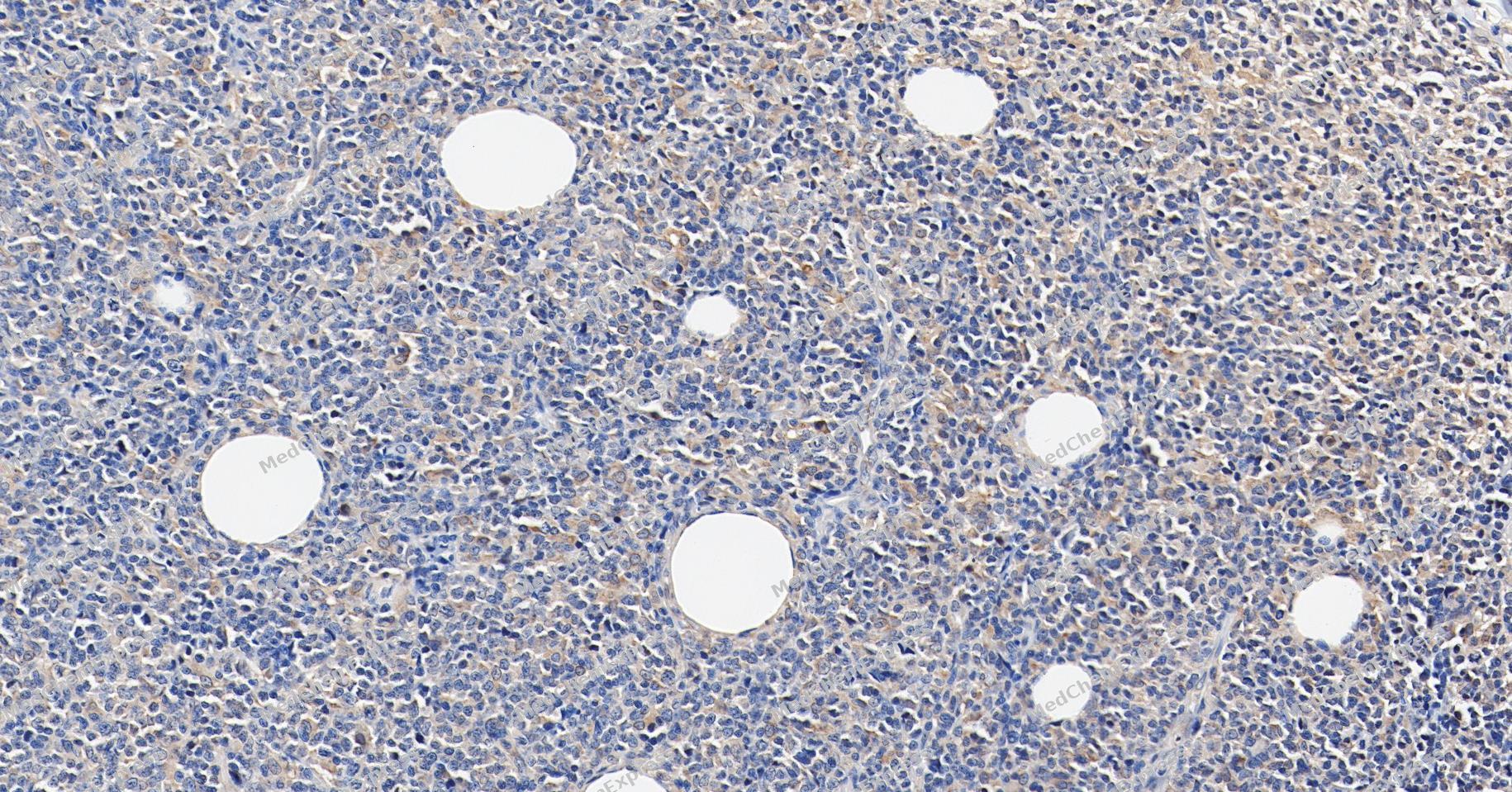 Immunohistochemical analysis of paraffin-embedded human peripheral T-cell lymphoma tissue using TRAF6 Antibody (YA5803). The section was pre-treated using heat mediated antigen retrieval with Tris/EDTA buffer (pH 9.0) for 20 minutes. The tissues were probed with the primary antibody (HY-P86111, 1/75) overnight at 4℃. The detection was performed using an HRP conjugated compact polymer system. DAB was used as the chromogen. Tissues were counterstained with hematoxylin and mounted with neutral balsam.
 -
 Immunohistochemical analysis of paraffin-embedded human adrenal gland tissue using TRAF6 Antibody (HY-P86111, 1/50). The section was pretreated using heat mediated antigen retrieval with Tris-EDTA buffer (pH 8.0) for 10 minutes. The tissues were blocked with quick block buffer for 0.5 hours at room temperature, washed with PBS and PBST, and then incubated with the primary antibody overnight at 4℃. The detection was performed using an HRP conjugated compact polymer system. DAB was used as the chromogen. Tissues were counterstained with hematoxylin and mounted with DPX.
 -
 Immunohistochemical analysis of paraffin-embedded human liver tissue using TRAF6 Antibody (HY-P86111, 1/50). The section was pretreated using heat mediated antigen retrieval with Tris-EDTA buffer (pH 8.0) for 10 minutes. The tissues were blocked with quick block buffer for 0.5 hours at room temperature, washed with PBS and PBST, and then incubated with the primary antibody overnight at 4℃. The detection was performed using an HRP conjugated compact polymer system. DAB was used as the chromogen. Tissues were counterstained with hematoxylin and mounted with DPX.
 -
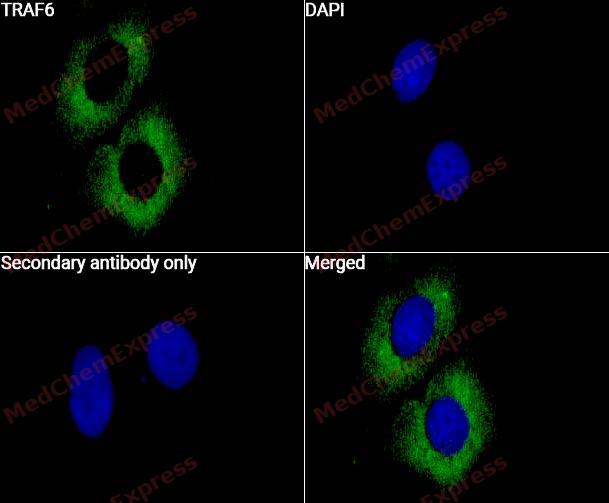 Immunocytochemistry analysis of Hela cells labeling TRAF6 with TRAF6 antibody (HY-P86111) at 1/400 dilution. Cells were fixed in 4% paraformaldehyde for 15 minutes at room temperature, permeabilized with 0.1% Triton X-100 in PBS for 15 minutes at room temperature, then blocked with quick block buffer for 10 minutes at room temperature. Cells were then incubated with TRAF6 antibody (HY-P86111) at 1/400 dilution in quick block buffer overnight at 4 ℃. AF488-conjugated Goat Anti-Rabbit IgG H&L(HY-P8002, Green) was used as the secondary antibody at 1/1,000 dilution. PBS instead of the primary antibody was used as the secondary antibody only control. The Nuclear counterstain was DAPI (Blue).
 -
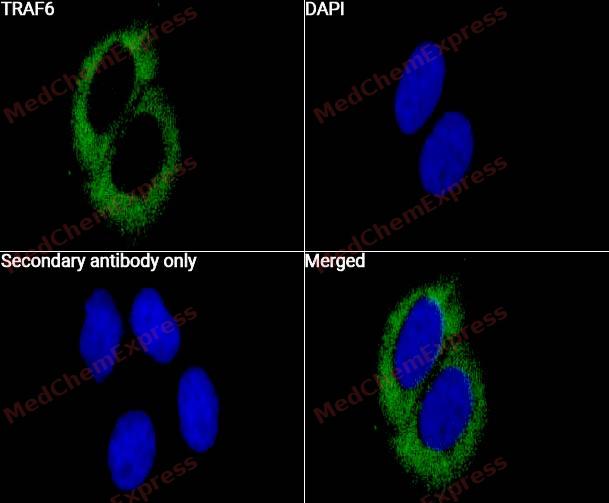 Immunocytochemistry analysis of HepG2 cells labeling TRAF6 with TRAF6 antibody (HY-P86111) at 1/400 dilution. Cells were fixed in 4% paraformaldehyde for 15 minutes at room temperature, permeabilized with 0.1% Triton X-100 in PBS for 15 minutes at room temperature, then blocked with quick block buffer for 10 minutes at room temperature. Cells were then incubated with TRAF6 antibody (HY-P86111) at 1/400 dilution in quick block buffer overnight at 4 ℃. AF488-conjugated Goat Anti-Rabbit IgG H&L(HY-P8002, Green) was used as the secondary antibody at 1/1,000 dilution. PBS instead of the primary antibody was used as the secondary antibody only control. The Nuclear counterstain was DAPI (Blue).


Background
-
Function
TRAF6 is an E3 ubiquitin ligase that, together with UBE2N and UBE2V1, mediates the synthesis of 'Lys-63'-linked-polyubiquitin chains conjugated to proteins, such as ECSIT, IKBKG, IRAK1, AKT1 and AKT2. Also mediates ubiquitination of free/unanchored polyubiquitin chain that leads to MAP3K7 activation. Leads to the activation of NF-kappa-B and JUN. Seems to also play a role in dendritic cells (DCs) maturation and/or activation. Represses c-Myb-mediated transactivation, in B-lymphocytes. Adapter protein that seems to play a role in signal transduction initiated via TNF receptor, IL-1 receptor and IL-17 receptor. Regulates osteoclast differentiation by mediating the activation of adapter protein complex 1 (AP-1) and NF-kappa-B, in response to RANK-L stimulation. Together with MAP3K8, mediates CD40 signals that activate ERK in B-cells and macrophages, and thus may play a role in the regulation of immunoglobulin production. Acts as a regulator of the JNK and NF-kappa-B signaling pathways by initiating assembly of heterotypic 'Lys-63'-/'Lys-48'-linked branched ubiquitin chains that are then recognized by TAB2: TRAF6 catalyzes initial 'Lys-63'-linked-polyubiquitin chains that are then branched via 'Lys-48'-linked polyubiquitin by HUWE1. 'Lys-63'-/'Lys-48'-linked branched ubiquitin chains protect 'Lys-63'-linkages from CYLD deubiquitination. Participates also in the TCR signaling by ubiquitinating LAT[1][2][3][4][5][6][7][8][9][10][11][12][13][14][15][16][17].
-
Subcellular Localization
Cytoplasm; Cytoplasm, cell cortex; Nucleus; Lipid droplet
-
Expression
Tissue_specificity:It is expressed in the heart, brain, placenta, lungs, liver, skeletal muscle, kidneys, and pancreas. -
Subunit
Homotrimer. Homooligomer. N-terminal region is dimeric while C-terminal region is trimeric; maybe providing a mode of oligomerization. Upon IL1B treatment, forms a complex with PELI1, IRAK1, IRAK4 and MYD88; this complex recruits MAP3K7/TAK1, TAB1 and TAB2 to mediate NF-kappa-B activation. Direct binding of SMAD6 to PELI1 prevents the complex formation and hence negatively regulates IL1R-TLR signaling and eventually NF-kappa-B-mediated gene expression. Binds to TNFRSF5/CD40 and TNFRSF11A/RANK. Associates with NGFR, TNFRSF17, IRAK2, IRAK3, RIPK2, MAP3K1, MAP3K5, MAP3K14, CSK, TRAF, TRAF-interacting protein TRIP and TNF receptor associated protein TDP2. Interacts with IL17R. Interacts with SQSTM1 bridging NTRK1 and NGFR. Forms a ternary complex with SQSTM1 and PRKCZ (By similarity). Interacts with PELI2 and PELI3. Binds UBE2V1. Interacts with TAX1BP1; this interaction mediates deubiquitination of TRAF6 and inhibition of NF-kappa-B activation (PubMed:10920205, PubMed:17703191). Interacts with ZNF675. Interacts with ARRB1 and ARRB2. Interacts with MAP3K7 and TAB1/MAP3K7IP1; during IL-1 signaling. Interacts with UBE2N. Interacts with TGFBR1, HDAC1 and RANGAP1. Interacts with AKT1, AKT2 and AKT3. Interacts (via TRAF domains) with NUMBL (via C-terminal). Interacts with RBCK1. Interacts with LIMD1 (via LIM domains) (By similarity). Interacts with RSAD2/viperin (By similarity). Interacts (via C-terminus) with EIF2AK2/PKR (via the kinase catalytic domain) (By similarity). Interacts with ZFAND5. Interacts with IL1RL1. Interacts with TRAFD1. Interacts with AJUBA. Interacts with MAVS/IPS1. Interacts (via TRAF domains) with DYNC2I2 (via WD domains). Interacts with IFIT3 (via N-terminus). Interacts with TICAM2. Interacts with CARD14. Interacts with CD40 and MAP3K8; the interaction is required for ERK activation (By similarity). Interacts with TICAM1 and this interaction is enhanced in the presence of WDFY1 (PubMed:25736436). Interacts with TANK; this interaction increases in response to DNA damage (PubMed:25861989). Interacts with USP10; this interaction increases in response to DNA damage (PubMed:25861989). Interacts with ZC3H12A; this interaction increases in response to DNA damage and is stimulated by TANK (PubMed:25861989). Interacts with WDFY3 (By similarity). Interacts with TRIM13 (PubMed:28087809). Interacts with GPS2 (By similarity). Interacts (via C-terminus) with SASH1 (PubMed:23776175). Interacts with LRRC19 (PubMed:25026888). Interacts with IL17RA and TRAF3IP2. Interacts with TOMM70 (PubMed:20628368). Interacts with AMBRA1; interaction is required to mediate 'Lys-63'-linked ubiquitination of ULK1 (PubMed:23524951). Interacts with CRBN; this interaction inhibits TLR4-mediated signaling by preventing TRAF6-mediated ubiquitination of ECSIT (PubMed:31620128)
-
SwissProt ID
-
Synonyms
TRAF6; RNF85; TNF receptor-associated factor 6; E3 ubiquitin-protein ligase TRAF6; Interleukin-1 signal transducer; RING finger protein 85
Documentation
-
Data Sheet (235 KB)
-
SDS (252 KB)
- English - EN (252 KB)
- Français - FR (252 KB)
- Deutsch - DE (252 KB)
- Norwegian - NO (252 KB)
- Español - ES (252 KB)
- Swedish - SV (252 KB)
- Italian - IT (252 KB)
- Korean - KR (252 KB)
- Portuguese - PT (252 KB)
-
User Guide for Antibodies (1077 KB)

 Powered by Bioz
