



IL-33 Antibody (YA9974)
(Synonyms: C9orf26; IL1F11; NFHEV; Interleukin-33; IL-33; Interleukin-1 family member 11; IL-1F11; Nuclear factor from high endothelial venules; NF-HEV)IL-33 Antibody (YA9974) is a Rabbit-derived and non-conjugated IgG Monoclonal antibody, targeting to IL-33 Antibody.
-
Host:
Rabbit
-
Isotype:
IgG
-
Application:
WB, IHC-P, ICC/IF
-
Reactivity :
Mouse, Rat
-
Formulation:
Supplied in PBS, 50% glycerol, 0.05% BSA, and 0.05% Proclin300.
-
Conjugation:
Non-conjugated


To place orders, for customer services and technical support, please contact: MedChemExpress USA
Tel: 609-228-6898 E-mail: [email protected] [email protected]





Applications
| Application |
WB

WB: Western Blot
|
IHC-P
IHC-P: Immunohistochemistry-Paraffin
|
ICC/IF
ICC/IF: Immunocytochemistry/
Immunofluorescence |
|---|---|---|---|
| Dilution Ratio | 1:1000-2000 | 1:100-200 | 1:100-200 |


Product Details
IL-33 Antibody (YA9974) is a Rabbit-derived and non-conjugated IgG Monoclonal antibody, targeting to IL-33 Antibody.
-
Host Rabbit

-
Clonality Monoclonal,Recombinant

-
Species ReactivityMouse, Rat
-
Observed Molecular WeightObserved band size: 33 kDa
Note: Due to possible protein modifications or aggregation, the molecular weight should be confirmed by actual measurement, and the predicted value is for reference only.

-
Calculated Molecular Weight Predicted band size: 30 kDa

Synthetic peptide corresponding to mouse IL-33.
Endogenous
affinity purified
Non-conjugated
Unmodified
IgG


Product Properties
-
Appearance
Solution
-
Formulation
Supplied in PBS, 50% glycerol, 0.05% BSA, and 0.05% Proclin300.
-
Storage & Stability
Stored at -20°C for 1 year. Avoid repeated freeze / thaw cycles.
-
Shipping
Shipping with blue ice.


Verification Images
-
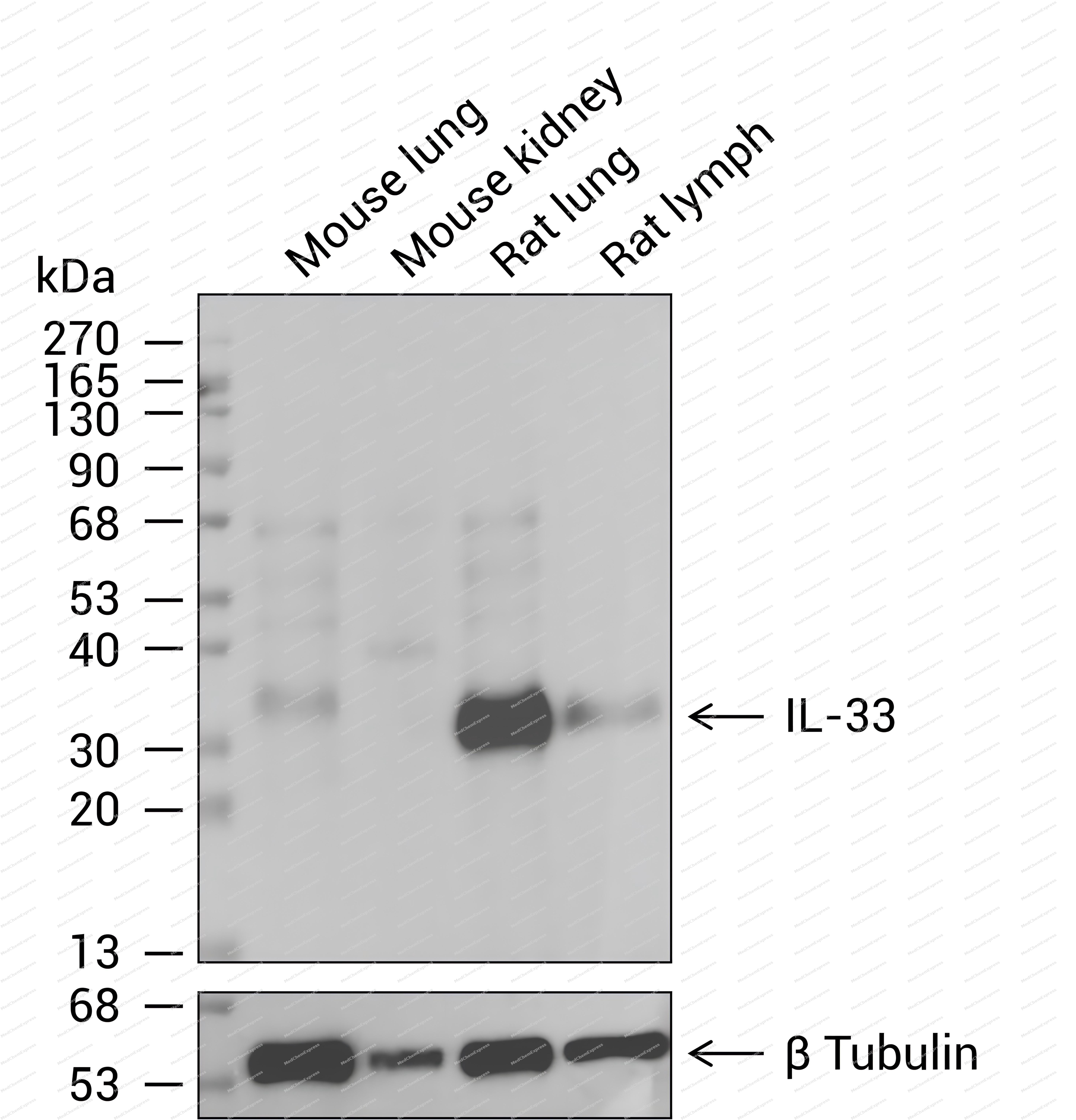 Western blot analysis of extracts from Mouse lung (lane 1(20μg)) 、Mouse kidney (lane 2(20μg)) 、Rat lung (lane 3(20μg)) and Rat lymph (lane 4(20μg)) using IL-33 Antibody. Proteins were transferred to a PVDF membrane and blocked with 5% nonfat dry milk in TBST for 1.5 hour at room temperature. The primary antibody (HY-P810730, 1/1000) and Loading control antibody (β Tubulin, 1/10000) was used in 5% nonfat dry milk in TBST at 4℃ overnight. Goat Anti-Rabbit IgG-HRP Secondary Antibody (1/10,000) was used for 1 hour at room temperature.
 -
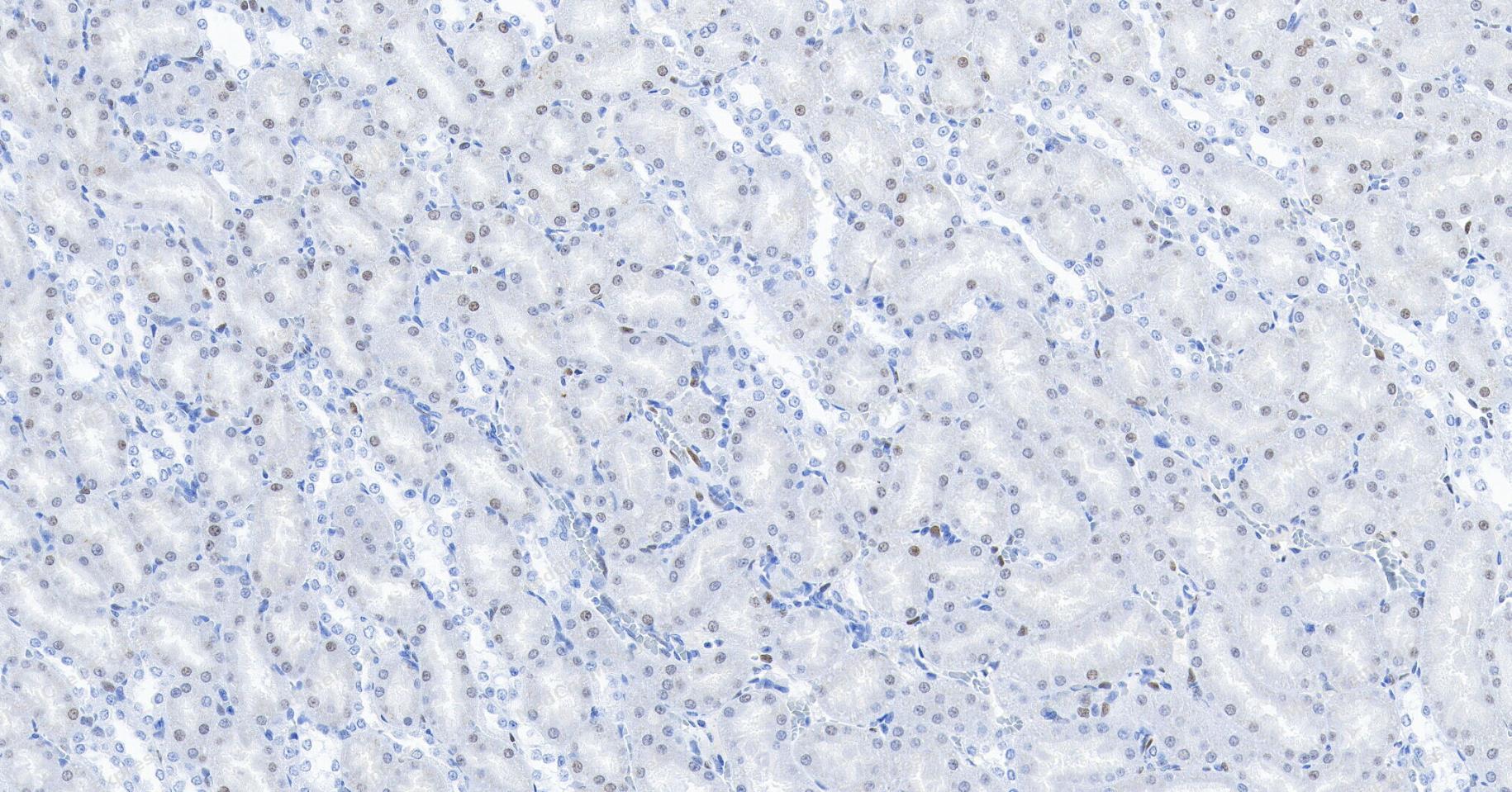 Immunohistochemical analysis of paraffin-embedded rat kidney tissue using IL-33 Antibody. The section was pre-treated using heat mediated antigen retrieval with Tris/EDTA buffer (pH 9.0) for 20 minutes. The tissues were probed with the primary antibody (HY-P810730, 1/200) overnight at 4℃. The detection was performed using an HRP conjugated compact polymer system (HY-P83652). DAB was used as the chromogen. Tissues were counterstained with hematoxylin and mounted with neutral balsam.
 -
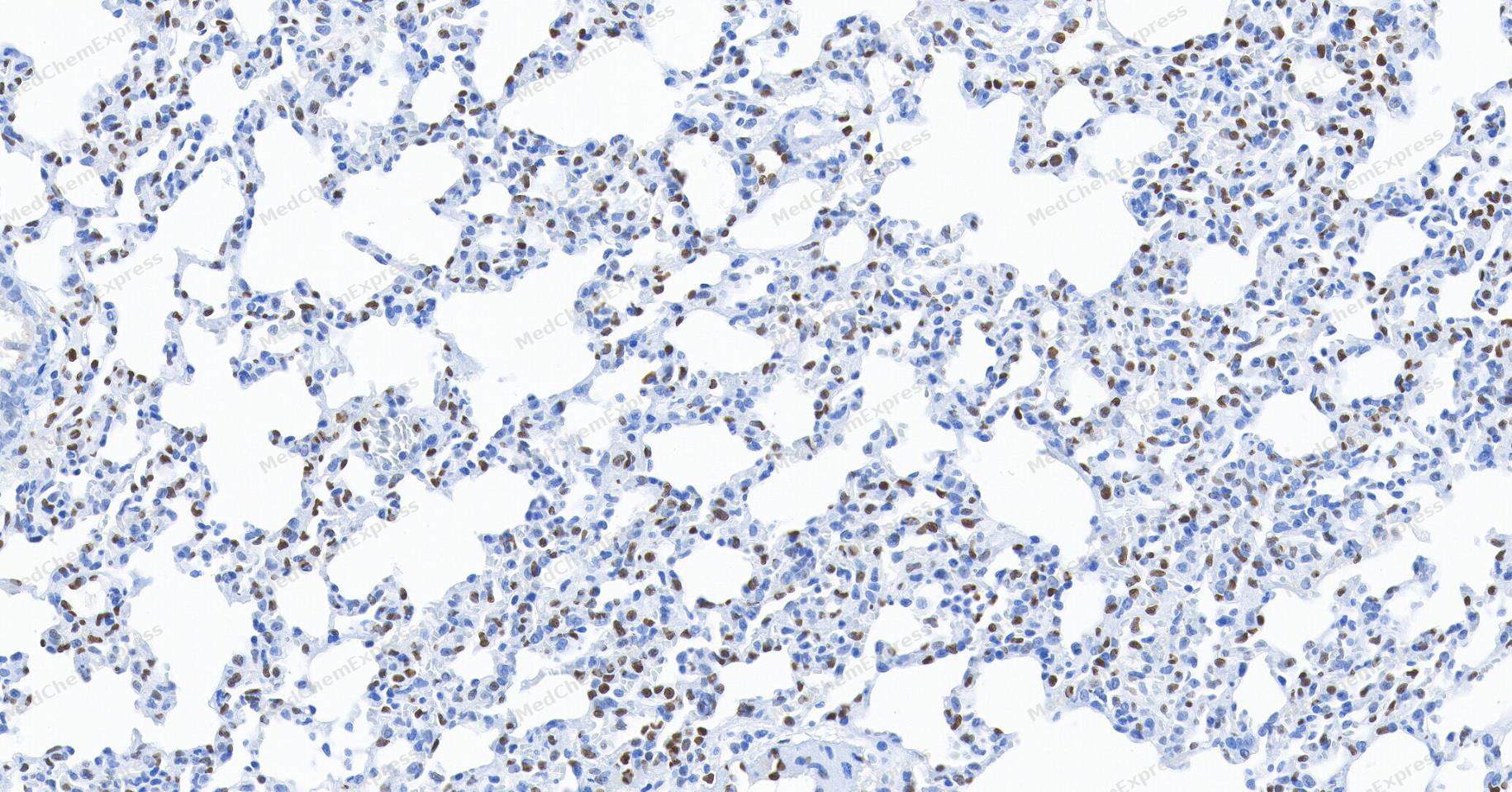 Immunohistochemical analysis of paraffin-embedded rat lung tissue using IL-33 Antibody. The section was pre-treated using heat mediated antigen retrieval with Tris/EDTA buffer (pH 9.0) for 20 minutes. The tissues were probed with the primary antibody (HY-P810730, 1/100) overnight at 4℃. The detection was performed using an HRP conjugated compact polymer system (HY-P83652). DAB was used as the chromogen. Tissues were counterstained with hematoxylin and mounted with neutral balsam.
 -
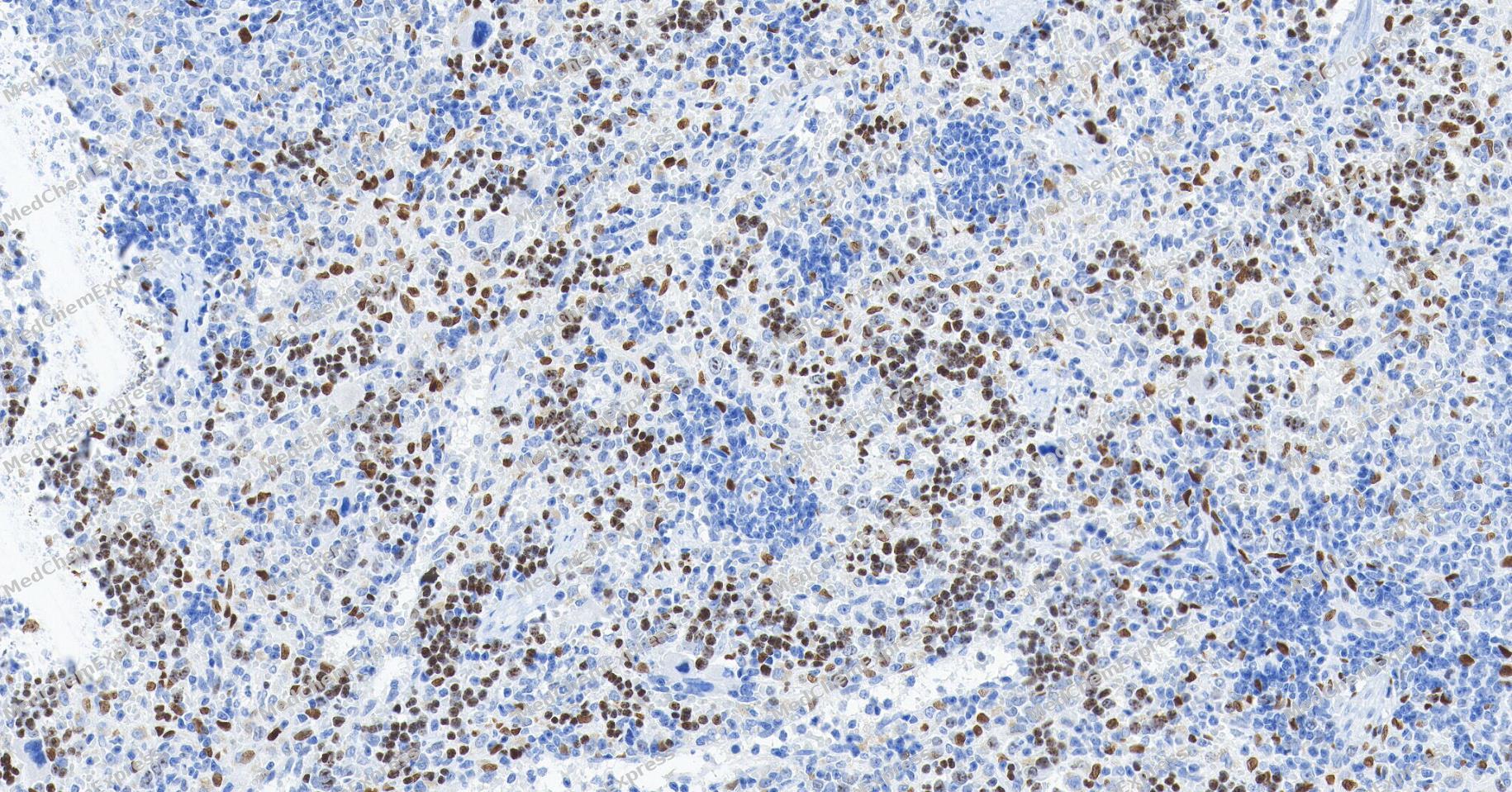 Immunohistochemical analysis of paraffin-embedded rat spleen tissue using IL-33 Antibody. The section was pre-treated using heat mediated antigen retrieval with Tris/EDTA buffer (pH 9.0) for 20 minutes. The tissues were probed with the primary antibody (HY-P810730, 1/150) overnight at 4℃. The detection was performed using an HRP conjugated compact polymer system (HY-P83652). DAB was used as the chromogen. Tissues were counterstained with hematoxylin and mounted with neutral balsam.
 -
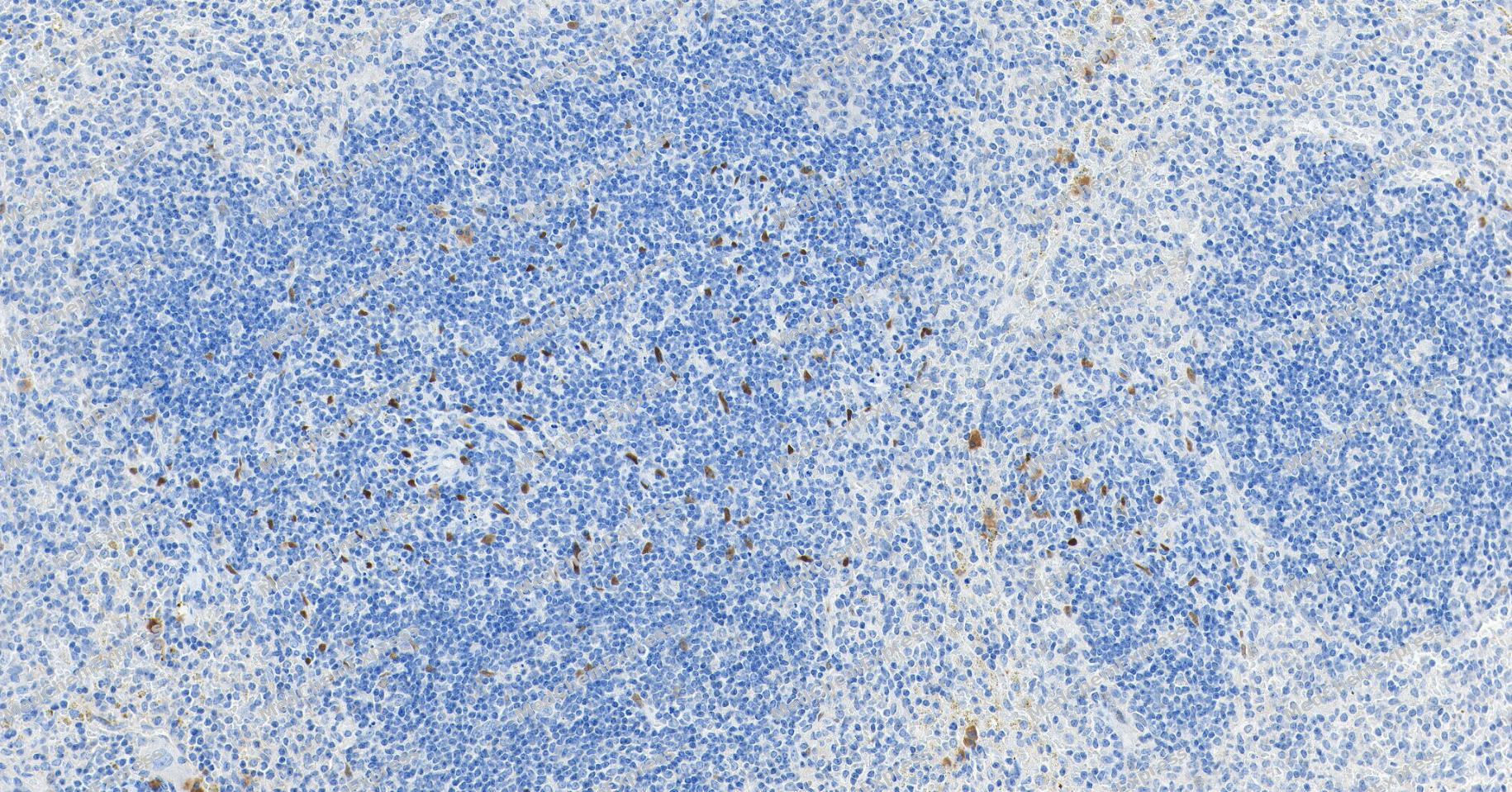 Immunohistochemical analysis of paraffin-embedded mouse spleen tissue using IL-33 Antibody. The section was pre-treated using heat mediated antigen retrieval with Tris/EDTA buffer (pH 9.0) for 20 minutes. The tissues were probed with the primary antibody (HY-P810730, 1/150) overnight at 4℃. The detection was performed using an HRP conjugated compact polymer system (HY-P83652). DAB was used as the chromogen. Tissues were counterstained with hematoxylin and mounted with neutral balsam.
 -
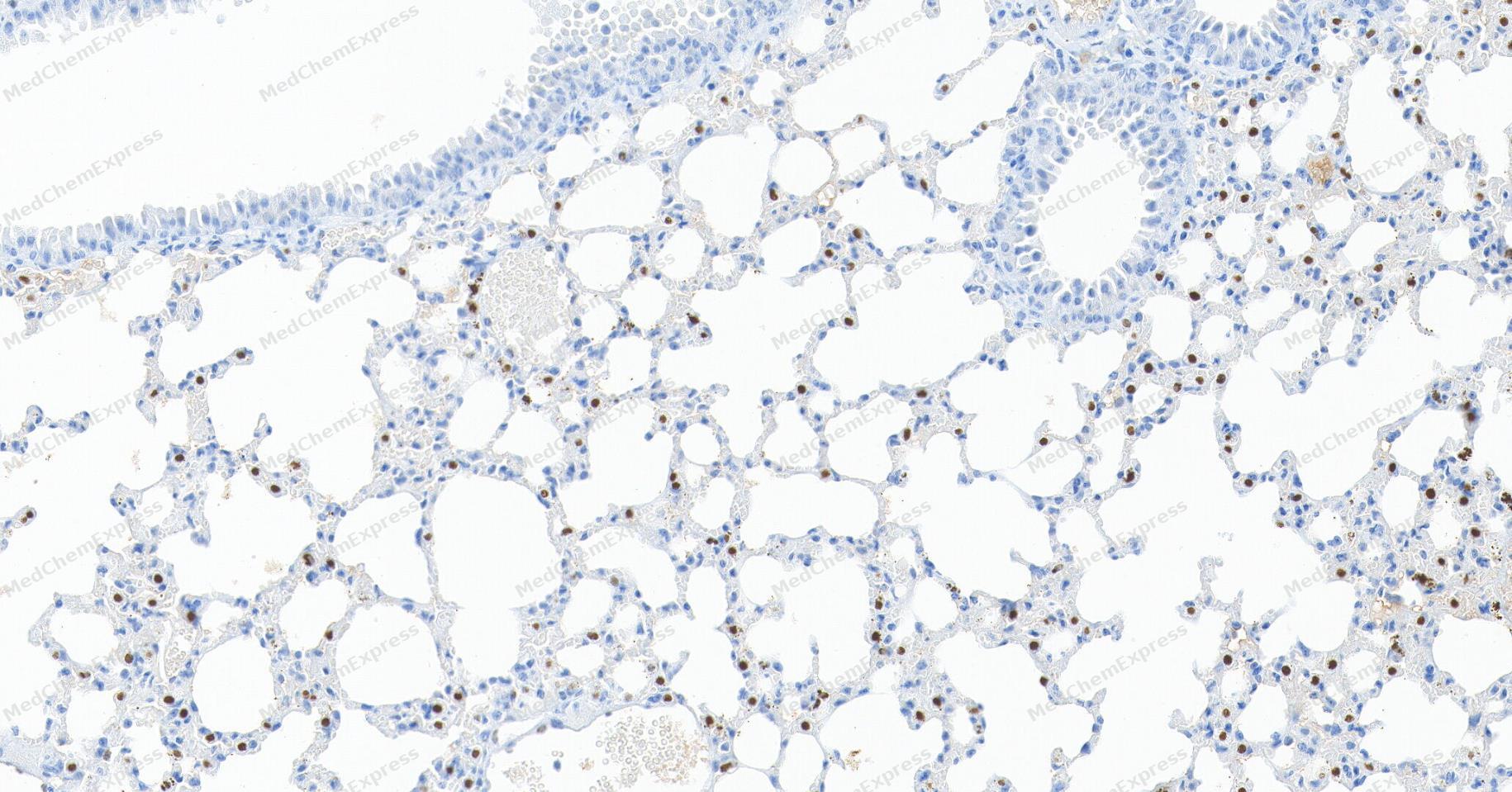 Immunohistochemical analysis of paraffin-embedded rat lung tissue using IL-33 Antibody. The section was pre-treated using heat mediated antigen retrieval with Tris/EDTA buffer (pH 9.0) for 20 minutes. The tissues were probed with the primary antibody (HY-P810730, 1/150) overnight at 4℃. The detection was performed using an HRP conjugated compact polymer system (HY-P83652). DAB was used as the chromogen. Tissues were counterstained with hematoxylin and mounted with neutral balsam.
 -
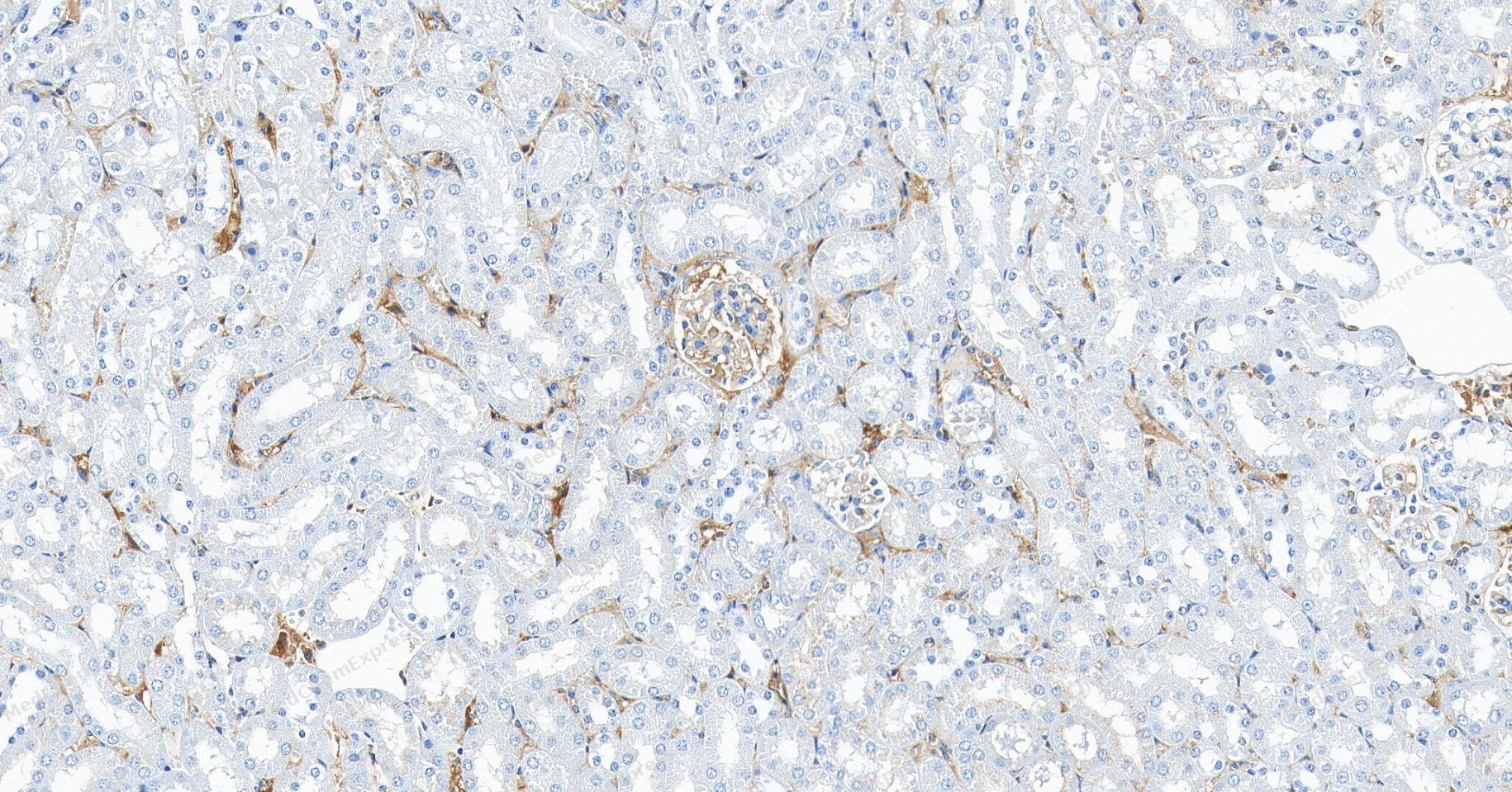 Immunohistochemical analysis of paraffin-embedded rat kidney tissue using IL-33 Antibody. The section was pre-treated using heat mediated antigen retrieval with Tris/EDTA buffer (pH 9.0) for 20 minutes. The tissues were probed with the primary antibody (HY-P810730, 1/150) overnight at 4℃. The detection was performed using an HRP conjugated compact polymer system (HY-P83652). DAB was used as the chromogen. Tissues were counterstained with hematoxylin and mounted with neutral balsam.


Background
-
Function
IL-33 is a Cytokine that binds to and signals through the IL1RL1/ST2 receptor which in turn activates NF-kappa-B and MAPK signaling pathways in target cells. Involved in the maturation of Th2 cells inducing the secretion of T-helper type 2-associated cytokines (By similarity). Also involved in activation of mast cells, basophils, eosinophils and natural killer cells (By similarity). Acts as an enhancer of polarization of alternatively activated macrophages (By similarity). Acts as a chemoattractant for Th2 cells, and may function as an 'alarmin', that amplifies immune responses during tissue injury (By similarity). Induces rapid UCP2-dependent mitochondrial rewiring that attenuates the generation of reactive oxygen species and preserves the integrity of Krebs cycle required for persistent production of itaconate and subsequent GATA3-dependent differentiation of inflammation-resolving alternatively activated macrophages[1][2].
-
Subcellular Localization
Nucleus; Chromosome; Cytoplasm; Cytoplasmic vesicle, secretory vesicle; Secreted
-
Expression
Induction: By cold stress, and by infection with the fungus A.alternata and the parasite H.polygyrus. -
Isoforms & Post-Translational Modification
IL-33 has an amino acid length of 266, molecular weight is 29991 Da.
The full-length protein can be released from cells and is able to signal via the IL1RL1/ST2 receptor. However, proteolytic processing by CELA1, CSTG/cathepsin G and ELANE/neutrophil elastase produces C-terminal peptides that are more active than the unprocessed full-length protein. May also be proteolytically processed by calpains. Proteolytic cleavage mediated by apoptotic caspases including CASP3 and CASP7 results in IL33 inactivation. In vitro proteolytic cleavage by CASP1 was reported but could not be confirmed in vivo suggesting that IL33 is probably not a direct substrate for that caspase. -
Subunit
(Microbial infection) Interacts (in reduced form) with H.polygyrus ARI; the interaction abolishes the interaction with its primary receptor IL1RL1
-
SwissProt ID
-
Synonyms
C9orf26; IL1F11; NFHEV; Interleukin-33; IL-33; Interleukin-1 family member 11; IL-1F11; Nuclear factor from high endothelial venules; NF-HEV


Documentation
References
[1]. Osbourn M, et al. HpARI Protein Secreted by a Helminth Parasite Suppresses Interleukin-33. Immunity. 2017 Oct 17;47(4):739-751.e5. [Content Brief]
[2]. Faas M, et al. IL-33-induced metabolic reprogramming controls the differentiation of alternatively activated macrophages and the resolution of inflammation. Immunity. 2021 Nov 9;54(11):2531-2546.e5. [Content Brief]

 Powered by Bioz
