



PU.1/SPI1 Antibody (YA118)
(Synonyms: Dis1; PU.1; Dis-1; Sfpi1; Spi-1; Sfpi-1; Tcfpu1; Tfpu.1)Based on 1 publication(s) in Google Scholar
PU.1/SPI1 Antibody (YA118) is a Rabbit-derived and non-conjugated IgG monoclonal antibody, targeting to PU.1/SPI1.
-
Host:
Rabbit
-
Isotype:
IgG
-
Application:
WB, IHC-P
-
Reactivity :
Human
-
Formulation:
Supplied in 1*PBS (pH7.4), 0.1% BSA, 40% Glycerol. Preservative: 0.05% Sodium Azide
-
Conjugation:
Non-conjugated


To place orders, for customer services and technical support, please contact: MedChemExpress USA
Tel: 609-228-6898 E-mail: [email protected] [email protected]



Publications Citing Use of MedChemExpress (MCE) PU.1/SPI1 Antibody (YA118)
More

Applications
| Application |
WB

WB: Western Blot
|
IHC-P
IHC-P: Immunohistochemistry-Paraffin
|
|---|---|---|
| Dilution Ratio | 1:500 | 1:4000 |


Product Details
PU.1/SPI1 Antibody (YA118) is a Rabbit-derived and non-conjugated IgG monoclonal antibody, targeting to PU.1/SPI1.
-
Host Rabbit

-
Clonality Recombinant,Monoclonal

-
Species ReactivityHuman
-
Observed Molecular WeightObserved band size: 42 kDa
Note: Due to possible protein modifications or aggregation, the molecular weight should be confirmed by actual measurement, and the predicted value is for reference only.

-
Calculated Molecular Weight Predicted band size: 31 kDa

Synthetic peptide corresponding to Human PU.1.AA range:1-100.
Endogenous
Protein A affinity purified.
Non-conjugated
Unmodified
IgG


Product Properties
-
Appearance
Solution
-
Formulation
Supplied in 1*PBS (pH7.4), 0.1% BSA, 40% Glycerol. Preservative: 0.05% Sodium Azide
-
Concentration
Batch-dependent, Please check the COA for the concentration of each lot. Check Lot Concentration
-
Storage & Stability
Stored at -20°C for 1 year. Avoid repeated freeze / thaw cycles.
-
Shipping
Shipping with blue ice.


Publications (1)
-
Journal Impact Factor
-
Most Recent
-
Pathol Res Pract
SPI1 inhibits ferroptosis and immune escape of bladder cancer cells by promoting CRYAB expression. [Abstract]2026 Jul:283:156487. PMID: 42054808


Verification Images
-
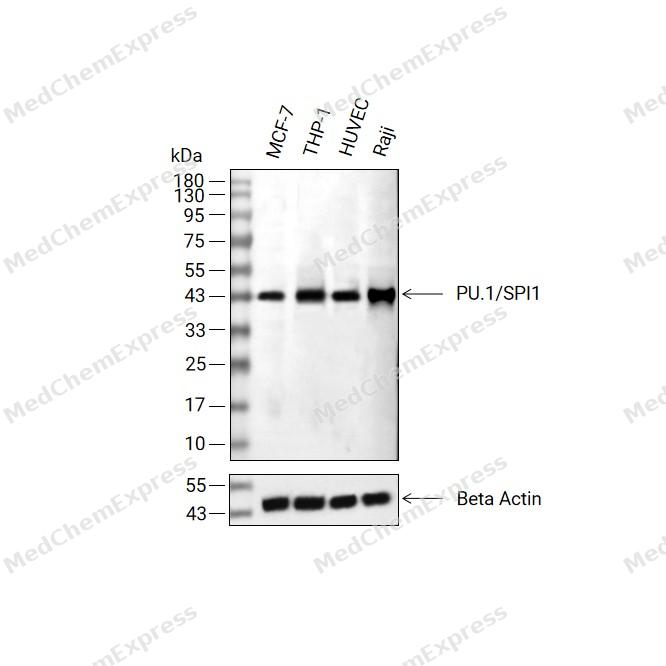 Western blot analysis of extracts from MCF-7(lane 2(20μg) , THP-1(lane 3(20μg) ,HUVEC(lane 4(20μg)and Raji( lane 5(20μg) using PU.1/SPI1 Antibody (HY-P80287). Proteins were transferred to a PVDF membrane and blocked with 5% non-fat milk in TBST for 2 hour at room temperature. The primary antibody ( 1/500) and Loading control antibody (Beta Actin, HY-P80993,1/10000) was used in 5% non-fat milk in TBST at 4°C overnight. Goat Anti-Rabbit IgG-HRP Secondary Antibody (HY-P8001,1/10,000) was used for 1 hour at room temperature.
 -
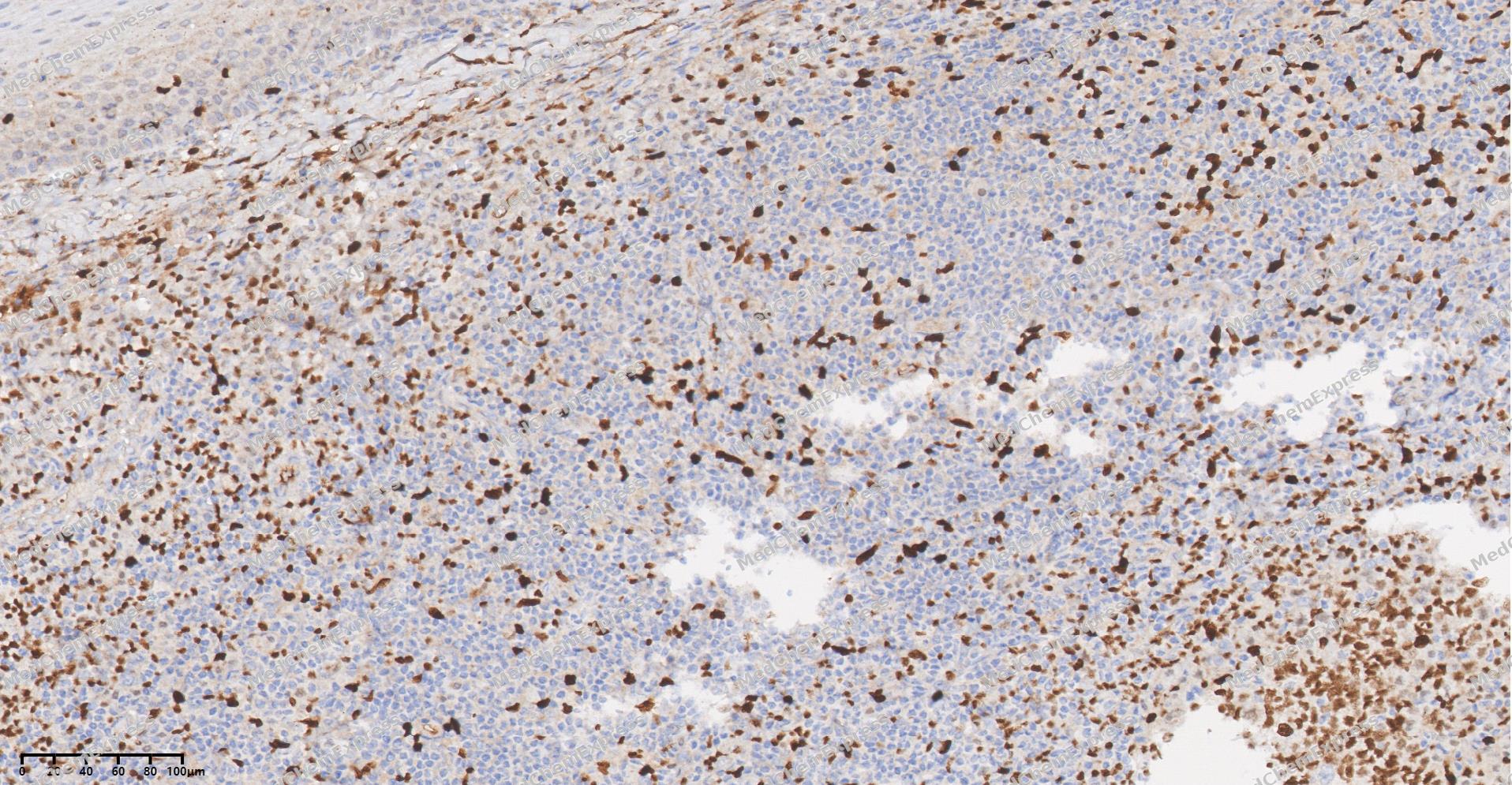 Immunohistochemical analysis of paraffin-embedded human Tonsil tissue using PU.1/SPI1 antibody was performed. The section was pretreated using high-temperature and high-pressure mediated EDTA antigen retrieval buffer (pH 9.0), for 5 minutes. The tissues were incubated with primary antibody (HY-P80287, 1:1000 dilution) at room temperature for 60 minutes. Detection was performed using an HRP conjugated compact polymer system. DAB was used as the chromogen. The tissues were counterstained with hematoxylin and mounted with neutral balsam mounting medium.
 -
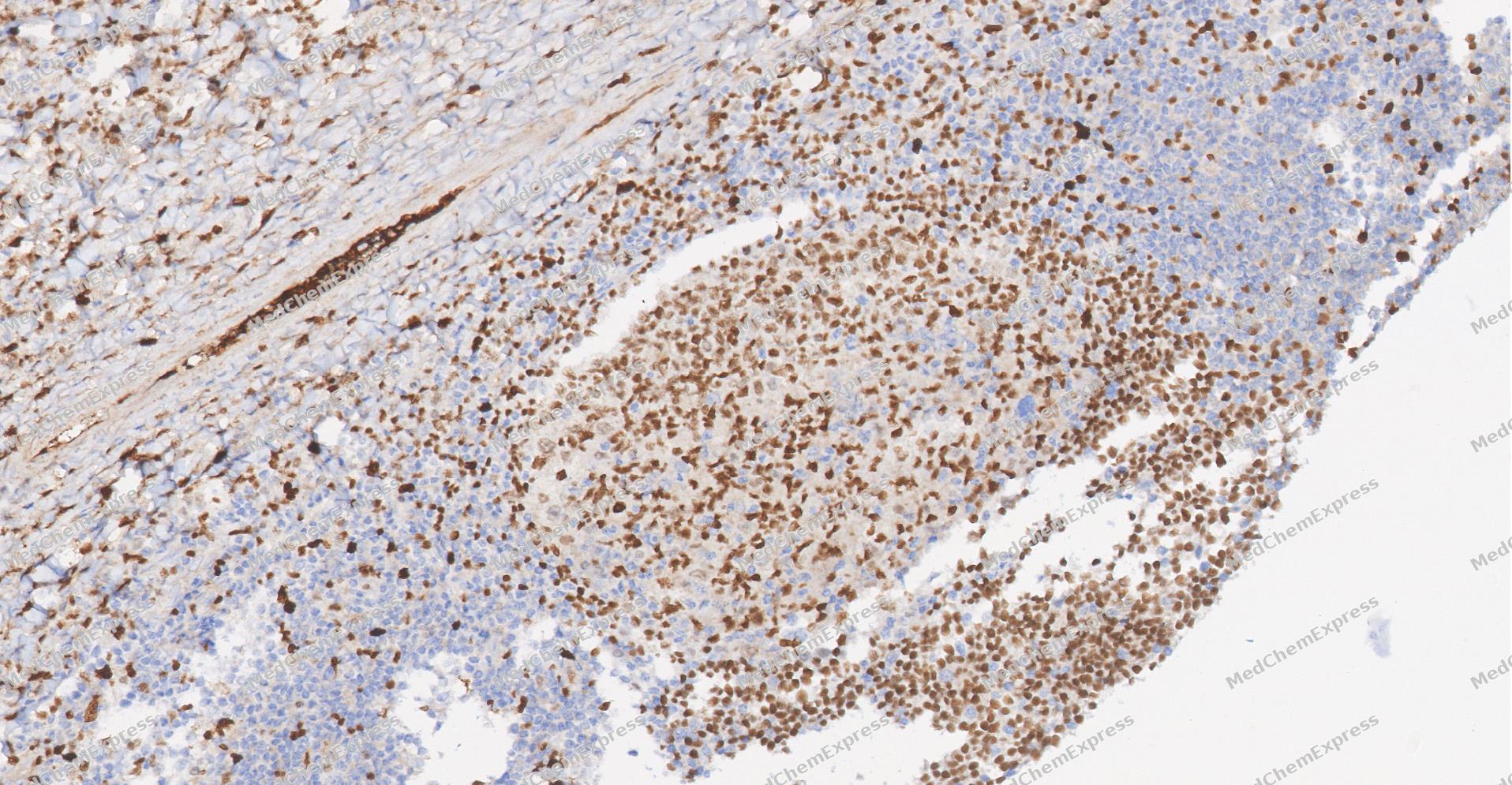 Immunohistochemical analysis of paraffin-embedded human Tonsil tissue using PU.1/SPI1 antibody was performed. The section was pretreated using high-temperature and high-pressure mediated EDTA antigen retrieval buffer (pH 9.0), for 5 minutes. The tissues were incubated with primary antibody (HY-P80287, 1:1000 dilution) at room temperature for 60 minutes. Detection was performed using an HRP conjugated compact polymer system. DAB was used as the chromogen. The tissues were counterstained with hematoxylin and mounted with neutral balsam mounting medium.
 -
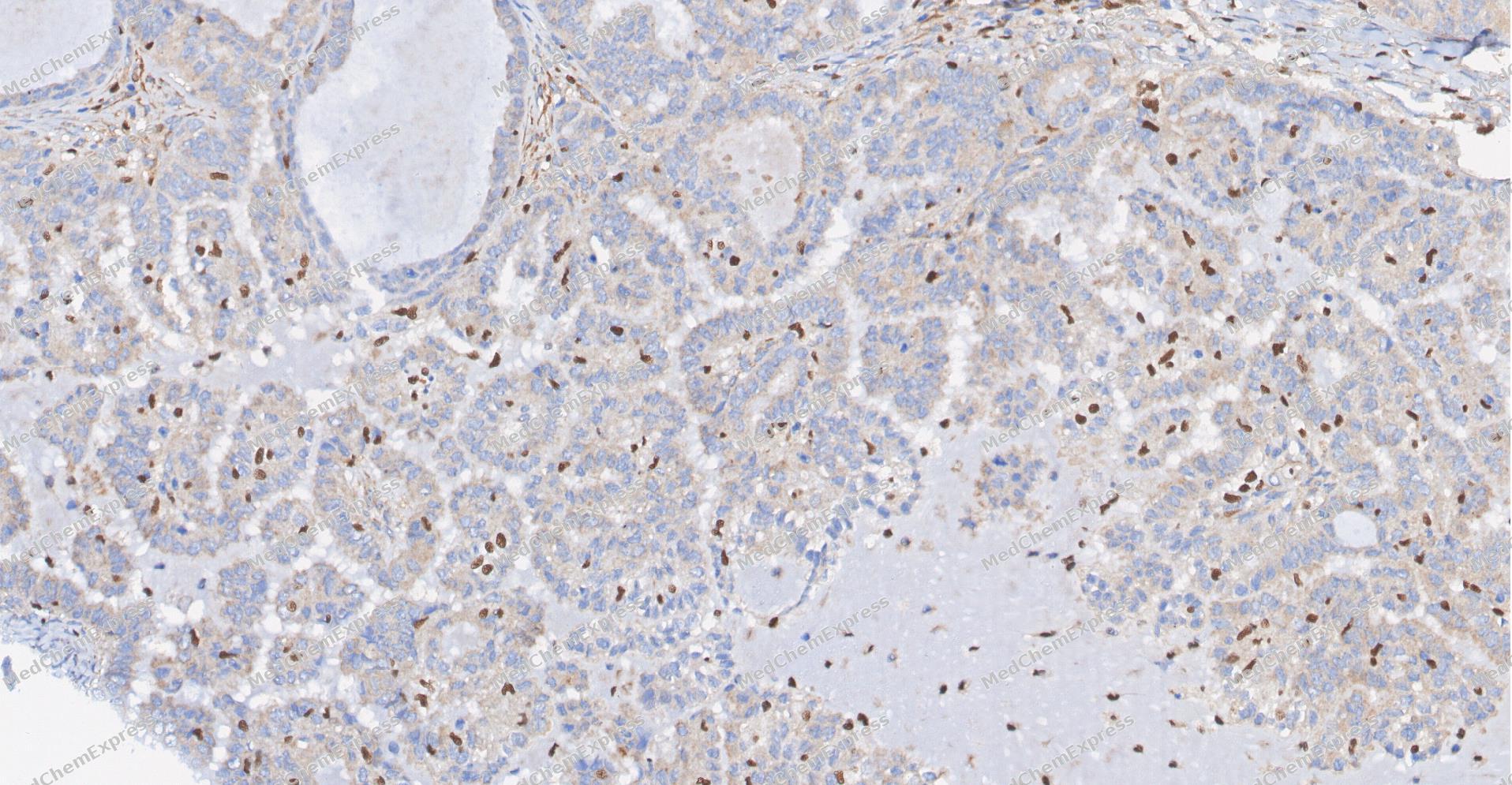 Immunohistochemical analysis of paraffin-embedded human Ovarian Cancer tissue using PU.1/SPI1 antibody was performed. The section was pretreated using high-temperature and high-pressure mediated EDTA antigen retrieval buffer (pH 9.0), for 5 minutes. The tissues were incubated with primary antibody (HY-P80287, 1:1000 dilution) at room temperature for 60 minutes. Detection was performed using an HRP conjugated compact polymer system. DAB was used as the chromogen. The tissues were counterstained with hematoxylin and mounted with neutral balsam mounting medium.
 -
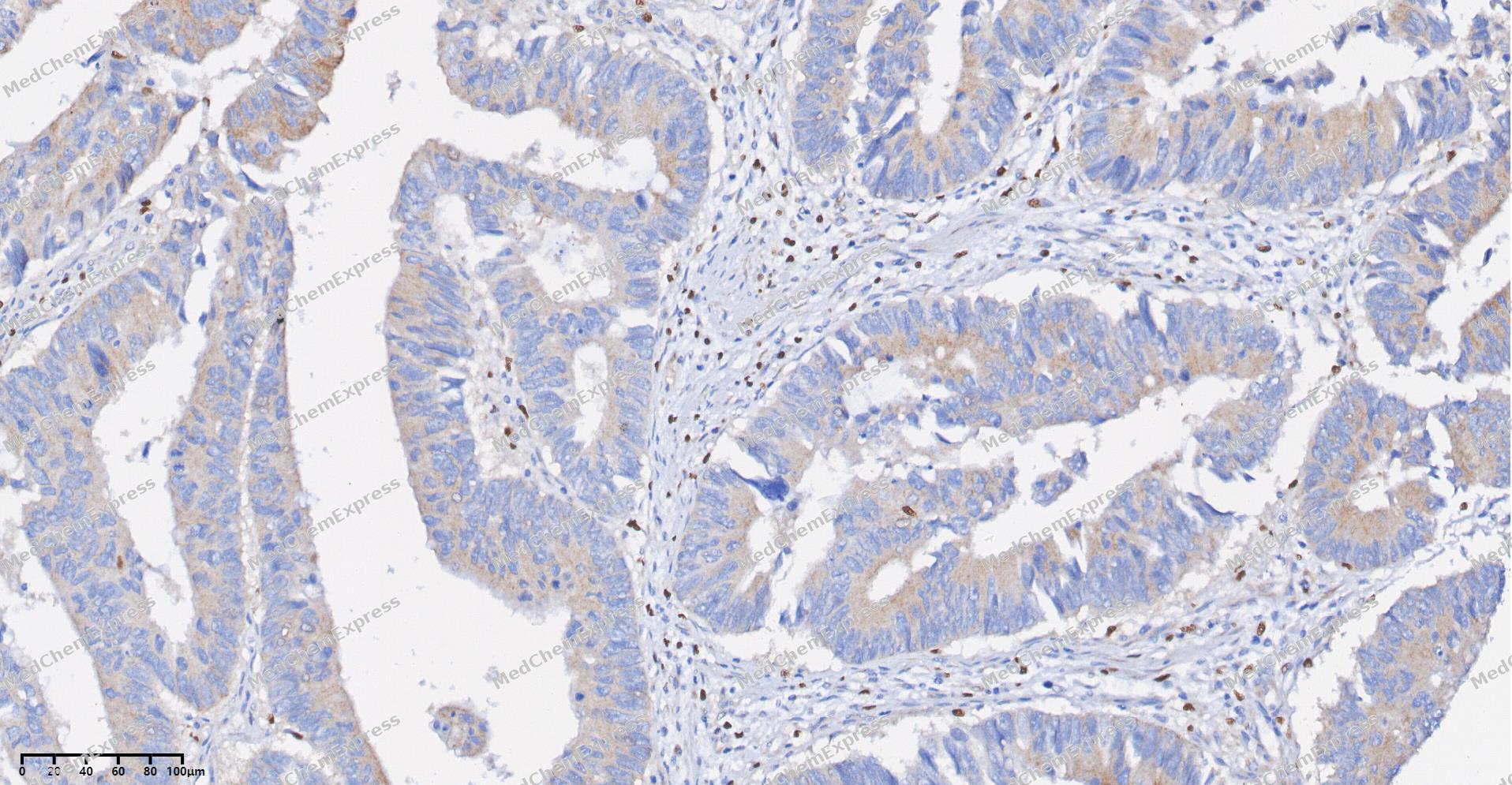 Immunohistochemical analysis of paraffin-embedded human Colon cancer tissue using PU.1/SPI1 antibody was performed. The section was pretreated using high-temperature and high-pressure mediated EDTA antigen retrieval buffer (pH 9.0), for 5 minutes. The tissues were incubated with primary antibody (HY-P80287, 1:1000 dilution) at room temperature for 60 minutes. Detection was performed using an HRP conjugated compact polymer system. DAB was used as the chromogen. The tissues were counterstained with hematoxylin and mounted with neutral balsam mounting medium.
 -
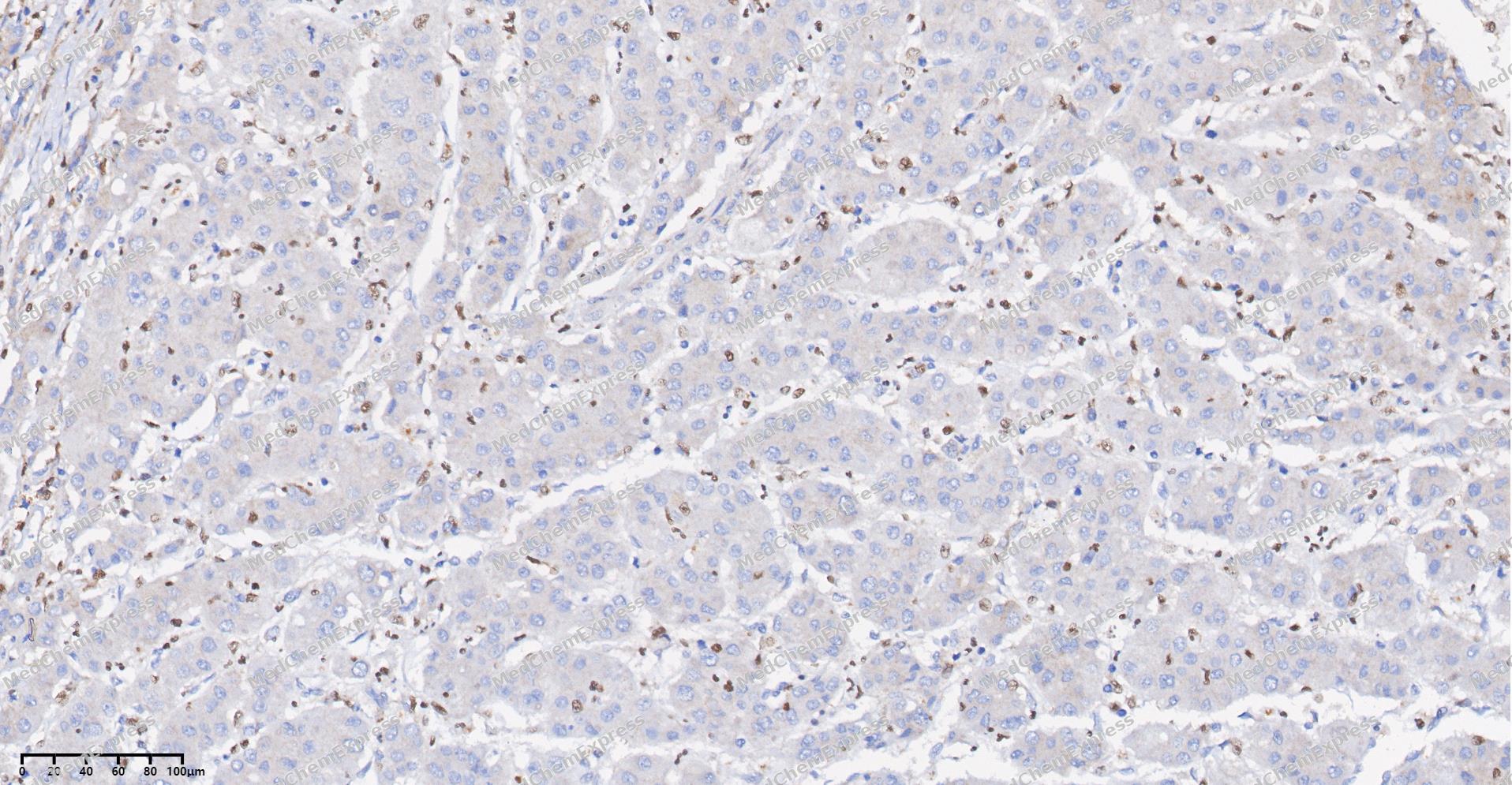 Immunohistochemical analysis of paraffin-embedded human Liver Cancer tissue using PU.1/SPI1 antibody was performed. The section was pretreated using high-temperature and high-pressure mediated EDTA antigen retrieval buffer (pH 9.0), for 5 minutes. The tissues were incubated with primary antibody (HY-P80287, 1:1000 dilution) at room temperature for 60 minutes. Detection was performed using an HRP conjugated compact polymer system. DAB was used as the chromogen. The tissues were counterstained with hematoxylin and mounted with neutral balsam mounting medium.
 -
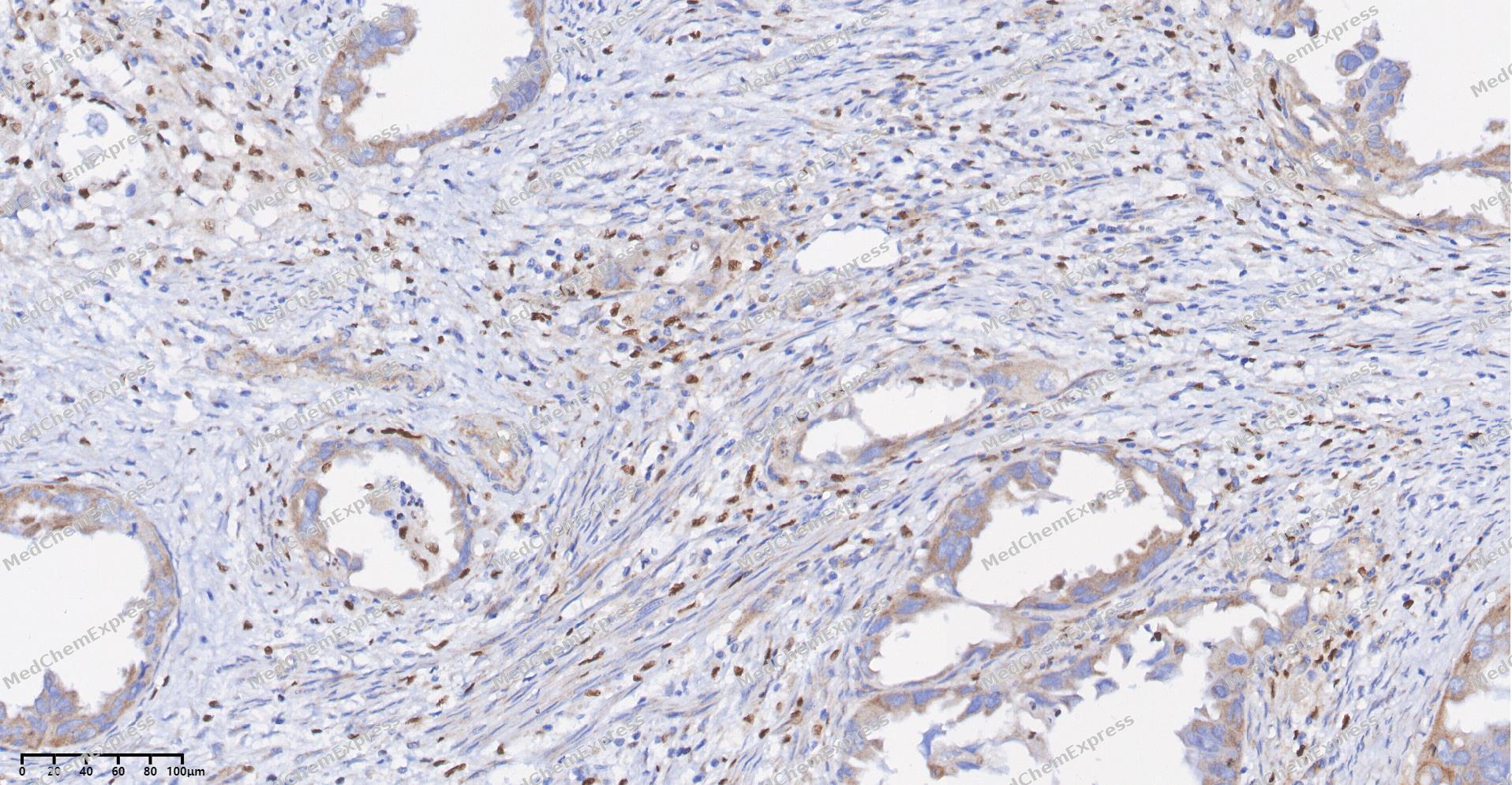 Immunohistochemical analysis of paraffin-embedded human Endometrial Carcinoma tissue using PU.1/SPI1 antibody was performed. The section was pretreated using high-temperature and high-pressure mediated EDTA antigen retrieval buffer (pH 9.0), for 5 minutes. The tissues were incubated with primary antibody (HY-P80287, 1:1000 dilution) at room temperature for 60 minutes. Detection was performed using an HRP conjugated compact polymer system. DAB was used as the chromogen. The tissues were counterstained with hematoxylin and mounted with neutral balsam mounting medium.


Background
-
Function
PU.1/SPI1 is a Pioneer transcription factor, which controls hematopoietic cell fate by decompacting stem cell heterochromatin and allowing other transcription factors to enter otherwise inaccessible genomic sites. Once in open chromatin, can directly control gene expression by binding genetic regulatory elements and can also more broadly influence transcription by recruiting transcription factors, such as interferon regulatory factors (IRFs), to otherwise inaccessible genomic regions. Transcriptionally activates genes important for myeloid and lymphoid lineages, such as CSF1R. Transcriptional activation from certain promoters, possibly containing low affinity binding sites, is achieved cooperatively with other transcription factors. FCER1A transactivation is achieved in cooperation with GATA1. May be particularly important for the pro- to pre-B cell transition. Binds (via the ETS domain) onto the purine-rich DNA core sequence 5'-GAGGAA-3', also known as the PU-box. In vitro can bind RNA and interfere with pre-mRNA splicing[1][2].
-
Subcellular Localization
Nucleus
-
Expression
Tissue_specificity:In the bone marrow, it is mainly concentrated in hematopoietic stem cells, lymphoid progenitor cells, myeloid cells (granulocyte-macrophage progenitor cells, classical dendritic cells, monocytes) , and B cell clusters. Among B cells, it is primarily expressed in pre-B1 cells (PubMed: 33951726) . It is also expressed in germinal center B cells (PubMed: 23166356) .
Induction:Highly expressed in both FV-P and FV-A-induced erythro-leukemia cell lines that have undergone rearrangements of the SPI1 gene due to the insertion of SFFV. Negatively regulated by microRNA-155 (miR-155) (PubMed:23166356) -
Isoforms & Post-Translational Modification
P17947 has 2 isomers: P17947-1: 31083 Da (predicted); P17947-2: 31211 Da (predicted).
-
Subunit
Binds DNA as a monomer. Can form homomers (PubMed:10196196). Directly interacts with CEBPD/NF-IL6-beta; this interaction does not affect DNA-binding properties of each partner (By similarity).
-
SwissProt ID
-
Synonyms
Dis1; PU.1; Dis-1; Sfpi1; Spi-1; Sfpi-1; Tcfpu1; Tfpu.1
-
Research Field
Immunology
Documentation
-
Data Sheet (260 KB)
-
SDS (251 KB)
- English - EN (251 KB)
- Français - FR (251 KB)
- Deutsch - DE (251 KB)
- Norwegian - NO (251 KB)
- Español - ES (251 KB)
- Swedish - SV (251 KB)
- Italian - IT (251 KB)
- Korean - KR (251 KB)
- Portuguese - PT (251 KB)
-
User Guide for Antibodies (1077 KB)
References
[1]. Pham TH, et al. Mechanisms of in vivo binding site selection of the hematopoietic master transcription factor PU.1. Nucleic Acids Res. 2013 Jul;41(13):6391-402. [Content Brief]
[2]. Le Coz C, et al. Constrained chromatin accessibility in PU.1-mutated agammaglobulinemia patients. J Exp Med. 2021 Jul 5;218(7):. [Content Brief]

 Powered by Bioz
