



CD44 Antibody (YA6155)
(Synonyms: LHR antibody; BA-1 antibody; CD 44 antibody; CD44 antibody; CD44 antigen antibody; CD44 molecule; Indian blood group; antibody; CD44 molecule antibody; CD44_HUMAN antibody; CDw44 antibody; CDW44 antigen antibody; Cell surface glycoprotein CD44 antibody; chondroitin sulfate proteoglycan 8 antibody; CSPG8 antibody; ECMR-III antibody; Epican antibody; Extracellular matrix receptor III antibody; GP90 lymphocyte homing/adhesion receptor antibody)Based on 2 publication(s) in Google Scholar
CD44 Antibody (YA6155) is a Rabbit-derived and non-conjugated IgG monoclonal antibody, targeting to CD44.
-
Host:
Rabbit
-
Isotype:
IgG
-
Application:
WB, IHC-P, ICC/IF, IP, ELISA
-
Reactivity :
Human, Mouse, Rat
-
Formulation:
Supplied in PBS, 50% glycerol, 0.05% Proclin 300, 0.05%BSA
-
Conjugation:
Non-conjugated


To place orders, for customer services and technical support, please contact: MedChemExpress USA
Tel: 609-228-6898 E-mail: [email protected] [email protected]



Publications Citing Use of MedChemExpress (MCE) CD44 Antibody (YA6155)
More
 2 Publications Citing Use of MCE CD44 Antibody (YA6155) (3)
-
WB

-
WB

-
Flow Cytometry


Applications
| Application |
IHC-P

IHC-P: Immunohistochemistry-Paraffin
|
WB
WB: Western Blot
|
ICC/IF
ICC/IF: Immunocytochemistry/
Immunofluorescence |
ELISA
ELISA: Enzyme Linked Immunosorbent Assay
|
IP
IP: Immunoprecipitation
|
|---|---|---|---|---|---|
| Dilution Ratio | 1:20000-1:50000 | 1:1000-1:5000 | 1:200-1:1000 | 1:5000-1:20000 | 1:50-1:200 |


Product Details
CD44 Antibody (YA6155) is a Rabbit-derived and non-conjugated IgG monoclonal antibody, targeting to CD44.
-
Host Rabbit

-
Clonality Monoclonal

-
Species ReactivityHuman, Mouse, Rat
-
Observed Molecular WeightObserved band size: 81 kDa
Note: Due to possible protein modifications or aggregation, the molecular weight should be confirmed by actual measurement, and the predicted value is for reference only.

-
Calculated Molecular Weight Predicted band size: 81 kDa

Protein A
Non-conjugated
Unmodified
IgG


Product Properties
-
Appearance
Solution
-
Formulation
Supplied in PBS, 50% glycerol, 0.05% Proclin 300, 0.05%BSA
-
Concentration
Batch-dependent, Please check the COA for the concentration of each lot. Check Lot Concentration
-
Storage & Stability
Stored at -20°C for 1 year. Avoid repeated freeze / thaw cycles.
-
Shipping
Shipping with blue ice.


Publications (2)
-
Journal Impact Factor
-
Most Recent
-
Adv Sci (Weinh)
Sequential Targeting Chondroitin Sulfate-Bilirubin Nanomedicine Attenuates Osteoarthritis via Reprogramming Lipid Metabolism in M1 Macrophages. [Abstract]2025 Mar;12(9):e2411911. PMID: 39792653
CD44 Antibody (YA6155) purchased from MedChemExpress. Usage Cited in: Adv Sci (Weinh). 2025 Mar;12(9):e2411911. [Abstract]
Endocytosis pathway analysis of DiD‐CSBN in M1 macrophages (n = 3, mean ± SD). The results indicated that the cellular uptake of DiD‐CSBN in M1 macrophages was significantly inhibited by pre‐treatment with 4 °C, CS and CD44 antibody (1 h, HY-P86463), suggesting that LCF‐CSBN endocytosis is temperature‐dependent and predominantly mediated by CD44 receptors.
-
Int Immunopharmacol
2026 Mar 1:172:116230. PMID: 41564476
CD44 Antibody (YA6155) purchased from MedChemExpress. Usage Cited in: Int Immunopharmacol. 2026 Mar 1:172:116230. [Abstract]
Immunoblot analysis of CD44 expression in AC16 cardiomyocytes subjected to hypoxia and hypoxia/reoxygenation treatment (n = 3 per group). Primary Antibodies: CD44 Antibody (YA6155) (Incubated overnight at 4 ◦C, HY-P86463) and GAPDH Antibody.
CD44 Antibody (YA6155) purchased from MedChemExpress. Usage Cited in: Int Immunopharmacol. 2026 Mar 1:172:116230. [Abstract]
Immunoblot analysis of CD44 expression in MIRI model mouse. Primary Antibodies: CD44 Antibody (YA6155) (Incubated overnight at 4 ◦C, HY-P86463) and GAPDH Antibody.


Verification Images
-
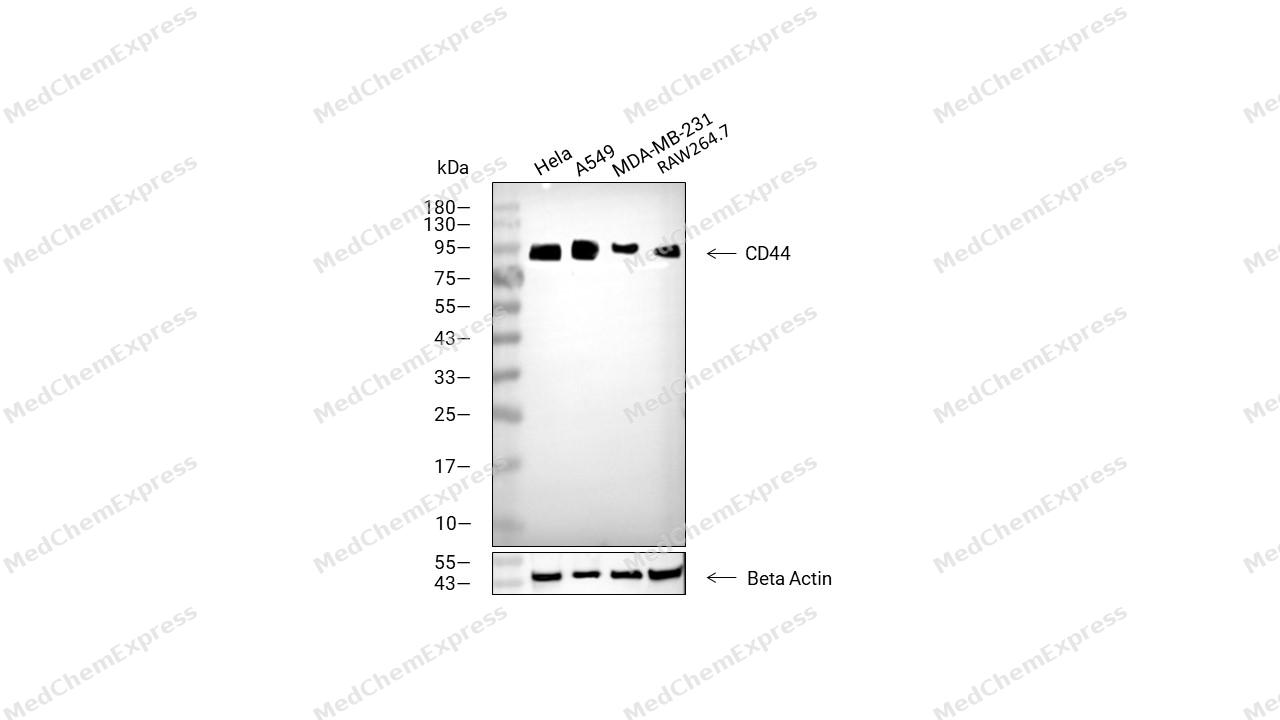 Western blot analysis of extracts from Hela (lane2(20μg), A549 (lane3(20μg), MDA-MB-231 (lane4(20μg) and RAW264.7 (lane5(20μg) using CD44 Antibody (HY-P86463). Proteins were transferred to a PVDF membrane and blocked with 5% non-fat milk in TBST for 2 hour at room temperature. The primary antibody (1/3000) and Loading control antibody (Beta Actin, HY-P80993, 1/10,000) was used in 5% non-fat milk in TBST at 4°C overnight. Goat Anti-Rabbit IgG-HRP Secondary Antibody (HY-P8001 ,1/10,000) was used for 1 hour at room temperature.
 -
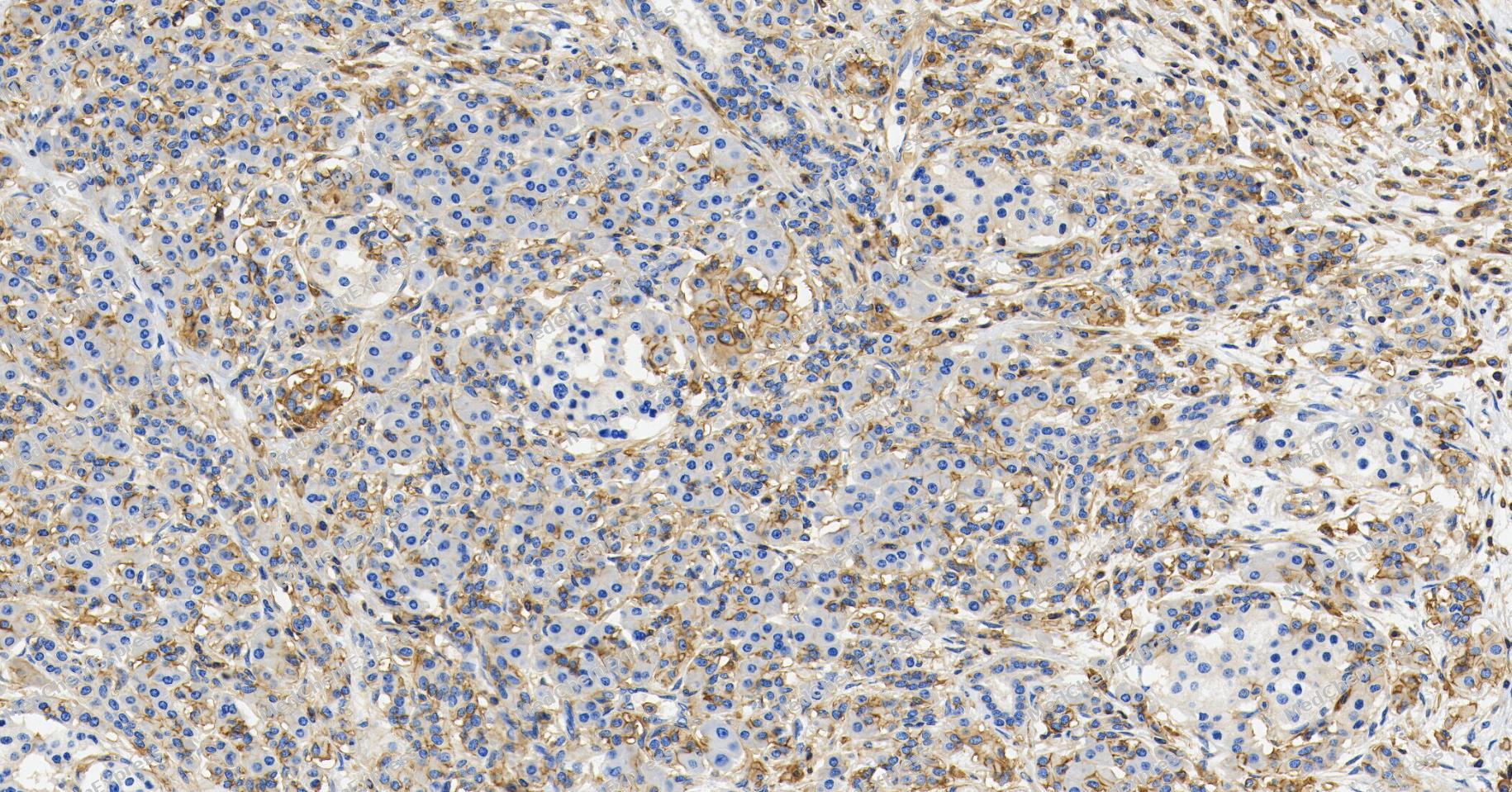 Immunohistochemical analysis of paraffin-embedded human pancreatic cancer tissue using CD44 Antibody (YA6155). The section was pre-treated using heat mediated antigen retrieval with Tris/EDTA buffer (pH 9.0) for 20 minutes. The tissues were probed with the primary antibody (HY-P86463, 1/400) overnight at 4℃. The detection was performed using an HRP conjugated compact polymer system. DAB was used as the chromogen. Tissues were counterstained with hematoxylin and mounted with neutral balsam.
 -
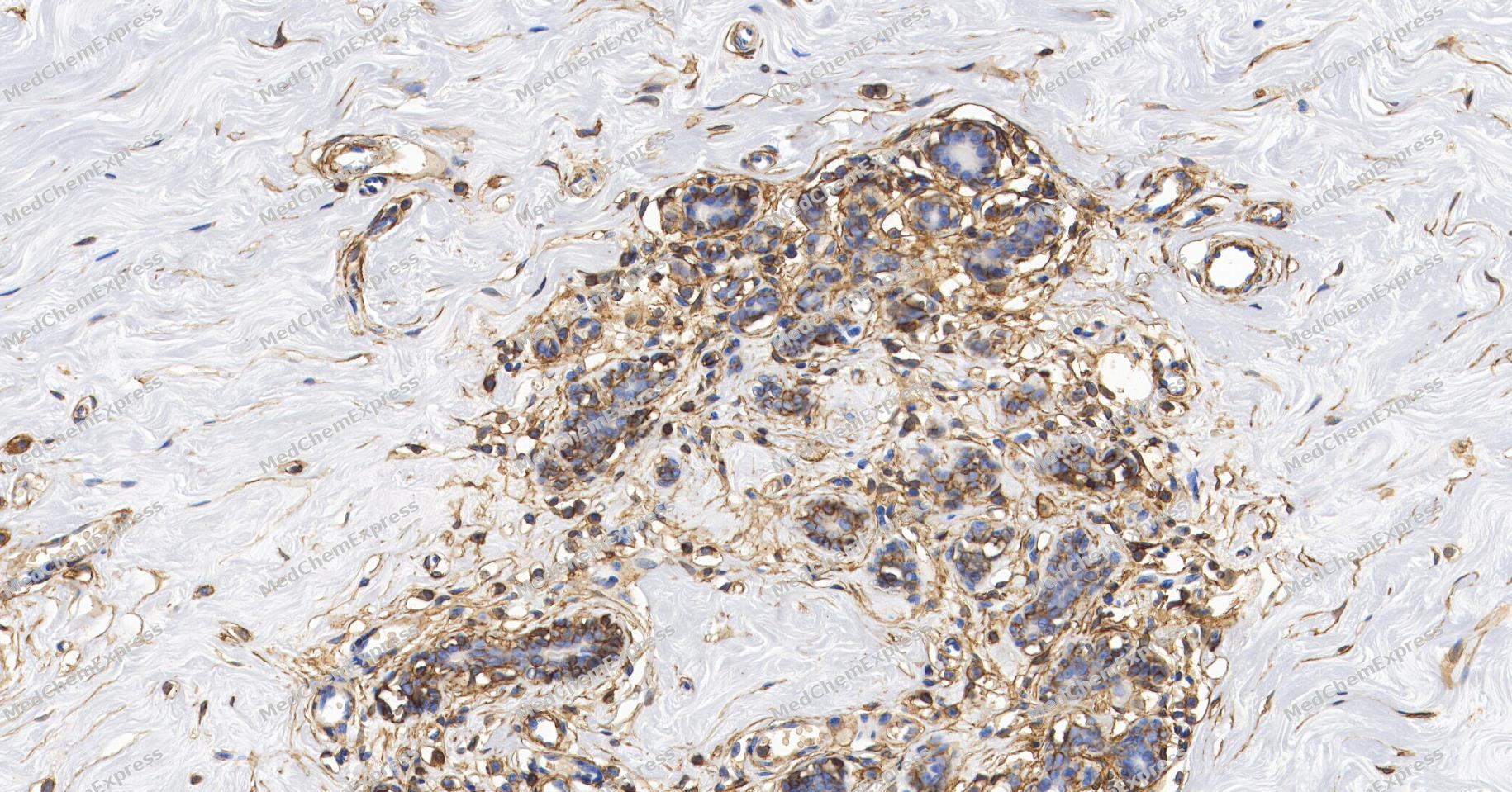 Immunohistochemical analysis of paraffin-embedded human breast tissue using CD44 Antibody (YA6155). The section was pre-treated using heat mediated antigen retrieval with Tris/EDTA buffer (pH 9.0) for 20 minutes. The tissues were probed with the primary antibody (HY-P86463, 1/400) overnight at 4℃. The detection was performed using an HRP conjugated compact polymer system. DAB was used as the chromogen. Tissues were counterstained with hematoxylin and mounted with neutral balsam.
 -
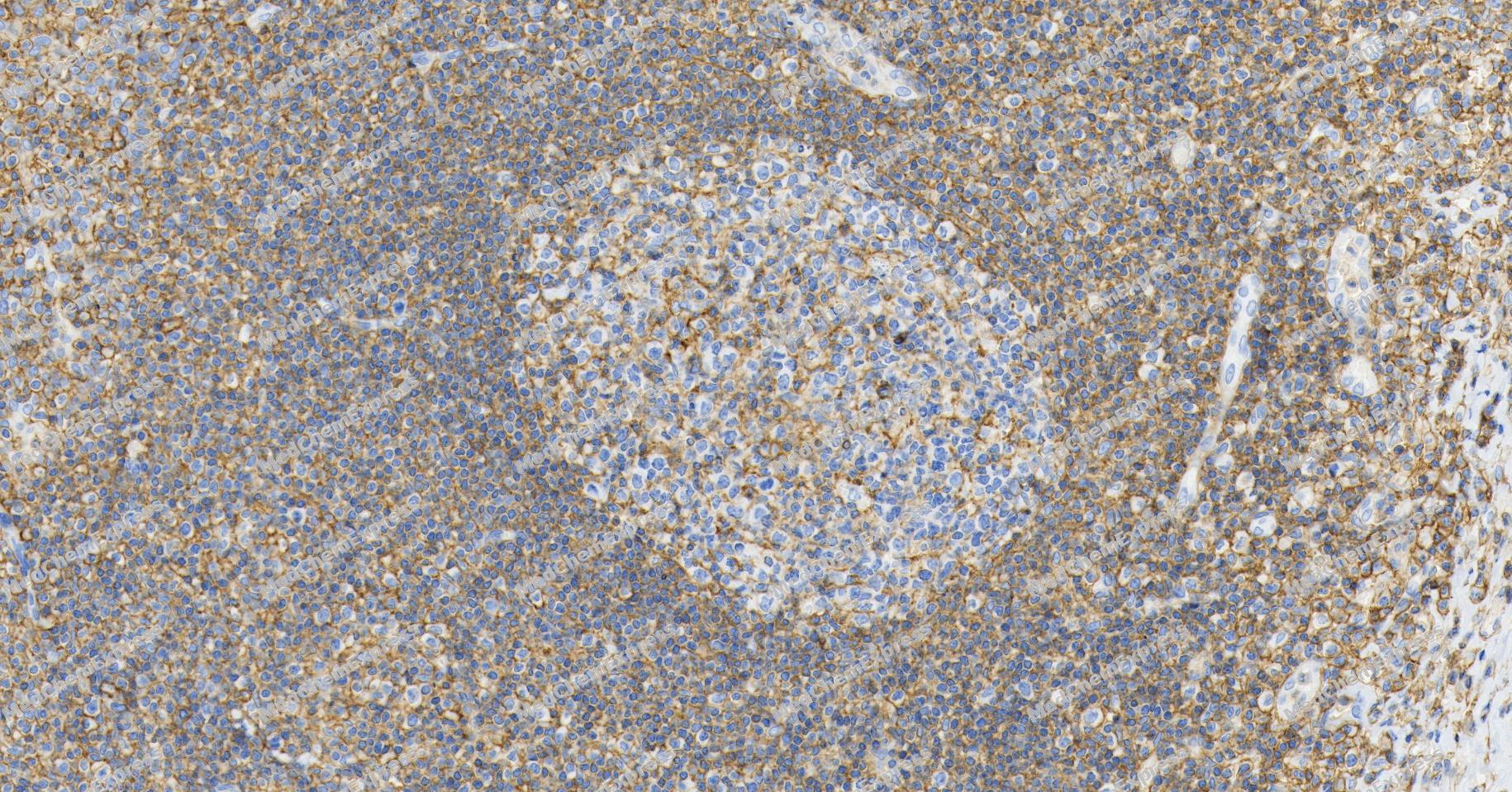 Immunohistochemical analysis of paraffin-embedded human tonsil tissue using CD44 Antibody (YA6155). The section was pre-treated using heat mediated antigen retrieval with Tris/EDTA buffer (pH 9.0) for 20 minutes. The tissues were probed with the primary antibody (HY-P86463, 1/400) overnight at 4℃. The detection was performed using an HRP conjugated compact polymer system. DAB was used as the chromogen. Tissues were counterstained with hematoxylin and mounted with neutral balsam.
 -
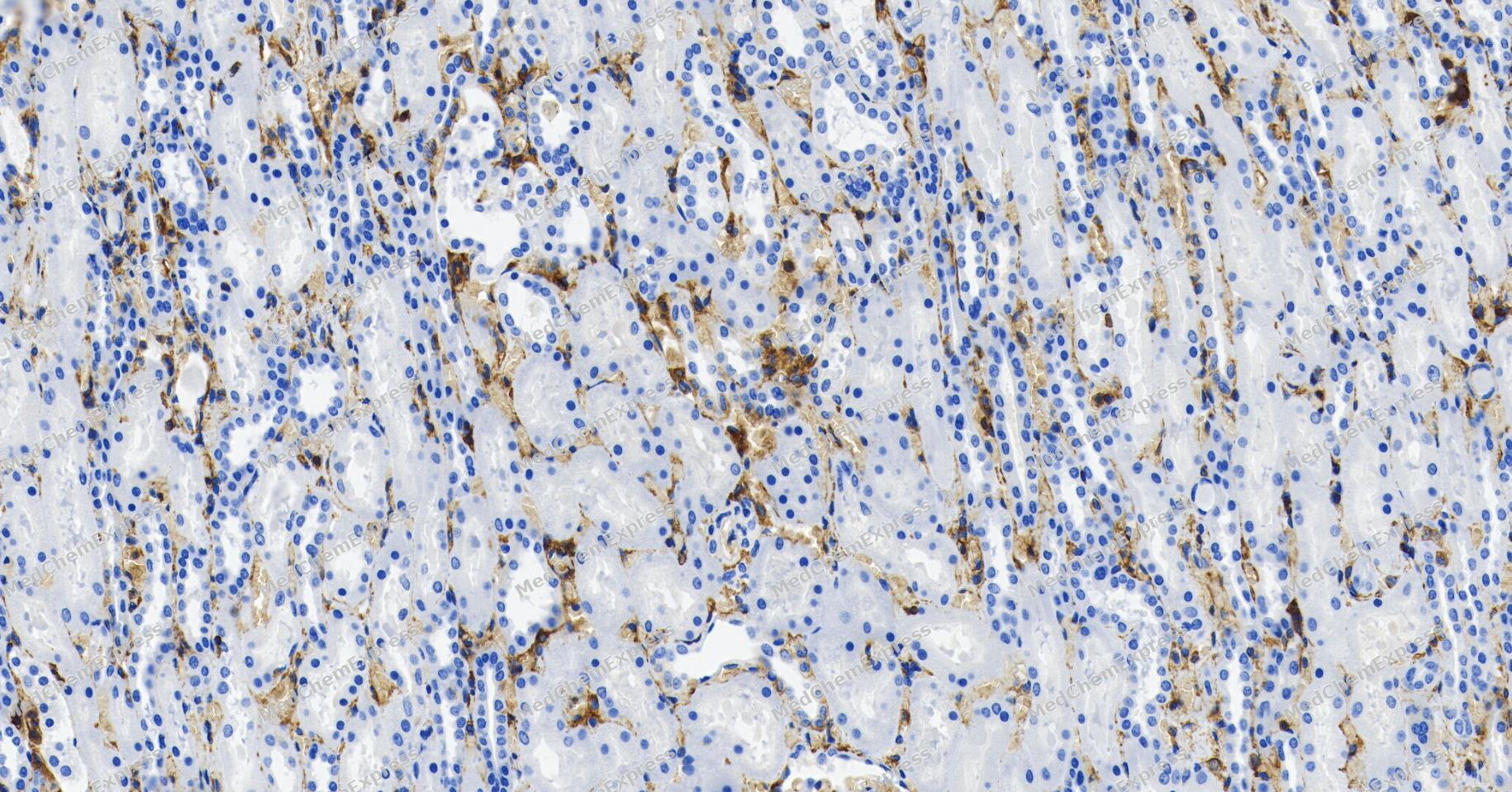 Immunohistochemical analysis of paraffin-embedded human kidney tissue using CD44 Antibody (YA6155). The section was pre-treated using heat mediated antigen retrieval with Tris/EDTA buffer (pH 9.0) for 20 minutes. The tissues were probed with the primary antibody (HY-P86463, 1/400) overnight at 4℃. The detection was performed using an HRP conjugated compact polymer system. DAB was used as the chromogen. Tissues were counterstained with hematoxylin and mounted with neutral balsam.
 -
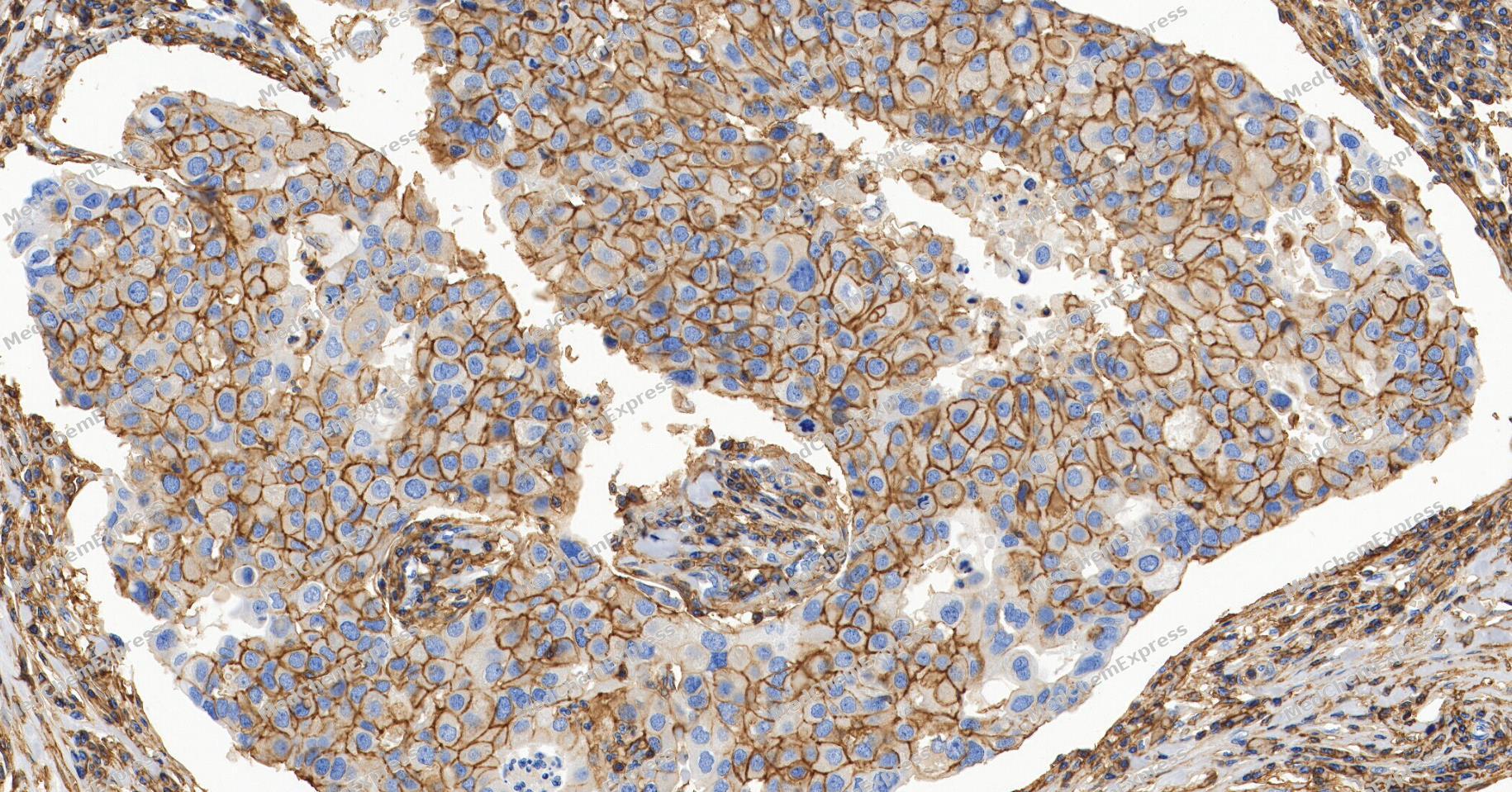 Immunohistochemical analysis of paraffin-embedded human breast cancer tissue using CD44 Antibody (YA6155). The section was pre-treated using heat mediated antigen retrieval with Tris/EDTA buffer (pH 9.0) for 20 minutes. The tissues were probed with the primary antibody (HY-P86463, 1/400) overnight at 4℃. The detection was performed using an HRP conjugated compact polymer system. DAB was used as the chromogen. Tissues were counterstained with hematoxylin and mounted with neutral balsam.
 -
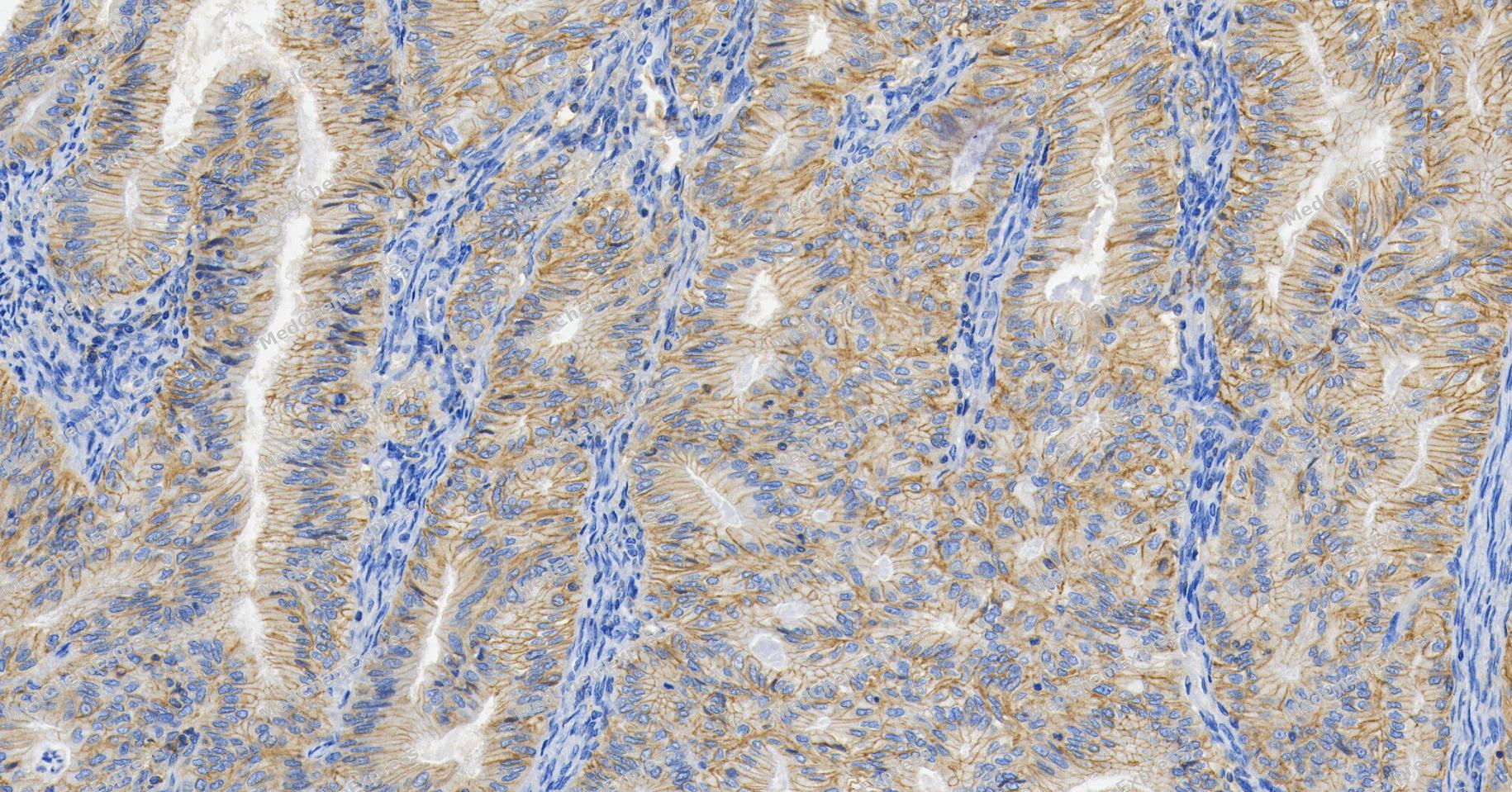 Immunohistochemical analysis of paraffin-embedded human endometrial cancer tissue using CD44 Antibody (YA6155). The section was pre-treated using heat mediated antigen retrieval with Tris/EDTA buffer (pH 9.0) for 20 minutes. The tissues were probed with the primary antibody (HY-P86463, 1/400) overnight at 4℃. The detection was performed using an HRP conjugated compact polymer system. DAB was used as the chromogen. Tissues were counterstained with hematoxylin and mounted with neutral balsam.
 -
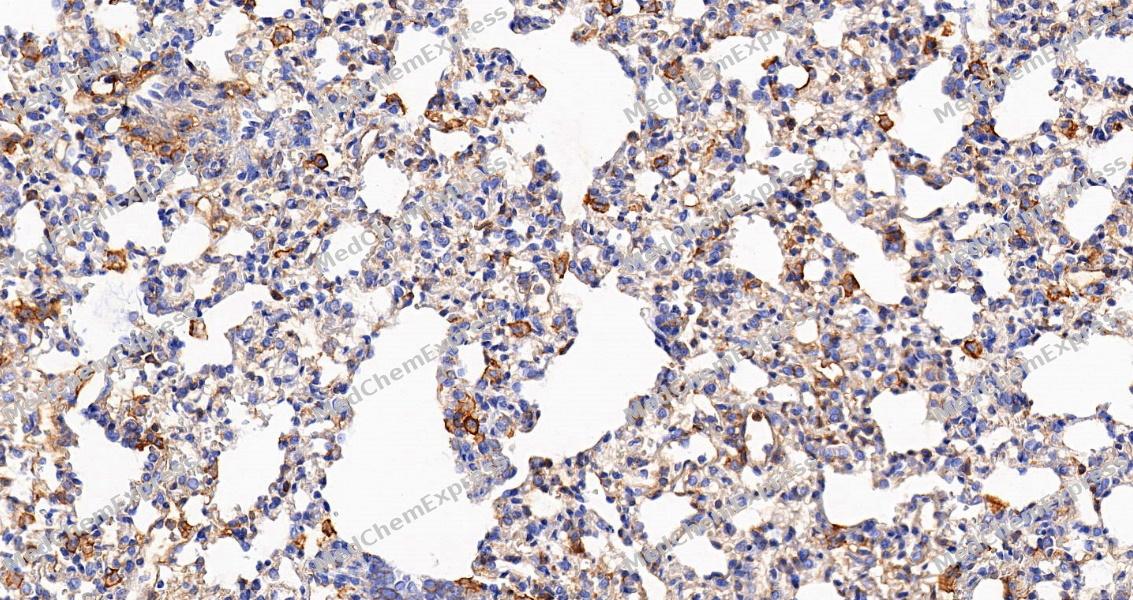 Immunohistochemical analysis of paraffin-embedded rat lung tissue using CD44 Antibody (HY-P86463, 1/40000). The section was pretreated using heat mediated antigen retrieval with sodium citrate buffer (pH 6.0) for 8 minutes. The tissues were blocked with quick block buffer for 0.5 hours at room temperature, washed with PBS and PBST, and then incubated with the primary antibody overnight at 4℃. The detection was performed using an HRP conjugated compact polymer system. DAB was used as the chromogen. Tissues were counterstained with hematoxylin and mounted with DPX.
 -
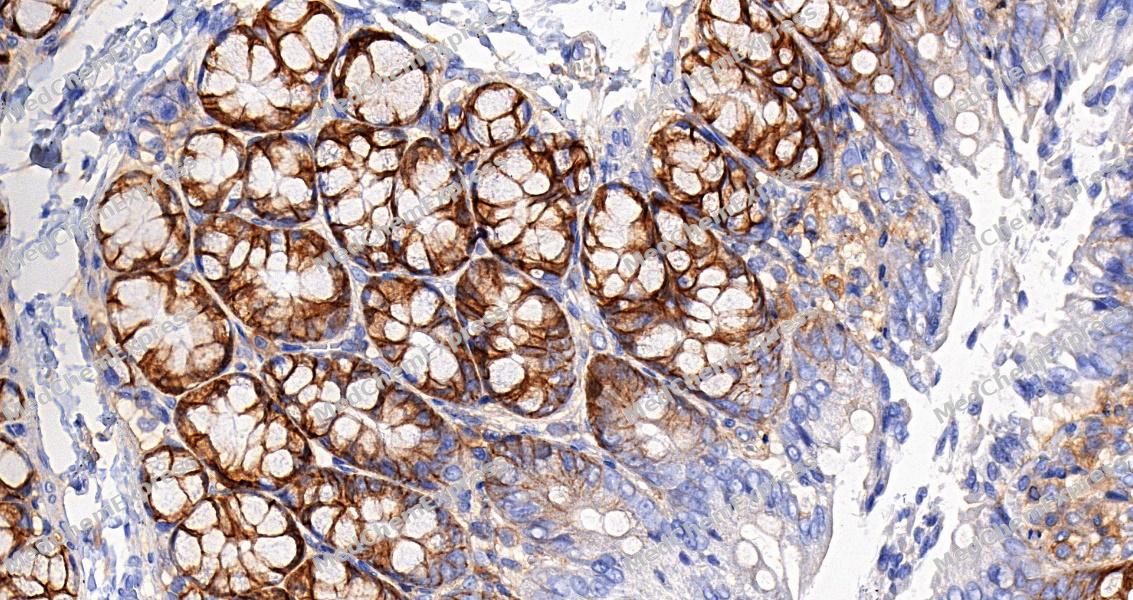 Immunohistochemical analysis of paraffin-embedded rat colon tissue using CD44 Antibody (HY-P86463, 1/40000). The section was pretreated using heat mediated antigen retrieval with sodium citrate buffer (pH 6.0) for 8 minutes. The tissues were blocked with quick block buffer for 0.5 hours at room temperature, washed with PBS and PBST, and then incubated with the primary antibody overnight at 4℃. The detection was performed using an HRP conjugated compact polymer system. DAB was used as the chromogen. Tissues were counterstained with hematoxylin and mounted with DPX.
 -
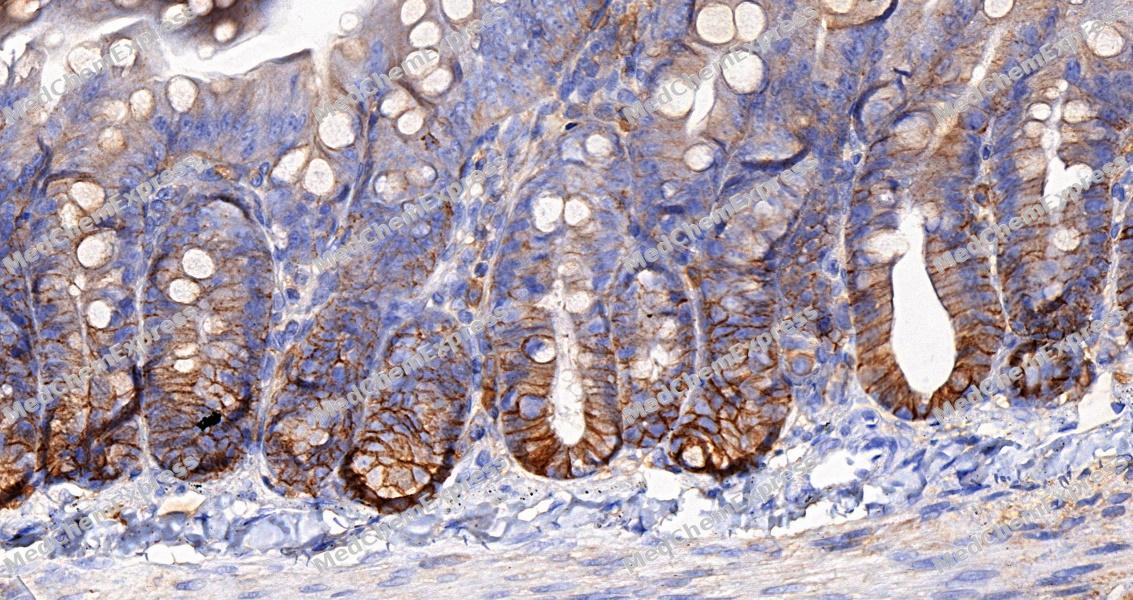 Immunohistochemical analysis of paraffin-embedded rat duodenum tissue using CD44 Antibody (HY-P86463, 1/40000). The section was pretreated using heat mediated antigen retrieval with sodium citrate buffer (pH 6.0) for 8 minutes. The tissues were blocked with quick block buffer for 0.5 hours at room temperature, washed with PBS and PBST, and then incubated with the primary antibody overnight at 4℃. The detection was performed using an HRP conjugated compact polymer system. DAB was used as the chromogen. Tissues were counterstained with hematoxylin and mounted with DPX.
 -
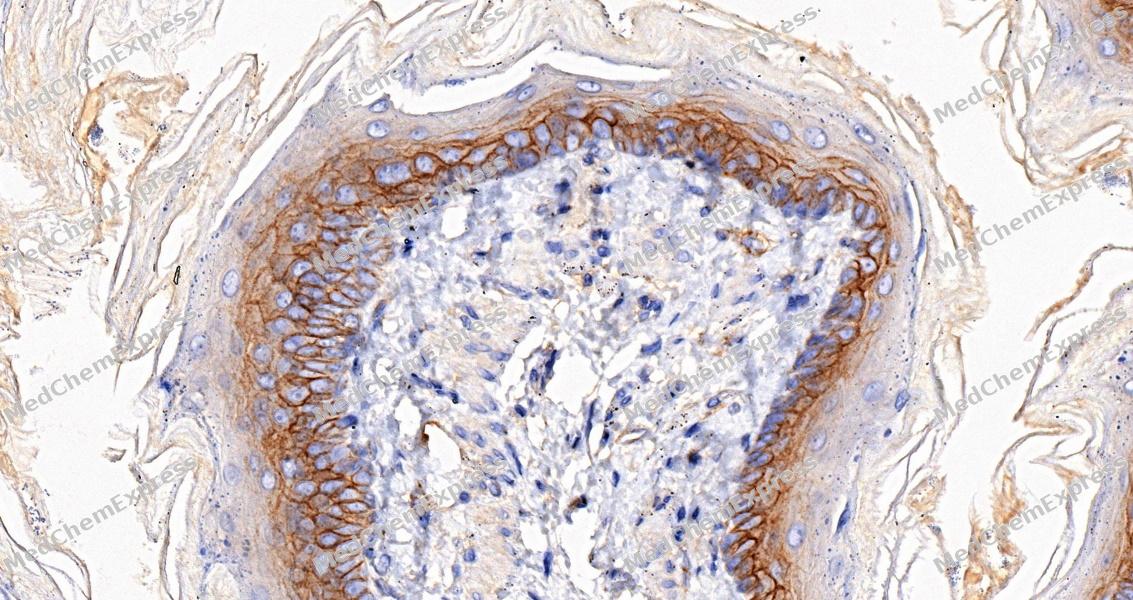 Immunohistochemical analysis of paraffin-embedded rat esophagus tissue using CD44 Antibody (HY-P86463, 1/40000). The section was pretreated using heat mediated antigen retrieval with sodium citrate buffer (pH 6.0) for 8 minutes. The tissues were blocked with quick block buffer for 0.5 hours at room temperature, washed with PBS and PBST, and then incubated with the primary antibody overnight at 4℃. The detection was performed using an HRP conjugated compact polymer system. DAB was used as the chromogen. Tissues were counterstained with hematoxylin and mounted with DPX.
 -
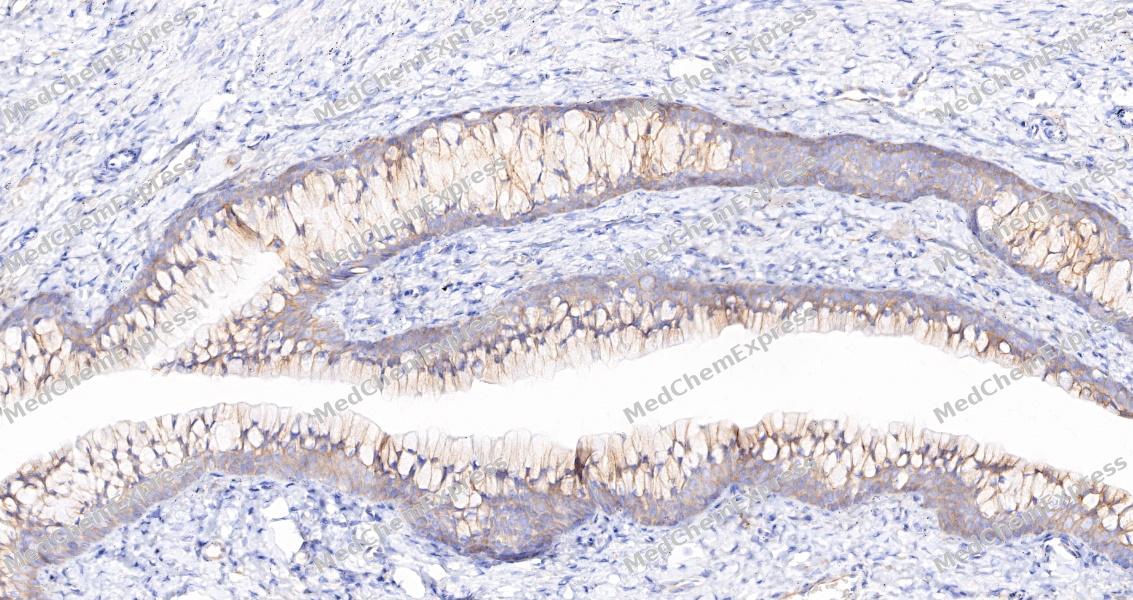 Immunohistochemical analysis of paraffin-embedded rat cervix tissue using CD44 Antibody (HY-P86463, 1/40000). The section was pretreated using heat mediated antigen retrieval with sodium citrate buffer (pH 6.0) for 8 minutes. The tissues were blocked with quick block buffer for 0.5 hours at room temperature, washed with PBS and PBST, and then incubated with the primary antibody overnight at 4℃. The detection was performed using an HRP conjugated compact polymer system. DAB was used as the chromogen. Tissues were counterstained with hematoxylin and mounted with DPX.
 -
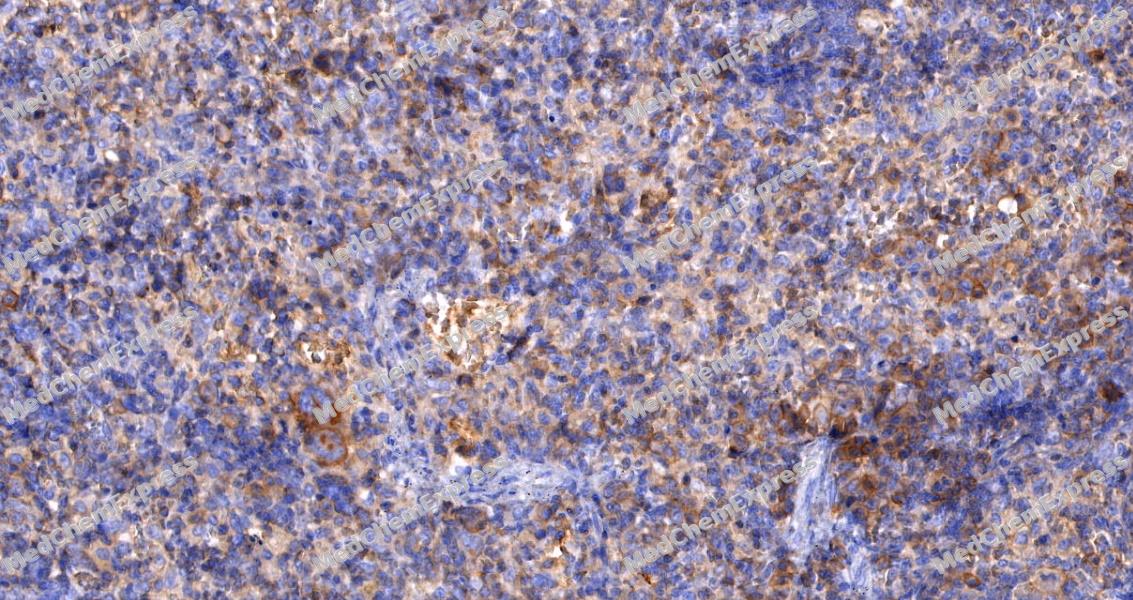 Immunohistochemical analysis of paraffin-embedded rat spleen tissue using CD44 Antibody (HY-P86463, 1/40000). The section was pretreated using heat mediated antigen retrieval with sodium citrate buffer (pH 6.0) for 8 minutes. The tissues were blocked with quick block buffer for 0.5 hours at room temperature, washed with PBS and PBST, and then incubated with the primary antibody overnight at 4℃. The detection was performed using an HRP conjugated compact polymer system. DAB was used as the chromogen. Tissues were counterstained with hematoxylin and mounted with DPX.
 -
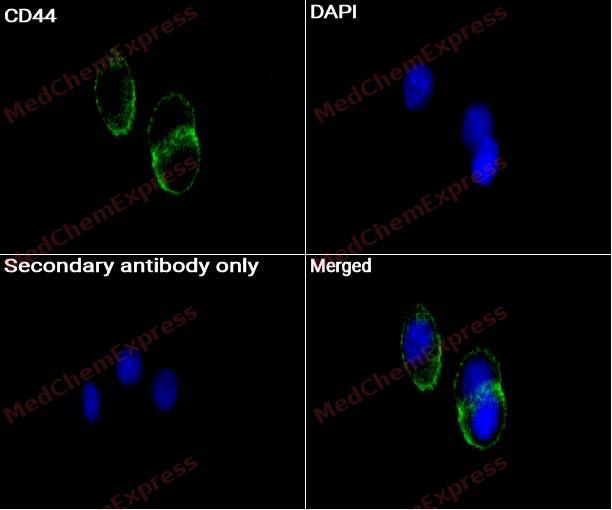 Immunocytochemistry analysis of A431 cells labeling CD44 with CD44 Antibody (HY-P86463) at 1/300 dilution . Cells were fixed in 4% paraformaldehyde for 15 minutes at room temperature, permeabilized with 0.1% Triton X-100 in PBS for 15 minutes at room temperature, then blocked with quick block buffer for 10 minutes at room temperature. Cells were then incubated with CD44 Antibody (HY-P86463) at 1/300 dilution in quick block buffer overnight at 4 ℃. AF488-conjugated Goat Anti-Rabbit IgG H&L(HY-P8002, Green) was used as the secondary antibody at 1/1,000 dilution. PBS instead of the primary antibody was used as the secondary antibody only control. The Nuclear counterstain was DAPI (Blue).
 -
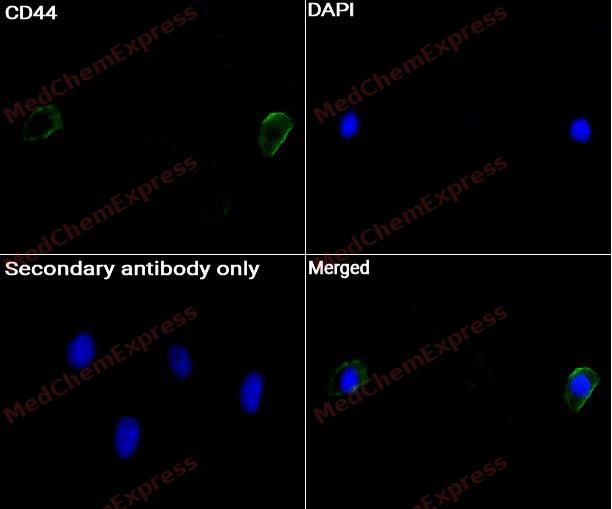 Immunocytochemistry analysis of A549 cells labeling CD44 with CD44 Antibody (HY-P86463) at 1/300 dilution . Cells were fixed in 4% paraformaldehyde for 15 minutes at room temperature, permeabilized with 0.1% Triton X-100 in PBS for 15 minutes at room temperature, then blocked with quick block buffer for 10 minutes at room temperature. Cells were then incubated with CD44 Antibody (HY-P86463) at 1/300 dilution in quick block buffer overnight at 4 ℃. AF488-conjugated Goat Anti-Rabbit IgG H&L(HY-P8002, Green) was used as the secondary antibody at 1/1,000 dilution. PBS instead of the primary antibody was used as the secondary antibody only control. The Nuclear counterstain was DAPI (Blue).


Background
-
Function
CD44 is a hyaluronic acid receptor and cell adhesion molecule that plays a broad role in cell migration, immune cell activation, stem cell maintenance, and tumorigenesis. CD44 serves as both a key marker for memory T cells and a classic surface marker in research on mesenchymal stem cells and cancer stem cells.
-
Subcellular Localization
Cell membrane; Single-pass type I membrane protein; Cell projection, microvillus; Secreted
-
Expression
Tissue_specificity:Protein levels were detected in fibroblasts and urine (PubMed:25326458, PubMed:36213313, PubMed:37453717) . Protein levels were also detected in the placenta (PubMed:32337544) . Isomer 10 (epithelial isomer) is expressed in epithelial cells and is highly expressed in cancer cells. Expression is suppressed in neuroblastoma cells. -
Isoforms & Post-Translational Modification
CD44 has 19 isomers: P16070-1: 81538 Da (predicted); P16070-2: 3327 Da (predicted); P16070-3: 77983 Da (predicted); P16070-4: 76612 Da (predicted); P16070-5: 80790 Da (predicted); P16070-6: 76705 Da (predicted); P16070-7: 78446 Da (predicted); P16070-8: 74388 Da (predicted); P16070-9: 74196 Da (predicted); P16070-10: 53411 Da (predicted); P16070-11: 46565 Da (predicted); P16070-12: 39416 Da (predicted); P16070-13: 46261 Da (predicted); P16070-14: 43169 Da (predicted); P16070-15: 32075 Da (predicted); P16070-16: 73150 Da (predicted); P16070-17: 75957 Da (predicted); P16070-18: 37278 Da (predicted); P16070-19: 15635 Da (predicted).
Proteolytically cleaved in the extracellular matrix by specific proteinases (possibly MMPs) in several cell lines and tumors;N-glycosylated;O-glycosylated; contains chondroitin sulfate glycans which can be more or less sulfated and whose number may affect the accessibility of specific proteinases to their cleavage site(s). It is uncertain if O-glycosylation occurs on Thr-637 or Thr-638;Phosphorylated; activation of PKC results in the dephosphorylation of Ser-706 (constitutive phosphorylation site), and the phosphorylation of Ser-672 -
Subunit
Interacts with PKN2. Interacts with HA, as well as other glycosaminoglycans, collagen, laminin, and fibronectin via its N-terminal segment. Interacts with UNC119. Interacts with PDPN (via extracellular domain); this interaction is required for PDPN-mediated directional migration and regulation of lamellipodia extension/stabilization during cell spreading and migration. Interacts with EGFR.
-
SwissProt ID
-
Synonyms
LHR antibody; BA-1 antibody; CD 44 antibody; CD44 antibody; CD44 antigen antibody; CD44 molecule; Indian blood group; antibody; CD44 molecule antibody; CD44_HUMAN antibody; CDw44 antibody; CDW44 antigen antibody; Cell surface glycoprotein CD44 antibody; chondroitin sulfate proteoglycan 8 antibody; CSPG8 antibody; ECMR-III antibody; Epican antibody; Extracellular matrix receptor III antibody; GP90 lymphocyte homing/adhesion receptor antibody
Documentation
-
Data Sheet (235 KB)
-
SDS (254 KB)
- English - EN (254 KB)
- Français - FR (254 KB)
- Deutsch - DE (254 KB)
- Norwegian - NO (254 KB)
- Español - ES (254 KB)
- Swedish - SV (254 KB)
- Italian - IT (254 KB)
- Korean - KR (254 KB)
- Portuguese - PT (254 KB)
-
User Guide for Antibodies (1077 KB)

 Powered by Bioz
