



CTBP1 Antibody (YA2030)
(Synonyms: CTBP1; CTBP; C-terminal-binding protein 1; CtBP1)
Based on 1 Customer Validation
CTBP1 Antibody (YA2030) is a Rabbit-derived and non-conjugated IgG monoclonal antibody, targeting to CTBP1.
-
Host:
Rabbit
-
Isotype:
IgG
-
Application:
WB, IHC-P, ICC/IF, IP
-
Reactivity :
Human, Mouse, Rat
-
Formulation:
Supplied in 50mM Tris-Glycine(pH 7.4), 0.15M NaCl, 40%Glycerol, 0.01% sodium azide and 0.05% BSA.
-
Conjugation:
Non-conjugated


To place orders, for customer services and technical support, please contact: MedChemExpress USA
Tel: 609-228-6898 E-mail: [email protected] [email protected]





Applications
| Application |
WB

WB: Western Blot
|
IHC-P
IHC-P: Immunohistochemistry-Paraffin
|
ICC/IF
ICC/IF: Immunocytochemistry/
Immunofluorescence |
IP
IP: Immunoprecipitation
|
|---|---|---|---|---|
| Dilution Ratio | 1:500-1:1000 | 1:50-1:100 | 1:50-1:200 | 1:50 |


Product Details
CTBP1 Antibody (YA2030) is a Rabbit-derived and non-conjugated IgG monoclonal antibody, targeting to CTBP1.
-
Host Rabbit

-
Clonality Recombinant,Monoclonal

-
Species ReactivityHuman, Mouse, Rat
-
Observed Molecular WeightObserved band size: 48 kDa
Note: Due to possible protein modifications or aggregation, the molecular weight should be confirmed by actual measurement, and the predicted value is for reference only.

-
Calculated Molecular Weight Predicted band size: 48 kDa

Entrez Gene: 1487 Human ; 13016 Mouse ; 29382 Rat
SwissProt: Q13363 Human ; O88712 Mouse ; Q9Z2F5 Rat
OMIM: 617915 Human
A synthesized peptide derived from human CtBP1 aa350-400/440.
Endogenous
Affinity Chromatography
Non-conjugated
Unmodified
IgG


Product Properties
-
Appearance
Liquid
-
Formulation
Supplied in 50mM Tris-Glycine(pH 7.4), 0.15M NaCl, 40%Glycerol, 0.01% sodium azide and 0.05% BSA.
-
Concentration
Batch-dependent, Please check the COA for the concentration of each lot. Check Lot Concentration
-
Storage & Stability
Stored at -20°C for 1 year. Avoid repeated freeze / thaw cycles.
-
Shipping
Shipping with blue ice.


Verification Images
-
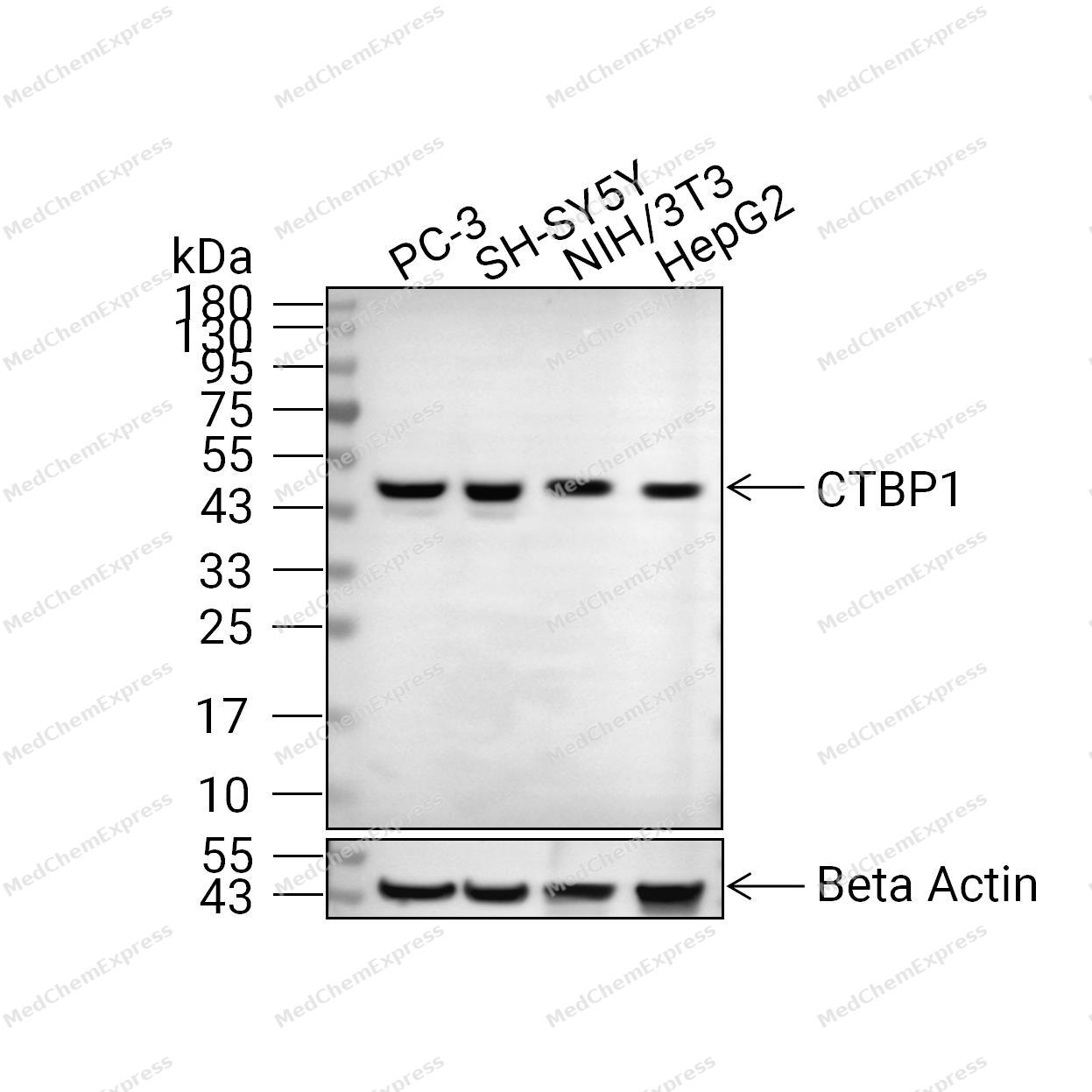 Western blot analysis of extracts from PC-3(lane2(20μg), SH-SY5Y(20μg), NIH/3T3(lane4(20μg) and HepG2(lane5(20μg) using CTBP1 Antibody (HY-P82285). Proteins were transferred to a PVDF membrane and blocked with 5% non-fat milk in TBST at 4°C overnight. The primary antibody (1/1000) and Loading control antibody (Beta Actin, HY-P80993, 1/10,000) was used in 5% non-fat milk in TBST for 2 hour at room temperature. Goat Anti-Rabbit IgG-HRP Secondary Antibody (HY-P8001, 1/10,000) was used for 1 hour at room temperature.
 -
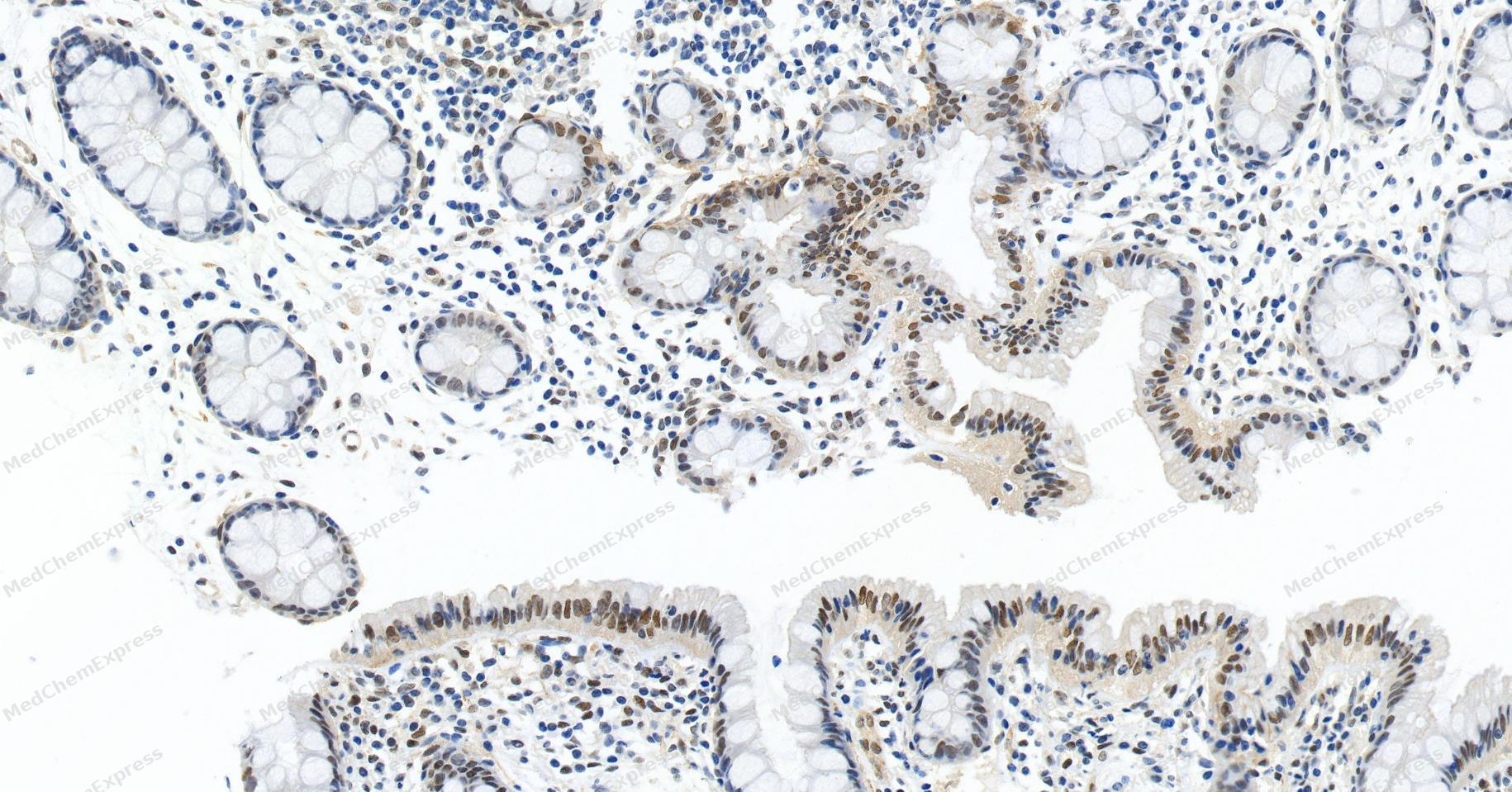 Immunohistochemical analysis of paraffin-embedded human colon tissue using CTBP1 Antibody (YA2030). The section was pre-treated using heat mediated antigen retrieval with Tris/EDTA buffer (pH 9.0) for 20 minutes. The tissues were probed with the primary antibody (HY-P82285, 1/100) overnight at 4℃. The detection was performed using an HRP conjugated compact polymer system. DAB was used as the chromogen. Tissues were counterstained with hematoxylin and mounted with neutral balsam.
 -
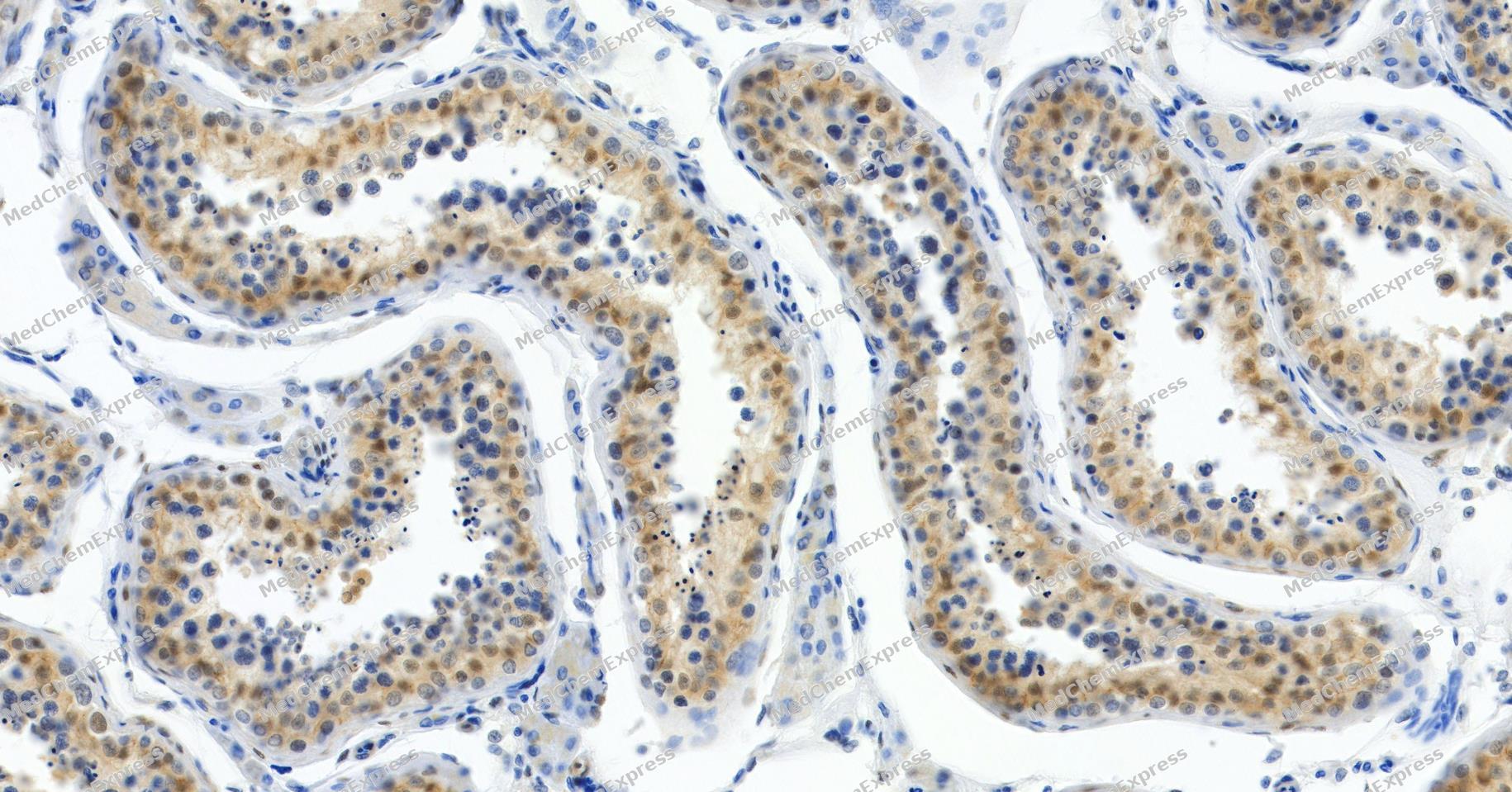 Immunohistochemical analysis of paraffin-embedded human testis tissue using CTBP1 Antibody (YA2030). The section was pre-treated using heat mediated antigen retrieval with Tris/EDTA buffer (pH 9.0) for 20 minutes. The tissues were probed with the primary antibody (HY-P82285, 1/100) overnight at 4℃. The detection was performed using an HRP conjugated compact polymer system. DAB was used as the chromogen. Tissues were counterstained with hematoxylin and mounted with neutral balsam.
 -
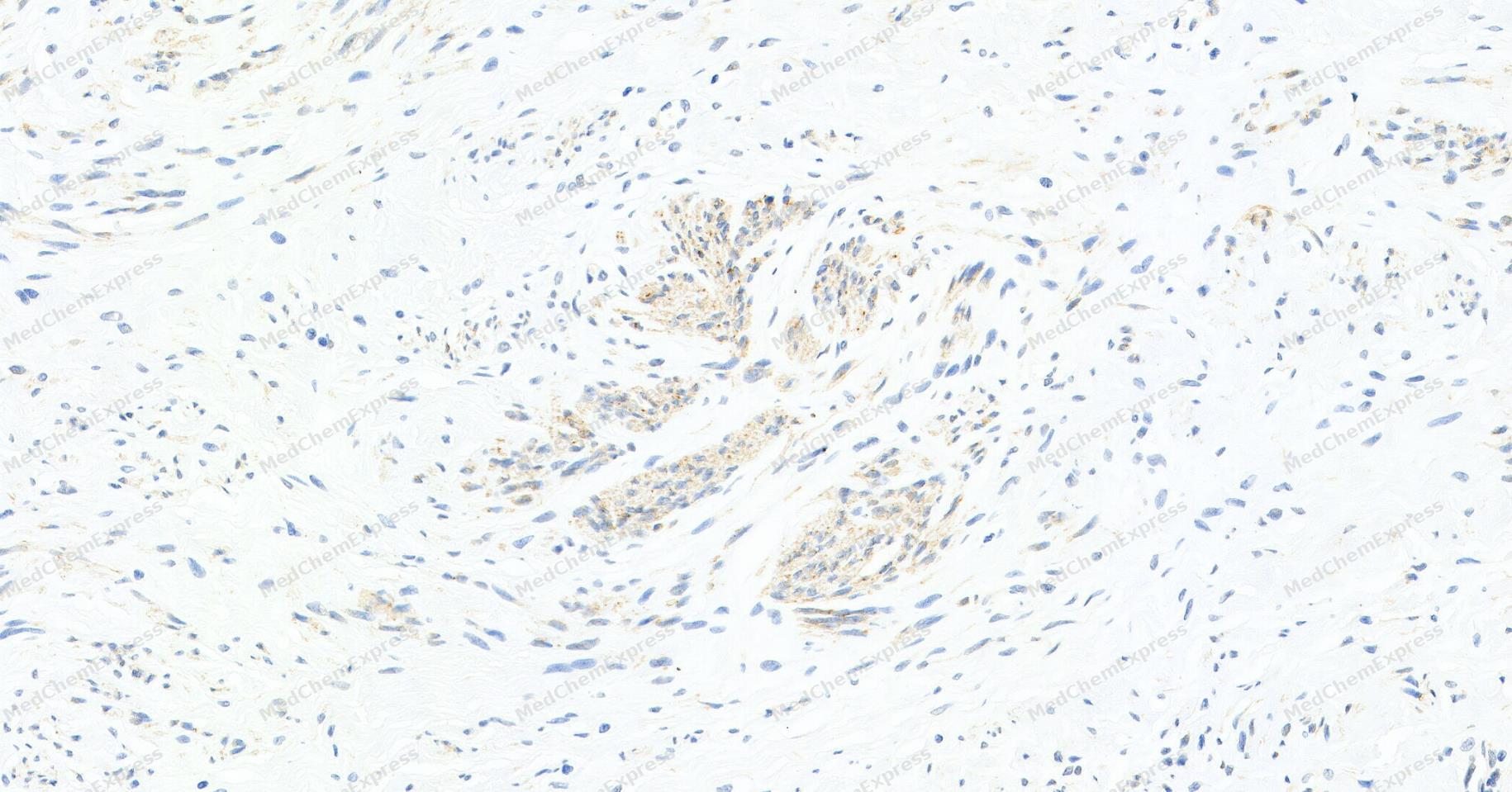 Immunohistochemical analysis of paraffin-embedded human cervix tissue using CTBP1 Antibody (YA2030). The section was pre-treated using heat mediated antigen retrieval with Tris/EDTA buffer (pH 9.0) for 20 minutes. The tissues were probed with the primary antibody (HY-P82285, 1/100) overnight at 4℃. The detection was performed using an HRP conjugated compact polymer system. DAB was used as the chromogen. Tissues were counterstained with hematoxylin and mounted with neutral balsam.
 -
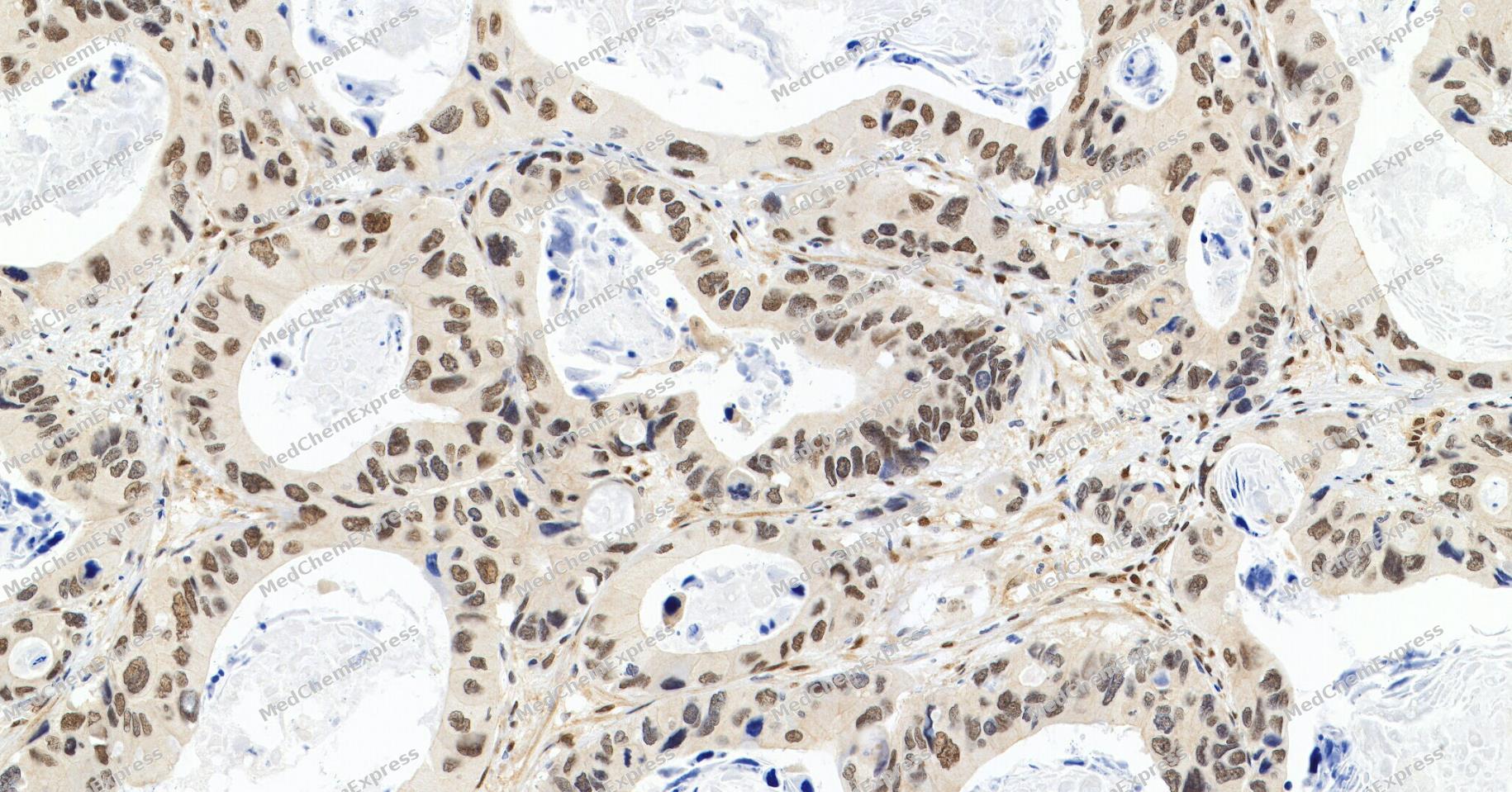 Immunohistochemical analysis of paraffin-embedded human liver cancer tissue using CTBP1 Antibody (YA2030). The section was pre-treated using heat mediated antigen retrieval with Tris/EDTA buffer (pH 9.0) for 20 minutes. The tissues were probed with the primary antibody (HY-P82285, 1/100) overnight at 4℃. The detection was performed using an HRP conjugated compact polymer system. DAB was used as the chromogen. Tissues were counterstained with hematoxylin and mounted with neutral balsam.
 -
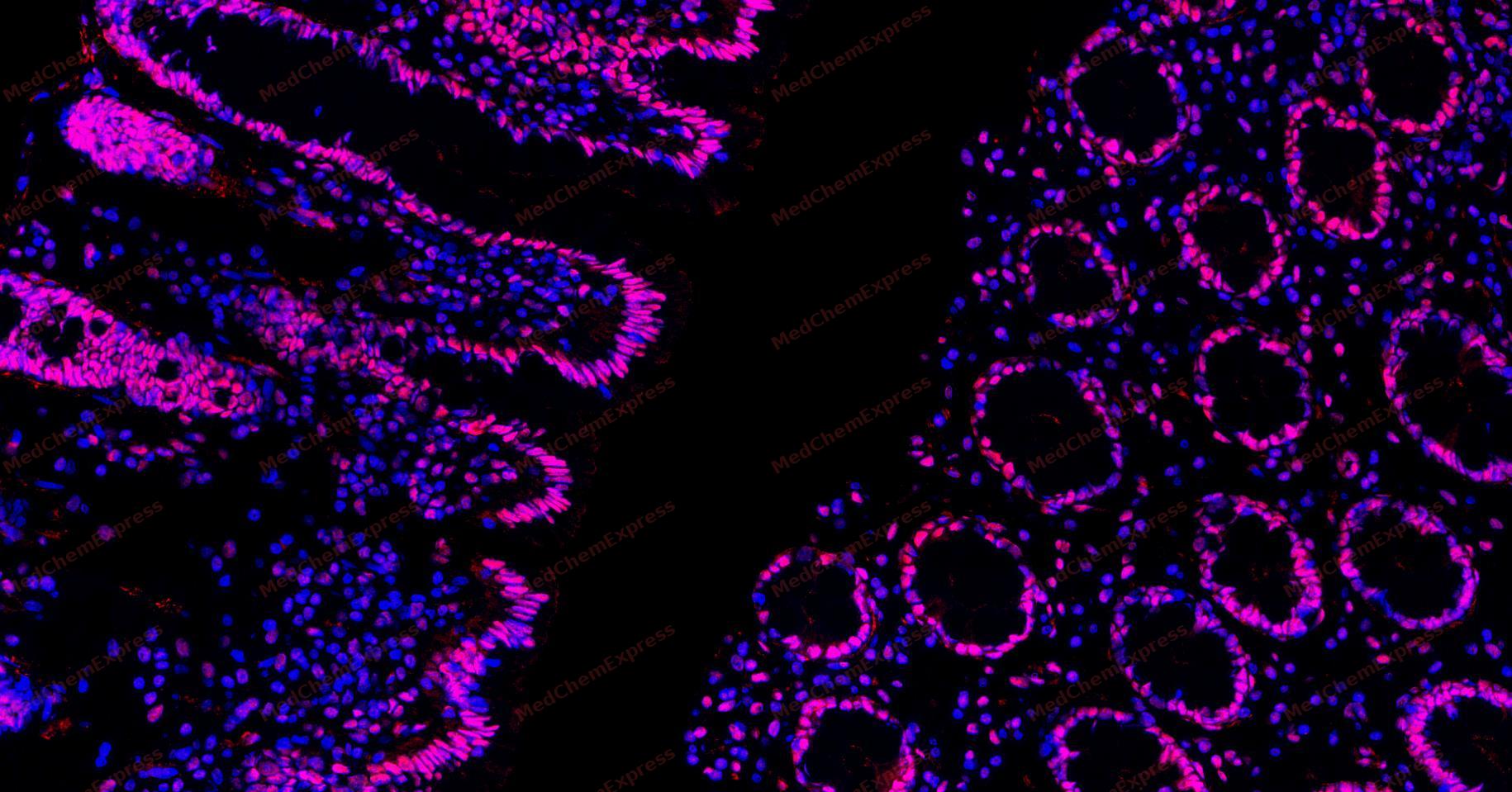 Tyramide signaling amplification based immunofluorescence analysis of paraffin-embedded human colon tissue using CTBP1 Antibody (YA2030). The section was pre-treated using heat mediated antigen retrieval with Tris/EDTA buffer (pH 9.0) for 20 minutes. The tissues were probed with the primary antibody (HY-P82285, 1/300) overnight at 4℃. The detection was performed using an HRP conjugated compact polymer and fluorescent tyramide signal amplification system.Immunostaining was performed with Vari Fluor 594 TSA (200×)(HY-D1835). Tissues were counterstained with DAPI (blue) and mounted with Anti-fade fluorescence mounting medium.
 -
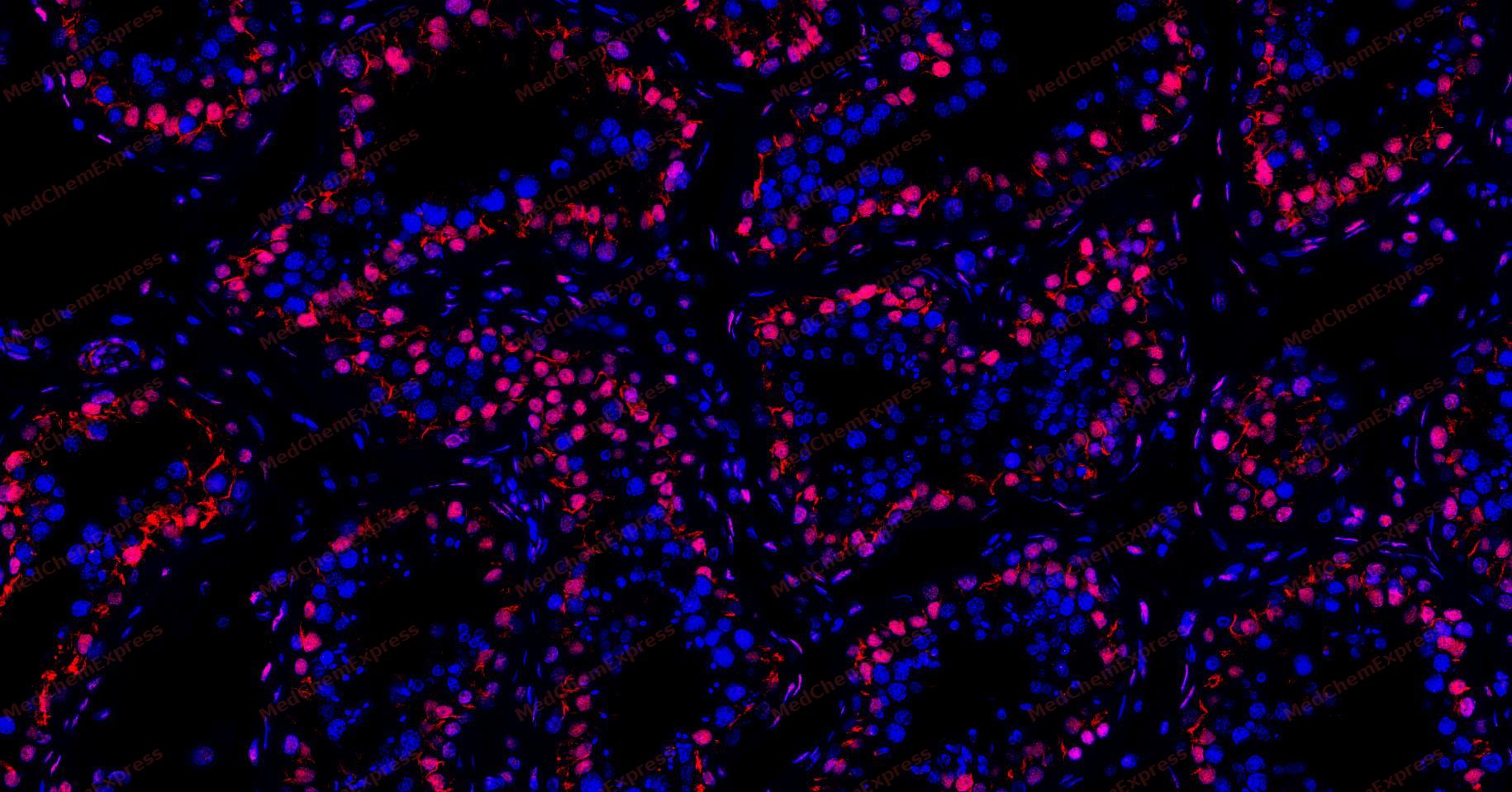 Tyramide signaling amplification based immunofluorescence analysis of paraffin-embedded human testis tissue using CTBP1 Antibody (YA2030). The section was pre-treated using heat mediated antigen retrieval with Tris/EDTA buffer (pH 9.0) for 20 minutes. The tissues were probed with the primary antibody (HY-P82285, 1/300) overnight at 4℃. The detection was performed using an HRP conjugated compact polymer and fluorescent tyramide signal amplification system.Immunostaining was performed with Vari Fluor 594 TSA (200×)(HY-D1835). Tissues were counterstained with DAPI (blue) and mounted with Anti-fade fluorescence mounting medium.
 -
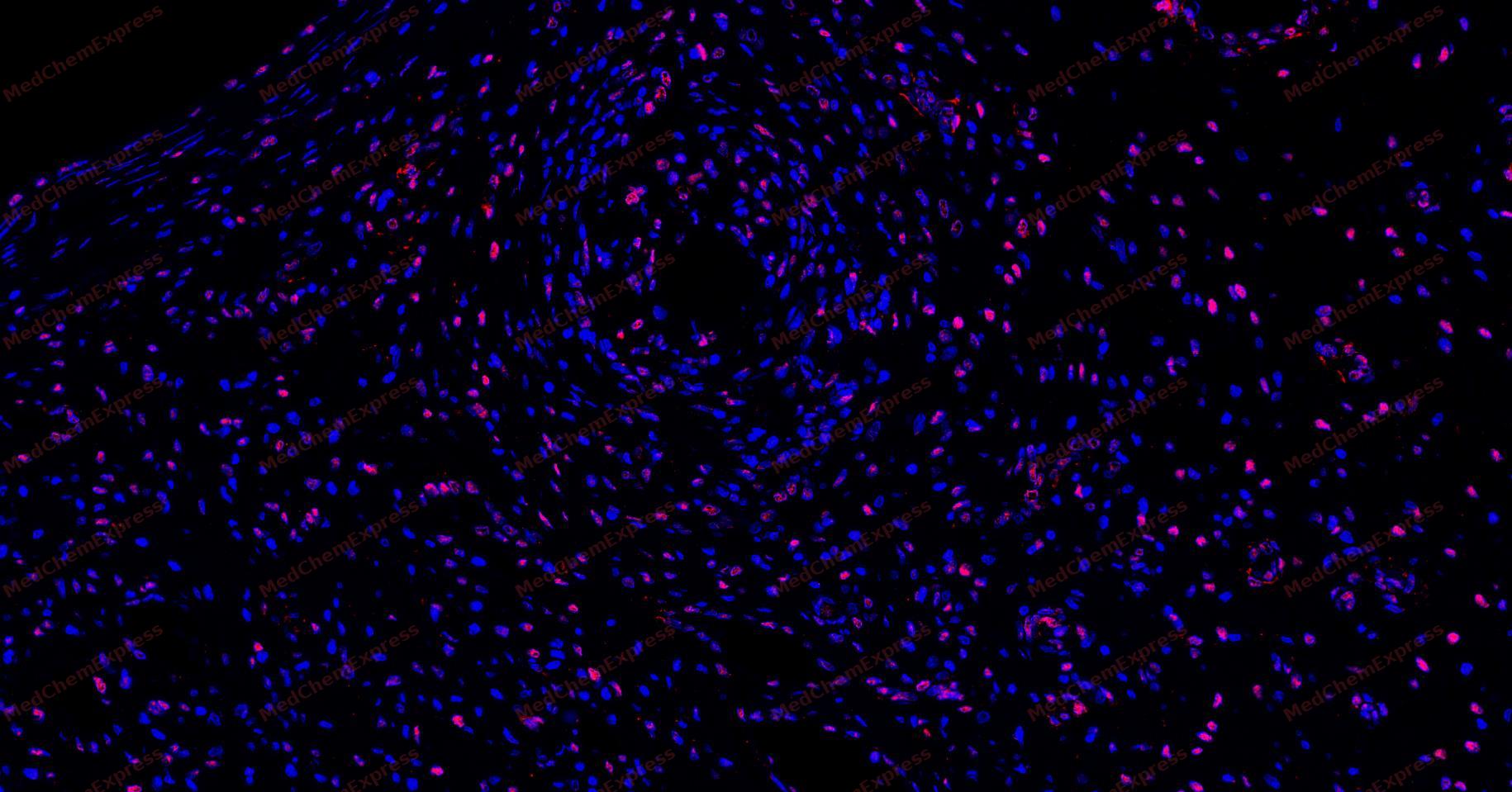 Tyramide signaling amplification based immunofluorescence analysis of paraffin-embedded human cervix tissue using CTBP1 Antibody (YA2030). The section was pre-treated using heat mediated antigen retrieval with Tris/EDTA buffer (pH 9.0) for 20 minutes. The tissues were probed with the primary antibody (HY-P82285, 1/300) overnight at 4℃. The detection was performed using an HRP conjugated compact polymer and fluorescent tyramide signal amplification system.Immunostaining was performed with Vari Fluor 594 TSA (200×)(HY-D1835). Tissues were counterstained with DAPI (blue) and mounted with Anti-fade fluorescence mounting medium.
 -
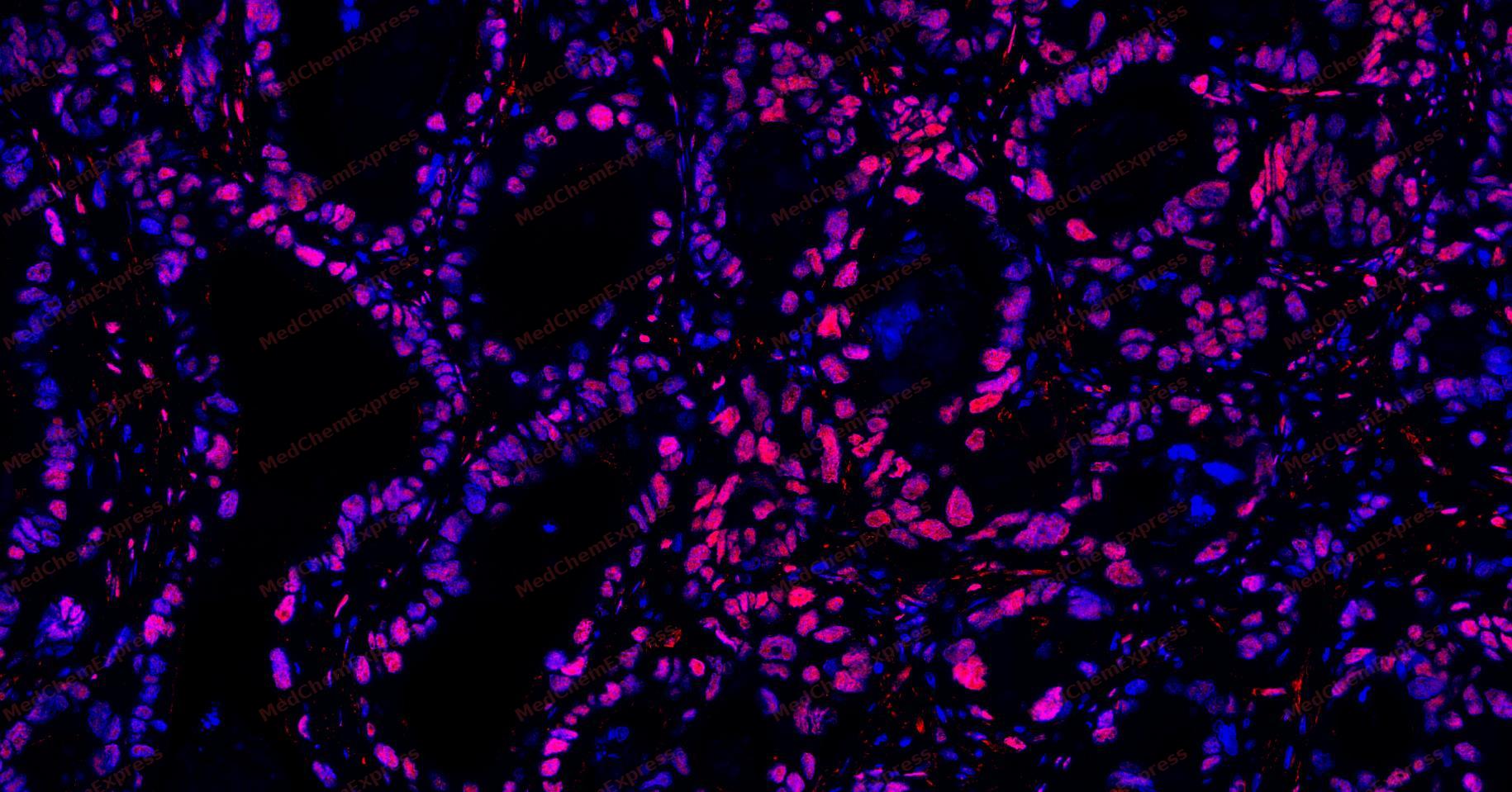 Tyramide signaling amplification based immunofluorescence analysis of paraffin-embedded human liver cancer tissue using CTBP1 Antibody (YA2030). The section was pre-treated using heat mediated antigen retrieval with Tris/EDTA buffer (pH 9.0) for 20 minutes. The tissues were probed with the primary antibody (HY-P82285, 1/300) overnight at 4℃. The detection was performed using an HRP conjugated compact polymer and fluorescent tyramide signal amplification system.Immunostaining was performed with Vari Fluor 594 TSA (200×)(HY-D1835). Tissues were counterstained with DAPI (blue) and mounted with Anti-fade fluorescence mounting medium.
 -
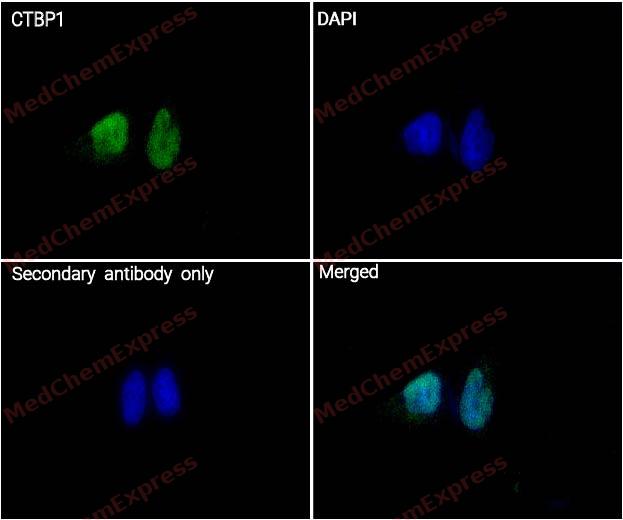 Immunocytochemistry analysis of HeLa cells labeling CTBP1 with CTBP1 Antibody (HY-P82285) at 1/100 dilution . Cells were fixed in 4% paraformaldehyde for 15 minutes at room temperature, permeabilized with 0.1% Triton X-100 in PBS for 15 minutes at room temperature, then blocked with quick block buffer for 10 minutes at room temperature. Cells were then incubated with CTBP1 Antibody (HY-P82285) at 1/100 dilution in quick block buffer overnight at 4 ℃. AF488-conjugated Goat Anti-Rabbit IgG H&L(HY-P8002, Green) was used as the secondary antibody at 1/1,000 dilution. PBS instead of the primary antibody was used as the secondary antibody only control. The Nuclear counterstain was DAPI (Blue).
 -
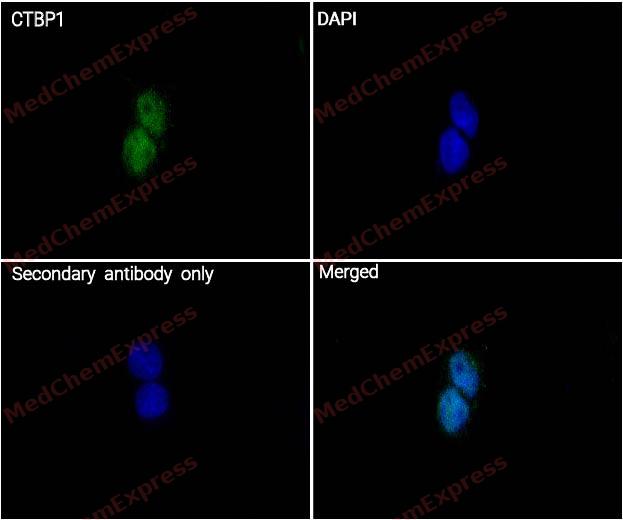 Immunocytochemistry analysis of HepG2 cells labeling CTBP1 with CTBP1 Antibody (HY-P82285) at 1/100 dilution . Cells were fixed in 4% paraformaldehyde for 15 minutes at room temperature, permeabilized with 0.1% Triton X-100 in PBS for 15 minutes at room temperature, then blocked with quick block buffer for 10 minutes at room temperature. Cells were then incubated with CTBP1 Antibody (HY-P82285) at 1/100 dilution in quick block buffer overnight at 4 ℃. AF488-conjugated Goat Anti-Rabbit IgG H&L(HY-P8002, Green) was used as the secondary antibody at 1/1,000 dilution. PBS instead of the primary antibody was used as the secondary antibody only control. The Nuclear counterstain was DAPI (Blue).


Background
-
Function
CTBP1 is a Corepressor targeting diverse transcription regulators such as GLIS2 or BCL6. Has dehydrogenase activity. Involved in controlling the equilibrium between tubular and stacked structures in the Golgi complex. Functions in brown adipose tissue (BAT) differentiation
-
Subcellular Localization
Cytoplasm; Nucleus
-
Expression
Tissue_specificity:Expressed in germinal center B-cells -
Isoforms & Post-Translational Modification
Q13363 has 2 isomers: Q13363-1: 47535 Da (predicted); Q13363-2: 46405 Da (predicted).
The level of phosphorylation appears to be regulated during the cell cycle. Phosphorylation by HIPK2 on Ser-422 induces proteasomal degradation;ADP-ribosylated; when cells are exposed to brefeldin A;Sumoylation on Lys-428 is promoted by the E3 SUMO-protein ligase CBX4 -
Subunit
Homo- or heterodimer. Heterodimer with CTBP2. Interacts with PRDM16; the interaction represses white adipose tissue (WAT)-specific genes expression. Interacts with GLIS2, FOXP2, HDAC4, HDAC5, HDAC9 and ZNF217. Interacts with ELK3 (via its PXDLS motif). Interacts with RBBP8 (via its PXDLS motif); the interaction is disrupted by binding to adenovirus E1A. Interacts with FOXP1, HIPK2, PNN, NRIP1, MECOM, ZFHX1B and WIZ. Interacts with ZNF366 (via PXDLS motif) (PubMed:16393996, PubMed:17085477). Interaction with SATB1 (non-acetylated form); the interaction stabilizes its attachment to DNA and promotes transcription repression. Interacts with BCL6; the interaction is required for BCL6 transcriptional autoinhibition and inhibition of some BCL6 target genes. Interacts with IKZF4 (By similarity). Interacts with MCRIP1 (unphosphorylated form, via the PXDLS motif); competitively inhibiting CTBP-ZEB1 interaction (PubMed:25728771). Interacts with Bassoon/BSN; this interaction targets and anchors CTBP1 to presynapses (By similarity). Interacts with SIMC1 (PubMed:23707407)
-
SwissProt ID
-
Synonyms
CTBP1; CTBP; C-terminal-binding protein 1; CtBP1
-
Research Field
Cell Biology


Documentation
-
Data Sheet (234 KB)
-
SDS (251 KB)
- English - EN (251 KB)
- Français - FR (251 KB)
- Deutsch - DE (251 KB)
- Norwegian - NO (251 KB)
- Español - ES (251 KB)
- Swedish - SV (251 KB)
- Italian - IT (251 KB)
- Korean - KR (251 KB)
- Portuguese - PT (251 KB)
-
User Guide for Antibodies (1077 KB)

 Powered by Bioz
