



ACSL5 Antibody (YA6456)
(Synonyms: ACS2 antibody; ACS5 antibody; Acyl CoA synthetase 5 antibody; Acyl CoA synthetase long chain family member 5 antibody; EC 6.2.1.3 antibody; FACL5 antibody; FACL5 for fatty acid coenzyme A ligase 5 antibody; Fatty acid CoA ligase, long chain 5 antibody; Fatty acid coenzyme A ligase 5 antibody; Fatty acid Coenzyme A ligase long chain 5 antibody; ACS2 antibody; ACS5 antibody; Acyl CoA synthetase 5 antibody; Acyl CoA synthetase long chain family member 5 antibody; EC 6.2.1.3 antibody; FACL5 antibody; FACL5 for fatty acid coenzyme A ligase 5 antibody; Fatty acid CoA ligase, long chain 5 antibody; Fatty acid coenzyme A ligase 5 antibody; Fatty acid Coenzyme A ligase long chain 5 antibody; LACS 5 antibody; Long chain acyl CoA synthetase 5 antibody; Long chain fatty acid CoA ligase 5 antibody; Long chain fatty acid coenzyme A ligase 5 antibody; )
Based on 1 Customer Validation
ACSL5 Antibody (YA6456) is a Mouse-derived and non-conjugated IgG monoclonal antibody, targeting to ACSL5.
-
Host:
Mouse
-
Isotype:
IgG
-
Application:
WB, IHC-P
-
Reactivity :
Human, Mouse, Rat
-
Formulation:
Supplied in PBS (pH7.4), 0.1% BSA, 40% Glycerol. Preservative: 0.05% Sodium Azide.
-
Conjugation:
Non-conjugated


To place orders, for customer services and technical support, please contact: MedChemExpress USA
Tel: 609-228-6898 E-mail: [email protected] [email protected]





Applications
| Application |
WB

WB: Western Blot
|
IHC-P
IHC-P: Immunohistochemistry-Paraffin
|
|---|---|---|
| Dilution Ratio | 1:1000 | 1:1000 |


Product Details
ACSL5 Antibody (YA6456) is a Mouse-derived and non-conjugated IgG monoclonal antibody, targeting to ACSL5.
-
Host Mouse

-
Clonality Recombinant,Monoclonal

-
Species ReactivityHuman, Mouse, Rat
-
Observed Molecular WeightObserved band size: 65 kDa
Note: Due to possible protein modifications or aggregation, the molecular weight should be confirmed by actual measurement, and the predicted value is for reference only.

-
Calculated Molecular Weight Predicted band size: 76 kDa

Recombinant protein within human ACSL5 aa 151-350 / 683.
affinity purified.
Non-conjugated
Unmodified
IgG


Product Properties
-
Appearance
Solution
-
Formulation
Supplied in PBS (pH7.4), 0.1% BSA, 40% Glycerol. Preservative: 0.05% Sodium Azide.
-
Concentration
Batch-dependent, Please check the COA for the concentration of each lot. Check Lot Concentration
-
Storage & Stability
Stored at -20°C for 1 year. Avoid repeated freeze / thaw cycles.
-
Shipping
Shipping with blue ice.


Verification Images
-
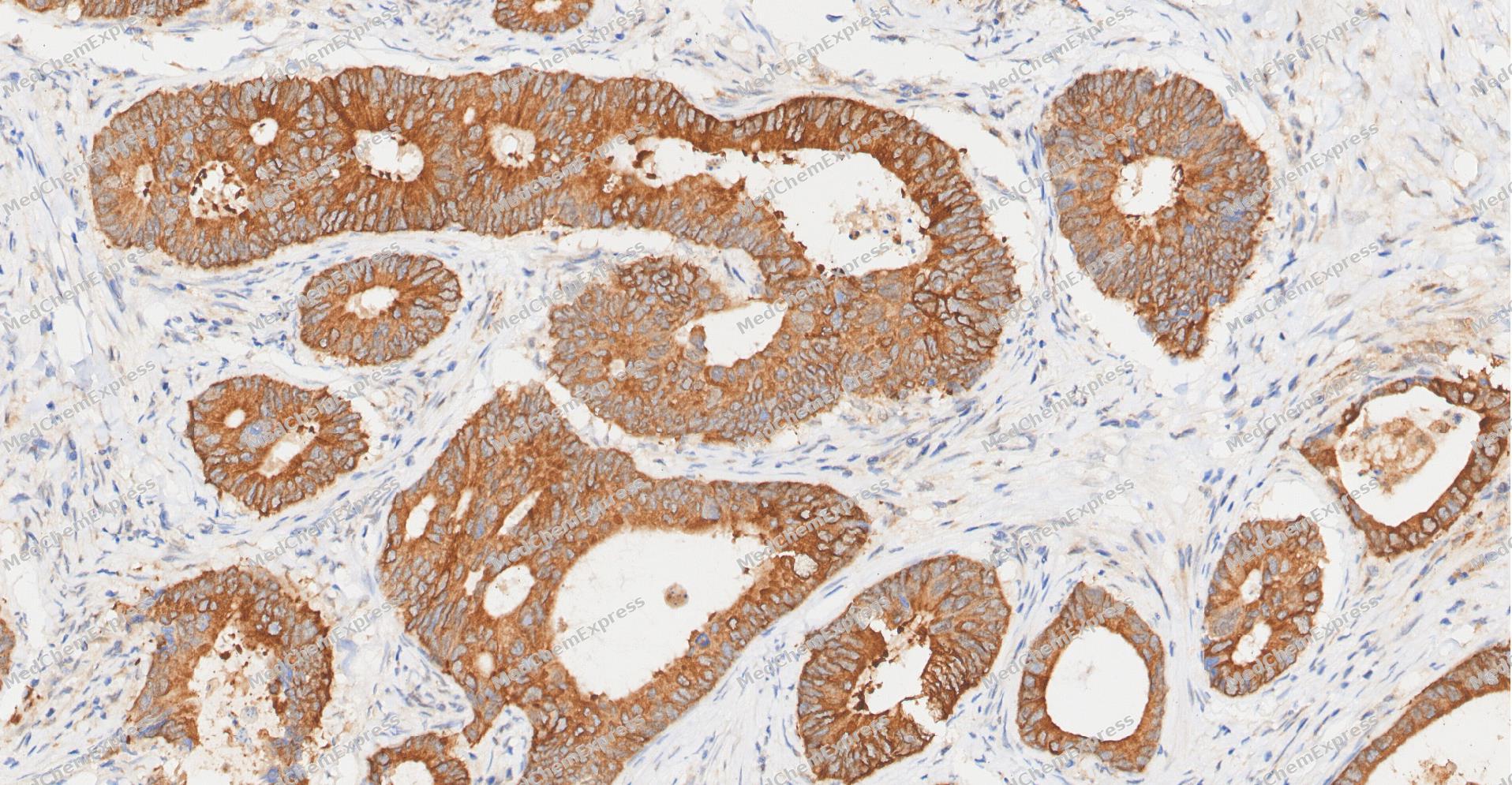 Immunohistochemical analysis of paraffin-embedded human Colon cancer tissue using ACSL5 antibody was performed. The section was pretreated using high-temperature and high-pressure mediated EDTA antigen retrieval buffer (pH 9.0), for 5 minutes. The tissues were incubated with primary antibody (HY-P86763, 1:1000 dilution) at room temperature for 60 minutes. Detection was performed using an HRP conjugated compact polymer system. DAB was used as the chromogen. The tissues were counterstained with hematoxylin and mounted with neutral balsam mounting medium.
 -
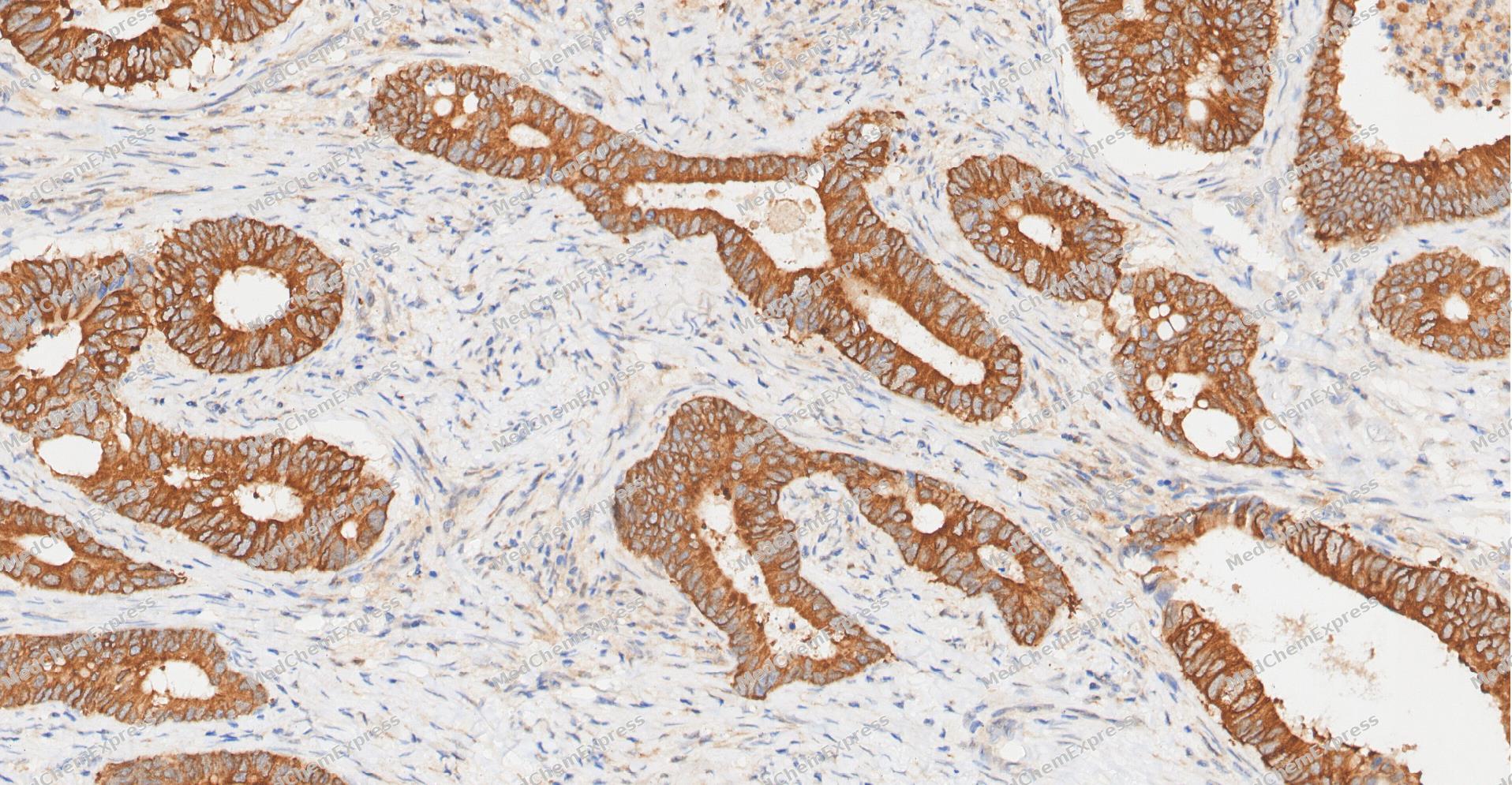 Immunohistochemical analysis of paraffin-embedded human Colon cancer tissue using ACSL5 antibody was performed. The section was pretreated using high-temperature and high-pressure mediated EDTA antigen retrieval buffer (pH 9.0), for 5 minutes. The tissues were incubated with primary antibody (HY-P86763, 1:1000 dilution) at room temperature for 60 minutes. Detection was performed using an HRP conjugated compact polymer system. DAB was used as the chromogen. The tissues were counterstained with hematoxylin and mounted with neutral balsam mounting medium.
 -
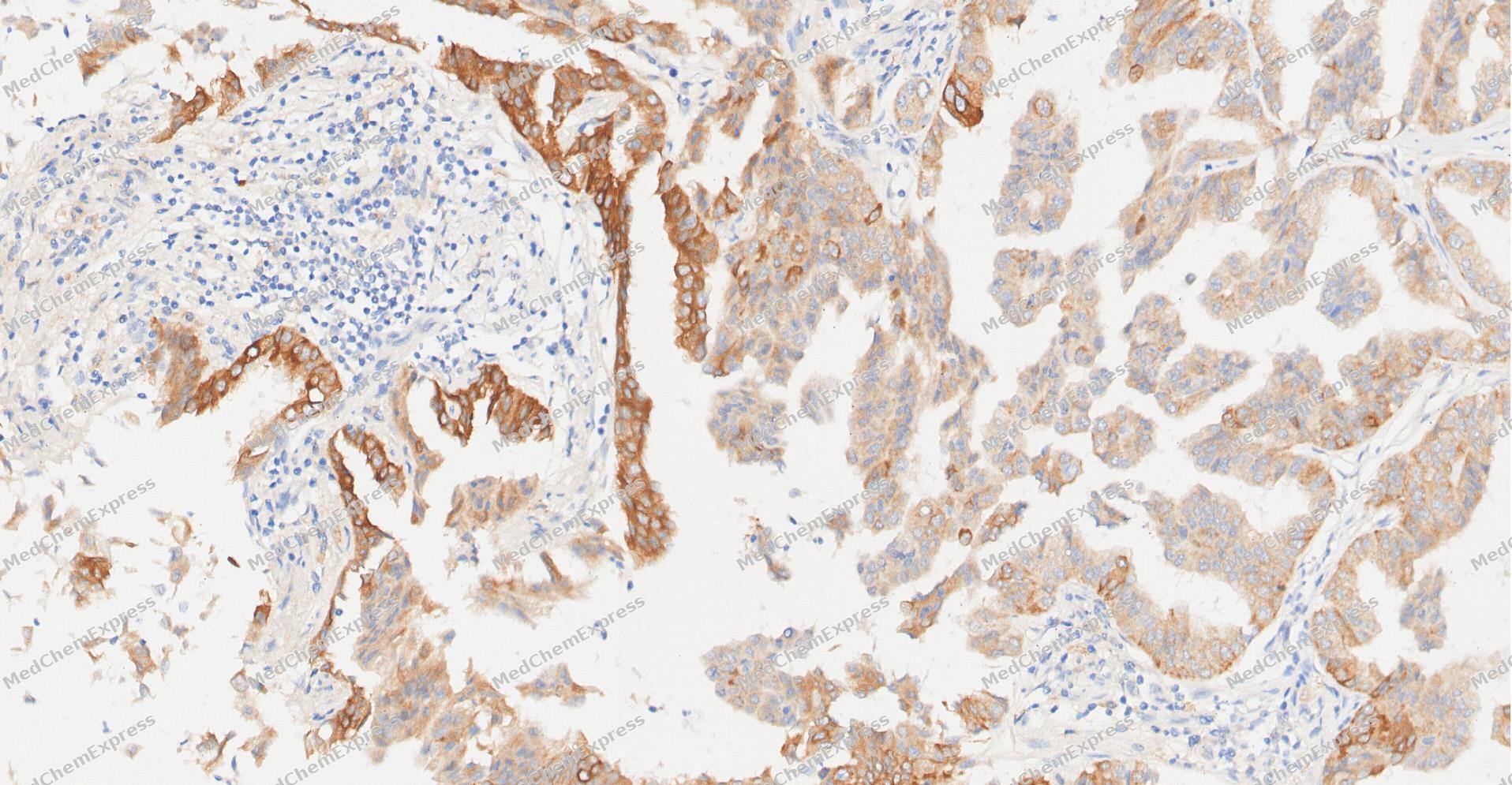 Immunohistochemical analysis of paraffin-embedded human Lung Adenocarcinoma tissue using ACSL5 antibody was performed. The section was pretreated using high-temperature and high-pressure mediated EDTA antigen retrieval buffer (pH 9.0), for 5 minutes. The tissues were incubated with primary antibody (HY-P86763, 1:1000 dilution) at room temperature for 60 minutes. Detection was performed using an HRP conjugated compact polymer system. DAB was used as the chromogen. The tissues were counterstained with hematoxylin and mounted with neutral balsam mounting medium.
 -
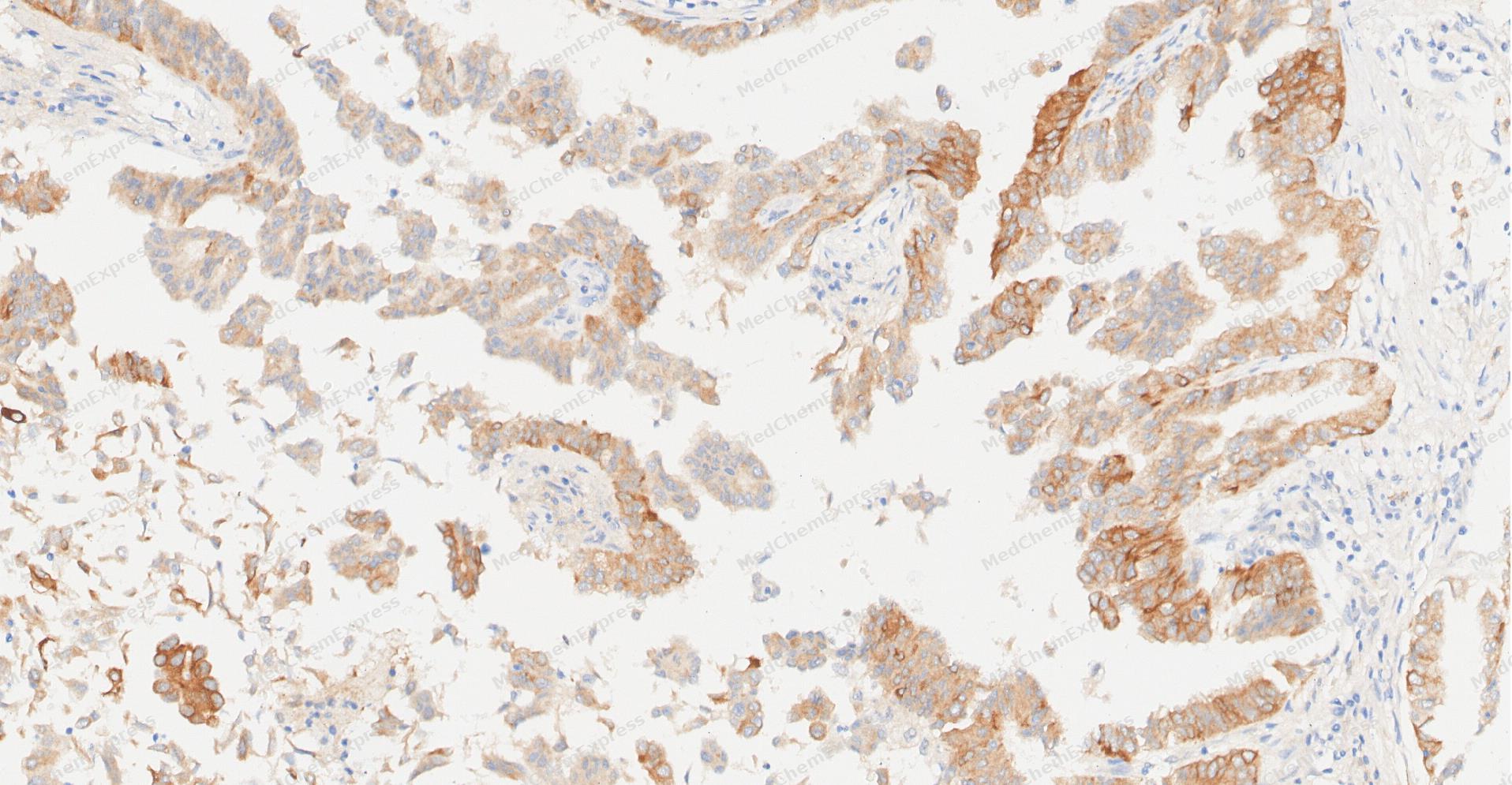 Immunohistochemical analysis of paraffin-embedded human Lung Adenocarcinoma tissue using ACSL5 antibody was performed. The section was pretreated using high-temperature and high-pressure mediated EDTA antigen retrieval buffer (pH 9.0), for 5 minutes. The tissues were incubated with primary antibody (HY-P86763, 1:1000 dilution) at room temperature for 60 minutes. Detection was performed using an HRP conjugated compact polymer system. DAB was used as the chromogen. The tissues were counterstained with hematoxylin and mounted with neutral balsam mounting medium.
 -
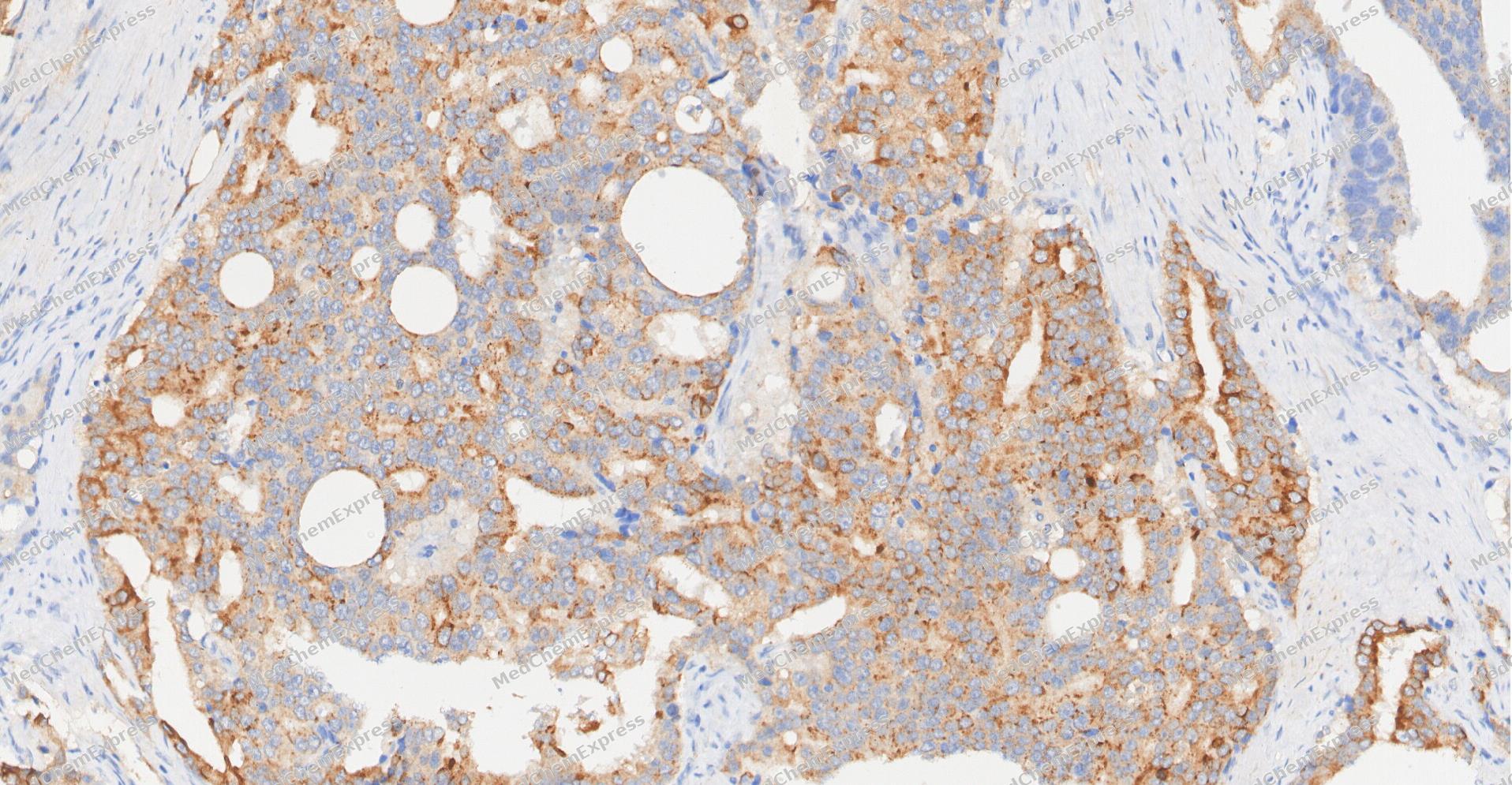 Immunohistochemical analysis of paraffin-embedded human Prostate Cancer tissue using ACSL5 antibody was performed. The section was pretreated using high-temperature and high-pressure mediated EDTA antigen retrieval buffer (pH 9.0), for 5 minutes. The tissues were incubated with primary antibody (HY-P86763, 1:1000 dilution) at room temperature for 60 minutes. Detection was performed using an HRP conjugated compact polymer system. DAB was used as the chromogen. The tissues were counterstained with hematoxylin and mounted with neutral balsam mounting medium.
 -
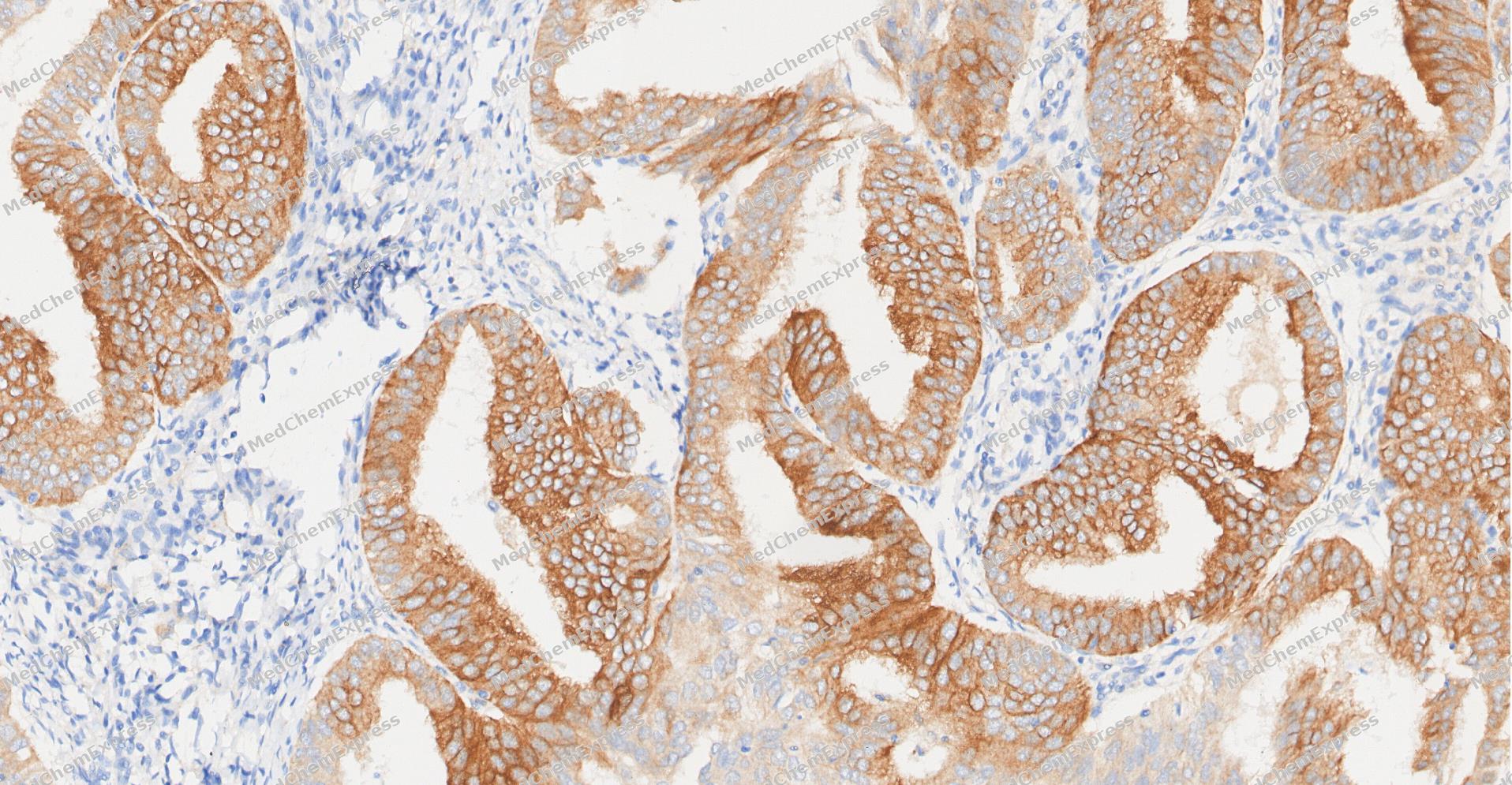 Immunohistochemical analysis of paraffin-embedded human Endometrial Carcinoma tissue using ACSL5 antibody was performed. The section was pretreated using high-temperature and high-pressure mediated EDTA antigen retrieval buffer (pH 9.0), for 5 minutes. The tissues were incubated with primary antibody (HY-P86763, 1:1000 dilution) at room temperature for 60 minutes. Detection was performed using an HRP conjugated compact polymer system. DAB was used as the chromogen. The tissues were counterstained with hematoxylin and mounted with neutral balsam mounting medium.
 -
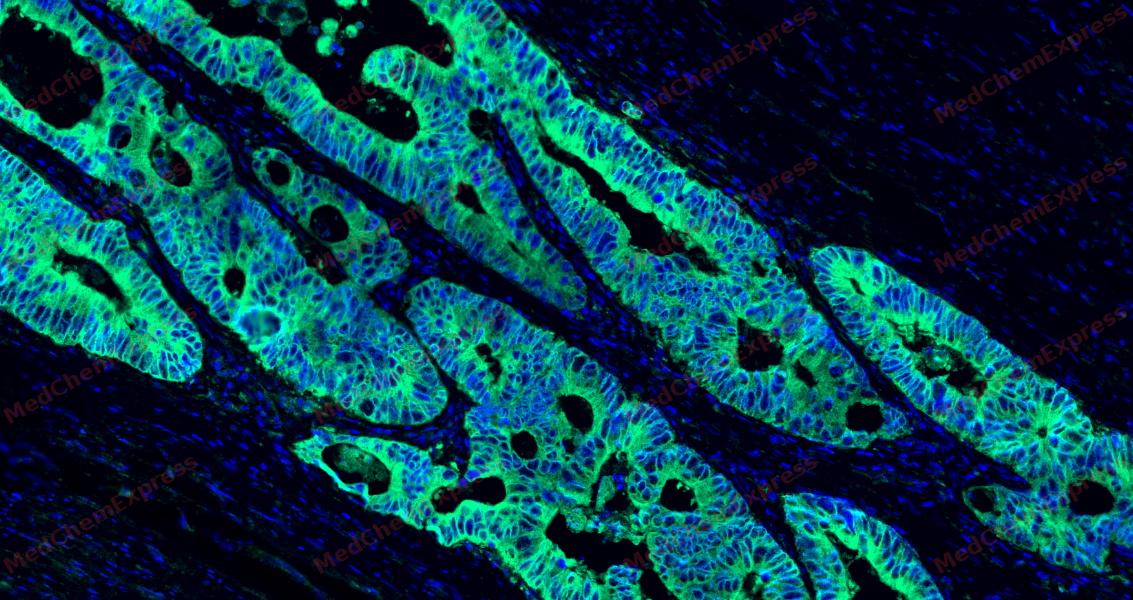 Tyramide signaling amplification based immunofluorescence was performed on paraffin-embedded human Colon cancer tissue using ACSL5 antibody. Antigen retrieval was performed in EDTA buffer pH 9.0 (95 °C, 20 min) followed by cooling to RT. Then incubated with primary antibody (HY-P86763, 1:1000 dilution) at room temperature for 60 minutes and HRP conjugated secondary antibody for 10 minutes. Fluorescence was then developed with Vari Fluor 532 TSA (200×)(HY-D1832). The tissues were counterstained with DAPI and mounted with Anti-fade mounting medium.
 -
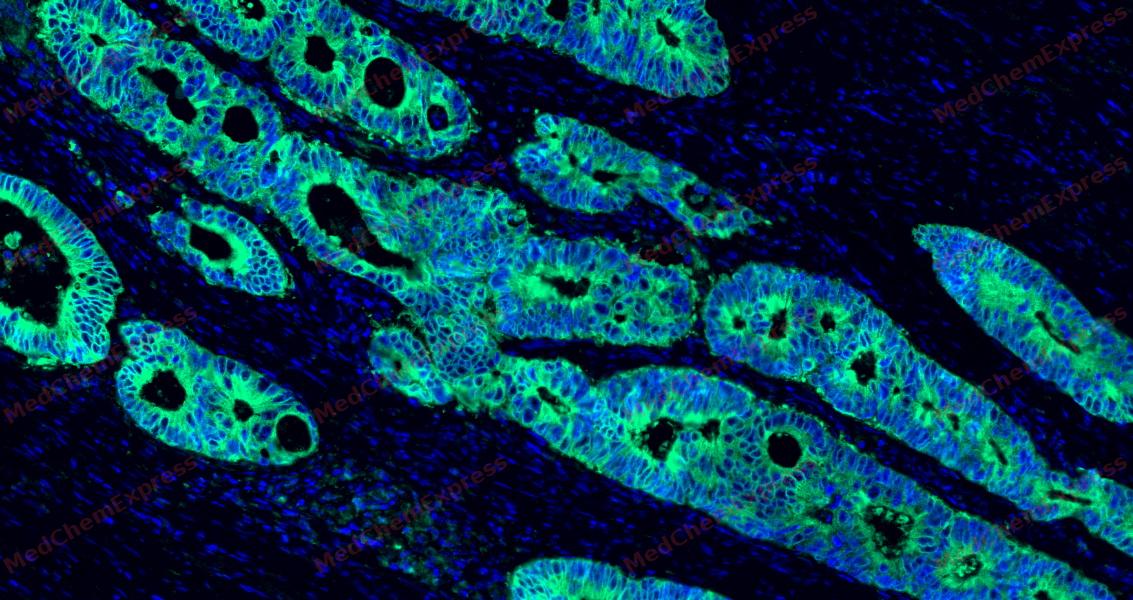 Tyramide signaling amplification based immunofluorescence was performed on paraffin-embedded human Colon cancer tissue using ACSL5 antibody. Antigen retrieval was performed in EDTA buffer pH 9.0 (95 °C, 20 min) followed by cooling to RT. Then incubated with primary antibody (HY-P86763, 1:1000 dilution) at room temperature for 60 minutes and HRP conjugated secondary antibody for 10 minutes. Fluorescence was then developed with Vari Fluor 532 TSA (200×)(HY-D1832). The tissues were counterstained with DAPI and mounted with Anti-fade mounting medium.
 -
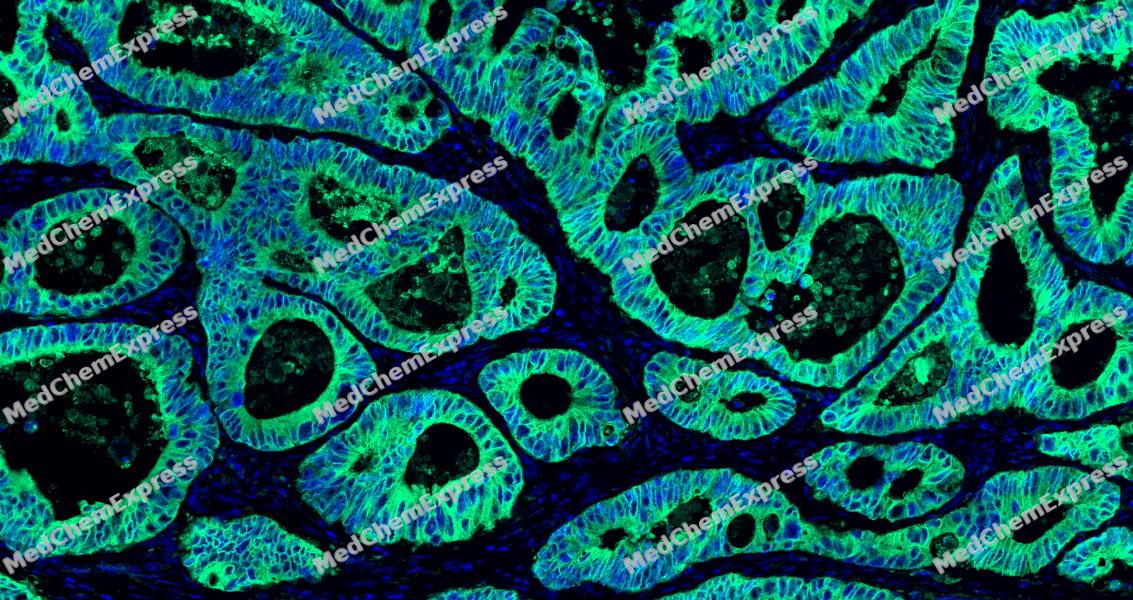 Tyramide signaling amplification based immunofluorescence was performed on paraffin-embedded human Colon cancer tissue using ACSL5 antibody. Antigen retrieval was performed in EDTA buffer pH 9.0 (95 °C, 20 min) followed by cooling to RT. Then incubated with primary antibody (HY-P86763, 1:1000 dilution) at room temperature for 60 minutes and HRP conjugated secondary antibody for 10 minutes. Fluorescence was then developed with Vari Fluor 532 TSA (200×)(HY-D1832). The tissues were counterstained with DAPI and mounted with Anti-fade mounting medium.
 -
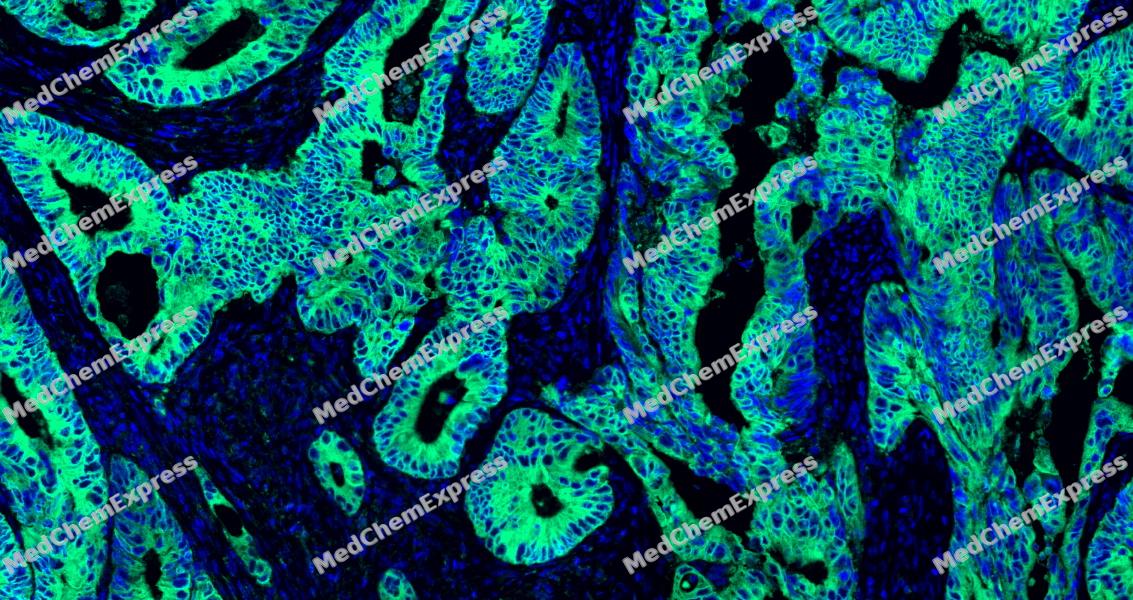 Tyramide signaling amplification based immunofluorescence was performed on paraffin-embedded human Colon cancer tissue using ACSL5 antibody. Antigen retrieval was performed in EDTA buffer pH 9.0 (95 °C, 20 min) followed by cooling to RT. Then incubated with primary antibody (HY-P86763, 1:1000 dilution) at room temperature for 60 minutes and HRP conjugated secondary antibody for 10 minutes. Fluorescence was then developed with Vari Fluor 532 TSA (200×)(HY-D1832). The tissues were counterstained with DAPI and mounted with Anti-fade mounting medium.
 -
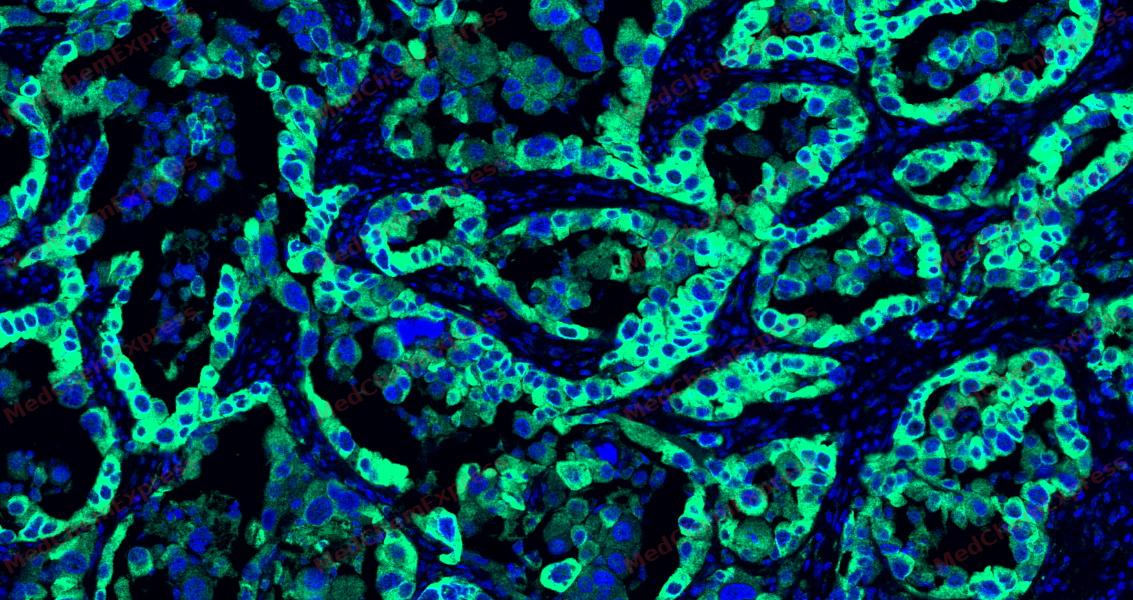 Tyramide signaling amplification based immunofluorescence was performed on paraffin-embedded human Lung Adenocarcinoma tissue using ACSL5 antibody. Antigen retrieval was performed in EDTA buffer pH 9.0 (95 °C, 20 min) followed by cooling to RT. Then incubated with primary antibody (HY-P86763, 1:1000 dilution) at room temperature for 60 minutes and HRP conjugated secondary antibody for 10 minutes. Fluorescence was then developed with Vari Fluor 532 TSA (200×)(HY-D1832). The tissues were counterstained with DAPI and mounted with Anti-fade mounting medium.
 -
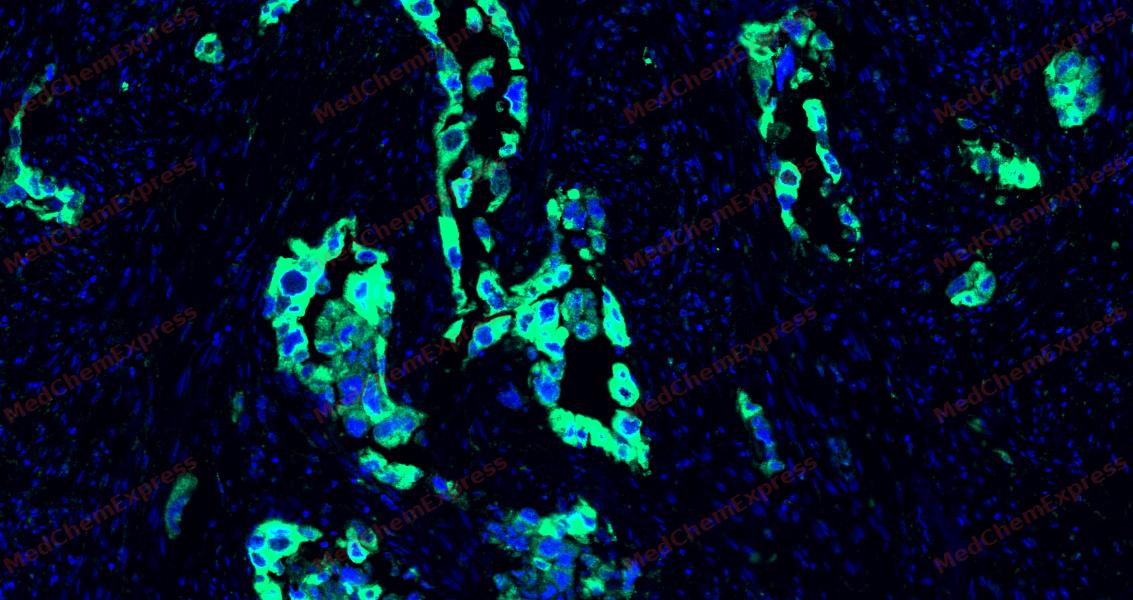 Tyramide signaling amplification based immunofluorescence was performed on paraffin-embedded human Lung Adenocarcinoma tissue using ACSL5 antibody. Antigen retrieval was performed in EDTA buffer pH 9.0 (95 °C, 20 min) followed by cooling to RT. Then incubated with primary antibody (HY-P86763, 1:1000 dilution) at room temperature for 60 minutes and HRP conjugated secondary antibody for 10 minutes. Fluorescence was then developed with Vari Fluor 532 TSA (200×)(HY-D1832). The tissues were counterstained with DAPI and mounted with Anti-fade mounting medium.


Background
-
Function
Long-chain acyl-CoA synthetase ACSL5 activates long-chain fatty acids by thioesterification with CoA, generating fatty acyl-CoAs for lipid synthesis and β-oxidation[1][2]. ACSL5 localizes to the endoplasmic reticulum and mitochondrial outer membrane, where it catalyzes C16-C20 fatty acid conversion into acyl-CoA intermediates[1]. Mechanistically, ACSL5 supports fatty acid metabolism in liver, small intestine, adipose tissue, and skeletal muscle, with effects depending on substrate preference, subcellular localization, and tissue specificity[1]. In intestinal epithelium, ACSL5 is the major ACSL isoform and contributes approximately 80% of total ACSL activity, linking dietary fat absorption to enteroendocrine GLP-1 and PYY secretion[3]. In ACSL5-deficient mice, reduced adiposity, improved insulin sensitivity, increased energy expenditure, delayed triglyceride absorption, and elevated FGF21 define a metabolic model for obesity and insulin-resistance research[4]. In steatotic human liver and hepatocyte models, fatty acid uptake increases ACSL5 expression, and ACSL5 overexpression increases susceptibility to TRAIL- and TNFα-induced apoptosis through caspase activation and sphingolipid remodeling[5][6]. Compared with related ACSL isoforms, ACSL5 shows isoform-specific biology because individual ACSLs channel fatty acids into different metabolic pathways, while ACSL3 and ACSL4, but not ACSL5, support glucose-stimulated insulin secretion in β-cell models[7][8]. Current literature supports ACSL5 genetic, knockdown, overexpression, and tissue-specific ablation models, but does not establish validated ACSL5-selective agonists or inhibitors[3][4][5][6].
-
Subcellular Localization
Mitochondrion,Endoplasmic reticulum,Mitochondrion outer membrane,Endoplasmic reticulum membrane,Cell membrane
-
Isoforms & Post-Translational Modification
Q9ULC5 has three isomers: Q9ULC5-1: 75991 Da (predicted); Q9ULC5-3: 82263 Da (predicted); Q9ULC5-4: 73278 Da (predicted).
-
SwissProt ID
-
Synonyms
ACS2 antibody; ACS5 antibody; Acyl CoA synthetase 5 antibody; Acyl CoA synthetase long chain family member 5 antibody; EC 6.2.1.3 antibody; FACL5 antibody; FACL5 for fatty acid coenzyme A ligase 5 antibody; Fatty acid CoA ligase, long chain 5 antibody; Fatty acid coenzyme A ligase 5 antibody; Fatty acid Coenzyme A ligase long chain 5 antibody; ACS2 antibody; ACS5 antibody; Acyl CoA synthetase 5 antibody; Acyl CoA synthetase long chain family member 5 antibody; EC 6.2.1.3 antibody; FACL5 antibody; FACL5 for fatty acid coenzyme A ligase 5 antibody; Fatty acid CoA ligase, long chain 5 antibody; Fatty acid coenzyme A ligase 5 antibody; Fatty acid Coenzyme A ligase long chain 5 antibody; LACS 5 antibody; Long chain acyl CoA synthetase 5 antibody; Long chain fatty acid CoA ligase 5 antibody; Long chain fatty acid coenzyme A ligase 5 antibody;


Documentation
-
Data Sheet (261 KB)
-
SDS (254 KB)
- English - EN (254 KB)
- Français - FR (254 KB)
- Deutsch - DE (254 KB)
- Norwegian - NO (254 KB)
- Español - ES (254 KB)
- Swedish - SV (254 KB)
- Italian - IT (254 KB)
- Korean - KR (254 KB)
- Portuguese - PT (254 KB)
-
User Guide for Antibodies (1077 KB)
References
[1]. Luo Q, et al. Role of ACSL5 in fatty acid metabolism. Heliyon. 2023 Jan 31;9(2):e13316. [Content Brief]
[2]. Yan S, et al. Long-chain acyl-CoA synthetase in fatty acid metabolism involved in liver and other diseases: an update. World J Gastroenterol. 2015 Mar 28;21(12):3492-8. [Content Brief]
[3]. Griffin JD, et al. Intestinal Acyl-CoA synthetase 5 (ACSL5) deficiency potentiates postprandial GLP-1 & PYY secretion, reduces food intake, and protects against diet-induced obesity. Mol Metab. 2024 May;83:101918. [Content Brief]
[4]. Bowman TA, et al. Acyl CoA synthetase 5 (ACSL5) ablation in mice increases energy expenditure and insulin sensitivity and delays fat absorption. Mol Metab. 2016 Jan 11;5(3):210-220. [Content Brief]
[5]. Reinartz A, et al. Lipid-induced up-regulation of human acyl-CoA synthetase 5 promotes hepatocellular apoptosis. Biochim Biophys Acta. 2010 Sep;1801(9):1025-35. [Content Brief]
[6]. Fukamachi A, et al. Postoperative extradural hematomas: computed tomographic survey of 1105 intracranial operations. Neurosurgery. 1986 Oct;19(4):589-93. [Content Brief]
[7]. Mashek DG, et al. Long-chain acyl-CoA synthetases and fatty acid channeling. Future Lipidol. 2007 Aug;2(4):465-476. [Content Brief]
[8]. Ansari IH, et al. Characterization of Acyl-CoA synthetase isoforms in pancreatic beta cells: Gene silencing shows participation of ACSL3 and ACSL4 in insulin secretion. Arch Biochem Biophys. 2017 Mar 15;618:32-43. [Content Brief]

 Powered by Bioz
