



Smad4 Antibody (YA074)
(Synonyms: DPC4, MADH4, SMAD4, SMAD family member 4, SMAD 4, hSMAD4, Deletion target in pancreatic carcinoma 4, Mothers against decapentaplegic homolog 4, MAD homolog 4, Mothers against DPP homolog 4)
Based on 1 Customer Validation
Smad4 Antibody (YA074) is a Rabbit-derived and non-conjugated IgG monoclonal antibody, targeting to Smad4.
-
Host:
Rabbit
-
Isotype:
IgG
-
Application:
WB, IHC-P, ICC/IF, FC, IF-Tissue
-
Reactivity :
Human, Mouse, Rat
-
Formulation:
Supplied in 1*TBS (pH7.4), 0.05% BSA and 40% Glycerol. Preservative: 0.05% Sodium Azide.
-
Conjugation:
Non-conjugated


To place orders, for customer services and technical support, please contact: MedChemExpress USA
Tel: 609-228-6898 E-mail: [email protected] [email protected]





Applications
| Application |
WB

WB: Western Blot
|
ICC/IF
ICC/IF: Immunocytochemistry/
Immunofluorescence |
IF-Tissue
IF-Tissue: Immunofluorescence-Tissue
|
IHC-P
IHC-P: Immunohistochemistry-Paraffin
|
FC
FC: Flow Cytometry
|
|---|---|---|---|---|---|
| Dilution Ratio | 1:1000-1:5000 | 1:100 | 1:50-1:200 | 1:200 | 1:1000 |


Product Details
Smad4 Antibody (YA074) is a Rabbit-derived and non-conjugated IgG monoclonal antibody, targeting to Smad4.
-
Host Rabbit

-
Clonality Recombinant,Monoclonal

-
Species ReactivityHuman, Mouse, Rat
-
Observed Molecular WeightObserved band size: 70 kDa
Note: Due to possible protein modifications or aggregation, the molecular weight should be confirmed by actual measurement, and the predicted value is for reference only.

-
Calculated Molecular Weight Predicted band size: 60 kDa

Entrez Gene: 4089 Human ; 17128 Mouse ; 50554 Rat
SwissProt: Q13485 Human ; P97471 Mouse ; O70437 Rat
OMIM: 260350 Human
Synthetic peptide within C-terminal human Smad4.
Endogenous
Protein A affinity purified.
Non-conjugated
Unmodified
IgG


Product Properties
-
Appearance
Solution
-
Formulation
Supplied in 1*TBS (pH7.4), 0.05% BSA and 40% Glycerol. Preservative: 0.05% Sodium Azide.
-
Concentration
Batch-dependent, Please check the COA for the concentration of each lot. Check Lot Concentration
-
Storage & Stability
Stored at -20°C for 1 year. Avoid repeated freeze / thaw cycles.
-
Shipping
Shipping with blue ice.


Verification Images
-
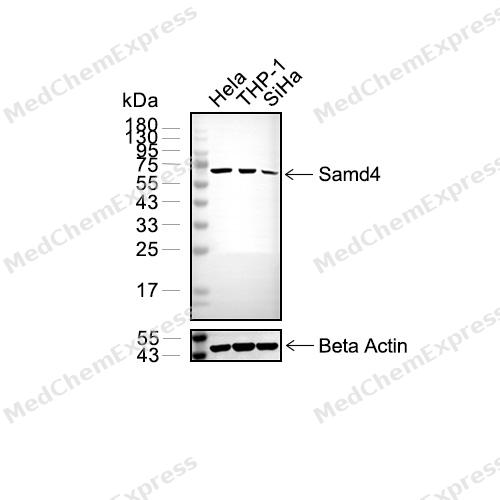 Western blot analysis of extracts from Hela(lane 2(20μg) , HCT116 (lane 3(20μg) , C6 (lane 4(20μg),using Smad4 Antibody (HY-P80326). Proteins were transferred to a PVDF membrane and blocked with 5% BSA in TBST for 2 hour at room temperature. The primary antibody and Loading control antibody (Beta Actin, HY-P80438, 1/3000) was used in 5% BSA in TBST at 4°C overnight. Goat Anti-Mouse/Rabbit IgG-HRP Secondary Antibody (HY-P8004/HY-P8001, 1/10,000) was used for 1 hour at room temperature.
 -
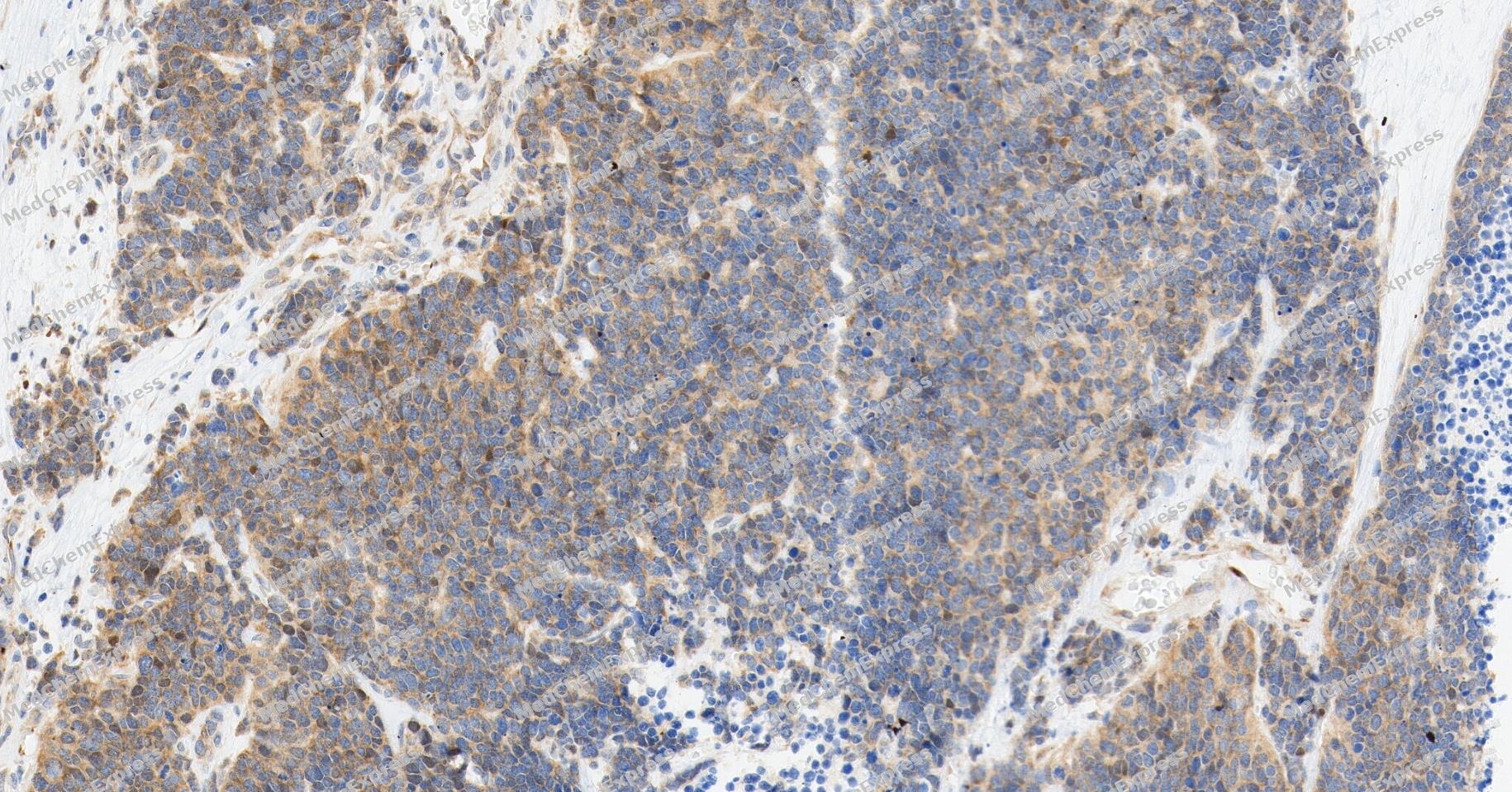 Immunohistochemical analysis of paraffin-embedded human pancreatic cancer tissue using Smad4 Antibody (YA074). The section was pre-treated using heat mediated antigen retrieval with Tris/EDTA buffer (pH 9.0) for 20 minutes. The tissues were probed with the primary antibody (HY-P80326,1/150) overnight at 4℃. The detection was performed using an HRP conjugated compact polymer system. DAB was used as the chromogen. Tissues were counterstained with hematoxylin and mounted with neutral balsam.
 -
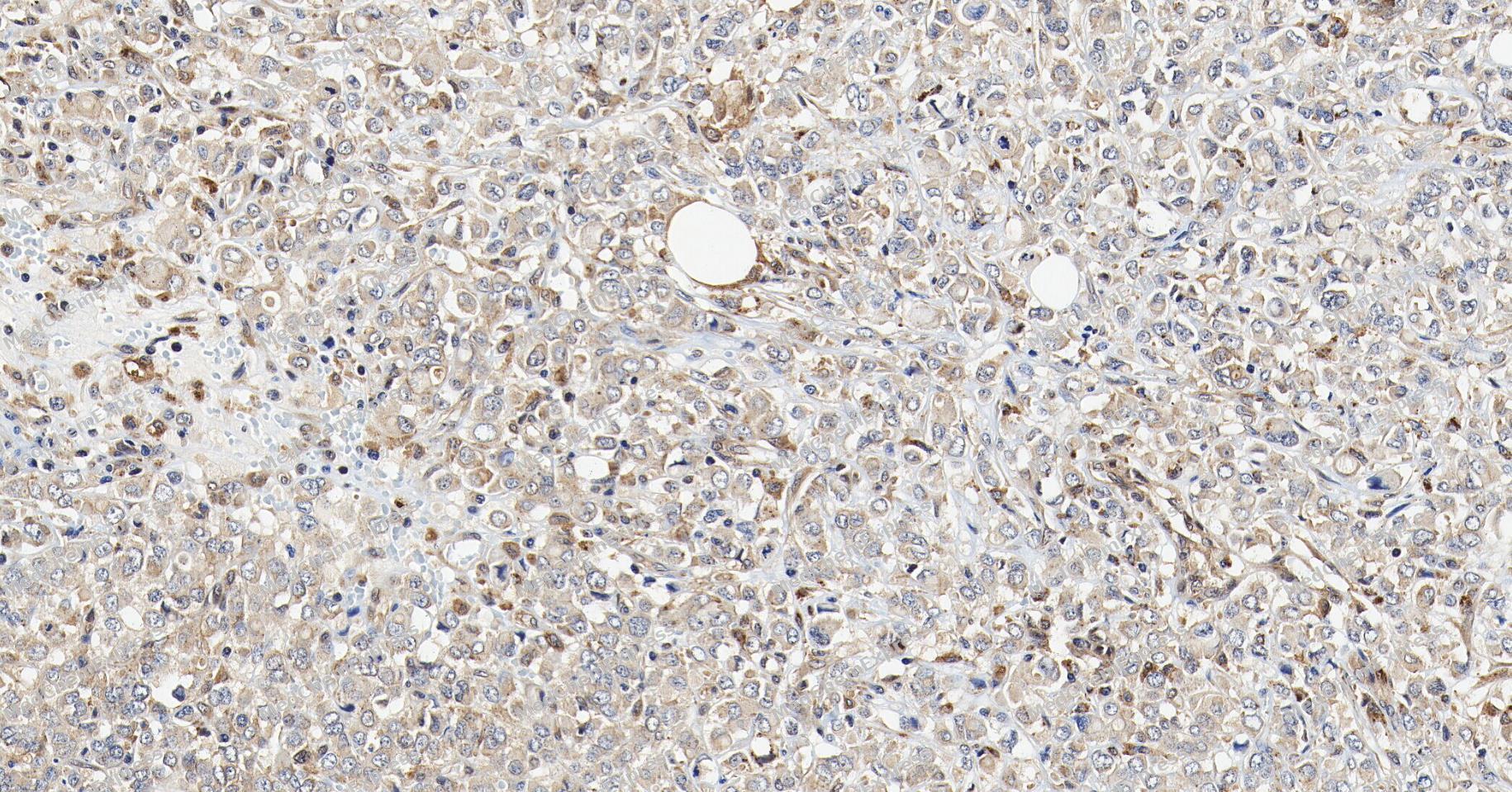 Immunohistochemical analysis of paraffin-embedded human breast cancer tissue using Smad4 Antibody (YA074). The section was pre-treated using heat mediated antigen retrieval with Tris/EDTA buffer (pH 9.0) for 20 minutes. The tissues were probed with the primary antibody (HY-P80326,1/150) overnight at 4℃. The detection was performed using an HRP conjugated compact polymer system. DAB was used as the chromogen. Tissues were counterstained with hematoxylin and mounted with neutral balsam.
 -
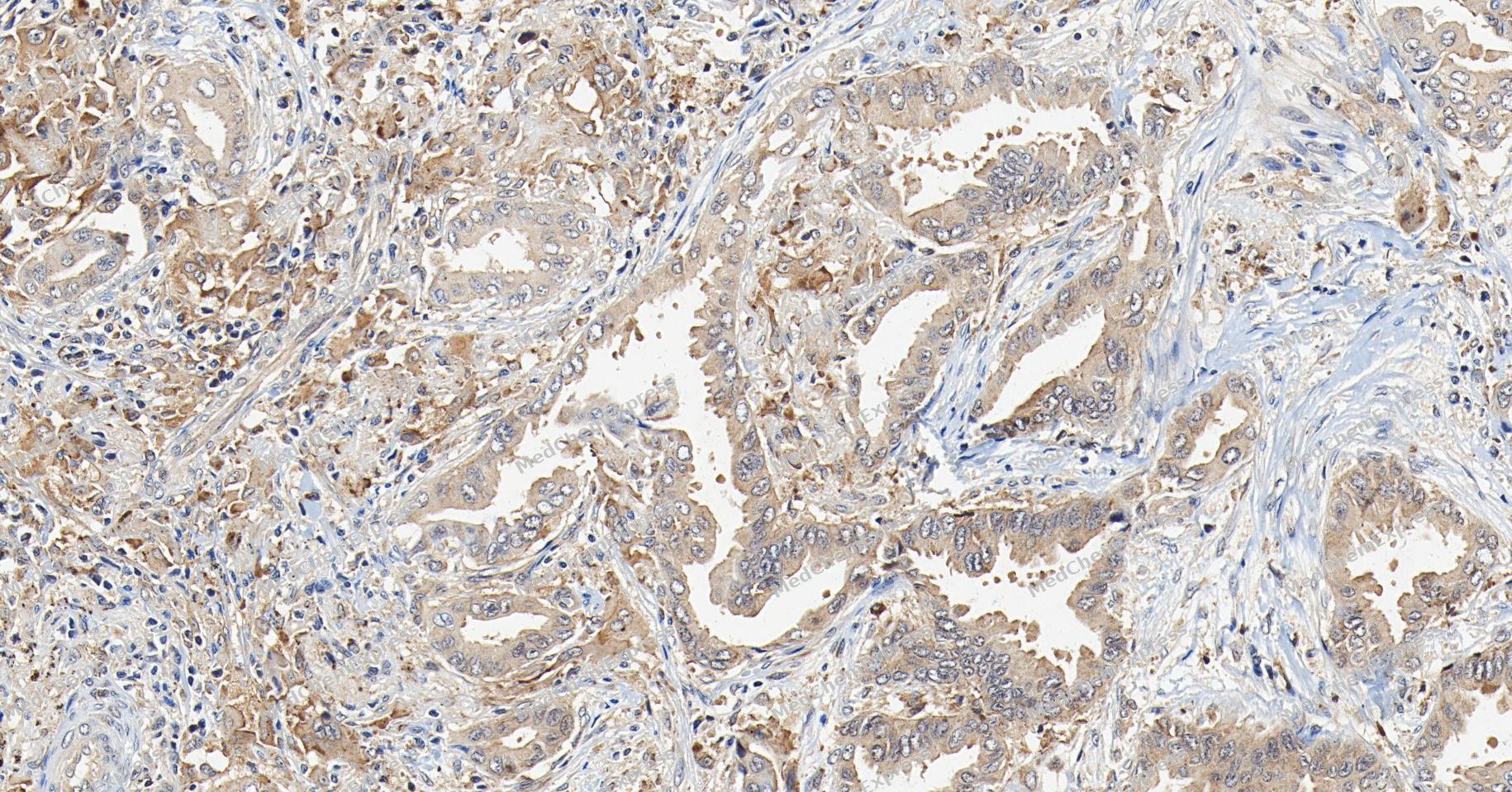 Immunohistochemical analysis of paraffin-embedded human lung cancer tissue using Smad4 Antibody (YA074). The section was pre-treated using heat mediated antigen retrieval with Tris/EDTA buffer (pH 9.0) for 20 minutes. The tissues were probed with the primary antibody (HY-P80326,1/150) overnight at 4℃. The detection was performed using an HRP conjugated compact polymer system. DAB was used as the chromogen. Tissues were counterstained with hematoxylin and mounted with neutral balsam.
 -
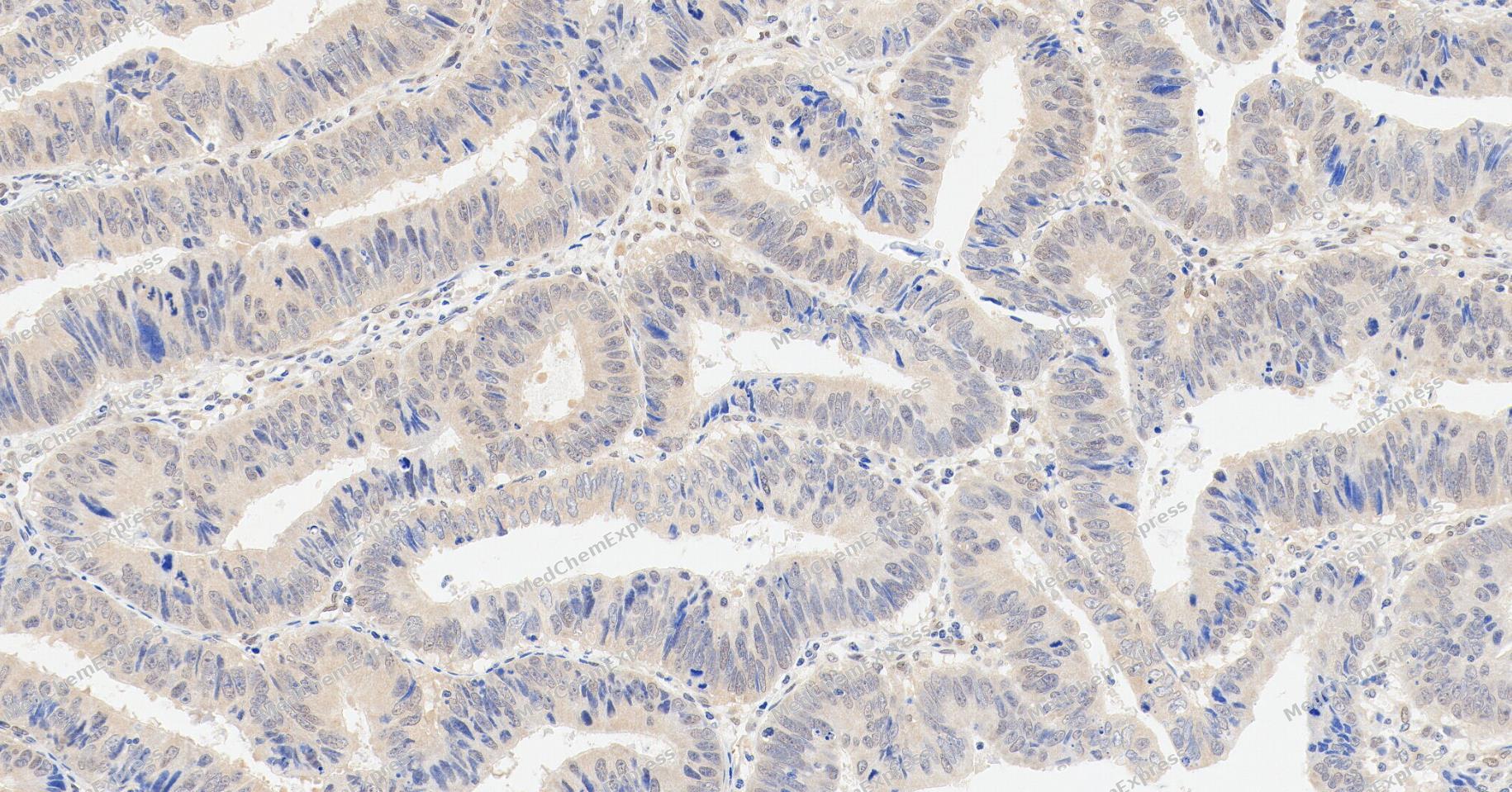 Immunohistochemical analysis of paraffin-embedded human colon cancer tissue using Smad4 Antibody (YA074). The section was pre-treated using heat mediated antigen retrieval with Tris/EDTA buffer (pH 9.0) for 20 minutes. The tissues were probed with the primary antibody (HY-P80326,1/150) overnight at 4℃. The detection was performed using an HRP conjugated compact polymer system. DAB was used as the chromogen. Tissues were counterstained with hematoxylin and mounted with neutral balsam.
 -
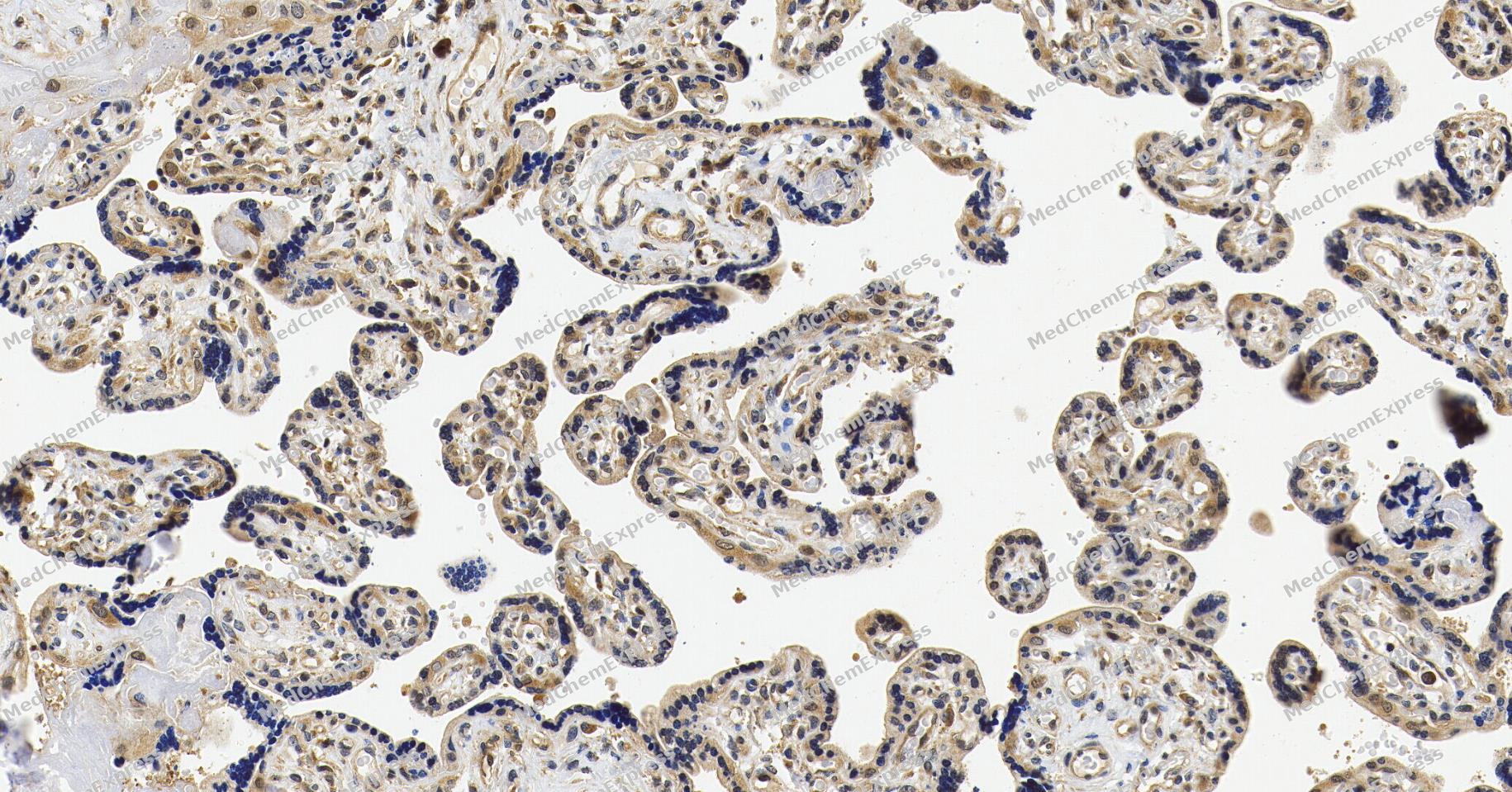 Immunohistochemical analysis of paraffin-embedded human placenta tissue using Smad4 Antibody (YA074). The section was pre-treated using heat mediated antigen retrieval with Tris/EDTA buffer (pH 9.0) for 20 minutes. The tissues were probed with the primary antibody (HY-P80326,1/150) overnight at 4℃. The detection was performed using an HRP conjugated compact polymer system. DAB was used as the chromogen. Tissues were counterstained with hematoxylin and mounted with neutral balsam.
 -
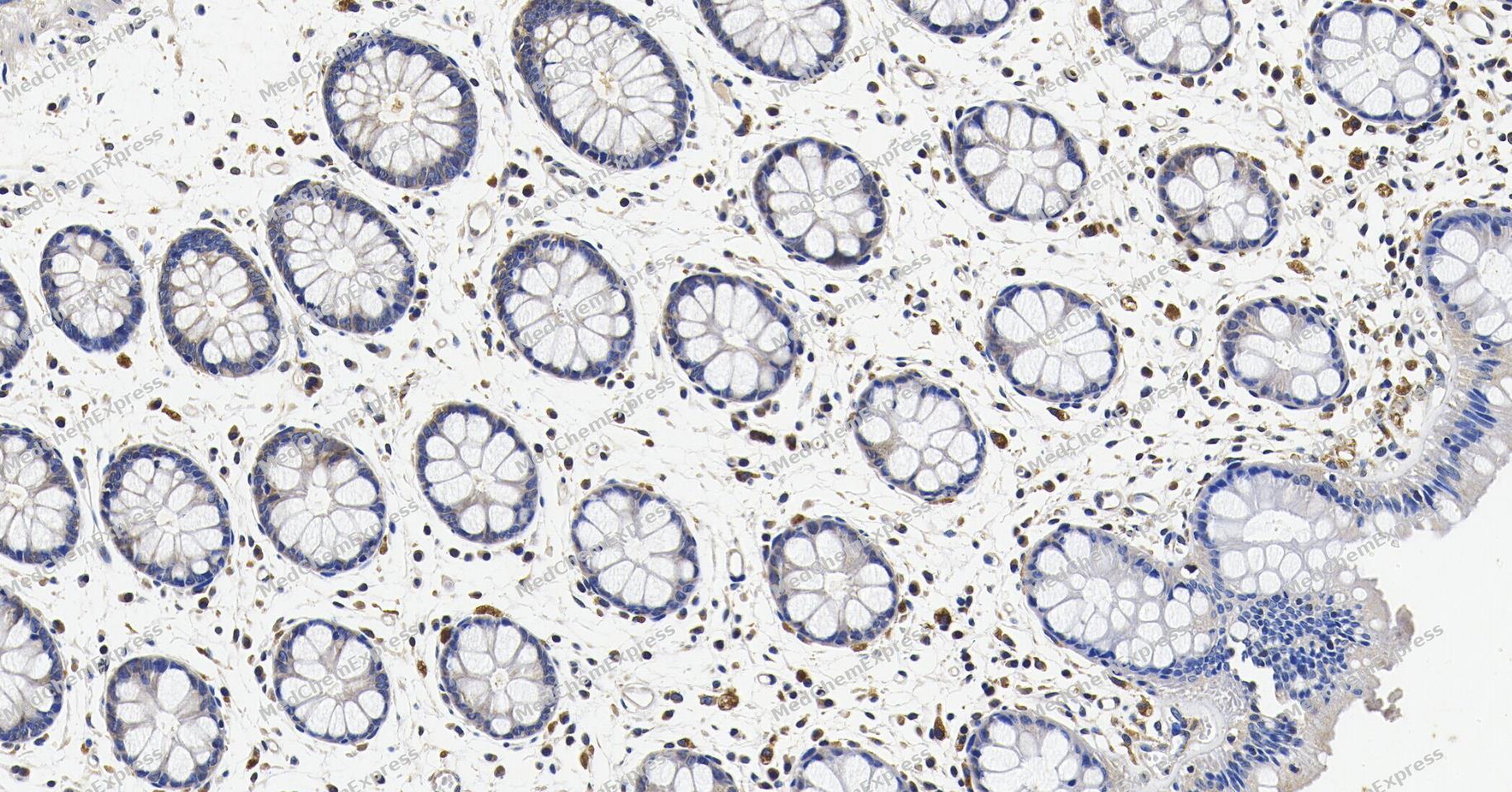 Immunohistochemical analysis of paraffin-embedded human colon tissue using Smad4 Antibody (YA074). The section was pre-treated using heat mediated antigen retrieval with Tris/EDTA buffer (pH 9.0) for 20 minutes. The tissues were probed with the primary antibody (HY-P80326,1/150) overnight at 4℃. The detection was performed using an HRP conjugated compact polymer system. DAB was used as the chromogen. Tissues were counterstained with hematoxylin and mounted with neutral balsam.
 -
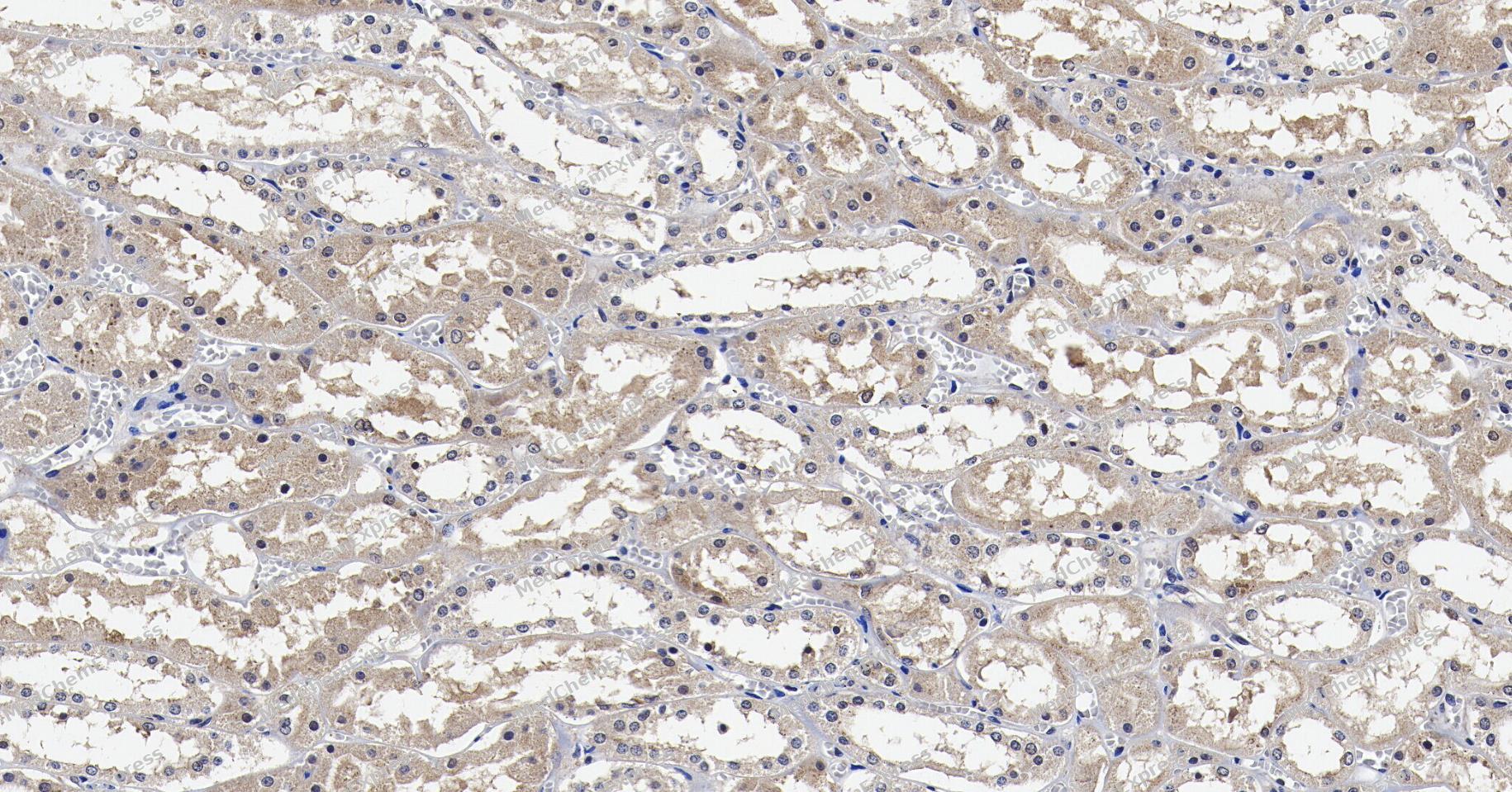 Immunohistochemical analysis of paraffin-embedded human kidney tissue using Smad4 Antibody (YA074). The section was pre-treated using heat mediated antigen retrieval with Tris/EDTA buffer (pH 9.0) for 20 minutes. The tissues were probed with the primary antibody (HY-P80326,1/150) overnight at 4℃. The detection was performed using an HRP conjugated compact polymer system. DAB was used as the chromogen. Tissues were counterstained with hematoxylin and mounted with neutral balsam.
 -
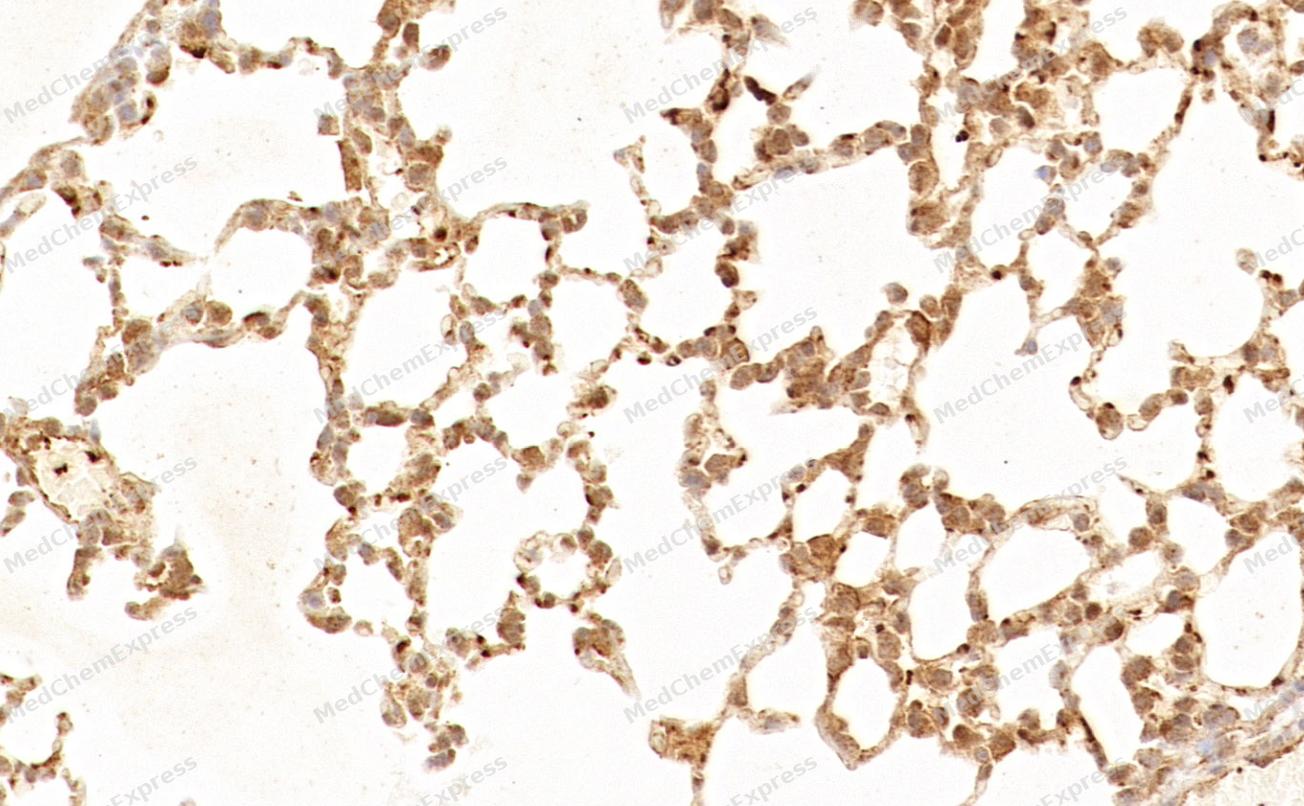 Immunohistochemical analysis of paraffin-embedded Mouse lung tissue using Smad4 Antibody. The section was pre-treated using heat mediated antigen retrieval with sodium citrate buffer (pH 6.0) for 8 minutes. The tissues were blocked in QuickBlock for 20 minutes at room temperature, washed with ddH2O and PBS, and then probed with the primary antibody (HY-P80326, 1/200) in 4℃ overnight. The detection was performed using an HRP conjugated compact polymer system. DAB was used as the chromogen. Tissues were counterstained with hematoxylin and mounted with DPX.
 -
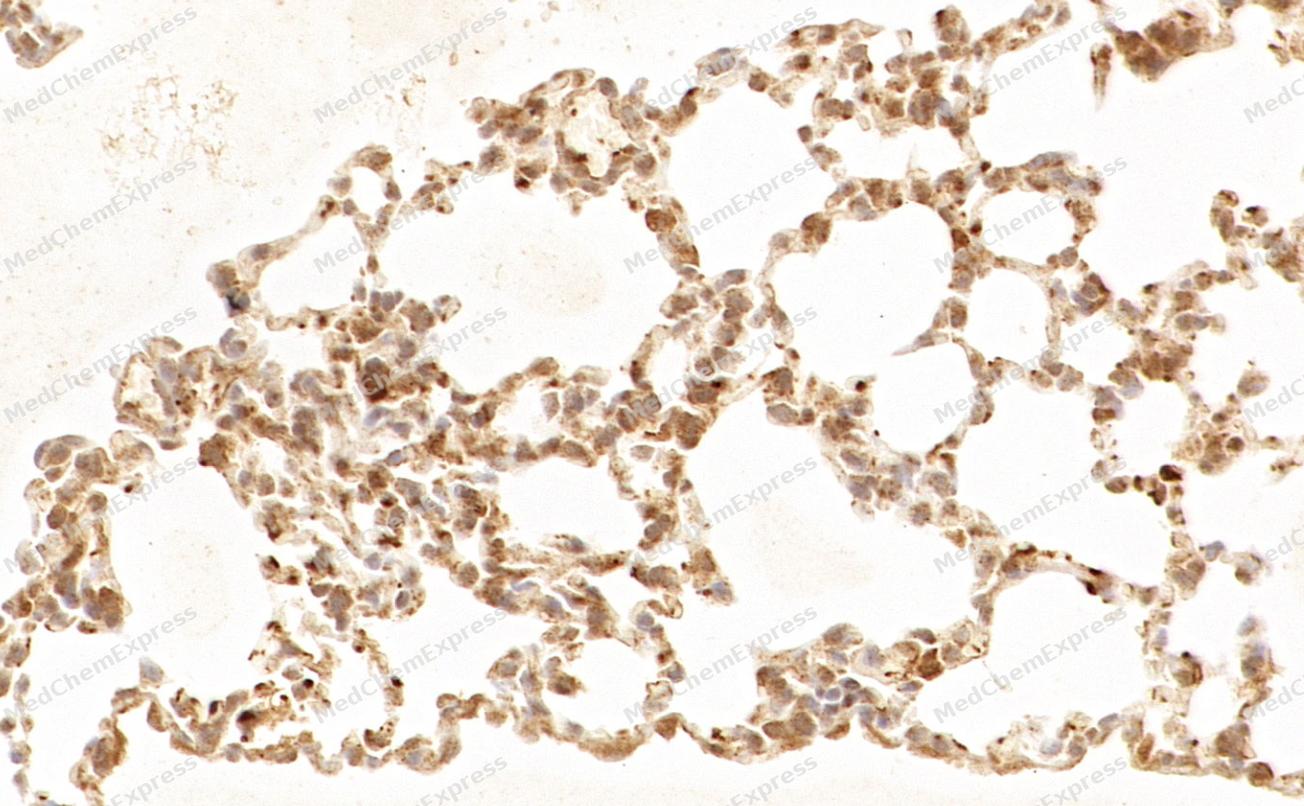 Immunohistochemical analysis of paraffin-embedded Mouse lung tissue using Smad4 Antibody. The section was pre-treated using heat mediated antigen retrieval with sodium citrate buffer (pH 6.0) for 8 minutes. The tissues were blocked in QuickBlock for 20 minutes at room temperature, washed with ddH2O and PBS, and then probed with the primary antibody (HY-P80326, 1/200) in 4℃ overnight. The detection was performed using an HRP conjugated compact polymer system. DAB was used as the chromogen. Tissues were counterstained with hematoxylin and mounted with DPX.
 -
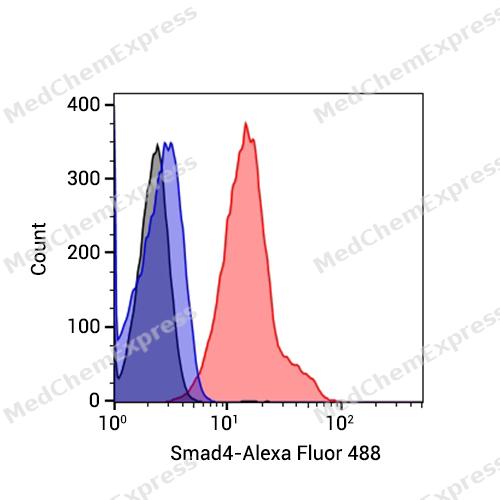 Flow cytometric analysis of 1X10^6 Hela cells labeling Smad4 Antibody (HY-P80326, red). Cells were fixed with 4% paraformaldehyde and permeabilised with 90% methanol. Then stained with the primary antibody at 1/1000 dilution for an hour at 4℃. Alexa Fluor® 488-conjugated AffiniPure Goat Anti-Rabbit IgG H&L (HY-P8002) was used as the secondary antibody at 1/1,000 dilution for 30 minutes at 4℃. Rabbit IgG Isotype Control (HY-P80879, blue) was used as the isotype control, cells without incubation with primary antibody were used as the unlabeled control (black).
 -
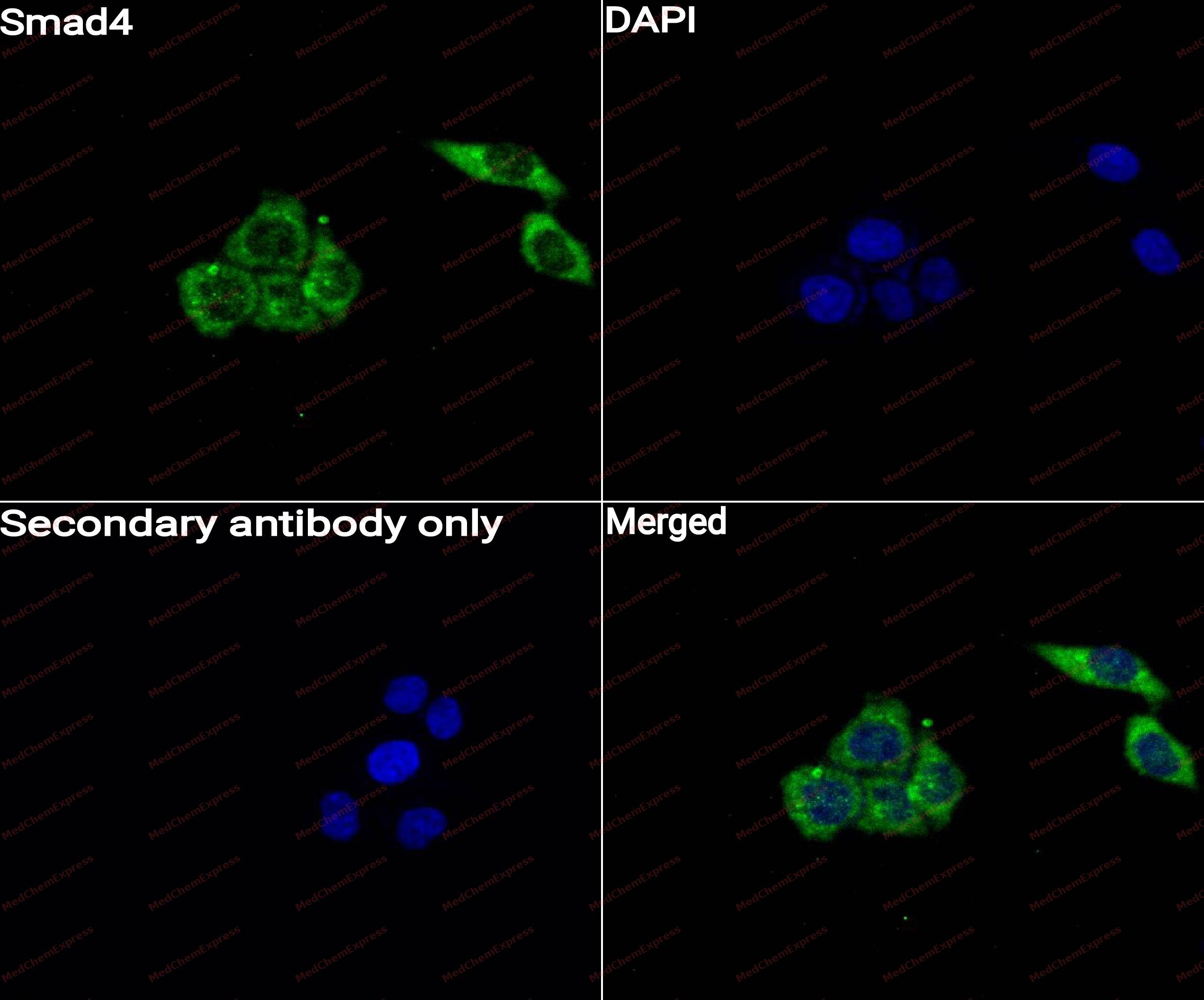 Immunocytochemistry analysis of A549 cells labeling Smad4 with Smad4 Antibody (HY-P80326) at 1/50 dilution. Cells were fixed in 4% paraformaldehyde for 15 minutes at room temperature, permeabilized with 0.1% Triton X-100 for 10 minutes at room temperature, then blocked with QuickBlock™ Blocking Buffer for Immunol Staining for 10 min at room temperature. Cells were then incubated with Smad4 Antibody (HY-P81050) at 1/50 dilution in QuickBlock™ Blocking Buffer for Immunol Staining at 4 ℃. Alexa Fluor® 488-conjugated AffiniPure Goat Anti-Rabbit IgG H&L(HY-P8002, Green) was used as the secondary antibody at 1/1,000 dilution. PBS instead of the primary antibody was used as the secondary antibody only control. The Nuclear counterstain was DAPI (Blue).
 -
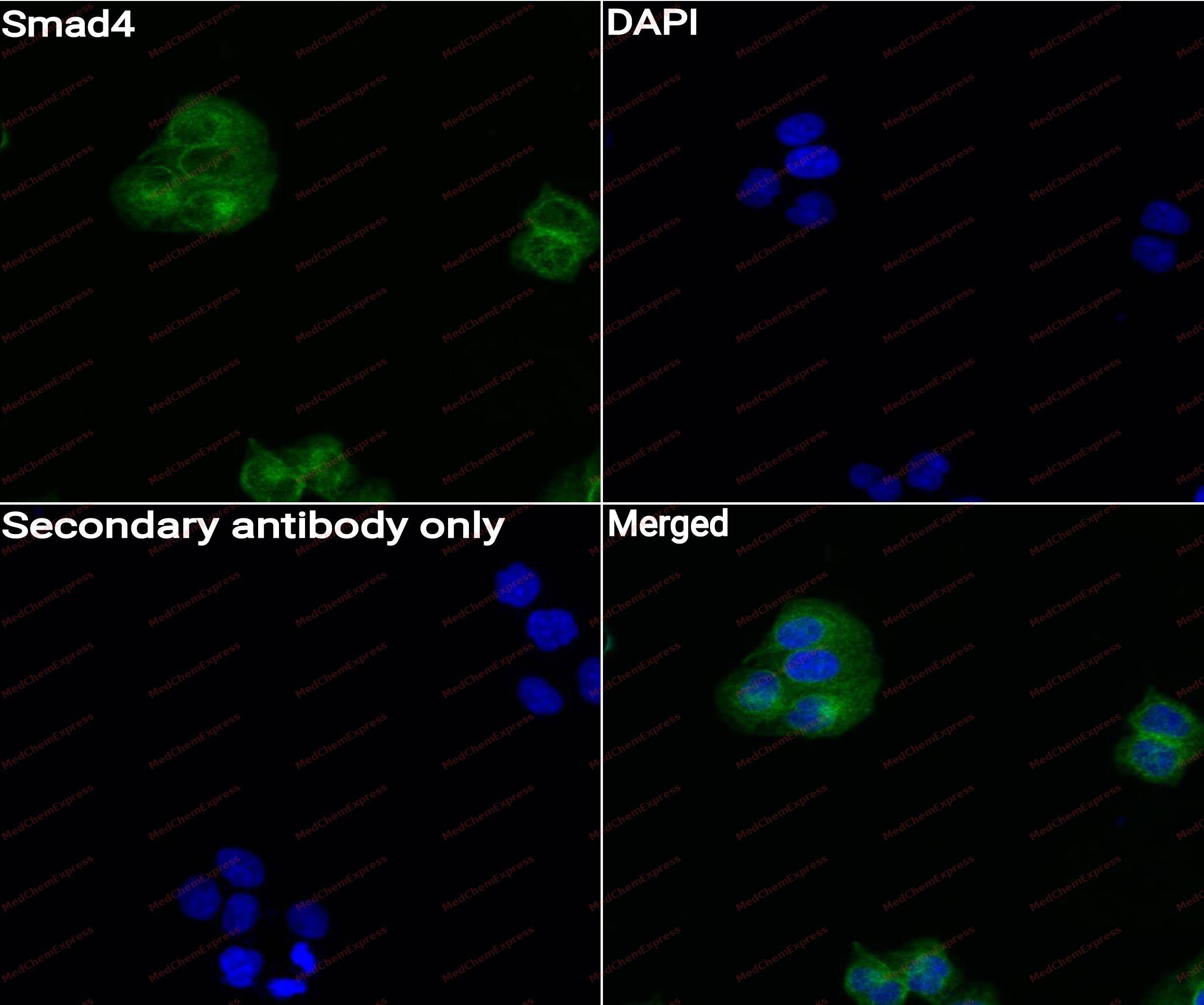 Immunocytochemistry analysis of Hela cells labeling Smad4 with Smad4 Antibody (HY-P80326) at 1/50 dilution. Cells were fixed in 4% paraformaldehyde for 15 minutes at room temperature, permeabilized with 0.1% Triton X-100 for 10 minutes at room temperature, then blocked with QuickBlock™ Blocking Buffer for Immunol Staining for 10 min at room temperature. Cells were then incubated with Smad4 Antibody (HY-P80326)at 1/50 dilution in QuickBlock™ Blocking Buffer for Immunol Staining at 4 ℃. Alexa Fluor® 488-conjugated AffiniPure Goat Anti-Rabbit IgG H&L(HY-P8002,Green) was used as the secondary antibody at 1/1,000 dilution. PBS instead of the primary antibody was used as the secondary antibody only control. The Nuclear counterstain was DAPI (Blue).


Background
-
Function
SMAD4 belongs to the dwarfin/SMAD family. SMAD is a group of proteins that carry extracellular signals directly to the nucleus. Mammalian SMAD can be divided into three categories: receptor-regulated SMAD (R-SMAD), common-mediated SMAD (Co-SMAD), and inhibitory SMAD (I-SMAD) . (1) R-SMAD included SMAD1, SMAD2, SMAD3, SMAD5 and SMAD8/9, among which Smad2/3 mediated signal transduction of TGF-β subfamily members. SMAD1/5/8 mediates signaling from members of the bone morphogenetic proteins (BMP) subfamily. (2) Co-SMAD includes SMAD4, which is the central mediator of TGF-β and BMP signaling pathways. (3) I-SMAD, including SMAD6 and SMAD7, inhibits receptor-mediated phosphorylation of R-SMAD, thereby preventing the formation of complexes with Co SMAD. SMAD4 plays an important role in cellular signaling of bone development (from chondrocyte precursors to mature osteocytes) and tissue homeostasis. Specifically, TGF-β signals upstream to activate SMAD4 and R-SMAD (i.e. SMAD2/3) to interact and form oligomer complexes that regulate the expression of target genes. However, SMAD3/4 mainly induced chondrogenesis of human bone marrow mesenchymal stem cells. Abnormal expression of SMAD4 can inhibit cartilage production in animal models, and even lead to uncontrolled cell growth and tumor induction. SMAD4 also specifically targets stem cells and may be involved in self-renewal of hematopoietic stem cells. At the same time, SMAD4 regulates the cell polarity of chondrocytes, affecting the shape, size, migration and orientation of chondrocytes. It also promotes cell migration, adhesion and cytoskeletal tissue generation in different cells through the SMAD4/TGF-β pathway. The SMAD4/TGF-β pathway is also extensively regulated by classical pathways such as MAPK, PI3K/AKT, and WNT/β-catenin to form complex networks. SMAD4 also regulates apoptosis, leading to follicular atresia by inhibiting granulosa cell apoptosis. In colorectal cancer cells, TGF-β induces Smad4-dependent epithelial-mesenchymal transformation, which leads to apoptosis. The protective effect of SMAD4 on apoptosis is also the key to the differentiation and proliferation of chondrocytes. In addition, apoptosis is crucial for differentiation and bone homeostasis, that is, osteoblast apoptosis promotes osteoclast generation and bone resorption, which is an important process of bone homeostasis. SMAD4 also controls gene regulatory networks in early limb buds, and chondrocyte specific Smad4-KO mice exhibit dwarfism and impaired growth plate tissue. SMAD4 protein also inhibited epithelial cell proliferation and decreased angiogenesis and increased vascular permeability, showing antitumor effects[1][2].
-
Subcellular Localization
Cytoplasm; Nucleus
-
Subunit
Monomer; in the absence of TGF-beta activation (PubMed:9670020). Heterotrimer; on TGF-beta activation (PubMed:15799969).
-
SwissProt ID
-
Synonyms
DPC4, MADH4, SMAD4, SMAD family member 4, SMAD 4, hSMAD4, Deletion target in pancreatic carcinoma 4, Mothers against decapentaplegic homolog 4, MAD homolog 4, Mothers against DPP homolog 4
-
Research Field
Signal Transduction


Documentation
-
Data Sheet (262 KB)
-
SDS (252 KB)
- English - EN (252 KB)
- Français - FR (252 KB)
- Deutsch - DE (252 KB)
- Norwegian - NO (252 KB)
- Español - ES (252 KB)
- Swedish - SV (252 KB)
- Italian - IT (252 KB)
- Korean - KR (252 KB)
- Portuguese - PT (252 KB)
-
User Guide for Antibodies (1077 KB)
References

 Powered by Bioz
