



Cleaved Caspase-3 (Asp175) Antibody (YA6062)
(Synonyms: CASP3; CPP32; Caspase-3; CASP-3; Apopain; Cysteine protease CPP32; CPP-32; Protein Yama; SREBP cleavage activity 1; SCA-1)Based on 3 publication(s) in Google Scholar
Cleaved Caspase-3 (Asp175) Antibody (YA6062) is a Rabbit-derived and non-conjugated IgG monoclonal antibody, targeting to Cleaved Caspase-3 (Asp175).
-
Host:
Rabbit
-
Isotype:
IgG
-
Application:
WB, IHC-P, ICC/IF, IP, ELISA
-
Reactivity :
Human, Mouse, Rat
-
Formulation:
Supplied in PBS, 50% glycerol, 0.05% Proclin 300, 0.05%BSA
-
Conjugation:
Non-conjugated


To place orders, for customer services and technical support, please contact: MedChemExpress USA
Tel: 609-228-6898 E-mail: [email protected] [email protected]



-
HY-K0010
Protease Inhibitor Cocktail (EDTA-Free, 100× in DMSO) -
HY-K0202
Protein A/G Magnetic Beads -

HY-P7058
TNF-alpha/TNFSF2 Protein, Human -

HY-P80046
Caspase-3 Antibody (YA557) -
HY-P86633
Caspase-3 Antibody (YA6325) -

HY-K0301
Cell Counting Kit-8 -
HY-P80137
GAPDH Antibody (YA418) -
HY-P80938
p53 Antibody -
HY-P80506
Ki67 Antibody (YA322) -
HY-P80566
Bcl-2 Antibody (YA590) -

HY-K6006
Basement Membrane Matrix IPSC-qualified
Publications Citing Use of MedChemExpress (MCE) Cleaved Caspase-3 (Asp175) Antibody (YA6062)
More
 3 Publications Citing Use of MCE Cleaved Caspase-3 (Asp175) Antibody (YA6062) (2)
-
WB

-
IHC


Applications
| Application |
IHC-P

IHC-P: Immunohistochemistry-Paraffin
|
WB
WB: Western Blot
|
ICC/IF
ICC/IF: Immunocytochemistry/
Immunofluorescence |
ELISA
ELISA: Enzyme Linked Immunosorbent Assay
|
IP
IP: Immunoprecipitation
|
|---|---|---|---|---|---|
| Dilution Ratio | 1:200-1:1000 | 1:1000-1:5000 | 1:200-1:1000 | 1:5000-1:20000 | 1:50-1:200 |


Product Details
Cleaved Caspase-3 (Asp175) Antibody (YA6062) is a Rabbit-derived and non-conjugated IgG monoclonal antibody, targeting to Cleaved Caspase-3 (Asp175).
-
Host Rabbit

-
Clonality Monoclonal

-
Species ReactivityHuman, Mouse, Rat
-
Observed Molecular WeightObserved band size: 17 kDa,19 kDa
Note: Due to possible protein modifications or aggregation, the molecular weight should be confirmed by actual measurement, and the predicted value is for reference only.

-
Calculated Molecular Weight Predicted band size: 17 kDa,19 kDa

Protein A
Non-conjugated
Unmodified
IgG


Product Properties
-
Appearance
Solution
-
Formulation
Supplied in PBS, 50% glycerol, 0.05% Proclin 300, 0.05%BSA
-
Concentration
Batch-dependent, Please check the COA for the concentration of each lot. Check Lot Concentration
-
Storage & Stability
Stored at -20°C for 1 year. Avoid repeated freeze / thaw cycles.
-
Shipping
Shipping with blue ice.


Publications (3)
-
Journal Impact Factor
-
Most Recent
-
Cells
Machine Learning-Driven Multi-Omics Analysis Identifies CHP2 as a Key PANoptosis-Related Dual-Function Biomarker in Colorectal Cancer. [Abstract]2026 Feb 28;15(5):430. PMID: 41827864
Cleaved Caspase-3 (Asp175) Antibody (YA6062) purchased from MedChemExpress. Usage Cited in: Cells. 2026 Feb 28;15(5):430. [Abstract]
Western blot analysis of key PANoptosis markers, including p-MLKL (necroptosis), N-GSDMD (pyroptosis), and Cleaved-Caspase 3 (apoptosis), in Control, CHP2-OV, and CHP2-OV-siRNA-3 groups. Primary antibodies: CHP2 (1:1000), p-MLKL (Phospho-MLKL(S358) Antibody (YA5761), 1:1000, HY-P86069), GSDMD (N-terminal) (GSDMD (N-terminal) Antibody (YA5502), 1:1000, HY-P85810), Cleaved Caspase-3 (Cleaved Caspase-3 (Asp175) Antibody (YA6062), HY-P86370) and β-actin (1:2000).
-
Reprod Sci
Effect of Hydroxytyrosol on OTULIN Levels in Testıcular Tıssue in Experımental Dıabetes Model Induced wıth Streptozotocin. [Abstract]2026 Mar 19. PMID: 41854840
Cleaved Caspase-3 (Asp175) Antibody (YA6062) purchased from MedChemExpress. Usage Cited in: Reprod Sci. 2026 Mar 19. [Abstract]
Impact of HT and/or DM on testicular tissue apoptotic indicators. Cleaved Casp3 immunohistochemical staining microphotographs (scale bar; 100 μm). Aantibody: Cleaved Caspase-3 (Asp175) Antibody (YA6062) (HY-P86370).


Verification Images
-
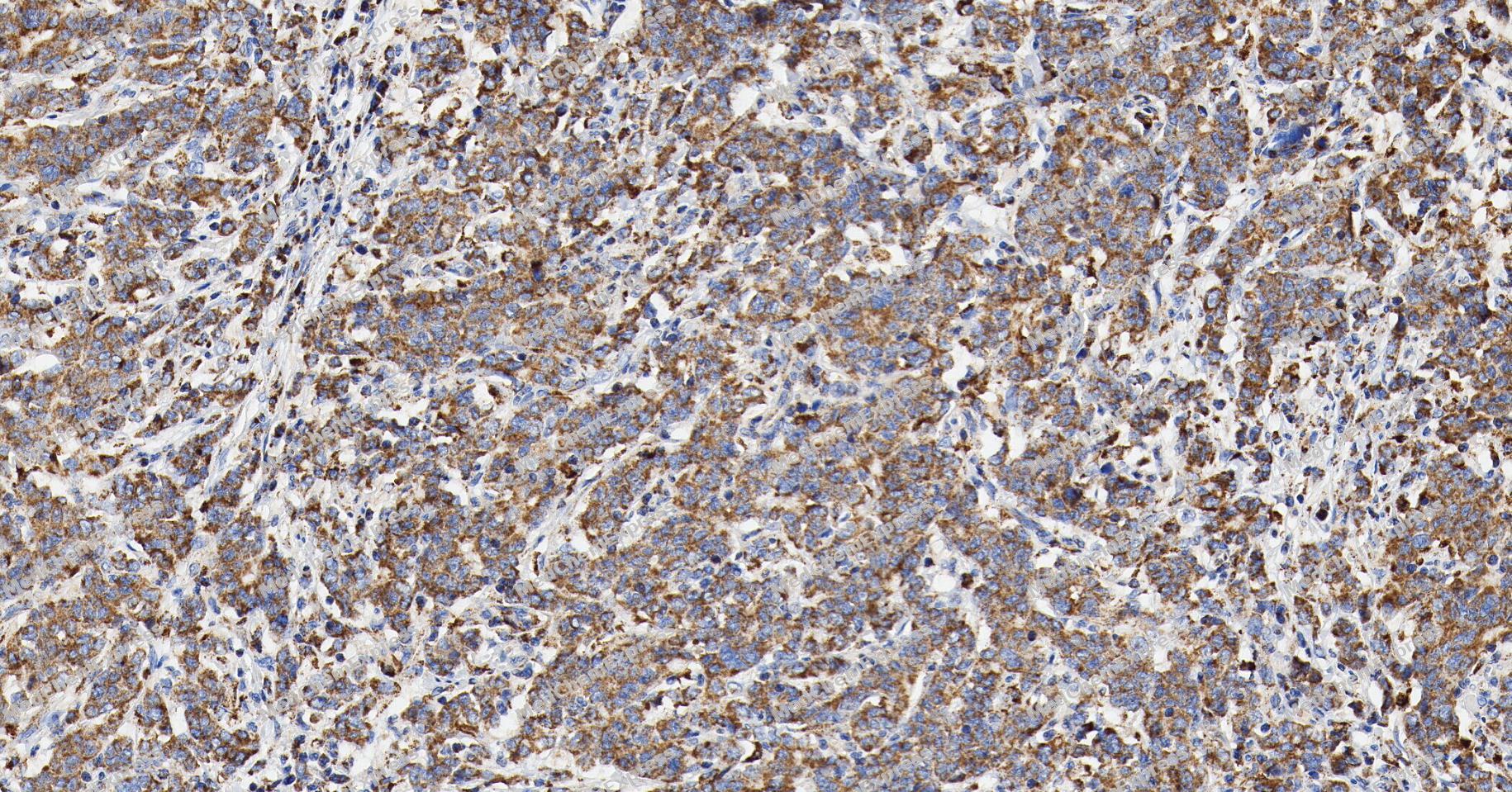 Immunohistochemical analysis of paraffin-embedded human gastric cancer tissue using Cleaved Caspase-3 (Asp175) Antibody (YA6062). The section was pre-treated using heat mediated antigen retrieval with Tris/EDTA buffer (pH 9.0) for 20 minutes. The tissues were probed with the primary antibody (HY-P86370, 1/200) overnight at 4℃. The detection was performed using an HRP conjugated compact polymer system. DAB was used as the chromogen. Tissues were counterstained with hematoxylin and mounted with neutral balsam.
 -
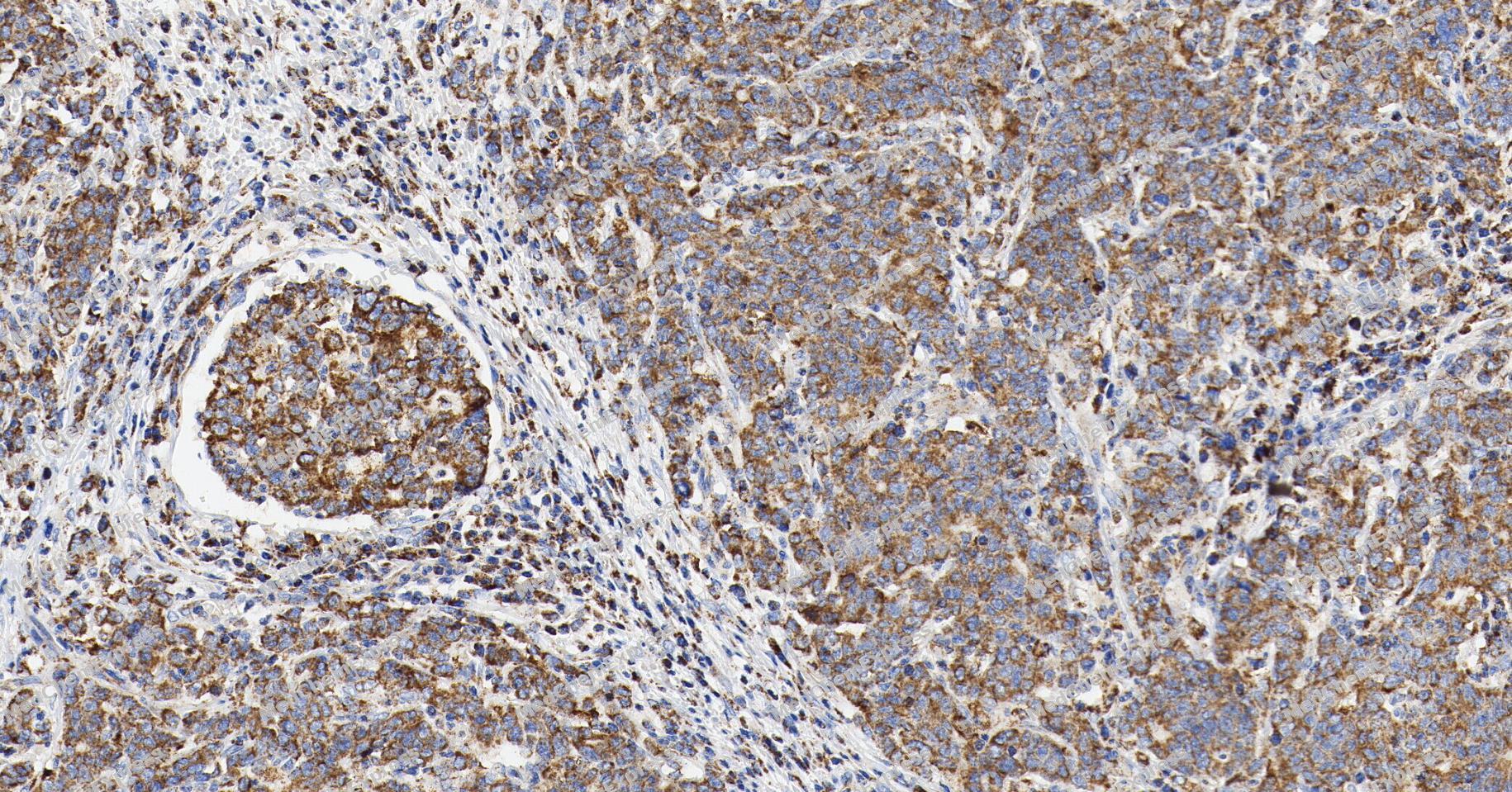 Immunohistochemical analysis of paraffin-embedded human gastric cancer tissue using Cleaved Caspase-3 (Asp175) Antibody (YA6062). The section was pre-treated using heat mediated antigen retrieval with Tris/EDTA buffer (pH 9.0) for 20 minutes. The tissues were probed with the primary antibody (HY-P86370, 1/200) overnight at 4℃. The detection was performed using an HRP conjugated compact polymer system. DAB was used as the chromogen. Tissues were counterstained with hematoxylin and mounted with neutral balsam.
 -
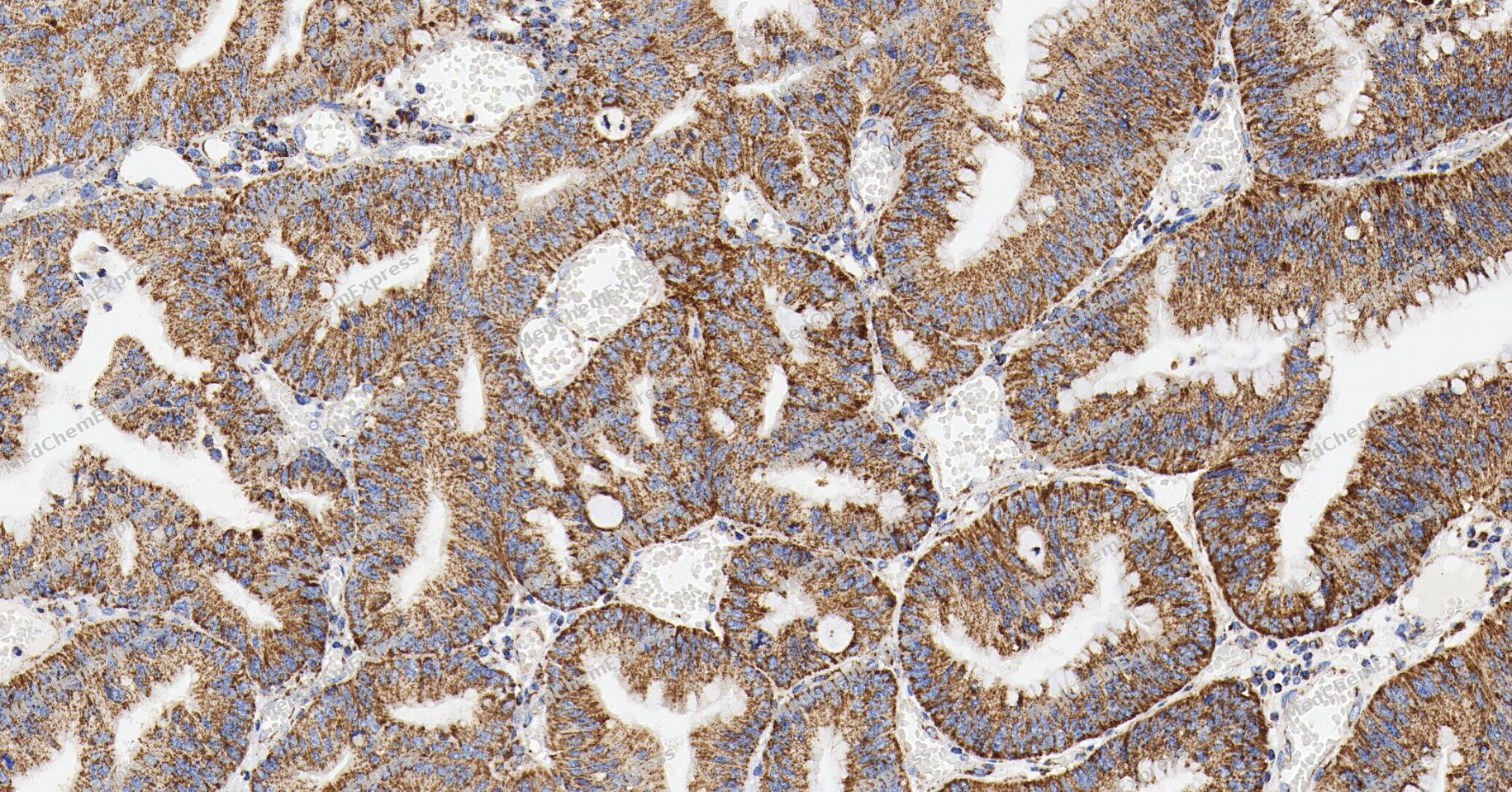 Immunohistochemical analysis of paraffin-embedded human colon cancer tissue using Cleaved Caspase-3 (Asp175) Antibody (YA6062). The section was pre-treated using heat mediated antigen retrieval with Tris/EDTA buffer (pH 9.0) for 20 minutes. The tissues were probed with the primary antibody (HY-P86370, 1/200) overnight at 4℃. The detection was performed using an HRP conjugated compact polymer system. DAB was used as the chromogen. Tissues were counterstained with hematoxylin and mounted with neutral balsam.
 -
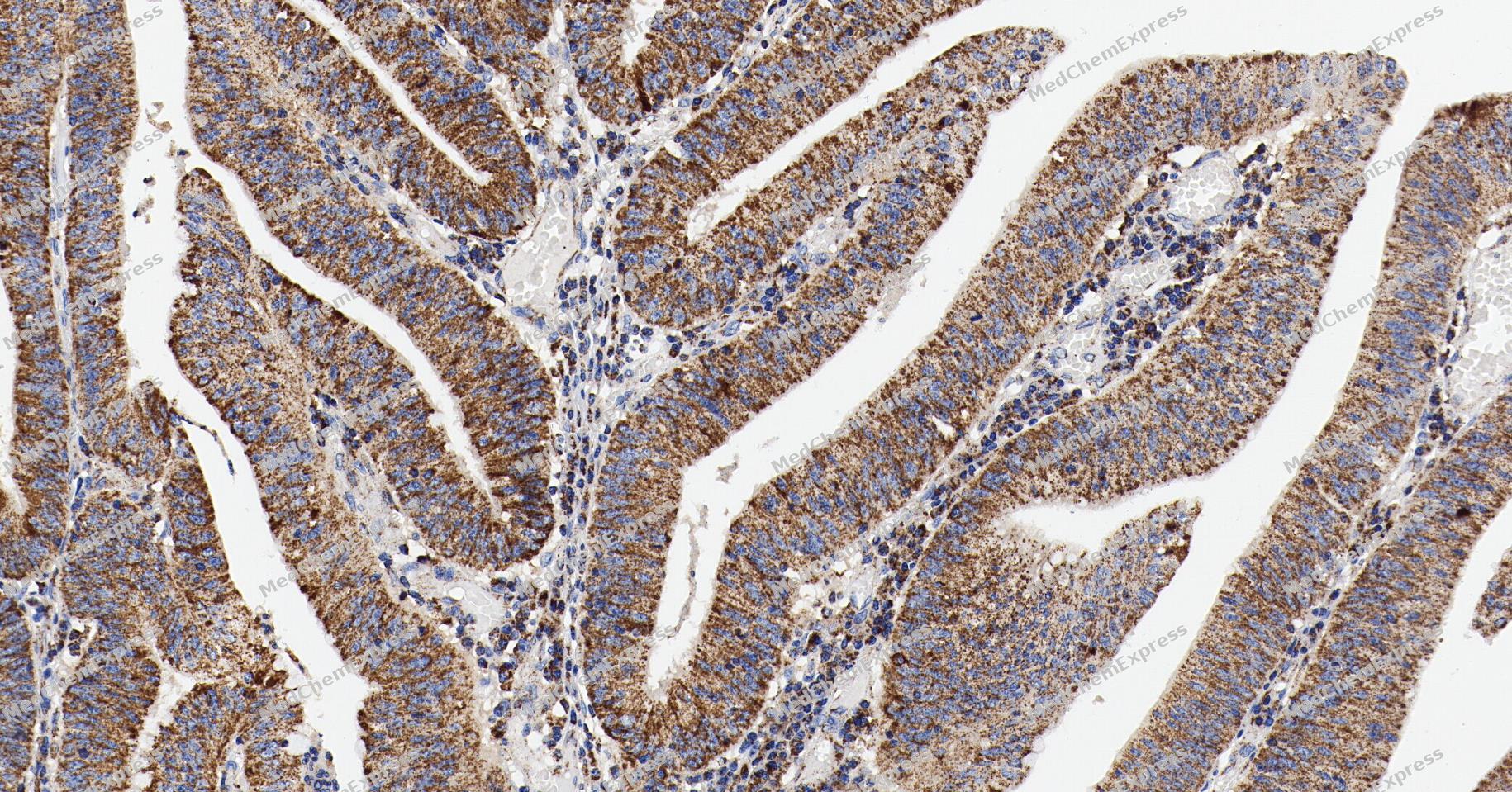 Immunohistochemical analysis of paraffin-embedded human colon cancer tissue using Cleaved Caspase-3 (Asp175) Antibody (YA6062). The section was pre-treated using heat mediated antigen retrieval with Tris/EDTA buffer (pH 9.0) for 20 minutes. The tissues were probed with the primary antibody (HY-P86370, 1/200) overnight at 4℃. The detection was performed using an HRP conjugated compact polymer system. DAB was used as the chromogen. Tissues were counterstained with hematoxylin and mounted with neutral balsam.
 -
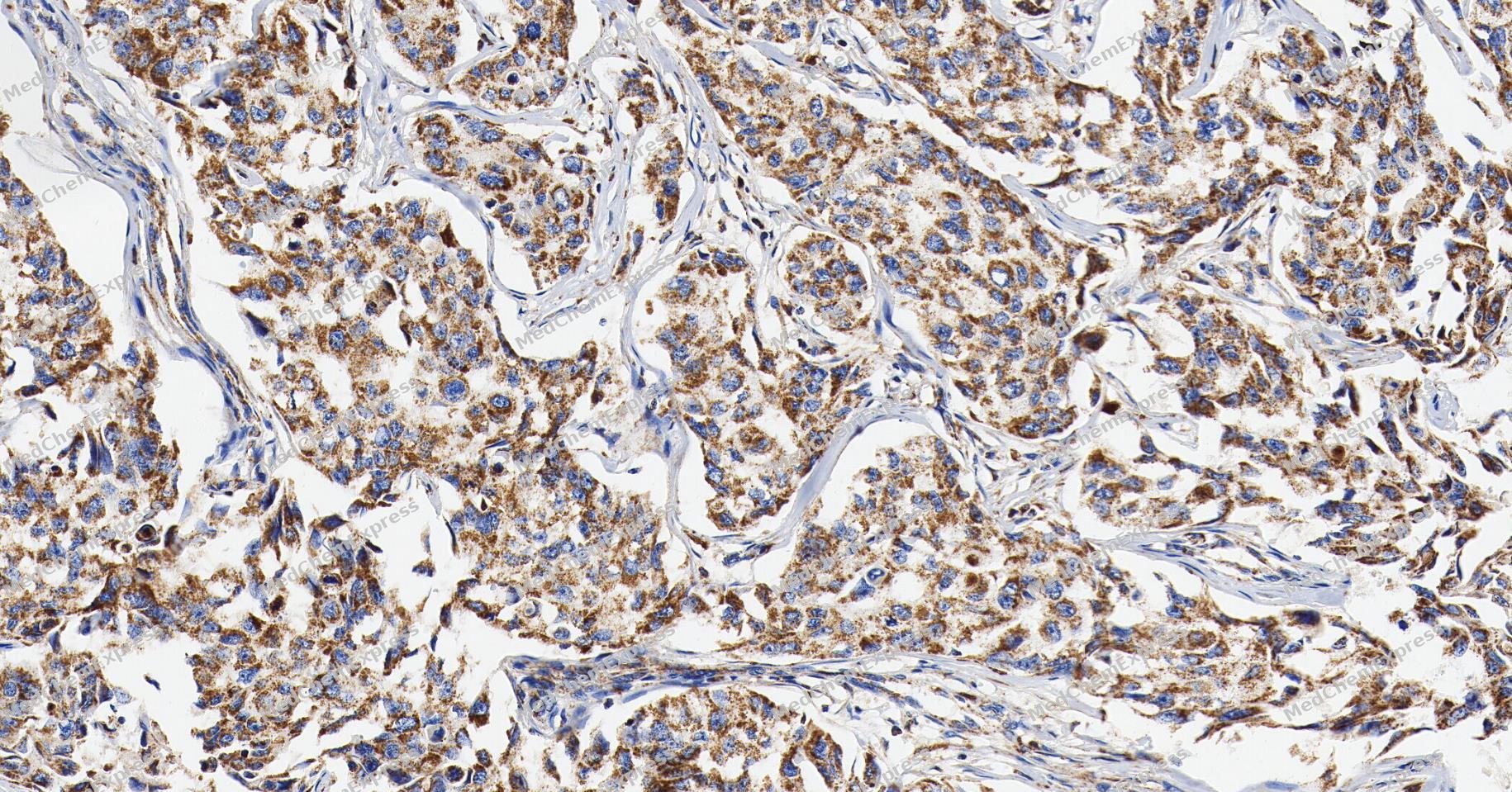 Immunohistochemical analysis of paraffin-embedded human triple negative breast cancer tissue using Cleaved Caspase-3 (Asp175) Antibody (YA6062). The section was pre-treated using heat mediated antigen retrieval with Tris/EDTA buffer (pH 9.0) for 20 minutes. The tissues were probed with the primary antibody (HY-P86370, 1/200) overnight at 4℃. The detection was performed using an HRP conjugated compact polymer system. DAB was used as the chromogen. Tissues were counterstained with hematoxylin and mounted with neutral balsam.
 -
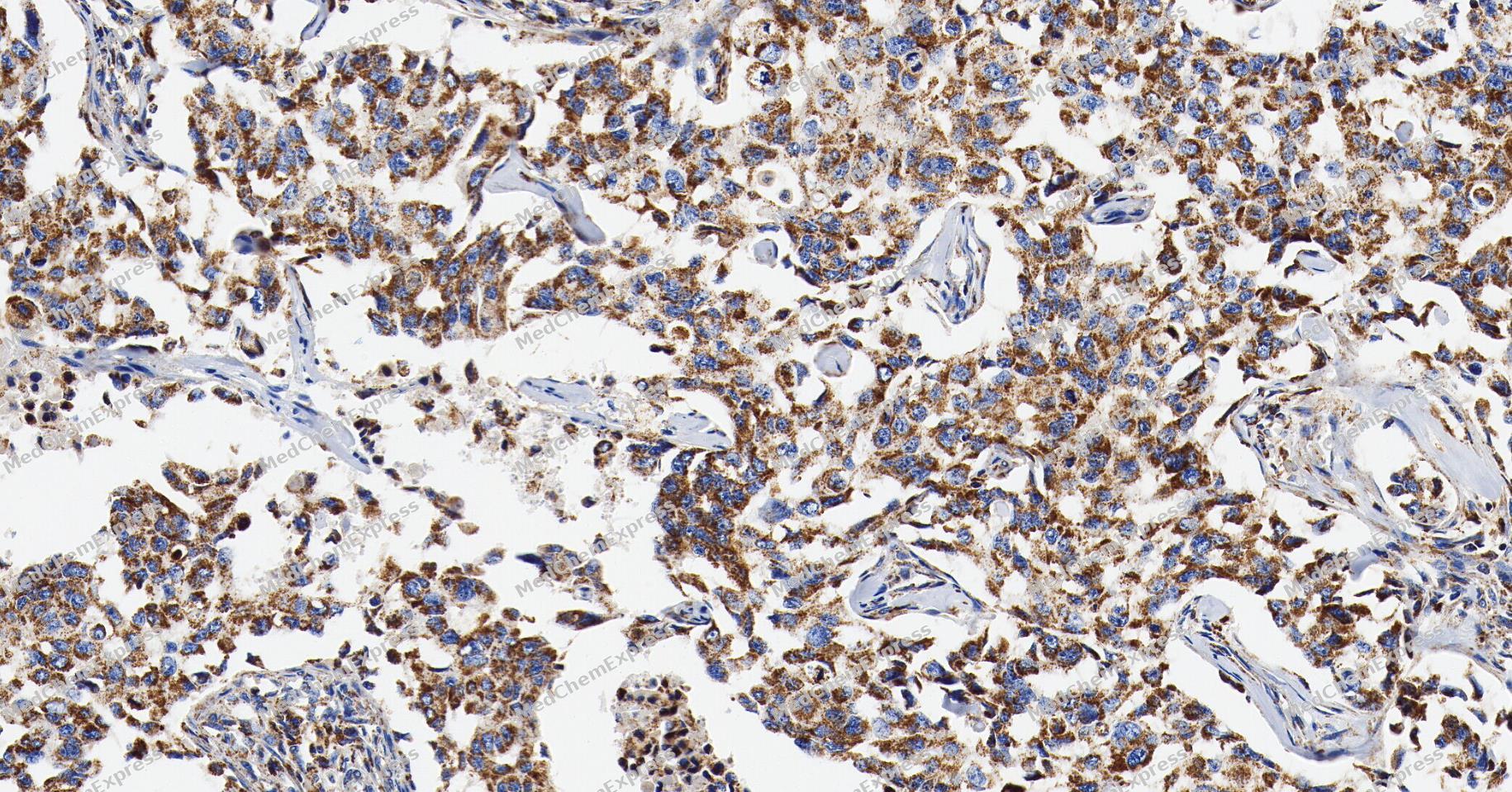 Immunohistochemical analysis of paraffin-embedded human triple negative breast cancer tissue using Cleaved Caspase-3 (Asp175) Antibody (YA6062). The section was pre-treated using heat mediated antigen retrieval with Tris/EDTA buffer (pH 9.0) for 20 minutes. The tissues were probed with the primary antibody (HY-P86370, 1/200) overnight at 4℃. The detection was performed using an HRP conjugated compact polymer system. DAB was used as the chromogen. Tissues were counterstained with hematoxylin and mounted with neutral balsam.
 -
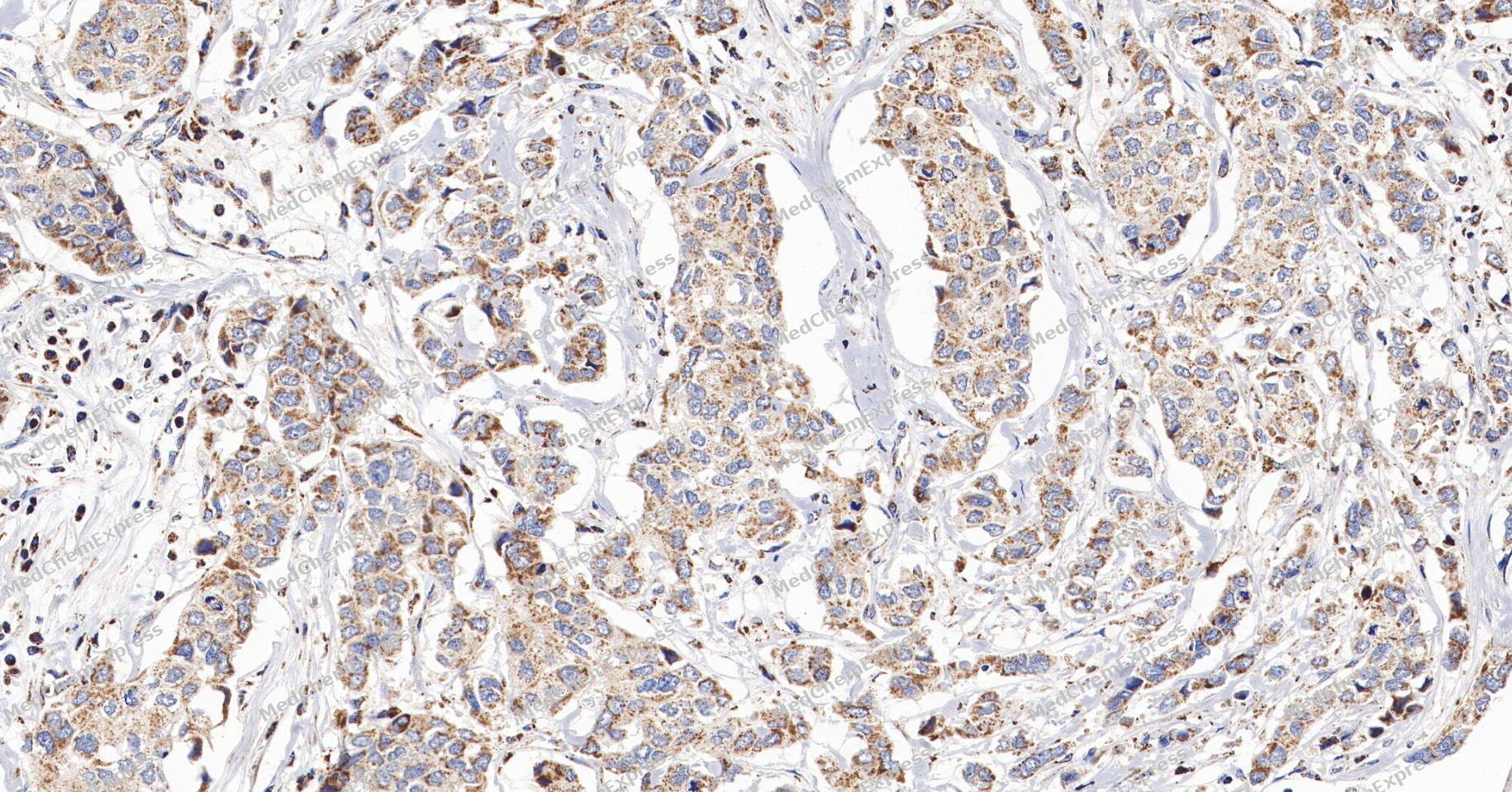 Immunohistochemical analysis of paraffin-embedded human breast cancer tissue using Cleaved Caspase-3 (Asp175) Antibody (YA6062). The section was pre-treated using heat mediated antigen retrieval with Tris/EDTA buffer (pH 9.0) for 20 minutes. The tissues were probed with the primary antibody (HY-P86370, 1/200) overnight at 4℃. The detection was performed using an HRP conjugated compact polymer system. DAB was used as the chromogen. Tissues were counterstained with hematoxylin and mounted with neutral balsam.
 -
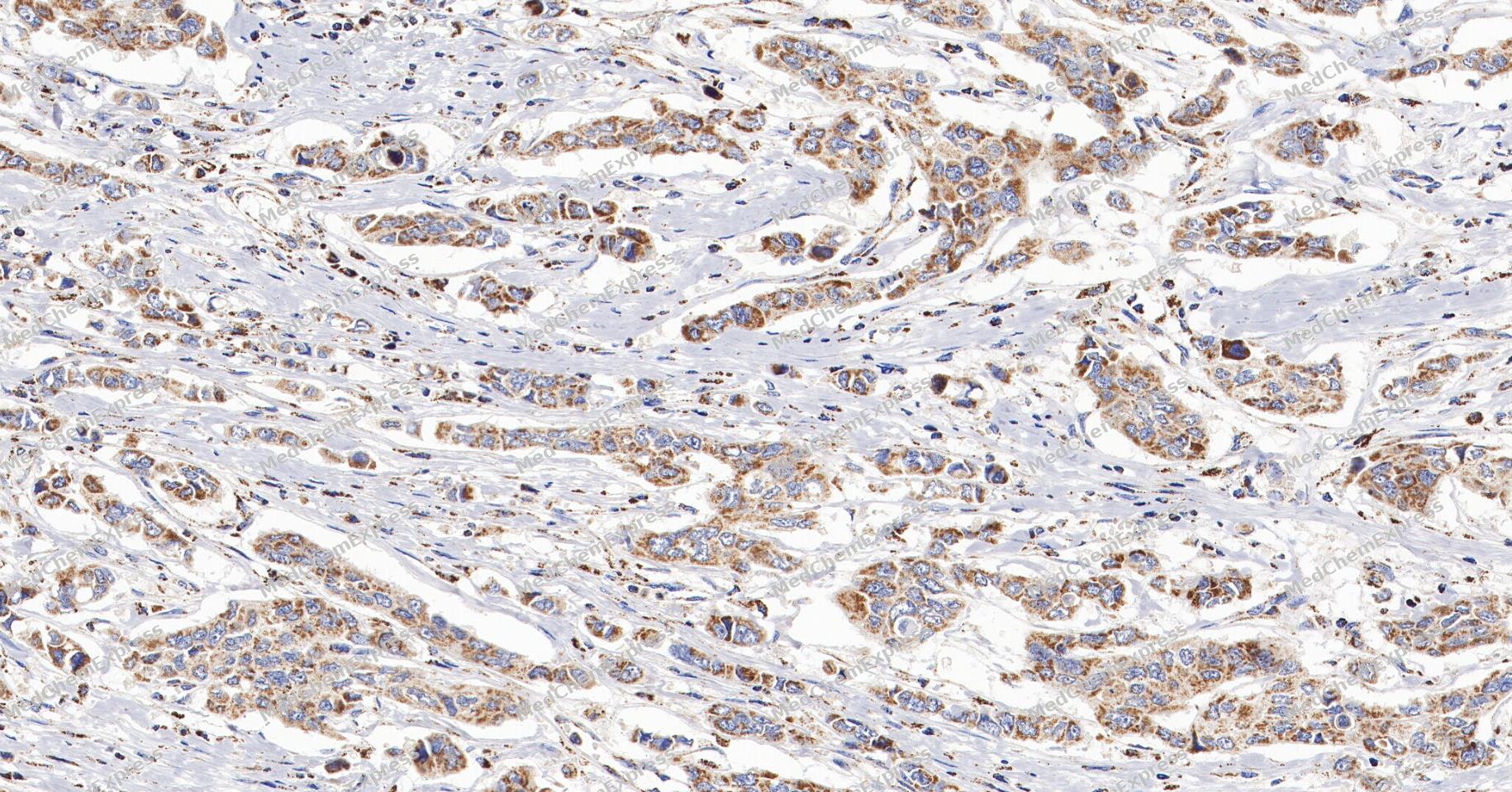 Immunohistochemical analysis of paraffin-embedded human breast cancer tissue using Cleaved Caspase-3 (Asp175) Antibody (YA6062). The section was pre-treated using heat mediated antigen retrieval with Tris/EDTA buffer (pH 9.0) for 20 minutes. The tissues were probed with the primary antibody (HY-P86370, 1/200) overnight at 4℃. The detection was performed using an HRP conjugated compact polymer system. DAB was used as the chromogen. Tissues were counterstained with hematoxylin and mounted with neutral balsam.
 -
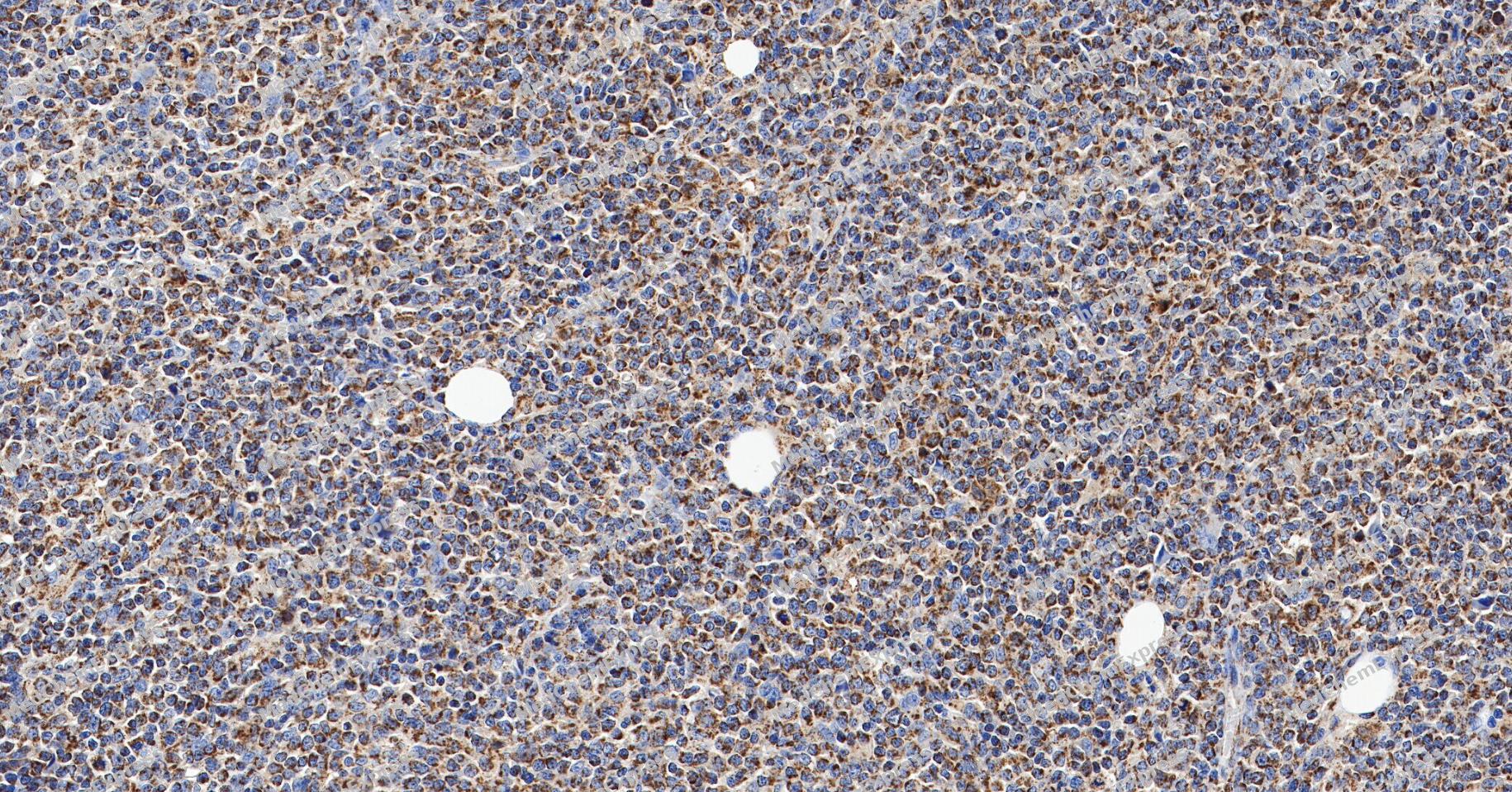 Immunohistochemical analysis of paraffin-embedded human lymphoma tissue using Cleaved Caspase-3 (Asp175) Antibody (YA6062). The section was pre-treated using heat mediated antigen retrieval with Tris/EDTA buffer (pH 9.0) for 20 minutes. The tissues were probed with the primary antibody (HY-P86370, 1/200) overnight at 4℃. The detection was performed using an HRP conjugated compact polymer system. DAB was used as the chromogen. Tissues were counterstained with hematoxylin and mounted with neutral balsam.
 -
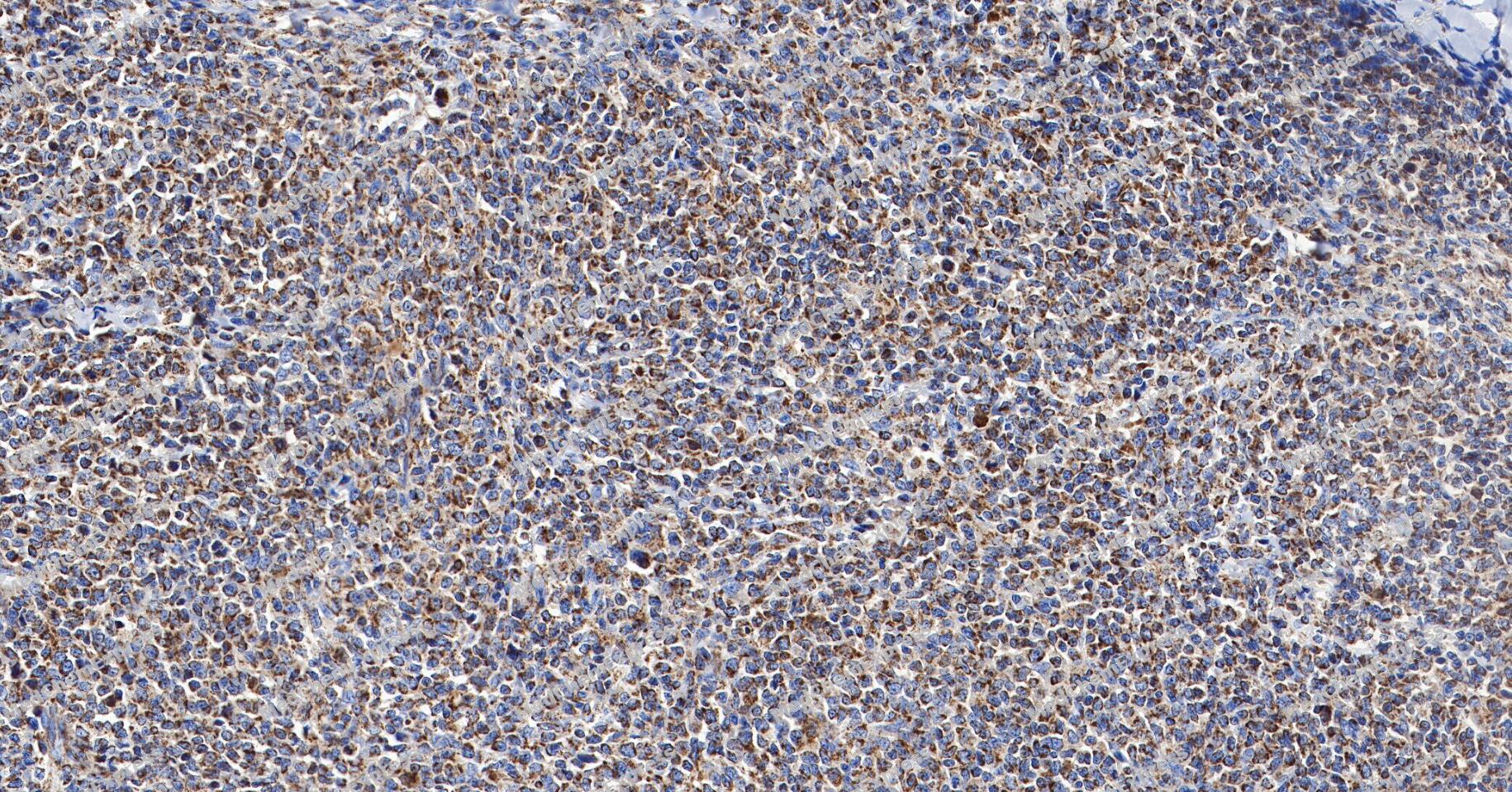 Immunohistochemical analysis of paraffin-embedded human lymphoma tissue using Cleaved Caspase-3 (Asp175) Antibody (YA6062). The section was pre-treated using heat mediated antigen retrieval with Tris/EDTA buffer (pH 9.0) for 20 minutes. The tissues were probed with the primary antibody (HY-P86370, 1/200) overnight at 4℃. The detection was performed using an HRP conjugated compact polymer system. DAB was used as the chromogen. Tissues were counterstained with hematoxylin and mounted with neutral balsam.
 -
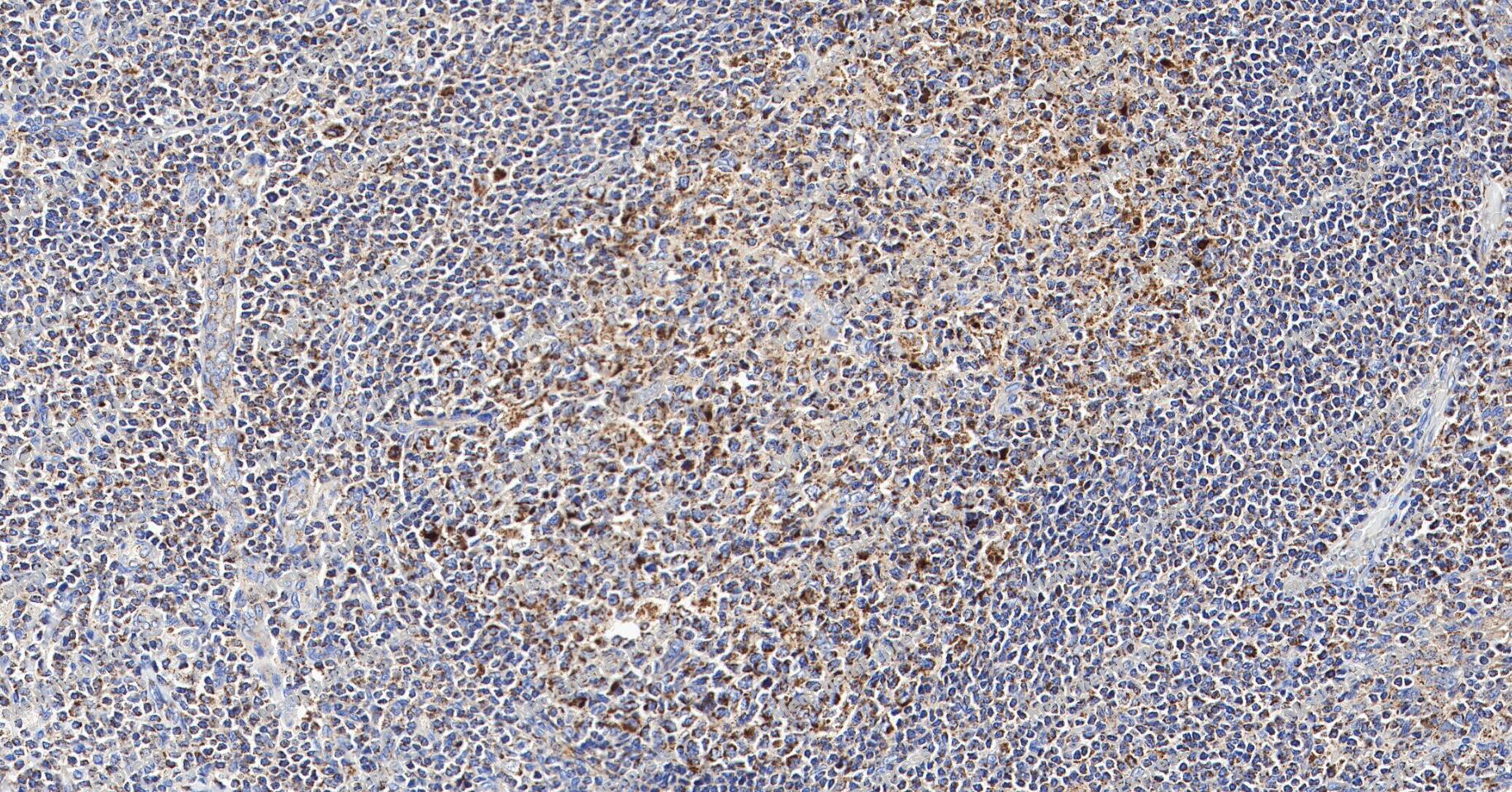 Immunohistochemical analysis of paraffin-embedded human tonsil tissue using Cleaved Caspase-3 (Asp175) Antibody (YA6062). The section was pre-treated using heat mediated antigen retrieval with Tris/EDTA buffer (pH 9.0) for 20 minutes. The tissues were probed with the primary antibody (HY-P86370, 1/200) overnight at 4℃. The detection was performed using an HRP conjugated compact polymer system. DAB was used as the chromogen. Tissues were counterstained with hematoxylin and mounted with neutral balsam.
 -
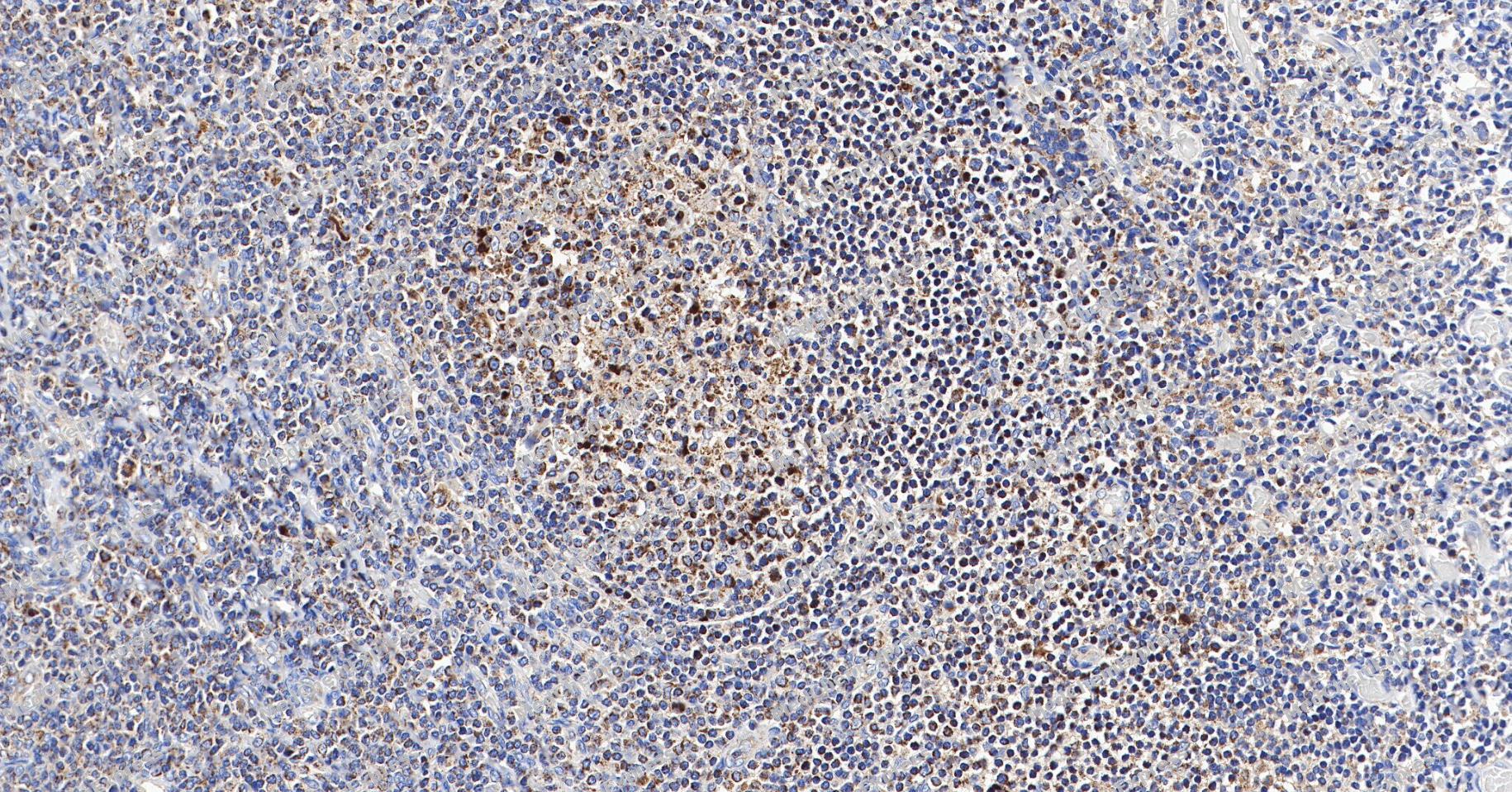 Immunohistochemical analysis of paraffin-embedded human tonsil tissue using Cleaved Caspase-3 (Asp175) Antibody (YA6062). The section was pre-treated using heat mediated antigen retrieval with Tris/EDTA buffer (pH 9.0) for 20 minutes. The tissues were probed with the primary antibody (HY-P86370, 1/200) overnight at 4℃. The detection was performed using an HRP conjugated compact polymer system. DAB was used as the chromogen. Tissues were counterstained with hematoxylin and mounted with neutral balsam.
 -
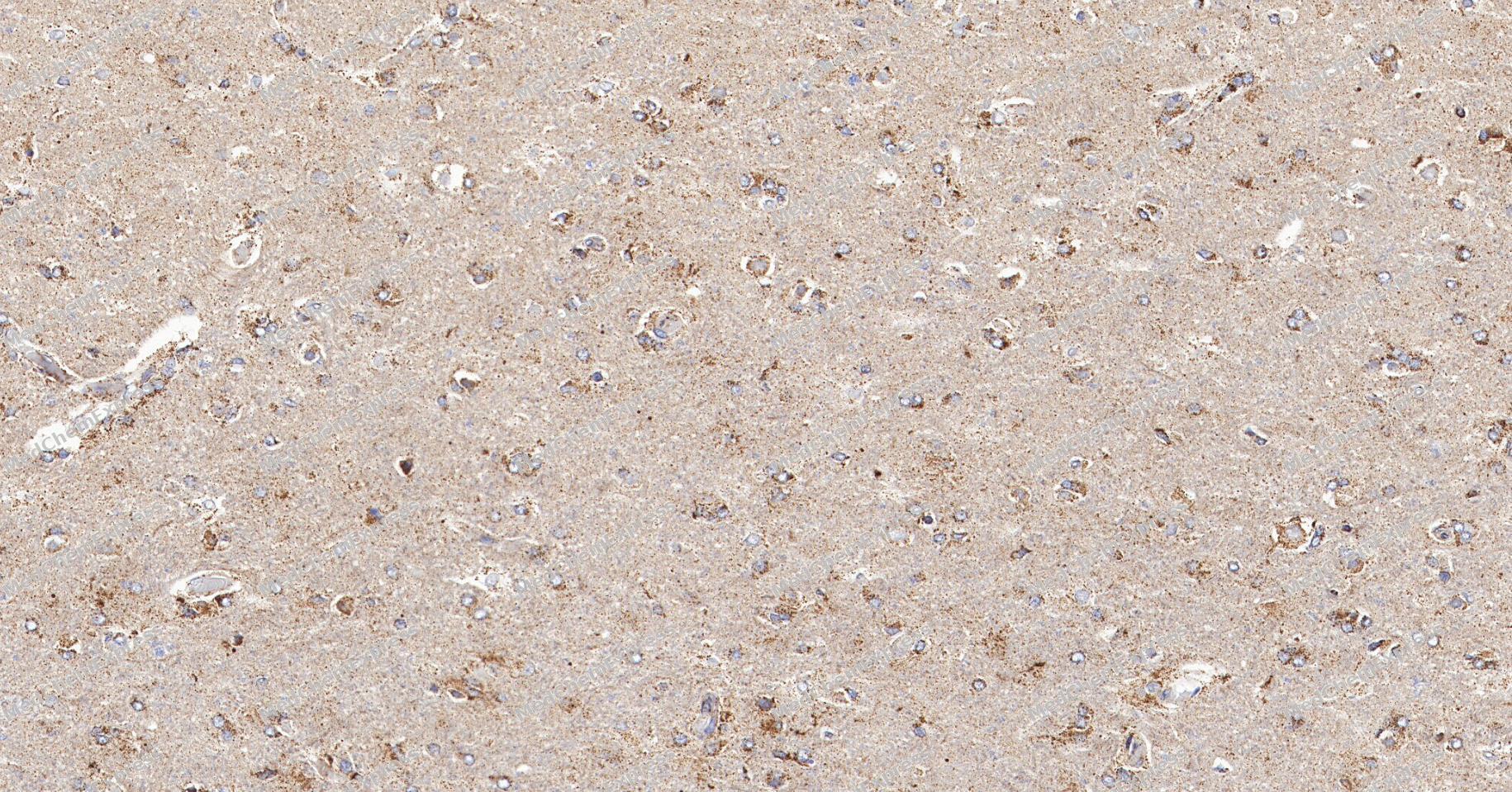 Immunohistochemical analysis of paraffin-embedded human glioma tissue using Cleaved Caspase-3 (Asp175) Antibody (YA6062). The section was pre-treated using heat mediated antigen retrieval with Tris/EDTA buffer (pH 9.0) for 20 minutes. The tissues were probed with the primary antibody (HY-P86370, 1/200) overnight at 4℃. The detection was performed using an HRP conjugated compact polymer system. DAB was used as the chromogen. Tissues were counterstained with hematoxylin and mounted with neutral balsam.
 -
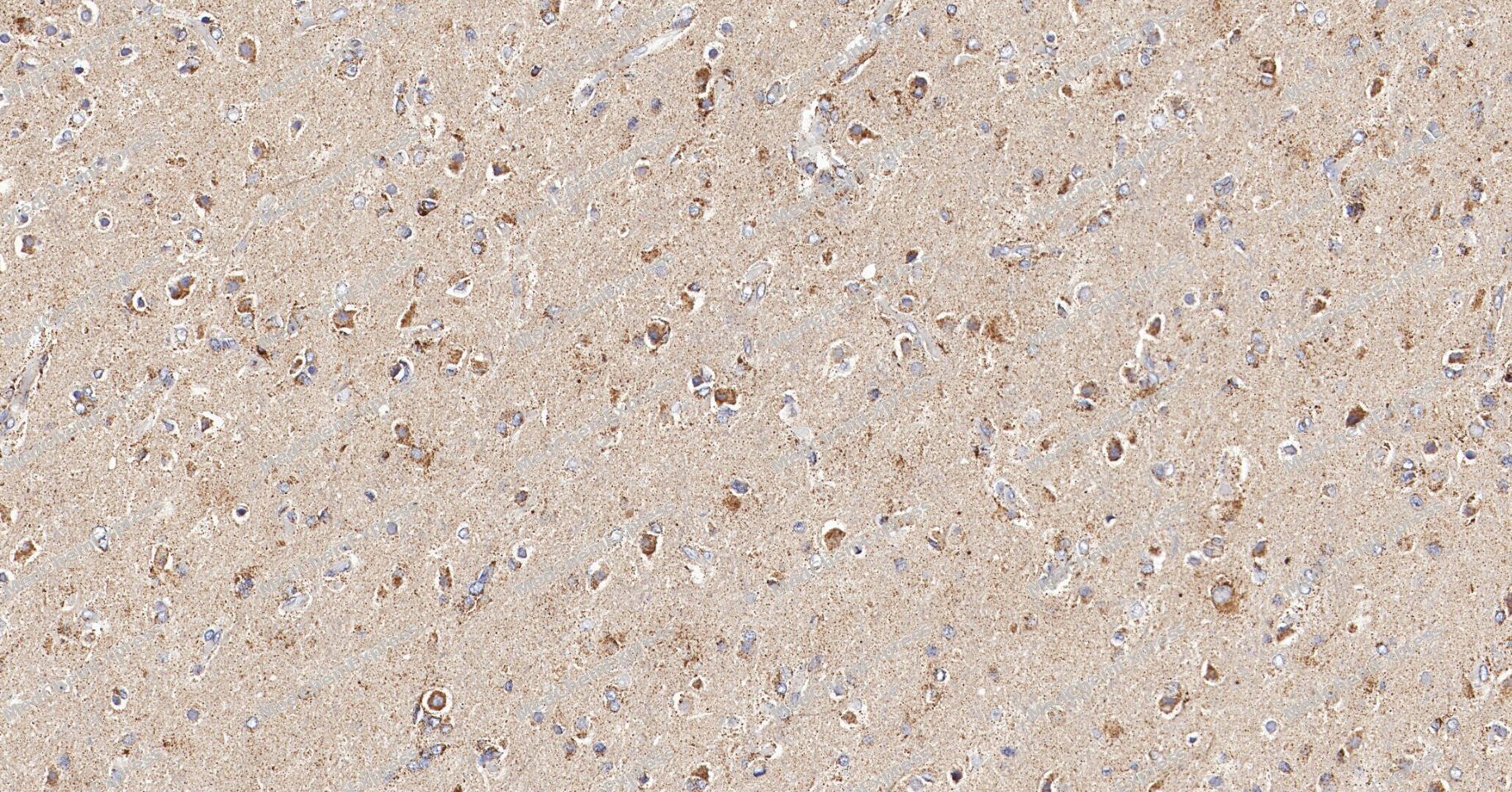 Immunohistochemical analysis of paraffin-embedded human glioma tissue using Cleaved Caspase-3 (Asp175) Antibody (YA6062). The section was pre-treated using heat mediated antigen retrieval with Tris/EDTA buffer (pH 9.0) for 20 minutes. The tissues were probed with the primary antibody (HY-P86370, 1/200) overnight at 4℃. The detection was performed using an HRP conjugated compact polymer system. DAB was used as the chromogen. Tissues were counterstained with hematoxylin and mounted with neutral balsam.
 -
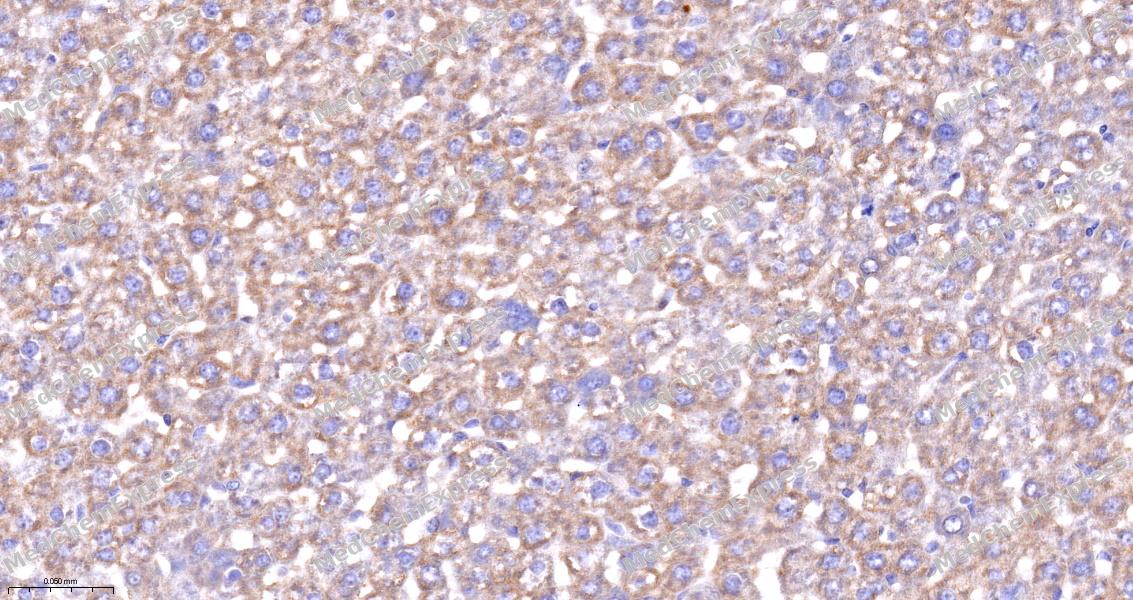 Immunohistochemical analysis of paraffin-embedded rat liver tissue using Cleaved Caspase-3 (Asp175) Antibody (HY-P86370, 1/1000). The section was pretreated using heat mediated antigen retrieval with sodium citrate buffer (pH 6.0) for 8 minutes. The tissues were blocked with quick block buffer for 0.5 hours at room temperature, washed with PBS and PBST, and then incubated with the primary antibody overnight at 4℃. The detection was performed using an HRP conjugated compact polymer system. DAB was used as the chromogen. Tissues were counterstained with hematoxylin and mounted with DPX.
 -
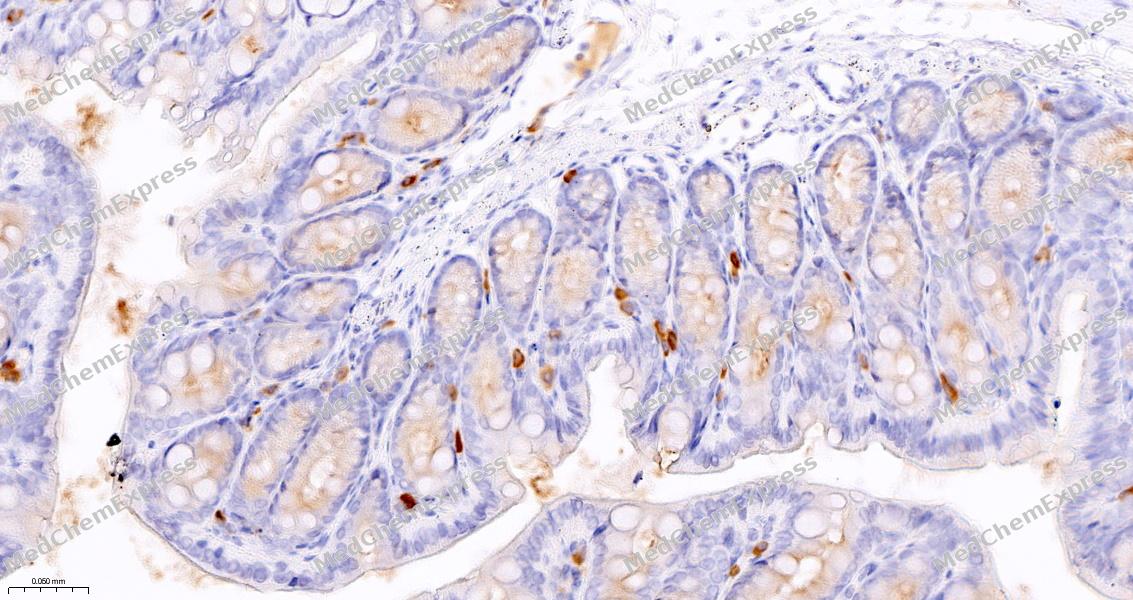 Immunohistochemical analysis of paraffin-embedded mouse rectum tissue using Cleaved Caspase-3 (Asp175) Antibody (HY-P86370, 1/1000). The section was pretreated using heat mediated antigen retrieval with sodium citrate buffer (pH 6.0) for 8 minutes. The tissues were blocked with quick block buffer for 0.5 hours at room temperature, washed with PBS and PBST, and then incubated with the primary antibody overnight at 4℃. The detection was performed using an HRP conjugated compact polymer system. DAB was used as the chromogen. Tissues were counterstained with hematoxylin and mounted with DPX.
 -
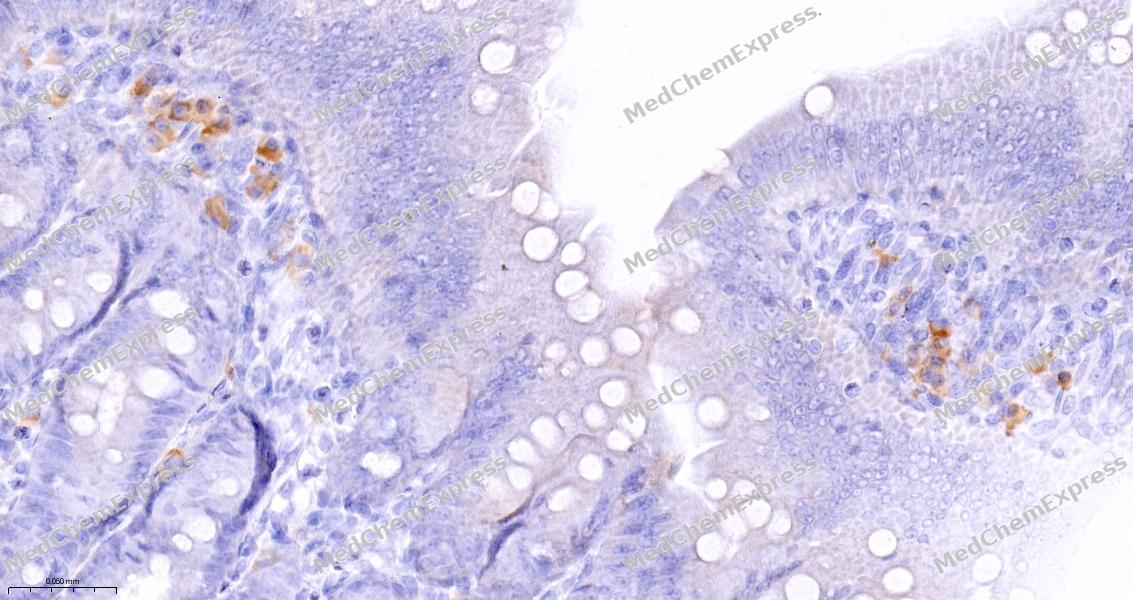 Immunohistochemical analysis of paraffin-embedded rat colon tissue using Cleaved Caspase-3 (Asp175) Antibody (HY-P86370, 1/1000). The section was pretreated using heat mediated antigen retrieval with sodium citrate buffer (pH 6.0) for 8 minutes. The tissues were blocked with quick block buffer for 0.5 hours at room temperature, washed with PBS and PBST, and then incubated with the primary antibody overnight at 4℃. The detection was performed using an HRP conjugated compact polymer system. DAB was used as the chromogen. Tissues were counterstained with hematoxylin and mounted with DPX.
 -
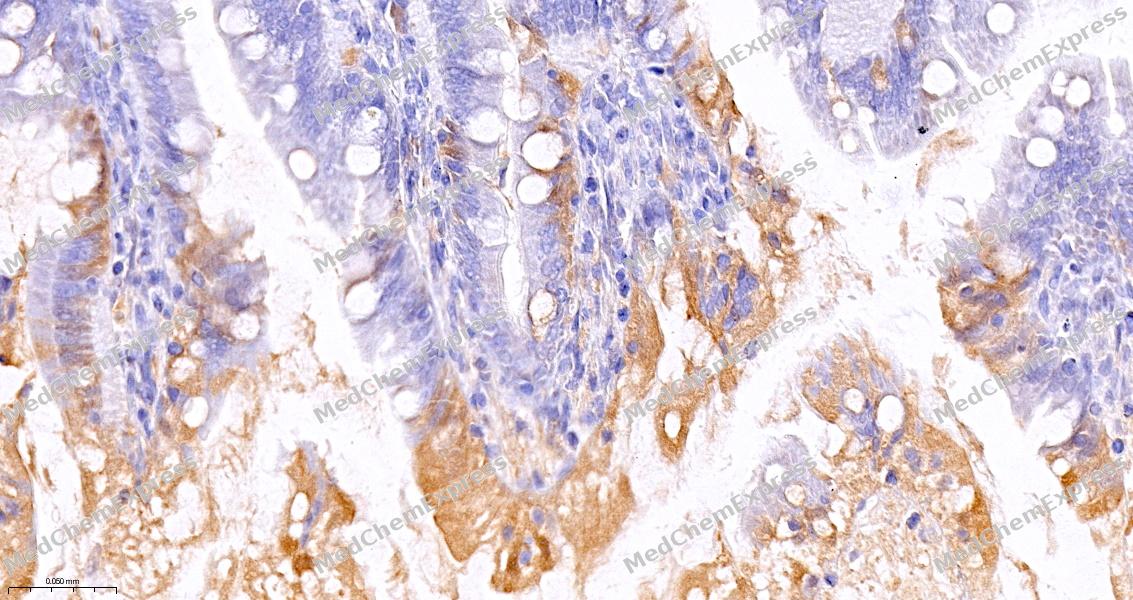 Immunohistochemical analysis of paraffin-embedded rat small intestine tissue using Cleaved Caspase-3 (Asp175) Antibody (HY-P86370, 1/1000). The section was pretreated using heat mediated antigen retrieval with sodium citrate buffer (pH 6.0) for 8 minutes. The tissues were blocked with quick block buffer for 0.5 hours at room temperature, washed with PBS and PBST, and then incubated with the primary antibody overnight at 4℃. The detection was performed using an HRP conjugated compact polymer system. DAB was used as the chromogen. Tissues were counterstained with hematoxylin and mounted with DPX.
 -
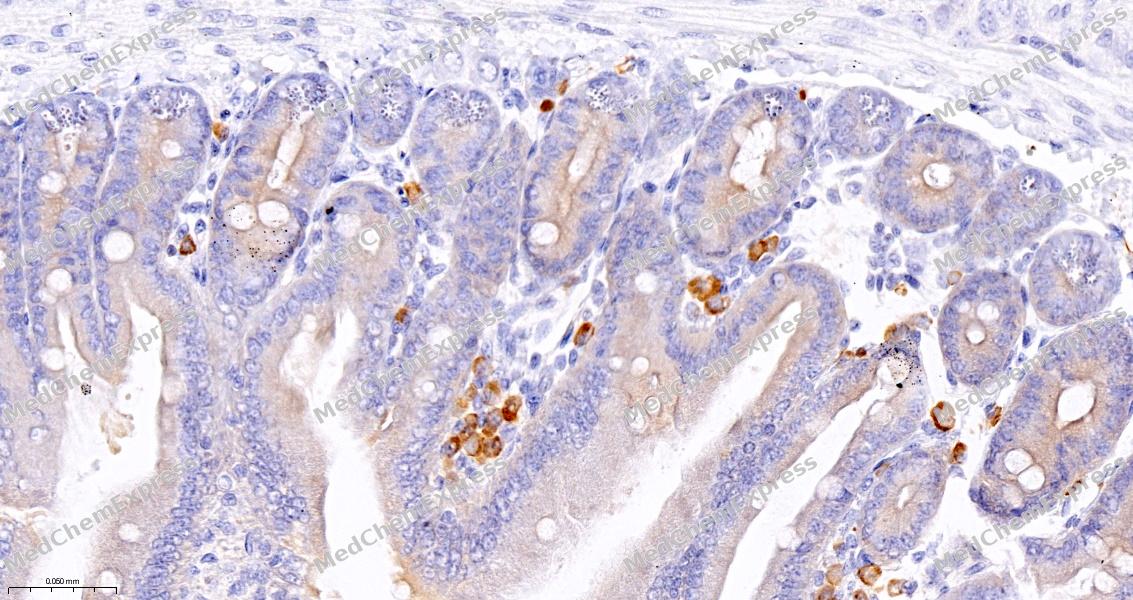 Immunohistochemical analysis of paraffin-embedded mouse duodenum tissue using Cleaved Caspase-3 (Asp175) Antibody (HY-P86370, 1/1000). The section was pretreated using heat mediated antigen retrieval with sodium citrate buffer (pH 6.0) for 8 minutes. The tissues were blocked with quick block buffer for 0.5 hours at room temperature, washed with PBS and PBST, and then incubated with the primary antibody overnight at 4℃. The detection was performed using an HRP conjugated compact polymer system. DAB was used as the chromogen. Tissues were counterstained with hematoxylin and mounted with DPX.
 -
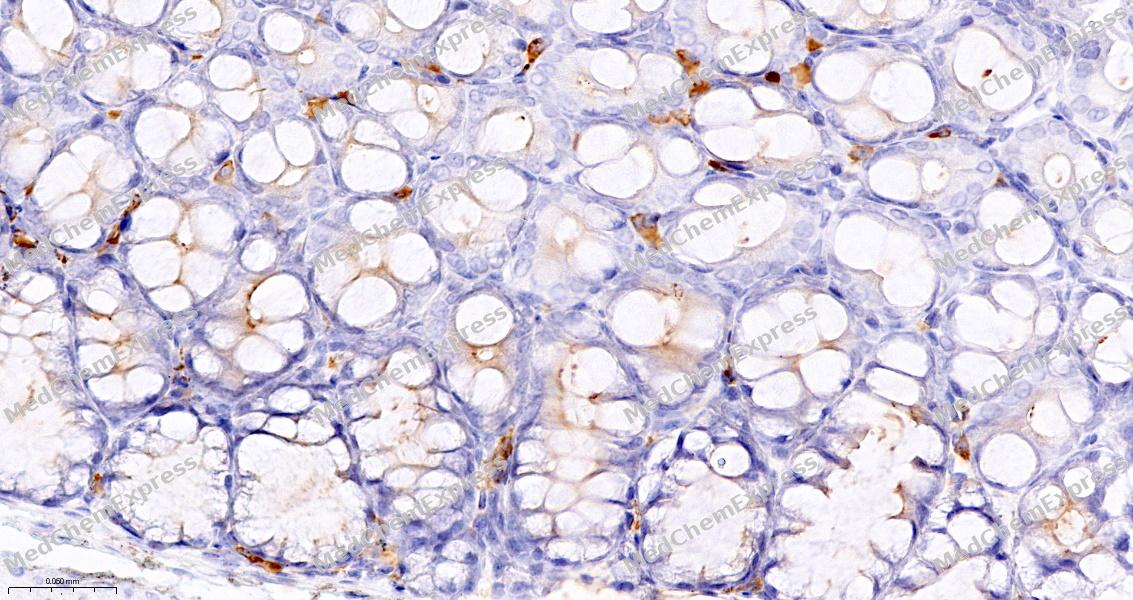 Immunohistochemical analysis of paraffin-embedded mouse colon tissue using Cleaved Caspase-3 (Asp175) Antibody (HY-P86370, 1/1000). The section was pretreated using heat mediated antigen retrieval with sodium citrate buffer (pH 6.0) for 8 minutes. The tissues were blocked with quick block buffer for 0.5 hours at room temperature, washed with PBS and PBST, and then incubated with the primary antibody overnight at 4℃. The detection was performed using an HRP conjugated compact polymer system. DAB was used as the chromogen. Tissues were counterstained with hematoxylin and mounted with DPX.


Background
-
Function
Cleaved Caspase-3 is a Thiol protease that acts as a major effector caspase involved in the execution phase of apoptosis. Following cleavage and activation by initiator caspases (CASP8, CASP9 and/or CASP10), mediates execution of apoptosis by catalyzing cleavage of many proteins. At the onset of apoptosis, it proteolytically cleaves poly(ADP-ribose) polymerase PARP1 at a '216-Asp-|-Gly-217' bond. Cleaves and activates sterol regulatory element binding proteins (SREBPs) between the basic helix-loop-helix leucine zipper domain and the membrane attachment domain. Cleaves and activates caspase-6, -7 and -9 (CASP6, CASP7 and CASP9, respectively). Cleaves and inactivates interleukin-18 (IL18). Involved in the cleavage of huntingtin. Triggers cell adhesion in sympathetic neurons through RET cleavage. Cleaves and inhibits serine/threonine-protein kinase AKT1 in response to oxidative stress. Acts as an inhibitor of type I interferon production during virus-induced apoptosis by mediating cleavage of antiviral proteins CGAS, IRF3 and MAVS, thereby preventing cytokine overproduction. Also involved in pyroptosis by mediating cleavage and activation of gasdermin-E (GSDME). Cleaves XRCC4 and phospholipid scramblase proteins XKR4, XKR8 and XKR9, leading to promote phosphatidylserine exposure on apoptotic cell surface. Cleaves BIRC6 following inhibition of BIRC6-caspase binding by DIABLO/SMAC[1][2][3][4][5][6][7][8][9][10][11][12][13][14][15][16][17][18][19].
-
Subcellular Localization
Cytoplasm
-
Expression
Tissue_specificity:It is highly expressed in the lungs, spleen, heart, liver, and kidneys. It is moderately expressed in the brain and skeletal muscle, and lowly expressed in the testes. It is also present in many cell lines, with the highest expression in immune system cells. -
Subunit
Heterotetramer that consists of two anti-parallel arranged heterodimers, each one formed by a 17 kDa (p17) and a 12 kDa (p12) subunit. Interacts with BIRC6/bruce
-
SwissProt ID
-
Synonyms
CASP3; CPP32; Caspase-3; CASP-3; Apopain; Cysteine protease CPP32; CPP-32; Protein Yama; SREBP cleavage activity 1; SCA-1
Documentation
-
Data Sheet (265 KB)
-
SDS (252 KB)
- English - EN (252 KB)
- Français - FR (252 KB)
- Deutsch - DE (252 KB)
- Norwegian - NO (252 KB)
- Español - ES (252 KB)
- Swedish - SV (252 KB)
- Italian - IT (252 KB)
- Korean - KR (252 KB)
- Portuguese - PT (252 KB)
-
User Guide for Antibodies (1077 KB)
References
[1]. Walsh JG, et al. Executioner caspase-3 and caspase-7 are functionally distinct proteases. Proc Natl Acad Sci U S A. 2008 Sep 2;105(35):12815-9. [Content Brief]
[2]. Nakatsumi H, et al. Identification of functional regions defining different activity in caspase-3 and caspase-7 within cells. J Biol Chem. 2010 Aug 13;285(33):25418-25. [Content Brief]
[3]. Thomsen ND, et al. Structural snapshots reveal distinct mechanisms of procaspase-3 and -7 activation. Proc Natl Acad Sci U S A. 2013 May 21;110(21):8477-82. [Content Brief]
[4]. Peng T, et al. Pathogen hijacks programmed cell death signaling by arginine ADPR-deacylization of caspases. Mol Cell. 2022 May 19;82(10):1806-1820.e8. [Content Brief]
[5]. Liu Y, et al. Calmodulin Binding Activates Chromobacterium CopC Effector to ADP-Riboxanate Host Apoptotic Caspases. mBio. 2022 Jun 28;13(3):e0069022. [Content Brief]
[6]. Nicholson DW, et al. Identification and inhibition of the ICE/CED-3 protease necessary for mammalian apoptosis. Nature. 1995 Jul 6;376(6535):37-43. [Content Brief]
[7]. Germain M, et al. Cleavage of automodified poly(ADP-ribose) polymerase during apoptosis. Evidence for involvement of caspase-7. J Biol Chem. 1999 Oct 1;274(40):28379-84. [Content Brief]
[8]. Rodríguez-Hernández A, et al. Nuclear caspase-3 and caspase-7 activation, and poly(ADP-ribose) polymerase cleavage are early events in camptothecin-induced apoptosis. Apoptosis. 2006 Jan;11(1):131-9. [Content Brief]
[9]. Tewari M, et al. Yama/CPP32 beta, a mammalian homolog of CED-3, is a CrmA-inhibitable protease that cleaves the death substrate poly(ADP-ribose) polymerase. Cell. 1995 Jun 2;81(5):801-9. [Content Brief]
[10]. Shi X, et al. Recognition and maturation of IL-18 by caspase-4 noncanonical inflammasome. Nature. 2023 Dec;624(7991):442-450. [Content Brief]
[11]. Akita K, et al. Involvement of caspase-1 and caspase-3 in the production and processing of mature human interleukin 18 in monocytic THP.1 cells. J Biol Chem. 1997 Oct 17;272(42):26595-603. [Content Brief]
[12]. Goldberg YP, et al. Cleavage of huntingtin by apopain, a proapoptotic cysteine protease, is modulated by the polyglutamine tract. Nat Genet. 1996 Aug;13(4):442-9. [Content Brief]
[13]. Cabrera JR, et al. RET modulates cell adhesion via its cleavage by caspase in sympathetic neurons. J Biol Chem. 2011 Apr 22;286(16):14628-38. [Content Brief]
[14]. Sen T, et al. OGDHL is a modifier of AKT-dependent signaling and NF-κB function. PLoS One. 2012;7(11):e48770. [Content Brief]
[15]. Ning X, et al. Apoptotic Caspases Suppress Type I Interferon Production via the Cleavage of cGAS, MAVS, and IRF3. Mol Cell. 2019 Apr 4;74(1):19-31.e7. [Content Brief]
[16]. Suzuki J, et al. Xk-related protein 8 and CED-8 promote phosphatidylserine exposure in apoptotic cells. Science. 2013 Jul 26;341(6144):403-6. [Content Brief]
[17]. Maruoka M, et al. Caspase cleavage releases a nuclear protein fragment that stimulates phospholipid scrambling at the plasma membrane. Mol Cell. 2021 Apr 1;81(7):1397-1410.e9. [Content Brief]
[18]. Hunkeler M, et al. Structures of BIRC6-client complexes provide a mechanism of SMAC-mediated release of caspases. Science. 2023 Mar 17;379(6637):1105-1111. [Content Brief]
[19]. Dietz L, et al. Structural basis for SMAC-mediated antagonism of caspase inhibition by the giant ubiquitin ligase BIRC6. Science. 2023 Mar 17;379(6637):1112-1117. [Content Brief]

 Powered by Bioz
