



Collagen I Antibody (YA5601)
(Synonyms: Alpha 1 collagen type I; Alpha 1 type I collagen; Alpha 1 type I procollagen; Alpha 1; I; collagen; Alpha 1; I; procollagen; Alpha-1 type I collagen; CO1A1_HUMAN; COL1A1; Collagen alpha 1; I; chain; Collagen alpha-1; I; chain; Collagen I alpha 1 polypeptide; Collagen of skin tendon and bone alpha 1 chain; Collagen type I alpha 1)Based on 1 publication(s) in Google Scholar
Collagen I Antibody (YA5601) is a Mouse-derived and non-conjugated IgG2b monoclonal antibody, targeting to Collagen I.
-
Host:
Mouse
-
Isotype:
IgG2b
-
Application:
IHC-P, WB, ICC/IF, ELISA
-
Reactivity :
Human, Mouse, Rat
-
Formulation:
Supplied in PBS, 50% glycerol, 0.05% Proclin 300, 0.05%BSA
-
Conjugation:
Non-conjugated


To place orders, for customer services and technical support, please contact: MedChemExpress USA
Tel: 609-228-6898 E-mail: [email protected] [email protected]



Publications Citing Use of MedChemExpress (MCE) Collagen I Antibody (YA5601)
More

Applications
| Application |
IHC-P

IHC-P: Immunohistochemistry-Paraffin
|
WB
WB: Western Blot
|
ICC/IF
ICC/IF: Immunocytochemistry/
Immunofluorescence |
ELISA
ELISA: Enzyme Linked Immunosorbent Assay
|
|---|---|---|---|---|
| Dilution Ratio | 1:200-1000 | 1:500-2000 | 1:100-500 | 1:1000-5000 |


Product Details
Collagen I Antibody (YA5601) is a Mouse-derived and non-conjugated IgG2b monoclonal antibody, targeting to Collagen I.
-
Host Mouse

-
Clonality Monoclonal

-
Species ReactivityHuman, Mouse, Rat
-
Observed Molecular WeightObserved band size: 125 kDa,105 kDa
Note: Due to possible protein modifications or aggregation, the molecular weight should be confirmed by actual measurement, and the predicted value is for reference only.

Synthesized peptide derived from human Collagen I α1 AA range: 1200-1464
Protein G
Non-conjugated
Unmodified
IgG2b


Product Properties
-
Appearance
Solution
-
Formulation
Supplied in PBS, 50% glycerol, 0.05% Proclin 300, 0.05%BSA
-
Concentration
Batch-dependent, Please check the COA for the concentration of each lot. Check Lot Concentration
-
Storage & Stability
Stored at -20°C for 1 year. Avoid repeated freeze / thaw cycles.
-
Shipping
Shipping with blue ice.


Publications (1)
-
Journal Impact Factor
-
Most Recent
-
Tissue Cell
DingkunDɑn ameliorates ovarian fibrosis and restores ovulation in a DHEA-induced PCOS rat model via inhibition of the TGF-β/Smad signaling pathway. [Abstract]2026 May 30:103:103657. PMID: 42288009


Verification Images
-
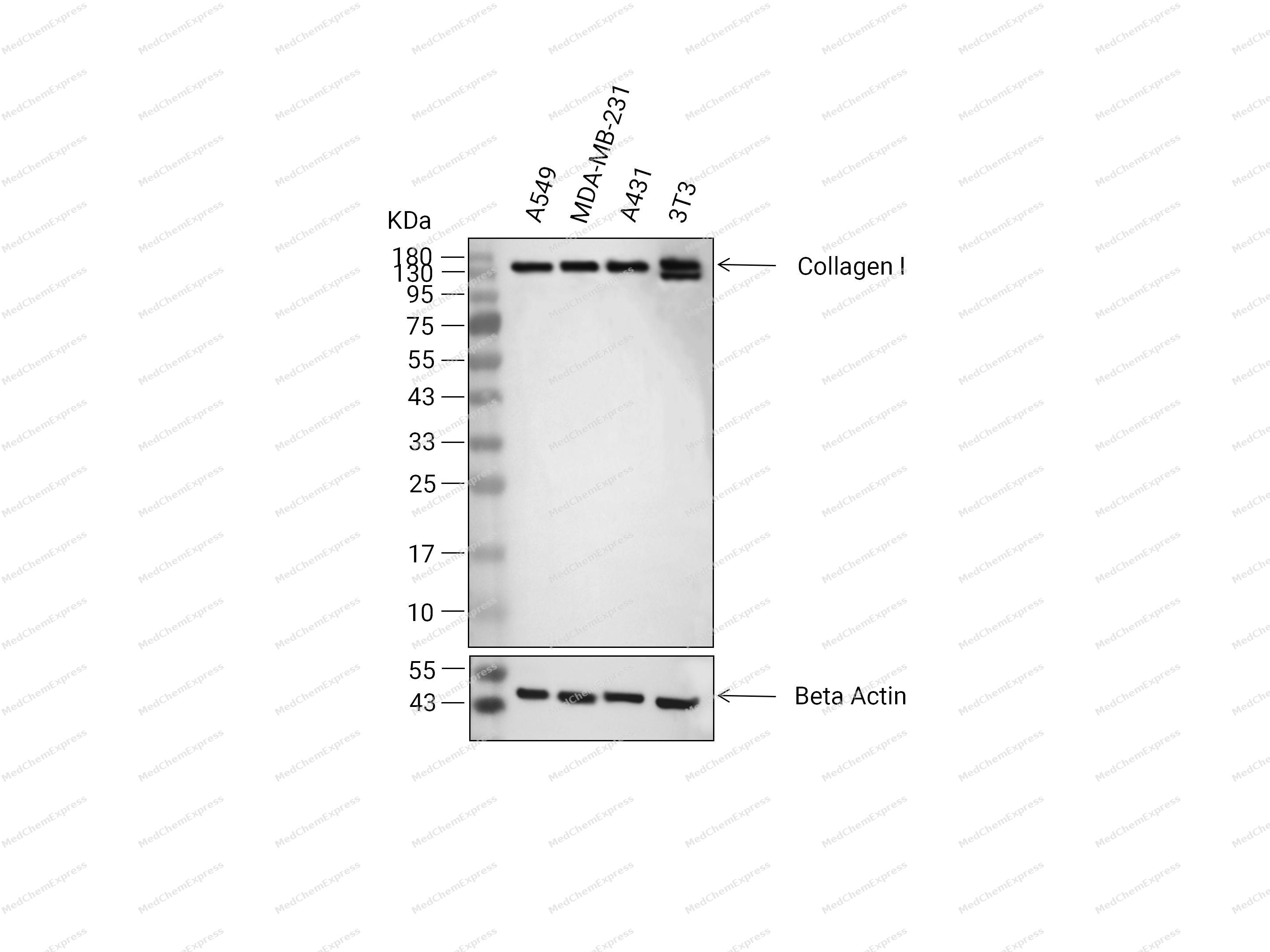 Western blot analysis of extracts from A549 (lane2(20μg), MDA-MB-231(lane3(20μg), A431(lane4(20μg) and 3T3(lane5(20μg) using Collagen I Antibody (YA5601)(HY-P85909). Proteins were transferred to a PVDF membrane and blocked with 5% non-fat milk in TBST at 4°C overnight. The primary antibody (1/1000) and Loading control antibody (Beta Actin, HY-P80993, 1/10,000) was used in 5% non-fat milk in TBST for 2 hour at room temperature. Goat Anti-Mouse IgG-HRP Secondary Antibody (HY-P8004, 1/10,000) was used for 1 hour at room temperature.
 -
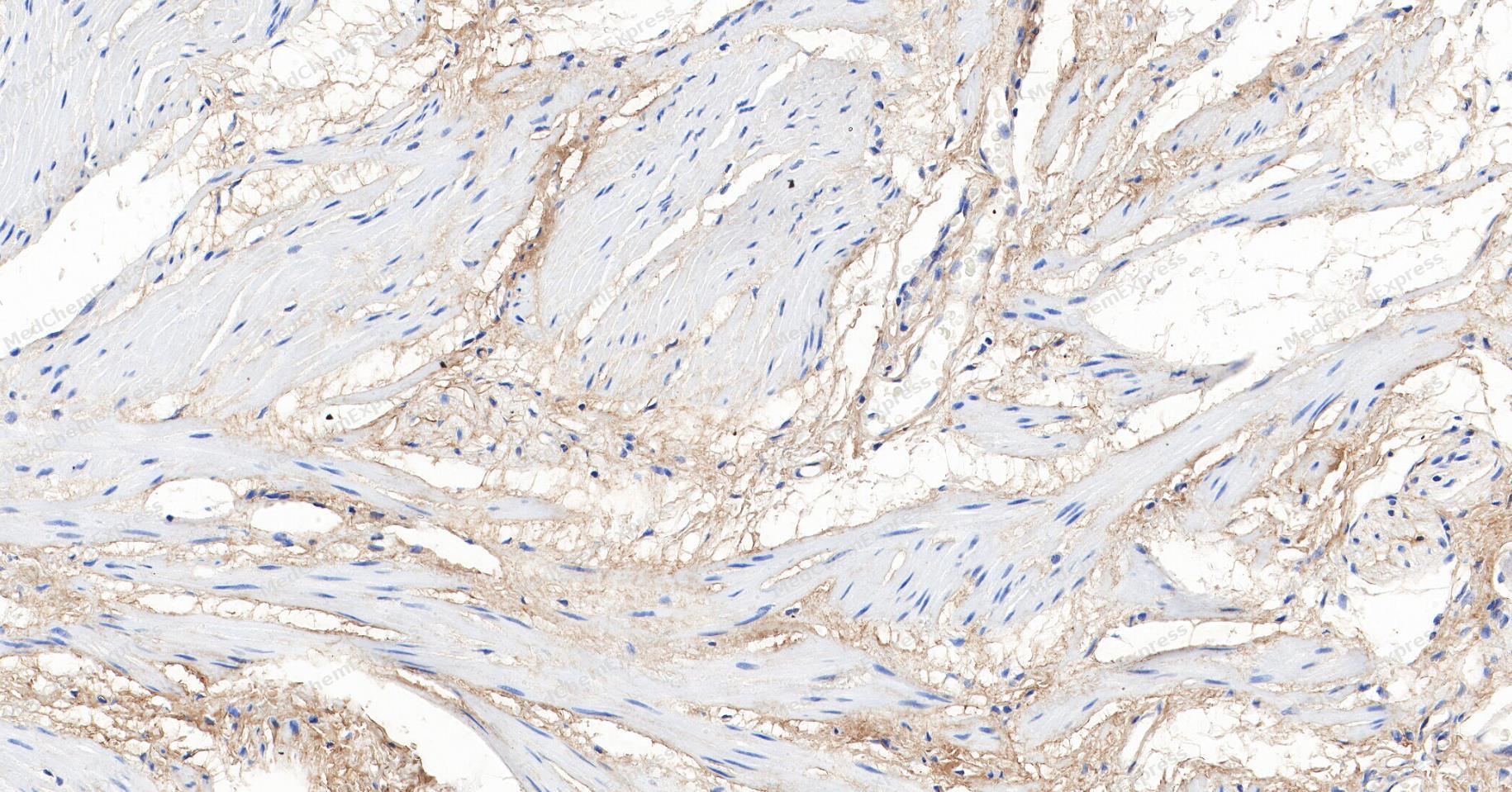 Immunohistochemical analysis of paraffin-embedded human stomach tissue using Collagen I Antibody (YA5601). The section was pre-treated using heat mediated antigen retrieval with Tris/EDTA buffer (pH 9.0) for 20 minutes. The tissues were probed with the primary antibody (HY-P85909, 1/150) overnight at 4℃. The detection was performed using an HRP conjugated compact polymer system. DAB was used as the chromogen. Tissues were counterstained with hematoxylin and mounted with neutral balsam.
 -
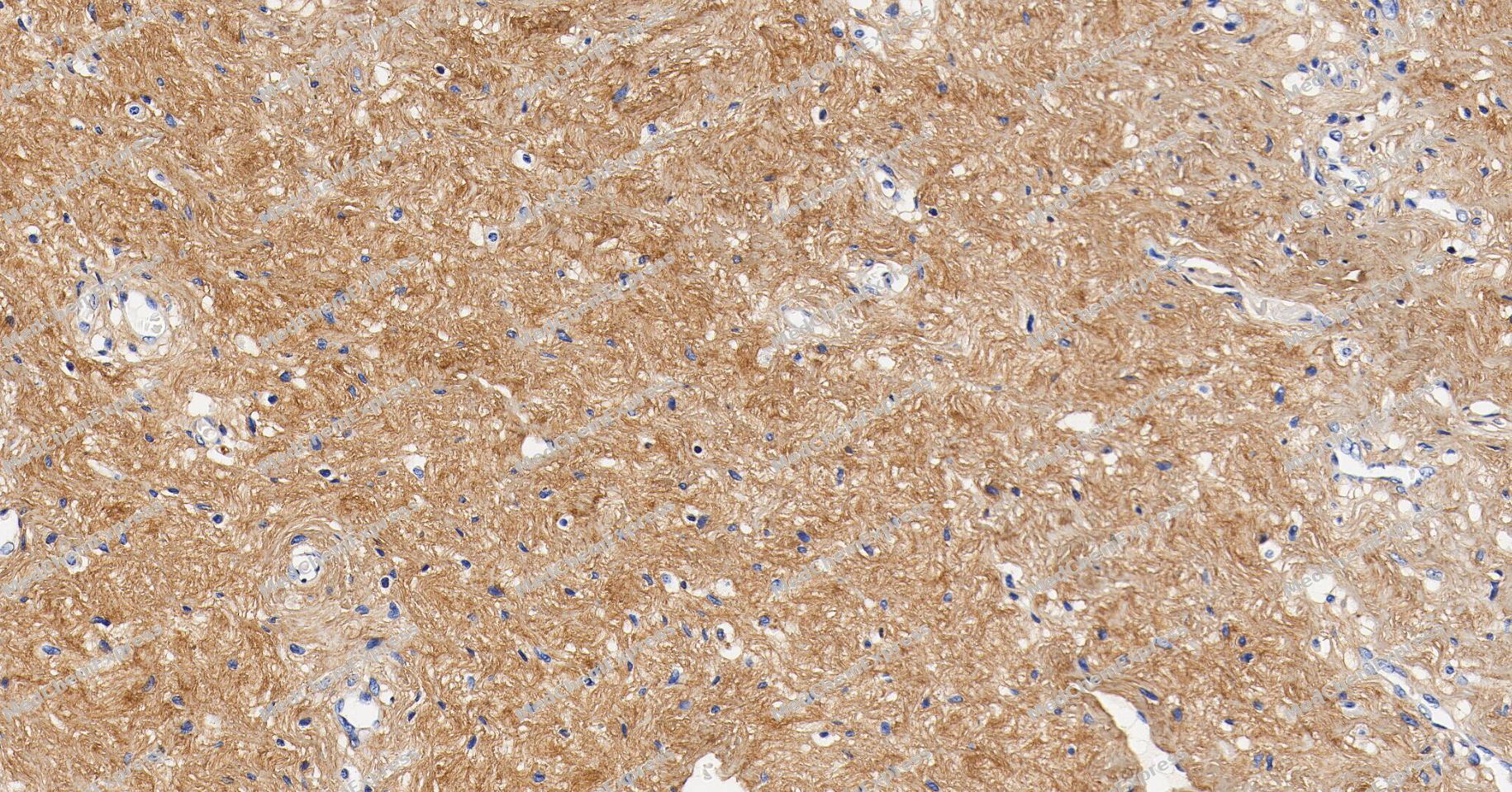 Immunohistochemical analysis of paraffin-embedded human cervix tissue using Collagen I Antibody (YA5601). The section was pre-treated using heat mediated antigen retrieval with Tris/EDTA buffer (pH 9.0) for 20 minutes. The tissues were probed with the primary antibody (HY-P85909, 1/150) overnight at 4℃. The detection was performed using an HRP conjugated compact polymer system. DAB was used as the chromogen. Tissues were counterstained with hematoxylin and mounted with neutral balsam.
 -
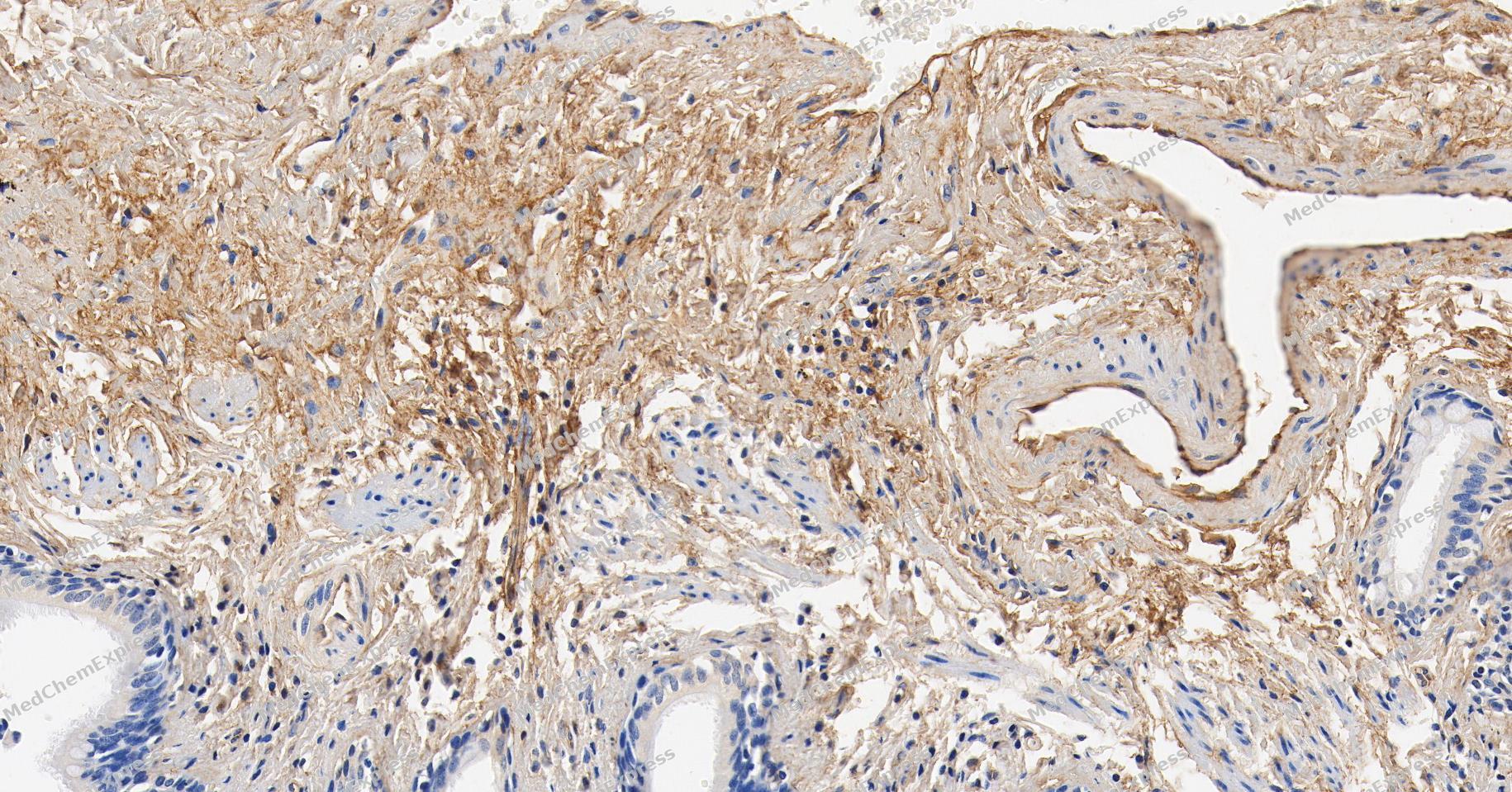 Immunohistochemical analysis of paraffin-embedded human lung cancer tissue using Collagen I Antibody (YA5601). The section was pre-treated using heat mediated antigen retrieval with Tris/EDTA buffer (pH 9.0) for 20 minutes. The tissues were probed with the primary antibody (HY-P85909, 1/150) overnight at 4℃. The detection was performed using an HRP conjugated compact polymer system. DAB was used as the chromogen. Tissues were counterstained with hematoxylin and mounted with neutral balsam.
 -
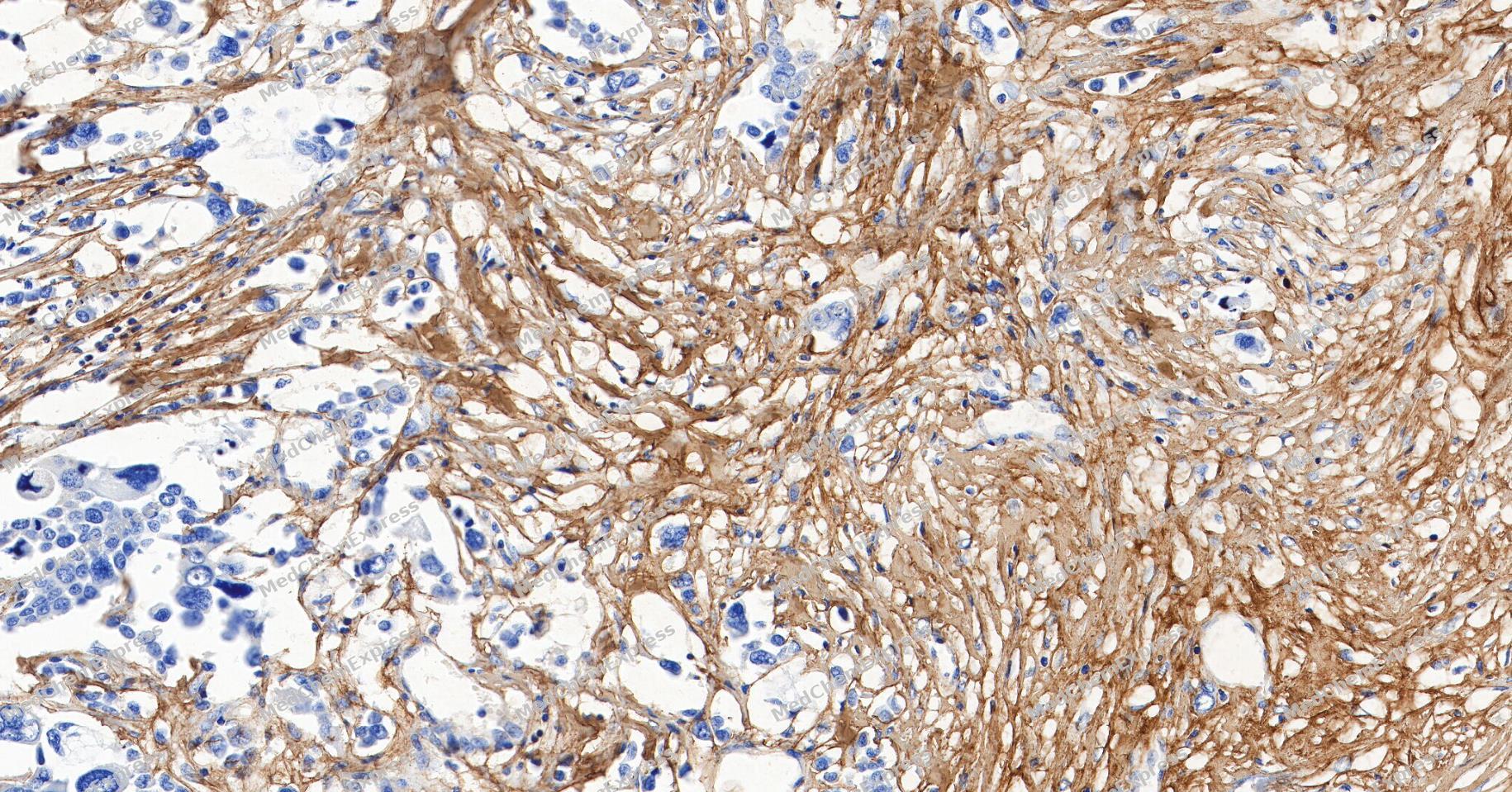 Immunohistochemical analysis of paraffin-embedded human breast cancer tissue using Collagen I Antibody (YA5601). The section was pre-treated using heat mediated antigen retrieval with Tris/EDTA buffer (pH 9.0) for 20 minutes. The tissues were probed with the primary antibody (HY-P85909, 1/150) overnight at 4℃. The detection was performed using an HRP conjugated compact polymer system. DAB was used as the chromogen. Tissues were counterstained with hematoxylin and mounted with neutral balsam.
 -
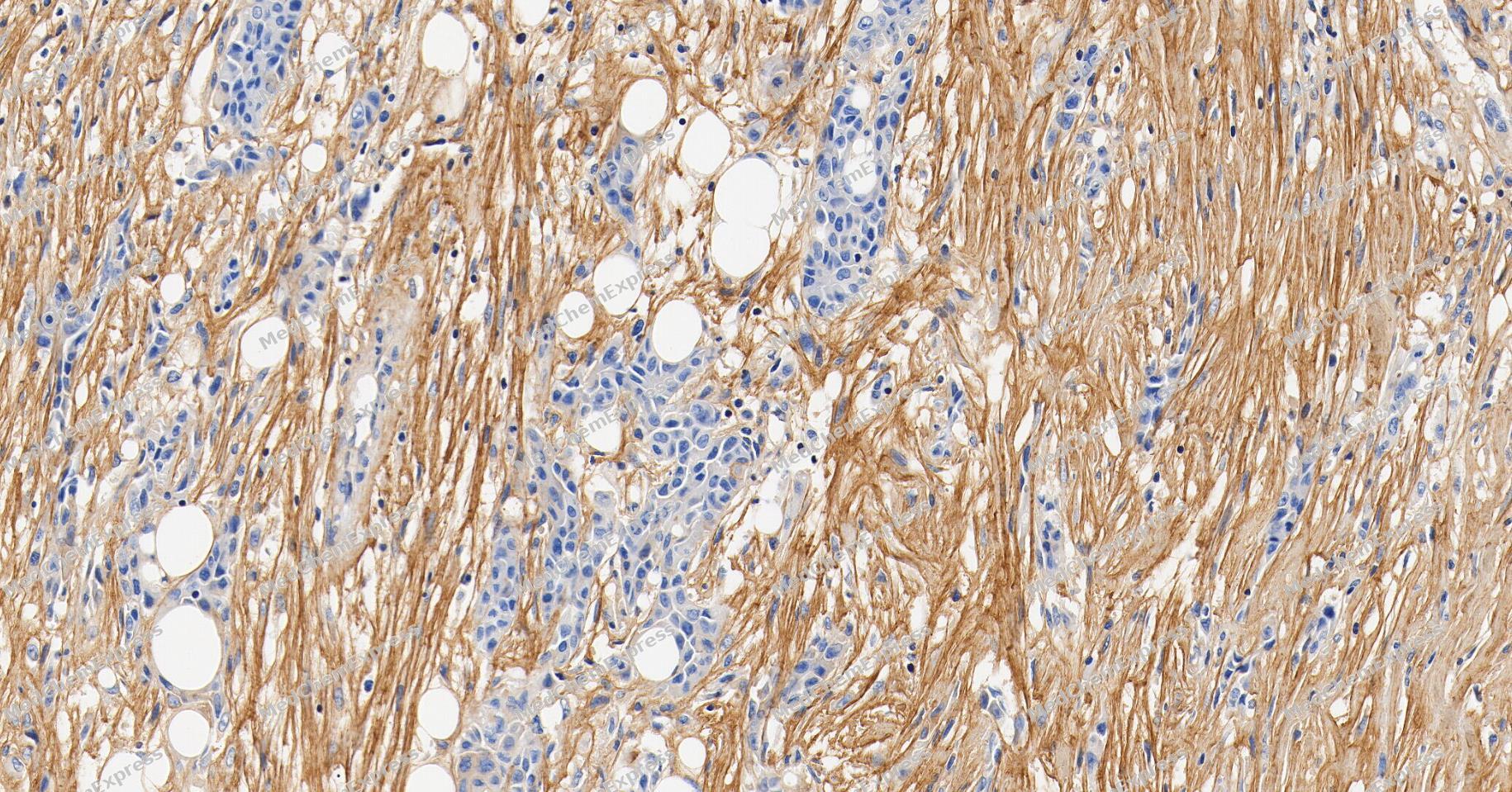 Immunohistochemical analysis of paraffin-embedded human liver cancer tissue using Collagen I Antibody (YA5601). The section was pre-treated using heat mediated antigen retrieval with Tris/EDTA buffer (pH 9.0) for 20 minutes. The tissues were probed with the primary antibody (HY-P85909, 1/150) overnight at 4℃. The detection was performed using an HRP conjugated compact polymer system. DAB was used as the chromogen. Tissues were counterstained with hematoxylin and mounted with neutral balsam.
 -
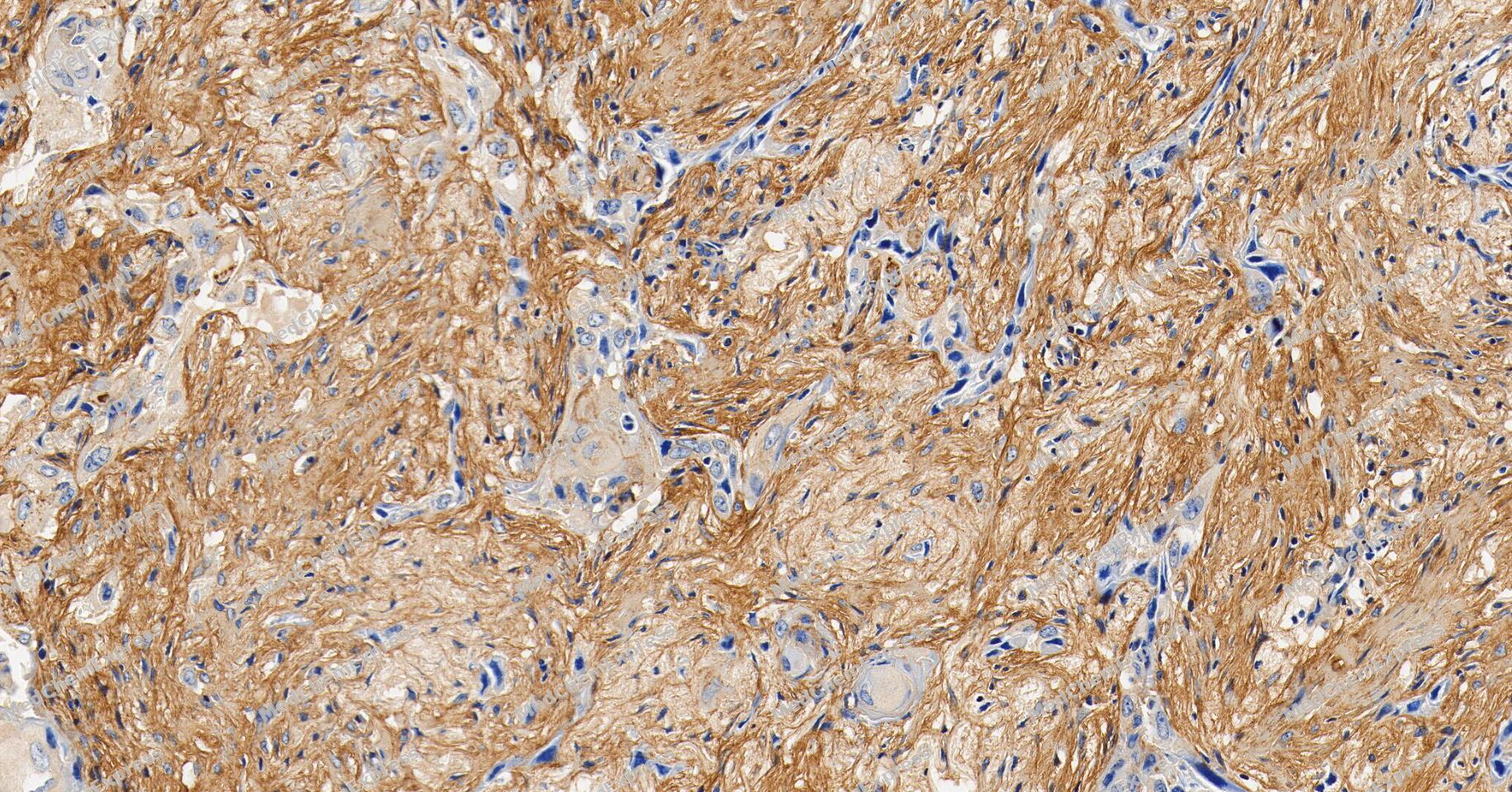 Immunohistochemical analysis of paraffin-embedded human skin cancer tissue using Collagen I Antibody (YA5601). The section was pre-treated using heat mediated antigen retrieval with Tris/EDTA buffer (pH 9.0) for 20 minutes. The tissues were probed with the primary antibody (HY-P85909, 1/150) overnight at 4℃. The detection was performed using an HRP conjugated compact polymer system. DAB was used as the chromogen. Tissues were counterstained with hematoxylin and mounted with neutral balsam.
 -
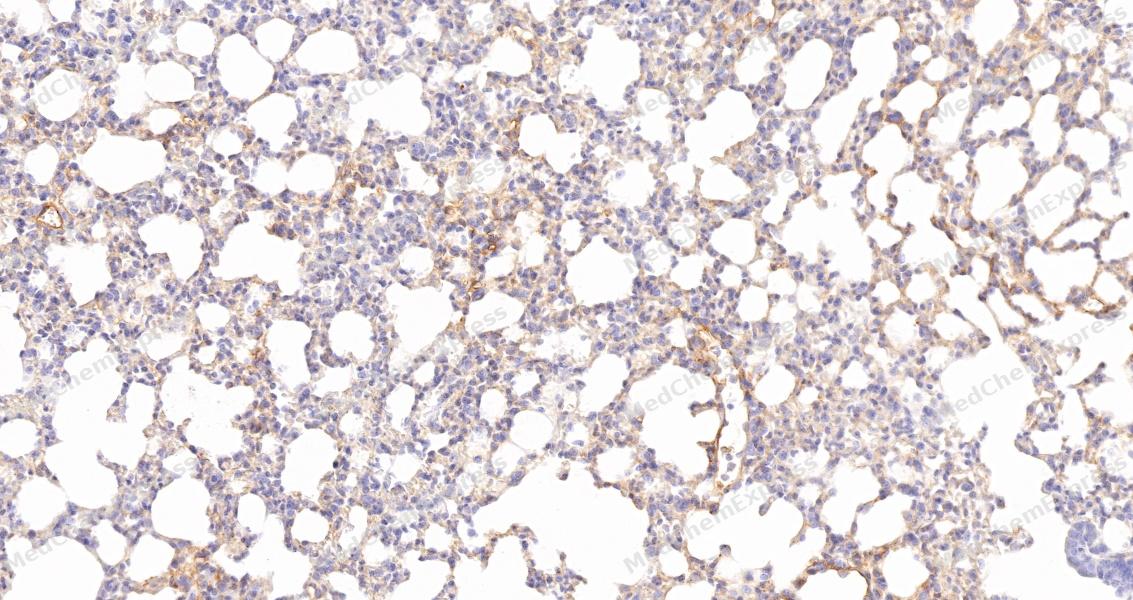 Immunohistochemical analysis of paraffin-embedded mouse lung tissue using Collagen I Antibody (HY-P85909, 1/800). The section was pretreated using heat mediated antigen retrieval with sodium citrate buffer (pH 6.0) for 8 minutes. The tissues were blocked with quick block buffer for 0.5 hours at room temperature, washed with PBS and PBST, and then incubated with the primary antibody overnight at 4℃. The detection was performed using an HRP conjugated compact polymer system. DAB was used as the chromogen. Tissues were counterstained with hematoxylin and mounted with DPX.
 -
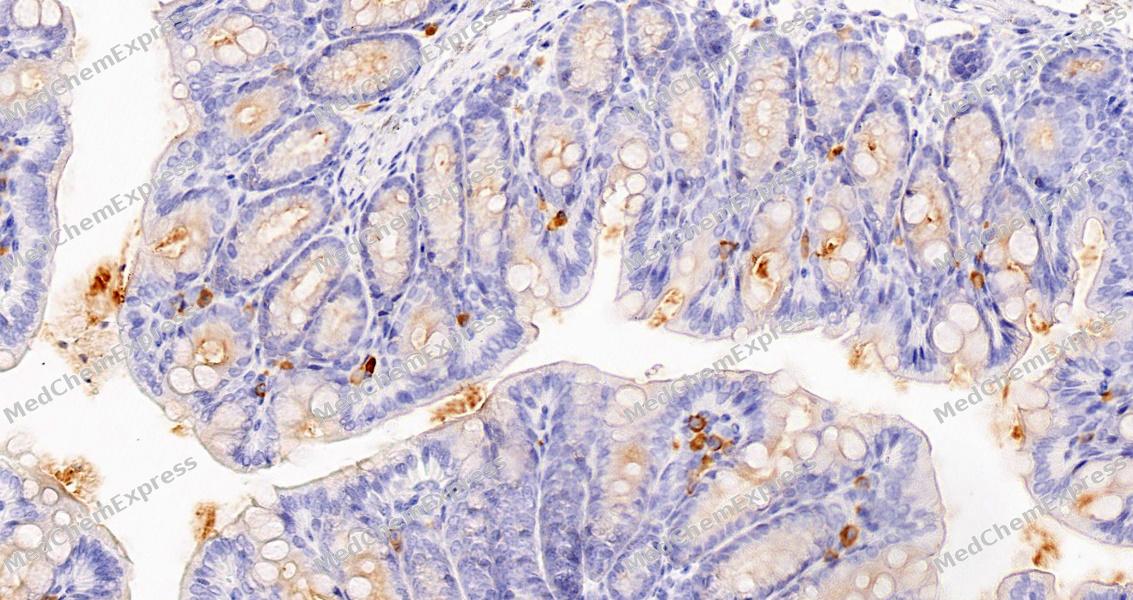 Immunohistochemical analysis of paraffin-embedded mouse rectum tissue using Collagen I Antibody (HY-P85909, 1/800). The section was pretreated using heat mediated antigen retrieval with sodium citrate buffer (pH 6.0) for 8 minutes. The tissues were blocked with quick block buffer for 0.5 hours at room temperature, washed with PBS and PBST, and then incubated with the primary antibody overnight at 4℃. The detection was performed using an HRP conjugated compact polymer system. DAB was used as the chromogen. Tissues were counterstained with hematoxylin and mounted with DPX.
 -
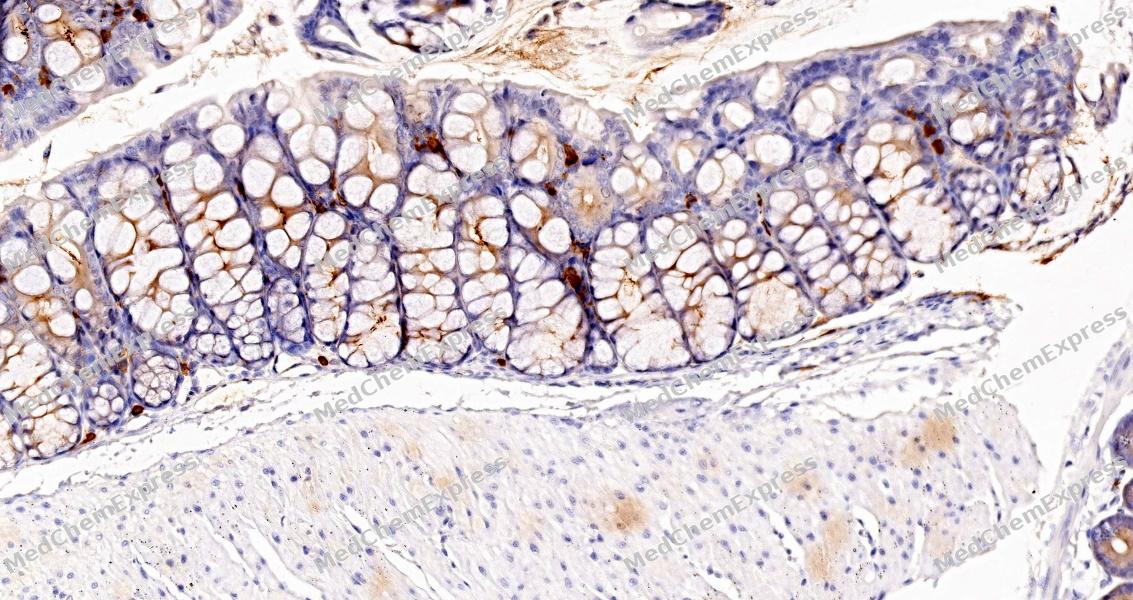 Immunohistochemical analysis of paraffin-embedded mouse colon tissue using Collagen I Antibody (HY-P85909, 1/800). The section was pretreated using heat mediated antigen retrieval with sodium citrate buffer (pH 6.0) for 8 minutes. The tissues were blocked with quick block buffer for 0.5 hours at room temperature, washed with PBS and PBST, and then incubated with the primary antibody overnight at 4℃. The detection was performed using an HRP conjugated compact polymer system. DAB was used as the chromogen. Tissues were counterstained with hematoxylin and mounted with DPX.
 -
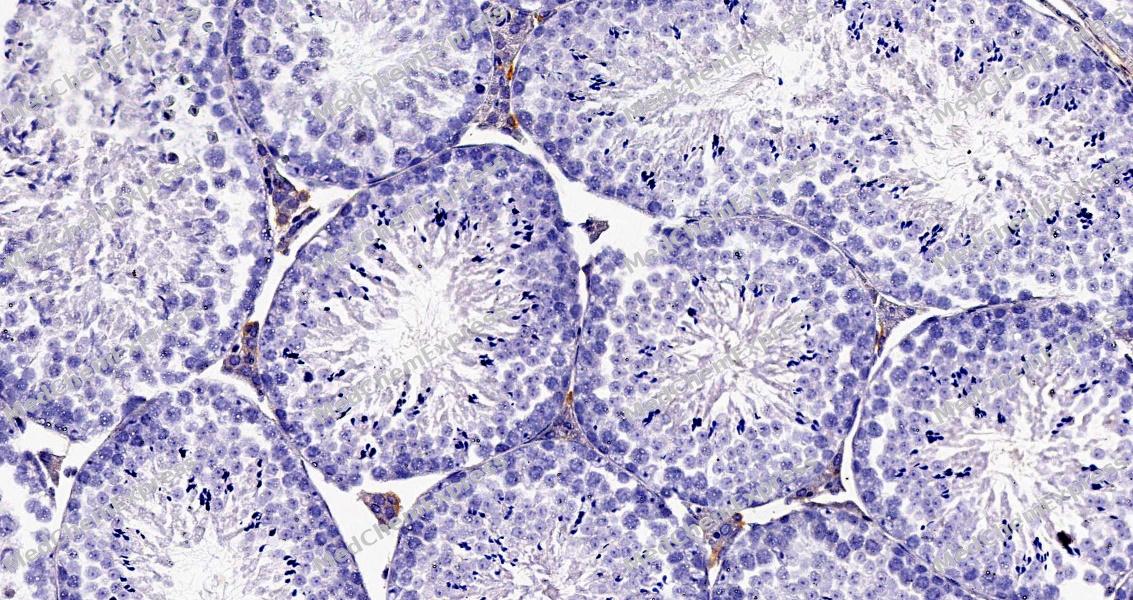 Immunohistochemical analysis of paraffin-embedded mouse testis tissue using Collagen I Antibody (HY-P85909, 1/800). The section was pretreated using heat mediated antigen retrieval with sodium citrate buffer (pH 6.0) for 8 minutes. The tissues were blocked with quick block buffer for 0.5 hours at room temperature, washed with PBS and PBST, and then incubated with the primary antibody overnight at 4℃. The detection was performed using an HRP conjugated compact polymer system. DAB was used as the chromogen. Tissues were counterstained with hematoxylin and mounted with DPX.
 -
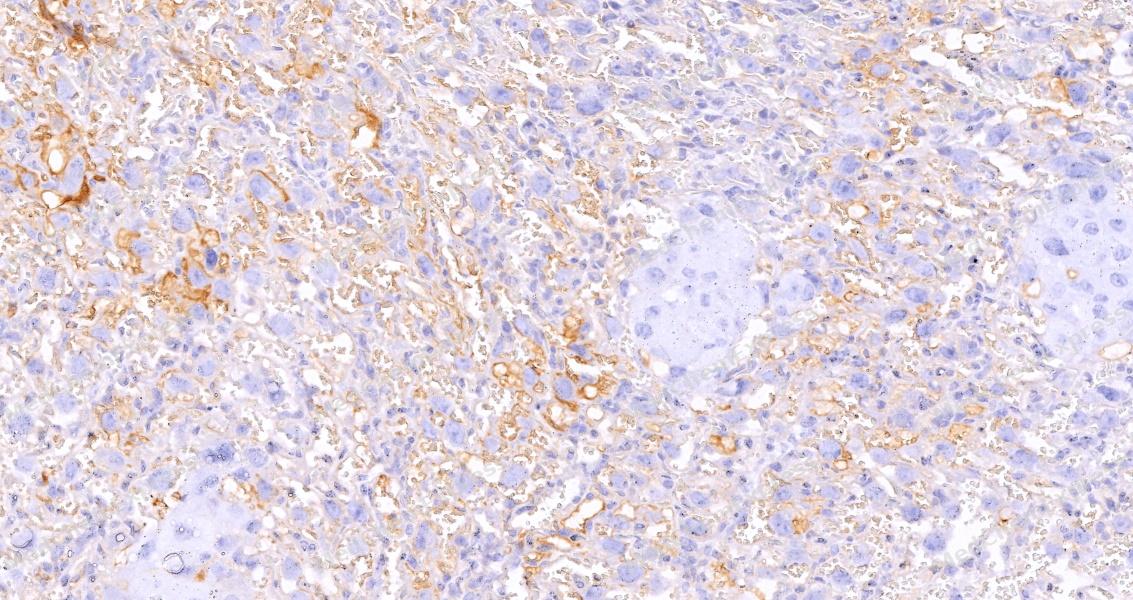 Immunohistochemical analysis of paraffin-embedded mouse placenta using Collagen I Antibody (HY-P85909, 1/800). The section was pretreated using heat mediated antigen retrieval with sodium citrate buffer (pH 6.0) for 8 minutes. The tissues were blocked with quick block buffer for 0.5 hours at room temperature, washed with PBS and PBST, and then incubated with the primary antibody overnight at 4℃. The detection was performed using an HRP conjugated compact polymer system. DAB was used as the chromogen. Tissues were counterstained with hematoxylin and mounted with DPX.
 -
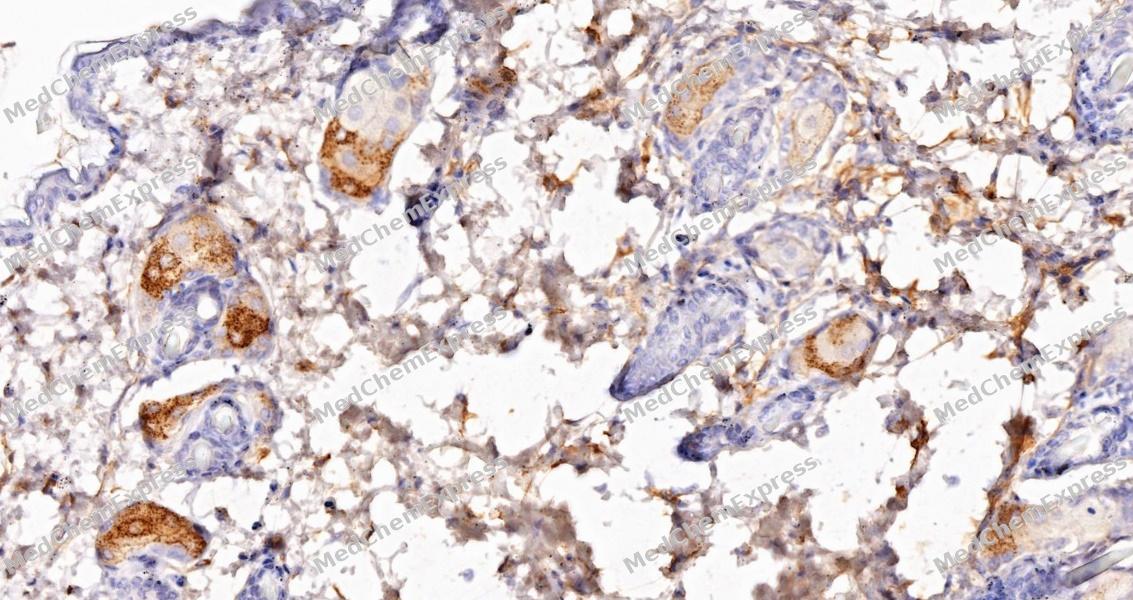 Immunohistochemical analysis of paraffin-embedded mouse breast tissue using Collagen I Antibody (HY-P85909, 1/800). The section was pretreated using heat mediated antigen retrieval with sodium citrate buffer (pH 6.0) for 8 minutes. The tissues were blocked with quick block buffer for 0.5 hours at room temperature, washed with PBS and PBST, and then incubated with the primary antibody overnight at 4℃. The detection was performed using an HRP conjugated compact polymer system. DAB was used as the chromogen. Tissues were counterstained with hematoxylin and mounted with DPX.
 -
 Immunocytochemistry analysis of Hela cells labeling Collagen I with Collagen I Antibody (HY-P85909) at 1/100 dilution. Cells were fixed in 4% paraformaldehyde for 15 minutes at room temperature, permeabilized with 0.1% Triton X-100 in PBS for 15 minutes at room temperature, then blocked with quick block buffer for 10 minutes at room temperature. Cells were then incubated with Collagen I Antibody (HY-P85909) at 1/100 dilution in quick block buffer overnight at 4 ℃.AF488-conjugated Goat Anti-Mouse IgG H&L (HY-P8005, Green) was used as the secondary antibody at 1/1,000 dilution. PBS instead of the primary antibody was used as the secondary antibody only control. The Nuclear counterstain was DAPI (Blue).
 -
 Immunocytochemistry analysis of Hela cells labeling Collagen I with Collagen I Antibody (HY-P85909) at 1/200 dilution. Cells were fixed in 4% paraformaldehyde for 15 minutes at room temperature, permeabilized with 0.1% Triton X-100 in PBS for 15 minutes at room temperature, then blocked with quick block buffer for 10 minutes at room temperature. Cells were then incubated with Collagen I Antibody (HY-P85909) at 1/200 dilution in quick block buffer overnight at 4 ℃.AF488-conjugated Goat Anti-Mouse IgG H&L (HY-P8005, Green) was used as the secondary antibody at 1/1,000 dilution. PBS instead of the primary antibody was used as the secondary antibody only control. The Nuclear counterstain was DAPI (Blue).


Background
-
Function
Collagen I is the predominant fibrillar collagen in the extracellular matrix and provides tensile strength, structural integrity, and mechanical support to bone, skin, tendon, ligament, and vascular tissues through the assembly of highly ordered collagen fibrils.[1][2] Type I collagen is composed of two α1 (I) chains and one α2 (I) chain that form a triple-helical procollagen molecule, which undergoes enzymatic processing and extracellular fibril formation to generate mature collagen fibers.[3][4] Mechanistically, collagen I regulates extracellular matrix organization and tissue architecture by forming stable cross-linked fibrillar networks that support cell adhesion, tissue repair, and connective tissue homeostasis.[1][3] In disease models, mutations affecting COL1A1 disrupt collagen assembly, fibrillogenesis, and matrix stability, leading to disorders including osteogenesis imperfecta and Ehlers-Danlos syndrome, highlighting the essential role of collagen I in skeletal and connective tissue integrity.[4] Compared with other collagen isoforms that form specialized extracellular matrix structures, collagen I is distinguished by its abundance and dominant contribution to fibrillar matrix formation in connective tissues.[1][2] For experimental applications, collagen I is widely used as a biomaterial and extracellular matrix model for investigating cell-matrix interactions, tissue remodeling, fibrosis, and regenerative processes because of its well-characterized fibrillar architecture and biomechanical properties.[1][2]
-
Subcellular Localization
Secreted, extracellular space, extracellular matrix
-
Expression
Tissue_specificity:The fibers that make up tendons, ligaments, and bones. In bones, these fibers are mineralized by hydroxyapatite calcium. -
Subunit
Interacts with TRAM2 (PubMed:14749390).
-
SwissProt ID
-
Synonyms
Alpha 1 collagen type I; Alpha 1 type I collagen; Alpha 1 type I procollagen; Alpha 1; I; collagen; Alpha 1; I; procollagen; Alpha-1 type I collagen; CO1A1_HUMAN; COL1A1; Collagen alpha 1; I; chain; Collagen alpha-1; I; chain; Collagen I alpha 1 polypeptide; Collagen of skin tendon and bone alpha 1 chain; Collagen type I alpha 1
Documentation
-
Data Sheet (259 KB)
-
SDS (252 KB)
- English - EN (252 KB)
- Français - FR (252 KB)
- Deutsch - DE (252 KB)
- Norwegian - NO (252 KB)
- Español - ES (252 KB)
- Swedish - SV (252 KB)
- Italian - IT (252 KB)
- Korean - KR (252 KB)
- Portuguese - PT (252 KB)
-
User Guide for Antibodies (1077 KB)
References
[1]. Amirrah IN, et al. A Comprehensive Review on Collagen Type I Development of Biomaterials for Tissue Engineering: From Biosynthesis to Bioscaffold. Biomedicines. 2022 Sep 16;10(9):2307. [Content Brief]
[2]. Naomi R, et al. Current Insights into Collagen Type I. Polymers (Basel). 2021 Aug 9;13(16):2642. [Content Brief]

 Powered by Bioz
