



Trk-A Antibody (YA028)
(Synonyms: MTC, TRK, TRKA, NTRK1, High affinity nerve growth factor receptor, Neurotrophic tyrosine kinase receptor type 1, TRK1-transforming tyrosine kinase protein, Tropomyosin-related kinase A, Tyrosine kinase receptor, Tyrosine kinase receptor A, gp140trk, p140-TrkA, Trk-A)
Based on 1 Customer Validation
Trk-A Antibody (YA028) is a Rabbit-derived and non-conjugated IgG monoclonal antibody, targeting to Trk-A.
-
Host:
Rabbit
-
Isotype:
IgG
-
Application:
WB, ICC/IF, IHC-P, IP, FC
-
Reactivity :
Human, Mouse, Rat
-
Formulation:
Supplied in 1*TBS (pH7.4), 0.05% BSA and 40% Glycerol. Preservative: 0.05% Sodium Azide.
-
Conjugation:
Non-conjugated


To place orders, for customer services and technical support, please contact: MedChemExpress USA
Tel: 609-228-6898 E-mail: [email protected] [email protected]





Applications
| Application |
WB

WB: Western Blot
|
ICC/IF
ICC/IF: Immunocytochemistry/
Immunofluorescence |
IHC-P
IHC-P: Immunohistochemistry-Paraffin
|
FC
FC: Flow Cytometry
|
|---|---|---|---|---|
| Dilution Ratio | 1:1000-1:2000 | 1:50-1:200 | 1:50-1:200 | 1:50-1:100 |


Product Details
Trk-A Antibody (YA028) is a Rabbit-derived and non-conjugated IgG monoclonal antibody, targeting to Trk-A.
-
Host Rabbit

-
Clonality Recombinant,Monoclonal

-
Species ReactivityHuman, Mouse, Rat
-
Observed Molecular WeightObserved band size: 140 kDa
Note: Due to possible protein modifications or aggregation, the molecular weight should be confirmed by actual measurement, and the predicted value is for reference only.

-
Calculated Molecular Weight Predicted band size: 88 kDa

Entrez Gene: 4914 Human ; 18211 Mouse ; 59109 Rat
SwissProt: P04629 Human ; Q3UFB7 Mouse ; P35739 Rat
OMIM: 256800 Human
Synthetic peptide corresponding to Human TrkA.AA range:747-796.
Endogenous
Protein A affinity purified.
Non-conjugated
Unmodified
IgG


Product Properties
-
Appearance
Solution
-
Formulation
Supplied in 1*TBS (pH7.4), 0.05% BSA and 40% Glycerol. Preservative: 0.05% Sodium Azide.
-
Concentration
Batch-dependent, Please check the COA for the concentration of each lot. Check Lot Concentration
-
Storage & Stability
Stored at -20°C for 1 year. Avoid repeated freeze / thaw cycles.
-
Shipping
Shipping with blue ice.


Verification Images
-
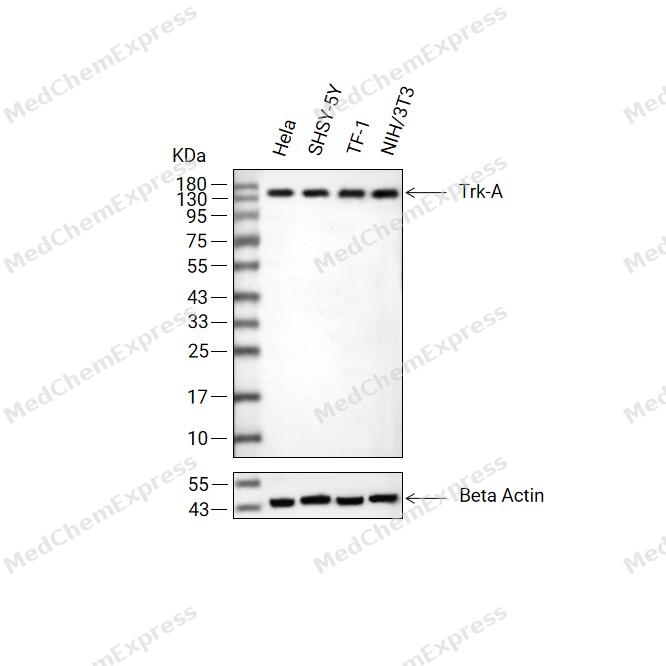 Western blot analysis of extracts from Hela(lane 2(20μg) , SH-SY5Y (lane 3(20μg) ,TF-1(lane 4(20μg)and NIH/3T3( lane 5(20μg) using Trk-A Antibody(HY-P80358).Proteins were transferred to a PVDF membrane and blocked with 5% non-fat milk in TBST for 2 hour at room temperature. The primary antibody ( 1/1000) and Loading control antibody (Beta Actin, HY-P80993,1/10000) was used in 5% non-fat milk in TBST at 4°C overnight. Goat Anti-Rabbit IgG-HRP Secondary Antibody (HY-P8001,1/10,000) was used for 1 hour at room temperature.
 -
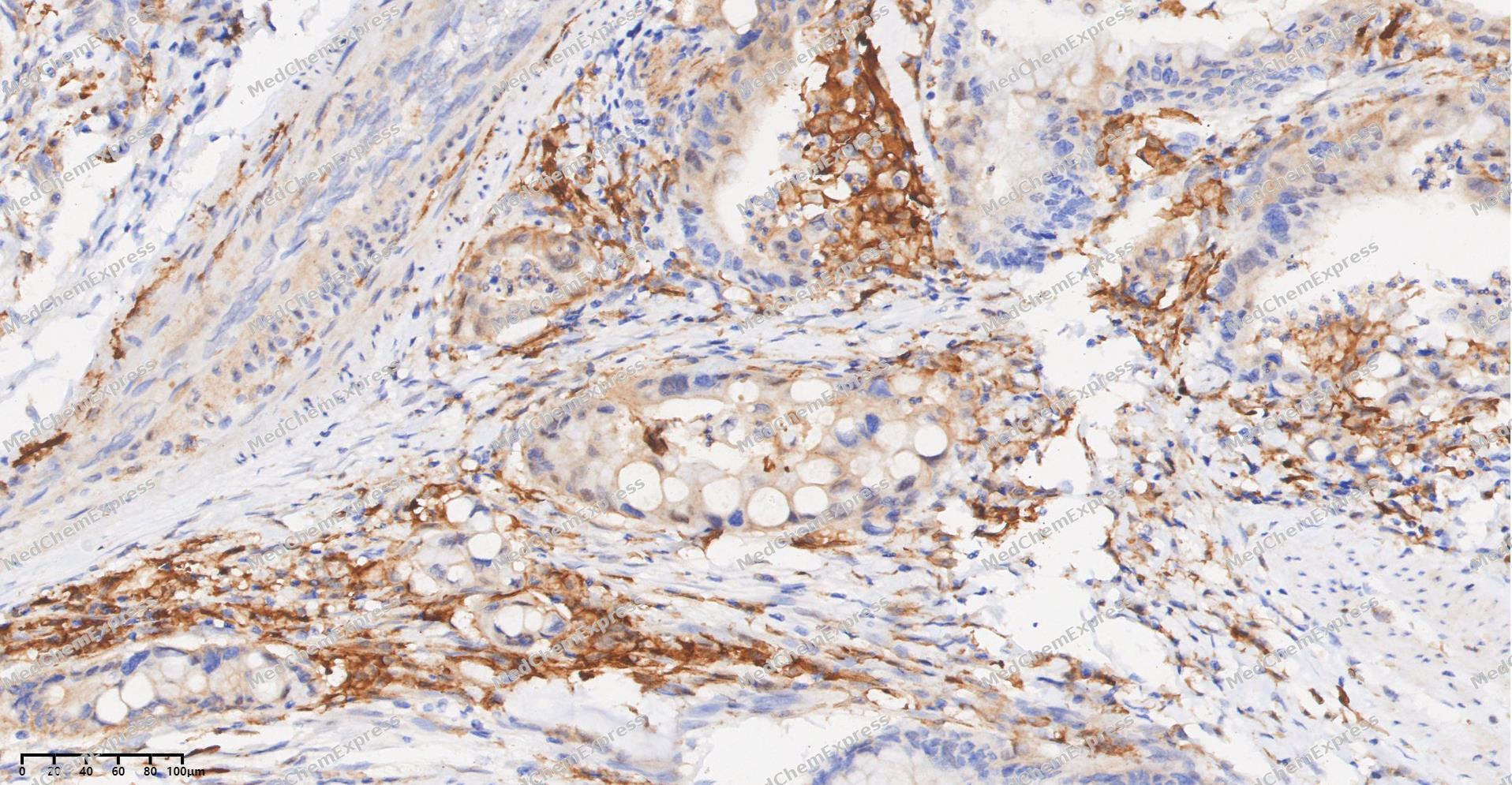 Immunohistochemical analysis of paraffin-embedded human Gastric Cancer tissue using Trk-A antibody was performed. The section was pretreated using high-temperature and high-pressure mediated EDTA antigen retrieval buffer (pH 9.0), for 5 minutes. The tissues were incubated with primary antibody (HY-P80358, 1:100 dilution) at room temperature for 60 minutes. Detection was performed using an HRP conjugated compact polymer system. DAB was used as the chromogen. The tissues were counterstained with hematoxylin and mounted with neutral balsam mounting medium.
 -
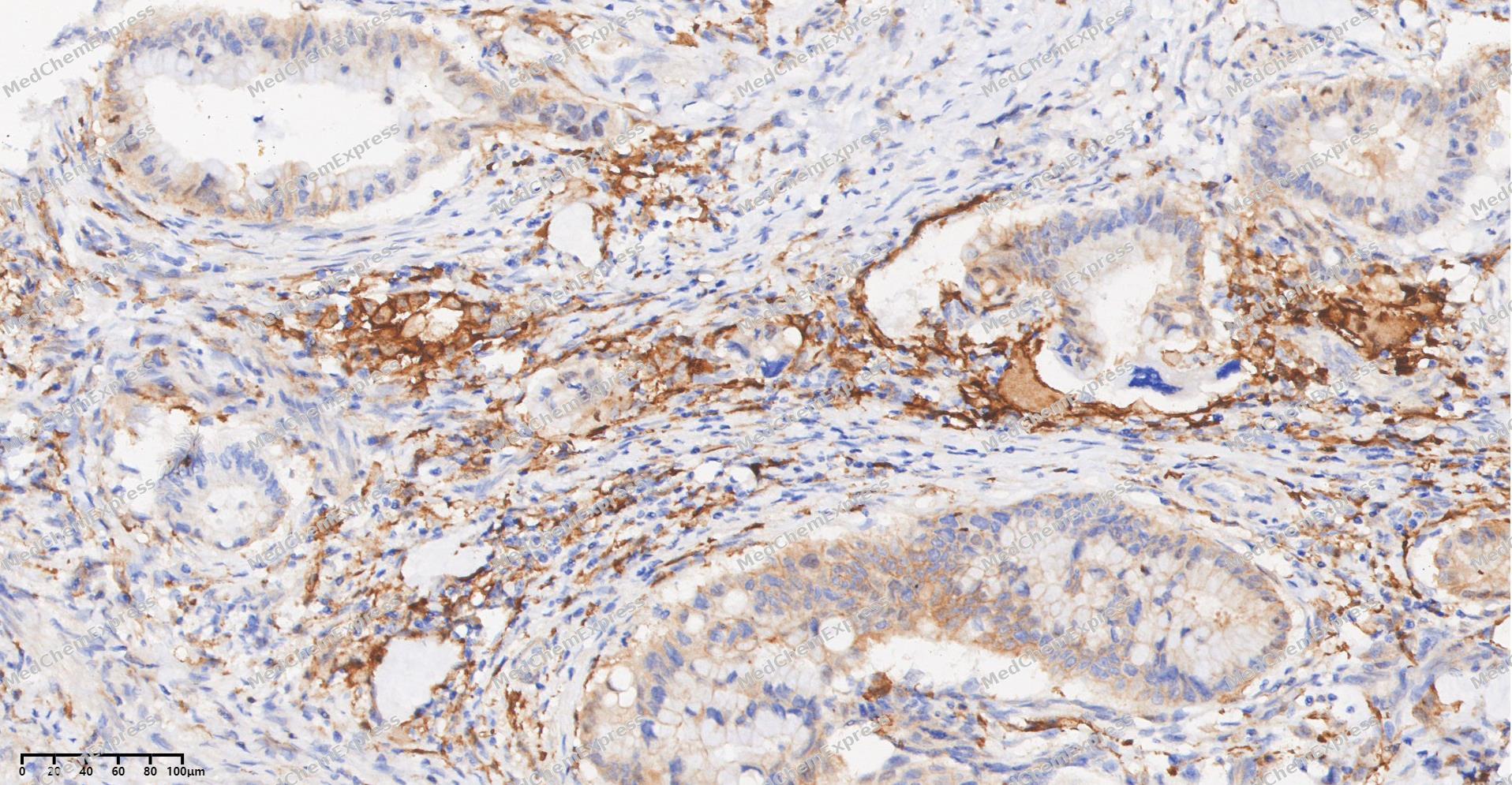 Immunohistochemical analysis of paraffin-embedded human Gastric Cancer tissue using Trk-A antibody was performed. The section was pretreated using high-temperature and high-pressure mediated EDTA antigen retrieval buffer (pH 9.0), for 5 minutes. The tissues were incubated with primary antibody (HY-P80358, 1:100 dilution) at room temperature for 60 minutes. Detection was performed using an HRP conjugated compact polymer system. DAB was used as the chromogen. The tissues were counterstained with hematoxylin and mounted with neutral balsam mounting medium.
 -
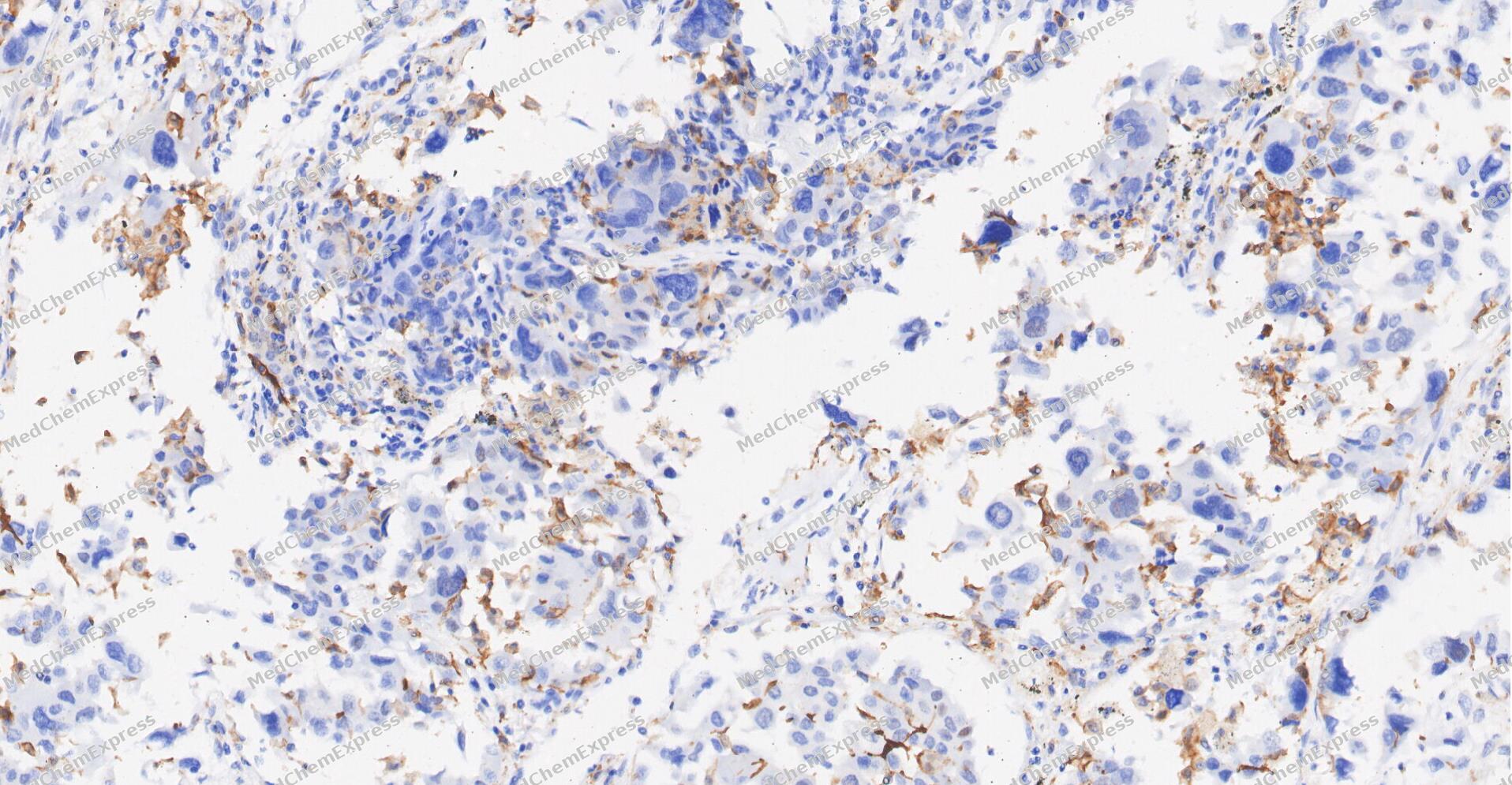 Immunohistochemical analysis of paraffin-embedded human Lung Adenocarcinoma tissue using Trk-A antibody was performed. The section was pretreated using high-temperature and high-pressure mediated EDTA antigen retrieval buffer (pH 9.0), for 5 minutes. The tissues were incubated with primary antibody (HY-P80358, 1:100 dilution) at room temperature for 60 minutes. Detection was performed using an HRP conjugated compact polymer system. DAB was used as the chromogen. The tissues were counterstained with hematoxylin and mounted with neutral balsam mounting medium.
 -
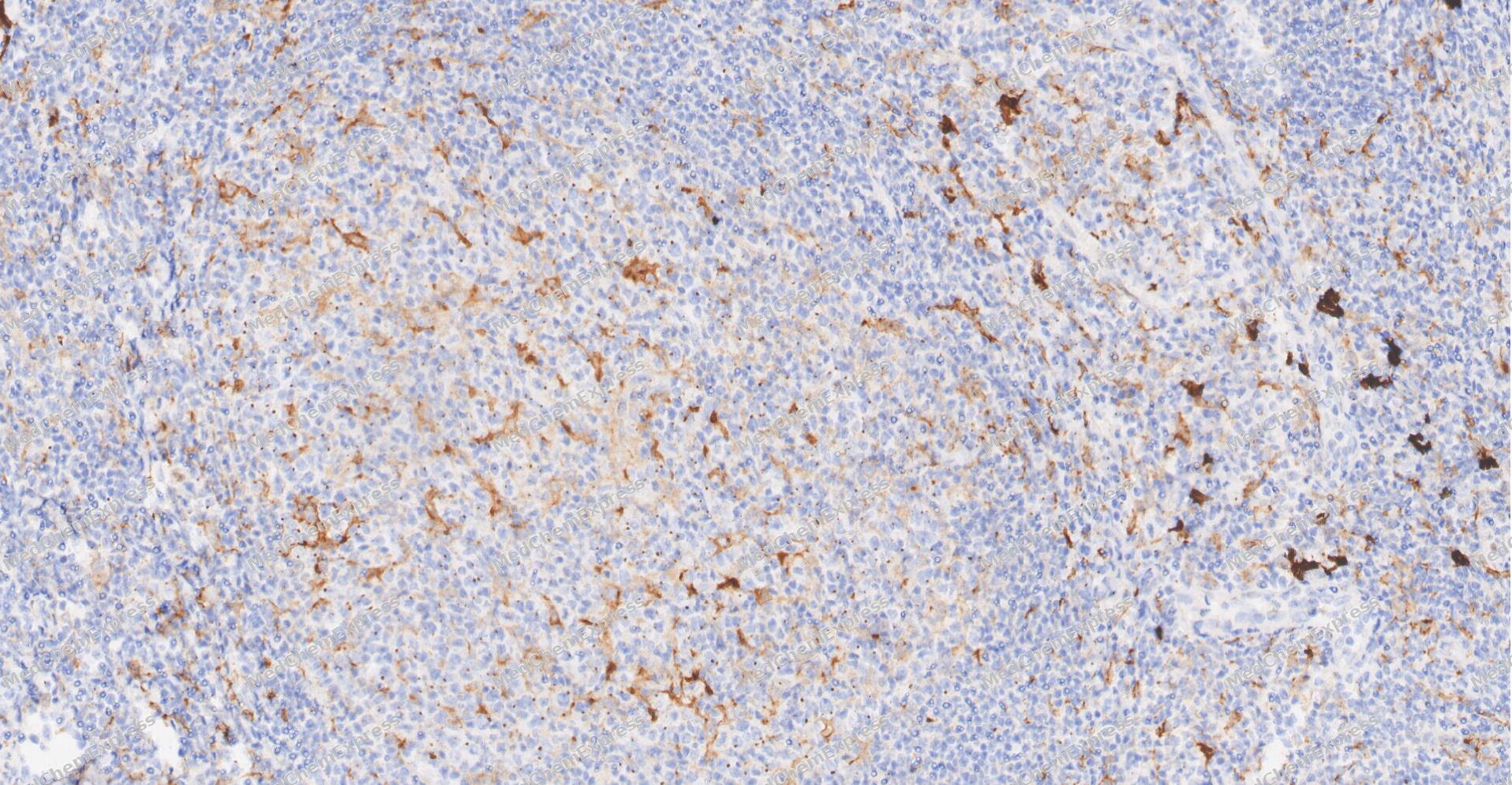 Immunohistochemical analysis of paraffin-embedded human Tonsil tissue using Trk-A antibody was performed. The section was pretreated using high-temperature and high-pressure mediated EDTA antigen retrieval buffer (pH 9.0), for 5 minutes. The tissues were incubated with primary antibody (HY-P80358, 1:100 dilution) at room temperature for 60 minutes. Detection was performed using an HRP conjugated compact polymer system. DAB was used as the chromogen. The tissues were counterstained with hematoxylin and mounted with neutral balsam mounting medium.
 -
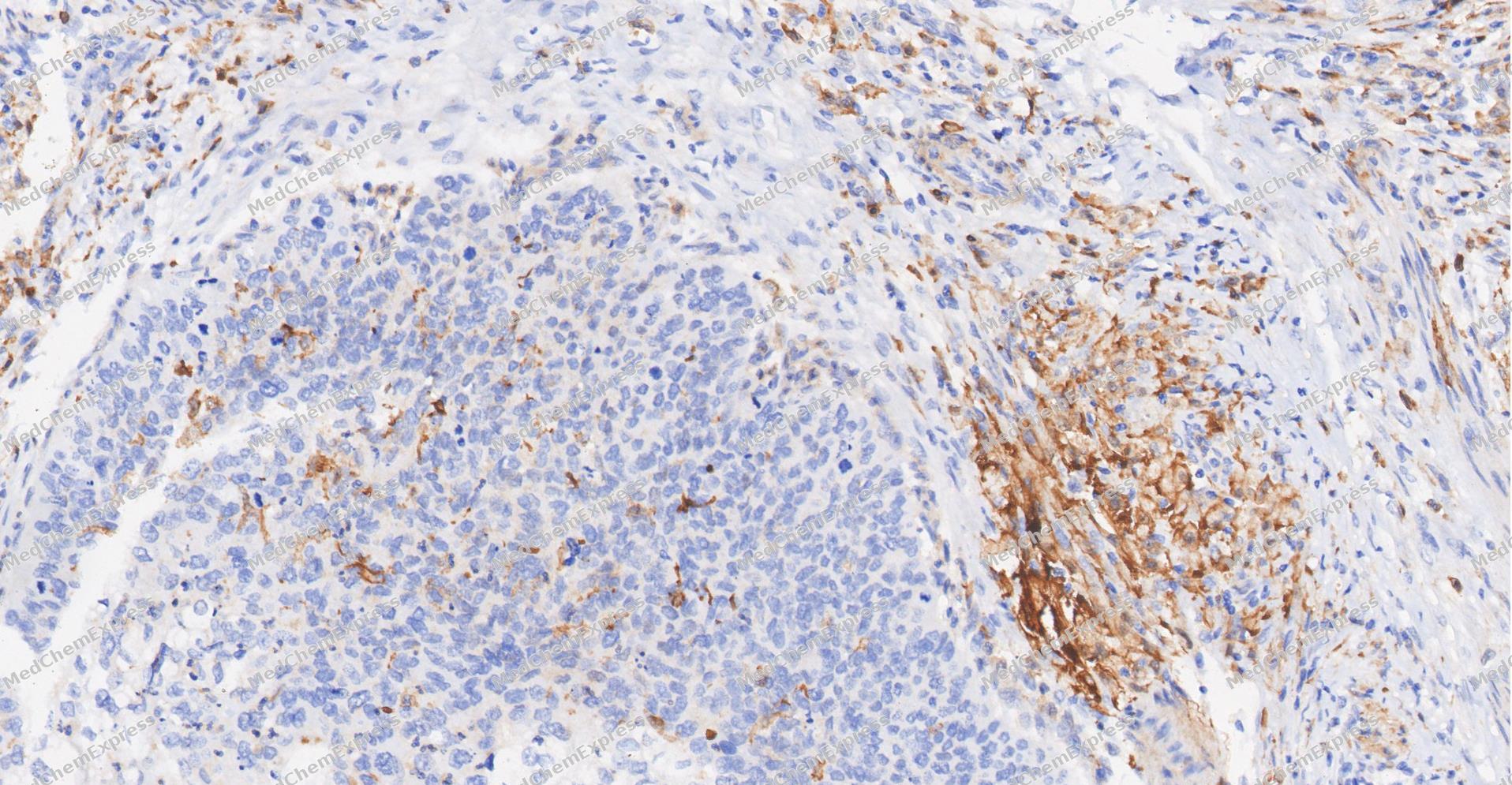 Immunohistochemical analysis of paraffin-embedded human Esophageal Carcinoma tissue using Trk-A antibody was performed. The section was pretreated using high-temperature and high-pressure mediated EDTA antigen retrieval buffer (pH 9.0), for 5 minutes. The tissues were incubated with primary antibody (HY-P80358, 1:100 dilution) at room temperature for 60 minutes. Detection was performed using an HRP conjugated compact polymer system. DAB was used as the chromogen. The tissues were counterstained with hematoxylin and mounted with neutral balsam mounting medium.
 -
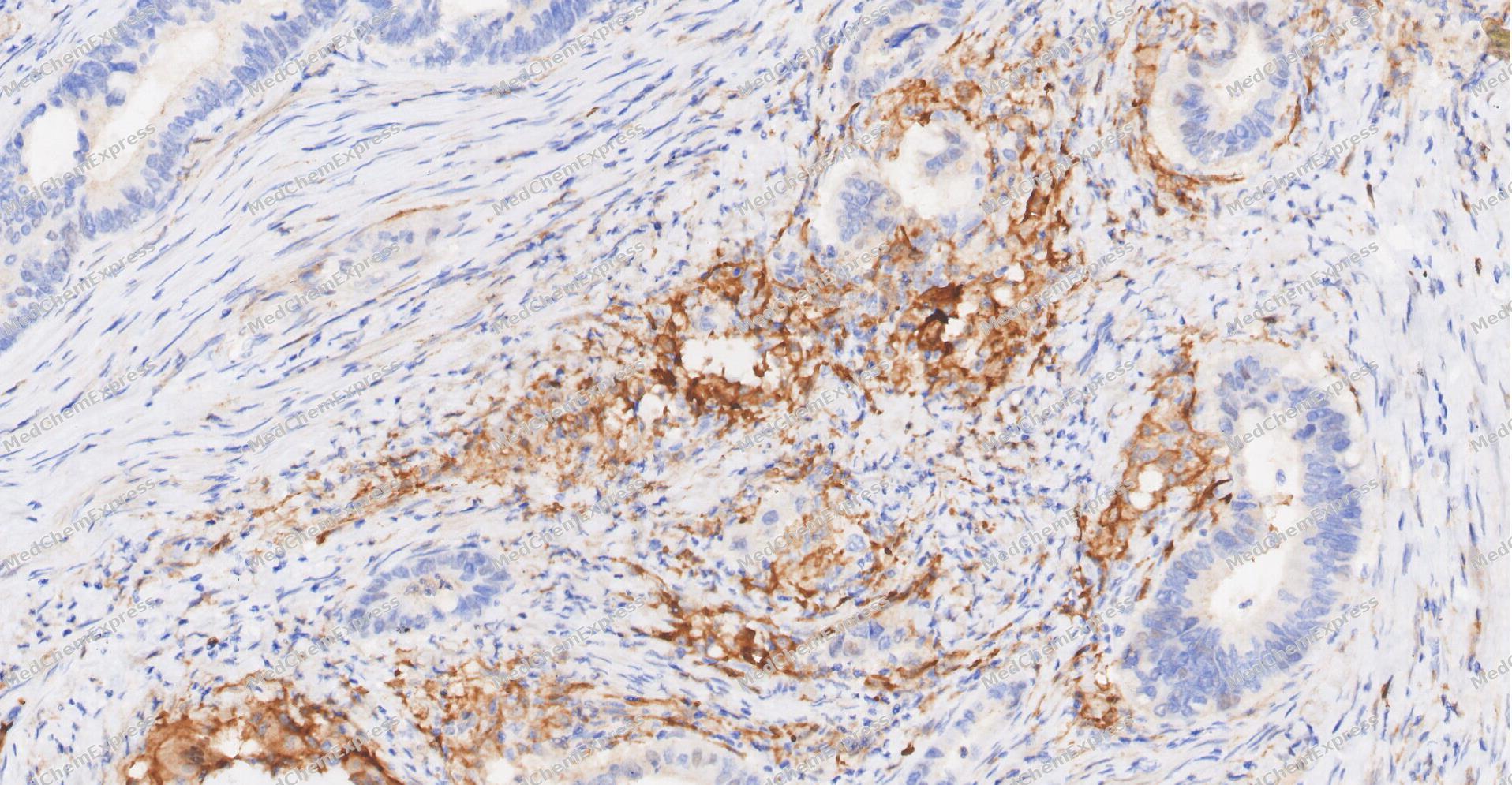 Immunohistochemical analysis of paraffin-embedded human Colon cancer tissue using Trk-A antibody was performed. The section was pretreated using high-temperature and high-pressure mediated EDTA antigen retrieval buffer (pH 9.0), for 5 minutes. The tissues were incubated with primary antibody (HY-P80358, 1:100 dilution) at room temperature for 60 minutes. Detection was performed using an HRP conjugated compact polymer system. DAB was used as the chromogen. The tissues were counterstained with hematoxylin and mounted with neutral balsam mounting medium.
 -
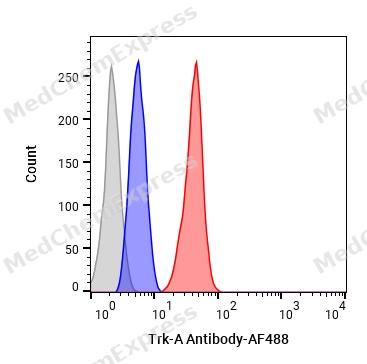 Flow cytometric analysis of 1X10⁶ SH-SY5Y cells labeling Trk-A Antibody(HY-P80358, red). Cells were fixed with 4% paraformaldehyde and permeabilised with 90% methanol. Then stained with the primary antibody at 1/50 dilution for an hour at 4℃. AF488-conjugated Goat Anti-Rabbit IgG H&L (HY-P8002) was used as the secondary antibody at 1/1,000 dilution for 30 minutes at 4℃. Rabbit IgG Isotype Control (HY-P80879, blue) was used as the isotype control, cells without incubation with primary antibody were used as the unlabeled control (black).


Background
-
Function
TrkA (tropomyosin receptor kinase A; encoded by NTRK1) is a high-affinity receptor tyrosine kinase for nerve growth factor (NGF) that regulates neuronal survival, differentiation, and sensory neuron function through ligand-induced receptor dimerization and autophosphorylation[1][2]. Mechanistically, NGF-TrkA signaling activates major downstream pathways including RAS/MAPK, PI3K/AKT, and PLCγ, thereby controlling transcriptional programs that support neuronal growth, maintenance, and synaptic function[1][2][3]. Through these signaling cascades, TrkA plays a central role in the development and maintenance of nociceptive neurons and contributes to neurotrophin-dependent cellular responses in the peripheral and central nervous systems[1][2]. In disease contexts, dysregulation of NGF/TrkA signaling has been implicated in chronic pain disorders and neurodegenerative conditions, including experimental models of Alzheimer's disease in which impaired TrkA signaling is associated with cholinergic neuronal dysfunction and synaptic deficits[3][4][5]. Compared with related neurotrophin receptors, TrkA is distinguished by its preferential activation by NGF, whereas TrkB primarily responds to BDNF and NT-4/5 and TrkC is activated predominantly by NT-3, enabling receptor-specific biological outcomes[6]. For experimental applications, both agonists and antagonists targeting the NGF-TrkA axis have been widely utilized to investigate neurotrophic signaling, neuronal survival mechanisms, and pain-related pathways, making TrkA an important molecular target in translational neuroscience research[4][5].
-
Subcellular Localization
Cell membrane; Single-pass type I membrane protein; Early endosome membrane; Single-pass type I membrane protein; Late endosome membrane; Single-pass type I membrane protein; Recycling endosome membrane; Single-pass type I membrane protein
-
Expression
Tissue_specificity:Isoform TrkA-I is found in most non-neuronal tissues. Isoform TrkA-II is primarily expressed in neuronal cells. TrkA-III is specifically expressed by pluripotent neural stem and neural crest progenitors
Induction:Isoform TrkA-III is up-regulated upon hypoxia in cells normally expressing it -
Subunit
Exists in a dynamic equilibrium between monomeric (low affinity) and dimeric (high affinity) structures. Homodimerization is induced by binding of a NGF dimer (PubMed:10490030, PubMed:1281417, PubMed:17196528).
-
SwissProt ID
-
Synonyms
MTC, TRK, TRKA, NTRK1, High affinity nerve growth factor receptor, Neurotrophic tyrosine kinase receptor type 1, TRK1-transforming tyrosine kinase protein, Tropomyosin-related kinase A, Tyrosine kinase receptor, Tyrosine kinase receptor A, gp140trk, p140-TrkA, Trk-A
-
Research Field
Neuroscience


Documentation
-
Data Sheet (263 KB)
-
SDS (252 KB)
- English - EN (252 KB)
- Français - FR (252 KB)
- Deutsch - DE (252 KB)
- Norwegian - NO (252 KB)
- Español - ES (252 KB)
- Swedish - SV (252 KB)
- Italian - IT (252 KB)
- Korean - KR (252 KB)
- Portuguese - PT (252 KB)
-
User Guide for Antibodies (1077 KB)
References
[1]. Norman BH, et al. Targeting the Nerve Growth Factor (NGF) Pathway in Drug Discovery. Potential Applications to New Therapies for Chronic Pain. J Med Chem. 2017 Jan 12;60(1):66-88. [Content Brief]
[2]. Indo Y. NTRK1 Congenital Insensitivity to Pain with Anhidrosis. 2008 Aug 5 [updated 2020 Apr 30]. In: Adam MP, et al. GeneReviews® [Internet]. Seattle (WA): University of Washington, Seattle; 1993–2026. PMID: 20301726. [Content Brief]
[3]. Latina V, et al. Impaired NGF/TrkA Signaling Causes Early AD-Linked Presynaptic Dysfunction in Cholinergic Primary Neurons. Front Cell Neurosci. 2017 Mar 15;11:68. doi: 10.3389/fncel.2017.00068. PMID: 28360840; PMCID: PMC5350152. [Content Brief]
[4]. Baño V, et al. Characterization and Structural Performance in Bending of CLT Panels Made from Small-Diameter Logs of Loblolly/Slash Pine. Materials (Basel). 2018 Nov 30;11(12):2436. [Content Brief]
[5]. Mantyh PW, et al. Antagonism of nerve growth factor-TrkA signaling and the relief of pain. Anesthesiology. 2011 Jul;115(1):189-204. [Content Brief]
[6]. Clinical Guidelines on the Identification, et al. National Institutes of Health. Obes Res. 1998 Sep;6 Suppl 2:51S-209S. Erratum in: Obes Res 1998 Nov;6(6):464. PMID: 9813653. [Content Brief]

 Powered by Bioz
