



TBK1 Antibody (YA6073)
(Synonyms: TBK1; NAK; Serine/threonine-protein kinase TBK1; NF-kappa-B-activating kinase; T2K; TANK-binding kinase 1)
Based on 1 Customer Validation
TBK1 Antibody (YA6073) is a Rabbit-derived and non-conjugated IgG monoclonal antibody, targeting to TBK1.
-
Host:
Rabbit
-
Isotype:
IgG/Kappa
-
Application:
WB, IHC-P, ICC/IF, IP, ELISA
-
Reactivity :
Human, Mouse, Rat
-
Formulation:
Supplied in PBS, 50% glycerol, 0.05% Proclin 300, 0.05%BSA
-
Conjugation:
Non-conjugated


To place orders, for customer services and technical support, please contact: MedChemExpress USA
Tel: 609-228-6898 E-mail: [email protected] [email protected]





Applications
| Application |
IHC-P

IHC-P: Immunohistochemistry-Paraffin
|
WB
WB: Western Blot
|
ICC/IF
ICC/IF: Immunocytochemistry/
Immunofluorescence |
ELISA
ELISA: Enzyme Linked Immunosorbent Assay
|
IP
IP: Immunoprecipitation
|
|---|---|---|---|---|---|
| Dilution Ratio | 1:200-1:1000 | 1:2000-1:10000 | 1:200-1:1000 | 1:5000-1:20000 | 1:50-1:200 |


Product Details
TBK1 Antibody (YA6073) is a Rabbit-derived and non-conjugated IgG monoclonal antibody, targeting to TBK1.
-
Host Rabbit

-
Clonality Monoclonal

-
Species ReactivityHuman, Mouse, Rat
-
Observed Molecular WeightObserved band size: 84 kDa
Note: Due to possible protein modifications or aggregation, the molecular weight should be confirmed by actual measurement, and the predicted value is for reference only.

-
Calculated Molecular Weight Predicted band size: 84 kDa

Protein A
Non-conjugated
Unmodified
IgG/Kappa


Product Properties
-
Appearance
Solution
-
Formulation
Supplied in PBS, 50% glycerol, 0.05% Proclin 300, 0.05%BSA
-
Concentration
Batch-dependent, Please check the COA for the concentration of each lot. Check Lot Concentration
-
Storage & Stability
Stored at -20°C for 1 year. Avoid repeated freeze / thaw cycles.
-
Shipping
Shipping with blue ice.


Verification Images
-
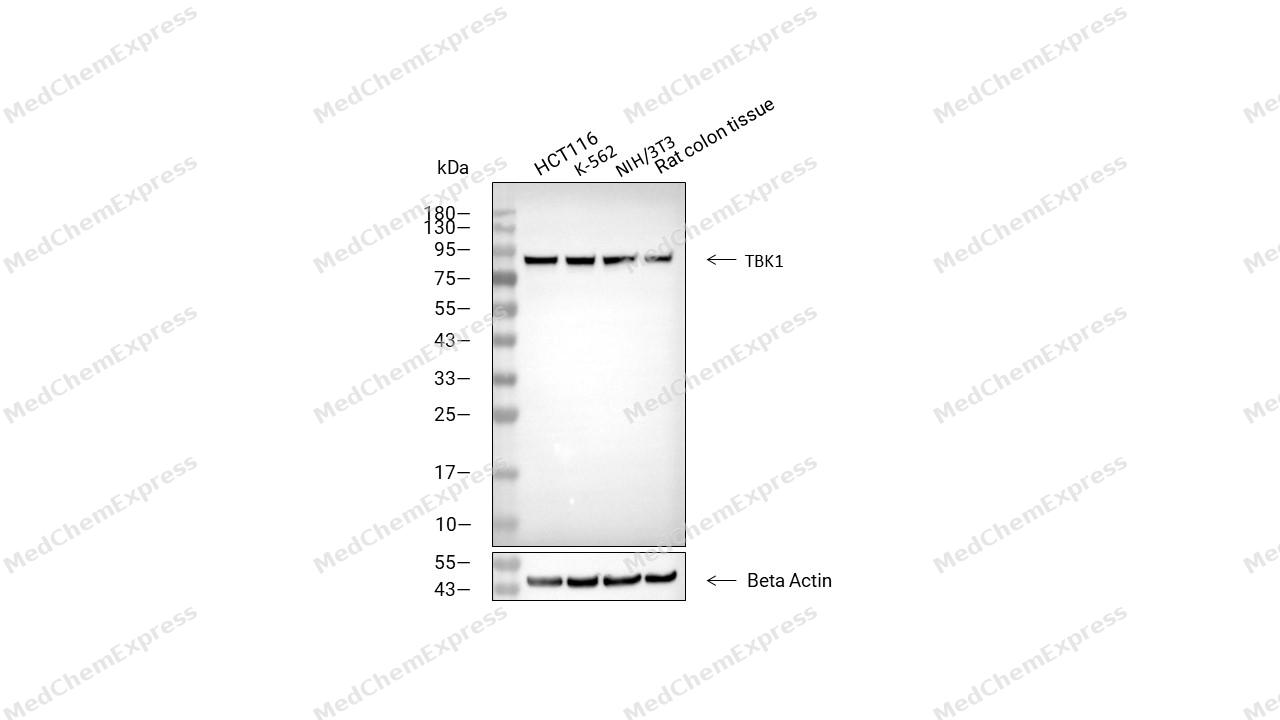 Western blot analysis of extracts from HCT116 (lane2(20μg), K562 (lane3(20μg), NIH3T3 (lane4(20μg) and Rat colon tissue (lane5(20μg) using TBK1 Antibody (HY-P86381). Proteins were transferred to a PVDF membrane and blocked with 5% non-fat milk in TBST for 2 hour at room temperature. The primary antibody (1/5000) and Loading control antibody (Beta Actin, HY-P80993, 1/10,000) was used in 5% non-fat milk in TBST at 4°C overnight. Goat Anti-Rabbit IgG-HRP Secondary Antibody (HY-P8001 ,1/10,000) was used for 1 hour at room temperature.
 -
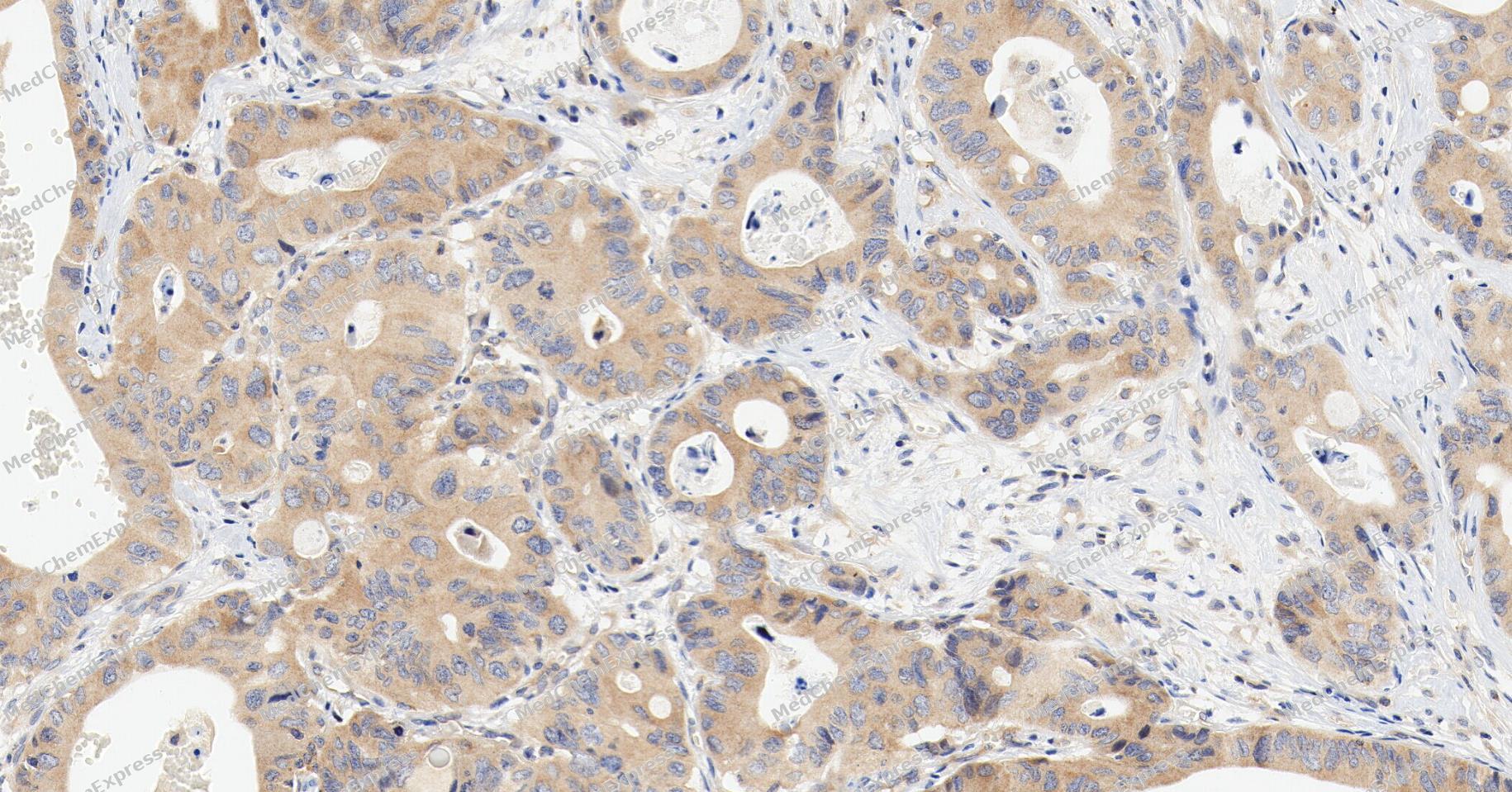 Immunohistochemical analysis of paraffin-embedded human liver cancer tissue using MMP-7 Antibody (YA6070). The section was pre-treated using heat mediated antigen retrieval with Tris/EDTA buffer (pH 9.0) for 20 minutes. The tissues were probed with the primary antibody (HY-P86381, 1/100) overnight at 4℃. The detection was performed using an HRP conjugated compact polymer system. DAB was used as the chromogen. Tissues were counterstained with hematoxylin and mounted with neutral balsam.
 -
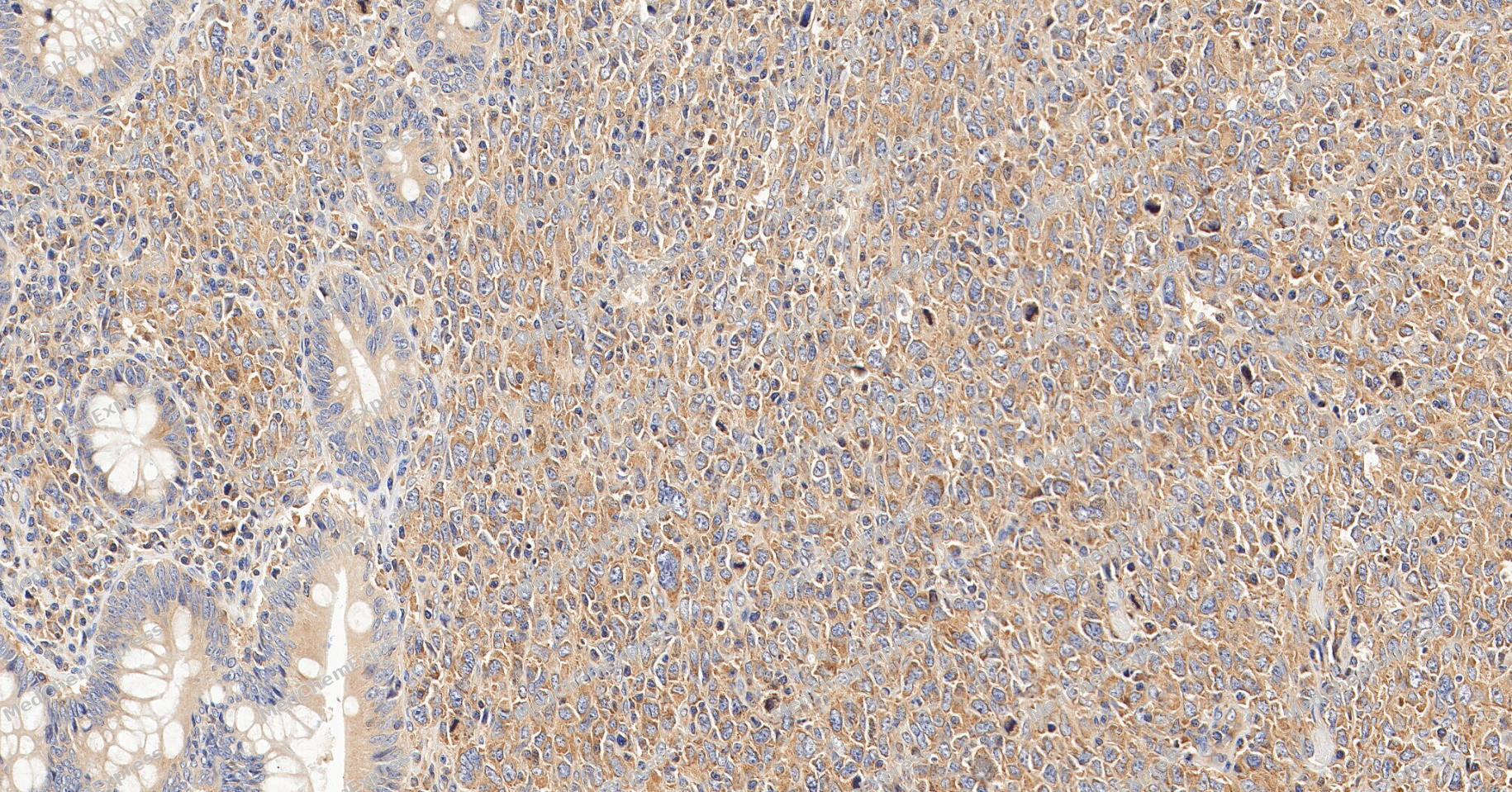 Immunohistochemical analysis of paraffin-embedded human colon cancer tissue using MMP-7 Antibody (YA6070). The section was pre-treated using heat mediated antigen retrieval with Tris/EDTA buffer (pH 9.0) for 20 minutes. The tissues were probed with the primary antibody (HY-P86381, 1/100) overnight at 4℃. The detection was performed using an HRP conjugated compact polymer system. DAB was used as the chromogen. Tissues were counterstained with hematoxylin and mounted with neutral balsam.
 -
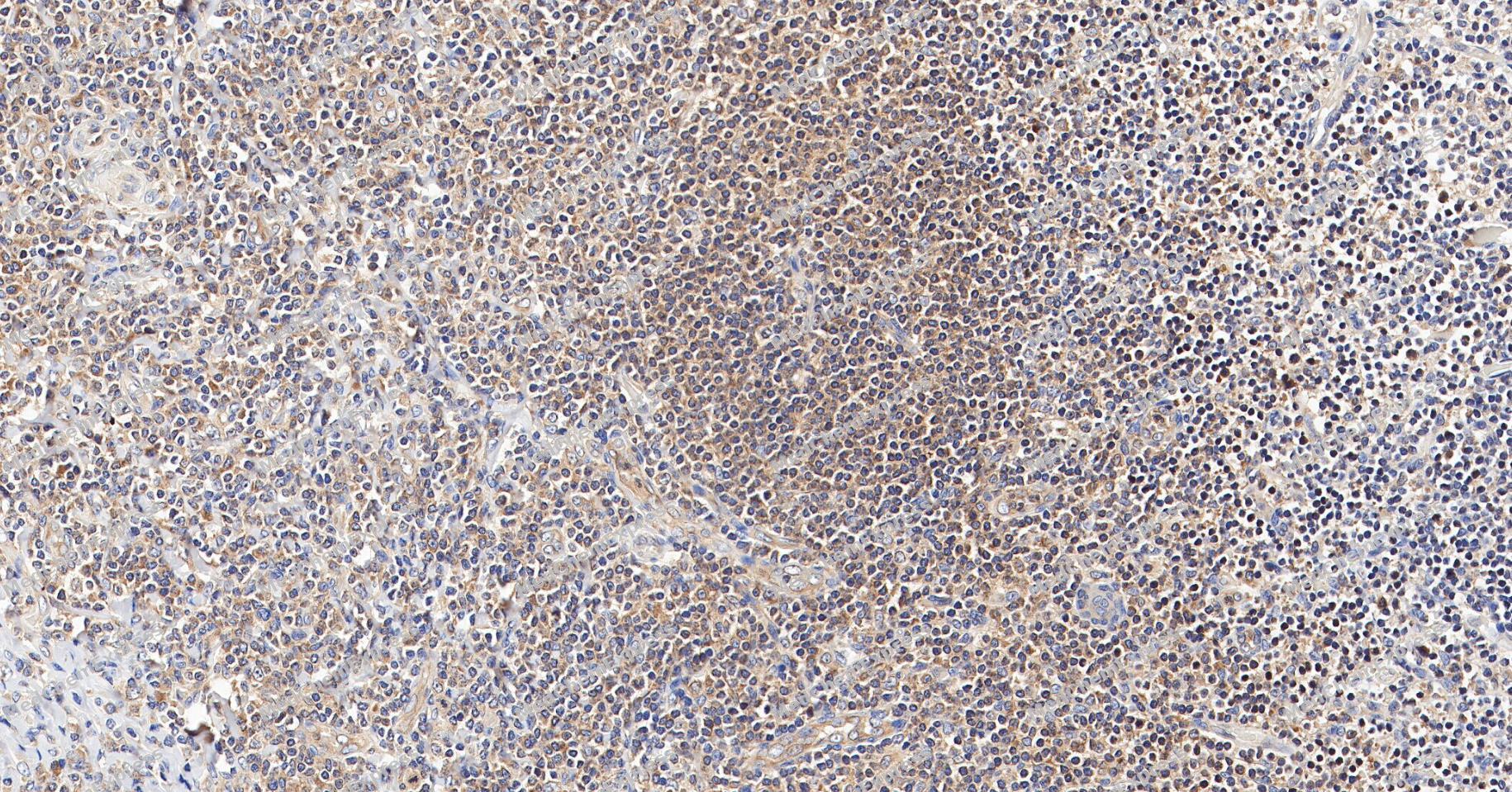 Immunohistochemical analysis of paraffin-embedded human tonsil tissue using MMP-7 Antibody (YA6070). The section was pre-treated using heat mediated antigen retrieval with Tris/EDTA buffer (pH 9.0) for 20 minutes. The tissues were probed with the primary antibody (HY-P86381, 1/100) overnight at 4℃. The detection was performed using an HRP conjugated compact polymer system. DAB was used as the chromogen. Tissues were counterstained with hematoxylin and mounted with neutral balsam.
 -
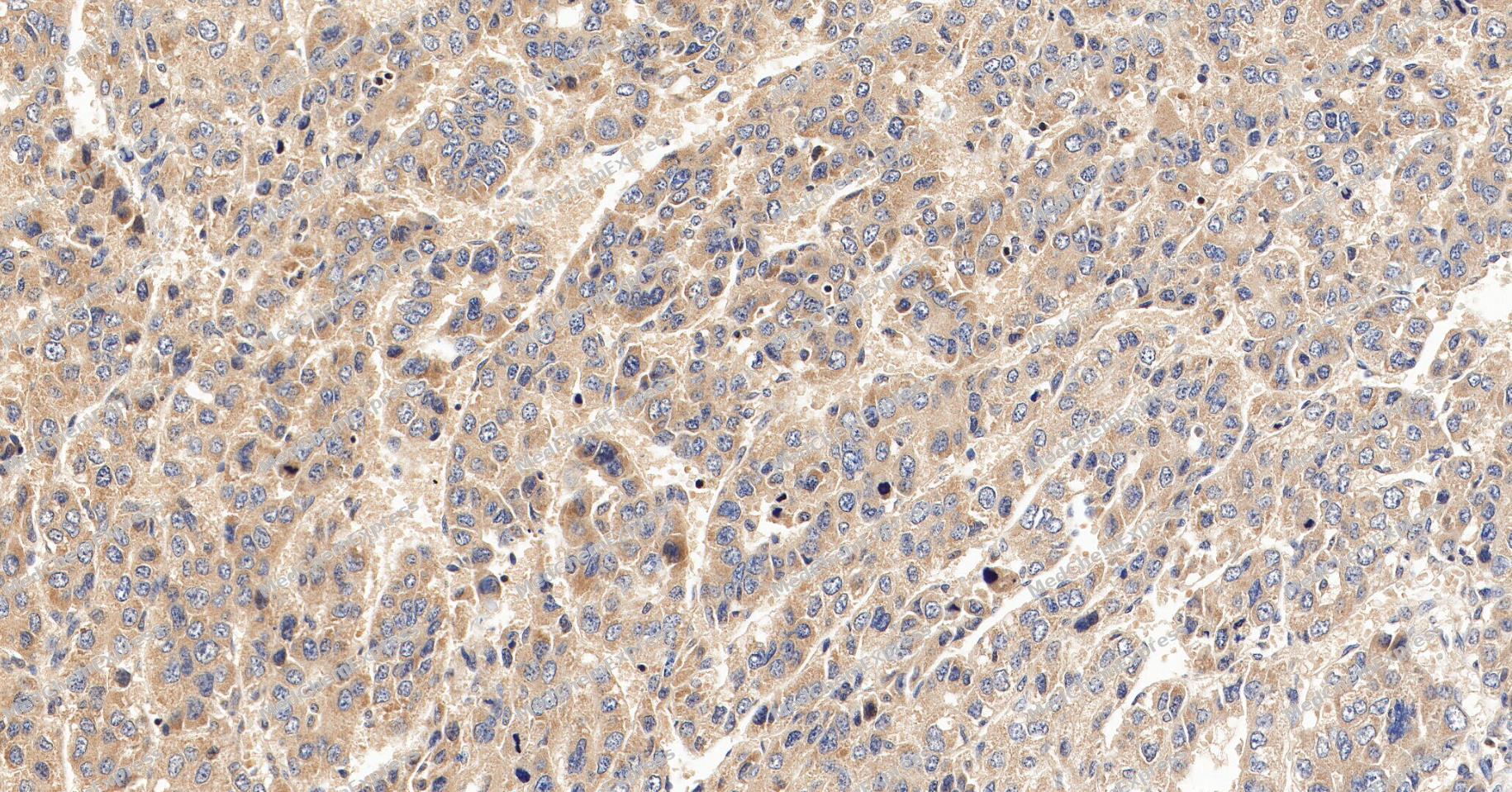 Immunohistochemical analysis of paraffin-embedded human hepatocellular carcinoma tissue using MMP-7-7 Antibody (YA6070). The section was pre-treated using heat mediated antigen retrieval with Tris/EDTA buffer (pH 9.0) for 20 minutes. The tissues were probed with the primary antibody (HY-P86381, 1/100) overnight at 4℃. The detection was performed using an HRP conjugated compact polymer system. DAB was used as the chromogen. Tissues were counterstained with hematoxylin and mounted with neutral balsam.
 -
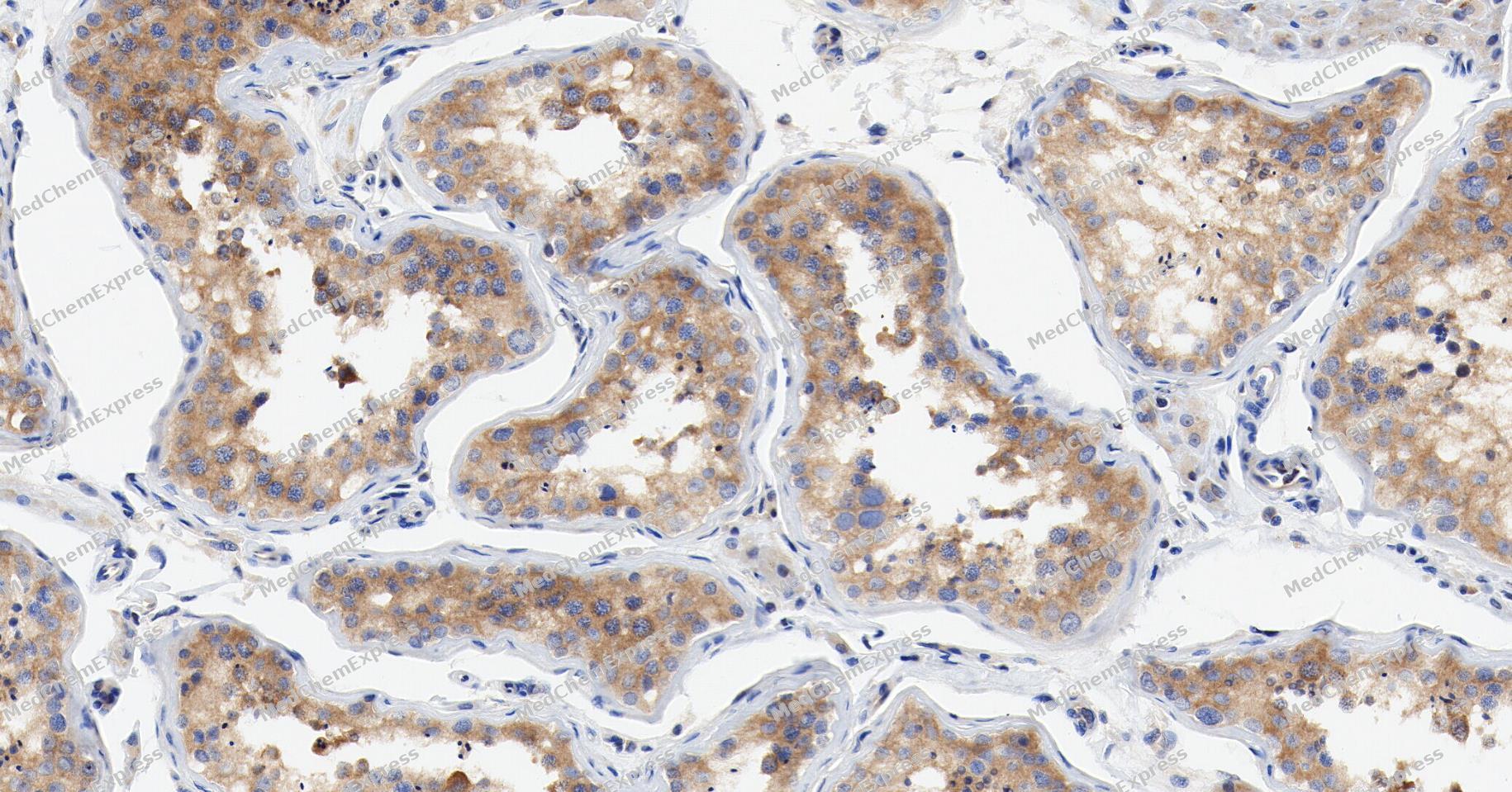 Immunohistochemical analysis of paraffin-embedded human testis tissue using MMP-7-7 Antibody (YA6070). The section was pre-treated using heat mediated antigen retrieval with Tris/EDTA buffer (pH 9.0) for 20 minutes. The tissues were probed with the primary antibody (HY-P86381, 1/100) overnight at 4℃. The detection was performed using an HRP conjugated compact polymer system. DAB was used as the chromogen. Tissues were counterstained with hematoxylin and mounted with neutral balsam.
 -
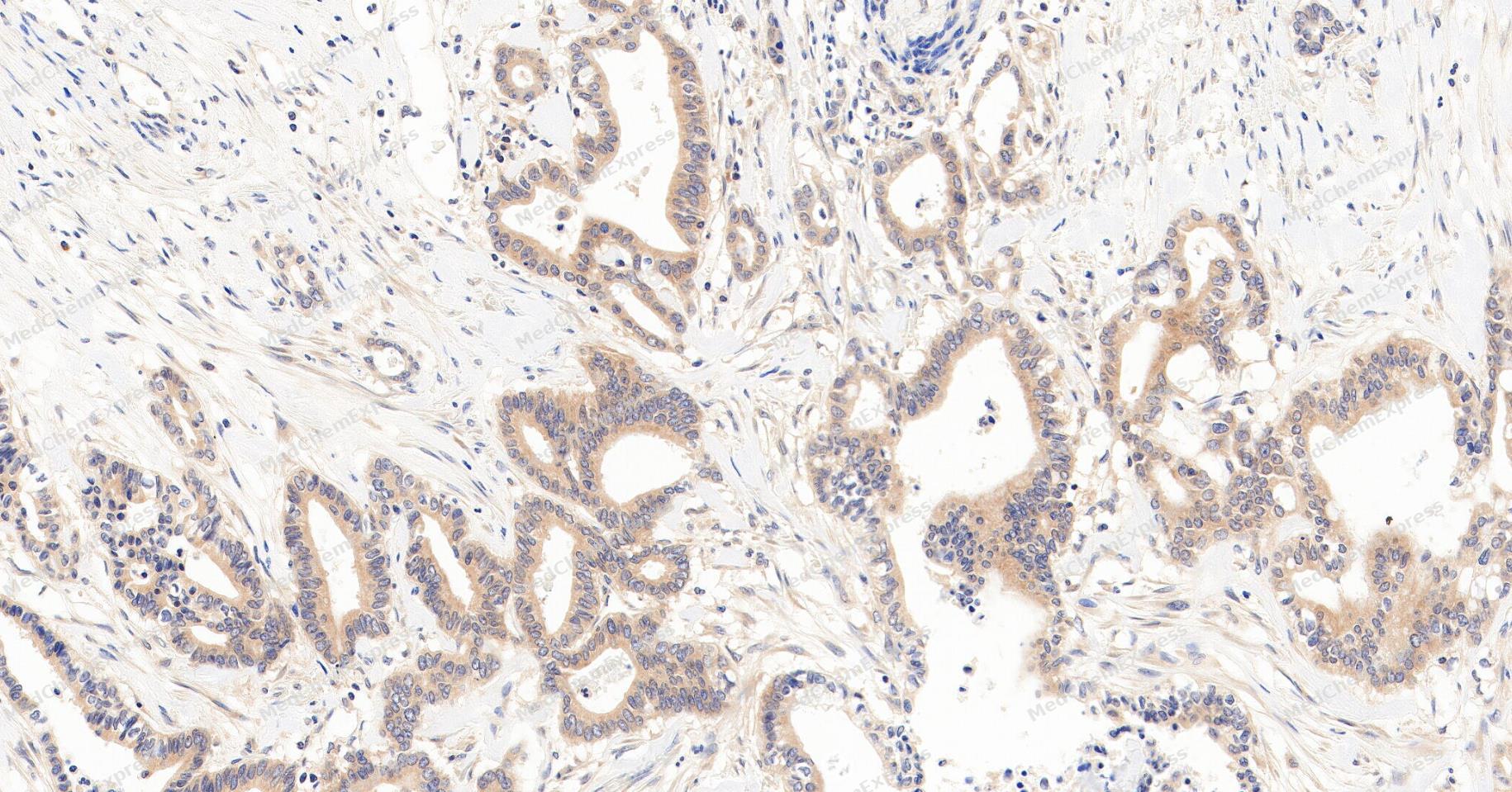 Immunohistochemical analysis of paraffin-embedded human pancreatic cancer tissue using MMP-7-7 Antibody (YA6070). The section was pre-treated using heat mediated antigen retrieval with Tris/EDTA buffer (pH 9.0) for 20 minutes. The tissues were probed with the primary antibody (HY-P86381, 1/100) overnight at 4℃. The detection was performed using an HRP conjugated compact polymer system. DAB was used as the chromogen. Tissues were counterstained with hematoxylin and mounted with neutral balsam.
 -
 Immunocytochemistry analysis of A431 cells labeling TBK1 with TBK1 Antibody (HY-P86381) at 1/500 dilution. Cells were fixed in 4% paraformaldehyde for 15 minutes at room temperature, permeabilized with 0.1% Triton X-100 in PBS for 15 minutes at room temperature, then blocked with quick block buffer for 10 minutes at room temperature. Cells were then incubated with TBK1 Antibody (HY-P86381) at 1/500 dilution in quick block buffer overnight at 4 ℃. AF488-conjugated Goat Anti-Rabbit IgG H&L (HY-P8002, Green) was used as the secondary antibody at 1/1,000 dilution. PBS instead of the primary antibody was used as the secondary antibody only control. The Nuclear counterstain was DAPI (Blue).
 -
 Immunocytochemistry analysis of Hela cells labeling TBK1 with TBK1 Antibody (HY-P86381) at 1/500 dilution. Cells were fixed in 4% paraformaldehyde for 15 minutes at room temperature, permeabilized with 0.1% Triton X-100 in PBS for 15 minutes at room temperature, then blocked with quick block buffer for 10 minutes at room temperature. Cells were then incubated with TBK1 Antibody (HY-P86381) at 1/500 dilution in quick block buffer overnight at 4 ℃. AF488-conjugated Goat Anti-Rabbit IgG H&L (HY-P8002, Green) was used as the secondary antibody at 1/1,000 dilution. PBS instead of the primary antibody was used as the secondary antibody only control. The Nuclear counterstain was DAPI (Blue).


Background
-
Function
TANK-binding kinase 1 (TBK1) is a serine/threonine kinase central to innate immune signaling, mediating phosphorylation of IRF3/7 to induce type I interferon (IFN) and interferon-stimulated genes (ISGs) [1][2]. Mechanistically, TBK1 participates in antiviral defense via the RIG-I-like receptor (RLR) and TLR pathways, promoting IRF3 nuclear translocation and IFN-β production[3][4][5]. Alternative splicing generates TBK1 isoforms that can negatively regulate antiviral responses by disrupting TBK1-IRF3 interactions, facilitating proteasomal degradation of TBK1 and lysosomal degradation of IRF3[3][4][6][5]. TBK1 also supports AKT/mTORC1 pathway activation in cancer, influencing cellular proliferation and survival, with context-dependent effects in KRAS-mutant lung cancers[7][2]. Dysregulated TBK1 activity is associated with autoimmune diseases, interferonopathies, and cancer, highlighting its therapeutic relevance[1][8][9]. Pharmacological inhibition using small molecules such as BX795 and amlexanox modulates TBK1-mediated signaling, suppressing inflammation, cellular senescence, and IFN production in disease models, while agonists of downstream effectors like IRF3 can enhance antiviral responses[10][11][8]. Compared with related kinases, TBK1 demonstrates isoform-specific regulation of IFN signaling and unique interactions with viral or cellular substrates, distinguishing its function from IKKε and other IKK family members[12][13]. High-throughput assays and computational QSAR models have facilitated the discovery of selective TBK1 inhibitors, providing tools for experimental modulation of innate immune and oncogenic pathways[12][14]. Collectively, TBK1 acts as a central hub in innate immunity, cancer biology, and inflammatory regulation, with isoform-specific roles and pharmacological manipulability informing research design[2][15].
-
Subcellular Localization
Cytoplasm
-
Expression
Tissue_specificity:It is widely distributed throughout the body, with higher expression in the testes. It is also expressed in ganglion cells, nerve fiber layers, and microvessels of the retina. -
Subunit
Homodimer (PubMed:21145761, PubMed:37926288). Interacts with DDX3X, TIRAP and TRAF2 (PubMed:10581243, PubMed:14530355). Part of a ternary complex consisting of TANK, TRAF2 and TBK1 (PubMed:10581243). Interacts with AZI2, TANK and TBKBP1; these interactions are mutually exclusive and mediate TBK1 activation (PubMed:10581243, PubMed:14560022, PubMed:21931631, PubMed:23453972, PubMed:29251827). Interacts with GSK3B; this interaction promotes TBK1 self-association and autophosphorylation (PubMed:21145761). Interacts with SIKE1; SIKE1 is associated with TBK1 under physiological condition and dissociated from TBK1 upon viral infection or TLR3 stimulation (PubMed:16281057). Interacts with IRF3, leading to IRF3 phosphorylation (PubMed:14703513, PubMed:25636800, PubMed:37926288). Interacts with RIGI (PubMed:16281057). Interacts with CYLD (PubMed:18636086, PubMed:32185393). Interacts with OPTN and TRAF3 (PubMed:20174559). Interacts with SRC (PubMed:19419966). Interacts with the exocyst complex subunit SEC5/EXOC2; this interaction is sufficient to trigger TBK1 activity (PubMed:17018283). Interacts with STING1, leading to STING1 phosphorylation (PubMed:19416887, PubMed:25636800, PubMed:30842653). Interacts with IFIT3 (via N-terminus) (PubMed:21813773). Interacts with MAVS; interaction only takes place in the presence of IFIT3 and leads to MAVS phosphorylation (PubMed:21813773, PubMed:25636800, PubMed:28011935, PubMed:37926288). Interacts (via protein kinase domain) with TTLL12 (via TTL domain); the interaction prevents MAVS binding to TBK1 (PubMed:28011935). Interacts with TICAM1; this interaction is enhanced in the presence of WDFY1 and leads to TICAM1 phosphorylation (PubMed:14530355, PubMed:14739303, PubMed:25636800, PubMed:25736436). Interacts with TRIM26 (PubMed:26611359). Interacts with TRIM23 (PubMed:28871090). Interacts with TTC4 and IKBKE (PubMed:29251827). Interacts with HNRNPA2B1 (PubMed:31320558). Interacts with DDX3X (PubMed:20375222). Interacts with TRIM14 (PubMed:32404352). Interacts with CEP170; efficient complex formation may be dependent on the presence of CCDC61 (PubMed:30354798). Interacts with TRAF3IP3 (PubMed:32366851). Interacts with HSP90AA1; the interaction mediates TBK1 association with TOMM70 (PubMed:20628368). Interacts with TAX1BP1 (PubMed:33226137). Interacts with kinase IKBKB; the complex interacts with STAT1, leading to phosphorylation of STAT1 on 'Thr-749' by IKBKB (PubMed:32209697). Interacts with ICOS; this interaction is critical for the maturation of T follicular regulatory cells (PubMed:27135603). Interacts with RNF144B; this interaction prevents TBK1 phosphorylation and subsequent activation (PubMed:31509299). Interacts with ASB8; this interaction promotes TBK1 proteasomal degradation (PubMed:32298923). Forms a ternary complex with ZNF268 and SETD4; the interaction with SETD4 is ZNF268-dependent and leads to TBK1 monomethylation, which enhances its interaction with IRF3 and MAVS (PubMed:37926288)
-
SwissProt ID
-
Synonyms
TBK1; NAK; Serine/threonine-protein kinase TBK1; NF-kappa-B-activating kinase; T2K; TANK-binding kinase 1


Documentation
-
Data Sheet (264 KB)
-
SDS (252 KB)
- English - EN (252 KB)
- Français - FR (252 KB)
- Deutsch - DE (252 KB)
- Norwegian - NO (252 KB)
- Español - ES (252 KB)
- Swedish - SV (252 KB)
- Italian - IT (252 KB)
- Korean - KR (252 KB)
- Portuguese - PT (252 KB)
-
User Guide for Antibodies (1077 KB)
References
[1]. Zhang J, et al. A Novel Transcript Isoform of TBK1 Negatively Regulates Type I IFN Production by Promoting Proteasomal Degradation of TBK1 and Lysosomal Degradation of IRF3. Front Immunol. 2020 Sep 30;11:580864. [Content Brief]
[2]. Hu YW, et al. TANK-Binding Kinase 1 (TBK1) Isoforms Negatively Regulate Type I Interferon Induction by Inhibiting TBK1-IRF3 Interaction and IRF3 Phosphorylation. Front Immunol. 2018 Jan 30;9:84. [Content Brief]
[3]. Zhang J, et al. TBK1 Isoform Inhibits Grass Carp Reovirus Infection by Targeting the Degradation of Viral Nonstructural Proteins NS80 and NS38. J Immunol. 2023 Jan 15;210(2):191-203. [Content Brief]
[4]. Hasan M, et al. Therapeutic potential of targeting TBK1 in autoimmune diseases and interferonopathies. Pharmacol Res. 2016 Sep;111:336-342. [Content Brief]
[5]. Ji W, et al. TBK1 and IRF3 are potential therapeutic targets in Enterovirus A71-associated diseases. PLoS Negl Trop Dis. 2023 Jan 10;17(1):e0011001. [Content Brief]
[6]. Zhang M, et al. Inhibitory targeting cGAS-STING-TBK1 axis: Emerging strategies for autoimmune diseases therapy. Front Immunol. 2022 Sep 12;13:954129. [Content Brief]
[7]. Cooper JM, et al. TBK1 Provides Context-Selective Support of the Activated AKT/mTOR Pathway in Lung Cancer. Cancer Res. 2017 Sep 15;77(18):5077-5094. [Content Brief]
[8]. Hutti JE, et al. Development of a high-throughput assay for identifying inhibitors of TBK1 and IKKε. PLoS One. 2012;7(7):e41494. [Content Brief]
[9]. Yeo SK, et al. AZI2 mediates TBK1 activation at unresolved selective autophagy cargo receptor complexes with implications for CD8 T-cell infiltration in breast cancer. Autophagy. 2024 Mar;20(3):525-540. [Content Brief]
[10]. Deng W, et al. Negative regulation of virus-triggered IFN-beta signaling pathway by alternative splicing of TBK1. J Biol Chem. 2008 Dec 19;283(51):35590-7. [Content Brief]
[11]. Runde AP, et al. The role of TBK1 in cancer pathogenesis and anticancer immunity. J Exp Clin Cancer Res. 2022 Apr 9;41(1):135. [Content Brief]
[12]. Ivanov JM, et al. In Silico Insights: QSAR Modeling of TBK1 Kinase Inhibitors for Enhanced Drug Discovery. J Chem Inf Model. 2024 Oct 14;64(19):7488-7502. [Content Brief]
[13]. Lu R, et al. TBK1 pharmacological inhibition mitigates osteoarthritis through attenuating inflammation and cellular senescence in chondrocytes. J Orthop Translat. 2024 Jun 28;47:207-222. [Content Brief]
[14]. Hui L, et al. Amlexanox targeted inhibition of TBK1 regulates immune cell function to exacerbate DSS-induced inflammatory bowel disease. Clin Exp Immunol. 2025 Jan 21;219(1):uxae082. [Content Brief]
[15]. Ding C, et al. Small molecules targeting the innate immune cGAS‒STING‒TBK1 signaling pathway. Acta Pharm Sin B. 2020 Dec;10(12):2272-2298. [Content Brief]

 Powered by Bioz
