



MCP1 Antibody
(Synonyms: MCP-1/CCL2; C-C motif chemokine 2; CCL 2; CCL2; CCL2_HUMAN; Chemokine (C C motif) ligand 2; Chemokine C C motif ligand 2; Chemokine CC Motif Ligand 2; GDCF 2; GDCF 2 HC11; GDCF-2; GDCF2; HC11; HSMCR30; HSMCR30; JE; MCAF; MCP 1; MCP-1; MGC9434; Monocyte chemoattractant protein 1; Monocyte chemotactic and activating factor; Monocyte chemotactic protein 1; Monocyte secretory protein JE; SCYA2; Small inducible cytokine A2 (monocyte chemotactic protein 1, homologous to mouse Sig je); Small inducible cytokine A2; Small inducible cytokine subfamily A (Cys Cys), member 2; Small inducible cytokine subfamily A Cys Cys member 2; Small-inducible cytokine A2; SMC CF; SMC-CF; SMCCF.)
Based on 1 Customer Validation
MCP1 Antibody is a Rabbit-derived and non-conjugated IgG polyclonal antibody, targeting to MCP1.
-
Host:
Rabbit
-
Isotype:
IgG
-
Application:
WB, ELISA, IHC-P, IHC-F, FC, ICC/IF
-
Reactivity :
Human, Rat
-
Formulation:
Supplied in 0.01M TBS(pH7.4) with 1% BSA, 0.03% Proclin300 and 50% Glycerol.
-
Conjugation:
Non-conjugated


To place orders, for customer services and technical support, please contact: MedChemExpress USA
Tel: 609-228-6898 E-mail: [email protected] [email protected]





Applications
| Application |
WB

WB: Western Blot
|
ELISA
ELISA: Enzyme Linked Immunosorbent Assay
|
IHC-P
IHC-P: Immunohistochemistry-Paraffin
|
IHC-F
IHC-F: Immunohistochemistry-Frozen
|
FC
FC: Flow Cytometry
|
ICC/IF
ICC/IF: Immunocytochemistry/
Immunofluorescence |
|---|---|---|---|---|---|---|
| Dilution Ratio | 1:500-2000 | 1:5000-10000 | 1:100-500 | 1:100-500 | 1ug:Test | 1:100-500 |


Product Details
MCP1 Antibody is a Rabbit-derived and non-conjugated IgG polyclonal antibody, targeting to MCP1.
-
Host Rabbit

-
Clonality Polyclonal

-
Species ReactivityHuman, Rat Predicted Reactivity: Mouse,Dog,Pig,Horse,Rabbit
Note: The predicted reactivity is for reference only and should not be considered a guarantee of product performance.
-
Observed Molecular WeightObserved band size: 11 kDa
Note: Due to possible protein modifications or aggregation, the molecular weight should be confirmed by actual measurement, and the predicted value is for reference only.

-
Calculated Molecular Weight Predicted band size: 11 kDa

KLH conjugated synthetic peptide derived from human MCP-1: 24-99/99
Endogenous
affinity purified
Non-conjugated
Unmodified
IgG


Product Properties
-
Appearance
Solution
-
Formulation
Supplied in 0.01M TBS(pH7.4) with 1% BSA, 0.03% Proclin300 and 50% Glycerol.
-
Concentration
Batch-dependent, Please check the COA for the concentration of each lot. Check Lot Concentration
-
Storage & Stability
Stored at -20°C for 1 year. Avoid repeated freeze / thaw cycles.
-
Shipping
Shipping with blue ice.


Verification Images
-
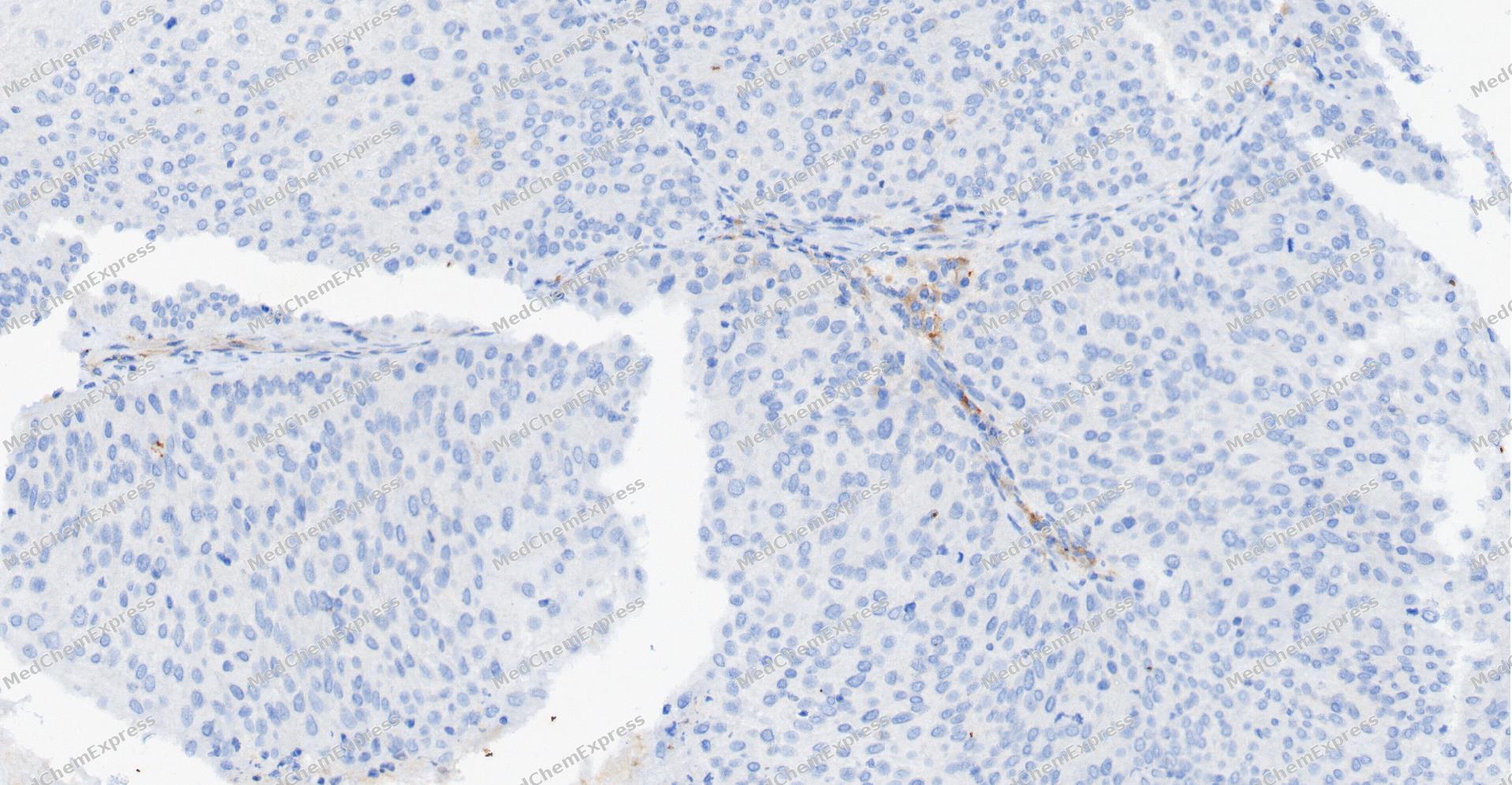 Immunohistochemical analysis of paraffin-embedded human Cervical Cancer tissue using MCP1 antibody was performed. The section was pretreated using high-temperature and high-pressure mediated EDTA antigen retrieval buffer (pH 9.0), for 5 minutes. The tissues were incubated overnight at 4°C with the primary antibody (HY-P81171, diluted 1:50). Detection was performed using an HRP conjugated compact polymer system. DAB was used as the chromogen. The tissues were counterstained with hematoxylin and mounted with neutral balsam mounting medium.
 -
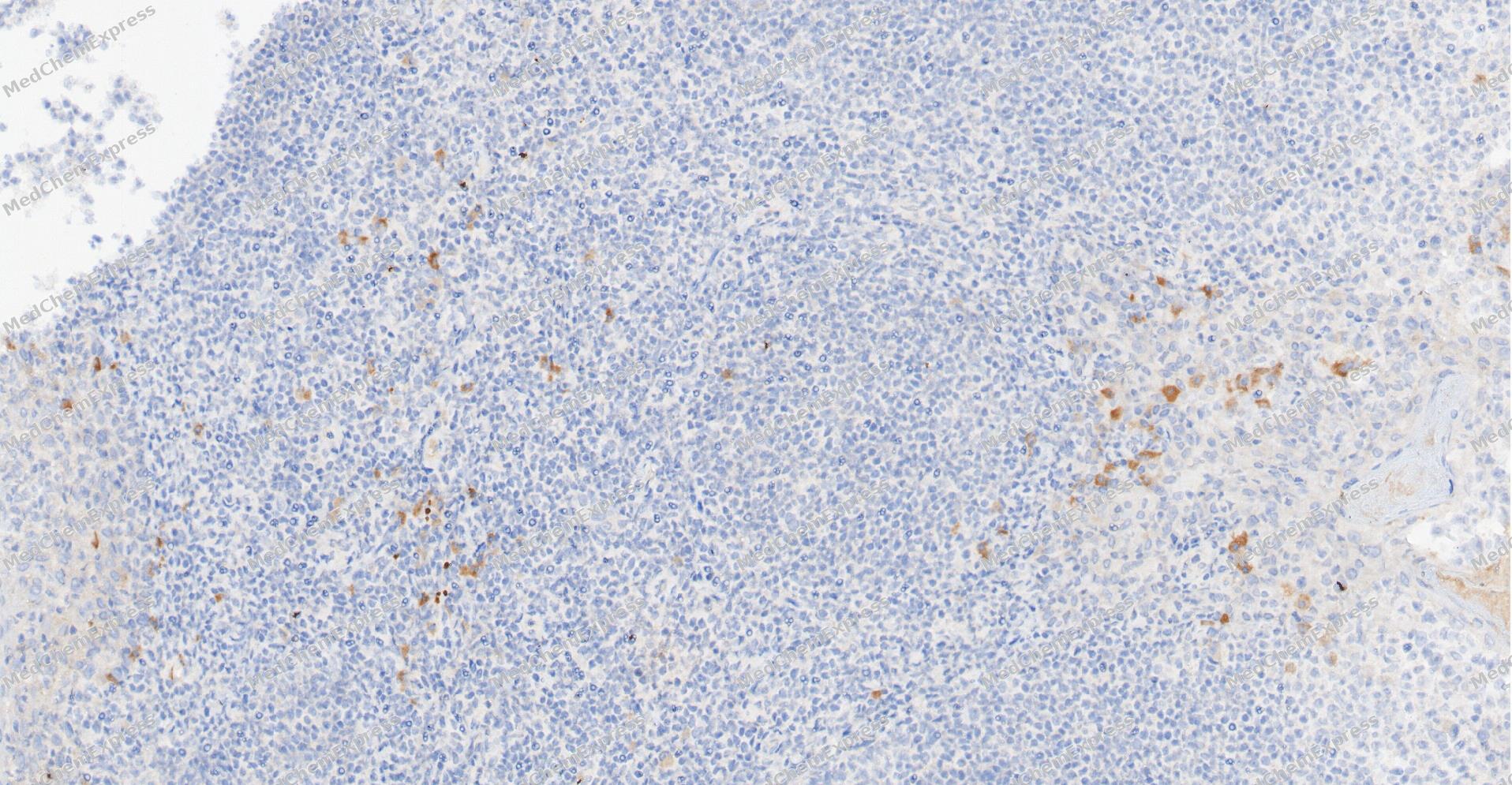 Immunohistochemical analysis of paraffin-embedded human Tonsil tissue using MCP1 antibody was performed. The section was pretreated using high-temperature and high-pressure mediated EDTA antigen retrieval buffer (pH 9.0), for 5 minutes. The tissues were incubated overnight at 4°C with the primary antibody (HY-P81171, diluted 1:50). Detection was performed using an HRP conjugated compact polymer system. DAB was used as the chromogen. The tissues were counterstained with hematoxylin and mounted with neutral balsam mounting medium.
 -
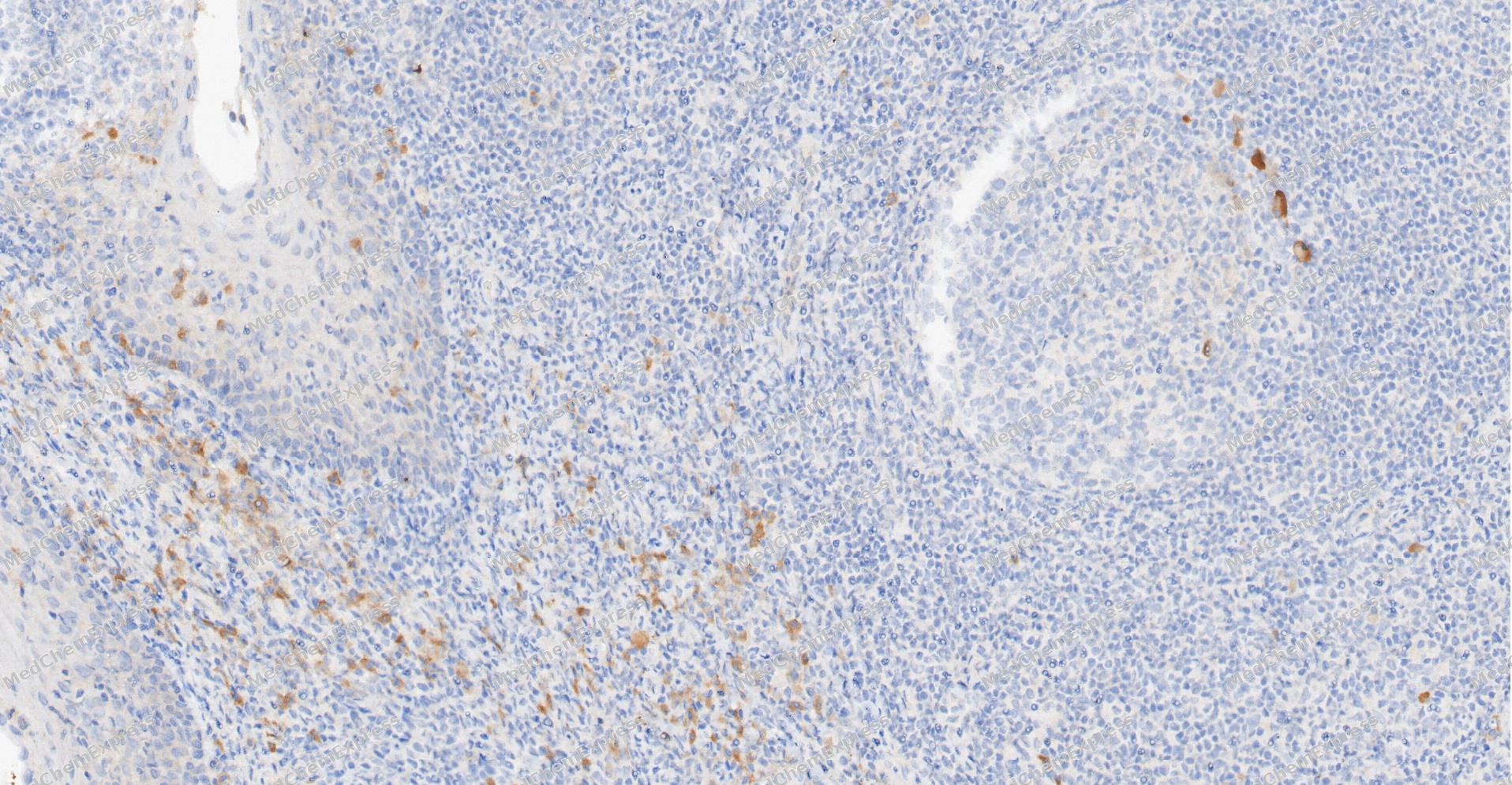 Immunohistochemical analysis of paraffin-embedded human Tonsil tissue using MCP1 antibody was performed. The section was pretreated using high-temperature and high-pressure mediated EDTA antigen retrieval buffer (pH 9.0), for 5 minutes. The tissues were incubated overnight at 4°C with the primary antibody (HY-P81171, diluted 1:50). Detection was performed using an HRP conjugated compact polymer system. DAB was used as the chromogen. The tissues were counterstained with hematoxylin and mounted with neutral balsam mounting medium.
 -
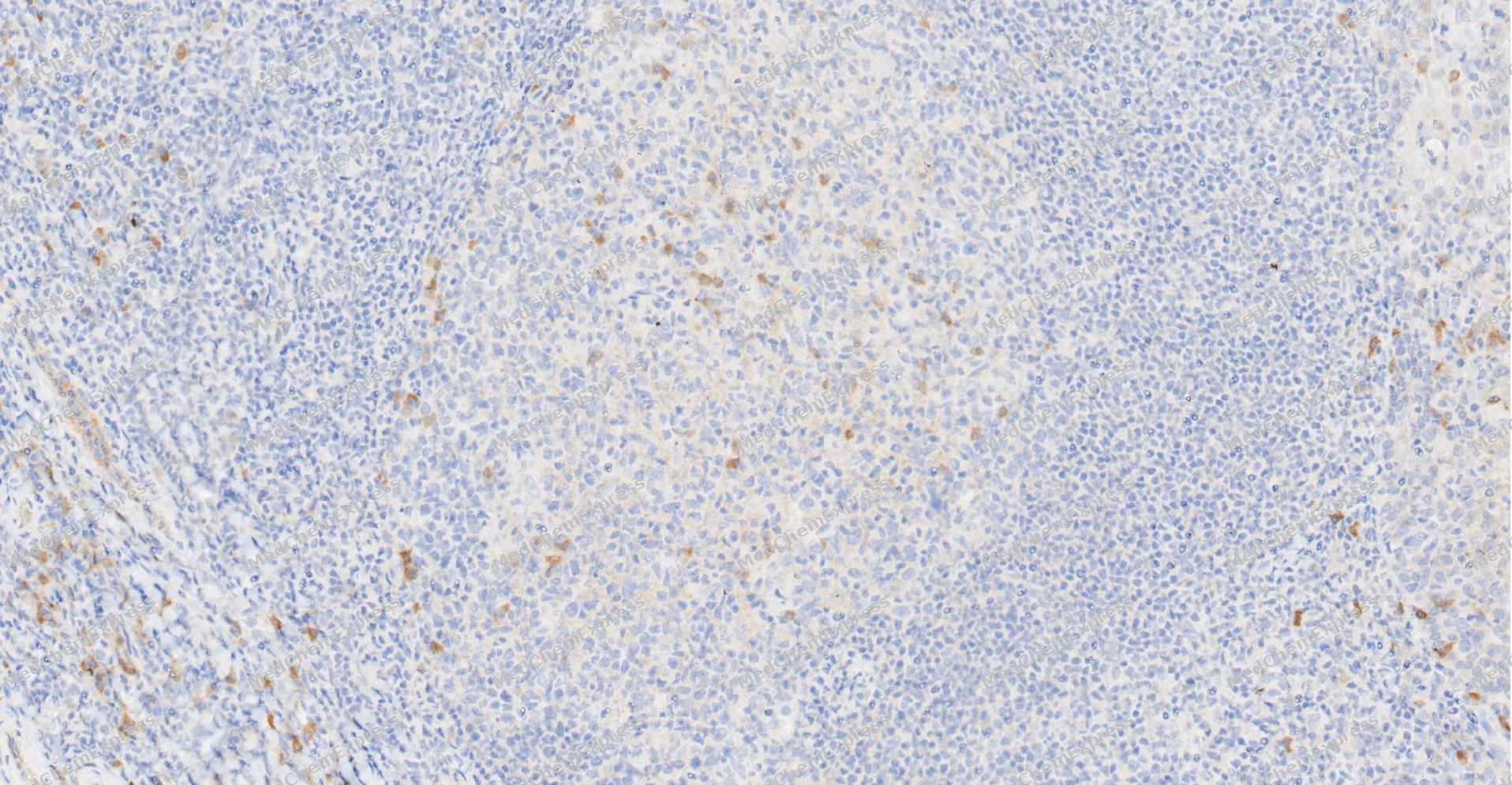 Immunohistochemical analysis of paraffin-embedded human Tonsil tissue using MCP1 antibody was performed. The section was pretreated using high-temperature and high-pressure mediated EDTA antigen retrieval buffer (pH 9.0), for 5 minutes. The tissues were incubated overnight at 4°C with the primary antibody (HY-P81171, diluted 1:50). Detection was performed using an HRP conjugated compact polymer system. DAB was used as the chromogen. The tissues were counterstained with hematoxylin and mounted with neutral balsam mounting medium.
 -
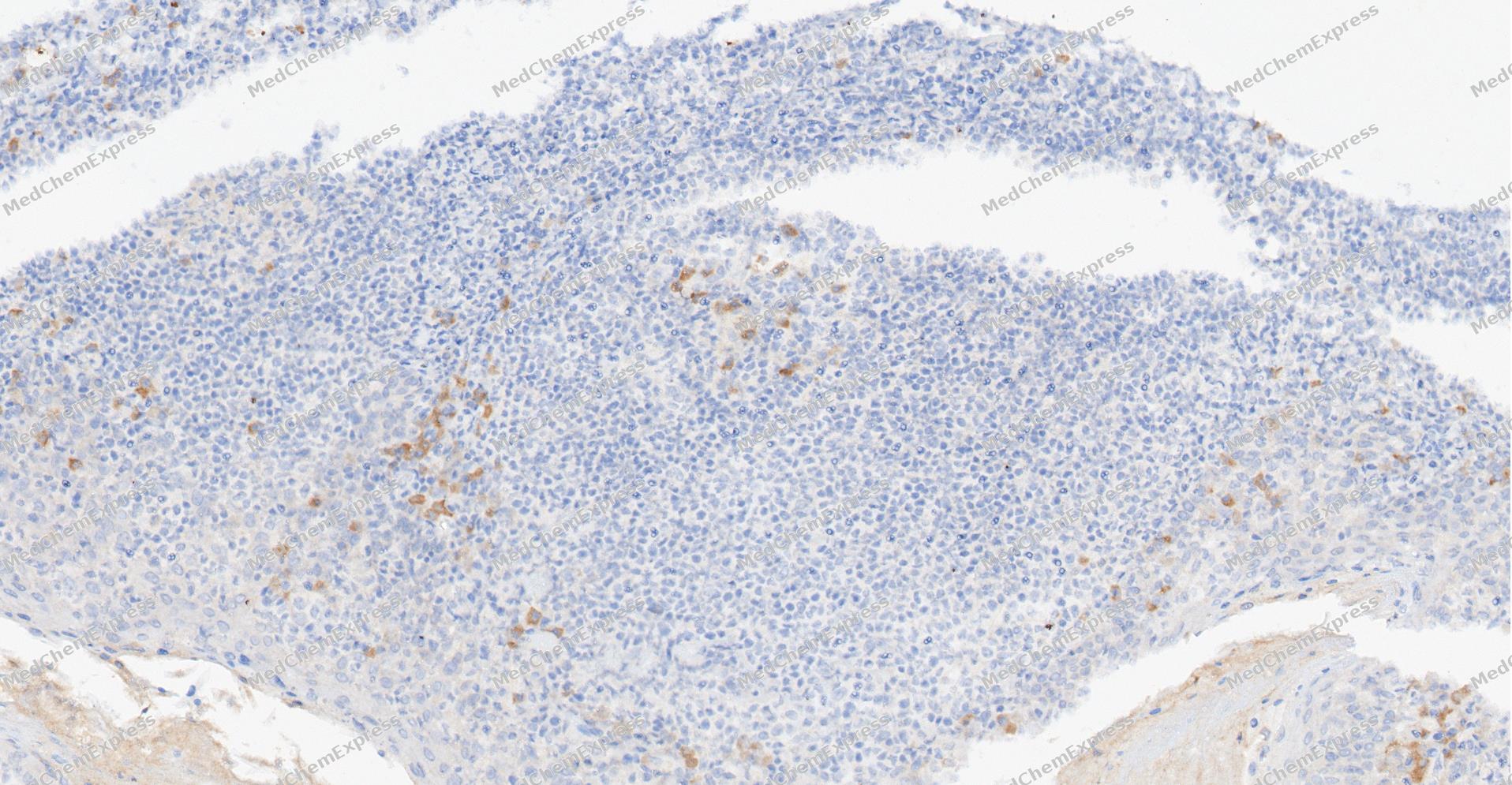 Immunohistochemical analysis of paraffin-embedded human Tonsil tissue using MCP1 antibody was performed. The section was pretreated using high-temperature and high-pressure mediated EDTA antigen retrieval buffer (pH 9.0), for 5 minutes. The tissues were incubated overnight at 4°C with the primary antibody (HY-P81171, diluted 1:50). Detection was performed using an HRP conjugated compact polymer system. DAB was used as the chromogen. The tissues were counterstained with hematoxylin and mounted with neutral balsam mounting medium.
 -
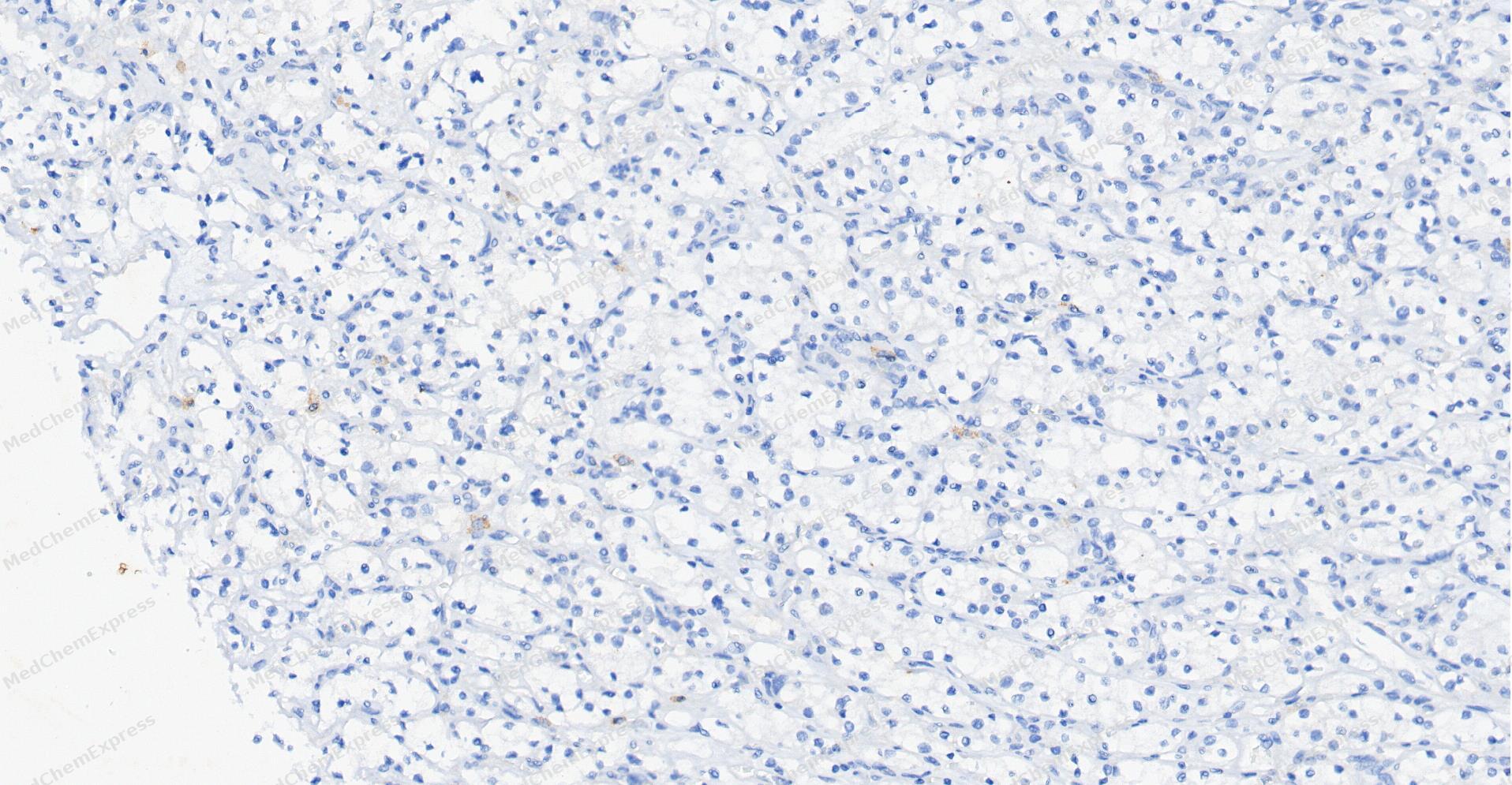 Immunohistochemical analysis of paraffin-embedded human Kidney cancer tissue using MCP1 antibody was performed. The section was pretreated using high-temperature and high-pressure mediated EDTA antigen retrieval buffer (pH 9.0), for 5 minutes. The tissues were incubated overnight at 4°C with the primary antibody (HY-P81171, diluted 1:50). Detection was performed using an HRP conjugated compact polymer system. DAB was used as the chromogen. The tissues were counterstained with hematoxylin and mounted with neutral balsam mounting medium.
 -
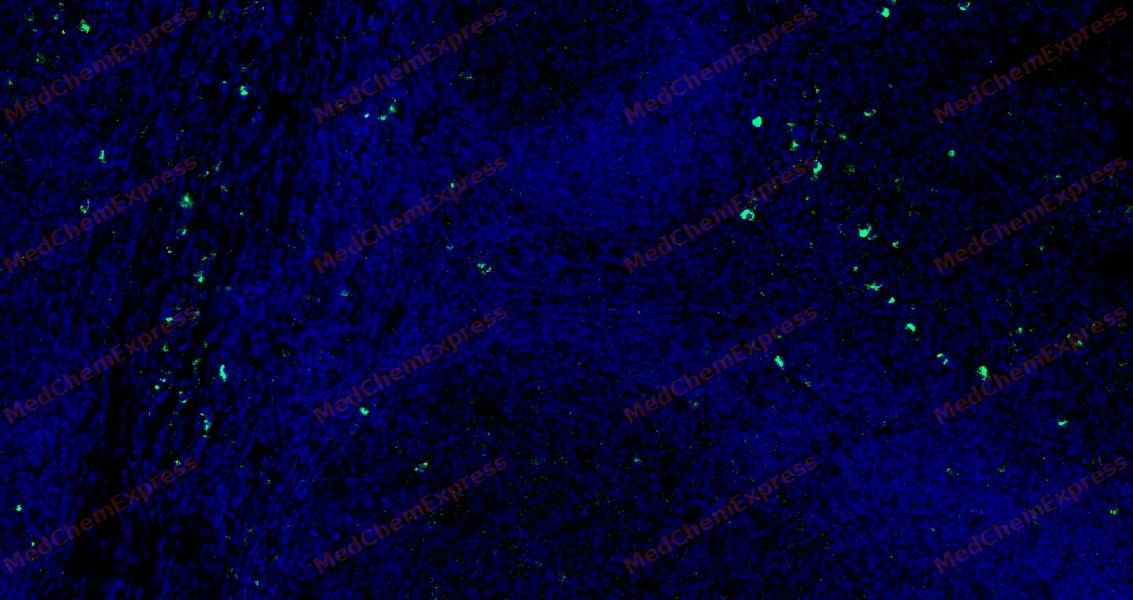 Tyramide signaling amplification based immunofluorescence was performed on paraffin-embedded human Tonsil tissue using MCP1 antibody. Antigen retrieval was performed in EDTA buffer pH 9.0 (95 °C, 20 min) followed by cooling to RT. Then incubated with primary antibody (HY-P81171, 1:50 dilution) at room temperature for 60 minutes and HRP conjugated secondary antibody for 10 minutes. Fluorescence was then developed with Vari Fluor 532 TSA (200×)(HY-D1832). The tissues were counterstained with DAPI and mounted with Anti-fade mounting medium.
 -
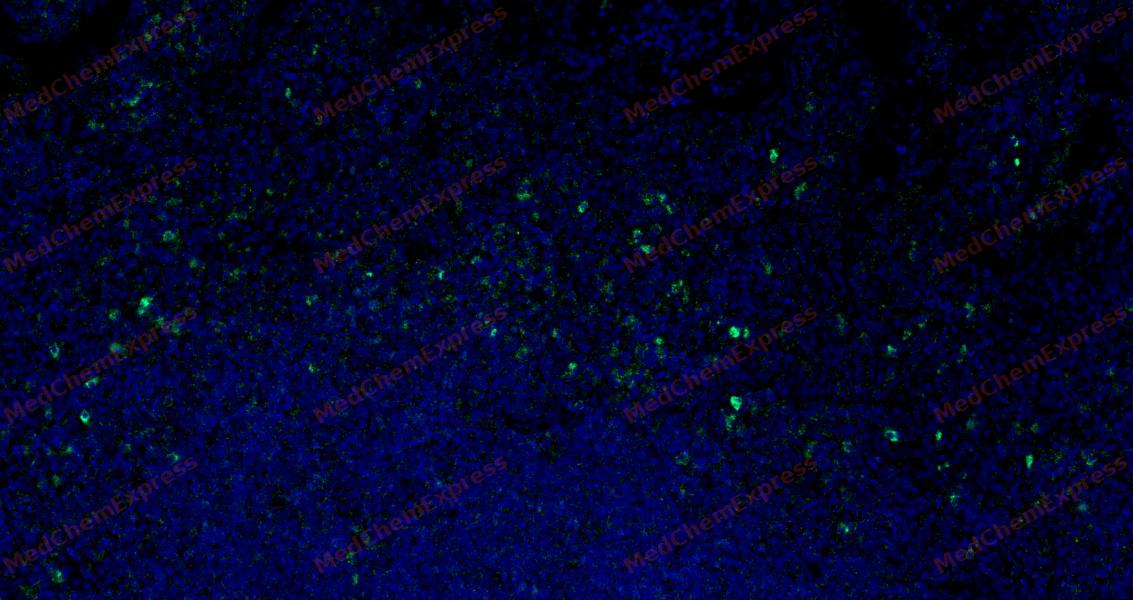 Tyramide signaling amplification based immunofluorescence was performed on paraffin-embedded human Tonsil tissue using MCP1 antibody. Antigen retrieval was performed in EDTA buffer pH 9.0 (95 °C, 20 min) followed by cooling to RT. Then incubated with primary antibody (HY-P81171, 1:50 dilution) at room temperature for 60 minutes and HRP conjugated secondary antibody for 10 minutes. Fluorescence was then developed with Vari Fluor 532 TSA (200×)(HY-D1832). The tissues were counterstained with DAPI and mounted with Anti-fade mounting medium.
 -
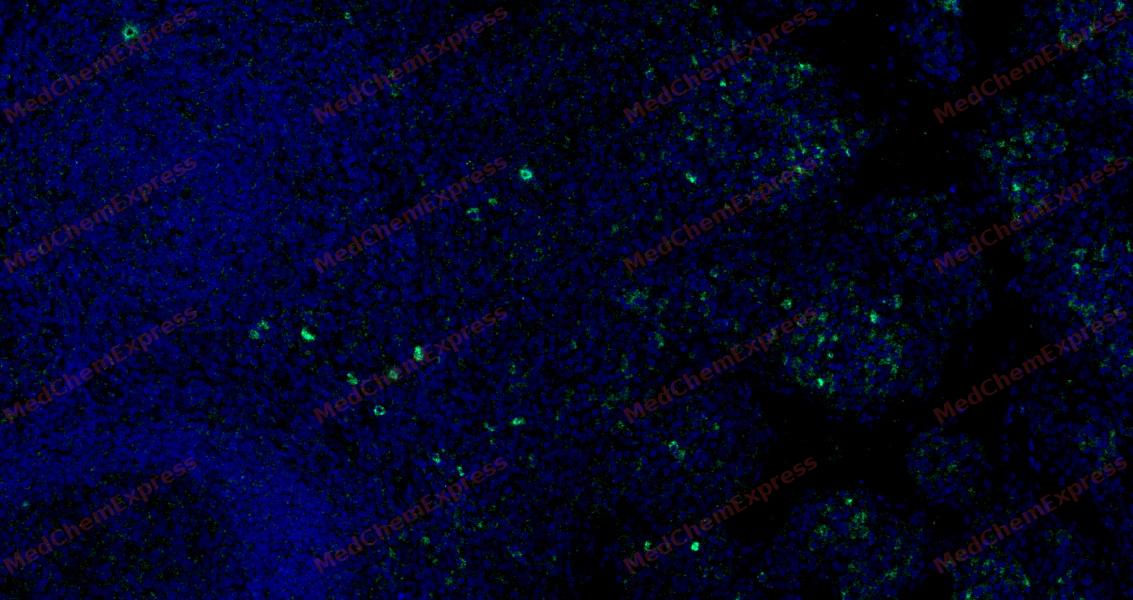 Tyramide signaling amplification based immunofluorescence was performed on paraffin-embedded human Tonsil tissue using MCP1 antibody. Antigen retrieval was performed in EDTA buffer pH 9.0 (95 °C, 20 min) followed by cooling to RT. Then incubated with primary antibody (HY-P81171, 1:50 dilution) at room temperature for 60 minutes and HRP conjugated secondary antibody for 10 minutes. Fluorescence was then developed with Vari Fluor 532 TSA (200×)(HY-D1832). The tissues were counterstained with DAPI and mounted with Anti-fade mounting medium.
 -
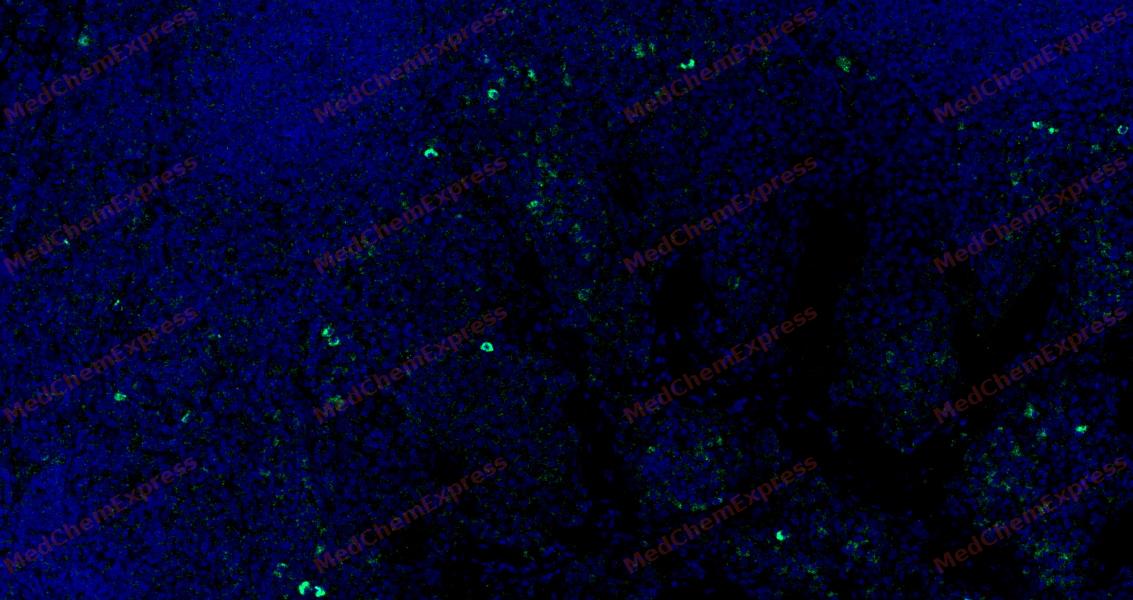 Tyramide signaling amplification based immunofluorescence was performed on paraffin-embedded human Tonsil tissue using MCP1 antibody. Antigen retrieval was performed in EDTA buffer pH 9.0 (95 °C, 20 min) followed by cooling to RT. Then incubated with primary antibody (HY-P81171, 1:50 dilution) at room temperature for 60 minutes and HRP conjugated secondary antibody for 10 minutes. Fluorescence was then developed with Vari Fluor 532 TSA (200×)(HY-D1832). The tissues were counterstained with DAPI and mounted with Anti-fade mounting medium.
 -
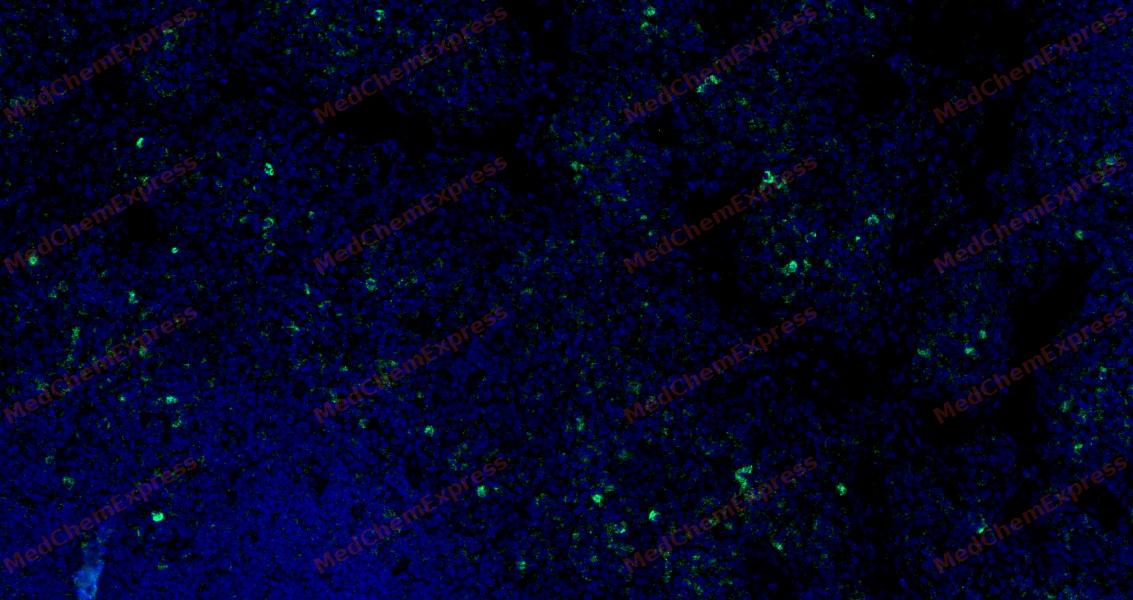 Tyramide signaling amplification based immunofluorescence was performed on paraffin-embedded human Tonsil tissue using MCP1 antibody. Antigen retrieval was performed in EDTA buffer pH 9.0 (95 °C, 20 min) followed by cooling to RT. Then incubated with primary antibody (HY-P81171, 1:50 dilution) at room temperature for 60 minutes and HRP conjugated secondary antibody for 10 minutes. Fluorescence was then developed with Vari Fluor 532 TSA (200×)(HY-D1832). The tissues were counterstained with DAPI and mounted with Anti-fade mounting medium.
 -
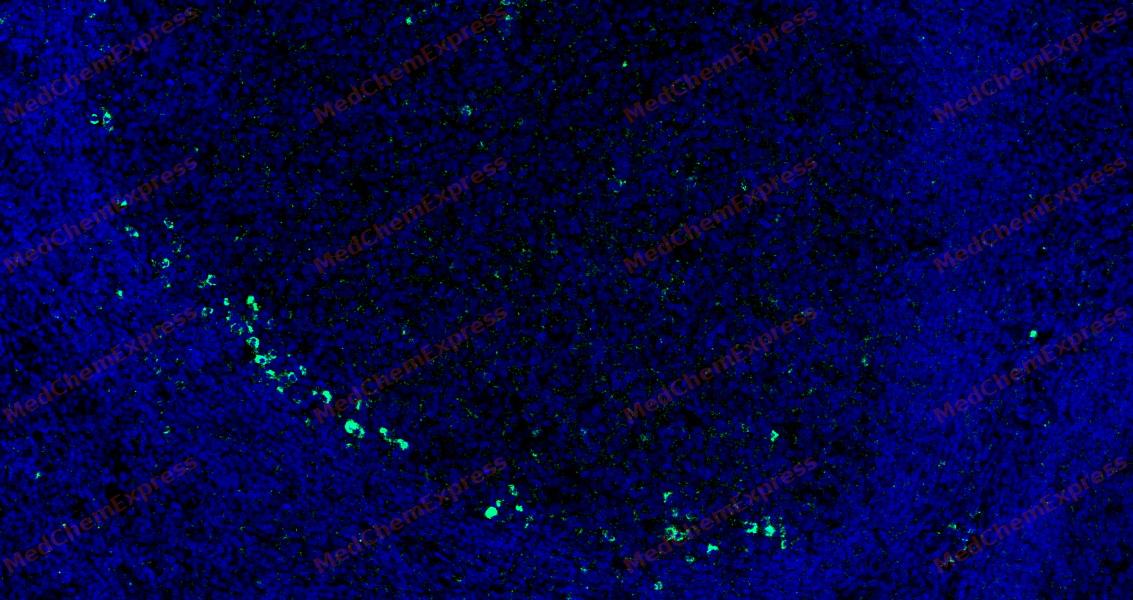 Tyramide signaling amplification based immunofluorescence was performed on paraffin-embedded human Tonsil tissue using MCP1 antibody. Antigen retrieval was performed in EDTA buffer pH 9.0 (95 °C, 20 min) followed by cooling to RT. Then incubated with primary antibody (HY-P81171, 1:50 dilution) at room temperature for 60 minutes and HRP conjugated secondary antibody for 10 minutes. Fluorescence was then developed with Vari Fluor 532 TSA (200×)(HY-D1832). The tissues were counterstained with DAPI and mounted with Anti-fade mounting medium.
 -
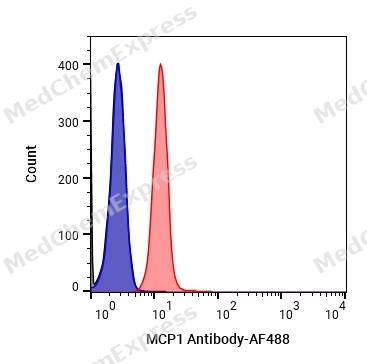 Flow cytometric analysis of 1X10⁶ HepG2 cells labeling MCP1 Antibody (HY-P81171, red). Cells were fixed with 4% paraformaldehyde and permeabilised with 90% methanol. Then stained with the primary antibody at 1ug:Test for an hour at 4℃. AF488-conjugated Goat Anti-Rabbit IgG H&L (HY-P8002) was used as the secondary antibody at 1/1,000 dilution for 30 minutes at 4℃. Rabbit IgG Isotype Control (HY-P80879, blue) was used as the isotype control, cells without incubation with primary antibody were used as the unlabeled control (black).


Background
-
Function
MCP1 acts as a ligand for C-C chemokine receptor CCR2. Signals through binding and activation of CCR2 and induces a strong chemotactic response and mobilization of intracellular calcium ions. Exhibits a chemotactic activity for monocytes and basophils but not neutrophils or eosinophils. May be involved in the recruitment of monocytes into the arterial wall during the disease process of atherosclerosis[1][2][3][4][5][6][7].
-
Subcellular Localization
Secreted
-
Expression
Tissue_specificity:Expression (protein level) in seminal plasma, endometrial fluid, and follicular fluid (PubMed: 23765988) . Expression in monocytes (PubMed: 2513477) .
Induction:Up-regulated upon hypertonic conditions (PubMed:23233732) . In pancreatic islets, secretion is stimulated by IL1B (PubMed:23955712) . Up-regulated by coagulation factor Xa (F10) in PAR-1 (F2R) -dependent manner in cardiac fibroblasts and endothelial cells (PubMed:30568593, PubMed:34831181) . Up-regulated by thrombin (F2) in endothelial cells (PubMed:30568593) -
Subunit
Monomer or homodimer; in equilibrium (PubMed:15033992, PubMed:8898111, PubMed:8989326, PubMed:9837883). Is tethered on endothelial cells by glycosaminoglycan (GAG) side chains of proteoglycans (PubMed:9792674). Interacts with TNFAIP6 (via Link domain)
-
SwissProt ID
-
Synonyms
MCP-1/CCL2; C-C motif chemokine 2; CCL 2; CCL2; CCL2_HUMAN; Chemokine (C C motif) ligand 2; Chemokine C C motif ligand 2; Chemokine CC Motif Ligand 2; GDCF 2; GDCF 2 HC11; GDCF-2; GDCF2; HC11; HSMCR30; HSMCR30; JE; MCAF; MCP 1; MCP-1; MGC9434; Monocyte chemoattractant protein 1; Monocyte chemotactic and activating factor; Monocyte chemotactic protein 1; Monocyte secretory protein JE; SCYA2; Small inducible cytokine A2 (monocyte chemotactic protein 1, homologous to mouse Sig je); Small inducible cytokine A2; Small inducible cytokine subfamily A (Cys Cys), member 2; Small inducible cytokine subfamily A Cys Cys member 2; Small-inducible cytokine A2; SMC CF; SMC-CF; SMCCF.


Documentation
-
Data Sheet (262 KB)
-
SDS (254 KB)
- English - EN (254 KB)
- Français - FR (254 KB)
- Deutsch - DE (254 KB)
- Norwegian - NO (254 KB)
- Español - ES (254 KB)
- Swedish - SV (254 KB)
- Italian - IT (254 KB)
- Korean - KR (254 KB)
- Portuguese - PT (254 KB)
-
User Guide for Antibodies (1077 KB)
References
[1]. Hemmerich S, et al. Identification of residues in the monocyte chemotactic protein-1 that contact the MCP-1 receptor, CCR2. Biochemistry. 1999 Oct 5;38(40):13013-25. [Content Brief]
[2]. Jarnagin K, et al. Identification of surface residues of the monocyte chemotactic protein 1 that affect signaling through the receptor CCR2. Biochemistry. 1999 Dec 7;38(49):16167-77. [Content Brief]
[3]. Paavola CD, et al. Monomeric monocyte chemoattractant protein-1 (MCP-1) binds and activates the MCP-1 receptor CCR2B. J Biol Chem. 1998 Dec 11;273(50):33157-65. [Content Brief]
[4]. Zhang YJ, et al. Structure/activity analysis of human monocyte chemoattractant protein-1 (MCP-1) by mutagenesis. Identification of a mutated protein that inhibits MCP-1-mediated monocyte chemotaxis. J Biol Chem. 1994 Jun 3;269(22):15918-24. [Content Brief]
[5]. Weber M, et al. Deletion of the NH2-terminal residue converts monocyte chemotactic protein 1 from an activator of basophil mediator release to an eosinophil chemoattractant. J Exp Med. 1996 Feb 1;183(2):681-5. [Content Brief]
[6]. Chakravarty L, et al. Lysine 58 and histidine 66 at the C-terminal alpha-helix of monocyte chemoattractant protein-1 are essential for glycosaminoglycan binding. J Biol Chem. 1998 Nov 6;273(45):29641-7. [Content Brief]
[7]. Li YS, et al. The expression of monocyte chemotactic protein (MCP-1) in human vascular endothelium in vitro and in vivo. Mol Cell Biochem. 1993 Sep 8;126(1):61-8. [Content Brief]

 Powered by Bioz
