



GPX4 Antibody (YA399)
(Synonyms: Phospholipid hydroperoxide glutathione peroxidase GPX4, PHGPx, Glutathione peroxidase 4, GPx-4, GSHPx-4, Gpx4)Based on 24 publication(s) in Google Scholar
GPX4 Antibody (YA399) is a Rabbit-derived and non-conjugated IgG monoclonal antibody, targeting to GPX4.
-
Host:
Rabbit
-
Isotype:
IgG
-
Application:
WB, IHC-P, ICC/IF, FC
-
Reactivity :
Human, Mouse, Rat
-
Formulation:
Supplied in 1*TBS (pH7.4), 0.05% BSA and 40% Glycerol. Preservative: 0.05% Sodium Azide.
-
Conjugation:
Non-conjugated


To place orders, for customer services and technical support, please contact: MedChemExpress USA
Tel: 609-228-6898 E-mail: [email protected] [email protected]



-

HY-P80935
xCT Antibody (YA006) -
HY-P80670
Ferritin Heavy Chain Antibody (YA443) -
HY-P8001
HRP-conjugated Goat Anti-Rabbit IgG H&L -
HY-P81051
Nrf2 Antibody(YA895) -
HY-P81208
4 Hydroxynonenal Antibody -
HY-P8004
HRP-conjugated Goat Anti-Mouse IgG H&L -
HY-P80977
FACL4 Antibody (YA851) -
HY-P80523
xCT Antibody (YA652) -
HY-P80137
GAPDH Antibody (YA418) -
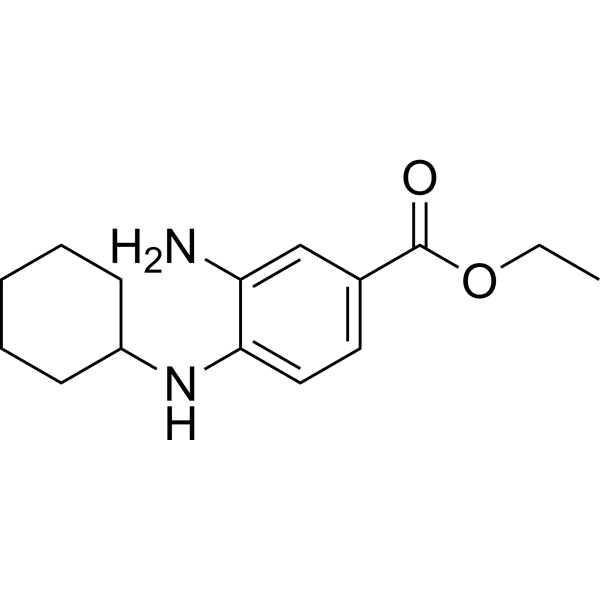
HY-100579
Ferrostatin-1 -
HY-P80091
COX2 Antibody (YA493) -
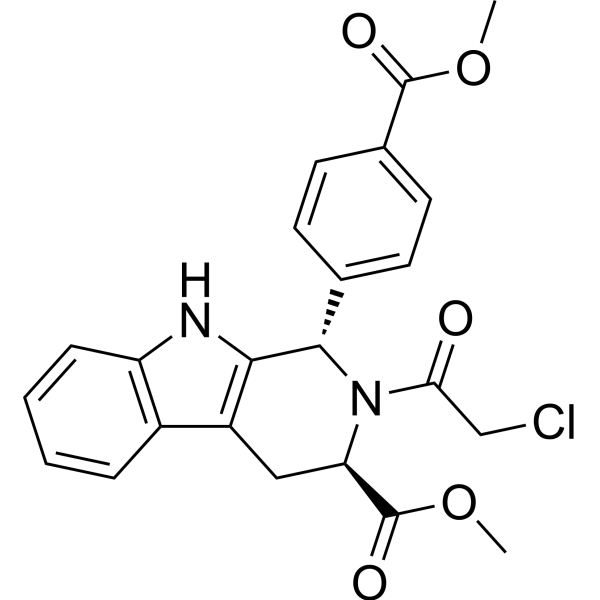
HY-100218A
RSL3
Publications Citing Use of MedChemExpress (MCE) GPX4 Antibody (YA399)
More- Cell Host Microbe. 2026 Jan 14;34(1):35-51.e9. [Abstract]
- Adv Sci (Weinh). 2025 Jun;12(22):e2416559. [Abstract]
- Food Res Int. 2025 May:208:116218. [Abstract]
- Int Immunopharmacol. 2026 Feb 1:170:116049. [Abstract]
- Int Immunopharmacol. 2026 Mar 1:172:116230. [Abstract]
- Int J Mol Sci. 2025 Jul 27;26(15):7263. [Abstract]
- Int Immunopharmacol. 2025 Jun 26:159:114945. [Abstract]
- Mol Neurobiol. 2025 Nov 19;63(1):76. [Abstract]
- Front Pharmacol. 2025 Jun 4:16:1567942. [Abstract]
- Neuropharmacology. 2026 Jul 1:292:110950. [Abstract]
- J Inflamm Res. 2024 Dec 13:17:11041-11053. [Abstract]
- iScience. 2026 Feb 6;29(3):114931. [Abstract]
- Brain Res Bull. 2025 Nov:232:111608. [Abstract]
- Neurochem Res. 2025 May 16;50(3):167. [Abstract]
- Drug Dev Res. 2026 Aug;87(5):e70340.
- BMC Cancer. 2025 Dec 27;26(1):150. [Abstract]
- J Photochem Photobiol B. 2026 Jan:274:113350. [Abstract]
- J Photochem Photobiol B. 2024 Sep:258:113003. [Abstract]
- Toxicol Appl Pharmacol. 2025 Jan 22:495:117237. [Abstract]
- Arch Biochem Biophys. 2025 Sep:771:110502. [Abstract]
- Reproduction. 2026 May 8;171(5):xaag049. [Abstract]
- Exp Eye Res. 2026 May:266:110908. [Abstract]
- J Int Med Res. 2025 May;53(5):3000605251340338. [Abstract]
- Res Sq. 2025 Jul 09.

 24 Publications Citing Use of MCE GPX4 Antibody (YA399) (6)
-
IF
-
WB
-
WB
-
WB
-
IF


Applications
| Application |
WB

WB: Western Blot
|
IHC-P
IHC-P: Immunohistochemistry-Paraffin
|
ICC/IF
ICC/IF: Immunocytochemistry/
Immunofluorescence |
FC
FC: Flow Cytometry
|
|---|---|---|---|---|
| Dilution Ratio | 1:2000-1:4000 | 1:50-1:500 | 1:50-1:200 | 1:1000 |


Product Details
GPX4 Antibody (YA399) is a Rabbit-derived and non-conjugated IgG monoclonal antibody, targeting to GPX4.
-
Host Rabbit

-
Clonality Recombinant,Monoclonal

-
Species ReactivityHuman, Mouse, Rat
-
Observed Molecular WeightObserved band size: 20 kDa
Note: Due to possible protein modifications or aggregation, the molecular weight should be confirmed by actual measurement, and the predicted value is for reference only.

-
Calculated Molecular Weight Predicted band size: 22 kDa

Entrez Gene: 2879 Human ; 625249 Mouse ; 29328 Rat
SwissProt: P36969 Human ; O70325 Mouse ; P36970 Rat
OMIM: 250220 Human
Synthetic peptide corresponding to Human GPX4.AA range:23-72.
Endogenous
Protein A affinity purified.
Non-conjugated
Unmodified
IgG


Product Properties
-
Appearance
Solution
-
Formulation
Supplied in 1*TBS (pH7.4), 0.05% BSA and 40% Glycerol. Preservative: 0.05% Sodium Azide.
-
Concentration
Batch-dependent, Please check the COA for the concentration of each lot. Check Lot Concentration
-
Storage & Stability
Stored at -20°C for 1 year. Avoid repeated freeze / thaw cycles.
-
Shipping
Shipping with blue ice.


Publications (24)
-
Journal Impact Factor
-
Most Recent
-
Cell Host Microbe
Rothia mucilaginosa membrane vesicles stabilize labile iron to alleviate UVB-induced ferroptosis. [Abstract]2026 Jan 14;34(1):35-51.e9. PMID: 41500222 -
Adv Sci (Weinh)
2025 Jun;12(22):e2416559. PMID: 40162524
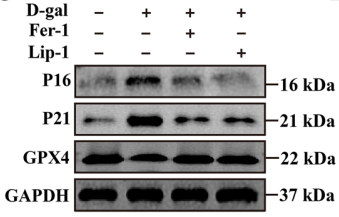
GPX4 Antibody (YA399) purchased from MedChemExpress. Usage Cited in: Adv Sci (Weinh). 2025 Jun;12(22):e2416559. [Abstract]
GPX4 Antibody (YA399). Western blot analysis of GPX4, P16, and P21 protein levels in D‐gal‐induced senescent HFF cells treated with Fer‐1 and Lip‐1.
-
Food Res Int
Effects of chitosan on restoring spermatogenesis in mice: Insights from gut microbiota and multi-omics analysis. [Abstract]2025 May:208:116218. PMID: 40263850
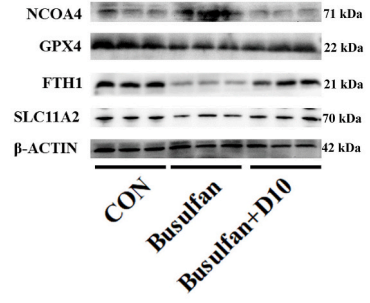
GPX4 Antibody (YA399) purchased from MedChemExpress. Usage Cited in: Food Res Int. 2025 May:208:116218. [Abstract]
Western blot analysis of ferroptosis biomarkers in the testes across different groups and their quantification based on β-ACTIN levels (n = 3).
-
Int Immunopharmacol
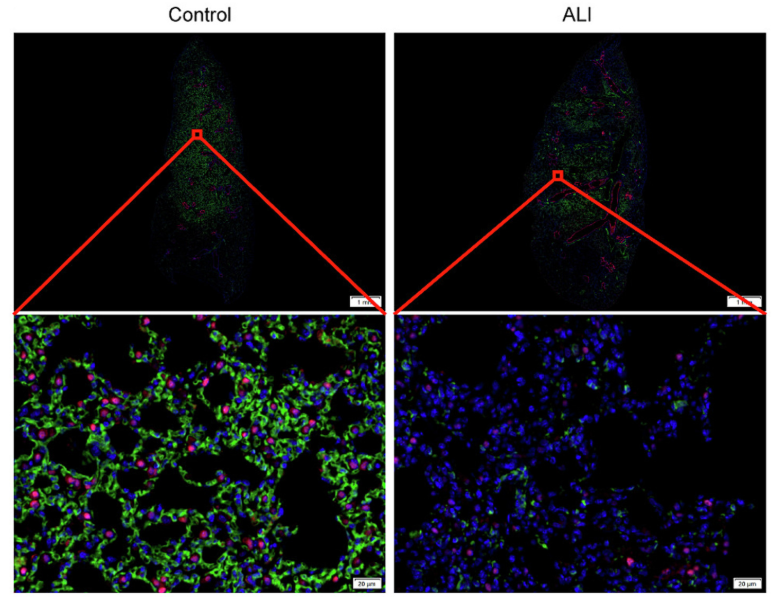
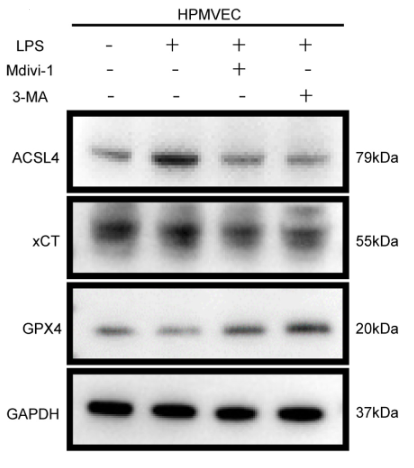
DPEP1 mediates regulation of mitochondrial quality control via FOXO1/ALDH1L2 axis to attenuate ferroptosis in pulmonary endothelial cells to alleviate sepsis-associated acute lung injury. [Abstract]2026 Feb 1:170:116049. PMID: 41421227
GPX4 Antibody (YA399) purchased from MedChemExpress. Usage Cited in: Int Immunopharmacol. 2026 Feb 1:170:116049. [Abstract]
GPX4 Antibody (YA399). Representative images of ferroptosis in the pulmonary endothelial cells in the lung tissues were detected by immunofluorescence assay (magnification, 40×) [CD31 (green) and GPX4 (red)]
GPX4 Antibody (YA399) purchased from MedChemExpress. Usage Cited in: Int Immunopharmacol. 2026 Feb 1:170:116049. [Abstract]
GPX4 Antibody (YA399). The expressions of ferroptosis-associated proteins (GPX4) in HPMVECs were determined by western blotting.
-
Int Immunopharmacol
2026 Mar 1:172:116230. PMID: 41564476 -
Int J Mol Sci
Parishin C Attenuates Oxidative Stress and Inflammation in HT22 Hippocampal Neurons and BV2 Microglia Through Nrf2 Signaling Pathway. [Abstract]2025 Jul 27;26(15):7263. PMID: 40806395 -
Int Immunopharmacol
Qinglongyi nanoparticles alleviate neuroinflammation and promote neuronal survival by inhibiting neuronal ferroptosis in intracerebral hemorrhage. [Abstract]2025 Jun 26:159:114945. PMID: 40435822
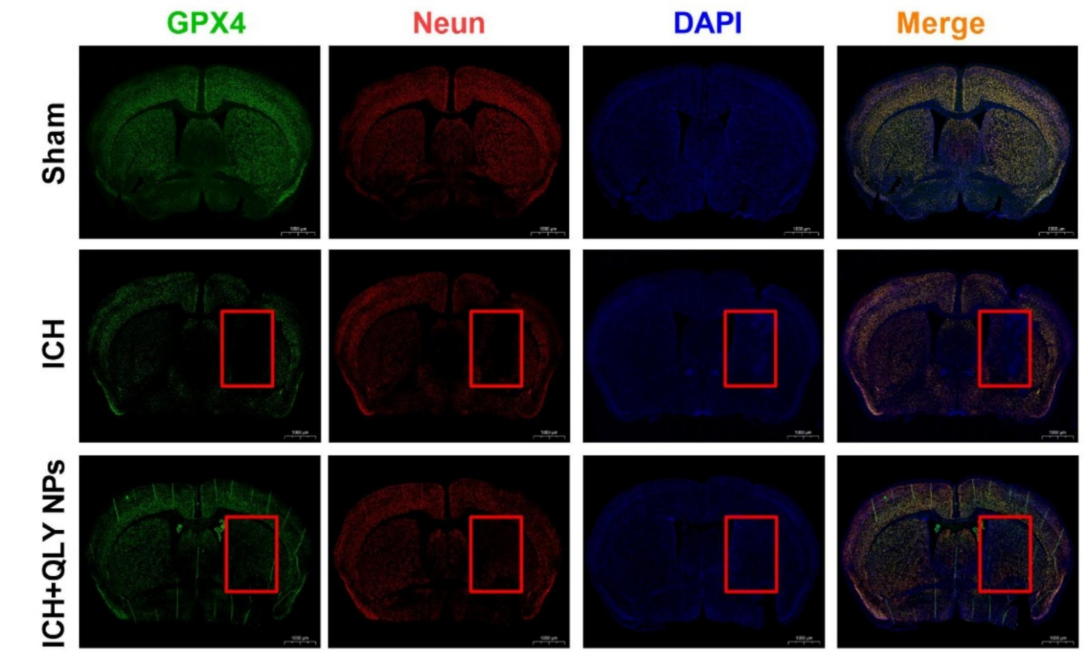
GPX4 Antibody (YA399) purchased from MedChemExpress. Usage Cited in: Int Immunopharmacol. 2025 Jun 26:159:114945. [Abstract]
GPX4 Antibody (YA399). The expression of GPX4 and the number of neurons in mouse brain tissue were analyzed by immunofluorescence staining on the 7th day after ICH (scale bar = 1000 μm).
-
Mol Neurobiol
Inhibition of DRP1-mediated Mitochondrial Fission and NRF2/HO-1/GPX4-mediated Ferroptosis by Mdivi-1 Protects Against Vascular Cognitive Impairment. [Abstract]2025 Nov 19;63(1):76. PMID: 41254362 -
Front Pharmacol
2025 Jun 4:16:1567942. PMID: 40535769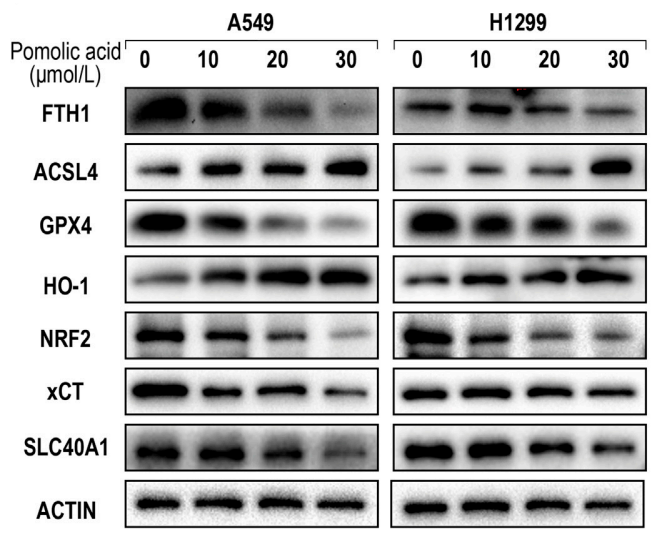
GPX4 Antibody (YA399) purchased from MedChemExpress. Usage Cited in: Front Pharmacol. 2025 Jun 4:16:1567942. [Abstract]
GPX4 Antibody (YA399). Western blotting was used to detect the expression of ferroptosis-related proteins in lung cancer cells after 24 h of PA with or without DFO (20 μM).
-
Neuropharmacology
Novel mechanism of hypidone hydrochloride (YL-0919) in Parkinson's disease: inhibiting neuronal ferroptosis by targeting the Sigma1R-PI3K-AKT-ACSL4 axis. [Abstract]2026 Jul 1:292:110950. PMID: 41887568 -
J Inflamm Res
Maresin1 Inhibits Ferroptosis via the Nrf2/SLC7A11/GPX4 Pathway to Protect Against Sepsis-Induced Acute Liver Injury. [Abstract]2024 Dec 13:17:11041-11053. PMID: 39691306 -
iScience
Bazedoxifene rescues hepatocytes from chemically induced oxidative ferroptotic injury in vivo and in vitro by inhibiting protein disulfide isomerase. [Abstract]2026 Feb 6;29(3):114931. PMID: 41782827 -
Brain Res Bull
Dihydroquercetin ameliorates spinal cord injury in rats by modulating the AKT/Nrf2/GPX4 signaling pathway-mediated ferroptosis. [Abstract]2025 Nov:232:111608. PMID: 41167533 -
Neurochem Res
Tanshinone IIA Promotes Functional Recovery After Spinal Cord Injury by Inhibiting Neuron and Oligodendrocyte Ferroptosis Through the GPX4/ACSL4 Axis. [Abstract]2025 May 16;50(3):167. PMID: 40377778 -
BMC Cancer
Histone acetyltransferase KAT6A contributes to colon cancer malignant progression by inhibiting ferroptosis. [Abstract]2025 Dec 27;26(1):150. PMID: 41454337 -
J Photochem Photobiol B
LED blue light photobiomodulation induces ferroptosis and apoptosis via ROS-mediated oxidative damage in osteosarcoma cells. [Abstract]2026 Jan:274:113350. PMID: 41455154 -
J Photochem Photobiol B
Blue light photobiomodulation induced osteosarcoma cell death by facilitating ferroptosis and eliciting an incomplete tumor cell stress response. [Abstract]2024 Sep:258:113003. PMID: 39121719 -
Toxicol Appl Pharmacol
Ginkgolide B binds to GPX4 and FSP1 to alleviate cerebral ischemia/reperfusion injury in rats. [Abstract]2025 Jan 22:495:117237. PMID: 39855311 -
Arch Biochem Biophys
Targeting IL-33 to suppress ferroptosis and alleviate inflammation in asthma exacerbations. [Abstract]2025 Sep:771:110502. PMID: 40499633 -
Reproduction
N-Carbamoylglutamate enhances bull spermatogenesis via Paraprevotella-mediated vitamin B6 biosynthesis in rumen microbiota. [Abstract]2026 May 8;171(5):xaag049. PMID: 42081609 -
J Int Med Res
The therapeutic potential of irisin in alleviating acute lung injury via inflammation and ferroptosis modulation. [Abstract]2025 May;53(5):3000605251340338. PMID: 40406908


Verification Images
-
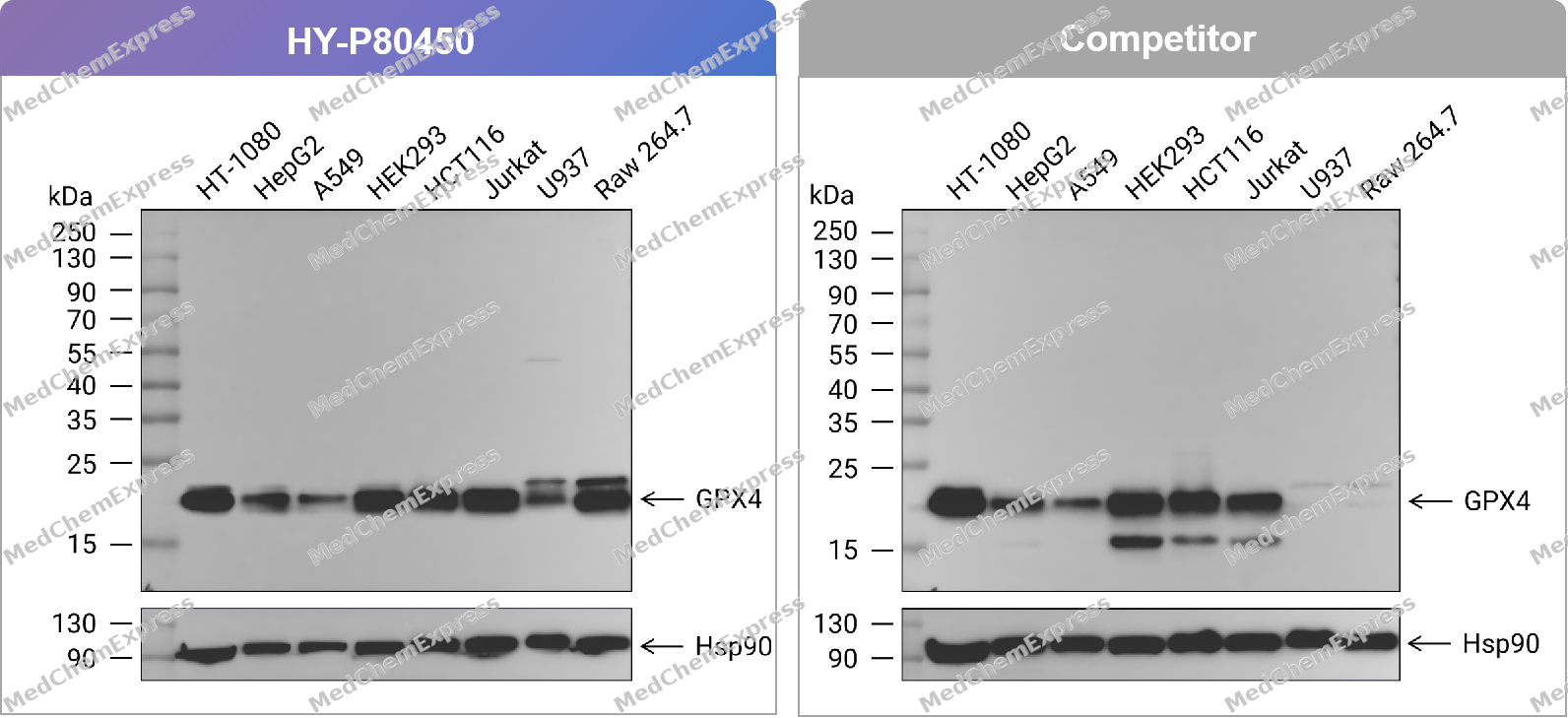 Western blot analysis of extracts from HT-1080 (lane 1(20μg)) 、HepG2 (lane 2(20μg)) 、A549 (lane 3(20μg)) 、HEK293 (lane 4(20μg)) 、HCT116 (lane 5(20μg)) 、Jurkat (lane 6(20μg)) 、U937 (lane 7(20μg)) and Raw 264.7 (lane 8(20μg)) using GPX4 Antibody. Proteins were transferred to a PVDF membrane and blocked with 5% nonfat dry milk in TBST for 1.5 hour at room temperature. The primary antibody (HY-P80450, 1/1000) , competitor's antibody (1/1000) and Loading control antibody (Hsp90, 1/10000) was used in 5% nonfat dry milk in TBST at 4℃ overnight. Goat Anti-Rabbit IgG-HRP Secondary Antibody (1/10,000) was used for 1 hour at room temperature.
 -
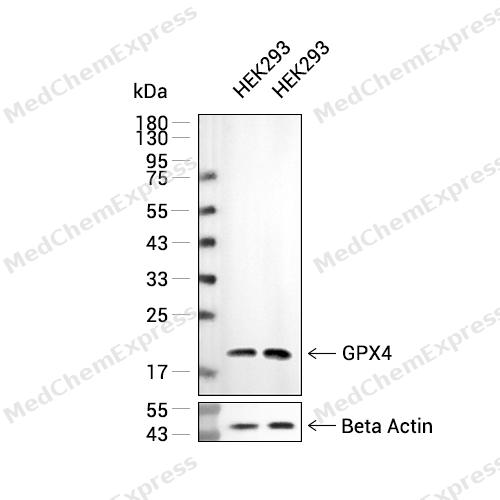 Western blot analysis of extracts from HEK293 (lane 2(40μg) and HEK293 (lane 3(20μg)using GPX4 (HY-P80450) Rabbit mAb. Proteins were transferred to a PVDF membrane and blocked with 5% defatted milk powder in TBST for 2 hour at room temperature. The primary antibody (HY-P80450, 1/1000) and Loading control antibody (Beta Actin, HY-P80438, 1/3000) was used in 5% defatted milk powder in TBST at 4°C overnight. Goat Anti-Mouse/Rabbit IgG-HRP Secondary Antibody (HY-P8004/HY-P8001, 1/10,000) was used for 1 hour at room temperature.
 -
 Western blot analysis of extracts from HT-1080 (lane 1(20μg)) 、HepG2 (lane 2(20μg)) 、A549 (lane 3(20μg)) 、HEK293 (lane 4(20μg)) 、HCT116 (lane 5(20μg)) 、Jurkat (lane 6(20μg)) 、U937 (lane 7(20μg)) and Raw 264.7 (lane 8(20μg)) using GPX4 Antibody (HY-P80450) . Proteins were transferred to a PVDF membrane and blocked with 5% nonfat dry milk in TBST for 1.5 hour at room temperature. The primary antibody (1/1000) and Loading control antibody (Hsp90, 1/10000) was used in 5% nonfat dry milk in TBST at 4℃ overnight. Goat Anti-Rabbit IgG-HRP Secondary Antibody (1/10,000) was used for 1 hour at room temperature.
 -
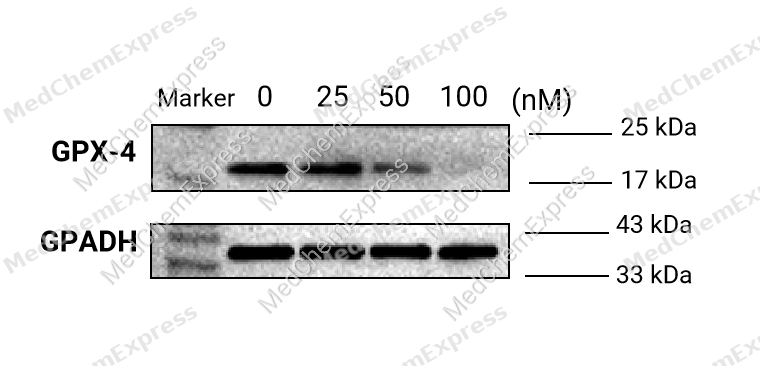 HT-1080 cells were seeded at 60000 cells/well in a 24 well plate and were cultured overnight. Then, cells were treated with Erastin (HY-15763) (0-100 nM) for 24 h, and the expression of GPX-4 was measured. The results indicated that Erastin inhibits GPX-4 expression. Primary antibody: GPX-4 antibody (HY-P80450), GAPDH antibody (HY-P80137).
 -
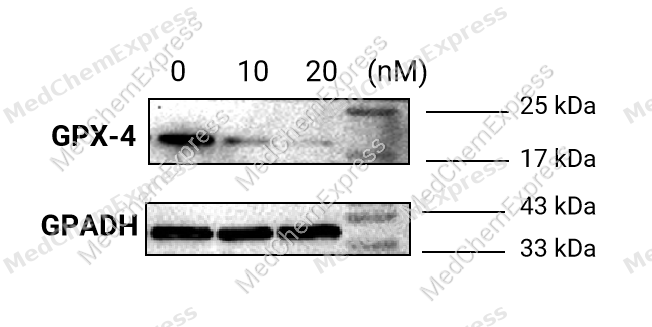 HT-1080 cells were seeded at 60000 cells/well in a 24 well plate and were cultured overnight. Then, cells were treated with RSL3 (HY-100218A) (0-20 nM) for 24 h, and the expression of GPX-4 was measured. The results indicated that RSL3 inhibits GPX-4 expression. Primary antibody: GPX-4 antibody (HY-P80450), GAPDH antibody (HY-P80137).
 -
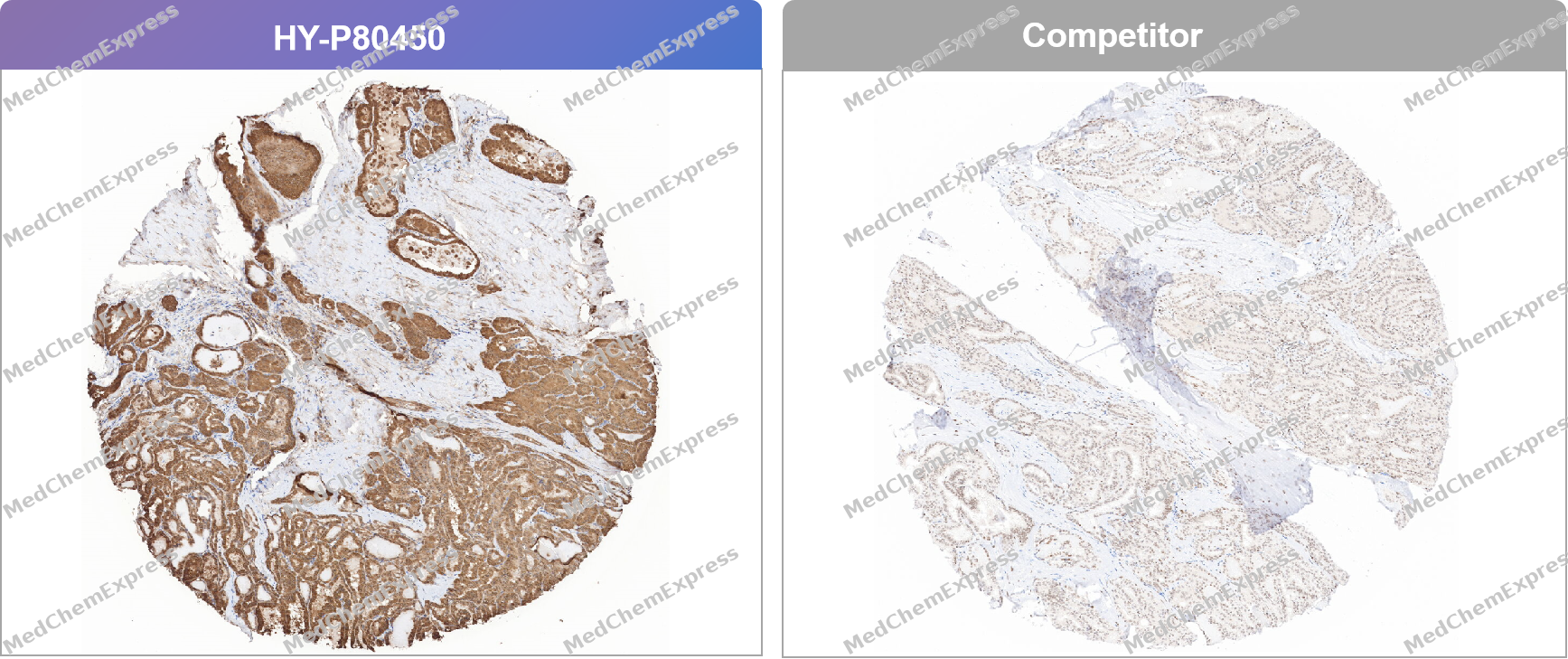 Immunohistochemical analysis of paraffin-embedded thyroid cancer tissue using GPX4 Antibody. The section was pre-treated using heat mediated antigen retrieval with Tris/EDTA buffer (pH 9.0) for 20 minutes. The tissues were probed with the primary antibody (HY-P80405, 1/200) , competitor's antibody (1/200) overnight at 4℃. The detection was performed using an HRP conjugated compact polymer system. DAB was used as the chromogen. Tissues were counterstained with hematoxylin and mounted with neutral balsam.
 -
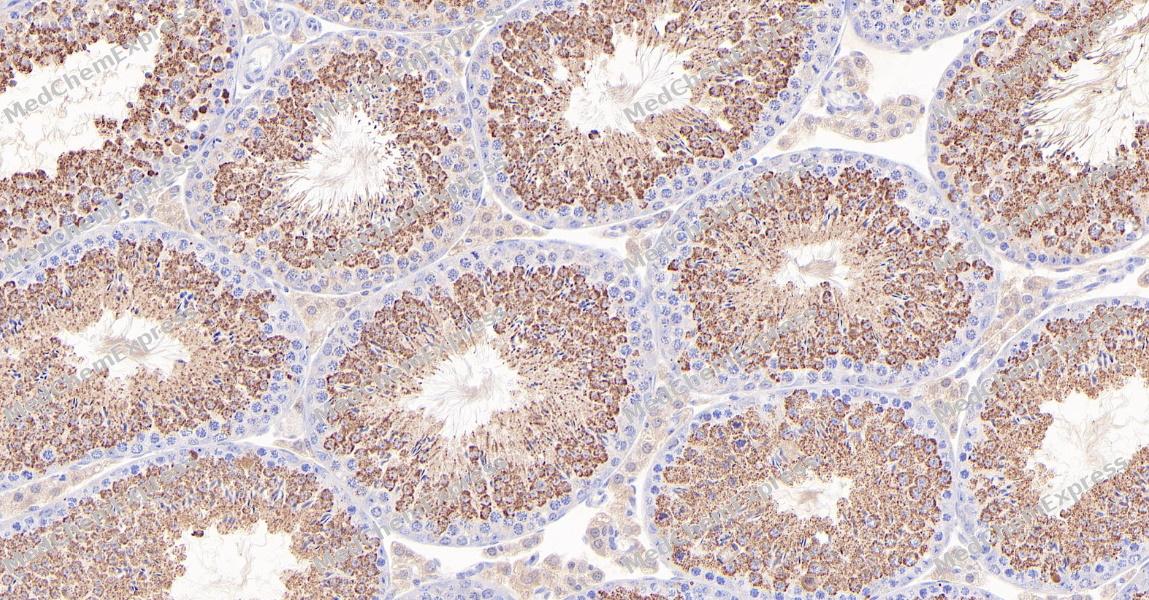 Immunohistochemical analysis of paraffin-embedded mouse testis tissue using GPX4 Antibody. The section was pre-treated using heat mediated antigen retrieval with Tris-EDTA buffer (pH 9.0) for 8 minutes. The tissues were blocked in QuickBlock for 20 minutes at room temperature, washed with ddH2O and PBS, and then probed with the primary antibody (HY-P80450, 1:1000) in 4℃ overnight. The detection was performed using an HRP conjugated compact polymer system. DAB was used as the chromogen. Tissues were counterstained with hematoxylin and mounted with DPX.
 -
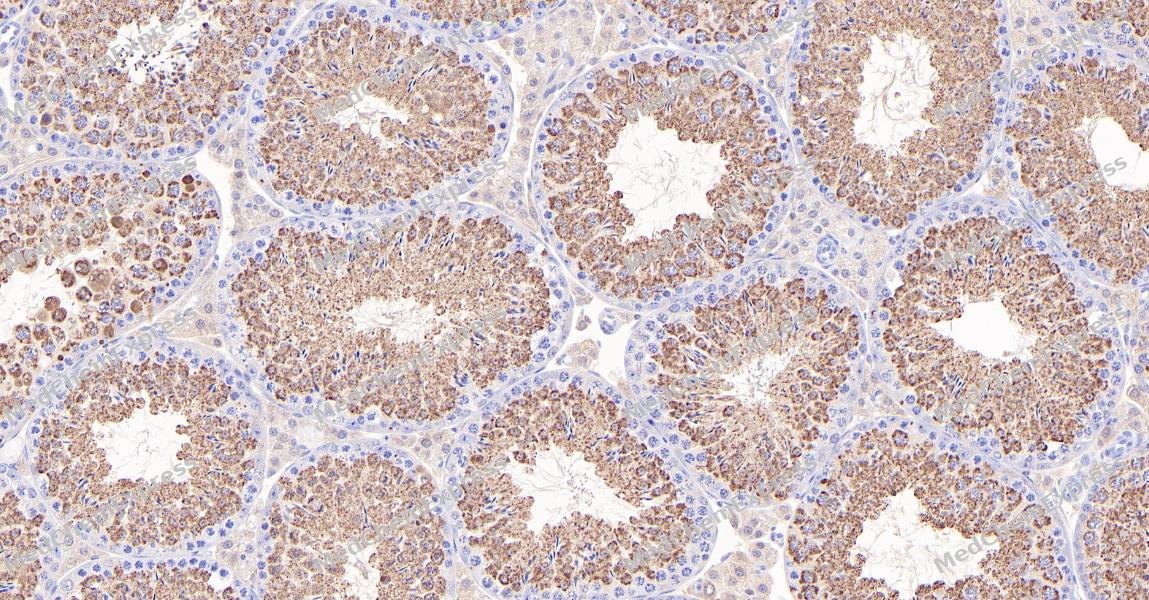 Immunohistochemical analysis of paraffin-embedded mouse testis tissue using GPX4 Antibody. The section was pre-treated using heat mediated antigen retrieval with Tris-EDTA buffer (pH 9.0) for 8 minutes. The tissues were blocked in QuickBlock for 20 minutes at room temperature, washed with ddH2O and PBS, and then probed with the primary antibody (HY-P80450, 1:1000) in 4℃ overnight. The detection was performed using an HRP conjugated compact polymer system. DAB was used as the chromogen. Tissues were counterstained with hematoxylin and mounted with DPX.
 -
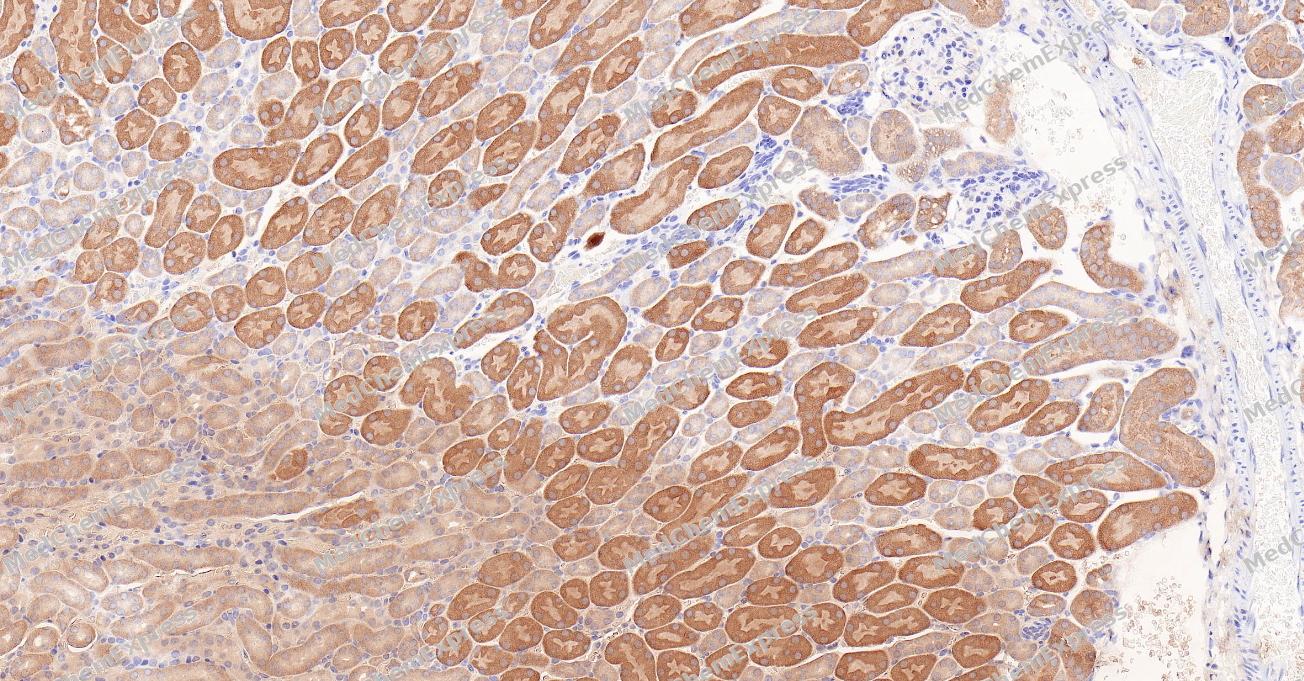 Immunohistochemical analysis of paraffin-embedded Mouse kidney tissue using GPX4 Antibody. The section was pre-treated using heat mediated antigen retrieval with Tris-EDTA buffer (pH 9.0) for 8 minutes. The tissues were blocked in QuickBlock for 20 minutes at room temperature, washed with ddH2O and PBS, and then probed with the primary antibody (HY-P80450, 1/1000) in 4℃ overnight. The detection was performed using an HRP conjugated compact polymer system. DAB was used as the chromogen. Tissues were counterstained with hematoxylin and mounted with DPX.
 -
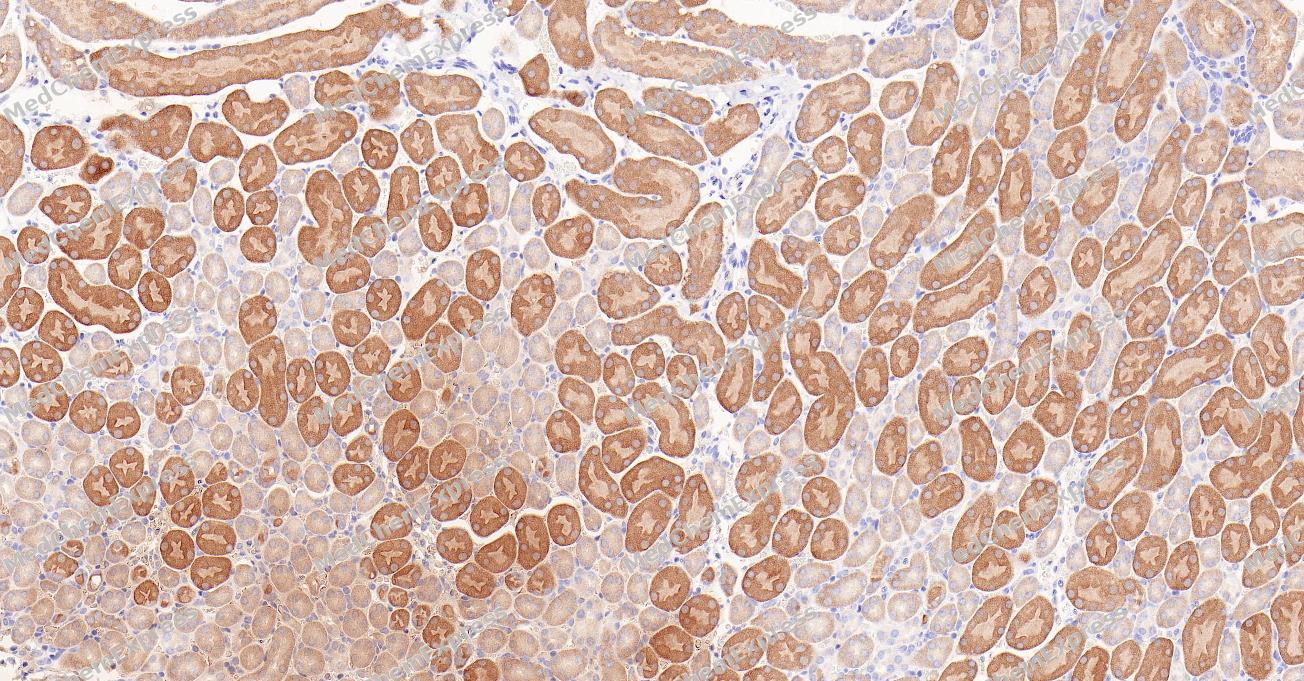 Immunohistochemical analysis of paraffin-embedded Mouse kidney tissue using GPX4 Antibody. The section was pre-treated using heat mediated antigen retrieval with Tris-EDTA buffer (pH 9.0) for 8 minutes. The tissues were blocked in QuickBlock for 20 minutes at room temperature, washed with ddH2O and PBS, and then probed with the primary antibody (HY-P80450, 1/1000) in 4℃ overnight. The detection was performed using an HRP conjugated compact polymer system. DAB was used as the chromogen. Tissues were counterstained with hematoxylin and mounted with DPX.
 -
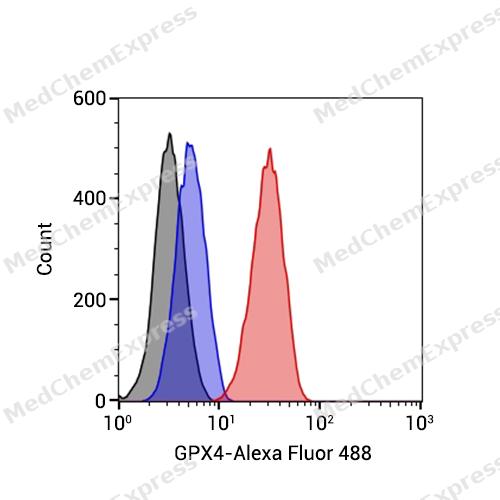 Flow cytometric analysis of 1X10^6 HEK293 cells labeling GPX4 Antibody (HY-P80450, red). Cells were fixed with 4% paraformaldehyde and permeabilised with 90% methanol. Then stained with the primary antibody at 1μg/mL dilution for an hour at 4℃. Alexa Fluor® 488-conjugated AffiniPure Goat Anti-Rabbit IgG H&L (HY-P8002) was used as the secondary antibody at 1/1,000 dilution for 30 minutes at 4℃. Rabbit IgG Isotype Control (HY-P80879, blue) was used as the isotype control, cells without incubation with primary antibody were used as the unlabeled control (black).
 -
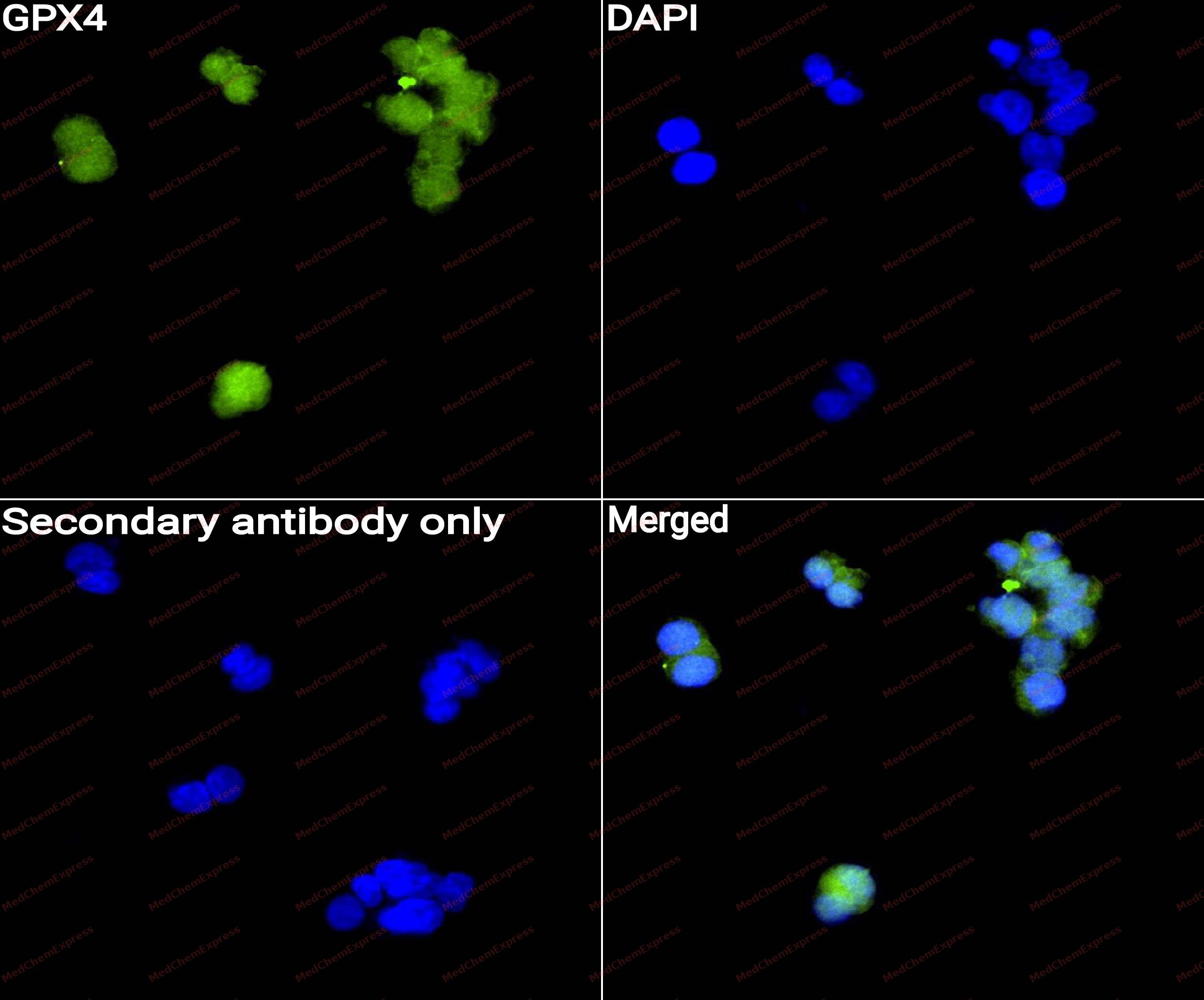 Immunocytochemistry analysis of 293 cells labeling GPX4 with GPX4 Antibody (HY-P80450) at 1/50 dilution. Cells were fixed in 4% paraformaldehyde for 15 minutes at room temperature, permeabilized with 0.1% Triton X-100 for 10 minutes at room temperature, then blocked with QuickBlock™ Blocking Buffer for Immunol Staining for 10 min at room temperature. Cells were then incubated with GPX4 Antibody (HY-P80450) at 1/50 dilution in QuickBlock™ Blocking Buffer for Immunol Staining at 4 ℃. Alexa Fluor® 488-conjugated AffiniPure Goat Anti-Rabbit IgG H&L(HY-P8002, Green) was used as the secondary antibody at 1/1,000 dilution. PBS instead of the primary antibody was used as the secondary antibody only control. The Nuclear counterstain was DAPI (Blue).
 -
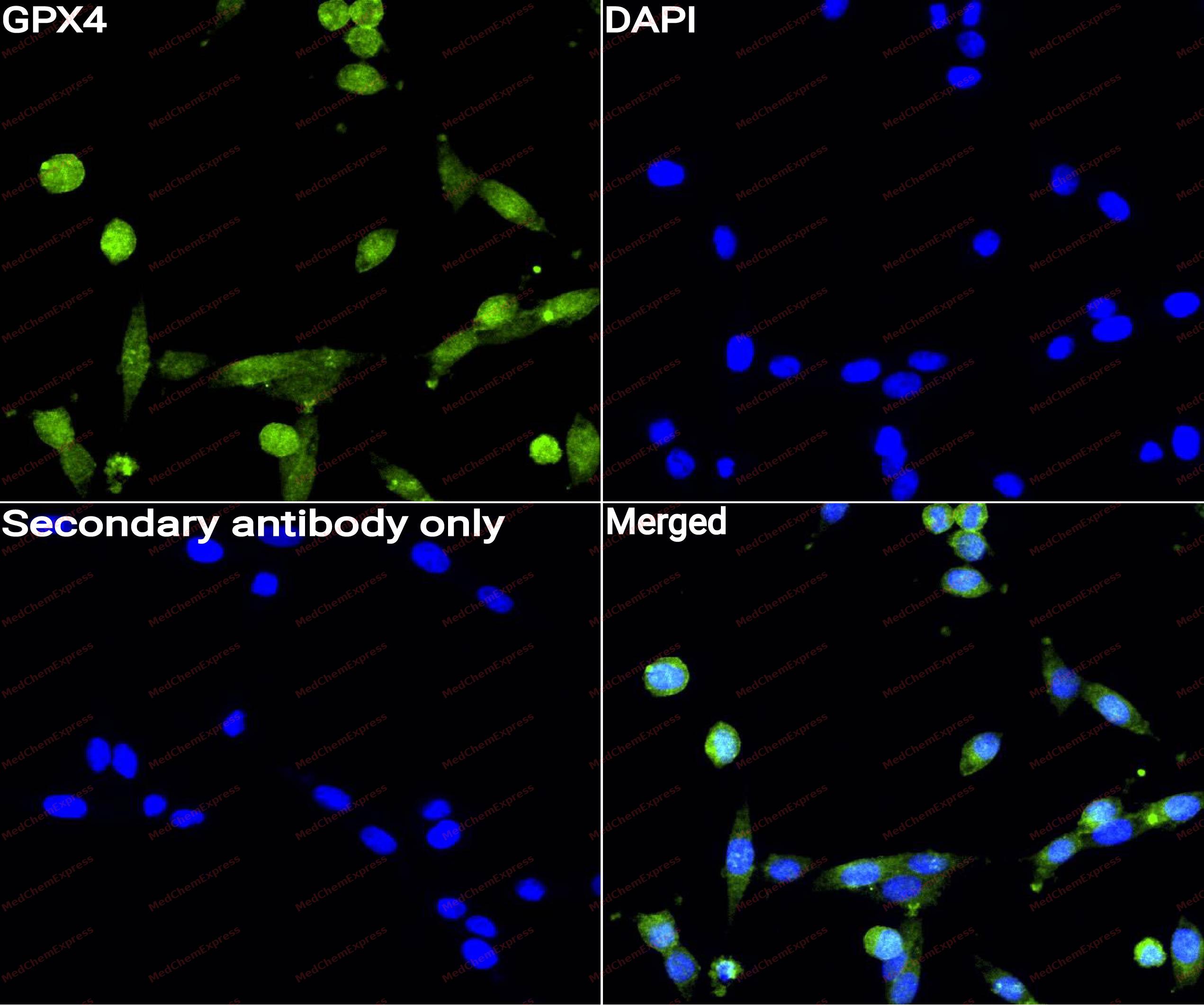 Immunocytochemistry analysis of C6 cells labeling GPX4 with GPX4 Antibody (HY-P80450) at 1/50 dilution. Cells were fixed in 4% paraformaldehyde for 15 minutes at room temperature, permeabilized with 0.1% Triton X-100 for 10 minutes at room temperature, then blocked with QuickBlock™ Blocking Buffer for Immunol Staining for 10 min at room temperature. Cells were then incubated with GPX4 Antibody (HY-P80450)at 1/50 dilution in QuickBlock™ Blocking Buffer for Immunol Staining at 4 ℃. Alexa Fluor® 488-conjugated AffiniPure Goat Anti-Rabbit IgG H&L(HY-P8002,Green) was used as the secondary antibody at 1/1,000 dilution. PBS instead of the primary antibody was used as the secondary antibody only control. The Nuclear counterstain was DAPI (Blue).
 -
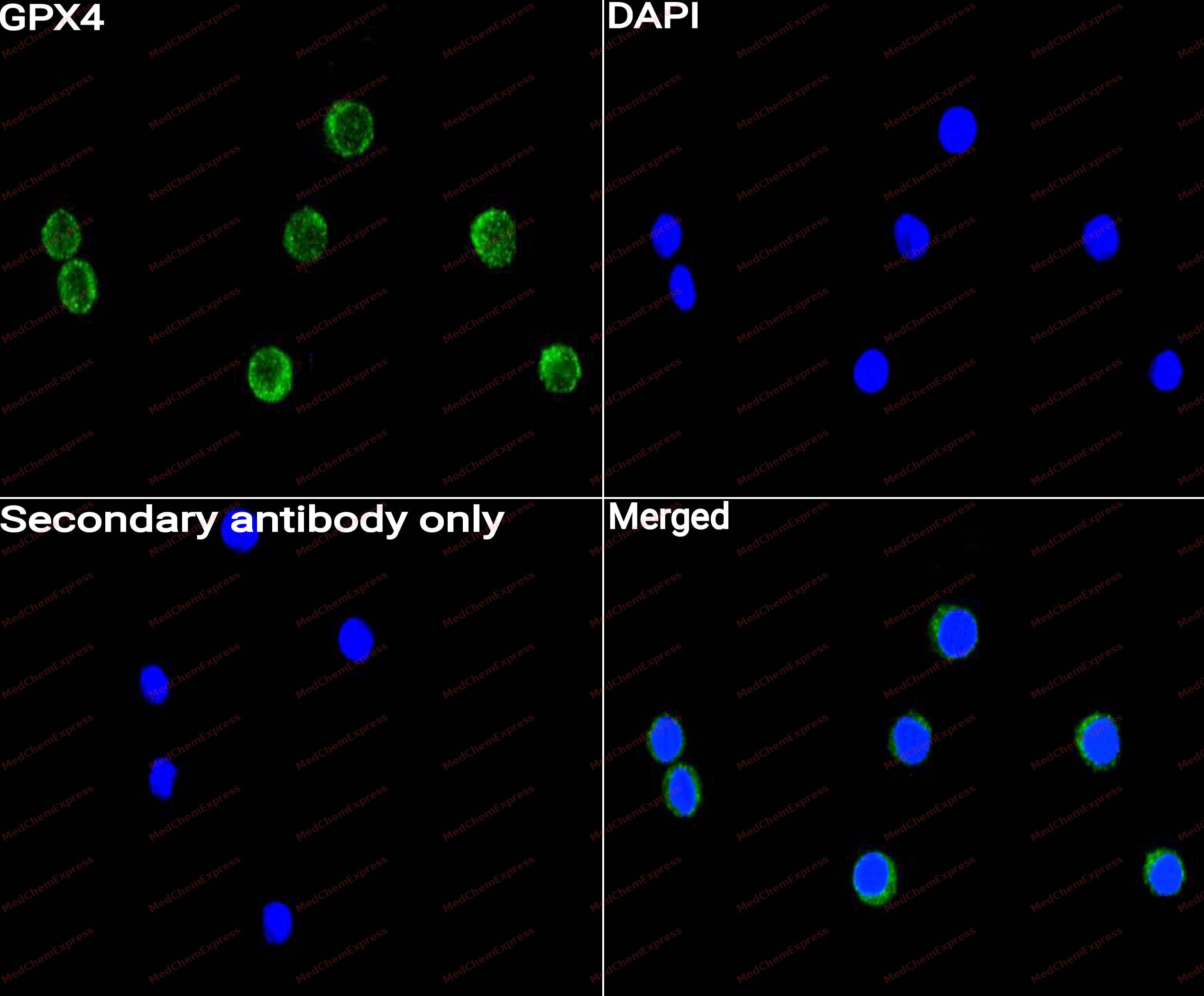 Immunocytochemistry analysis of Hela cells labeling GPX4 with GPX4Antibody (HY-P80450) at 1/50 dilution. Cells were fixed in 4% paraformaldehyde for 15 minutes at room temperature, permeabilized with 0.1% Triton X-100 for 10 minutes at room temperature, then blocked with QuickBlock™ Blocking Buffer for Immunol Staining for 10 min at room temperature. Cells were then incubated with GPX4 Antibody (HY-P80450) at 1/50 dilution in QuickBlock™ Blocking Buffer for Immunol Staining at 4 ℃. Alexa Fluor® 488-conjugated AffiniPure Goat Anti-Rabbit IgG H&L(HY-P8002, Green) was used as the secondary antibody at 1/1,000 dilution. PBS instead of the primary antibody was used as the secondary antibody only control. The Nuclear counterstain was DAPI (Blue).
 -
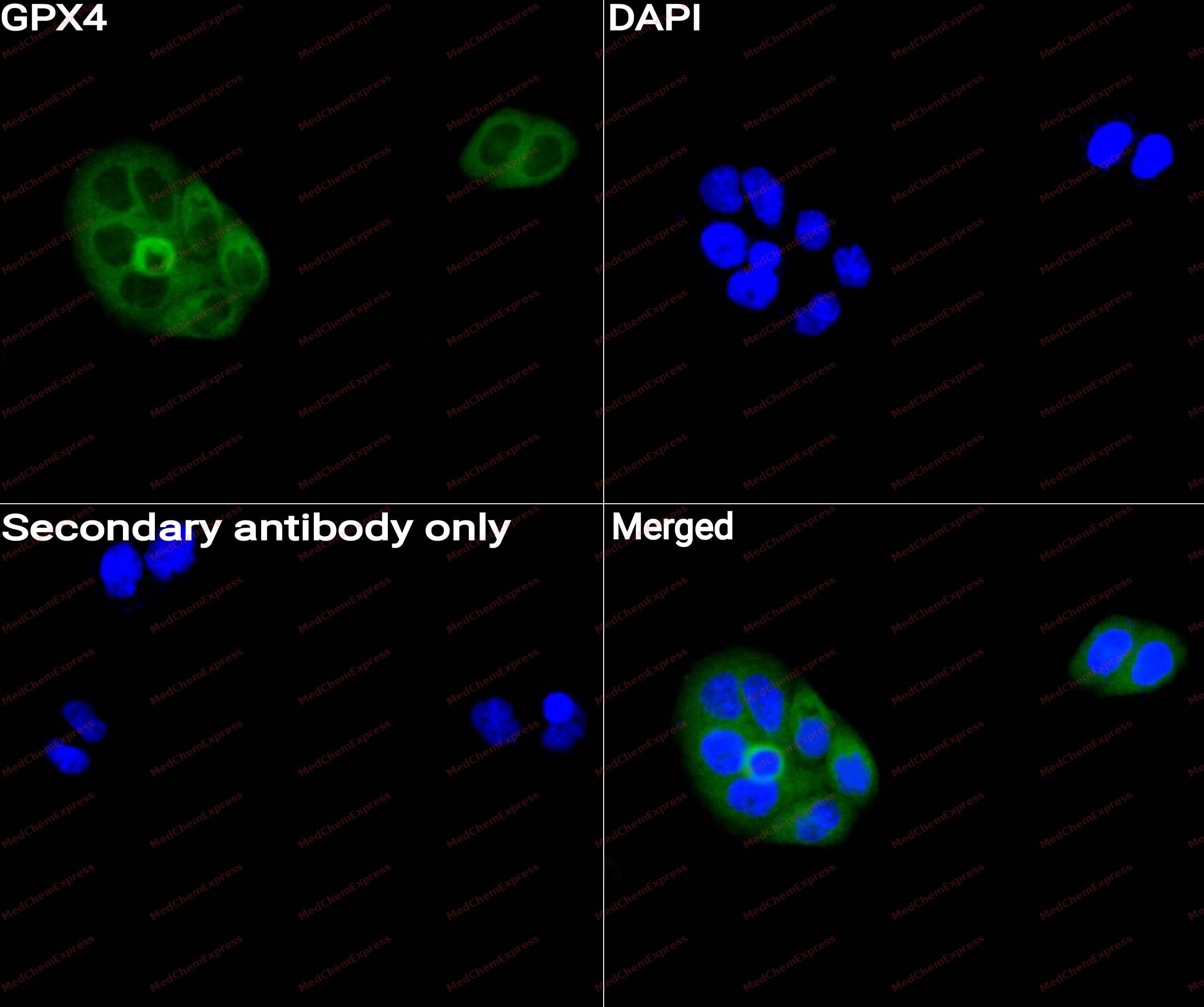 Immunocytochemistry analysis of HepG2 cells labeling GPX4 with GPX4 Antibody (HY-P80450) at 1/50 dilution. Cells were fixed in 4% paraformaldehyde for 15 minutes at room temperature, permeabilized with 0.1% Triton X-100 for 10 minutes at room temperature, then blocked with QuickBlock™ Blocking Buffer for Immunol Staining for 10 min at room temperature. Cells were then incubated with GPX4 Antibody (HY-P80450)at 1/50 dilution in QuickBlock™ Blocking Buffer for Immunol Staining at 4 ℃. Alexa Fluor® 488-conjugated AffiniPure Goat Anti-Rabbit IgG H&L(HY-P8002,Green) was used as the secondary antibody at 1/1,000 dilution. PBS instead of the primary antibody was used as the secondary antibody only control. The Nuclear counterstain was DAPI (Blue).


Background
-
Function
GPX4 (glutathione peroxidase 4) is a selenium-dependent phospholipid hydroperoxidase that maintains cellular redox homeostasis by reducing complex lipid hydroperoxides to their corresponding lipid alcohols using glutathione as a cofactor, thereby preventing membrane lipid peroxidation and oxidative damage[1][2][3]. Mechanistically, GPX4 functions as the central regulator and major endogenous suppressor of ferroptosis, an iron-dependent form of regulated cell death driven by the accumulation of phospholipid hydroperoxides, and loss of GPX4 activity promotes lipid peroxide accumulation and ferroptotic cell death[2][4][5][6]. Through this lipid peroxide detoxification pathway, GPX4 contributes to the maintenance of cellular viability, immune homeostasis, and tissue integrity, while impaired GPX4 function has been associated with cancer, neurodegenerative disorders, inflammation, ischemia-reperfusion injury, and other ferroptosis-related pathologies[1][7][8]. Compared with other glutathione peroxidase family members, GPX4 possesses a unique ability to directly reduce phospholipid hydroperoxides and oxidized complex lipids, distinguishing it as a specialized phospholipid repair enzyme and a master regulator of ferroptosis[2][9][10]. Distinct cytosolic, mitochondrial, and nuclear GPX4 isoforms have been described, with cytosolic GPX4 identified as essential for embryonic development and cell survival[7][8]. For experimental applications, pharmacological GPX4 inhibitors such as RSL3 and ML162 are widely used to induce ferroptosis, enabling mechanistic studies of lipid peroxidation, redox regulation, cancer vulnerability, and ferroptosis-targeted therapeutic strategies[11][12].
-
Subcellular Localization
Mitochondrion; Cytoplasm
-
Expression
Tissue_specificity:It is primarily found in the testes. It is also expressed in platelets (protein level) (PubMed: 11115402) . -
Isoforms & Post-Translational Modification
P36969 has 2 isomers: P36969-1: 22175 Da (predicted); P36969-2: 19525 Da (predicted).
-
Subunit
Monomer. Has a tendency to form higher mass oligomers (PubMed:17630701). Interacts with FUNDC1; this interaction promotes GPX4 recruitment into mitochondria through TOM/TIM complex where it is degraded by mitophagy (PubMed:36828120)
-
SwissProt ID
-
Synonyms
Phospholipid hydroperoxide glutathione peroxidase GPX4, PHGPx, Glutathione peroxidase 4, GPx-4, GSHPx-4, Gpx4
-
Research Field
Signal Transduction
Documentation
-
Data Sheet (263 KB)
-
SDS (252 KB)
- English - EN (252 KB)
- Français - FR (252 KB)
- Deutsch - DE (252 KB)
- Norwegian - NO (252 KB)
- Español - ES (252 KB)
- Swedish - SV (252 KB)
- Italian - IT (252 KB)
- Korean - KR (252 KB)
- Portuguese - PT (252 KB)
-
User Guide for Antibodies (1077 KB)
References
[1]. Weaver K, et al. The Selenoprotein Glutathione Peroxidase 4: From Molecular Mechanisms to Novel Therapeutic Opportunities. Biomedicines. 2022 Apr 13;10(4):891. [Content Brief]
[2]. Ma T, et al. GPX4-independent ferroptosis-a new strategy in disease's therapy. Cell Death Discov. 2022 Oct 30;8(1):434. [Content Brief]
[3]. Xia Y, et al. SIRT1 activation ameliorates rhesus monkey liver fibrosis by inhibiting the TGF-β/smad signaling pathway. Chem Biol Interact. 2024 May 1;394:110979. [Content Brief]
[4]. Li J, et al. Ferroptosis: past, present and future. Cell Death Dis. 2020 Feb 3;11(2):88. [Content Brief]
[5]. Ursini F, et al. Lipid peroxidation and ferroptosis: The role of GSH and GPx4. Free Radic Biol Med. 2020 May 20;152:175-185. [Content Brief]
[6]. Ursini F, et al. A white paper on Phospholipid Hydroperoxide Glutathione Peroxidase (GPx4) forty years later. Free Radic Biol Med. 2022 Aug 1;188:117-133. [Content Brief]
[7]. Xie Y, et al. GPX4 in cell death, autophagy, and disease. Autophagy. 2023 Oct;19(10):2621-2638. [Content Brief]
[8]. GPX4 gene information from NCBI.
[9]. Liu Y, et al. GPX4: The hub of lipid oxidation, ferroptosis, disease and treatment. Biochim Biophys Acta Rev Cancer. 2023 May;1878(3):188890. [Content Brief]
[10]. Sciencedirect.topics.
[11]. Cui C, et al. Post-Translational Modification of GPX4 is a Promising Target for Treating Ferroptosis-Related Diseases. Front Mol Biosci. 2022 May 12;9:901565. [Content Brief]
[12]. Sekhar KR, et al. Glutathione peroxidase 4 inhibition induces ferroptosis and mTOR pathway suppression in thyroid cancer. Sci Rep. 2022 Nov 12;12(1):19396. [Content Brief]

 Powered by Bioz
