



4 Hydroxynonenal Antibody
(Synonyms: 4-Hydroxy-2-Nonenal; 4Hydroxynonenal; 4-Hydroxynonenal; HNE; 4HNE; 4-HNE; (E)-4-Hydroxy-2-nonenal; 2-Nonenal, 4-hydroxy-, (2E)-; (2E)-4-Hydroxy-2-nonenal; 4-Hydroxy-2(E)-nonenal)Based on 18 publication(s) in Google Scholar
4 Hydroxynonenal Antibody is a Rabbit-derived and non-conjugated IgG polyclonal antibody, targeting to 4 Hydroxynonenal.
-
Host:
Rabbit
-
Isotype:
IgG
-
Application:
WB, IHC-P, IHC-F, IF-Tissue
-
Reactivity :
Species independent
-
Formulation:
Supplied in 0.01M TBS(pH7.4) with 1% BSA, 0.03% Proclin300 and 50% Glycerol.
-
Conjugation:
Non-conjugated


To place orders, for customer services and technical support, please contact: MedChemExpress USA
Tel: 609-228-6898 E-mail: [email protected] [email protected]



-

HY-P81140
8-OHdG (DNA/RNA Damage) Antibody -
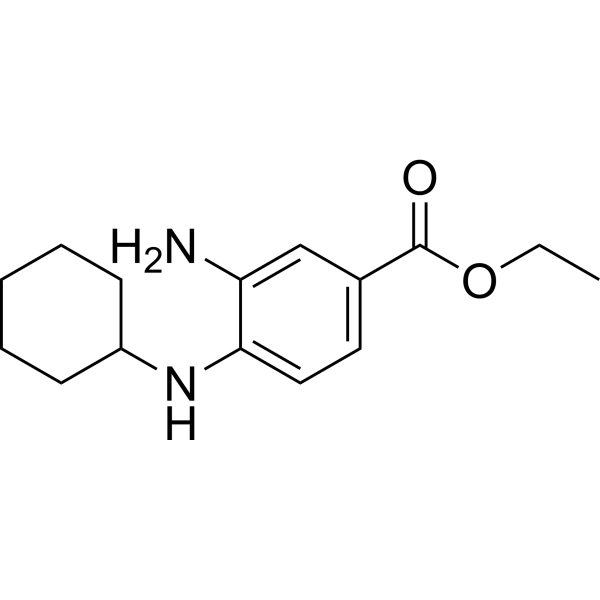
HY-100579
Ferrostatin-1 -
HY-P8001
HRP-conjugated Goat Anti-Rabbit IgG H&L -
HY-P80450
GPX4 Antibody (YA399) -
HY-P8004
HRP-conjugated Goat Anti-Mouse IgG H&L -
HY-K0202
Protein A/G Magnetic Beads -
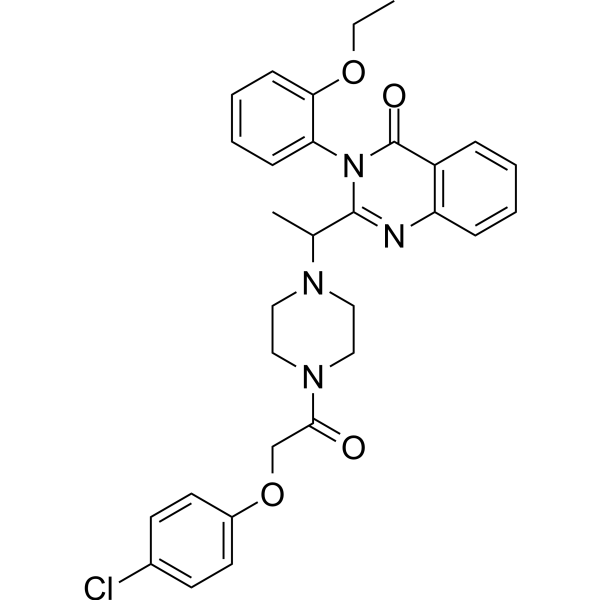
HY-15763
Erastin -
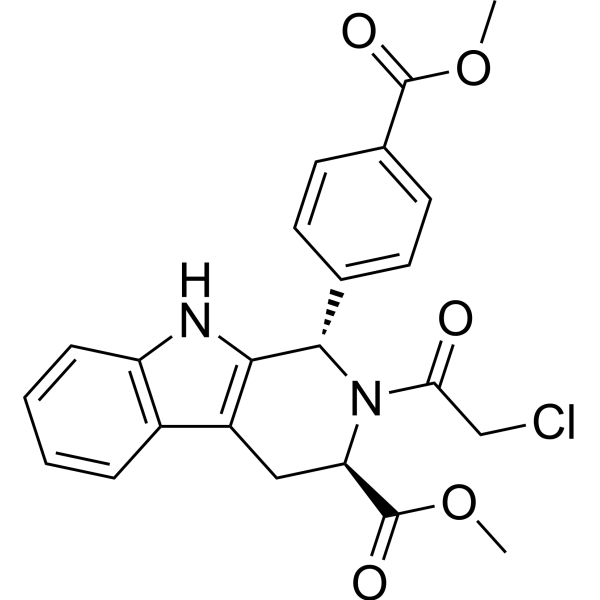
HY-100218A
RSL3 -
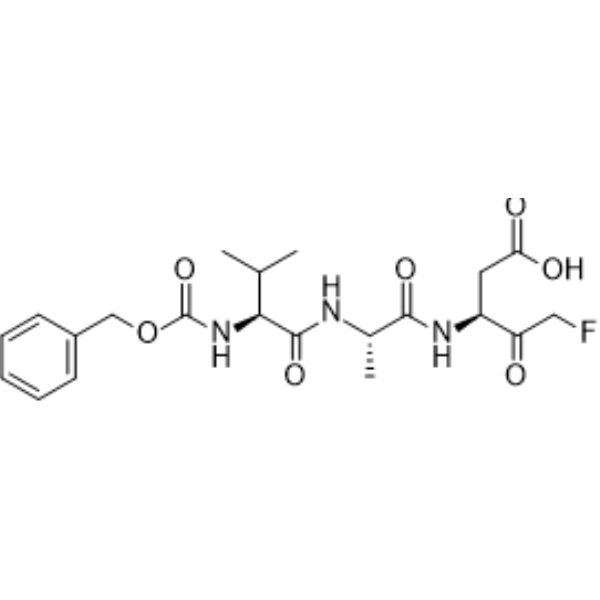
HY-16658B
Z-VAD-FMK -
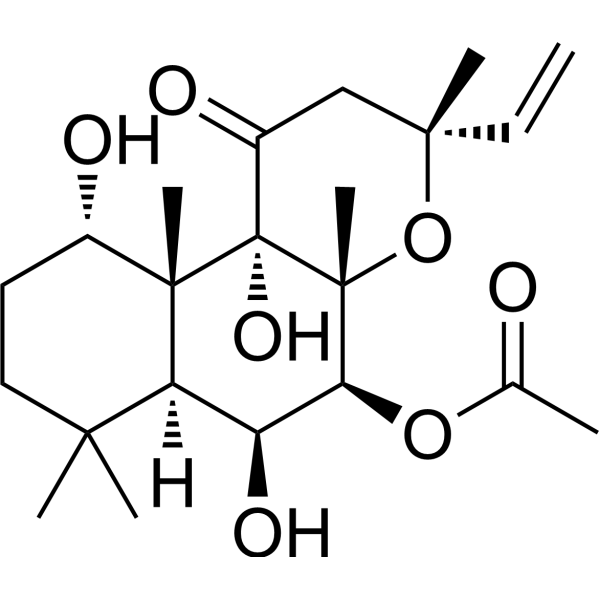
HY-15371
Forskolin -
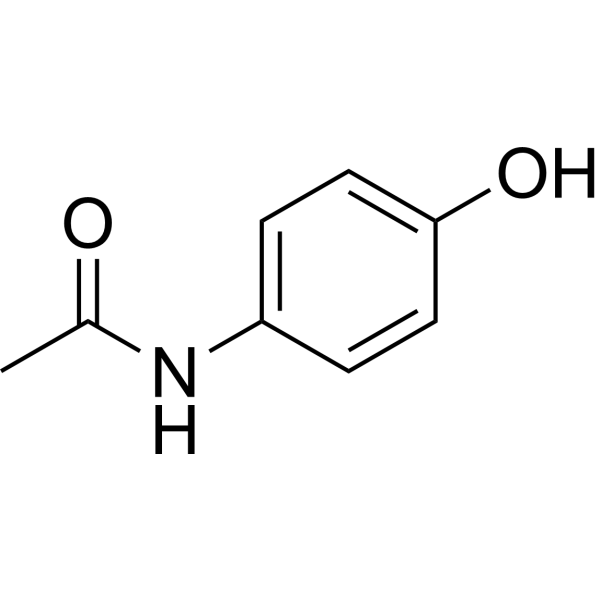
HY-66005
Acetaminophen -
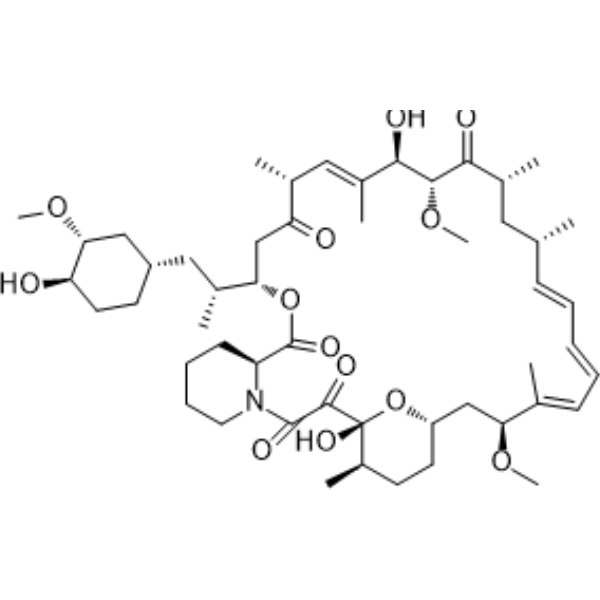
HY-10219
Rapamycin
Publications Citing Use of MedChemExpress (MCE) 4 Hydroxynonenal Antibody
More- Bioact Mater. 2026 Feb 18:61:534-554. [Abstract]
- Nat Cell Biol. 2026 Jun;28(6):1204-1218. [Abstract]
- Redox Biol. 2025 Sep:85:103672. [Abstract]
- Nat Chem Biol. 2026 Jan 9. [Abstract]
- Interdiscip Med. 2026 May 13.
- Adv Sci (Weinh). 2025 Oct 13:e06497. [Abstract]
- Cell Death Dis. 2025 Nov 7;16(1):810. [Abstract]
- Phytomedicine. 2026 Jun 17:159:158455. [Abstract]
- Mater Today Bio. 2025 Sep 18:35:102317. [Abstract]
- J Future Foods. 2025 Oct 27.
- Phytother Res. 2026 Jun;40(6):3704-3721. [Abstract]
- Free Radic Biol Med. 2026 Mar 1:245:343-356. [Abstract]
- Free Radic Biol Med. 2024 Nov 8:226:29-42. [Abstract]
- Mater Today Chem. 2026 Jan 13;52:103349.
- Cell Biol Toxicol. 2026 Mar 4;42(1):50. [Abstract]
- Mitochondrion. 2025 Jul:83:102023. [Abstract]
- Int Immunopharmacol. 2025 Sep 23:162:115171. [Abstract]
- J Environ Sci (China). 2026 Feb:160:581-590. [Abstract]

 18 Publications Citing Use of MCE 4 Hydroxynonenal Antibody (6)
-
IHC
-
IHC
-
IHC
-
IHC
-
IHC
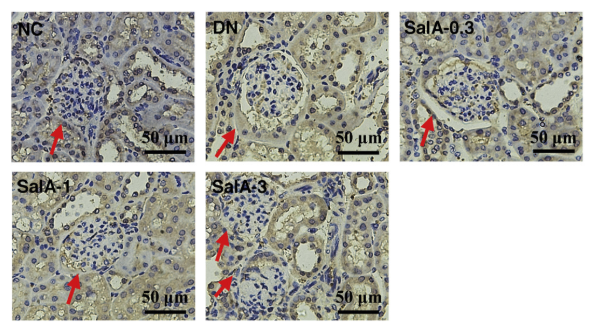


Applications
| Application |
WB

WB: Western Blot
|
IHC-F
IHC-F: Immunohistochemistry-Frozen
|
IHC-P
IHC-P: Immunohistochemistry-Paraffin
|
IF-Tissue
IF-Tissue: Immunofluorescence-Tissue
|
|---|---|---|---|---|
| Dilution Ratio | 1:500-2000 | 1:200-1000 | 1:200-1000 | 1:200-1000 |


Product Details
4 Hydroxynonenal Antibody is a Rabbit-derived and non-conjugated IgG polyclonal antibody, targeting to 4 Hydroxynonenal.
-
Host Rabbit

-
Clonality Polyclonal

-
Species ReactivitySpecies independent
-
Calculated Molecular Weight Predicted band size: 0.156 kDa

KLH conjugated 4-Hydroxynonenal.
Endogenous
affinity purified
Non-conjugated
Unmodified
IgG


Product Properties
-
Appearance
Solution
-
Formulation
Supplied in 0.01M TBS(pH7.4) with 1% BSA, 0.03% Proclin300 and 50% Glycerol.
-
Concentration
Batch-dependent, Please check the COA for the concentration of each lot. Check Lot Concentration
-
Storage & Stability
Stored at -20°C for 1 year. Avoid repeated freeze / thaw cycles.
-
Shipping
Shipping with blue ice.


Publications (18)
-
Journal Impact Factor
-
Most Recent
-
Nat Cell Biol
2026 Jun;28(6):1204-1218. PMID: 42174134 -
Redox Biol
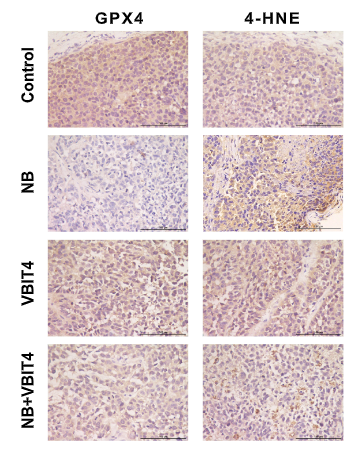
Hsp90 C-terminal domain inhibition enhances ferroptosis by disrupting GPX4-VDAC1 interaction to increase HMOX1 release from oligomerized VDAC1 channels. [Abstract]2025 Sep:85:103672. PMID: 40472773
4 Hydroxynonenal Antibody purchased from MedChemExpress. Usage Cited in: Redox Biol. 2025 Sep:85:103672. [Abstract]
IHC staining of 4-HNE, and GPX4 in xenograft tumors across different treatment groups.
-
Nat Chem Biol
2026 Jan 9. PMID: 41513856 -
Adv Sci (Weinh)
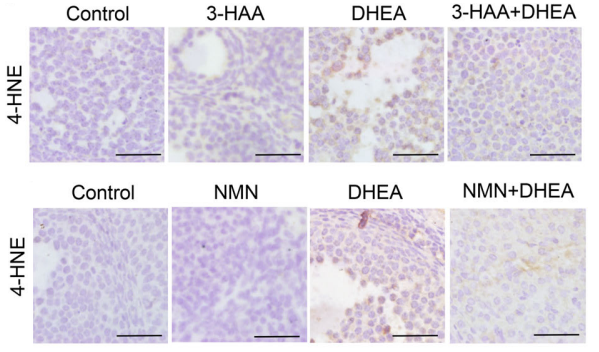
Disruption of Gut Microbiota-Mediated De Novo NAD+ Synthesis Contributes to the Development of Polycystic Ovary Syndrome. [Abstract]2025 Oct 13:e06497. PMID: 41082373
4 Hydroxynonenal Antibody purchased from MedChemExpress. Usage Cited in: Adv Sci (Weinh). 2025 Oct 13:e06497. [Abstract]
4 Hydroxynonenal Antibody (diluted 1:400). Representative 4‐HNE‐stained images of ovarian tissues from the indicated groups of mice (scale bar, 20 µm).
-
Cell Death Dis
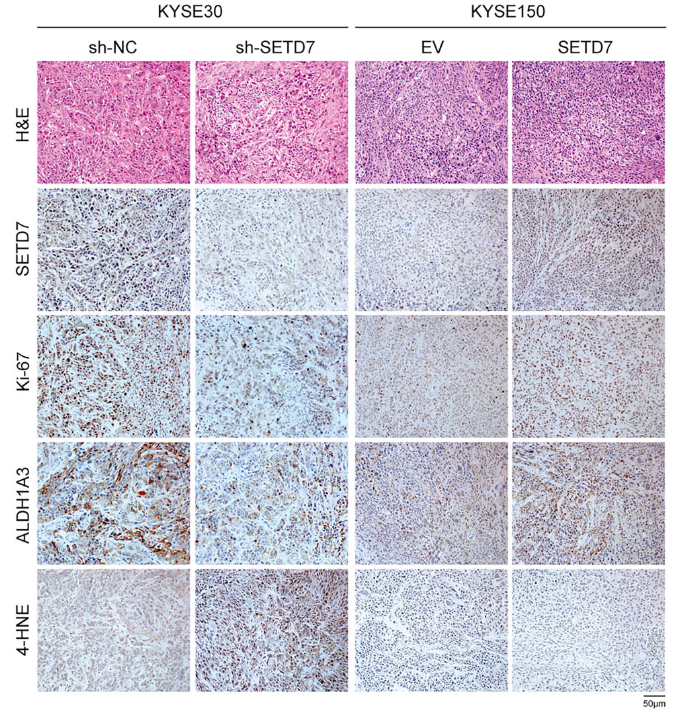
SETD7-mediated H3K4me1 activates ALDH1A3 to drive ferroptosis resistance in esophageal squamous cell carcinoma. [Abstract]2025 Nov 7;16(1):810. PMID: 41203594
4 Hydroxynonenal Antibody purchased from MedChemExpress. Usage Cited in: Cell Death Dis. 2025 Nov 7;16(1):810. [Abstract]
Representative images of H&E staining and IHC staining for SETD7, Ki67, ALDH1A3, and 4-HNE in subcutaneous xenograft tumors. Scale bar: 50 μm.
-
Phytomedicine
Delphinidin targets voltage-dependent anion channel 1 to inhibit ferroptosis and protect against retinal photochemical damage. [Abstract]2026 Jun 17:159:158455. PMID: 42335641 -
Mater Today Bio
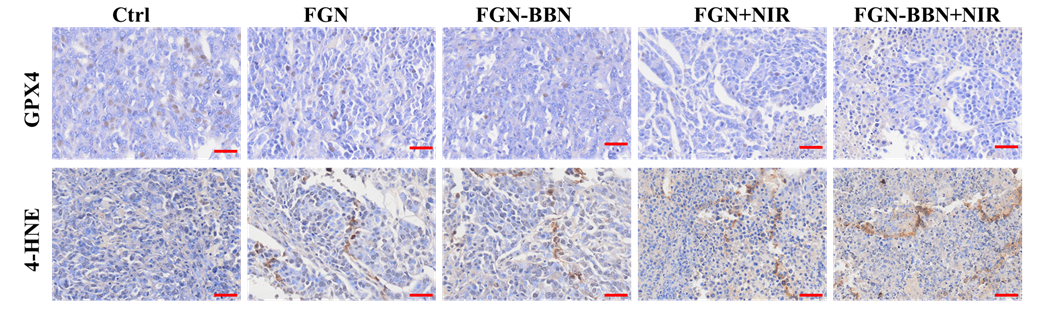
Multifunctional nanoplatform as nano-inducer of ferroptosis for targeted recognition and imaging-guided therapy of metastatic prostate cancer. [Abstract]2025 Sep 18:35:102317. PMID: 41080736
4 Hydroxynonenal Antibody purchased from MedChemExpress. Usage Cited in: Mater Today Bio. 2025 Sep 18:35:102317. [Abstract]
4 Hydroxynonenal Antibody (1: 500). Representative immunohistochemical staining of 4-HNE and GPX4 in tumor sections from each treatment group (Ctrl, FGN, FGN-BBN, FGN+NIR, and FGN-BBN+NIR). Scale bar: 50 μm.
-
4 Hydroxynonenal Antibody purchased from MedChemExpress. Usage Cited in: J Future Foods. 2025 Oct 27.
Representative immunohistochemical staining of 4 Hydroxynonenal (4-HNE) (brown).
-
Phytother Res
Z-Guggulsterone Induces Ferroptosis in Chemoresistant Breast Cancer via a CDKN2B-Mediated Suppression of GTP Cyclohydrolase 1. [Abstract]2026 Jun;40(6):3704-3721. PMID: 41952325 -
Free Radic Biol Med
2026 Mar 1:245:343-356. PMID: 41500341 -
Free Radic Biol Med
LRRC45 accelerates bladder cancer development and ferroptosis inhibition via stabilizing NRF2 by competitively KEAP1 interaction. [Abstract]2024 Nov 8:226:29-42. PMID: 39522565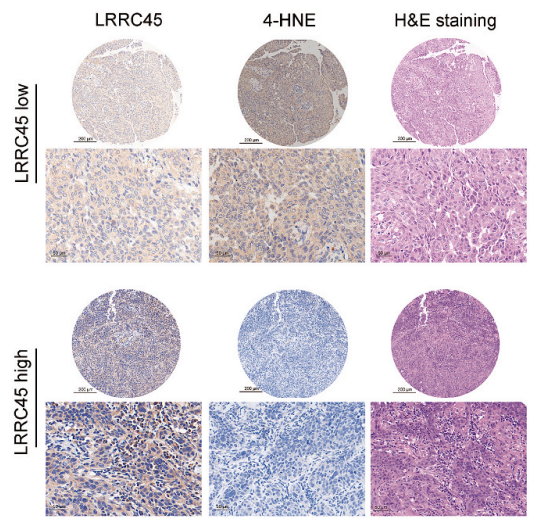
4 Hydroxynonenal Antibody purchased from MedChemExpress. Usage Cited in: Free Radic Biol Med. 2024 Nov 8:226:29-42. [Abstract]
Representative IHC staining images showing levels of LRRC45 and 4-HNE (4 Hydroxynonenal) in bladder cancer tissues. The scale bars represent 200 μm (low magnification) and 50 μm (high magnification).
-
Mitochondrion
2025 Jul:83:102023. PMID: 40049542 -
Int Immunopharmacol
SCD1 protects acinar cells from ferroptosis during severe acute pancreatitis by balancing lipid and redox homeostasis. [Abstract]2025 Sep 23:162:115171. PMID: 40617047 -
J Environ Sci (China)
Oxidative stress and iron homeostasis imbalance mediate AlCl3-induced liver damage in mice. [Abstract]2026 Feb:160:581-590. PMID: 41177639


Verification Images
-
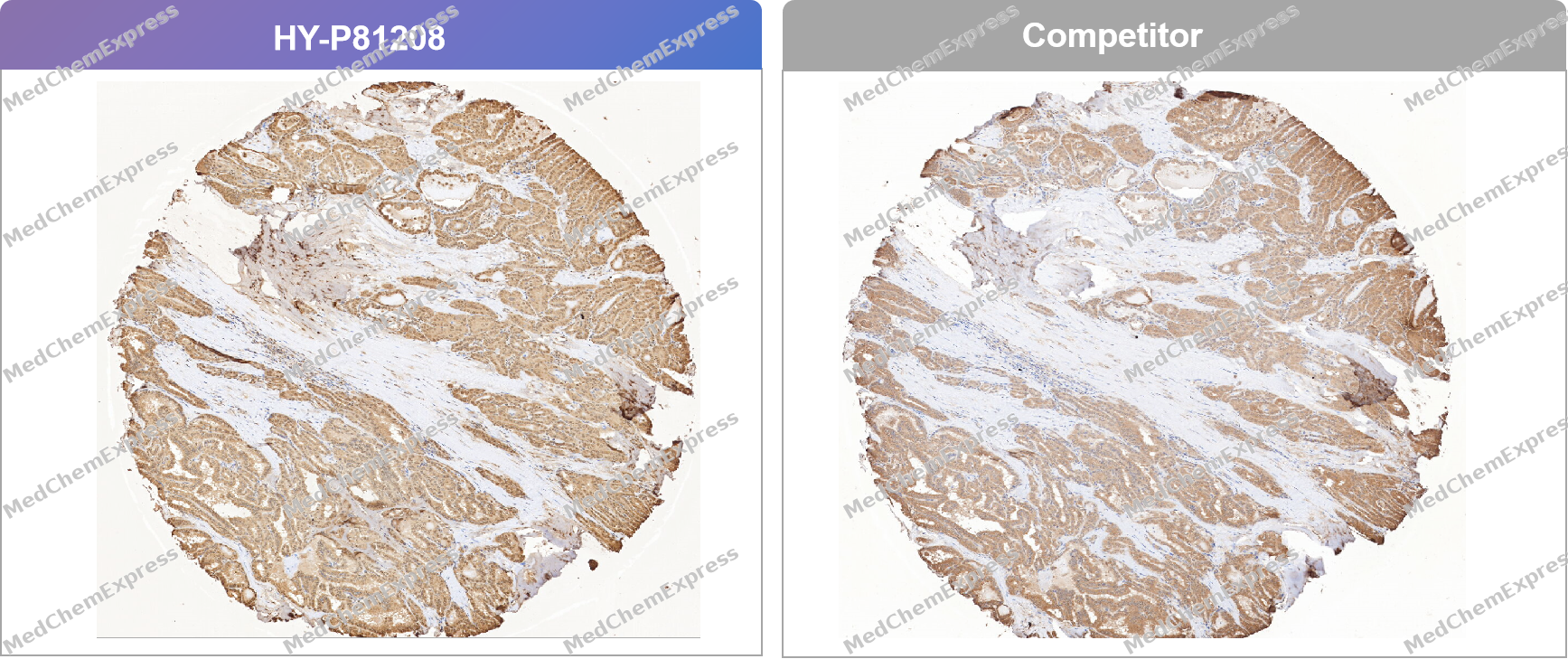 Immunohistochemical analysis of paraffin-embedded thyroid cancer tissue using 4 Hydroxynonenal Antibody. The section was pre-treated using heat mediated antigen retrieval with Tris/EDTA buffer (pH 9.0) for 20 minutes. The tissues were probed with the primary antibody (HY-P81208, 1/100) , competitor's antibody (1/100) overnight at 4℃. The detection was performed using an HRP conjugated compact polymer system. DAB was used as the chromogen. Tissues were counterstained with hematoxylin and mounted with neutral balsam.
 -
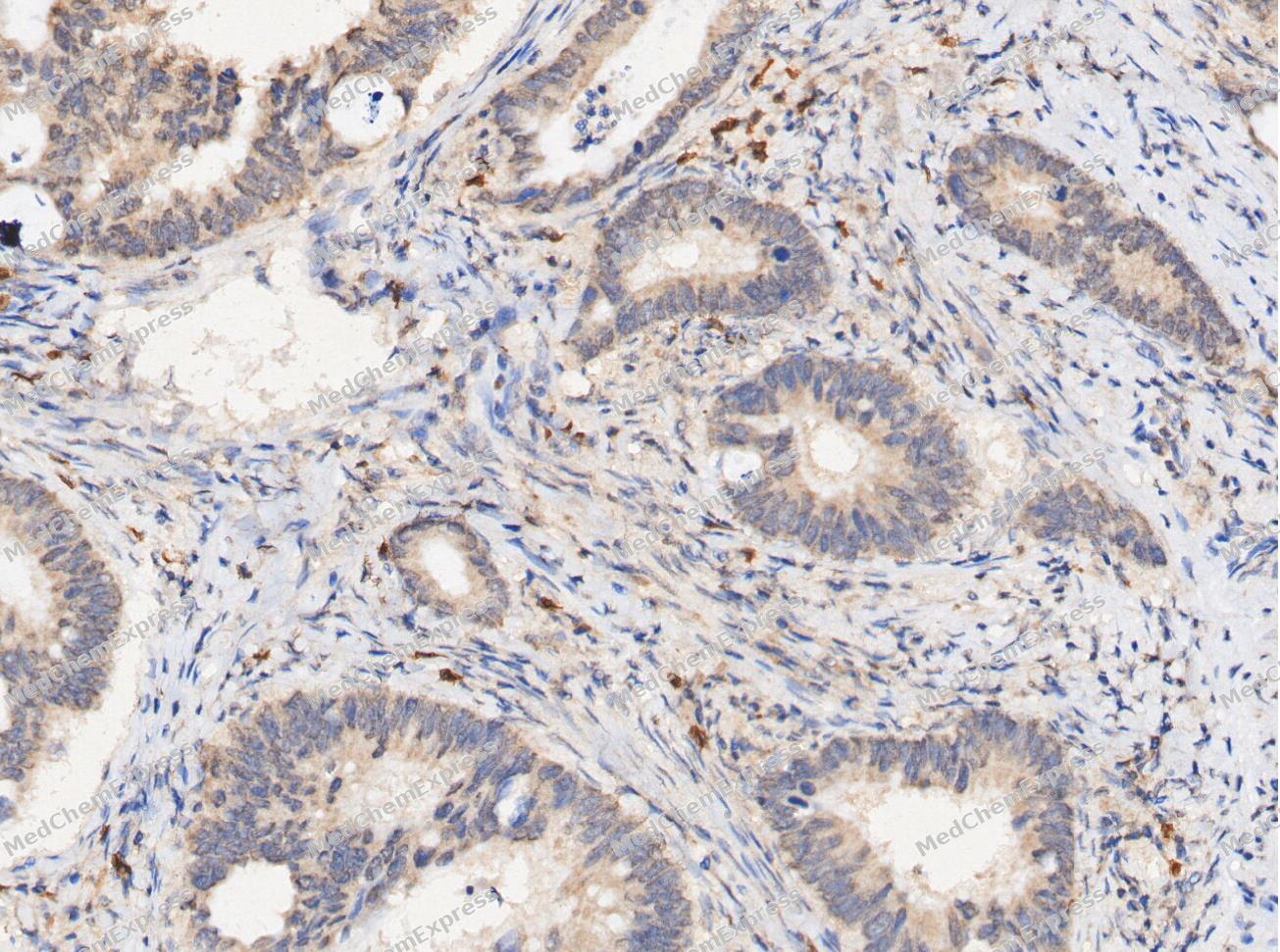 Immunohistochemical analysis of paraffin-embedded human Colon cancer tissue using 4 Hydroxynonenal antibody was performed. The section was pretreated using high-temperature and high-pressure mediated EDTA antigen retrieval buffer (pH 9.0), for 5 minutes. The tissues were incubated with primary antibody (HY-P81208, 1:500 dilution) at room temperature for 60 minutes. Detection was performed using an HRP conjugated compact polymer system. DAB was used as the chromogen. The tissues were counterstained with hematoxylin and mounted with neutral balsam mounting medium.
 -
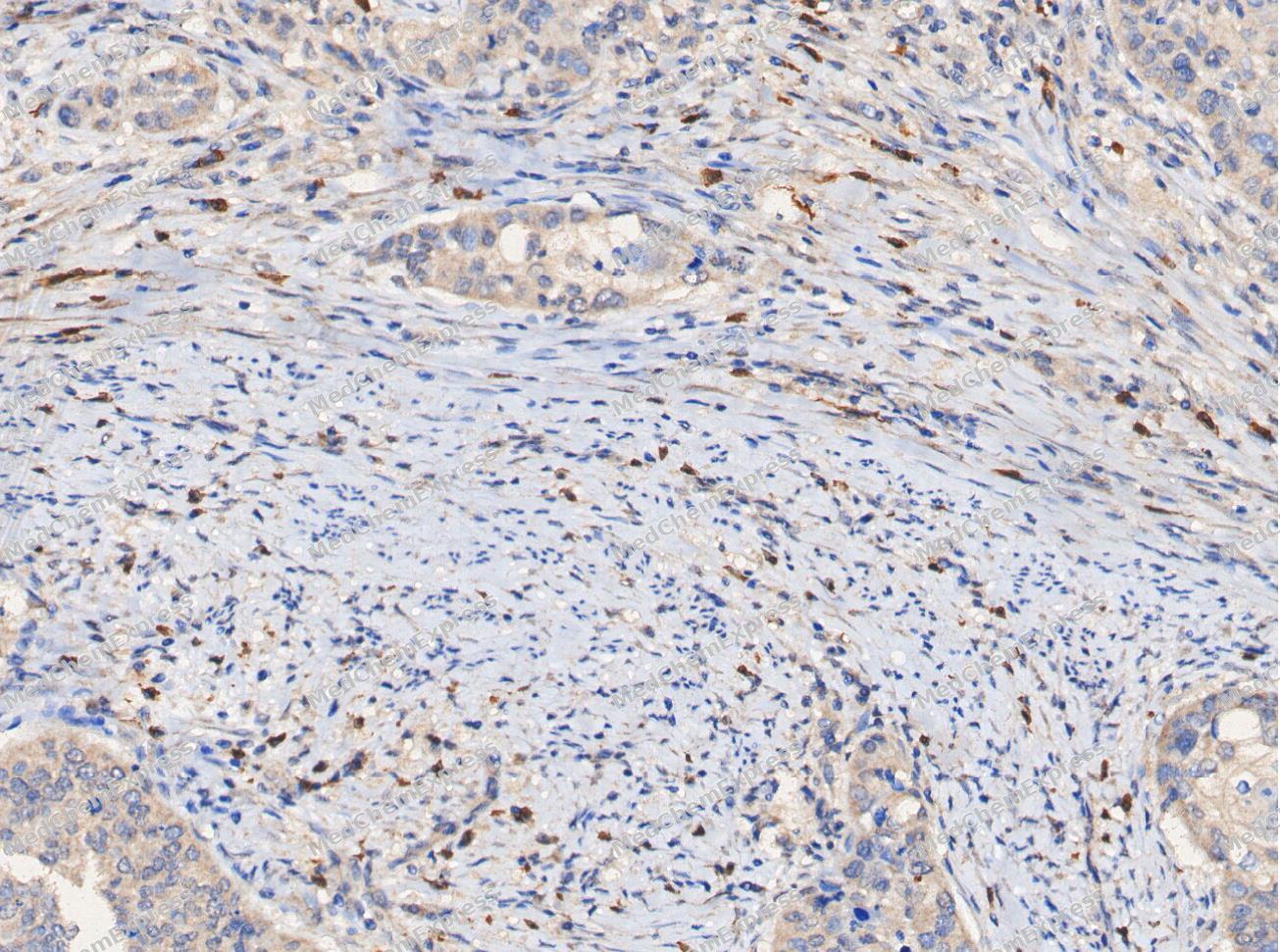 Immunohistochemical analysis of paraffin-embedded human Esophageal Carcinoma tissue using 4 Hydroxynonenal antibody was performed. The section was pretreated using high-temperature and high-pressure mediated EDTA antigen retrieval buffer (pH 9.0), for 5 minutes. The tissues were incubated with primary antibody (HY-P81208, 1:500 dilution) at room temperature for 60 minutes. Detection was performed using an HRP conjugated compact polymer system. DAB was used as the chromogen. The tissues were counterstained with hematoxylin and mounted with neutral balsam mounting medium.
 -
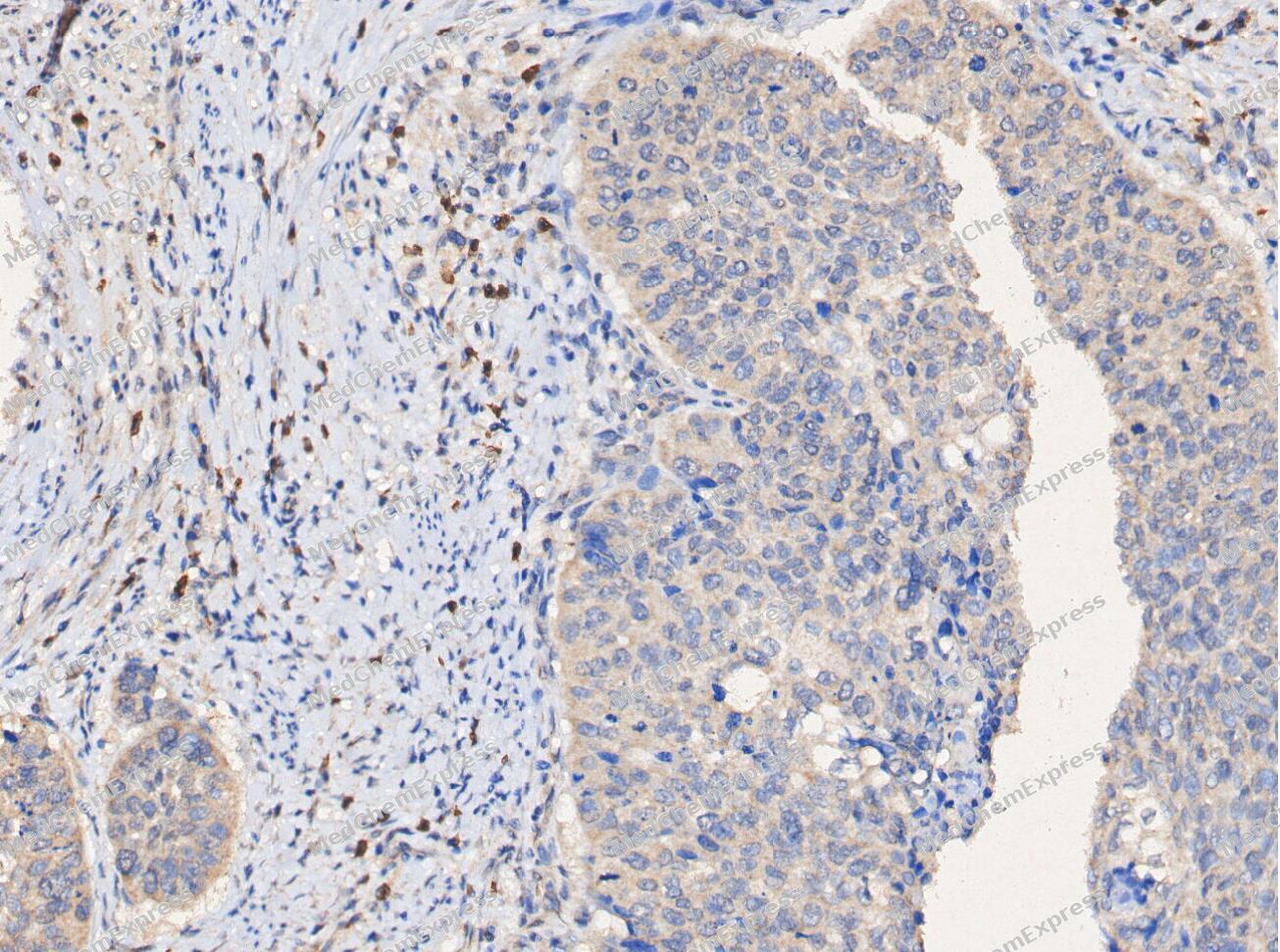 Immunohistochemical analysis of paraffin-embedded human Esophageal Carcinoma tissue using 4 Hydroxynonenal antibody was performed. The section was pretreated using high-temperature and high-pressure mediated EDTA antigen retrieval buffer (pH 9.0), for 5 minutes. The tissues were incubated with primary antibody (HY-P81208, 1:500 dilution) at room temperature for 60 minutes. Detection was performed using an HRP conjugated compact polymer system. DAB was used as the chromogen. The tissues were counterstained with hematoxylin and mounted with neutral balsam mounting medium.
 -
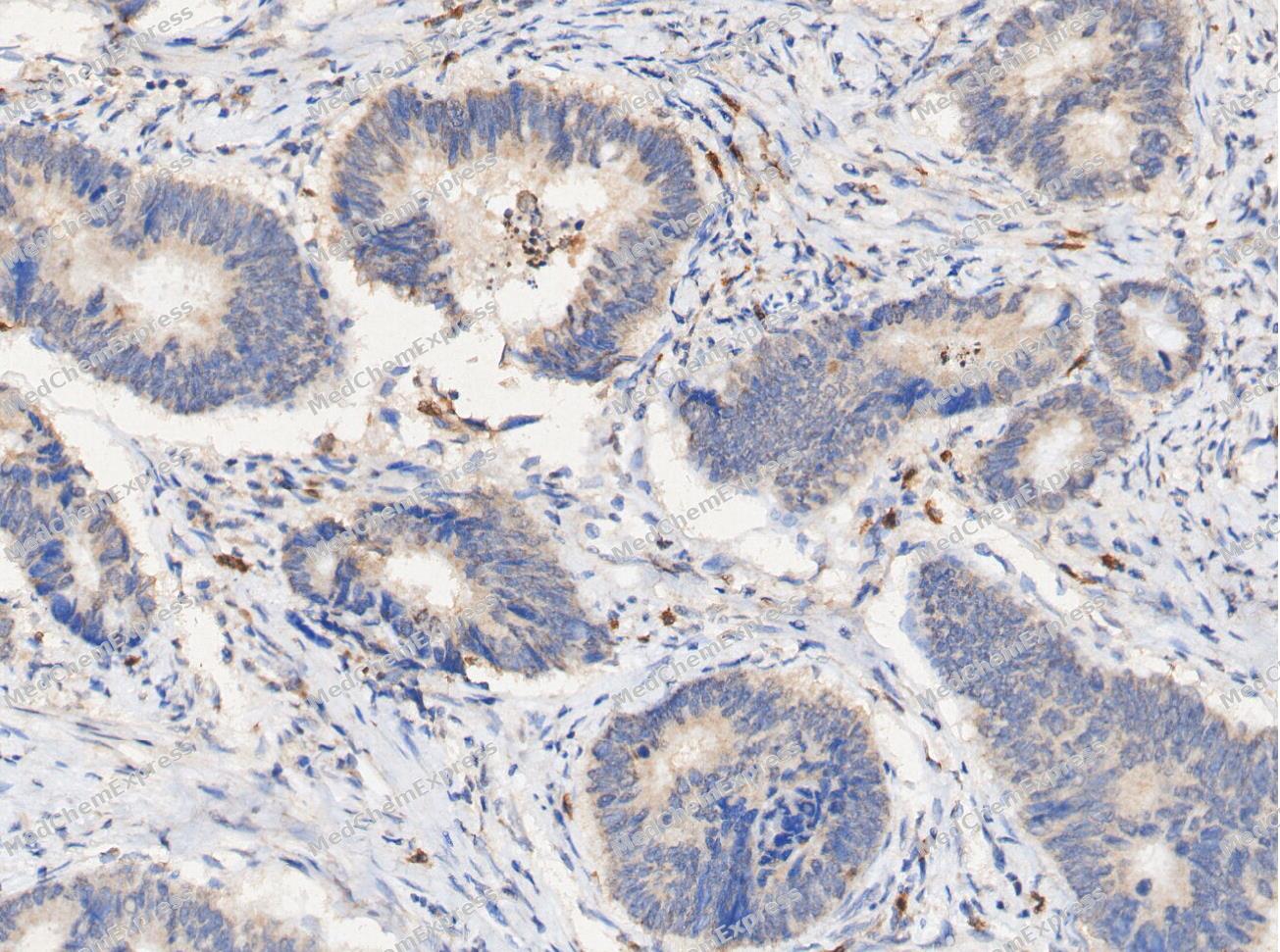 Immunohistochemical analysis of paraffin-embedded human Colon cancer tissue using 4 Hydroxynonenal antibody was performed. The section was pretreated using high-temperature and high-pressure mediated EDTA antigen retrieval buffer (pH 9.0), for 5 minutes. The tissues were incubated with primary antibody (HY-P81208, 1:500 dilution) at room temperature for 60 minutes. Detection was performed using an HRP conjugated compact polymer system. DAB was used as the chromogen. The tissues were counterstained with hematoxylin and mounted with neutral balsam mounting medium.
 -
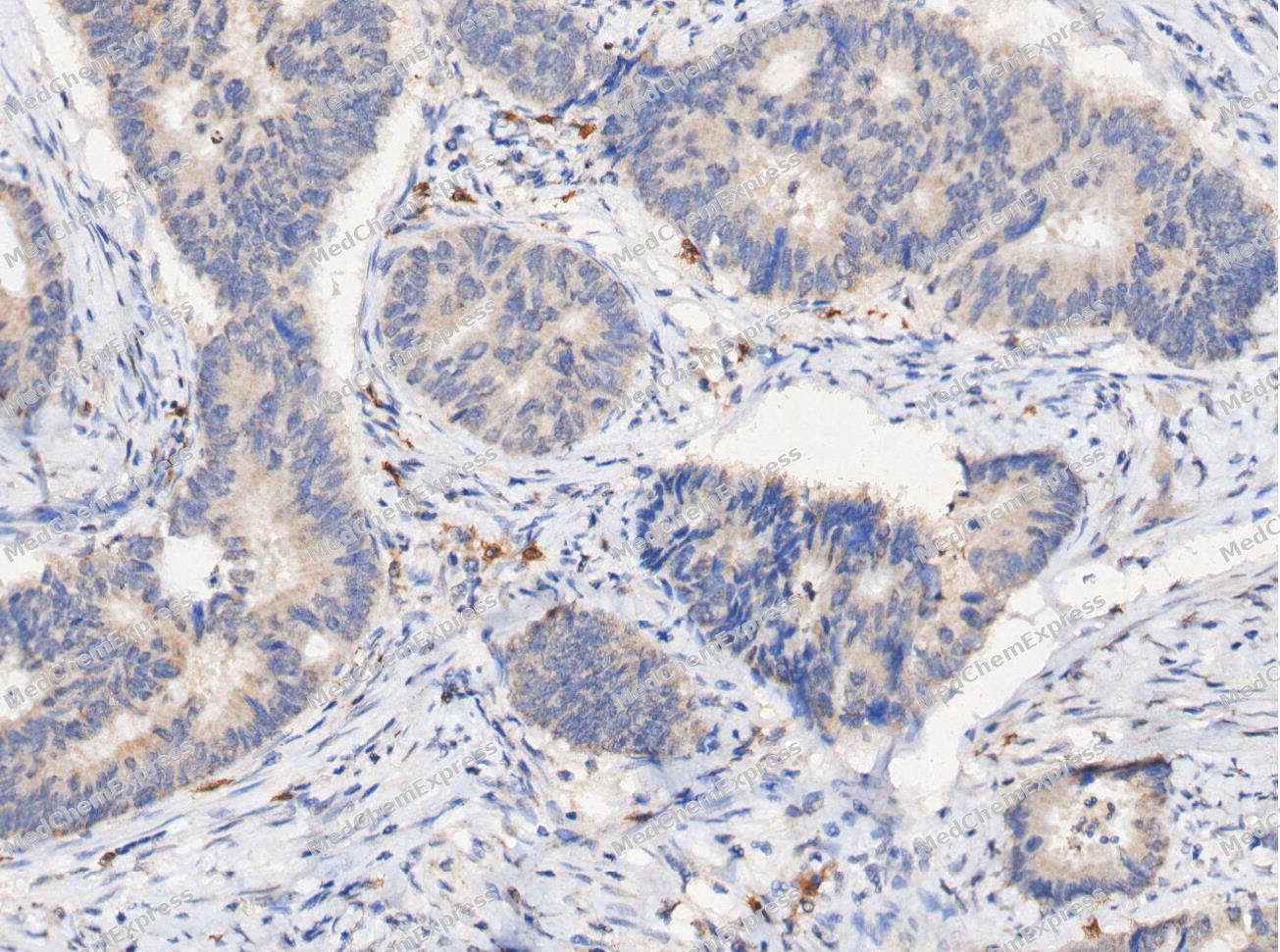 Immunohistochemical analysis of paraffin-embedded human Colon cancer tissue using 4 Hydroxynonenal antibody was performed. The section was pretreated using high-temperature and high-pressure mediated EDTA antigen retrieval buffer (pH 9.0), for 5 minutes. The tissues were incubated with primary antibody (HY-P81208, 1:500 dilution) at room temperature for 60 minutes. Detection was performed using an HRP conjugated compact polymer system. DAB was used as the chromogen. The tissues were counterstained with hematoxylin and mounted with neutral balsam mounting medium.
 -
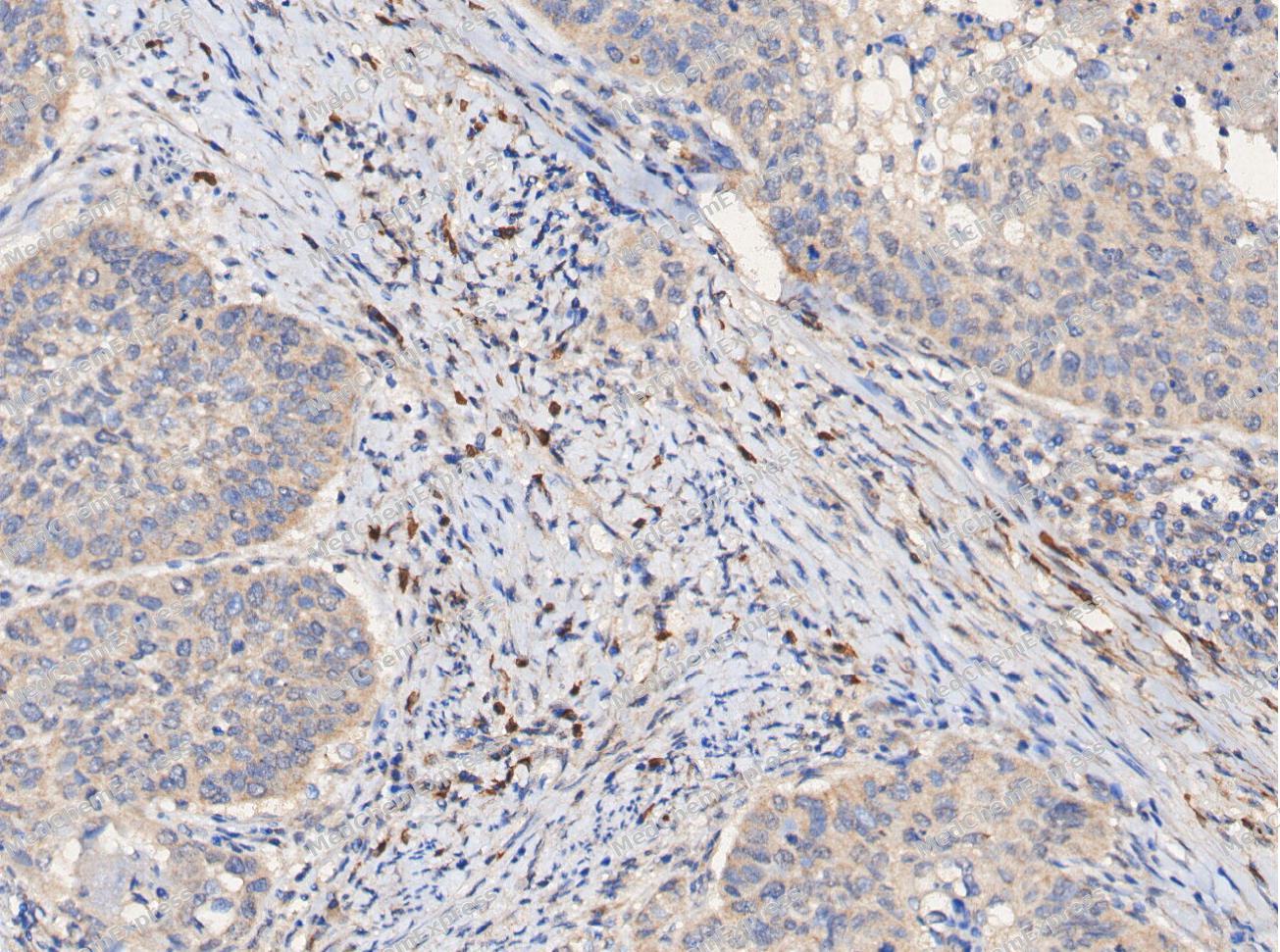 Immunohistochemical analysis of paraffin-embedded human Esophageal Carcinoma tissue using 4 Hydroxynonenal antibody was performed. The section was pretreated using high-temperature and high-pressure mediated EDTA antigen retrieval buffer (pH 9.0), for 5 minutes. The tissues were incubated with primary antibody (HY-P81208, 1:500 dilution) at room temperature for 60 minutes. Detection was performed using an HRP conjugated compact polymer system. DAB was used as the chromogen. The tissues were counterstained with hematoxylin and mounted with neutral balsam mounting medium.
 -
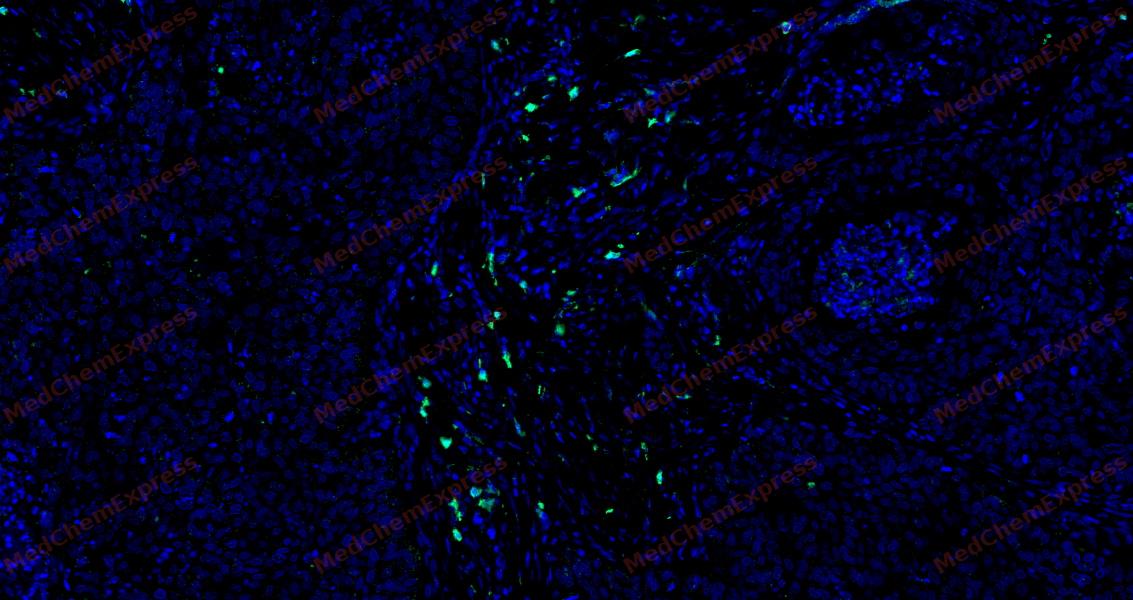 Tyramide signaling amplification based immunofluorescence was performed on paraffin-embedded human Esophageal Carcinoma tissue using 4 Hydroxynonenal antibody. Antigen retrieval was performed in EDTA buffer pH 9.0 (95 °C, 20 min) followed by cooling to RT. Then incubated with primary antibody (HY-P81208, 1:800 dilution) at room temperature for 60 minutes and HRP conjugated secondary antibody for 10 minutes. Fluorescence was then developed with Vari Fluor 532 TSA (200×)(HY-D1832). The tissues were counterstained with DAPI and mounted with Anti-fade mounting medium.
 -
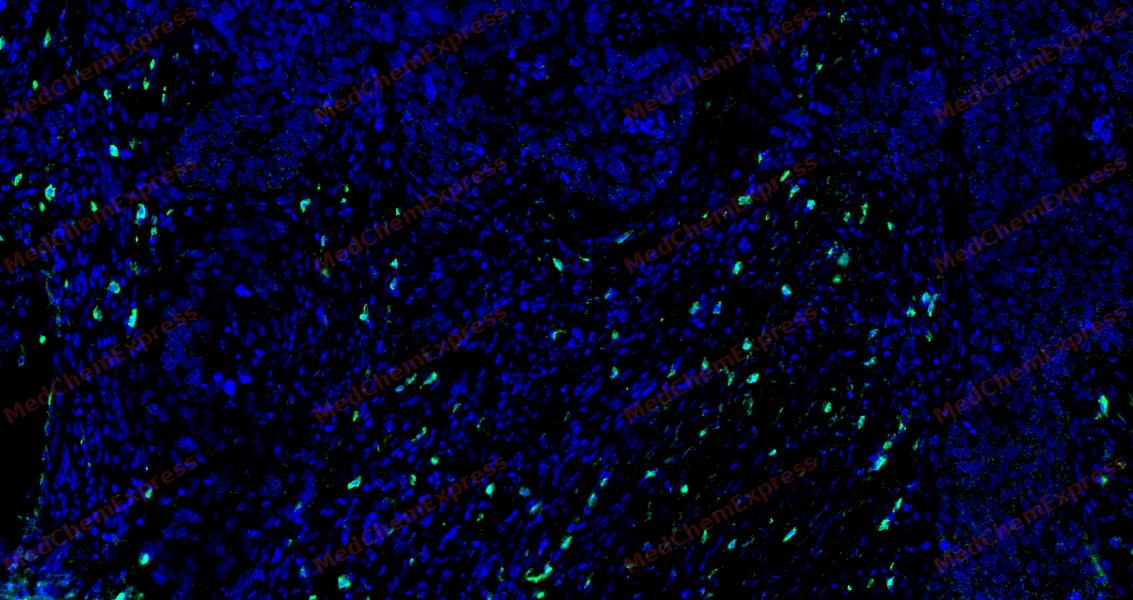 Tyramide signaling amplification based immunofluorescence was performed on paraffin-embedded human Esophageal Carcinoma tissue using 4 Hydroxynonenal antibody. Antigen retrieval was performed in EDTA buffer pH 9.0 (95 °C, 20 min) followed by cooling to RT. Then incubated with primary antibody (HY-P81208, 1:800 dilution) at room temperature for 60 minutes and HRP conjugated secondary antibody for 10 minutes. Fluorescence was then developed with Vari Fluor 532 TSA (200×)(HY-D1832). The tissues were counterstained with DAPI and mounted with Anti-fade mounting medium.
 -
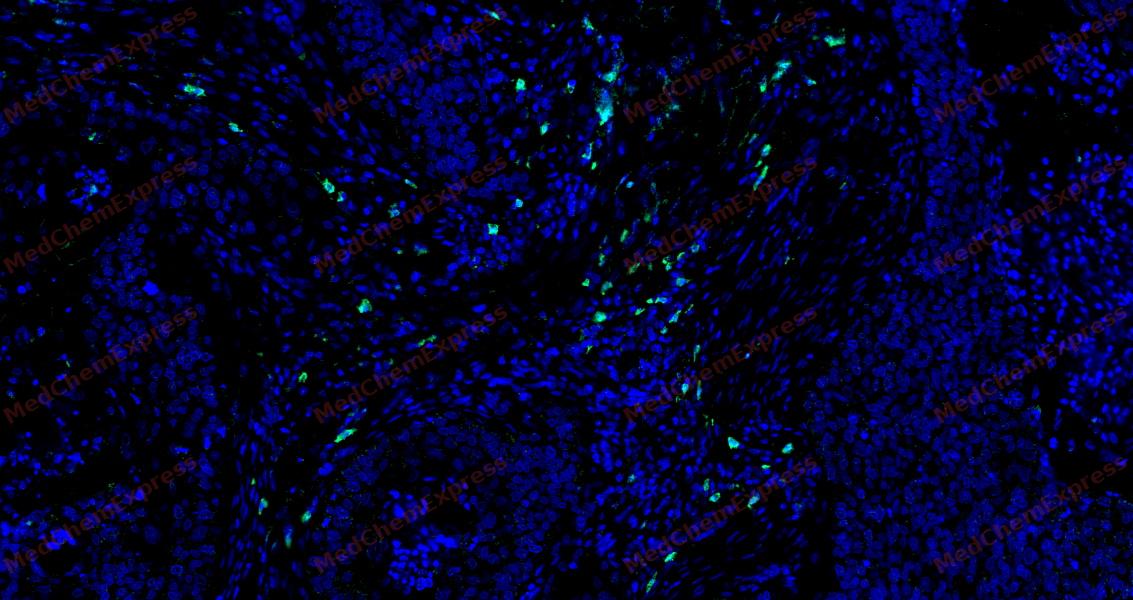 Tyramide signaling amplification based immunofluorescence was performed on paraffin-embedded human Esophageal Carcinoma tissue using 4 Hydroxynonenal antibody. Antigen retrieval was performed in EDTA buffer pH 9.0 (95 °C, 20 min) followed by cooling to RT. Then incubated with primary antibody (HY-P81208, 1:800 dilution) at room temperature for 60 minutes and HRP conjugated secondary antibody for 10 minutes. Fluorescence was then developed with Vari Fluor 532 TSA (200×)(HY-D1832). The tissues were counterstained with DAPI and mounted with Anti-fade mounting medium.
 -
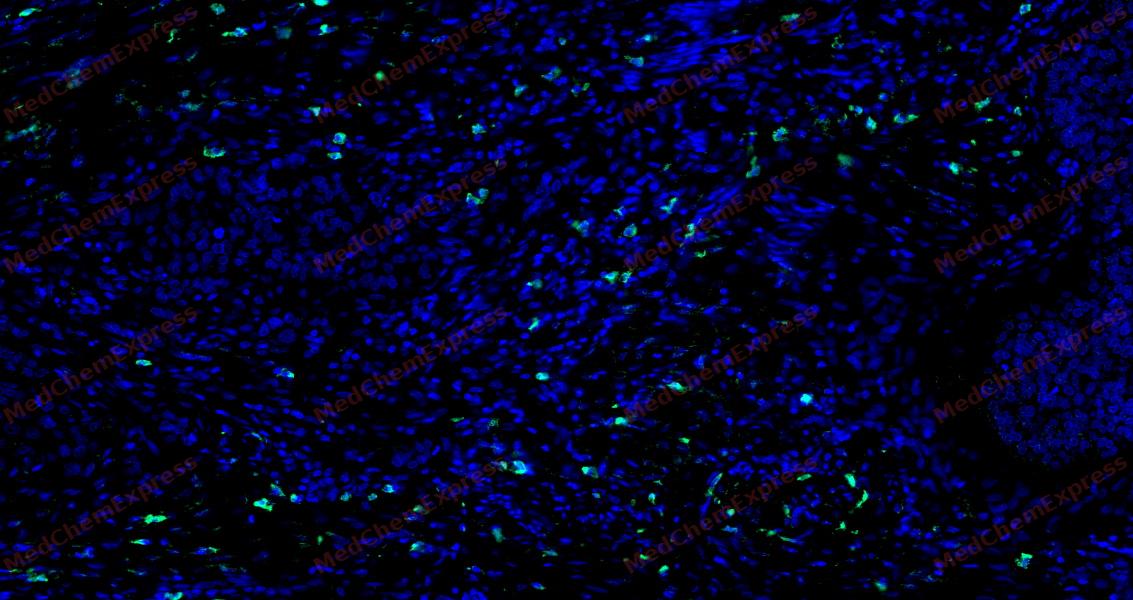 Tyramide signaling amplification based immunofluorescence was performed on paraffin-embedded human Esophageal Carcinoma tissue using 4 Hydroxynonenal antibody. Antigen retrieval was performed in EDTA buffer pH 9.0 (95 °C, 20 min) followed by cooling to RT. Then incubated with primary antibody (HY-P81208, 1:800 dilution) at room temperature for 60 minutes and HRP conjugated secondary antibody for 10 minutes. Fluorescence was then developed with Vari Fluor 532 TSA (200×)(HY-D1832). The tissues were counterstained with DAPI and mounted with Anti-fade mounting medium.
 -
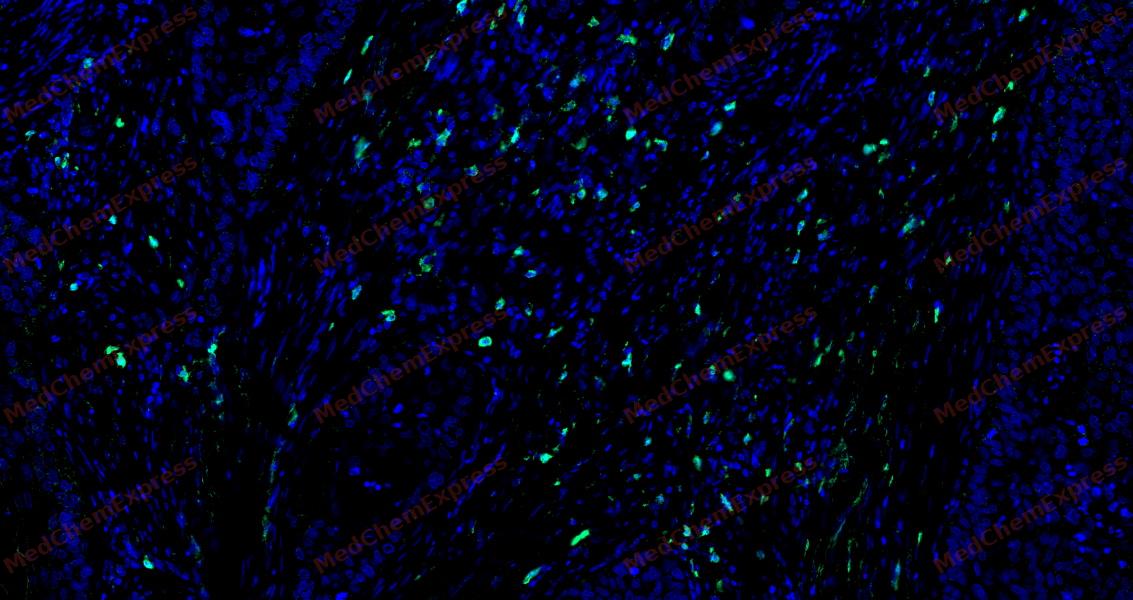 Tyramide signaling amplification based immunofluorescence was performed on paraffin-embedded human Esophageal Carcinoma tissue using 4 Hydroxynonenal antibody. Antigen retrieval was performed in EDTA buffer pH 9.0 (95 °C, 20 min) followed by cooling to RT. Then incubated with primary antibody (HY-P81208, 1:800 dilution) at room temperature for 60 minutes and HRP conjugated secondary antibody for 10 minutes. Fluorescence was then developed with Vari Fluor 532 TSA (200×)(HY-D1832). The tissues were counterstained with DAPI and mounted with Anti-fade mounting medium.
 -
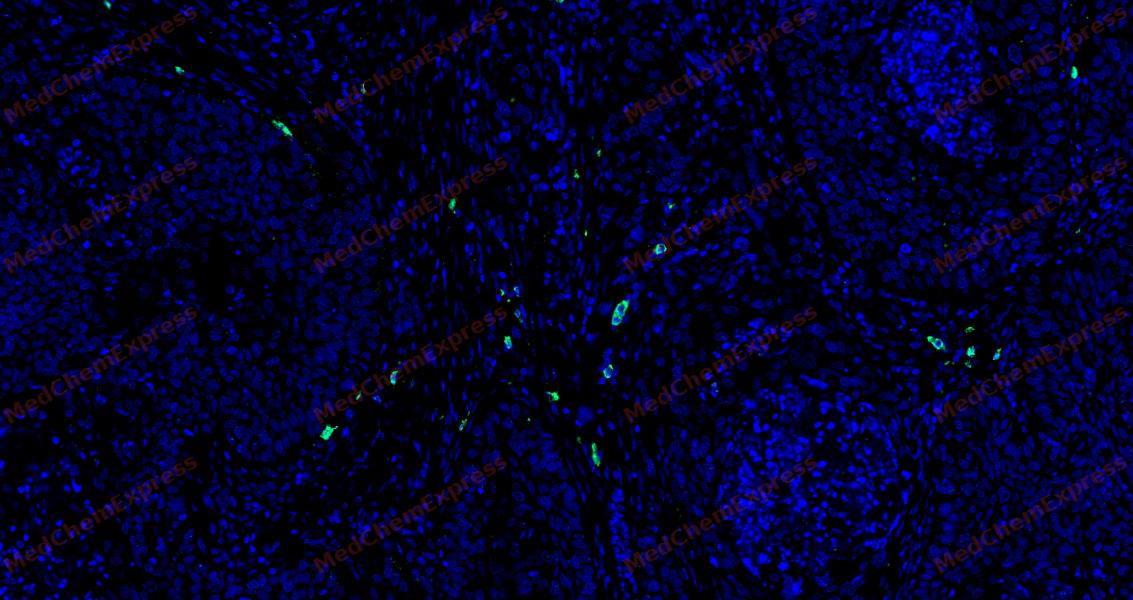 Tyramide signaling amplification based immunofluorescence was performed on paraffin-embedded human Esophageal Carcinoma tissue using 4 Hydroxynonenal antibody. Antigen retrieval was performed in EDTA buffer pH 9.0 (95 °C, 20 min) followed by cooling to RT. Then incubated with primary antibody (HY-P81208, 1:800 dilution) at room temperature for 60 minutes and HRP conjugated secondary antibody for 10 minutes. Fluorescence was then developed with Vari Fluor 532 TSA (200×)(HY-D1832). The tissues were counterstained with DAPI and mounted with Anti-fade mounting medium.


Background
-
Function
4 Hydroxynonenal is a 4-Hydroxynonenal (HY-113466): 4-Hydroxynonenal (4-HNE) is an α,β unsaturated hydroxyalkenal and an oxidative/nitrosative stress biomarker. 4-Hydroxynonenal is a substrate and an inhibitor of acetaldehyde dehydrogenase 2 (ALDH2) . 4-Hydroxynonenal can modulate a number of signaling processes mainly through forming covalent adducts with nucleophilic functional groups in proteins, nucleic acids, and membrane lipids. 4-Hydroxynonenal plays an important role in cancer through mitochondria.
-
Synonyms
4-Hydroxy-2-Nonenal; 4Hydroxynonenal; 4-Hydroxynonenal; HNE; 4HNE; 4-HNE; (E)-4-Hydroxy-2-nonenal; 2-Nonenal, 4-hydroxy-, (2E)-; (2E)-4-Hydroxy-2-nonenal; 4-Hydroxy-2(E)-nonenal
Documentation
-
Data Sheet (234 KB)
-
SDS (252 KB)
- English - EN (252 KB)
- Français - FR (252 KB)
- Deutsch - DE (252 KB)
- Norwegian - NO (252 KB)
- Español - ES (252 KB)
- Swedish - SV (252 KB)
- Italian - IT (252 KB)
- Korean - KR (252 KB)
- Portuguese - PT (252 KB)
-
User Guide for Antibodies (1077 KB)

 Powered by Bioz
