



8-OHdG (DNA/RNA Damage) Antibody
(Synonyms: 8-hydroxy-2'-deoxyguanosine; 2'-Deoxy-8-oxoguanosine; 7,8-Dihydro-8-oxo-2'-deoxyguanosine; 8-Oxo-7,8-dihydro-2'-deoxyguanosine; 8-Oxo-7,8-dihydrodeoxyguanosine; 2'-Deoxy-8-oxo-D-guanosine; 8-Oxo-7,8-dihydro-2μ-deoxyguanosine,8-Oxo-dG; 2'-Deoxy-8-hydroxyguanosine; )Based on 18 publication(s) in Google Scholar
8-OHdG (DNA/RNA Damage) Antibody is a Rabbit-derived and non-conjugated IgG polyclonal antibody, targeting to 8-OHdG (DNA/RNA Damage).
-
Host:
Rabbit
-
Isotype:
IgG
-
Application:
IHC-P, IHC-F, ELISA, IF-Tissue, mIHC
-
Reactivity :
Species independent
-
Formulation:
Supplied in 0.01M TBS(pH7.4) with 1% BSA, 0.03% Proclin300 and 50% Glycerol or 0.01M TBS (pH7.4) with 1% BSA, 0.02% Proclin300 and 50% Glycerol.
-
Conjugation:
Non-conjugated


To place orders, for customer services and technical support, please contact: MedChemExpress USA
Tel: 609-228-6898 E-mail: [email protected] [email protected]



-

HY-P81208
4 Hydroxynonenal Antibody -
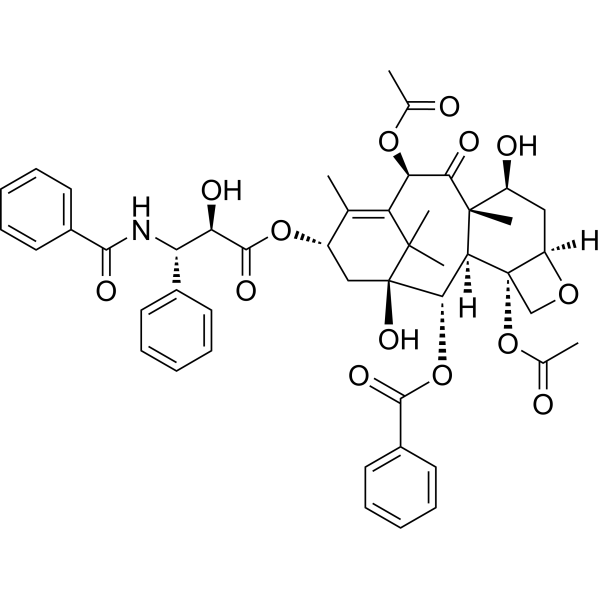
HY-B0015
Paclitaxel -
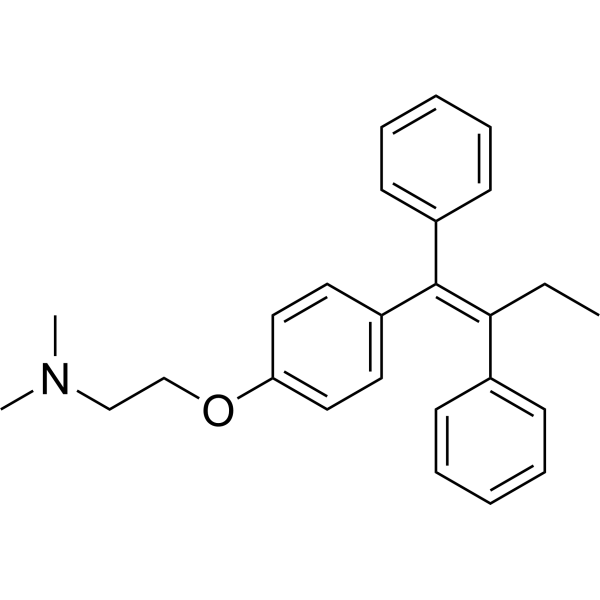
HY-13757A
Tamoxifen -
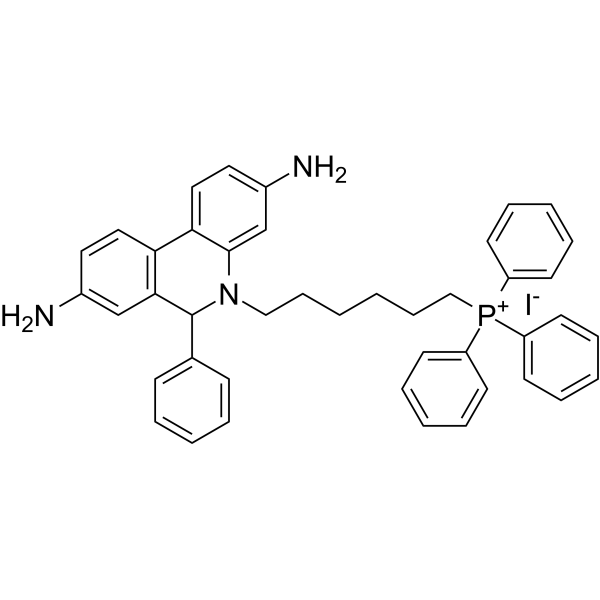
HY-D1055
MitoSOX Red -
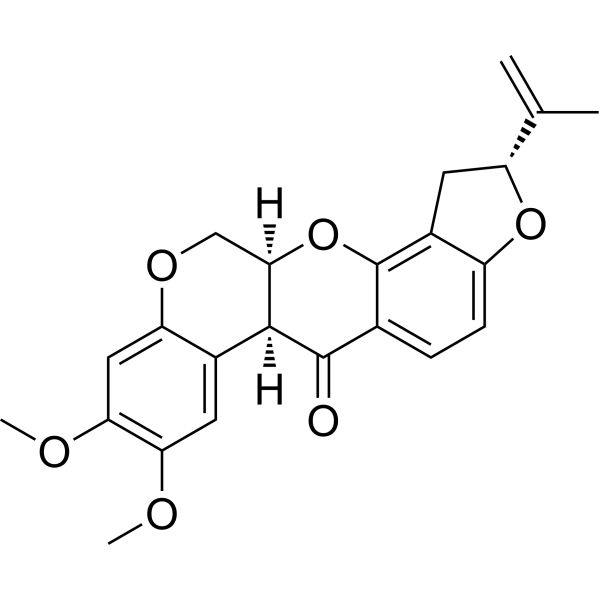
HY-B1756
Rotenone -
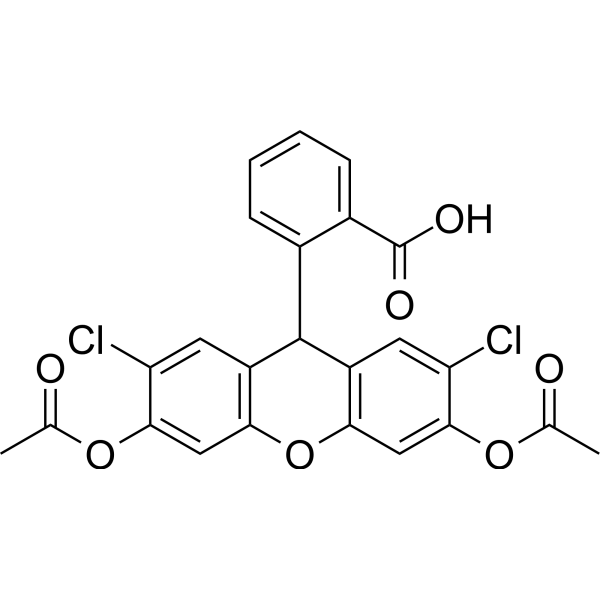
HY-D0940
H2DCFDA -
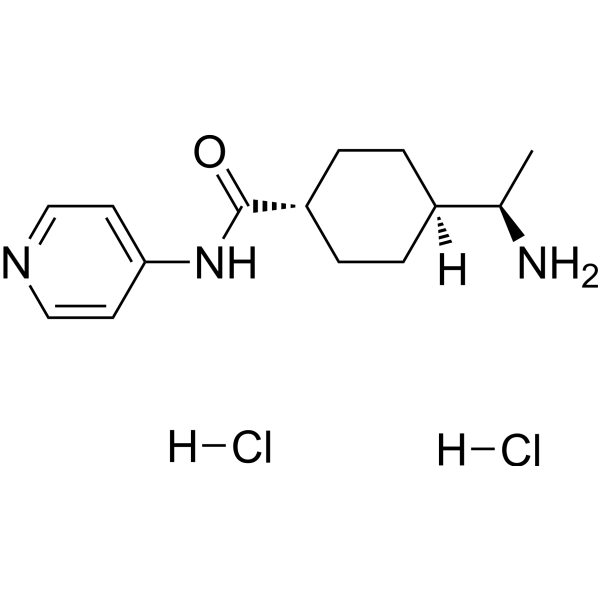
HY-10583
Y-27632 dihydrochloride -
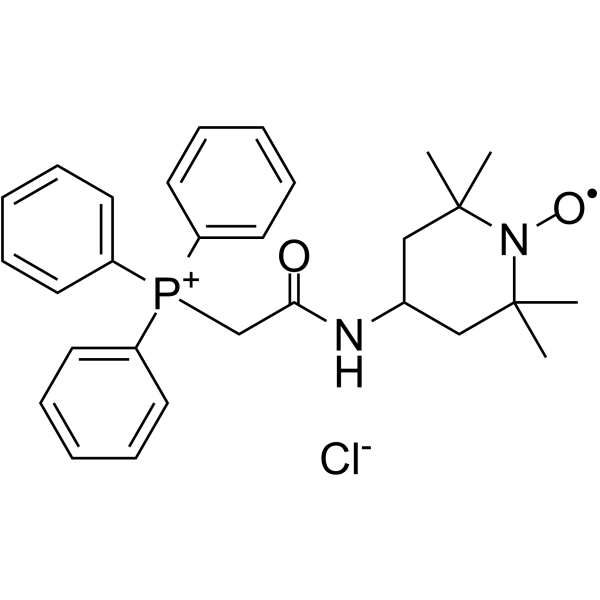
HY-112879
Mito-TEMPO -
HY-P8001
HRP-conjugated Goat Anti-Rabbit IgG H&L -
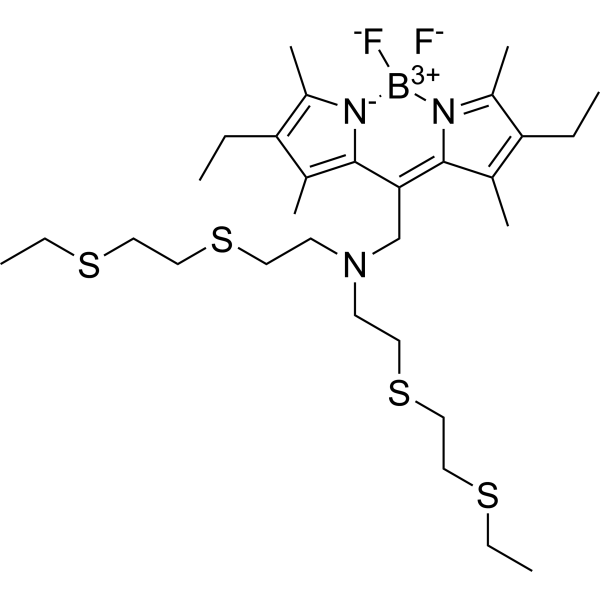
HY-141511
Coppersensor 1 -
HY-P81051
Nrf2 Antibody(YA895) -
HY-P81216
3-Nitrotyrosine Antibody
Publications Citing Use of MedChemExpress (MCE) 8-OHdG (DNA/RNA Damage) Antibody
More- Bioact Mater. 2025 Feb 13:48:55-70. [Abstract]
- Cell Host Microbe. 2026 Jan 14;34(1):35-51.e9. [Abstract]
- Interdiscip Med. 2026 May 13.
- Engineering. 2025 Oct 31.
- Mater Today Bio. 2026 Jun 2:38:103313. [Abstract]
- J Orthop Translat. 2026 Mar 2:57:101049. [Abstract]
- Basic Res Cardiol. 2025 Sep 16. [Abstract]
- Free Radic Biol Med. 2026 Jul 14:255:124-144.
- ACS Appl Mater Interfaces. 2025 Oct 1;17(39):54484-54495. [Abstract]
- J Ethnopharmacol. 2026 Apr 6:360:121126. [Abstract]
- J Zhejiang Univ Sci B. 2025 Dec 31;26(12):1172-1191. [Abstract]
- Int Immunopharmacol. 2026 Jul 1:180:116666. [Abstract]
- Cell Signal. 2026 Jan:137:112206. [Abstract]
- iScience. 2026 Apr 21;29(5):115807. [Abstract]
- Mol Oncol. 2025 Jul 13. [Abstract]
- J Funct Foods. 2026 Jun 24;143:107377.
- Theriogenology. 2025 Sep 1:243:117417. [Abstract]
- chemRxiv. 2026 Apr 24.

 18 Publications Citing Use of MCE 8-OHdG (DNA/RNA Damage) Antibody (4)
-
IHC
-
IHC
-
IF

-
IF


Applications
| Application |
ELISA

ELISA: Enzyme Linked Immunosorbent Assay
|
IHC-P
IHC-P: Immunohistochemistry-Paraffin
|
IHC-F
IHC-F: Immunohistochemistry-Frozen
|
IF-Tissue
IF-Tissue: Immunofluorescence-Tissue
|
mIHC
mIHC: Multiplex Immunohistochemical
|
|---|---|---|---|---|---|
| Dilution Ratio | 1:5000-10000 | 1:100-500 | 1:100-500 | 1:100-500 | 1:500 |


Product Details
8-OHdG (DNA/RNA Damage) Antibody is a Rabbit-derived and non-conjugated IgG polyclonal antibody, targeting to 8-OHdG (DNA/RNA Damage).
-
Host Rabbit

-
Clonality Polyclonal

-
Species ReactivitySpecies independent
-
Calculated Molecular Weight Predicted band size: 0.283kDa

KLH conjugated 8-OHdG
Endogenous
affinity purified
Non-conjugated
Unmodified
IgG


Product Properties
-
Appearance
Solution
-
Formulation
Supplied in 0.01M TBS(pH7.4) with 1% BSA, 0.03% Proclin300 and 50% Glycerol or 0.01M TBS (pH7.4) with 1% BSA, 0.02% Proclin300 and 50% Glycerol.
-
Concentration
Batch-dependent, Please check the COA for the concentration of each lot. Check Lot Concentration
-
Storage & Stability
Stored at -20°C for 1 year. Avoid repeated freeze / thaw cycles.
-
Shipping
Shipping with blue ice.


Publications (18)
-
Journal Impact Factor
-
Most Recent
-
Bioact Mater
cGAMP-targeting injectable hydrogel system promotes periodontal restoration by alleviating cGAS-STING pathway activation. [Abstract]2025 Feb 13:48:55-70. PMID: 40303968 -
Cell Host Microbe
Rothia mucilaginosa membrane vesicles stabilize labile iron to alleviate UVB-induced ferroptosis. [Abstract]2026 Jan 14;34(1):35-51.e9. PMID: 41500222 -
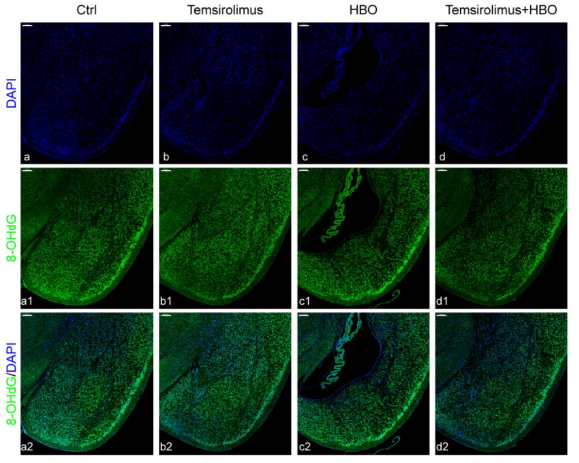
8-OHdG (DNA/RNA Damage) Antibody purchased from MedChemExpress. Usage Cited in: Engineering. 2025 Oct 31.
8-OHdG(1;300) immunofluorescence staining in the temporal cortical region of mouse brain tissue.
-
J Orthop Translat
Mitochondrial metabolism restoration via Tramiprosate suppresses mitochondrial ROS-driven foamy macrophage senescence post spinal cord injury. [Abstract]2026 Mar 2:57:101049. PMID: 41808881 -
Basic Res Cardiol
Renal denervation attenuates cardiac dysfunction in HFpEF by inhibiting the ATP-P2X7-NLRP3 inflammasome axis. [Abstract]2025 Sep 16. PMID: 40958035
8-OHdG (DNA/RNA Damage) Antibody purchased from MedChemExpress. Usage Cited in: Basic Res Cardiol. 2025 Sep 16. [Abstract]
8-hydroxy-2'-deoxyguanosine (8-OHdG) immunofluorescence with MFI in mouse 3-hit hearts. Primary antibody: 8-OHdG (DNA/RNA Damage) Antibody (1:100, HY-P81140).
-
ACS Appl Mater Interfaces
DNA-Guided Multivalent Antibody Display Boosts the Targeting Performance of Therapeutic Nanovesicles. [Abstract]2025 Oct 1;17(39):54484-54495. PMID: 40962272
8-OHdG (DNA/RNA Damage) Antibody purchased from MedChemExpress. Usage Cited in: ACS Appl Mater Interfaces. 2025 Oct 1;17(39):54484-54495. [Abstract]
Representative immunofluorescence images of mouse lung tissue sections stained for the oxidative stress marker 8-OHdG.
-
J Ethnopharmacol
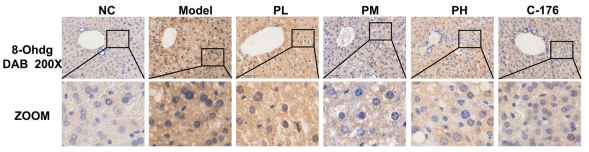
Puerarin from Pueraria montana var. lobata (Willd.) alleviates hepatic steatosis and inflammation in MAFLD through suppressing STING-IRF3/NF-κB signaling in macrophages. [Abstract]2026 Apr 6:360:121126. PMID: 41478535
8-OHdG (DNA/RNA Damage) Antibody purchased from MedChemExpress. Usage Cited in: J Ethnopharmacol. 2026 Apr 6:360:121126. [Abstract]
Representative immunohistochemical staining of 8-OHdG in mouse liver tissues.
-
J Zhejiang Univ Sci B
Single-cell RNA-sequencing-guided reactive oxygen species-scavenging hydrogel design for regeneration of osteoporotic bone. [Abstract]2025 Dec 31;26(12):1172-1191. PMID: 41490726 -
Int Immunopharmacol
Apelin-13 alleviates post-infarction injury by modulating macrophage inflammation via APJ-dependent inhibition of NLRP3-mediated pyroptosis. [Abstract]2026 Jul 1:180:116666. PMID: 42030891 -
Cell Signal
PYGM downregulates necroptosis signaling to attenuate sodium iodate-induced RPE cell degeneration. [Abstract]2026 Jan:137:112206. PMID: 41183696 -
iScience
2026 Apr 21;29(5):115807. PMID: 42111199 -
Mol Oncol
Olaparib synergy screen reveals Exemestane induces replication stress in triple-negative breast cancer. [Abstract]2025 Jul 13. PMID: 40652528


Verification Images
-
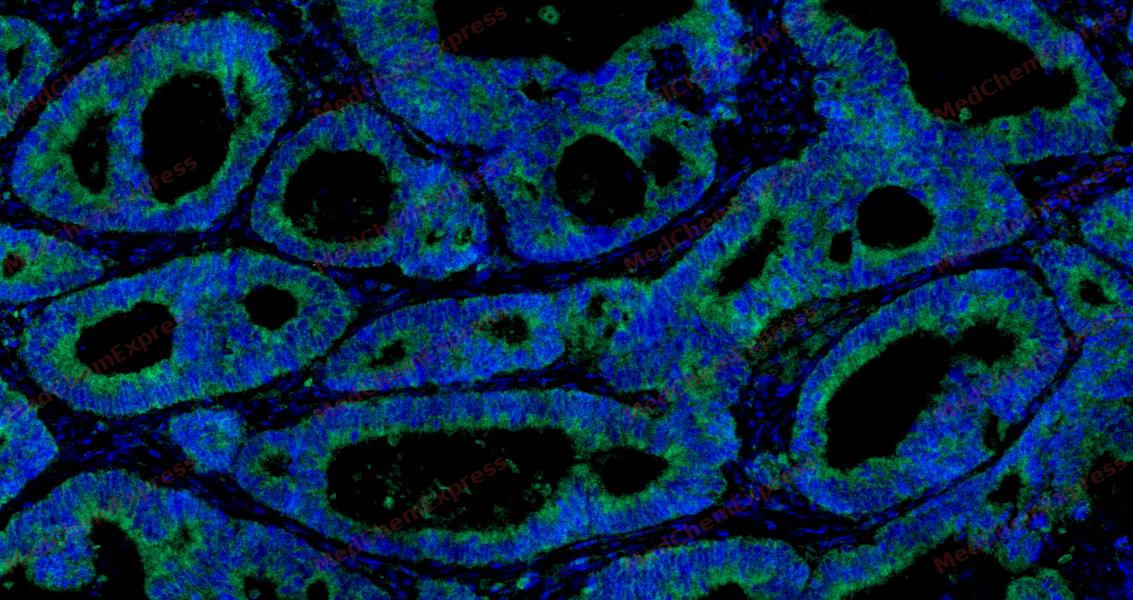 Tyramide signaling amplification based immunofluorescence was performed on paraffin-embedded human Colon cancer tissue using 8-OHdG antibody. Antigen retrieval was performed in EDTA buffer pH 9.0 (95 °C, 20 min) followed by cooling to RT. Then incubated with primary antibody (HY-P81140, 1:500 dilution) at room temperature for 60 minutes and HRP conjugated secondary antibody for 10 minutes. Fluorescence was then developed with Vari Fluor 532 TSA (200×)(HY-D1832). The tissues were counterstained with DAPI and mounted with Anti-fade mounting medium.
 -
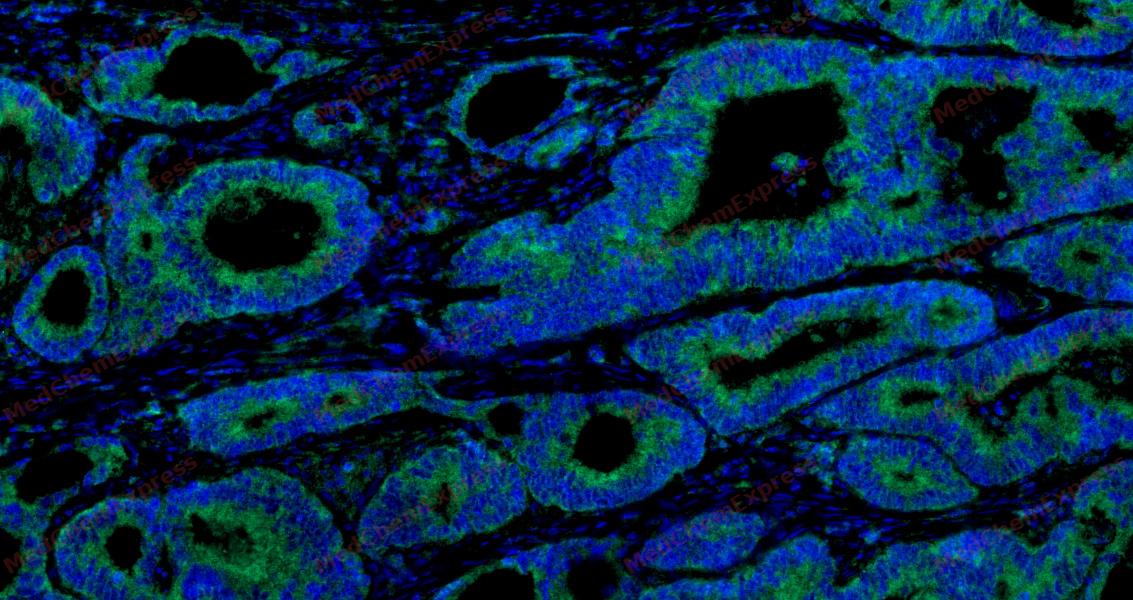 Tyramide signaling amplification based immunofluorescence was performed on paraffin-embedded human Colon cancer tissue using 8-OHdG antibody. Antigen retrieval was performed in EDTA buffer pH 9.0 (95 °C, 20 min) followed by cooling to RT. Then incubated with primary antibody (HY-P81140, 1:500 dilution) at room temperature for 60 minutes and HRP conjugated secondary antibody for 10 minutes. Fluorescence was then developed with Vari Fluor 532 TSA (200×)(HY-D1832). The tissues were counterstained with DAPI and mounted with Anti-fade mounting medium.
 -
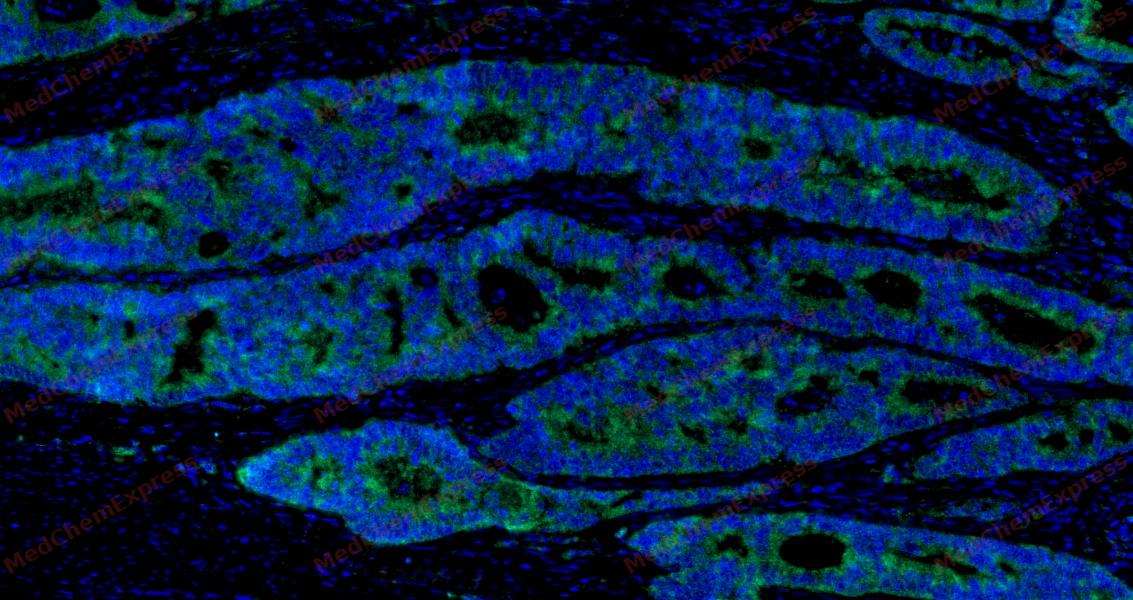 Tyramide signaling amplification based immunofluorescence was performed on paraffin-embedded human Colon cancer tissue using 8-OHdG antibody. Antigen retrieval was performed in EDTA buffer pH 9.0 (95 °C, 20 min) followed by cooling to RT. Then incubated with primary antibody (HY-P81140, 1:500 dilution) at room temperature for 60 minutes and HRP conjugated secondary antibody for 10 minutes. Fluorescence was then developed with Vari Fluor 532 TSA (200×)(HY-D1832). The tissues were counterstained with DAPI and mounted with Anti-fade mounting medium.
 -
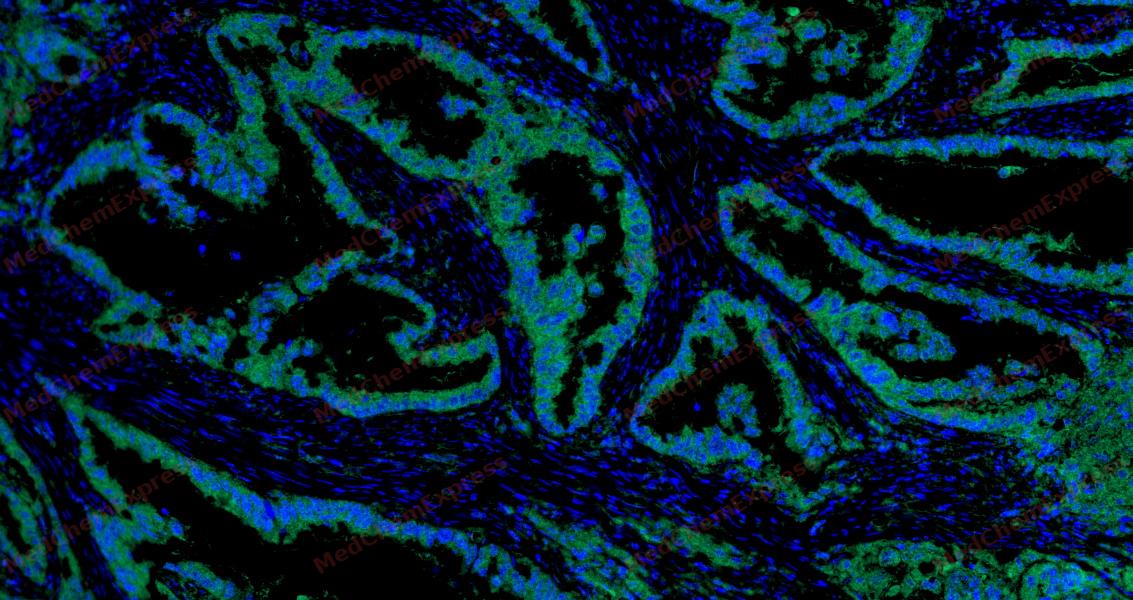 Tyramide signaling amplification based immunofluorescence was performed on paraffin-embedded human Gastric Cancer tissue using 8-OHdG antibody. Antigen retrieval was performed in EDTA buffer pH 9.0 (95 °C, 20 min) followed by cooling to RT. Then incubated with primary antibody (HY-P81140, 1:500 dilution) at room temperature for 60 minutes and HRP conjugated secondary antibody for 10 minutes. Fluorescence was then developed with Vari Fluor 532 TSA (200×)(HY-D1832). The tissues were counterstained with DAPI and mounted with Anti-fade mounting medium.
 -
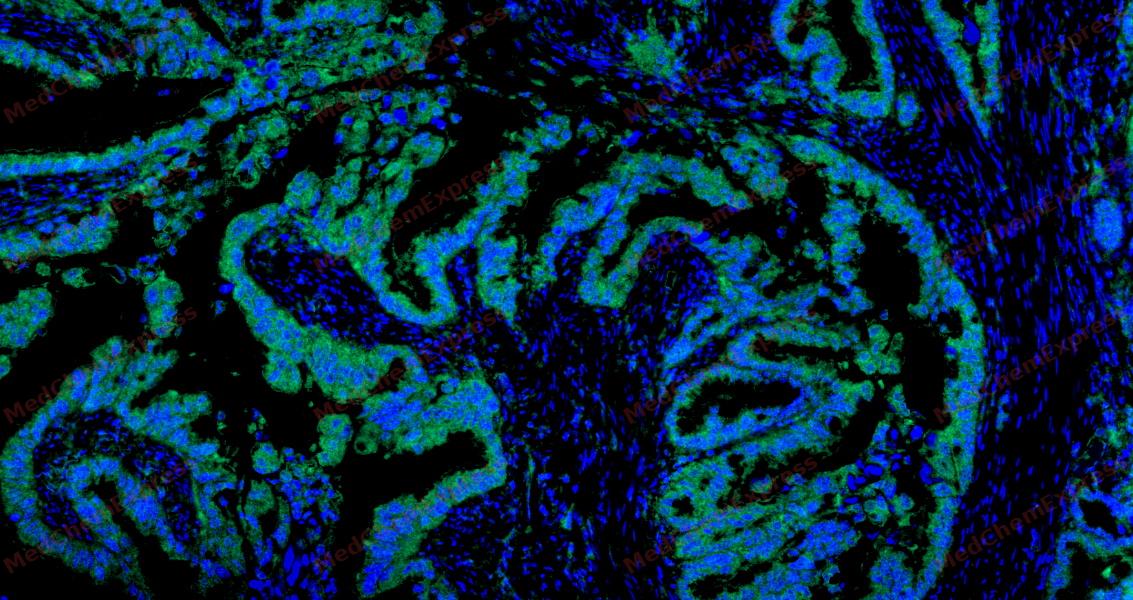 Tyramide signaling amplification based immunofluorescence was performed on paraffin-embedded human Gastric Cancer tissue using 8-OHdG antibody. Antigen retrieval was performed in EDTA buffer pH 9.0 (95 °C, 20 min) followed by cooling to RT. Then incubated with primary antibody (HY-P81140, 1:500 dilution) at room temperature for 60 minutes and HRP conjugated secondary antibody for 10 minutes. Fluorescence was then developed with Vari Fluor 532 TSA (200×)(HY-D1832). The tissues were counterstained with DAPI and mounted with Anti-fade mounting medium.
 -
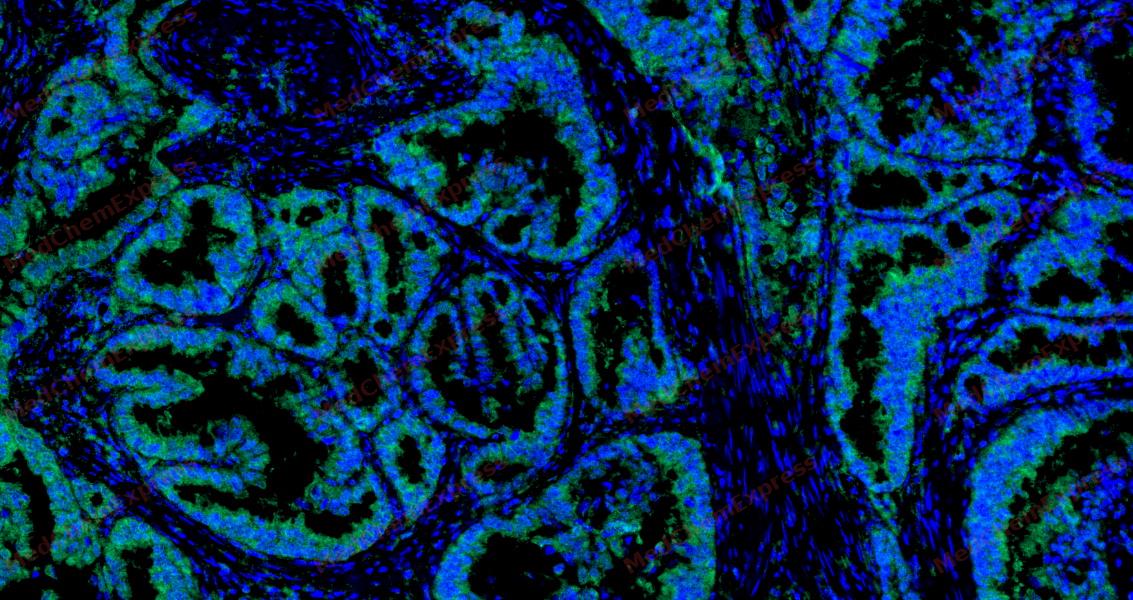 Tyramide signaling amplification based immunofluorescence was performed on paraffin-embedded human Gastric Cancer tissue using 8-OHdG antibody. Antigen retrieval was performed in EDTA buffer pH 9.0 (95 °C, 20 min) followed by cooling to RT. Then incubated with primary antibody (HY-P81140, 1:500 dilution) at room temperature for 60 minutes and HRP conjugated secondary antibody for 10 minutes. Fluorescence was then developed with Vari Fluor 532 TSA (200×)(HY-D1832). The tissues were counterstained with DAPI and mounted with Anti-fade mounting medium.


Background
-
Function
8-OHdG is a 8-Hydroxy-2'-deoxyguanosine (8-OHdG) is a marker formed in DNA after oxidation; guanine, the most sensitive base to free radical attack in DNA, can be converted to various markers such as 8-hydroxyguanine, 8-hydroxyguanosine, and 8-OHdG after oxidation. Among them, the 8-OHdG adduct is one of the most abundant base modifications excreted in urine, and due to its easy collection, it is commonly used as a biomarker for oxidative DNA damage. It is also the main product of DNA damage and can be used as an important biomarker to evaluate oxidative stress induced by exogenous compounds. Chronic arsenic exposure leads to elevated levels of urinary 8-OHdG, triclosan (TCS) exposure significantly increases 8-OHdG levels in zebrafish brain tissue, and levels of 8-OHdG in mitochondrial DNA isolated from the parietal cortex of patients with Alzheimer’s disease (AD) are significantly higher than those of age-matched controls. Additionally, the presence of 8-OHdG in DNA (also known as 8-hydroxyguanosine in RNA) is a reliable marker of base modifications, as it is consistently detected after oxidative stress generated by various conditions.
-
Synonyms
8-hydroxy-2'-deoxyguanosine; 2'-Deoxy-8-oxoguanosine; 7,8-Dihydro-8-oxo-2'-deoxyguanosine; 8-Oxo-7,8-dihydro-2'-deoxyguanosine; 8-Oxo-7,8-dihydrodeoxyguanosine; 2'-Deoxy-8-oxo-D-guanosine; 8-Oxo-7,8-dihydro-2μ-deoxyguanosine,8-Oxo-dG; 2'-Deoxy-8-hydroxyguanosine;
Documentation
-
Data Sheet (235 KB)
-
SDS (252 KB)
- English - EN (252 KB)
- Français - FR (252 KB)
- Deutsch - DE (252 KB)
- Norwegian - NO (252 KB)
- Español - ES (252 KB)
- Swedish - SV (252 KB)
- Italian - IT (252 KB)
- Korean - KR (252 KB)
- Portuguese - PT (252 KB)
-
User Guide for Antibodies (1077 KB)

 Powered by Bioz
