



NMDAR1 Antibody (YA265)

Based on 1 Customer Validation
NMDAR1 Antibody (YA265) is a Rabbit-derived and non-conjugated IgG monoclonal antibody, targeting to NMDAR1.
-
Host:
Rabbit
-
Isotype:
IgG
-
Application:
WB, IHC-P, IHC-F, IF-Tissue
-
Reactivity :
Human, Mouse, Rat, Monkey, Pig
-
Formulation:
Supplied in 1*TBS (pH7.4), 0.05% BSA and 40% Glycerol. Preservative: 0.05% Sodium Azide.
-
Conjugation:
Non-conjugated


To place orders, for customer services and technical support, please contact: MedChemExpress USA
Tel: 609-228-6898 E-mail: [email protected] [email protected]





Applications
| Application |
WB

WB: Western Blot
|
IF-Tissue
IF-Tissue: Immunofluorescence-Tissue
|
IHC-P
IHC-P: Immunohistochemistry-Paraffin
|
IHC-F
IHC-F: Immunohistochemistry-Frozen
|
|---|---|---|---|---|
| Dilution Ratio | 1:1000-1:5000 | 1:200-1:500 | 1:1000 | 1:500 |


Product Details
NMDAR1 Antibody (YA265) is a Rabbit-derived and non-conjugated IgG monoclonal antibody, targeting to NMDAR1.
-
Host Rabbit

-
Clonality Recombinant,Monoclonal

-
Species ReactivityHuman, Mouse, Rat, Monkey, Pig
-
Observed Molecular WeightObserved band size: 120 kDa
Note: Due to possible protein modifications or aggregation, the molecular weight should be confirmed by actual measurement, and the predicted value is for reference only.

-
Calculated Molecular Weight Predicted band size: 105 kDa

Entrez Gene: 2902 Human ; 14810 Mouse ; 24408 Rat
SwissProt: Q05586 Human ; P35438 Mouse ; P35439 Rat
OMIM: 614254 Human
Synthetic peptide corresponding to Human NMDAR1.AA range:870-910.
Endogenous
Protein A affinity purified.
Non-conjugated
Unmodified
IgG


Product Properties
-
Appearance
Liquid
-
Formulation
Supplied in 1*TBS (pH7.4), 0.05% BSA and 40% Glycerol. Preservative: 0.05% Sodium Azide.
-
Concentration
Batch-dependent, Please check the COA for the concentration of each lot. Check Lot Concentration
-
Storage & Stability
Stored at -20°C for 1 year. Avoid repeated freeze / thaw cycles.
-
Shipping
Shipping with blue ice.


Verification Images
-
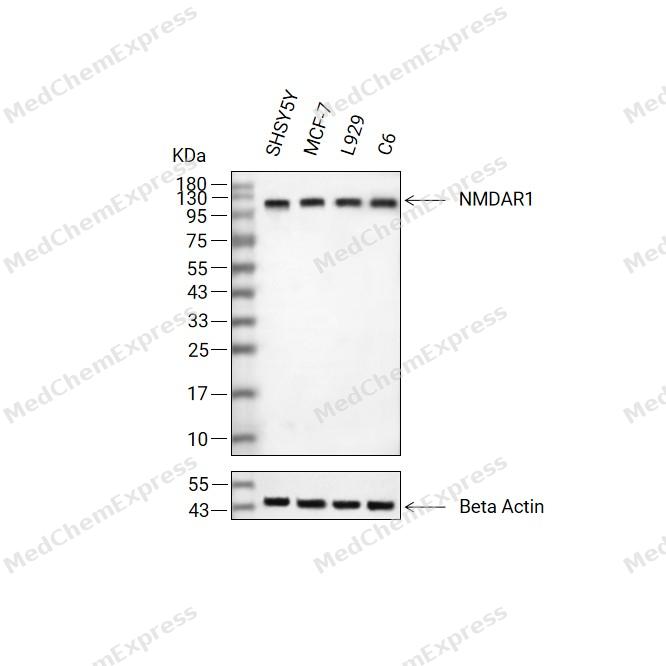 Western blot analysis of extracts from SH-SY5Y(lane 2(20μg) , MCF-7 (lane 3(20μg) ,L929(lane 4(20μg)and C6( lane 5(20μg) using NMDAR1 Antibody (HY-P80247). Proteins were transferred to a PVDF membrane and blocked with 5% non-fat milk in TBST for 2 hour at room temperature. The primary antibody ( 1/1000) and Loading control antibody (Beta Actin, HY-P80993,1/10000) was used in 5% non-fat milk in TBST at 4°C overnight. Goat Anti-Rabbit IgG-HRP Secondary Antibody (HY-P8001,1/10,000) was used for 1 hour at room temperature.
 -
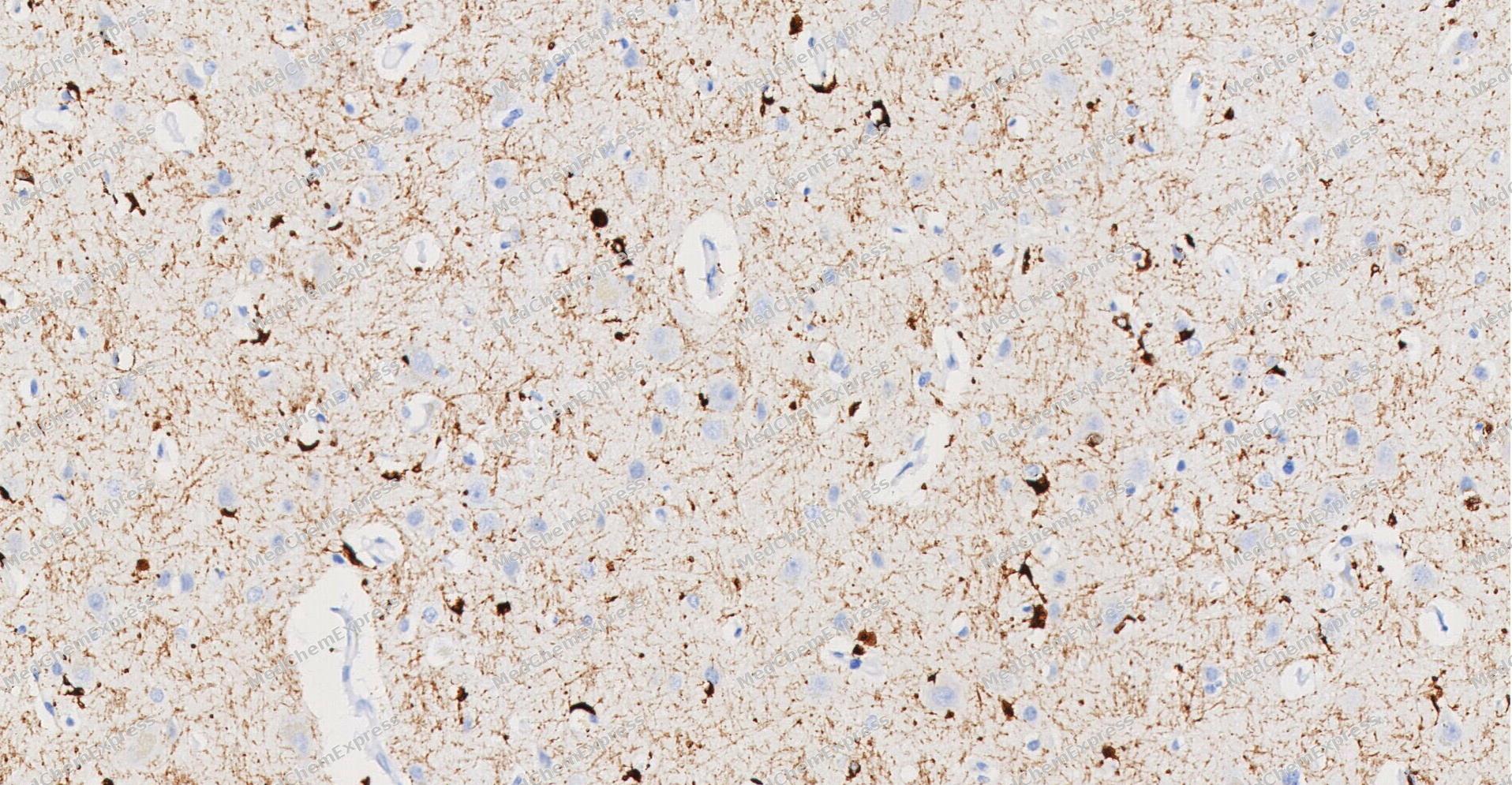 Immunohistochemical analysis of paraffin-embedded human Brain tissue using NMDAR1 antibody was performed. The section was pretreated using high-temperature and high-pressure mediated EDTA antigen retrieval buffer (pH 9.0), for 5 minutes. The tissues were incubated with primary antibody (HY-P80247, 1:1000 dilution) at room temperature for 60 minutes. Detection was performed using an HRP conjugated compact polymer system. DAB was used as the chromogen. The tissues were counterstained with hematoxylin and mounted with neutral balsam mounting medium.
 -
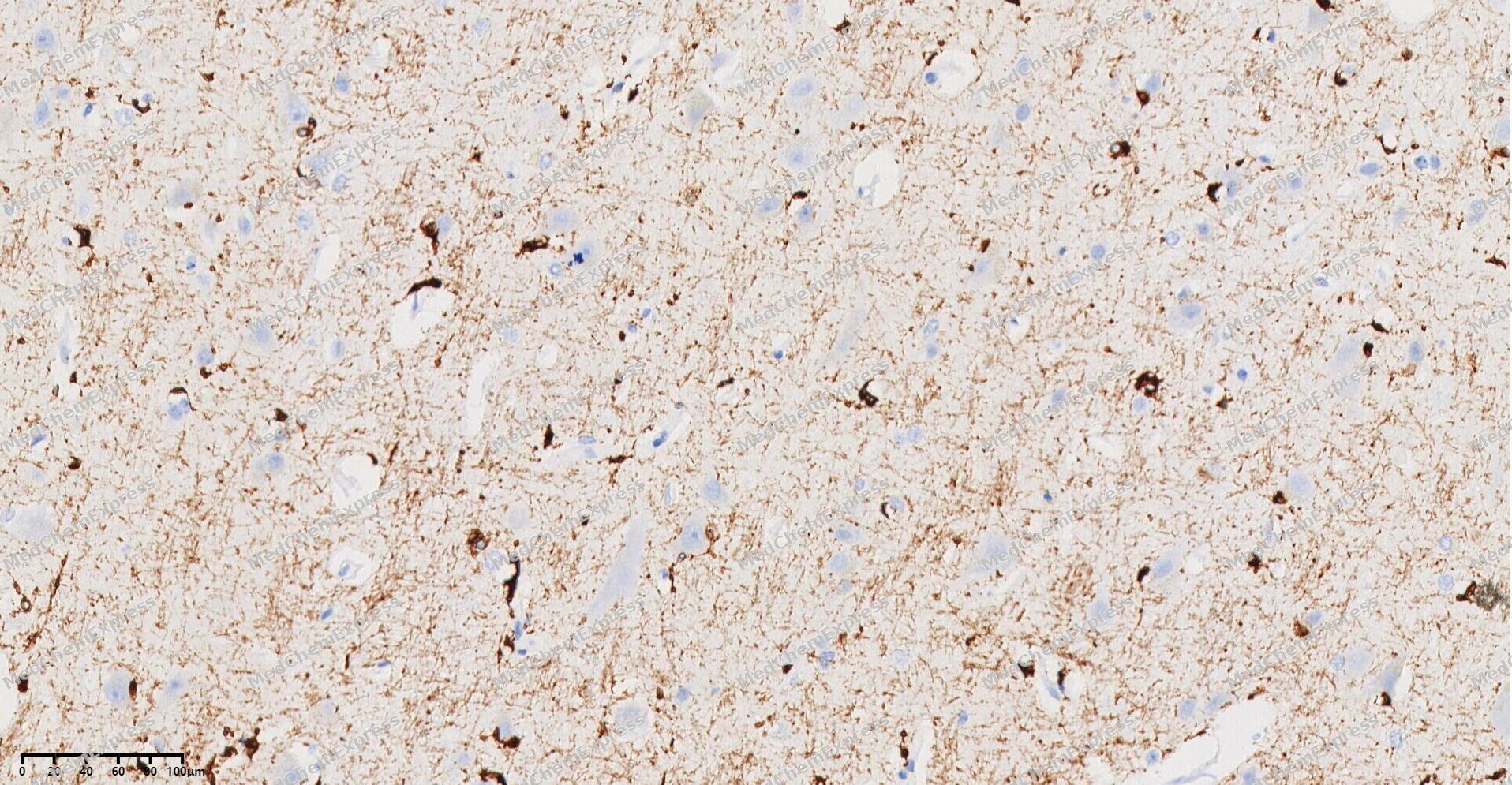 Immunohistochemical analysis of paraffin-embedded human Brain tissue using NMDAR1 antibody was performed. The section was pretreated using high-temperature and high-pressure mediated EDTA antigen retrieval buffer (pH 9.0), for 5 minutes. The tissues were incubated with primary antibody (HY-P80247, 1:1000 dilution) at room temperature for 60 minutes. Detection was performed using an HRP conjugated compact polymer system. DAB was used as the chromogen. The tissues were counterstained with hematoxylin and mounted with neutral balsam mounting medium.
 -
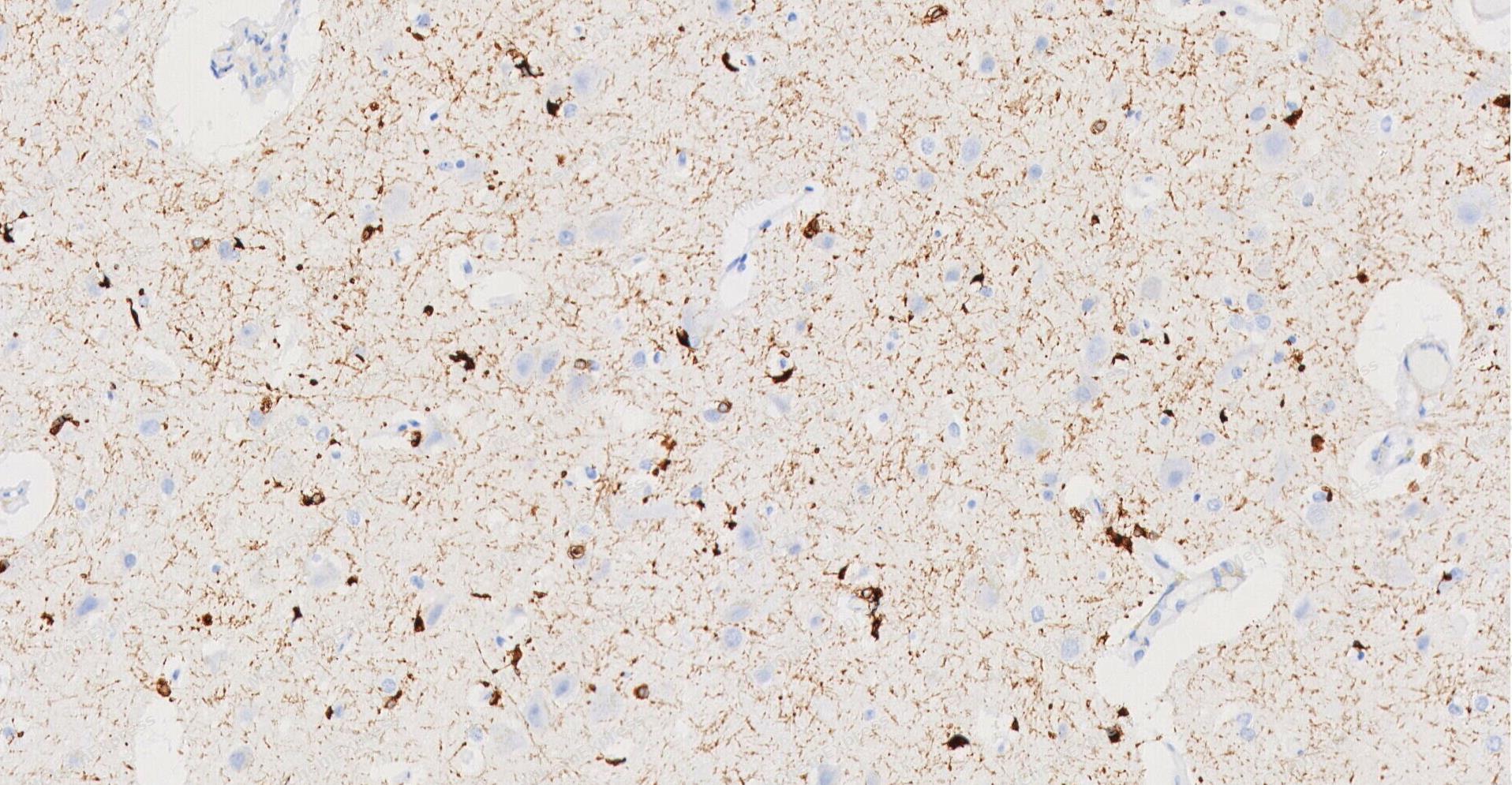 Immunohistochemical analysis of paraffin-embedded human Brain tissue using NMDAR1 antibody was performed. The section was pretreated using high-temperature and high-pressure mediated EDTA antigen retrieval buffer (pH 9.0), for 5 minutes. The tissues were incubated with primary antibody (HY-P80247, 1:1000 dilution) at room temperature for 60 minutes. Detection was performed using an HRP conjugated compact polymer system. DAB was used as the chromogen. The tissues were counterstained with hematoxylin and mounted with neutral balsam mounting medium.
 -
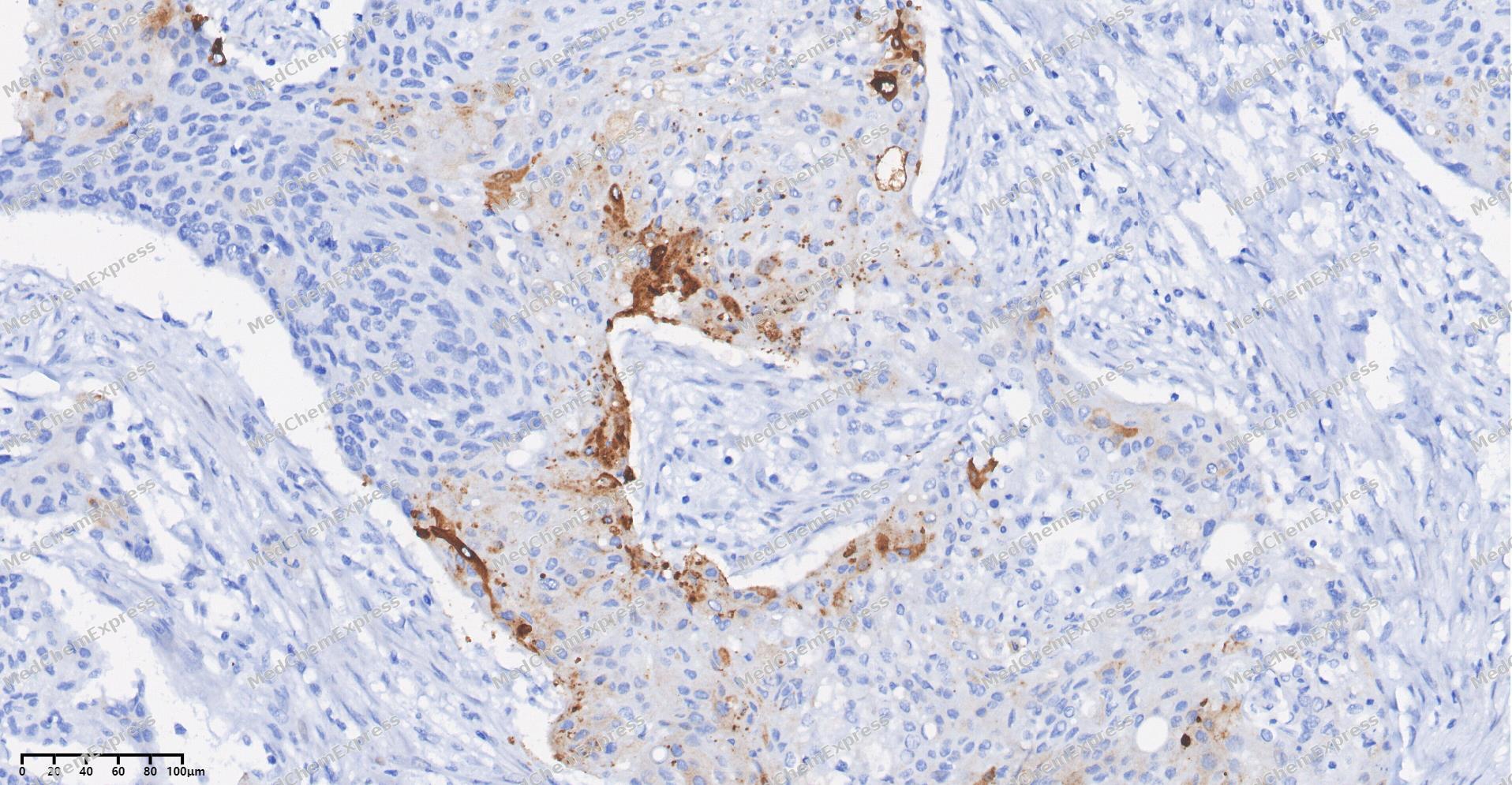 Immunohistochemical analysis of paraffin-embedded human Esophageal Carcinoma tissue using NMDAR1 antibody was performed. The section was pretreated using high-temperature and high-pressure mediated EDTA antigen retrieval buffer (pH 9.0), for 5 minutes. The tissues were incubated with primary antibody (HY-P80247, 1:1000 dilution) at room temperature for 60 minutes. Detection was performed using an HRP conjugated compact polymer system. DAB was used as the chromogen. The tissues were counterstained with hematoxylin and mounted with neutral balsam mounting medium.
 -
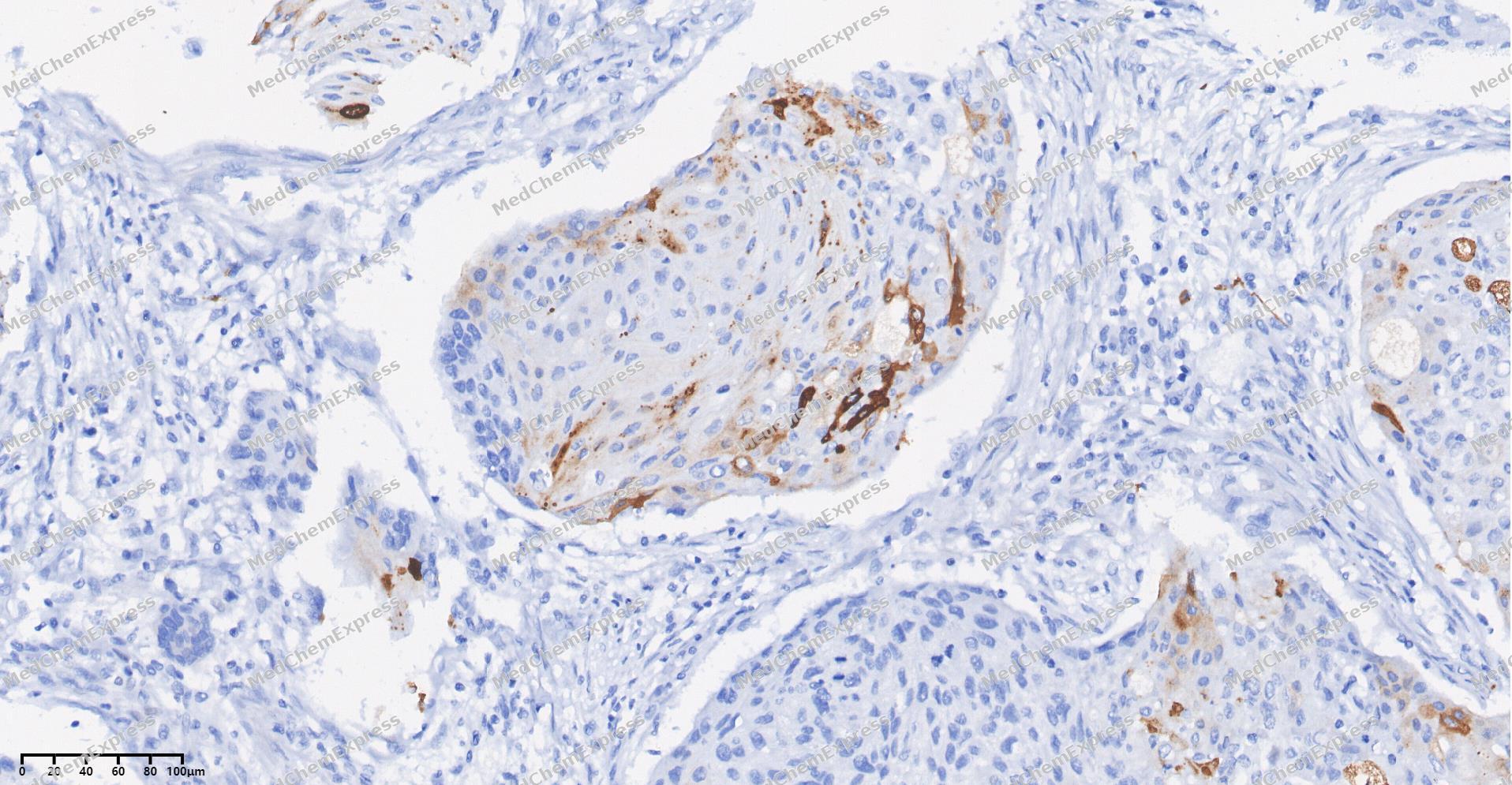 Immunohistochemical analysis of paraffin-embedded human Esophageal Carcinoma tissue using NMDAR1 antibody was performed. The section was pretreated using high-temperature and high-pressure mediated EDTA antigen retrieval buffer (pH 9.0), for 5 minutes. The tissues were incubated with primary antibody (HY-P80247, 1:1000 dilution) at room temperature for 60 minutes. Detection was performed using an HRP conjugated compact polymer system. DAB was used as the chromogen. The tissues were counterstained with hematoxylin and mounted with neutral balsam mounting medium.
 -
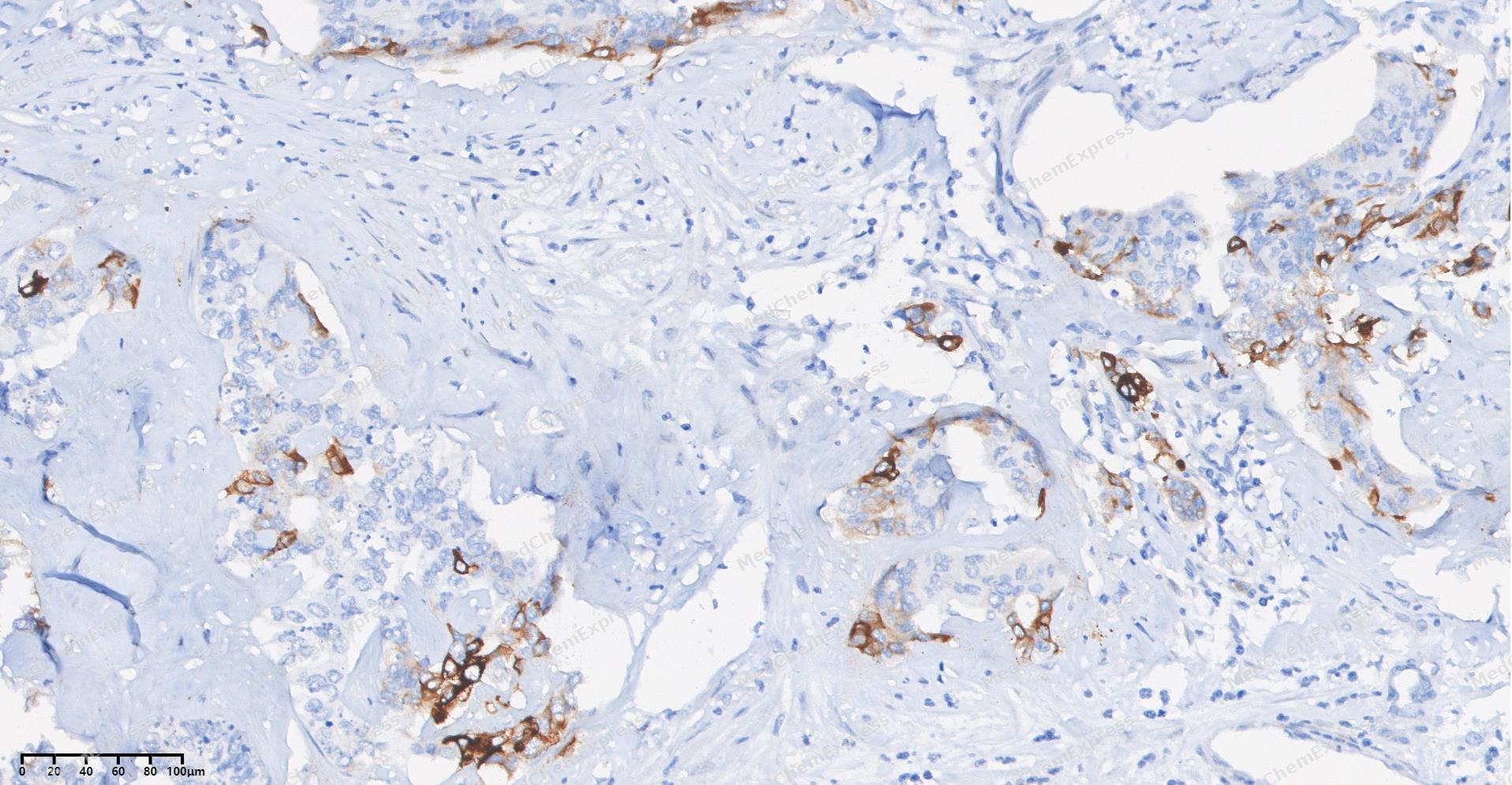 Immunohistochemical analysis of paraffin-embedded human cholangiocarcinoma tissue using NMDAR1 antibody was performed. The section was pretreated using high-temperature and high-pressure mediated EDTA antigen retrieval buffer (pH 9.0), for 5 minutes. The tissues were incubated with primary antibody (HY-P80247, 1:1000 dilution) at room temperature for 60 minutes. Detection was performed using an HRP conjugated compact polymer system. DAB was used as the chromogen. The tissues were counterstained with hematoxylin and mounted with neutral balsam mounting medium.
 -
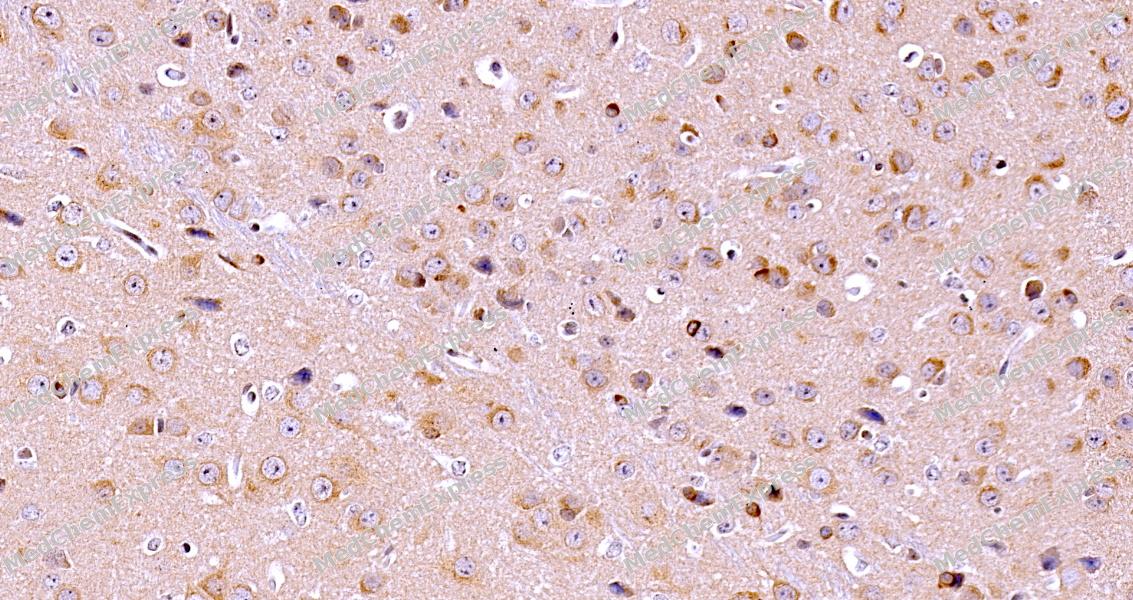 Immunohistochemical analysis of paraffin-embedded Mouse brain tissue using NMDAR1 Antibody (HY-P80247, 1/1000) . The section was pretreated using heat mediated antigen retrieval with sodium citrate buffer (PH 6.0)for 8 minutes. The tissues were blocked with quick block buffer for 0.5 hours at room temperature, washed with PBS and PBST, and then incubated with the primary antibody overnight at 4℃. The detection was performed using an HRP conjugated compact polymer system. DAB was used as the chromogen. Tissues were counterstained with hematoxylin and mounted with DPX.
 -
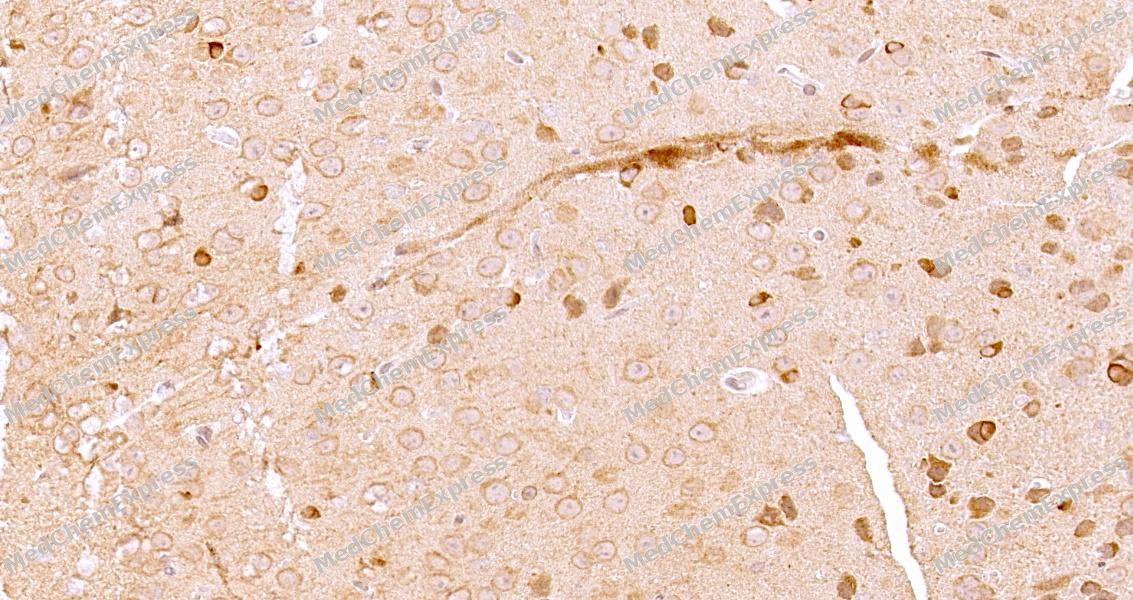 Immunohistochemical analysis of paraffin-embedded Mouse hippocampal tissue using NMDAR1 Antibody (HY-P80247, 1/1000) . The section was pretreated using heat mediated antigen retrieval with sodium citrate buffer (PH 6.0)for 8 minutes. The tissues were blocked with quick block buffer for 0.5 hours at room temperature, washed with PBS and PBST, and then incubated with the primary antibody overnight at 4℃. The detection was performed using an HRP conjugated compact polymer system. DAB was used as the chromogen. Tissues were counterstained with hematoxylin and mounted with DPX.
 -
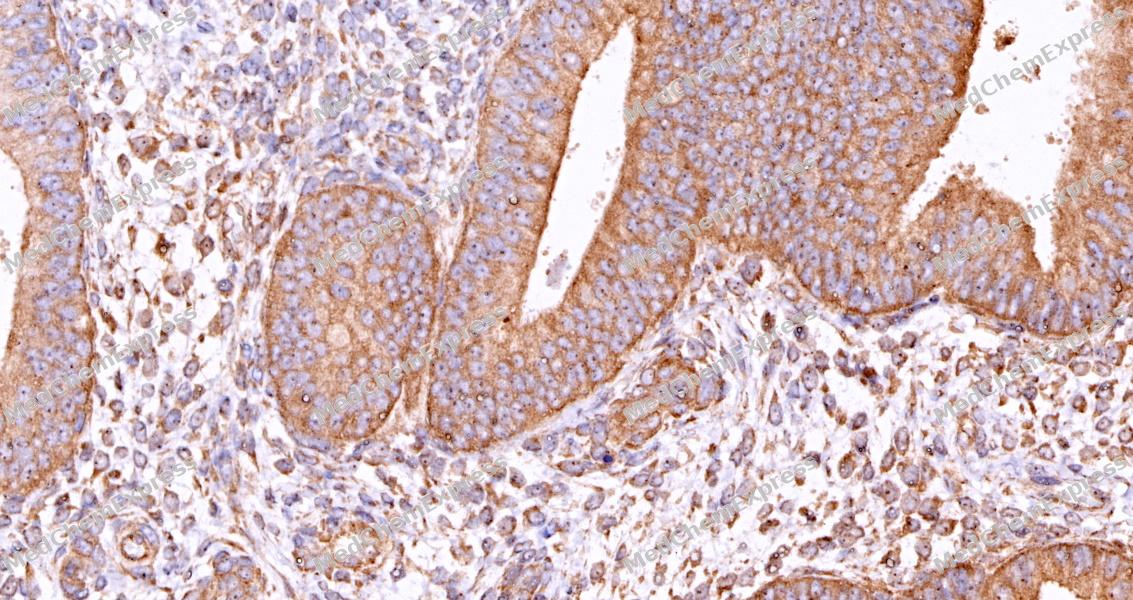 Immunohistochemical analysis of paraffin-embedded human Endometrium tissue using NMDAR1 Antibody (HY-P80247, 1/1000) . The section was pretreated using heat mediated antigen retrieval with sodium citrate buffer (PH 6.0)for 8 minutes. The tissues were blocked with quick block buffer for 0.5 hours at room temperature, washed with PBS and PBST, and then incubated with the primary antibody overnight at 4℃. The detection was performed using an HRP conjugated compact polymer system. DAB was used as the chromogen. Tissues were counterstained with hematoxylin and mounted with DPX.


Background
-
Function
NMDAR1 component of N-methyl-D-aspartate (NMDA) receptors (NMDARs) that function as heterotetrameric, ligand-gated cation channels with high calcium permeability and voltage-dependent block by Mg(2+). NMDARs participate in synaptic plasticity for learning and memory formation by contributing to the long-term potentiation (LTP). Channel activation requires binding of the neurotransmitter L-glutamate to the GluN2 subunit, glycine or D-serine binding to the GluN1 subunit, plus membrane depolarization to eliminate channel inhibition by Mg(2+). NMDARs mediate simultaneously the potasium efflux and the influx of calcium and sodium. Each GluN2 or GluN3 subunit confers differential attributes to channel properties, including activation, deactivation and desensitization kinetics, pH sensitivity, Ca2(+) permeability, and binding to allosteric modulators[1][2][3][4][5][6][7][8][9][10][11][12][13][14][15].
-
Subcellular Localization
Cell membrane; Multi-pass membrane protein; Postsynaptic cell membrane; Postsynaptic density membrane; Synaptic cell membrane
-
Subunit
Heterotetramer; the NMDAR subunits are modular and harbor tiered domains that function in concert to regulate opening and closing of the cation-selective ion channel pore (PubMed:36309015, PubMed:38598639). Forms heterotetrameric channels composed of two GluN1/zeta subunits (GRIN1), and two identical GluN2/epsilon subunits (GRIN2A, GRIN2B, GRIN2C or GRIN2D) or GluN3 subunits (GRIN3A or GRIN3B) (in vitro) (PubMed:26875626, PubMed:26919761, PubMed:28105280, PubMed:28126851, PubMed:34186027, PubMed:36309015, PubMed:36959261, PubMed:7685113). Can also form heterotetrameric channels that contain at least two GluN1 subunits and at least two different GluN2 subunits (or a combination of one GluN2 and one GluN3 subunits) (in vitro) (PubMed:36309015). In vivo, the subunit composition may vary in function of the expression levels of the different subunits (By similarity). Found in a complex with GRIN2A or GRIN2B, GRIN3A and PPP2CB (By similarity). Found in a complex with GRIN2A or GRIN2B and GRIN3B (By similarity). Interacts with SNX27 (via PDZ domain); the interaction is required for recycling to the plasma membrane when endocytosed and prevent degradation in lysosomes (By similarity). Interacts with DLG4 and MPDZ. Interacts with LRFN1 and LRFN2 (By similarity). Interacts with MYZAP (PubMed:18849881). Found in a complex with DLG4 and PRR7 (By similarity). Found in a complex with GRIN2B and PRR7 (PubMed:27458189). Interacts with PRR7; the interaction is reduced following NMDA receptor activity (PubMed:27458189)
-
SwissProt ID
-
Research Field
Neuroscience


Documentation
-
Data Sheet (234 KB)
-
SDS (252 KB)
- English - EN (252 KB)
- Français - FR (252 KB)
- Deutsch - DE (252 KB)
- Norwegian - NO (252 KB)
- Español - ES (252 KB)
- Swedish - SV (252 KB)
- Italian - IT (252 KB)
- Korean - KR (252 KB)
- Portuguese - PT (252 KB)
-
User Guide for Antibodies (1077 KB)

 Powered by Bioz
