



CD162 Antibody (YA1456)
(Synonyms: CD162; CLA; PSGL1; SELPLG)
Based on 1 Customer Validation
CD162 Antibody (YA1456) is a Rabbit-derived and non-conjugated IgG monoclonal antibody, targeting to CD162.
-
Host:
Rabbit
-
Isotype:
IgG
-
Application:
WB, IHC-P, ICC/IF, IP
-
Reactivity :
Human
-
Formulation:
Liquid in 10 mM PBS, pH 7.4, 150 mM sodium chloride, 0.05% BSA, 0.02% sodium azide and 50% glycerol.
-
Conjugation:
Non-conjugated


To place orders, for customer services and technical support, please contact: MedChemExpress USA
Tel: 609-228-6898 E-mail: [email protected] [email protected]





Applications
| Application |
WB

WB: Western Blot
|
IHC-P
IHC-P: Immunohistochemistry-Paraffin
|
ICC/IF
ICC/IF: Immunocytochemistry/
Immunofluorescence |
IP
IP: Immunoprecipitation
|
|---|---|---|---|---|
| Dilution Ratio | 1:1000-1:2000 | 1:100-1:200 | 1:50-1:200 | 1:40 |


Product Details
CD162 Antibody (YA1456) is a Rabbit-derived and non-conjugated IgG monoclonal antibody, targeting to CD162.
-
Host Rabbit

-
Clonality Recombinant,Monoclonal

-
Species ReactivityHuman
-
Observed Molecular WeightObserved band size: 120 kDa
Note: Due to possible protein modifications or aggregation, the molecular weight should be confirmed by actual measurement, and the predicted value is for reference only.

-
Calculated Molecular Weight Predicted band size: 43 kDa

A synthesized peptide derived from human CD162 aa1-65/412.
Endogenous
Affinity Chromatography
Non-conjugated
Unmodified
IgG


Product Properties
-
Appearance
Liquid
-
Formulation
Liquid in 10 mM PBS, pH 7.4, 150 mM sodium chloride, 0.05% BSA, 0.02% sodium azide and 50% glycerol.
-
Concentration
Batch-dependent, Please check the COA for the concentration of each lot. Check Lot Concentration
-
Storage & Stability
Stored at -20°C for 1 year. Avoid repeated freeze / thaw cycles.
-
Shipping
Shipping with blue ice.


Verification Images
-
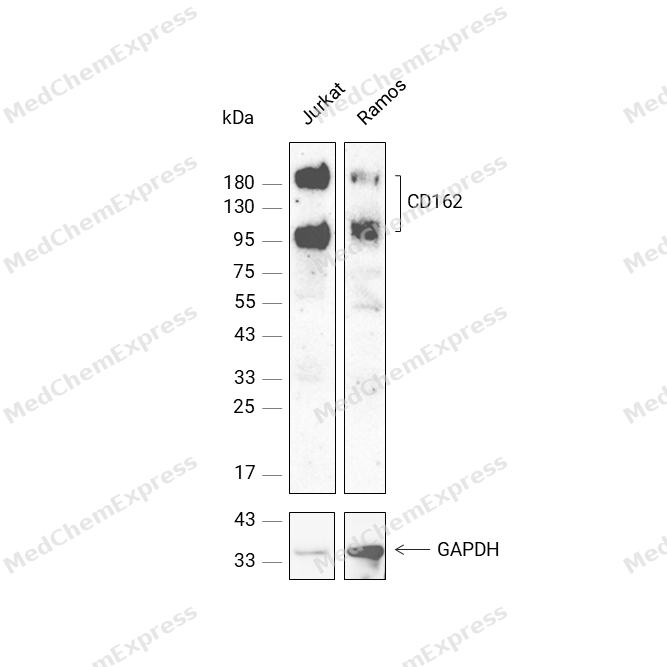 Western blot analysis was performed on protein extracts (25 μg) from Jurkat (lane 1) and Ramos (lane 2) using CD162 antibody. Proteins were transferred onto a 0.45 μm PVDF membrane using the Trans-Blot® Turbo™ system for 13 min. The membrane was then blocked with 5% nonfat milk in TBST (HY-K1025) for 1 h at room temperature. Thhe primary antibody (1:1000) and loading control antibody GAPDH Antibody (HRP) (HY-P80954A) (1:2500) were diluted in 5% nonfat milk in TBST and incubated with the membrane overnight at 4°C. After washing, the membrane of primary antibody was incubated with HRP-conjugated goat anti-rabbit/mouse IgG secondary antibody (HY-P8001/HY-P8004) (1:5000) diluted in 5% nonfat milk in TBST for 1 h at room temperature. Protein bands were visualized using an Ultra High Sensitivity ECL detection kit (HY-K1005).
 -
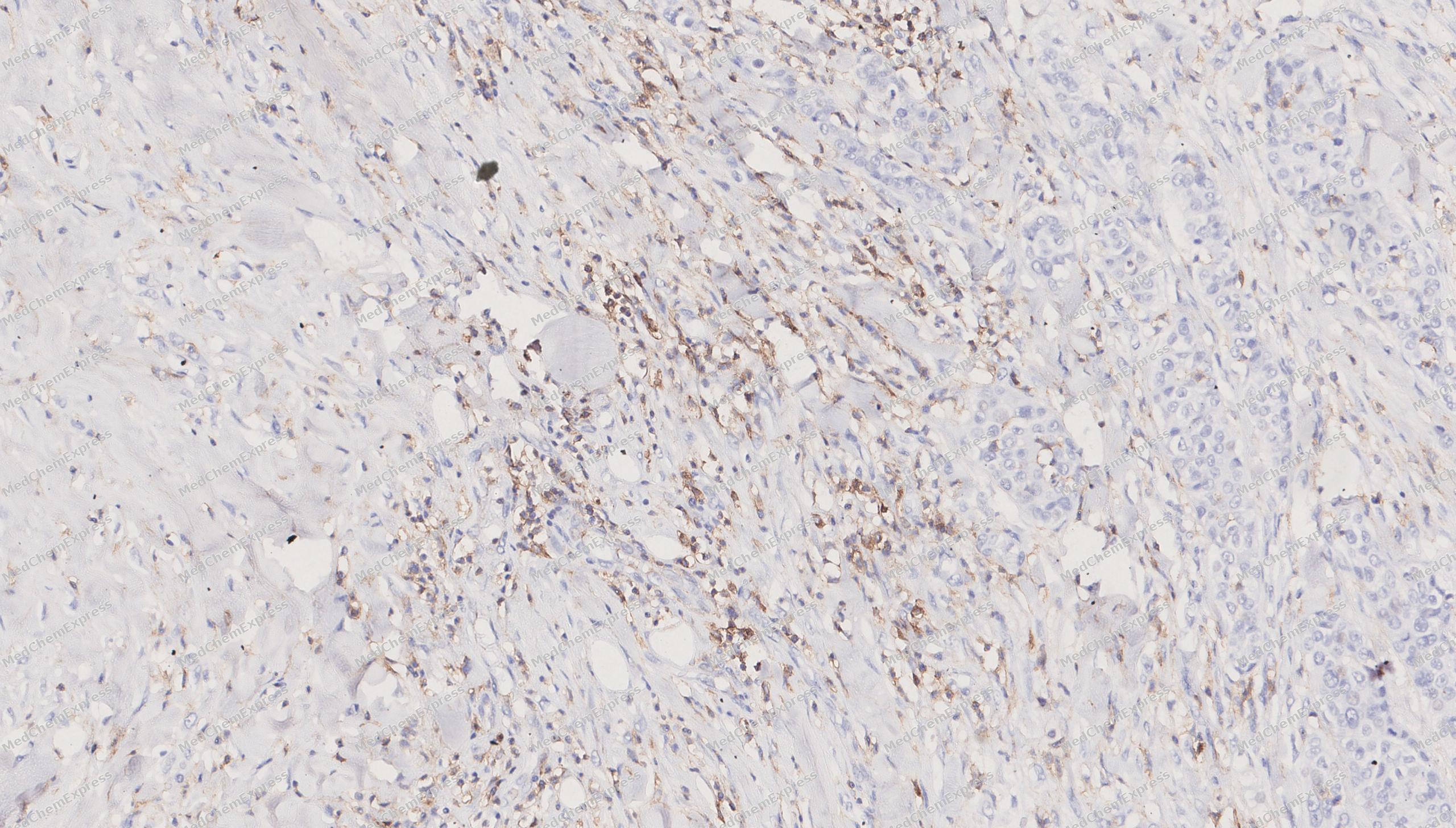 Immunohistochemical analysis of paraffin-embedded human Mucoepidermoid carcinoma tissue using CD162 antibody was performed. The section was pretreated using high-temperature mediated EDTA antigen retrieval buffer (pH 9.0), for 20 minutes. The tissues were incubated with primary antibody (HY-P81711, 1:100 dilution) at room temperature for 20 minutes. Detection was performed using an HRP conjugated compact polymer system. DAB was used as the chromogen. The tissues were counterstained with hematoxylin and mounted with neutral balsam mounting medium.
 -
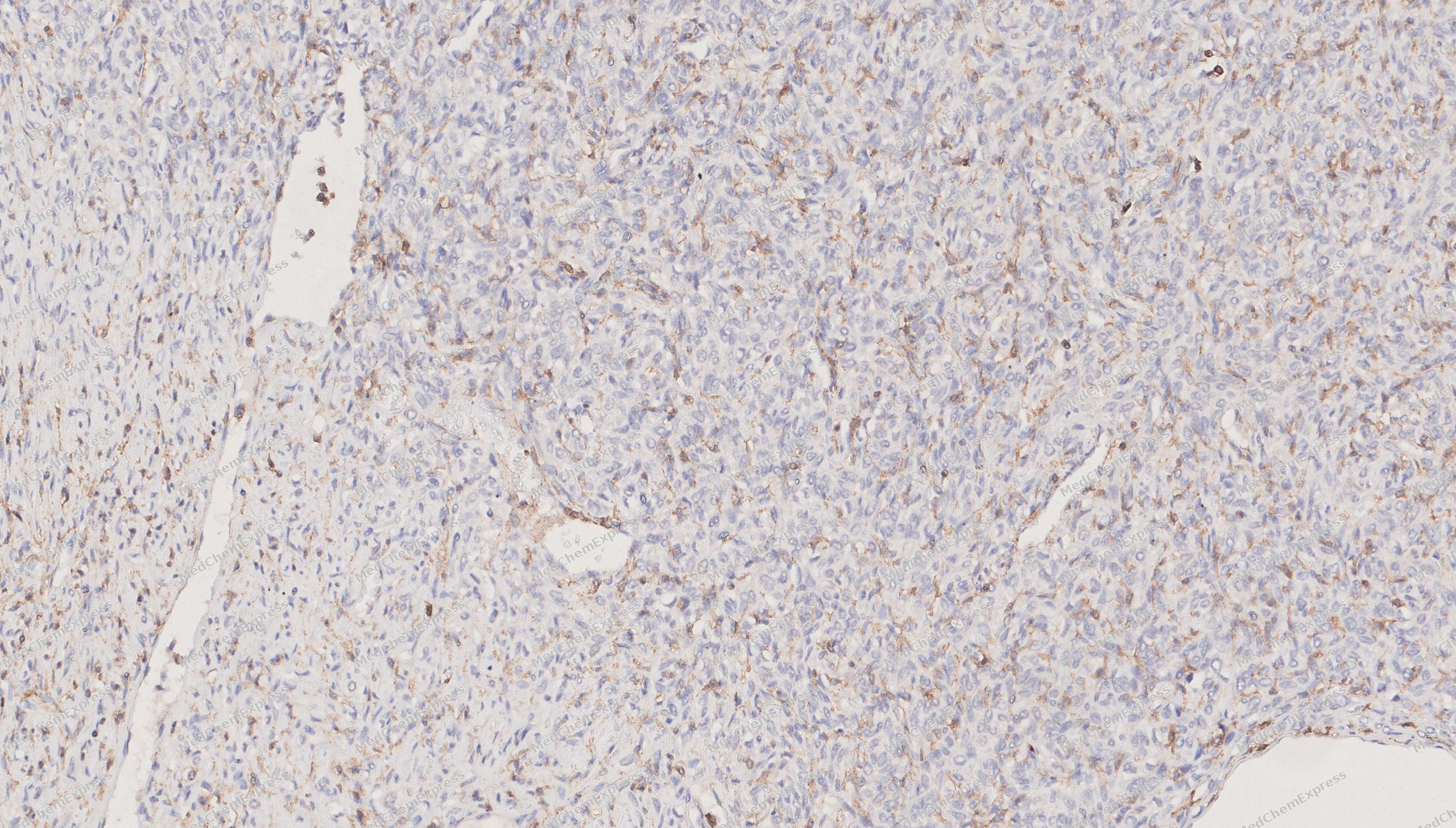 Immunohistochemical analysis of paraffin-embedded human solitary fibrous tumor tissue using CD162 antibody was performed. The section was pretreated using high-temperature mediated EDTA antigen retrieval buffer (pH 9.0), for 20 minutes. The tissues were incubated with primary antibody (HY-P81711, 1:100 dilution) at room temperature for 20 minutes. Detection was performed using an HRP conjugated compact polymer system. DAB was used as the chromogen. The tissues were counterstained with hematoxylin and mounted with neutral balsam mounting medium.
 -
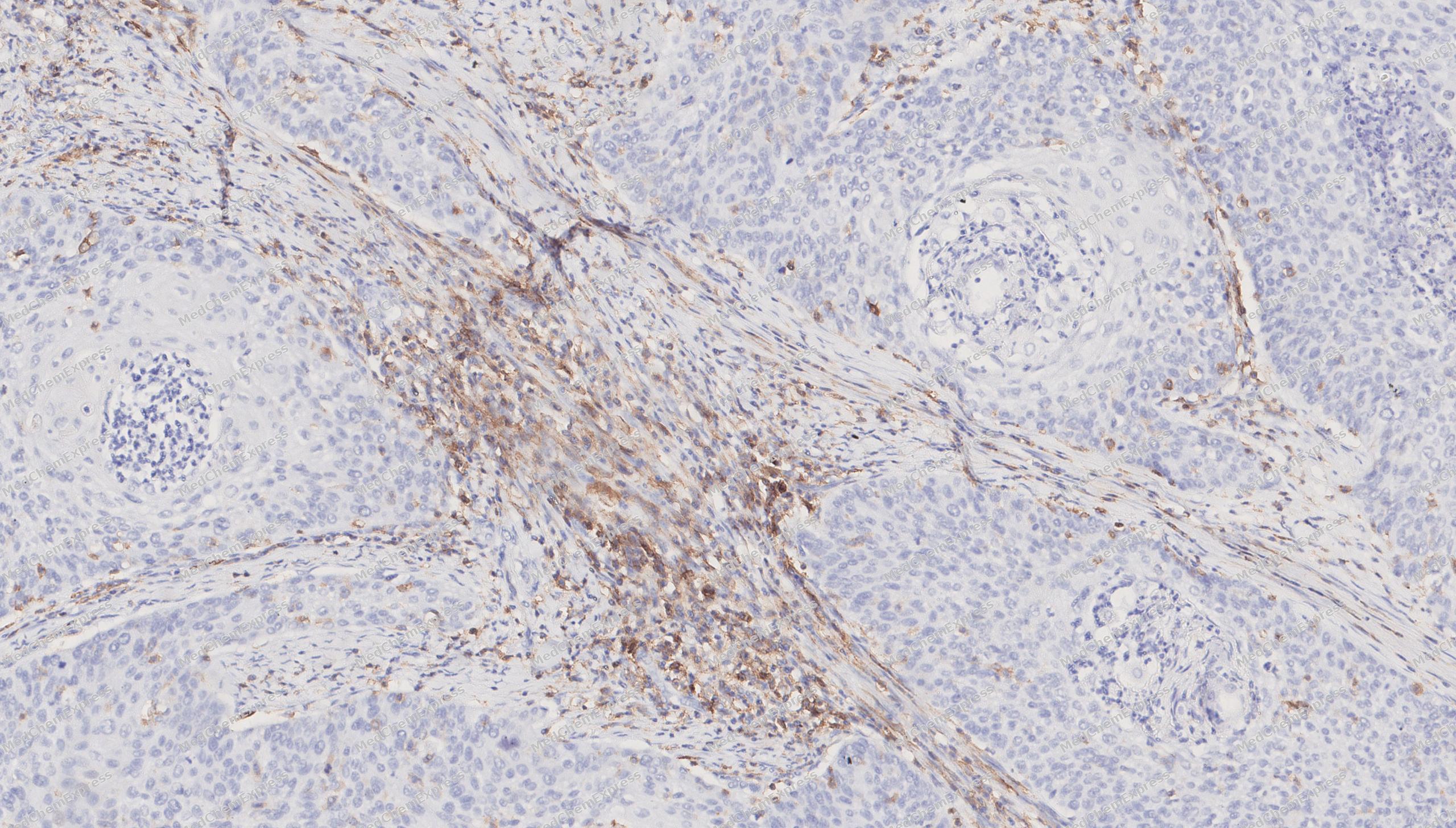 Immunohistochemical analysis of paraffin-embedded human cervical squamous cell carcinoma tissue using CD162 antibody was performed. The section was pretreated using high-temperature mediated EDTA antigen retrieval buffer (pH 9.0), for 20 minutes. The tissues were incubated with primary antibody (HY-P81711, 1:100 dilution) at room temperature for 20 minutes. Detection was performed using an HRP conjugated compact polymer system. DAB was used as the chromogen. The tissues were counterstained with hematoxylin and mounted with neutral balsam mounting medium.
 -
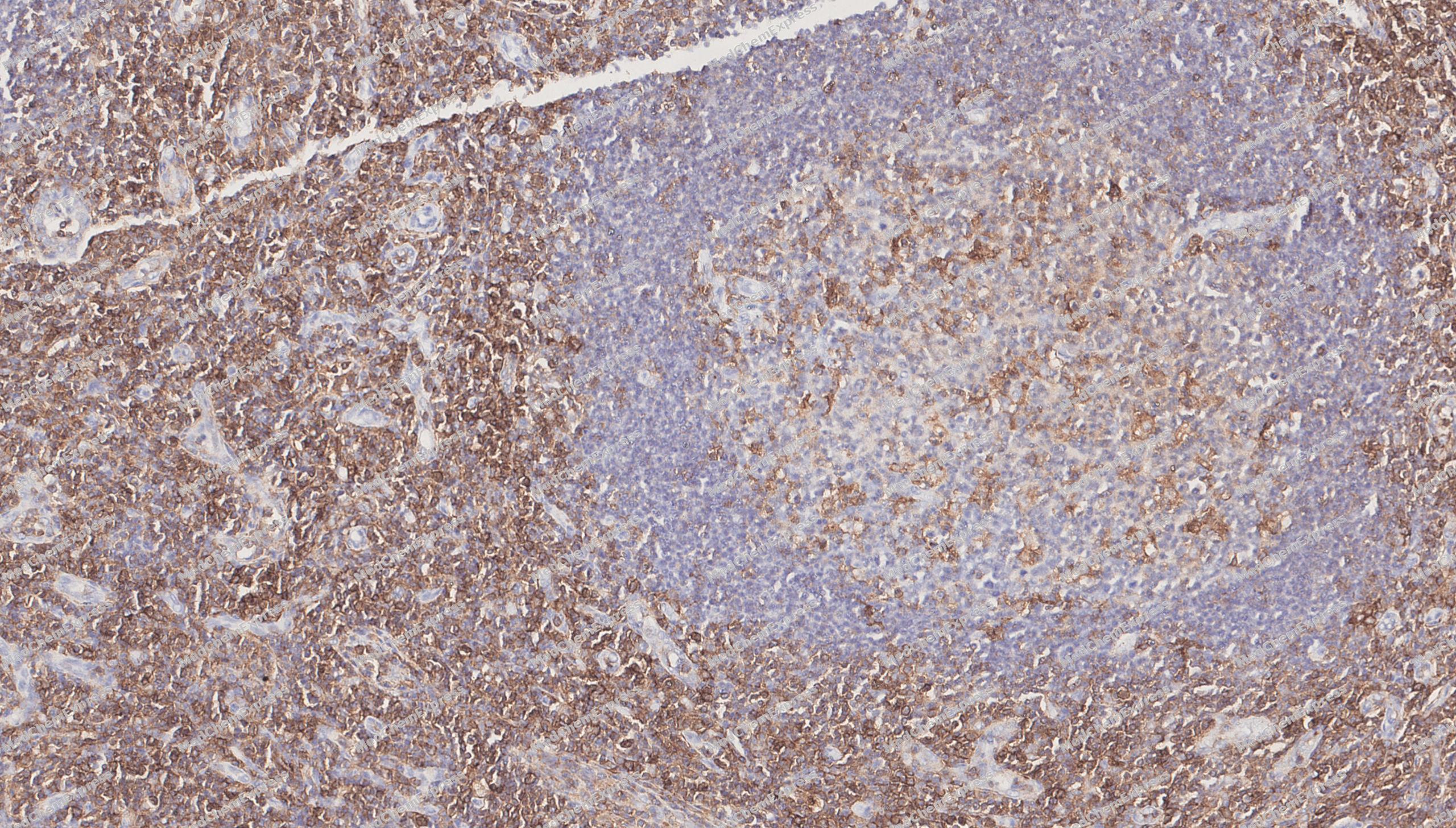 Immunohistochemical analysis of paraffin-embedded human Kimura's disease tissue using CD162 antibody was performed. The section was pretreated using high-temperature mediated EDTA antigen retrieval buffer (pH 9.0), for 20 minutes. The tissues were incubated with primary antibody (HY-P81711, 1:100 dilution) at room temperature for 20 minutes. Detection was performed using an HRP conjugated compact polymer system. DAB was used as the chromogen. The tissues were counterstained with hematoxylin and mounted with neutral balsam mounting medium.
 -
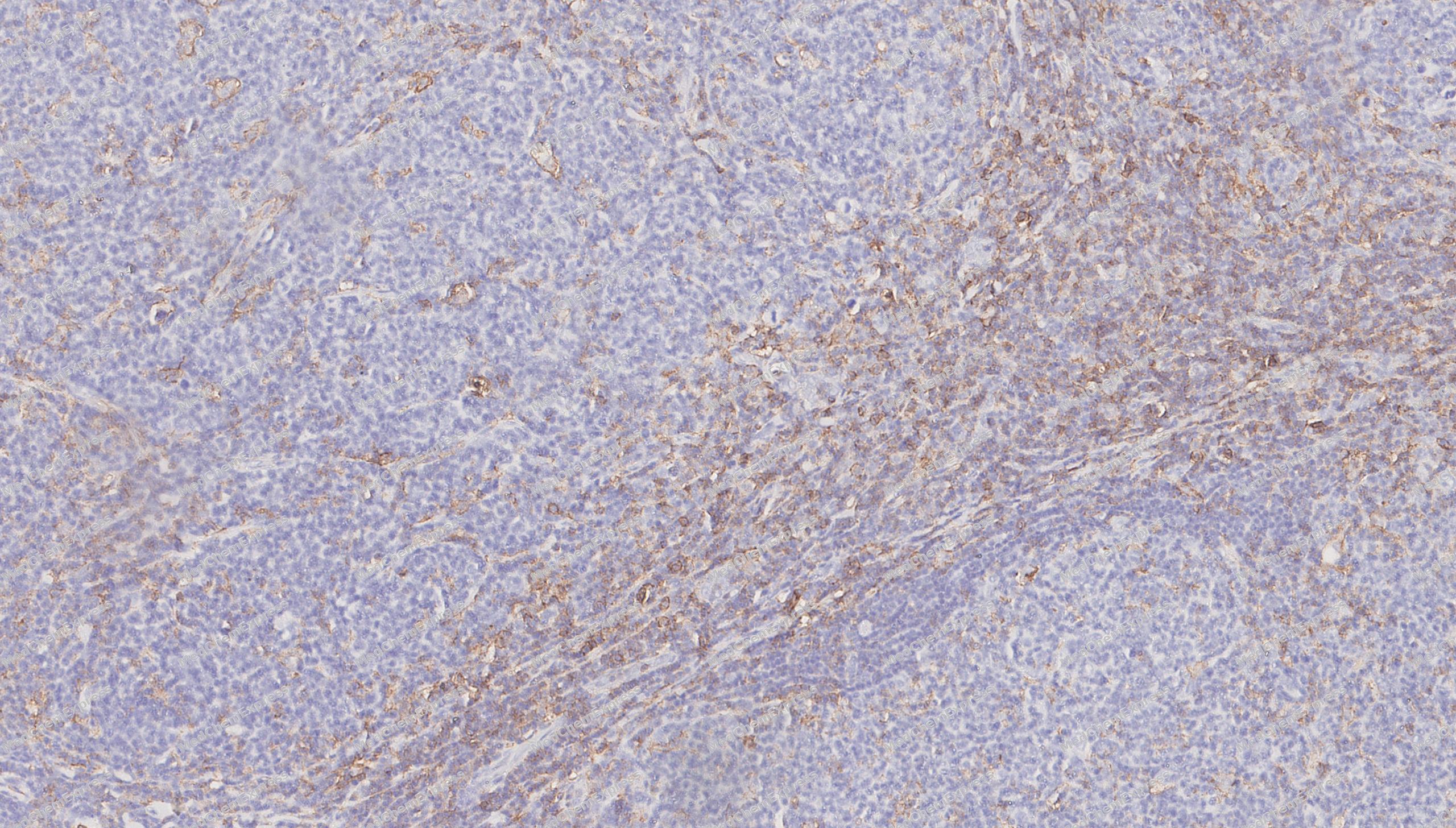 Immunohistochemical analysis of paraffin-embedded human Follicular Lymphoma tissue using CD162 antibody was performed. The section was pretreated using high-temperature mediated EDTA antigen retrieval buffer (pH 9.0), for 20 minutes. The tissues were incubated with primary antibody (HY-P81711, 1:100 dilution) at room temperature for 20 minutes. Detection was performed using an HRP conjugated compact polymer system. DAB was used as the chromogen. The tissues were counterstained with hematoxylin and mounted with neutral balsam mounting medium.
 -
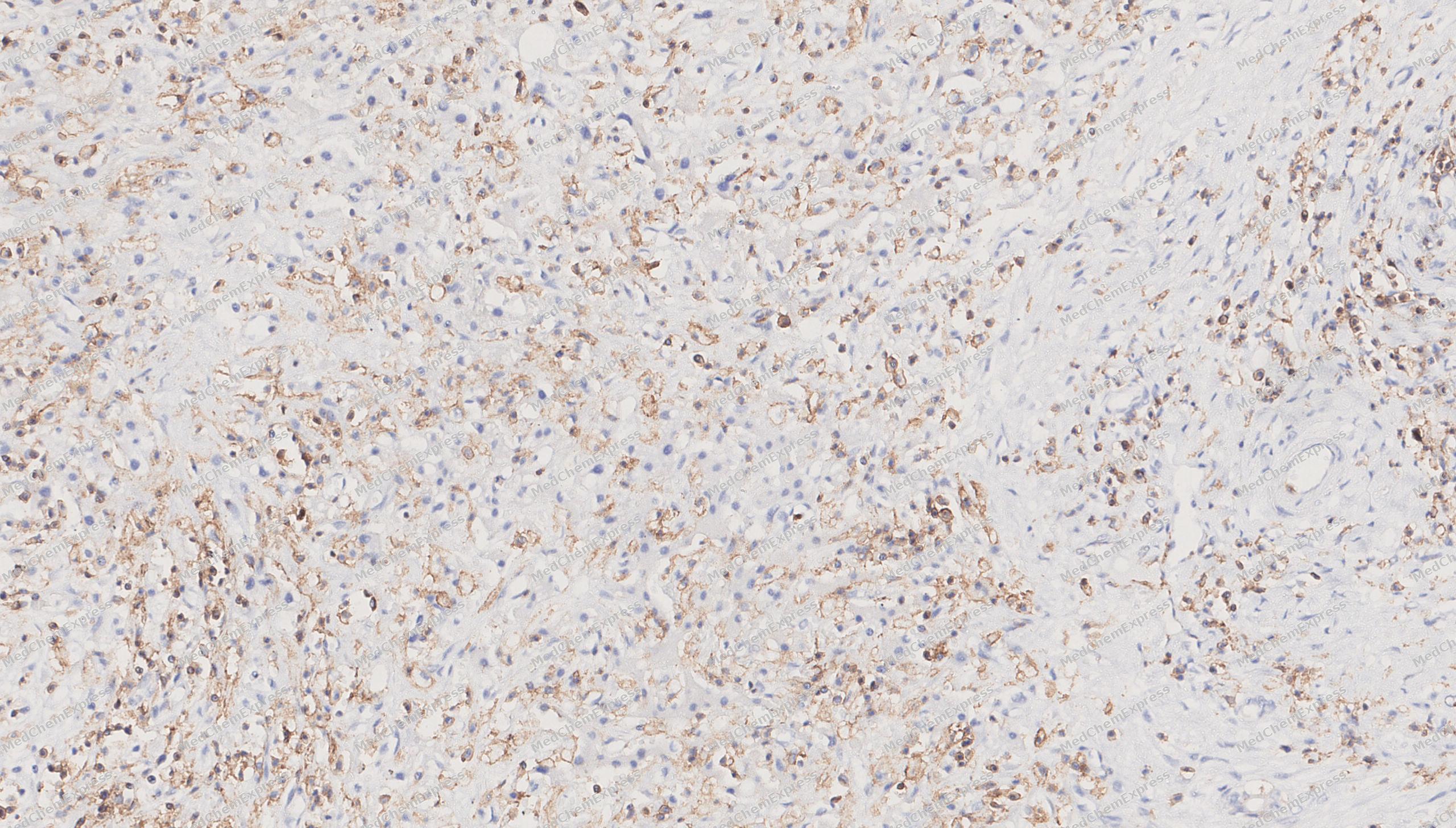 Immunohistochemical analysis of paraffin-embedded human Liver cyst tissue using CD162 antibody was performed. The section was pretreated using high-temperature mediated EDTA antigen retrieval buffer (pH 9.0), for 20 minutes. The tissues were incubated with primary antibody (HY-P81711, 1:100 dilution) at room temperature for 20 minutes. Detection was performed using an HRP conjugated compact polymer system. DAB was used as the chromogen. The tissues were counterstained with hematoxylin and mounted with neutral balsam mounting medium.
 -
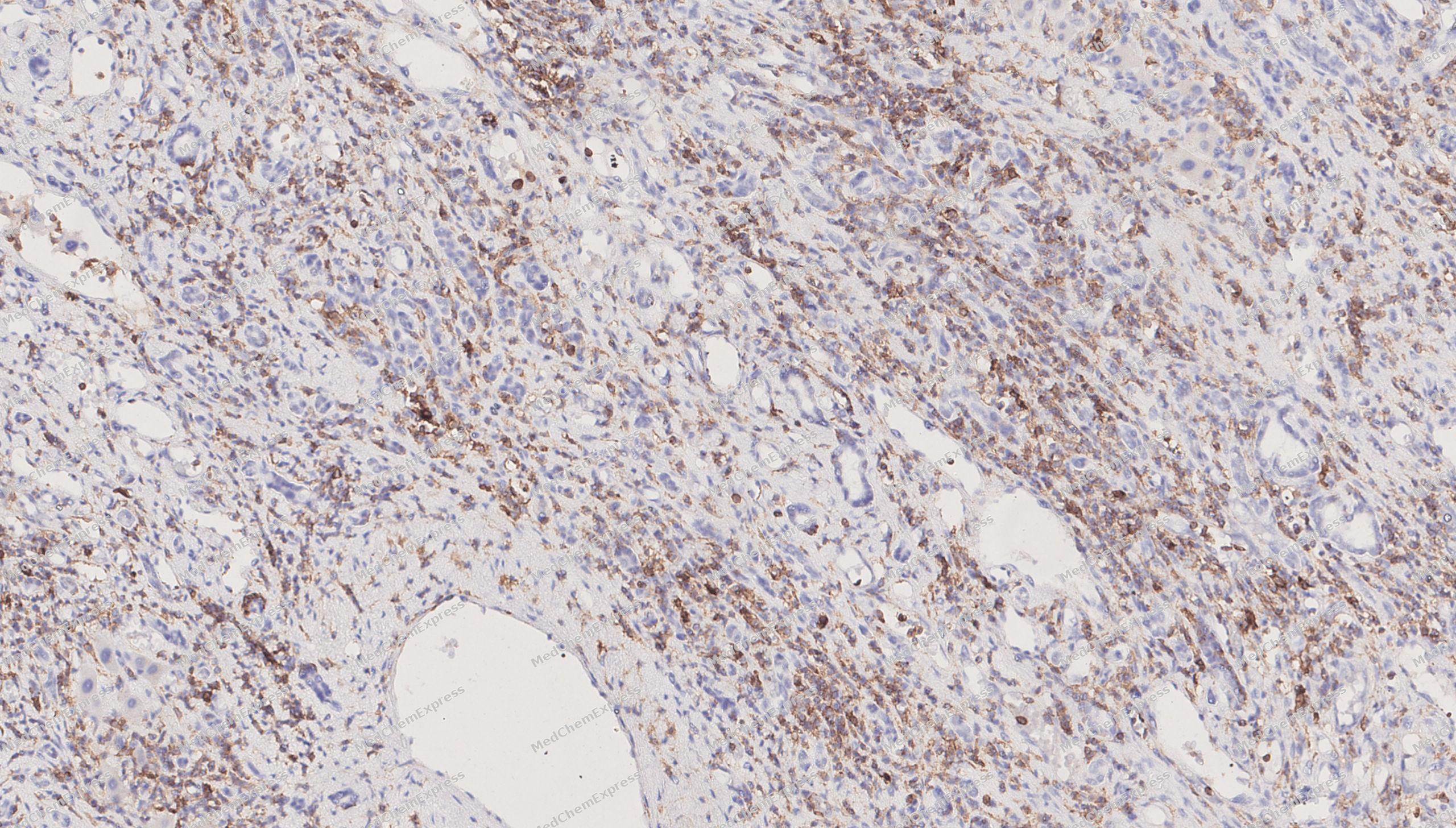 Immunohistochemical analysis of paraffin-embedded human Hepatocellular Carcinoma tissue using CD162 antibody was performed. The section was pretreated using high-temperature mediated EDTA antigen retrieval buffer (pH 9.0), for 20 minutes. The tissues were incubated with primary antibody (HY-P81711, 1:100 dilution) at room temperature for 20 minutes. Detection was performed using an HRP conjugated compact polymer system. DAB was used as the chromogen. The tissues were counterstained with hematoxylin and mounted with neutral balsam mounting medium.
 -
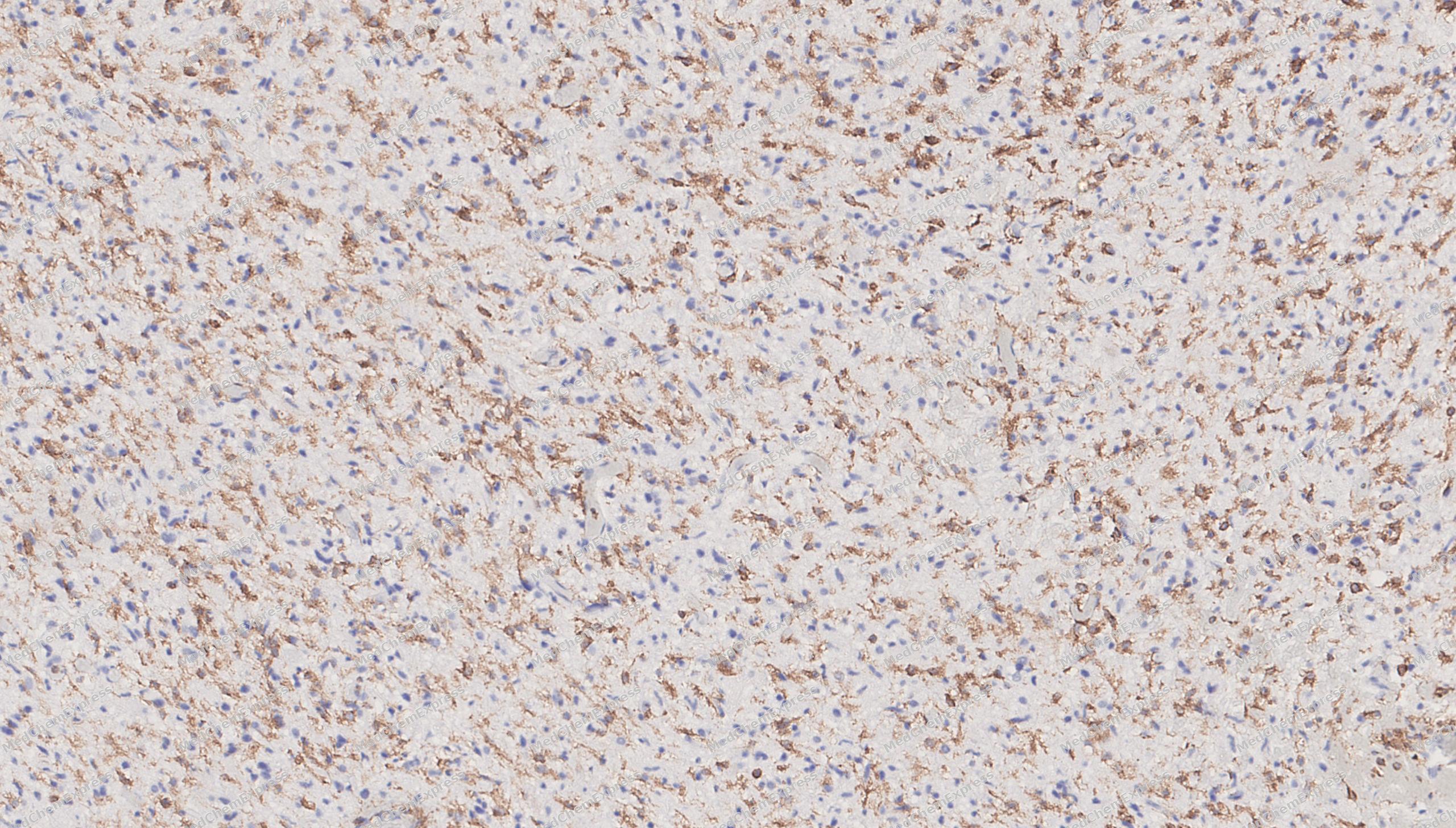 Immunohistochemical analysis of paraffin-embedded human Glioma tissue using CD162 antibody was performed. The section was pretreated using high-temperature mediated EDTA antigen retrieval buffer (pH 9.0), for 20 minutes. The tissues were incubated with primary antibody (HY-P81711, 1:100 dilution) at room temperature for 20 minutes. Detection was performed using an HRP conjugated compact polymer system. DAB was used as the chromogen. The tissues were counterstained with hematoxylin and mounted with neutral balsam mounting medium.
 -
 Immunocytochemistry analysis of Hela cells labeling CD162 with CD162 Antibody (HY-P81711) at 1/100 dilution. Cells were fixed in 4% paraformaldehyde for 15 minutes at room temperature, permeabilized with 0.1% Triton X-100 in PBS for 15 minutes at room temperature, then blocked with quick block buffer for 10 minutes at room temperature. Cells were then incubated with CD162 Antibody (HY-P81711) at 1/100 dilution in quick block buffer overnight at 4 ℃. AF488-conjugated Goat Anti-Rabbit IgG H&L (HY-P8002, Green) was used as the secondary antibody at 1/1,000 dilution. PBS instead of the primary antibody was used as the secondary antibody only control. The Nuclear counterstain was DAPI (Blue).
 -
 Immunocytochemistry analysis of MCF-7 cells labeling CD162 with CD162 Antibody (HY-P81711) at 1/100 dilution. Cells were fixed in 4% paraformaldehyde for 15 minutes at room temperature, permeabilized with 0.1% Triton X-100 in PBS for 15 minutes at room temperature, then blocked with quick block buffer for 10 minutes at room temperature. Cells were then incubated with CD162 Antibody (HY-P81711) at 1/100 dilution in quick block buffer overnight at 4 ℃. AF488-conjugated Goat Anti-Rabbit IgG H&L (HY-P8002, Green) was used as the secondary antibody at 1/1,000 dilution. PBS instead of the primary antibody was used as the secondary antibody only control. The Nuclear counterstain was DAPI (Blue).


Background
-
Function
CD162 is an A SLe(x)-type proteoglycan, which through high affinity, calcium-dependent interactions with E-, P- and L-selectins, mediates rapid rolling of leukocytes over vascular surfaces during the initial steps in inflammation. Critical for the initial leukocyte capture; (Microbial infection) Acts as a receptor for enterovirus 71
-
Subcellular Localization
Membrane; Single-pass type I membrane protein
-
Expression
Tissue_specificity:It is expressed on neutrophils, monocytes, and most lymphocytes. -
Isoforms & Post-Translational Modification
Q14242 has 2 isomers: Q14242-1: 43201 Da (predicted); Q14242-2: 44648 Da (predicted).
Displays complex, core-2, sialylated and fucosylated O-linked oligosaccharides, at least some of which appear to contain poly-N-acetyllactosamine with varying degrees of substitution. Mainly disialylated or neutral forms of the core-2 tetrasaccharide, Galbeta1-->4GlcNAcbeta1-->6(Galbeta1-->3)GalNAcOH. The GlcN:GalN ratio is approximately 2:1 and the Man:Fuc ratio 3:5. Contains about 14% fucose with alpha-1,3 linkage present in two forms: One species is a disialylated, monofucosylated glycan, and the other, a monosialylated, trifucosylated glycan with a polylactosamine backbone. The fucosylated forms carry the Lewis antigen and are important for interaction with selectins and for functioning in leukocyte rolling. The modification containing the sialyl Lewis X glycan is on Thr-57. No sulfated O-glycans. Some N-glycosylation;Sulfation, in conjunction with the SLe(x)-containing glycan, is necessary for P- and L-selectin binding. High affinity P-selectin binding has a preferred requirement for the isomer sulfated on both Tyr-48 and Tyr-51, whereas L-selectin binding requires predominantly sulfation on Tyr-51 with sulfation on Tyr-48 playing only a minor role. These sulfations play an important role in L- and P-selectin-mediated neutrophil recruitment, and leukocyte rolling -
Subunit
Homodimer; disulfide-linked. Interaction with P-, E- and L-selectins, through their lectin/EGF domains, is required for promoting recruitment and rolling of leukocytes. These interactions require sialyl Lewis X glycan modification but there is a differing dependence for tyrosine sulfations. Sulfation on Tyr-51 of PSGL1 is most important for high affinity L-selectin/SELL binding while P-selectin/SELP requires sulfation on Tyr-48. E-selectin/SELE binds with much lower affinity and requires the sLe(x) epitope, but apparently not tyrosine sulfation. Dimerization appears not to be required for P-selectin/SELP binding. Interacts with SNX20. Interacts with MSN and SYK; mediates the activation of SYK by SELPLG. Interacts with HAVCR1 (PubMed:24703780)
-
SwissProt ID
-
Synonyms
CD162; CLA; PSGL1; SELPLG
-
Research Field
Immunology


Documentation
-
Data Sheet (234 KB)
-
SDS (251 KB)
- English - EN (251 KB)
- Français - FR (251 KB)
- Deutsch - DE (251 KB)
- Norwegian - NO (251 KB)
- Español - ES (251 KB)
- Swedish - SV (251 KB)
- Italian - IT (251 KB)
- Korean - KR (251 KB)
- Portuguese - PT (251 KB)
-
User Guide for Antibodies (1077 KB)

 Powered by Bioz
