



cGAS Antibody (YA5887)

Based on 1 Customer Validation
cGAS Antibody (YA5887) is a Rabbit-derived and non-conjugated IgG monoclonal antibody, targeting to cGAS.
-
Host:
Rabbit
-
Isotype:
IgG
-
Application:
WB, IHC-P, ICC/IF, IP, ELISA
-
Reactivity :
Mouse
-
Formulation:
Supplied in PBS, 50% glycerol, 0.05% Proclin 300, 0.05%BSA
-
Conjugation:
Non-conjugated


To place orders, for customer services and technical support, please contact: MedChemExpress USA
Tel: 609-228-6898 E-mail: [email protected] [email protected]





Applications
| Application |
IHC-P

IHC-P: Immunohistochemistry-Paraffin
|
WB
WB: Western Blot
|
ICC/IF
ICC/IF: Immunocytochemistry/
Immunofluorescence |
ELISA
ELISA: Enzyme Linked Immunosorbent Assay
|
IP
IP: Immunoprecipitation
|
|---|---|---|---|---|---|
| Dilution Ratio | 1:100-1:500 | 1:2000-1:10000 | 1:200-1:1000 | 1:5000-1:20000 | 1:50-1:200 |


Product Details
cGAS Antibody (YA5887) is a Rabbit-derived and non-conjugated IgG monoclonal antibody, targeting to cGAS.
-
Host Rabbit

-
Clonality Monoclonal

-
Species ReactivityMouse
-
Observed Molecular WeightObserved band size: 58 kDa
Note: Due to possible protein modifications or aggregation, the molecular weight should be confirmed by actual measurement, and the predicted value is for reference only.

-
Calculated Molecular Weight Predicted band size: 58 kDa

Protein A
Non-conjugated
Unmodified
IgG


Product Properties
-
Appearance
Liquid
-
Formulation
Supplied in PBS, 50% glycerol, 0.05% Proclin 300, 0.05%BSA
-
Concentration
Batch-dependent, Please check the COA for the concentration of each lot. Check Lot Concentration
-
Storage & Stability
Stored at -20°C for 1 year. Avoid repeated freeze / thaw cycles.
-
Shipping
Shipping with blue ice.


Verification Images
-
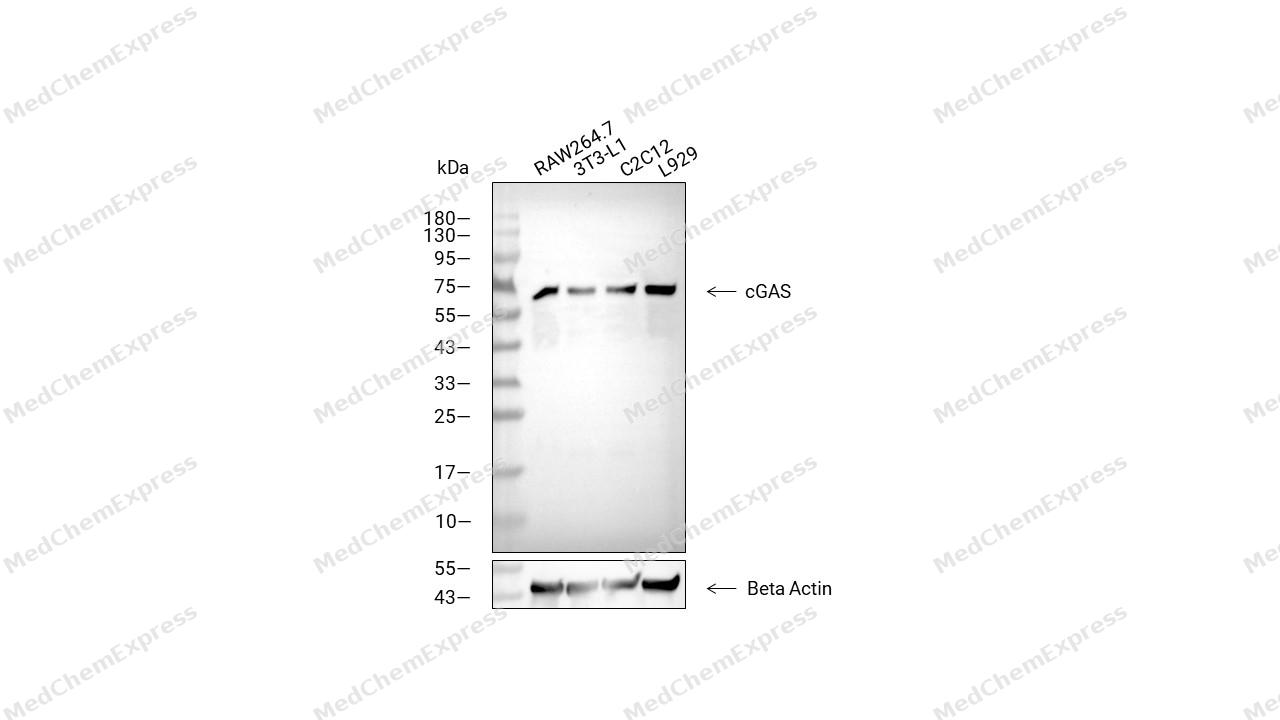 Western blot analysis of extracts from RAW264.7 (lane2(20μg), 3T3-L1 (lane3(20μg), C2C12 (lane4(20μg) and L929 (lane5(20μg) using cGAS Antibody (HY-P86195). Proteins were transferred to a PVDF membrane and blocked with 5% non-fat milk in TBST for 2 hour at room temperature. The primary antibody (1/5000) and Loading control antibody (Beta Actin, HY-P80993, 1/10,000) was used in 5% non-fat milk in TBST at 4°C overnight. Goat Anti-Rabbit IgG-HRP Secondary Antibody (HY-P8001 ,1/10,000) was used for 1 hour at room temperature.
 -
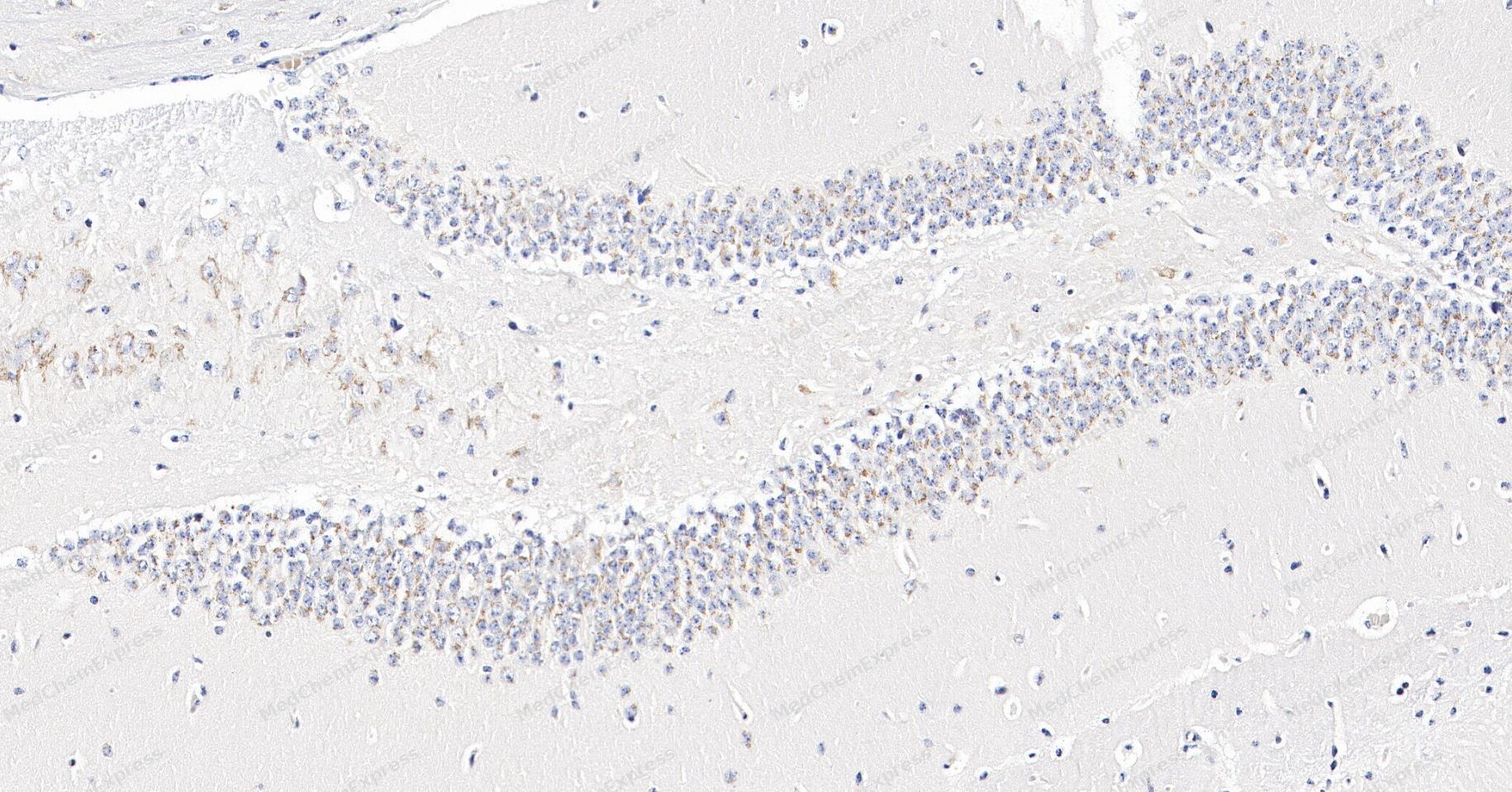 Immunohistochemical analysis of paraffin-embedded mouse brain tissue using cGAS Antibody (YA5887). The section was pre-treated using heat mediated antigen retrieval with Tris/EDTA buffer (pH 9.0) for 20 minutes. The tissues were probed with the primary antibody (HY-P86195, 1/100) overnight at 4℃. The detection was performed using an HRP conjugated compact polymer system. DAB was used as the chromogen. Tissues were counterstained with hematoxylin and mounted with neutral balsam.
 -
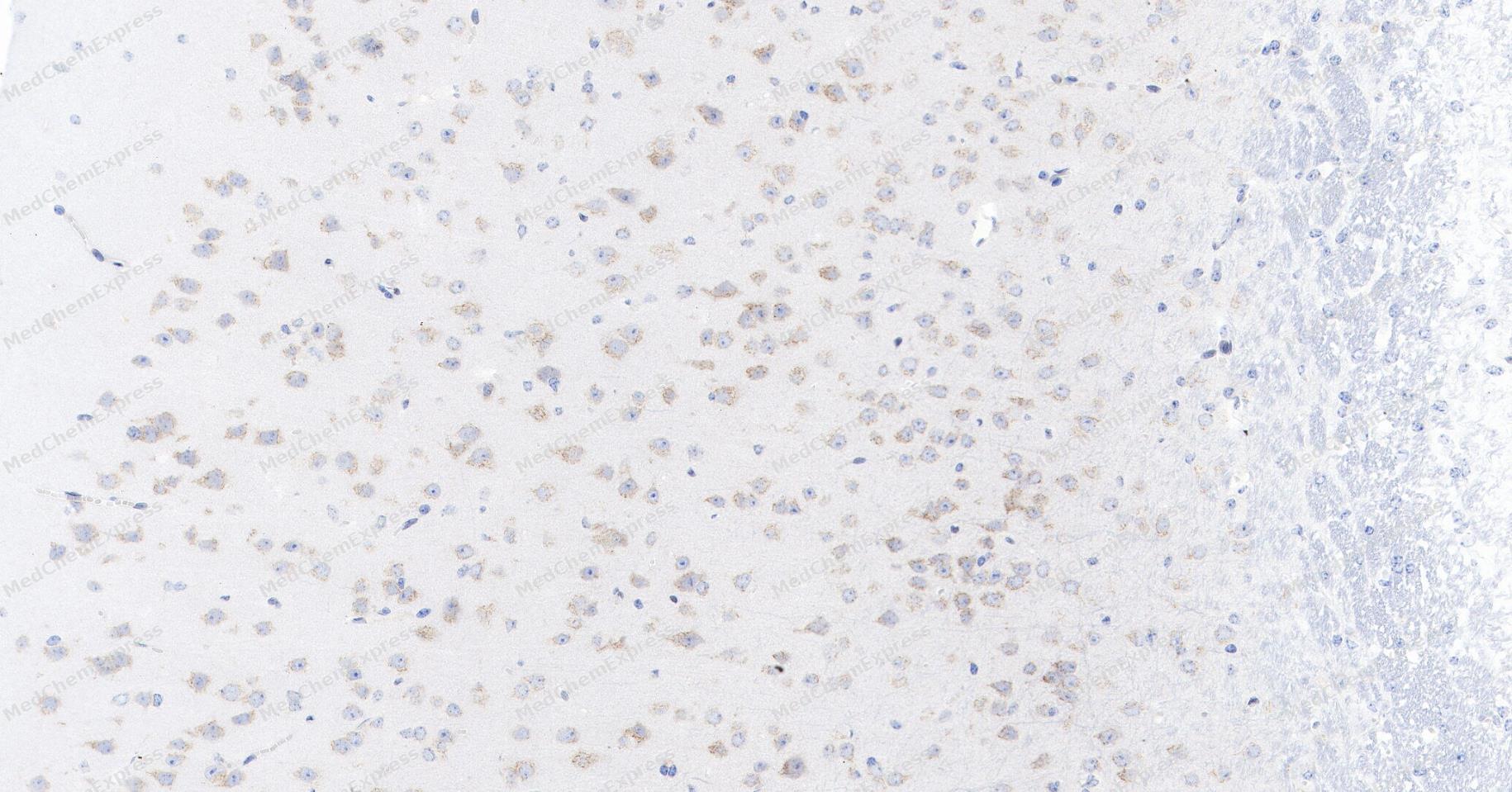 Immunohistochemical analysis of paraffin-embedded mouse brain tissue using cGAS Antibody (YA5887). The section was pre-treated using heat mediated antigen retrieval with Tris/EDTA buffer (pH 9.0) for 20 minutes. The tissues were probed with the primary antibody (HY-P86195, 1/100) overnight at 4℃. The detection was performed using an HRP conjugated compact polymer system. DAB was used as the chromogen. Tissues were counterstained with hematoxylin and mounted with neutral balsam.
 -
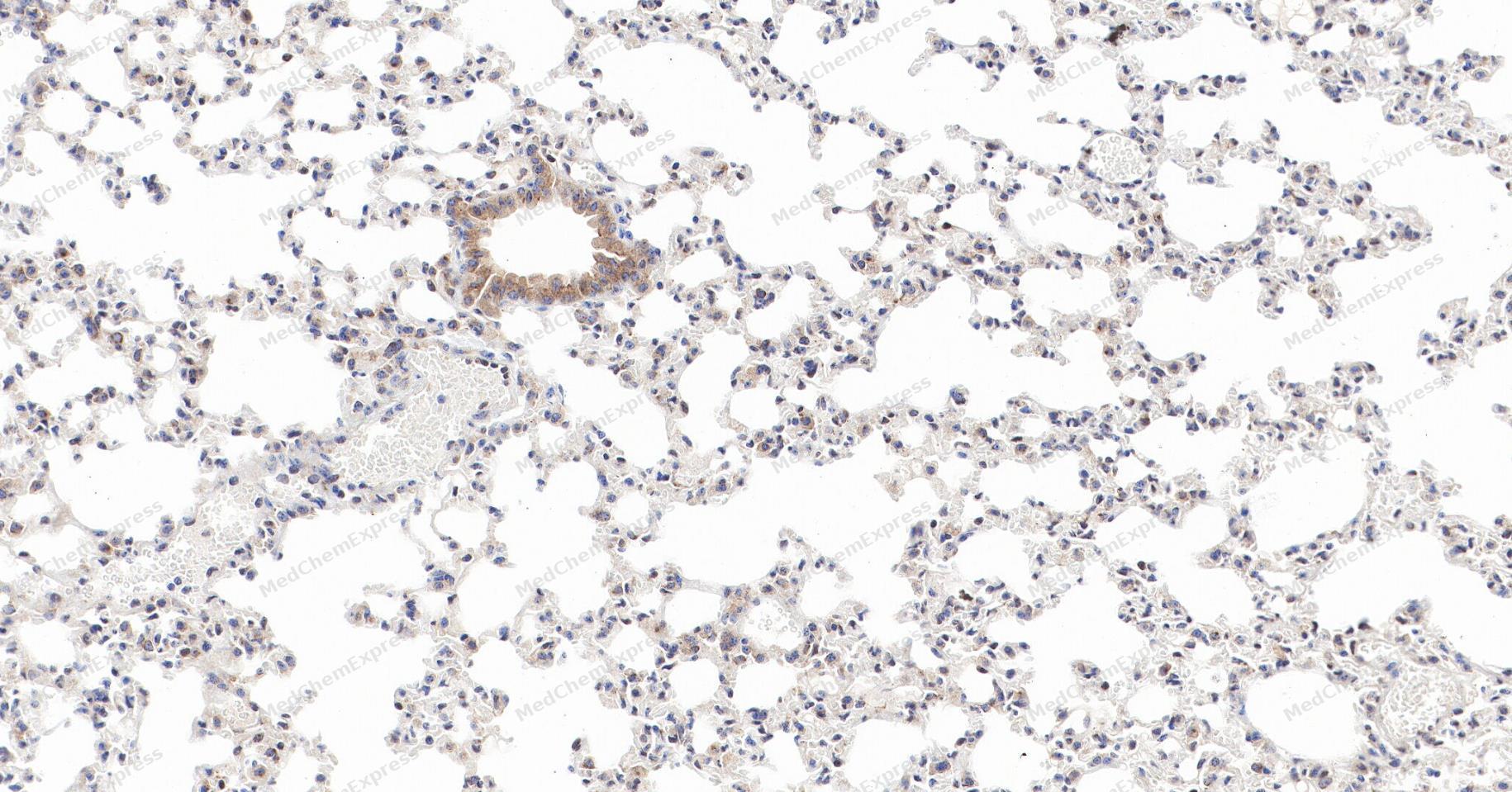 Immunohistochemical analysis of paraffin-embedded mouse lung tissue using cGAS Antibody (YA5887). The section was pre-treated using heat mediated antigen retrieval with Tris/EDTA buffer (pH 9.0) for 20 minutes. The tissues were probed with the primary antibody (HY-P86195, 1/100) overnight at 4℃. The detection was performed using an HRP conjugated compact polymer system. DAB was used as the chromogen. Tissues were counterstained with hematoxylin and mounted with neutral balsam.
 -
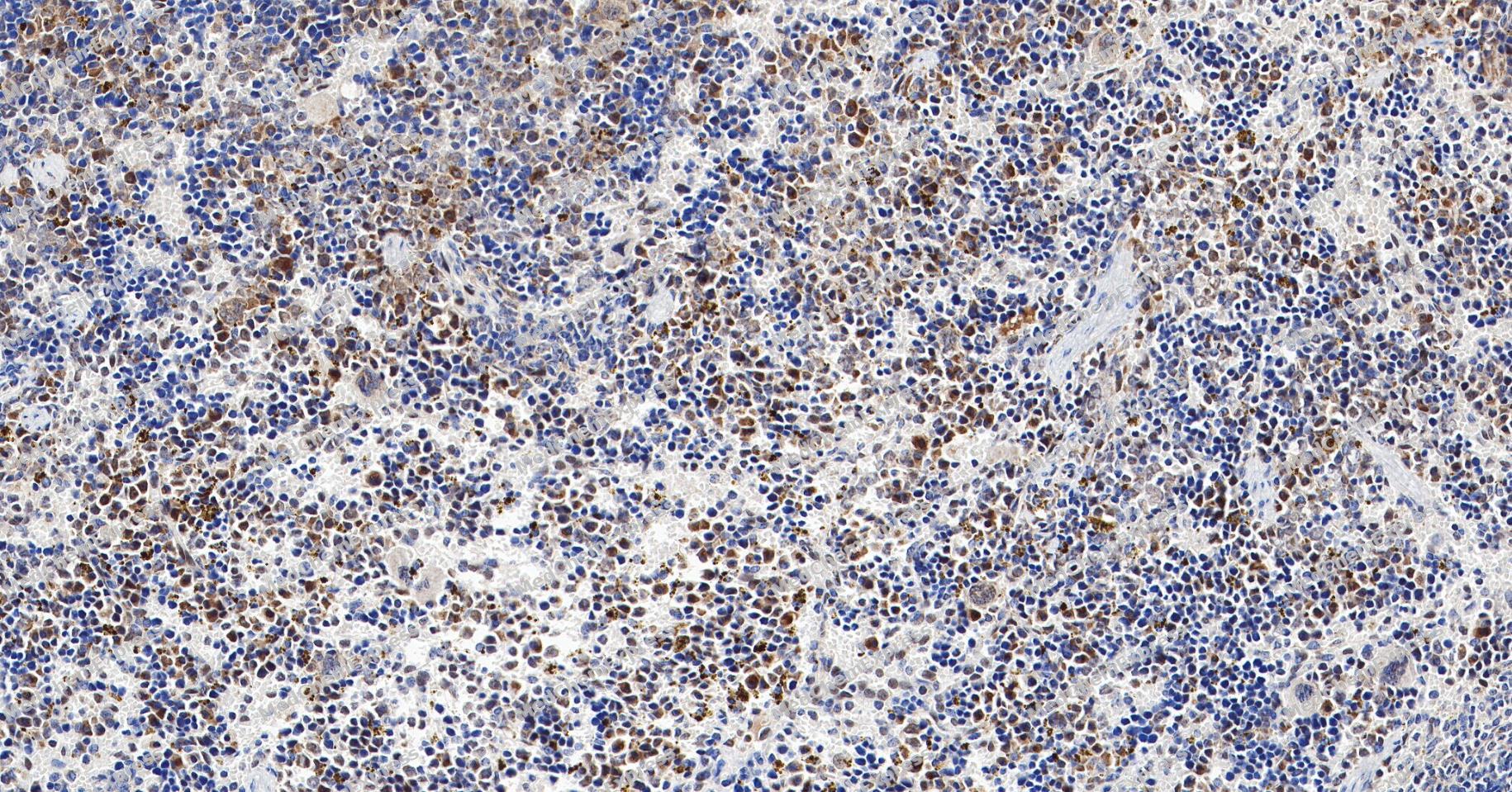 Immunohistochemical analysis of paraffin-embedded mouse spleen tissue using cGAS Antibody (YA5887). The section was pre-treated using heat mediated antigen retrieval with Tris/EDTA buffer (pH 9.0) for 20 minutes. The tissues were probed with the primary antibody (HY-P86195, 1/100) overnight at 4℃. The detection was performed using an HRP conjugated compact polymer system. DAB was used as the chromogen. Tissues were counterstained with hematoxylin and mounted with neutral balsam.
 -
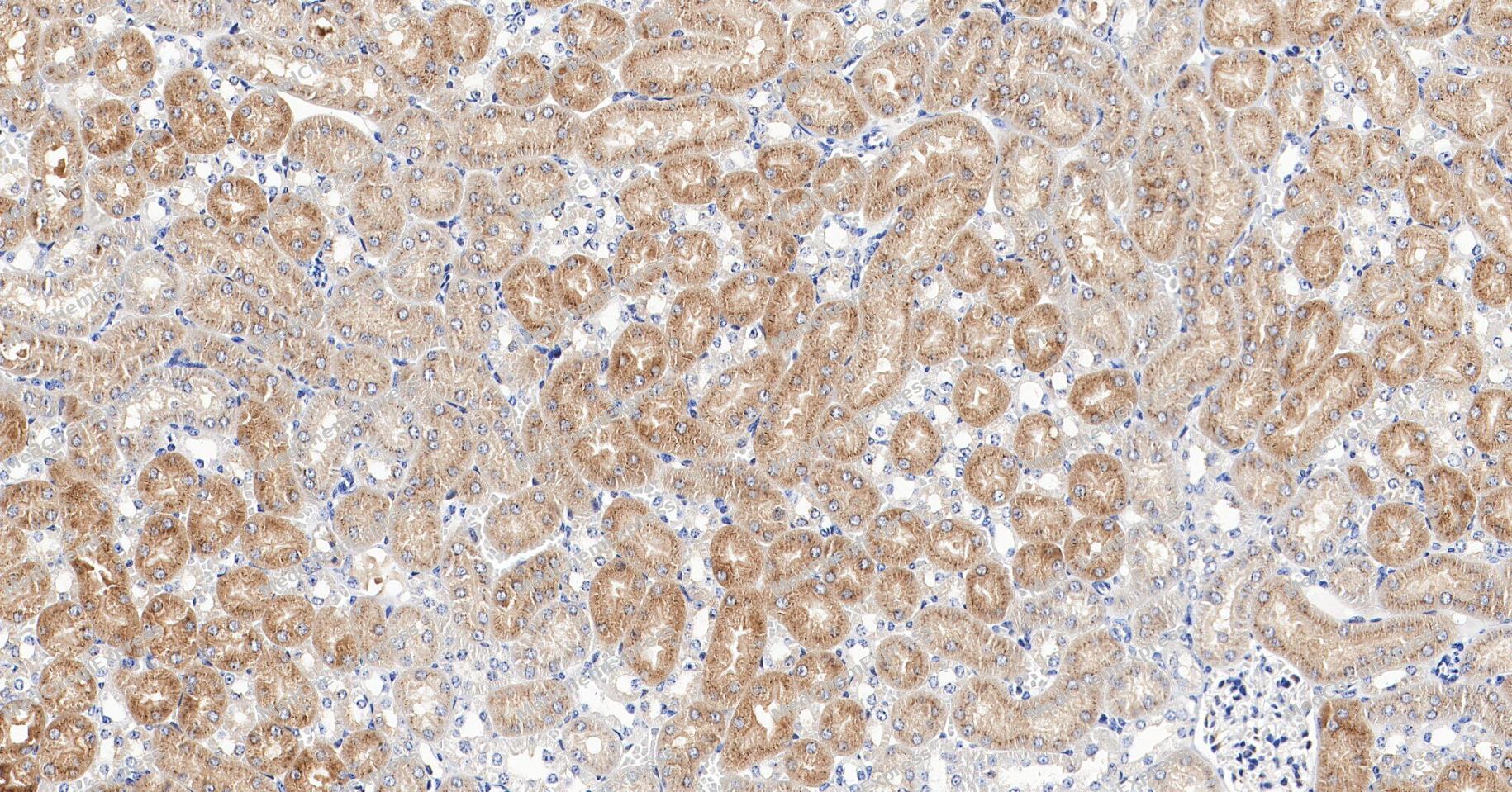 Immunohistochemical analysis of paraffin-embedded mouse kidney tissue using cGAS Antibody (YA5887). The section was pre-treated using heat mediated antigen retrieval with Tris/EDTA buffer (pH 9.0) for 20 minutes. The tissues were probed with the primary antibody (HY-P86195, 1/100) overnight at 4℃. The detection was performed using an HRP conjugated compact polymer system. DAB was used as the chromogen. Tissues were counterstained with hematoxylin and mounted with neutral balsam.
 -
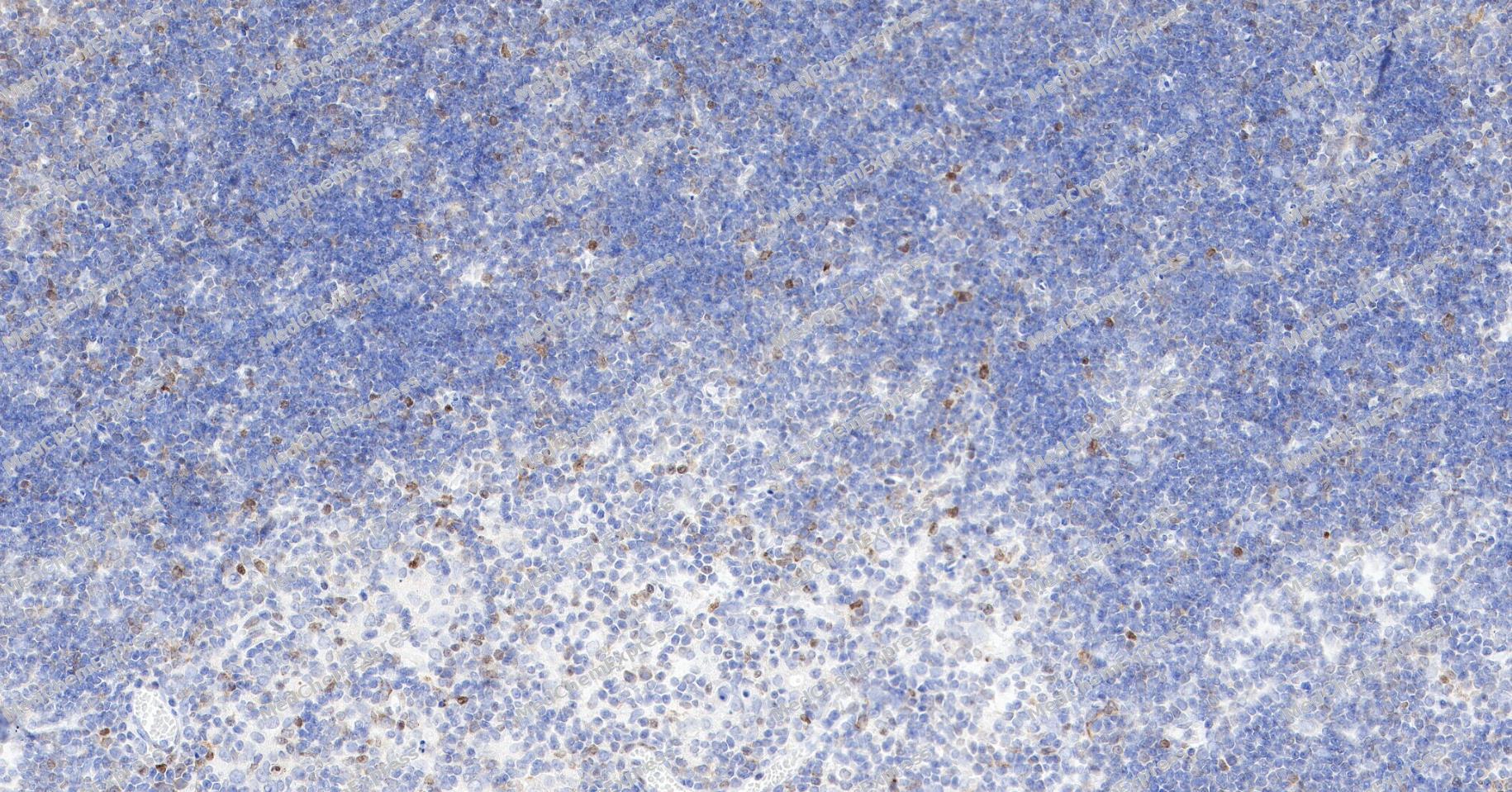 Immunohistochemical analysis of paraffin-embedded mouse thymus tissue using cGAS Antibody (YA5887). The section was pre-treated using heat mediated antigen retrieval with Tris/EDTA buffer (pH 9.0) for 20 minutes. The tissues were probed with the primary antibody (HY-P86195, 1/100) overnight at 4℃. The detection was performed using an HRP conjugated compact polymer system. DAB was used as the chromogen. Tissues were counterstained with hematoxylin and mounted with neutral balsam.
 -
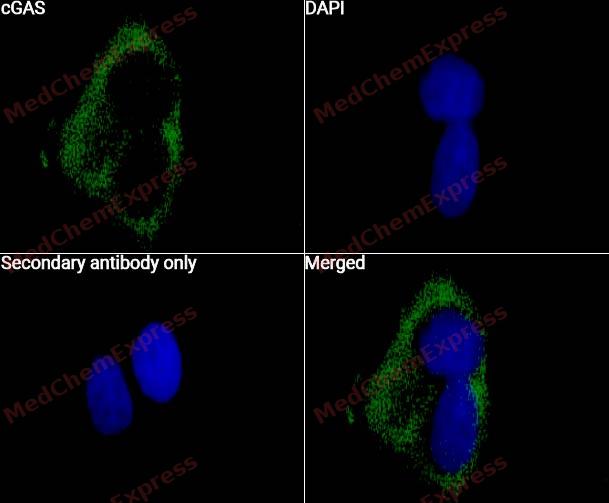 Immunocytochemistry analysis of A431 cells labeling cGAS With cGAS antibody (HY-P86195) at 1/300 dilution. Cells were fixed in 4% paraformaldehyde for 15 minutes at room temperature, permeabilized with 0.1% Triton X-100 in PBS for 15 minutes at room temperature, then blocked with quick block buffer for 10 minutes at room temperature. Cells were then incubated with cGAS antibody (HY-P86195) at 1/300 dilution in quick block buffer overnight at 4 ℃. AF488-conjugated Goat Anti-Rabbit IgG H&L(HY-P8002, Green) was used as the secondary antibody at 1/1,000 dilution. PBS instead of the primary antibody was used as the secondary antibody only control. The Nuclear counterstain was DAPI (Blue).
 -
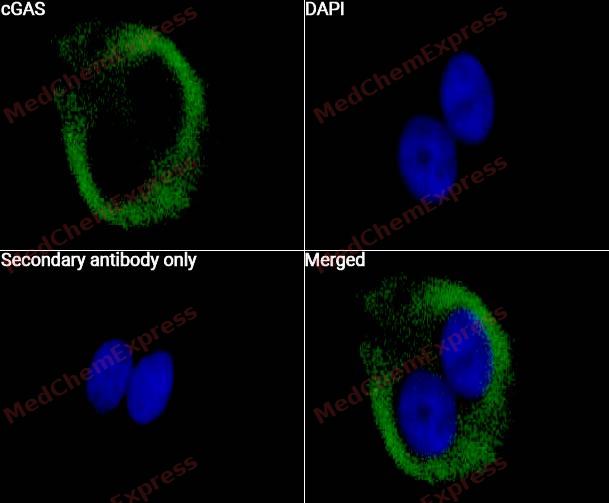 Immunocytochemistry analysis of A431 cells labelingc GAS With cGAS antibody (HY-P86195) at 1/500 dilution. Cells were fixed in 4% paraformaldehyde for 15 minutes at room temperature, permeabilized with 0.1% Triton X-100 in PBS for 15 minutes at room temperature, then blocked with quick block buffer for 10 minutes at room temperature. Cells were then incubated with cGAS antibody (HY-P86195) at 1/500 dilution in quick block buffer overnight at 4 ℃. AF488-conjugated Goat Anti-Rabbit IgG H&L(HY-P8002, Green) was used as the secondary antibody at 1/1,000 dilution. PBS instead of the primary antibody was used as the secondary antibody only control. The Nuclear counterstain was DAPI (Blue).


Background
-
Function
cGAS is a Nucleotidyltransferase that catalyzes the formation of cyclic GMP-AMP (2',3'-cGAMP) from ATP and GTP and plays a key role in innate immunity. Catalysis involves both the formation of a 2',5' phosphodiester linkage at the GpA step and the formation of a 3',5' phosphodiester linkage at the ApG step, producing c[G(2',5')pA(3',5')p]. Acts as a key DNA sensor: directly binds double-stranded DNA (dsDNA), inducing the formation of liquid-like droplets in which CGAS is activated, leading to synthesis of 2',3'-cGAMP, a second messenger that binds to and activates STING1, thereby triggering type-I interferon production. Preferentially recognizes and binds curved long dsDNAs of a minimal length of 40 bp. Acts as a key foreign DNA sensor, the presence of double-stranded DNA (dsDNA) in the cytoplasm being a danger signal that triggers the immune responses. Has antiviral activity by sensing the presence of dsDNA from DNA viruses in the cytoplasm. Also acts as an innate immune sensor of infection by retroviruses, such as HIV-2, by detecting the presence of reverse-transcribed DNA in the cytosol. In contrast, HIV-1 is poorly sensed by CGAS, due to its capsid that cloaks viral DNA from CGAS detection. Detection of retroviral reverse-transcribed DNA in the cytosol may be indirect and be mediated via interaction with PQBP1, which directly binds reverse-transcribed retroviral DNA. Also detects the presence of DNA from bacteria, such as M.tuberculosis. 2',3'-cGAMP can be transferred from producing cells to neighboring cells through gap junctions, leading to promote STING1 activation and convey immune response to connecting cells. 2',3'-cGAMP can also be transferred between cells by virtue of packaging within viral particles contributing to IFN-induction in newly infected cells in a cGAS-independent but STING1-dependent manner. Also senses the presence of neutrophil extracellular traps (NETs) that are translocated to the cytosol following phagocytosis, leading to synthesis of 2',3'-cGAMP. In addition to foreign DNA, can also be activated by endogenous nuclear or mitochondrial DNA. When self-DNA leaks into the cytosol during cellular stress (such as mitochondrial stress, SARS-CoV-2 infection causing severe COVID-19 disease, DNA damage, mitotic arrest or senescence), or is present in form of cytosolic micronuclei, CGAS is activated leading to a state of sterile inflammation. Acts as a regulator of cellular senescence by binding to cytosolic chromatin fragments that are present in senescent cells, leading to trigger type-I interferon production via STING1 and promote cellular senescence. Also involved in the inflammatory response to genome instability and double-stranded DNA breaks: acts by localizing to micronuclei arising from genome instability. Micronuclei, which are frequently found in cancer cells, consist of chromatin surrounded by their own nuclear membrane: following breakdown of the micronuclear envelope, a process associated with chromothripsis, CGAS binds self-DNA exposed to the cytosol, leading to 2',3'-cGAMP synthesis and subsequent activation of STING1 and type-I interferon production. Activated in response to prolonged mitotic arrest, promoting mitotic cell death. In a healthy cell, CGAS is however kept inactive even in cellular events that directly expose it to self-DNA, such as mitosis, when cGAS associates with chromatin directly after nuclear envelope breakdown or remains in the form of postmitotic persistent nuclear cGAS pools bound to chromatin. Nuclear CGAS is inactivated by chromatin via direct interaction with nucleosomes, which block CGAS from DNA binding and thus prevent CGAS-induced autoimmunity. Also acts as a suppressor of DNA repair in response to DNA damage: inhibits homologous recombination repair by interacting with PARP1, the CGAS-PARP1 interaction leading to impede the formation of the PARP1-TIMELESS complex. In addition to DNA, also sense translation stress: in response to translation stress, translocates to the cytosol and associates with collided ribosomes, promoting its activation and triggering type-I interferon production. In contrast to other mammals, human CGAS displays species-specific mechanisms of DNA recognition and produces less 2',3'-cGAMP, allowing a more fine-tuned response to pathogens[1][2][3][4][5][6][7][8][9][10][11][12][13][14][15][16][17][18][19][20][21][22][23][24][25][26][27][28][29][30][31][32][33][34][35][36][37][38][39][40][41][42][43][44][45][46][47][48][49].
-
Subcellular Localization
Nucleus; Chromosome; Cell membrane; Peripheral membrane protein; Cytoplasm, cytosol
-
Expression
Tissue_specificity:Expression in the monocyte cell line THP1
Induction:By type I interferons -
Isoforms & Post-Translational Modification
Q8N884 has 2 isomers: Q8N884-1: 58814 Da (predicted); Q8N884-2: 49762 Da (predicted).
The N-terminal disordered part (1-160) is phosphorylated by AURKB during the G2-M transition, blocking CGAS liquid phase separation and preventing activation (PubMed:33542149). Phosphorylation at Tyr-215 by BLK promotes cytosolic retention (PubMed:30356214). Localizes into the nucleus following dephosphorylation at Tyr-215 (PubMed:30356214). Phosphorylation at Ser-435 activates the nucleotidyltransferase activity (PubMed:32474700). Dephosphorylation at Ser-435 by PPP6C impairs its ability to bind GTP, thereby inactivating it (PubMed:32474700). Phosphorylation at Thr-68 and Ser-213 by PRKDC inhibits its cyclic GMP-AMP synthase activity by impairing homodimerization and activation (PubMed:33273464). Phosphorylation at Ser-305 by AKT (AKT1, AKT2 or AKT3) suppresses the nucleotidyltransferase activity (PubMed:26440888). Phosphorylation at Ser-305 by CDK1 during mitosis leads to its inhibition, thereby preventing CGAS activation by self-DNA during mitosis (PubMed:32351706). Dephosphorylated at Ser-305 by protein phosphatase PP1 upon mitotic exit (PubMed:32351706);Ubiquitinated at Lys-414 via 'Lys-48'-linked polyubiquitin chains, leading to its SQSTM1-mediated autophagic degradation (PubMed:27666593). Interaction with TRIM14 promotes recruitment of USP14, leading to deubiquitinate Lys-414 and stabilize CGAS (PubMed:27666593). Ubiquitinated at Lys-173 and Lys-384 by RNF185 via 'Lys-27'-linked polyubiquitination, promoting CGAS cyclic GMP-AMP synthase activity (PubMed:28273161). Monoubiquitination at Lys-347 by TRIM56 promotes oligomerization and subsequent activation (PubMed:29426904). Monoubiquitination by TRIM41 promotes CGAS activation (PubMed:29760876). Ubiquitination at Lys-285 and Lys-479 via 'Lys-48'-linked polyubiquitination promotes its degradation (By similarity). Deubiquitination at Lys-285 by USP29 promotes its stabilization (By similarity). Deubiquitinated by USP27X, promoting its stabilization (PubMed:31534008). Ubiquitinated at Lys-411 via 'Lys-63'-linked polyubiquitin chains by MARCHF8, leading to the inhibition of its DNA binding ability (PubMed:35503863). In cycling cells, nucleosome-bound CGAS is ubiquitinated at Lys-427 and Lys-428 via 'Lys-48'-linked polyubiquitin chains by the ECS(SPSB3) complex, leading to its degradation: ubiquitination and degradation of nuclear CGAS during G1 and G2 phases is required to promote low intranuclear CGAS abundance before the next mitotic cycle (PubMed:38418882);Sumoylated at Lys-231 and Lys-479 by TRIM38 in uninfected cells and during the early phase of viral infection, promoting its stability by preventing ubiquitination at Lys-285 and Lys-479, and subsequent degradation (By similarity). Desumoylated by SENP2 during the late phase of viral infection (By similarity). Sumoylation at Lys-347, Lys-384 and Lys-394 prevents DNA-binding, oligomerization and nucleotidyltransferase activity (By similarity). Desumoylation at Lys-347, Lys-384 and Lys-394 by SENP7 relieves inhibition and activates CGAS (By similarity);Polyglutamylated by TTLL6 at Glu-286, leading to impair DNA-binding activity. Monoglutamylated at Glu-314 by TTLL4, leading to impair the nucleotidyltransferase activity. Deglutamylated by AGBL5/CCP5 and AGBL6/CCP6;Acetylation at Lys-384, Lys-394 and Lys-414 inhibits the cyclic GMP-AMP synthase activity (PubMed:30799039). Deacetylated upon cytosolic DNA challenge such as viral infections (PubMed:30799039). Acetylation can be mediated by aspirin (acetylsalicylate) drug, which directly acetylates CGAS (PubMed:30799039). Acetylation by aspirin efficiently inhibits CGAS-mediated immune responses and is able to suppress self-DNA-induced autoimmunity (PubMed:30799039). Acetylation at Lys-47, Lys-56, Lys-62 and Lys-83 by KAT5 increases the cyclic GMP-AMP synthase activity by promoting DNA-binding and subsequent activation (PubMed:32817552);Proteolytically cleaved by apoptotic caspases during apoptosis, leading to its inactivation (PubMed:30878284). The damage of the nucleus and the mitochondria during apoptosis leads to leakage of nuclear and mitochondrial DNA, which activate CGAS: cleavage and inactivation during apoptosis in required to prevent cytokine overproduction (By similarity). Cleaved by CASP3 at Asp-319 during virus-induced apoptosis, thereby inactivating it and preventing cytokine overproduction (PubMed:30878284). Cleaved by CASP1 at Asp-140 and Asp-157 upon DNA virus infection; the cleavage impairs cGAMP production (PubMed:28314590). Also cleaved by the pyroptotic CASP4 and CASP5 during non-canonical inflammasome activation; they don't cut at the same sites than CASP1 (PubMed:28314590);Degraded via selective autophagy following interaction with IRGM (PubMed:32715615). IRGM promotes CGAS recruitment to autophagosome membranes, promoting its SQSTM1/p62-dependent autophagic degradation (PubMed:32715615);Poly-ADP-ribosylation at Asp-191 by PARP1 impairs DNA-binding, thereby preventing the cyclic GMP-AMP synthase activity;Palmitoylation at Cys-474 by ZDHHC18 impairs DNA-binding, thereby preventing the cyclic GMP-AMP synthase activity (PubMed:35438208). Palmitoylation at Cys-404 and Cys-405 by ZDHHC9 promotes homodimerization and cyclic GMP-AMP synthase activity (PubMed:37802025). Depalmitoylation at Cys-404 and Cys-405 by LYPLAL1 impairs homodimerization and cyclic GMP-AMP synthase activity (PubMed:37802025);Monomethylated at Lys-506 by SETD7 (PubMed:35210392). Monomethylation promotes interaction with SGF29, preventing interaction between PARP1 nad SGF29 (By similarity). Demethylation by RIOX1 promotes interaction with PARP1, followed by PARP1 inactivation (By similarity);Lactylation by AARS2 prevents ability to undergo liquid-liquid phase separation (LLPS), thereby inhibiting CGAS activation;(Microbial infection) Deamidated on 'Asn-210' by herpes simplex virus 1 protein UL37. This modification significantly reduces CGAS-dependent cGAMP production and innate immune signaling induced by dsDNA;(Microbial infection) Degraded by an autophagy-mediated mechanism in presence of Chikungunya virus capsid protein -
Subunit
Monomer in the absence of DNA (PubMed:28363908). Homodimer in presence of dsDNA: forms a 2:2 dimer with two enzymes binding to two DNA molecules (PubMed:30007416, PubMed:30799039, PubMed:31142647, PubMed:33273464). Interacts with nucleosomes; interaction is mainly mediated via histones H2A and H2B and inactivates the nucleotidyltransferase activity by blocking DNA-binding and subsequent activation (PubMed:32911480, PubMed:32911481, PubMed:32911482, PubMed:32912999, PubMed:33051594). Interacts with PQBP1 (via WW domain) (PubMed:26046437). Interacts with TRIM14; this interaction recruits USP14, leading to deubiquitinate and stabilize CGAS and promote type I interferon production (PubMed:27666593, PubMed:32404352). Interacts with ZCCHC3; promoting sensing of dsDNA by CGAS (PubMed:30135424). Interacts (when not monomethylated) with (poly-ADP-ribosylated) PARP1; interaction takes place in the nucleus and prevents the formation of the PARP1-TIMELESS complex (PubMed:30356214). Interacts (when monomethylated) with SGF29; interaction with SGF29 prevents interaction with PARP1 (By similarity). Interacts with PCBP2; preventing the formation of liquid-like droplets in which CGAS is activated (PubMed:35322803). Interacts with IRGM; promoting CGAS degradation (PubMed:32715615). Interacts with DDX41 (PubMed:35613581)
-
SwissProt ID


Documentation
-
Data Sheet (235 KB)
-
SDS (252 KB)
- English - EN (252 KB)
- Français - FR (252 KB)
- Deutsch - DE (252 KB)
- Norwegian - NO (252 KB)
- Español - ES (252 KB)
- Swedish - SV (252 KB)
- Italian - IT (252 KB)
- Korean - KR (252 KB)
- Portuguese - PT (252 KB)
-
User Guide for Antibodies (1077 KB)

 Powered by Bioz
