



CPSF6 Antibody (YA2554)
(Synonyms: CFIM; CFIM68; CFIM72; HPBRII-4; HPBRII-7)
Based on 1 Customer Validation
CPSF6 Antibody (YA2554) is a Rabbit-derived and non-conjugated IgG monoclonal antibody, targeting to CPSF6.
-
Host:
Rabbit
-
Isotype:
IgG
-
Application:
WB, IHC-F, IHC-P, ICC/IF, FC, IP
-
Reactivity :
Human, Mouse, Rat
-
Formulation:
Supplied in 50mM Tris-Glycine(pH 7.4), 0.15M NaCl, 40% Glycerol, 0.01% Sodium azide and 0.05% BSA
-
Conjugation:
Non-conjugated


To place orders, for customer services and technical support, please contact: MedChemExpress USA
Tel: 609-228-6898 E-mail: [email protected] [email protected]





Applications
| Application |
WB

WB: Western Blot
|
IHC-P
IHC-P: Immunohistochemistry-Paraffin
|
ICC/IF
ICC/IF: Immunocytochemistry/
Immunofluorescence |
FC
FC: Flow Cytometry
|
IP
IP: Immunoprecipitation
|
|---|---|---|---|---|---|
| Dilution Ratio | 1:1000-1:5000 | 1:100-1:200 | 1:200-1:500 | 1:20-1:50 | 1:10-1:100 |


Product Details
CPSF6 Antibody (YA2554) is a Rabbit-derived and non-conjugated IgG monoclonal antibody, targeting to CPSF6.
-
Host Rabbit

-
Clonality Recombinant,Monoclonal

-
Species ReactivityHuman, Mouse, Rat
-
Observed Molecular WeightObserved band size: 70 kDa
Note: Due to possible protein modifications or aggregation, the molecular weight should be confirmed by actual measurement, and the predicted value is for reference only.

-
Calculated Molecular Weight Predicted band size: 59 kDa

Entrez Gene: 11052 Human ; 432508 Mouse ;
SwissProt: Q16630 Human ; Q6NVF9 Mouse ;
OMIM: 604979 Human
A synthetic peptide of human CPSF6
Endogenous
Affinity Purified
Non-conjugated
Unmodified
IgG


Product Properties
-
Appearance
Liquid
-
Formulation
Supplied in 50mM Tris-Glycine(pH 7.4), 0.15M NaCl, 40% Glycerol, 0.01% Sodium azide and 0.05% BSA
-
Concentration
Batch-dependent, Please check the COA for the concentration of each lot. Check Lot Concentration
-
Storage & Stability
Stored at -20°C for 1 year. Avoid repeated freeze / thaw cycles.
-
Shipping
Shipping with blue ice.


Verification Images
-
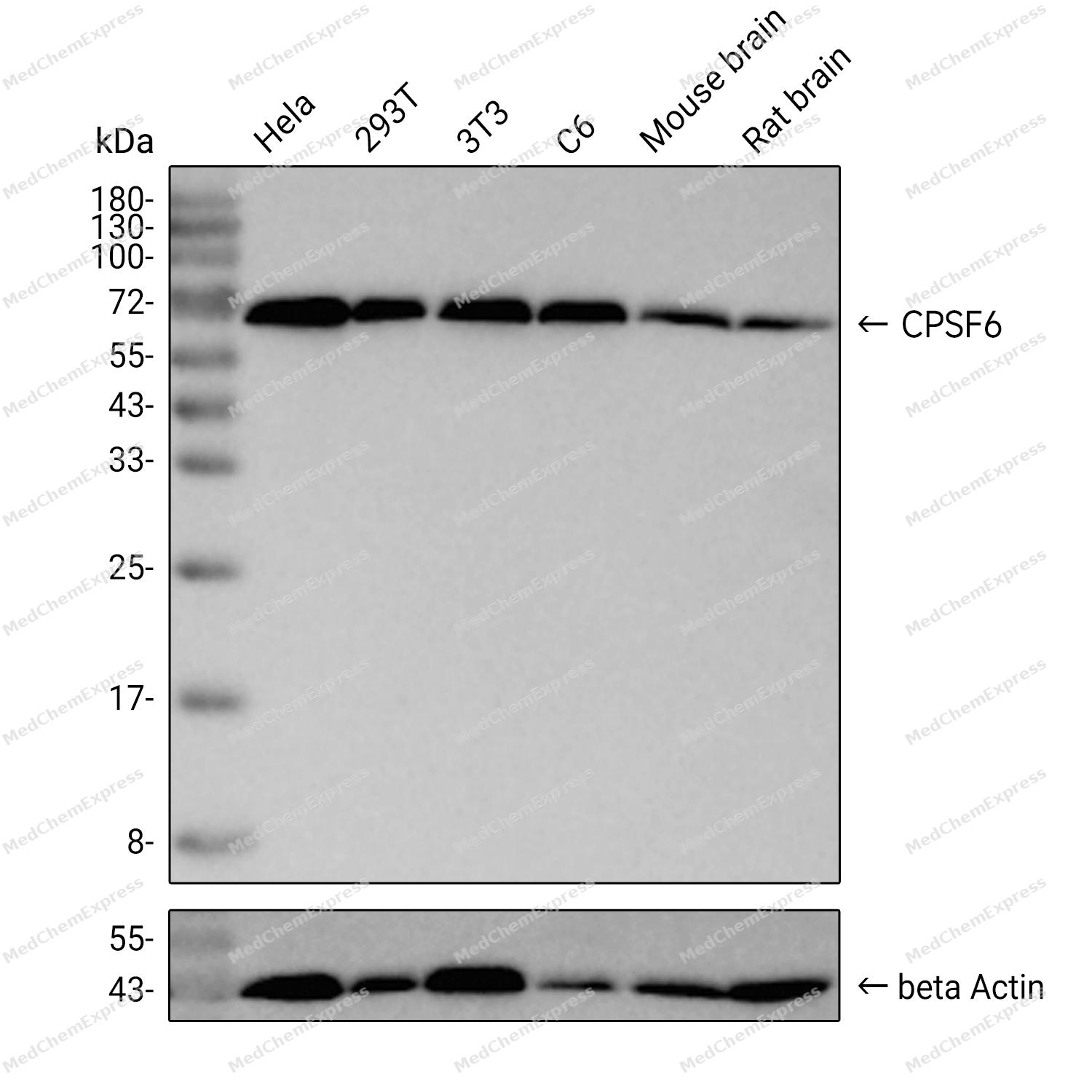 Western blot analysis was performed on extracts from Hela (lane 1, 15 μg), 293T (lane 2, 15 μg), 3T3 (lane 3, 15 μg), C6 (lane 4, 15 μg), Mouse brain (lane 5, 15 μg), and Rat brain (lane 6, 15 μg) using CPSF6 Rabbit mAb. Proteins were transferred to a PVDF membrane and blocked with 5% non - fat milk in TBST at 4°C overnight. The primary antibody (1:1000 dilution) and the loading control antibody (beta-Actin(HRP), HY-P80993, 1:5000 dilution) was incubated in 5% non-fat milk in TBST for 1 hour at 37°C. Goat Anti - Rabbit IgG - HRP Secondary Antibody (1:20000 dilution) was then applied for 40 minutes at 37°C.
 -
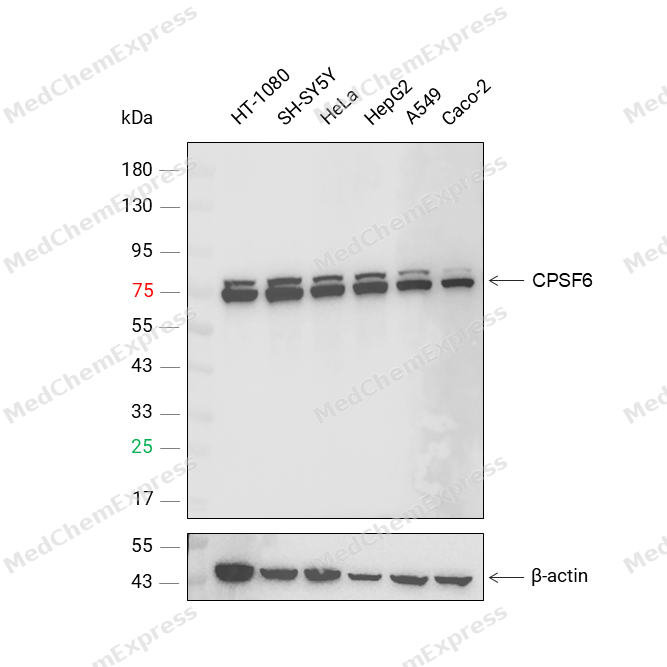 Western blot analysis was performed on protein extracts (25 μg) from HT-1080 (lane 1), SH-SY5Y (lane 2), HeLa (lane 3), HepG2 (lane 4), A549 (lane 5), and Caco-2 (lane 6) using CPSF6 antibody. Proteins were transferred onto a 0.45 μm NC membrane using the Trans-Blot® Turbo™ system for 13 min. The membrane was then blocked with 5% nonfat milk in TBST (HY-K1025) for 1 h at room temperature. The primary antibody (1:1000) and loading control antibody β-actin (HY-P80438) (1:5000) were diluted in 5% nonfat milk in TBST and incubated with the membrane overnight at 4°C. After washing, the membrane was incubated with HRP-conjugated goat anti-rabbit IgG (H&L) secondary antibody (HY-P8001) (1:5000) diluted in 5% nonfat milk in TBST for 1 h at room temperature. Protein bands were visualized using an Ultra High Sensitivity ECL detection kit (HY-K1005).
 -
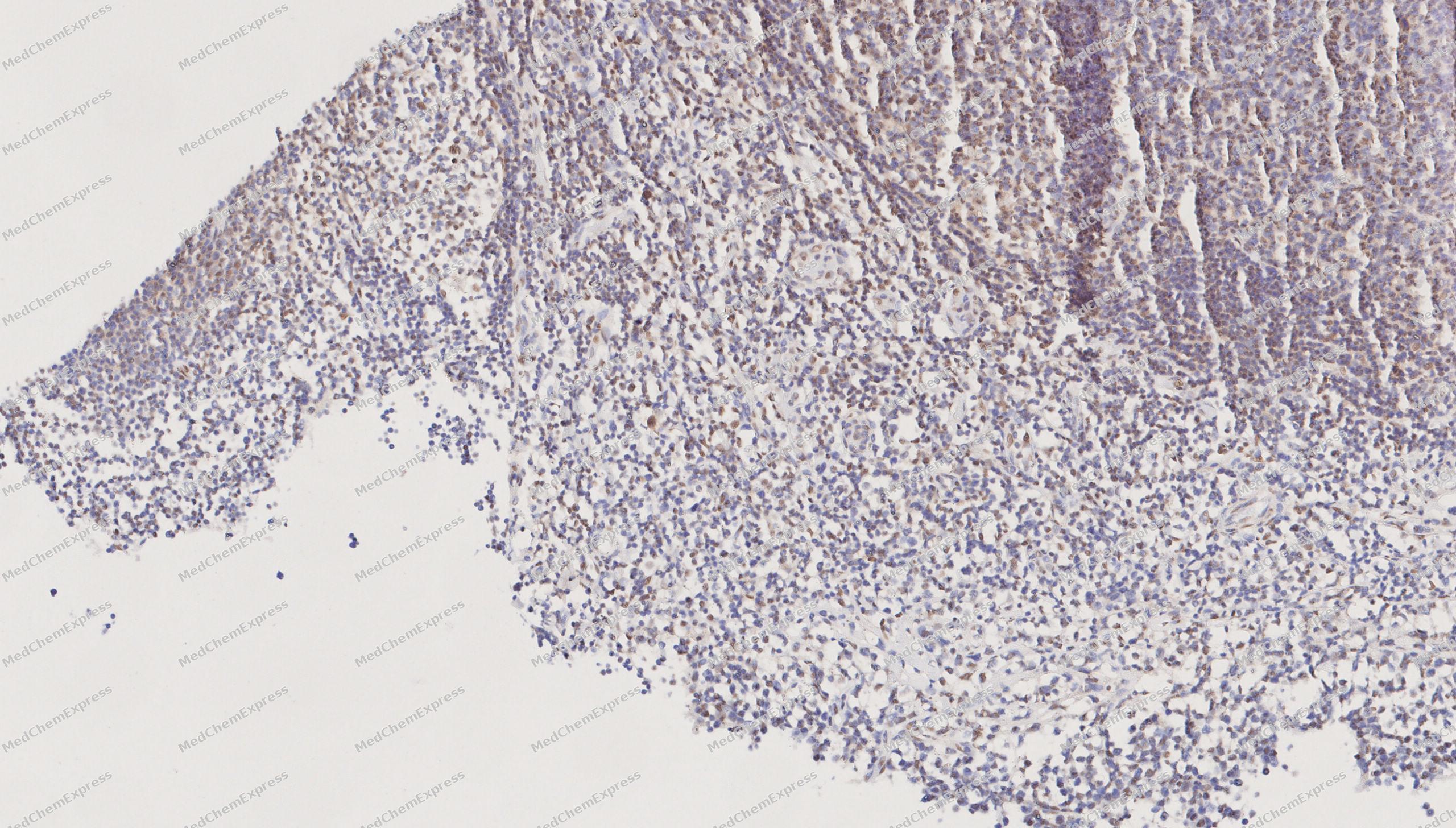 Immunohistochemical analysis of paraffin-embedded human cervical squamous cell carcinoma tissue using CPSF6 antibody was performed. The section was pretreated using high-temperature mediated EDTA antigen retrieval buffer (pH 9.0), for 20 minutes. The tissues were incubated with primary antibody (HY-P82809, 1:500 dilution) at room temperature for 20 minutes. Detection was performed using an HRP conjugated compact polymer system. DAB was used as the chromogen. The tissues were counterstained with hematoxylin and mounted with neutral balsam mounting medium.
 -
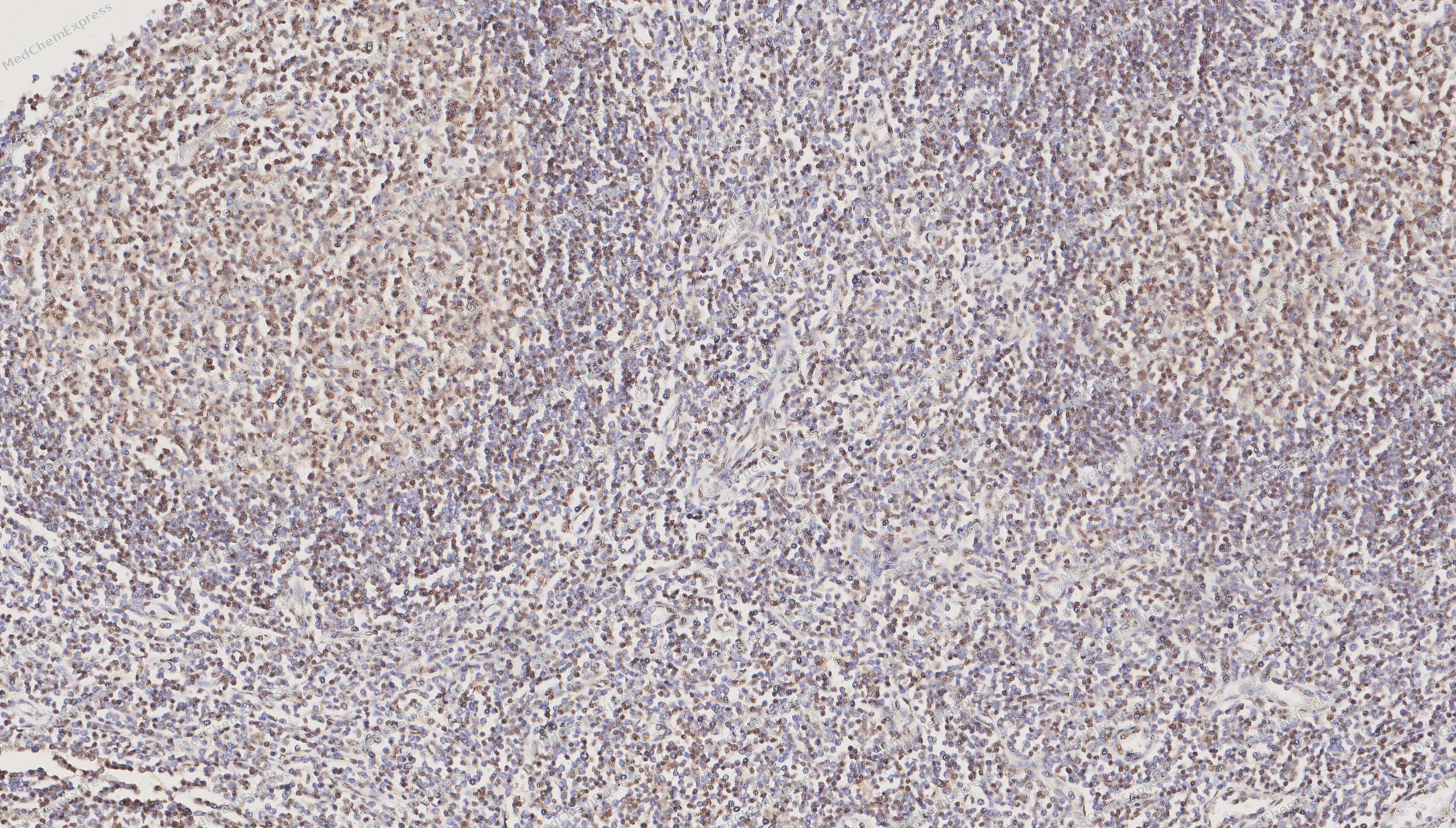 Immunohistochemical analysis of paraffin-embedded human Kimura's disease tissue using CPSF6 antibody was performed. The section was pretreated using high-temperature mediated EDTA antigen retrieval buffer (pH 9.0), for 20 minutes. The tissues were incubated with primary antibody (HY-P82809, 1:500 dilution) at room temperature for 20 minutes. Detection was performed using an HRP conjugated compact polymer system. DAB was used as the chromogen. The tissues were counterstained with hematoxylin and mounted with neutral balsam mounting medium.
 -
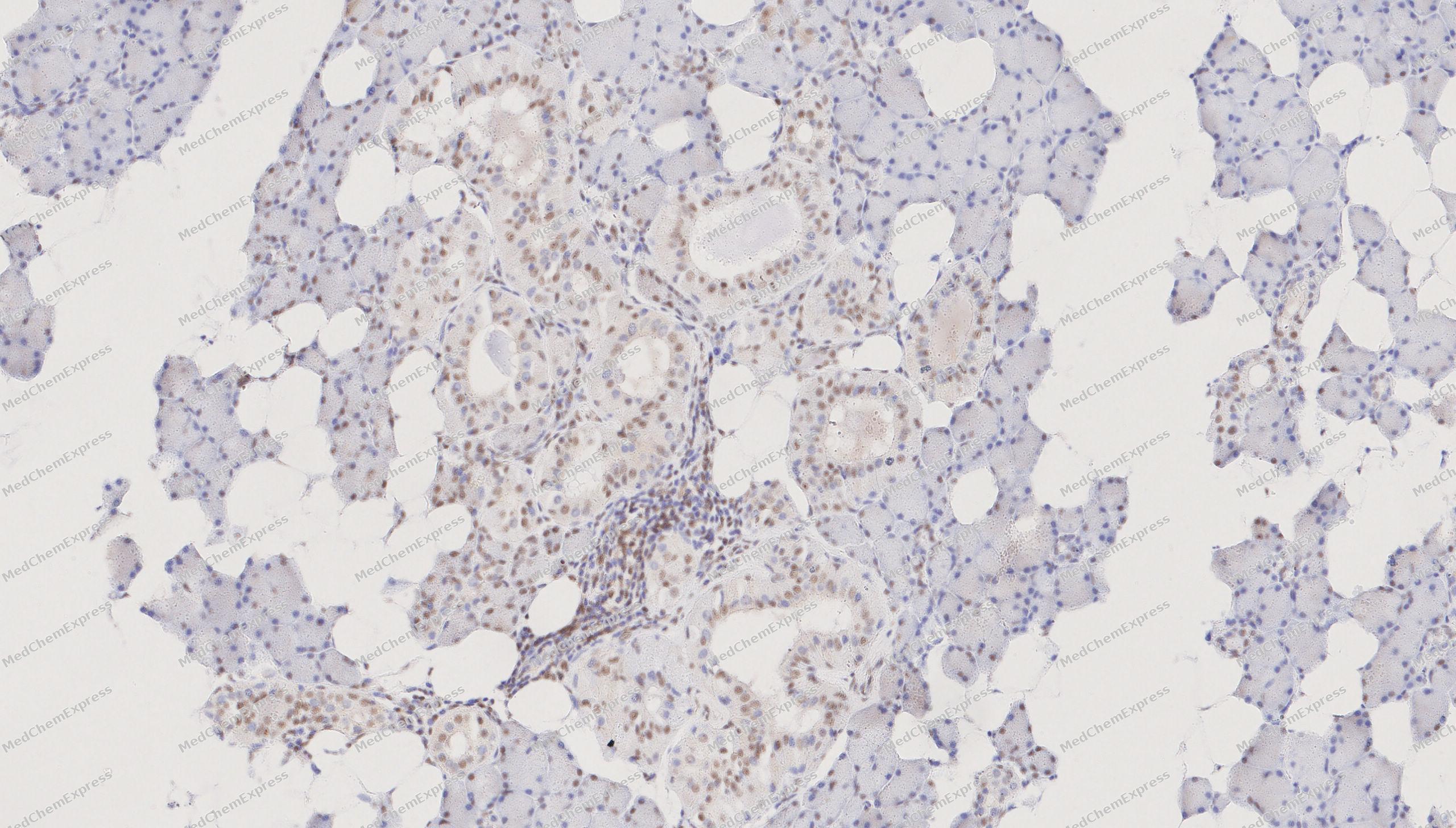 Immunohistochemical analysis of paraffin-embedded human adenolymphoma tissue using CPSF6 antibody was performed. The section was pretreated using high-temperature mediated EDTA antigen retrieval buffer (pH 9.0), for 20 minutes. The tissues were incubated with primary antibody (HY-P82809, 1:500 dilution) at room temperature for 20 minutes. Detection was performed using an HRP conjugated compact polymer system. DAB was used as the chromogen. The tissues were counterstained with hematoxylin and mounted with neutral balsam mounting medium.
 -
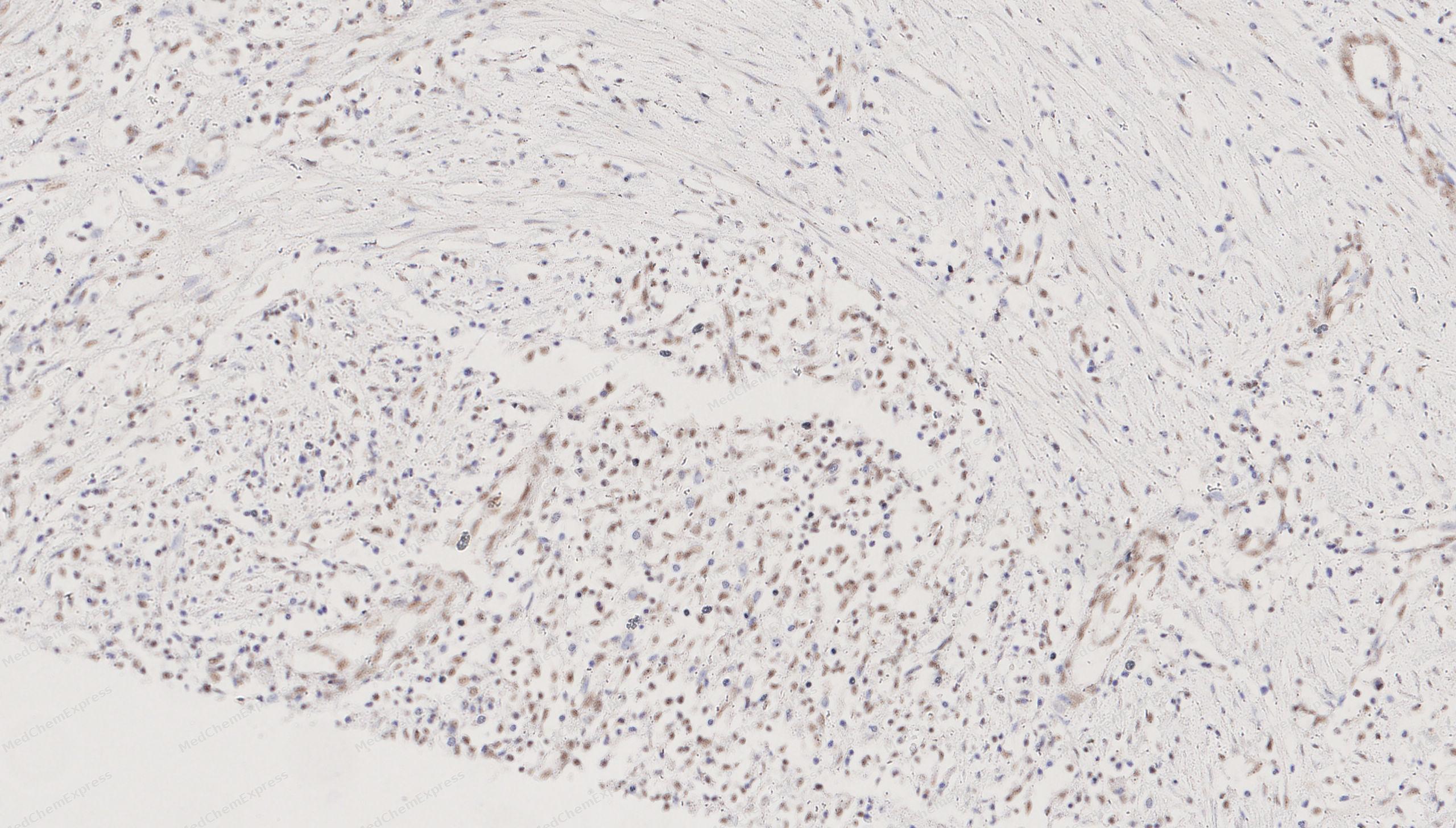 Immunohistochemical analysis of paraffin-embedded human Liver cyst tissue using CPSF6 antibody was performed. The section was pretreated using high-temperature mediated EDTA antigen retrieval buffer (pH 9.0), for 20 minutes. The tissues were incubated with primary antibody (HY-P82809, 1:500 dilution) at room temperature for 20 minutes. Detection was performed using an HRP conjugated compact polymer system. DAB was used as the chromogen. The tissues were counterstained with hematoxylin and mounted with neutral balsam mounting medium.
 -
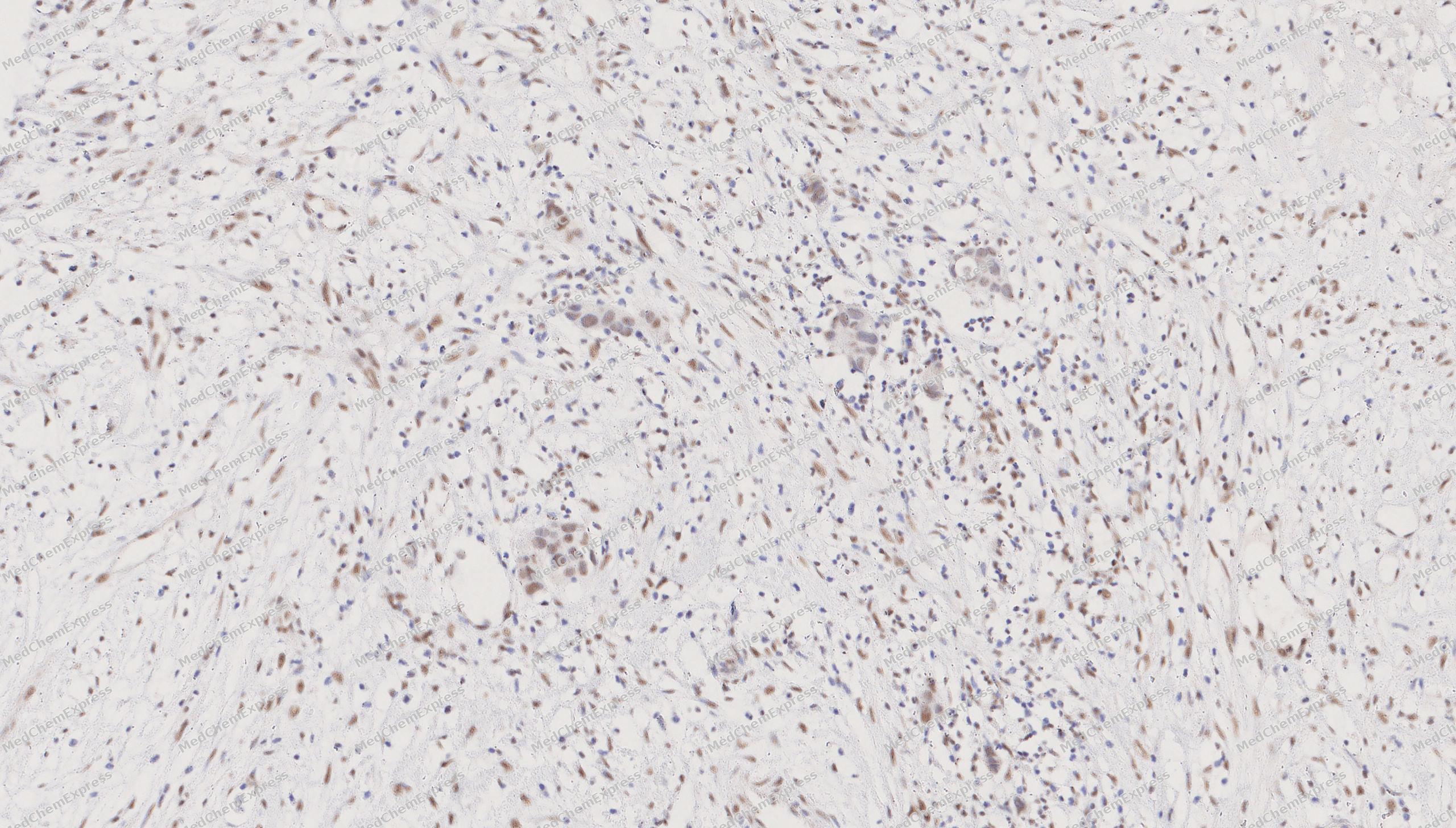 Immunohistochemical analysis of paraffin-embedded human Squamous Cell Carcinoma tissue using CPSF6 antibody was performed. The section was pretreated using high-temperature mediated EDTA antigen retrieval buffer (pH 9.0), for 20 minutes. The tissues were incubated with primary antibody (HY-P82809, 1:500 dilution) at room temperature for 20 minutes. Detection was performed using an HRP conjugated compact polymer system. DAB was used as the chromogen. The tissues were counterstained with hematoxylin and mounted with neutral balsam mounting medium.
 -
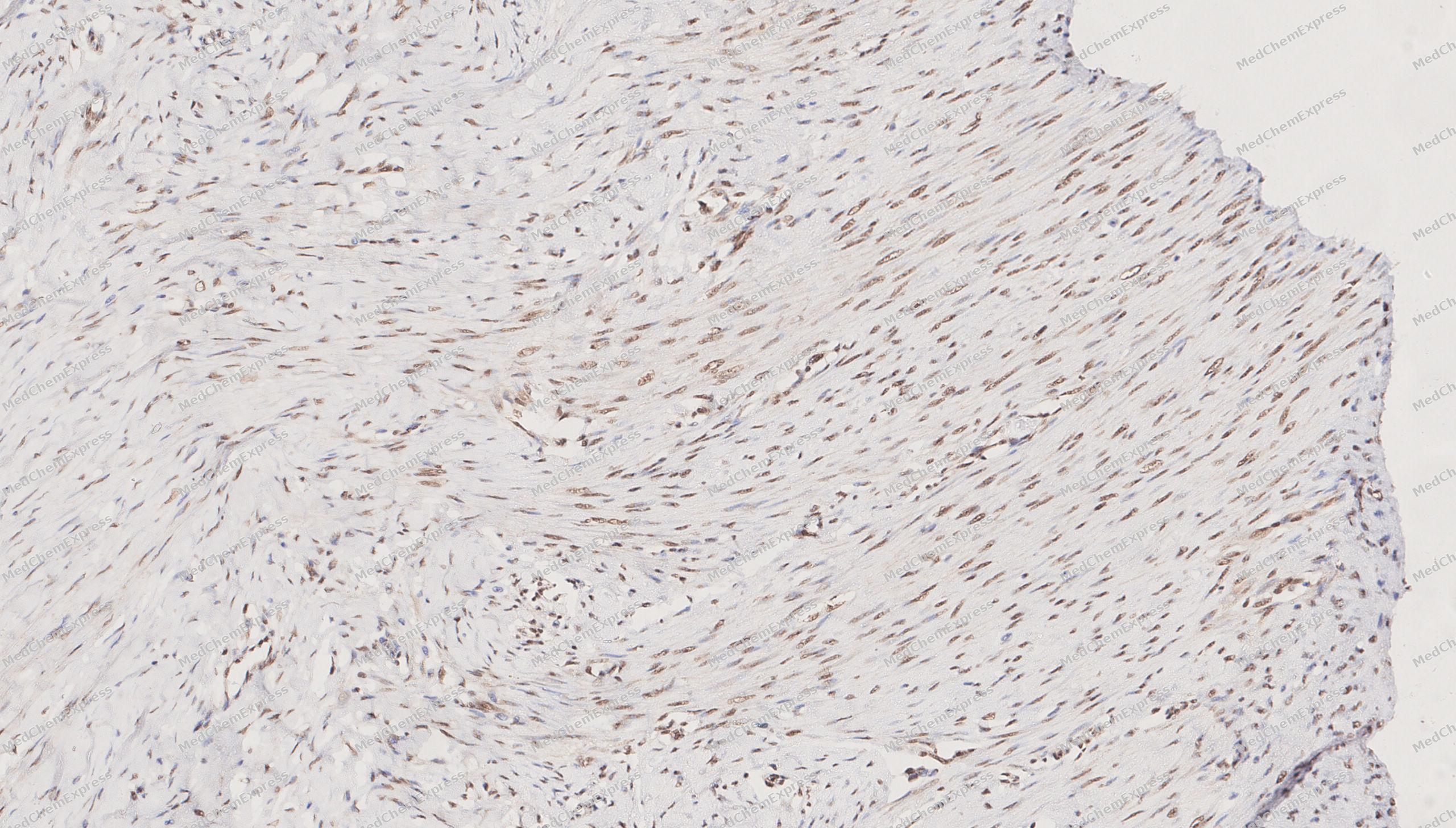 Immunohistochemical analysis of paraffin-embedded human pancreatic serous cystadenoma tissue using CPSF6 antibody was performed. The section was pretreated using high-temperature mediated EDTA antigen retrieval buffer (pH 9.0), for 20 minutes. The tissues were incubated with primary antibody (HY-P82809, 1:500 dilution) at room temperature for 20 minutes. Detection was performed using an HRP conjugated compact polymer system. DAB was used as the chromogen. The tissues were counterstained with hematoxylin and mounted with neutral balsam mounting medium.


Background
-
Function
CPSF6 component of the cleavage factor Im (CFIm) complex that functions as an activator of the pre-mRNA 3'-end cleavage and polyadenylation processing required for the maturation of pre-mRNA into functional mRNAs. CFIm contributes to the recruitment of multiprotein complexes on specific sequences on the pre-mRNA 3'-end, so called cleavage and polyadenylation signals (pA signals). Most pre-mRNAs contain multiple pA signals, resulting in alternative cleavage and polyadenylation (APA) producing mRNAs with variable 3'-end formation. The CFIm complex acts as a key regulator of cleavage and polyadenylation site choice during APA through its binding to 5'-UGUA-3' elements localized in the 3'-untranslated region (UTR) for a huge number of pre-mRNAs. CPSF6 enhances NUDT21/CPSF5 binding to 5'-UGUA-3' elements localized upstream of pA signals and promotes RNA looping, and hence activates directly the mRNA 3'-processing machinery. Plays a role in mRNA export; (Microbial infection) Binds HIV-1 capsid-nucleocapsid (HIV-1 CA-NC) complexes and might thereby promote the integration of the virus in the nucleus of dividing cells (in vitro)[1][2][3][4][5][6][7][8][9].
-
Subcellular Localization
Nucleus; Nucleus, nucleoplasm; Nucleus speckle; Cytoplasm
-
Isoforms & Post-Translational Modification
Q16630 has 3 isomers: Q16630-1: 59210 Da (predicted); Q16630-2: 63471 Da (predicted); Q16630-3: 52326 Da (predicted).
Phosphorylated (PubMed:29276085). Phosphorylated in the Arg/Ser-rich domain by SRPK1, in vitro (PubMed:29276085);Symmetrically dimethylated on arginine residues in the GAR motif by PRMT5 in a WDR77- and CLNS1A-dependent manner (PubMed:20562214). Asymmetrically dimethylated on arginine residues in the GAR motif by PRMT1 (PubMed:20562214) -
Subunit
Component of the cleavage factor Im (CFIm) complex which is a heterotetramer composed of two subunits of NUDT21/CPSF5 and two subunits of CPSF6 or CPSF7 or a heterodimer of CPSF6 and CPSF7 (PubMed:14561889, PubMed:20695905, PubMed:23187700, PubMed:8626397, PubMed:9659921).
-
SwissProt ID
-
Synonyms
CFIM; CFIM68; CFIM72; HPBRII-4; HPBRII-7
-
Research Field
Epigenetics and Nuclear Signaling


Documentation
-
Data Sheet (259 KB)
-
SDS (251 KB)
- English - EN (251 KB)
- Français - FR (251 KB)
- Deutsch - DE (251 KB)
- Norwegian - NO (251 KB)
- Español - ES (251 KB)
- Swedish - SV (251 KB)
- Italian - IT (251 KB)
- Korean - KR (251 KB)
- Portuguese - PT (251 KB)
-
User Guide for Antibodies (1077 KB)

 Powered by Bioz
