



Podoplanin Antibody (YA5941)
(Synonyms: Podoplanin; Aggrus; Glycoprotein 36; Gp36; PA2.26 antigen; T1-alpha; T1A; )
Based on 1 Customer Validation
Podoplanin Antibody (YA5941) is a Rabbit-derived and non-conjugated IgG monoclonal antibody, targeting to Podoplanin.
-
Host:
Rabbit
-
Isotype:
IgG
-
Application:
WB, IHC-P, ICC/IF, IP, ELISA
-
Reactivity :
Human, Mouse, Rat
-
Formulation:
Supplied in PBS, 50% glycerol, 0.05% Proclin 300, 0.05%BSA
-
Conjugation:
Non-conjugated


To place orders, for customer services and technical support, please contact: MedChemExpress USA
Tel: 609-228-6898 E-mail: [email protected] [email protected]





Applications
| Application |
IHC-P

IHC-P: Immunohistochemistry-Paraffin
|
WB
WB: Western Blot
|
ICC/IF
ICC/IF: Immunocytochemistry/
Immunofluorescence |
ELISA
ELISA: Enzyme Linked Immunosorbent Assay
|
IP
IP: Immunoprecipitation
|
|---|---|---|---|---|---|
| Dilution Ratio | 1:200-1:1000 | 1:1000-1:5000 | 1:200-1:1000 | 1:5000-1:20000 | 1:50-1:200 |


Product Details
Podoplanin Antibody (YA5941) is a Rabbit-derived and non-conjugated IgG monoclonal antibody, targeting to Podoplanin.
-
Host Rabbit

-
Clonality Monoclonal

-
Species ReactivityHuman, Mouse, Rat
-
Observed Molecular WeightObserved band size: 36 kDa
Note: Due to possible protein modifications or aggregation, the molecular weight should be confirmed by actual measurement, and the predicted value is for reference only.

-
Calculated Molecular Weight Predicted band size: 17 kDa

Protein A
Non-conjugated
Unmodified
IgG


Product Properties
-
Appearance
Liquid
-
Formulation
Supplied in PBS, 50% glycerol, 0.05% Proclin 300, 0.05%BSA
-
Concentration
Batch-dependent, Please check the COA for the concentration of each lot. Check Lot Concentration
-
Storage & Stability
Stored at -20°C for 1 year. Avoid repeated freeze / thaw cycles.
-
Shipping
Shipping with blue ice.


Verification Images
-
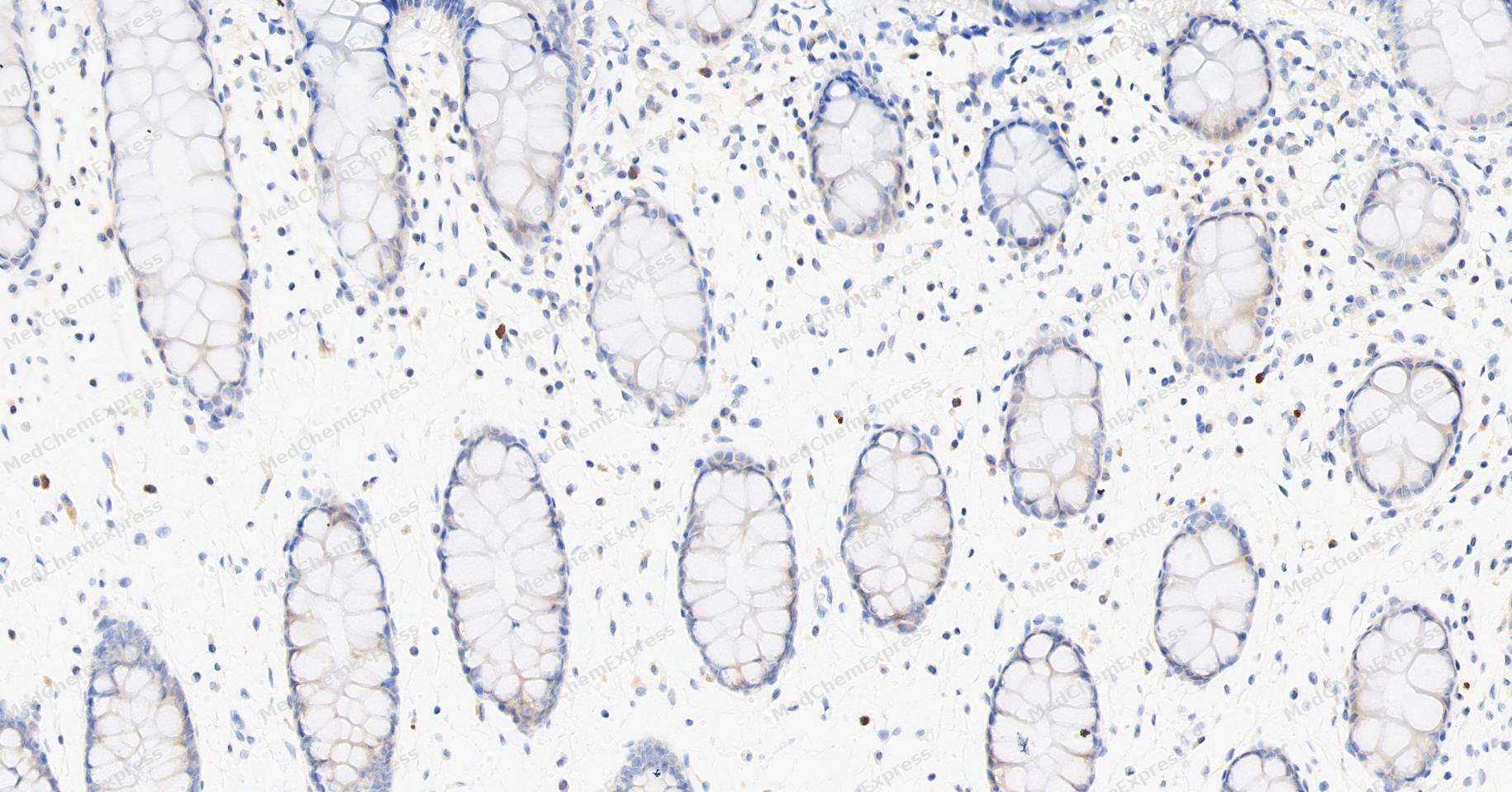 Immunohistochemical analysis of paraffin-embedded human colon tissue using Podoplanin Antibody (YA5941). The section was pre-treated using heat mediated antigen retrieval with Tris/EDTA buffer (pH 9.0) for 20 minutes. The tissues were probed with the primary antibody (HY-P86249, 1/100) overnight at 4℃. The detection was performed using an HRP conjugated compact polymer system. DAB was used as the chromogen. Tissues were counterstained with hematoxylin and mounted with neutral balsam.
 -
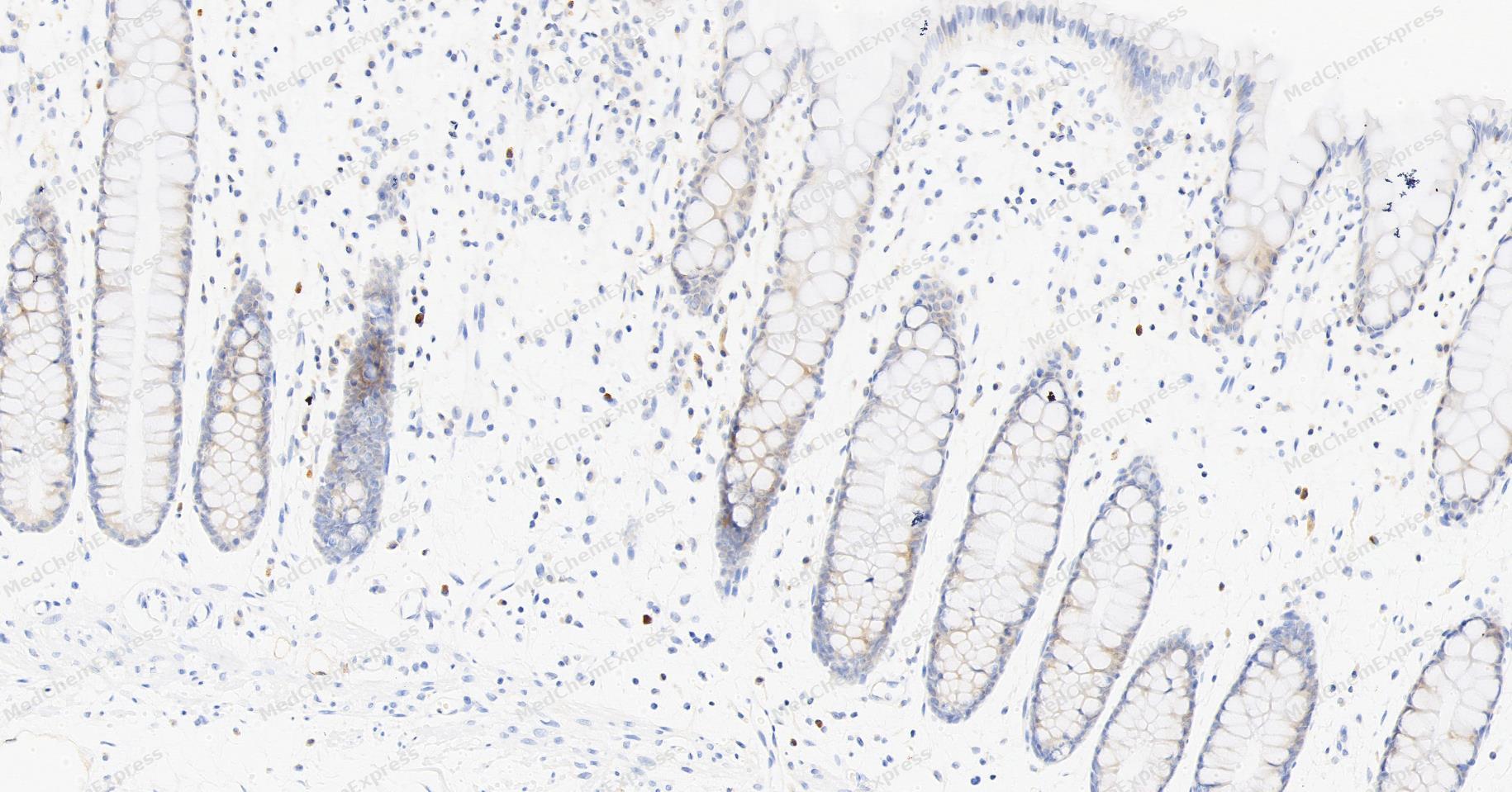 Immunohistochemical analysis of paraffin-embedded human colon tissue using Podoplanin Antibody (YA5941). The section was pre-treated using heat mediated antigen retrieval with Tris/EDTA buffer (pH 9.0) for 20 minutes. The tissues were probed with the primary antibody (HY-P86249, 1/100) overnight at 4℃. The detection was performed using an HRP conjugated compact polymer system. DAB was used as the chromogen. Tissues were counterstained with hematoxylin and mounted with neutral balsam.
 -
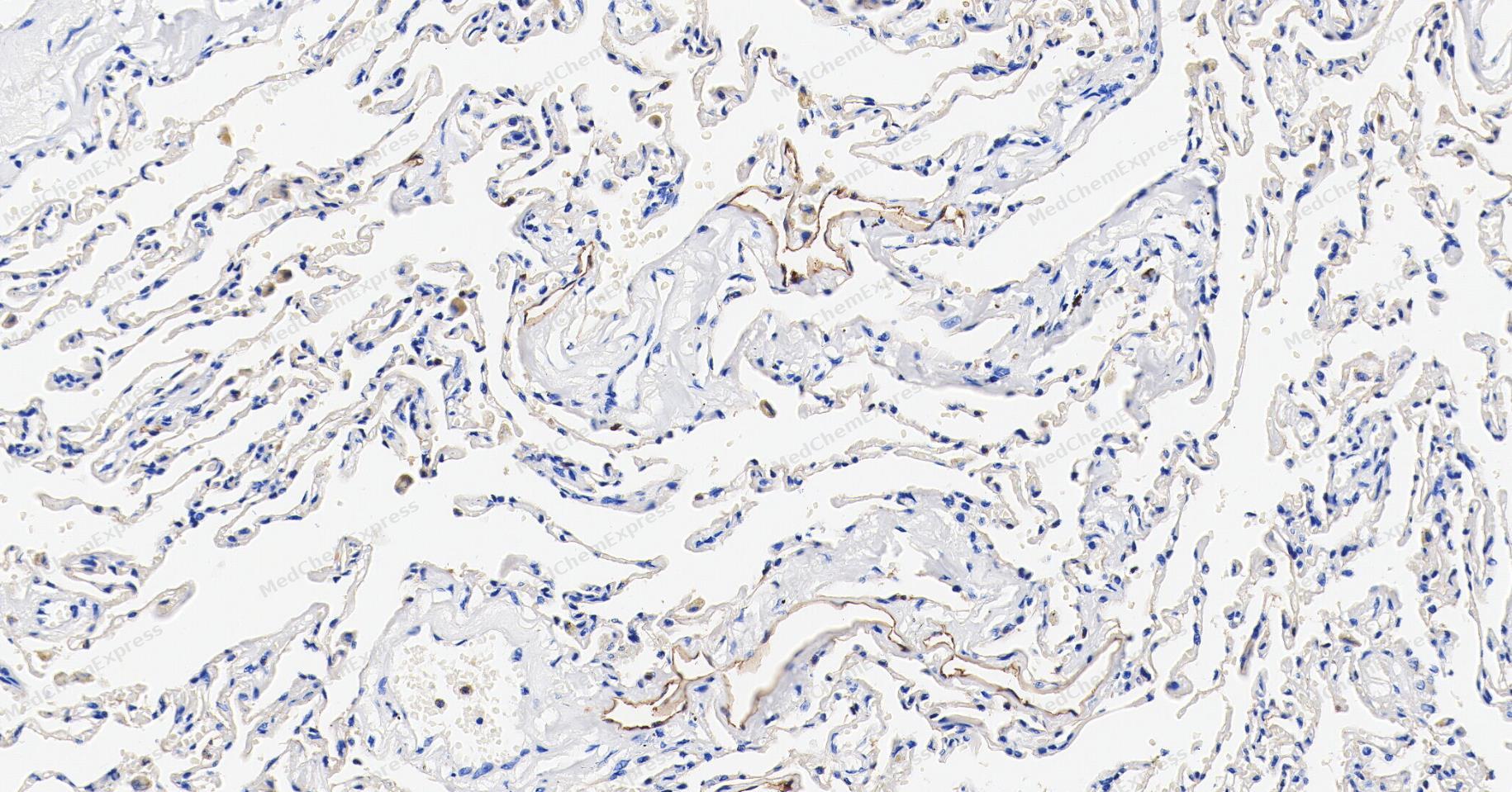 Immunohistochemical analysis of paraffin-embedded human lung tissue using Podoplanin Antibody (YA5941). The section was pre-treated using heat mediated antigen retrieval with Tris/EDTA buffer (pH 9.0) for 20 minutes. The tissues were probed with the primary antibody (HY-P86249, 1/100) overnight at 4℃. The detection was performed using an HRP conjugated compact polymer system. DAB was used as the chromogen. Tissues were counterstained with hematoxylin and mounted with neutral balsam.
 -
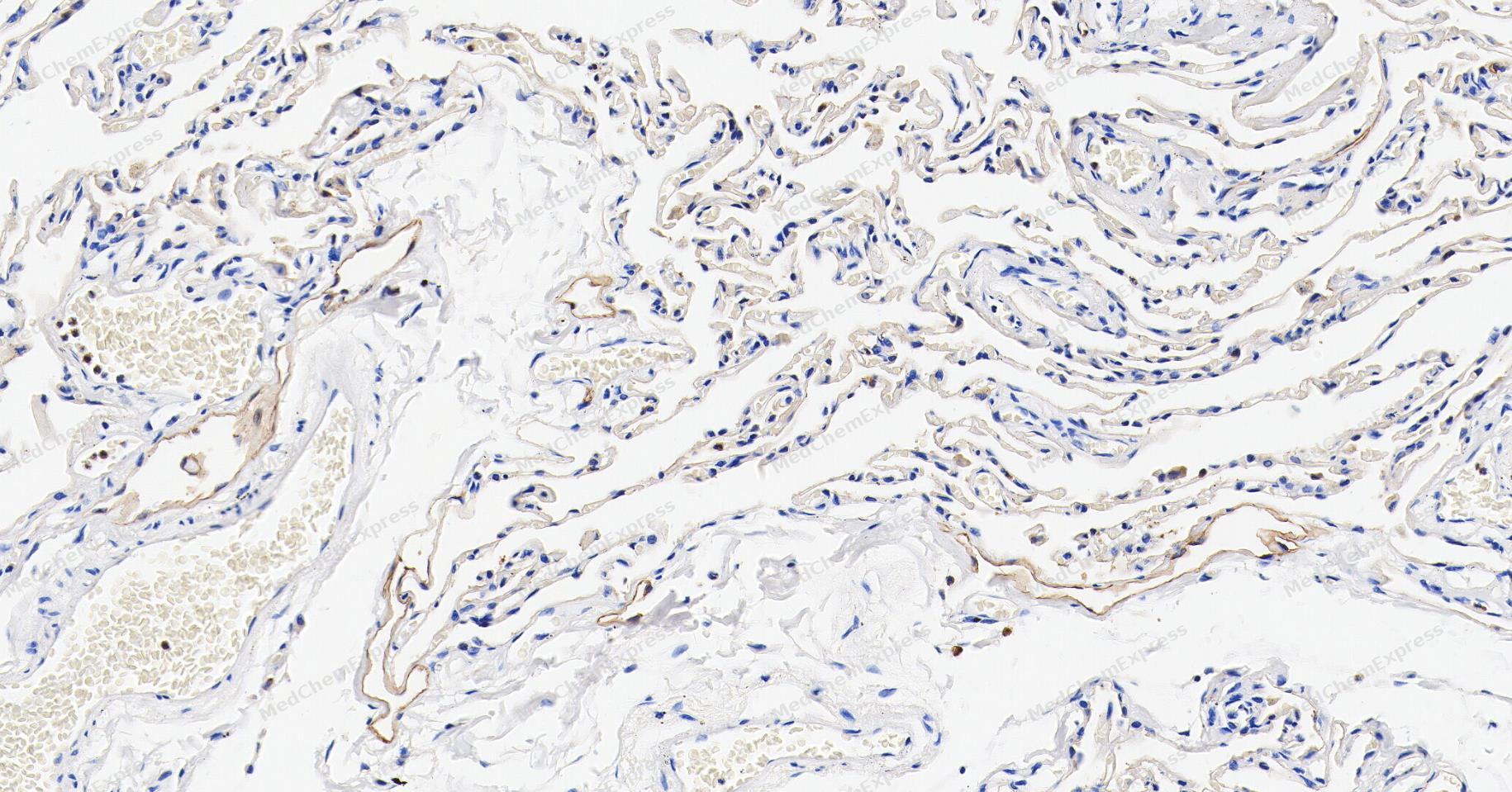 Immunohistochemical analysis of paraffin-embedded human lung tissue using Podoplanin Antibody (YA5941). The section was pre-treated using heat mediated antigen retrieval with Tris/EDTA buffer (pH 9.0) for 20 minutes. The tissues were probed with the primary antibody (HY-P86249, 1/100) overnight at 4℃. The detection was performed using an HRP conjugated compact polymer system. DAB was used as the chromogen. Tissues were counterstained with hematoxylin and mounted with neutral balsam.
 -
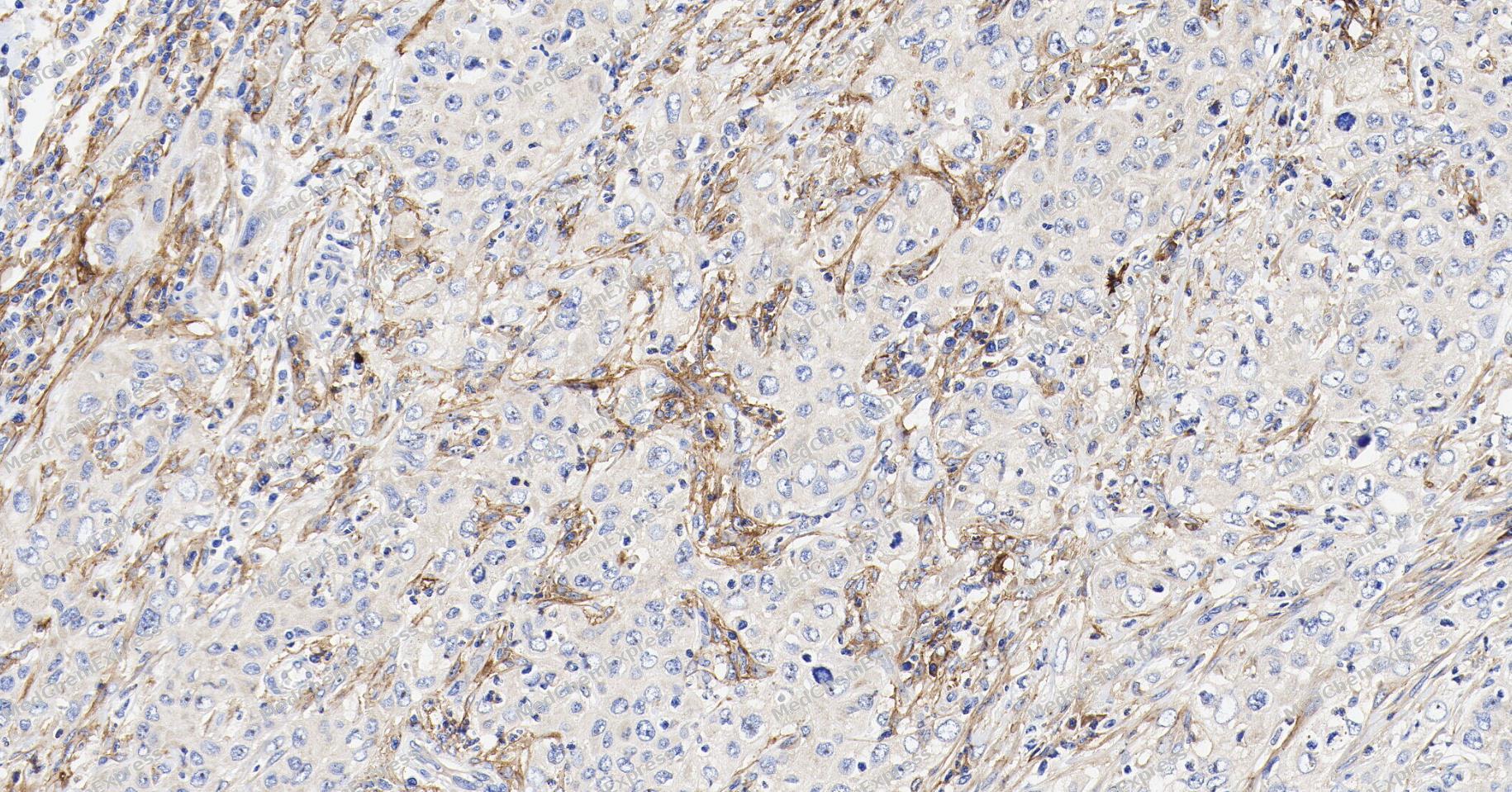 Immunohistochemical analysis of paraffin-embedded human cervical cancer tissue using Podoplanin Antibody (YA5941). The section was pre-treated using heat mediated antigen retrieval with Tris/EDTA buffer (pH 9.0) for 20 minutes. The tissues were probed with the primary antibody (HY-P86249, 1/100) overnight at 4℃. The detection was performed using an HRP conjugated compact polymer system. DAB was used as the chromogen. Tissues were counterstained with hematoxylin and mounted with neutral balsam.
 -
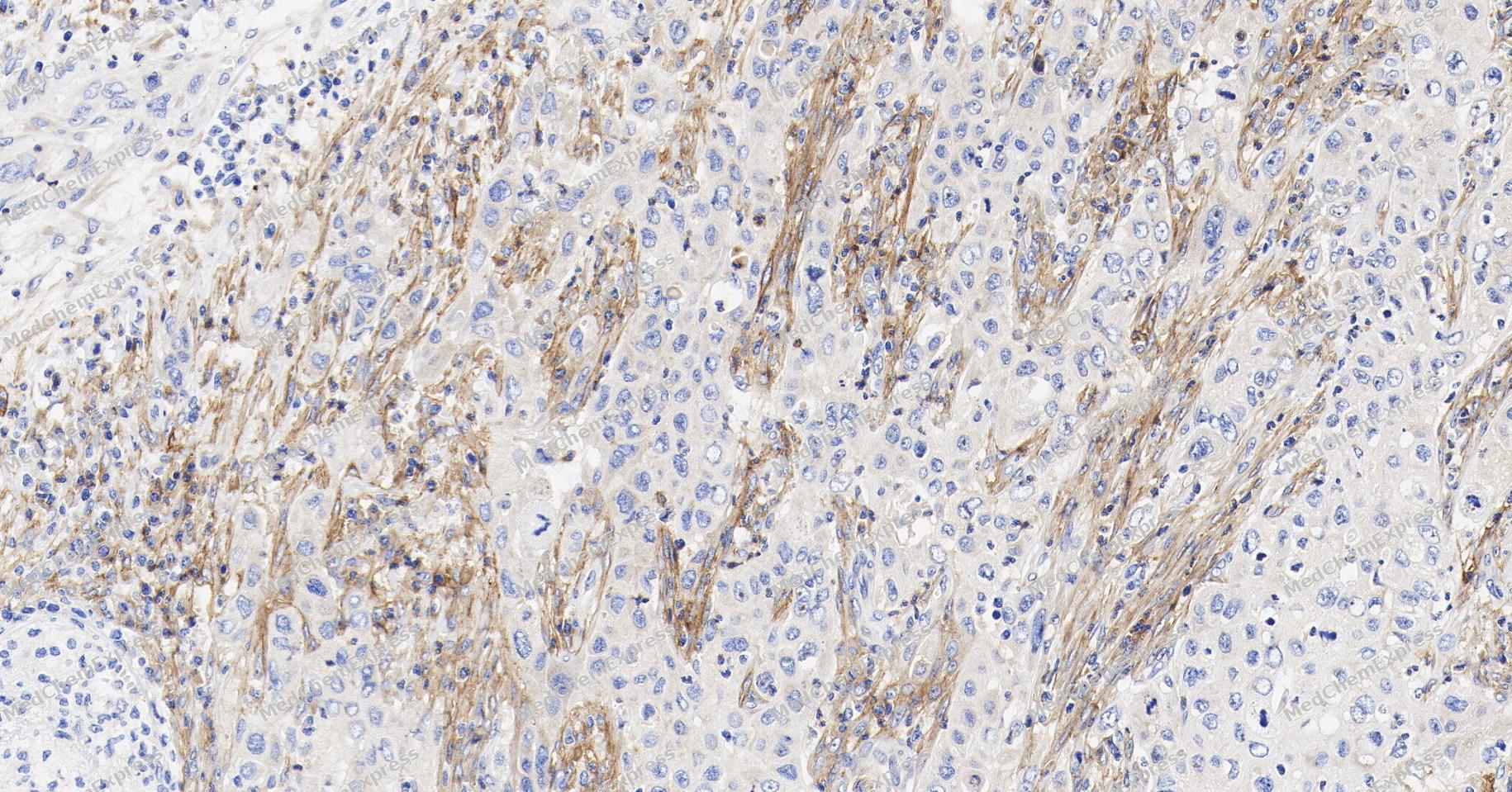 Immunohistochemical analysis of paraffin-embedded human cervical cancer tissue using Podoplanin Antibody (YA5941). The section was pre-treated using heat mediated antigen retrieval with Tris/EDTA buffer (pH 9.0) for 20 minutes. The tissues were probed with the primary antibody (HY-P86249, 1/100) overnight at 4℃. The detection was performed using an HRP conjugated compact polymer system. DAB was used as the chromogen. Tissues were counterstained with hematoxylin and mounted with neutral balsam.
 -
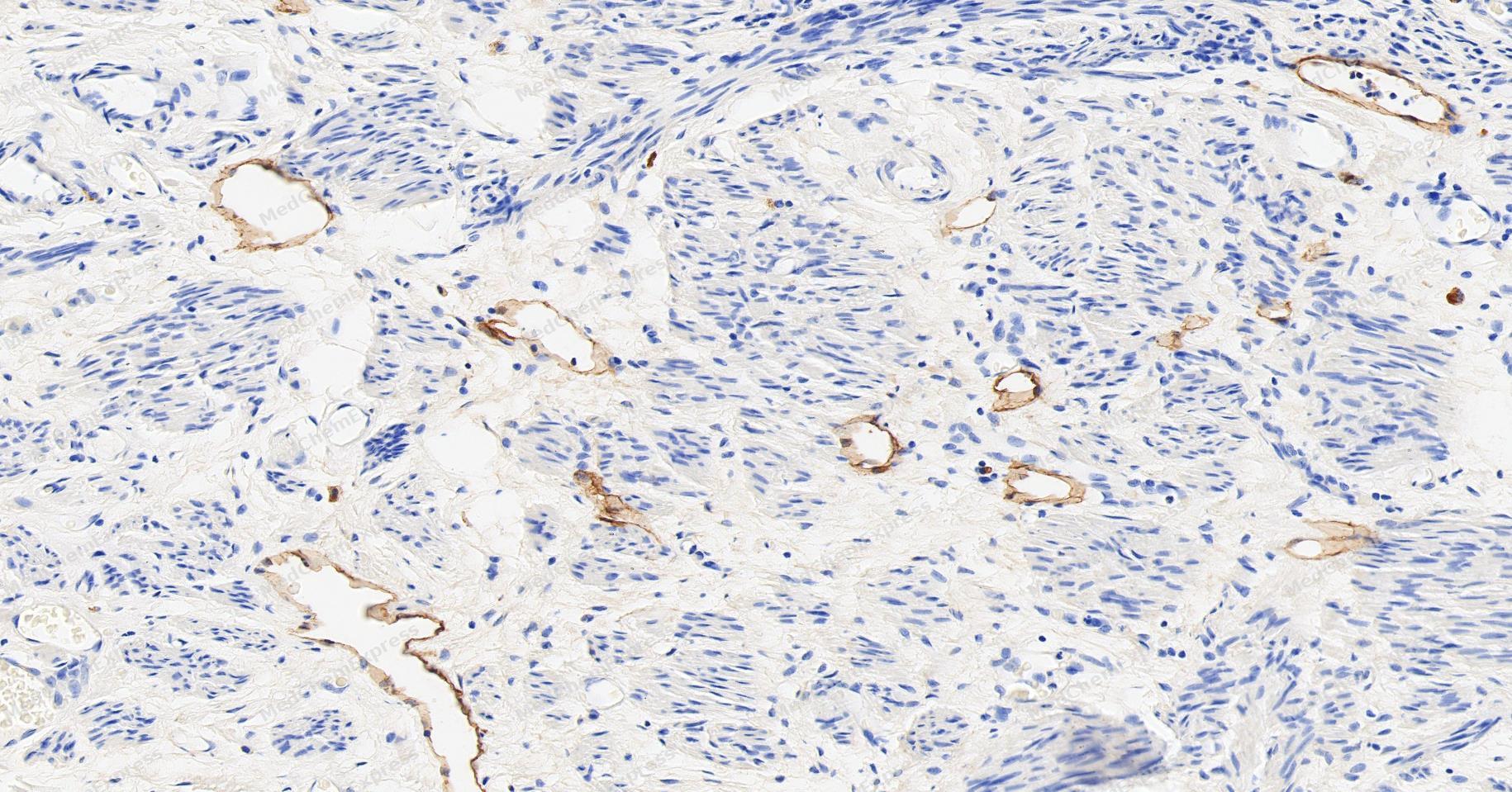 Immunohistochemical analysis of paraffin-embedded human ovarian cancer tissue using Podoplanin Antibody (YA5941). The section was pre-treated using heat mediated antigen retrieval with Tris/EDTA buffer (pH 9.0) for 20 minutes. The tissues were probed with the primary antibody (HY-P86249, 1/100) overnight at 4℃. The detection was performed using an HRP conjugated compact polymer system. DAB was used as the chromogen. Tissues were counterstained with hematoxylin and mounted with neutral balsam.
 -
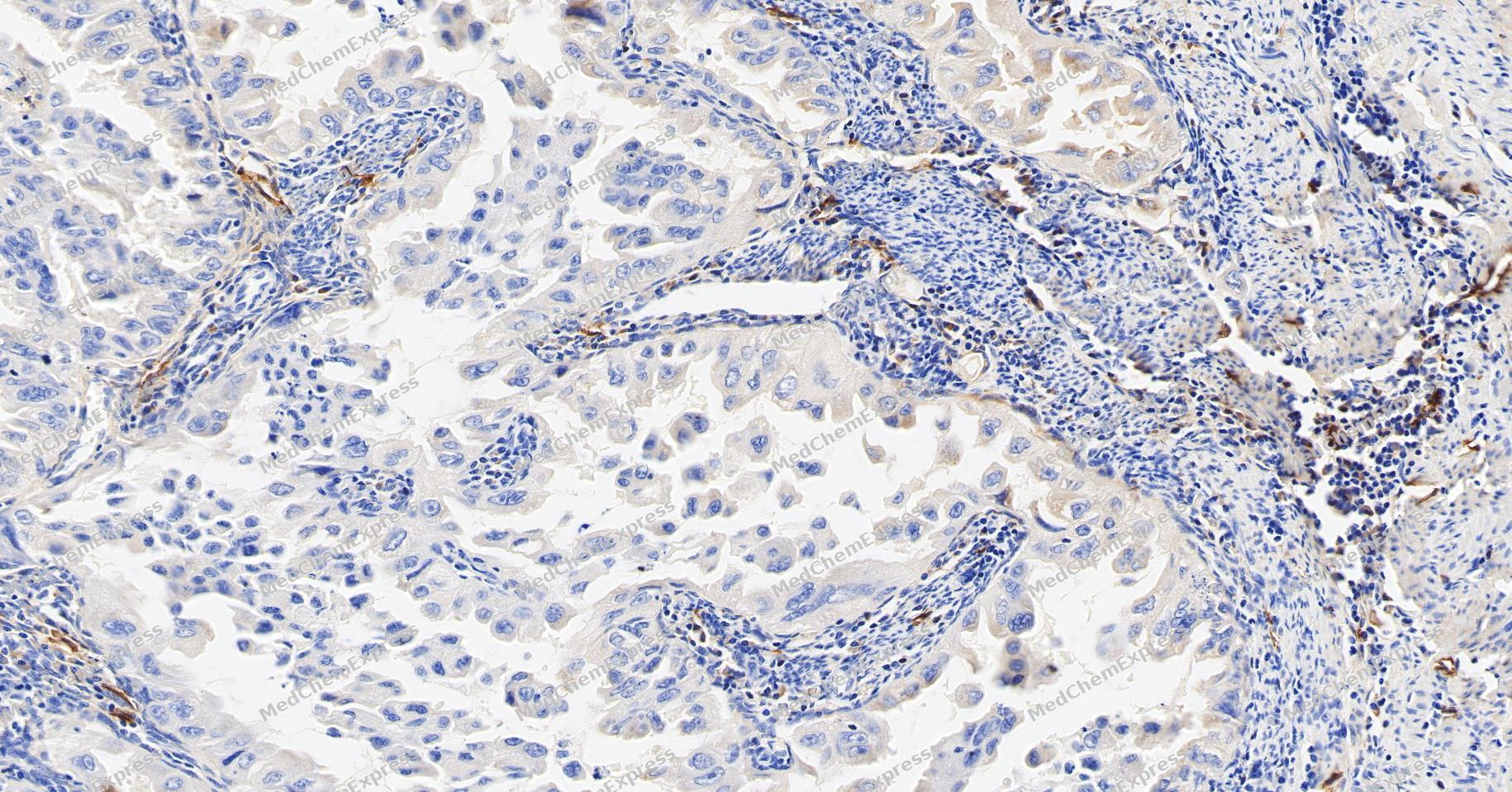 Immunohistochemical analysis of paraffin-embedded human ovarian cancer tissue using Podoplanin Antibody (YA5941). The section was pre-treated using heat mediated antigen retrieval with Tris/EDTA buffer (pH 9.0) for 20 minutes. The tissues were probed with the primary antibody (HY-P86249, 1/100) overnight at 4℃. The detection was performed using an HRP conjugated compact polymer system. DAB was used as the chromogen. Tissues were counterstained with hematoxylin and mounted with neutral balsam.
 -
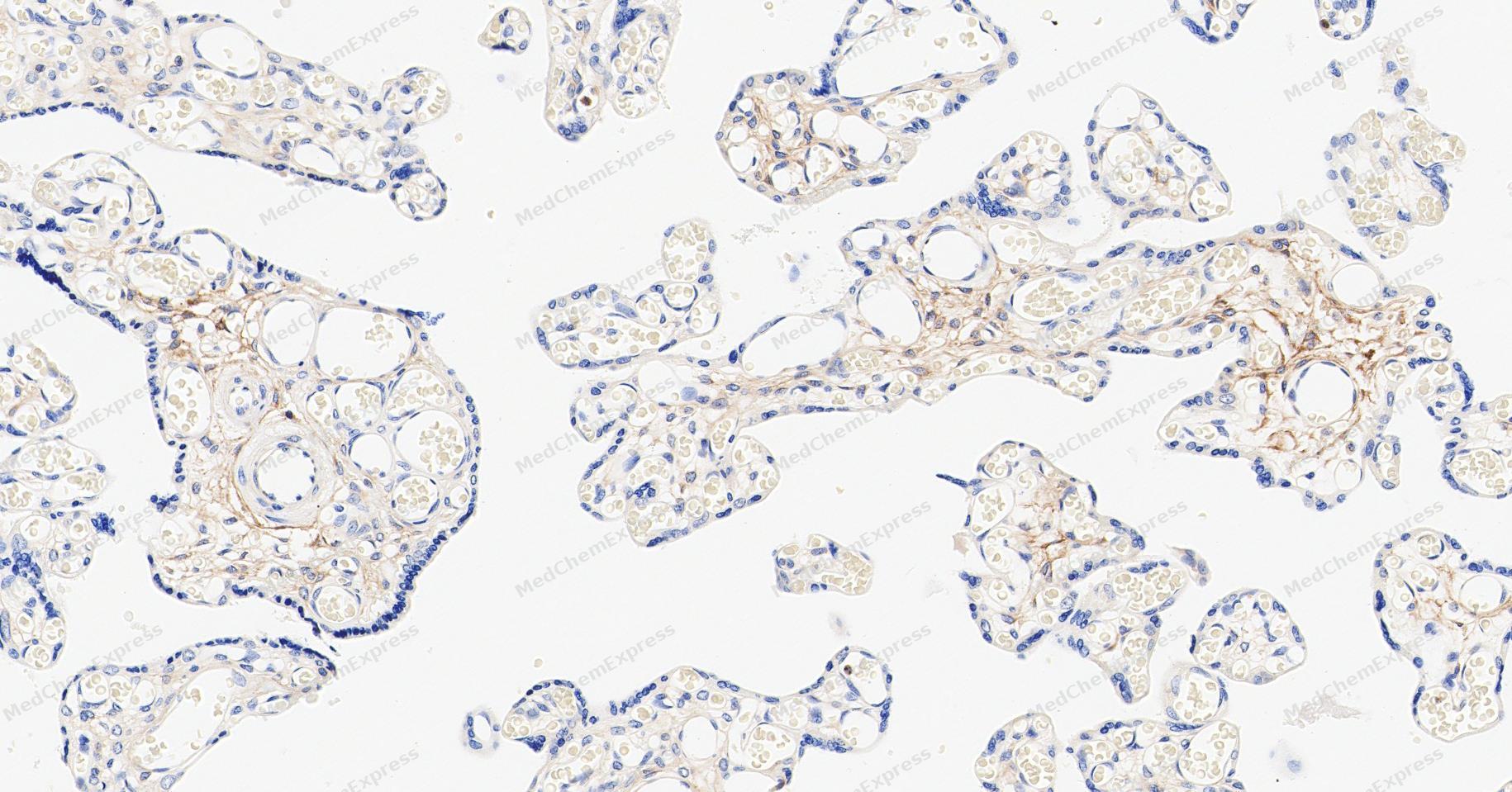 Immunohistochemical analysis of paraffin-embedded human placenta tissue using Podoplanin Antibody (YA5941). The section was pre-treated using heat mediated antigen retrieval with Tris/EDTA buffer (pH 9.0) for 20 minutes. The tissues were probed with the primary antibody (HY-P86249, 1/100) overnight at 4℃. The detection was performed using an HRP conjugated compact polymer system. DAB was used as the chromogen. Tissues were counterstained with hematoxylin and mounted with neutral balsam.
 -
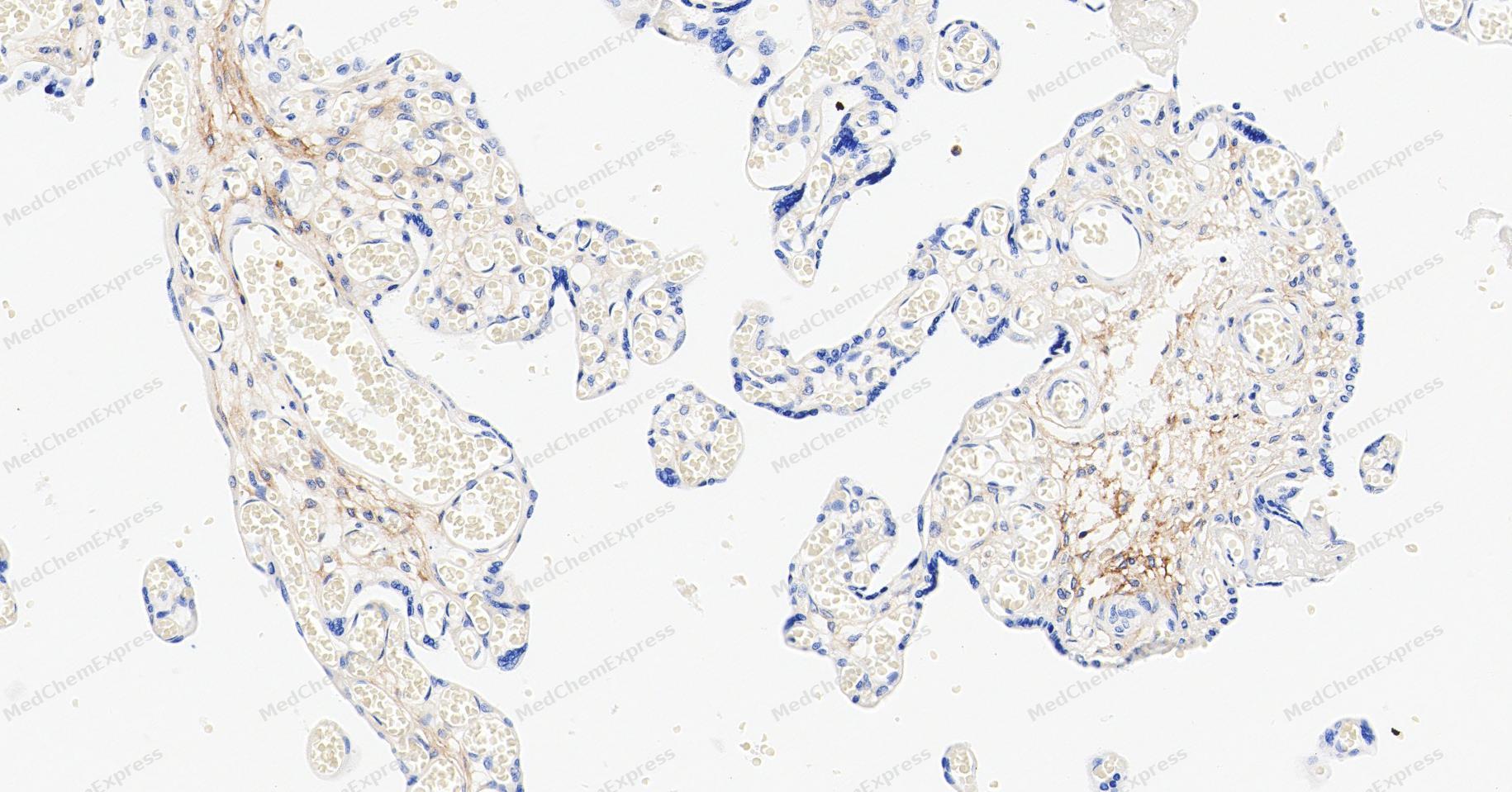 Immunohistochemical analysis of paraffin-embedded human placenta tissue using Podoplanin Antibody (YA5941). The section was pre-treated using heat mediated antigen retrieval with Tris/EDTA buffer (pH 9.0) for 20 minutes. The tissues were probed with the primary antibody (HY-P86249, 1/100) overnight at 4℃. The detection was performed using an HRP conjugated compact polymer system. DAB was used as the chromogen. Tissues were counterstained with hematoxylin and mounted with neutral balsam.
 -
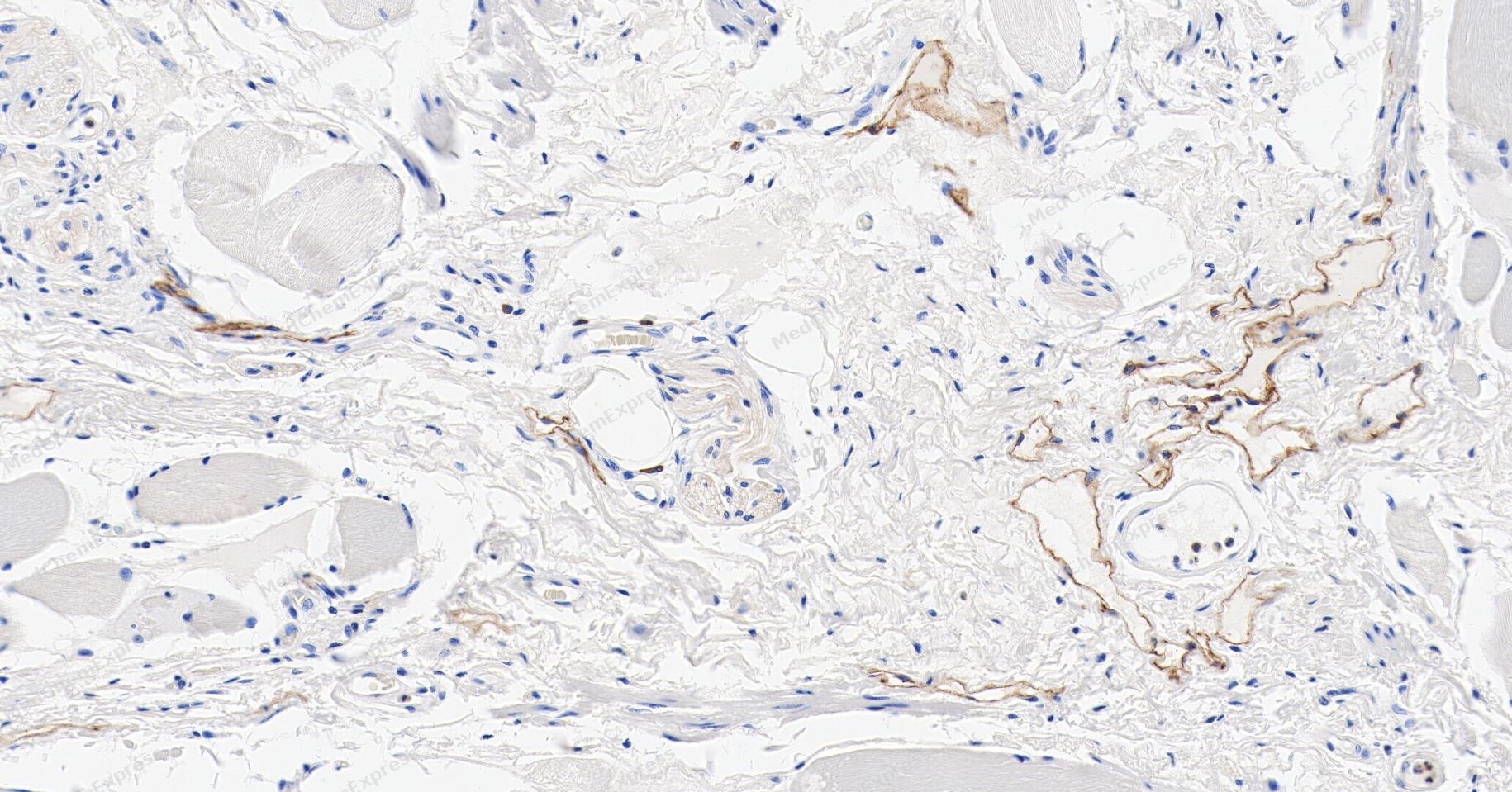 Immunohistochemical analysis of paraffin-embedded human esophagus tissue using Podoplanin Antibody (YA5941). The section was pre-treated using heat mediated antigen retrieval with Tris/EDTA buffer (pH 9.0) for 20 minutes. The tissues were probed with the primary antibody (HY-P86249, 1/100) overnight at 4℃. The detection was performed using an HRP conjugated compact polymer system. DAB was used as the chromogen. Tissues were counterstained with hematoxylin and mounted with neutral balsam.


Background
-
Function
Podoplanin mediates effects on cell migration and adhesion through its different partners. During development plays a role in blood and lymphatic vessels separation by binding CLEC1B, triggering CLEC1B activation in platelets and leading to platelet activation and/or aggregation. Interaction with CD9, on the contrary, attenuates platelet aggregation induced by PDPN. Through MSN or EZR interaction promotes epithelial-mesenchymal transition (EMT) leading to ERZ phosphorylation and triggering RHOA activation leading to cell migration increase and invasiveness. Interaction with CD44 promotes directional cell migration in epithelial and tumor cells. In lymph nodes (LNs), controls fibroblastic reticular cells (FRCs) adhesion to the extracellular matrix (ECM) and contraction of the actomyosin by maintaining ERM proteins (EZR; MSN and RDX) and MYL9 activation through association with unknown transmembrane proteins. Engagement of CLEC1B by PDPN promotes FRCs relaxation by blocking lateral membrane interactions leading to reduction of ERM proteins (EZR; MSN and RDX) and MYL9 activation. Through binding with LGALS8 may participate in connection of the lymphatic endothelium to the surrounding extracellular matrix. In keratinocytes, induces changes in cell morphology showing an elongated shape, numerous membrane protrusions, major reorganization of the actin cytoskeleton, increased motility and decreased cell adhesion. Controls invadopodia stability and maturation leading to efficient degradation of the extracellular matrix (ECM) in tumor cells through modulation of RHOC activity in order to activate ROCK1/ROCK2 and LIMK1/LIMK2 and inactivation of CFL1. Required for normal lung cell proliferation and alveolus formation at birth. Does not function as a water channel or as a regulator of aquaporin-type water channels. Does not have any effect on folic acid or amino acid transport[1][2][3][4][5][6][7][8][9][10][11][12][13].
-
Subcellular Localization
Membrane; Single-pass type I membrane protein; Cell projection, lamellipodium membrane; Single-pass type I membrane protein; Cell projection, filopodium membrane; Single-pass type I membrane protein; Cell projection, microvillus membrane; Single-pass type I membrane protein; Cell projection, ruffle membrane; Single-pass type I membrane protein; Membrane raft; Apical cell membrane; Basolateral cell membrane; Cell projection, invadopodium; Cytoplasm, cytosol
-
Expression
Tissue_specificity:It is highly expressed in the placenta, lungs, skeletal muscle, and brain. It is weakly expressed in the brain, kidneys, and liver. In the placenta, it is expressed on the apical plasma membrane of endothelial cells. In the lungs, it is expressed on alveolar epithelial cells. Its expression is upregulated in colorectal tumors and is expressed in 25% of early-stage oral squamous cell carcinomas. -
Isoforms & Post-Translational Modification
Q86YL7 has 6 isomers: Q86YL7-1: 16698 Da (predicted); Q86YL7-2: 18173 Da (predicted); Q86YL7-3: 24902 Da (predicted); Q86YL7-4: 24652 Da (predicted); Q86YL7-5: 12171 Da (predicted); Q86YL7-6: 12421 Da (predicted).
Extensively O-glycosylated. Contains sialic acid residues. O-glycosylation is necessary for platelet aggregation activity. Disialylated at Thr-52; sialic acid is critical for platelet-aggregating activity and for CLEC1B interaction (PubMed:17222411, PubMed:25458834);The N-terminus is blocked;Cleaved by a metalloprotease within its extracellular (EC) domain, generating a membrane-bound C-terminal fragment (PCTF33) and an extracellular fragment. The resulting membrane-bound C-terminal fragment (PCTF33) is further processed between Val-150 and Val-151 by PSEN1/gamma-secretase generating the intracellular domain of podoplanin (PICD) -
Subunit
Homodimer (PubMed:21376833). Interacts with CLEC1B; the interaction is independent of CLEC1B glycosylation and activates CLEC1B; the interaction is dependent of sialic acid on O-glycans (PubMed:17616532, PubMed:18215137, PubMed:25458834). Interacts with CD9; this interaction is homophilic and attenuates platelet aggregation and pulmonary metastasis induced by PDPN (PubMed:18541721). Interacts with LGALS8; the interaction is glycosylation-dependent; may participate in connection of the lymphatic endothelium to the surrounding extracellular matrix (PubMed:19268462). Interacts with HSPA9 (PubMed:23541579). Interacts (via extracellular domain) with CD44; this interaction is required for PDPN-mediated directional migration and regulation of lamellipodia extension/stabilization during cell spreading and migration (PubMed:20962267). Interacts (via cytoplasmic domain) with MSN and EZR; activates RHOA and promotes epithelial-mesenchymal transition (PubMed:17046996). Interacts with CCL21; relocalized PDPN to the basolateral membrane (PubMed:14978162)
-
SwissProt ID
-
Synonyms
Podoplanin; Aggrus; Glycoprotein 36; Gp36; PA2.26 antigen; T1-alpha; T1A;


Documentation
-
Data Sheet (235 KB)
-
SDS (252 KB)
- English - EN (252 KB)
- Français - FR (252 KB)
- Deutsch - DE (252 KB)
- Norwegian - NO (252 KB)
- Español - ES (252 KB)
- Swedish - SV (252 KB)
- Italian - IT (252 KB)
- Korean - KR (252 KB)
- Portuguese - PT (252 KB)
-
User Guide for Antibodies (1077 KB)

 Powered by Bioz
