



SorLA Antibody (YA2310)
(Synonyms: SORL1; C11orf32; Sortilin-related receptor; Low-density lipoprotein receptor relative with 11 ligand-binding repeats; LDLR relative with 11 ligand-binding repeats; LR11; SorLA-1; Sorting protein-related receptor containing LDLR class A repe)
Based on 1 Customer Validation
SorLA Antibody (YA2310) is a Rabbit-derived and non-conjugated IgG monoclonal antibody, targeting to SorLA.
-
Host:
Rabbit
-
Isotype:
IgG
-
Application:
WB, IHC-P
-
Reactivity :
Human, Mouse, Rat
-
Formulation:
Supplied in rabbit IgG in 50mM Tris-Glycine(pH 7.4), 0.15M NaCl, 40% Glycerol, 0.01% sodium azide and 0.05% BSA.
-
Conjugation:
Non-conjugated


To place orders, for customer services and technical support, please contact: MedChemExpress USA
Tel: 609-228-6898 E-mail: [email protected] [email protected]





Applications
| Application |
WB

WB: Western Blot
|
IHC-P
IHC-P: Immunohistochemistry-Paraffin
|
|---|---|---|
| Dilution Ratio | 1:500-1:1000 | 1:50-1:100 |


Product Details
SorLA Antibody (YA2310) is a Rabbit-derived and non-conjugated IgG monoclonal antibody, targeting to SorLA.
-
Host Rabbit

-
Clonality Recombinant,Monoclonal

-
Species ReactivityHuman, Mouse, Rat
-
Observed Molecular WeightObserved band size: 270 kDa
Note: Due to possible protein modifications or aggregation, the molecular weight should be confirmed by actual measurement, and the predicted value is for reference only.

-
Calculated Molecular Weight Predicted band size: 248 kDa

Entrez Gene: 6653 Human ; 20660 Mouse ;
SwissProt: Q92673 Human ; O88307 Mouse ; Q9R0N2 Rat
OMIM: 104300 Human
A synthesized peptide derived from human SorLA aa1350-1550/2214.
Endogenous
Affinity Purified
Non-conjugated
Unmodified
IgG


Product Properties
-
Appearance
Liquid
-
Formulation
Supplied in rabbit IgG in 50mM Tris-Glycine(pH 7.4), 0.15M NaCl, 40% Glycerol, 0.01% sodium azide and 0.05% BSA.
-
Concentration
Batch-dependent, Please check the COA for the concentration of each lot. Check Lot Concentration
-
Storage & Stability
Stored at -20°C for 1 year. Avoid repeated freeze / thaw cycles.
-
Shipping
Shipping with blue ice.


Verification Images
-
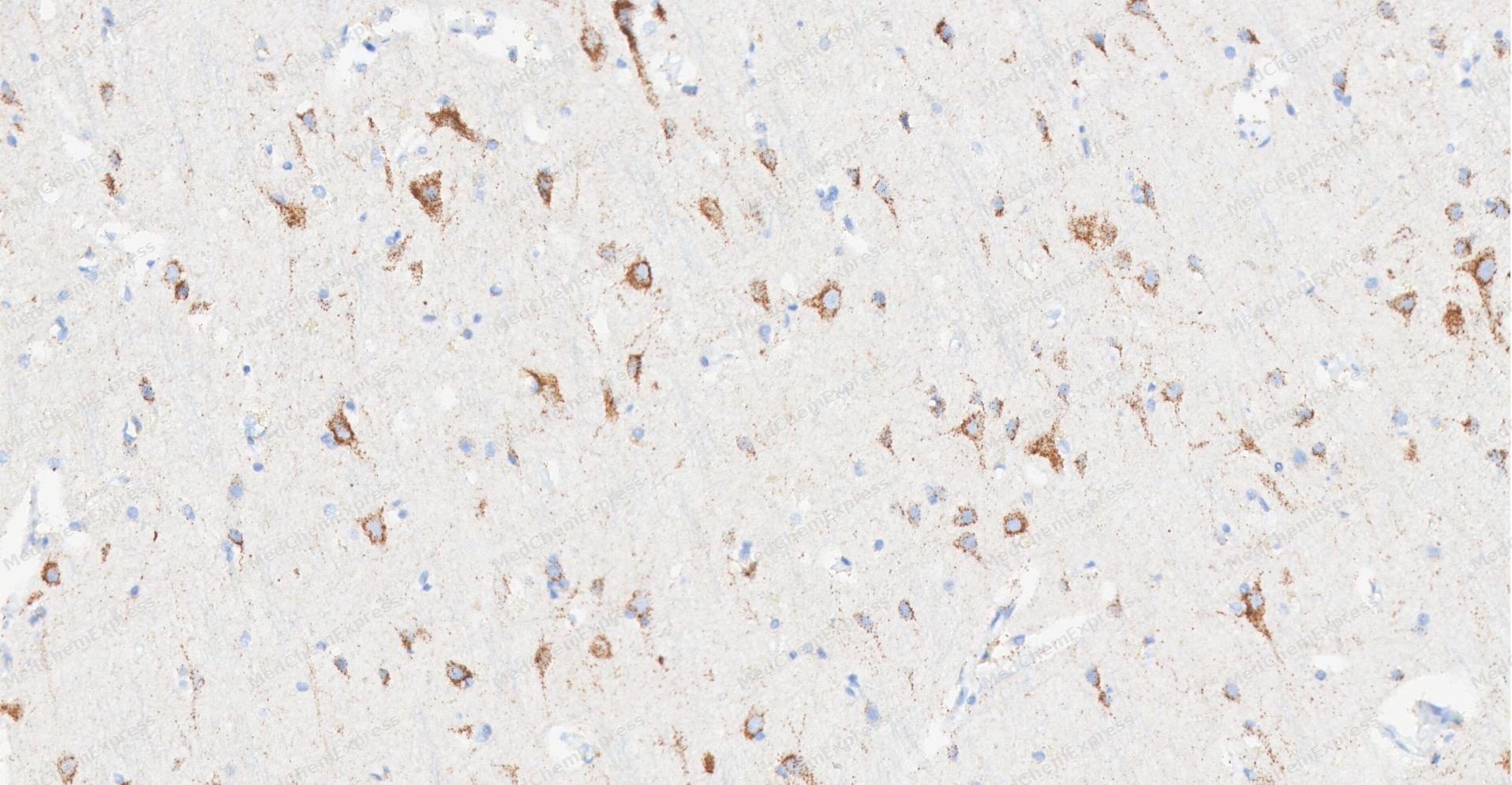 Immunohistochemical analysis of paraffin-embedded human Brain tissue using SorLA antibody was performed. The section was pretreated using high-temperature and high-pressure mediated EDTA antigen retrieval buffer (pH 9.0), for 5 minutes. The tissues were incubated with primary antibody (HY-P82565, 1:100 dilution) at room temperature for 60 minutes. Detection was performed using an HRP conjugated compact polymer system. DAB was used as the chromogen. The tissues were counterstained with hematoxylin and mounted with neutral balsam mounting medium.
 -
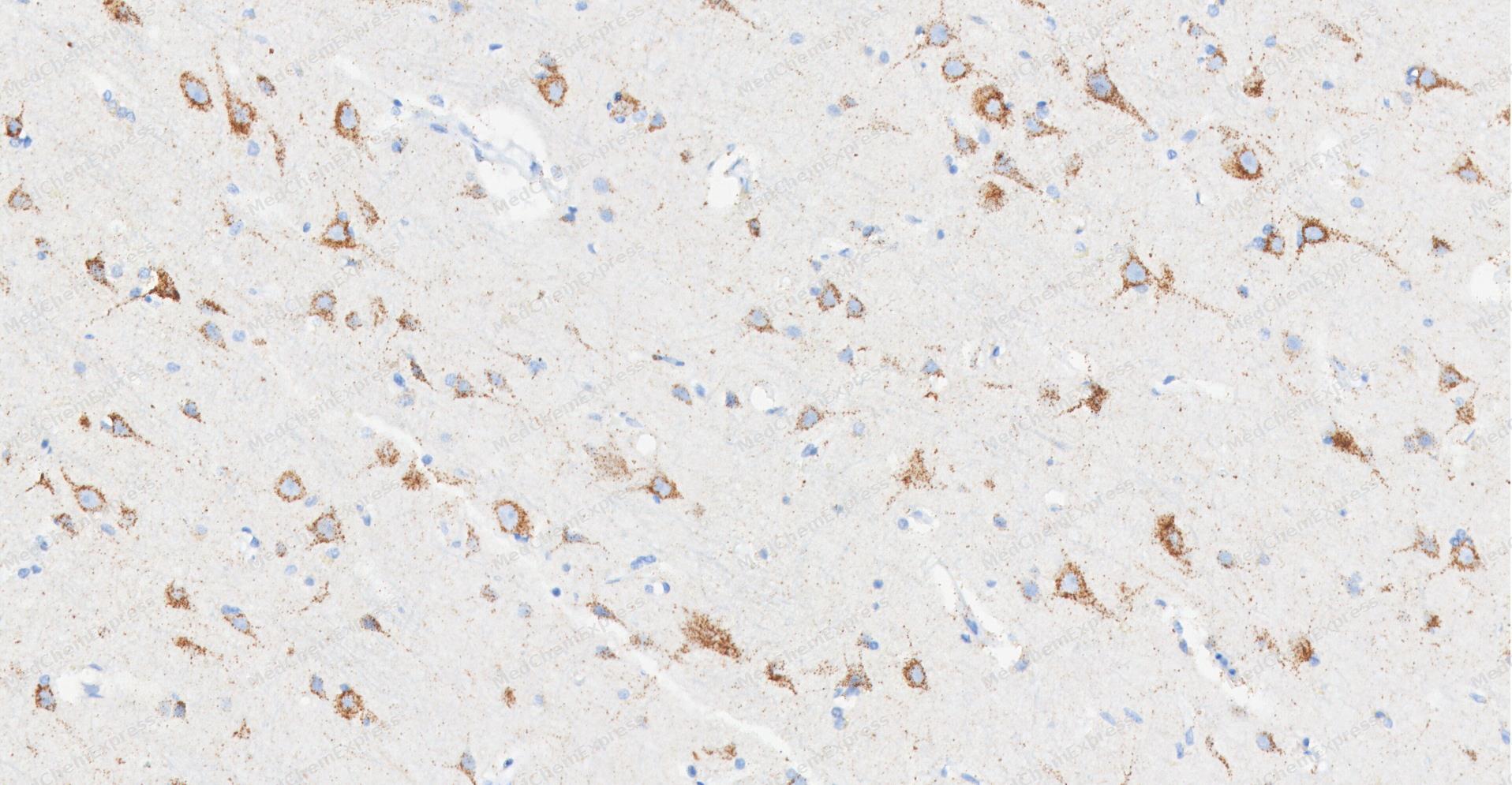 Immunohistochemical analysis of paraffin-embedded human Brain tissue using SorLA antibody was performed. The section was pretreated using high-temperature and high-pressure mediated EDTA antigen retrieval buffer (pH 9.0), for 5 minutes. The tissues were incubated with primary antibody (HY-P82565, 1:100 dilution) at room temperature for 60 minutes. Detection was performed using an HRP conjugated compact polymer system. DAB was used as the chromogen. The tissues were counterstained with hematoxylin and mounted with neutral balsam mounting medium.
 -
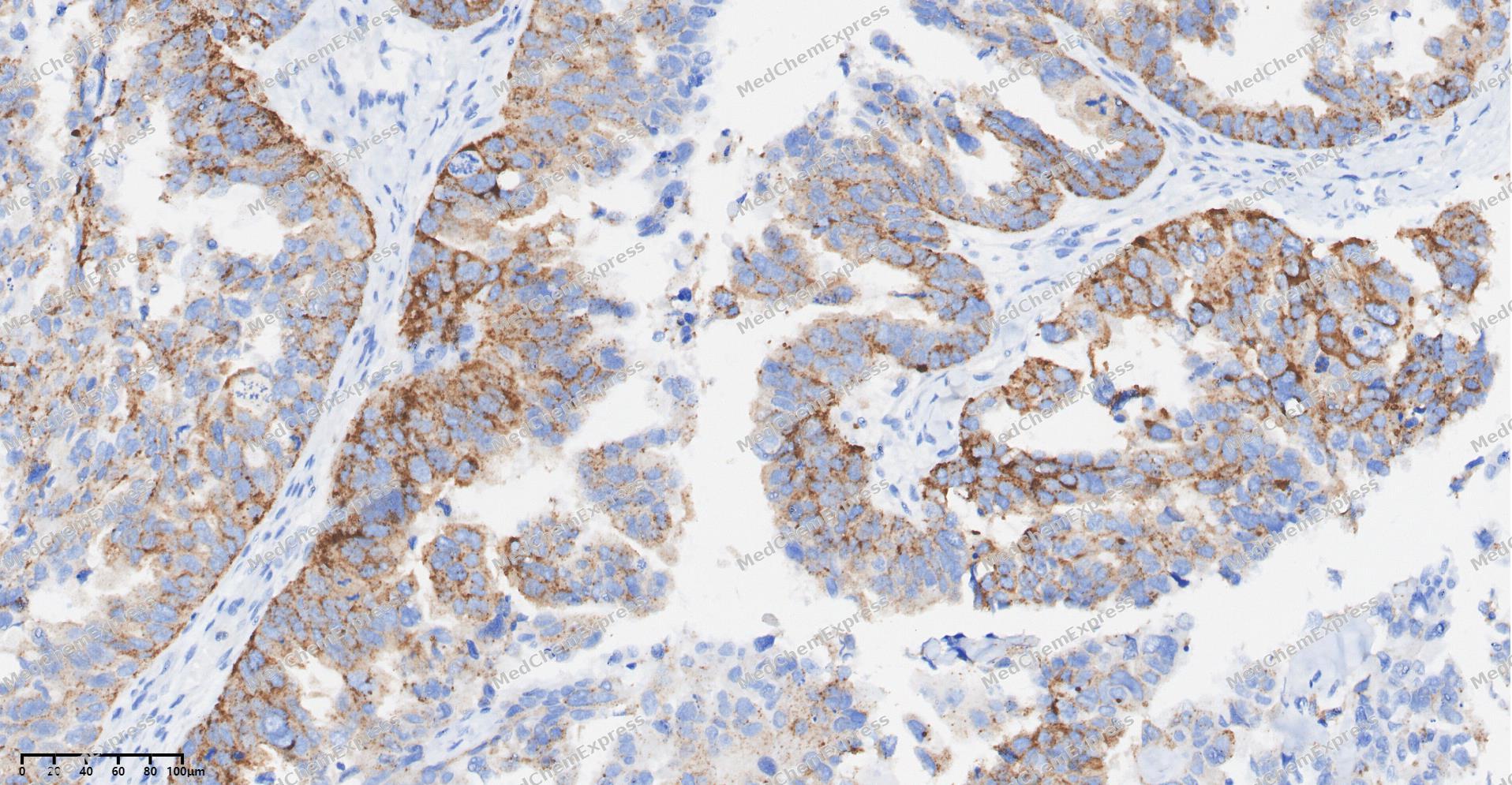 Immunohistochemical analysis of paraffin-embedded human Ovarian Cancer tissue using SorLA antibody was performed. The section was pretreated using high-temperature and high-pressure mediated EDTA antigen retrieval buffer (pH 9.0), for 5 minutes. The tissues were incubated with primary antibody (HY-P82565, 1:100 dilution) at room temperature for 60 minutes. Detection was performed using an HRP conjugated compact polymer system. DAB was used as the chromogen. The tissues were counterstained with hematoxylin and mounted with neutral balsam mounting medium.
 -
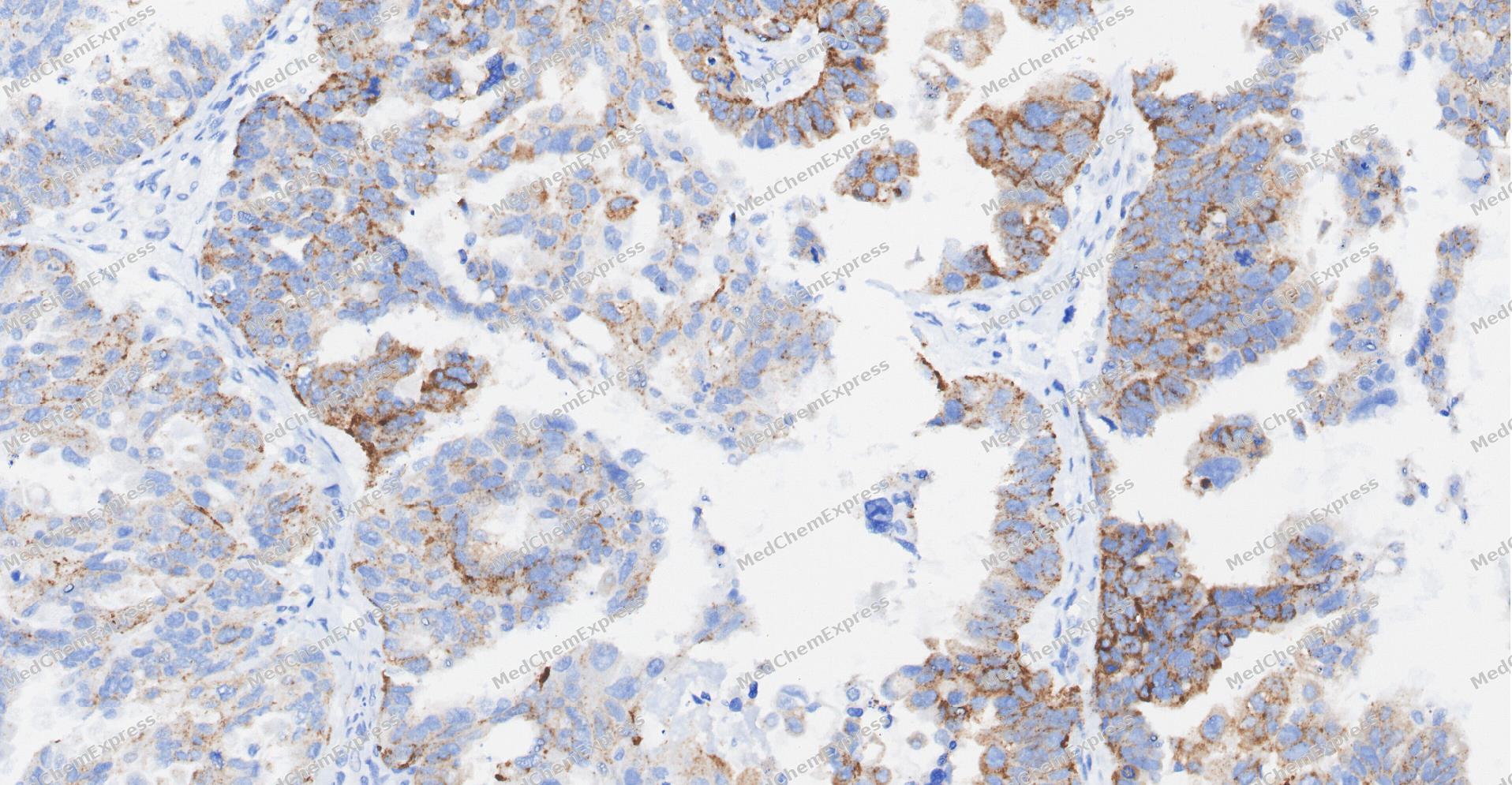 Immunohistochemical analysis of paraffin-embedded human Ovarian Cancer tissue using SorLA antibody was performed. The section was pretreated using high-temperature and high-pressure mediated EDTA antigen retrieval buffer (pH 9.0), for 5 minutes. The tissues were incubated with primary antibody (HY-P82565, 1:100 dilution) at room temperature for 60 minutes. Detection was performed using an HRP conjugated compact polymer system. DAB was used as the chromogen. The tissues were counterstained with hematoxylin and mounted with neutral balsam mounting medium.
 -
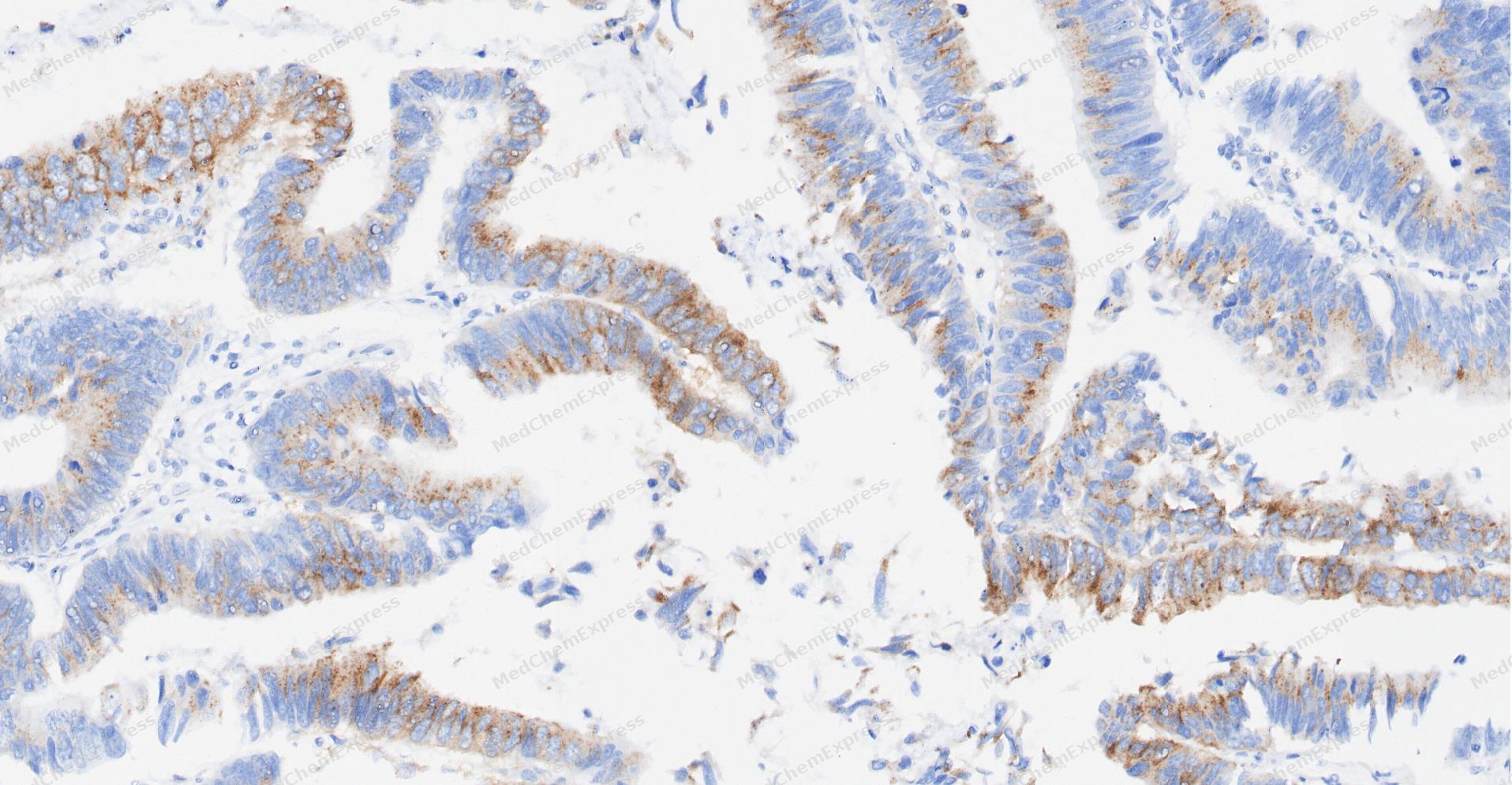 Immunohistochemical analysis of paraffin-embedded human Colon cancer tissue using SorLA antibody was performed. The section was pretreated using high-temperature and high-pressure mediated EDTA antigen retrieval buffer (pH 9.0), for 5 minutes. The tissues were incubated with primary antibody (HY-P82565, 1:100 dilution) at room temperature for 60 minutes. Detection was performed using an HRP conjugated compact polymer system. DAB was used as the chromogen. The tissues were counterstained with hematoxylin and mounted with neutral balsam mounting medium.
 -
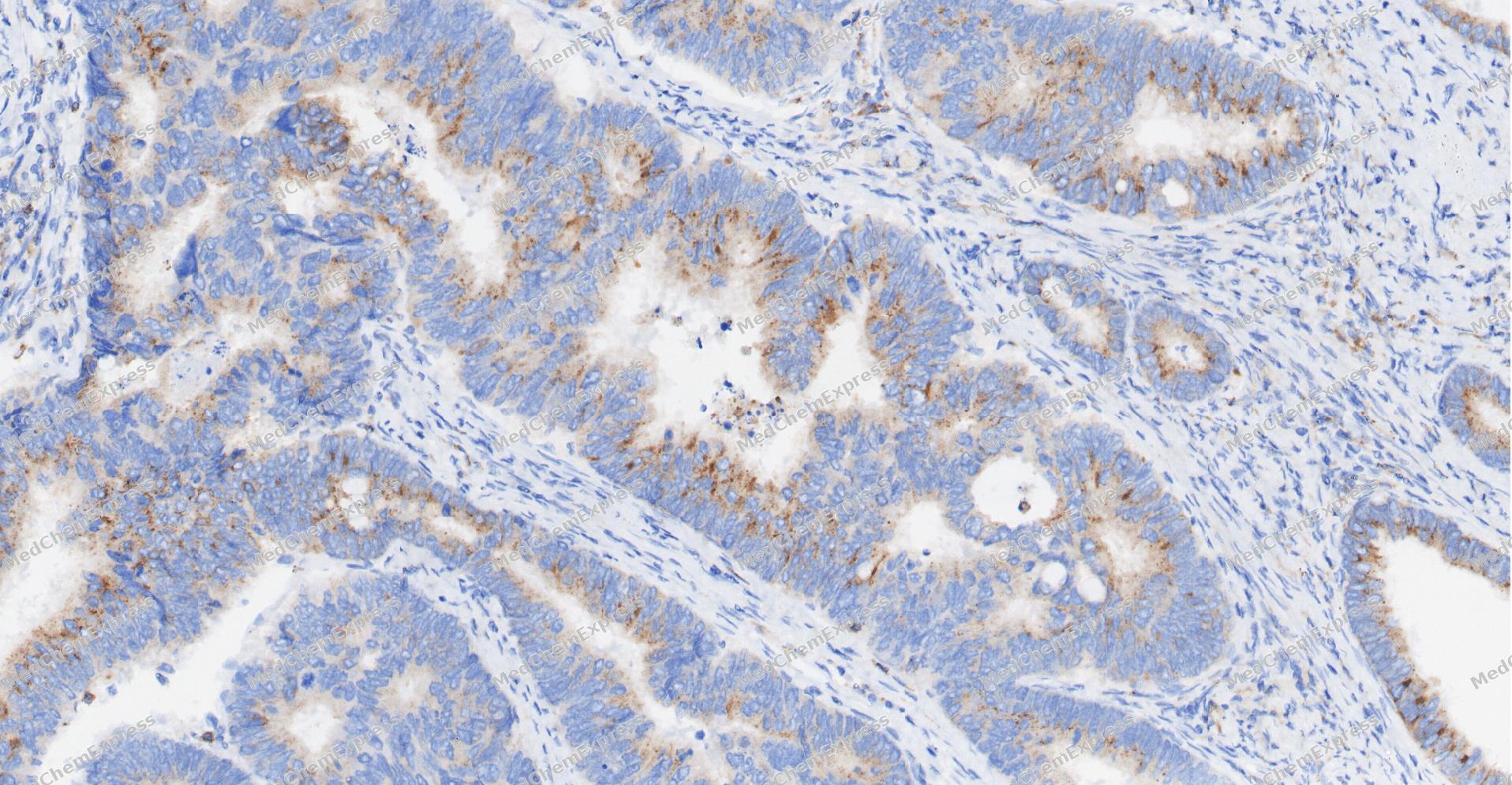 Immunohistochemical analysis of paraffin-embedded human Colon cancer tissue using SorLA antibody was performed. The section was pretreated using high-temperature and high-pressure mediated EDTA antigen retrieval buffer (pH 9.0), for 5 minutes. The tissues were incubated with primary antibody (HY-P82565, 1:100 dilution) at room temperature for 60 minutes. Detection was performed using an HRP conjugated compact polymer system. DAB was used as the chromogen. The tissues were counterstained with hematoxylin and mounted with neutral balsam mounting medium.
 -
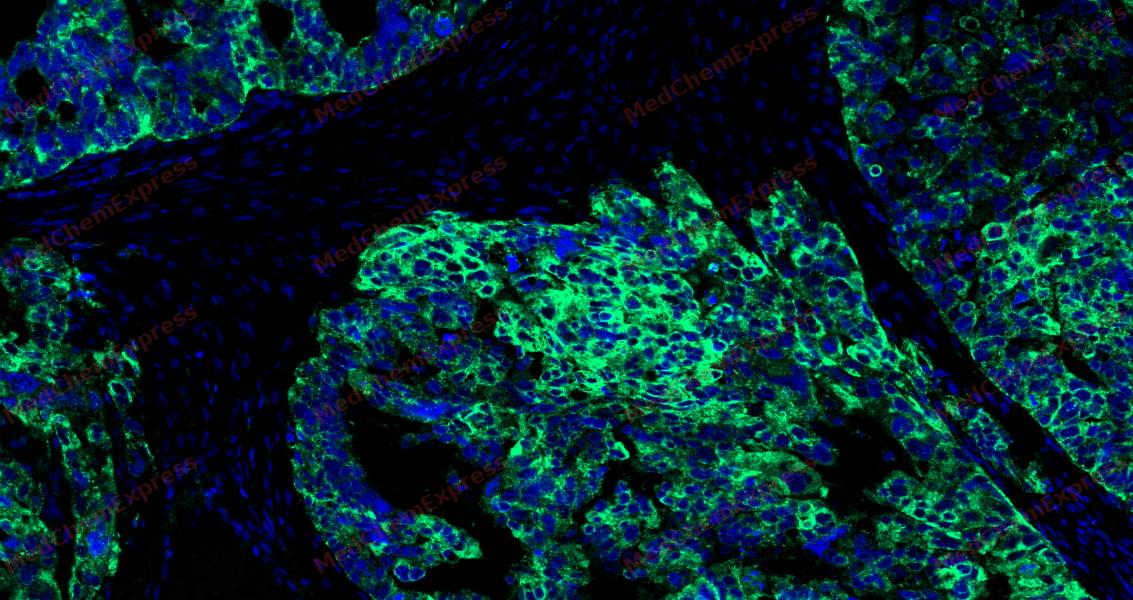 Tyramide signaling amplification based immunofluorescence was performed on paraffin-embedded human Ovarian Cancer tissue using SorLA antibody. Antigen retrieval was performed in EDTA buffer pH 9.0 (95 °C, 20 min) followed by cooling to RT. Then incubated with primary antibody (HY-P82565, 1:100 dilution) at room temperature for 60 minutes and HRP conjugated secondary antibody for 10 minutes. Fluorescence was then developed with Vari Fluor 532 TSA (200×)(HY-D1832). The tissues were counterstained with DAPI and mounted with Anti-fade mounting medium.
 -
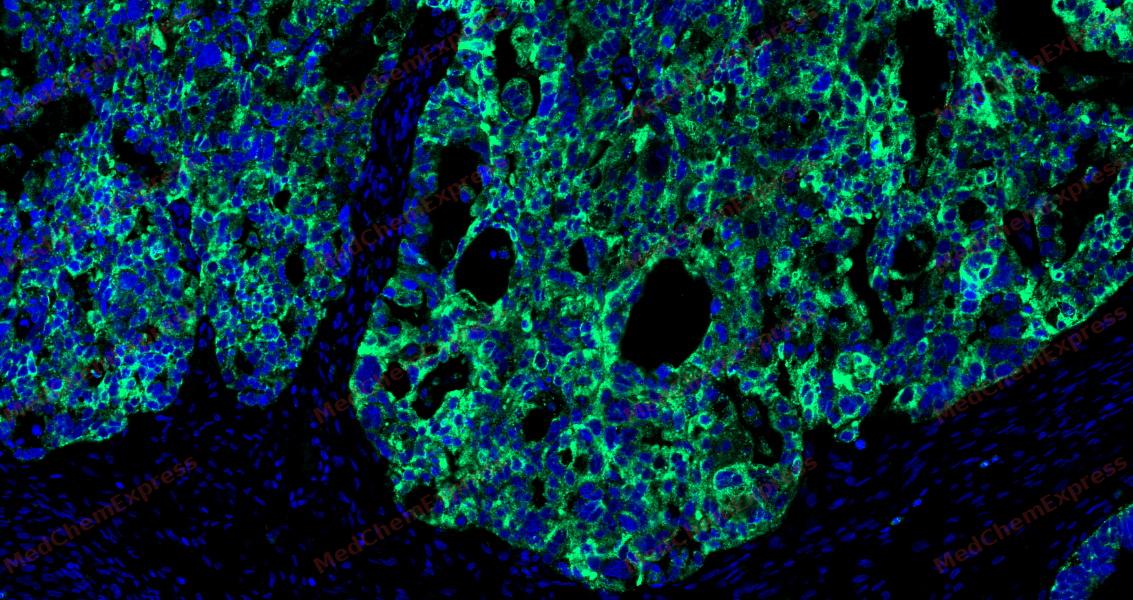 Tyramide signaling amplification based immunofluorescence was performed on paraffin-embedded human Ovarian Cancer tissue using SorLA antibody. Antigen retrieval was performed in EDTA buffer pH 9.0 (95 °C, 20 min) followed by cooling to RT. Then incubated with primary antibody (HY-P82565, 1:100 dilution) at room temperature for 60 minutes and HRP conjugated secondary antibody for 10 minutes. Fluorescence was then developed with Vari Fluor 532 TSA (200×)(HY-D1832). The tissues were counterstained with DAPI and mounted with Anti-fade mounting medium.
 -
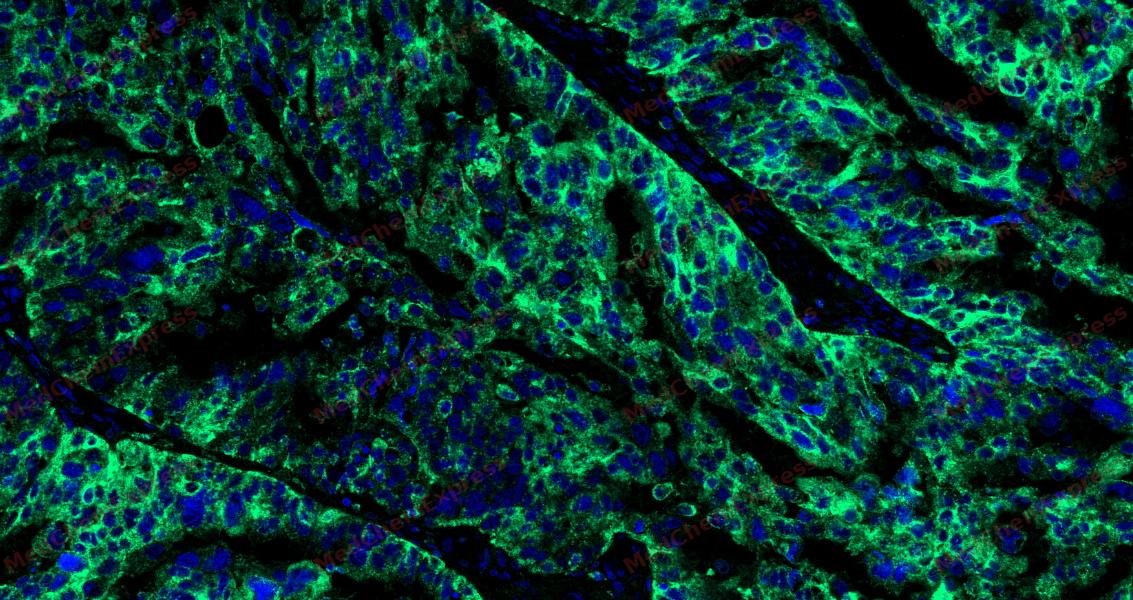 Tyramide signaling amplification based immunofluorescence was performed on paraffin-embedded human Ovarian Cancer tissue using SorLA antibody. Antigen retrieval was performed in EDTA buffer pH 9.0 (95 °C, 20 min) followed by cooling to RT. Then incubated with primary antibody (HY-P82565, 1:100 dilution) at room temperature for 60 minutes and HRP conjugated secondary antibody for 10 minutes. Fluorescence was then developed with Vari Fluor 532 TSA (200×)(HY-D1832). The tissues were counterstained with DAPI and mounted with Anti-fade mounting medium.
 -
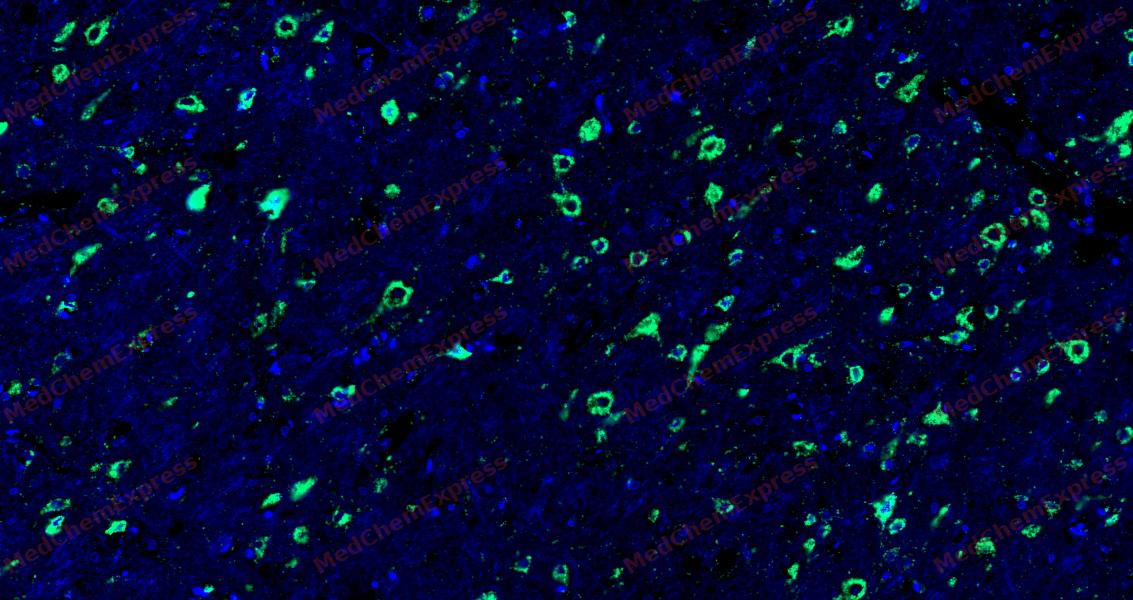 Tyramide signaling amplification based immunofluorescence was performed on paraffin-embedded human Brain tissue using SorLA antibody. Antigen retrieval was performed in EDTA buffer pH 9.0 (95 °C, 20 min) followed by cooling to RT. Then incubated with primary antibody (HY-P82565, 1:100 dilution) at room temperature for 60 minutes and HRP conjugated secondary antibody for 10 minutes. Fluorescence was then developed with Vari Fluor 532 TSA (200×)(HY-D1832). The tissues were counterstained with DAPI and mounted with Anti-fade mounting medium.
 -
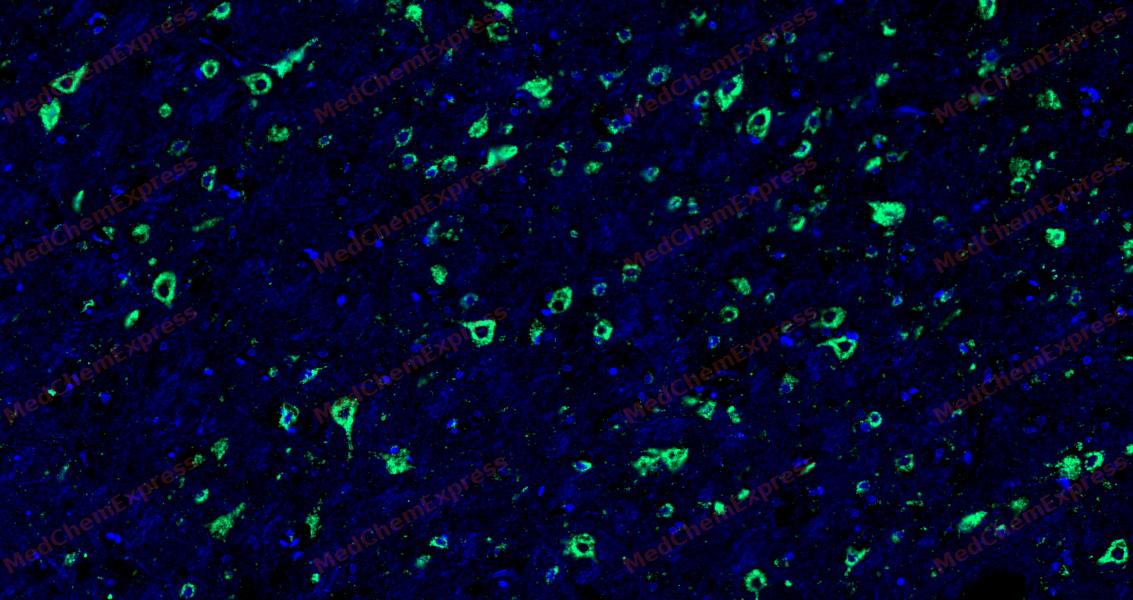 Tyramide signaling amplification based immunofluorescence was performed on paraffin-embedded human Brain tissue using SorLA antibody. Antigen retrieval was performed in EDTA buffer pH 9.0 (95 °C, 20 min) followed by cooling to RT. Then incubated with primary antibody (HY-P82565, 1:100 dilution) at room temperature for 60 minutes and HRP conjugated secondary antibody for 10 minutes. Fluorescence was then developed with Vari Fluor 532 TSA (200×)(HY-D1832). The tissues were counterstained with DAPI and mounted with Anti-fade mounting medium.
 -
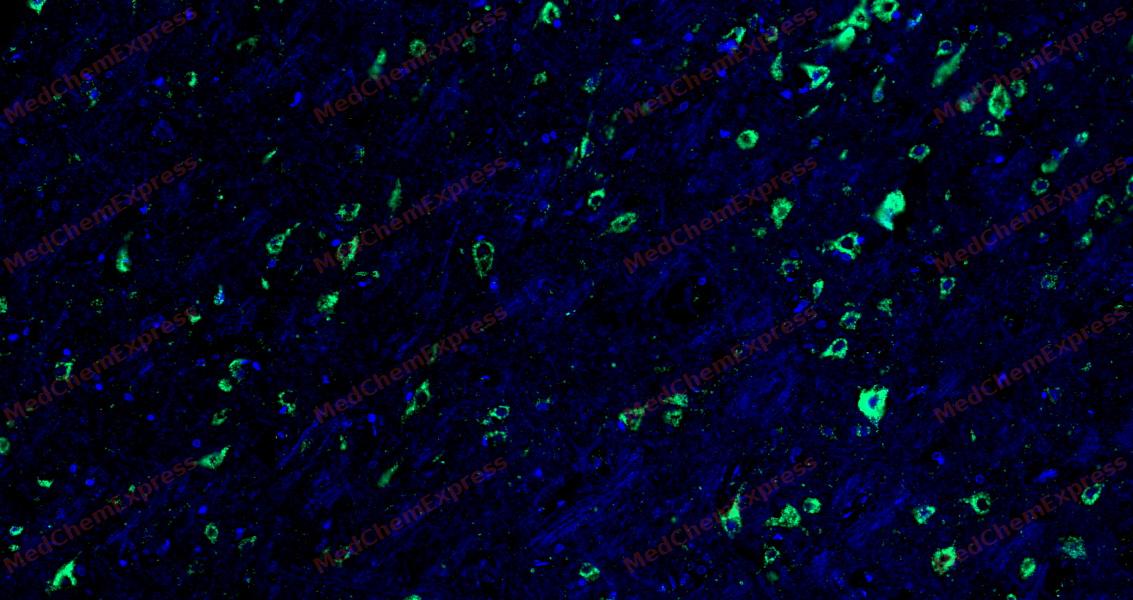 Tyramide signaling amplification based immunofluorescence was performed on paraffin-embedded human Brain tissue using SorLA antibody. Antigen retrieval was performed in EDTA buffer pH 9.0 (95 °C, 20 min) followed by cooling to RT. Then incubated with primary antibody (HY-P82565, 1:100 dilution) at room temperature for 60 minutes and HRP conjugated secondary antibody for 10 minutes. Fluorescence was then developed with Vari Fluor 532 TSA (200×)(HY-D1832). The tissues were counterstained with DAPI and mounted with Anti-fade mounting medium.


Background
-
Function
SorLA is a Sorting receptor that directs several proteins to their correct location within the cell (Probable). Along with AP-1 complex, involved Golgi apparatus - endosome sorting. Sorting receptor for APP, regulating its intracellular trafficking and processing into amyloidogenic-beta peptides. Retains APP in the trans-Golgi network, hence preventing its transit through late endosomes where amyloid beta peptides Abeta40 and Abeta42 are generated. May also sort newly produced amyloid-beta peptides to lysosomes for catabolism. Does not affect APP trafficking from the endoplasmic reticulum to Golgi compartments. Sorting receptor for the BDNF receptor NTRK2/TRKB that facilitates NTRK2 trafficking between synaptic plasma membranes, postsynaptic densities and cell soma, hence positively regulates BDNF signaling by controlling the intracellular location of its receptor. Sorting receptor for GDNF that promotes GDNF regulated, but not constitutive secretion. Sorting receptor for the GDNF-GFRA1 complex, directing it from the cell surface to endosomes. GDNF is then targeted to lysosomes and degraded, while its receptor GFRA1 recycles back to the cell membrane, resulting in a GDNF clearance pathway. The SORL1-GFRA1 complex further targets RET for endocytosis, but not for degradation, affecting GDNF-induced neurotrophic activities. Sorting receptor for ERBB2/HER2. Regulates ERBB2 subcellular distribution by promoting its recycling after internalization from endosomes back to the plasma membrane, hence stimulating phosphoinositide 3-kinase (PI3K)-dependent ERBB2 signaling. In ERBB2-dependent cancer cells, promotes cell proliferation. Sorting receptor for lipoprotein lipase LPL. Promotes LPL localization to endosomes and later to the lysosomes, leading to degradation of newly synthesized LPL. Potential sorting receptor for APOA5, inducing APOA5 internalization to early endosomes, then to late endosomes, wherefrom a portion is sent to lysosomes and degradation, another portion is sorted to the trans-Golgi network. Sorting receptor for the insulin receptor INSR. Promotes recycling of internalized INSR via the Golgi apparatus back to the cell surface, thereby preventing lysosomal INSR catabolism, increasing INSR cell surface expression and strengthening insulin signal reception in adipose tissue. Does not affect INSR internalization. Plays a role in renal ion homeostasis, controlling the phospho-regulation of SLC12A1/NKCC2 by STK39/SPAK kinase and PPP3CB/calcineurin A beta phosphatase, possibly through intracellular sorting of STK39 and PPP3CB. Stimulates, via the N-terminal ectodomain, the proliferation and migration of smooth muscle cells, possibly by increasing cell surface expression of the urokinase receptor uPAR/PLAUR. This may promote extracellular matrix proteolysis and hence facilitate cell migration. By acting on the migration of intimal smooth muscle cells, may accelerate intimal thickening following vascular injury. Promotes adhesion of monocytes. Stimulates proliferation and migration of monocytes/macrophages. Through its action on intimal smooth muscle cells and macrophages, may accelerate intimal thickening and macrophage foam cell formation in the process of atherosclerosis. Regulates hypoxia-enhanced adhesion of hematopoietic stem and progenitor cells to the bone marrow stromal cells via a PLAUR-mediated pathway. This function is mediated by the N-terminal ectodomain. Metabolic regulator, which functions to maintain the adequate balance between lipid storage and oxidation in response to changing environmental conditions, such as temperature and diet. The N-terminal ectodomain negatively regulates adipose tissue energy expenditure, acting through the inhibition the BMP/Smad pathway. May regulate signaling by the heterodimeric neurotrophic cytokine CLCF1-CRLF1 bound to the CNTFR receptor by promoting the endocytosis of the tripartite complex CLCF1-CRLF1-CNTFR and lysosomal degradation. May regulate IL6 signaling, decreasing cis signaling, possibly by interfering with IL6-binding to membrane-bound IL6R, while up-regulating trans signaling via soluble IL6R[1][2][3][4][5][6][7][8][9][10][11][12][13][14][15][16].
-
Subcellular Localization
Golgi apparatus membrane; Single-pass type I membrane protein; Golgi apparatus, trans-Golgi network membrane; Single-pass type I membrane protein; Endosome membrane; Single-pass type I membrane protein; Early endosome membrane; Single-pass type I membrane protein; Recycling endosome membrane; Single-pass type I membrane protein; Endoplasmic reticulum membrane; Single-pass type I membrane protein; Endosome, multivesicular body membrane; Single-pass type I membrane protein; Cell membrane; Single-pass type I membrane protein; Cytoplasmic vesicle, secretory vesicle membrane; Single-pass type I membrane protein; Secreted
-
Expression
Tissue_specificity:This gene is highly expressed (protein level) in the brain (PubMed:16174740, PubMed:21147781, PubMed:9157966) . It is most abundant in the cerebellum, cerebral cortex, and occipital pole; and less abundant in the putamen and thalamus (PubMed:16174740, PubMed:9157966) . Expression is significantly reduced in the frontal cortex of Alzheimer's disease patients (PubMed:16174740) . This gene is also expressed in the spinal cord, spleen, testes, prostate, ovaries, thyroid gland, and lymph nodes (PubMed:8940146, PubMed:9157966) .
Induction:Up-regulated by morphogenetic neuropeptide, also called head activator or HA (PubMed:11082041) . Up-regulated under hypoxic conditions in hematopoietic stem and progenitor cells, a physiological condition encountered by these cells in the endosteum. This up-regulation may be mediated by HIF1A-induced transcription (PubMed:23486467) -
Subunit
After maturation cleavage, interacts (via N-terminus) with its own propeptide; this interaction prevents interaction with other ligands, including CRLF1, GDNF, GFRA1, IL6 and IL6R (PubMed:11294867, PubMed:12530537, PubMed:15364913, PubMed:23333276, PubMed:24523320). Interacts (via N-terminal ectodomain) with APP, forming a 1:1 stoichiometric complex, including with isoforms APP695, APP751 and APP770; this interaction retains APP in the trans-Golgi network and reduces processing into soluble APP-alpha and amyloid-beta peptides (PubMed:16174740, PubMed:16407538, PubMed:17855360, PubMed:24523320). Also interacts with APP C-terminal fragment C99 and with Abeta40 (PubMed:16407538). Interacts with beta-secretase BACE1/BACE; this interaction may affect BACE1-binding to APP and hence reduce BACE1-dependent APP cleavage (PubMed:16407538). Interacts with LRPAP1/RAP (PubMed:11294867, PubMed:12530537, PubMed:14764453, PubMed:15053742, PubMed:15364913, PubMed:26858303, PubMed:8940146). Interacts (via C-terminal cytosolic domain) with GGA1 and GGA2 (via N-terminal VHS domain) (PubMed:11821067, PubMed:17855360, PubMed:20015111, PubMed:30679749). Interacts with PACS1 (PubMed:17646382, PubMed:17855360). May interact (via the N-terminal ectodomain) with the morphogenetic neuropeptide, also called head activator or HA; this interaction is impaired in the presence of propeptide (PubMed:11082041, PubMed:11294867, PubMed:12530537). Interacts with neurotensin/NTS (PubMed:11294867). Interacts (via the N-terminal ectodomain) with PDGFB homodimer (PubMed:15053742, PubMed:16393139). Interacts (via N-terminal ectodomain) with the uPA receptor PLAUR; this interaction decreases PLAUR internalization (PubMed:14764453, PubMed:23486467). Interacts (via N-terminal ectodomain) with uPA/PLAU and PAI1/SERPINE1, either individually or in complex with each other, leading to endocytosis; this interaction is abolished in the presence of LRPAP1 (PubMed:15053742). Also interacts with the ternary complex composed of PLAUR-PLAU-PAI1 (PubMed:15053742). Also interacts with tPA/PLAT either alone or in complex with SERPINE1 (PubMed:15053742). Interacts (via C-terminus) with AP-1 and AP-2 complexes (PubMed:17646382). Interacts with BMPR1A and BMPR1B (By similarity). Interacts with lipoprotein lipase LPL; this interaction is optimal in slightly acidic conditions (PubMed:21385844). Interacts (via N-terminal ectodomain) with GDNF (via propeptide) and GDNF receptor alpha-1/GFRA1, either individually or in complex with each other (PubMed:15364913, PubMed:21994944, PubMed:23333276). The interaction with GDNF occurs mostly intracellularly (PubMed:21994944). Also interacts with other GDNF receptor alpha family members, including GFRA2, GFRA3 and GFRA4 (PubMed:23333276). Interacts with the insulin receptor INSR; this interaction strongly increases the surface exposure of INSR (PubMed:27322061). Interacts (via cytosolic C-terminus) with STK39/SPAK (PubMed:20385770). Interacts (via N-terminal ectodomain) with the heterodimeric complex CRLF1-CLC; within this complex, the interaction is mediated predominantly by the CRLF1 moiety (PubMed:26858303). Interacts with CNTFR, as well as with the tripartite signaling complex formed by CRLF1, CLC and CNTFR (PubMed:26858303). Interacts (via N-terminal ectodomain) with IL6; this interaction leads to IL6 internalization and lysosomal degradation (PubMed:28265003). Binding of SOLRL1 secreted N-terminal ectodomain to IL6 may increase IL6 trans signaling (PubMed:28265003). Interacts with secreted IL6R; this interaction leads to IL6R internalization (PubMed:28265003). Also interacts with transmembrane IL6R; this interaction does not affect IL6R subcellular location (PubMed:28265003). Interacts with APOE (PubMed:30448281). Interacts with apolipoprotein E-rich beta-VLDL (By similarity). Interacts with APOA5; this interaction leads to APOA5 internalization and is abolished by heparin (PubMed:17326667, PubMed:18603531). Interaction with APOA5 results in enhanced binding to chylomicrons (PubMed:17326667). Interacts with ROCK2 (PubMed:21147781). Interacts (via cytosolic C-terminus) with PPP3CB/calcineurin A beta (By similarity). Interacts with NTRK2/TRKB; this interaction facilitates NTRK2 trafficking between synaptic plasma membranes, postsynaptic densities and cell soma, hence positively regulates BDNF signaling (By similarity). Interacts (via cytosolic C-terminus) with HSPA12A in an ADP-dependent manner; this interaction affects SORL1 internalization and subcellular localization (PubMed:30679749). Interacts (via N-terminal ectodomain) with ERBB2/HER2 (PubMed:31138794)
-
SwissProt ID
-
Synonyms
SORL1; C11orf32; Sortilin-related receptor; Low-density lipoprotein receptor relative with 11 ligand-binding repeats; LDLR relative with 11 ligand-binding repeats; LR11; SorLA-1; Sorting protein-related receptor containing LDLR class A repe
-
Research Field
Neuroscience


Documentation
-
Data Sheet (232 KB)
-
SDS (252 KB)
- English - EN (252 KB)
- Français - FR (252 KB)
- Deutsch - DE (252 KB)
- Norwegian - NO (252 KB)
- Español - ES (252 KB)
- Swedish - SV (252 KB)
- Italian - IT (252 KB)
- Korean - KR (252 KB)
- Portuguese - PT (252 KB)
-
User Guide for Antibodies (1077 KB)

 Powered by Bioz
