



beta-Amyloid Antibody (YA6114)
(Synonyms: APP; A4; AD1; Amyloid beta A4 protein; ABPP; APPI; APP; Alzheimer disease amyloid protein; Cerebral vascular amyloid peptide; CVAP; PreA4; Protease nexin-II; PN-II; Aβ;)
Based on 1 Customer Validation
beta-Amyloid Antibody (YA6114) is a Rabbit-derived and non-conjugated IgG monoclonal antibody, targeting to beta-Amyloid.
-
Host:
Rabbit
-
Isotype:
IgG
-
Application:
WB, IHC-P, ICC/IF, IP, ELISA
-
Reactivity :
Human, Mouse, Rat
-
Formulation:
Supplied in PBS, 50% glycerol, 0.05% Proclin 300, 0.05%BSA
-
Conjugation:
Non-conjugated


To place orders, for customer services and technical support, please contact: MedChemExpress USA
Tel: 609-228-6898 E-mail: [email protected] [email protected]





Applications
| Application |
IHC-P

IHC-P: Immunohistochemistry-Paraffin
|
WB
WB: Western Blot
|
ICC/IF
ICC/IF: Immunocytochemistry/
Immunofluorescence |
ELISA
ELISA: Enzyme Linked Immunosorbent Assay
|
IP
IP: Immunoprecipitation
|
|---|---|---|---|---|---|
| Dilution Ratio | 1:200-1:1000 | 1:2000-1:10000 | 1:200-1:1000 | 1:5000-1:20000 | 1:50-1:200 |


Product Details
beta-Amyloid Antibody (YA6114) is a Rabbit-derived and non-conjugated IgG monoclonal antibody, targeting to beta-Amyloid.
-
Host Rabbit

-
Clonality Monoclonal

-
Species ReactivityHuman, Mouse, Rat
-
Observed Molecular WeightObserved band size: 100 kDa
Note: Due to possible protein modifications or aggregation, the molecular weight should be confirmed by actual measurement, and the predicted value is for reference only.

-
Calculated Molecular Weight Predicted band size: 87 kDa

Recombinant protein of human APP protein(aa600-750).The exact sequence is proprietary to MCE.
Protein A
Non-conjugated
Unmodified
IgG


Product Properties
-
Appearance
Liquid
-
Formulation
Supplied in PBS, 50% glycerol, 0.05% Proclin 300, 0.05%BSA
-
Concentration
Batch-dependent, Please check the COA for the concentration of each lot. Check Lot Concentration
-
Storage & Stability
Stored at -20°C for 1 year. Avoid repeated freeze / thaw cycles.
-
Shipping
Shipping with blue ice.


Verification Images
-
 Western blot analysis of extracts from Hela (lane2, 20μg), Hela treated with 100ng/mL Nocodazole for 17 hours (lane3, 20μg) and Hela treated with 200ng/mL Nocodazole for 17 hours (lane4, 20μg) using beta-Amyloid Antibody (HY-P86422). Proteins were transferred to a PVDF membrane and blocked with 5% non-fat milk in TBST for 2 hour at room temperature. The primary antibody (1/2000) and Loading control antibody (Beta Actin, HY-P80993, 1/10,000) was used in 5% non-fat milk in TBST at 4°C overnight. Goat Anti-Rabbit IgG-HRP Secondary Antibody (HY-P8001 ,1/10,000) was used for 1 hour at room temperature.
 -
 Immunohistochemical analysis of paraffin-embedded human testis tissue using beta-Amyloid Antibody (HY-P86422, 1/500). The section was pretreated using heat mediated antigen retrieval with sodium citrate buffer (pH 6.0) for 8 minutes. The tissues were blocked with quick block buffer for 0.5 hours at room temperature, washed with PBS and PBST, and then incubated with the primary antibody overnight at 4℃. The detection was performed using an HRP conjugated compact polymer system. DAB was used as the chromogen. Tissues were counterstained with hematoxylin and mounted with DPX.
 -
 Immunohistochemical analysis of paraffin-embedded human epididymis tissue using beta-Amyloid Antibody (HY-P86422, 1/500). The section was pretreated using heat mediated antigen retrieval with sodium citrate buffer (pH 6.0) for 8 minutes. The tissues were blocked with quick block buffer for 0.5 hours at room temperature, washed with PBS and PBST, and then incubated with the primary antibody overnight at 4℃. The detection was performed using an HRP conjugated compact polymer system. DAB was used as the chromogen. Tissues were counterstained with hematoxylin and mounted with DPX.
 -
 Immunohistochemical analysis of paraffin-embedded human duodenum tissue using beta-Amyloid Antibody (HY-P86422, 1/500). The section was pretreated using heat mediated antigen retrieval with sodium citrate buffer (pH 6.0) for 8 minutes. The tissues were blocked with quick block buffer for 0.5 hours at room temperature, washed with PBS and PBST, and then incubated with the primary antibody overnight at 4℃. The detection was performed using an HRP conjugated compact polymer system. DAB was used as the chromogen. Tissues were counterstained with hematoxylin and mounted with DPX.
 -
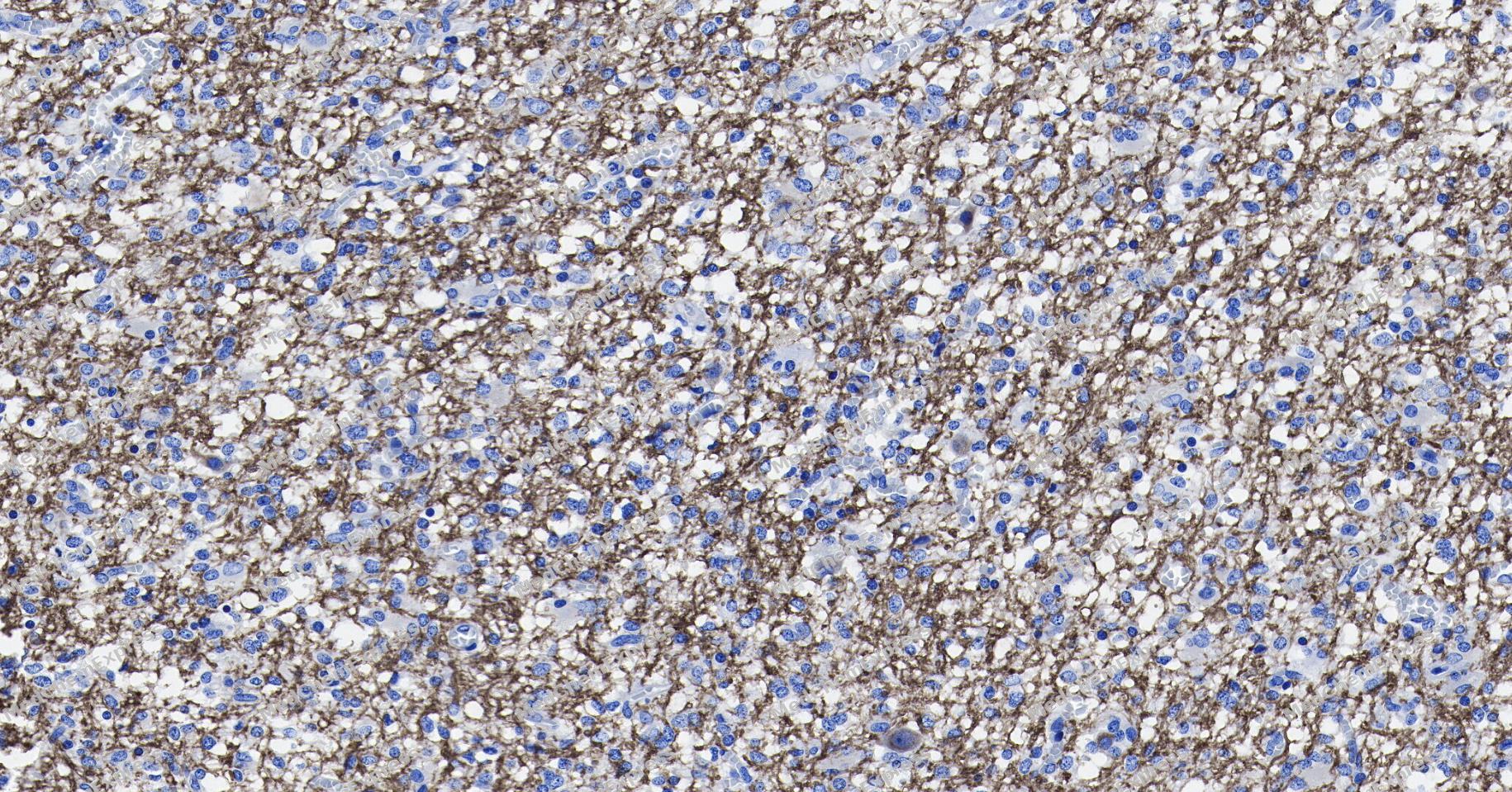 Immunohistochemical analysis of paraffin-embedded human brain cancer tissue using beta-Amyloid Antibody (YA6114). The section was pre-treated using heat mediated antigen retrieval with Tris/EDTA buffer (pH 9.0) for 20 minutes. The tissues were probed with the primary antibody (HY-P86422,1/100) overnight at 4℃. The detection was performed using an HRP conjugated compact polymer system. DAB was used as the chromogen. Tissues were counterstained with hematoxylin and mounted with neutral balsam.
 -
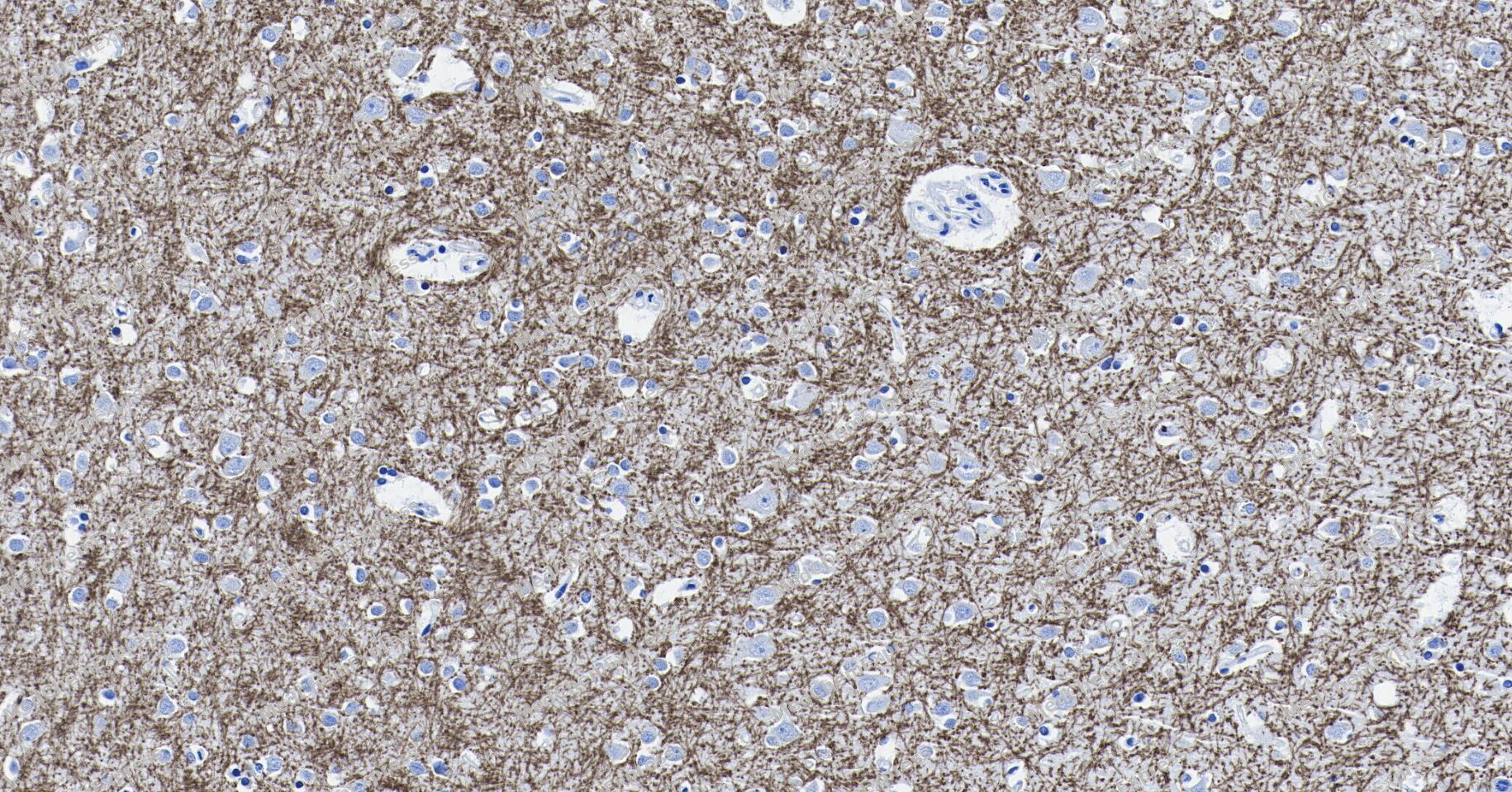 Immunohistochemical analysis of paraffin-embedded human brain tissue using beta-Amyloid Antibody (YA6114). The section was pre-treated using heat mediated antigen retrieval with Tris/EDTA buffer (pH 9.0) for 20 minutes. The tissues were probed with the primary antibody (HY-P86422,1/100) overnight at 4℃. The detection was performed using an HRP conjugated compact polymer system. DAB was used as the chromogen. Tissues were counterstained with hematoxylin and mounted with neutral balsam.
 -
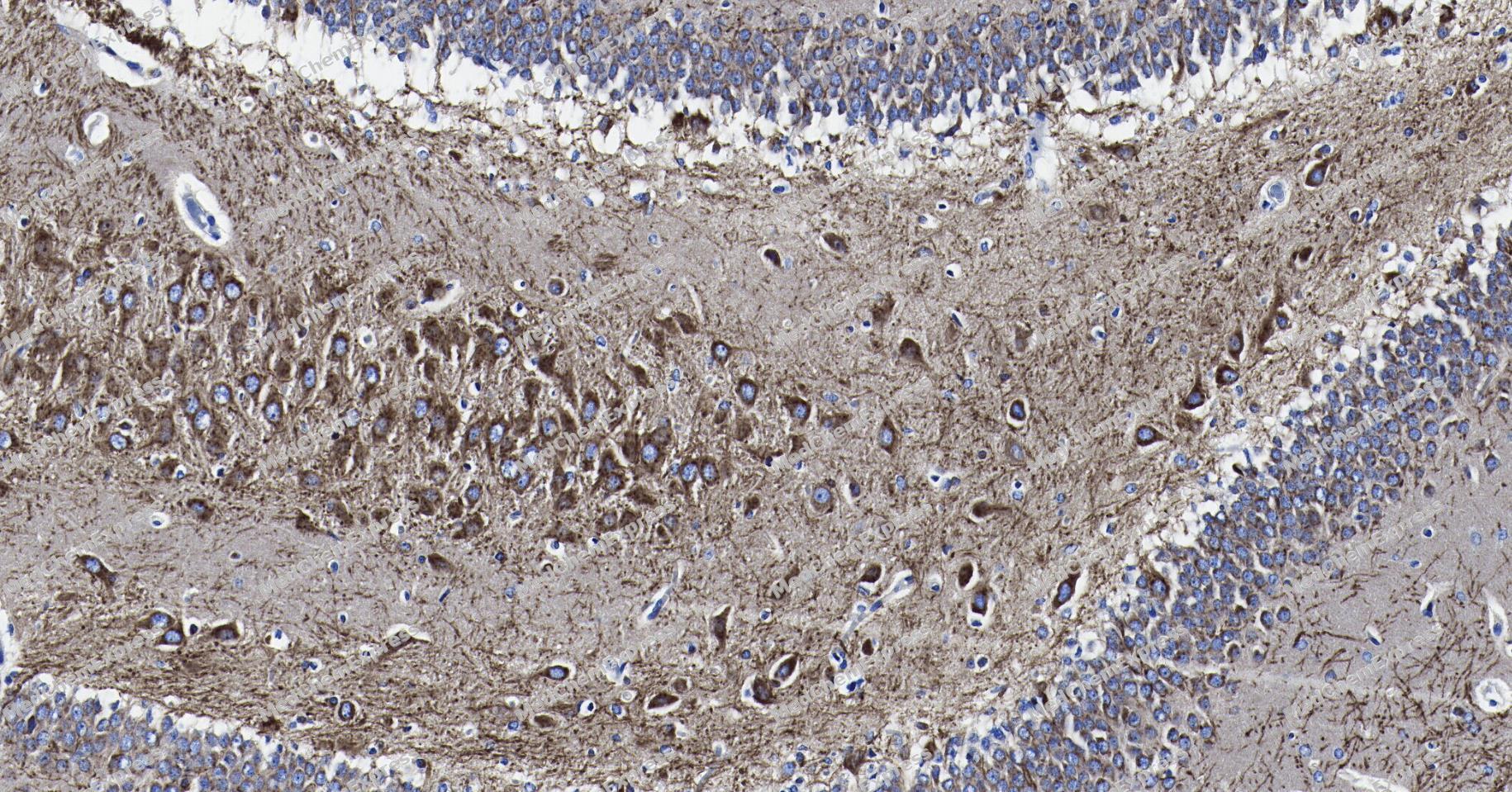 Immunohistochemical analysis of paraffin-embedded rat brain tissue using beta-Amyloid Antibody (YA6114). The section was pre-treated using heat mediated antigen retrieval with Tris/EDTA buffer (pH 9.0) for 20 minutes. The tissues were probed with the primary antibody (HY-P86422,1/100) overnight at 4℃. The detection was performed using an HRP conjugated compact polymer system. DAB was used as the chromogen. Tissues were counterstained with hematoxylin and mounted with neutral balsam.
 -
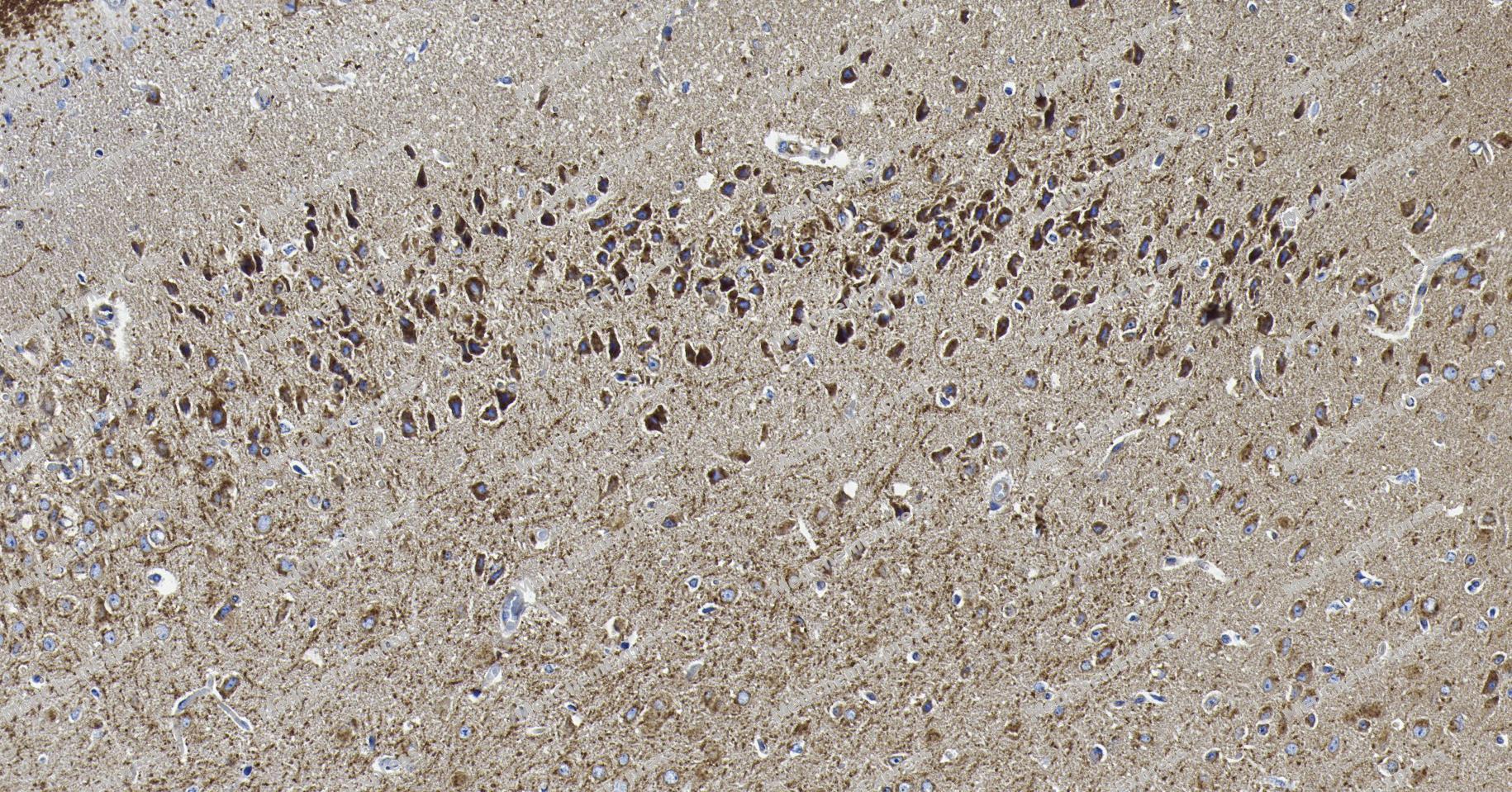 Immunohistochemical analysis of paraffin-embedded mouse brain tissue using beta-Amyloid Antibody (YA6114). The section was pre-treated using heat mediated antigen retrieval with Tris/EDTA buffer (pH 9.0) for 20 minutes. The tissues were probed with the primary antibody (HY-P86422,1/100) overnight at 4℃. The detection was performed using an HRP conjugated compact polymer system. DAB was used as the chromogen. Tissues were counterstained with hematoxylin and mounted with neutral balsam.
 -
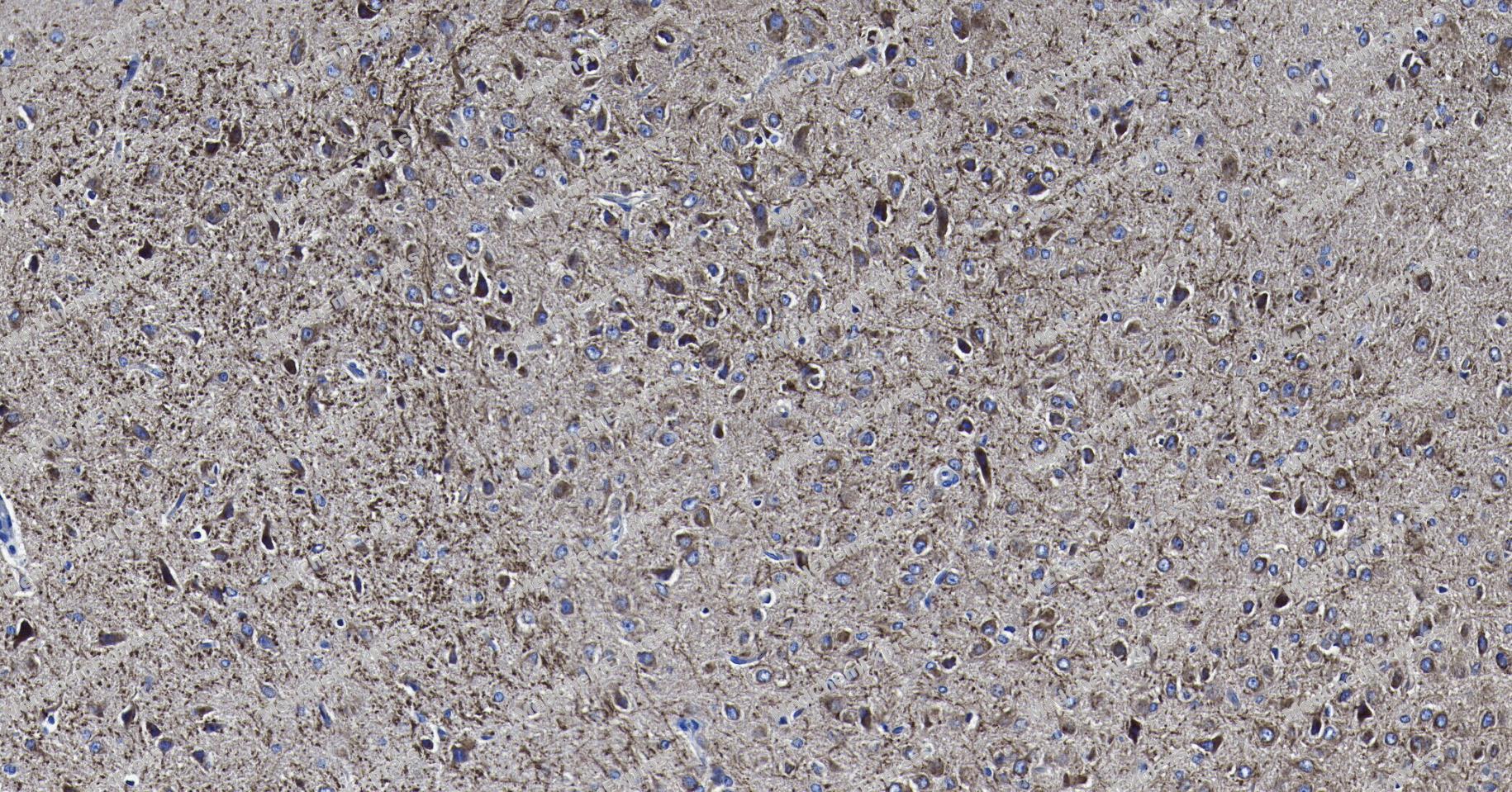 Immunohistochemical analysis of paraffin-embedded rat brain tissue using beta-Amyloid Antibody (YA6114). The section was pre-treated using heat mediated antigen retrieval with Tris/EDTA buffer (pH 9.0) for 20 minutes. The tissues were probed with the primary antibody (HY-P86422,1/100) overnight at 4℃. The detection was performed using an HRP conjugated compact polymer system. DAB was used as the chromogen. Tissues were counterstained with hematoxylin and mounted with neutral balsam.
 -
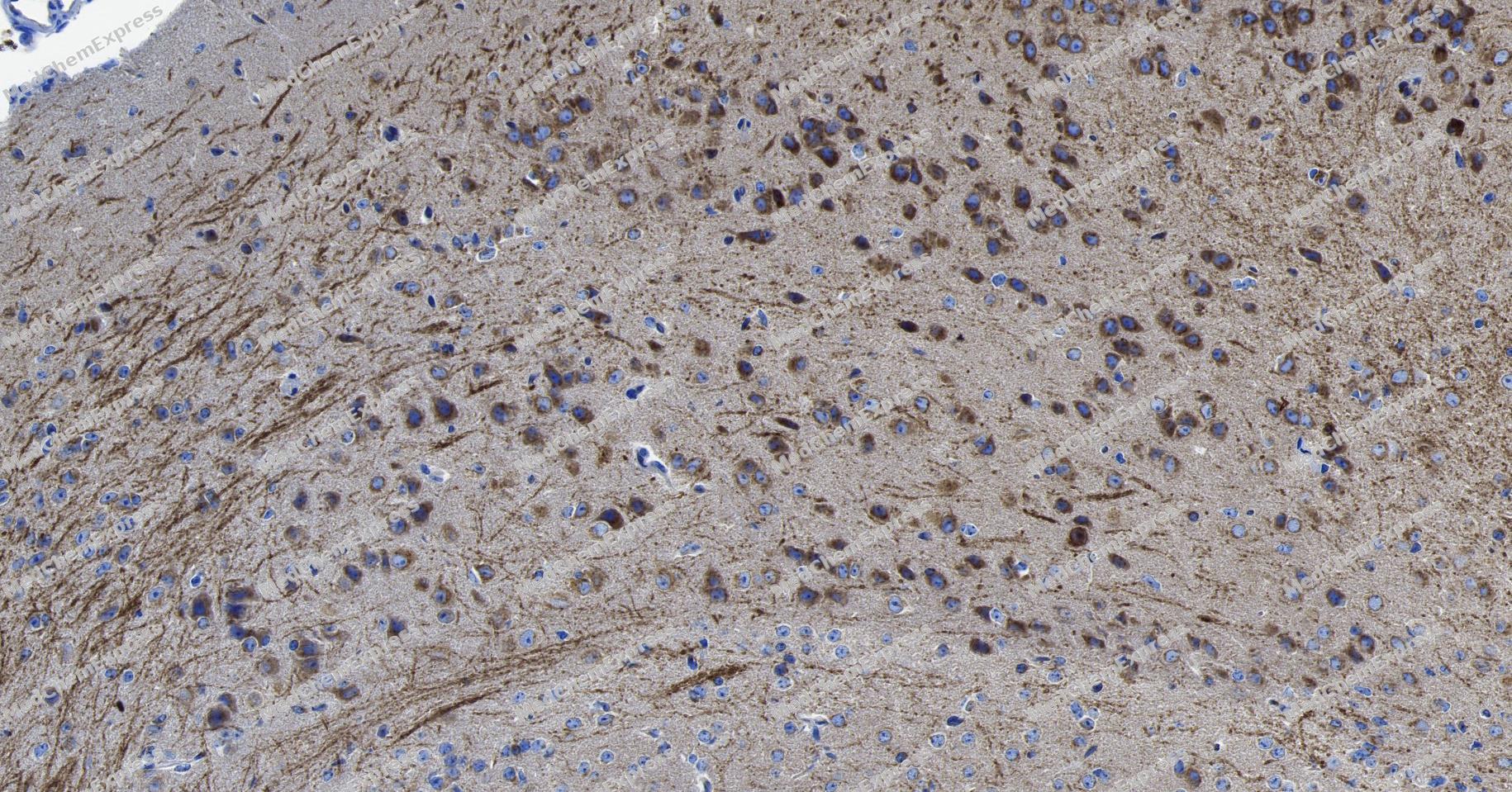 Immunohistochemical analysis of paraffin-embedded mouse brain tissue using beta-Amyloid Antibody (YA6114). The section was pre-treated using heat mediated antigen retrieval with Tris/EDTA buffer (pH 9.0) for 20 minutes. The tissues were probed with the primary antibody (HY-P86422,1/100) overnight at 4℃. The detection was performed using an HRP conjugated compact polymer system. DAB was used as the chromogen. Tissues were counterstained with hematoxylin and mounted with neutral balsam.
 -
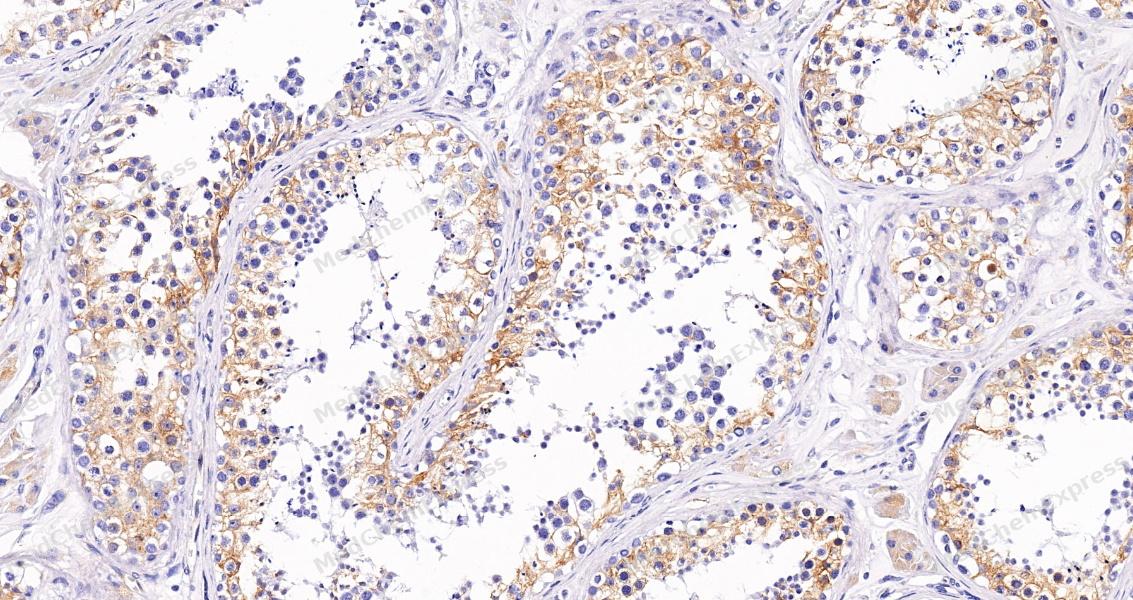 Immunohistochemical analysis of paraffin-embedded human testis tissue using beta-Amyloid Antibody (HY-P86422, 1/500). The section was pretreated using heat mediated antigen retrieval with sodium citrate buffer (pH 6.0) for 8 minutes. The tissues were blocked with quick block buffer for 0.5 hours at room temperature, washed with PBS and PBST, and then incubated with the primary antibody overnight at 4℃. The detection was performed using an HRP conjugated compact polymer system. DAB was used as the chromogen. Tissues were counterstained with hematoxylin and mounted with DPX.
 -
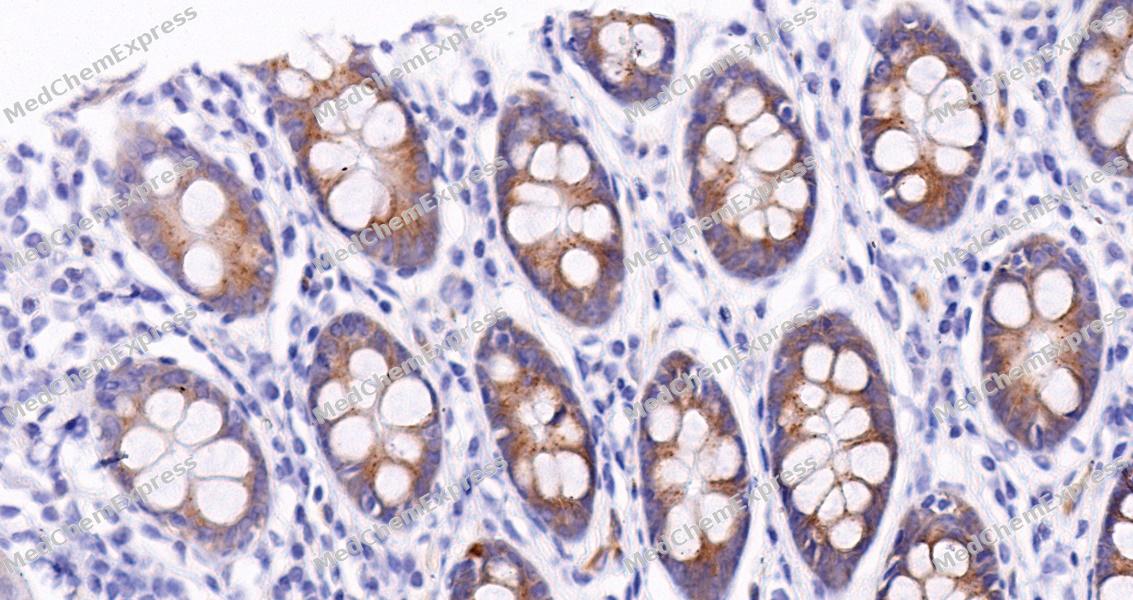 Immunohistochemical analysis of paraffin-embedded human colon tissue using beta-Amyloid Antibody (HY-P86422, 1/500). The section was pretreated using heat mediated antigen retrieval with sodium citrate buffer (pH 6.0) for 8 minutes. The tissues were blocked with quick block buffer for 0.5 hours at room temperature, washed with PBS and PBST, and then incubated with the primary antibody overnight at 4℃. The detection was performed using an HRP conjugated compact polymer system. DAB was used as the chromogen. Tissues were counterstained with hematoxylin and mounted with DPX.
 -
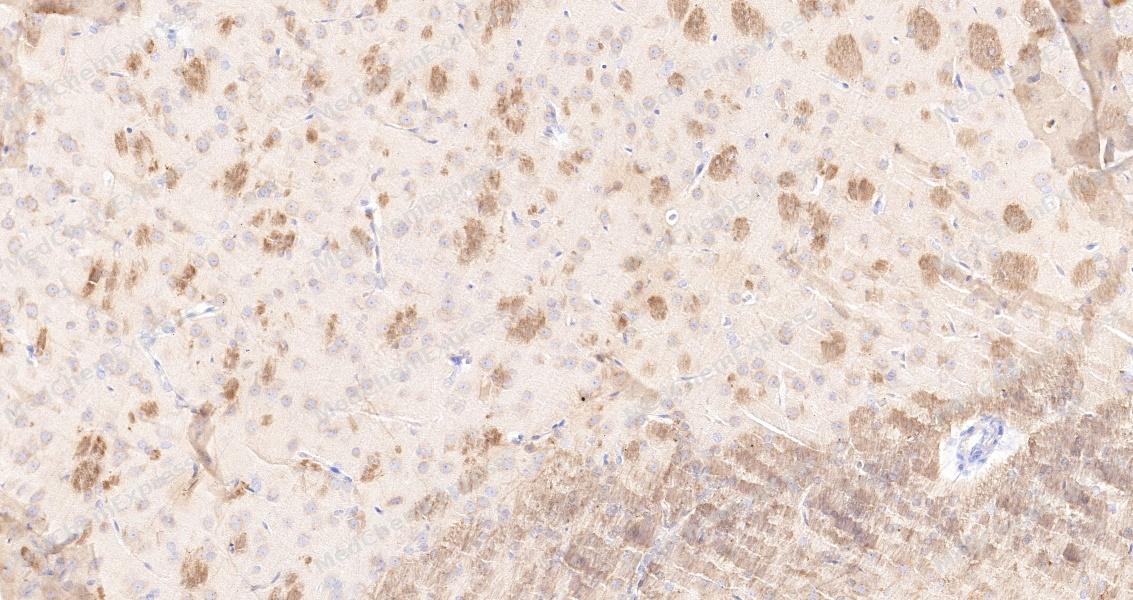 Immunohistochemical analysis of paraffin-embedded mouse basal ganglia tissue using beta-Amyloid Antibody (HY-P86422, 1/500). The section was pretreated using heat mediated antigen retrieval with sodium citrate buffer (pH 6.0) for 8 minutes. The tissues were blocked with quick block buffer for 0.5 hours at room temperature, washed with PBS and PBST, and then incubated with the primary antibody overnight at 4℃. The detection was performed using an HRP conjugated compact polymer system. DAB was used as the chromogen. Tissues were counterstained with hematoxylin and mounted with DPX.


Background
-
Function
beta-Amyloid functions as a cell surface receptor and performs physiological functions on the surface of neurons relevant to neurite growth, neuronal adhesion and axonogenesis. Interaction between APP molecules on neigH2O2ing cells promotes synaptogenesis. Involved in cell mobility and transcription regulation tH2O2gh protein-protein interactions. Can promote transcription activation tH2O2gh binding to APBB1-KAT5 and inhibits Notch signaling tH2O2gh interaction with Numb. Couples to apoptosis-inducing pathways such as those mediated by G(o) and JIP. Inhibits G(o) alpha ATPase activity. Acts as a kinesin I membrane receptor, mediating the axonal transport of beta-secretase and presenilin 1. By acting as a kinesin I membrane receptor, plays a role in axonal anterograde transport of cargo towards synapses in axons. Involved in copper homeostasis/oxidative stress tH2O2gh copper ion reduction. In vitro, copper-metallated APP induces neuronal death directly or is potentiated tH2O2gh Cu(2+)-mediated low-density lipoprotein oxidation. Can regulate neurite outgrowth tH2O2gh binding to components of the extracellular matrix such as heparin and collagen I and IV. The splice isoforms that contain the BPTI domain possess protease inhibitor activity. Induces a AGER-dependent pathway that involves activation of p38 MAPK, resulting in internalization of amyloid-beta peptide and leading to mitochondrial dysfunction in cultured cortical neurons. Provides Cu(2+) ions for GPC1 which are required for release of nitric oxide (NO) and subsequent degradation of the heparan sulfate chains on GPC1; Amyloid-beta peptides are lipophilic metal chelators with metal-reducing activity. Bind transient metals such as copper, zinc and iron. In vitro, can reduce Cu(2+) and Fe(3+) to Cu(+) and Fe(2+), respectively. Amyloid-beta peptides bind to lipoproteins and apolipoproteins E and J in the CSF and to HDL particles in plasma, inhibiting metal-catalyzed oxidation of lipoproteins. Promotes both tau aggregation and TPK II-mediated phosphorylation. Interaction witH2O2erexpressed HADH2 leads to oxidative stress and neurotoxicity. Also binds GPC1 in lipid rafts; More effective reductant than amyloid-beta protein 40. May activate mononuclear phagocytes in the brain and elicit inflammatory responses; Appicans elicit adhesion of neural cells to the extracellular matrix and may regulate neurite outgrowth in the brain; The gamma-CTF peptides as well as the caspase-cleaved peptides, including C31, are potent enhancers of neuronal apoptosis[1][2][3].
-
Subcellular Localization
Cell membrane; Single-pass type I membrane protein; Membrane; Single-pass type I membrane protein; Perikaryon; Cell projection, growth cone; Membrane, clathrin-coated pit; Early endosome; Cytoplasmic vesicle; Endoplasmic reticulum; Golgi apparatus; Early endosome; Early endosome; Secreted; Cell surface; Cell surface; Nucleus; Cytoplasm
-
Expression
Tissue_specificity:It is expressed in both brain tissue and cerebrospinal fluid (protein level) (PubMed: 2649245) . It is expressed in all fetal tissues examined, with the highest expression levels in the brain, kidney, heart, and spleen. Expression is weaker in the liver. In human brain tissue, the highest expression levels are found in the frontal cortex and the cortico-insular gyrus around the anterior lateral fissure. Moderate expression levels are found in the cerebellar cortex, the cortico-insular gyrus around the posterior lateral fissure, and the temporal lobe-related cortex. Expression is weaker in the striatum, extrastriate cortex, and motor cortex. It is also expressed in cerebrospinal fluid and plasma. The APP695 isoform is the predominant form in neural tissue, while the APP751 and APP770 isoforms are widely expressed in non-neuronal cells. The APP751 isoform is the most abundant form in T lymphocytes. Appican is expressed in astrocytes.
Induction:Increased levels during neuronal differentiation -
Isoforms & Post-Translational Modification
P05067 has 11 isomers: P05067-1: 86943 Da (predicted); P05067-2: 34358 Da (predicted); P05067-3: 76760 Da (predicted); P05067-4: 78663 Da (predicted); P05067-5: 78866 Da (predicted); P05067-6: 80769 Da (predicted); P05067-7: 82916 Da (predicted); P05067-8: 84819 Da (predicted); P05067-9: 85040 Da (predicted); P05067-10: 72553 Da (predicted); P05067-11: 84521 Da (predicted).
Proteolytically processed under normal cellular conditions. Cleavage either by alpha-secretase, beta-secretase or theta-secretase leads to generation and extracellular release of soluble APP peptides, S-APP-alpha and S-APP-beta, and the retention of corresponding membrane-anchored C-terminal fragments, C80, C83 and C99. Subsequent processing of C80 and C83 by gamma-secretase yields P3 peptides. This is the major secretory pathway and is non-amyloidogenic. Alternatively, presenilin/nicastrin-mediated gamma-secretase processing of C99 releases the amyloid-beta proteins, amyloid-beta protein 40 and amyloid-beta protein 42, major components of amyloid plaques, and the cytotoxic C-terminal fragments, gamma-CTF(50), gamma-CTF(57) and gamma-CTF(59). PSEN1 cleavage is more efficient with C83 than with C99 as substrate (in vitro) (PubMed:30630874). Amyloid-beta protein 40 and Amyloid-beta protein 42 are cleaved by ACE (PubMed:11604391, PubMed:16154999). Many other minor amyloid-beta peptides, amyloid-beta 1-X peptides, are found in cerebral spinal fluid (CSF) including the amyloid-beta X-15 peptides, produced from the cleavage by alpha-secretase and all terminating at Gln-686;Proteolytically cleaved by caspases during neuronal apoptosis. Cleavage at Asp-739 by either CASP6, CASP8 or CASP9 results in the production of the neurotoxic C31 peptide and the increased production of amyloid-beta peptides;N-glycosylated (PubMed:2900137). N- and O-glycosylated (PubMed:2649245). O-glycosylation on Ser and Thr residues with core 1 or possibly core 8 glycans. Partial tyrosine glycosylation (Tyr-681) is found on some minor, short amyloid-beta peptides (amyloid-beta 1-15, 1-16, 1-17, 1-18, 1-19 and 1-20) but not found on amyloid-beta protein 38, amyloid-beta protein 40 nor on amyloid-beta protein 42. Modification on a tyrosine is unusual and is more prevelant in AD patients. Glycans had Neu5AcHex(Neu5Ac)HexNAc-O-Tyr, Neu5AcNeu5AcHex(Neu5Ac)HexNAc-O-Tyr and O-AcNeu5AcNeu5AcHex(Neu5Ac)HexNAc-O-Tyr structures, where O-Ac is O-acetylation of Neu5Ac. Neu5AcNeu5Ac is most likely Neu5Ac 2,8Neu5Ac linked. O-glycosylations in the vicinity of the cleavage sites may influence the proteolytic processing. Appicans are L-APP isoforms witH2O2linked chondroitin sulfate;Phosphorylation in the C-terminal on tyrosine, threonine and serine residues is neuron-specific (PubMed:10341243). Phosphorylation can affect APP processing, neuronal differentiation and interaction witH2O2her proteins (PubMed:10341243). Phosphorylated on Thr-743 in neuronal cells by Cdc5 kinase and Mapk10, in dividing cells by Cdc2 kinase in a cell-cycle dependent manner with maximal levels at the G2/M phase and, in vitro, by GSK-3-beta (PubMed:11146006, PubMed:8131745). The Thr-743 phosphorylated form causes a conformational change which reduces binding of Fe65 family members (PubMed:11517218). In dopaminergic (DA) neurons, phosphorylation on Thr-743 by LRKK2 promotes the production and the nuclear translocation of the APP intracellular domain (AICD) which induces DA neuron apoptosis (PubMed:28720718). Phosphorylation on Tyr-757 is required for SHC binding (PubMed:11877420). Phosphorylated in the extracellular domain by casein kinases on both soluble and membrane-bound APP. This phosphorylation is inhibited by heparin (PubMed:8999878);Extracellular binding and reduction of copper, results in a corresponding oxidation of Cys-144 and Cys-158, and the formation of a disulfide bond. In vitro, the APP-Cu(+) complex in the presence of hydrogen peroxide results in an increased production of amyloid-beta-containing peptides;Trophic-factor deprivation triggers the cleavage of surface APP by beta-secretase to release sAPP-beta which is further cleaved to release an N-terminal fragment of APP (N-APP);Amyloid-beta peptides are degraded by IDE;Sulfated on tyrosine residues -
Subunit
Binds, via its C-terminus, to the PID domain of several cytoplasmic proteins, including APBB family members, the APBA family, MAPK8IP1, SHC1 and, NUMB and DAB1 (By similarity).
-
SwissProt ID
-
Synonyms
APP; A4; AD1; Amyloid beta A4 protein; ABPP; APPI; APP; Alzheimer disease amyloid protein; Cerebral vascular amyloid peptide; CVAP; PreA4; Protease nexin-II; PN-II; Aβ;


Documentation
-
Data Sheet (236 KB)
-
SDS (252 KB)
- English - EN (252 KB)
- Français - FR (252 KB)
- Deutsch - DE (252 KB)
- Norwegian - NO (252 KB)
- Español - ES (252 KB)
- Swedish - SV (252 KB)
- Italian - IT (252 KB)
- Korean - KR (252 KB)
- Portuguese - PT (252 KB)
-
User Guide for Antibodies (1077 KB)

 Powered by Bioz
