



Phospho-JNK1 (Thr183/Tyr185) Antibody
(Synonyms: AI849689 antibody; c Jun N terminal kinase 1 antibody; C-JUN kinase 1 antibody; c-Jun N-terminal kinase 1 antibody; EC 2.7.11.24 antibody; JNK 1 antibody; JNK antibody; JNK-46 antibody; JNK1A2 antibody; JNK21B1/2 antibody; MAP kinase 8 antibody; MAPK 8 antibody; mapk8 antibody; Mitogen activated protein kinase 8 antibody; MK08_HUMAN antibody; p54 gamma antibody; Prkm8 antibody; Protein kinase JNK1 antibody; Protein kinase, mitogen-activated, 8 antibody; SAPK 1 antibody; SAPK gamma antibody; SAPK1 antibody; Stress-activated protein kinase 1 antibody)
Based on 1 Customer Validation
Phospho-JNK1 (Thr183/Tyr185) Antibody is a Rabbit-derived and non-conjugated IgG polyclonal antibody, targeting to Phospho-JNK1 (Thr183/Tyr185).
-
Host:
Rabbit
-
Isotype:
IgG
-
Application:
WB, IHC-P, IHC-F, ICC/IF, FC
-
Reactivity :
Human, Mouse, Rat
-
Formulation:
Supplied in 0.01M TBS (pH7.4) with 1% BSA, 0.02% Proclin300 and 50% Glycerol.
-
Conjugation:
Non-conjugated


To place orders, for customer services and technical support, please contact: MedChemExpress USA
Tel: 609-228-6898 E-mail: [email protected] [email protected]





Applications
| Application |
WB

WB: Western Blot
|
IHC-P
IHC-P: Immunohistochemistry-Paraffin
|
IHC-F
IHC-F: Immunohistochemistry-Frozen
|
ICC/IF
ICC/IF: Immunocytochemistry/
Immunofluorescence |
FC
FC: Flow Cytometry
|
|---|---|---|---|---|---|
| Dilution Ratio | 1:500-2000 | 1:100-500 | 1:100-500 | 1:100-500 | 1μg /test |


Product Details
Phospho-JNK1 (Thr183/Tyr185) Antibody is a Rabbit-derived and non-conjugated IgG polyclonal antibody, targeting to Phospho-JNK1 (Thr183/Tyr185).
-
Host Rabbit

-
Clonality Polyclonal

-
Species ReactivityHuman, Mouse, Rat
-
Observed Molecular WeightObserved band size: 46/54 kDa
Note: Due to possible protein modifications or aggregation, the molecular weight should be confirmed by actual measurement, and the predicted value is for reference only.

-
Calculated Molecular Weight Predicted band size: 48 kDa

KLH conjugated Synthesised phosphopeptide derived from human JNK1 around the phosphorylation site of Thr183/Tyr185 : MM(p-T)P(p-Y)VV
affinity purified
Non-conjugated
Phosphorylated
IgG


Product Properties
-
Appearance
Solution
-
Formulation
Supplied in 0.01M TBS (pH7.4) with 1% BSA, 0.02% Proclin300 and 50% Glycerol.
-
Concentration
Batch-dependent, Please check the COA for the concentration of each lot. Check Lot Concentration
-
Storage & Stability
Stored at -20°C for 1 year. Avoid repeated freeze / thaw cycles.
-
Shipping
Shipping with blue ice.


Verification Images
-
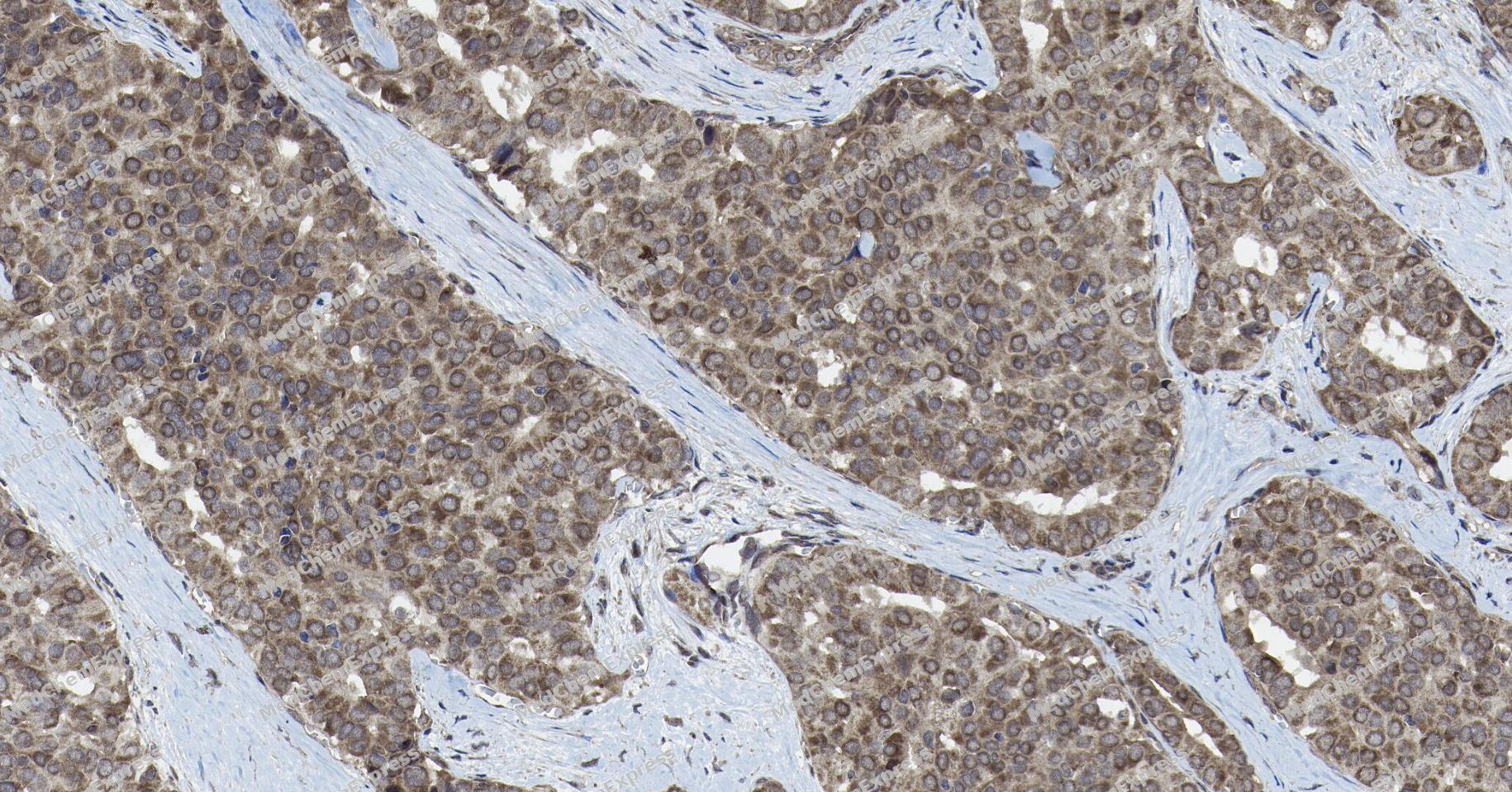 Immunohistochemical analysis of paraffin-embedded human intrahepatic cholangiocarcinoma tissue using Phospho-JNK1 (Thr183/Tyr185) Antibody. The section was pre-treated using heat mediated antigen retrieval with Tris/EDTA buffer (pH 9.0) for 20 minutes. The tissues were probed with the primary antibody (HY-P88056,1/300) overnight at 4℃. The detection was performed using an HRP conjugated compact polymer system. DAB was used as the chromogen. Tissues were counterstained with hematoxylin and mounted with neutral balsam.
 -
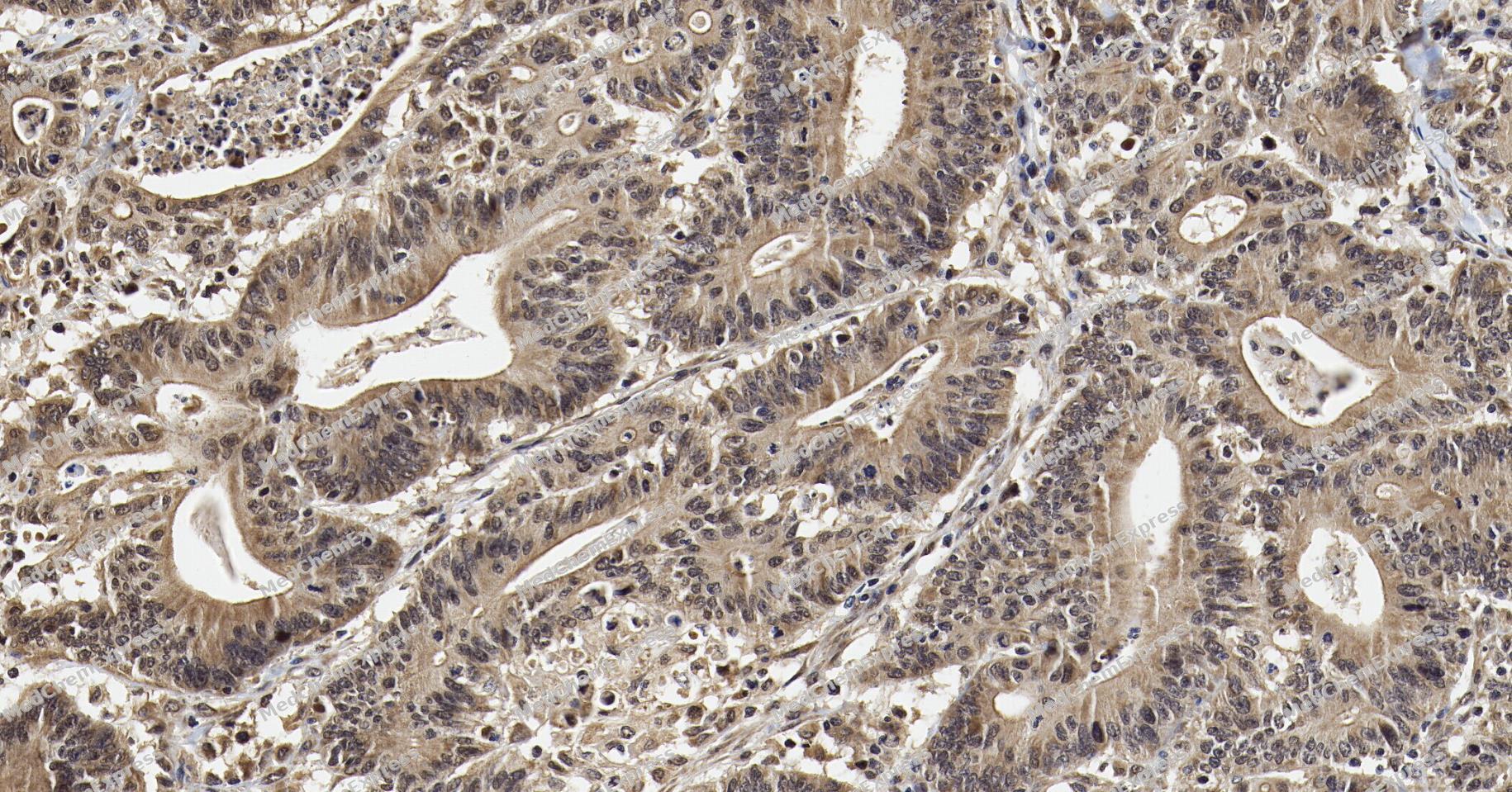 Immunohistochemical analysis of paraffin-embedded human colon cancer tissue using Phospho-JNK1 (Thr183/Tyr185) Antibody. The section was pre-treated using heat mediated antigen retrieval with Tris/EDTA buffer (pH 9.0) for 20 minutes. The tissues were probed with the primary antibody (HY-P88056,1/300) overnight at 4℃. The detection was performed using an HRP conjugated compact polymer system. DAB was used as the chromogen. Tissues were counterstained with hematoxylin and mounted with neutral balsam.
 -
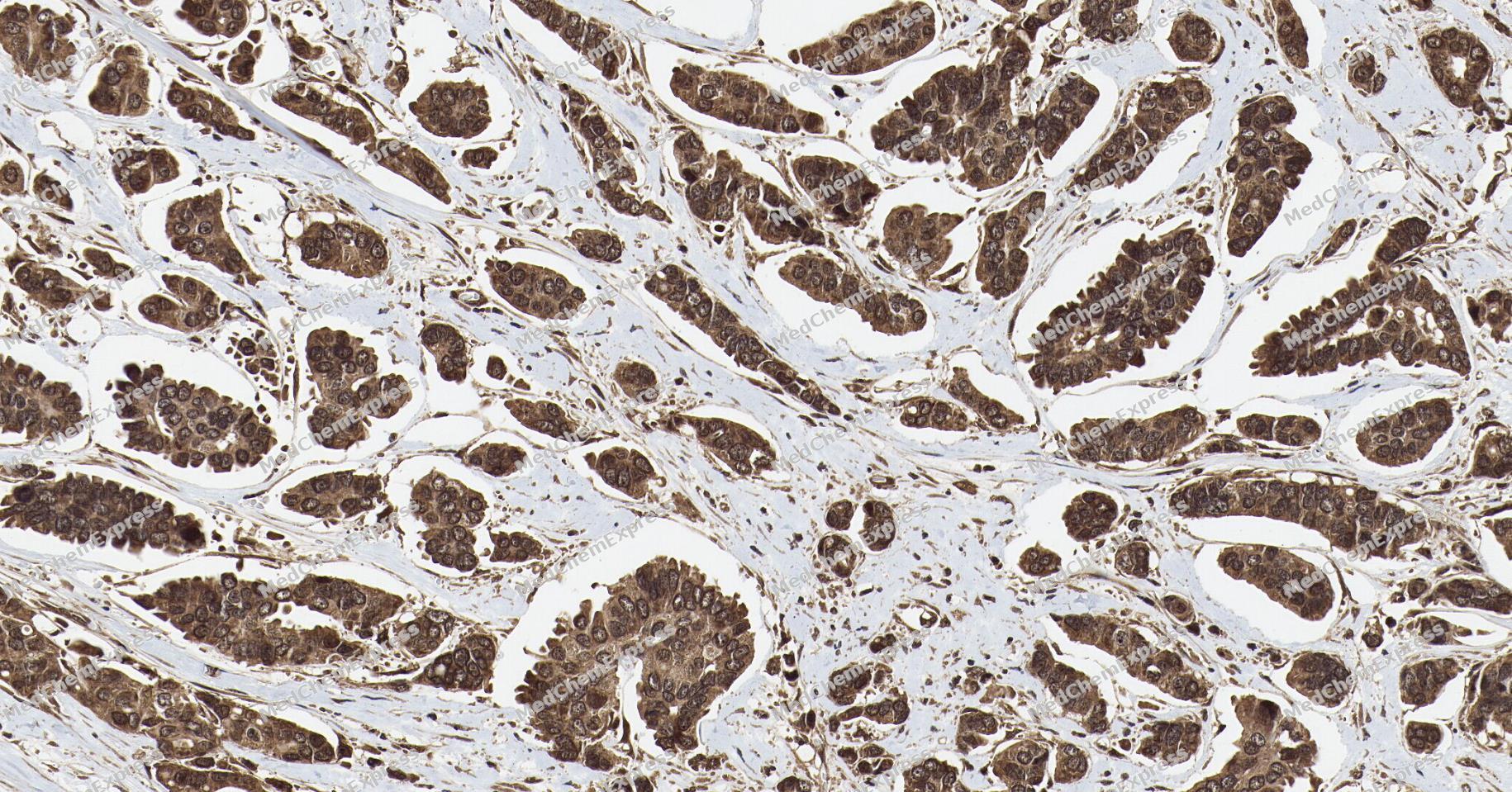 Immunohistochemical analysis of paraffin-embedded human breast cancer tissue using Phospho-JNK1 (Thr183/Tyr185) Antibody. The section was pre-treated using heat mediated antigen retrieval with Tris/EDTA buffer (pH 9.0) for 20 minutes. The tissues were probed with the primary antibody (HY-P88056,1/300) overnight at 4℃. The detection was performed using an HRP conjugated compact polymer system. DAB was used as the chromogen. Tissues were counterstained with hematoxylin and mounted with neutral balsam.
 -
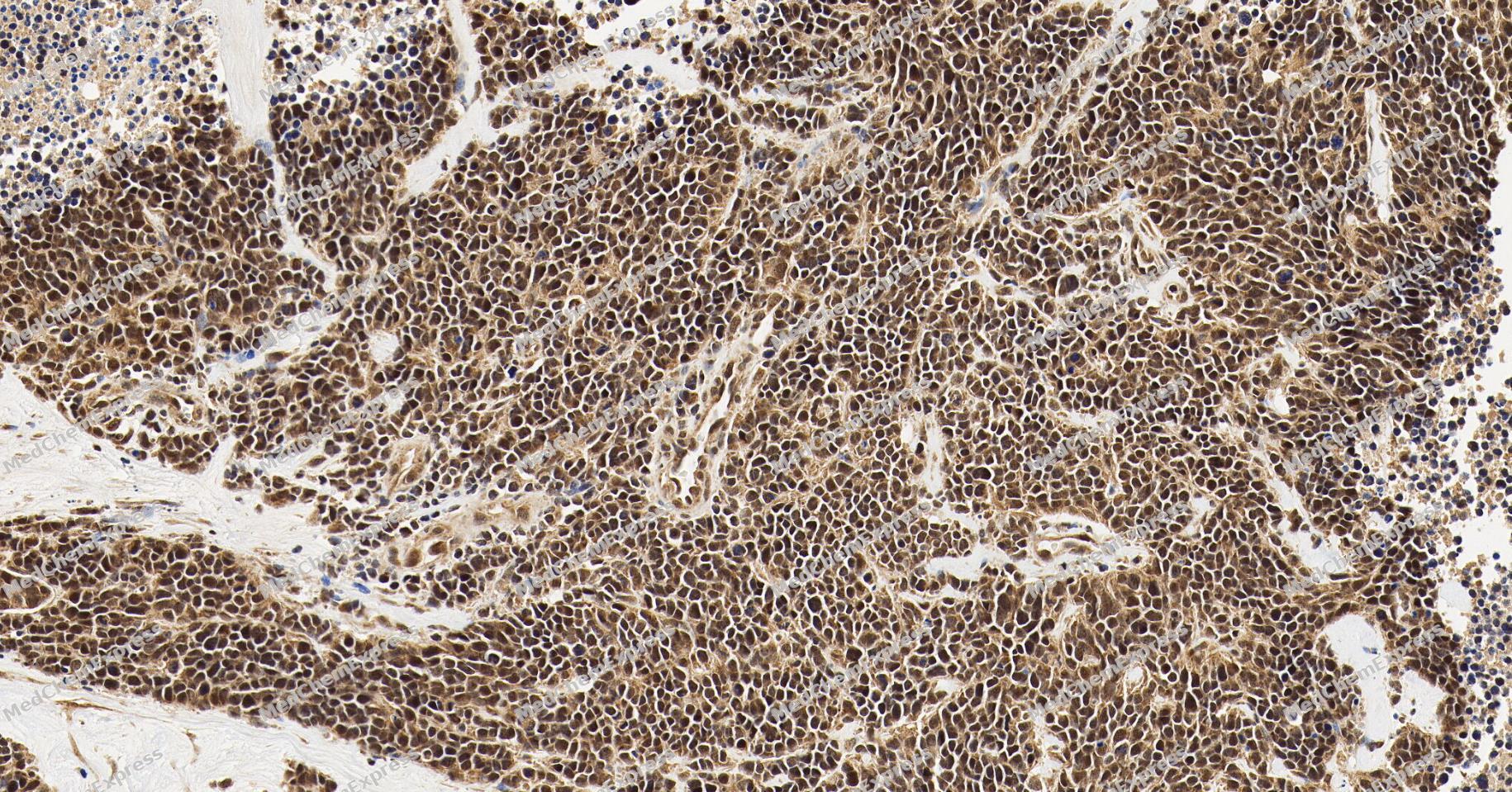 Immunohistochemical analysis of paraffin-embedded human pancreatic cancer tissue using Phospho-JNK1 (Thr183/Tyr185) Antibody. The section was pre-treated using heat mediated antigen retrieval with Tris/EDTA buffer (pH 9.0) for 20 minutes. The tissues were probed with the primary antibody (HY-P88056,1/300) overnight at 4℃. The detection was performed using an HRP conjugated compact polymer system. DAB was used as the chromogen. Tissues were counterstained with hematoxylin and mounted with neutral balsam.
 -
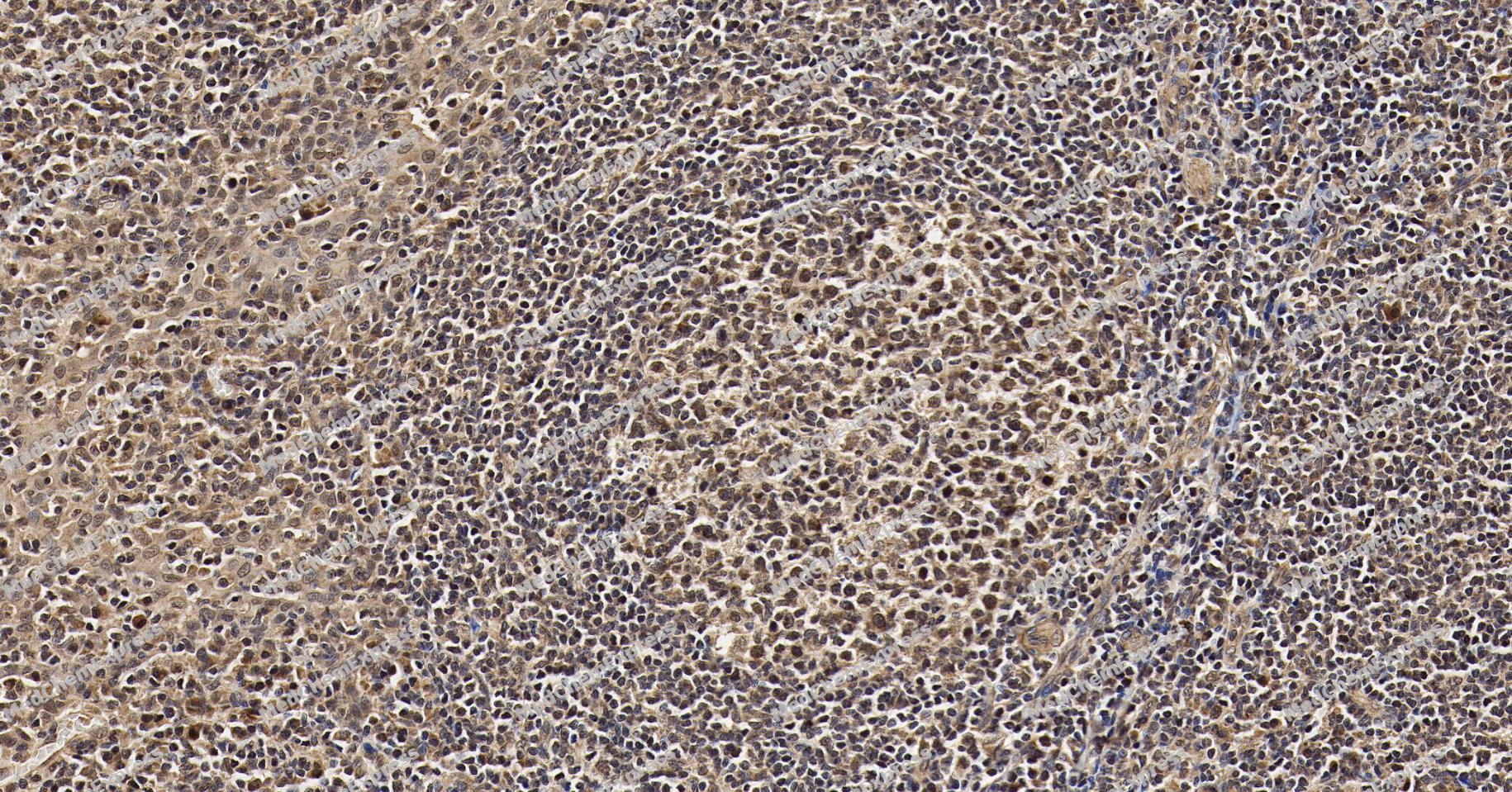 Immunohistochemical analysis of paraffin-embedded human tonsil tissue using Phospho-JNK1 (Thr183/Tyr185) Antibody. The section was pre-treated using heat mediated antigen retrieval with Tris/EDTA buffer (pH 9.0) for 20 minutes. The tissues were probed with the primary antibody (HY-P88056,1/300) overnight at 4℃. The detection was performed using an HRP conjugated compact polymer system. DAB was used as the chromogen. Tissues were counterstained with hematoxylin and mounted with neutral balsam.
 -
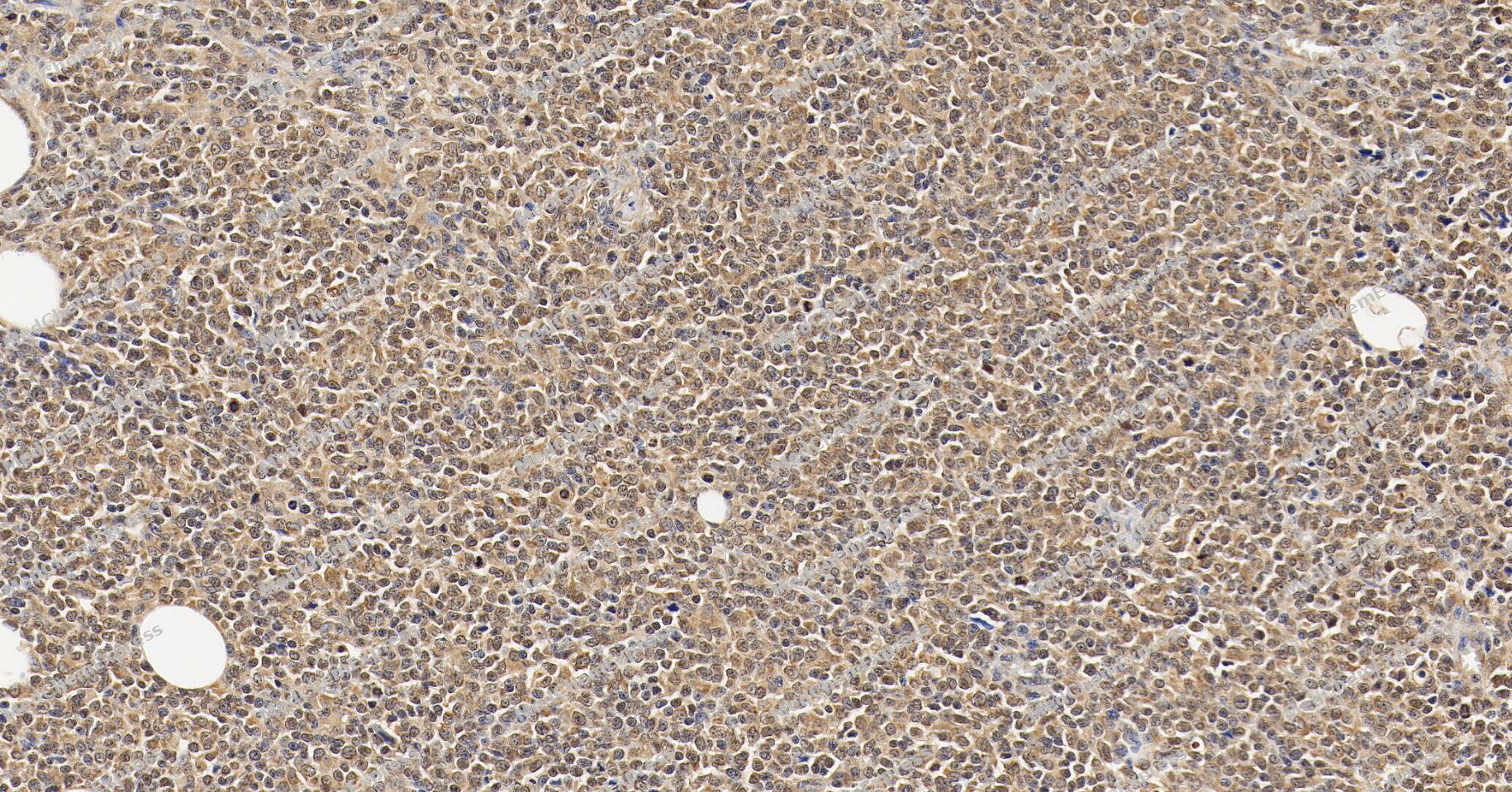 Immunohistochemical analysis of paraffin-embedded human lymphoma tissue using Phospho-JNK1 (Thr183/Tyr185) Antibody. The section was pre-treated using heat mediated antigen retrieval with Tris/EDTA buffer (pH 9.0) for 20 minutes. The tissues were probed with the primary antibody (HY-P88056,1/300) overnight at 4℃. The detection was performed using an HRP conjugated compact polymer system. DAB was used as the chromogen. Tissues were counterstained with hematoxylin and mounted with neutral balsam.
 -
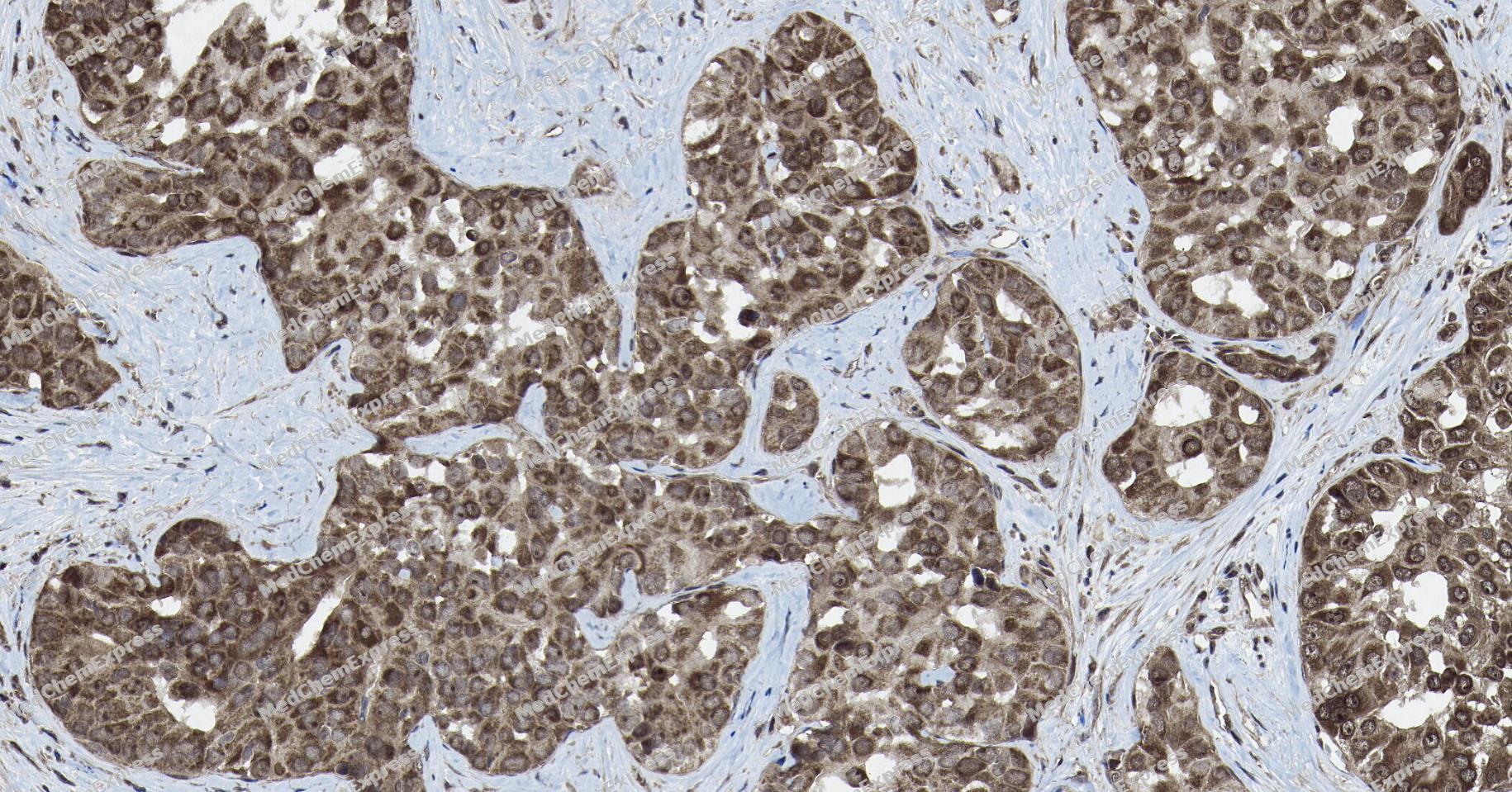 Immunohistochemical analysis of paraffin-embedded human intrahepatic cholangiocarcinoma tissue using Phospho-JNK1 (Thr183/Tyr185) Antibody. The section was pre-treated using heat mediated antigen retrieval with Tris/EDTA buffer (pH 9.0) for 20 minutes. The tissues were probed with the primary antibody (HY-P88056,1/300) overnight at 4℃. The detection was performed using an HRP conjugated compact polymer system. DAB was used as the chromogen. Tissues were counterstained with hematoxylin and mounted with neutral balsam.
 -
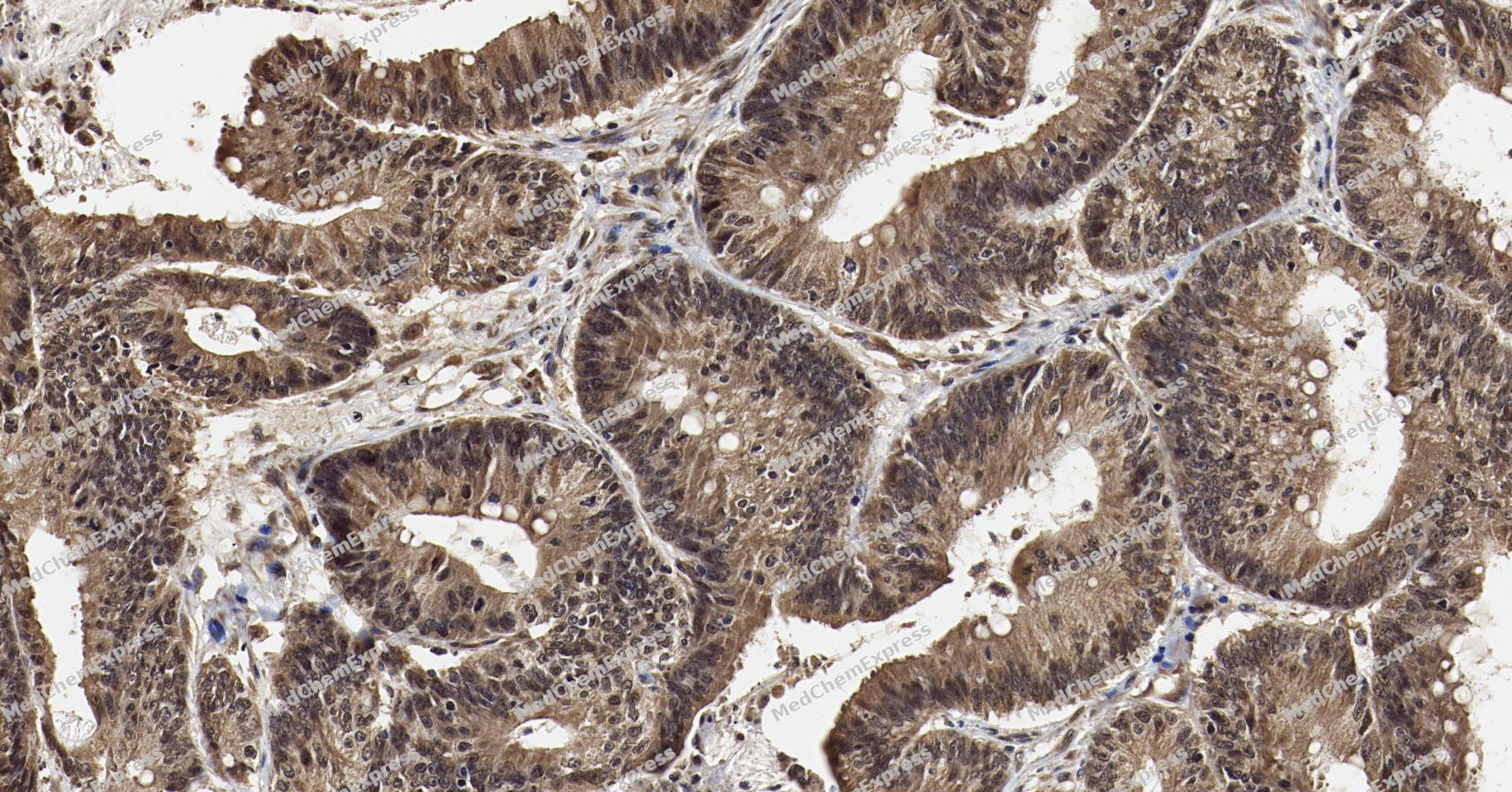 Immunohistochemical analysis of paraffin-embedded human colon cancer tissue using Phospho-JNK1 (Thr183/Tyr185) Antibody. The section was pre-treated using heat mediated antigen retrieval with Tris/EDTA buffer (pH 9.0) for 20 minutes. The tissues were probed with the primary antibody (HY-P88056,1/300) overnight at 4℃. The detection was performed using an HRP conjugated compact polymer system. DAB was used as the chromogen. Tissues were counterstained with hematoxylin and mounted with neutral balsam.
 -
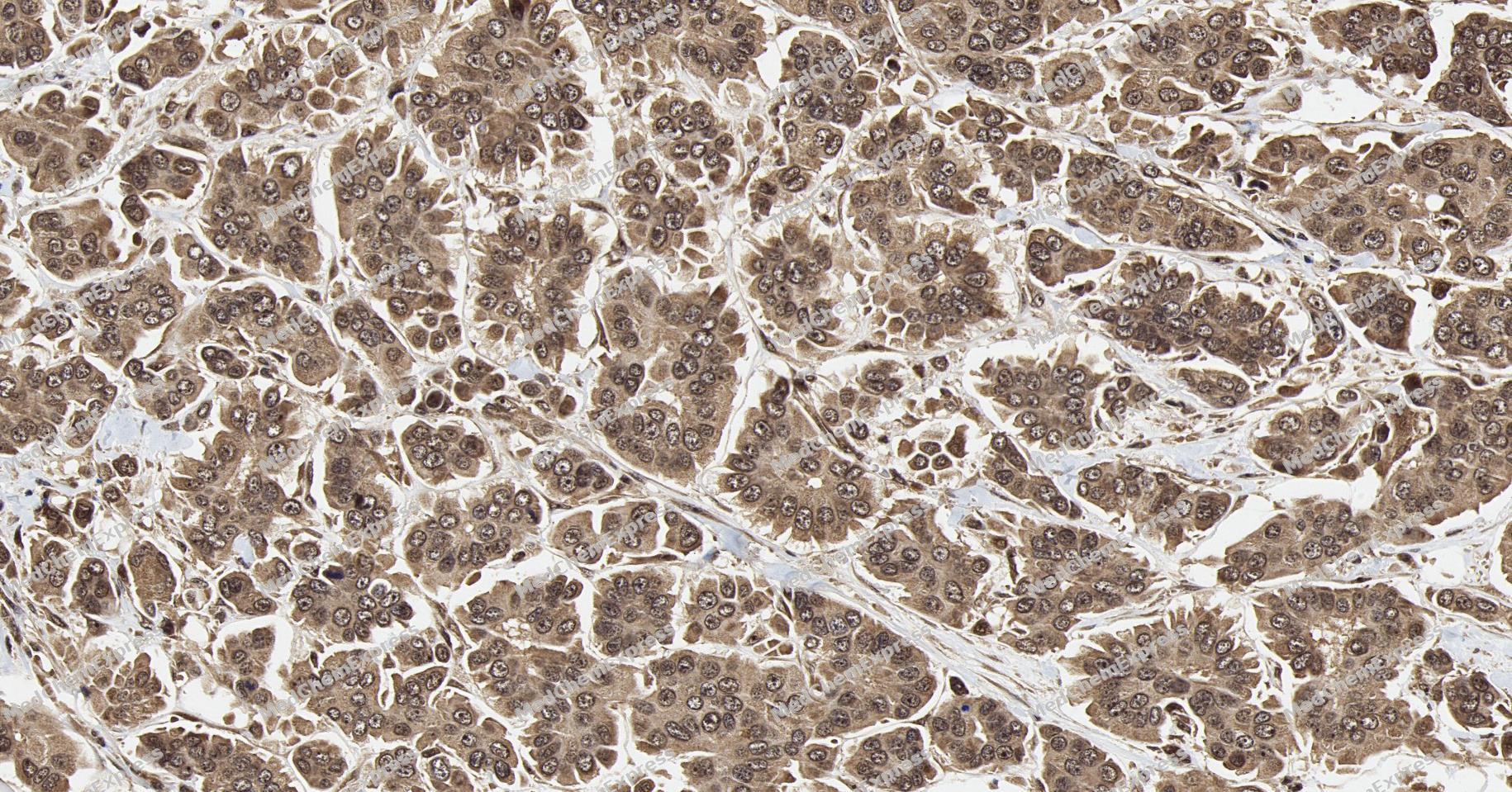 Immunohistochemical analysis of paraffin-embedded human breast cancer tissue using Phospho-JNK1 (Thr183/Tyr185) Antibody. The section was pre-treated using heat mediated antigen retrieval with Tris/EDTA buffer (pH 9.0) for 20 minutes. The tissues were probed with the primary antibody (HY-P88056,1/300) overnight at 4℃. The detection was performed using an HRP conjugated compact polymer system. DAB was used as the chromogen. Tissues were counterstained with hematoxylin and mounted with neutral balsam.
 -
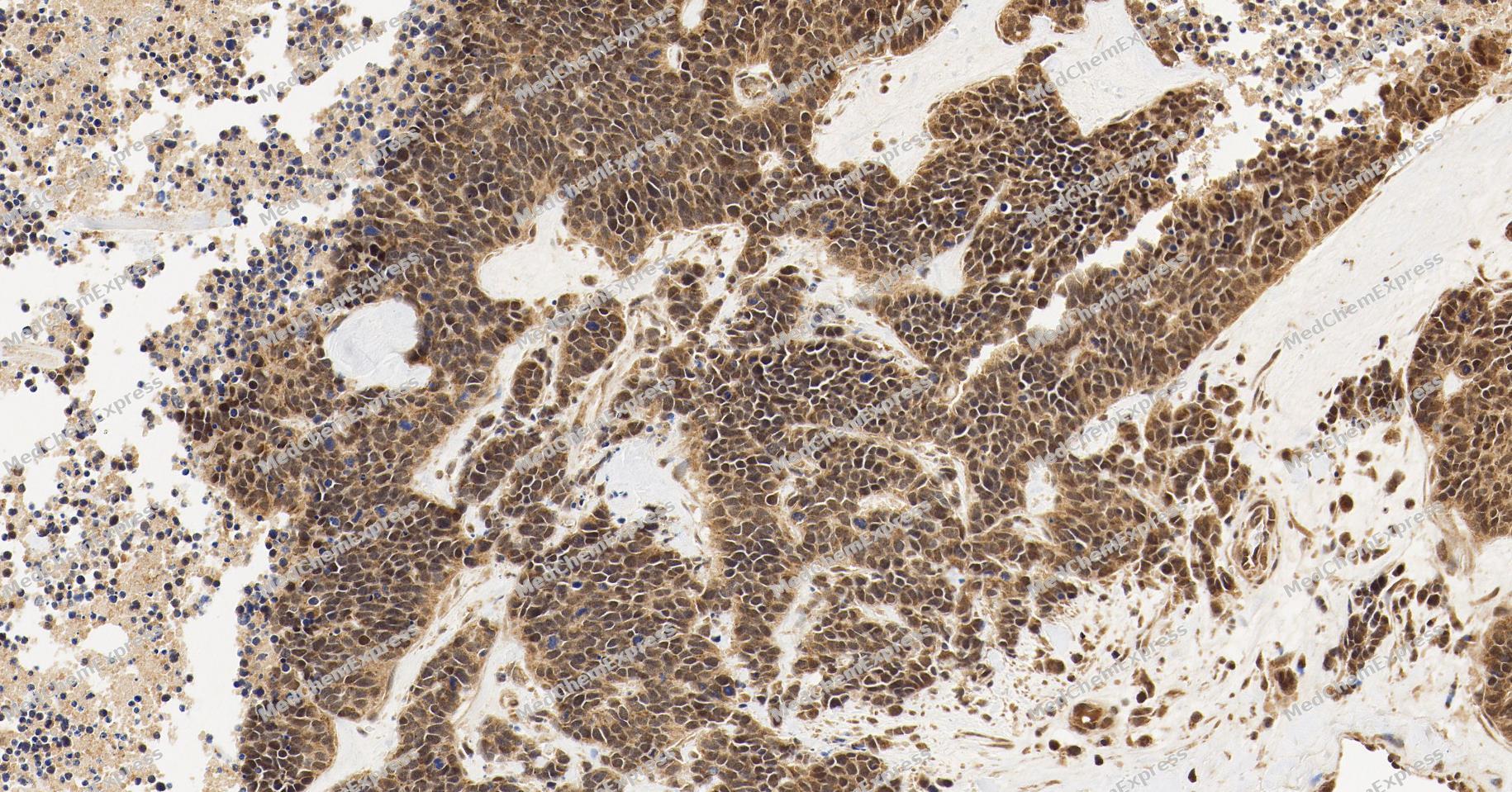 Immunohistochemical analysis of paraffin-embedded human pancreatic cancer tissue using Phospho-JNK1 (Thr183/Tyr185) Antibody. The section was pre-treated using heat mediated antigen retrieval with Tris/EDTA buffer (pH 9.0) for 20 minutes. The tissues were probed with the primary antibody (HY-P88056,1/300) overnight at 4℃. The detection was performed using an HRP conjugated compact polymer system. DAB was used as the chromogen. Tissues were counterstained with hematoxylin and mounted with neutral balsam.
 -
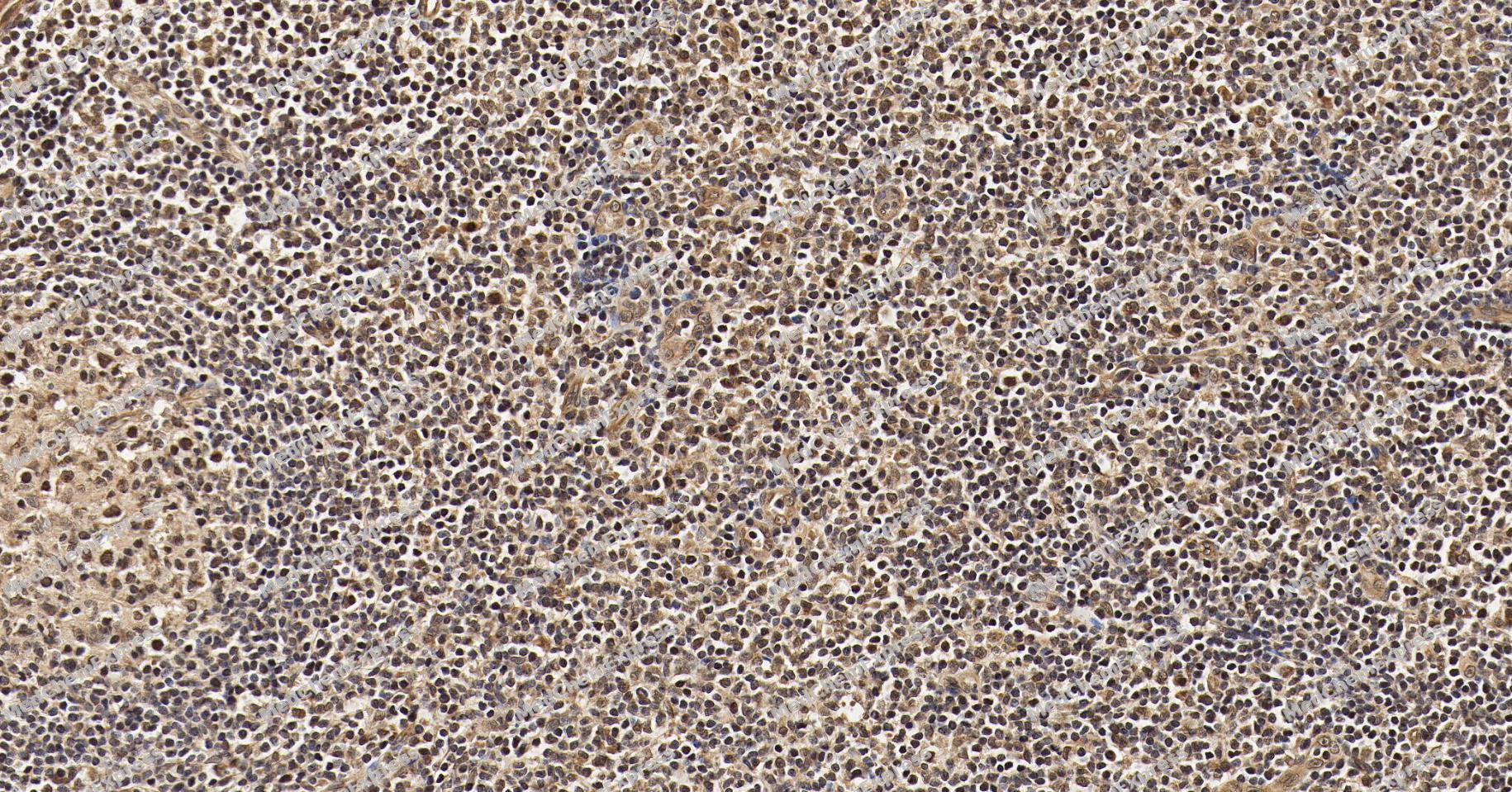 Immunohistochemical analysis of paraffin-embedded human tonsil tissue using Phospho-JNK1 (Thr183/Tyr185) Antibody. The section was pre-treated using heat mediated antigen retrieval with Tris/EDTA buffer (pH 9.0) for 20 minutes. The tissues were probed with the primary antibody (HY-P88056,1/300) overnight at 4℃. The detection was performed using an HRP conjugated compact polymer system. DAB was used as the chromogen. Tissues were counterstained with hematoxylin and mounted with neutral balsam.
 -
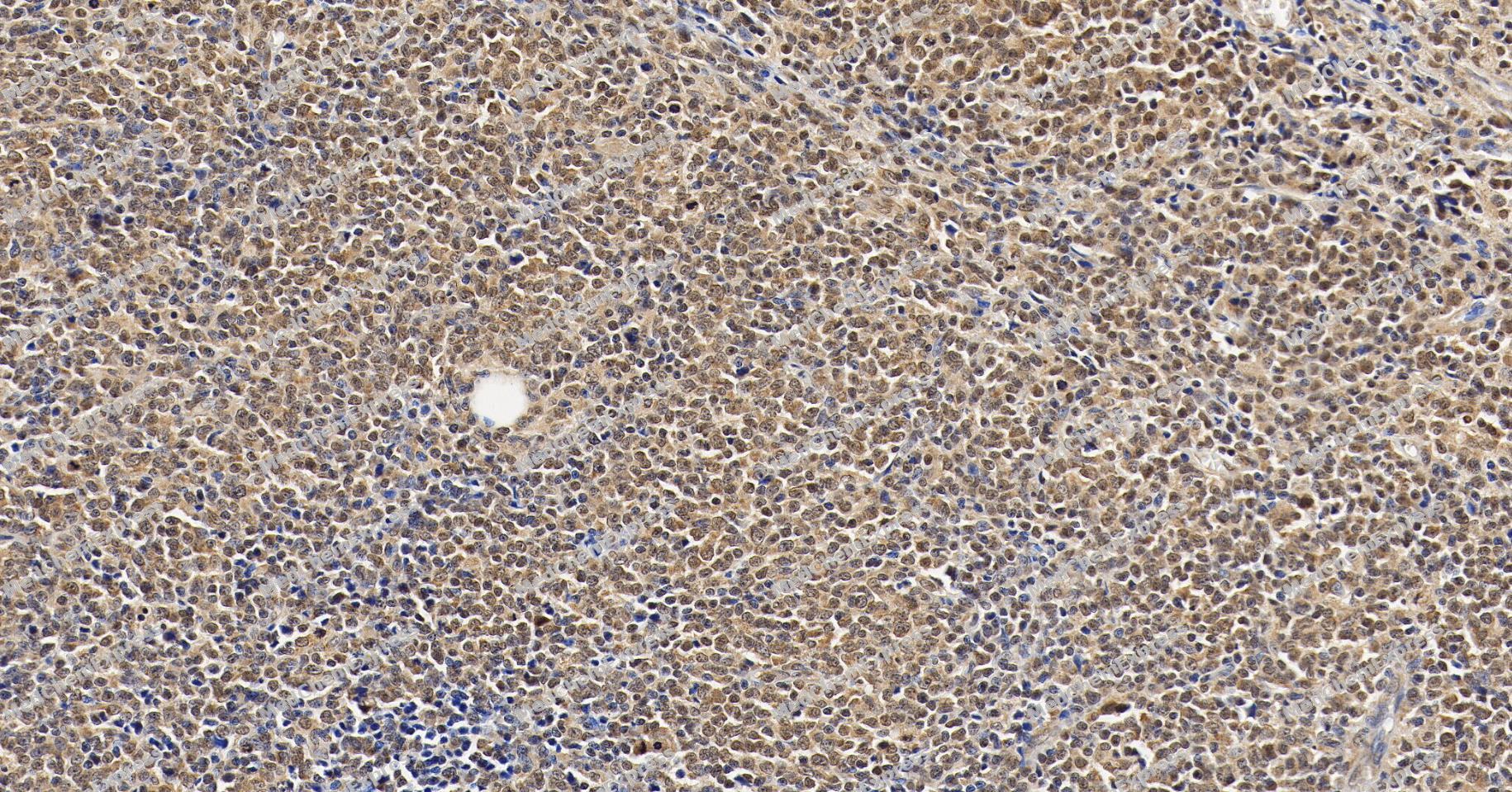 Immunohistochemical analysis of paraffin-embedded human lymphoma tissue using Phospho-JNK1 (Thr183/Tyr185) Antibody. The section was pre-treated using heat mediated antigen retrieval with Tris/EDTA buffer (pH 9.0) for 20 minutes. The tissues were probed with the primary antibody (HY-P88056,1/300) overnight at 4℃. The detection was performed using an HRP conjugated compact polymer system. DAB was used as the chromogen. Tissues were counterstained with hematoxylin and mounted with neutral balsam.


Background
-
Function
c-Jun N-terminal kinase 1 (JNK1) is a mitogen-activated protein kinase (MAPK) that regulates autophagy, apoptosis, and cell proliferation across diverse tissues[1][2]. Mechanistically, JNK1 integrates stress signals from cytokines, reactive oxygen species, and metabolic cues to modulate downstream transcription factors and cytoplasmic substrates, influencing cell survival and differentiation[3][4]. In oligodendrocyte progenitor cells, JNK1 controls branching architecture, proliferation, and myelination, indicating a critical role in central nervous system development[5]. Compared with JNK2 and JNK3, JNK1 uniquely mediates inflammatory responses in arthritis and contributes to hepatic steatosis under high-fat diet conditions[6][7]. In disease models, JNK1 inhibition reduces hypoxia-induced autophagy and sensitizes cancer cells to chemotherapeutic agents, demonstrating isoform-specific therapeutic potential[8]. The development of JNK1-selective inhibitors remains challenging due to conserved ATP-binding sites among JNK isoforms; however, computational approaches using molecular descriptors have been applied to predict candidate inhibitors targeting autophagy regulation in cancer[1]. Collectively, JNK1 functions as a central regulator of stress signaling, with distinct contributions to metabolic, inflammatory, and neurological disease models, setting it apart from its isoform counterparts and informing experimental design for isoform-specific modulation[1][2][6][7][8].
-
Subcellular Localization
Nucleus
-
Expression
Tissue_specificity:This gene is expressed in chronic myeloid leukemia, Jurkat T-cell leukemia, and teratoma cell lines, but not in other cell lines or normal tissues tested. -
Subunit
Interacts with POU5F1
-
SwissProt ID
-
Synonyms
AI849689 antibody; c Jun N terminal kinase 1 antibody; C-JUN kinase 1 antibody; c-Jun N-terminal kinase 1 antibody; EC 2.7.11.24 antibody; JNK 1 antibody; JNK antibody; JNK-46 antibody; JNK1A2 antibody; JNK21B1/2 antibody; MAP kinase 8 antibody; MAPK 8 antibody; mapk8 antibody; Mitogen activated protein kinase 8 antibody; MK08_HUMAN antibody; p54 gamma antibody; Prkm8 antibody; Protein kinase JNK1 antibody; Protein kinase, mitogen-activated, 8 antibody; SAPK 1 antibody; SAPK gamma antibody; SAPK1 antibody; Stress-activated protein kinase 1 antibody


Documentation
-
Data Sheet (262 KB)
-
SDS (254 KB)
- English - EN (254 KB)
- Français - FR (254 KB)
- Deutsch - DE (254 KB)
- Norwegian - NO (254 KB)
- Español - ES (254 KB)
- Swedish - SV (254 KB)
- Italian - IT (254 KB)
- Korean - KR (254 KB)
- Portuguese - PT (254 KB)
-
User Guide for Antibodies (1077 KB)
References
[2]. Kumar A, et al. JNK pathway signaling: a novel and smarter therapeutic targets for various biological diseases. Future Med Chem. 2015;7(15):2065-86. [Content Brief]
[3]. Seki E, et al. A liver full of JNK: signaling in regulation of cell function and disease pathogenesis, and clinical approaches. Gastroenterology. 2012 Aug;143(2):307-20. [Content Brief]
[4]. Shashikanth N, et al. Role of C-Jun N-Terminal Kinases on a Stressed Epithelium: Time for Testing Isoform Specificity. Biology (Basel). 2025 Jun 3;14(6):649. [Content Brief]
[5]. Lorenzati M, et al. c-Jun N-terminal kinase 1 (JNK1) modulates oligodendrocyte progenitor cell architecture, proliferation and myelination. Sci Rep. 2021 Mar 31;11(1):7264. [Content Brief]
[6]. Singh R, et al. Differential effects of JNK1 and JNK2 inhibition on murine steatohepatitis and insulin resistance. Hepatology. 2009 Jan;49(1):87-96. [Content Brief]
[7]. Denninger K, et al. JNK1, but not JNK2, is required in two mechanistically distinct models of inflammatory arthritis. Am J Pathol. 2011 Oct;179(4):1884-93. [Content Brief]
[8]. Vasilevskaya IA, et al. JNK1 Inhibition Attenuates Hypoxia-Induced Autophagy and Sensitizes to Chemotherapy. Mol Cancer Res. 2016 Aug;14(8):753-63. [Content Brief]

 Powered by Bioz
