



VGLUT2 Antibody (YA6832)
(Synonyms: Differentiation associated BNPI antibody; Differentiation associated Na dependent inorganic phosphate cotransporter antibody; Differentiation associated Na(+) dependent inorganic phosphate cotransporter antibody; Differentiation-associated BNPI antibody; Differentiation-associated Na(+)-dependent inorganic phosphate cotransporter antibody; DNPI antibody; SLC17A6 antibody; Sodium dependent inorganic phosphate cotransporter antibody; Solute carrier family 17 (Sodium dependent inorganic phosphate cotransporter) member 6 antibody; Solute carrier family 17 member 6 antibody; Differentiation associated BNPI antibody; Differentiation associated Na dependent inorganic phosphate cotransporter antibody; Differentiation associated Na(+) dependent inorganic phosphate cotransporter antibody; Differentiation-associated BNPI antibody; Differentiation-associated Na(+)-dependent inorganic phosphate cotransporter antibody; DNPI antibody; SLC17A6 antibody; Sodium dependent inorganic phosphate cotransporter antibody; Solute carrier family 17 (Sodium dependent inorganic phosphate cotransporter) member 6 antibody; Solute carrier family 17 member 6 antibody; Vesicular glutamate transporter 2 antibody; Vesicular glutamate transporter type 2 antibody; VGLU2_HUMAN antibody; VGLUT 2 antibody; VGluT2 antibody; )
Based on 1 Customer Validation
VGLUT2 Antibody (YA6832) is a Rabbit-derived and non-conjugated IgG monoclonal antibody, targeting to VGLUT2.
-
Host:
Rabbit
-
Isotype:
IgG
-
Application:
WB, IHC-F, IHC-P
-
Reactivity :
Mouse, Rat
-
Formulation:
Supplied in PBS (pH7.4), 0.1% BSA, 40% Glycerol. Preservative: 0.05% Sodium Azide.
-
Conjugation:
Non-conjugated


To place orders, for customer services and technical support, please contact: MedChemExpress USA
Tel: 609-228-6898 E-mail: [email protected] [email protected]





Applications
| Application |
WB

WB: Western Blot
|
IHC-F
IHC-F: Immunohistochemistry-Frozen
|
IHC-P
IHC-P: Immunohistochemistry-Paraffin
|
|---|---|---|---|
| Dilution Ratio | 1:2000 | 1:500 | 1:2000 |


Product Details
VGLUT2 Antibody (YA6832) is a Rabbit-derived and non-conjugated IgG monoclonal antibody, targeting to VGLUT2.
-
Host Rabbit

-
Clonality Recombinant,Monoclonal

-
Species ReactivityMouse, Rat Predicted Reactivity: Cynomolgus monkey,Pig
Note: The predicted reactivity is for reference only and should not be considered a guarantee of product performance.
-
Observed Molecular WeightObserved band size: 65 kDa
Note: Due to possible protein modifications or aggregation, the molecular weight should be confirmed by actual measurement, and the predicted value is for reference only.

-
Calculated Molecular Weight Predicted band size: 65 kDa

affinity purified.
Non-conjugated
Unmodified
IgG


Product Properties
-
Appearance
Liquid
-
Formulation
Supplied in PBS (pH7.4), 0.1% BSA, 40% Glycerol. Preservative: 0.05% Sodium Azide.
-
Concentration
Batch-dependent, Please check the COA for the concentration of each lot. Check Lot Concentration
-
Storage & Stability
Stored at -20°C for 1 year. Avoid repeated freeze / thaw cycles.
-
Shipping
Shipping with blue ice.


Verification Images
-
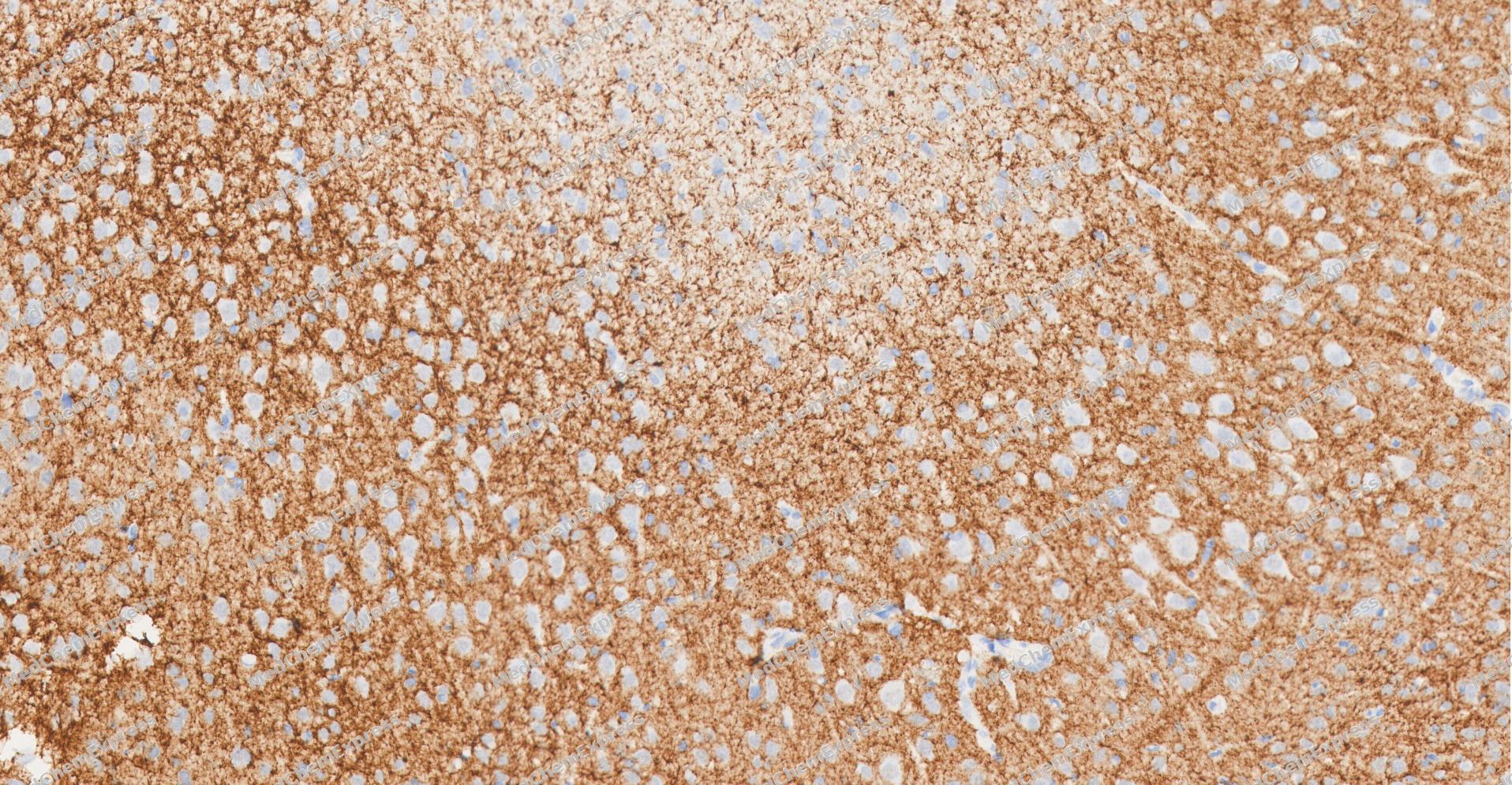 Immunohistochemical analysis of paraffin-embedded Rat Brain tissue using VGLUT2 antibody was performed. The section was pretreated using high-temperature and high-pressure mediated EDTA antigen retrieval buffer (pH 9.0), for 5 minutes. The tissues were incubated with primary antibody (HY-P87139, 1:300 dilution) at room temperature for 60 minutes. Detection was performed using an HRP conjugated compact polymer system. DAB was used as the chromogen. The tissues were counterstained with hematoxylin and mounted with neutral balsam mounting medium.
 -
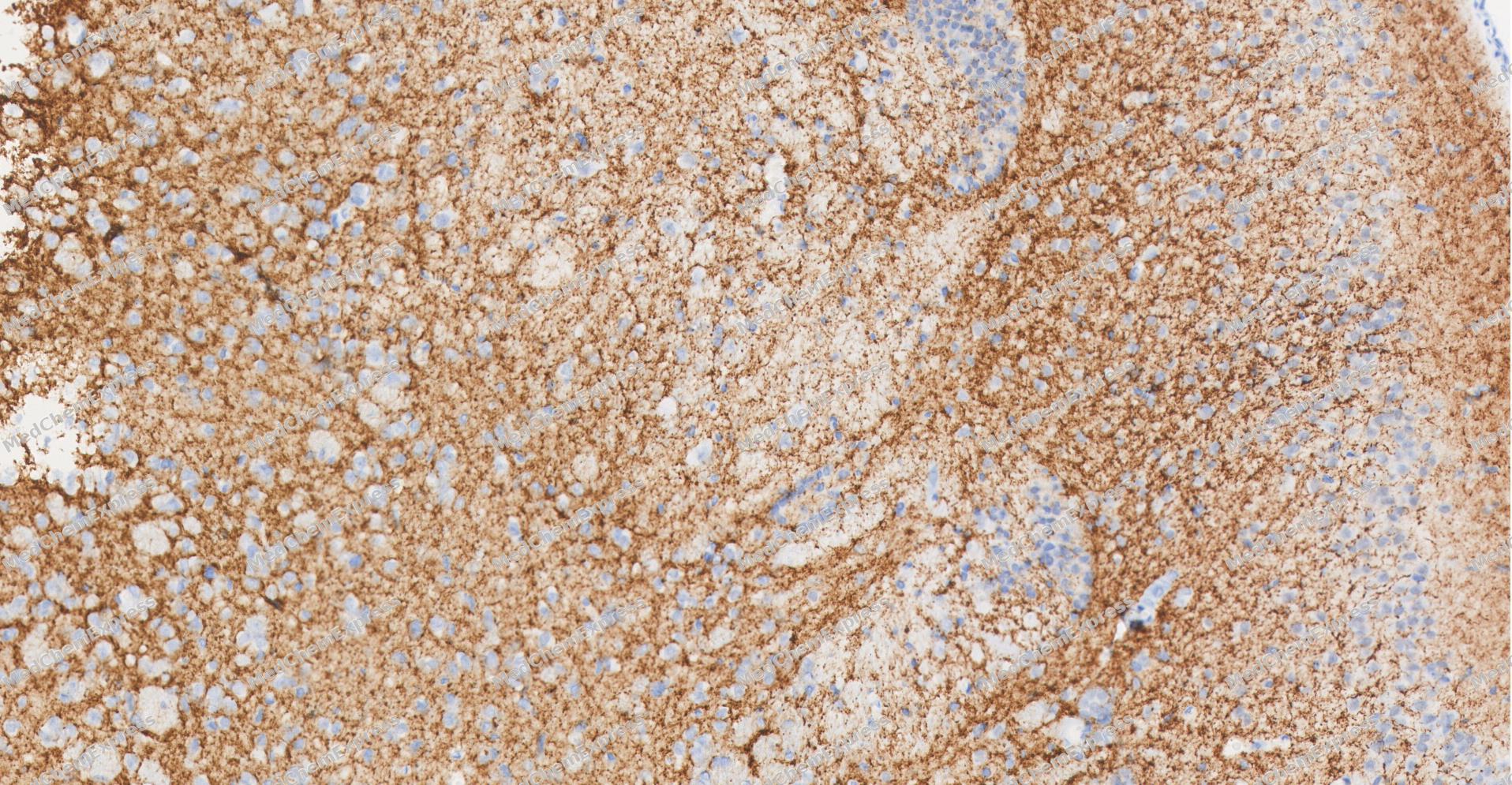 Immunohistochemical analysis of paraffin-embedded Rat Brain tissue using VGLUT2 antibody was performed. The section was pretreated using high-temperature and high-pressure mediated EDTA antigen retrieval buffer (pH 9.0), for 5 minutes. The tissues were incubated with primary antibody (HY-P87139, 1:300 dilution) at room temperature for 60 minutes. Detection was performed using an HRP conjugated compact polymer system. DAB was used as the chromogen. The tissues were counterstained with hematoxylin and mounted with neutral balsam mounting medium.
 -
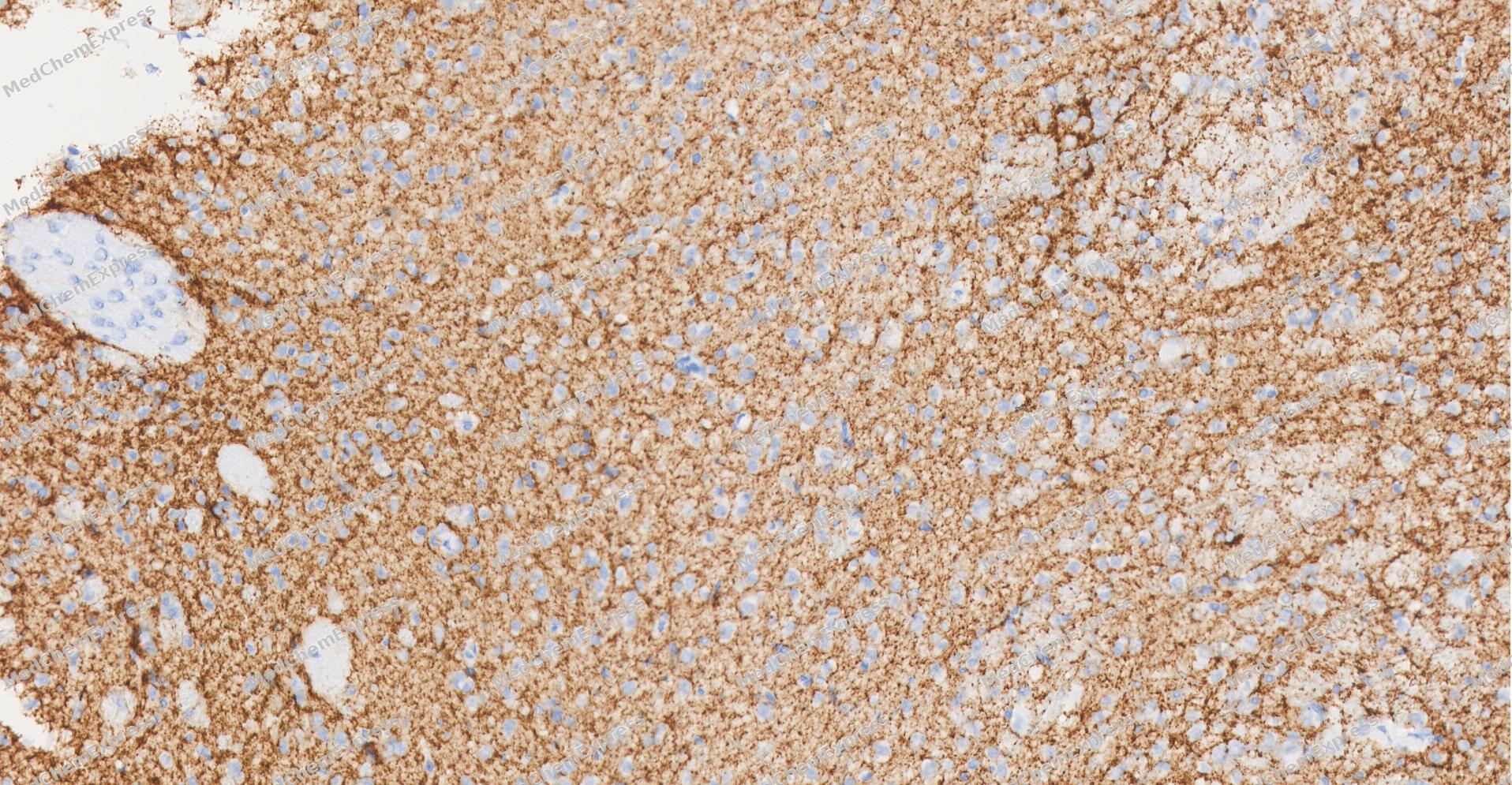 Immunohistochemical analysis of paraffin-embedded Rat Brain tissue using VGLUT2 antibody was performed. The section was pretreated using high-temperature and high-pressure mediated EDTA antigen retrieval buffer (pH 9.0), for 5 minutes. The tissues were incubated with primary antibody (HY-P87139, 1:300 dilution) at room temperature for 60 minutes. Detection was performed using an HRP conjugated compact polymer system. DAB was used as the chromogen. The tissues were counterstained with hematoxylin and mounted with neutral balsam mounting medium.
 -
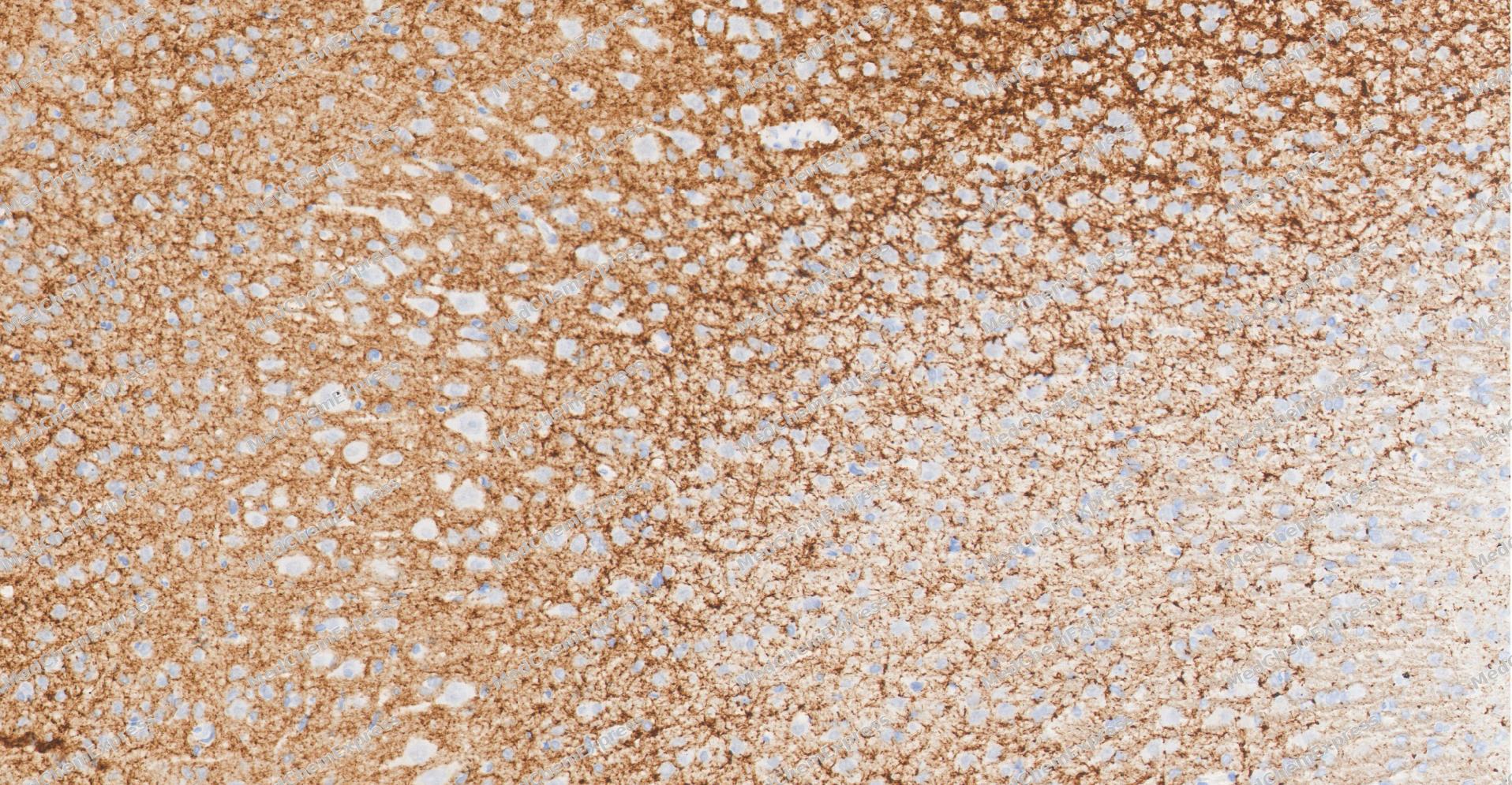 Immunohistochemical analysis of paraffin-embedded Rat Brain tissue using VGLUT2 antibody was performed. The section was pretreated using high-temperature and high-pressure mediated EDTA antigen retrieval buffer (pH 9.0), for 5 minutes. The tissues were incubated with primary antibody (HY-P87139, 1:300 dilution) at room temperature for 60 minutes. Detection was performed using an HRP conjugated compact polymer system. DAB was used as the chromogen. The tissues were counterstained with hematoxylin and mounted with neutral balsam mounting medium.
 -
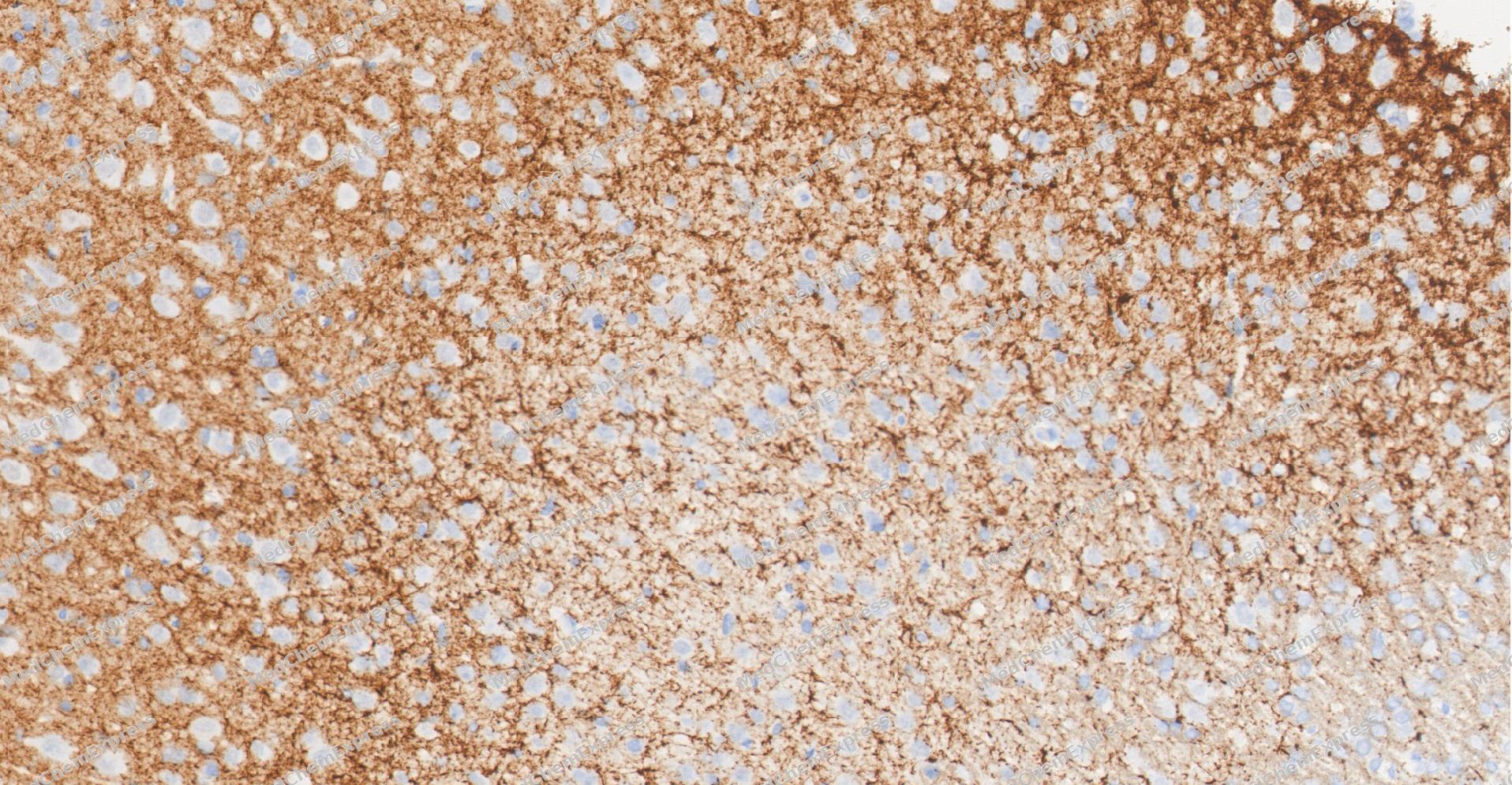 Immunohistochemical analysis of paraffin-embedded Rat Brain tissue using VGLUT2 antibody was performed. The section was pretreated using high-temperature and high-pressure mediated EDTA antigen retrieval buffer (pH 9.0), for 5 minutes. The tissues were incubated with primary antibody (HY-P87139, 1:300 dilution) at room temperature for 60 minutes. Detection was performed using an HRP conjugated compact polymer system. DAB was used as the chromogen. The tissues were counterstained with hematoxylin and mounted with neutral balsam mounting medium.
 -
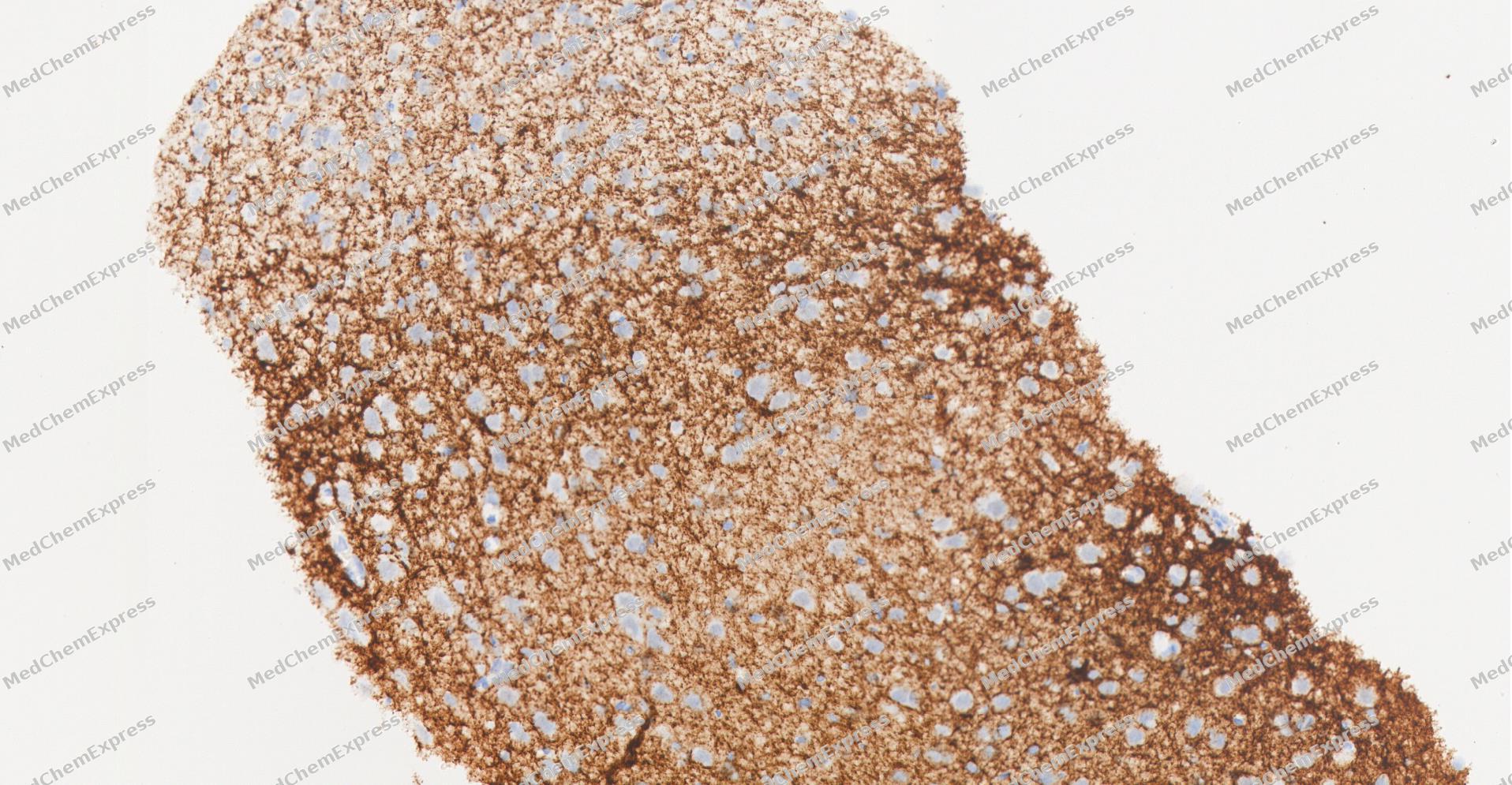 Immunohistochemical analysis of paraffin-embedded Rat Brain tissue using VGLUT2 antibody was performed. The section was pretreated using high-temperature and high-pressure mediated EDTA antigen retrieval buffer (pH 9.0), for 5 minutes. The tissues were incubated with primary antibody (HY-P87139, 1:300 dilution) at room temperature for 60 minutes. Detection was performed using an HRP conjugated compact polymer system. DAB was used as the chromogen. The tissues were counterstained with hematoxylin and mounted with neutral balsam mounting medium.
 -
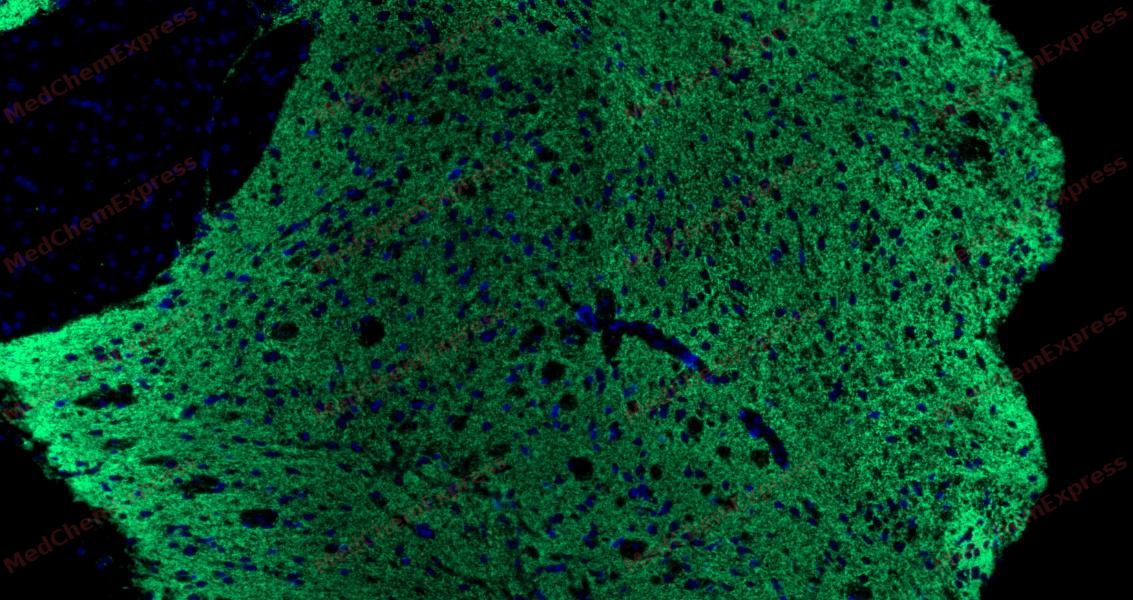 Tyramide signaling amplification based immunofluorescence was performed on paraffin-embedded Rat Brain tissue using VGLUT2 antibody. Antigen retrieval was performed in EDTA buffer pH 9.0 (95 °C, 20 min) followed by cooling to RT. Then incubated with primary antibody (HY-P87139, 1:500 dilution) at room temperature for 60 minutes and HRP conjugated secondary antibody for 10 minutes. Fluorescence was then developed with Vari Fluor 532 TSA (200×)(HY-D1832). The tissues were counterstained with DAPI and mounted with Anti-fade mounting medium.
 -
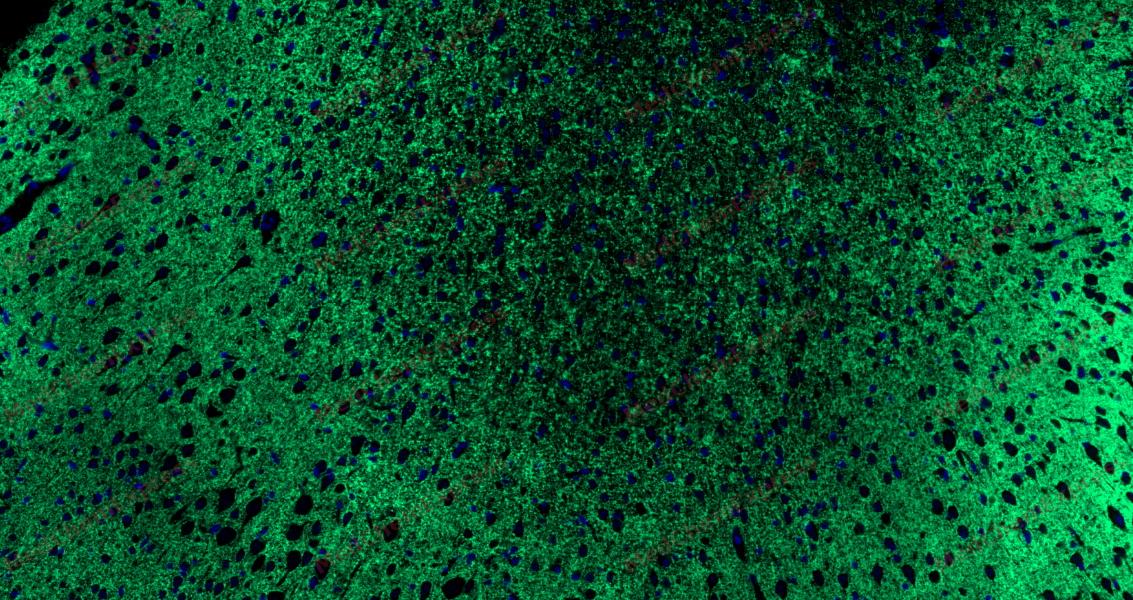 Tyramide signaling amplification based immunofluorescence was performed on paraffin-embedded Rat Brain tissue using VGLUT2 antibody. Antigen retrieval was performed in EDTA buffer pH 9.0 (95 °C, 20 min) followed by cooling to RT. Then incubated with primary antibody (HY-P87139, 1:500 dilution) at room temperature for 60 minutes and HRP conjugated secondary antibody for 10 minutes. Fluorescence was then developed with Vari Fluor 532 TSA (200×)(HY-D1832). The tissues were counterstained with DAPI and mounted with Anti-fade mounting medium.
 -
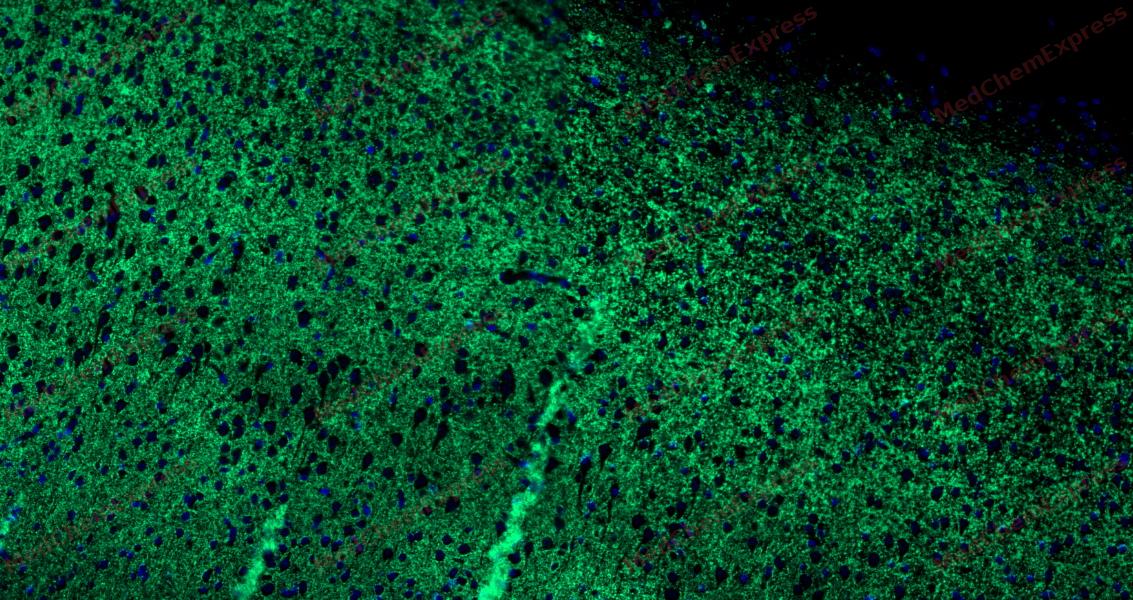 Tyramide signaling amplification based immunofluorescence was performed on paraffin-embedded Rat Brain tissue using VGLUT2 antibody. Antigen retrieval was performed in EDTA buffer pH 9.0 (95 °C, 20 min) followed by cooling to RT. Then incubated with primary antibody (HY-P87139, 1:500 dilution) at room temperature for 60 minutes and HRP conjugated secondary antibody for 10 minutes. Fluorescence was then developed with Vari Fluor 532 TSA (200×)(HY-D1832). The tissues were counterstained with DAPI and mounted with Anti-fade mounting medium.
 -
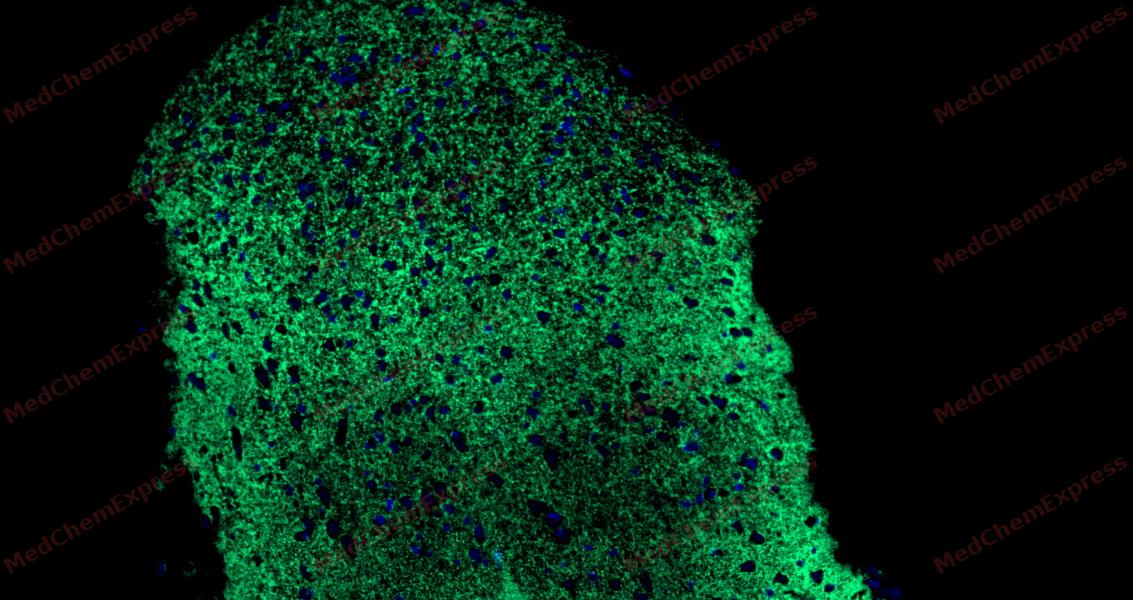 Tyramide signaling amplification based immunofluorescence was performed on paraffin-embedded Rat Brain tissue using VGLUT2 antibody. Antigen retrieval was performed in EDTA buffer pH 9.0 (95 °C, 20 min) followed by cooling to RT. Then incubated with primary antibody (HY-P87139, 1:500 dilution) at room temperature for 60 minutes and HRP conjugated secondary antibody for 10 minutes. Fluorescence was then developed with Vari Fluor 532 TSA (200×)(HY-D1832). The tissues were counterstained with DAPI and mounted with Anti-fade mounting medium.
 -
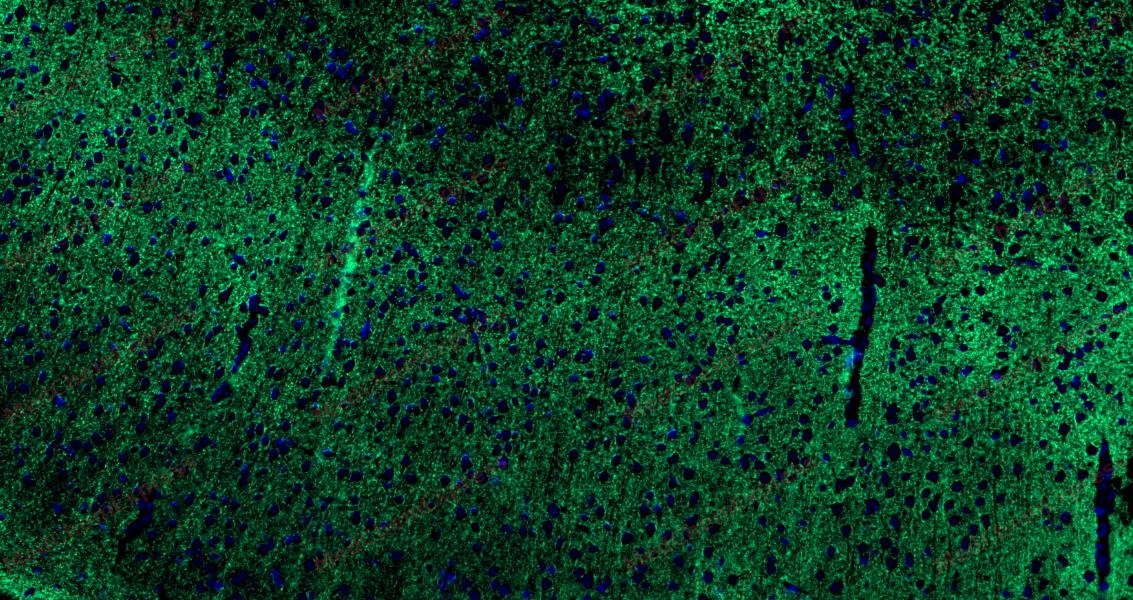 Tyramide signaling amplification based immunofluorescence was performed on paraffin-embedded Rat Brain tissue using VGLUT2 antibody. Antigen retrieval was performed in EDTA buffer pH 9.0 (95 °C, 20 min) followed by cooling to RT. Then incubated with primary antibody (HY-P87139, 1:500 dilution) at room temperature for 60 minutes and HRP conjugated secondary antibody for 10 minutes. Fluorescence was then developed with Vari Fluor 532 TSA (200×)(HY-D1832). The tissues were counterstained with DAPI and mounted with Anti-fade mounting medium.
 -
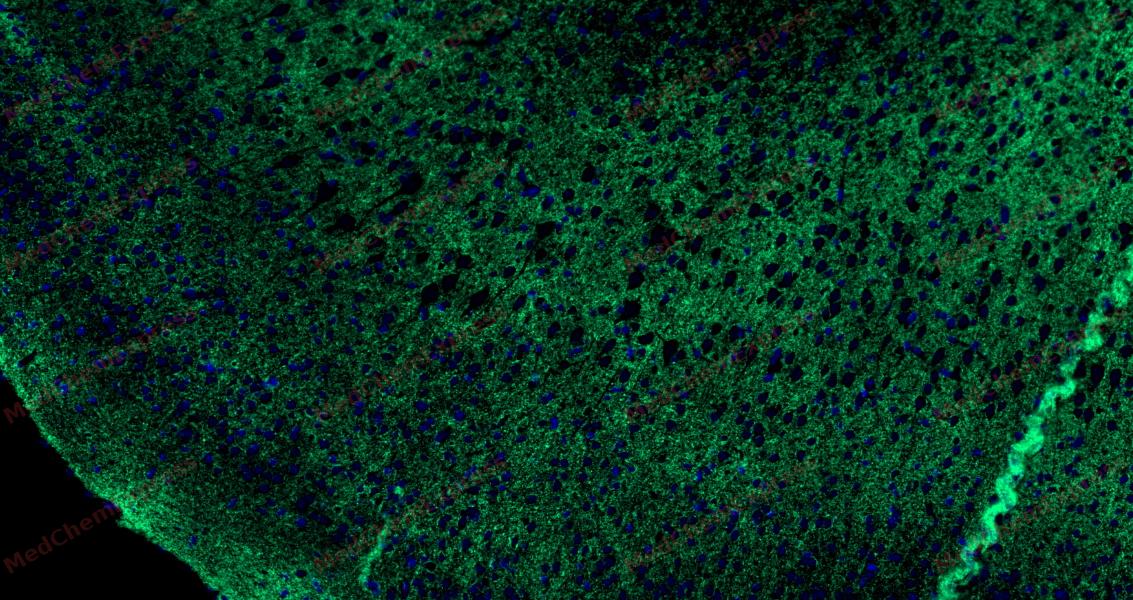 Tyramide signaling amplification based immunofluorescence was performed on paraffin-embedded Rat Brain tissue using VGLUT2 antibody. Antigen retrieval was performed in EDTA buffer pH 9.0 (95 °C, 20 min) followed by cooling to RT. Then incubated with primary antibody (HY-P87139, 1:500 dilution) at room temperature for 60 minutes and HRP conjugated secondary antibody for 10 minutes. Fluorescence was then developed with Vari Fluor 532 TSA (200×)(HY-D1832). The tissues were counterstained with DAPI and mounted with Anti-fade mounting medium.


Background
-
Function
VGLUT2 multifunctional transporter that transports L-glutamate as well as multiple ions such as chloride, proton, potassium, sodium and phosphate. At the synaptic vesicle membrane, mainly functions as a uniporter which transports preferentially L-glutamate but also, phosphate from the cytoplasm into synaptic vesicles at presynaptic nerve terminals of excitatory neural cells. The L-glutamate or phosphate uniporter activity is electrogenic and is driven by the proton electrochemical gradient, mainly by the electrical gradient established by the vacuolar H(+)-ATPase across the synaptic vesicle membrane. In addition, functions as a chloride channel that allows a chloride permeation through the synaptic vesicle membrane therefore affects the proton electrochemical gradient and promotes synaptic vesicles acidification. Moreover, functions as a vesicular K(+)/H(+) antiport allowing to maintain the electrical gradient and to decrease chemical gradient and therefore sustain vesicular glutamate uptake. The vesicular H(+)/H(+) antiport activity is electroneutral. At the plasma membrane, following exocytosis, functions as a symporter of Na(+) and phosphate from the extracellular space to the cytoplasm allowing synaptic phosphate homeostasis regulation. The symporter activity is driven by an inside negative membrane potential and is electrogenic. Also involved in the regulation of retinal hyaloid vessel regression during postnatal development. May also play a role in the endocrine glutamatergic system of other tissues such as pineal gland and pancreas[1][2][3][4][5].
-
Subcellular Localization
Cytoplasmic vesicle, secretory vesicle, synaptic vesicle membrane,Synapse, synaptosome,Cell membrane
-
Expression
Tissue_Specificity: Expressed in brain. Expressed in hippocampal neurons (at protein level) -
Isoforms & Post-Translational Modification
Q8BLE7: 582 amino acids, molecular weight 64561 Da.
-
SwissProt ID
-
Synonyms
Differentiation associated BNPI antibody; Differentiation associated Na dependent inorganic phosphate cotransporter antibody; Differentiation associated Na(+) dependent inorganic phosphate cotransporter antibody; Differentiation-associated BNPI antibody; Differentiation-associated Na(+)-dependent inorganic phosphate cotransporter antibody; DNPI antibody; SLC17A6 antibody; Sodium dependent inorganic phosphate cotransporter antibody; Solute carrier family 17 (Sodium dependent inorganic phosphate cotransporter) member 6 antibody; Solute carrier family 17 member 6 antibody; Differentiation associated BNPI antibody; Differentiation associated Na dependent inorganic phosphate cotransporter antibody; Differentiation associated Na(+) dependent inorganic phosphate cotransporter antibody; Differentiation-associated BNPI antibody; Differentiation-associated Na(+)-dependent inorganic phosphate cotransporter antibody; DNPI antibody; SLC17A6 antibody; Sodium dependent inorganic phosphate cotransporter antibody; Solute carrier family 17 (Sodium dependent inorganic phosphate cotransporter) member 6 antibody; Solute carrier family 17 member 6 antibody; Vesicular glutamate transporter 2 antibody; Vesicular glutamate transporter type 2 antibody; VGLU2_HUMAN antibody; VGLUT 2 antibody; VGluT2 antibody;


Documentation
-
Data Sheet (231 KB)
-
SDS (254 KB)
- English - EN (254 KB)
- Français - FR (254 KB)
- Deutsch - DE (254 KB)
- Norwegian - NO (254 KB)
- Español - ES (254 KB)
- Swedish - SV (254 KB)
- Italian - IT (254 KB)
- Korean - KR (254 KB)
- Portuguese - PT (254 KB)
-
User Guide for Antibodies (1077 KB)

 Powered by Bioz
