



C3 Antibody (YA575)
(Synonyms: AHUS5; ARMD9; ASP; Complement C3; Complement factor 3; CPAMD1; HEL S 62p)Based on 1 Customer Validation
C3 Antibody (YA575) is a Rabbit-derived and non-conjugated IgG monoclonal antibody, targeting to C3.
-
Host:
Rabbit
-
Isotype:
IgG
-
Application:
WB, IHC-P
-
Reactivity :
Human
-
Formulation:
Supplied in 50 mM Tris-Glycine (pH 7.4), 0.15 M NaCl, 40% Glycerol and 0.05% BSA. Preservative: 0.01% Sodium azide
-
Conjugation:
Non-conjugated


To place orders, for customer services and technical support, please contact: MedChemExpress USA
Tel: 609-228-6898 E-mail: [email protected] [email protected]





Applications
| Application |
WB

WB: Western Blot
|
IHC-P
IHC-P: Immunohistochemistry-Paraffin
|
|---|---|---|
| Dilution Ratio | 1:500-1:1000 | 1:50-1:100 |


Product Details
C3 Antibody (YA575) is a Rabbit-derived and non-conjugated IgG monoclonal antibody, targeting to C3.
-
Host Rabbit

-
Clonality Recombinant,Monoclonal

-
Species ReactivityHuman
-
Observed Molecular WeightObserved band size: 187 kDa
Note: Due to possible protein modifications or aggregation, the molecular weight should be confirmed by actual measurement, and the predicted value is for reference only.

-
Calculated Molecular Weight Predicted band size: 187 kDa

Synthetic peptide corresponding to Human C3.The exact sequence is proprietary to MCE.
Endogenous
affinity purified
Non-conjugated
Unmodified
IgG


Product Properties
-
Appearance
Solution
-
Formulation
Supplied in 50 mM Tris-Glycine (pH 7.4), 0.15 M NaCl, 40% Glycerol and 0.05% BSA. Preservative: 0.01% Sodium azide
-
Concentration
Batch-dependent, Please check the COA for the concentration of each lot. Check Lot Concentration
-
Storage & Stability
Stored at -20°C for 1 year. Avoid repeated freeze / thaw cycles.
-
Shipping
Shipping with blue ice.


Verification Images
-
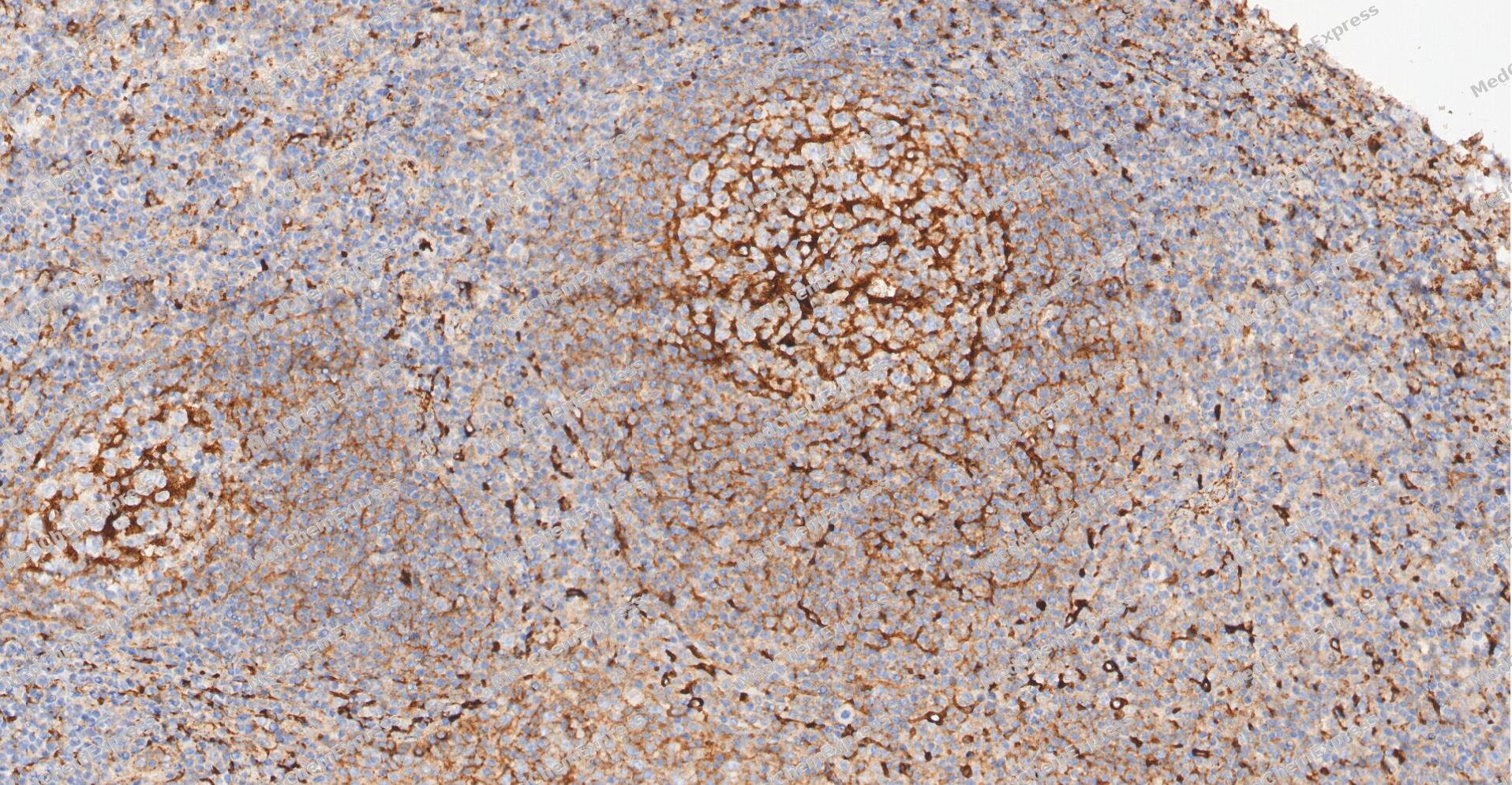 Immunohistochemical analysis of paraffin-embedded human Tonsil tissue using C3 antibody was performed. The section was pretreated using high-temperature and high-pressure mediated EDTA antigen retrieval buffer (pH 9.0), for 5 minutes. The tissues were incubated with primary antibody (HY-P80577, 1:500 dilution) at room temperature for 60 minutes. Detection was performed using an HRP conjugated compact polymer system. DAB was used as the chromogen. The tissues were counterstained with hematoxylin and mounted with neutral balsam mounting medium.
 -
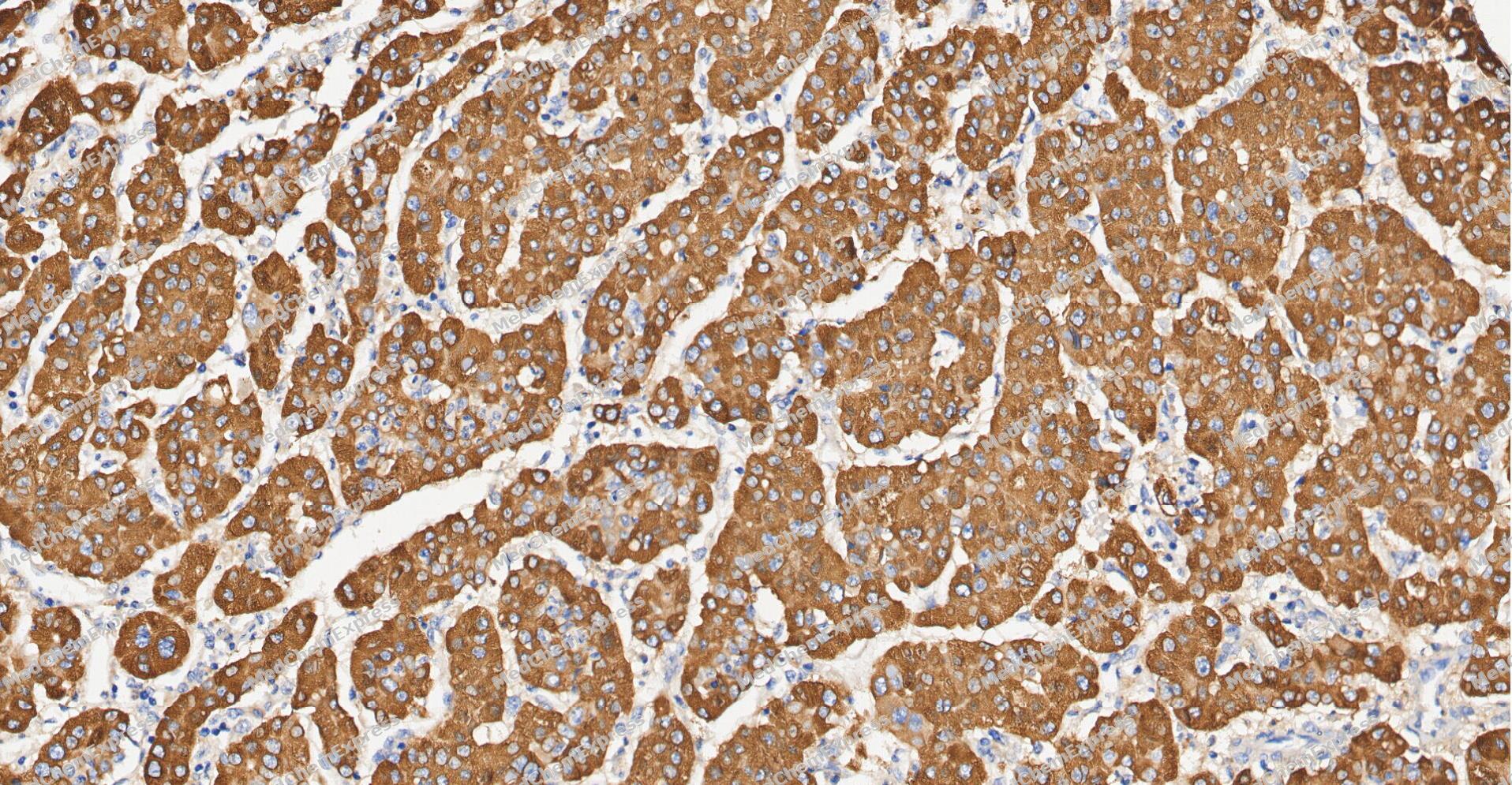 Immunohistochemical analysis of paraffin-embedded human Liver Cancer tissue using C3 antibody was performed. The section was pretreated using high-temperature and high-pressure mediated EDTA antigen retrieval buffer (pH 9.0), for 5 minutes. The tissues were incubated with primary antibody (HY-P80577, 1:500 dilution) at room temperature for 60 minutes. Detection was performed using an HRP conjugated compact polymer system. DAB was used as the chromogen. The tissues were counterstained with hematoxylin and mounted with neutral balsam mounting medium.
 -
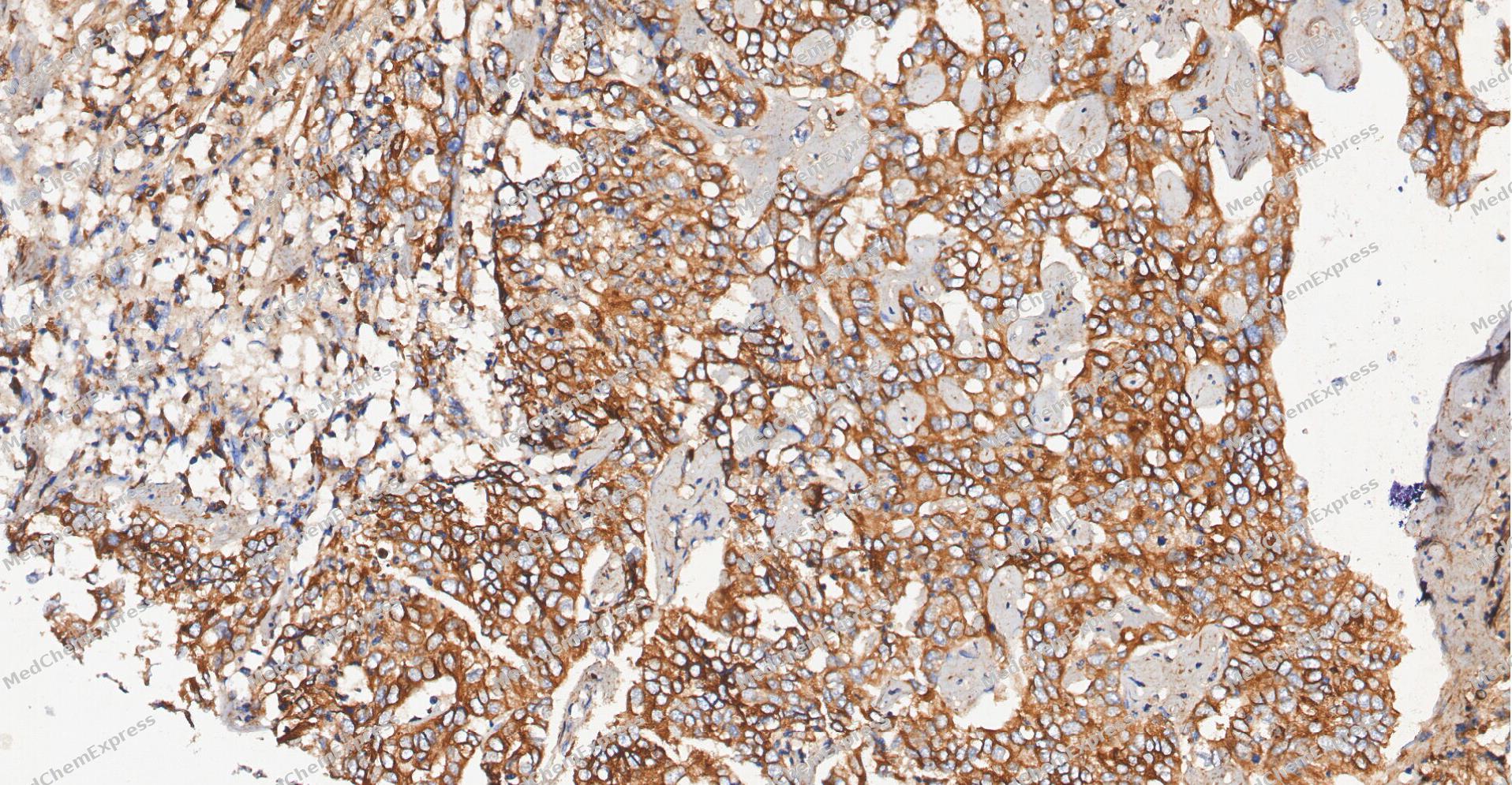 Immunohistochemical analysis of paraffin-embedded human cholangiocarcinoma tissue using C3 antibody was performed. The section was pretreated using high-temperature and high-pressure mediated EDTA antigen retrieval buffer (pH 9.0), for 5 minutes. The tissues were incubated with primary antibody (HY-P80577, 1:500 dilution) at room temperature for 60 minutes. Detection was performed using an HRP conjugated compact polymer system. DAB was used as the chromogen. The tissues were counterstained with hematoxylin and mounted with neutral balsam mounting medium.
 -
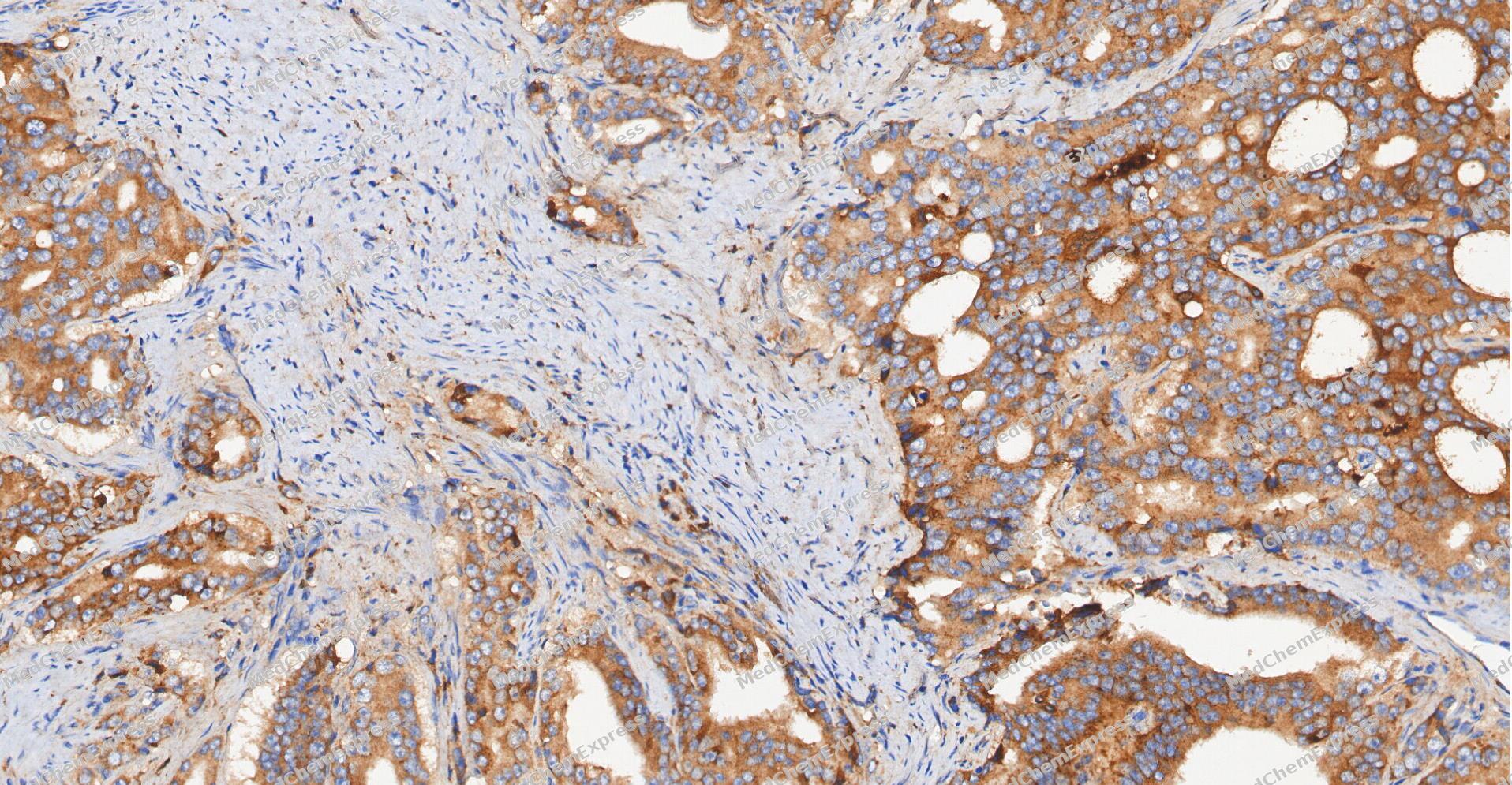 Immunohistochemical analysis of paraffin-embedded human Prostate Cancer tissue using C3 antibody was performed. The section was pretreated using high-temperature and high-pressure mediated EDTA antigen retrieval buffer (pH 9.0), for 5 minutes. The tissues were incubated with primary antibody (HY-P80577, 1:500 dilution) at room temperature for 60 minutes. Detection was performed using an HRP conjugated compact polymer system. DAB was used as the chromogen. The tissues were counterstained with hematoxylin and mounted with neutral balsam mounting medium.
 -
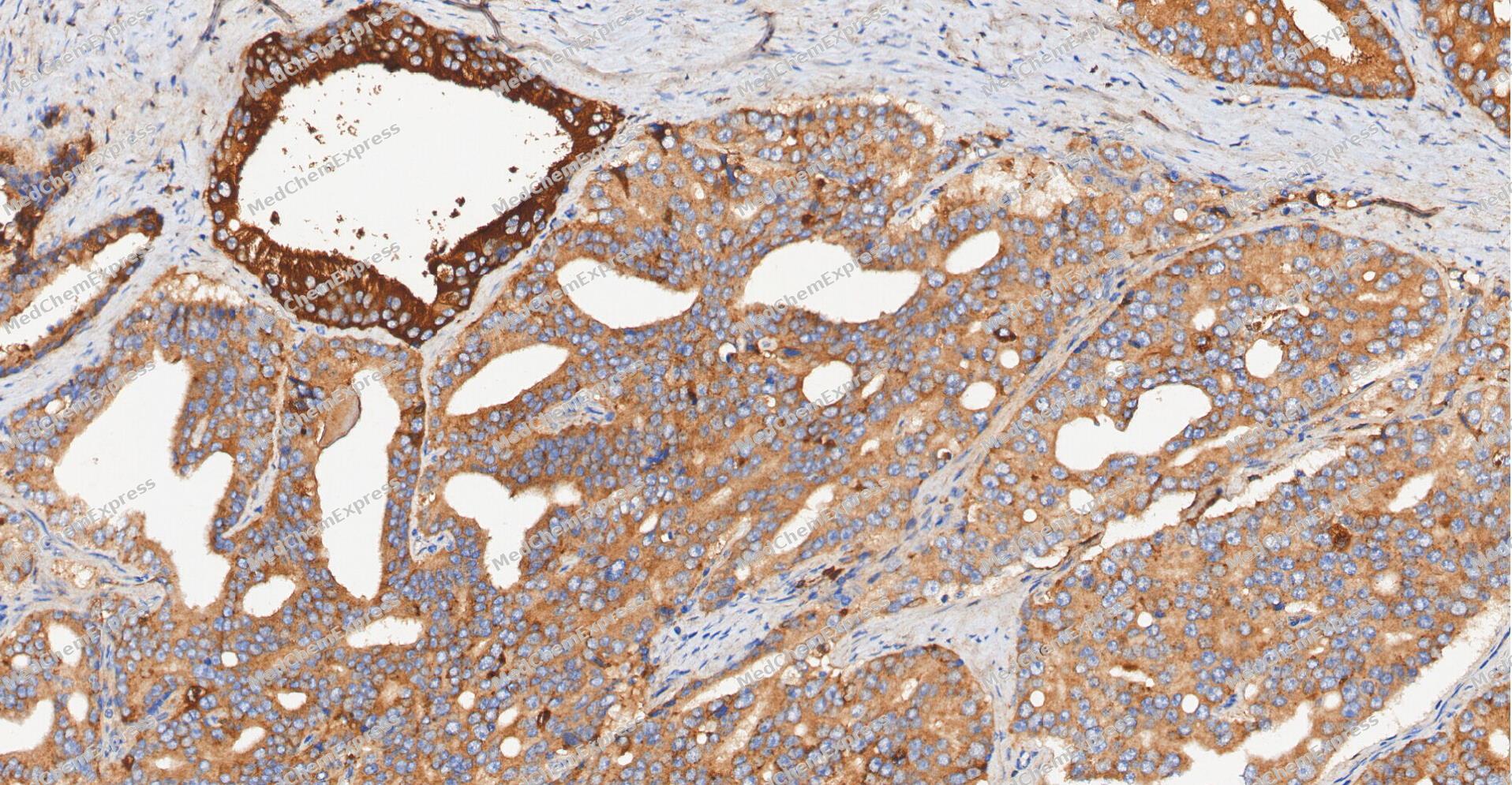 Immunohistochemical analysis of paraffin-embedded human Prostate Cancer tissue using C3 antibody was performed. The section was pretreated using high-temperature and high-pressure mediated EDTA antigen retrieval buffer (pH 9.0), for 5 minutes. The tissues were incubated with primary antibody (HY-P80577, 1:500 dilution) at room temperature for 60 minutes. Detection was performed using an HRP conjugated compact polymer system. DAB was used as the chromogen. The tissues were counterstained with hematoxylin and mounted with neutral balsam mounting medium.
 -
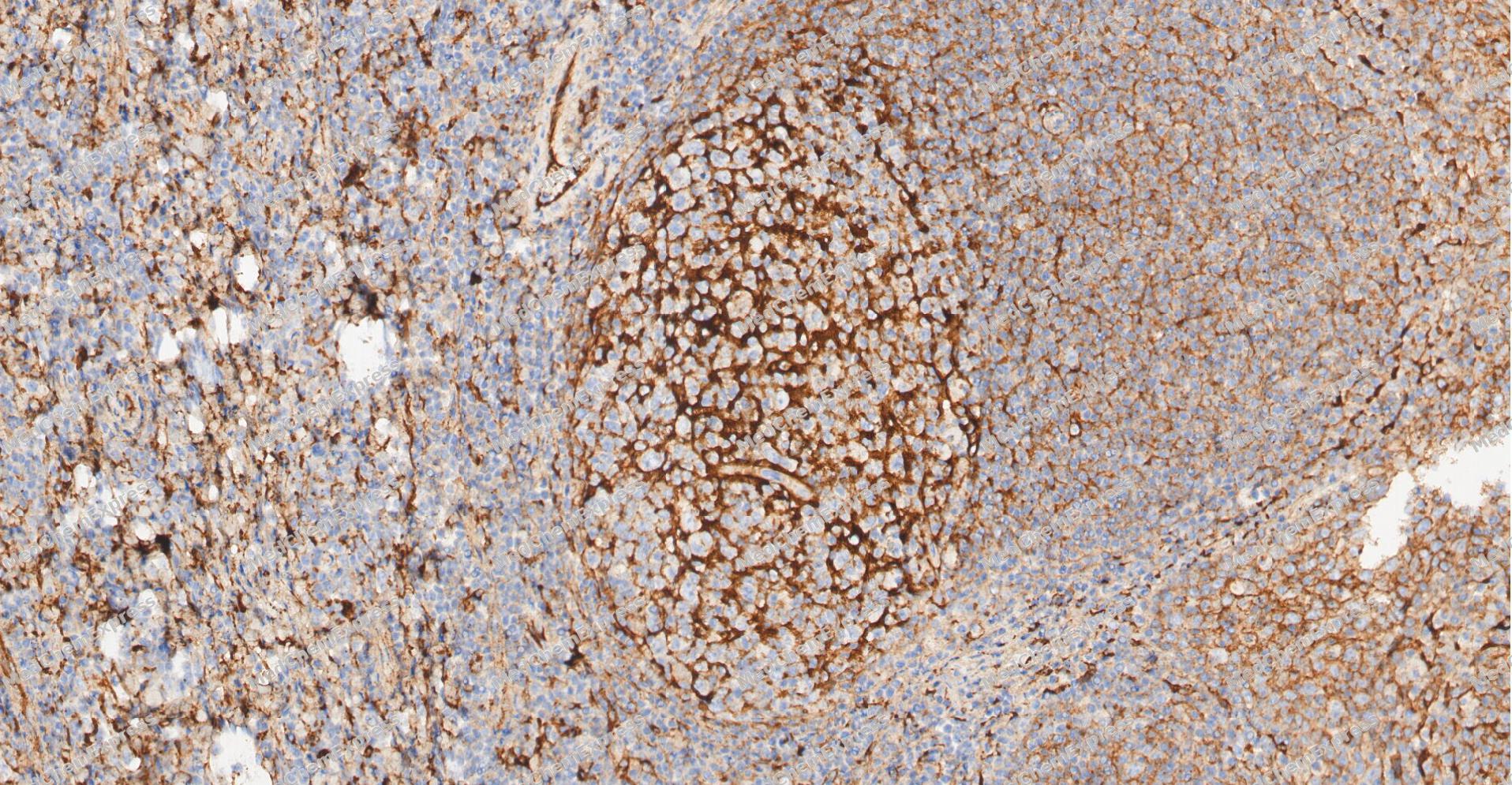 Immunohistochemical analysis of paraffin-embedded human Tonsil tissue using C3 antibody was performed. The section was pretreated using high-temperature and high-pressure mediated EDTA antigen retrieval buffer (pH 9.0), for 5 minutes. The tissues were incubated with primary antibody (HY-P80577, 1:500 dilution) at room temperature for 60 minutes. Detection was performed using an HRP conjugated compact polymer system. DAB was used as the chromogen. The tissues were counterstained with hematoxylin and mounted with neutral balsam mounting medium.
 -
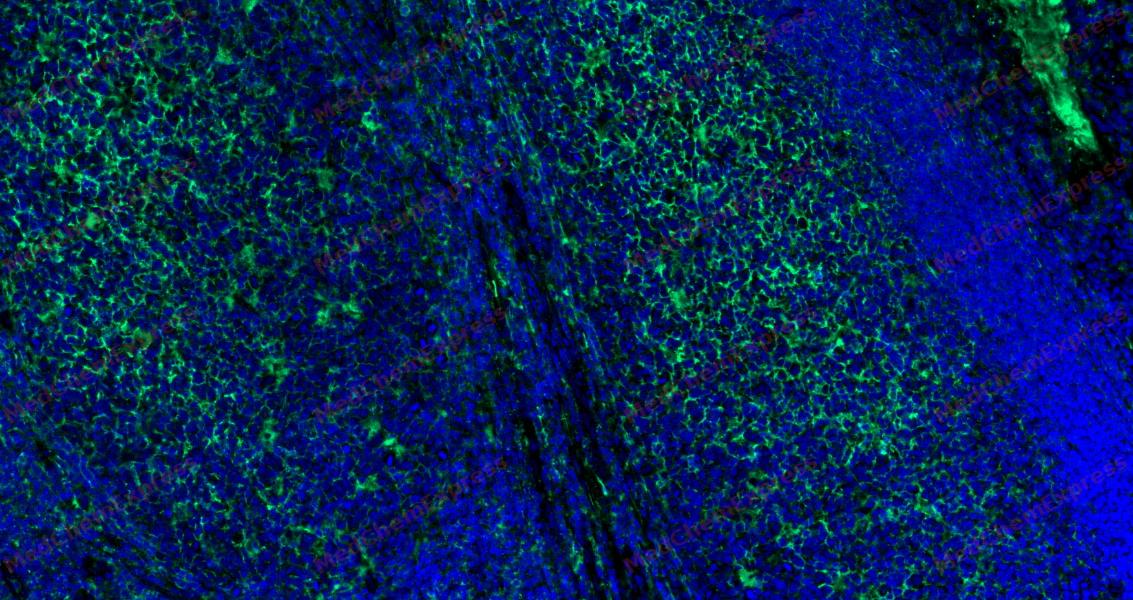 Tyramide signaling amplification based immunofluorescence was performed on paraffin-embedded human Tonsil tissue using C3 antibody. Antigen retrieval was performed in EDTA buffer pH 9.0 (95 °C, 20 min) followed by cooling to RT. Then incubated with primary antibody (HY-P80577, 1:1000 dilution) at room temperature for 60 minutes and HRP conjugated secondary antibody for 10 minutes. Fluorescence was then developed with Vari Fluor 532 TSA (200×)(HY-D1832). The tissues were counterstained with DAPI and mounted with Anti-fade mounting medium.
 -
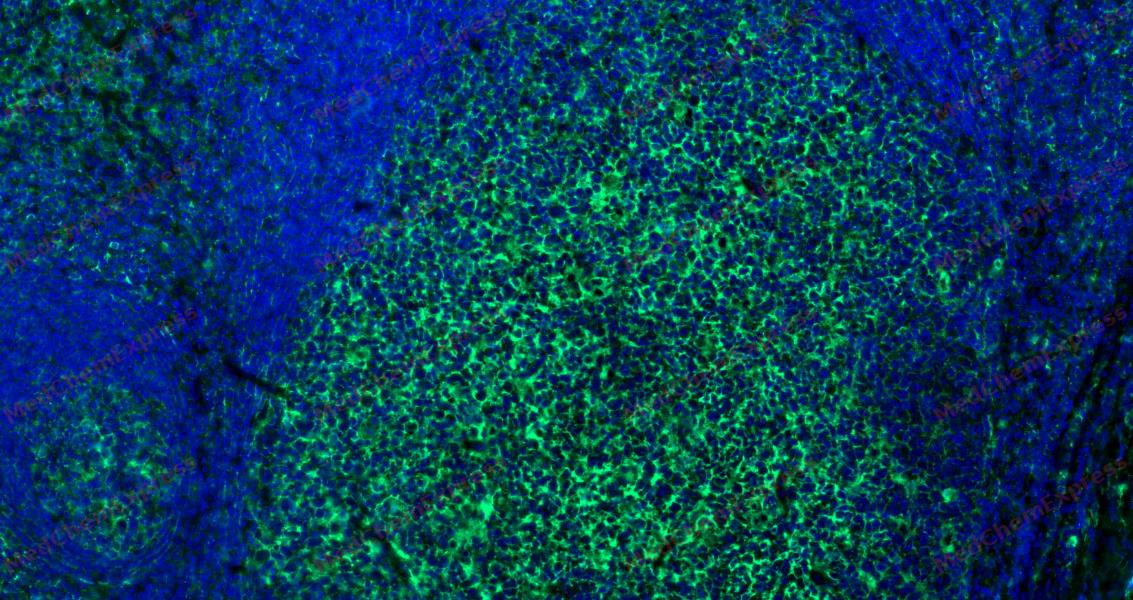 Tyramide signaling amplification based immunofluorescence was performed on paraffin-embedded human Tonsil tissue using C3 antibody. Antigen retrieval was performed in EDTA buffer pH 9.0 (95 °C, 20 min) followed by cooling to RT. Then incubated with primary antibody (HY-P80577, 1:1000 dilution) at room temperature for 60 minutes and HRP conjugated secondary antibody for 10 minutes. Fluorescence was then developed with Vari Fluor 532 TSA (200×)(HY-D1832). The tissues were counterstained with DAPI and mounted with Anti-fade mounting medium.
 -
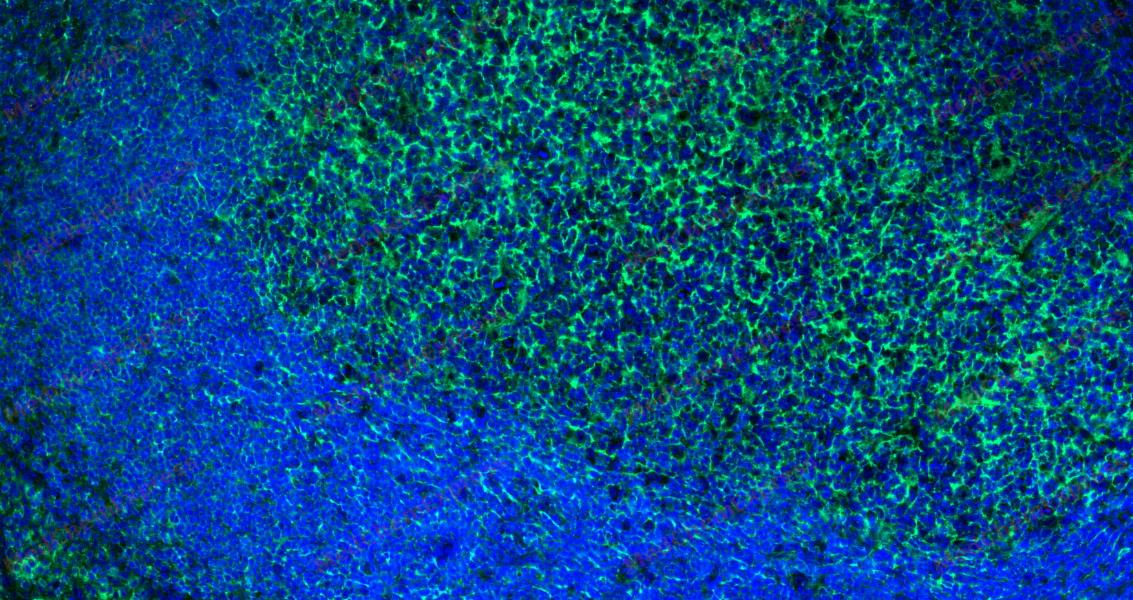 Tyramide signaling amplification based immunofluorescence was performed on paraffin-embedded human Tonsil tissue using C3 antibody. Antigen retrieval was performed in EDTA buffer pH 9.0 (95 °C, 20 min) followed by cooling to RT. Then incubated with primary antibody (HY-P80577, 1:1000 dilution) at room temperature for 60 minutes and HRP conjugated secondary antibody for 10 minutes. Fluorescence was then developed with Vari Fluor 532 TSA (200×)(HY-D1832). The tissues were counterstained with DAPI and mounted with Anti-fade mounting medium.
 -
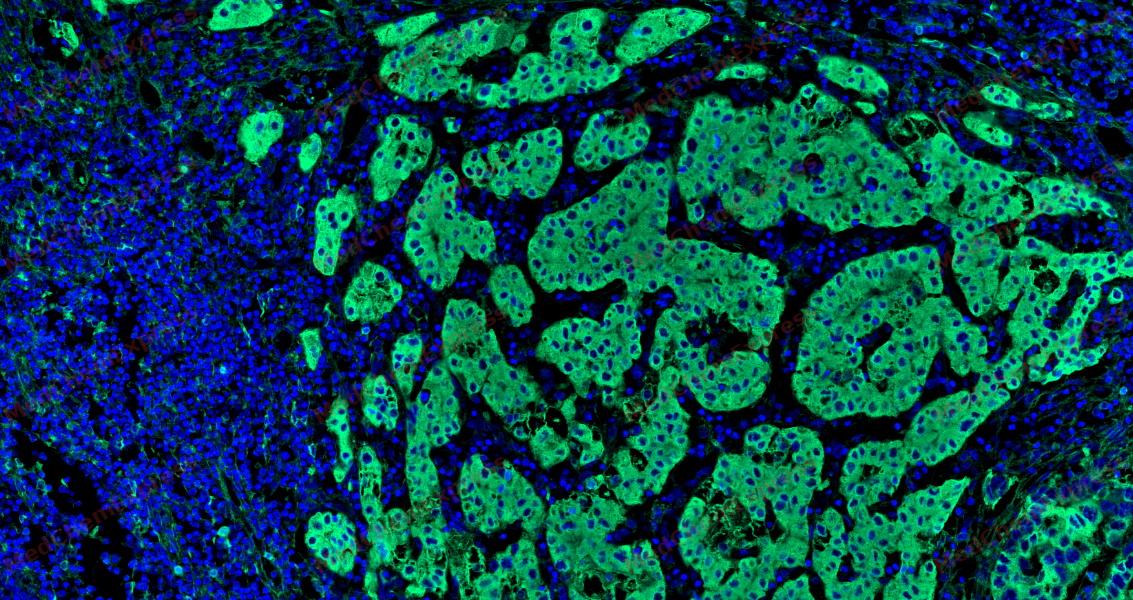 Tyramide signaling amplification based immunofluorescence was performed on paraffin-embedded human Liver Cancer tissue using C3 antibody. Antigen retrieval was performed in EDTA buffer pH 9.0 (95 °C, 20 min) followed by cooling to RT. Then incubated with primary antibody (HY-P80577, 1:1000 dilution) at room temperature for 60 minutes and HRP conjugated secondary antibody for 10 minutes. Fluorescence was then developed with Vari Fluor 532 TSA (200×)(HY-D1832). The tissues were counterstained with DAPI and mounted with Anti-fade mounting medium.
 -
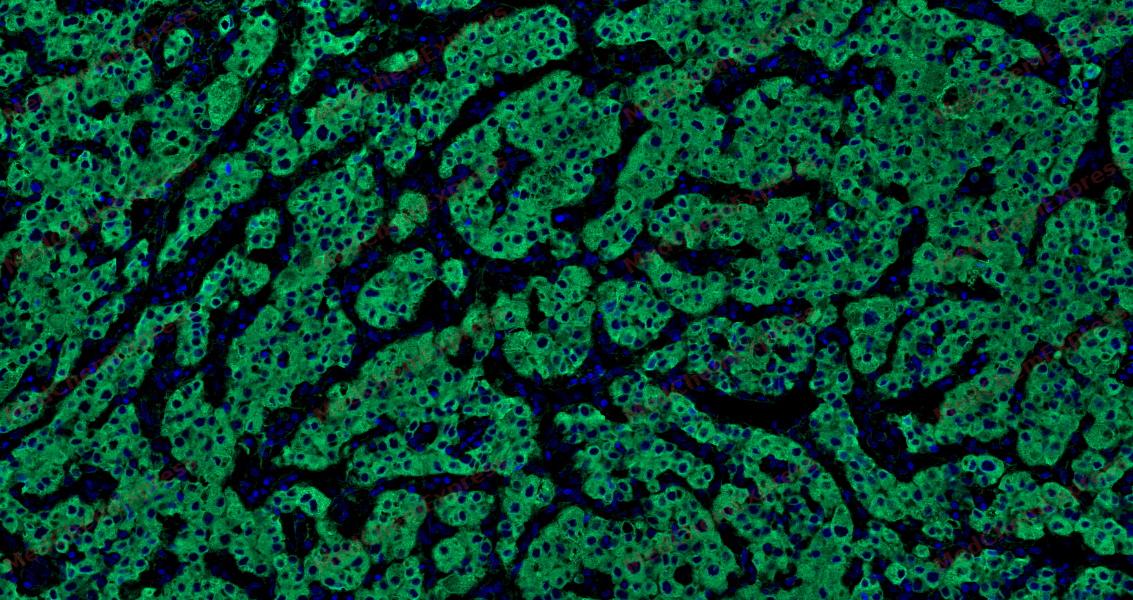 Tyramide signaling amplification based immunofluorescence was performed on paraffin-embedded human Liver Cancer tissue using C3 antibody. Antigen retrieval was performed in EDTA buffer pH 9.0 (95 °C, 20 min) followed by cooling to RT. Then incubated with primary antibody (HY-P80577, 1:1000 dilution) at room temperature for 60 minutes and HRP conjugated secondary antibody for 10 minutes. Fluorescence was then developed with Vari Fluor 532 TSA (200×)(HY-D1832). The tissues were counterstained with DAPI and mounted with Anti-fade mounting medium.
 -
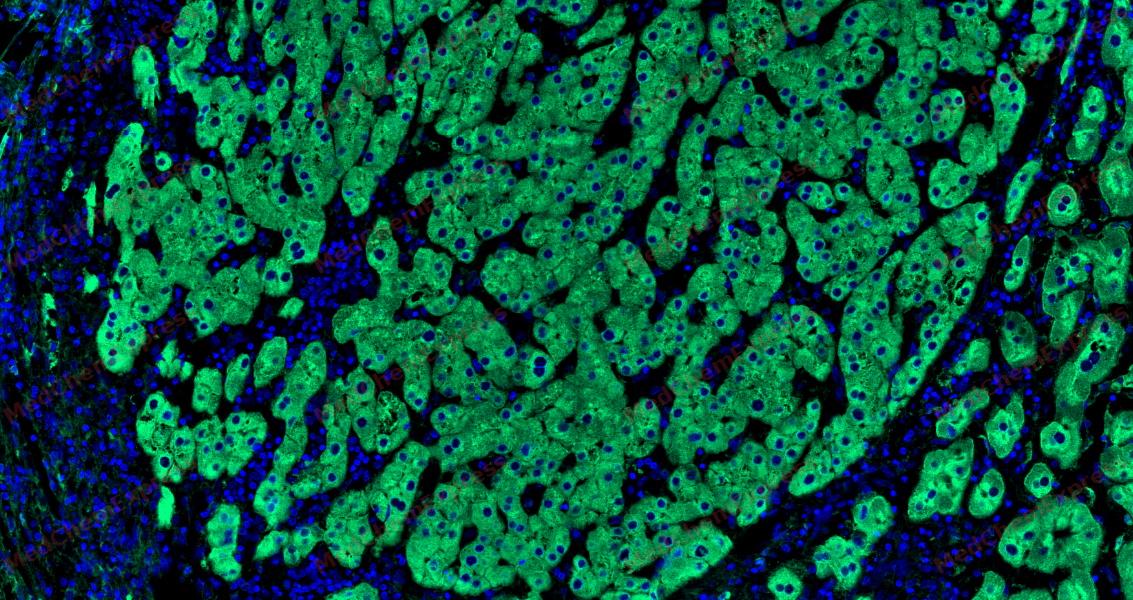 Tyramide signaling amplification based immunofluorescence was performed on paraffin-embedded human Liver Cancer tissue using C3 antibody. Antigen retrieval was performed in EDTA buffer pH 9.0 (95 °C, 20 min) followed by cooling to RT. Then incubated with primary antibody (HY-P80577, 1:1000 dilution) at room temperature for 60 minutes and HRP conjugated secondary antibody for 10 minutes. Fluorescence was then developed with Vari Fluor 532 TSA (200×)(HY-D1832). The tissues were counterstained with DAPI and mounted with Anti-fade mounting medium.


Background
-
Function
C3 is a Precursor of non-enzymatic components of the classical, alternative, lectin and GZMK complement pathways, which consist in a cascade of proteins that leads to phagocytosis and breakdown of pathogens and signaling that strengthens the adaptive immune system; Non-enzymatic component of C5 convertase. Generated following cleavage by C3 convertase, it covalently attaches to the surface of pathogens, where it acts as an opsonin that marks the surface of antigens for removal. Complement C3b binds covalently via its reactive thioester, to cell surface carbohydrates or immune aggregates. Together with complement C4b, it then recruits the serine protease complement C2b to form the C5 convertase, which cleaves and activate C5, the next component of the complement pathways. In the alternative complement pathway, recruits the serine protease CFB to form the C5 convertase that cleaves and activates C5; Mediator of local inflammatory process released following cleavage by C3 convertase. Acts by binding to its receptor, C3AR1, activating G protein-coupled receptor signaling, promoting the phosphorylation, ARRB2-mediated internalization and endocytosis of C3AR1. C3a anaphylatoxin stimulates the activation of immune cells such as mast cells and basophilic leukocytes to release inflammation agents, such as cytokines, chemokines and histamine, which promote inflammation development. Also acts as potent chemoattractant for the migration of macrophages and neutrophils to the inflamed tissues, resulting in neutralization of the inflammatory triggers by multiple ways, such as phagocytosis and generation of reactive oxidants; Adipogenic hormone that stimulates triglyceride synthesis and glucose transport in adipocytes, regulating fat storage and playing a role in postprandial triglyceride clearance. Appears to stimulate triglyceride synthesis via activation of the PLC, MAPK and AKT signaling pathways. Acts by binding to its receptor, C5AR2, activating G protein-coupled receptor signaling, promoting the phosphorylation, ARRB2-mediated internalization and endocytosis of C5AR2; Acts as a chemoattractant for neutrophils in chronic inflammation[1][2][3][4][5][6][7][8][9][10][11][12][13][14][15][16][17][18][19][20][21][22][23][24].
-
Subcellular Localization
Secreted; Secreted; Cell surface; Secreted
-
Expression
Tissue_specificity:Plasma; produced by fat cells and released into the bloodstream during fasting and postprandial periods. -
Subunit
In absence of complement activation, the C3 precursor is first processed by the removal of 4 Arg residues, forming two chains, beta and alpha, linked by a disulfide bond
-
SwissProt ID
-
Synonyms
AHUS5; ARMD9; ASP; Complement C3; Complement factor 3; CPAMD1; HEL S 62p
-
Research Field
Immunology


Documentation
-
Data Sheet (263 KB)
-
SDS (251 KB)
- English - EN (251 KB)
- Français - FR (251 KB)
- Deutsch - DE (251 KB)
- Norwegian - NO (251 KB)
- Español - ES (251 KB)
- Swedish - SV (251 KB)
- Italian - IT (251 KB)
- Korean - KR (251 KB)
- Portuguese - PT (251 KB)
-
User Guide for Antibodies (1077 KB)
References
[1]. Pedersen DV, et al. Functional and structural insight into properdin control of complement alternative pathway amplification. EMBO J. 2017 Apr 13;36(8):1084-1099. [Content Brief]
[2]. Pedersen DV, et al. Structural Basis for Properdin Oligomerization and Convertase Stimulation in the Human Complement System. Front Immunol. 2019;10:2007. [Content Brief]
[3]. Fries LF, et al. Phagocytosis of target particles bearing C3b-IgG covalent complexes by human monocytes and polymorphonuclear leucocytes. Immunology. 1987 Sep;62(1):45-51. [Content Brief]
[4]. Joiner KA, et al. IgG bearing covalently bound C3b has enhanced bactericidal activity for Escherichia coli 0111. J Exp Med. 1985 Sep 1;162(3):877-89. [Content Brief]
[5]. Ehlenberger AG, et al. The role of membrane receptors for C3b and C3d in phagocytosis. J Exp Med. 1977 Feb 1;145(2):357-71. [Content Brief]
[6]. Lutz HU, et al. Preferential formation of C3b-IgG complexes in vitro and in vivo from nascent C3b and naturally occurring anti-band 3 antibodies. J Biol Chem. 1993 Aug 15;268(23):17418-26. [Content Brief]
[7]. Pangburn MK, et al. Relation of putative thioester bond in C3 to activation of the alternative pathway and the binding of C3b to biological targets of complement. J Exp Med. 1980 Oct 1;152(4):1102-14. [Content Brief]
[8]. Rawal N, et al. Formation of high affinity C5 convertase of the classical pathway of complement. J Biol Chem. 2003 Oct 3;278(40):38476-83. [Content Brief]
[9]. Rawal N, et al. Activation of complement component C5: comparison of C5 convertases of the lectin pathway and the classical pathway of complement. J Biol Chem. 2008 Mar 21;283(12):7853-63. [Content Brief]
[10]. Kozono H, et al. Localization of the covalent C3b-binding site on C4b within the complement classical pathway C5 convertase, C4b2a3b. J Biol Chem. 1990 Aug 25;265(24):14444-9. [Content Brief]
[11]. Vogt W, et al. A new function of the activated third component of complement: binding to C5, an essential step for C5 activation. Immunology. 1978 Jan;34(1):29-40. [Content Brief]
[12]. DiScipio RG, et al. The activation of human complement component C5 by a fluid phase C5 convertase. J Biol Chem. 1983 Sep 10;258(17):10629-36. [Content Brief]
[13]. Caporale LH, et al. The active site of C3a anaphylatoxin. J Biol Chem. 1980 Nov 25;255(22):10758-63. [Content Brief]
[14]. Ames RS, et al. Molecular cloning and characterization of the human anaphylatoxin C3a receptor. J Biol Chem. 1996 Aug 23;271(34):20231-4. [Content Brief]
[15]. Klos A, et al. International Union of Basic and Clinical Pharmacology. [corrected]. LXXXVII. Complement peptide C5a, C4a, and C3a receptors. Pharmacol Rev. 2013 Jan;65(1):500-43. [Content Brief]
[16]. Murray I, et al. Acylation-stimulating protein (ASP): structure-function determinants of cell surface binding and triacylglycerol synthetic activity. Biochem J. 1999 Aug 15;342 ( Pt 1)(Pt 1):41-8. [Content Brief]
[17]. Kalant D, et al. C5L2 is a functional receptor for acylation-stimulating protein. J Biol Chem. 2005 Jun 24;280(25):23936-44. [Content Brief]
[18]. Maslowska M, et al. Targeting the signaling pathway of acylation stimulating protein. J Lipid Res. 2006 Mar;47(3):643-52. [Content Brief]
[19]. Cui W, et al. C5a- and ASP-mediated C5L2 activation, endocytosis and recycling are lost in S323I-C5L2 mutation. Mol Immunol. 2009 Sep;46(15):3086-98. [Content Brief]
[20]. Cianflone KM, et al. Purification and characterization of acylation stimulating protein. J Biol Chem. 1989 Jan 5;264(1):426-30. [Content Brief]
[21]. Baldo A, et al. The adipsin-acylation stimulating protein system and regulation of intracellular triglyceride synthesis. J Clin Invest. 1993 Sep;92(3):1543-7. [Content Brief]
[22]. Tao Y, et al. Acylation-stimulating protein (ASP) regulates glucose transport in the rat L6 muscle cell line. Biochim Biophys Acta. 1997 Feb 18;1344(3):221-9. [Content Brief]
[23]. Cain SA, et al. The orphan receptor C5L2 has high affinity binding sites for complement fragments C5a and C5a des-Arg(74). J Biol Chem. 2002 Mar 1;277(9):7165-9. [Content Brief]
[24]. Kalant D, et al. The chemoattractant receptor-like protein C5L2 binds the C3a des-Arg77/acylation-stimulating protein. J Biol Chem. 2003 Mar 28;278(13):11123-9. [Content Brief]

 Powered by Bioz
