



SMYD3 Antibody (YA2003)
(Synonyms: KMT3E; ZMYND1; ZNFN3A1; bA74P14.1)
Based on 1 Customer Validation
SMYD3 Antibody (YA2003) is a Rabbit-derived and non-conjugated IgG monoclonal antibody, targeting to SMYD3.
-
Host:
Rabbit
-
Isotype:
IgG
-
Application:
WB, IHC-F, IHC-P, ICC/IF, IP
-
Reactivity :
Human
-
Formulation:
Supplied in 50mM Tris-Glycine(pH 7.4), 0.15M NaCl, 40% Glycerol, 0.01% Sodium azide and 0.05% BSA
-
Conjugation:
Non-conjugated


To place orders, for customer services and technical support, please contact: MedChemExpress USA
Tel: 609-228-6898 E-mail: [email protected] [email protected]





Applications
| Application |
WB

WB: Western Blot
|
IHC-P
IHC-P: Immunohistochemistry-Paraffin
|
IHC-F
IHC-F: Immunohistochemistry-Frozen
|
ICC/IF
ICC/IF: Immunocytochemistry/
Immunofluorescence |
IP
IP: Immunoprecipitation
|
|---|---|---|---|---|---|
| Dilution Ratio | 1:500-1:1000 | 1:50-1:100 | 1:50-1:100 | 1:50-1:200 | 1:20 |


Product Details
SMYD3 Antibody (YA2003) is a Rabbit-derived and non-conjugated IgG monoclonal antibody, targeting to SMYD3.
-
Host Rabbit

-
Clonality Recombinant,Monoclonal

-
Species ReactivityHuman
-
Observed Molecular WeightObserved band size: 49 kDa
Note: Due to possible protein modifications or aggregation, the molecular weight should be confirmed by actual measurement, and the predicted value is for reference only.

-
Calculated Molecular Weight Predicted band size: 49 kDa

A synthetic peptide of human SMYD3
Endogenous
Affinity Purified
Non-conjugated
Unmodified
IgG


Product Properties
-
Appearance
Solution
-
Formulation
Supplied in 50mM Tris-Glycine(pH 7.4), 0.15M NaCl, 40% Glycerol, 0.01% Sodium azide and 0.05% BSA
-
Concentration
Batch-dependent, Please check the COA for the concentration of each lot. Check Lot Concentration
-
Storage & Stability
Stored at -20°C for 1 year. Avoid repeated freeze / thaw cycles.
-
Shipping
Shipping with blue ice.


Verification Images
-
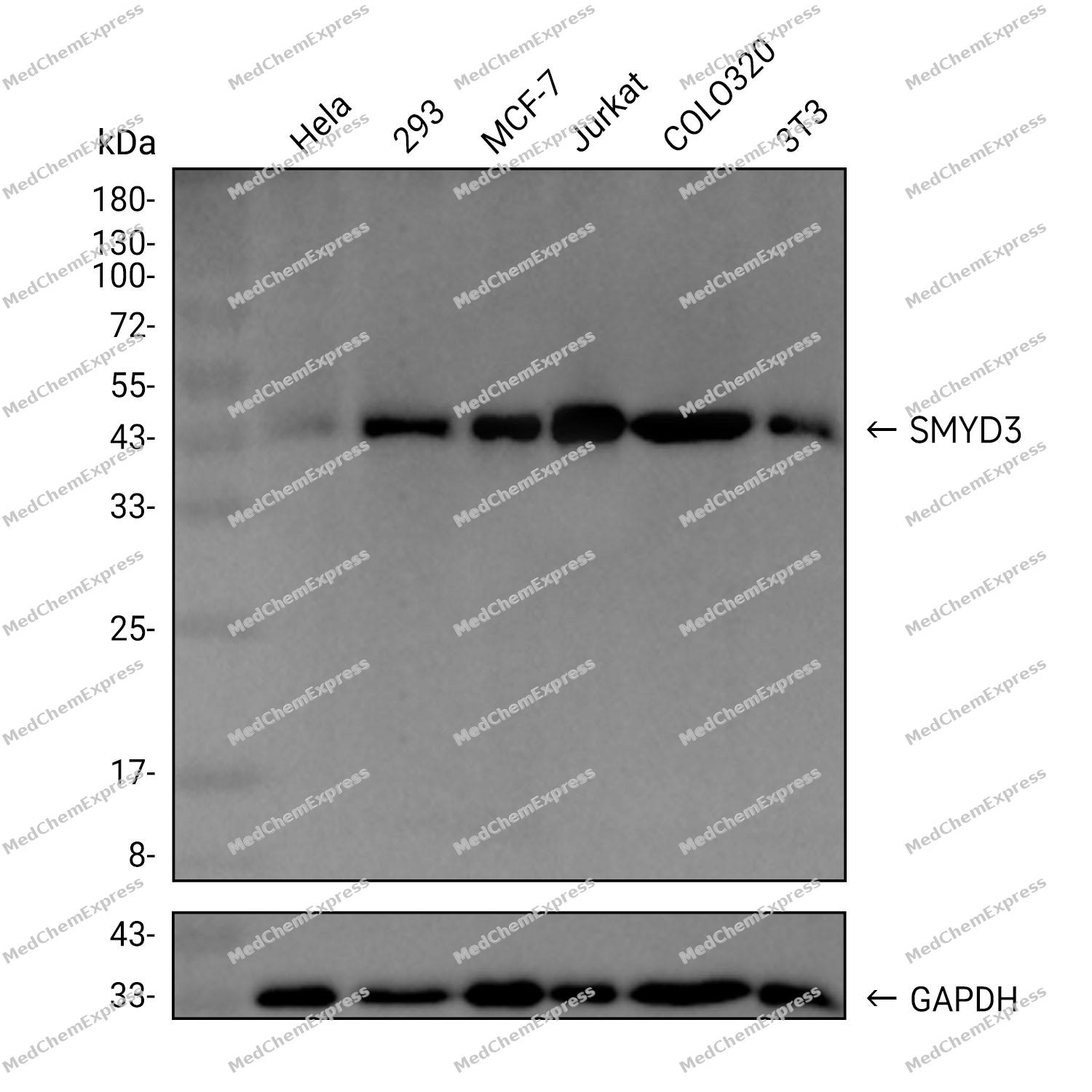
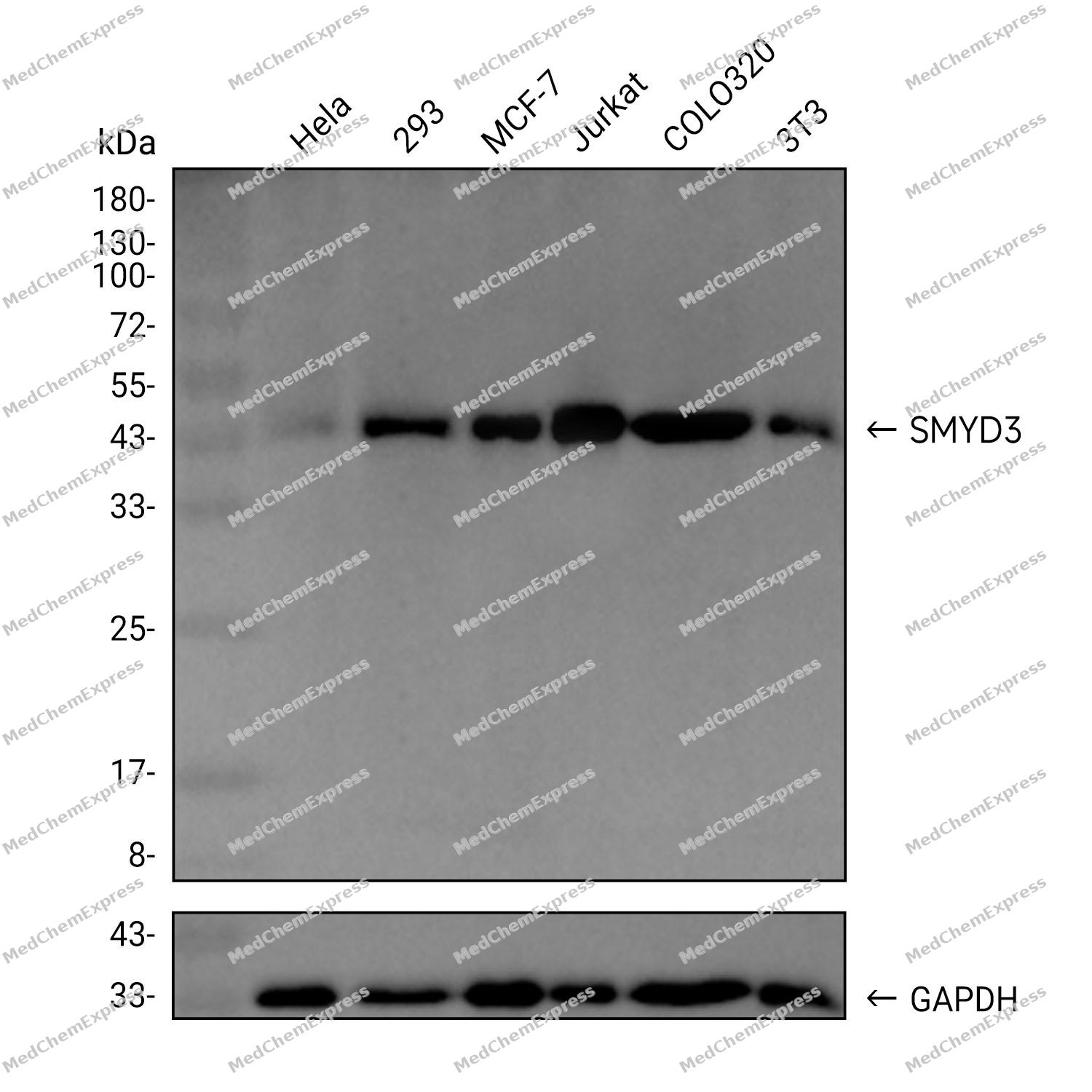 Western blot analysis was performed on extracts from Hela (lane 1, 15 μg), 293 (lane 2, 15 μg), MCF-7 (lane 3, 15 μg), Jurkat (lane 4, 15 μg), COLO320 (lane 5, 15 μg), and 3T3 (lane 6, 15 μg) using SMYD3 Rabbit mAb.Proteins were transferred to a PVDF membrane and blocked with 5% non-fat milk in TBST at 4°C overnight.The primary antibody (1:500 dilution) and the loading control antibody (GAPDH, HY-P80137, 1:20000 dilution) were incubated in 5% non-fat milk in TBST for 1 hour at 37°C.Goat Anti-Rabbit IgG-HRP Secondary Antibody (1:20000 dilution) was then applied for 40 minutes at 37°C.
 -
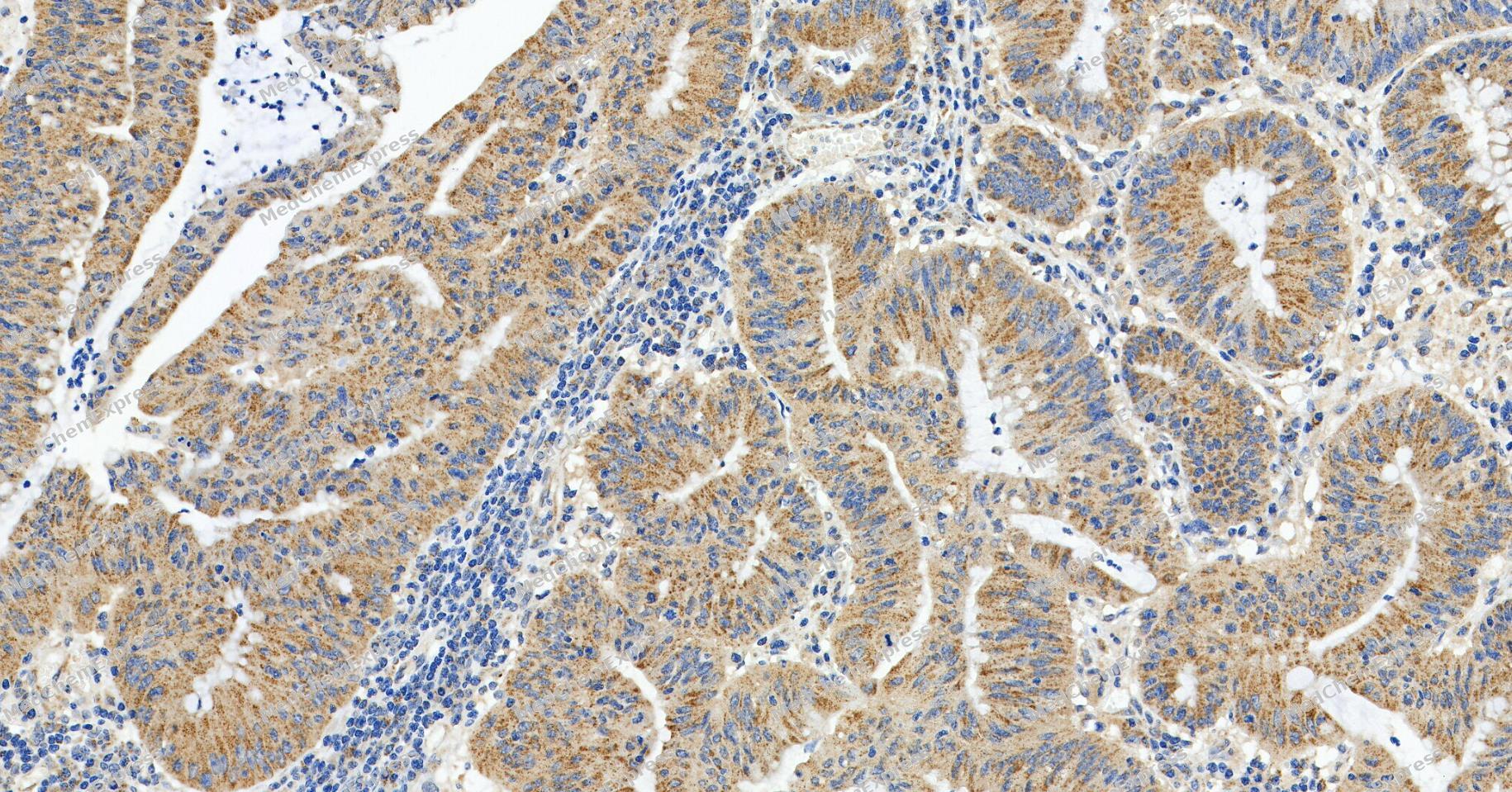 Immunohistochemical analysis of paraffin-embedded human colon cancer tissue using SMYD3 Antibody (YA2003). The section was pre-treated using heat mediated antigen retrieval with Tris/EDTA buffer (pH 9.0) for 20 minutes. The tissues were probed with the primary antibody (HY-P82258, 1/100) overnight at 4℃. The detection was performed using an HRP conjugated compact polymer system. DAB was used as the chromogen. Tissues were counterstained with hematoxylin and mounted with neutral balsam.
 -
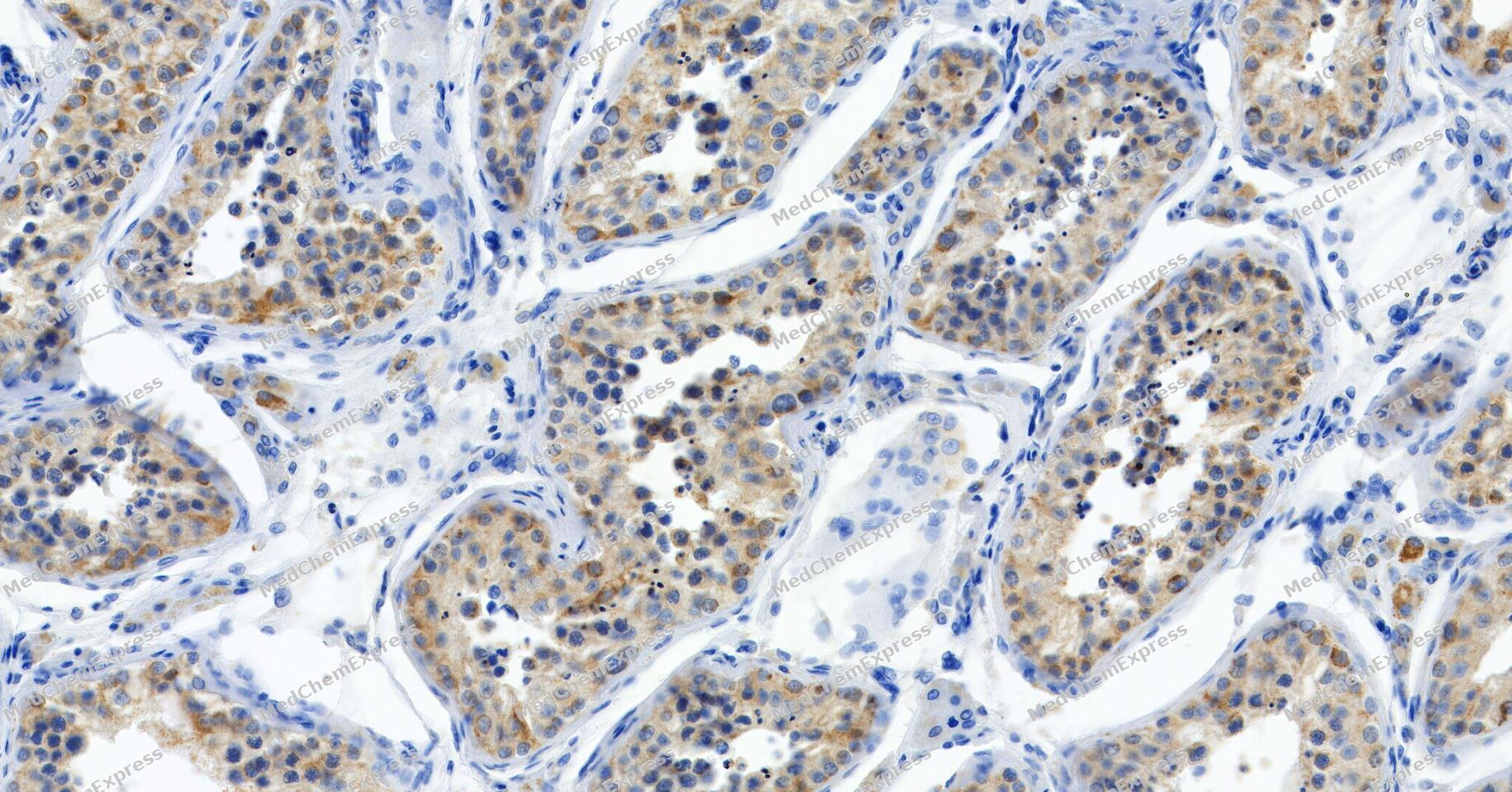 Immunohistochemical analysis of paraffin-embedded human testis tissue using SMYD3 Antibody (YA2003). The section was pre-treated using heat mediated antigen retrieval with Tris/EDTA buffer (pH 9.0) for 20 minutes. The tissues were probed with the primary antibody (HY-P82258, 1/100) overnight at 4℃. The detection was performed using an HRP conjugated compact polymer system. DAB was used as the chromogen. Tissues were counterstained with hematoxylin and mounted with neutral balsam.
 -
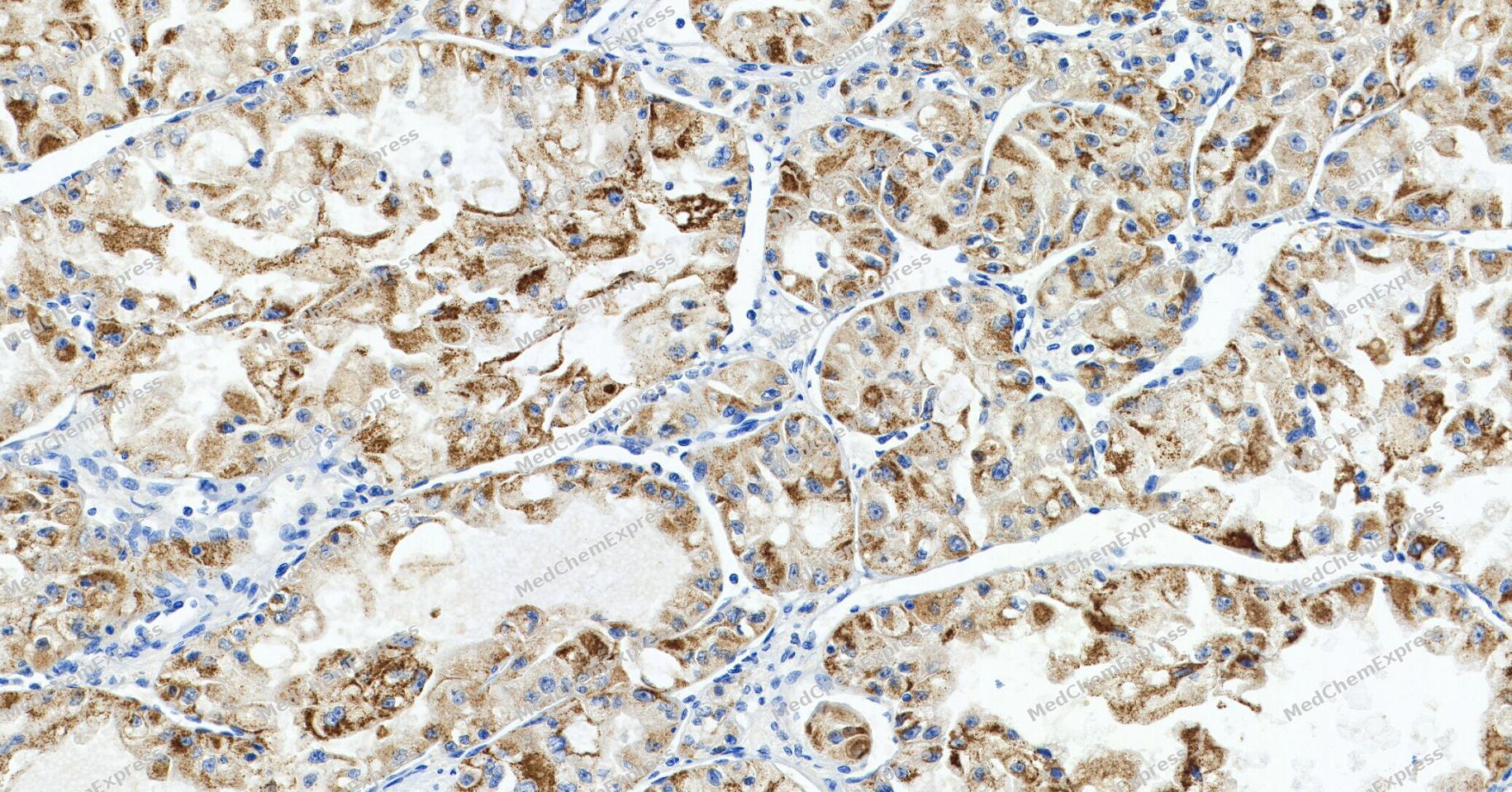 Immunohistochemical analysis of paraffin-embedded human kidney cancer tissue using SMYD3 Antibody (YA2003). The section was pre-treated using heat mediated antigen retrieval with Tris/EDTA buffer (pH 9.0) for 20 minutes. The tissues were probed with the primary antibody (HY-P82258, 1/100) overnight at 4℃. The detection was performed using an HRP conjugated compact polymer system. DAB was used as the chromogen. Tissues were counterstained with hematoxylin and mounted with neutral balsam.
 -
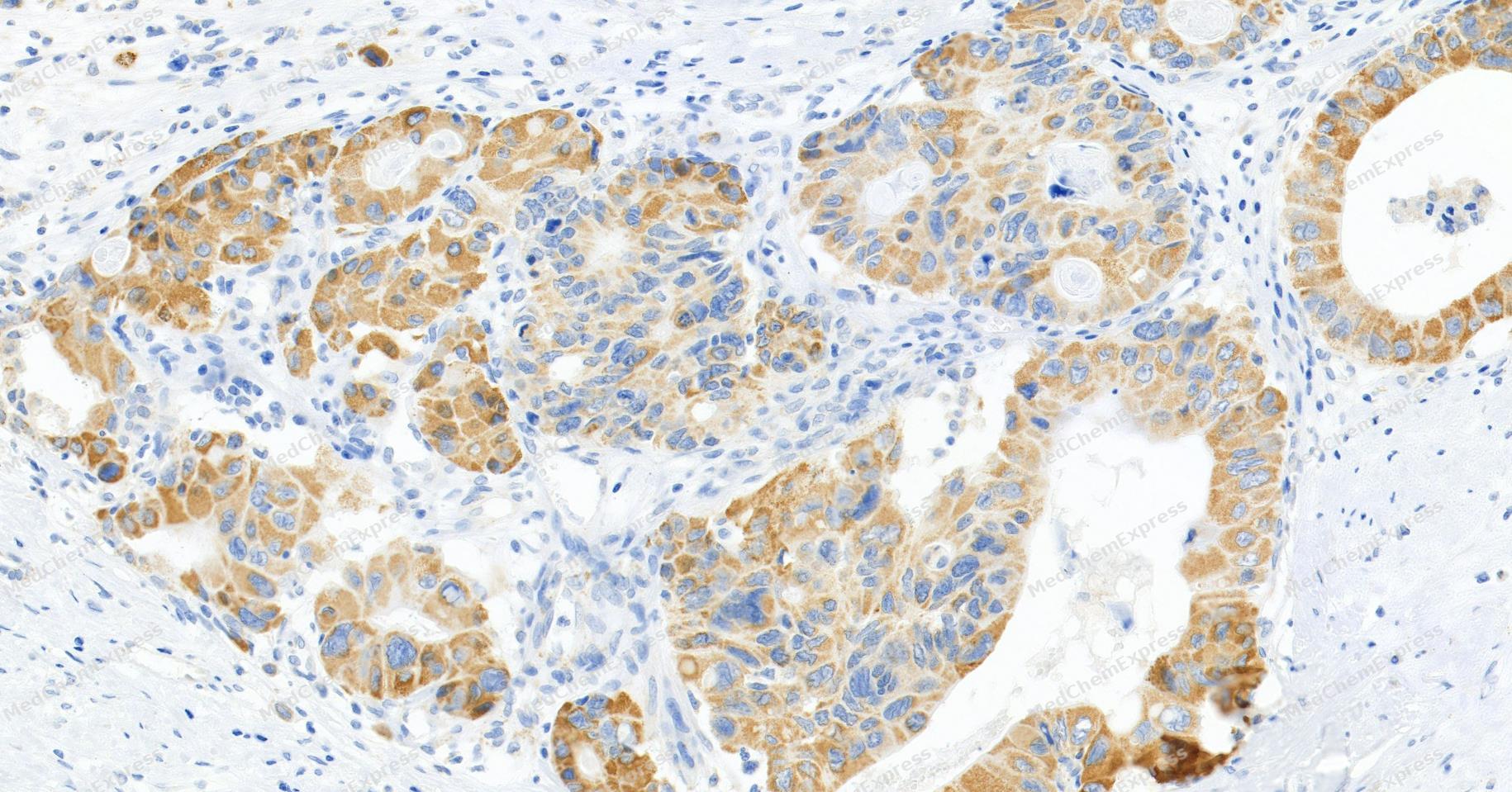 Immunohistochemical analysis of paraffin-embedded human liver cancer tissue using SMYD3 Antibody (YA2003). The section was pre-treated using heat mediated antigen retrieval with Tris/EDTA buffer (pH 9.0) for 20 minutes. The tissues were probed with the primary antibody (HY-P82258, 1/100) overnight at 4℃. The detection was performed using an HRP conjugated compact polymer system. DAB was used as the chromogen. Tissues were counterstained with hematoxylin and mounted with neutral balsam.
 -
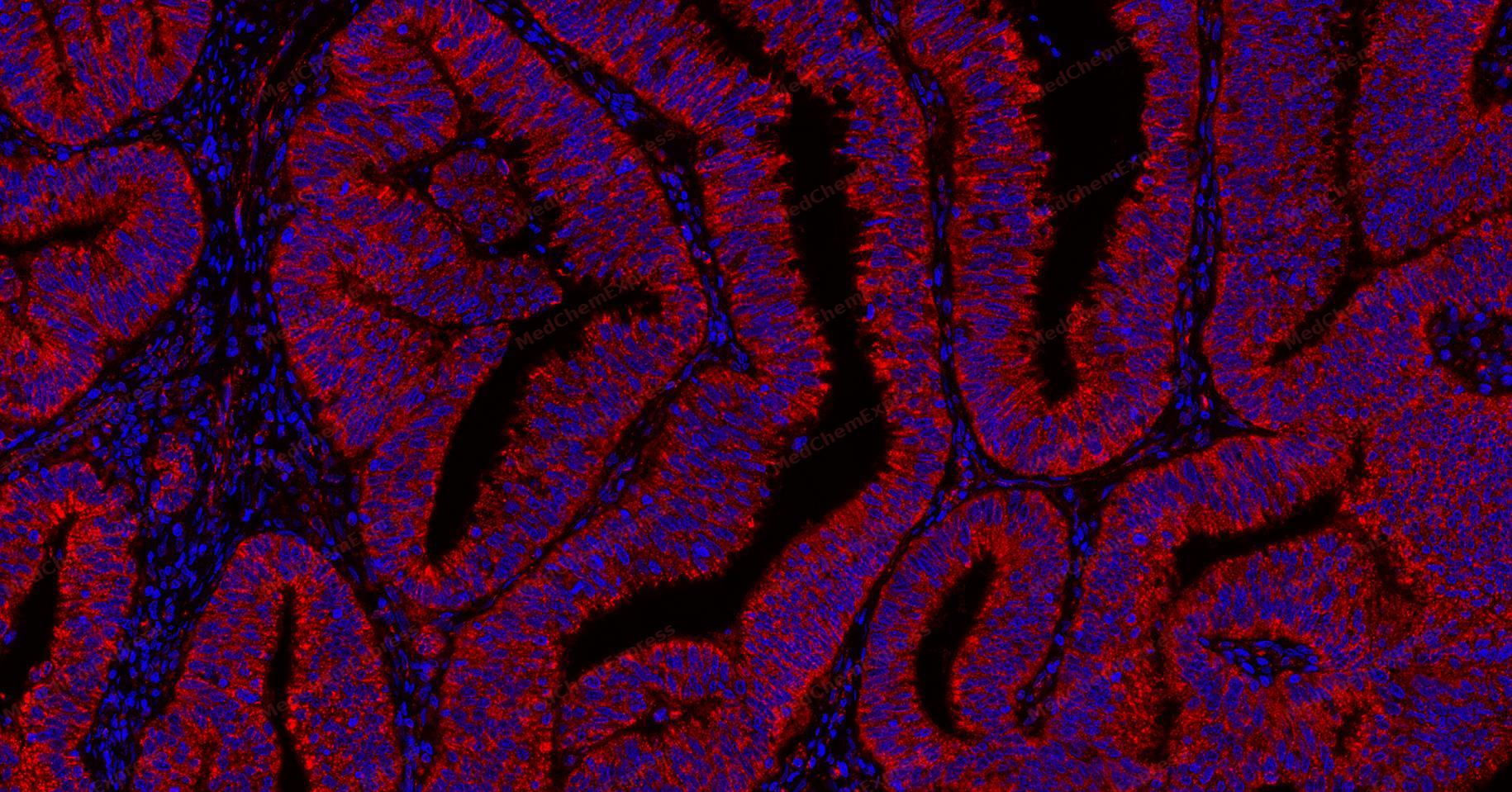 Tyramide signaling amplification based immunofluorescence analysis of paraffin-embedded human colon cancer tissue using SMYD3 Antibody (YA2003). The section was pre-treated using heat mediated antigen retrieval with Tris/EDTA buffer (pH 9.0) for 20 minutes. The tissues were probed with the primary antibody (HY-P82258, 1/300) overnight at 4℃. The detection was performed using an HRP conjugated compact polymer and fluorescent tyramide signal amplification system.Immunostaining was performed with Vari Fluor 594 TSA (200×)(HY-D1835). Tissues were counterstained with DAPI (blue) and mounted with Anti-fade fluorescence mounting medium.
 -
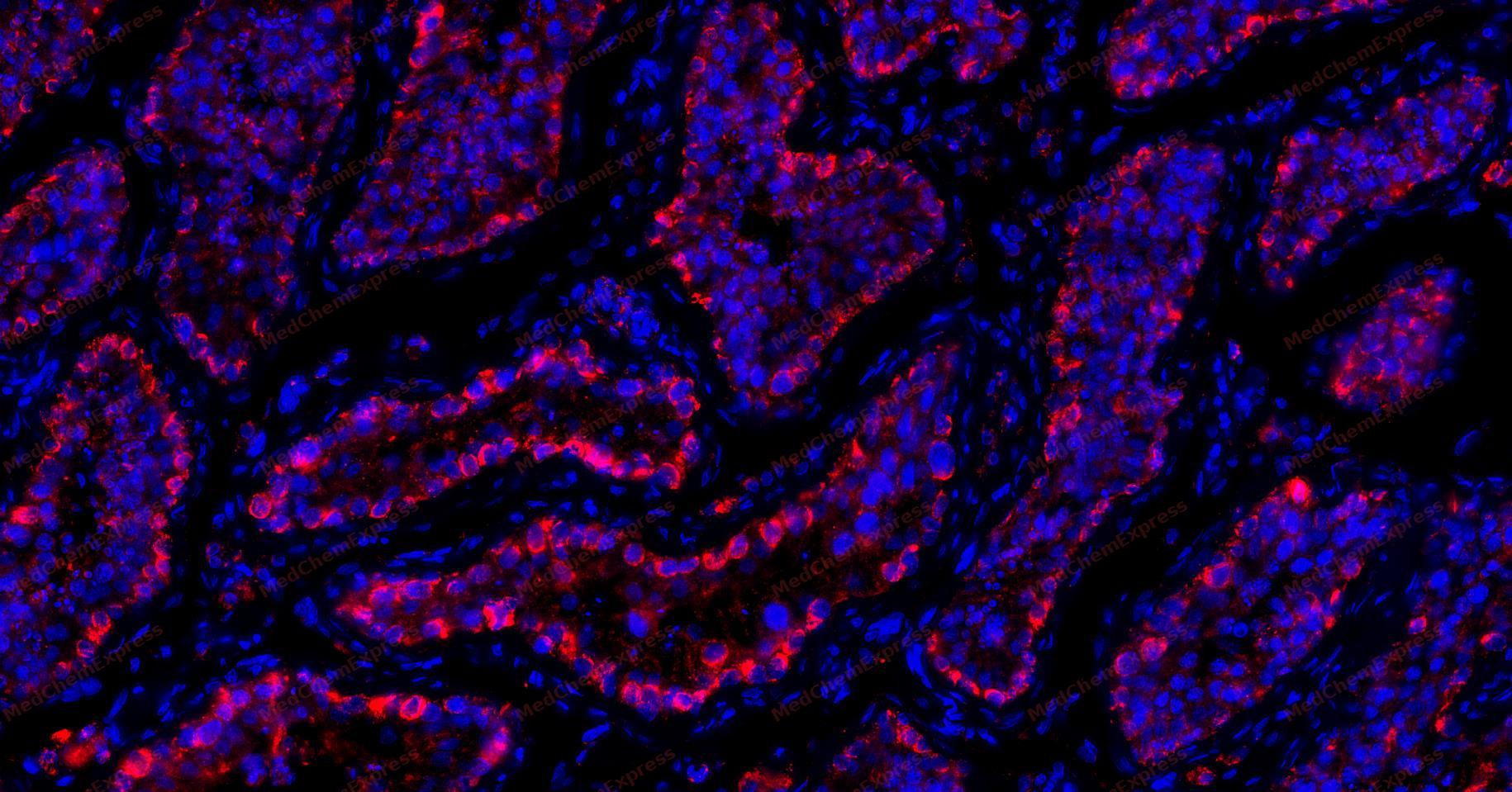 Tyramide signaling amplification based immunofluorescence analysis of paraffin-embedded human testis tissue using SMYD3 Antibody (YA2003). The section was pre-treated using heat mediated antigen retrieval with Tris/EDTA buffer (pH 9.0) for 20 minutes. The tissues were probed with the primary antibody (HY-P82258, 1/300) overnight at 4℃. The detection was performed using an HRP conjugated compact polymer and fluorescent tyramide signal amplification system.Immunostaining was performed with Vari Fluor 594 TSA (200×)(HY-D1835). Tissues were counterstained with DAPI (blue) and mounted with Anti-fade fluorescence mounting medium.
 -
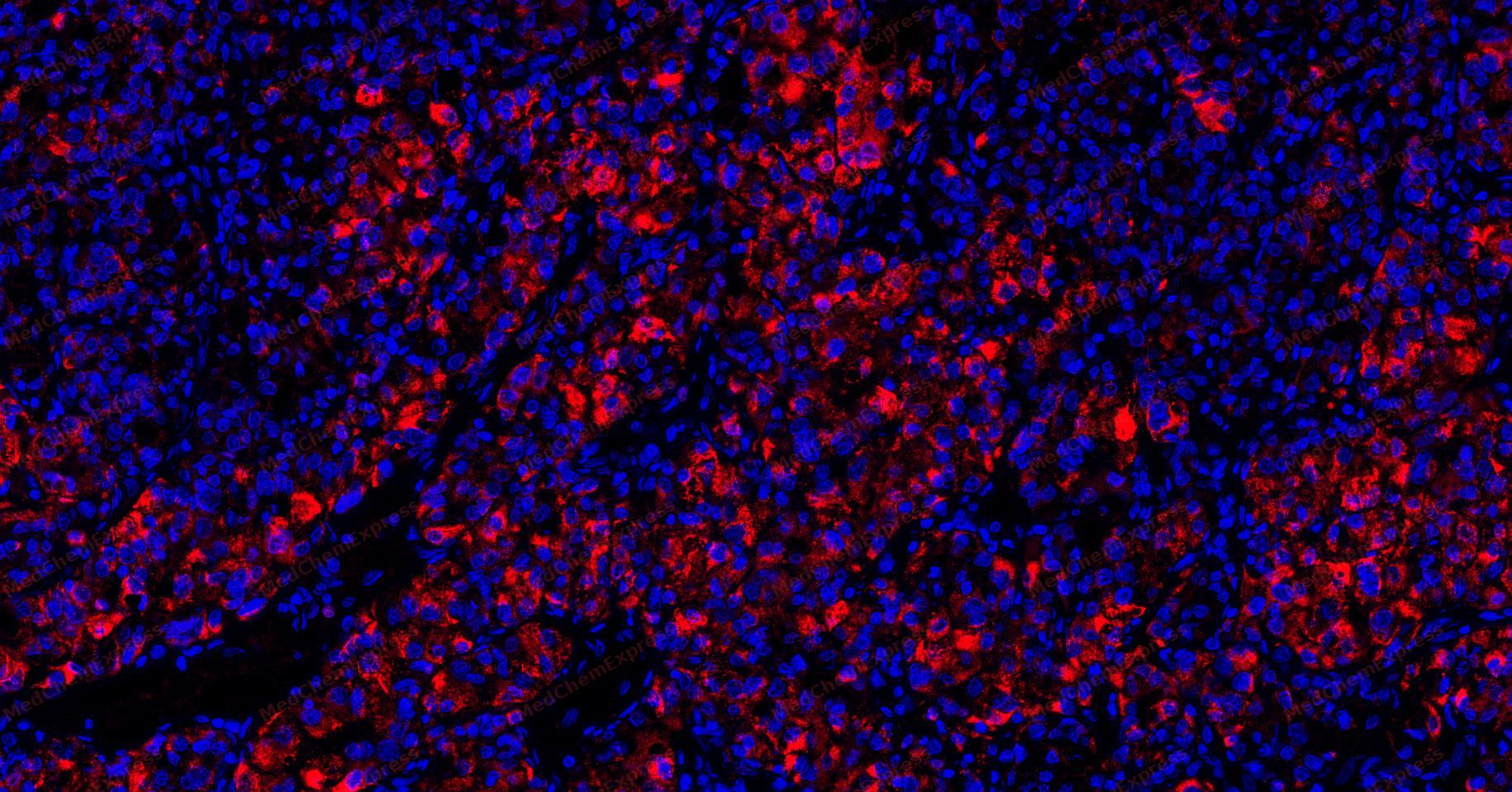 Tyramide signaling amplification based immunofluorescence analysis of paraffin-embedded human kidney cancer tissue using SMYD3 Antibody (YA2003). The section was pre-treated using heat mediated antigen retrieval with Tris/EDTA buffer (pH 9.0) for 20 minutes. The tissues were probed with the primary antibody (HY-P82258, 1/300) overnight at 4℃. The detection was performed using an HRP conjugated compact polymer and fluorescent tyramide signal amplification system.Immunostaining was performed with Vari Fluor 594 TSA (200×)(HY-D1835). Tissues were counterstained with DAPI (blue) and mounted with Anti-fade fluorescence mounting medium.
 -
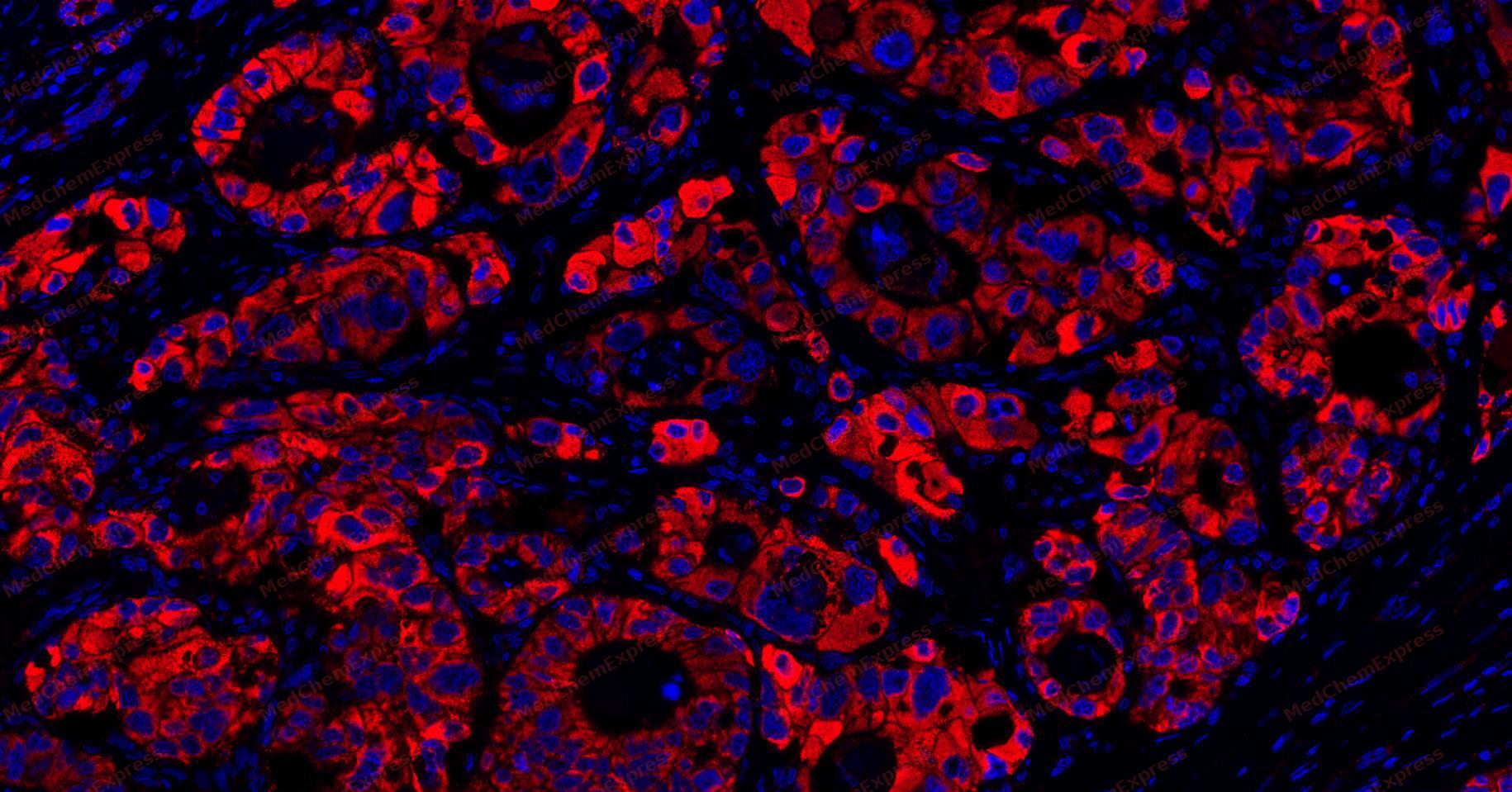 Tyramide signaling amplification based immunofluorescence analysis of paraffin-embedded human liver cancer tissue using SMYD3 Antibody (YA2003). The section was pre-treated using heat mediated antigen retrieval with Tris/EDTA buffer (pH 9.0) for 20 minutes. The tissues were probed with the primary antibody (HY-P82258, 1/300) overnight at 4℃. The detection was performed using an HRP conjugated compact polymer and fluorescent tyramide signal amplification system.Immunostaining was performed with Vari Fluor 594 TSA (200×)(HY-D1835). Tissues were counterstained with DAPI (blue) and mounted with Anti-fade fluorescence mounting medium.


Background
-
Function
SMYD3 is a SET and MYND domain-containing lysine methyltransferase that catalyzes the methylation of histone and non-histone substrates[1][2]. Mechanistically, SMYD3 coordinates transcriptional regulation by forming complexes with proteins such as SMAD3 and RACK1, thereby promoting target gene expression involved in cell proliferation and migration[3][4][5]. In disease models, SMYD3 overexpression is associated with enhanced epithelial-mesenchymal transition (EMT), tumor invasion, and metastasis in breast, colorectal, and liver cancers[3][4][5][6]. Compared with related isoforms, including SMYD2 and SMYD5, SMYD3 demonstrates distinct substrate specificity and structural features, such as a TPR-containing C-terminal domain that forms a narrow substrate-binding pocket critical for enzymatic activity[7][2]. Structural studies also indicate that the DNA-binding MYND domain further modulates its catalytic function, enhancing histone methylation[2]. For experimental applications, pharmacological inhibitors such as BCI121 effectively block SMYD3-mediated chromatin association and reduce malignant phenotypes in cancer cell lines and zebrafish xenograft models[3][5]. Additionally, SMYD3 influences skeletal and cardiac muscle differentiation by targeting myogenic transcription factors, highlighting its utility in developmental and stem cell research[8][9]. These combined functional and structural insights establish SMYD3 as a distinct epigenetic regulator with both oncogenic and developmental relevance[1][2].
-
Subcellular Localization
Cytoplasm; Nucleus
-
Expression
Tissue_specificity:Expressed in skeletal muscles and testis. Overexpressed in a majority of colorectal and hepatocellular carcinomas -
Isoforms & Post-Translational Modification
Q9H7B4 has 3 isomers: Q9H7B4-1: 49097 Da (predicted); Q9H7B4-2: 29759 Da (predicted); Q9H7B4-3: 42625 Da (predicted).
-
Subunit
Interacts with HSPCA (PubMed:15235609). Interacts with HELZ (PubMed:15235609). Interacts with POLR2A; the interaction may be indirect and may be mediated by HELZ (PubMed:15235609). Interacts with HSP90AA1; this interaction enhances SMYD3 histone-lysine N-methyltransferase (PubMed:25738358)
-
SwissProt ID
-
Synonyms
KMT3E; ZMYND1; ZNFN3A1; bA74P14.1
-
Research Field
Epigenetics and Nuclear Signaling


Documentation
-
Data Sheet (262 KB)
-
SDS (251 KB)
- English - EN (251 KB)
- Français - FR (251 KB)
- Deutsch - DE (251 KB)
- Norwegian - NO (251 KB)
- Español - ES (251 KB)
- Swedish - SV (251 KB)
- Italian - IT (251 KB)
- Korean - KR (251 KB)
- Portuguese - PT (251 KB)
-
User Guide for Antibodies (1077 KB)
References
[1]. Fenizia C, et al. SMYD3 promotes the epithelial-mesenchymal transition in breast cancer. Nucleic Acids Res. 2019 Feb 20;47(3):1278-1293. [Content Brief]
[2]. Bai X, et al. SMYD3 synergises with RACK1 to promote colorectal cancer lung metastasis by recruiting SMAD3. Cell Commun Signal. 2026 Feb 3;24(1):156. [Content Brief]
[3]. Bottino C, et al. SMYD3: An Oncogenic Driver Targeting Epigenetic Regulation and Signaling Pathways. Cancers (Basel). 2020 Jan 6;12(1):142. [Content Brief]
[4]. Yang Y, et al. SMYD3 associates with the NuRD (MTA1/2) complex to regulate transcription and promote proliferation and invasiveness in hepatocellular carcinoma cells. BMC Biol. 2022 Dec 27;20(1):294. [Content Brief]
[5]. Foreman KW, et al. Structural and functional profiling of the human histone methyltransferase SMYD3. PLoS One. 2011;6(7):e22290. [Content Brief]
[6]. Cock-Rada AM, et al. SMYD3 promotes cancer invasion by epigenetic upregulation of the metalloproteinase MMP-9. Cancer Res. 2012 Feb 1;72(3):810-20. [Content Brief]
[7]. Huang Y, et al. The adjuvant treatment role of ω-3 fatty acids by regulating gut microbiota positively in the acne vulgaris. J Dermatolog Treat. 2024 Dec;35(1):2299107. [Content Brief]
[8]. Codato R, et al. The SMYD3 methyltransferase promotes myogenesis by activating the myogenin regulatory network. Sci Rep. 2019 Nov 21;9(1):17298. [Content Brief]
[9]. Xu S, et al. Structural and biochemical studies of human lysine methyltransferase Smyd3 reveal the important functional roles of its post-SET and TPR domains and the regulation of its activity by DNA binding. Nucleic Acids Res. 2011 May;39(10):4438-49. [Content Brief]

 Powered by Bioz
