



BMPR2 Antibody (YA4254)
(Synonyms: BMR2; PPH1; BMPR3; BRK-3; T-ALK; BMPR-II; FLJ41585; FLJ76945; BMPR2)
Based on 1 Customer Validation
BMPR2 Antibody (YA4254) is a Mouse-derived and non-conjugated IgG1 monoclonal antibody, targeting to BMPR2.
-
Host:
Mouse
-
Isotype:
IgG
-
Application:
WB, IHC-P, ICC/IF, ELISA
-
Reactivity :
Human, Mouse, Rat, Rabbit, Monkey
-
Formulation:
Supplied in PBS with 0.05% sodium azide.
-
Conjugation:
Non-conjugated


To place orders, for customer services and technical support, please contact: MedChemExpress USA
Tel: 609-228-6898 E-mail: [email protected] [email protected]





Applications
| Application |
WB

WB: Western Blot
|
IHC-P
IHC-P: Immunohistochemistry-Paraffin
|
ICC/IF
ICC/IF: Immunocytochemistry/
Immunofluorescence |
ELISA
ELISA: Enzyme Linked Immunosorbent Assay
|
|---|---|---|---|---|
| Dilution Ratio | 1:500-1:2000 | 1:200-1:1000 | 1:200-1:1000 | 1:10000 |


Product Details
BMPR2 Antibody (YA4254) is a Mouse-derived and non-conjugated IgG1 monoclonal antibody, targeting to BMPR2.
-
Host Mouse

-
Clonality Monoclonal

-
Species ReactivityHuman, Mouse, Rat, Rabbit, Monkey
-
Observed Molecular WeightObserved band size: 115 kDa
Note: Due to possible protein modifications or aggregation, the molecular weight should be confirmed by actual measurement, and the predicted value is for reference only.

-
Calculated Molecular Weight Predicted band size: 115 kDa

Purified recombinant fragment of human BMPR2 aa 27-150(Extra).
affinity purified.
Non-conjugated
Unmodified
IgG


Product Properties
-
Appearance
Solution
-
Formulation
Supplied in PBS with 0.05% sodium azide.
-
Concentration
Batch-dependent, Please check the COA for the concentration of each lot. Check Lot Concentration
-
Storage & Stability
Stored at -20°C for 1 year. Avoid repeated freeze / thaw cycles.
-
Shipping
Shipping with blue ice.


Verification Images
-
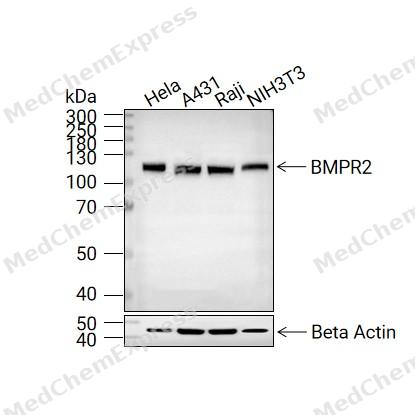 Western blot analysis of extracts from K562(lane 1(40μg) )
 -
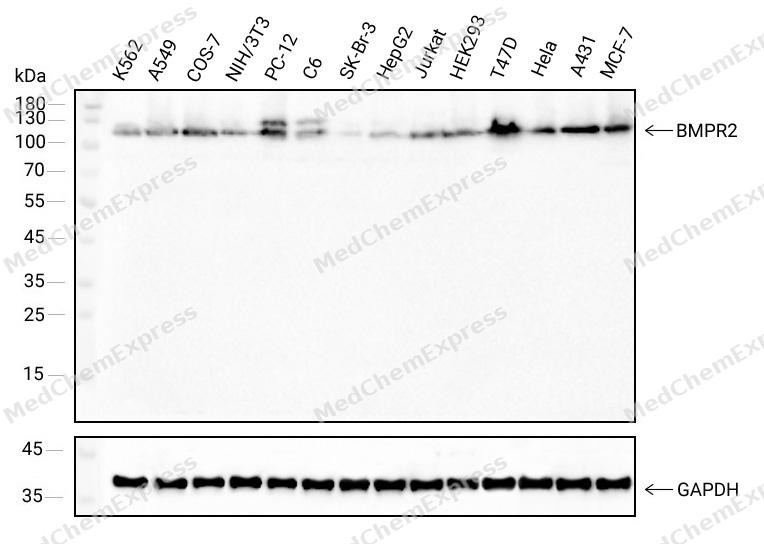 Western blot analysis of extracts from K562(lane 1(40μg) ),A549(lane 2(40μg) ),COS-7(lane 3(40μg) ),NIH/3T3(lane 4(40μg) ),PC-12(lane 5(40μg) ),C6(lane 6(40μg) ),SK-Br-3(lane 7(40μg) ),HepG2(lane 8(40μg) ),Jurkat(lane 9(40μg) ),HEK293(lane 10(40μg) ),T47D(lane 11(40μg) ),Hela(lane 12(40μg) ),A431(lane 13(40μg) )and MCF-7(lane 14(40μg) ) using BMPR2 antibody(30184P). Proteins were transferred to a NC membrane and blocked with 5% Skim milk in TBST for 2 hour at room temperature. The primary antibody ( 1/1000) and Loading control antibody (GAPDH,20035, 1/1000) was used in 5% Skim milk in TBST at 4°C overnight. Goat Anti-Mouse IgG-HRP Secondary Antibody (1/10,000) was used for 1 hour at room temperature.
 -
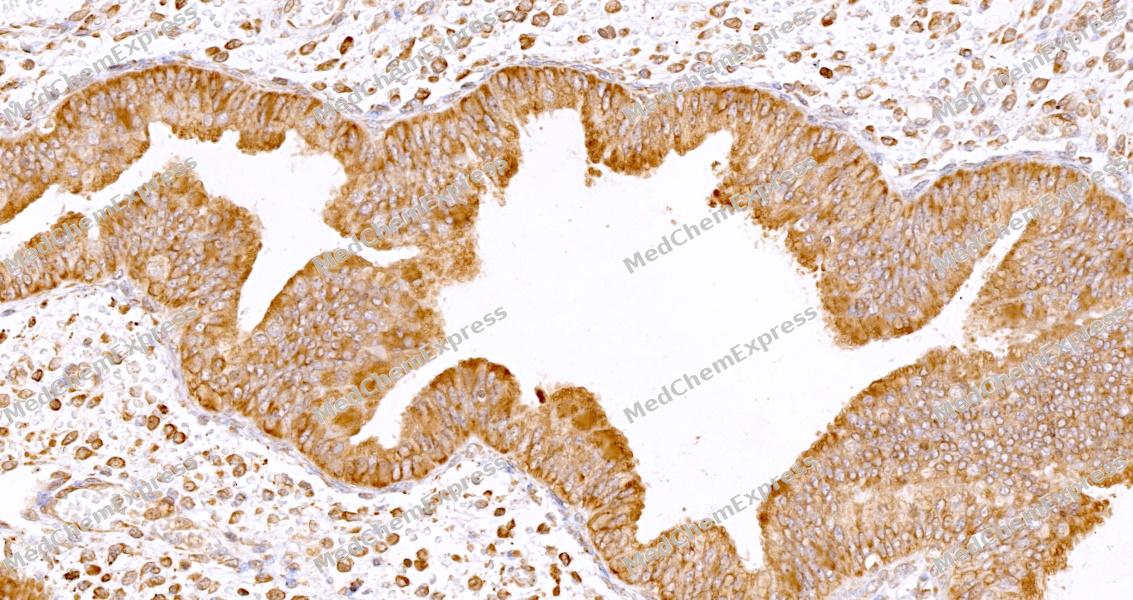 Immunohistochemical analysis of paraffin-embedded human endometrium tissue using BMPR2 Antibody (HY-P84557, 1/500). The section was pretreated using heat mediated antigen retrieval with sodium citrate buffer (pH 6.0) for 8 minutes. The tissues were blocked with quick block buffer for 0.5 hours at room temperature, washed with PBS and PBST, and then incubated with the primary antibody overnight at 4℃. The detection was performed using an HRP conjugated compact polymer system. DAB was used as the chromogen. Tissues were counterstained with hematoxylin and mounted with DPX.
 -
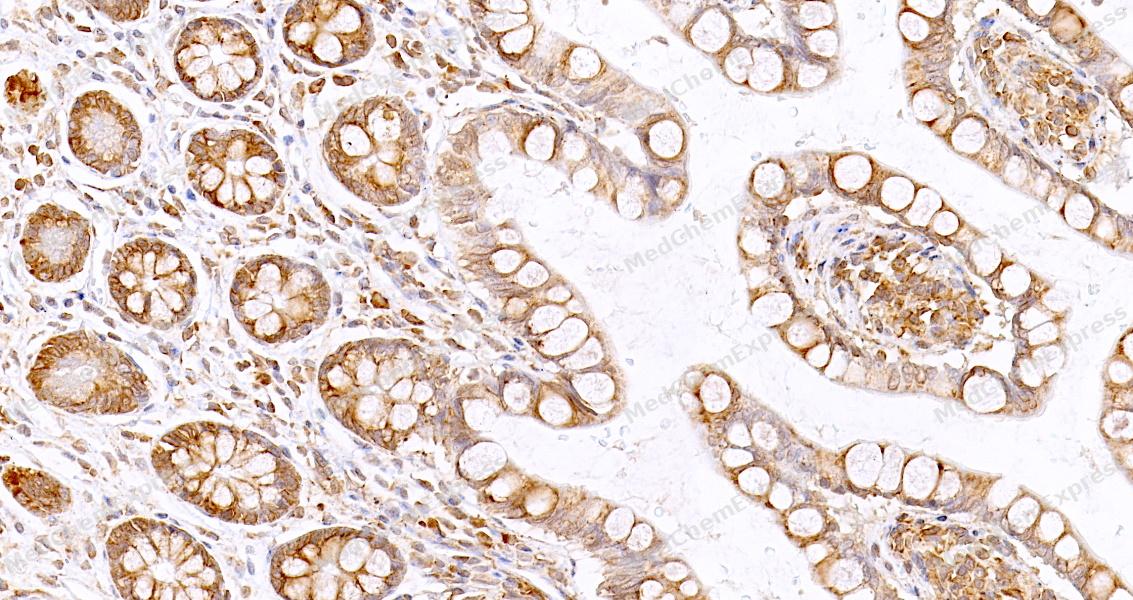 Immunohistochemical analysis of paraffin-embedded human small intestine tissue using BMPR2 Antibody (HY-P84557, 1/500). The section was pretreated using heat mediated antigen retrieval with sodium citrate buffer (pH 6.0) for 8 minutes. The tissues were blocked with quick block buffer for 0.5 hours at room temperature, washed with PBS and PBST, and then incubated with the primary antibody overnight at 4℃. The detection was performed using an HRP conjugated compact polymer system. DAB was used as the chromogen. Tissues were counterstained with hematoxylin and mounted with DPX.
 -
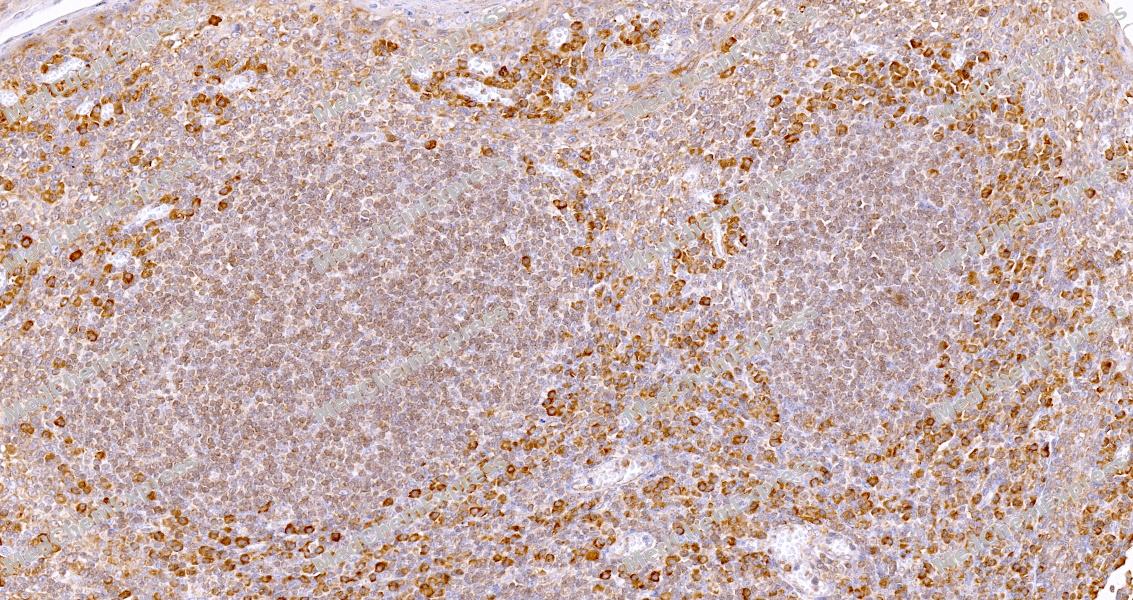 Immunohistochemical analysis of paraffin-embedded human tonsil tissue using BMPR2 Antibody (HY-P84557, 1/500). The section was pretreated using heat mediated antigen retrieval with sodium citrate buffer (pH 6.0) for 8 minutes. The tissues were blocked with quick block buffer for 0.5 hours at room temperature, washed with PBS and PBST, and then incubated with the primary antibody overnight at 4℃. The detection was performed using an HRP conjugated compact polymer system. DAB was used as the chromogen. Tissues were counterstained with hematoxylin and mounted with DPX.
 -
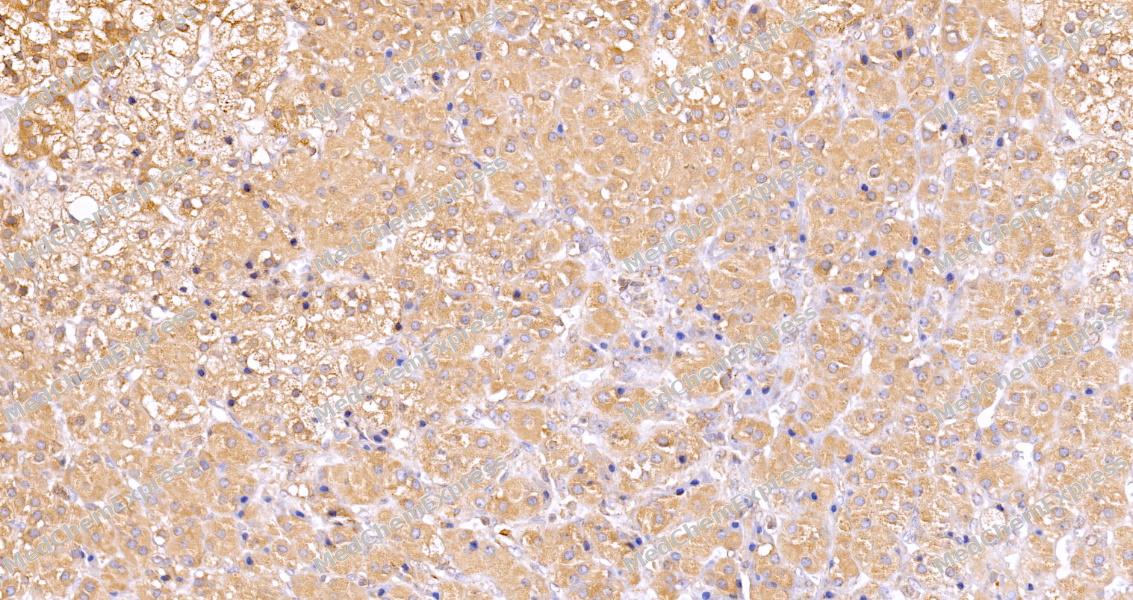 Immunohistochemical analysis of paraffin-embedded human adrenal gland tissue using BMPR2 Antibody (HY-P84557, 1/500). The section was pretreated using heat mediated antigen retrieval with sodium citrate buffer (pH 6.0) for 8 minutes. The tissues were blocked with quick block buffer for 0.5 hours at room temperature, washed with PBS and PBST, and then incubated with the primary antibody overnight at 4℃. The detection was performed using an HRP conjugated compact polymer system. DAB was used as the chromogen. Tissues were counterstained with hematoxylin and mounted with DPX.
 -
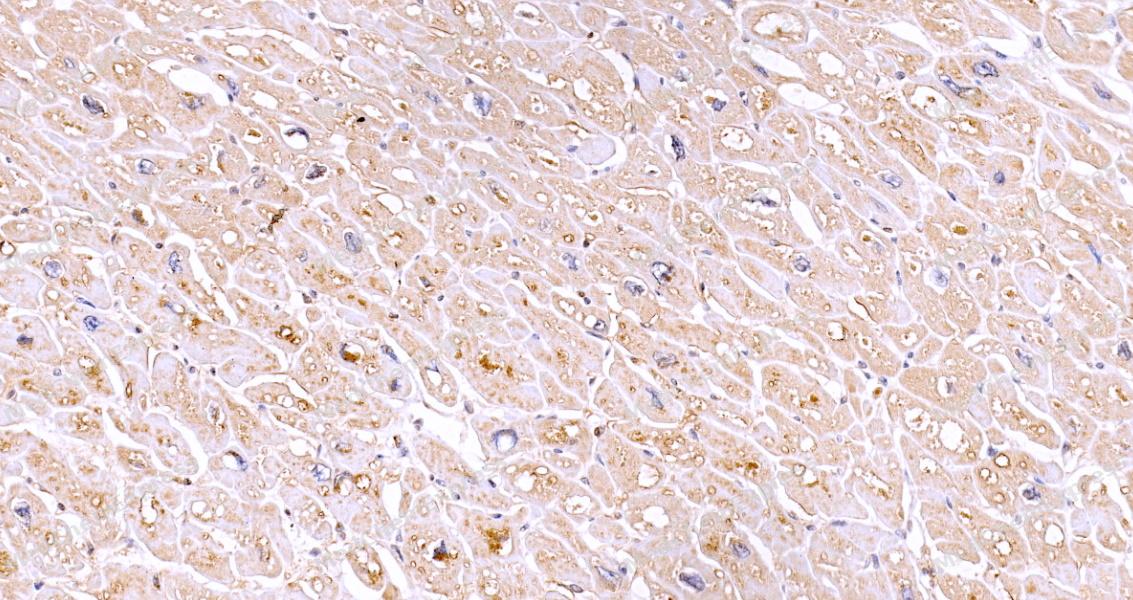 Immunohistochemical analysis of paraffin-embedded human heart tissue using BMPR2 Antibody (HY-P84557, 1/500). The section was pretreated using heat mediated antigen retrieval with sodium citrate buffer (pH 6.0) for 8 minutes. The tissues were blocked with quick block buffer for 0.5 hours at room temperature, washed with PBS and PBST, and then incubated with the primary antibody overnight at 4℃. The detection was performed using an HRP conjugated compact polymer system. DAB was used as the chromogen. Tissues were counterstained with hematoxylin and mounted with DPX.
 -
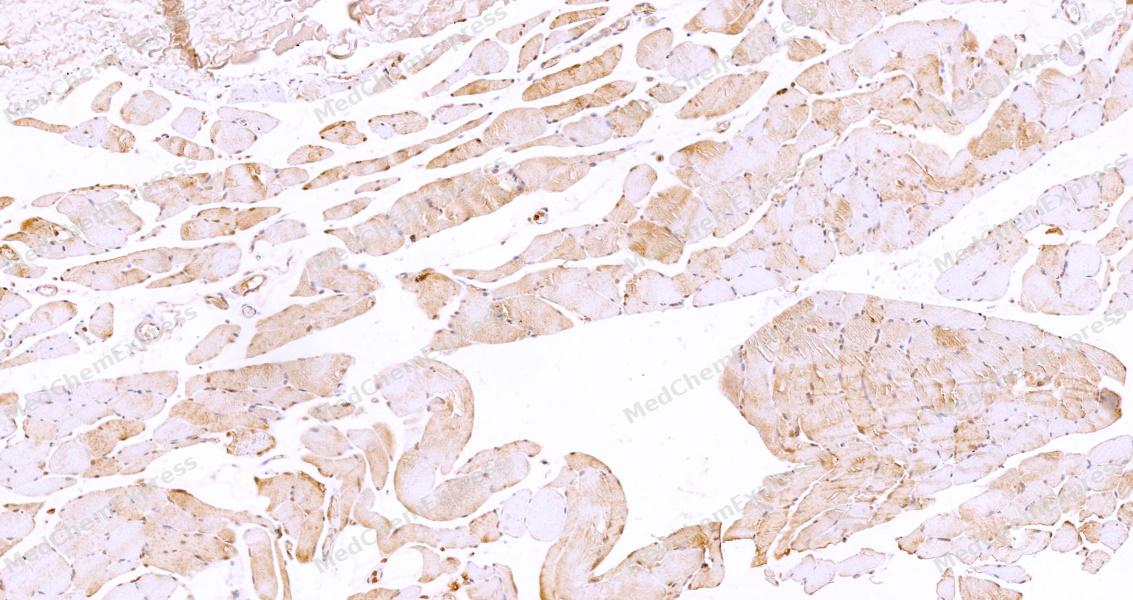 Immunohistochemical analysis of paraffin-embedded human skeletal muscle tissue using BMPR2 Antibody (HY-P84557, 1/500). The section was pretreated using heat mediated antigen retrieval with sodium citrate buffer (pH 6.0) for 8 minutes. The tissues were blocked with quick block buffer for 0.5 hours at room temperature, washed with PBS and PBST, and then incubated with the primary antibody overnight at 4℃. The detection was performed using an HRP conjugated compact polymer system. DAB was used as the chromogen. Tissues were counterstained with hematoxylin and mounted with DPX.
 -
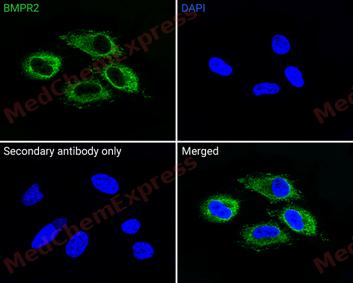 Immunofluorescence analysis of Hela cells labeling BMPR2 antibody (HY-P84557) at 1/50 dilution. Cells were fixed in 4% paraformaldehyde for 15 minutes at room temperature


Background
-
Function
BMPR2 (bone morphogenetic protein receptor type 2) encodes a type II serine/threonine kinase receptor within the BMP/TGF-β signaling pathway, where it functions as a critical regulator of cellular signaling required for vascular homeostasis and tissue-specific growth control[1][2]. Mechanistically, BMPR2-mediated signaling maintains pulmonary vascular integrity, and disruption of this pathway leads to imbalance of BMP/TGF-β signaling with downstream effects on cellular proliferation, apoptosis resistance, inflammatory activation, and metabolic reprogramming[2][1]. Disease relevance is most strongly established in pulmonary arterial hypertension (PAH), in which heterozygous or loss-of-function BMPR2 mutations represent the major genetic cause of heritable disease and are also detected in a subset of idiopathic cases[2][3][4]. Experimental and clinical studies demonstrate that reduced BMPR2 expression or dysfunctional signaling contributes to pulmonary vascular remodeling and disease progression, supporting a central pathogenic role for the receptor in pulmonary vascular biology[2][3][5]. Compared with related components of the BMP signaling network, BMPR2 is distinguished by its role as the principal type II receptor whose genetic disruption is most consistently associated with hereditary PAH, making it a key molecular entry point for mechanistic and translational studies[2][4]. For experimental applications, therapeutic strategies that restore or enhance BMPR2 signaling, including gene delivery approaches and pharmacological activation of the pathway, have shown potential to attenuate pulmonary hypertension phenotypes and are widely used to investigate BMPR2-directed disease mechanisms and intervention strategies[5][6].
-
Subcellular Localization
Cell membrane; Single-pass type I membrane protein
-
Expression
Tissue_specificity:High expression in the heart and liver -
Isoforms & Post-Translational Modification
Q13873 has 2 isomers: Q13873-1: 115201 Da (predicted); Q13873-2: 59963 Da (predicted).
-
Subunit
Interacts with GDF5 (PubMed:21976273). Interacts with BMP4 (PubMed:29212066). Interacts with SCUBE3 (PubMed:33308444). Interacts with TSC22D1/TSC-22 (PubMed:21791611). Interacts with activin A/INHBA (PubMed:24018044)
-
SwissProt ID
-
Synonyms
BMR2; PPH1; BMPR3; BRK-3; T-ALK; BMPR-II; FLJ41585; FLJ76945; BMPR2


Documentation
-
Data Sheet (261 KB)
-
SDS (251 KB)
- English - EN (251 KB)
- Français - FR (251 KB)
- Deutsch - DE (251 KB)
- Norwegian - NO (251 KB)
- Español - ES (251 KB)
- Swedish - SV (251 KB)
- Italian - IT (251 KB)
- Korean - KR (251 KB)
- Portuguese - PT (251 KB)
-
User Guide for Antibodies (1077 KB)
References
[1]. Cuthbertson I, et al. BMPR2 Mutation and Metabolic Reprogramming in Pulmonary Arterial Hypertension. Circ Res. 2023 Jan 6;132(1):109-126. [Content Brief]
[2]. Austin ED, et al. Genetics of pulmonary arterial hypertension. Semin Respir Crit Care Med. 2009 Aug;30(4):386-98. [Content Brief]
[3]. Garcia-Rivas G, et al. A systematic review of genetic mutations in pulmonary arterial hypertension. BMC Med Genet. 2017 Aug 2;18(1):82. [Content Brief]
[4]. Evans JD, et al. BMPR2 mutations and survival in pulmonary arterial hypertension: an individual participant data meta-analysis. Lancet Respir Med. 2016 Feb;4(2):129-37. [Content Brief]
[5]. Reynolds AM, et al. Targeted gene delivery of BMPR2 attenuates pulmonary hypertension. Eur Respir J. 2012 Feb;39(2):329-43. [Content Brief]
[6]. Dannewitz Prosseda S, et al. Novel Advances in Modifying BMPR2 Signaling in PAH. Genes (Basel). 2020 Dec 23;12(1):8. [Content Brief]

 Powered by Bioz
