



HDAC6 Antibody (YA390)
(Synonyms: KIAA0901, JM21, HDAC6, Protein deacetylase HDAC6, E3 ubiquitin-protein ligase HDAC6, Tubulin-lysine deacetylase HDAC6)Based on 1 Customer Validation
HDAC6 Antibody (YA390) is a Rabbit-derived and non-conjugated IgG monoclonal antibody, targeting to HDAC6.
-
Host:
Rabbit
-
Isotype:
IgG
-
Application:
WB, ICC/IF, IHC-P, IP
-
Reactivity :
Human
-
Formulation:
Supplied in 1*TBS (pH7.4), 0.05% BSA and 40% Glycerol. Preservative: 0.05% Sodium Azide.
-
Conjugation:
Non-conjugated


To place orders, for customer services and technical support, please contact: MedChemExpress USA
Tel: 609-228-6898 E-mail: [email protected] [email protected]





Applications
| Application |
WB

WB: Western Blot
|
ICC/IF
ICC/IF: Immunocytochemistry/
Immunofluorescence |
IHC-P
IHC-P: Immunohistochemistry-Paraffin
|
IP
IP: Immunoprecipitation
|
|---|---|---|---|---|
| Dilution Ratio | 1:1000-1:5000 | 1:50-1:200 | 1:50-1:400 | Use at an assay dependent concentration. |


Product Details
HDAC6 Antibody (YA390) is a Rabbit-derived and non-conjugated IgG monoclonal antibody, targeting to HDAC6.
-
Host Rabbit

-
Clonality Recombinant,Monoclonal

-
Species ReactivityHuman
-
Observed Molecular WeightObserved band size: 160 kDa
Note: Due to possible protein modifications or aggregation, the molecular weight should be confirmed by actual measurement, and the predicted value is for reference only.

-
Calculated Molecular Weight Predicted band size: 131 kDa

Synthetic peptide corresponding to Human HDAC6.AA range:1-50.
Endogenous
Protein A affinity purified.
Non-conjugated
Unmodified
IgG


Product Properties
-
Appearance
Solution
-
Formulation
Supplied in 1*TBS (pH7.4), 0.05% BSA and 40% Glycerol. Preservative: 0.05% Sodium Azide.
-
Concentration
Batch-dependent, Please check the COA for the concentration of each lot. Check Lot Concentration
-
Storage & Stability
Stored at -20°C for 1 year. Avoid repeated freeze / thaw cycles.
-
Shipping
Shipping with blue ice.


Verification Images
-
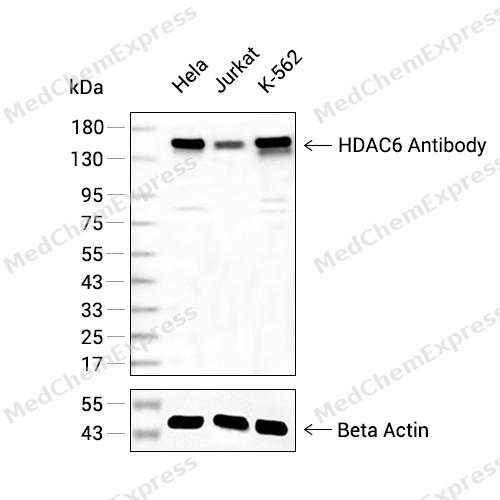 Western blot analysis of extracts from HeLa(lane2(20μg) , Jurkat(lane 3(20μg) and K-562(lane 4(20ug) using HDAC6 Antibody (HY-P80154) Rabbit mAb. Proteins were transferred to a PVDF membrane and blocked with 5% non-fat milk in TBST for 2 hour at room temperature. The primary antibody (1/1000) and Loading control antibody (Beta Actin, HY-P80438, 1/10000) was used in 5% non-fat milk in TBST at 4°C overnight. Goat Anti-Mouse/Rabbit IgG-HRP Secondary Antibody (1/10000) was used for 1 hour at room temperature.
 -
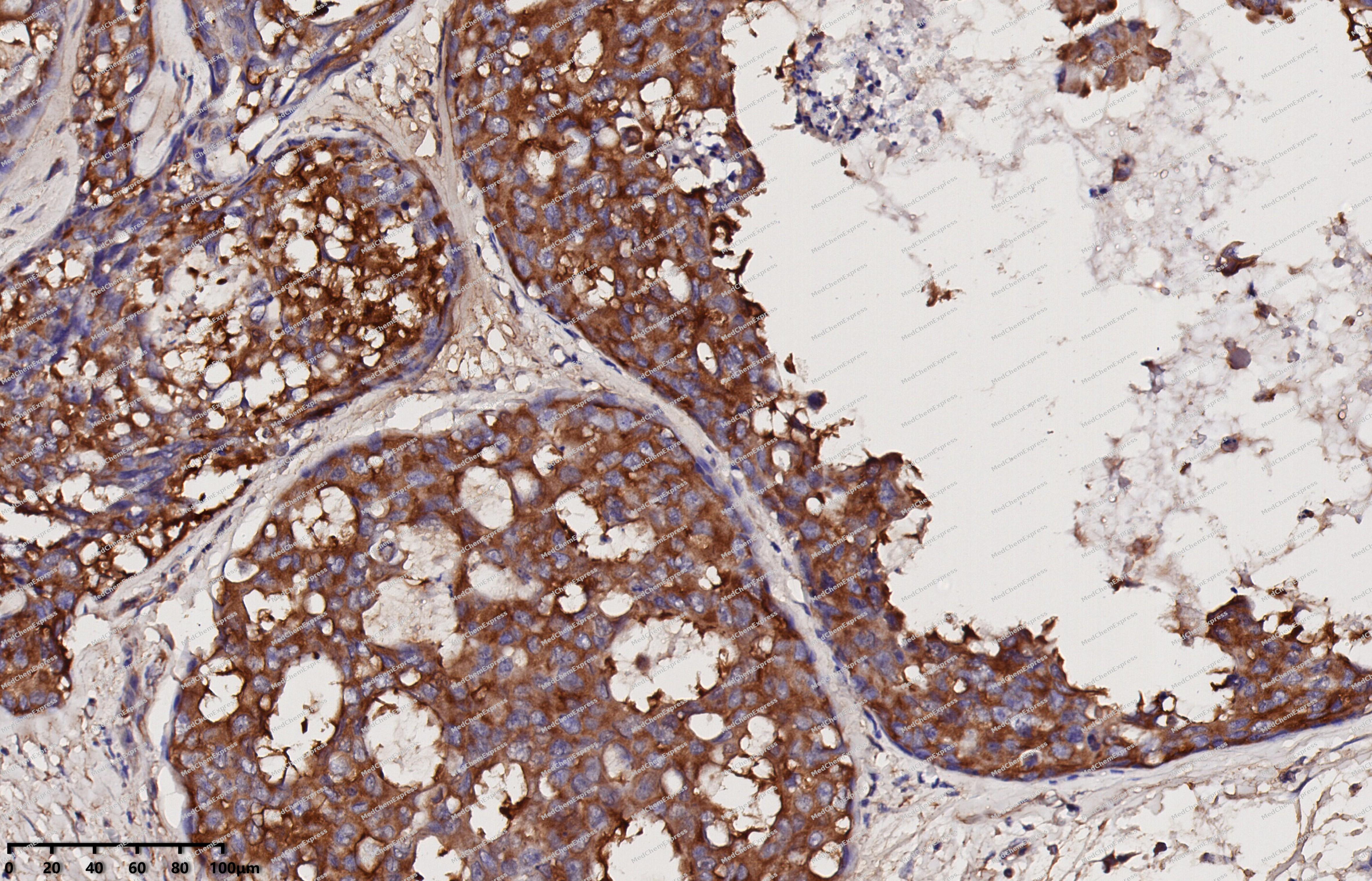 Immunohistochemical analysis of paraffin-embedded human ovarian cancer using HDAC6 antibody. The section was pre-treated using heat mediated antigen retrieval with EDTA (pH 9.0) for 14 minutes. The tissues were blocked in 5% BSA for 30 minutes at room temperature, washed with TBST, and then probed with the primary antibody (HY-P80154, 1/200) for 30 minutes at room temperature. The detection was performed using Polymer HRP-conjugated Goat Anti-Mouse/Rabbit lgG(H&L) secondary antibody (HY-P83652). DAB was used as the chromogen. Tissues were counterstained with hematoxylin and mounted with DPX.
 -
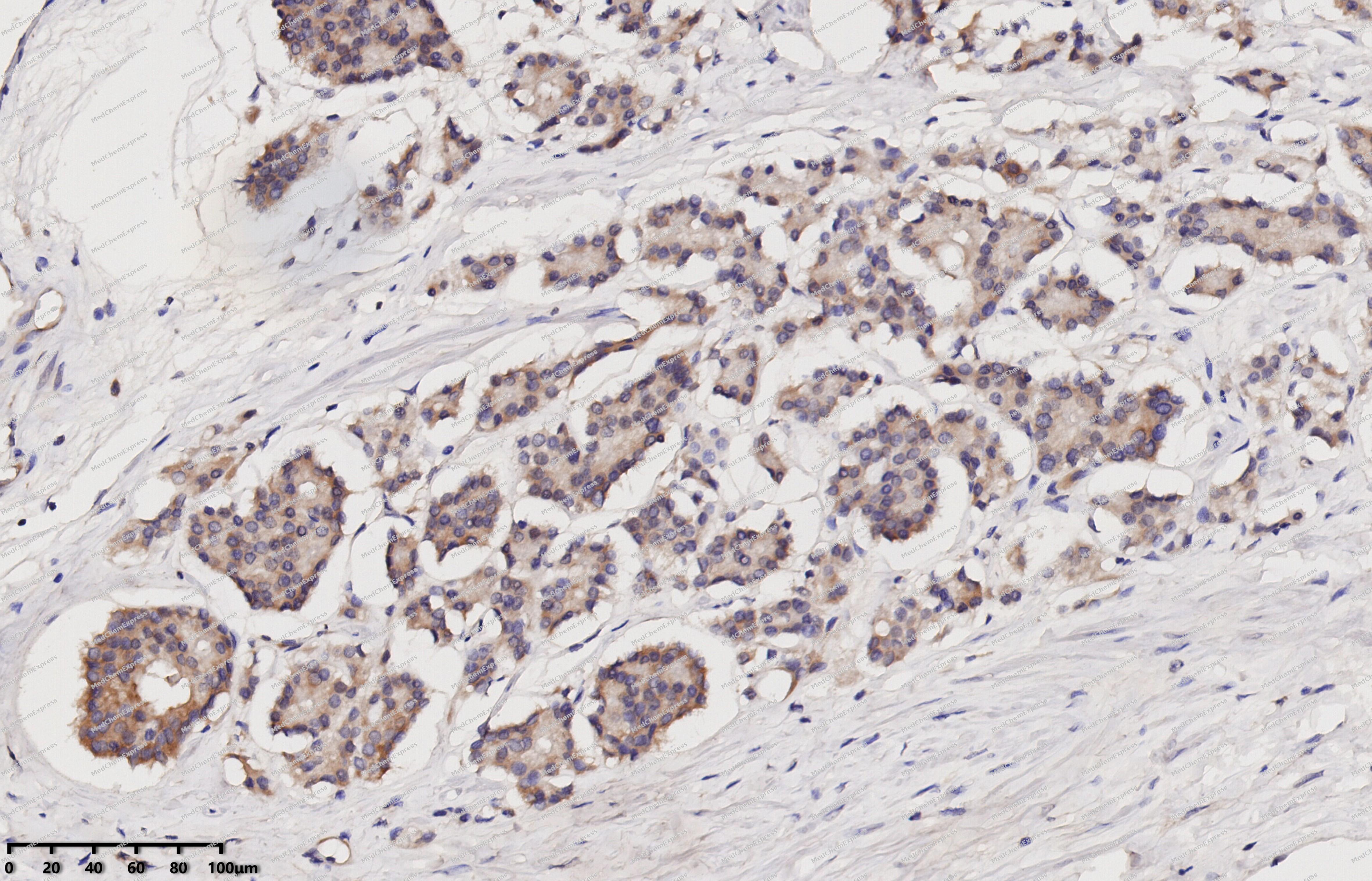 Immunohistochemical analysis of paraffin-embedded human prostate cancer using HDAC6 antibody. The section was pre-treated using heat mediated antigen retrieval with EDTA (pH 9.0) for 14 minutes. The tissues were blocked in 5% BSA for 30 minutes at room temperature, washed with TBST, and then probed with the primary antibody (HY-P80154, 1/200) for 30 minutes at room temperature. The detection was performed using Polymer HRP-conjugated Goat Anti-Mouse/Rabbit lgG(H&L) secondary antibody (HY-P83652). DAB was used as the chromogen. Tissues were counterstained with hematoxylin and mounted with DPX.
 -
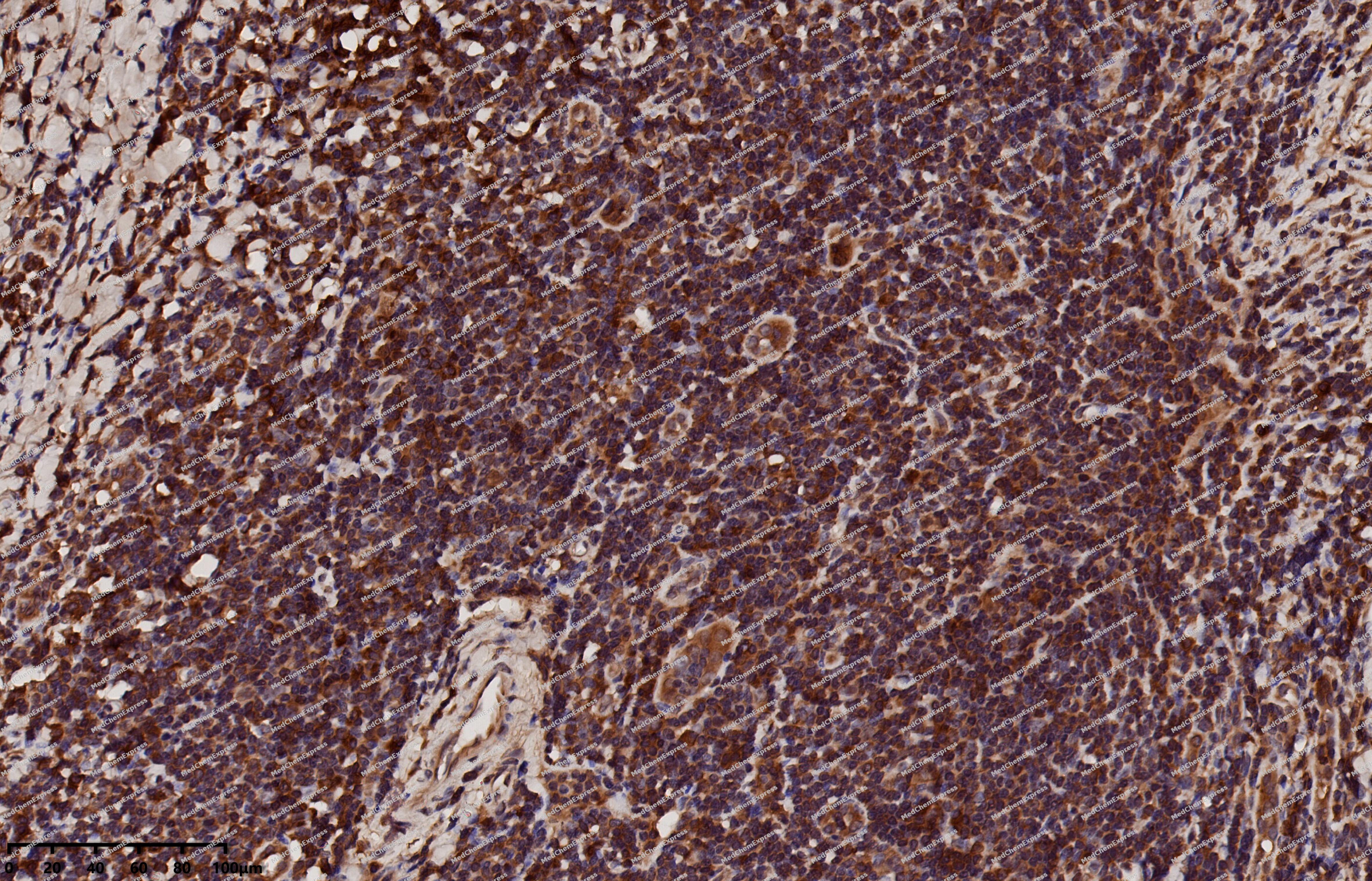 Immunohistochemical analysis of paraffin-embedded human tonsil using HDAC6 antibody. The section was pre-treated using heat mediated antigen retrieval with EDTA (pH 9.0) for 14 minutes. The tissues were blocked in 5% BSA for 30 minutes at room temperature, washed with TBST, and then probed with the primary antibody (HY-P80154, 1/200) for 30 minutes at room temperature. The detection was performed using Polymer HRP-conjugated Goat Anti-Mouse/Rabbit lgG(H&L) secondary antibody (HY-P83652). DAB was used as the chromogen. Tissues were counterstained with hematoxylin and mounted with DPX.
 -
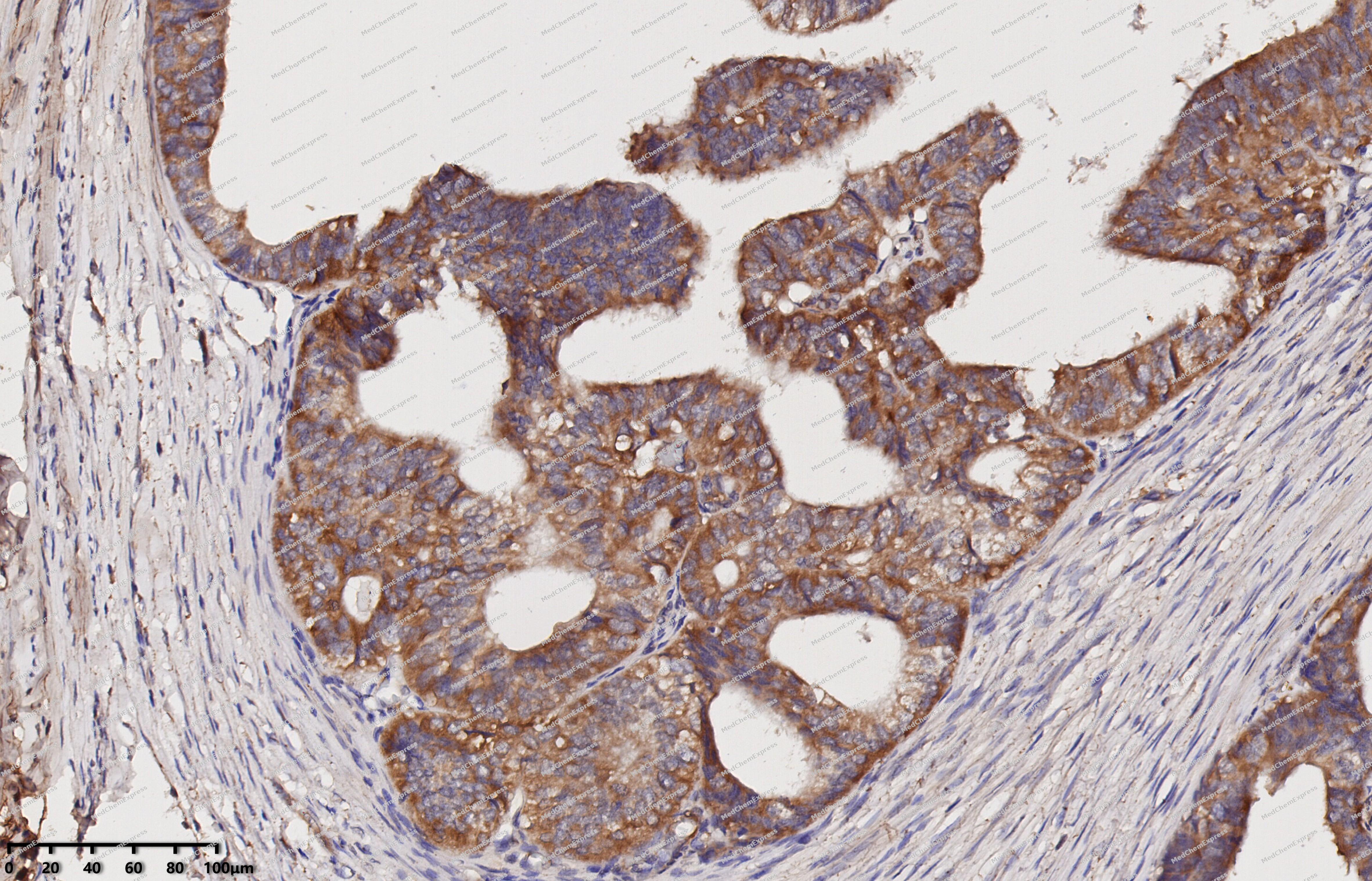 Immunohistochemical analysis of paraffin-embedded human cervical cancer using HDAC6 antibody. The section was pre-treated using heat mediated antigen retrieval with EDTA (pH 9.0) for 14 minutes. The tissues were blocked in 5% BSA for 30 minutes at room temperature, washed with TBST, and then probed with the primary antibody (HY-P80154, 1/200) for 30 minutes at room temperature. The detection was performed using Polymer HRP-conjugated Goat Anti-Mouse/Rabbit lgG(H&L) secondary antibody (HY-P83652). DAB was used as the chromogen. Tissues were counterstained with hematoxylin and mounted with DPX.
 -
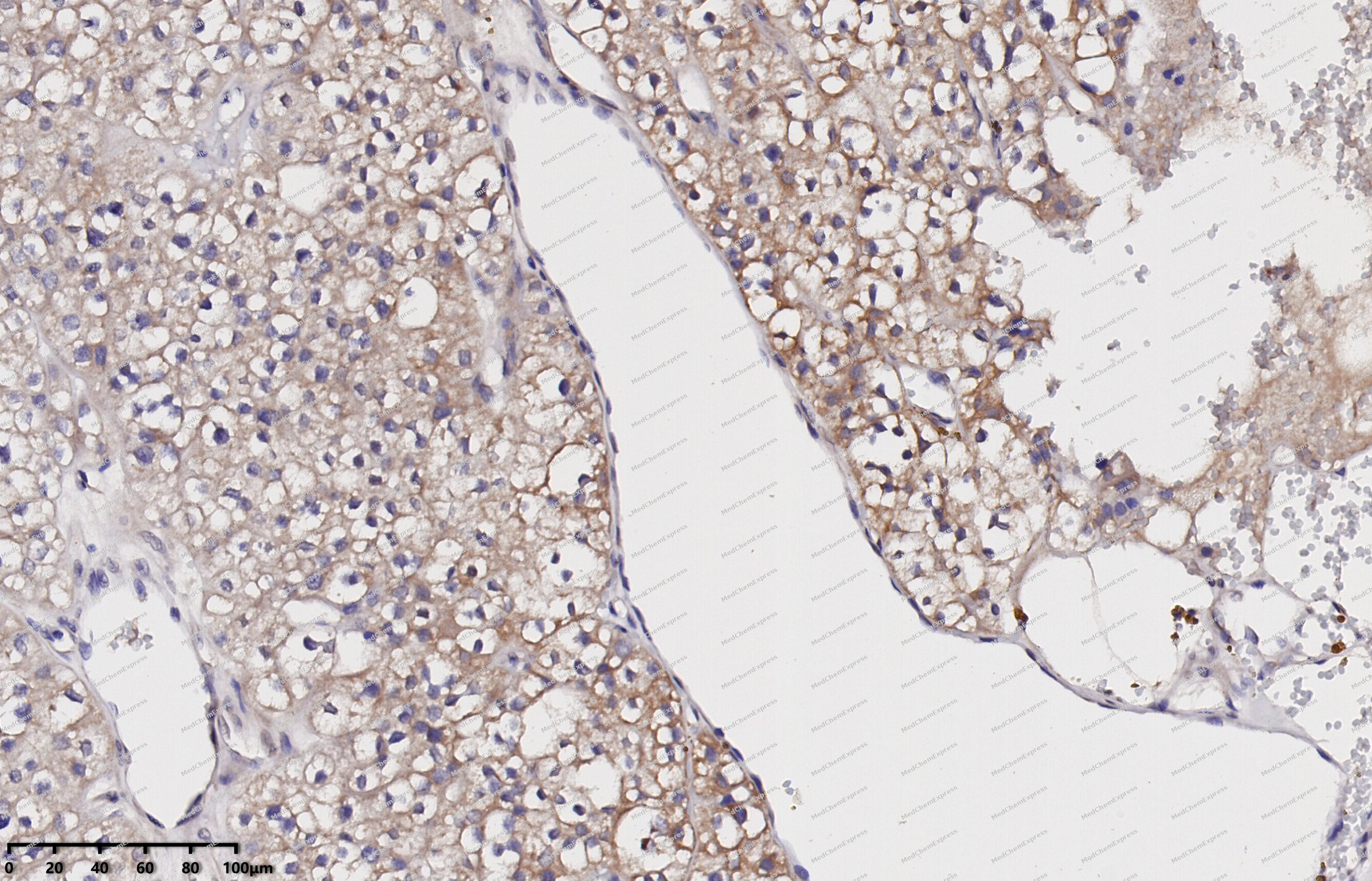 Immunohistochemical analysis of paraffin-embedded human thyroid cancer using HDAC6 antibody. The section was pre-treated using heat mediated antigen retrieval with EDTA (pH 9.0) for 14 minutes. The tissues were blocked in 5% BSA for 30 minutes at room temperature, washed with TBST, and then probed with the primary antibody (HY-P80154, 1/200) for 30 minutes at room temperature. The detection was performed using Polymer HRP-conjugated Goat Anti-Mouse/Rabbit lgG(H&L) secondary antibody (HY-P83652). DAB was used as the chromogen. Tissues were counterstained with hematoxylin and mounted with DPX.
 -
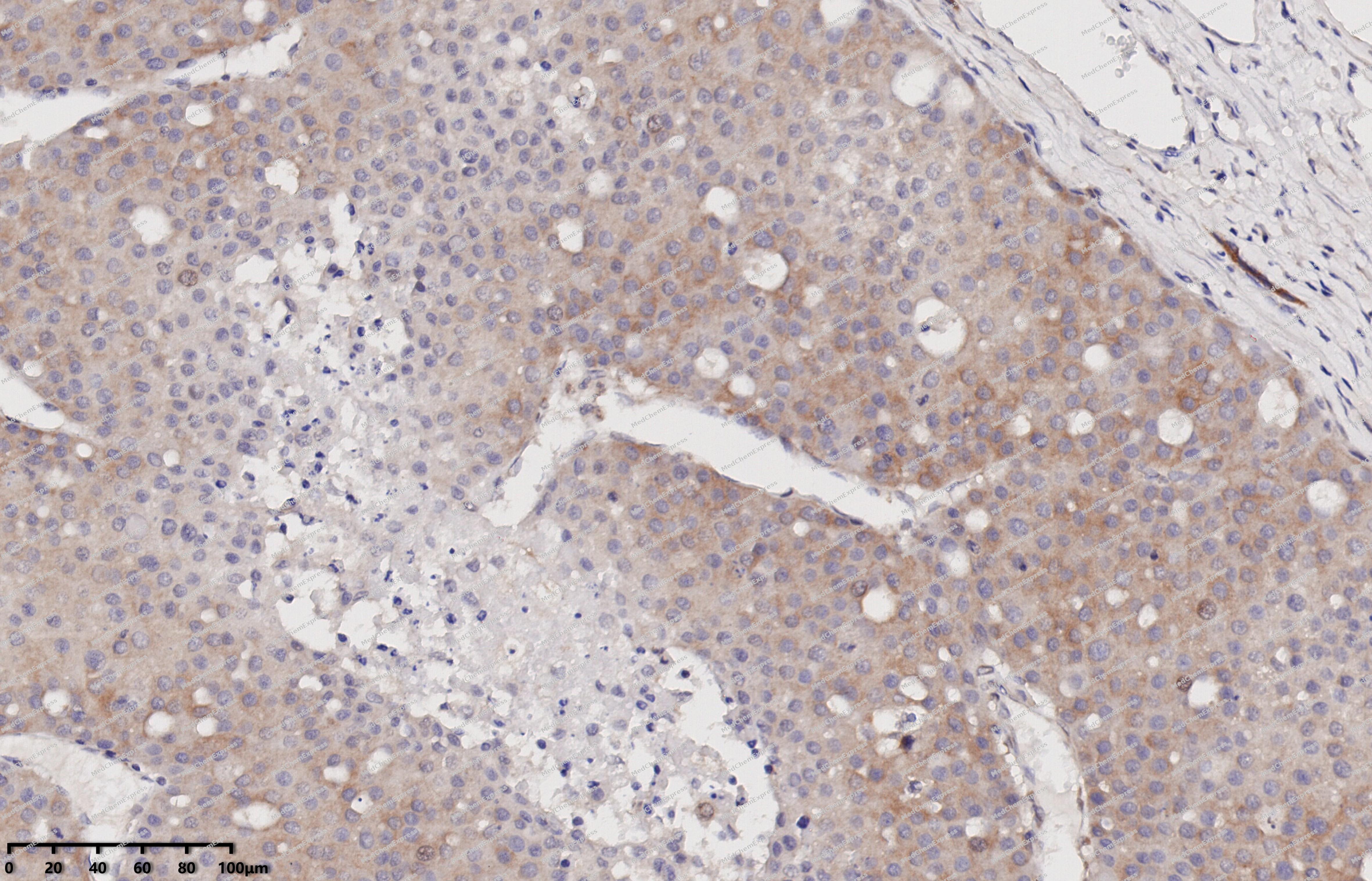 Immunohistochemical analysis of paraffin-embedded human liver cancer using HDAC6 antibody. The section was pre-treated using heat mediated antigen retrieval with EDTA (pH 9.0) for 14 minutes. The tissues were blocked in 5% BSA for 30 minutes at room temperature, washed with TBST, and then probed with the primary antibody (HY-P80154, 1/200) for 30 minutes at room temperature. The detection was performed using Polymer HRP-conjugated Goat Anti-Mouse/Rabbit lgG(H&L) secondary antibody (HY-P83652). DAB was used as the chromogen. Tissues were counterstained with hematoxylin and mounted with DPX.
 -
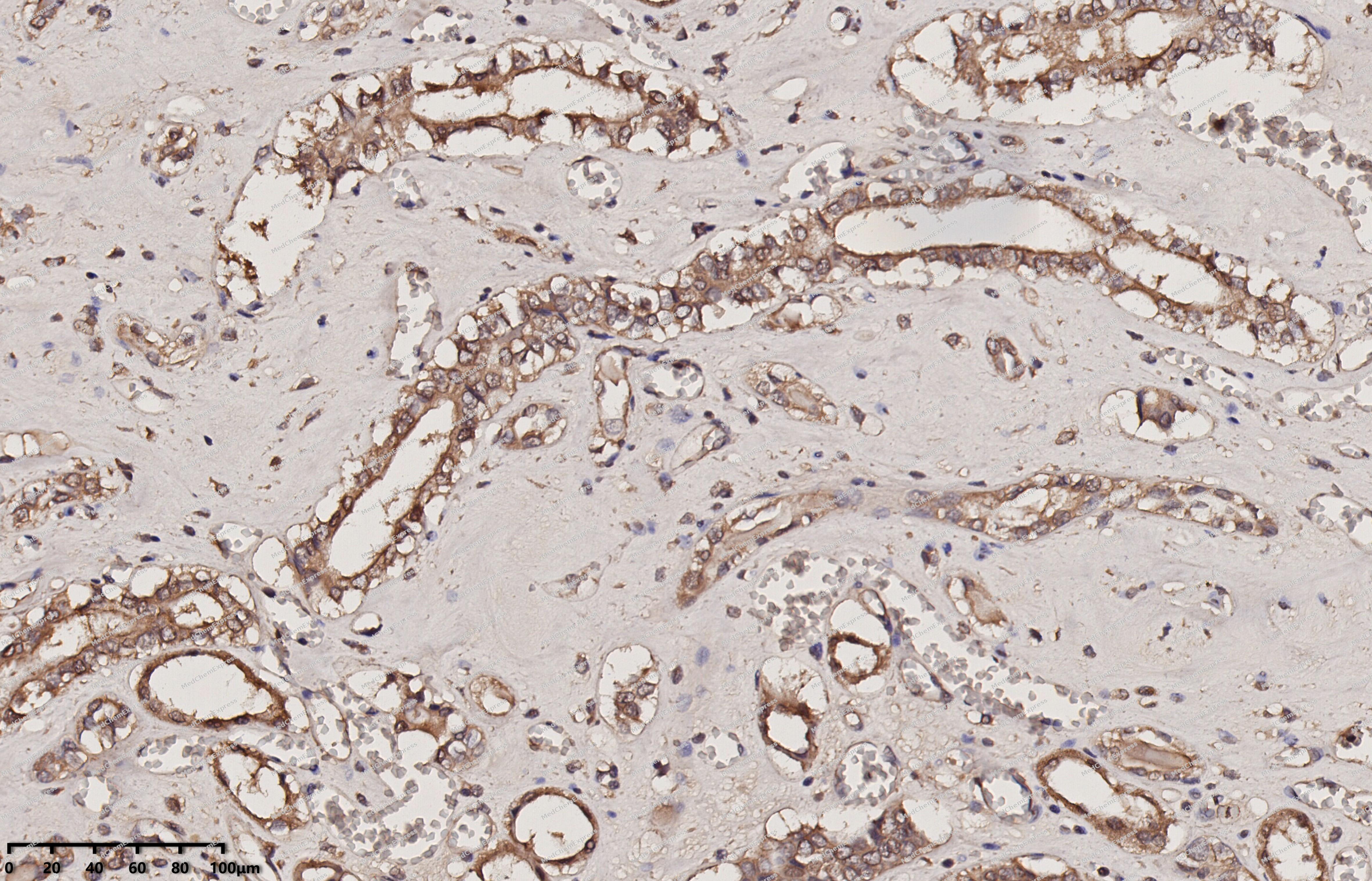 Immunohistochemical analysis of paraffin-embedded human kidney using HDAC6 antibody. The section was pre-treated using heat mediated antigen retrieval with EDTA (pH 9.0) for 14 minutes. The tissues were blocked in 5% BSA for 30 minutes at room temperature, washed with TBST, and then probed with the primary antibody (HY-P80154, 1/200) for 30 minutes at room temperature. The detection was performed using Polymer HRP-conjugated Goat Anti-Mouse/Rabbit lgG(H&L) secondary antibody (HY-P83652). DAB was used as the chromogen. Tissues were counterstained with hematoxylin and mounted with DPX.
 -
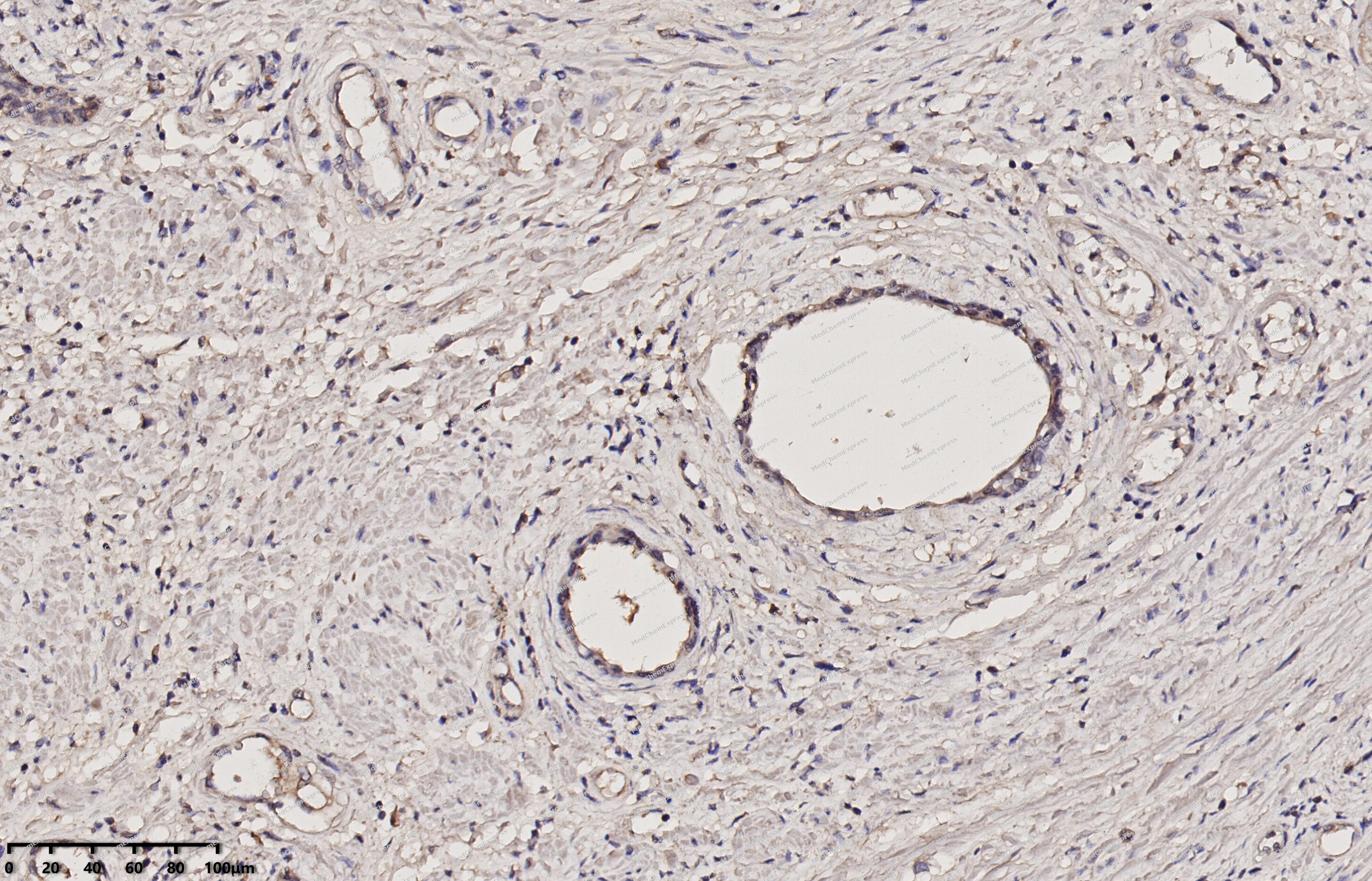 Immunohistochemical analysis of paraffin-embedded human prostate' using HDAC6 antibody. The section was pre-treated using heat mediated antigen retrieval with EDTA (pH 9.0) for 14 minutes. The tissues were blocked in 5% BSA for 30 minutes at room temperature, washed with TBST, and then probed with the primary antibody (HY-P80154, 1/200) for 30 minutes at room temperature. The detection was performed using Polymer HRP-conjugated Goat Anti-Mouse/Rabbit lgG(H&L) secondary antibody (HY-P83652). DAB was used as the chromogen. Tissues were counterstained with hematoxylin and mounted with DPX.
 -
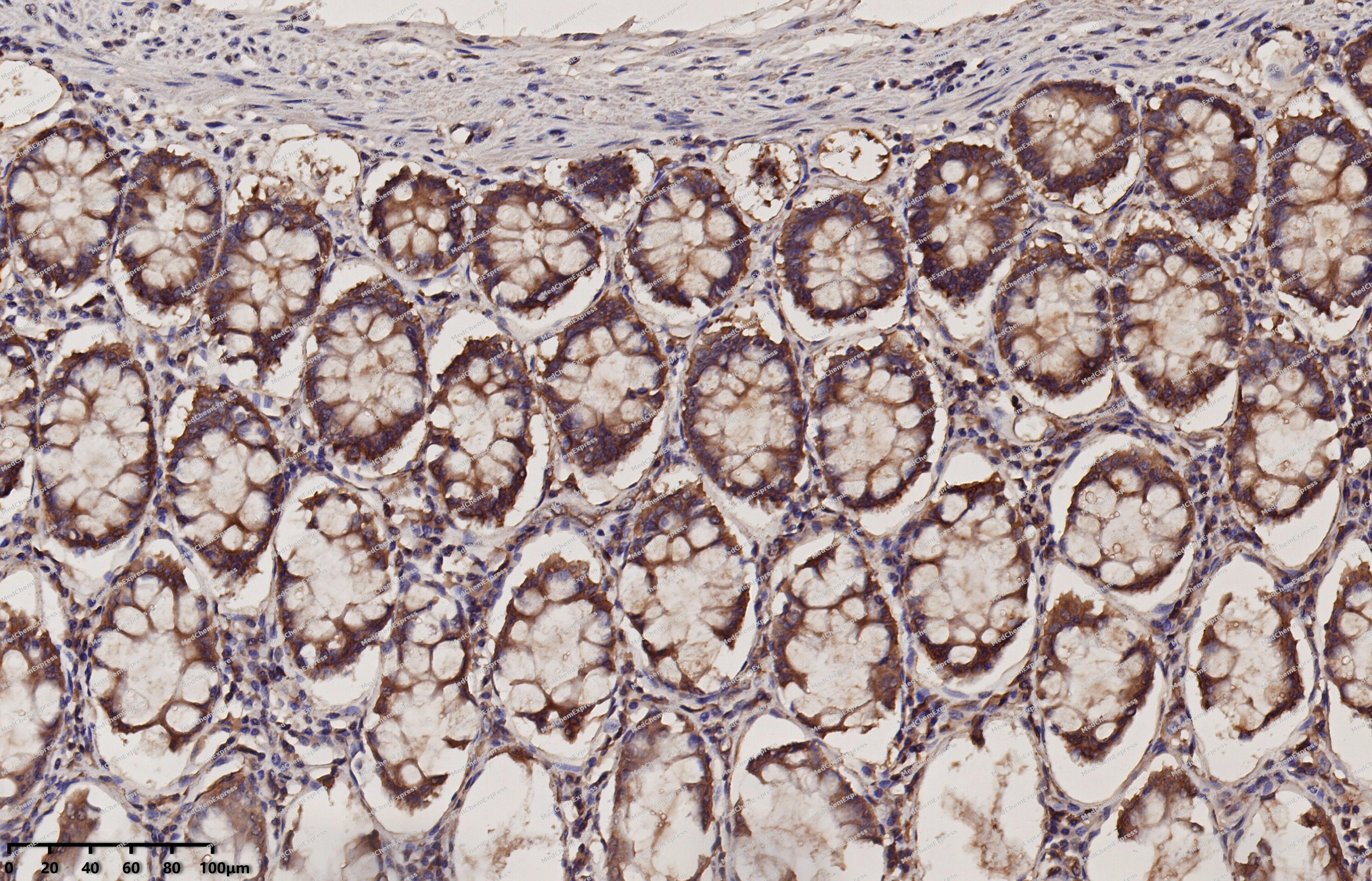 Immunohistochemical analysis of paraffin-embedded human colon using HDAC6 antibody. The section was pre-treated using heat mediated antigen retrieval with EDTA (pH 9.0) for 14 minutes. The tissues were blocked in 5% BSA for 30 minutes at room temperature, washed with TBST, and then probed with the primary antibody (HY-P80154, 1/200) for 30 minutes at room temperature. The detection was performed using Polymer HRP-conjugated Goat Anti-Mouse/Rabbit lgG(H&L) secondary antibody (HY-P83652). DAB was used as the chromogen. Tissues were counterstained with hematoxylin and mounted with DPX.
 -
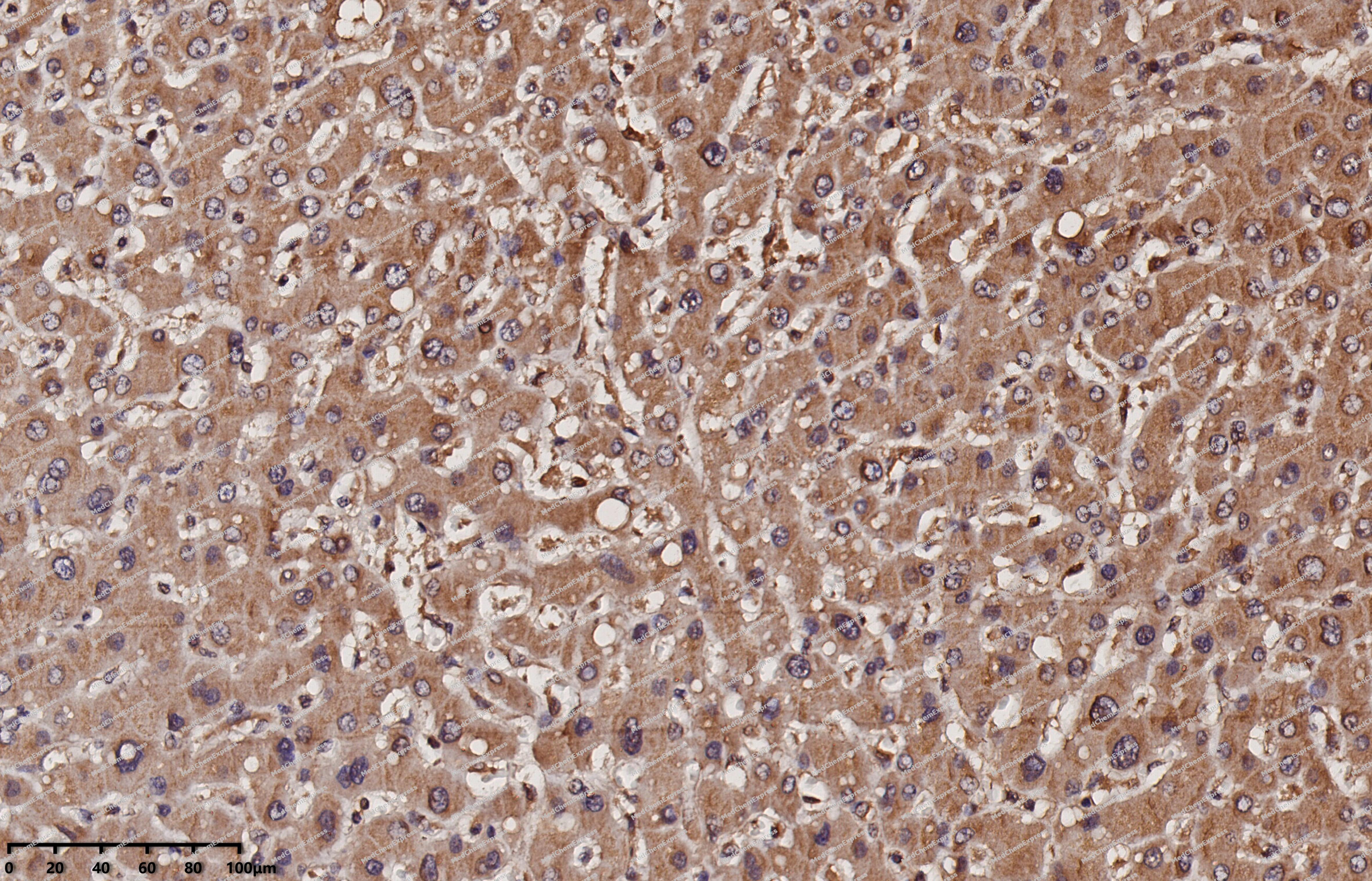 Immunohistochemical analysis of paraffin-embedded human liver using HDAC6 antibody. The section was pre-treated using heat mediated antigen retrieval with EDTA (pH 9.0) for 14 minutes. The tissues were blocked in 5% BSA for 30 minutes at room temperature, washed with TBST, and then probed with the primary antibody (HY-P80154, 1/200) for 30 minutes at room temperature. The detection was performed using Polymer HRP-conjugated Goat Anti-Mouse/Rabbit lgG(H&L) secondary antibody (HY-P83652). DAB was used as the chromogen. Tissues were counterstained with hematoxylin and mounted with DPX.
 -
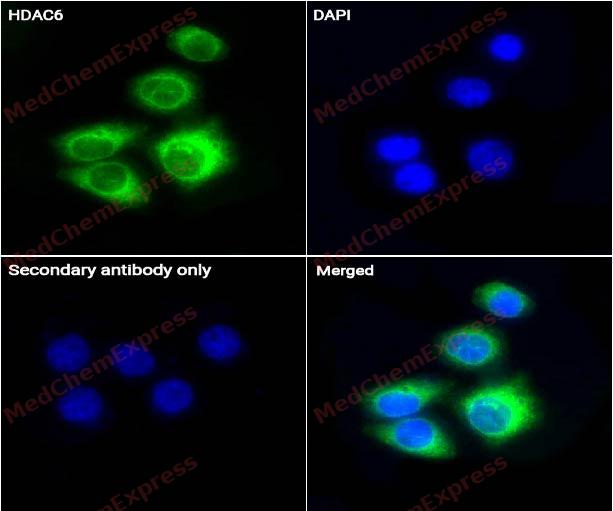 Immunocytochemistry analysis of HepG2 cells labeling HDAC6 Antibody (HY-P80154) at 1/50 dilution. Cells were fixed in 4% paraformaldehyde for 15 minutes at room temperature, permeabilized with 0.1% Triton X-100 for 10 minutes at room temperature, then blocked with QuickBlock™ Blocking Buffer for Immunol Staining for 10 min at room temperature. Cells were then incubated with HDAC6 Antibody (HY-P80154) at 1/50 dilution in QuickBlock™ Blocking Buffer for Immunol Staining at 4 ℃. Alexa Fluor® 488-conjugated AffiniPure Goat Anti-Rabbit IgG H&L(HY-P8002, Green) was used as the secondary antibody at 1/1,000 dilution. PBS instead of the primary antibody was used as the secondary antibody only control. The Nuclear counterstain was DAPI (Blue).
 -
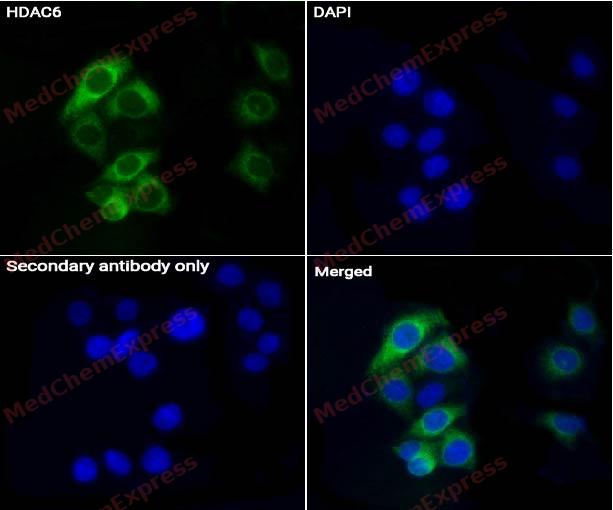 Immunocytochemistry analysis of HepG2 cells labeling HDAC6 Antibody (HY-P80154) at 1/200 dilution. Cells were fixed in 4% paraformaldehyde for 15 minutes at room temperature, permeabilized with 0.1% Triton X-100 for 10 minutes at room temperature, then blocked with QuickBlock™ Blocking Buffer for Immunol Staining for 10 min at room temperature. Cells were then incubated with HDAC6 Antibody (HY-P80154) at 1/200 dilution in QuickBlock™ Blocking Buffer for Immunol Staining at 4 ℃. Alexa Fluor® 488-conjugated AffiniPure Goat Anti-Rabbit IgG H&L(HY-P8002, Green) was used as the secondary antibody at 1/1,000 dilution. PBS instead of the primary antibody was used as the secondary antibody only control. The Nuclear counterstain was DAPI (Blue).


Background
-
Function
HDAC6 (histone deacetylase 6) is a unique class IIb histone deacetylase that localizes predominantly in the cytoplasm and preferentially targets non-histone substrates rather than chromatin-associated proteins[1][2]. HDAC6 regulates fundamental cellular functions through deacetylation of α-tubulin, Hsp90, and ubiquitin-associated protein complexes, thereby controlling microtubule dynamics, protein trafficking, stress responses, and protein quality-control mechanisms[2][3][4]. Mechanistically, HDAC6 functions at the intersection of the ubiquitin-proteasome system and autophagy-related pathways, where its ubiquitin-binding capability facilitates the processing and clearance of misfolded or aggregated proteins[3][4]. Therefore, HDAC6 has emerged as an important regulator of cellular proteostasis and cytoskeletal remodeling in both physiological and pathological contexts[2][3]. In disease models, HDAC6 has been implicated in cancer progression, neurodegenerative disorders, and inflammatory conditions through its effects on cell motility, intracellular transport, protein aggregation, and stress signaling pathways[2][4][5]. Increased HDAC6 activity promotes α-tubulin deacetylation and influences processes associated with tumor cell migration and metastasis, while modulation of HDAC6 activity alters axonal transport and protein aggregate handling in neurodegenerative disease models[4][5]. Compared with related HDAC isoforms, HDAC6 is distinguished by its predominantly cytoplasmic localization, preference for non-histone substrates, dual catalytic domains, and zinc-finger ubiquitin-binding domain, features that confer specialized biological functions not shared by most nuclear HDAC family members[2][5]. For experimental applications, HDAC6-selective inhibitors have become widely used chemical probes because they enable investigation of HDAC6-dependent signaling and protein homeostasis pathways while potentially reducing the off-target effects associated with pan-HDAC inhibition[3][6].
-
Subcellular Localization
Cytoplasm; Cytoplasm, cytoskeleton; Nucleus; Perikaryon; Cell projection, dendrite; Cell projection, axon; Cell projection, cilium; Cytoplasm, cytoskeleton, microtubule organizing center, centrosome; Cytoplasm, cytoskeleton, cilium basal body
-
Expression
Induction: (Microbial infection) Up-regulated by the presence of SARS-CoV-2 N protein during viral infection (PubMed:39135075) . The SARS-CoV-2 N protein enhances HDAC6 stability during infection by reducing its proteasomal degradation, leading to elevated HDAC6 levels (PubMed:39135075) -
Isoforms & Post-Translational Modification
Q9UBN7 has 2 isomers: Q9UBN7-1: 131419 Da (predicted); Q9UBN7-2: 114361 Da (predicted).
Phosphorylated by AURKA; phosphorylation increases HDAC6-mediated deacetylation of alpha-tubulin and subsequent disassembly of cilia;Ubiquitinated. Its polyubiquitination however does not lead to its degradation;Sumoylated in vitro -
Subunit
Forms a trimeric complex in the nucleus consisting of BANP, HDAC6 and KHDRBS1/SAM68; HDAC6 keeps KHDRBS1 in a deacetylated state which inhibits the inclusion of CD44 alternate exons (PubMed:26080397).
-
SwissProt ID
-
Synonyms
KIAA0901, JM21, HDAC6, Protein deacetylase HDAC6, E3 ubiquitin-protein ligase HDAC6, Tubulin-lysine deacetylase HDAC6
-
Research Field
Epigenetics and Nuclear Signaling


Documentation
-
Data Sheet (263 KB)
-
SDS (251 KB)
- English - EN (251 KB)
- Français - FR (251 KB)
- Deutsch - DE (251 KB)
- Norwegian - NO (251 KB)
- Español - ES (251 KB)
- Swedish - SV (251 KB)
- Italian - IT (251 KB)
- Korean - KR (251 KB)
- Portuguese - PT (251 KB)
-
User Guide for Antibodies (1077 KB)
References
[1]. Park SY, et al. A short guide to histone deacetylases including recent progress on class II enzymes. Exp Mol Med. 2020 Feb;52(2):204-212. [Content Brief]
[2]. Simões-Pires C, et al. HDAC6 as a target for neurodegenerative diseases: what makes it different from the other HDACs? Mol Neurodegener. 2013 Jan 29;8:7. doi: 10.1186/1750-1326-8-7. PMID: 23356410; PMCID: PMC3615964. [Content Brief]
[3]. Brindisi M, et al. Old but Gold: Tracking the New Guise of Histone Deacetylase 6 (HDAC6) Enzyme as a Biomarker and Therapeutic Target in Rare Diseases. J Med Chem. 2020 Jan 9;63(1):23-39. [Content Brief]
[4]. HDAC6 gene information from NCBI.
[5]. Li G, et al. HDAC6 α-tubulin deacetylase: a potential therapeutic target in neurodegenerative diseases. J Neurol Sci. 2011 May 15;304(1-2):1-8. [Content Brief]
[6]. Zhang Y, et al. Tanshinone IIA sodium sulfonate facilitates endocytic HMGB1 uptake. Biochem Pharmacol. 2012 Dec 1;84(11):1492-500. [Content Brief]

 Powered by Bioz
