



NF-KB p105/p50 Antibody (YA699)
(Synonyms: DKFZp686C01211 antibody; DNA binding factor KBF1 antibody; DNA binding factor KBF1 EBP1 antibody; DNA-binding factor KBF1 antibody; EBP 1 antibody; EBP-1 antibody; EBP1 antibody; KBF1 antibody; MGC54151 antibody; NF kappa B antibody; NF kappaB antibody; NF kappabeta antibody; NF kB1 antibody; NFkappaB antibody; NFKB 1 antibody; NFKB p105 antibody; NFKB p50 antibody; Nfkb1 antibody; NFKB1_HUMAN antibody; Nuclear factor kappa B DNA binding subunit antibody; Nuclear factor kappa-B, subunit 1 antibody; Nuclear factor NF kappa B p105 subunit antibody; Nuclear factor NF kappa B p50 subunit antibody; Nuclear factor NF-kappa-B p50 subunit antibody; Nuclear factor of kappa light chain gene enhancer in B cells 1 antibody; Nuclear factor of kappa light polypeptide gene enhancer in B cells 1 antibody; Nuclear factor of kappa light polypeptide gene enhancer in B-cells 1 antibody; p105 antibody; p50 antibody; p84/NF-kappa-B1 p98 antibody; Transcription factor NFKB1 antibody; )
Based on 1 Customer Validation
NF-KB p105/p50 Antibody (YA699) is a Mouse-derived and non-conjugated IgM monoclonal antibody, targeting to NF-KB p105/p50.
-
Host:
Mouse
-
Isotype:
IgM
-
Application:
WB, ICC/IF, IHC-P
-
Reactivity :
Human, Mouse
-
Formulation:
Supplied in 1*PBS (pH7.4), 0.2% BSA and 40% Glycerol. Preservative: 0.05% Sodium Azide.
-
Conjugation:
Non-conjugated


To place orders, for customer services and technical support, please contact: MedChemExpress USA
Tel: 609-228-6898 E-mail: [email protected] [email protected]





Applications
| Application |
WB

WB: Western Blot
|
ICC/IF
ICC/IF: Immunocytochemistry/
Immunofluorescence |
IHC-P
IHC-P: Immunohistochemistry-Paraffin
|
|---|---|---|---|
| Dilution Ratio | 1:1000-1:2000 | 1:200 | 1:200-1:500 |


Product Details
NF-KB p105/p50 Antibody (YA699) is a Mouse-derived and non-conjugated IgM monoclonal antibody, targeting to NF-KB p105/p50.
-
Host Mouse

-
Clonality Monoclonal

-
Species ReactivityHuman, Mouse
-
Observed Molecular WeightObserved band size: 50/120 kDa
Note: Due to possible protein modifications or aggregation, the molecular weight should be confirmed by actual measurement, and the predicted value is for reference only.

-
Calculated Molecular Weight Predicted band size: 105 kDa

Synthetic peptide corresponding to Human NF-kB p105/p50.AA range:317-366.
Endogenous
Protein L affinity purified.
Non-conjugated
Unmodified
IgM


Product Properties
-
Appearance
Liquid
-
Formulation
Supplied in 1*PBS (pH7.4), 0.2% BSA and 40% Glycerol. Preservative: 0.05% Sodium Azide.
-
Concentration
Batch-dependent, Please check the COA for the concentration of each lot. Check Lot Concentration
-
Storage & Stability
Stored at -20°C for 1 year. Avoid repeated freeze / thaw cycles.
-
Shipping
Shipping with blue ice.


Verification Images
-
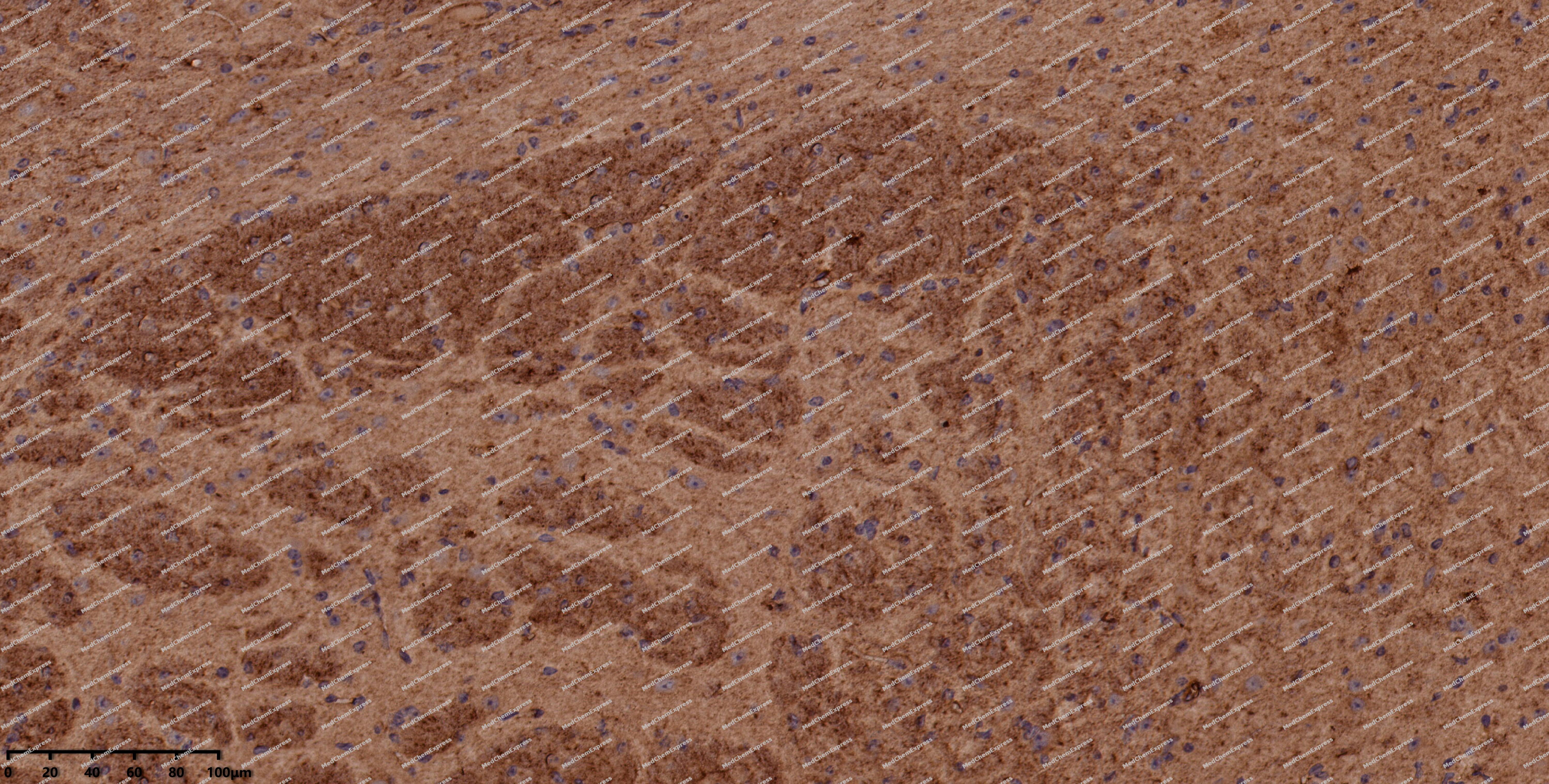 Immunohistochemical analysis of paraffin-embedded mouse brain using NF-KB p105/p50 antibody. The section was pre-treated using heat mediated antigen retrieval with EDTA (pH 9.0) for 14 minutes. The tissues were blocked in 5% BSA for 30 minutes at room temperature, washed with TBST, and then probed with the primary antibody (HY-P80244, 1/500) for 30 minutes at room temperature. The detection was performed using Polymer HRP-conjugated Goat Anti-Mouse/Rabbit lgG(H&L) secondary antibody (HY-P83652). DAB was used as the chromogen. Tissues were counterstained with hematoxylin and mounted with DPX.
 -
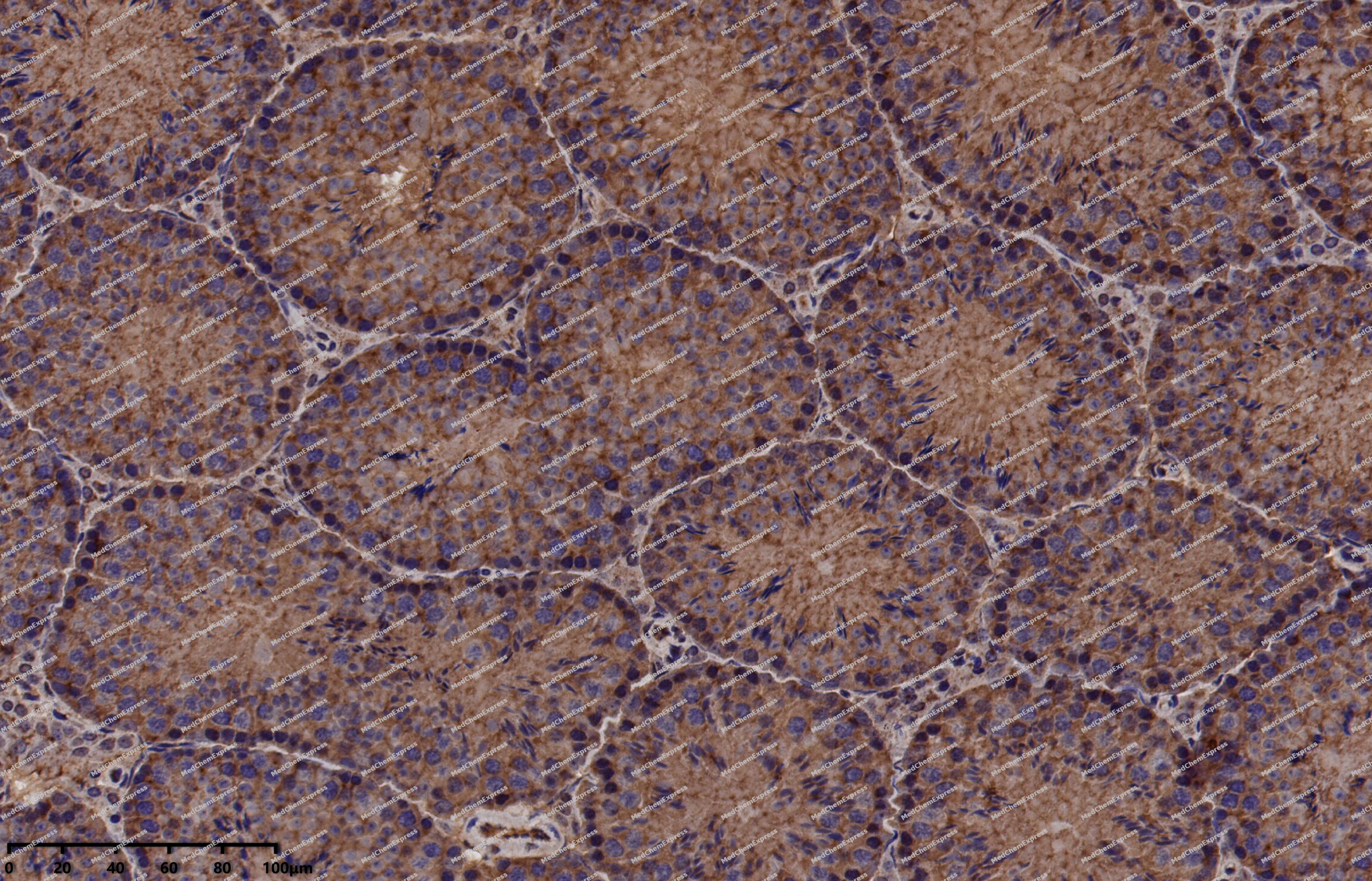 Immunohistochemical analysis of paraffin-embedded mouse testis using NF-KB p105/p50 antibody. The section was pre-treated using heat mediated antigen retrieval with EDTA (pH 9.0) for 14 minutes. The tissues were blocked in 5% BSA for 30 minutes at room temperature, washed with TBST, and then probed with the primary antibody (HY-P80244, 1/500) for 30 minutes at room temperature. The detection was performed using Polymer HRP-conjugated Goat Anti-Mouse/Rabbit lgG(H&L) secondary antibody (HY-P83652). DAB was used as the chromogen. Tissues were counterstained with hematoxylin and mounted with DPX.
 -
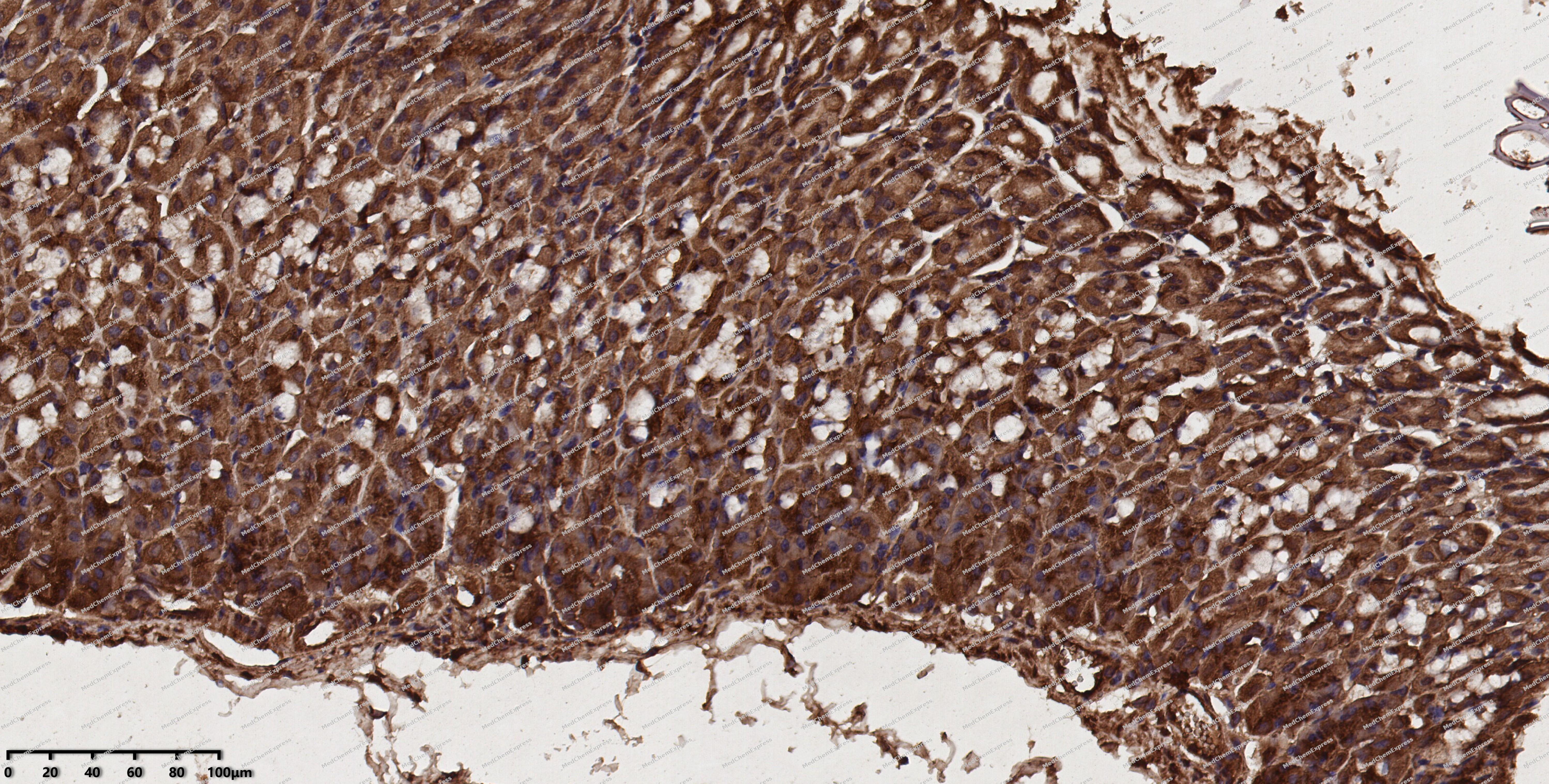 Immunohistochemical analysis of paraffin-embedded mouse stomach using NF-KB p105/p50 antibody. The section was pre-treated using heat mediated antigen retrieval with EDTA (pH 9.0) for 14 minutes. The tissues were blocked in 5% BSA for 30 minutes at room temperature, washed with TBST, and then probed with the primary antibody (HY-P80244, 1/500) for 30 minutes at room temperature. The detection was performed using Polymer HRP-conjugated Goat Anti-Mouse/Rabbit lgG(H&L) secondary antibody (HY-P83652). DAB was used as the chromogen. Tissues were counterstained with hematoxylin and mounted with DPX.
 -
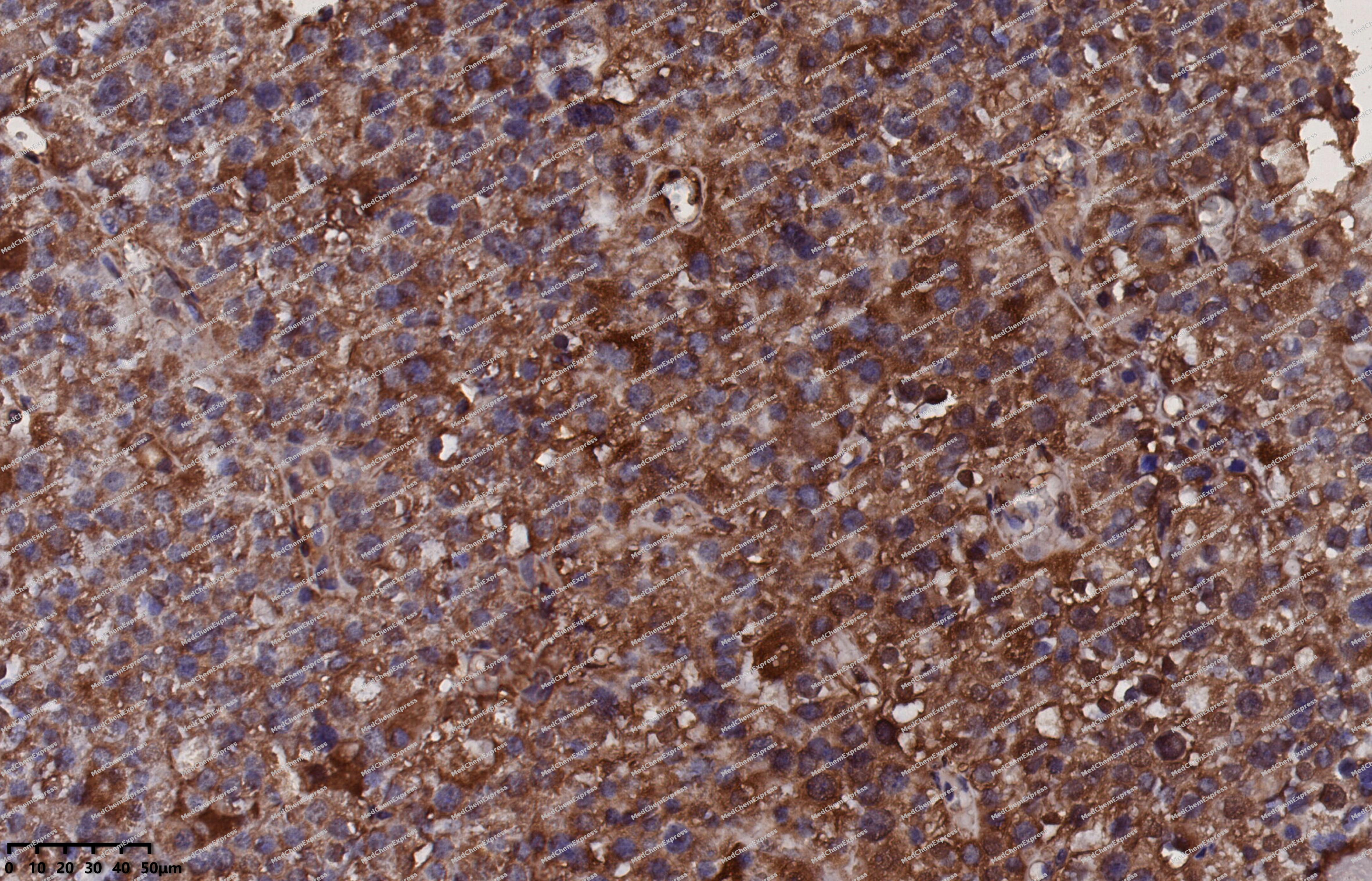 Immunohistochemical analysis of paraffin-embedded human thyroid cancer using NF-KB p105/p50 antibody. The section was pre-treated using heat mediated antigen retrieval with EDTA (pH 9.0) for 14 minutes. The tissues were blocked in 5% BSA for 30 minutes at room temperature, washed with TBST, and then probed with the primary antibody (HY-P80244, 1/500) for 30 minutes at room temperature. The detection was performed using Polymer HRP-conjugated Goat Anti-Mouse/Rabbit lgG(H&L) secondary antibody (HY-P83652). DAB was used as the chromogen. Tissues were counterstained with hematoxylin and mounted with DPX.
 -
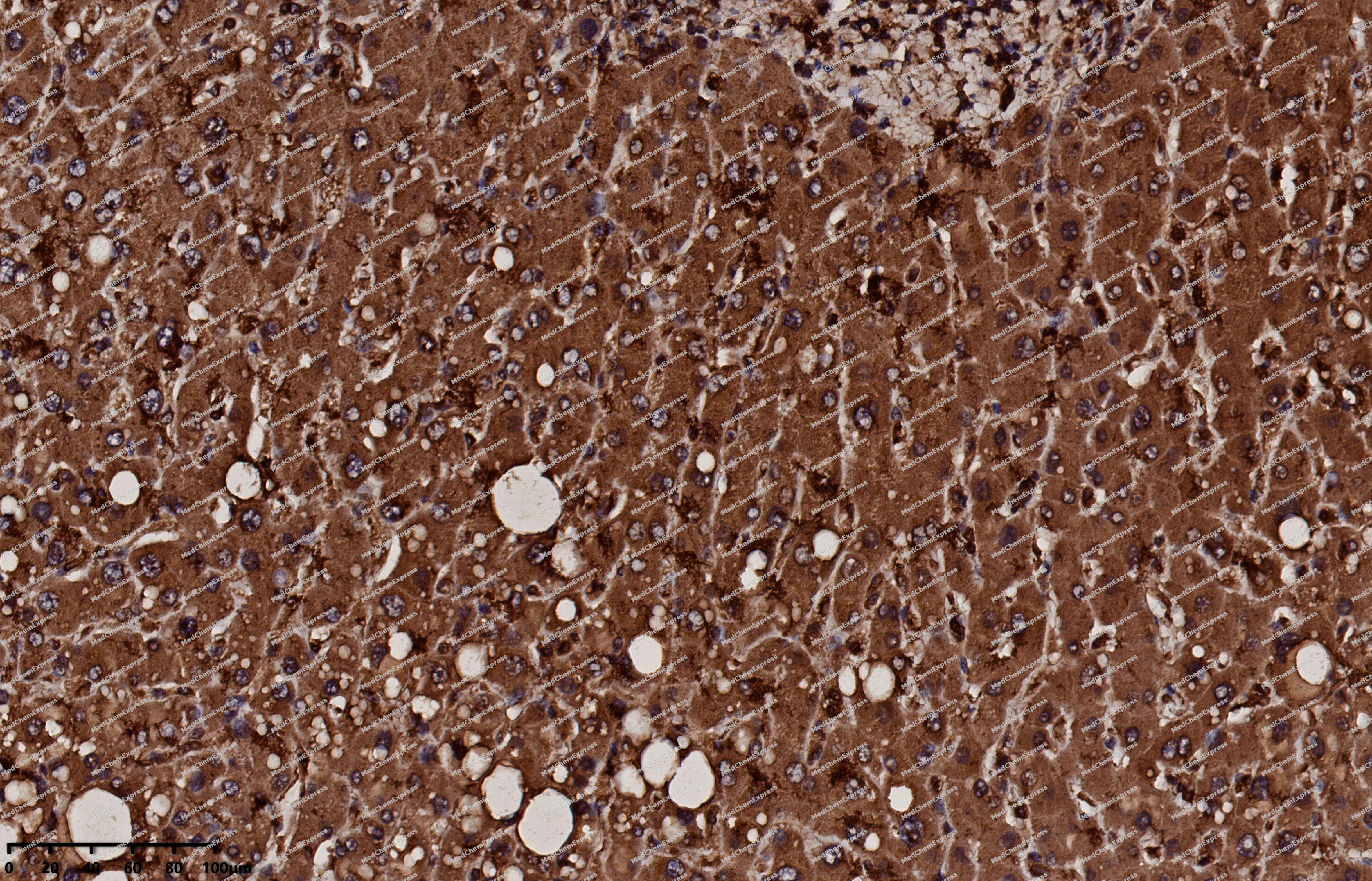 Immunohistochemical analysis of paraffin-embedded human liver using NF-KB p105/p50 antibody. The section was pre-treated using heat mediated antigen retrieval with EDTA (pH 9.0) for 14 minutes. The tissues were blocked in 5% BSA for 30 minutes at room temperature, washed with TBST, and then probed with the primary antibody (HY-P80244, 1/500) for 30 minutes at room temperature. The detection was performed using Polymer HRP-conjugated Goat Anti-Mouse/Rabbit lgG(H&L) secondary antibody (HY-P83652). DAB was used as the chromogen. Tissues were counterstained with hematoxylin and mounted with DPX.
 -
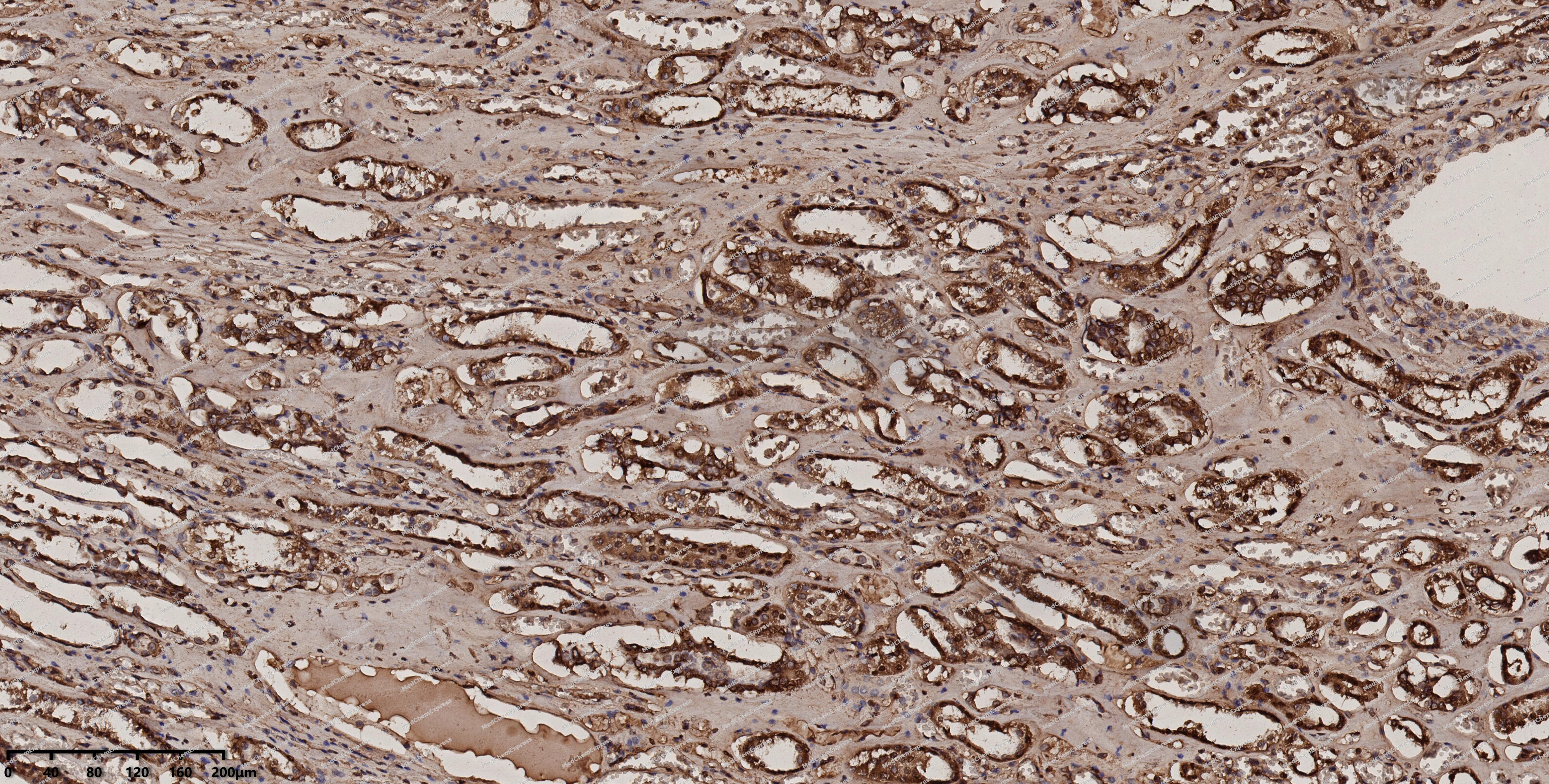 Immunohistochemical analysis of paraffin-embedded human kidney using NF-KB p105/p50 antibody. The section was pre-treated using heat mediated antigen retrieval with EDTA (pH 9.0) for 14 minutes. The tissues were blocked in 5% BSA for 30 minutes at room temperature, washed with TBST, and then probed with the primary antibody (HY-P80244, 1/500) for 30 minutes at room temperature. The detection was performed using Polymer HRP-conjugated Goat Anti-Mouse/Rabbit lgG(H&L) secondary antibody (HY-P83652). DAB was used as the chromogen. Tissues were counterstained with hematoxylin and mounted with DPX.
 -
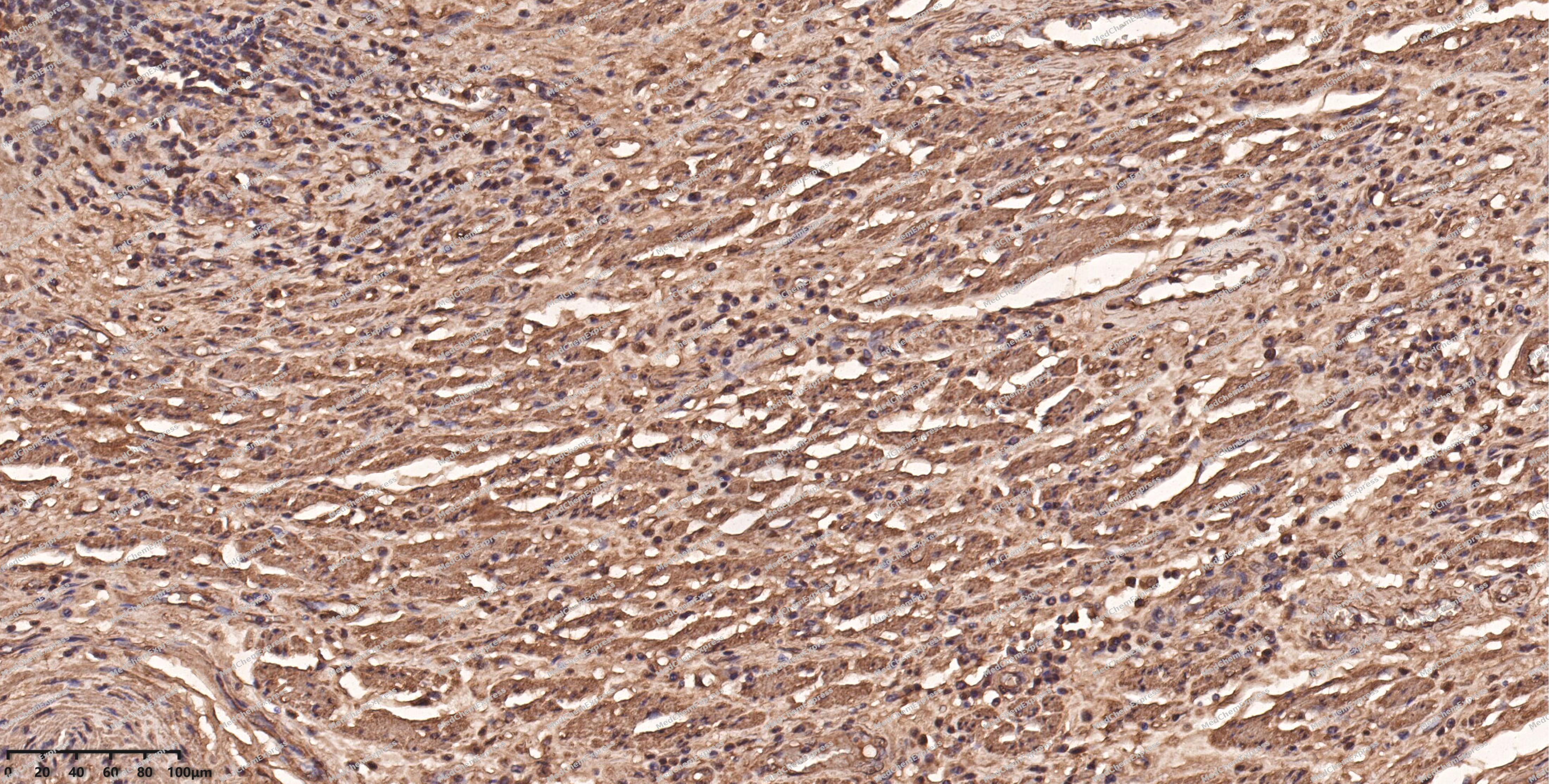 Immunohistochemical analysis of paraffin-embedded human stomach cancer using NF-KB p105/p50 antibody. The section was pre-treated using heat mediated antigen retrieval with EDTA (pH 9.0) for 14 minutes. The tissues were blocked in 5% BSA for 30 minutes at room temperature, washed with TBST, and then probed with the primary antibody (HY-P80244, 1/500) for 30 minutes at room temperature. The detection was performed using Polymer HRP-conjugated Goat Anti-Mouse/Rabbit lgG(H&L) secondary antibody (HY-P83652). DAB was used as the chromogen. Tissues were counterstained with hematoxylin and mounted with DPX.


Background
-
Function
NF-KB p105/p50 is a NF-kappa-B is a pleiotropic transcription factor present in almost all cell types and is the endpoint of a series of signal transduction events that are initiated by a vast array of stimuli related to many biological processes such as inflammation, immunity, differentiation, cell growth, tumorigenesis and apoptosis. NF-kappa-B is a homo- or heterodimeric complex formed by the Rel-like domain-containing proteins RELA/p65, RELB, NFKB1/p105, NFKB1/p50, REL and NFKB2/p52 and the heterodimeric p65-p50 complex appears to be most abundant one. The dimers bind at kappa-B sites in the DNA of their target genes and the individual dimers have distinct preferences for different kappa-B sites that they can bind with distinguishable affinity and specificity. Different dimer combinations act as transcriptional activators or repressors, respectively. NF-kappa-B is controlled by various mechanisms of post-translational modification and subcellular compartmentalization as well as by interactions with other cofactors or corepressors. NF-kappa-B complexes are held in the cytoplasm in an inactive state complexed with members of the NF-kappa-B inhibitor (I-kappa-B) family. In a conventional activation pathway, I-kappa-B is phosphorylated by I-kappa-B kinases (IKKs) in response to different activators, subsequently degraded thus liberating the active NF-kappa-B complex which translocates to the nucleus. NF-kappa-B heterodimeric p65-p50 and RelB-p50 complexes are transcriptional activators. The NF-kappa-B p50-p50 homodimer is a transcriptional repressor, but can act as a transcriptional activator when associated with BCL3. NFKB1 appears to have dual functions such as cytoplasmic retention of attached NF-kappa-B proteins by p105 and generation of p50 by a cotranslational processing. The proteasome-mediated process ensures the production of both p50 and p105 and preserves their independent function, although processing of NFKB1/p105 also appears to occur post-translationally. p50 binds to the kappa-B consensus sequence 5'-GGRNNYYCC-3', located in the enhancer region of genes involved in immune response and acute phase reactions. In a complex with MAP3K8, NFKB1/p105 represses MAP3K8-induced MAPK signaling; active MAP3K8 is released by proteasome-dependent degradation of NFKB1/p105; P105 is the precursor of the active p50 subunit (Nuclear factor NF-kappa-B p50 subunit) of the nuclear factor NF-kappa-B. Acts as a cytoplasmic retention of attached NF-kappa-B proteins by p105; Constitutes the active form, which associates with RELA/p65 to form the NF-kappa-B p65-p50 complex to form a transcription factor. Together with RELA/p65, binds to the kappa-B consensus sequence 5'-GGRNNYYCC-3', located in the enhancer region of genes involved in immune response and acute phase reactions[1][2][3].
-
Subcellular Localization
Cytoplasm; Nucleus; Cytoplasm
-
Expression
Induction:By phorbol ester and TNF -
Subunit
Component of the NF-kappa-B p65-p50 complex (PubMed:1740106, PubMed:7830764). Homodimer; component of the NF-kappa-B p50-p50 complex.
-
SwissProt ID
-
Synonyms
DKFZp686C01211 antibody; DNA binding factor KBF1 antibody; DNA binding factor KBF1 EBP1 antibody; DNA-binding factor KBF1 antibody; EBP 1 antibody; EBP-1 antibody; EBP1 antibody; KBF1 antibody; MGC54151 antibody; NF kappa B antibody; NF kappaB antibody; NF kappabeta antibody; NF kB1 antibody; NFkappaB antibody; NFKB 1 antibody; NFKB p105 antibody; NFKB p50 antibody; Nfkb1 antibody; NFKB1_HUMAN antibody; Nuclear factor kappa B DNA binding subunit antibody; Nuclear factor kappa-B, subunit 1 antibody; Nuclear factor NF kappa B p105 subunit antibody; Nuclear factor NF kappa B p50 subunit antibody; Nuclear factor NF-kappa-B p50 subunit antibody; Nuclear factor of kappa light chain gene enhancer in B cells 1 antibody; Nuclear factor of kappa light polypeptide gene enhancer in B cells 1 antibody; Nuclear factor of kappa light polypeptide gene enhancer in B-cells 1 antibody; p105 antibody; p50 antibody; p84/NF-kappa-B1 p98 antibody; Transcription factor NFKB1 antibody;
-
Research Field
Cell Biology


Documentation
-
Data Sheet (235 KB)
-
SDS (254 KB)
- English - EN (254 KB)
- Français - FR (254 KB)
- Deutsch - DE (254 KB)
- Norwegian - NO (254 KB)
- Español - ES (254 KB)
- Swedish - SV (254 KB)
- Italian - IT (254 KB)
- Korean - KR (254 KB)
- Portuguese - PT (254 KB)
-
User Guide for Antibodies (1077 KB)

 Powered by Bioz
