



c-Rel Antibody (YA490)
(Synonyms: Proto-oncogene c-Rel, REL)
Based on 1 Customer Validation
c-Rel Antibody (YA490) is a Rabbit-derived and non-conjugated IgG monoclonal antibody, targeting to c-Rel.
-
Host:
Rabbit
-
Isotype:
IgG
-
Application:
WB, IHC-P, IP
-
Reactivity :
Human
-
Formulation:
Supplied in 1*TBS (pH7.4), 0.05% BSA and 40% Glycerol. Preservative: 0.05% Sodium Azide.
-
Conjugation:
Non-conjugated


To place orders, for customer services and technical support, please contact: MedChemExpress USA
Tel: 609-228-6898 E-mail: [email protected] [email protected]





Applications
| Application |
WB

WB: Western Blot
|
IHC-P
IHC-P: Immunohistochemistry-Paraffin
|
IP
IP: Immunoprecipitation
|
|---|---|---|---|
| Dilution Ratio | 1:1000 | 1:50-1:200 | Use at an assay dependent concentration. |


Product Details
c-Rel Antibody (YA490) is a Rabbit-derived and non-conjugated IgG monoclonal antibody, targeting to c-Rel.
-
Host Rabbit

-
Clonality Recombinant,Monoclonal

-
Species ReactivityHuman
-
Observed Molecular WeightObserved band size: 30-40 kDa
Note: Due to possible protein modifications or aggregation, the molecular weight should be confirmed by actual measurement, and the predicted value is for reference only.

-
Calculated Molecular Weight Predicted band size: 69 kDa

Synthetic peptide corresponding to Human c-Rel.AA range:501-550.
Endogenous
Protein A affinity purified.
Non-conjugated
Unmodified
IgG


Product Properties
-
Appearance
Solution
-
Formulation
Supplied in 1*TBS (pH7.4), 0.05% BSA and 40% Glycerol. Preservative: 0.05% Sodium Azide.
-
Concentration
Batch-dependent, Please check the COA for the concentration of each lot. Check Lot Concentration
-
Storage & Stability
Stored at -20°C for 1 year. Avoid repeated freeze / thaw cycles.
-
Shipping
Shipping with blue ice.


Verification Images
-
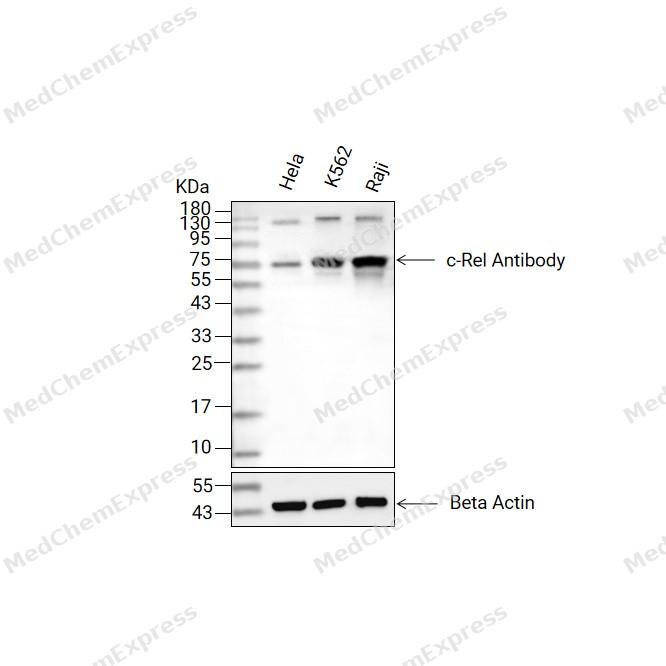 Western blot analysis of extracts from Hela(lane 2(20ug) , K562(lane 3(20ug) and Raji(lane 4(20ug) using c-Rel Antibody (HY-P80093) Rabbit mAb. Proteins were transferred to a PVDF membrane and blocked with 5% non-fat milk in TBST for 2 hour at room temperature. The primary antibody (1/1000) and Loading control antibody (Beta Actin, HY-P83730, 1/10000) was used in 5% non-fat milk in TBST at 4°C overnight. Goat Anti-Mouse/Rabbit IgG-HRP Secondary Antibody (1/10000) was used for 1 hour at room temperature.
 -
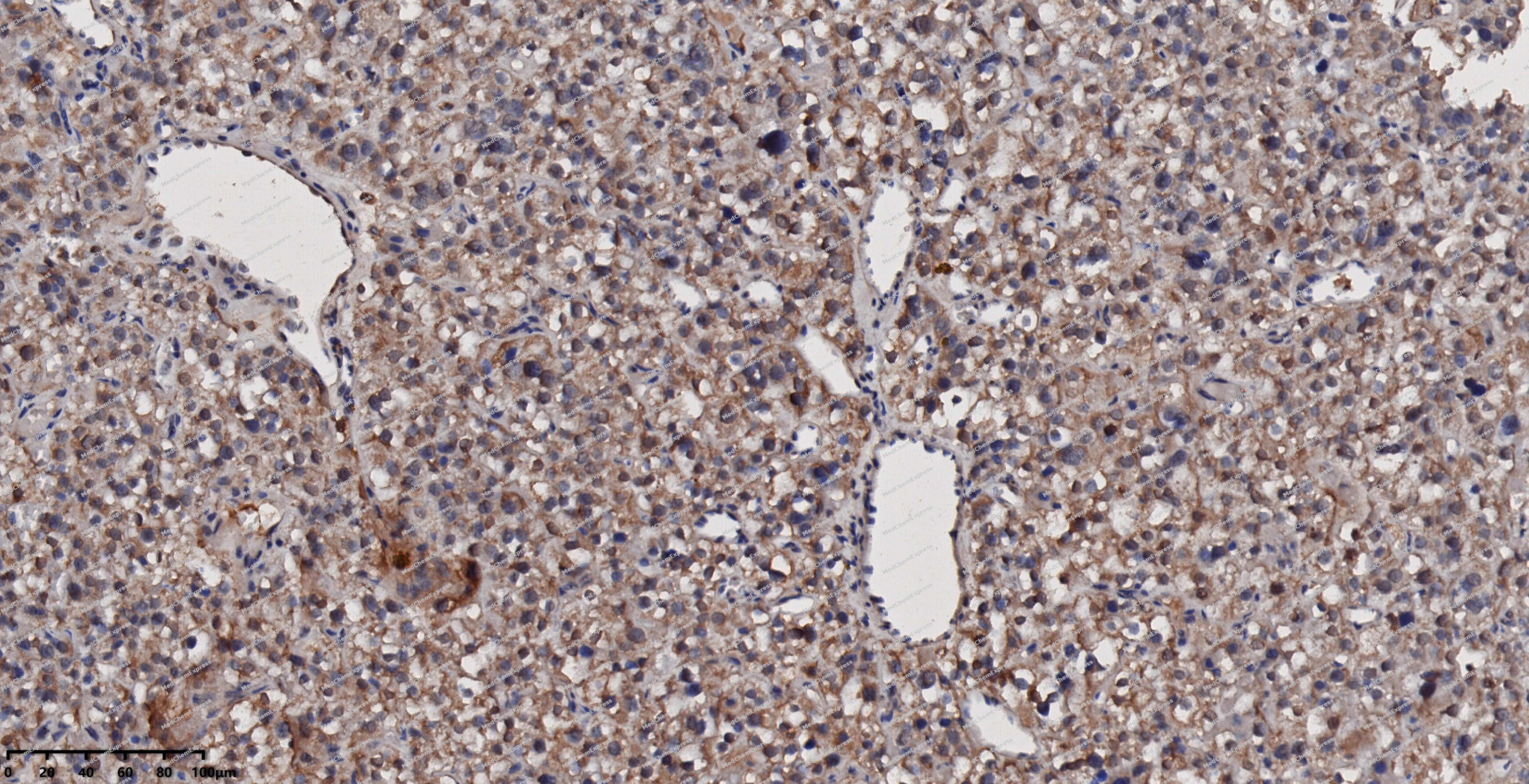 Immunohistochemical analysis of paraffin-embedded human thyroid cancer using c-Rel antibody. The section was pre-treated using heat mediated antigen retrieval with EDTA (pH 9.0) for 14 minutes. The tissues were blocked in 5% BSA for 30 minutes at room temperature, washed with TBST, and then probed with the primary antibody (HY-P80093, 1/200) for 30 minutes at room temperature. The detection was performed using Polymer HRP-conjugated Goat Anti-Mouse/Rabbit lgG(H&L) secondary antibody (HY-P83652). DAB was used as the chromogen. Tissues were counterstained with hematoxylin and mounted with DPX.
 -
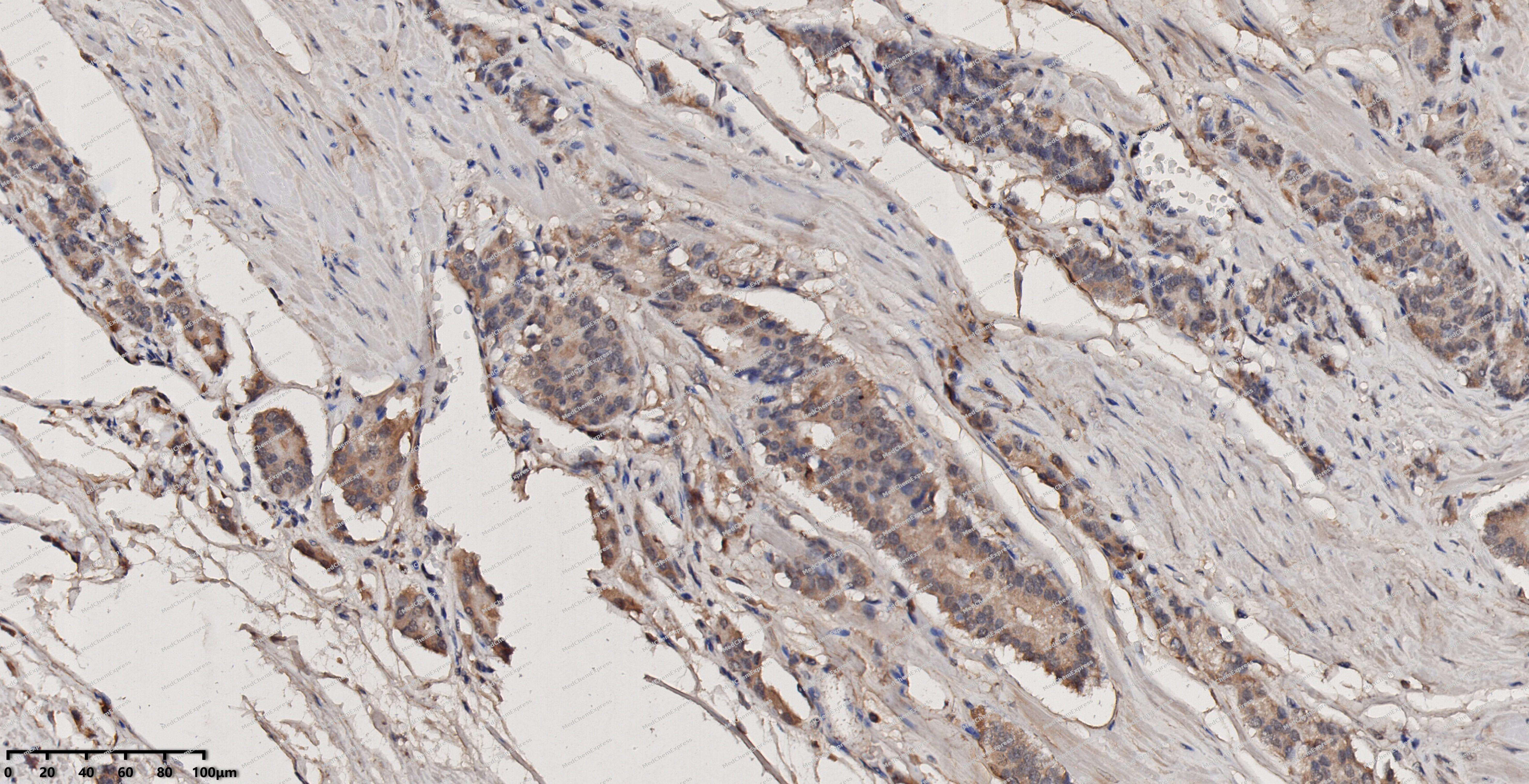 Immunohistochemical analysis of paraffin-embedded human prostate cancer using c-Rel antibody. The section was pre-treated using heat mediated antigen retrieval with EDTA (pH 9.0) for 14 minutes. The tissues were blocked in 5% BSA for 30 minutes at room temperature, washed with TBST, and then probed with the primary antibody (HY-P80093, 1/200) for 30 minutes at room temperature. The detection was performed using Polymer HRP-conjugated Goat Anti-Mouse/Rabbit lgG(H&L) secondary antibody (HY-P83652). DAB was used as the chromogen. Tissues were counterstained with hematoxylin and mounted with DPX.
 -
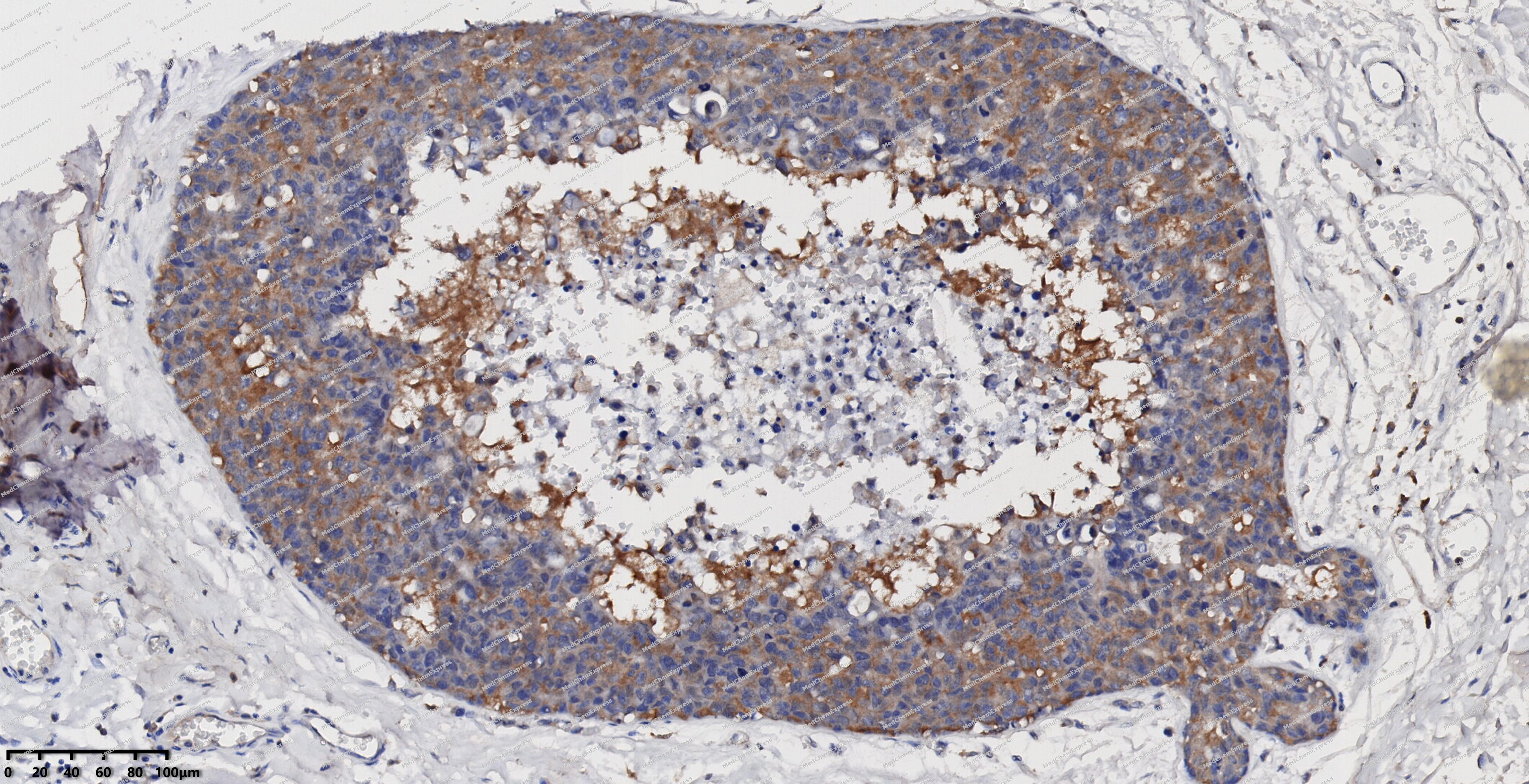 Immunohistochemical analysis of paraffin-embedded human breast cancer using c-Rel antibody. The section was pre-treated using heat mediated antigen retrieval with EDTA (pH 9.0) for 14 minutes. The tissues were blocked in 5% BSA for 30 minutes at room temperature, washed with TBST, and then probed with the primary antibody (HY-P80093, 1/200) for 30 minutes at room temperature. The detection was performed using Polymer HRP-conjugated Goat Anti-Mouse/Rabbit lgG(H&L) secondary antibody (HY-P83652). DAB was used as the chromogen. Tissues were counterstained with hematoxylin and mounted with DPX.
 -
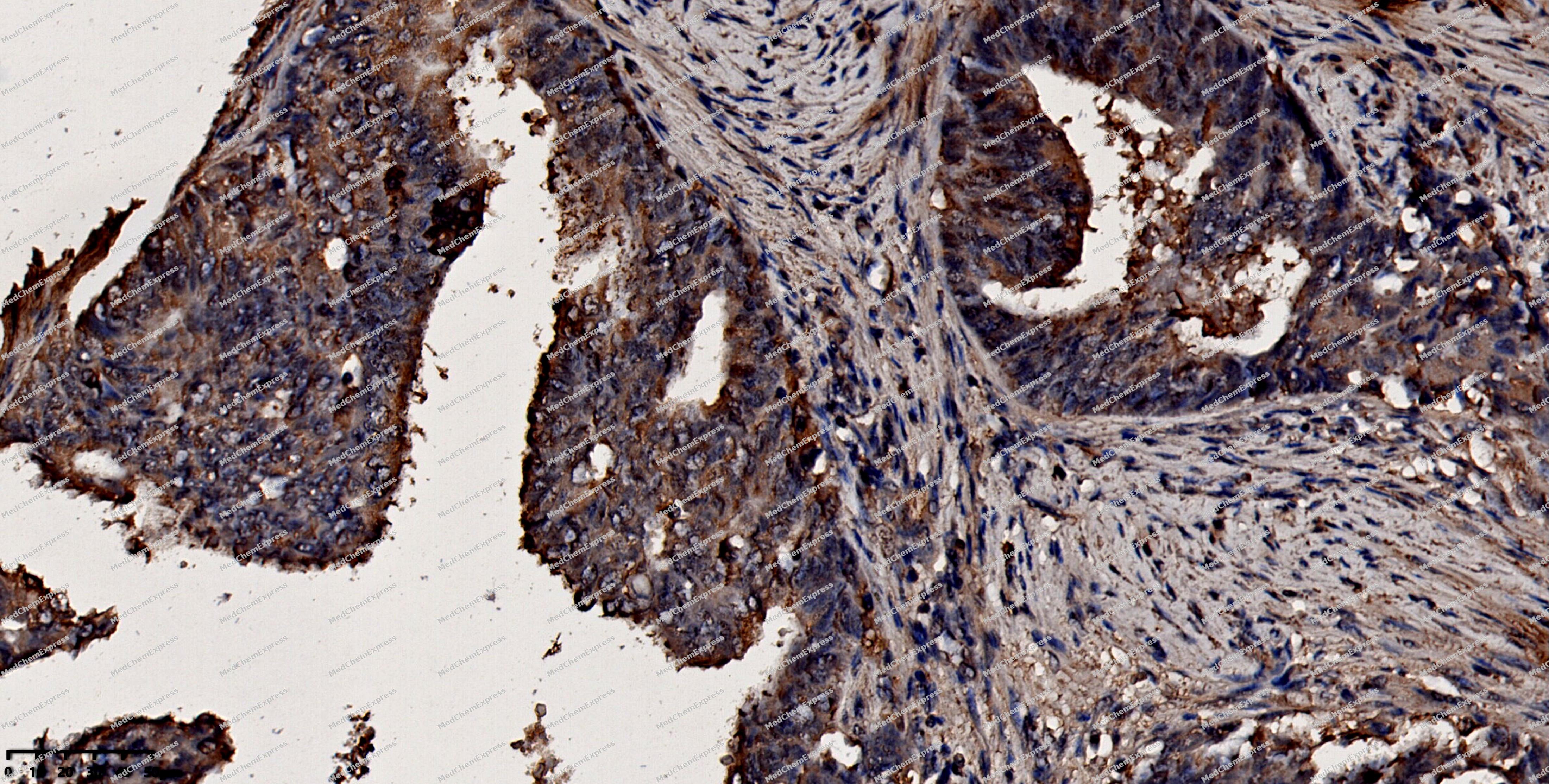 Immunohistochemical analysis of paraffin-embedded human cervical cancer using c-Rel antibody. The section was pre-treated using heat mediated antigen retrieval with EDTA (pH 9.0) for 14 minutes. The tissues were blocked in 5% BSA for 30 minutes at room temperature, washed with TBST, and then probed with the primary antibody (HY-P80093, 1/200) for 30 minutes at room temperature. The detection was performed using Polymer HRP-conjugated Goat Anti-Mouse/Rabbit lgG(H&L) secondary antibody (HY-P83652). DAB was used as the chromogen. Tissues were counterstained with hematoxylin and mounted with DPX.
 -
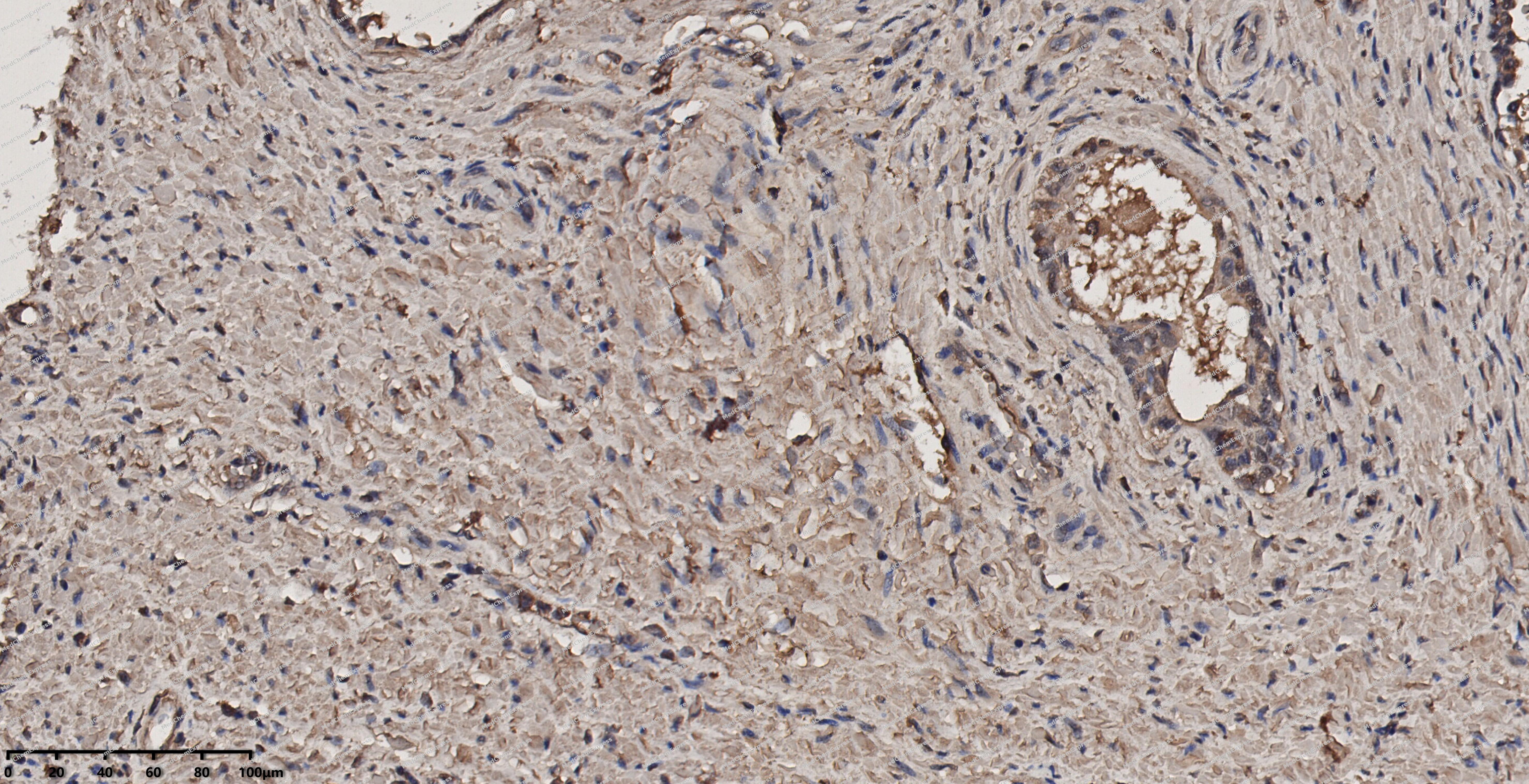 Immunohistochemical analysis of paraffin-embedded human prostate using c-Rel antibody. The section was pre-treated using heat mediated antigen retrieval with EDTA (pH 9.0) for 14 minutes. The tissues were blocked in 5% BSA for 30 minutes at room temperature, washed with TBST, and then probed with the primary antibody (HY-P80093, 1/200) for 30 minutes at room temperature. The detection was performed using Polymer HRP-conjugated Goat Anti-Mouse/Rabbit lgG(H&L) secondary antibody (HY-P83652). DAB was used as the chromogen. Tissues were counterstained with hematoxylin and mounted with DPX.
 -
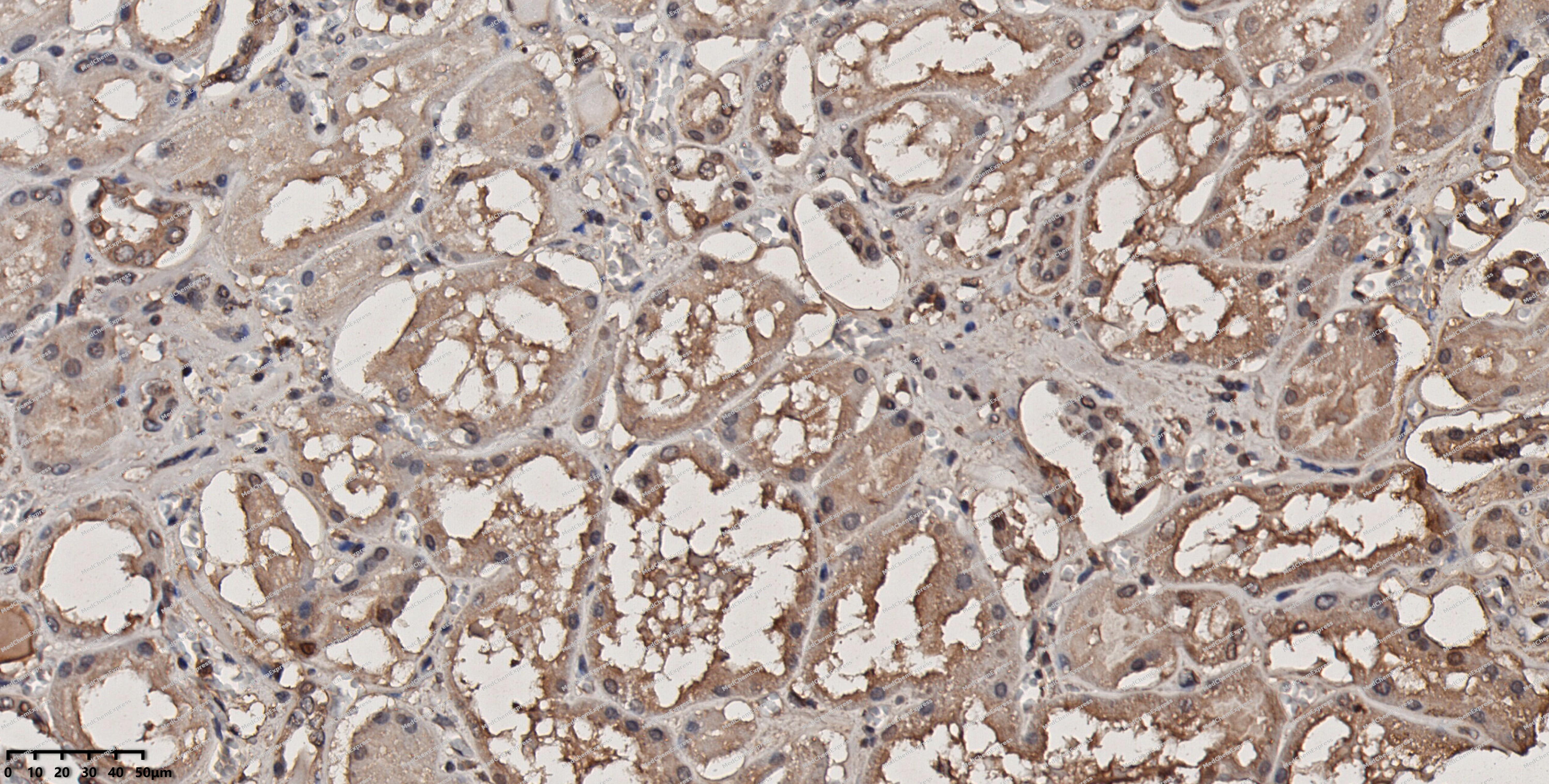 Immunohistochemical analysis of paraffin-embedded human kidney using c-Rel antibody. The section was pre-treated using heat mediated antigen retrieval with EDTA (pH 9.0) for 14 minutes. The tissues were blocked in 5% BSA for 30 minutes at room temperature, washed with TBST, and then probed with the primary antibody (HY-P80093, 1/200) for 30 minutes at room temperature. The detection was performed using Polymer HRP-conjugated Goat Anti-Mouse/Rabbit lgG(H&L) secondary antibody (HY-P83652). DAB was used as the chromogen. Tissues were counterstained with hematoxylin and mounted with DPX.
 -
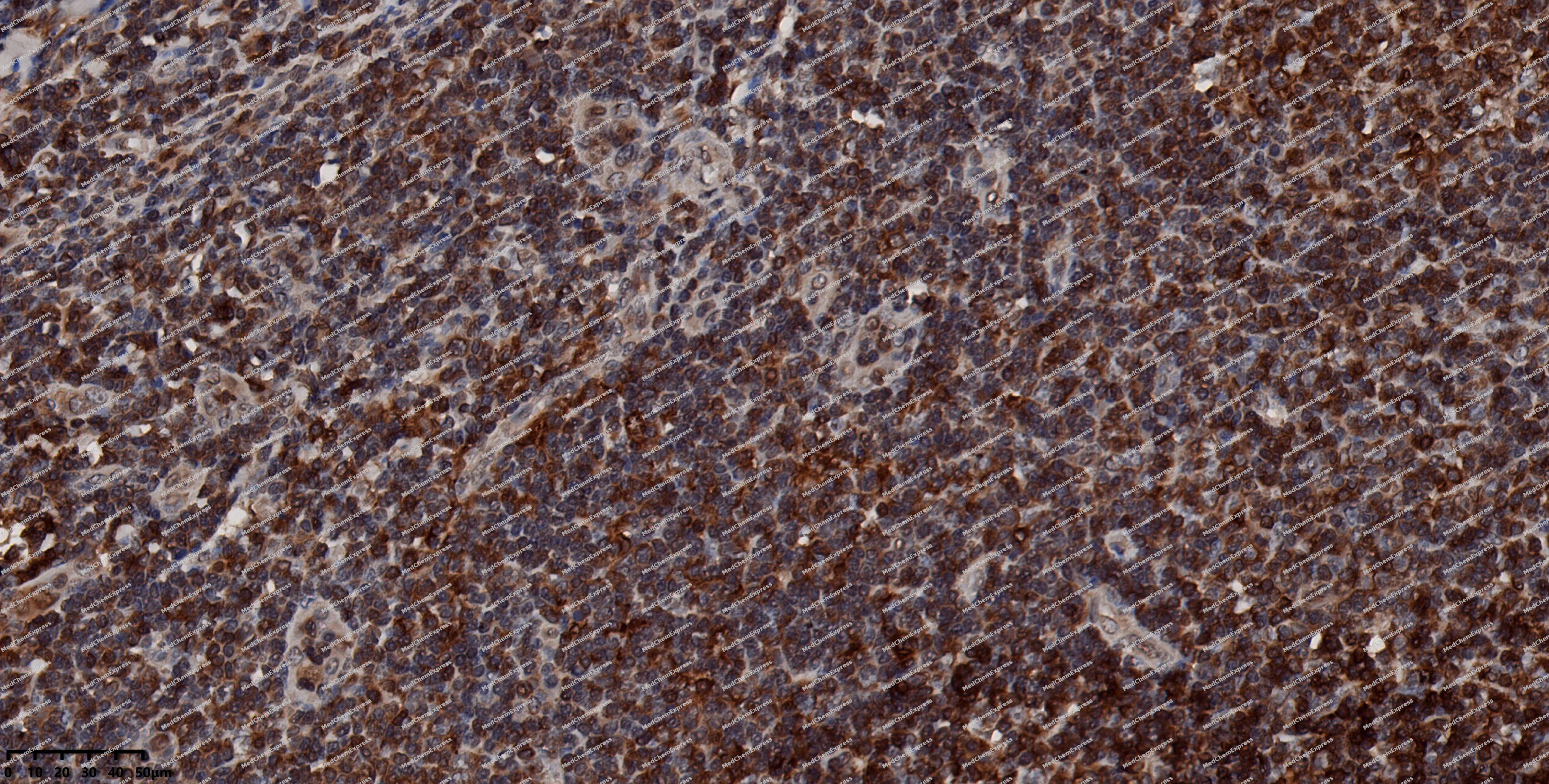 Immunohistochemical analysis of paraffin-embedded human tonsil using c-Rel antibody. The section was pre-treated using heat mediated antigen retrieval with EDTA (pH 9.0) for 14 minutes. The tissues were blocked in 5% BSA for 30 minutes at room temperature, washed with TBST, and then probed with the primary antibody (HY-P80093, 1/200) for 30 minutes at room temperature. The detection was performed using Polymer HRP-conjugated Goat Anti-Mouse/Rabbit lgG(H&L) secondary antibody (HY-P83652). DAB was used as the chromogen. Tissues were counterstained with hematoxylin and mounted with DPX.


Background
-
Function
c-Rel, a member of the NF-κB/Rel transcription factor family, functions as a central regulator of immune cell proliferation, survival, and effector activity, particularly in hematopoietic lineages[1][2]. Mechanistically, c-Rel directly regulates transcription of genes essential for T-cell differentiation, including Il2 and Foxp3, and controls IL-12 and IL-23 production in macrophages and dendritic cells, thereby influencing adaptive immunity[2]. Compared with other NF-κB isoforms, c-Rel exhibits tissue-restricted expression, predominantly in lymphoid cells, and demonstrates non-redundant phenotypes in knockout models, indicating unique regulatory functions[1][2]. In disease contexts, aberrant c-Rel activation is implicated in B cell lymphomas, autoimmune disorders, and graft-versus-host disease, with c-Rel deficiency mitigating GVHD while preserving graft-versus-leukemic effects in murine transplantation models[3][4]. Experimental applications leverage c-Rel modulation via genetic knockout or pharmacological inhibition, highlighting its potential as a target for immunomodulation and cancer therapy[2][4][5]. Selective inhibitors, including protein kinase C (PKC) modulators, can suppress c-Rel-dependent transcription without affecting DNA binding, providing isoform-specific intervention opportunities[5]. Overall, the distinct signaling, isoform-specific expression, and disease relevance of c-Rel underpin its value in mechanistic studies and therapeutic design.
-
Subcellular Localization
Nucleus
-
Isoforms & Post-Translational Modification
Q04864 has 2 isomers: Q04864-1: 68520 Da (predicted); Q04864-2: 65225 Da (predicted).
-
Subunit
Component of the NF-kappa-B p65-c-Rel complex. Component of the NF-kappa-B p50-c-Rel complex. Component of the NF-kappa-B p52-c-Rel complex. Homodimer; component of the NF-kappa-B c-Rel-c-Rel complex (By similarity). Interacts with NKIRAS1. Interacts with NFKBIB (By similarity). Interacts with NFKBIE
-
SwissProt ID
-
Synonyms
Proto-oncogene c-Rel, REL
-
Research Field
Signal Transduction


Documentation
-
Data Sheet (262 KB)
-
SDS (251 KB)
- English - EN (251 KB)
- Français - FR (251 KB)
- Deutsch - DE (251 KB)
- Norwegian - NO (251 KB)
- Español - ES (251 KB)
- Swedish - SV (251 KB)
- Italian - IT (251 KB)
- Korean - KR (251 KB)
- Portuguese - PT (251 KB)
-
User Guide for Antibodies (1077 KB)
References
[1]. Liou HC, et al. Distinctions between c-Rel and other NF-kappaB proteins in immunity and disease. Bioessays. 2003 Aug;25(8):767-80. [Content Brief]
[2]. Visekruna A, et al. A key role for NF-κB transcription factor c-Rel in T-lymphocyte-differentiation and effector functions. Clin Dev Immunol. 2012;2012:239368. [Content Brief]
[3]. Kober-Hasslacher M, et al. The Unsolved Puzzle of c-Rel in B Cell Lymphoma. Cancers (Basel). 2019 Jul 4;11(7):941. [Content Brief]
[4]. Amarnath S. c-Rel in GVHD biology: a missing link. Eur J Immunol. 2013 Sep;43(9):2255-8. doi: 10.1002/eji.201343924. PMID: 24037677; PMCID: PMC3860175. et al. c-Rel in GVHD biology: a missing link. Eur J Immunol. 2013 Sep;43(9):2255-8. [Content Brief]
[5]. Catley MC, et al. Inhibitors of protein kinase C (PKC) prevent activated transcription: role of events downstream of NF-kappaB DNA binding. J Biol Chem. 2004 Apr 30;279(18):18457-66. [Content Brief]

 Powered by Bioz
