



GBP1 Antibody (YA2930)
(Synonyms: GTP-binding protein 1)
Based on 1 Customer Validation
GBP1 Antibody (YA2930) is a Rabbit-derived and non-conjugated IgG monoclonal antibody, targeting to GBP1.
-
Host:
Rabbit
-
Isotype:
IgG
-
Application:
WB, IHC-F, IHC-P, ICC/IF
-
Reactivity :
Human
-
Formulation:
Supplied in 50mM Tris-Glycine(pH 7.4), 0.15M NaCl, 40% Glycerol, 0.01% Sodium azide and 0.05% BSA
-
Conjugation:
Non-conjugated


To place orders, for customer services and technical support, please contact: MedChemExpress USA
Tel: 609-228-6898 E-mail: [email protected] [email protected]





Applications
| Application |
WB

WB: Western Blot
|
IHC-P
IHC-P: Immunohistochemistry-Paraffin
|
IHC-F
IHC-F: Immunohistochemistry-Frozen
|
ICC/IF
ICC/IF: Immunocytochemistry/
Immunofluorescence |
|---|---|---|---|---|
| Dilution Ratio | 1:500-1:1000 | 1:50-1:100 | 1:50-1:100 | 1:50-1:200 |


Product Details
GBP1 Antibody (YA2930) is a Rabbit-derived and non-conjugated IgG monoclonal antibody, targeting to GBP1.
-
Host Rabbit

-
Clonality Recombinant,Monoclonal

-
Species ReactivityHuman
-
Observed Molecular WeightObserved band size: 68 kDa
Note: Due to possible protein modifications or aggregation, the molecular weight should be confirmed by actual measurement, and the predicted value is for reference only.

-
Calculated Molecular Weight Predicted band size: 68 kDa

A synthetic peptide of human GBP1 aa560-573.
Endogenous
Affinity Purified
Non-conjugated
Unmodified
IgG


Product Properties
-
Appearance
Solution
-
Formulation
Supplied in 50mM Tris-Glycine(pH 7.4), 0.15M NaCl, 40% Glycerol, 0.01% Sodium azide and 0.05% BSA
-
Concentration
Batch-dependent, Please check the COA for the concentration of each lot. Check Lot Concentration
-
Storage & Stability
Stored at -20°C for 1 year. Avoid repeated freeze / thaw cycles.
-
Shipping
Shipping with blue ice.


Verification Images
-
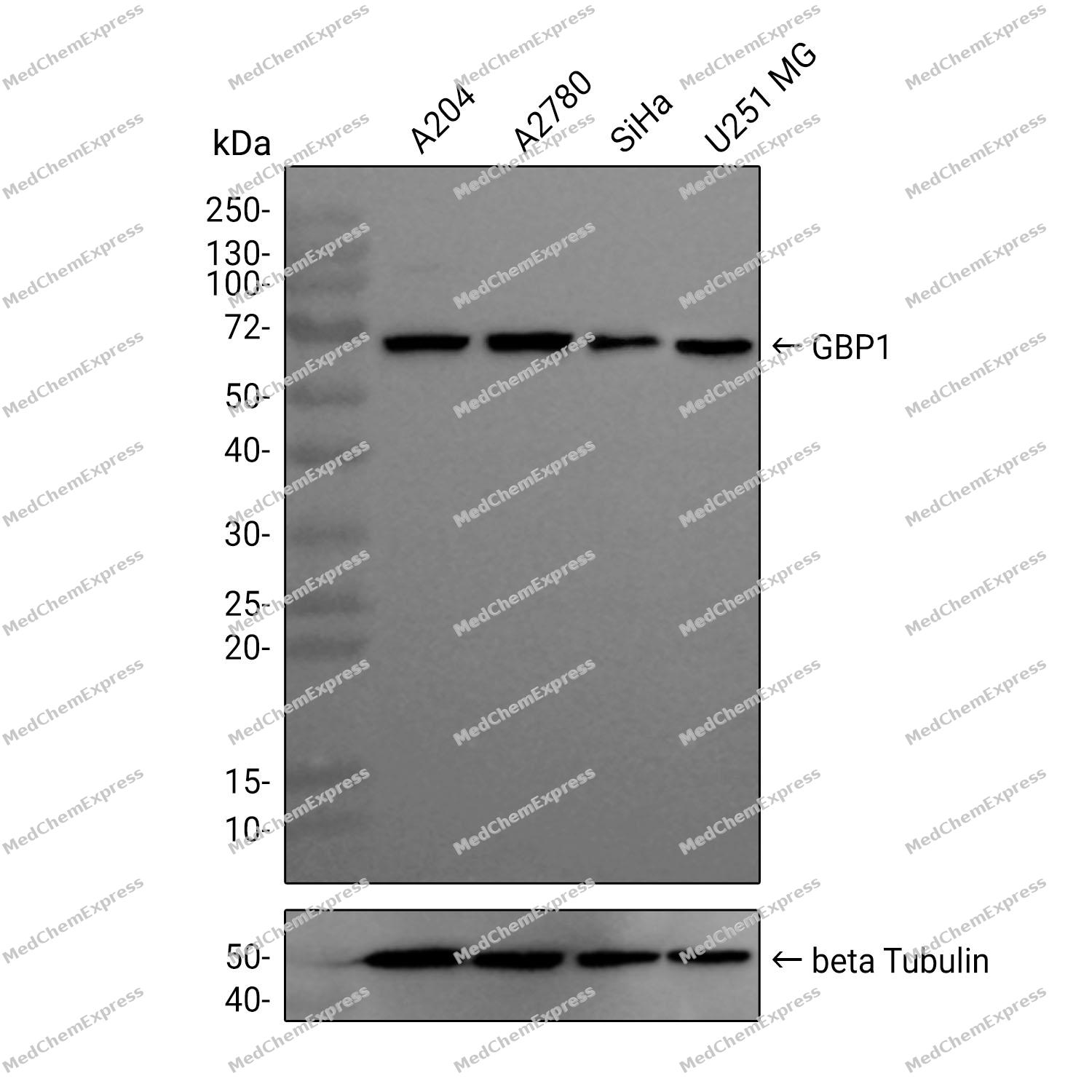 Western blot analysis was performed on extracts from A204 (lane 1, 15 μg), A2780 (lane 2, 15 μg), SiHa (lane 3, 15 μg), U251 MG (lane 4, 15 μg) using GBP1 Rabbit mAb.Proteins were transferred to a PVDF membrane and blocked with 5% non-fat milk in TBST at 4°C overnight.The primary antibody (1:1000 dilution) and the loading control antibody (beta-Tubulin, HY-P80955, 1:5000 dilution) were incubated in 5% non-fat milk in TBST for 1 hour at 37°C.Goat Anti-Rabbit IgG-HRP Secondary Antibody (1:20000 dilution) was then applied for 40 minutes at 37°C.
 -
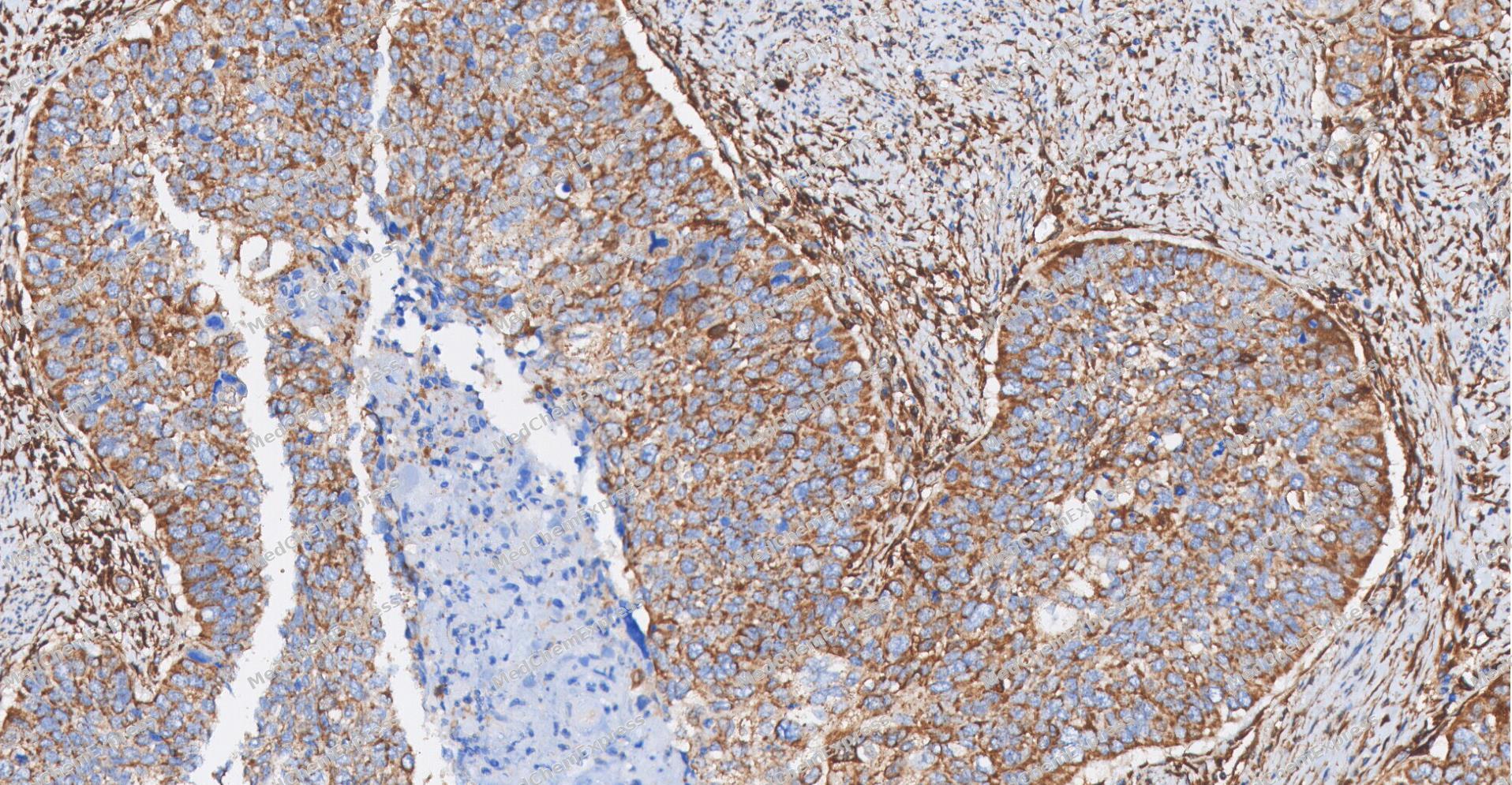 Immunohistochemical analysis of paraffin-embedded human Esophageal Carcinoma tissue using GBP1 antibody was performed. The section was pretreated using high-temperature and high-pressure mediated EDTA antigen retrieval buffer (pH 9.0), for 5 minutes. The tissues were incubated with primary antibody (HY-P83185, 1:300 dilution) at room temperature for 60 minutes. Detection was performed using an HRP conjugated compact polymer system. DAB was used as the chromogen. The tissues were counterstained with hematoxylin and mounted with neutral balsam mounting medium.
 -
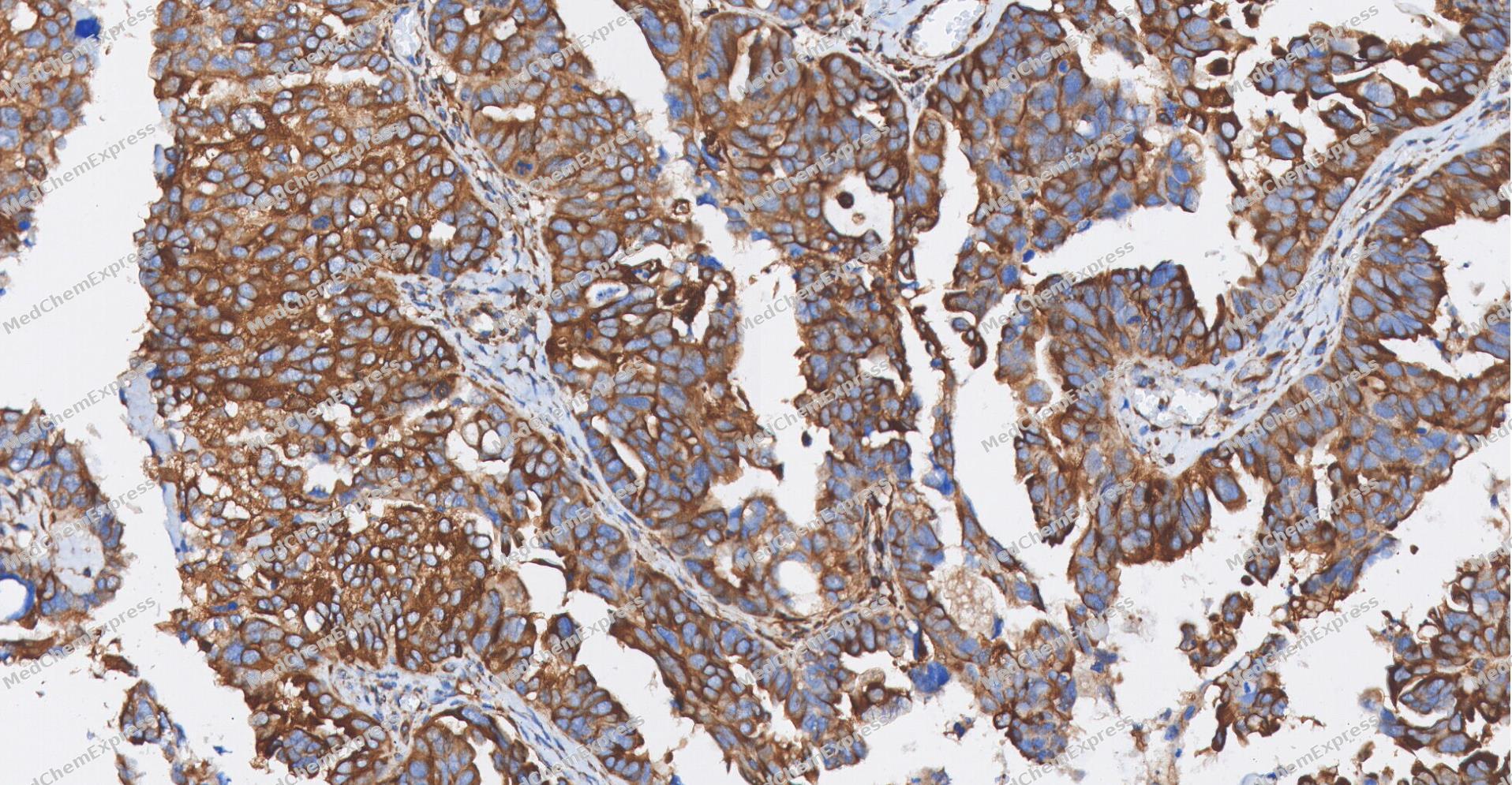 Immunohistochemical analysis of paraffin-embedded human ovarian carcinoma tissue using GBP1 antibody was performed. The section was pretreated using high-temperature and high-pressure mediated EDTA antigen retrieval buffer (pH 9.0), for 5 minutes. The tissues were incubated with primary antibody (HY-P83185, 1:300 dilution) at room temperature for 60 minutes. Detection was performed using an HRP conjugated compact polymer system. DAB was used as the chromogen. The tissues were counterstained with hematoxylin and mounted with neutral balsam mounting medium.
 -
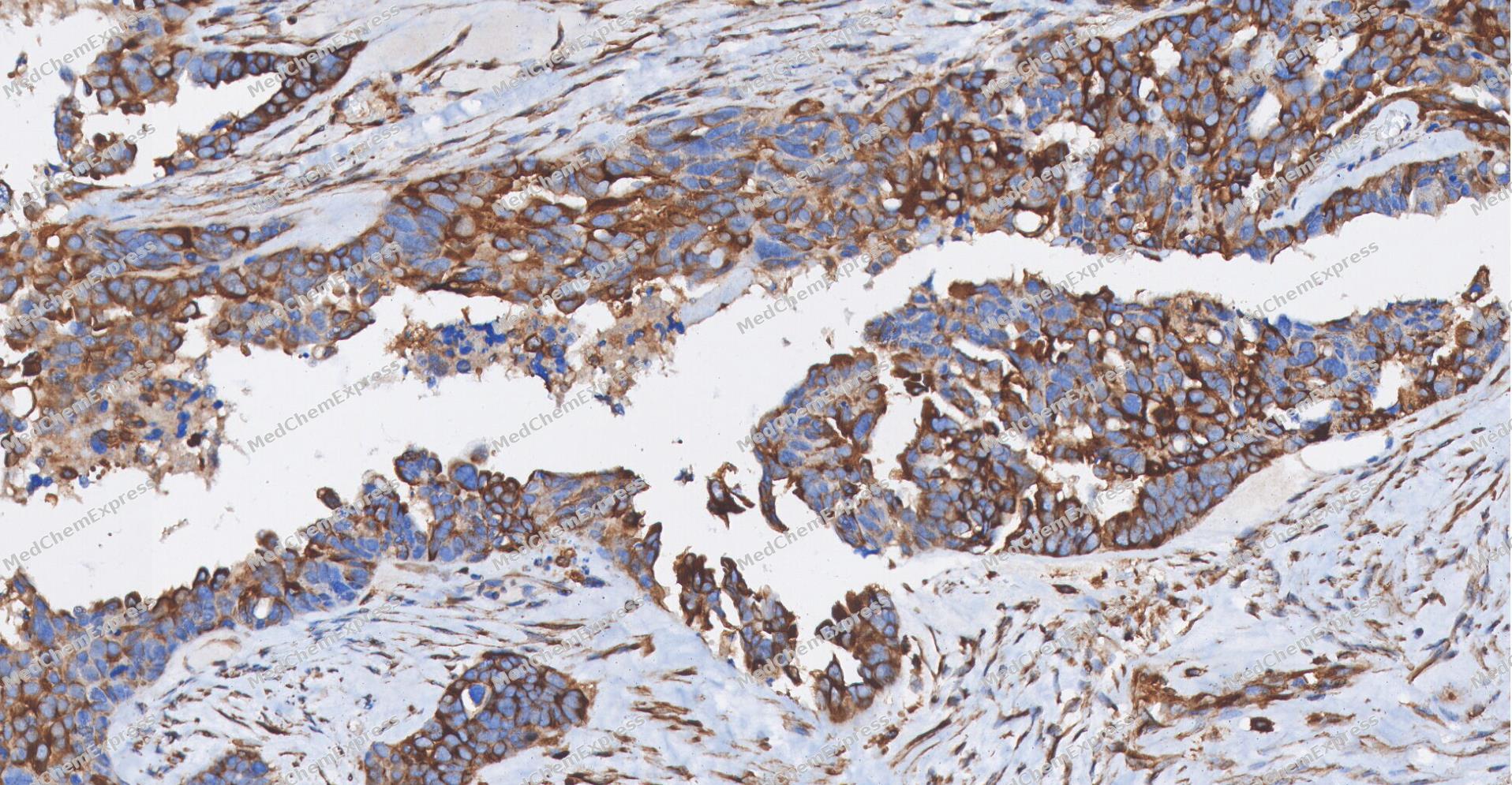 Immunohistochemical analysis of paraffin-embedded human ovarian carcinoma tissue using GBP1 antibody was performed. The section was pretreated using high-temperature and high-pressure mediated EDTA antigen retrieval buffer (pH 9.0), for 5 minutes. The tissues were incubated with primary antibody (HY-P83185, 1:300 dilution) at room temperature for 60 minutes. Detection was performed using an HRP conjugated compact polymer system. DAB was used as the chromogen. The tissues were counterstained with hematoxylin and mounted with neutral balsam mounting medium.
 -
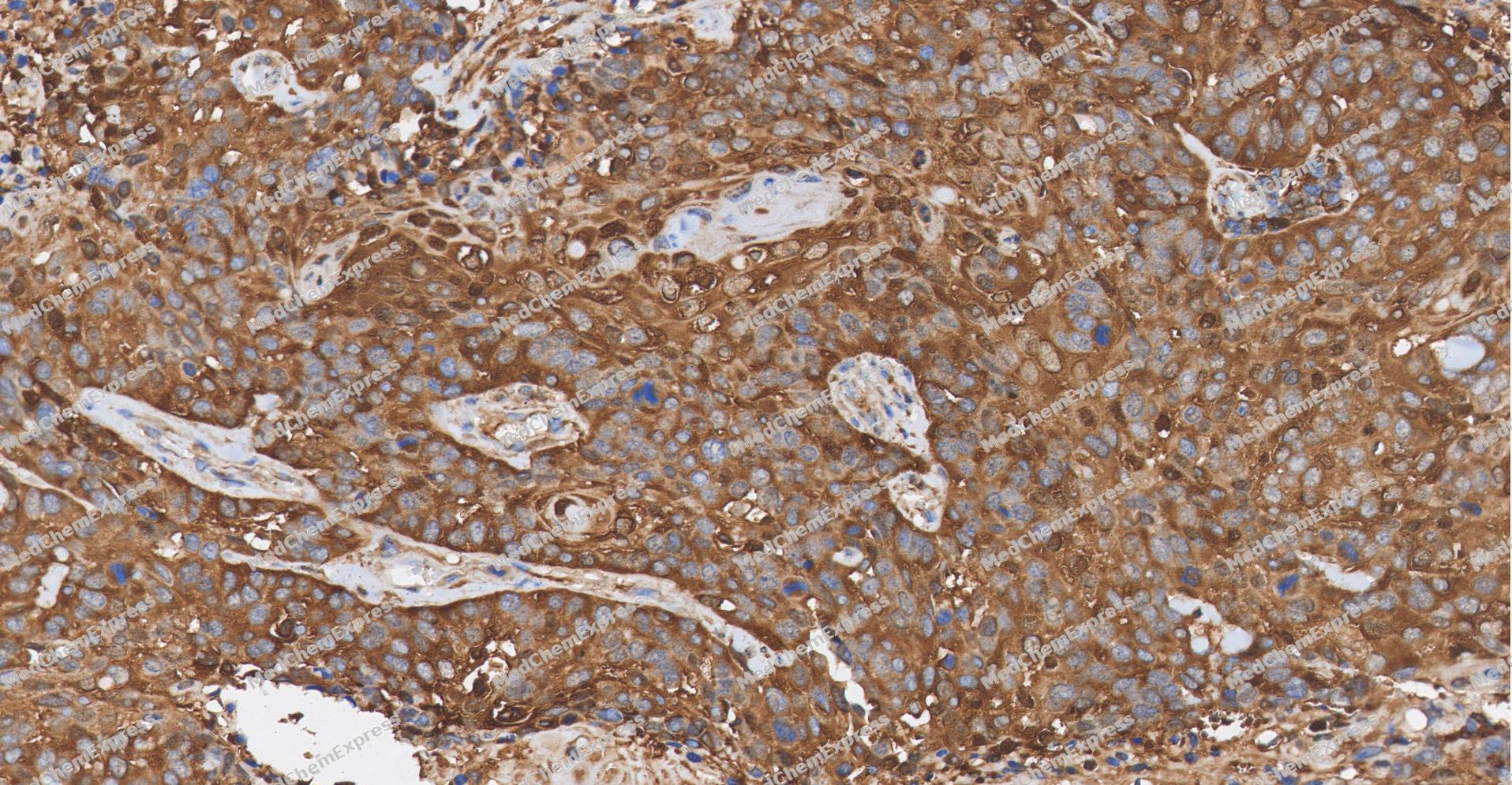 Immunohistochemical analysis of paraffin-embedded human Cervical cancer tissue using GBP1 antibody was performed. The section was pretreated using high-temperature and high-pressure mediated EDTA antigen retrieval buffer (pH 9.0), for 5 minutes. The tissues were incubated with primary antibody (HY-P83185, 1:300 dilution) at room temperature for 60 minutes. Detection was performed using an HRP conjugated compact polymer system. DAB was used as the chromogen. The tissues were counterstained with hematoxylin and mounted with neutral balsam mounting medium.
 -
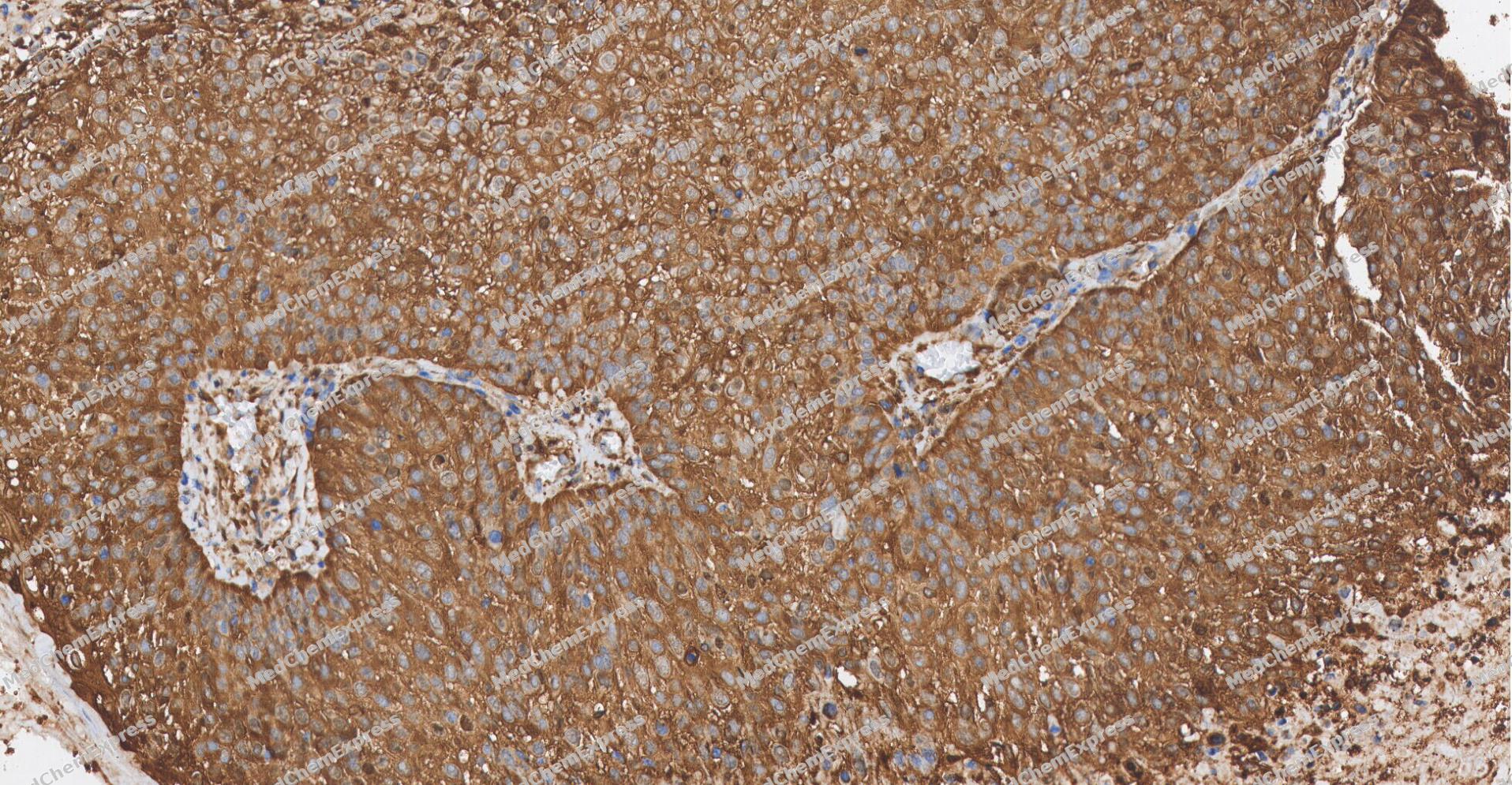 Immunohistochemical analysis of paraffin-embedded human Cervical cancer tissue using GBP1 antibody was performed. The section was pretreated using high-temperature and high-pressure mediated EDTA antigen retrieval buffer (pH 9.0), for 5 minutes. The tissues were incubated with primary antibody (HY-P83185, 1:300 dilution) at room temperature for 60 minutes. Detection was performed using an HRP conjugated compact polymer system. DAB was used as the chromogen. The tissues were counterstained with hematoxylin and mounted with neutral balsam mounting medium.
 -
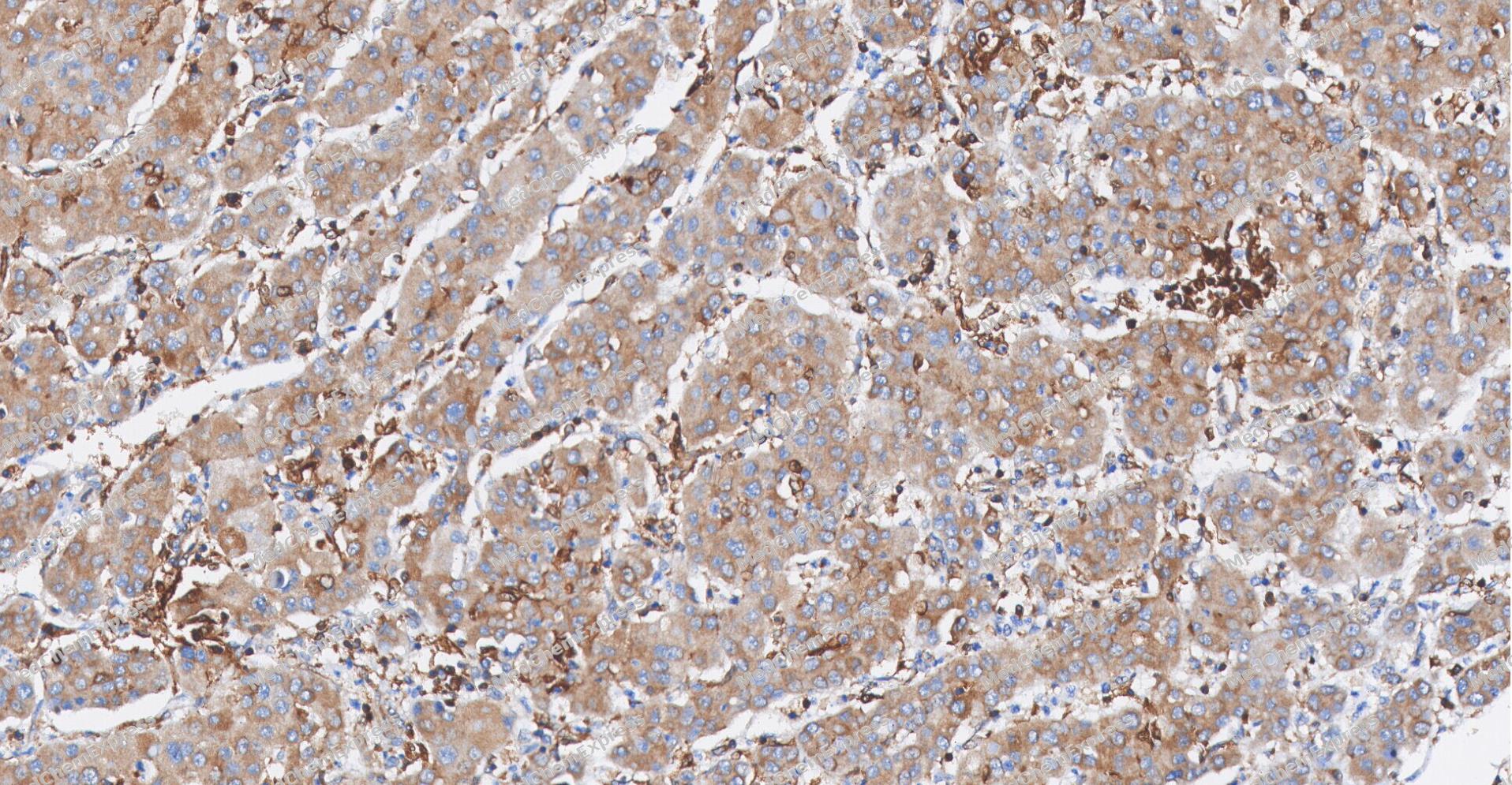 Immunohistochemical analysis of paraffin-embedded human Liver cancer tissue using GBP1 antibody was performed. The section was pretreated using high-temperature and high-pressure mediated EDTA antigen retrieval buffer (pH 9.0), for 5 minutes. The tissues were incubated with primary antibody (HY-P83185, 1:300 dilution) at room temperature for 60 minutes. Detection was performed using an HRP conjugated compact polymer system. DAB was used as the chromogen. The tissues were counterstained with hematoxylin and mounted with neutral balsam mounting medium.
 -
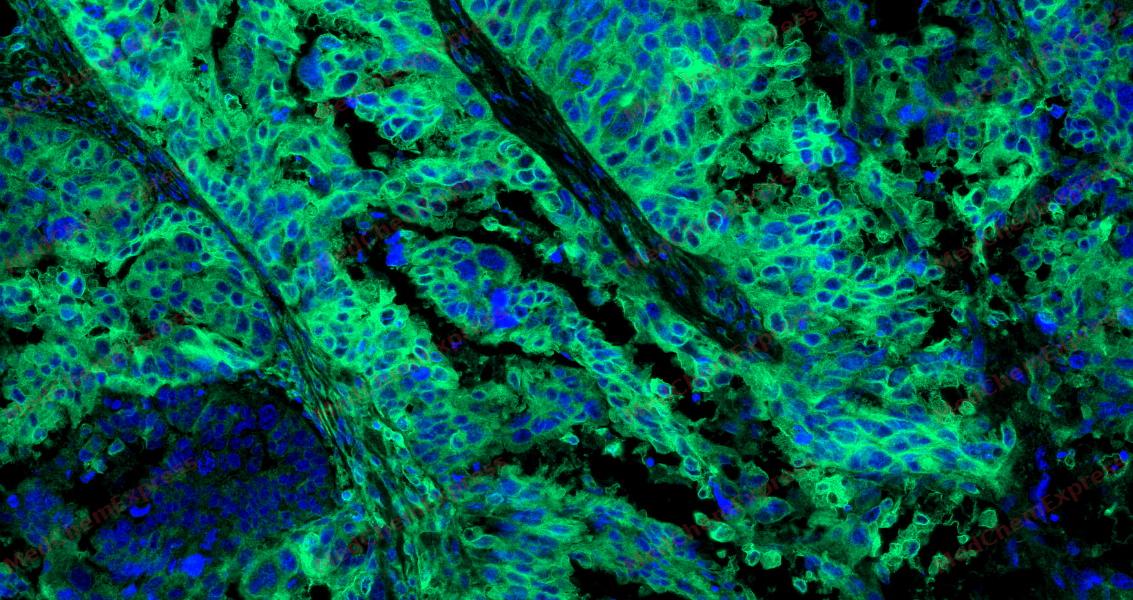 Tyramide signaling amplification based immunofluorescence was performed on paraffin-embedded human ovarian carcinoma tissue using GBP1 antibody. Antigen retrieval was performed in EDTA buffer pH 9.0 (95 °C, 20 min) followed by cooling to RT. Then incubated with primary antibody (HY-P83185, 1:1000 dilution) at room temperature for 60 minutes and HRP conjugated secondary antibody for 10 minutes. Fluorescence was then developed with Vari Fluor 532 TSA (200×)(HY-D1832). The tissues were counterstained with DAPI and mounted with Anti-fade mounting medium.
 -
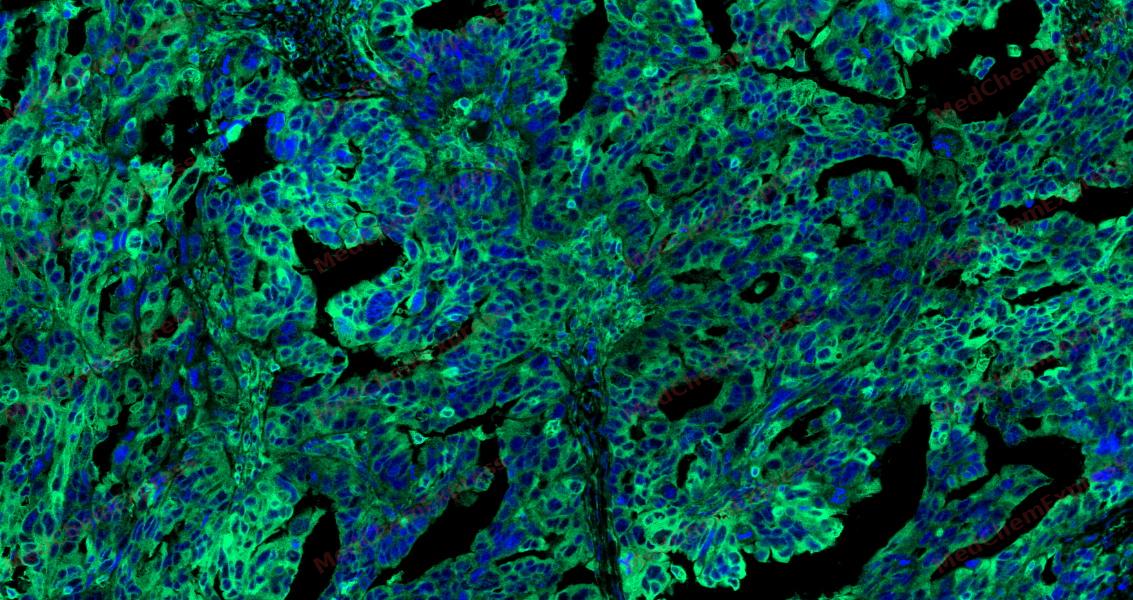 Tyramide signaling amplification based immunofluorescence was performed on paraffin-embedded human ovarian carcinoma tissue using GBP1 antibody. Antigen retrieval was performed in EDTA buffer pH 9.0 (95 °C, 20 min) followed by cooling to RT. Then incubated with primary antibody (HY-P83185, 1:1000 dilution) at room temperature for 60 minutes and HRP conjugated secondary antibody for 10 minutes. Fluorescence was then developed with Vari Fluor 532 TSA (200×)(HY-D1832). The tissues were counterstained with DAPI and mounted with Anti-fade mounting medium.
 -
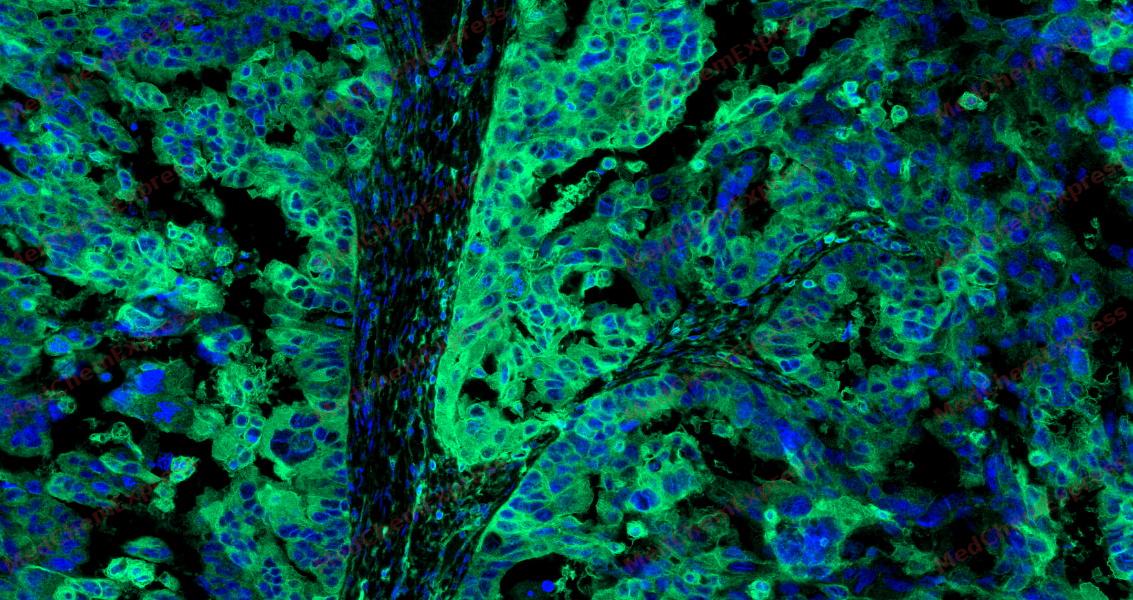 Tyramide signaling amplification based immunofluorescence was performed on paraffin-embedded human ovarian carcinoma tissue using GBP1 antibody. Antigen retrieval was performed in EDTA buffer pH 9.0 (95 °C, 20 min) followed by cooling to RT. Then incubated with primary antibody (HY-P83185, 1:1000 dilution) at room temperature for 60 minutes and HRP conjugated secondary antibody for 10 minutes. Fluorescence was then developed with Vari Fluor 532 TSA (200×)(HY-D1832). The tissues were counterstained with DAPI and mounted with Anti-fade mounting medium.
 -
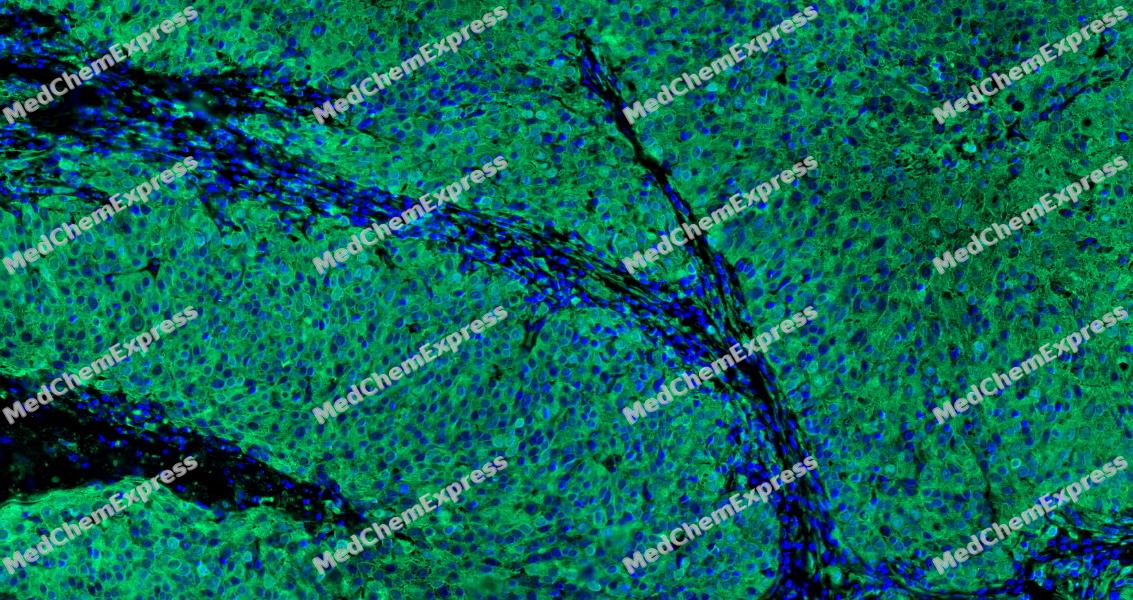 Tyramide signaling amplification based immunofluorescence was performed on paraffin-embedded human Cervical cancer tissue using GBP1 antibody. Antigen retrieval was performed in EDTA buffer pH 9.0 (95 °C, 20 min) followed by cooling to RT. Then incubated with primary antibody (HY-P83185, 1:1000 dilution) at room temperature for 60 minutes and HRP conjugated secondary antibody for 10 minutes. Fluorescence was then developed with Vari Fluor 532 TSA (200×)(HY-D1832). The tissues were counterstained with DAPI and mounted with Anti-fade mounting medium.
 -
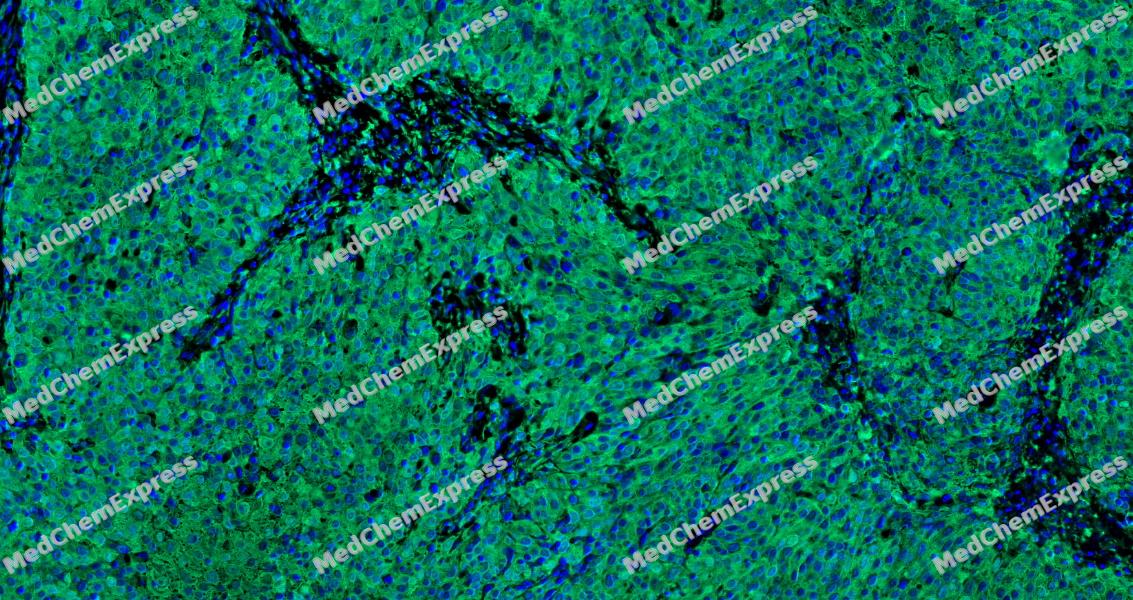 Tyramide signaling amplification based immunofluorescence was performed on paraffin-embedded human Cervical cancer tissue using GBP1 antibody. Antigen retrieval was performed in EDTA buffer pH 9.0 (95 °C, 20 min) followed by cooling to RT. Then incubated with primary antibody (HY-P83185, 1:1000 dilution) at room temperature for 60 minutes and HRP conjugated secondary antibody for 10 minutes. Fluorescence was then developed with Vari Fluor 532 TSA (200×)(HY-D1832). The tissues were counterstained with DAPI and mounted with Anti-fade mounting medium.
 -
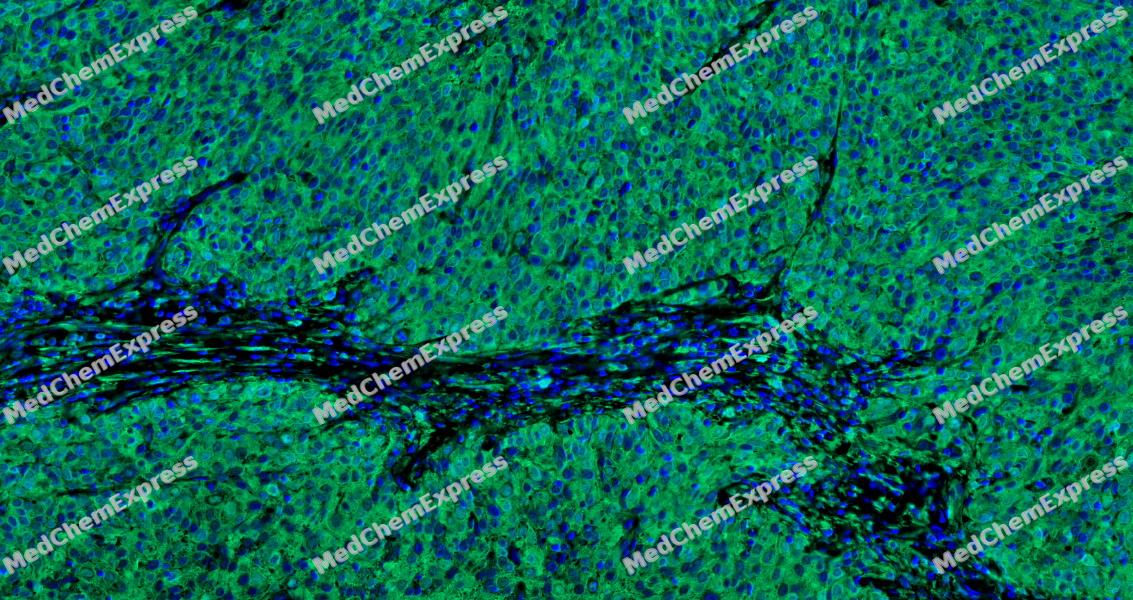 Tyramide signaling amplification based immunofluorescence was performed on paraffin-embedded human Cervical cancer tissue using GBP1 antibody. Antigen retrieval was performed in EDTA buffer pH 9.0 (95 °C, 20 min) followed by cooling to RT. Then incubated with primary antibody (HY-P83185, 1:1000 dilution) at room temperature for 60 minutes and HRP conjugated secondary antibody for 10 minutes. Fluorescence was then developed with Vari Fluor 532 TSA (200×)(HY-D1832). The tissues were counterstained with DAPI and mounted with Anti-fade mounting medium.


Background
-
Function
GBP1 is an Interferon (IFN)-inducible GTPase that plays important roles in innate immunity against a diverse range of bacterial, viral and protozoan pathogens. Hydrolyzes GTP to GMP in two consecutive cleavage reactions: GTP is first hydrolyzed to GDP and then to GMP in a processive manner. Following infection, recruited to the pathogen-containing vacuoles or vacuole-escaped bacteria and promotes both inflammasome assembly and autophagy. Acts as a positive regulator of inflammasome assembly by facilitating the detection of inflammasome ligands from pathogens. Involved in the lysis of pathogen-containing vacuoles, releasing pathogens into the cytosol. Following pathogen release in the cytosol, forms a protein coat in a GTPase-dependent manner that encapsulates pathogens and promotes the detection of ligands by pattern recognition receptors. Plays a key role in inflammasome assembly in response to infection by Gram-negative bacteria: following pathogen release in the cytosol, forms a protein coat that encapsulates Gram-negative bacteria and directly binds to lipopolysaccharide (LPS), disrupting the O-antigen barrier and unmasking lipid A that is that detected by the non-canonical inflammasome effector CASP4/CASP11. Also promotes recruitment of proteins that mediate bacterial cytolysis, leading to release double-stranded DNA (dsDNA) that activates the AIM2 inflammasome. Involved in autophagy by regulating bacteriolytic peptide generation via its interaction with ubiquitin-binding protein SQSTM1, which delivers monoubiquitinated proteins to autolysosomes for the generation of bacteriolytic peptides. Confers protection to several pathogens, including the bacterial pathogens L.monocytogenes and M.bovis BCG as well as the protozoan pathogen T.gondii. Exhibits antiviral activity against influenza virus[1][2][3][4][5][6][7][8].
-
Subcellular Localization
Cytoplasmic vesicle membrane; Lipid-anchor; Cytoplasmic side; Golgi apparatus membrane; Lipid-anchor; Cytoplasmic side; Cell membrane; Lipid-anchor; Cytoplasmic side; Cytoplasm, cytosol; Secreted
-
Expression
Induction:By IFNG during macrophage activation, and by TNF and IL1B -
Subunit
Homodimer; homodimerization occurs upon GTP-binding and is required for the second hydrolysis step from GDP to GMP (PubMed:10970849, PubMed:16511497). Undergoes conformational changes and oligomerization upon GTP-binding and hydrolysis (PubMed:28645896, PubMed:32510692, PubMed:32581219). Heterodimer with other family members, including GBP2, GBP3, GBP4 and GBP5 (PubMed:10970849, PubMed:16511497, PubMed:32581219). Dimerization regulates subcellular location to membranous structures (PubMed:21151871). Interacts with SQSTM1 (By similarity). Interacts (when phosphorylated) with 14-3-3 protein sigma (SFN); leading to GBP1 retention in the cytosol and inactivation (PubMed:37797010)
-
SwissProt ID
-
Synonyms
GTP-binding protein 1
-
Research Field
Immunology


Documentation
-
Data Sheet (261 KB)
-
SDS (251 KB)
- English - EN (251 KB)
- Français - FR (251 KB)
- Deutsch - DE (251 KB)
- Norwegian - NO (251 KB)
- Español - ES (251 KB)
- Swedish - SV (251 KB)
- Italian - IT (251 KB)
- Korean - KR (251 KB)
- Portuguese - PT (251 KB)
-
User Guide for Antibodies (1077 KB)
References
[1]. Ghosh A, et al. How guanylate-binding proteins achieve assembly-stimulated processive cleavage of GTP to GMP. Nature. 2006 Mar 2;440(7080):101-4. [Content Brief]
[2]. Nordmann A, et al. A new splice variant of the human guanylate-binding protein 3 mediates anti-influenza activity through inhibition of viral transcription and replication. FASEB J. 2012 Mar;26(3):1290-300. [Content Brief]
[3]. Li P, et al. Ubiquitination and degradation of GBPs by a Shigella effector to suppress host defence. Nature. 2017 Nov 16;551(7680):378-383. [Content Brief]
[4]. Fisch D, et al. Human GBP1 is a microbe-specific gatekeeper of macrophage apoptosis and pyroptosis. EMBO J. 2019 Jul 1;38(13):e100926. [Content Brief]
[5]. Kutsch M, et al. Direct binding of polymeric GBP1 to LPS disrupts bacterial cell envelope functions. EMBO J. 2020 Jul 1;39(13):e104926. [Content Brief]
[6]. Santos JC, et al. Human GBP1 binds LPS to initiate assembly of a caspase-4 activating platform on cytosolic bacteria. Nat Commun. 2020 Jun 24;11(1):3276. [Content Brief]
[7]. Fisch D, et al. PIM1 controls GBP1 activity to limit self-damage and to guard against pathogen infection. Science. 2023 Oct 6;382(6666):eadg2253. [Content Brief]
[8]. Schwemmle M, et al. The interferon-induced 67-kDa guanylate-binding protein (hGBP1) is a GTPase that converts GTP to GMP. J Biol Chem. 1994 Apr 15;269(15):11299-305. [Content Brief]

 Powered by Bioz
