



VDAC1 Antibody (YA6199)
(Synonyms: VDAC1; VDAC; Voltage-dependent anion-selective channel protein 1; VDAC-1; hVDAC1; Outer mitochondrial membrane protein porin 1; Plasmalemmal porin; Porin 31HL; Porin 31HM)
Based on 1 Customer Validation
VDAC1 Antibody (YA6199) is a Rabbit-derived and non-conjugated IgG monoclonal antibody, targeting to VDAC1.
-
Host:
Rabbit
-
Isotype:
IgG/Kappa
-
Application:
WB, IHC-P, ICC/IF, IP, ELISA
-
Reactivity :
Human, Mouse, Rat
-
Formulation:
Supplied in PBS, 50% glycerol, 0.05% Proclin 300, 0.05%BSA
-
Conjugation:
Non-conjugated


To place orders, for customer services and technical support, please contact: MedChemExpress USA
Tel: 609-228-6898 E-mail: [email protected] [email protected]





Applications
| Application |
IHC-P

IHC-P: Immunohistochemistry-Paraffin
|
WB
WB: Western Blot
|
ICC/IF
ICC/IF: Immunocytochemistry/
Immunofluorescence |
ELISA
ELISA: Enzyme Linked Immunosorbent Assay
|
IP
IP: Immunoprecipitation
|
|---|---|---|---|---|---|
| Dilution Ratio | 1:200-1:1000 | 1:1000-1:2500 | 1:200-1:1000 | 1:5000-1:20000 | 1:50-1:200 |


Product Details
VDAC1 Antibody (YA6199) is a Rabbit-derived and non-conjugated IgG monoclonal antibody, targeting to VDAC1.
-
Host Rabbit

-
Clonality Monoclonal

-
Species ReactivityHuman, Mouse, Rat
-
Observed Molecular WeightObserved band size: 33 kDa
Note: Due to possible protein modifications or aggregation, the molecular weight should be confirmed by actual measurement, and the predicted value is for reference only.

-
Calculated Molecular Weight Predicted band size: 31 kDa

Protein A
Non-conjugated
Unmodified
IgG/Kappa


Product Properties
-
Appearance
Solution
-
Formulation
Supplied in PBS, 50% glycerol, 0.05% Proclin 300, 0.05%BSA
-
Concentration
Batch-dependent, Please check the COA for the concentration of each lot. Check Lot Concentration
-
Storage & Stability
Stored at -20°C for 1 year. Avoid repeated freeze / thaw cycles.
-
Shipping
Shipping with blue ice.


Verification Images
-
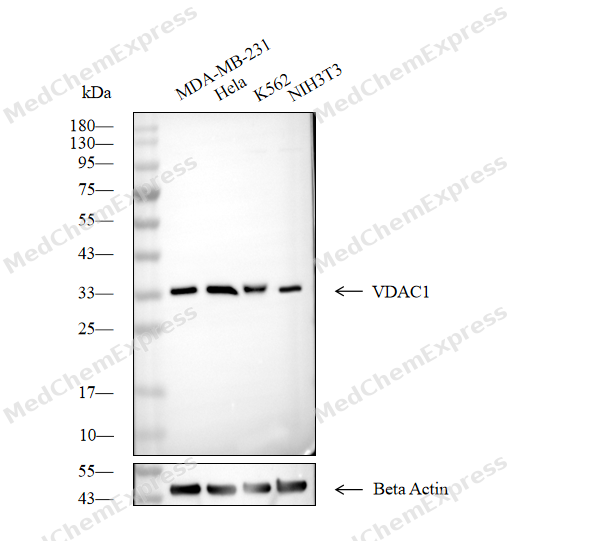 Western blot analysis of extracts from MDA-MB-231 (lane2(20μg), Hela (lane3(20μg), K562 (lane4(20μg) and NIH3T3 (lane5(20μg) using VDAC1 Antibody (HY-P86507). Proteins were transferred to a PVDF membrane and blocked with 5% non-fat milk in TBST for 2 hour at room temperature. The primary antibody (1/3000) and Loading control antibody (Beta Actin, HY-P80993, 1/10000) was used in 5% non-fat milk in TBST at 4°C overnight. Goat Anti-Rabbit IgG-HRP Secondary Antibody (HY-P8001 ,1/10,000) was used for 1 hour at room temperature.
 -
 Immunohistochemical analysis of paraffin-embedded rat kidney tissue using VDAC1 Antibody (HY-P86507, 1/1000). The section was pretreated using heat mediated antigen retrieval with sodium citrate buffer (pH 6.0) for 8 minutes. The tissues were blocked with quick block buffer for 0.5 hours at room temperature, washed with PBS and PBST, and then incubated with the primary antibody overnight at 4℃. The detection was performed using an HRP conjugated compact polymer system. DAB was used as the chromogen. Tissues were counterstained with hematoxylin and mounted with DPX.
 -
 Immunohistochemical analysis of paraffin-embedded rat stomach tissue using VDAC1 Antibody (HY-P86507, 1/1000). The section was pretreated using heat mediated antigen retrieval with sodium citrate buffer (pH 6.0) for 8 minutes. The tissues were blocked with quick block buffer for 0.5 hours at room temperature, washed with PBS and PBST, and then incubated with the primary antibody overnight at 4℃. The detection was performed using an HRP conjugated compact polymer system. DAB was used as the chromogen. Tissues were counterstained with hematoxylin and mounted with DPX.
 -
 Immunohistochemical analysis of paraffin-embedded rat liver tissue using VDAC1 Antibody (HY-P86507, 1/1000). The section was pretreated using heat mediated antigen retrieval with sodium citrate buffer (pH 6.0) for 8 minutes. The tissues were blocked with quick block buffer for 0.5 hours at room temperature, washed with PBS and PBST, and then incubated with the primary antibody overnight at 4℃. The detection was performed using an HRP conjugated compact polymer system. DAB was used as the chromogen. Tissues were counterstained with hematoxylin and mounted with DPX.
 -
 Immunohistochemical analysis of paraffin-embedded rat heart muscle tissue using VDAC1 Antibody (HY-P86507, 1/1000). The section was pretreated using heat mediated antigen retrieval with sodium citrate buffer (pH 6.0) for 8 minutes. The tissues were blocked with quick block buffer for 0.5 hours at room temperature, washed with PBS and PBST, and then incubated with the primary antibody overnight at 4℃. The detection was performed using an HRP conjugated compact polymer system. DAB was used as the chromogen. Tissues were counterstained with hematoxylin and mounted with DPX.
 -
 Immunohistochemical analysis of paraffin-embedded rat lymph node tissue using VDAC1 Antibody (HY-P86507, 1/1000). The section was pretreated using heat mediated antigen retrieval with sodium citrate buffer (pH 6.0) for 8 minutes. The tissues were blocked with quick block buffer for 0.5 hours at room temperature, washed with PBS and PBST, and then incubated with the primary antibody overnight at 4℃. The detection was performed using an HRP conjugated compact polymer system. DAB was used as the chromogen. Tissues were counterstained with hematoxylin and mounted with DPX.
 -
 Immunohistochemical analysis of paraffin-embedded rat endometrium tissue using VDAC1 Antibody (HY-P86507, 1/1000). The section was pretreated using heat mediated antigen retrieval with sodium citrate buffer (pH 6.0) for 8 minutes. The tissues were blocked with quick block buffer for 0.5 hours at room temperature, washed with PBS and PBST, and then incubated with the primary antibody overnight at 4℃. The detection was performed using an HRP conjugated compact polymer system. DAB was used as the chromogen. Tissues were counterstained with hematoxylin and mounted with DPX.
 -
 Immunohistochemical analysis of paraffin-embedded rat cervix tissue using VDAC1 Antibody (HY-P86507, 1/1000). The section was pretreated using heat mediated antigen retrieval with sodium citrate buffer (pH 6.0) for 8 minutes. The tissues were blocked with quick block buffer for 0.5 hours at room temperature, washed with PBS and PBST, and then incubated with the primary antibody overnight at 4℃. The detection was performed using an HRP conjugated compact polymer system. DAB was used as the chromogen. Tissues were counterstained with hematoxylin and mounted with DPX.
 -
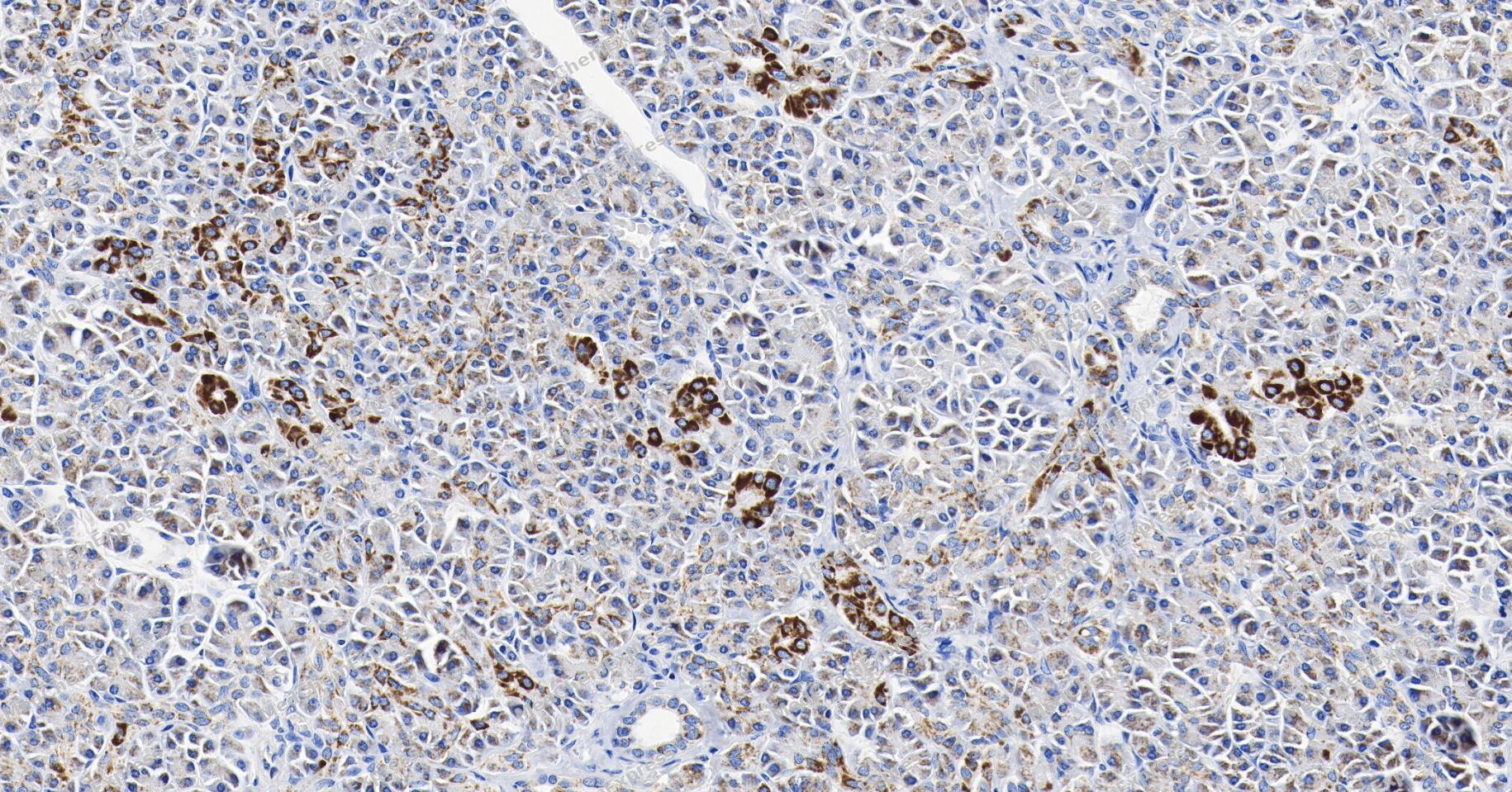 Immunohistochemical analysis of paraffin-embedded human pancreas tissue using VDAC1 Antibody (YA6199). The section was pre-treated using heat mediated antigen retrieval with Tris/EDTA buffer (pH 9.0) for 20 minutes. The tissues were probed with the primary antibody (HY-P86507,1/200) overnight at 4℃. The detection was performed using an HRP conjugated compact polymer system. DAB was used as the chromogen. Tissues were counterstained with hematoxylin and mounted with neutral balsam.
 -
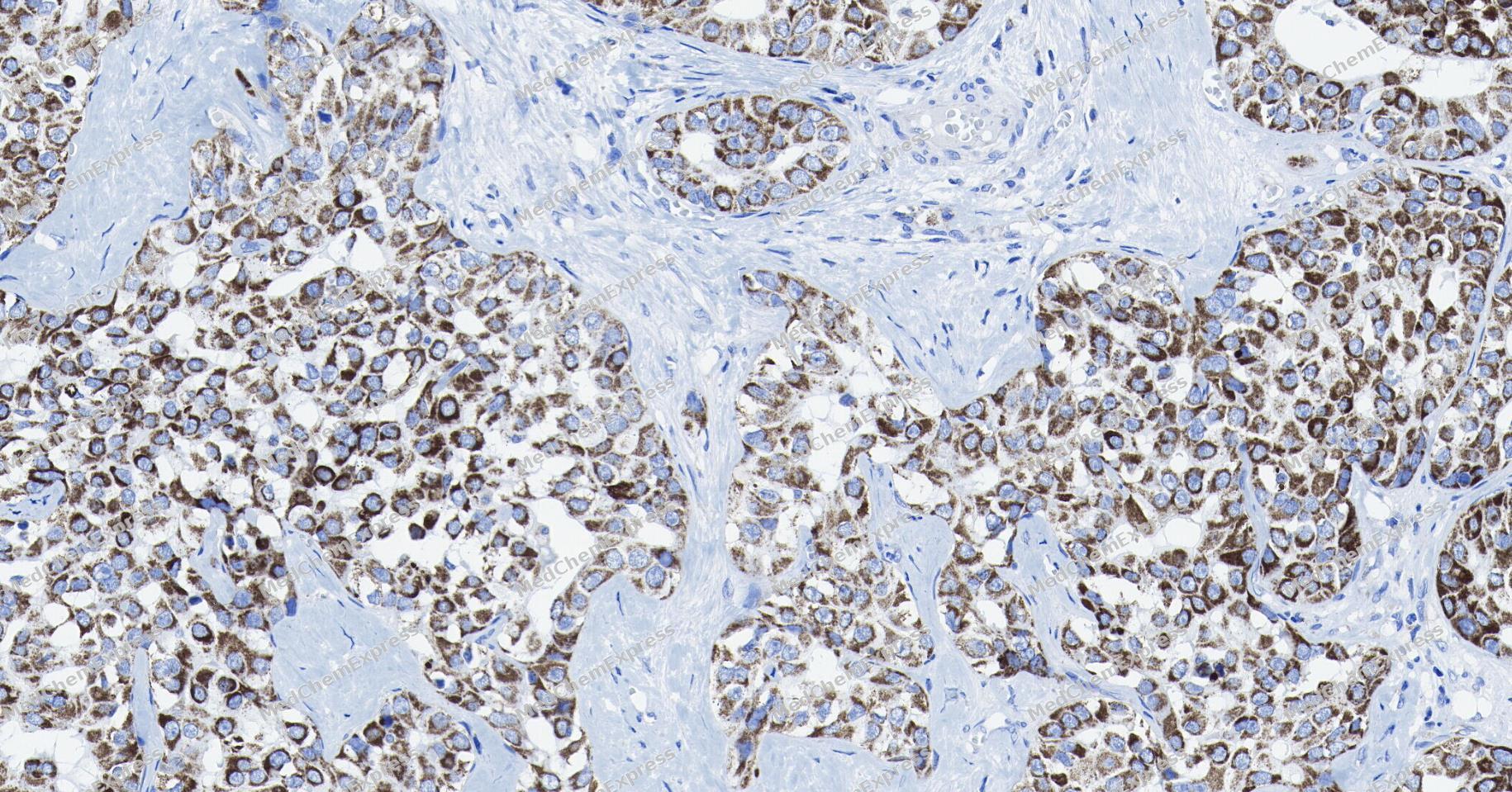 Immunohistochemical analysis of paraffin-embedded human intrahepatic cholangiocarcinoma tissue using VDAC1 Antibody (YA6199). The section was pre-treated using heat mediated antigen retrieval with Tris/EDTA buffer (pH 9.0) for 20 minutes. The tissues were probed with the primary antibody (HY-P86507,1/200) overnight at 4℃. The detection was performed using an HRP conjugated compact polymer system. DAB was used as the chromogen. Tissues were counterstained with hematoxylin and mounted with neutral balsam.
 -
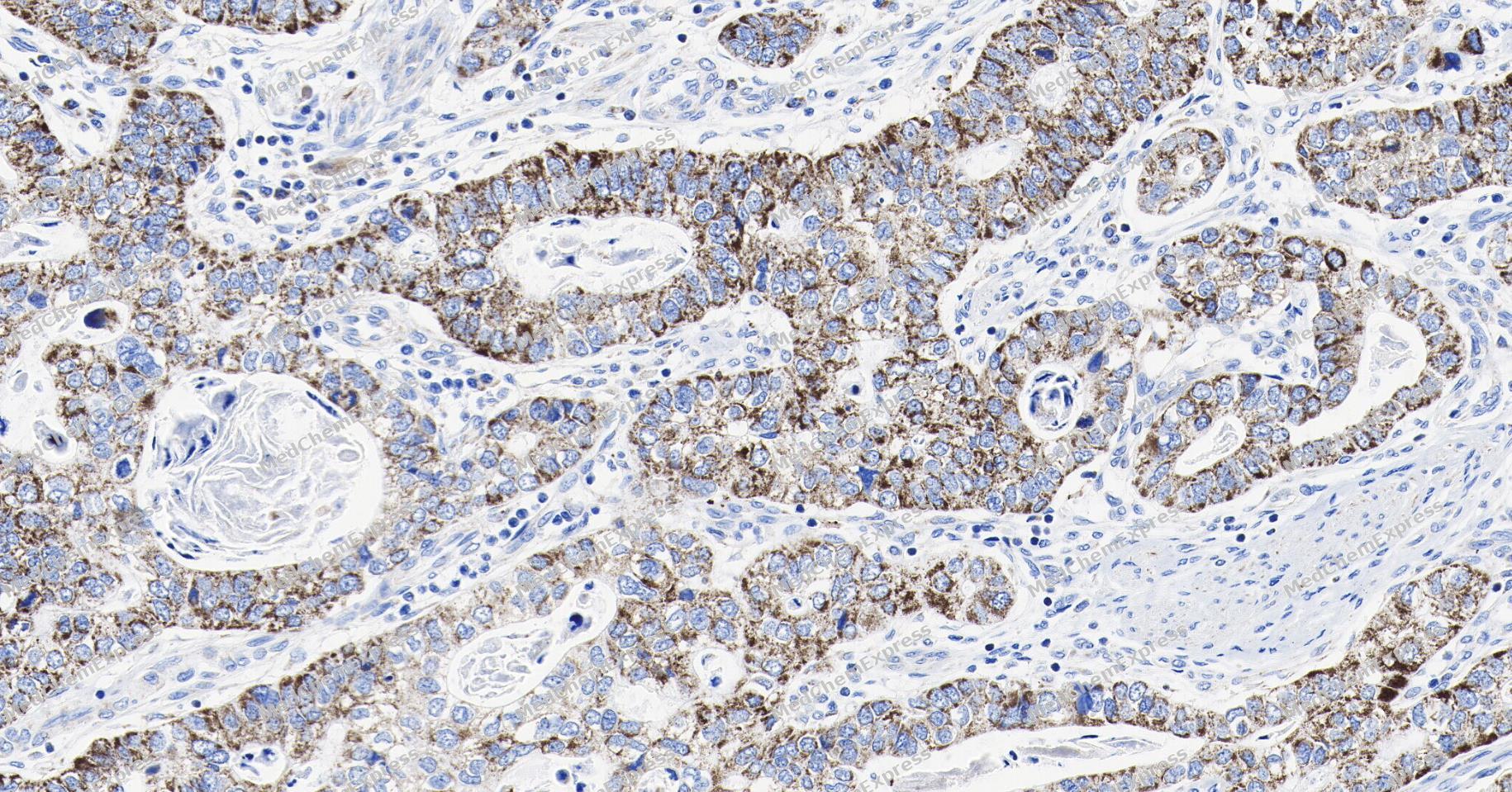 Immunohistochemical analysis of paraffin-embedded human gastric cancer tissue using VDAC1 Antibody (YA6199). The section was pre-treated using heat mediated antigen retrieval with Tris/EDTA buffer (pH 9.0) for 20 minutes. The tissues were probed with the primary antibody (HY-P86507,1/200) overnight at 4℃. The detection was performed using an HRP conjugated compact polymer system. DAB was used as the chromogen. Tissues were counterstained with hematoxylin and mounted with neutral balsam.
 -
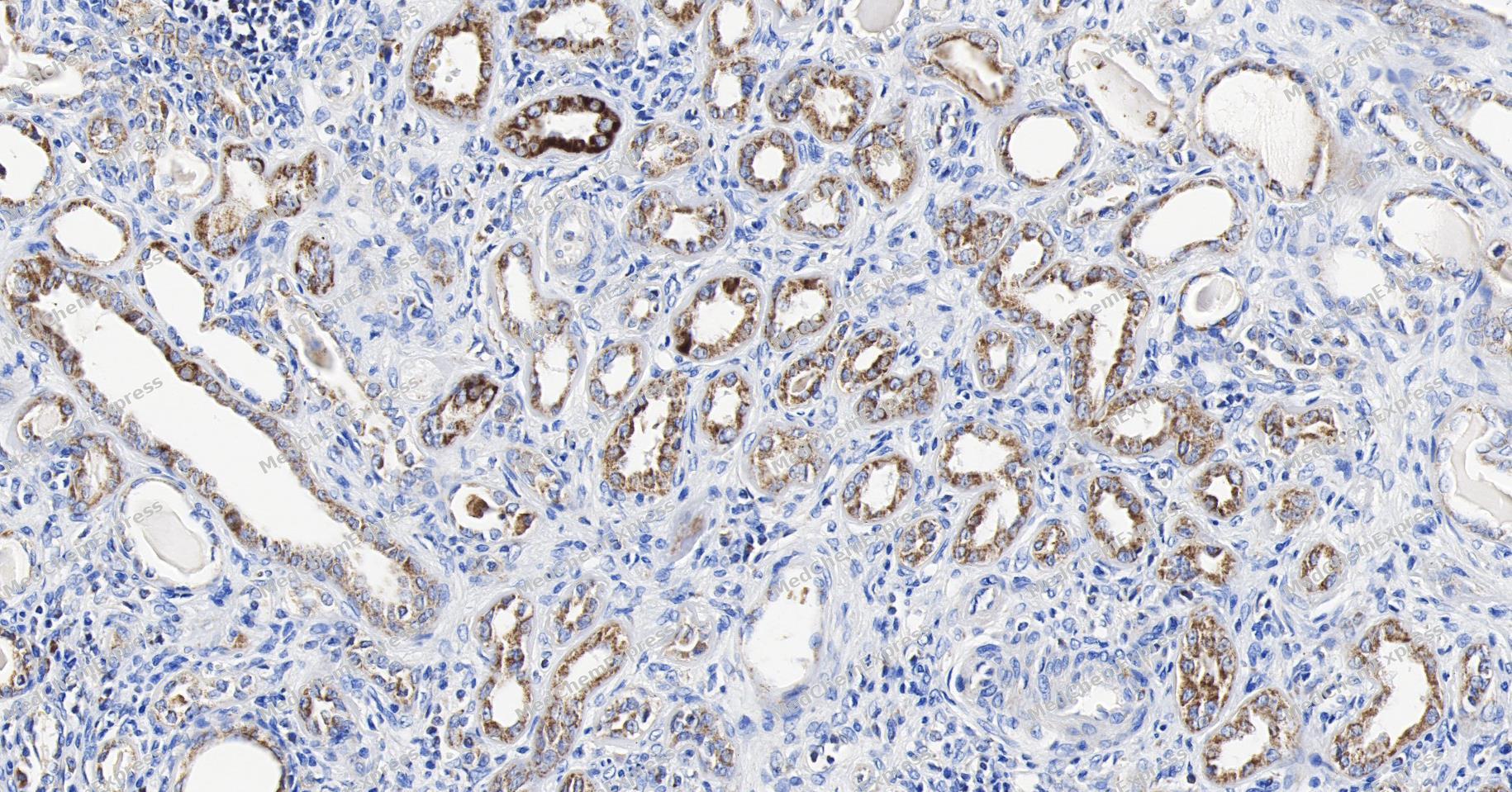 Immunohistochemical analysis of paraffin-embedded human kidney tissue using VDAC1 Antibody (YA6199). The section was pre-treated using heat mediated antigen retrieval with Tris/EDTA buffer (pH 9.0) for 20 minutes. The tissues were probed with the primary antibody (HY-P86507,1/200) overnight at 4℃. The detection was performed using an HRP conjugated compact polymer system. DAB was used as the chromogen. Tissues were counterstained with hematoxylin and mounted with neutral balsam.
 -
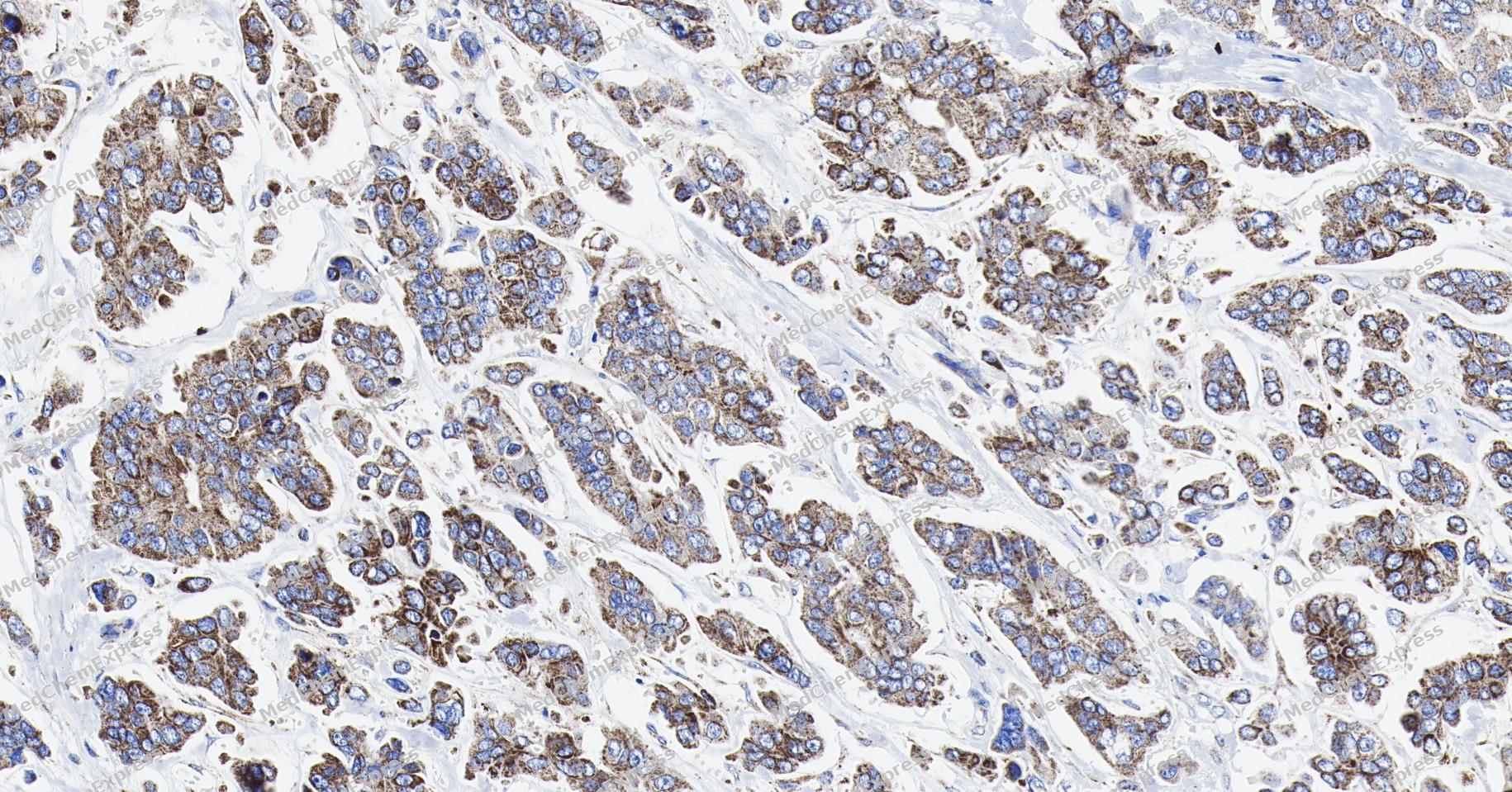 Immunohistochemical analysis of paraffin-embedded human breast cancer tissue using VDAC1 Antibody (YA6199). The section was pre-treated using heat mediated antigen retrieval with Tris/EDTA buffer (pH 9.0) for 20 minutes. The tissues were probed with the primary antibody (HY-P86507,1/200) overnight at 4℃. The detection was performed using an HRP conjugated compact polymer system. DAB was used as the chromogen. Tissues were counterstained with hematoxylin and mounted with neutral balsam.
 -
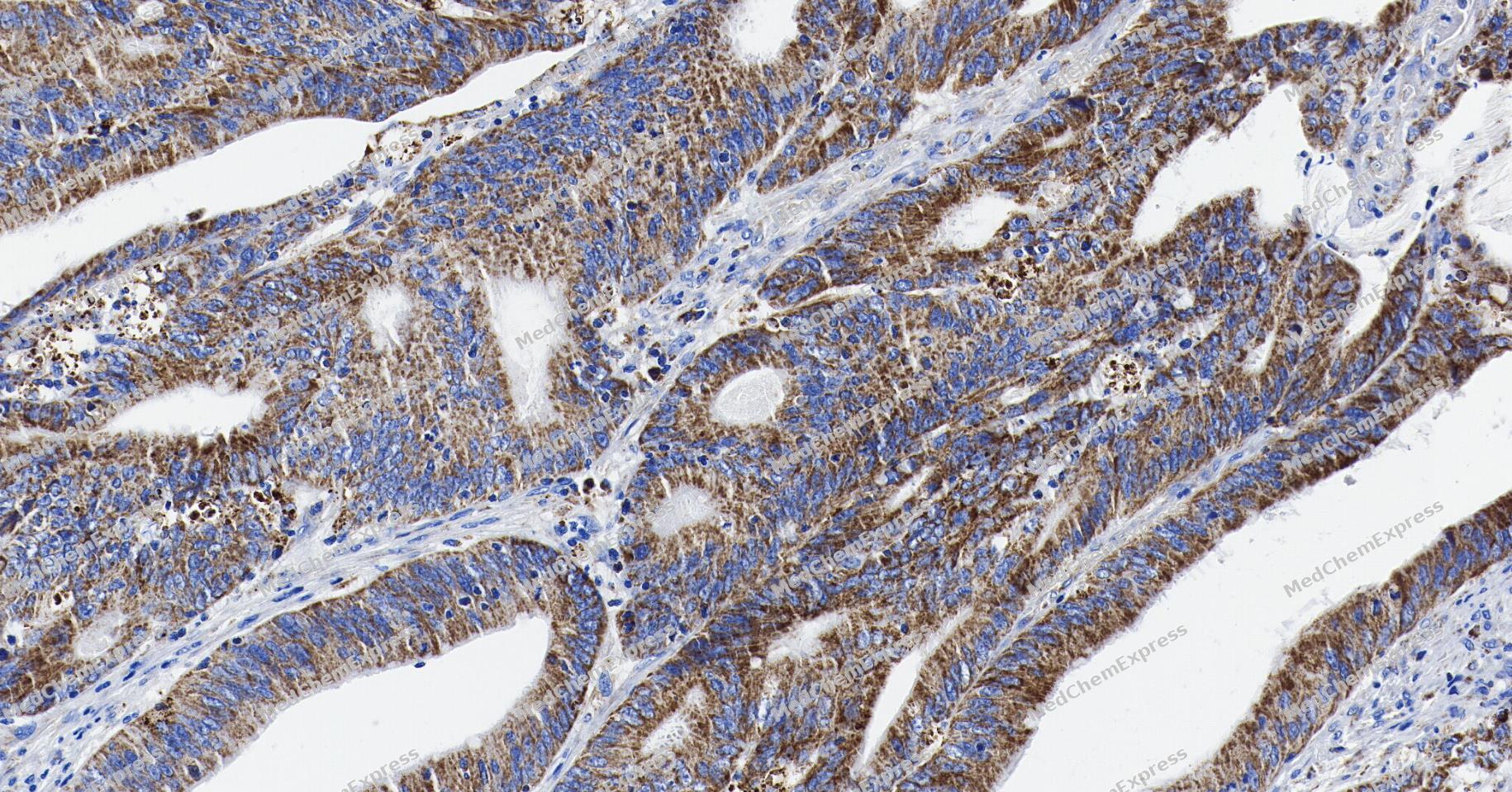 Immunohistochemical analysis of paraffin-embedded human colon cancer tissue using VDAC1 Antibody (YA6199). The section was pre-treated using heat mediated antigen retrieval with Tris/EDTA buffer (pH 9.0) for 20 minutes. The tissues were probed with the primary antibody (HY-P86507,1/200) overnight at 4℃. The detection was performed using an HRP conjugated compact polymer system. DAB was used as the chromogen. Tissues were counterstained with hematoxylin and mounted with neutral balsam.
 -
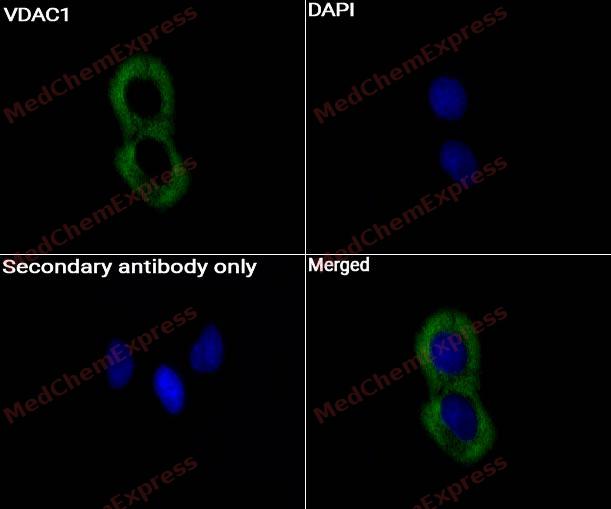 Immunocytochemistry analysis of Hela cells labeling VDAC1 with VDAC1 Antibody (HY-P86507) at 1:200 dilution. Cells were fixed in 4% paraformaldehyde for 15 minutes at room temperature, permeabilized with 0.1% Triton X-100 in PBS for 15 minutes at room temperature, then blocked with quick block buffer for 10 minutes at room temperature. Cells were then incubated with VDAC1 Antibody (HY-P86507) at 1:200 dilution in quick block buffer overnight at 4 ℃. AF488-conjugated Goat Anti-Rabbit IgG H&L(HY-P8002, Green) was used as the secondary antibody at 1/1,000 dilution. PBS instead of the primary antibody was used as the secondary antibody only control. The Nuclear counterstain was DAPI (Blue).
 -
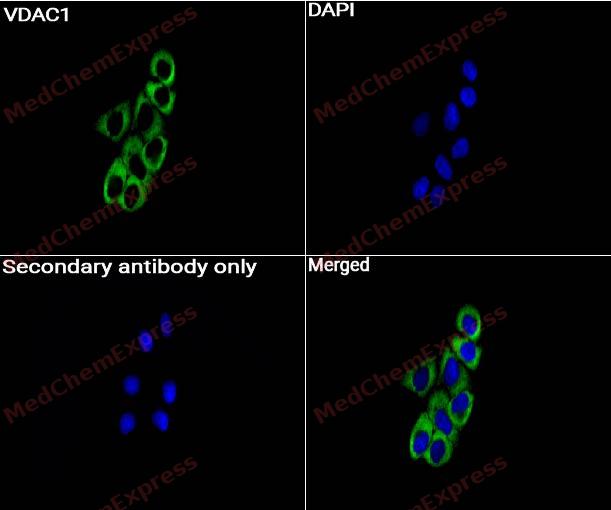 Immunocytochemistry analysis of HepG2 cells labeling VDAC1 with VDAC1 Antibody (HY-P86507) at 1:200 dilution. Cells were fixed in 4% paraformaldehyde for 15 minutes at room temperature, permeabilized with 0.1% Triton X-100 in PBS for 15 minutes at room temperature, then blocked with quick block buffer for 10 minutes at room temperature. Cells were then incubated with VDAC1 Antibody (HY-P86507) at 1:200 dilution in quick block buffer overnight at 4 ℃. AF488-conjugated Goat Anti-Rabbit IgG H&L(HY-P8002, Green) was used as the secondary antibody at 1/1,000 dilution. PBS instead of the primary antibody was used as the secondary antibody only control. The Nuclear counterstain was DAPI (Blue).


Background
-
Function
VDAC1 (Voltage-Dependent Anion Channel 1) is the major pore-forming protein of the mitochondrial outer membrane and mediates the exchange of metabolites and ions between mitochondria and the cytosol, thereby linking mitochondrial activity to cellular energy homeostasis and survival programs[1]. Mechanistically, VDAC1 regulates metabolic flux, ATP transport, calcium signaling, and mitochondrial function, placing it at the intersection of bioenergetic control and apoptosis-related pathways[1][2]. In disease-associated contexts, VDAC1 has been extensively studied in cancer, neurodegeneration, and other disorders characterized by mitochondrial dysfunction, where altered channel activity, protein interactions, or expression levels influence cell fate decisions and stress responses[2][3]. VDAC1 also participates in apoptosis-related mechanisms through interactions with Bcl-2 family proteins and through structural transitions associated with oligomerization, processes that can affect mitochondrial membrane permeabilization and downstream death signaling[2][4]. Compared with related isoforms, VDAC1 shares substantial structural homology with VDAC2 and VDAC3 but is generally recognized as the predominant isoform involved in mitochondrial metabolite transport and apoptosis-associated signaling, making it the most frequently investigated family member in mechanistic studies[3]. For experimental applications, VDAC1 is widely used as a mitochondrial biology and cell-death research target, and modulation of VDAC1 channel activity or oligomerization has been explored as a strategy to investigate mitochondrial dysfunction, apoptosis, and disease-relevant signaling networks[2][4].
-
Subcellular Localization
Mitochondrion outer membrane; Multi-pass membrane protein; Cell membrane; Multi-pass membrane protein; Membrane raft; Multi-pass membrane protein
-
Expression
Tissue_specificity:Expression in erythrocytes (protein level) (PubMed: 27641616) . Expression in heart, liver, and skeletal muscle (PubMed: 8420959) . -
Subunit
Homodimer and homotrimer; in response to cyclic AMP or calcium; oligomerization is required for scramblase activity (PubMed:30061676, PubMed:38065946).
-
SwissProt ID
-
Synonyms
VDAC1; VDAC; Voltage-dependent anion-selective channel protein 1; VDAC-1; hVDAC1; Outer mitochondrial membrane protein porin 1; Plasmalemmal porin; Porin 31HL; Porin 31HM


Documentation
-
Data Sheet (261 KB)
-
SDS (252 KB)
- English - EN (252 KB)
- Français - FR (252 KB)
- Deutsch - DE (252 KB)
- Norwegian - NO (252 KB)
- Español - ES (252 KB)
- Swedish - SV (252 KB)
- Italian - IT (252 KB)
- Korean - KR (252 KB)
- Portuguese - PT (252 KB)
-
User Guide for Antibodies (1077 KB)
References
[1]. VDAC1 gene information from NCBI.
[2]. Shoshan-Barmatz V, et al. The mitochondrial voltage-dependent anion channel 1 in tumor cells. Biochim Biophys Acta. 2015 Oct;1848(10 Pt B):2547-75. [Content Brief]
[3]. De Pinto V, et al. Characterization of human VDAC isoforms: a peculiar function for VDAC3? Biochim Biophys Acta. 2010 Jun-Jul;1797(6-7):1268-75. [Content Brief]
[4]. Daniilidis M, et al. Structural basis of apoptosis induction by the mitochondrial voltage-dependent anion channel. Nat Commun. 2025 Oct 27;16(1):9481. [Content Brief]

 Powered by Bioz
